Passeriformes / Corvidae / Garrulus
Eurasian Jay
Garrulus glandarius · 松鸦
Introduction
A passerine bird in the crow family Corvidae, occurring from western Europe and north-west Africa to the Indian subcontinent, eastern Asia, and south-east Asia. It inhabits mixed woodland, particularly with oaks, and is a habitual acorn hoarder. Several distinct racial forms have evolved across its vast range.
Description
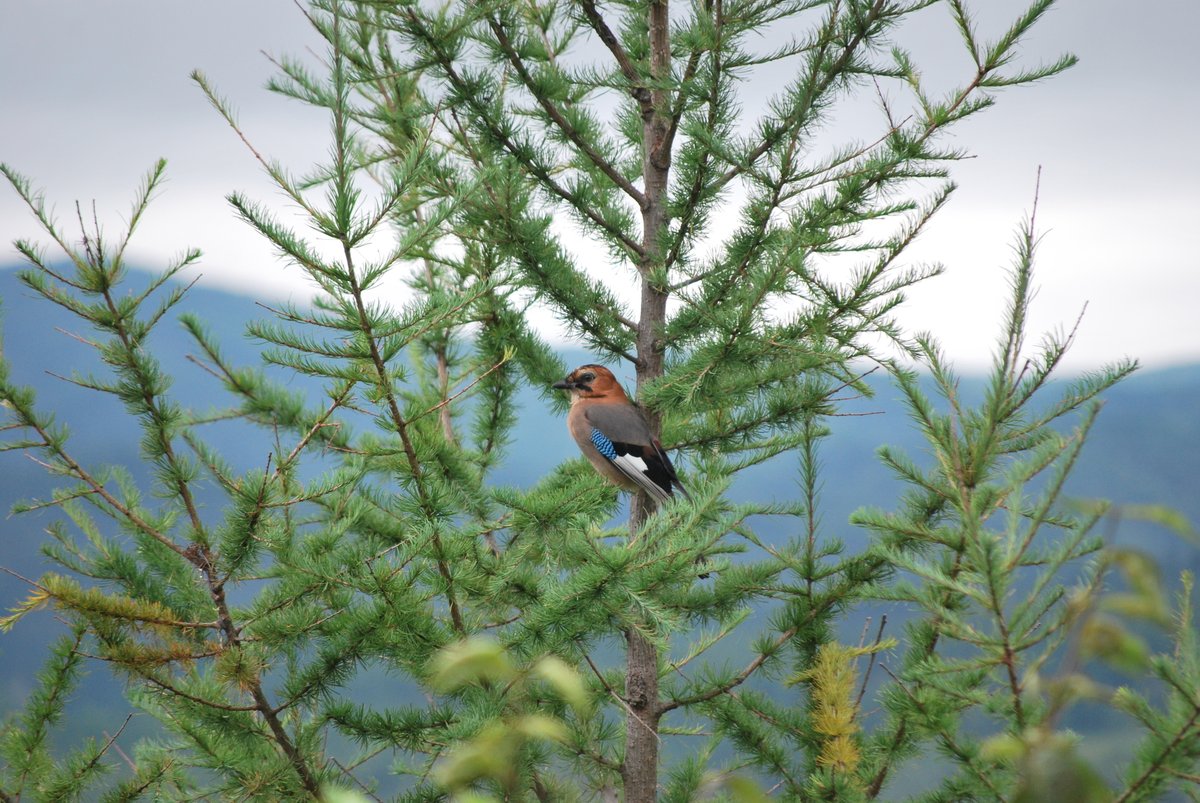
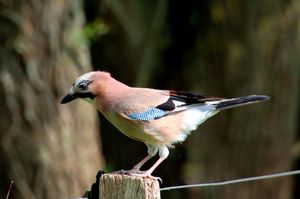
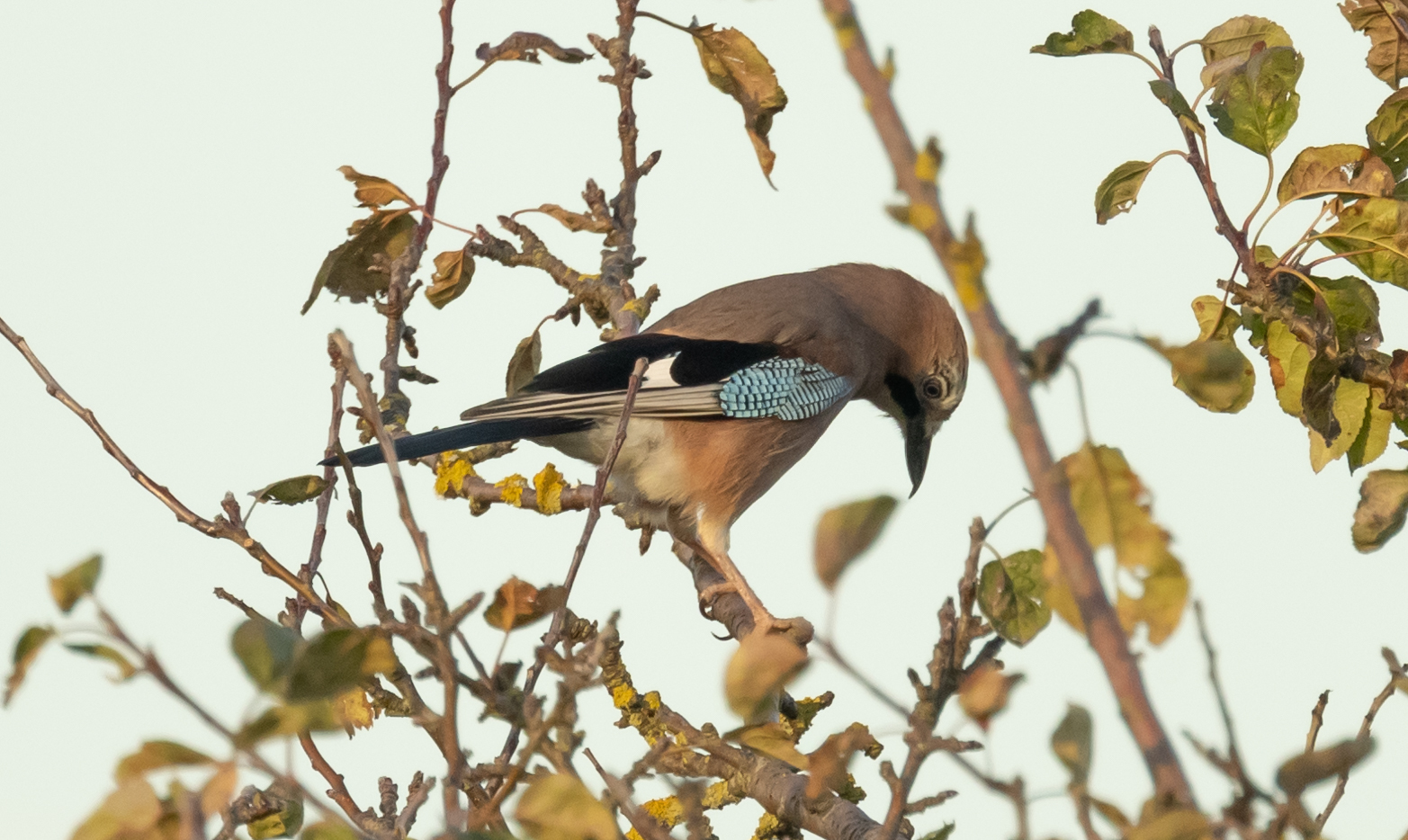
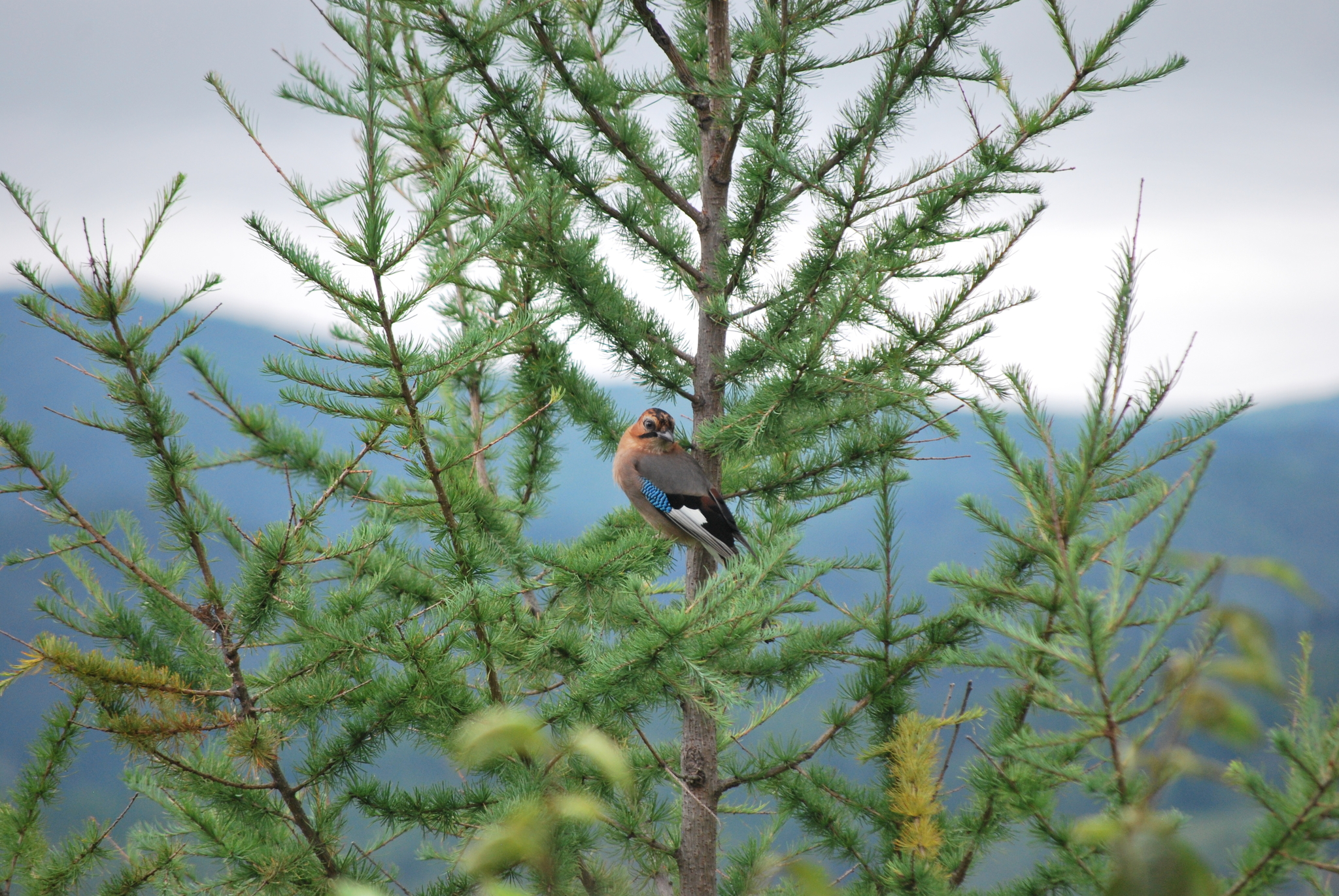
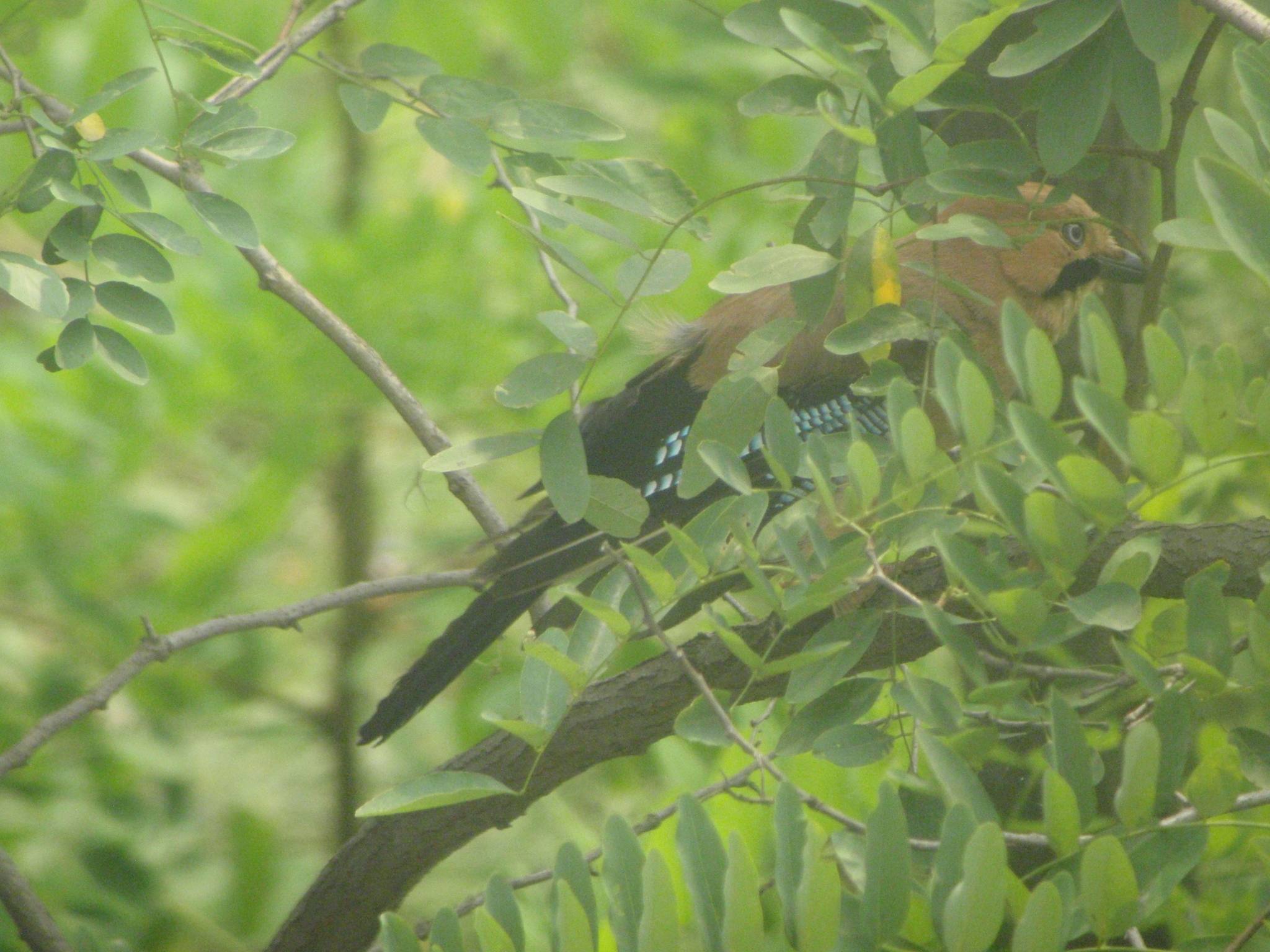
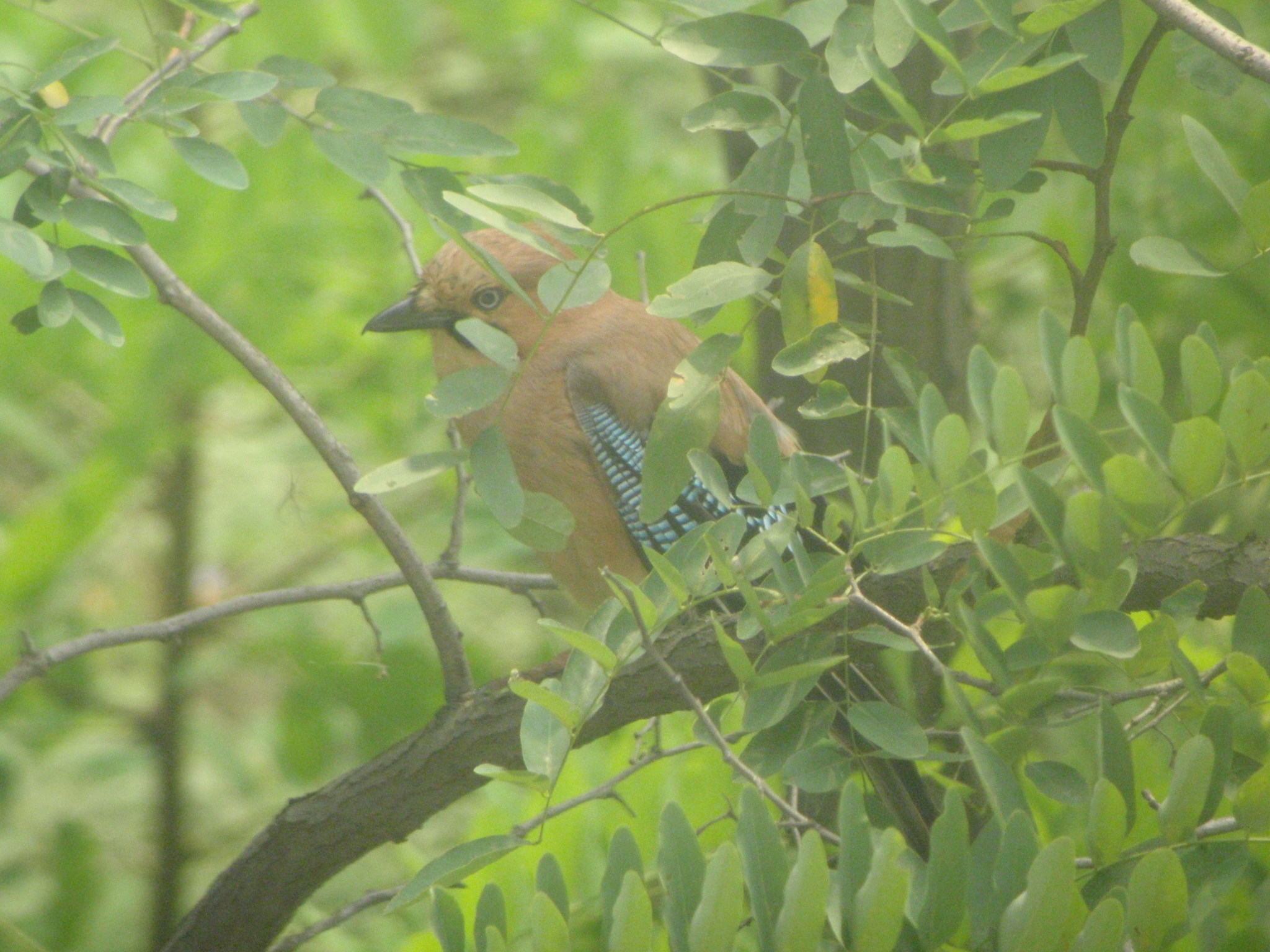
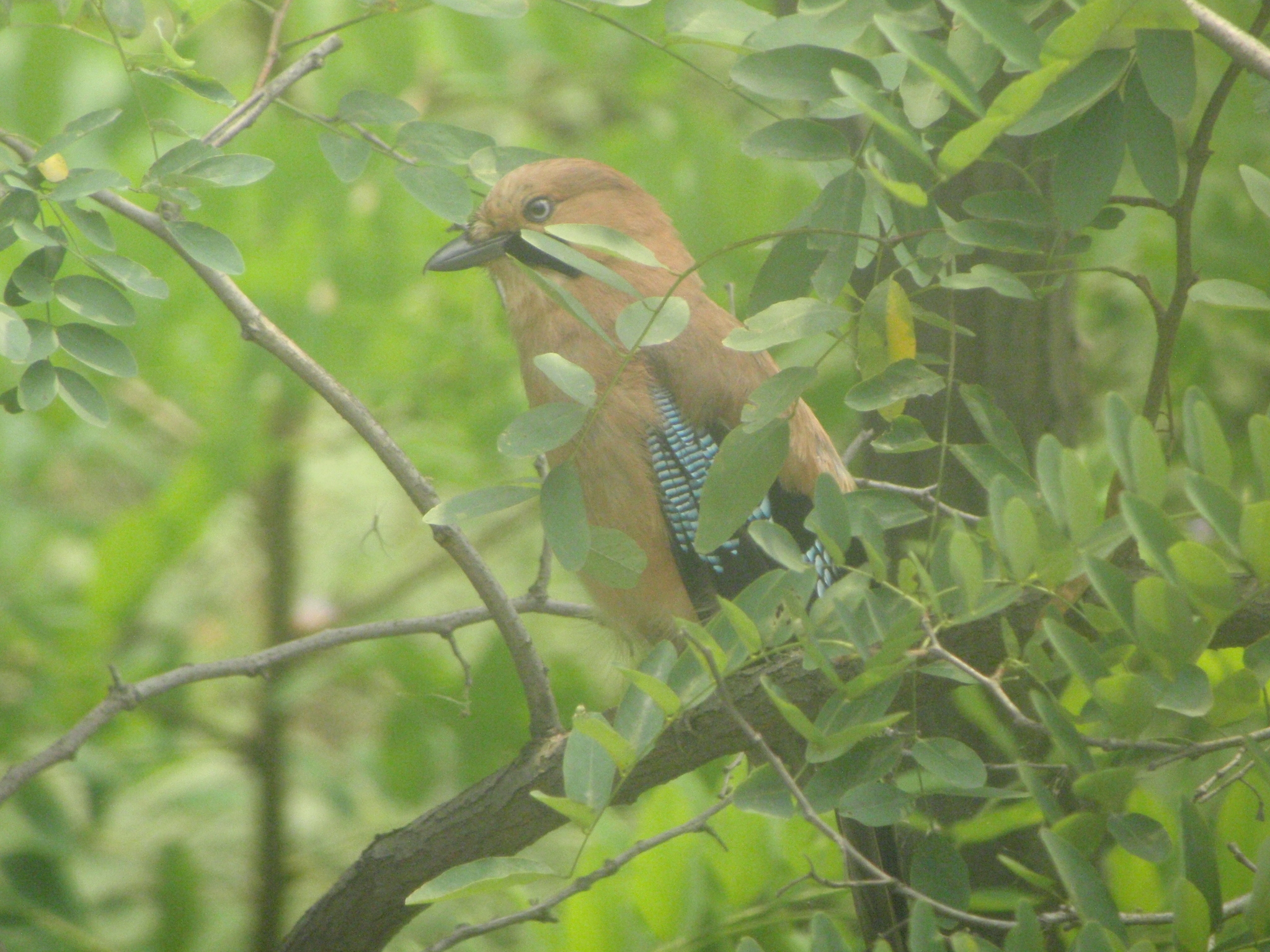
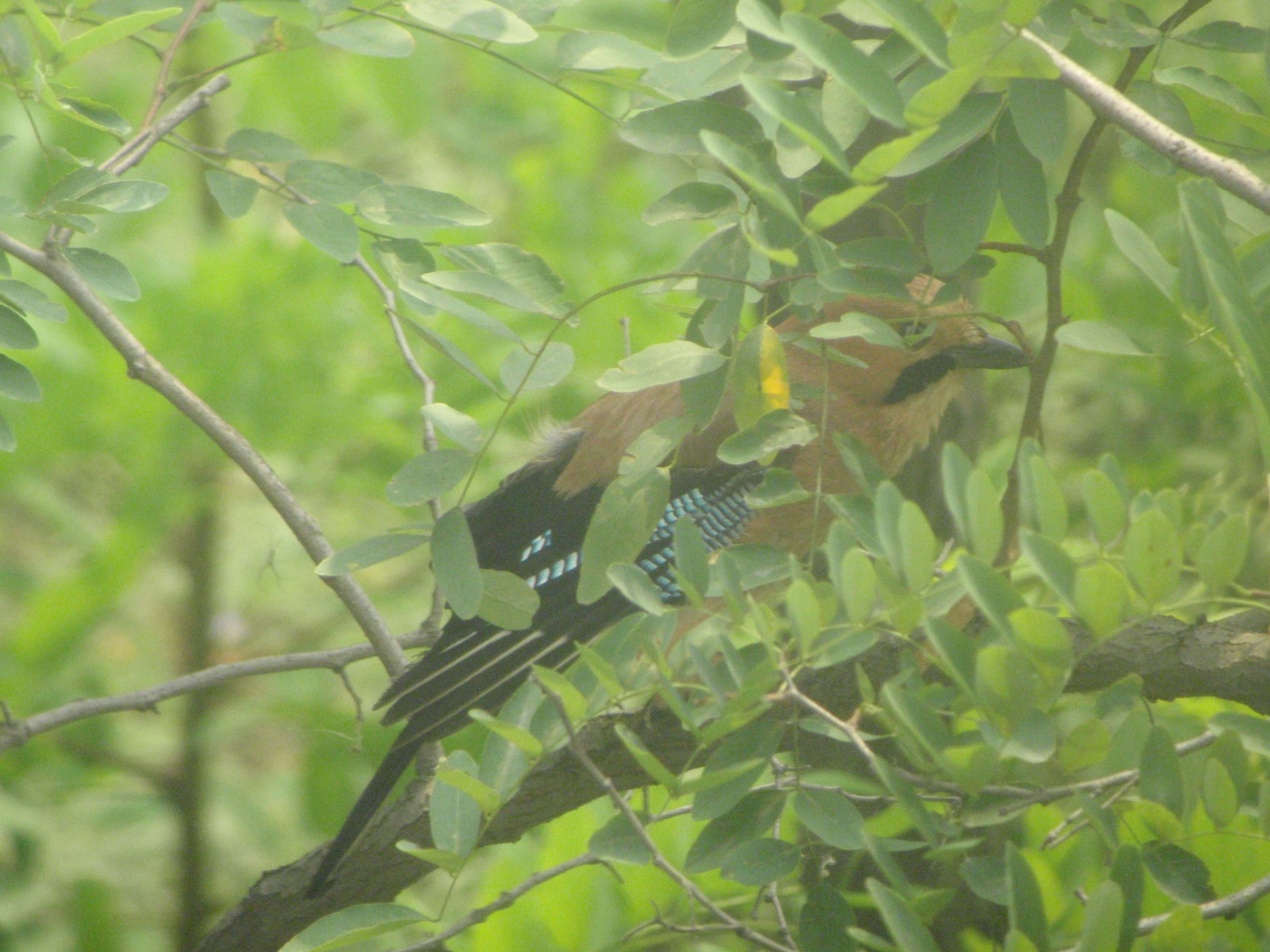
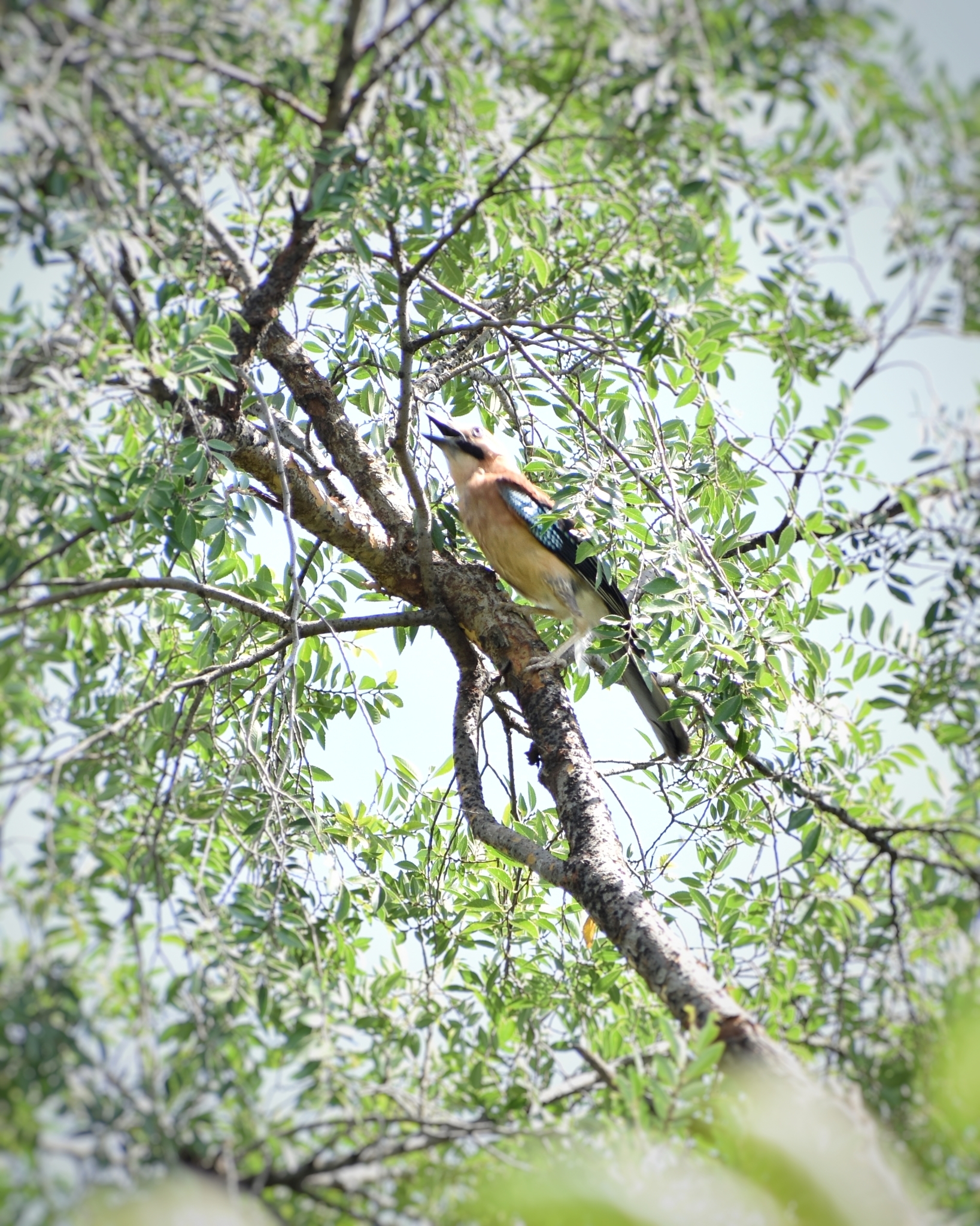
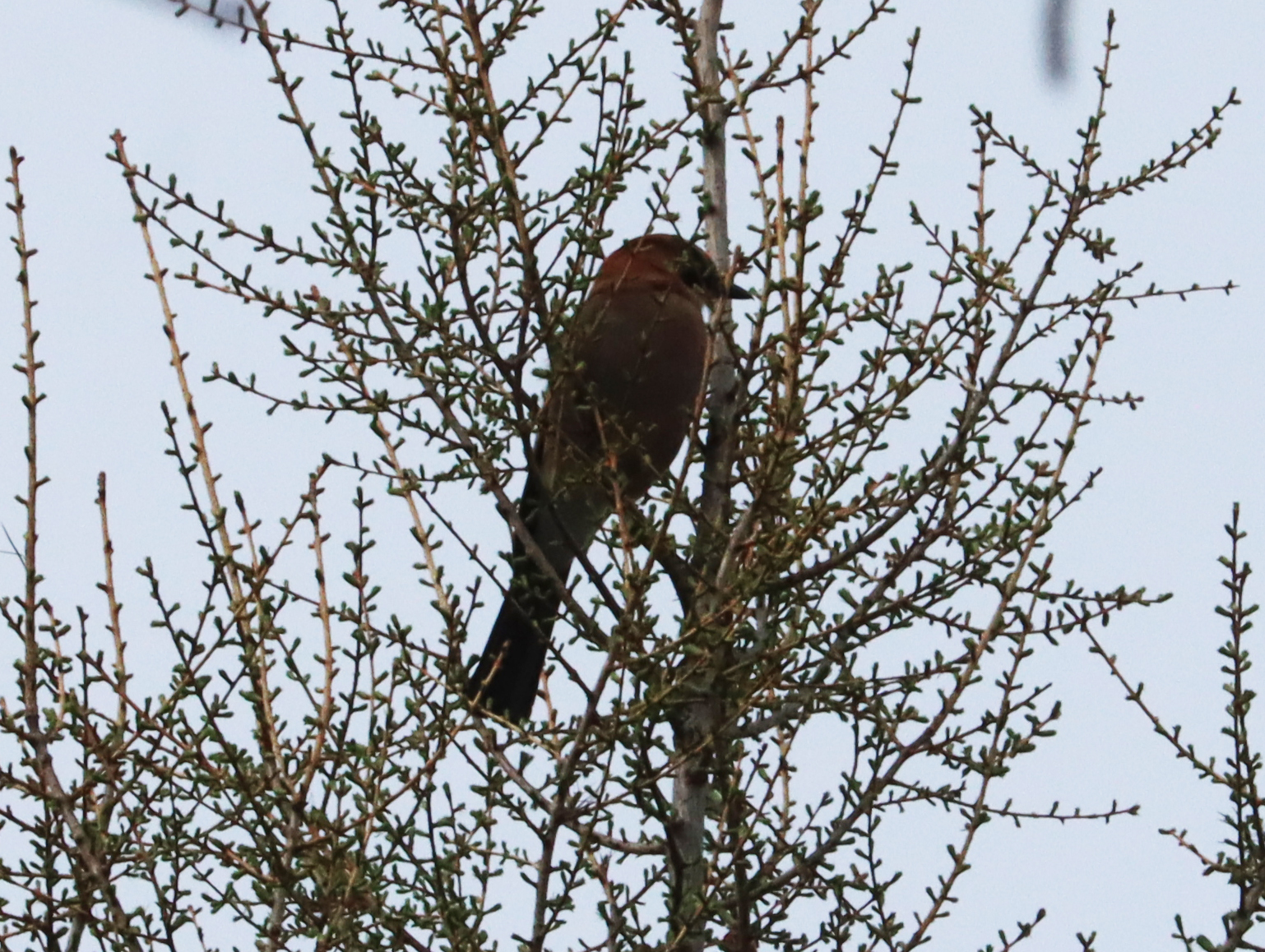
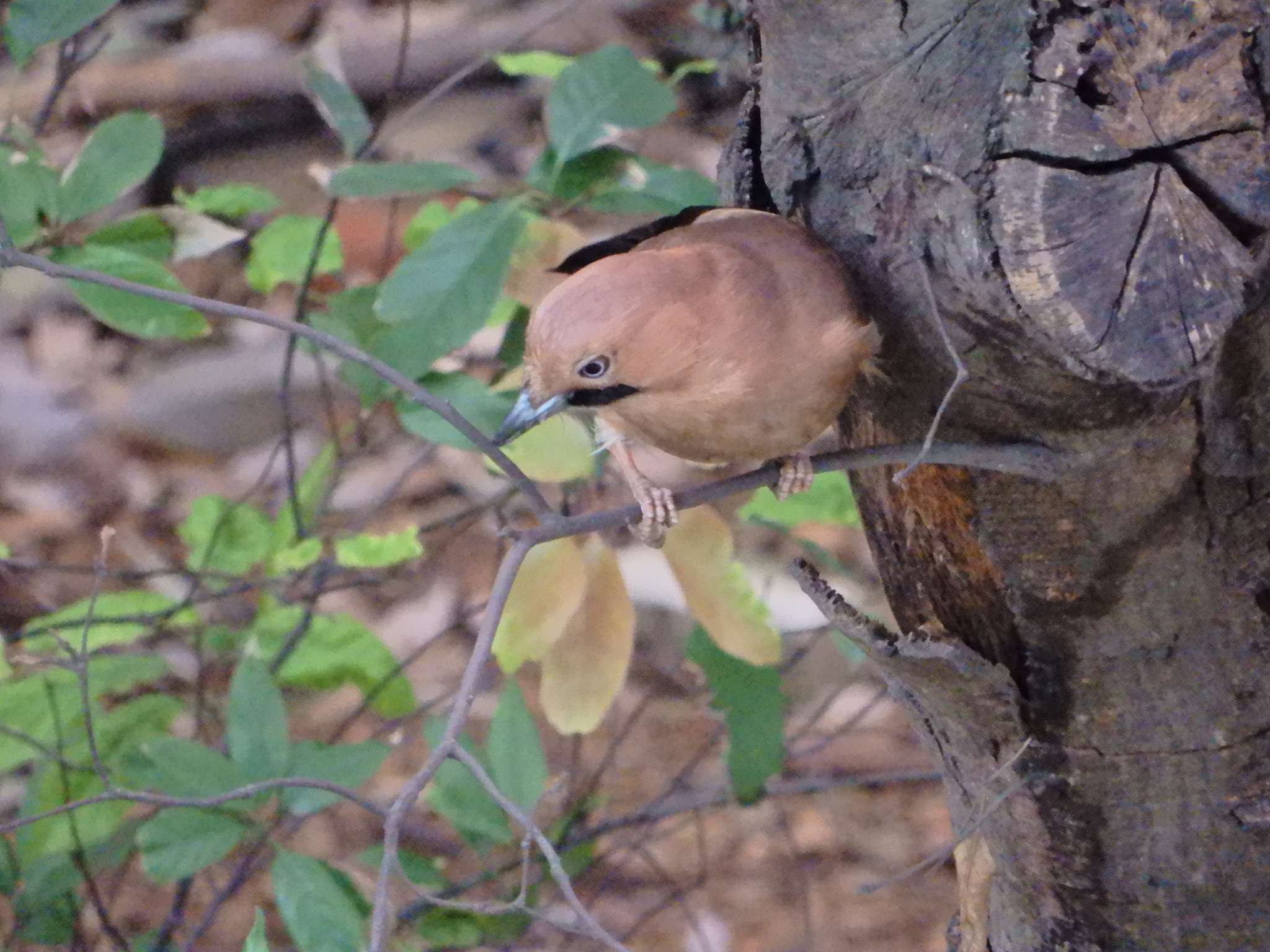
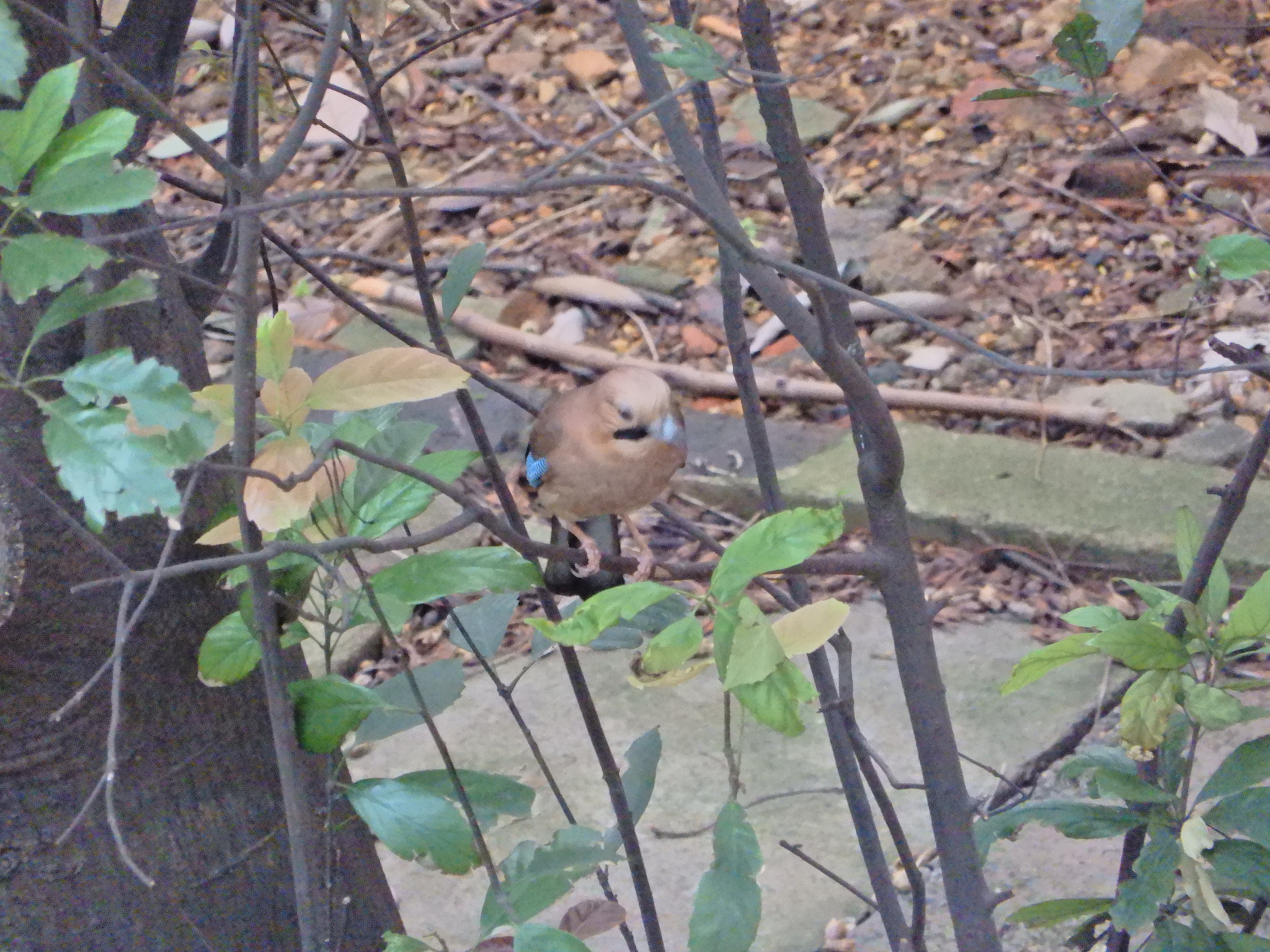
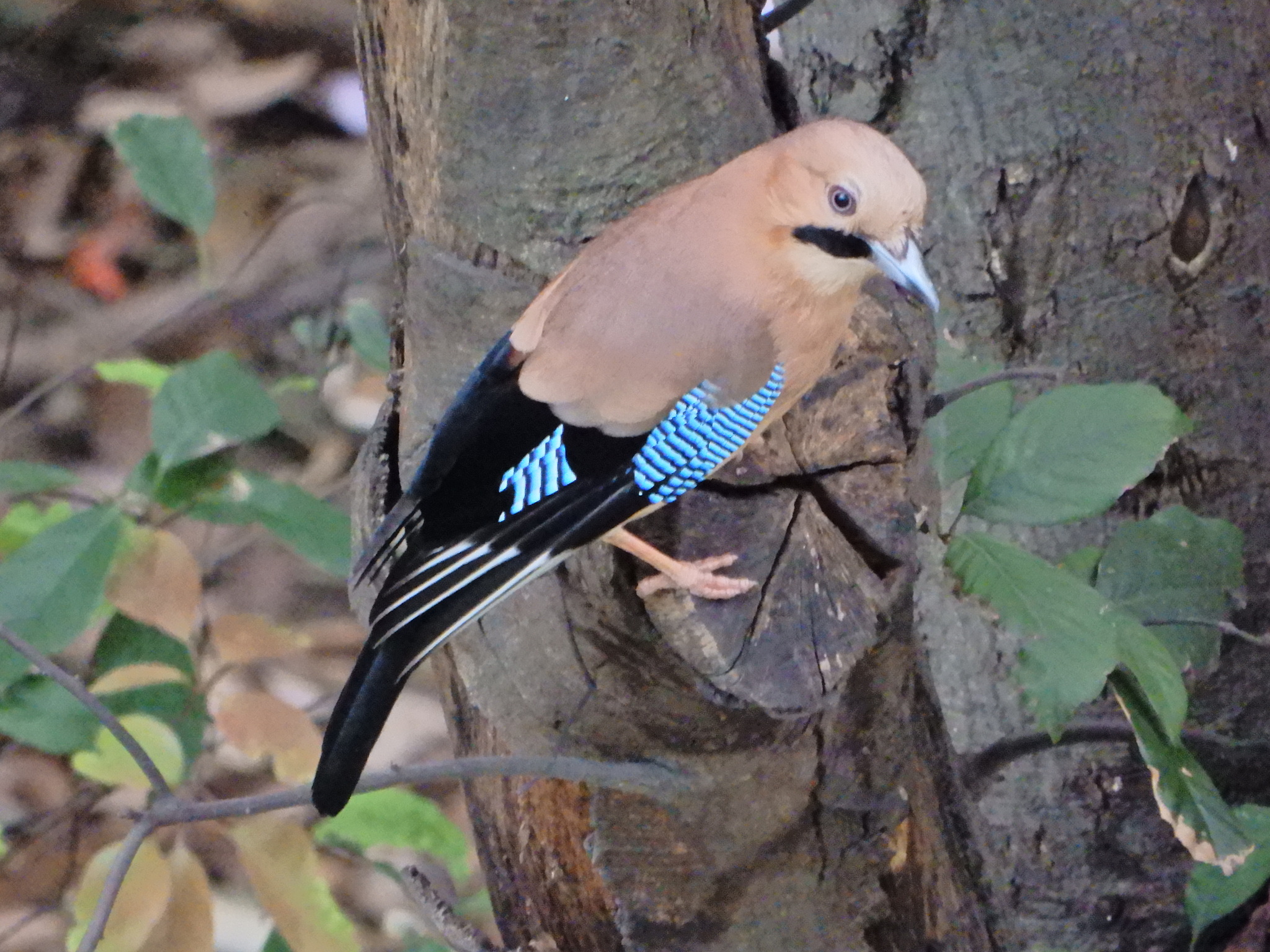
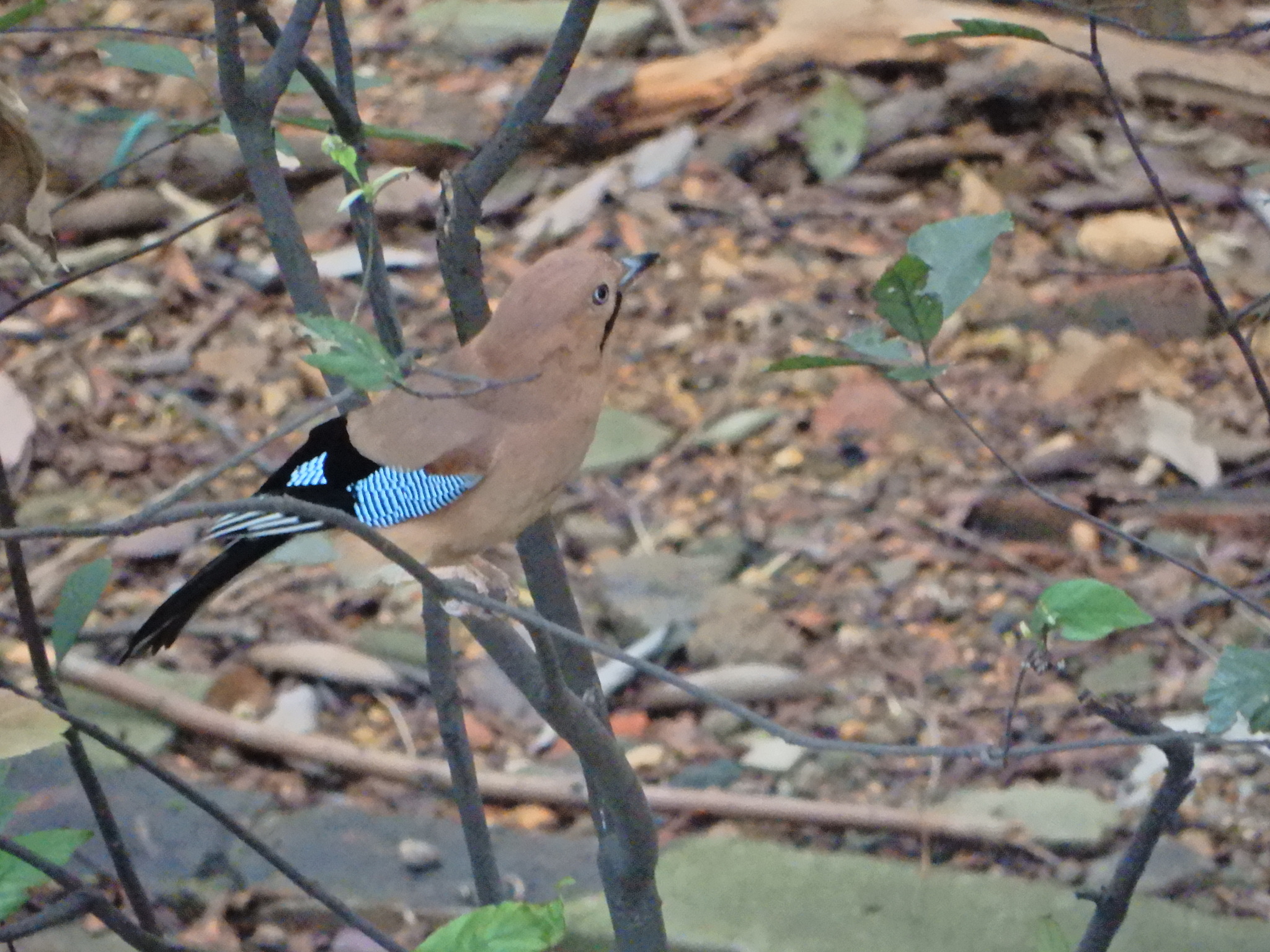
Length 34–35 cm (13–14 in), wingspan 52–58 cm (20–23 in). The nominate race has light rufous brown to pinkish brown body plumage. The whitish throat is bordered on each side by a prominent black moustache stripe. The forehead and crown are whitish with black stripes. The rump is white. The upper wing features black and white bars and a prominent bright blue patch with fine black bars. The tail is mainly black.
Identification
Key marks include the bright blue wing panel, black moustache stripes on a whitish throat, and pinkish-brown body. Similar in size to a western jackdaw. Vocalizations include a harsh, rasping screech and extensive mimicry of other species, such as birds of prey.
Distribution & Habitat
Range extends from western Europe and north-west Africa to the Indian subcontinent, eastern seaboard of Asia, and south-east Asia. Inhabits mixed woodland, particularly oak forests, and has recently migrated into urban areas. Eight racial groups comprising 33 subspecies are recognized, including forms in North Africa, the Middle East, Siberia, Japan, the Himalayas, and south-east Asia.
Behavior & Ecology
Feeds on invertebrates, acorns, beech and other seeds, fruits, young birds, eggs, bats, and small rodents. Prolifically caches food, especially oak acorns and beechnuts, for winter and spring; can carry single acorns up to 20 km. Breeding usually begins at two years of age. Nests are built in tree forks 2–5 m above ground using twigs, roots, grass, moss, and leaves. Clutch size is 3–6 pale green to olive brown eggs, incubated by the female for 16–19 days. Young fledge after 19–23 days and are fed by parents until 6–8 weeks old. Performs anting behavior using formic acid to control parasites. Demonstrates intelligence by planning for future needs and considering partner desires during courtship feeding.
Conservation
The IUCN and BirdLife International split the taxon, recognizing the subspecies G. g. leucotis as the white-face jay (Garrulus leucotis) and the bispecularis group as the plain-crowned jay (Garrulus bispecularis).
Source: Wikipedia · CC BY-SA 3.0
Taxonomy
- Order
- Passeriformes
- Family
- Corvidae
- Genus
- Garrulus
Taxonomy Changes
Garrulus bispecularis → Garrulus glandarius
Subspecies lump — GBIF Backbone Taxonomy uses the former name; AviList 2025 uses the current name.
Subspecies (34)
-
Garrulus glandarius albipectus
Italy, Sicily, and the Dalmatian coast of Croatia
Data Sources
Species description from Wikipedia, licensed under CC BY-SA 3.0.
Bird images and sounds sourced from GBIF, contributed by citizen scientists worldwide under Creative Commons licenses.
Taxonomy data from AviList 2025.