Galliformes / Phasianidae / Gallus
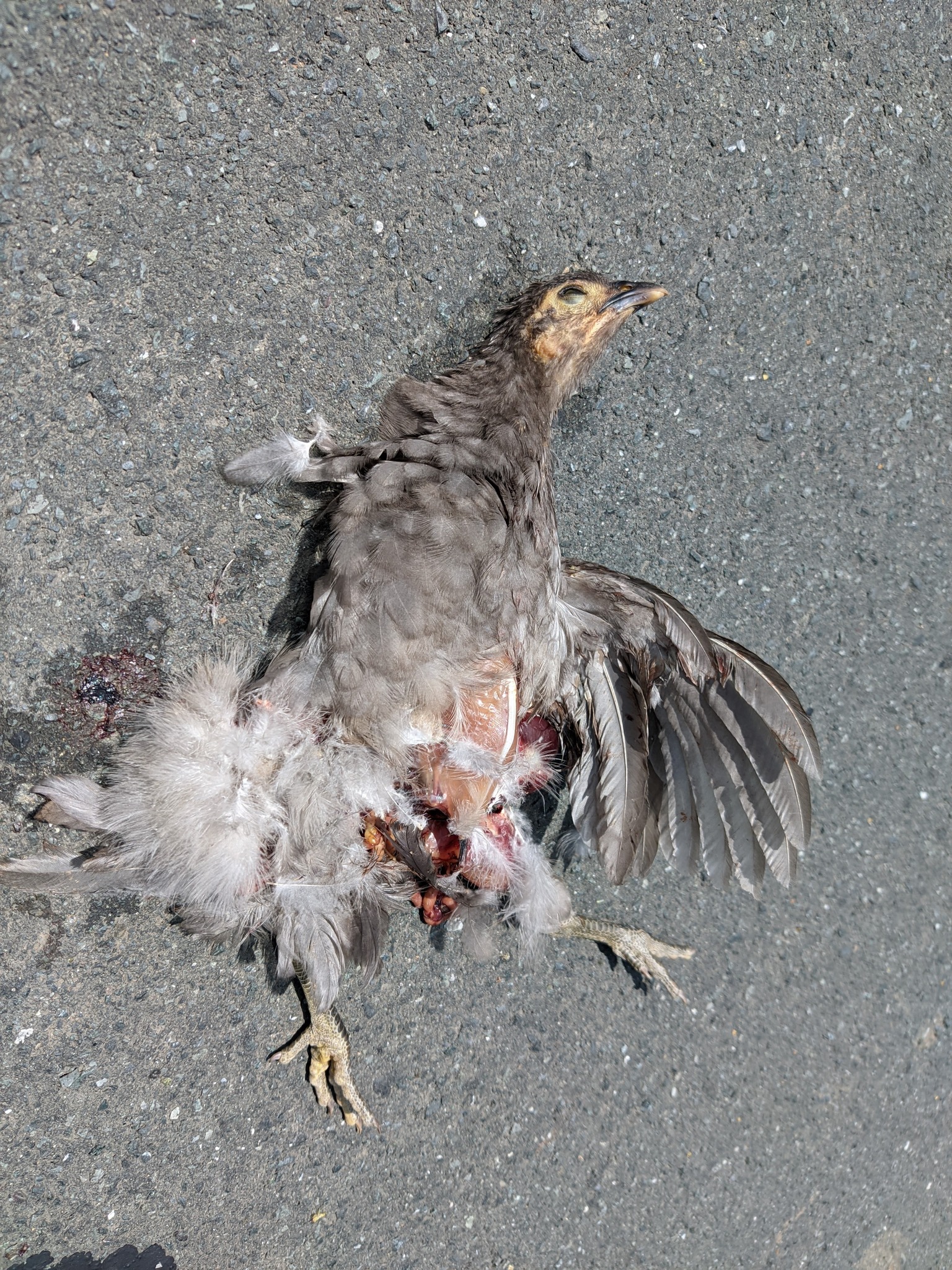
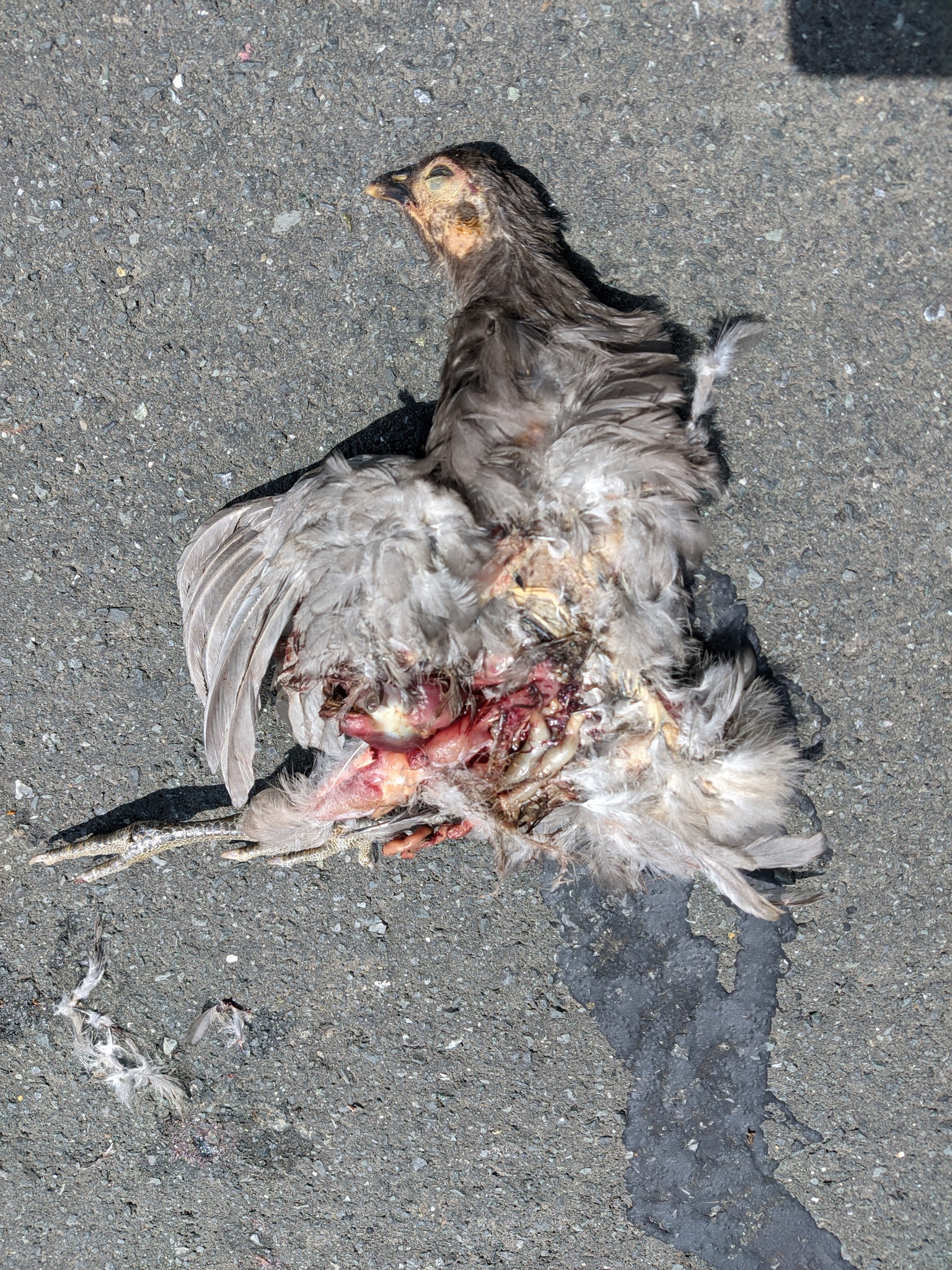
Red Junglefowl
Gallus gallus · 红原鸡
Introduction
A tropical galliform bird in the phasianid family, found across much of Southeast and parts of South Asia. It is the primary ancestor of the domesticated chicken, with domestication occurring approximately 8,000 to 9,500 years ago. The species exhibits significant sexual dimorphism and lives in social flocks with strict dominance hierarchies. Classified by the IUCN as a species of least concern.
Description
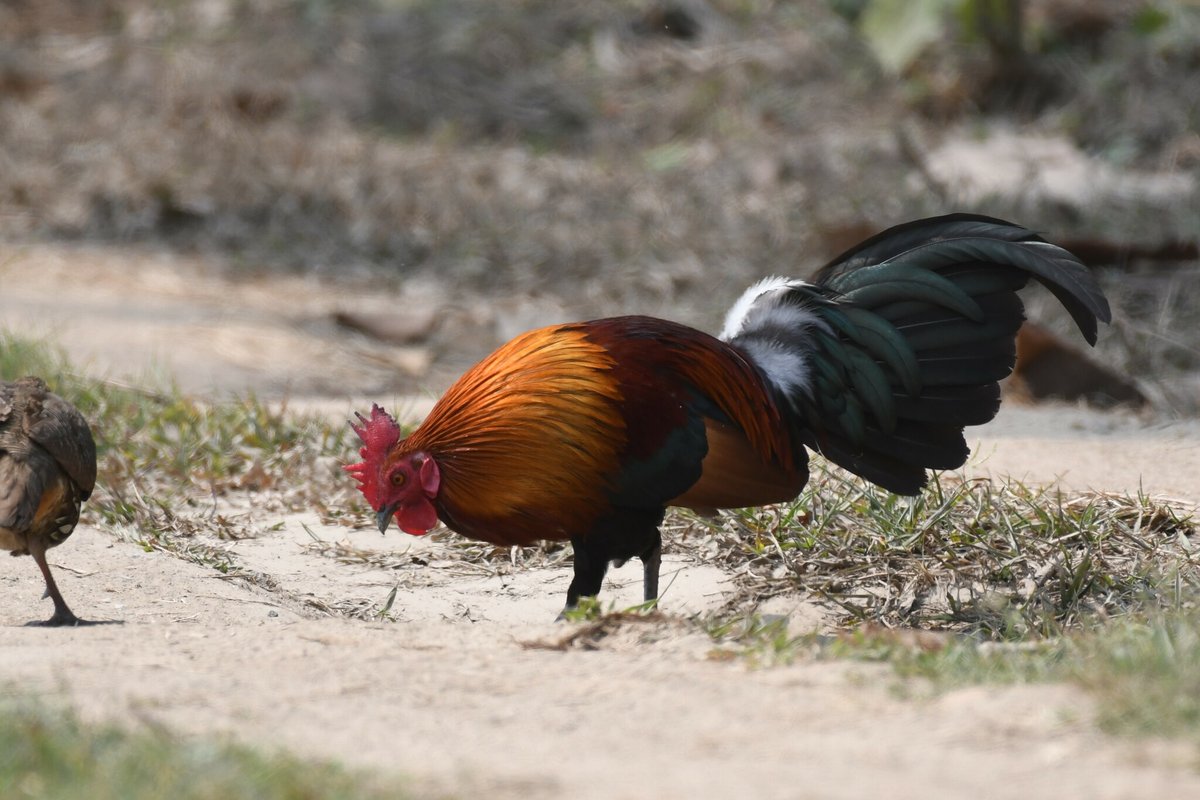
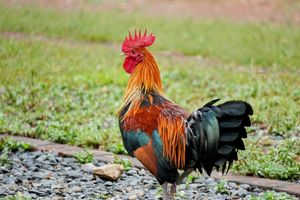
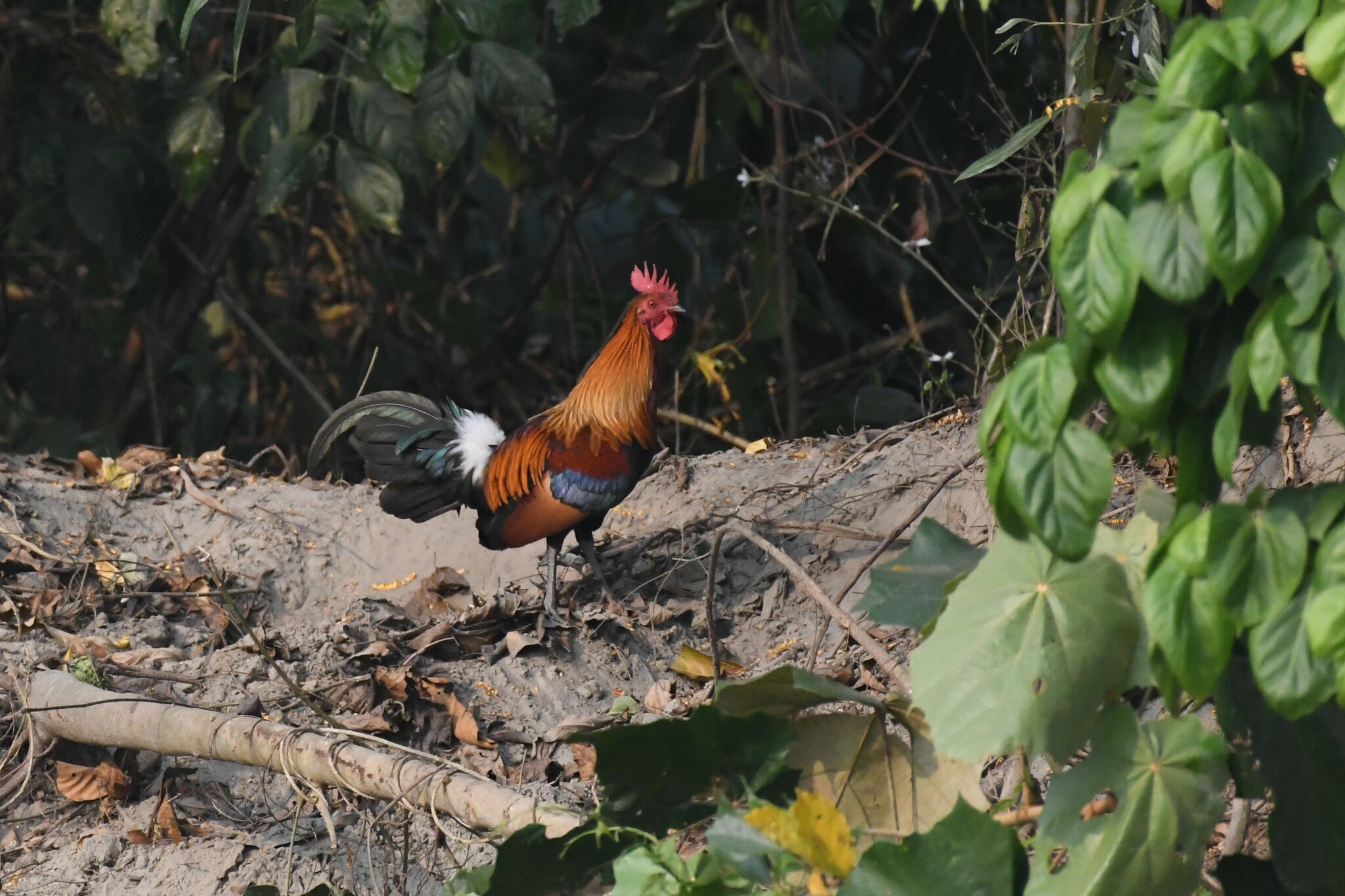
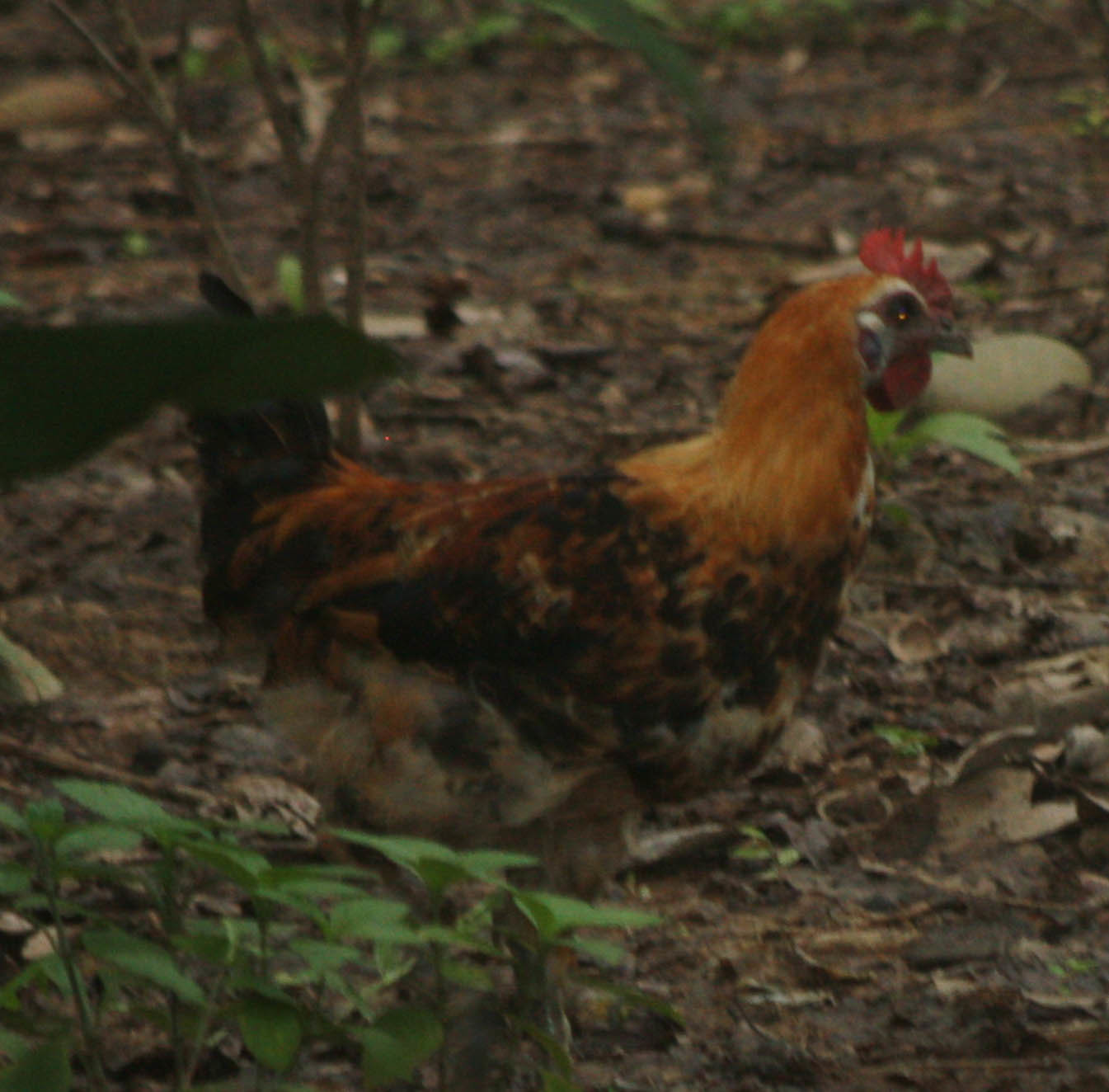
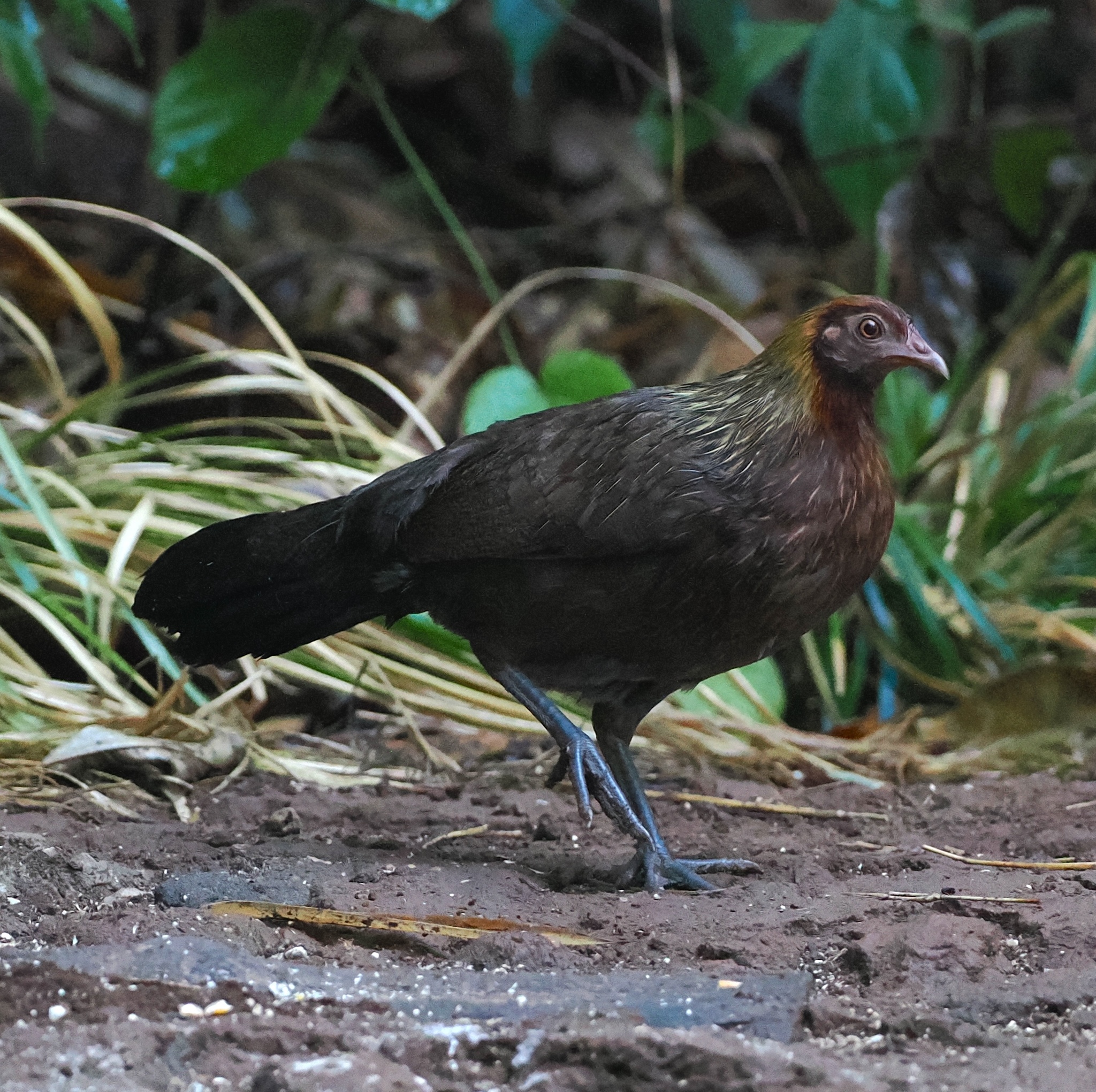
Males weigh around 1.5 kg (3.3 lb) and females around 1 kg (2.2 lb). Males have bright plumage with long, golden hackle feathers on the mantle and a tail of 14 iridescent feathers shimmering blue, purple, and green; some tail feathers grow up to 28 cm (11 in). Total length reaches 70 cm (28 in). Females are drab for camouflage and lack ornate feathers. Males possess larger combs, wattles, and sharp bony spurs on the legs. During an eclipse moult from June to October, males develop black back feathers and small red-orange mantle plumes.
Identification
Males are distinguished by bright plumage, golden hackles, and long curved tail feathers, while females are drab. Male red junglefowl have a shorter crowing sound than domestic roosters, cutting off abruptly at the end. They possess distinctive alarm calls for aerial and ground predators.
Distribution & Habitat
Native range extends from Pakistan, India, Nepal, Bhutan, and Bangladesh eastwards across southern China to Myanmar, Thailand, Cambodia, Laos, Vietnam, Malaysia, Singapore, the Philippines, Indonesia, and Timor-Leste. Introduced populations exist in Australia, Dominican Republic, Fiji, Hawaii, Jamaica, Marshall Islands, Micronesia, Nauru, Northern Mariana Islands, Palau, and Puerto Rico. Five subspecies are recognized: G. g. murghi, G. g. spadiceus, G. g. jabouillei, G. g. gallus, and G. g. bankiva.
Behavior & Ecology
Shy of humans, living in flocks of one to a few males and several females with a strict pecking order. Dominant males defend small territories and crow first at dawn. Diet consists mainly of plant materials like fallen fruits, seeds, grasses, and tubers, supplemented by arthropods (including termites), small lizards, and occasionally mammalian faeces. Chicks eat mostly insects. Breeding typically occurs in the dry season (winter or spring), though year-round breeding occurs in some plantations. Females lay one egg daily; incubation lasts 21 days. Chicks fledge in 4–5 weeks and leave the group at 12 weeks. Males perform 'tidbitting' displays to attract mates. Birds bathe in dust to regulate plumage oil and fly primarily to roost in trees up to 12 m high.
Conservation
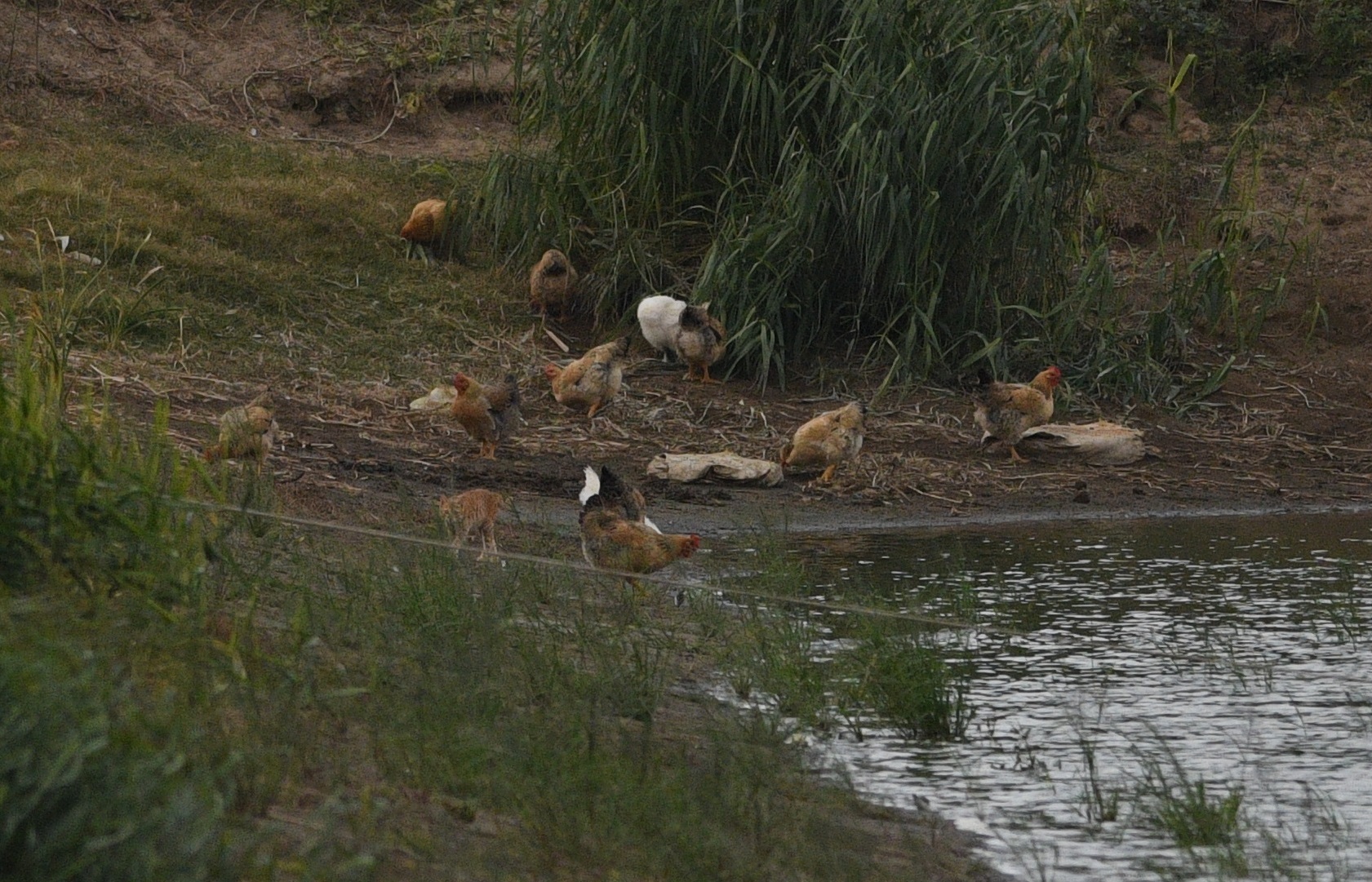
Classified by the IUCN as a species of least concern, though considered near threatened in Singapore. Threats include genetic dilution from hybridization with domesticated free-ranging chickens, habitat loss due to deforestation and urbanization, and hunting for food and the pet trade.
Source: Wikipedia · CC BY-SA 3.0
Taxonomy
- Order
- Galliformes
- Family
- Phasianidae
- Genus
- Gallus
Subspecies (5)
-
Gallus gallus bankiva
southern Sumatra, Java, and Bali
Data Sources
Species description from Wikipedia, licensed under CC BY-SA 3.0.
Bird images and sounds sourced from GBIF, contributed by citizen scientists worldwide under Creative Commons licenses.
Taxonomy data from AviList 2025.