Gruiformes / Rallidae / Gallicrex
Watercock
Gallicrex cinerea · 董鸡
Introduction
A waterbird in the rail and crake family, Rallidae, and the only member of the genus Gallicrex. It is widely distributed across Southeast Asia and south Asia. The species is monotypic with no recognized subspecies.
Description
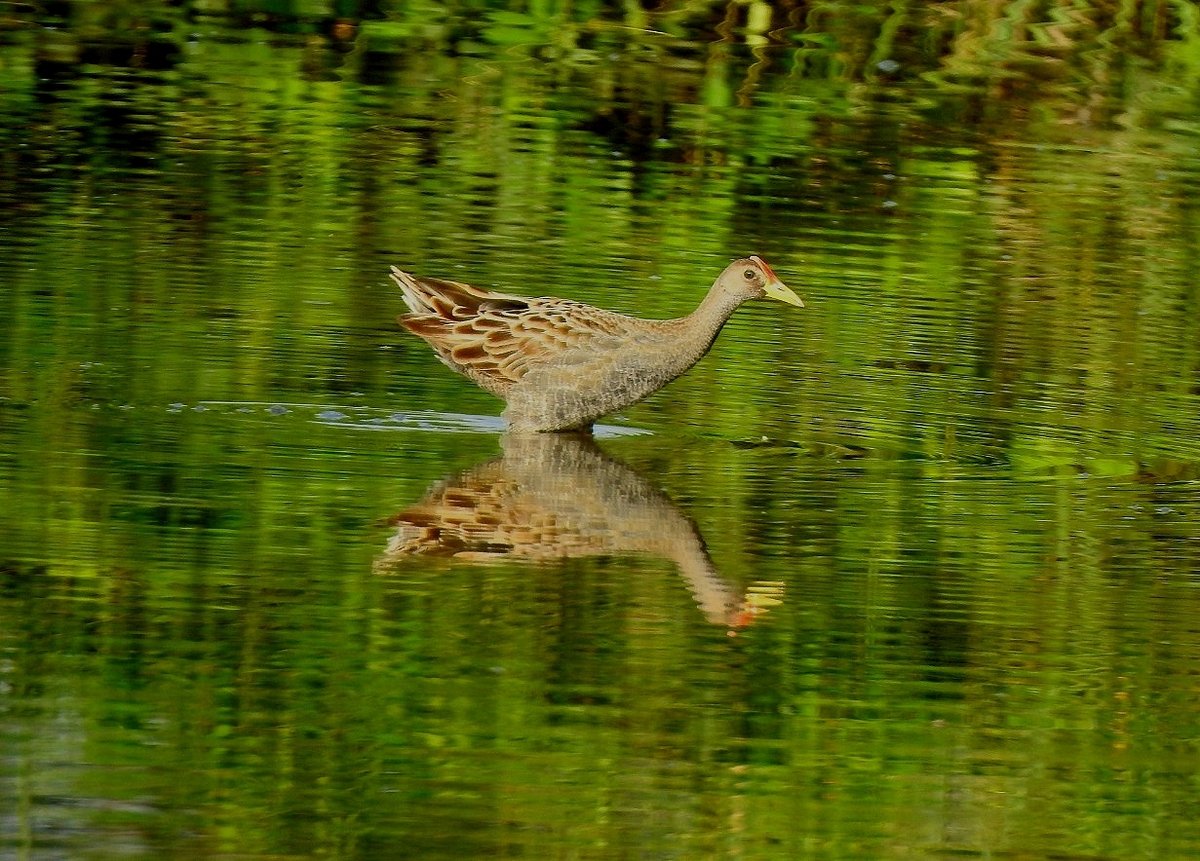
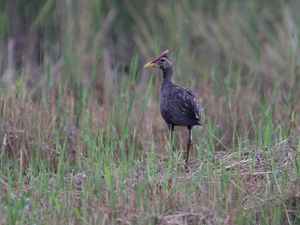
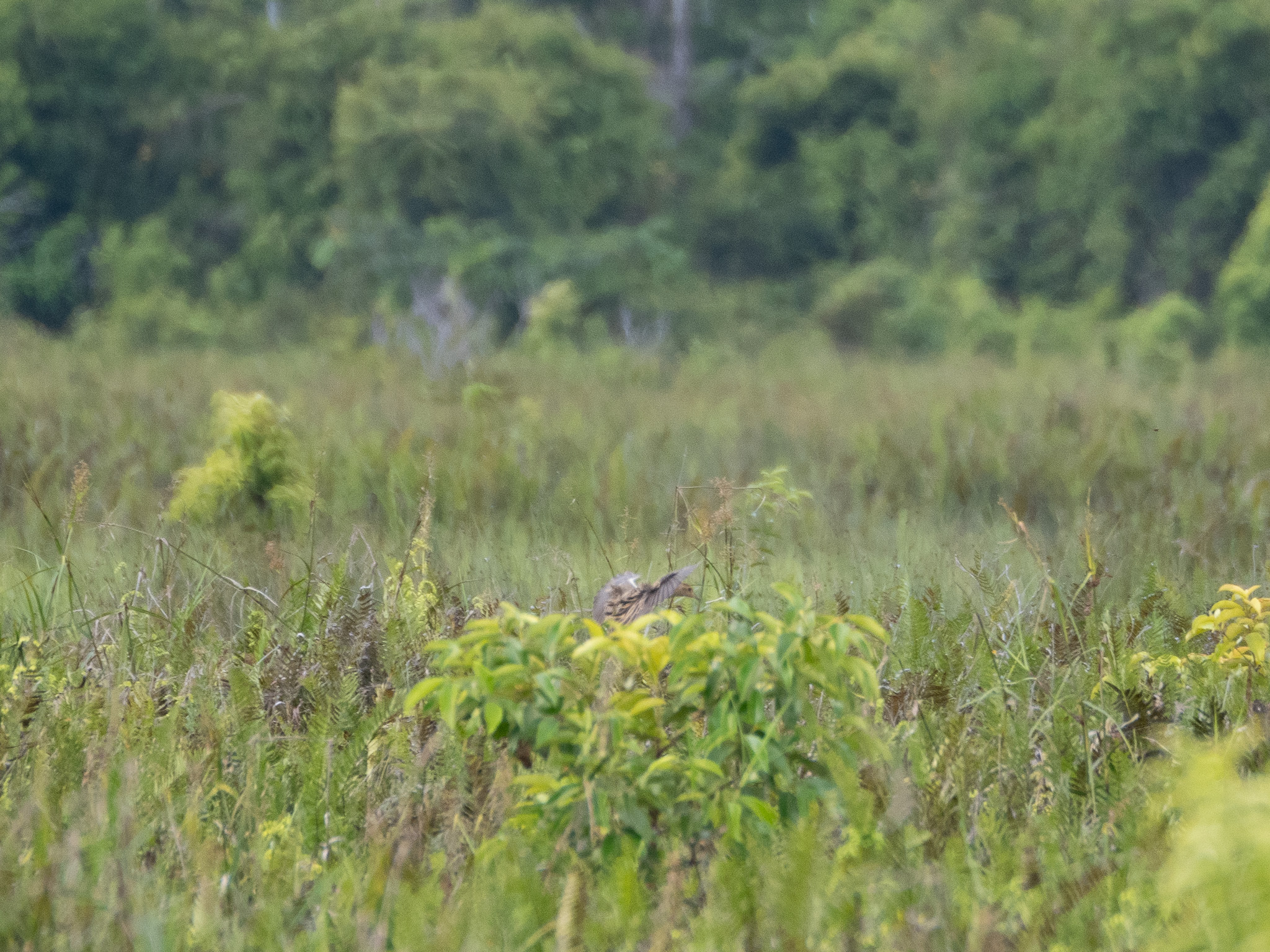
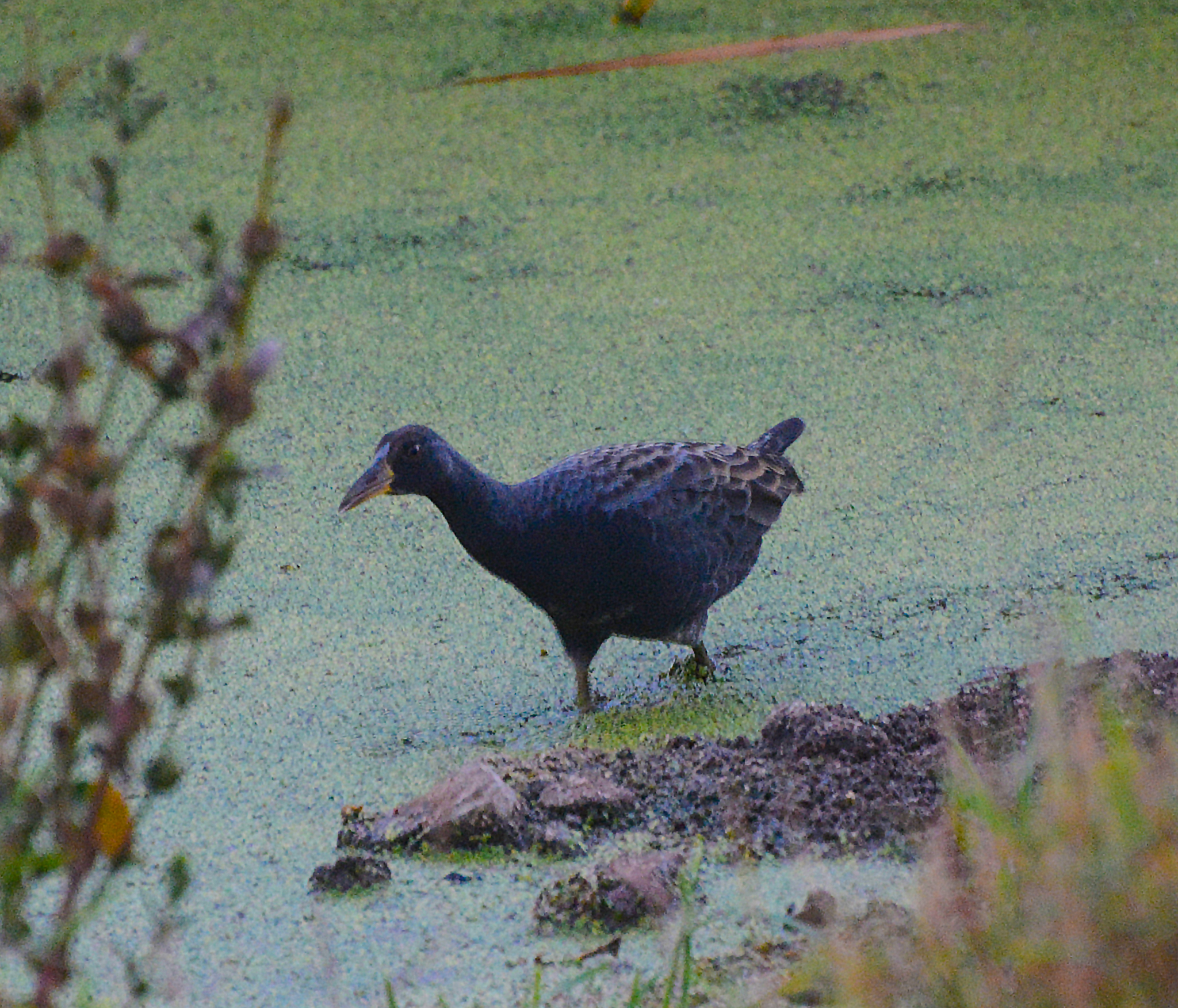
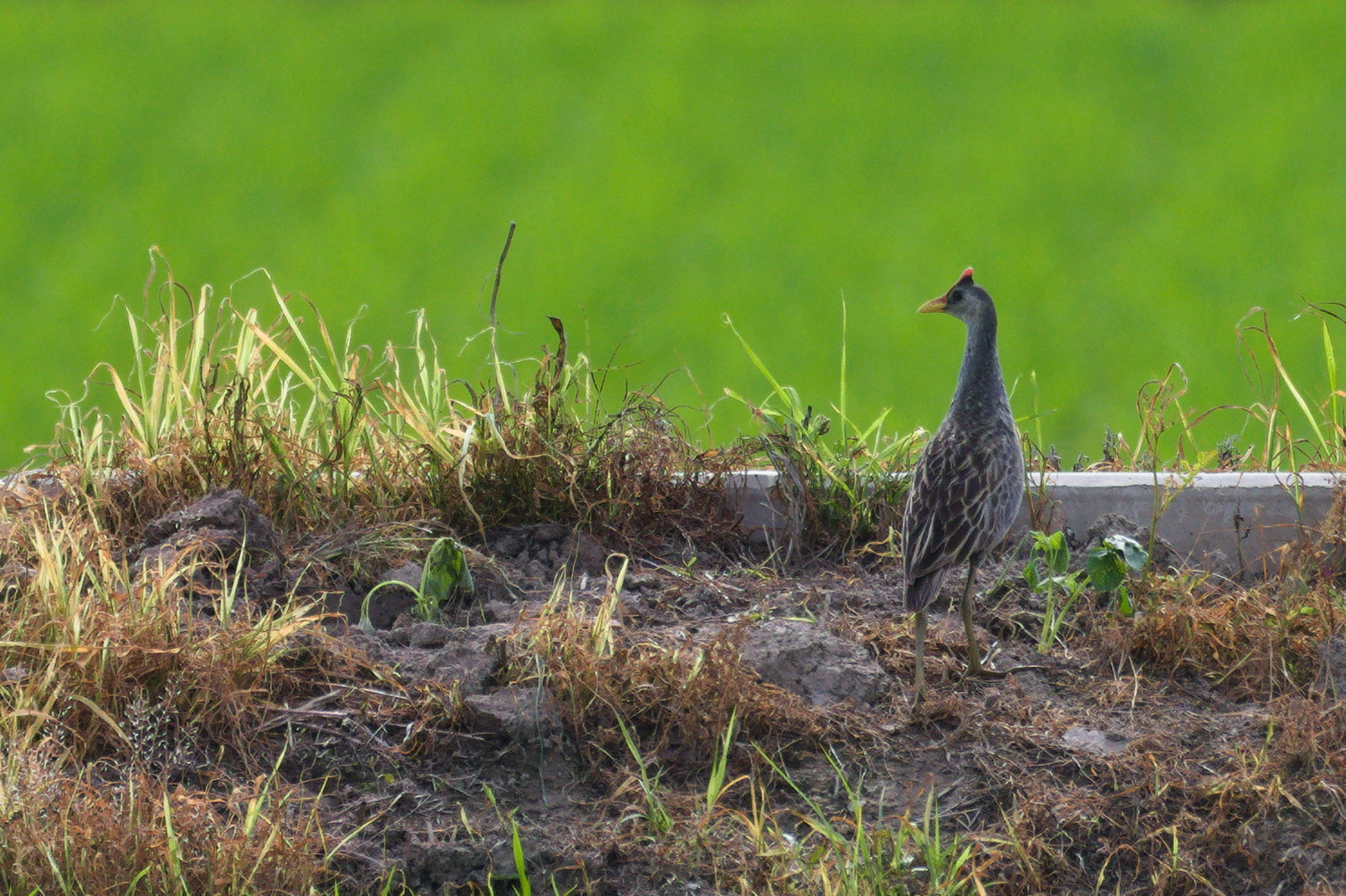
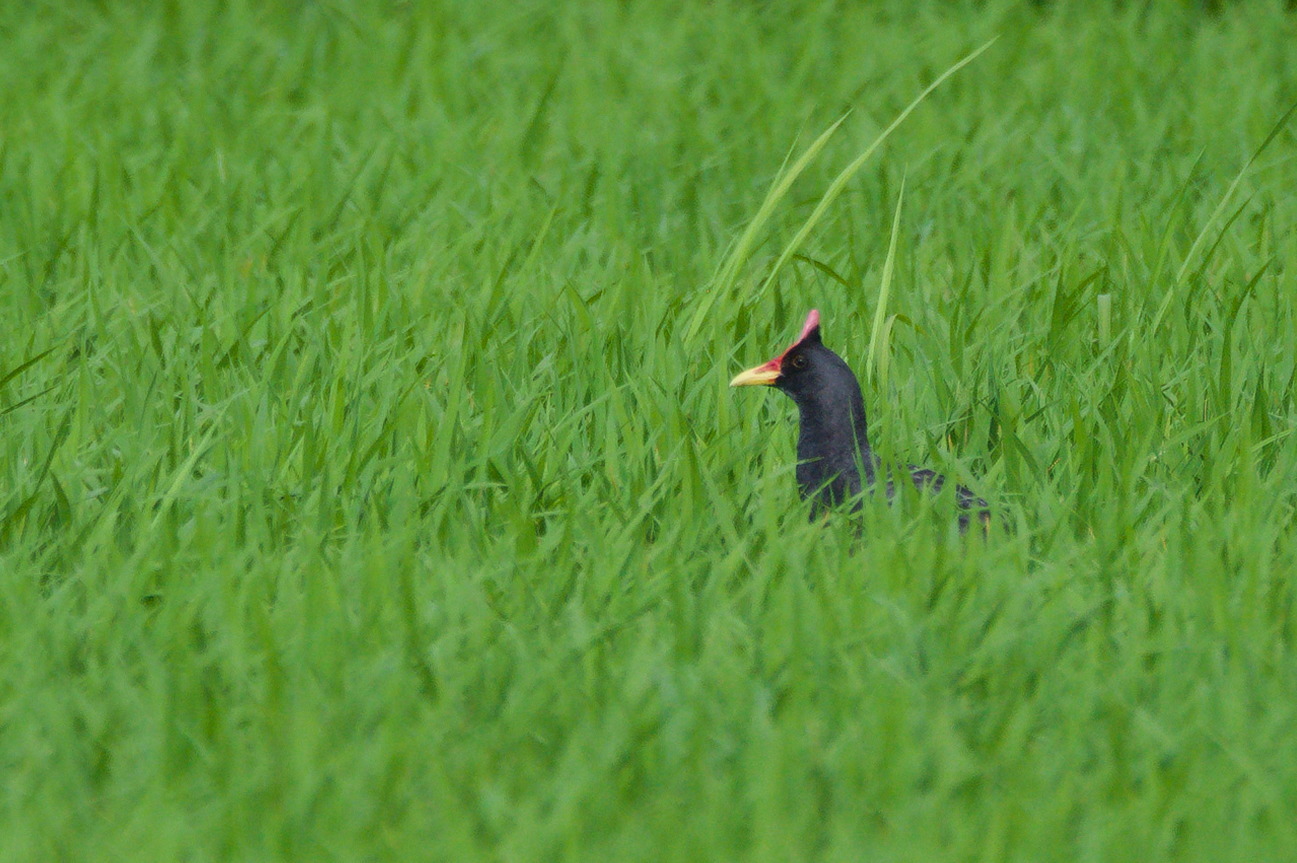
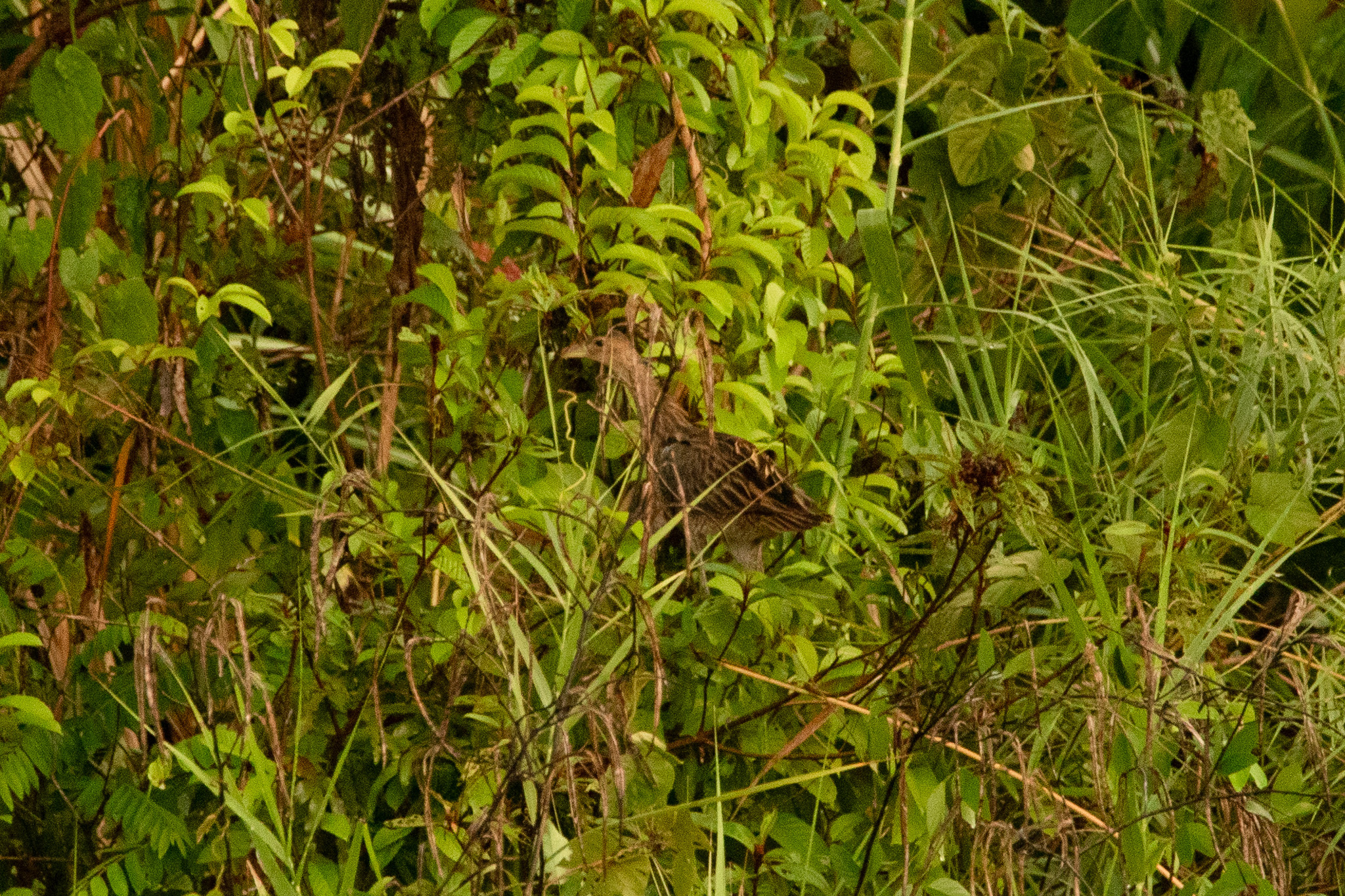
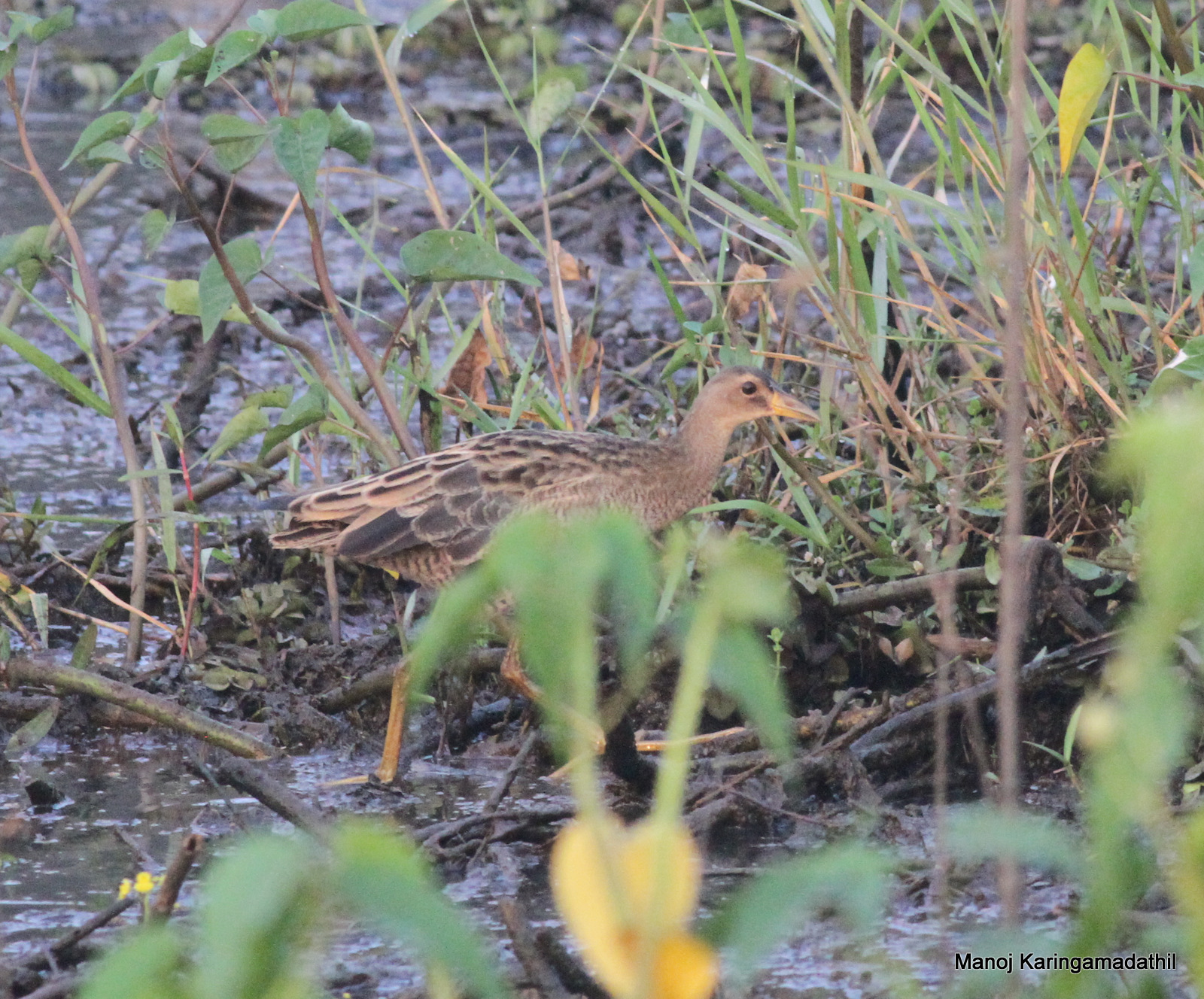
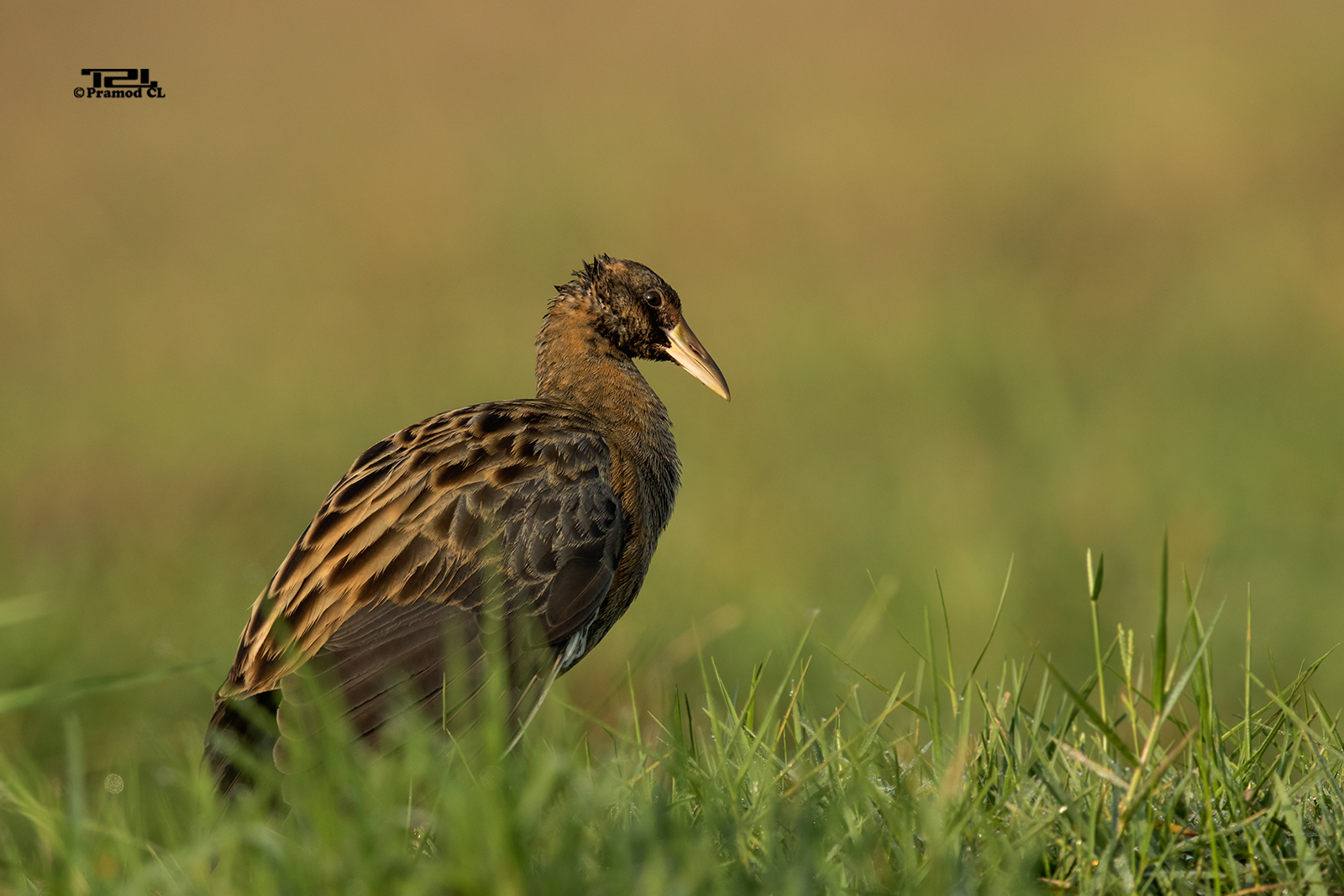
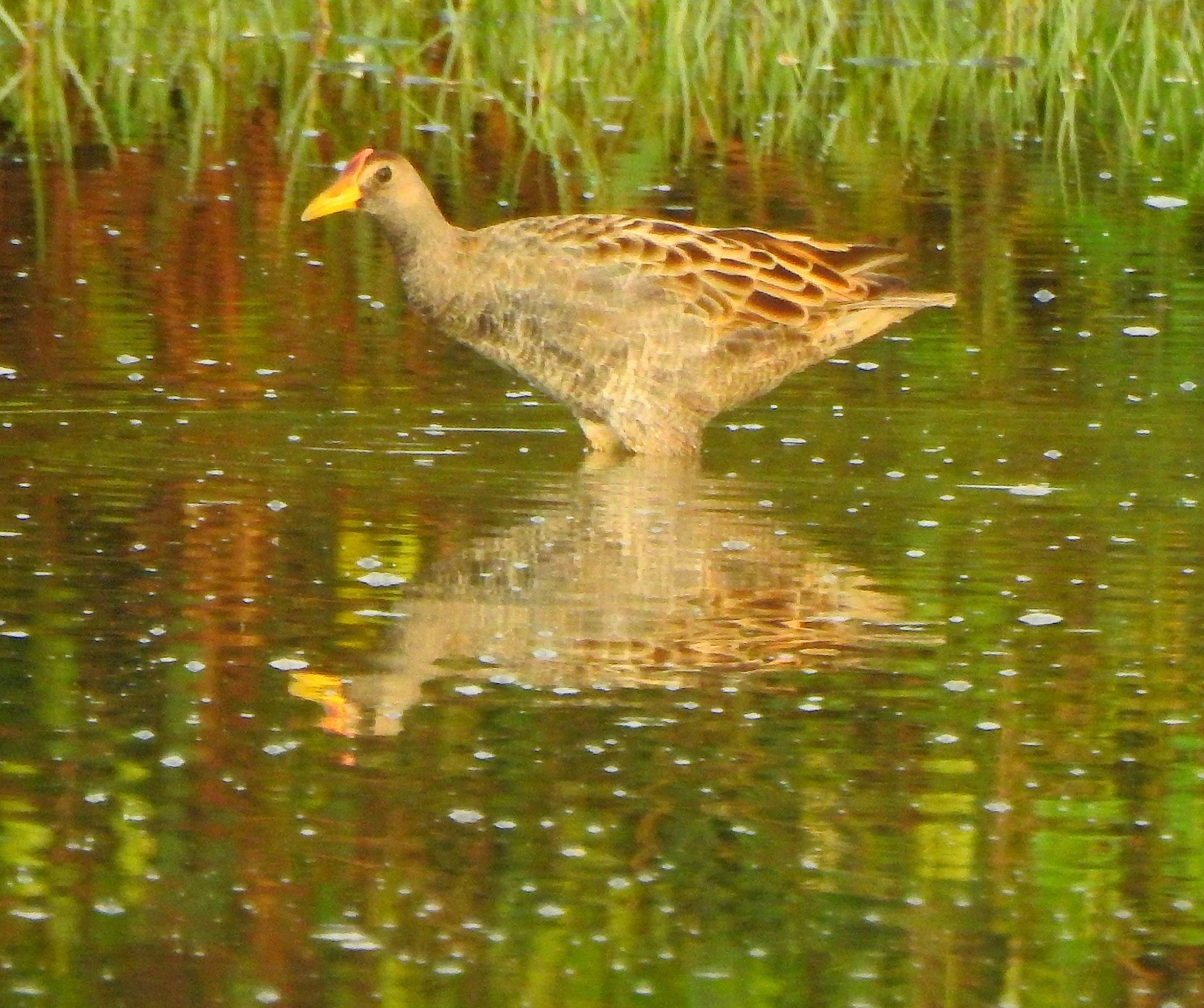
Adult males are 43 cm (17 in) long and weigh 476–650 g (1.049–1.433 lb). They have mainly black-grey plumage with red legs, bill, extended frontal shield, and horn. Young males are buff, darkening as they mature, with yellow bills and green legs. Females are smaller at 36 cm (14 in) and 298–434 g (10.5–15.3 oz), dark brown above and paler below, with streaked and barred plumage. Their bill is yellow and legs are green. Downy chicks are black. The body is flattened laterally, with long toes and a short tail.
Identification
Adult males visually resemble moorhens but possess a distinctive red frontal shield and horn. Females are streaked and barred with yellow bills and green legs, differing from the solid-colored males. The body shape is laterally flattened to aid movement through reeds.
Distribution & Habitat
Breeding habitat includes swamps across south Asia from India, Pakistan, and Sri Lanka to south China, Korea, Japan, Philippines, and Indonesia. These large rails are mainly permanent residents throughout their range.
Behavior & Ecology
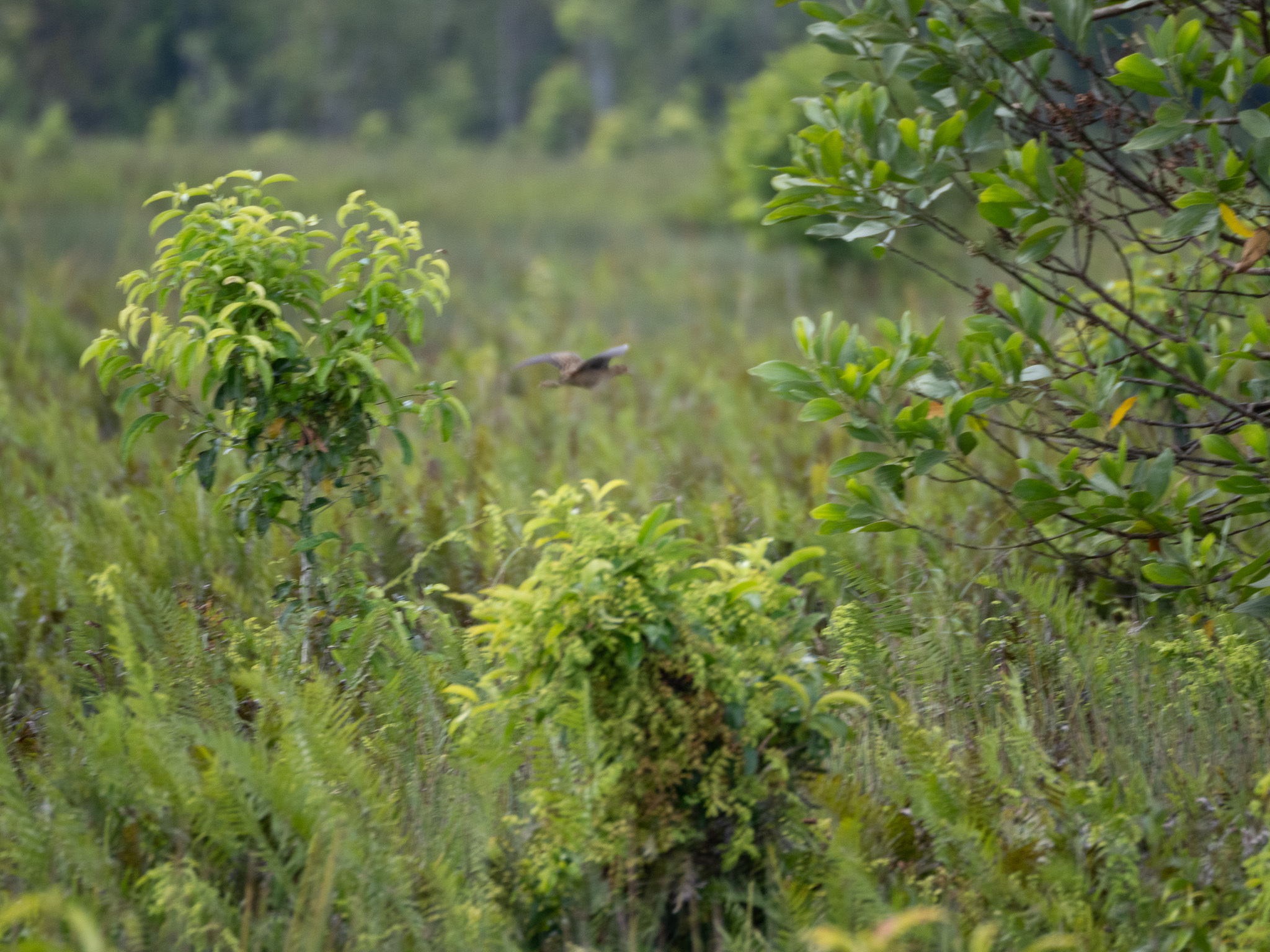
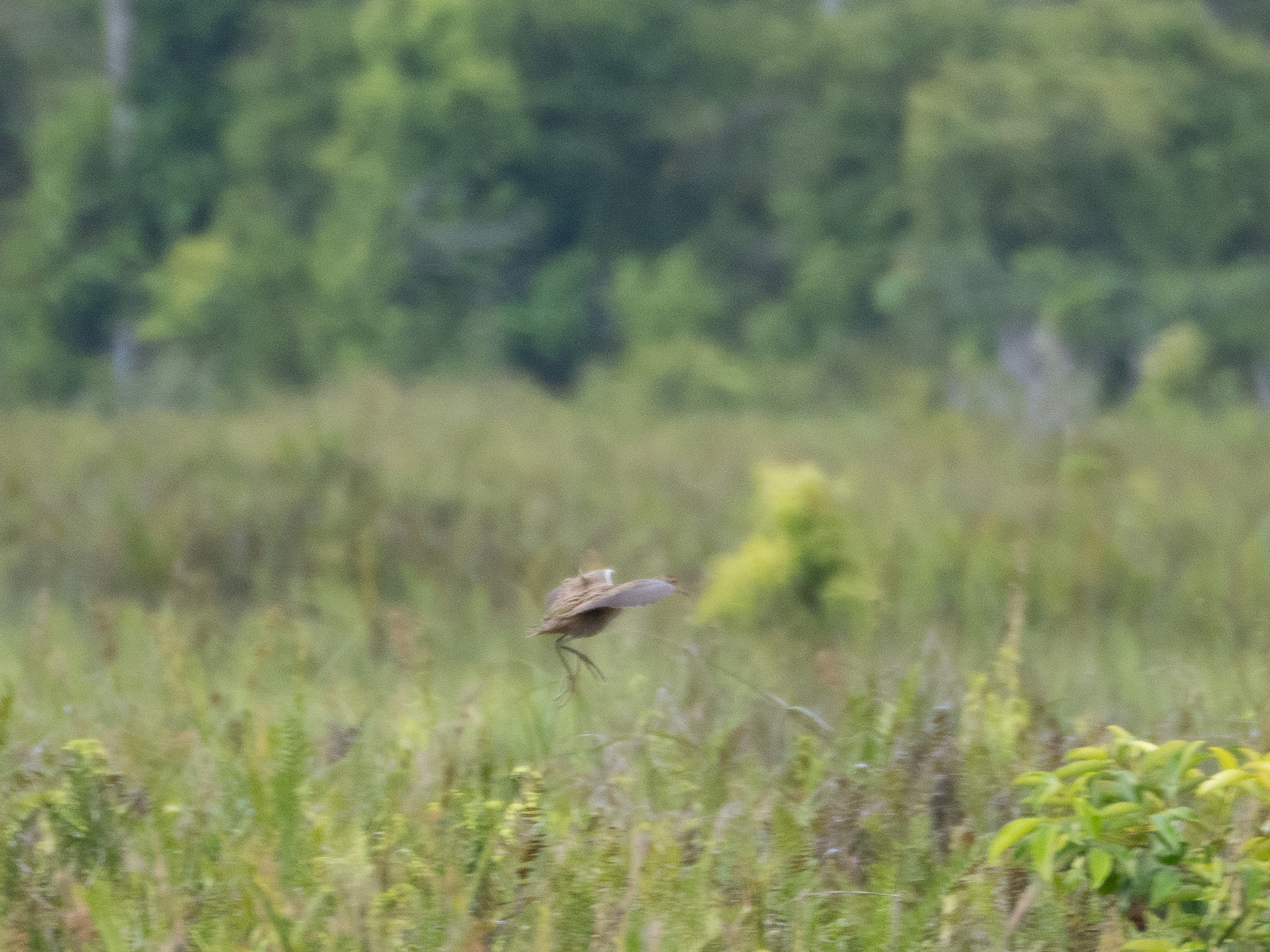
Secretive but sometimes seen in the open; noisy especially at dawn and dusk with a loud, gulping call. Nests in dry locations on the ground in marsh vegetation, laying 3-6 eggs. Forages on the ground by probing with the bill in mud or shallow water and picking up food by sight. Diet consists mainly of insects, small fish, and seeds.
Source: Wikipedia · CC BY-SA 3.0
Taxonomy
- Order
- Gruiformes
- Family
- Rallidae
- Genus
- Gallicrex
Distribution
breeds from northern Pakistan eastward in sub-Himalayan region to northeastern China, southeastern Russia, and southern Ryukyu Islands (southern Japan), southward to southeastern Pakistan, southern India, Sri Lanka, western Greater Sundas, and Philippines; northeastern populations winter to south, reaching Sulawesi and central Lesser Sundas
Data Sources
Species description from Wikipedia, licensed under CC BY-SA 3.0.
Bird images and sounds sourced from GBIF, contributed by citizen scientists worldwide under Creative Commons licenses.
Taxonomy data from AviList 2025.