Watercock
Gallicrex cinerea
董鸡
Introduction
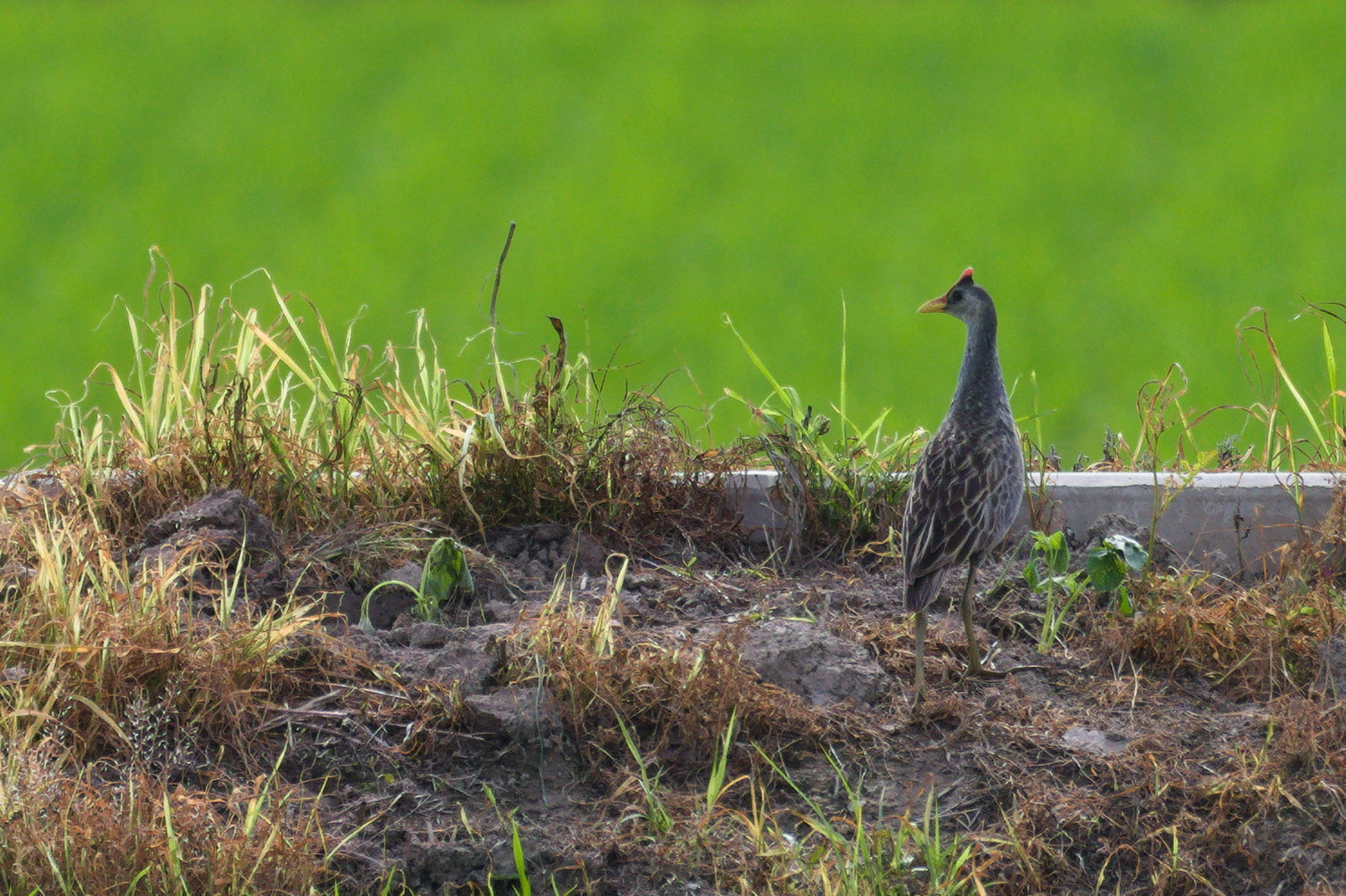
Watercocks are large rails inhabiting wetlands across South and Southeast Asia, ranging from the Indian subcontinent to East Asia. They are the sole member of their genus. Adults measure 38-45 cm in length. Males in breeding plumage have predominantly black-grey coloration with red legs, bill, and a prominent frontal shield; females are cryptically colored in brown tones. The species has a laterally flattened body shape. Watercocks are secretive and crepuscular, remaining hidden among dense reedbeds and marsh vegetation. They reveal their presence through loud, gulping calls, particularly around dawn and dusk.
Description
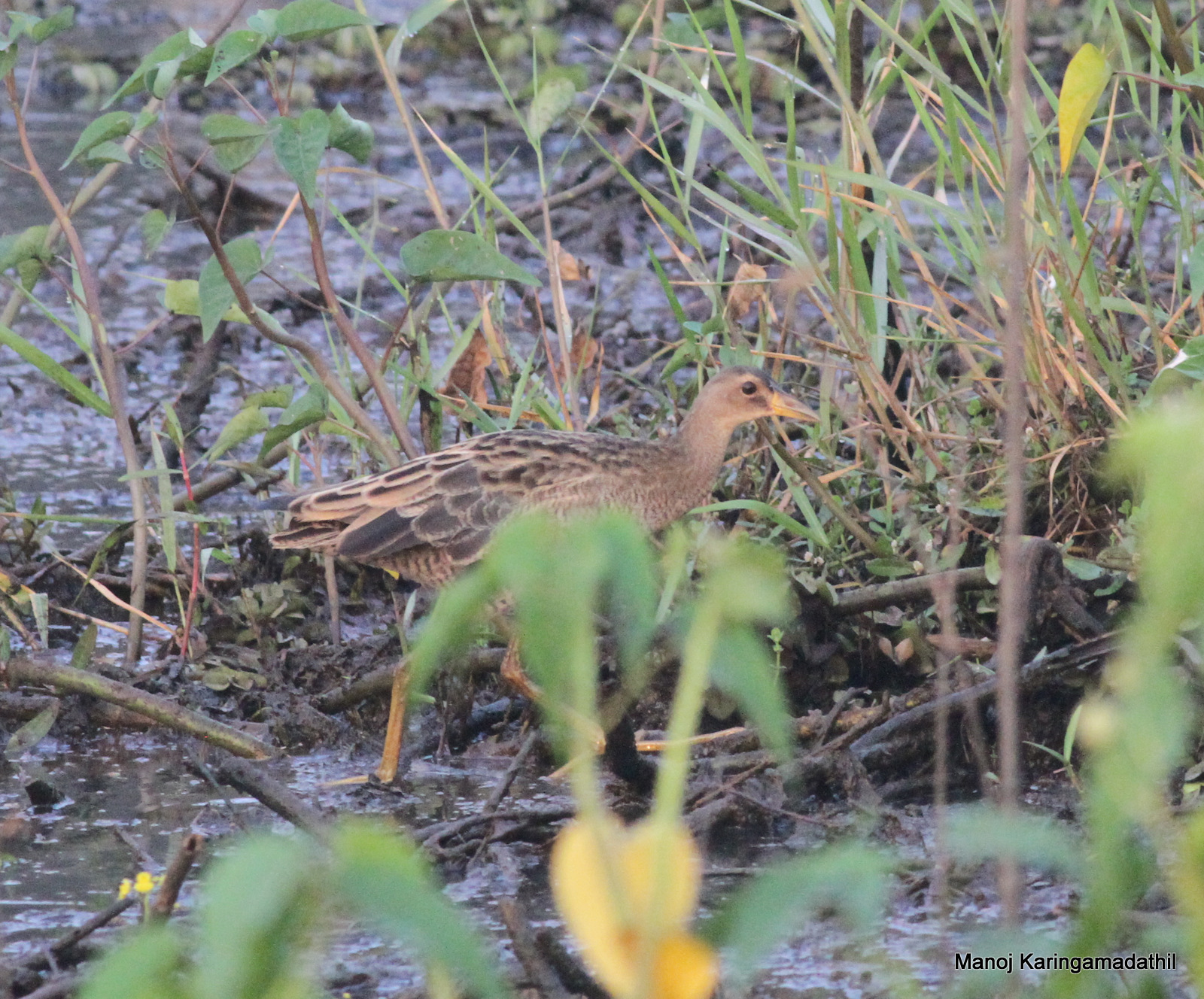
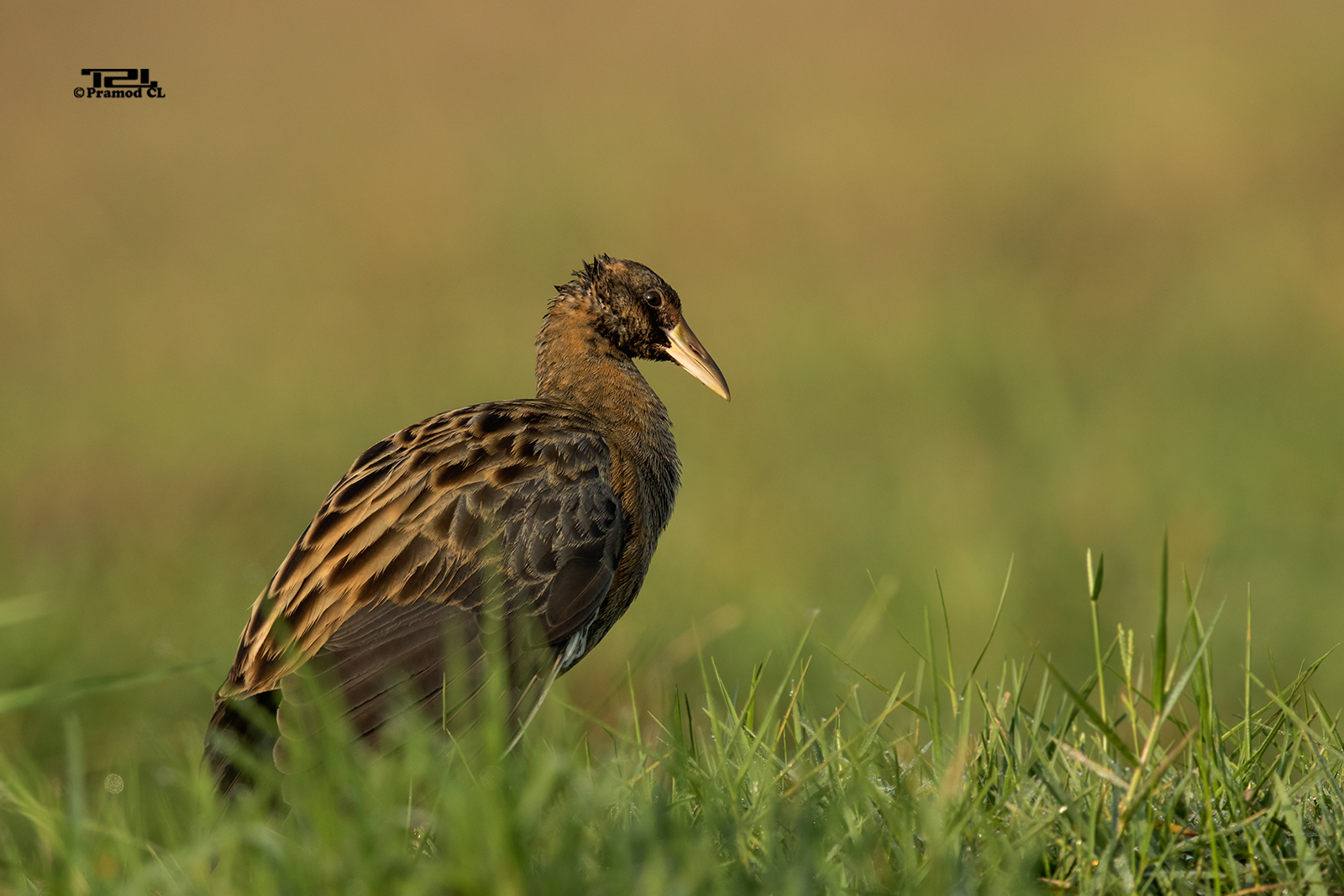
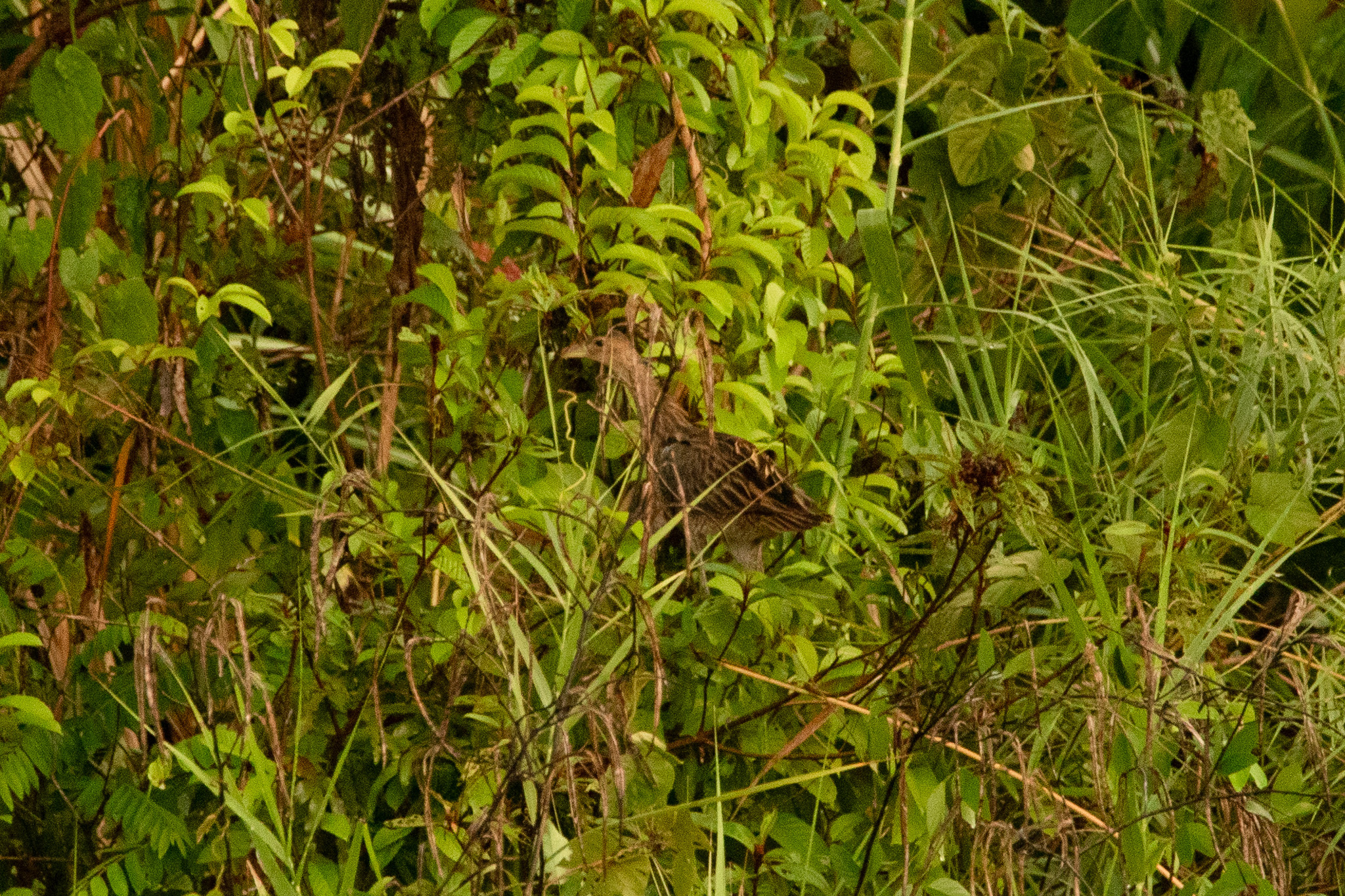
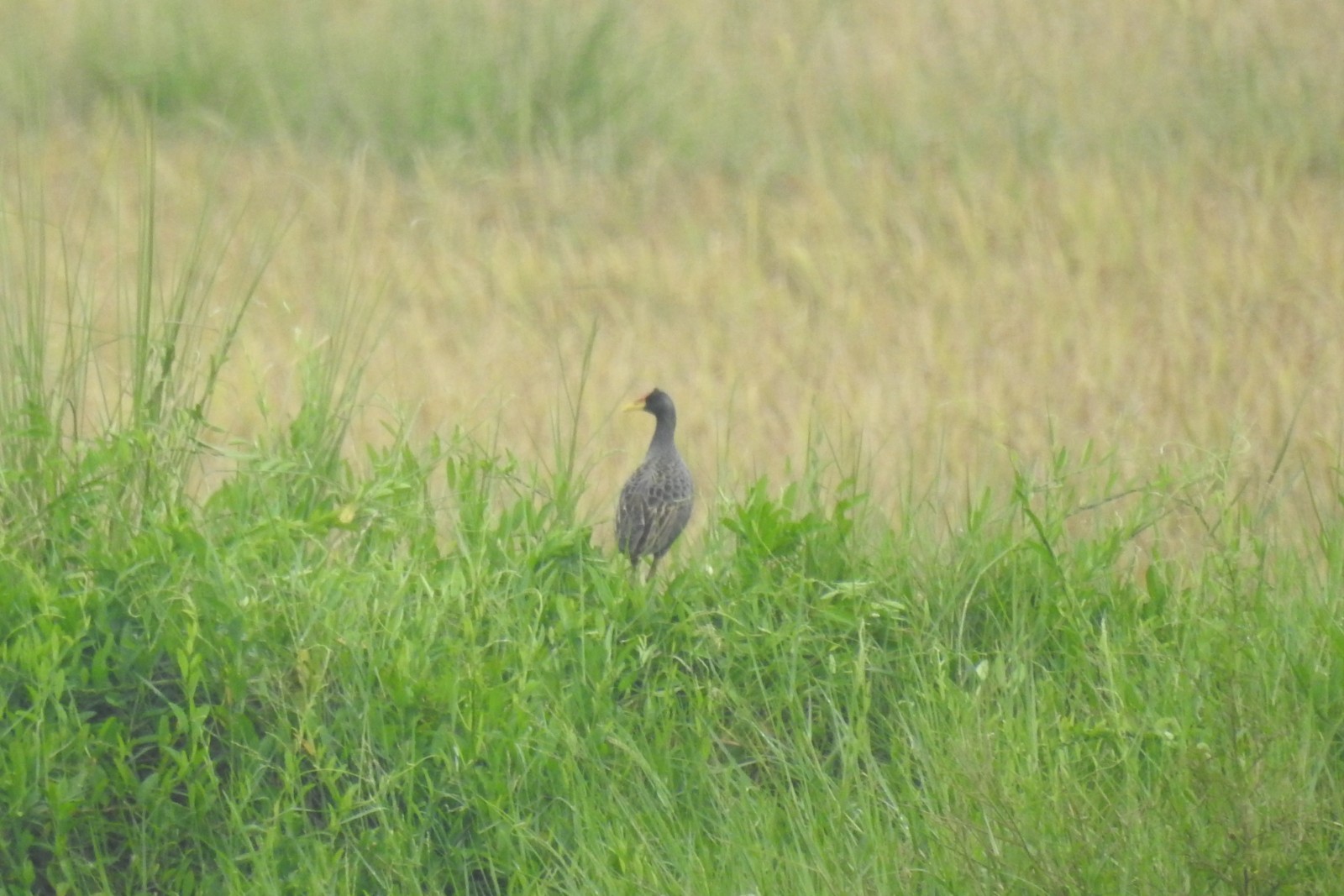
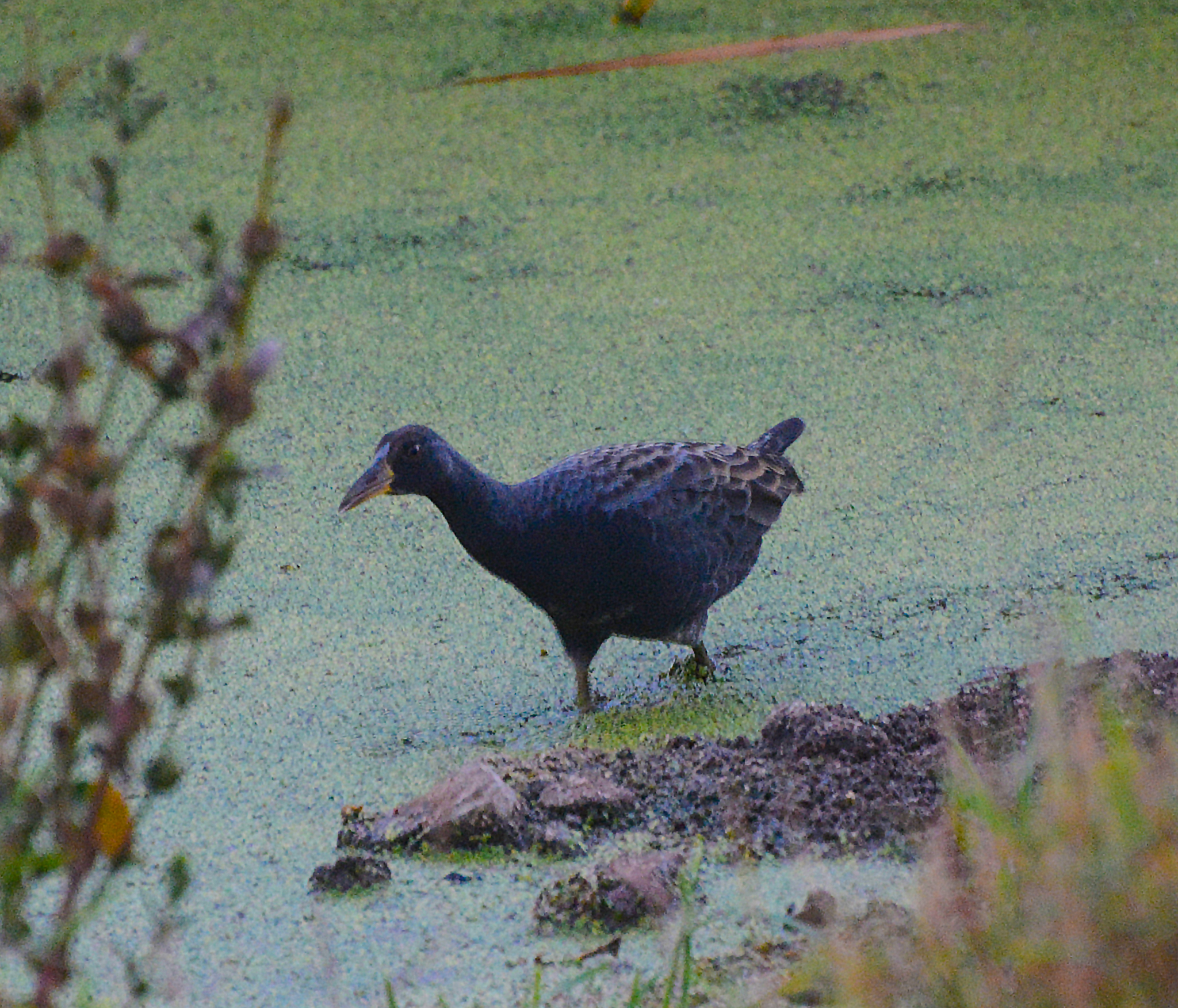
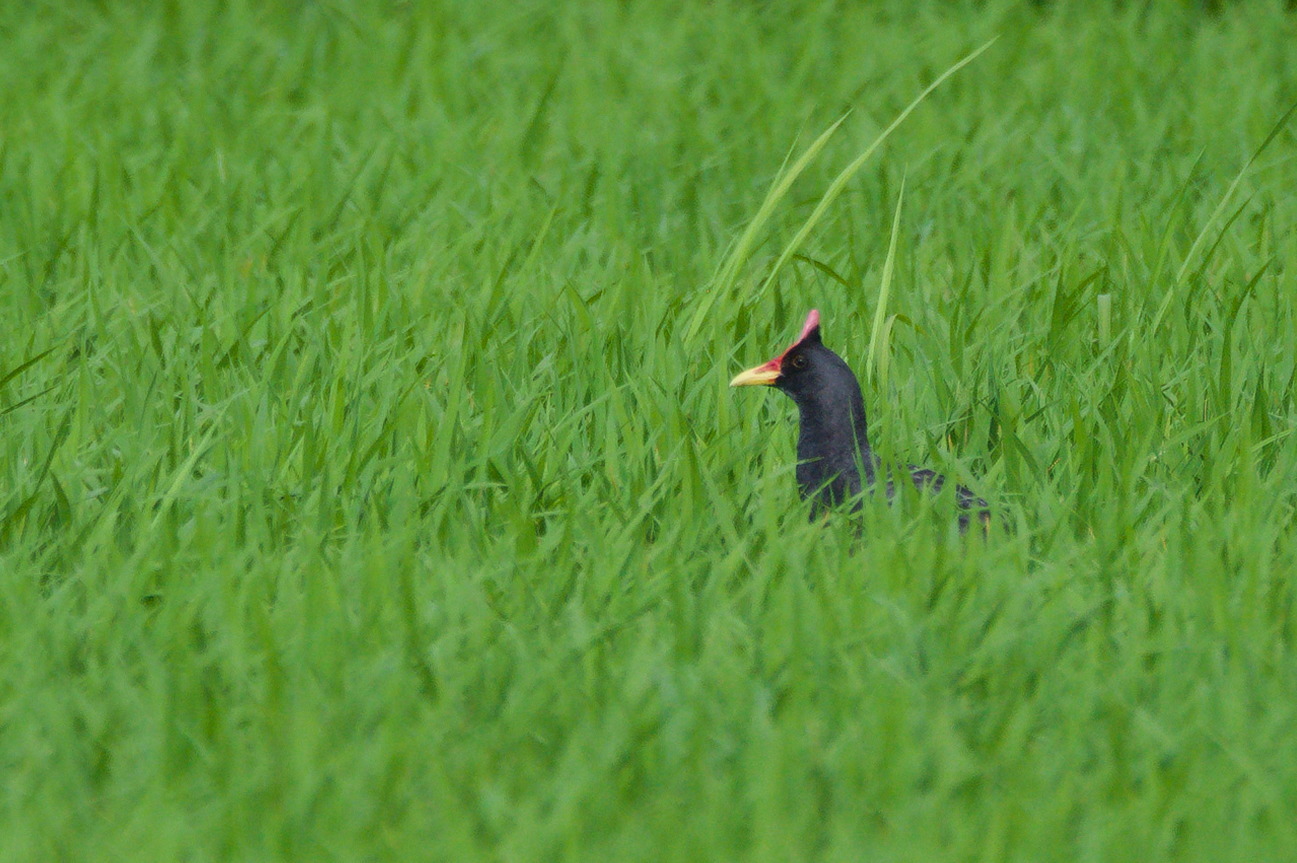
Adult males measure 43 cm in length and weigh between 476-650 g. They display primarily black-grey plumage with bright red legs, bill, extended frontal shield, and horn-colored head projection. Young males start buff-colored and darken progressively as they mature, developing yellow bills and green legs. Females are considerably smaller at 36 cm and 298-434 g, featuring dark brown upperparts and paler underparts with streaked and barred markings. They have yellow bills and green legs. The downy chicks are black like all rail chicks. This species possesses a distinctive laterally flattened body, long toes for navigating soft substrates, and a short tail. The plumage is relatively soft and loose, typical of rails that frequent dense wetland vegetation.
Identification
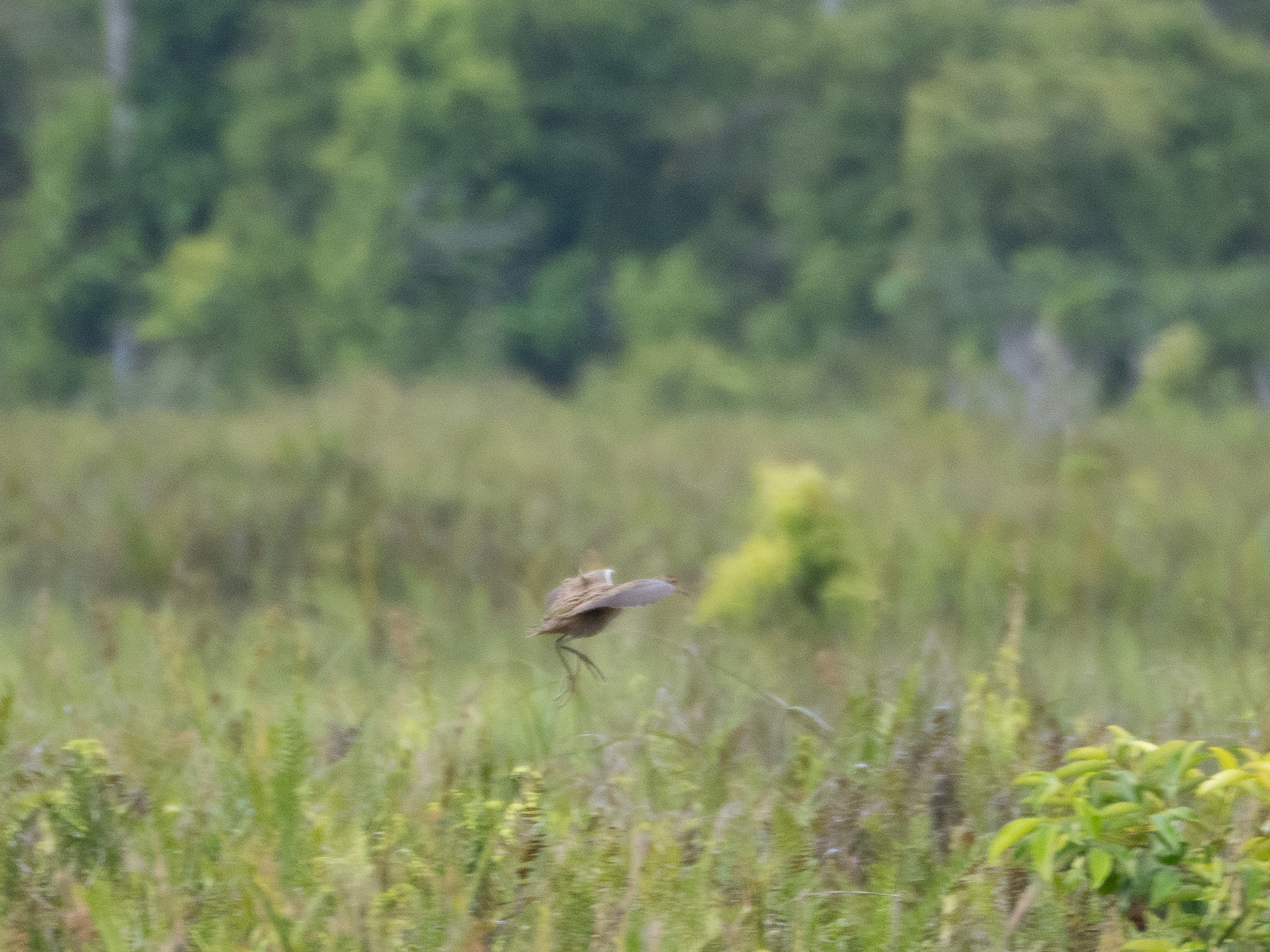
Adult males in breeding plumage are unmistakable with their black-grey coloration and bright red facial shield, legs, and bill. They bear a visual resemblance to moorhens, though the watercock is larger and shows more extensive red coloration. Females can be identified by their brown streaked plumage, yellow bill, green legs, and smaller size compared to males. The combination of habitat preference for deep marshes, laterally compressed body shape visible in flight, and loud gulping calls helps distinguish them from other rails. The horn-like projection on the male's head is a unique identifying feature.
Distribution & Habitat
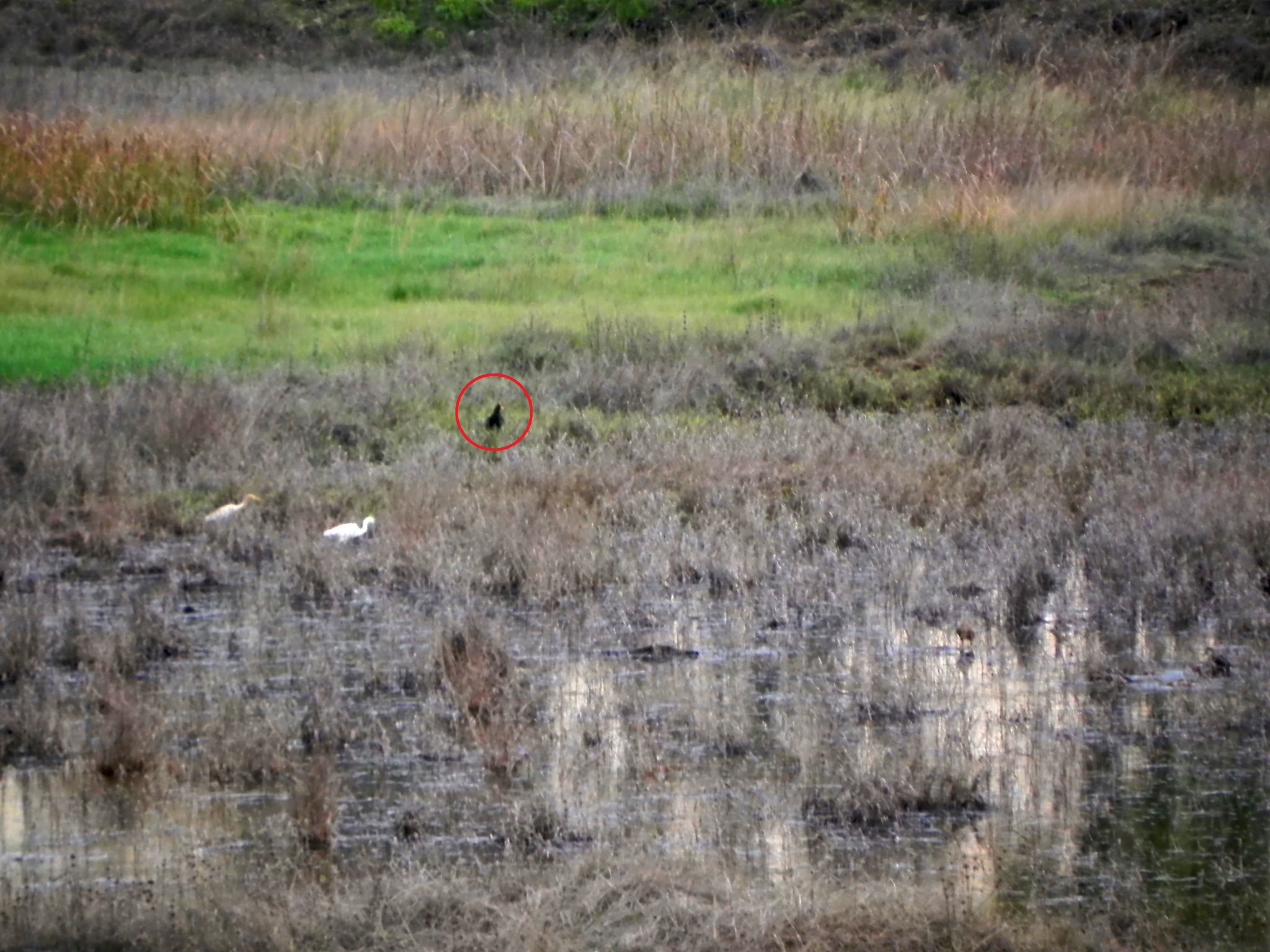
This species breeds across south Asia from India, Pakistan, and Sri Lanka eastward through south China, Korea, Japan, to the Philippines and Indonesia. It occupies various wetland habitats including swamps, marshes, and vegetated areas near water. Throughout most of its range, it is a permanent resident with limited seasonal movement. One specimen collected in Shandong Province in November showed advanced body feather molt, indicating that the annual molt occurs during the winter months.
Behavior & Ecology
These rails nest on the ground in dry locations within marsh vegetation, producing clutches of 3-6 eggs. They forage by probing their bills in mud or shallow water and by picking up food items visually. Their diet consists primarily of insects and small fish, supplemented with seeds. They feed both in water and on the ground, using their long toes to navigate soft substrates. Watercocks are most vocal at dawn and dusk, producing a loud gulping call that carries across their wetland habitat. They can be quite noisy during their active periods despite their typically secretive nature.
Culture
No cultural significance or folklore was documented in the available sources for this species.
Source: Wikipedia · CC BY-SA 3.0
Taxonomy
- Order
- Gruiformes
- Family
- Rallidae
- Genus
- Gallicrex
- eBird Code
- waterc1
Distribution
breeds from northern Pakistan eastward in sub-Himalayan region to northeastern China, southeastern Russia, and southern Ryukyu Islands (southern Japan), southward to southeastern Pakistan, southern India, Sri Lanka, western Greater Sundas, and Philippines; northeastern populations winter to south, reaching Sulawesi and central Lesser Sundas
Data Sources
Species description from Wikipedia, licensed under CC BY-SA 3.0.
Bird images and sounds sourced from GBIF, contributed by citizen scientists worldwide under Creative Commons licenses.
Taxonomy data from AviList 2025.