Passeriformes / Alaudidae / Galerida
Crested Lark
Galerida cristata · 凤头百灵
Introduction
A widespread lark species across Eurasia and northern Africa, classified in the genus Galerida. It is a non-migratory bird inhabiting dry, open country. The species is categorized as Least Concern by the IUCN Red List.
Description
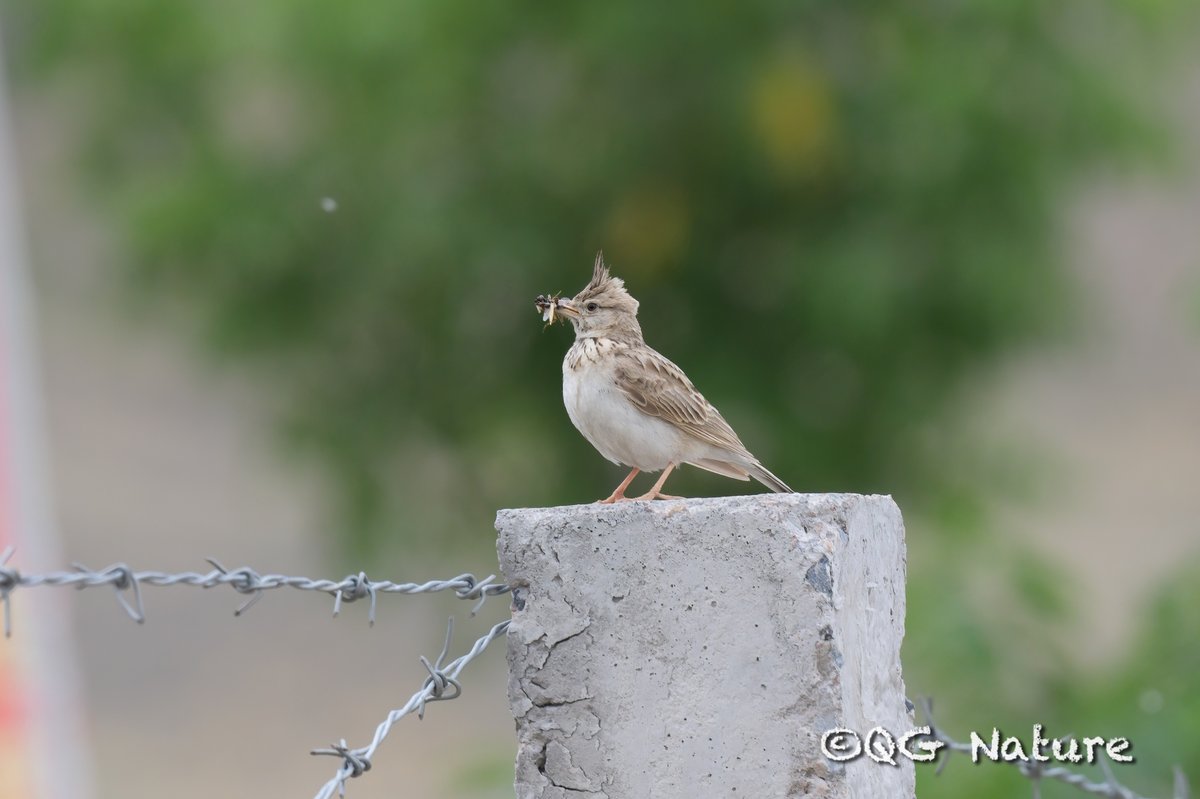
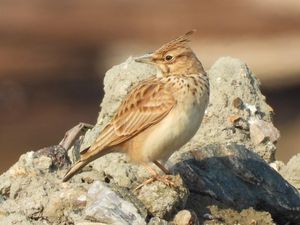
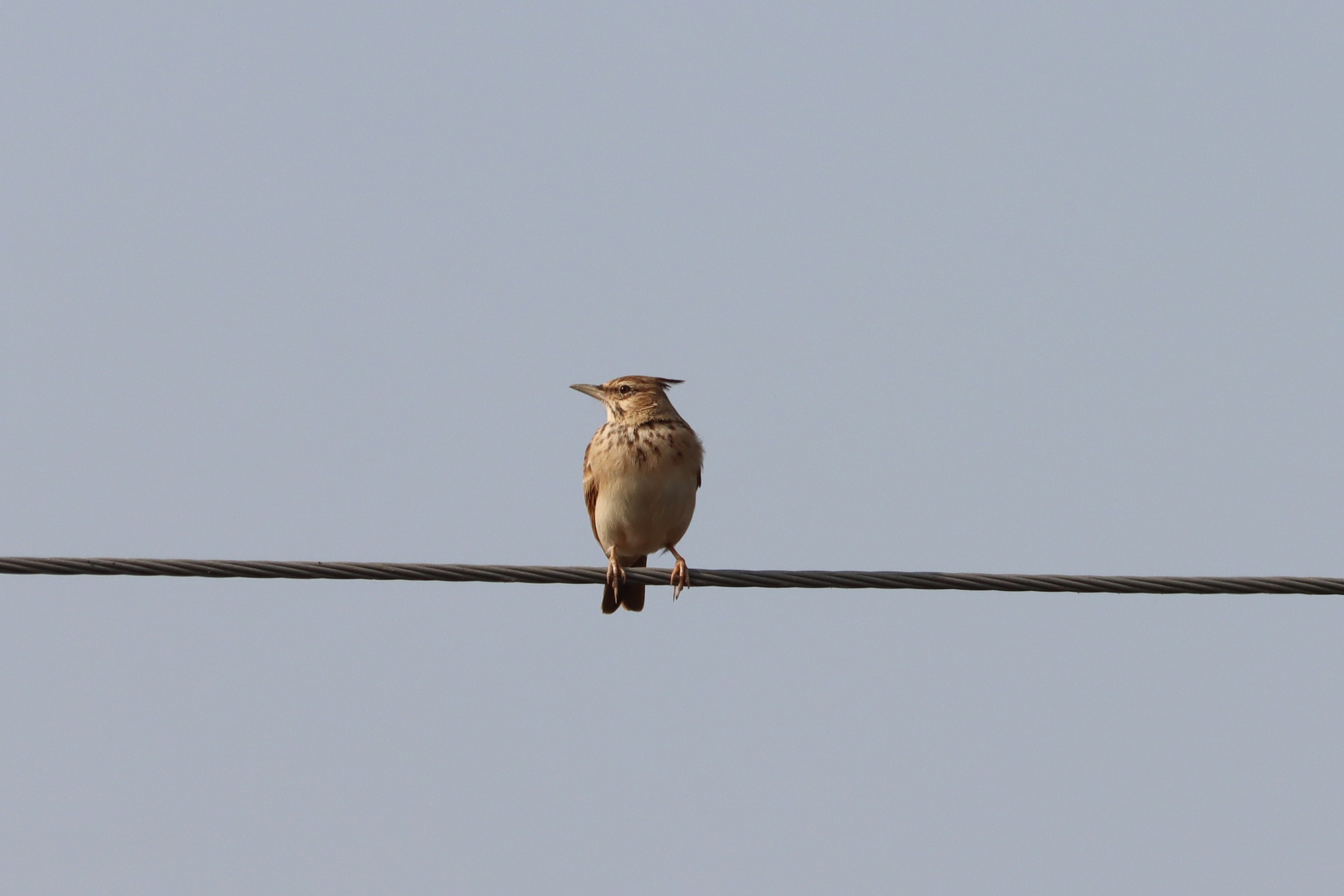
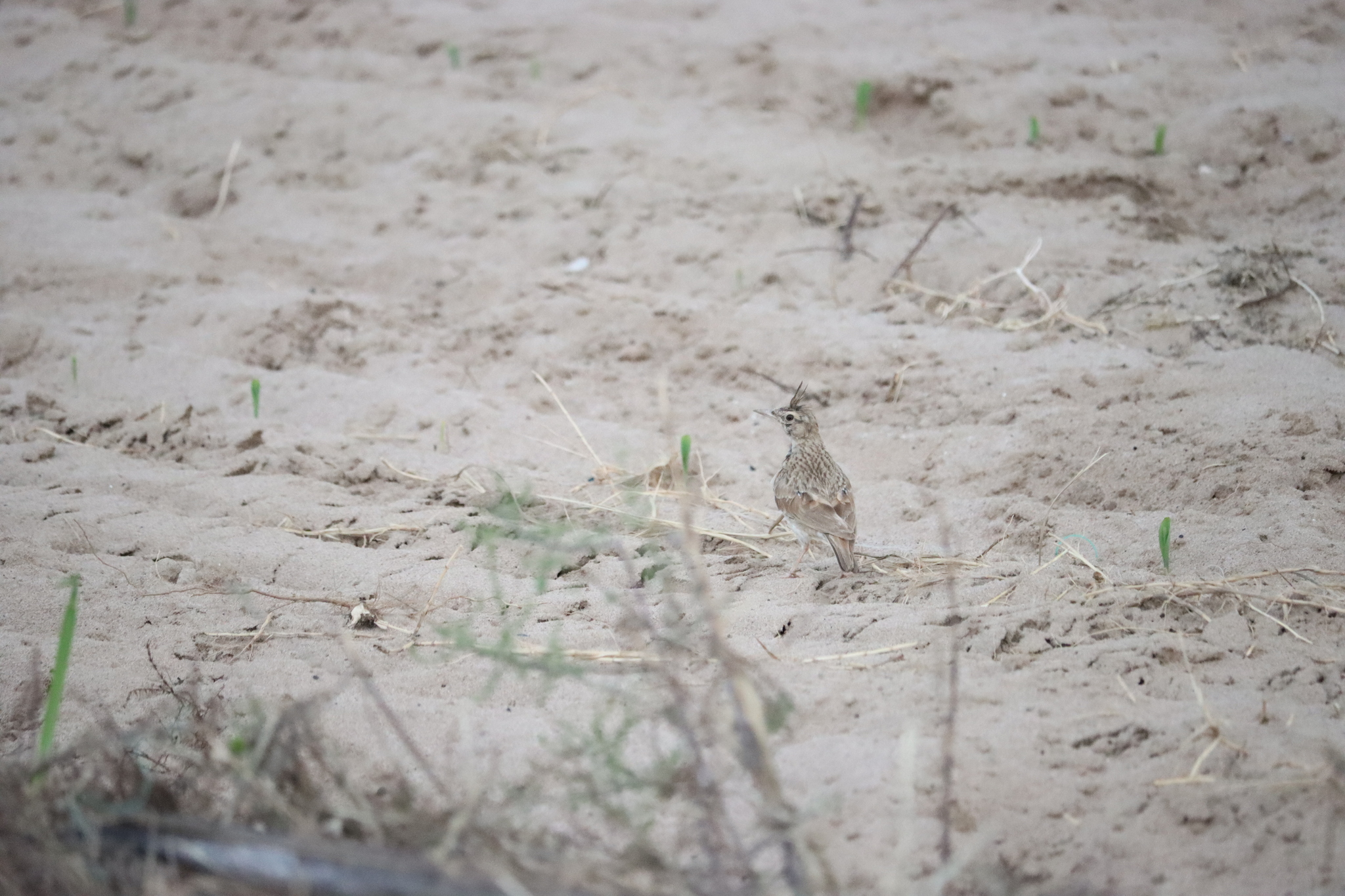
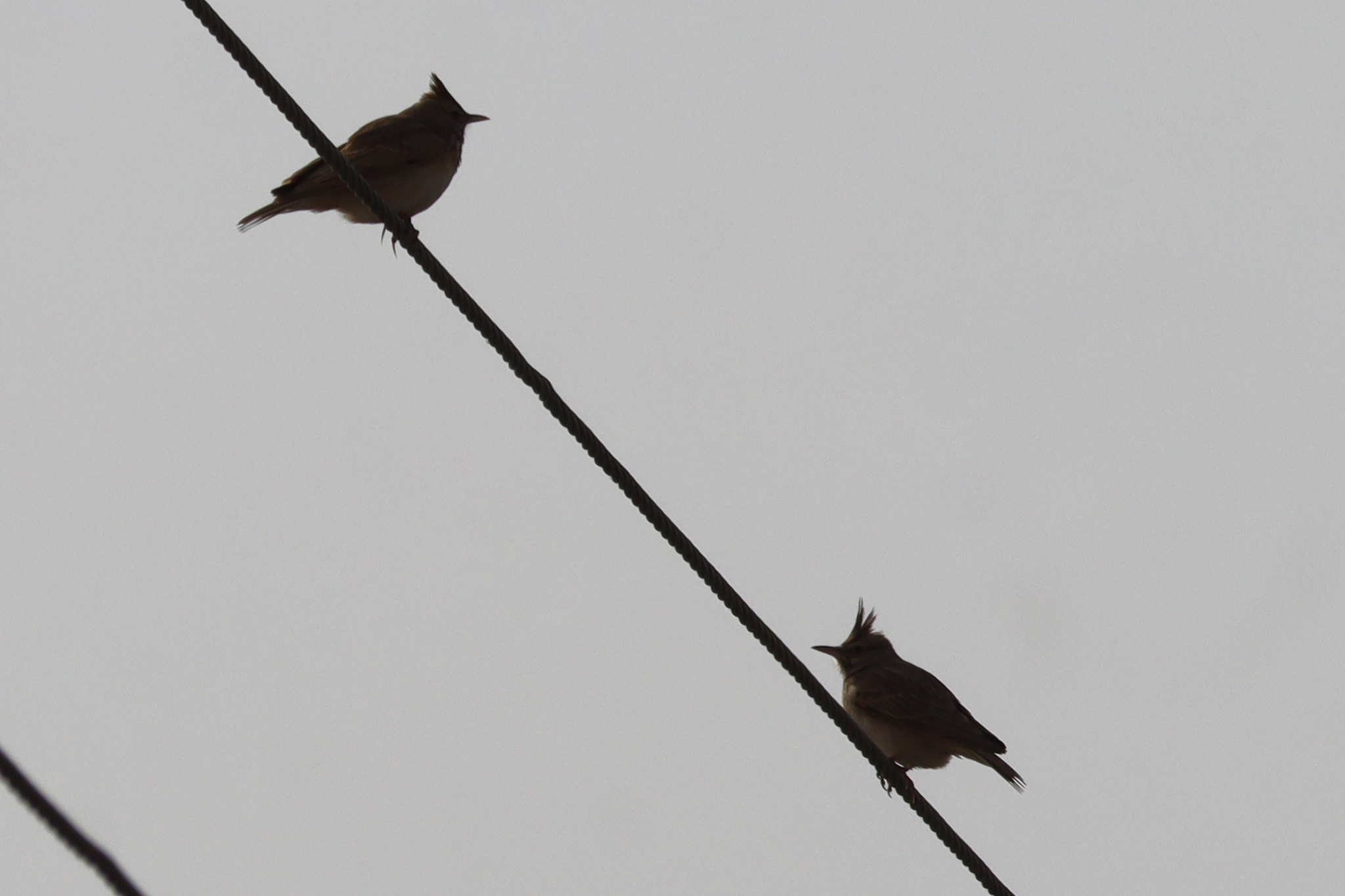
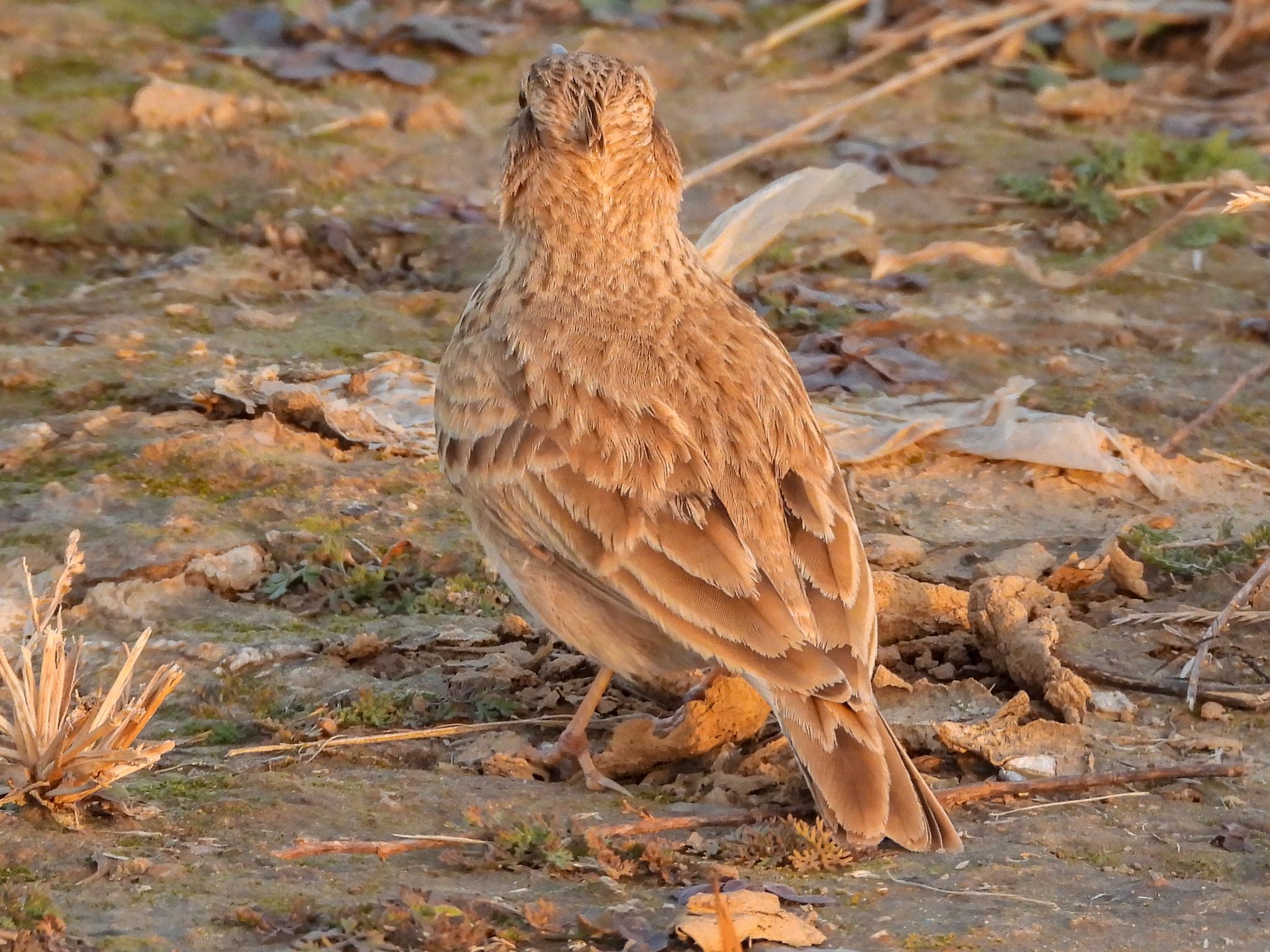
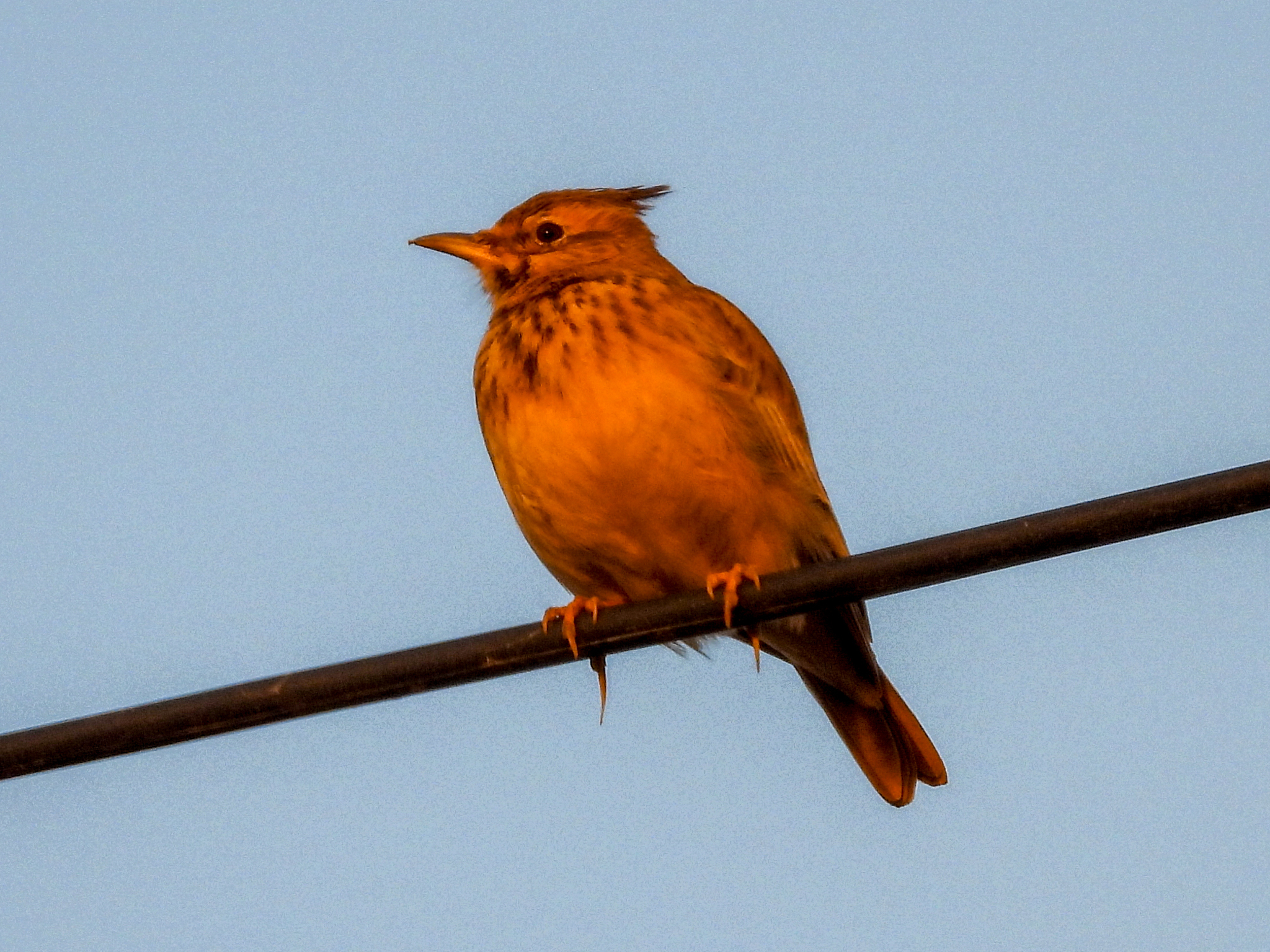
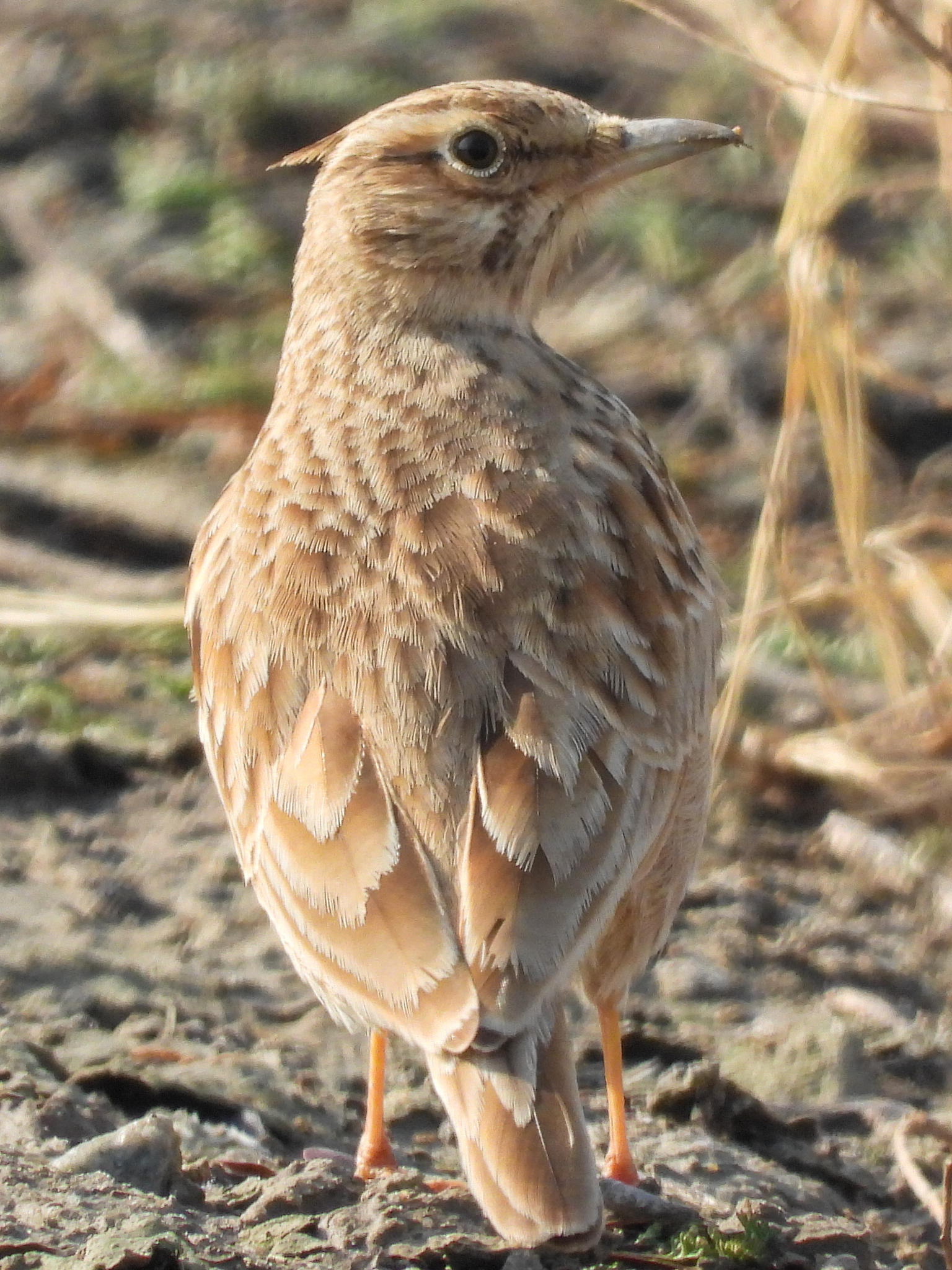
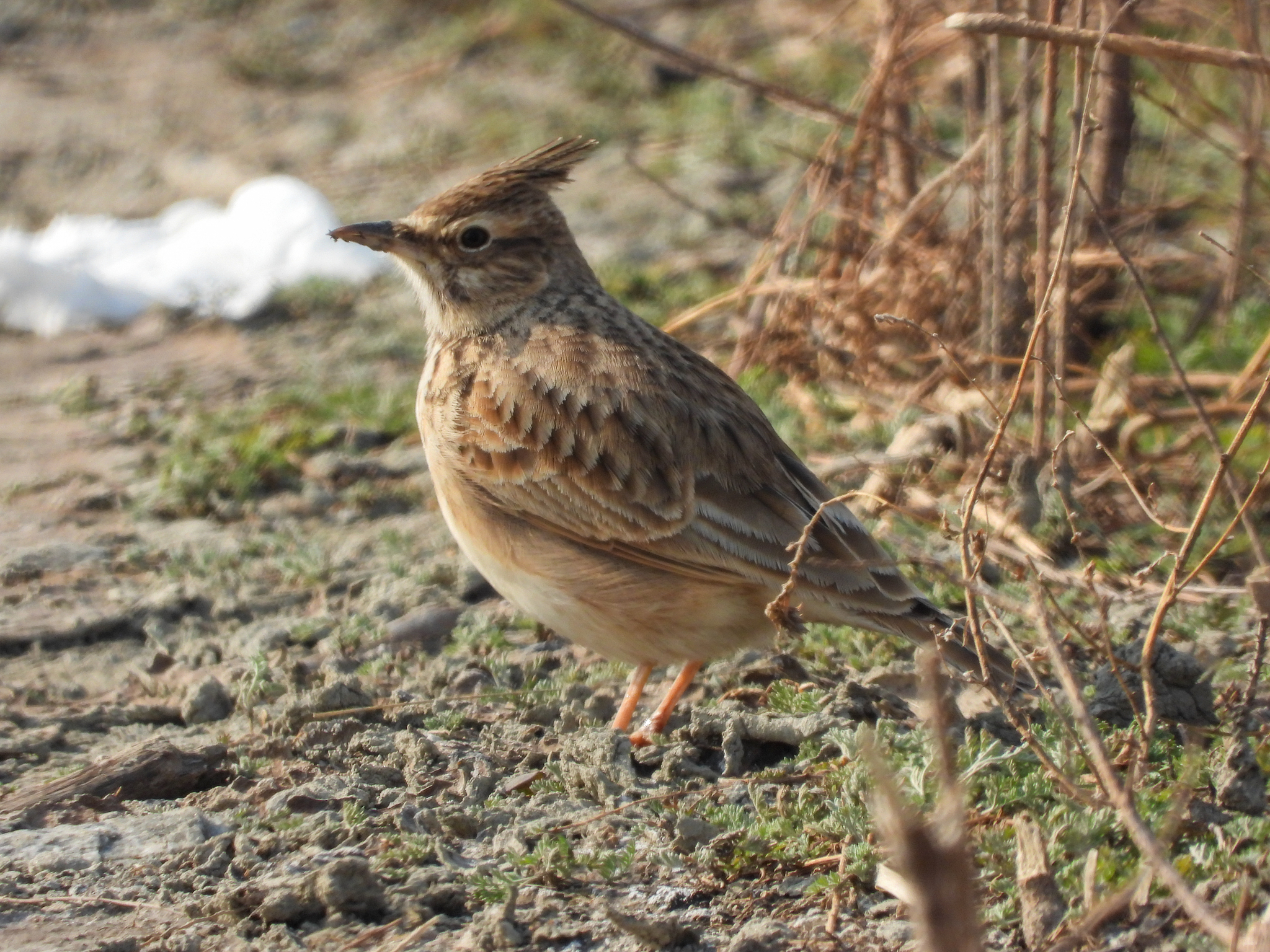
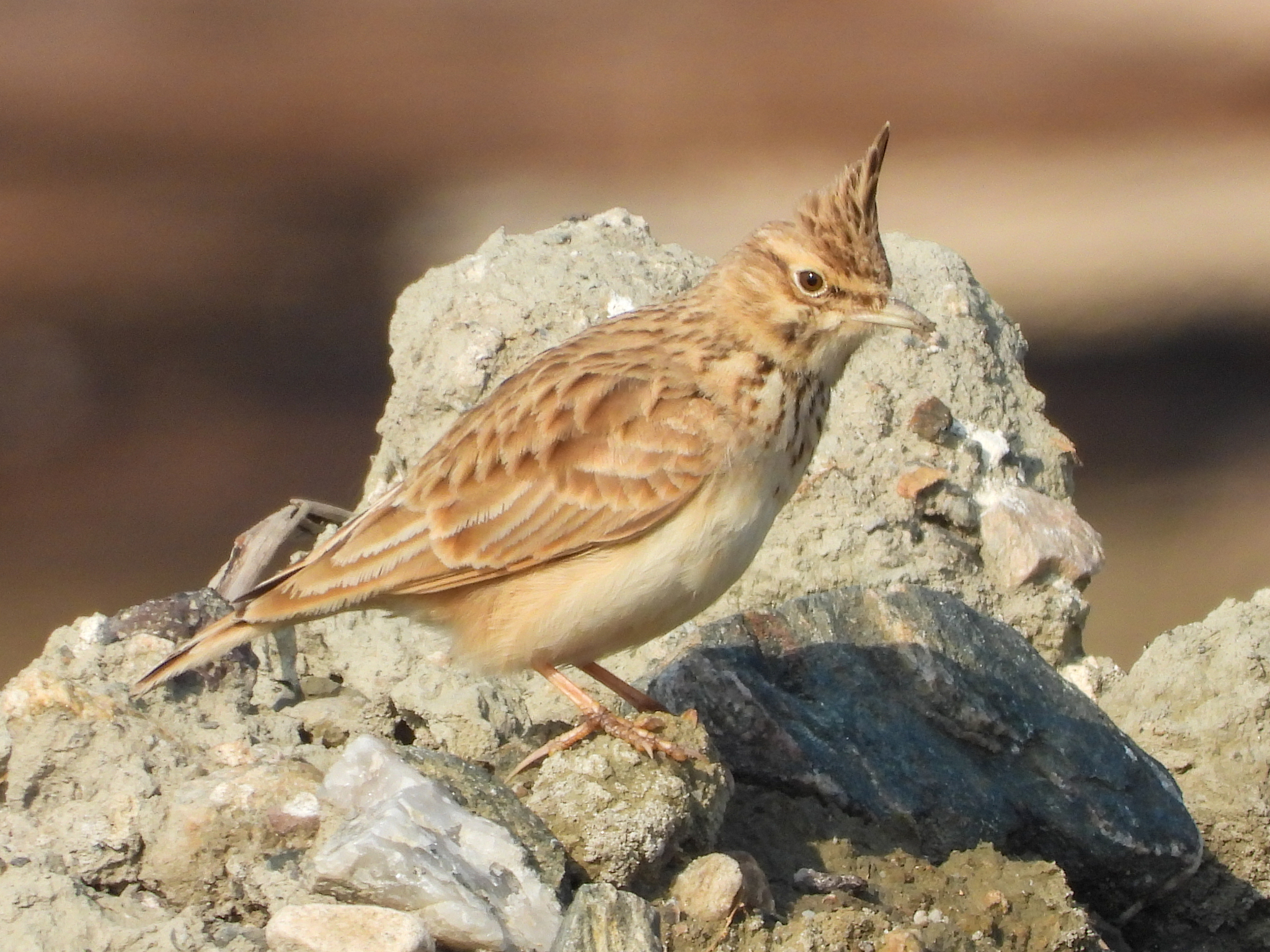
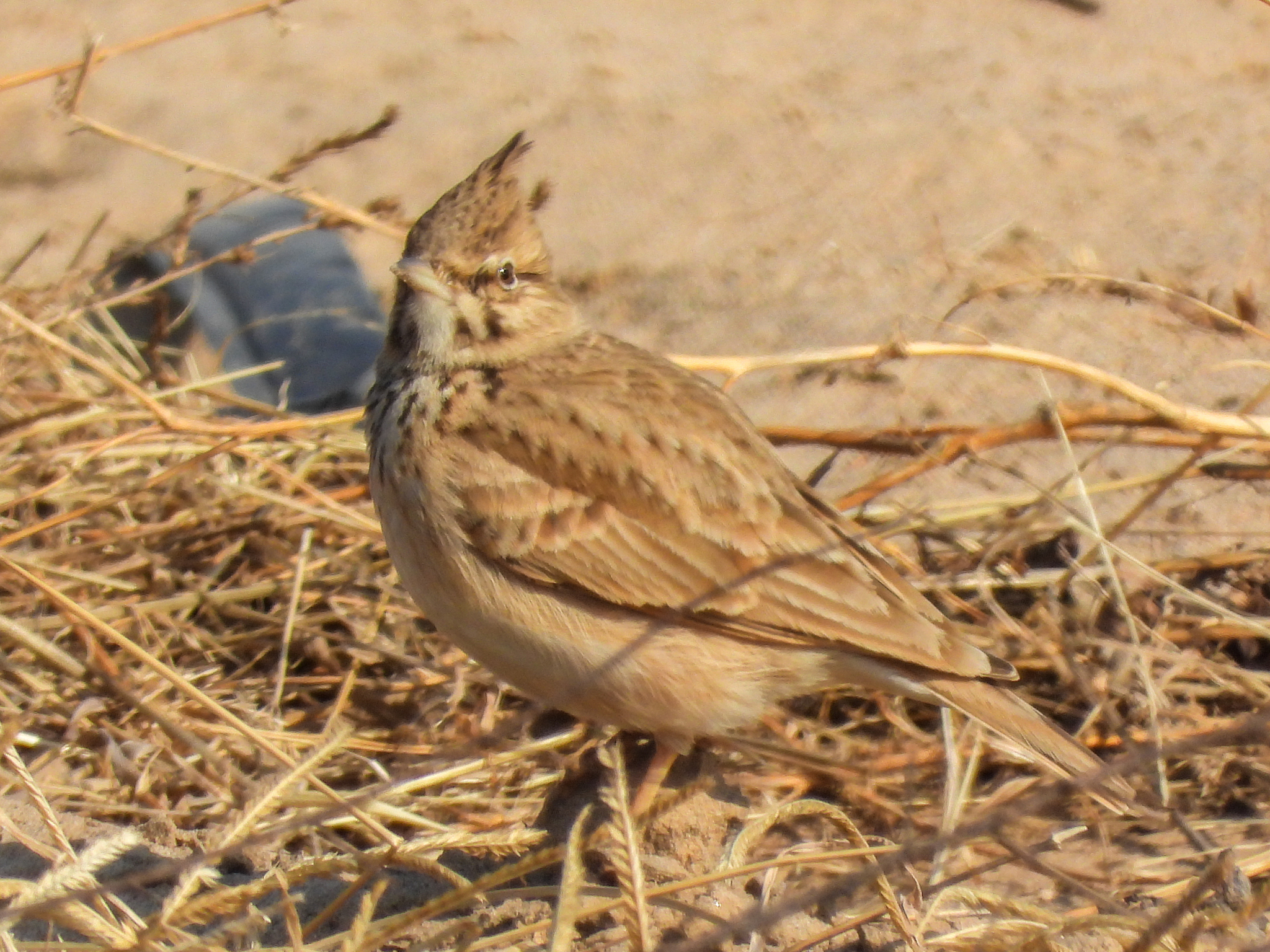
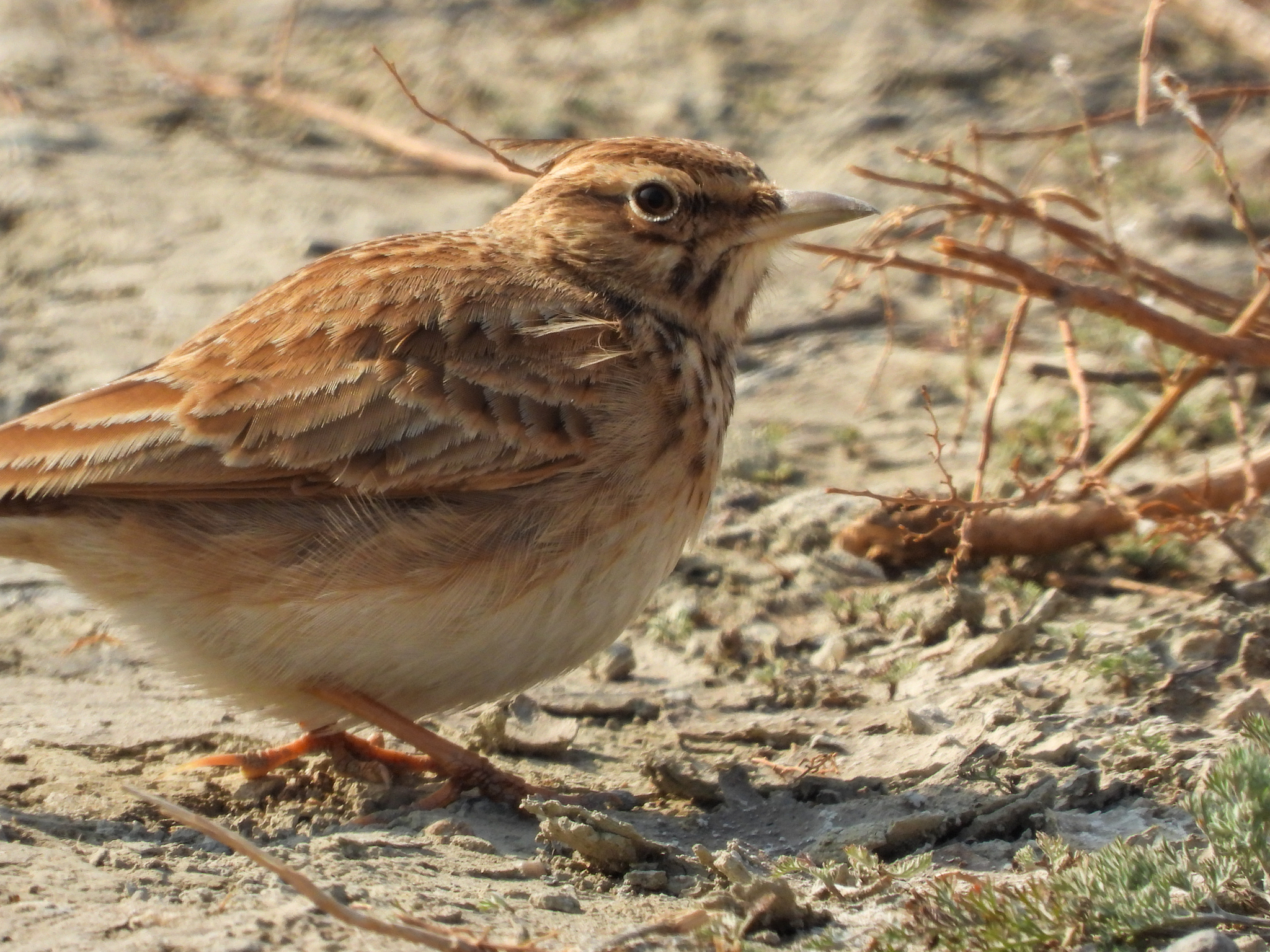
A small, brown bird roughly 17 cm (6.7 in) in height with a wingspan of 29 to 38 cm (11 to 15 in) and weighing between 37 and 55 g (1.3 and 1.9 oz). It is bulkier around the head and body than similar species, with a short tail featuring light brown outer feathers. Plumage is downy but sparse, appearing whitish. A distinct crest is conspicuous at all times, becoming more pronounced during displays. Males and females are similar, though young birds have more spots on their backs. In flight, it shows reddish underwings.
Identification
Distinguished from the Eurasian skylark by being shorter overall and bulkier. Key differences from the Thekla lark include a different beak structure and reddish underwings in flight, whereas the Thekla lark has grey underwings and heavier black-brown streaks. The crest is always visible.
Distribution & Habitat
Breeds across temperate Eurasia from Portugal to north-eastern China and eastern India, and in Africa south to Niger. Thirty-five subspecies are recognized, including populations in the Iberian Peninsula, central Europe, Italy, the Balkans, Turkey, the Caucasus, North Africa, the Middle East, Central Asia, China, Korea, and the Indian subcontinent. It is non-migratory and sedentary, rarely occurring as a vagrant in Great Britain. The species has been extirpated from Sweden (1993), Norway (1972), Luxembourg (1973), and Switzerland (1980s).
Behavior & Ecology
Sings in flight at altitudes of 30 to 60 m (98 to 197 ft) or on the ground, producing a liquid, warbling song described as 'whee-whee-wheeoo' or 'twee-tee-too'. Flight pattern exhibits undulatory locomotion. Nests in small ground depressions in wastelands or town outskirts using dead grasses and roots. Lays three to five brown, finely speckled eggs which hatch after 11–12 days. Chicks leave the nest after about eight days and fledge at 15–16 days. Two broods are usually raised annually. Primarily vegetarian, feeding on grains like oats, wheat, and barley, but also eats insects such as beetles, scavenging or digging for food.
Conservation
Categorized as Least Concern by the IUCN Red List. Global population estimates range from 22,000,000 to 91,200,000 mature individuals. European breeding pairs are estimated between 3,600,000 and 7,600,000. Population trends in Europe have shown an overall decline since 1982.
Culture
Francis of Assisi considered the bird significant due to its plain earth-coloured plumage, perceived humility, and song.
Source: Wikipedia · CC BY-SA 3.0
Taxonomy
- Order
- Passeriformes
- Family
- Alaudidae
- Genus
- Galerida
Subspecies (35)
-
Galerida cristata alexanderi
northern Nigeria to western Sudan and northeastern Democratic Republic of the Congo
Data Sources
Species description from Wikipedia, licensed under CC BY-SA 3.0.
Bird images and sounds sourced from GBIF, contributed by citizen scientists worldwide under Creative Commons licenses.
Taxonomy data from AviList 2025.