Gruiformes / Rallidae / Fulica
Eurasian Coot
Fulica atra · 白骨顶
Introduction
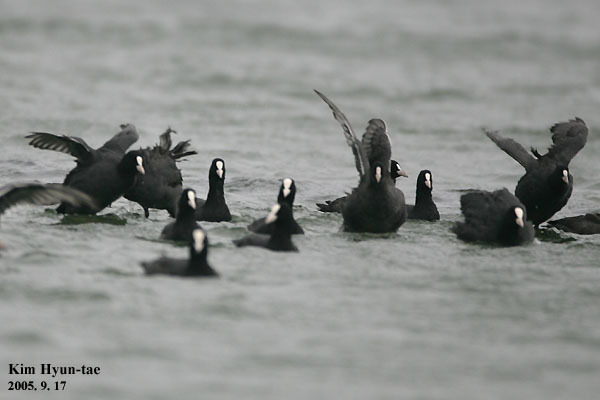
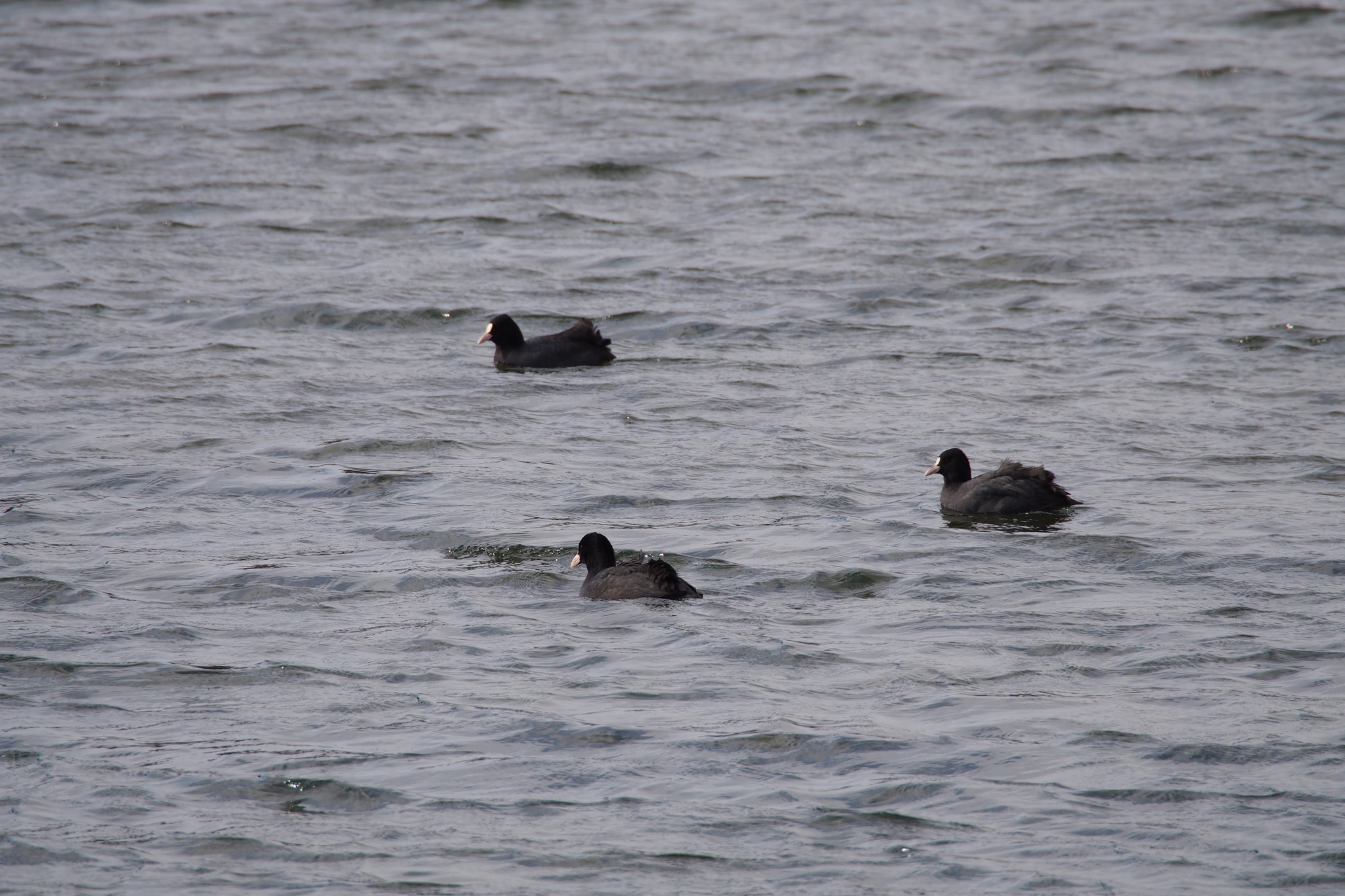
Member of the rail family Rallidae, found in Europe, Asia, Australia, New Zealand, and parts of North Africa. Inhabits freshwater lakes and ponds, including urban parks. Distinctive for its white frontal shield, partial toe webbing, and aggressive territorial behavior. Applies to the Agreement on the Conservation of African-Eurasian Migratory Waterbirds (AEWA).
Description
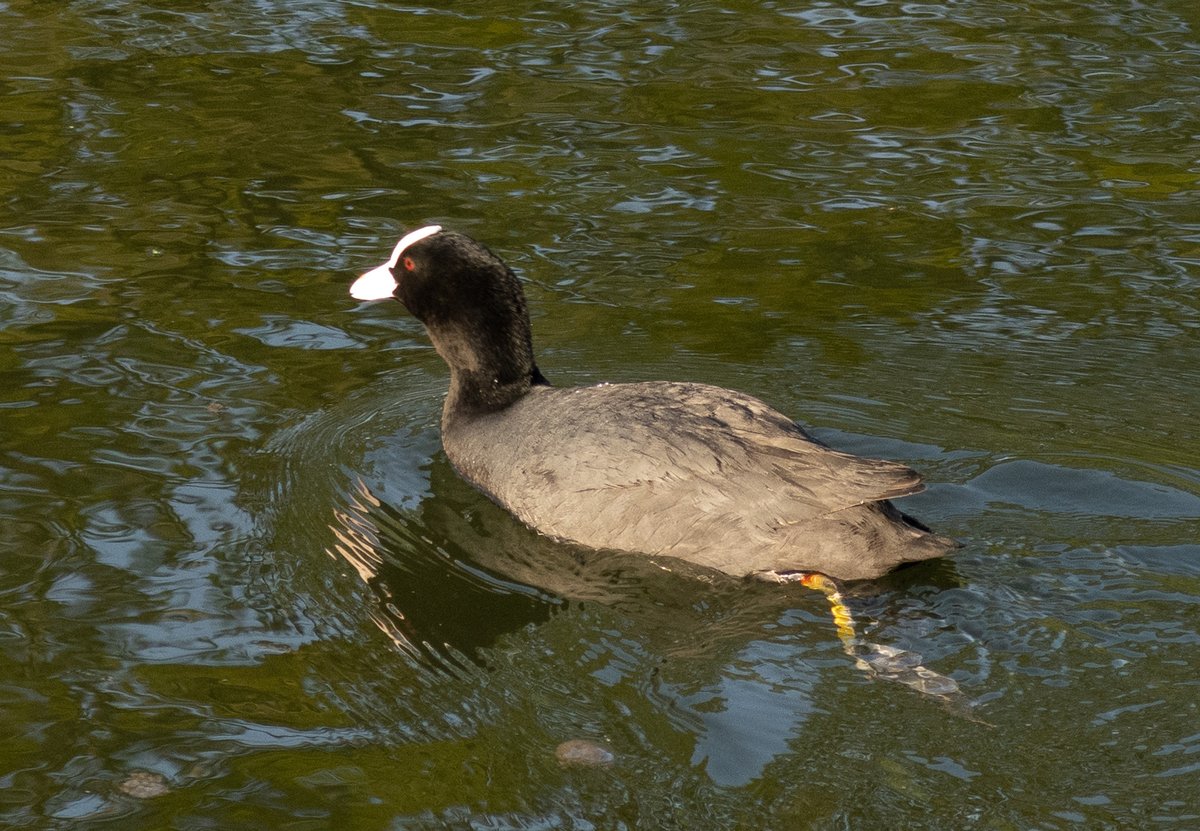
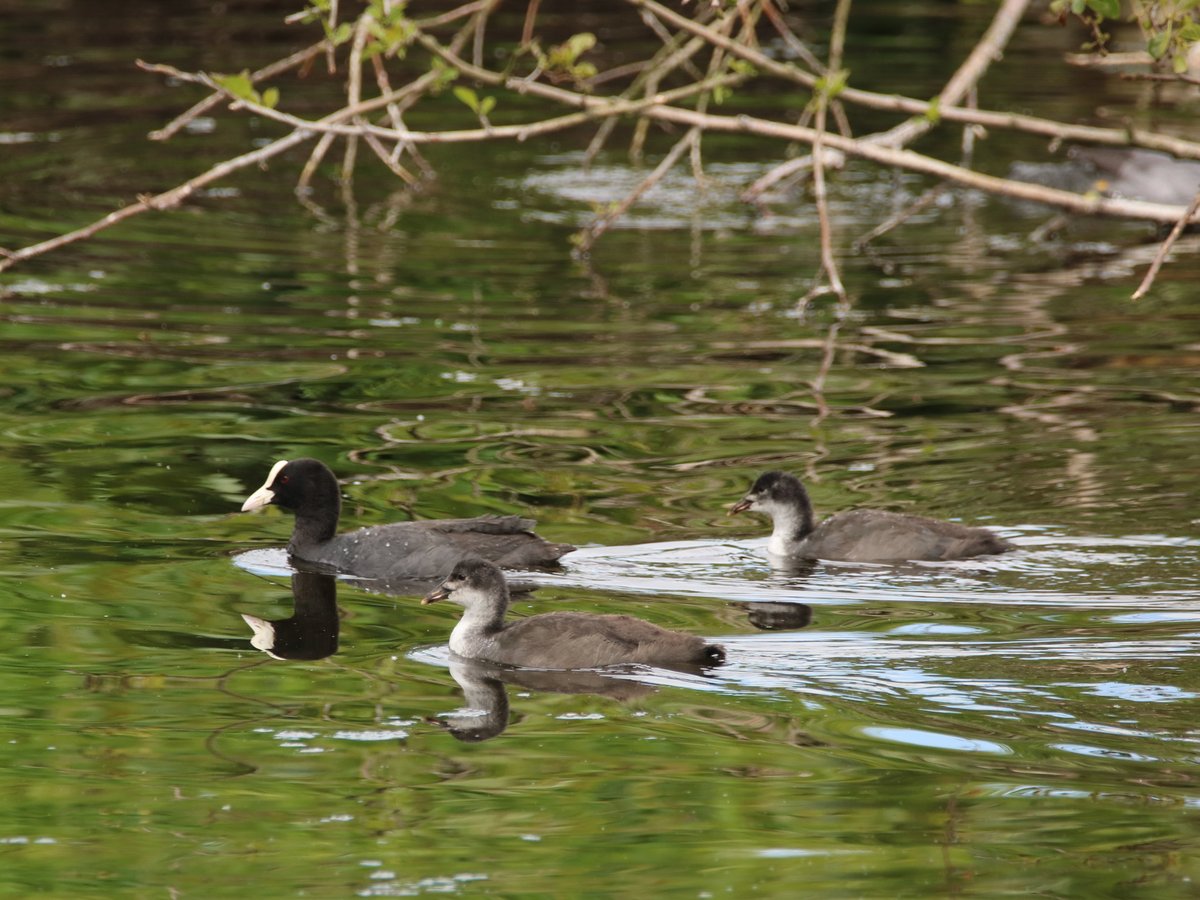
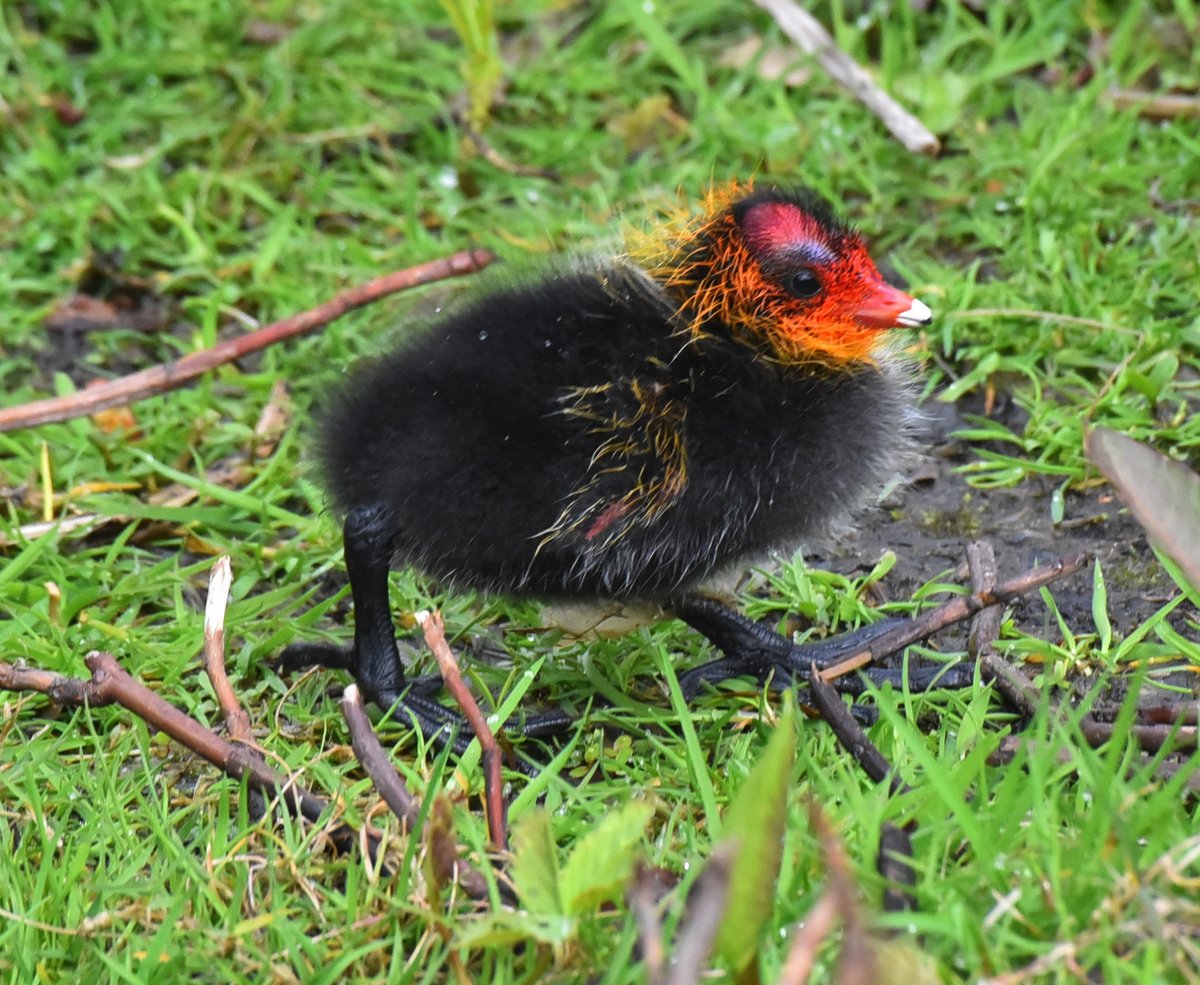
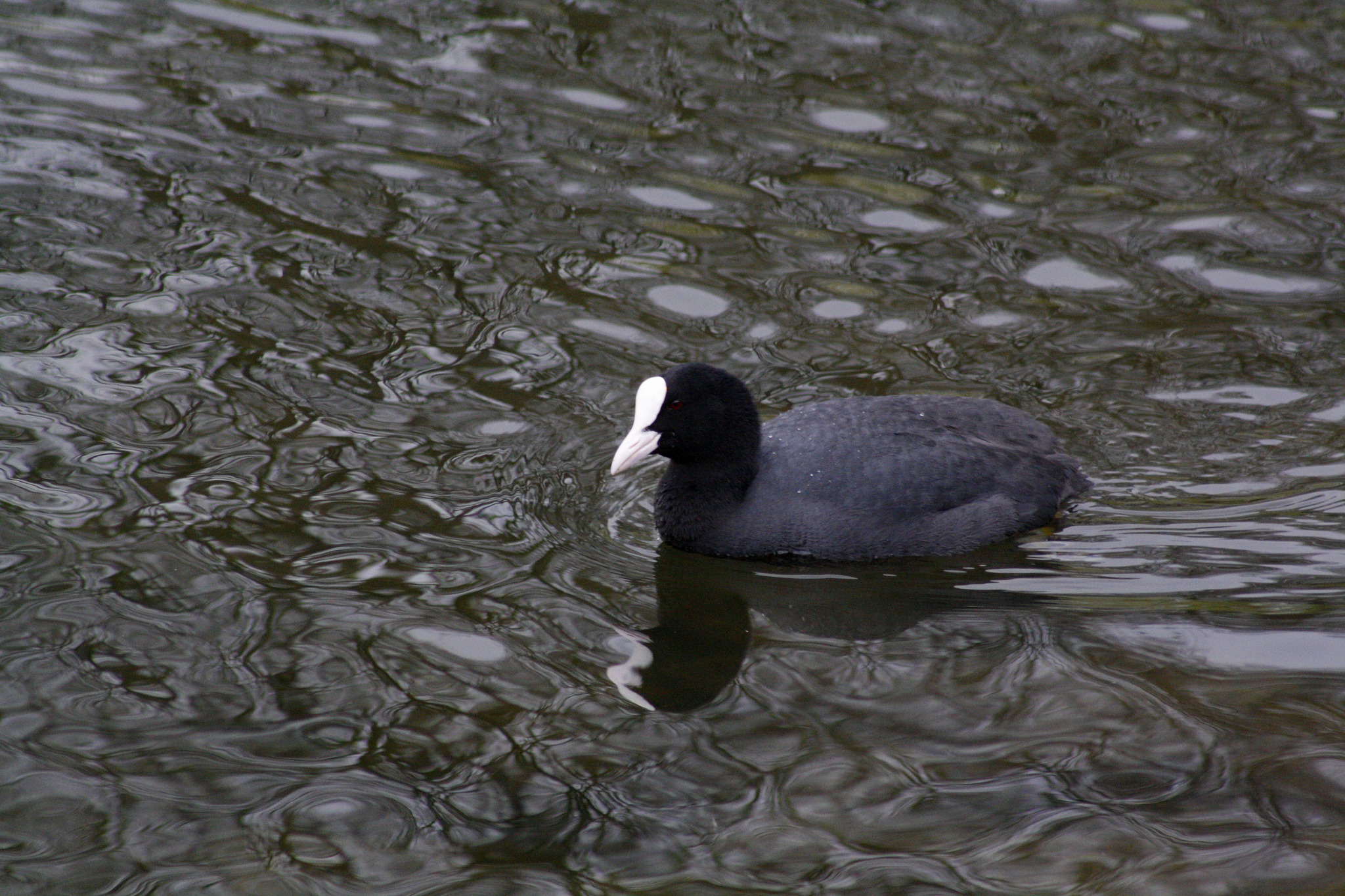
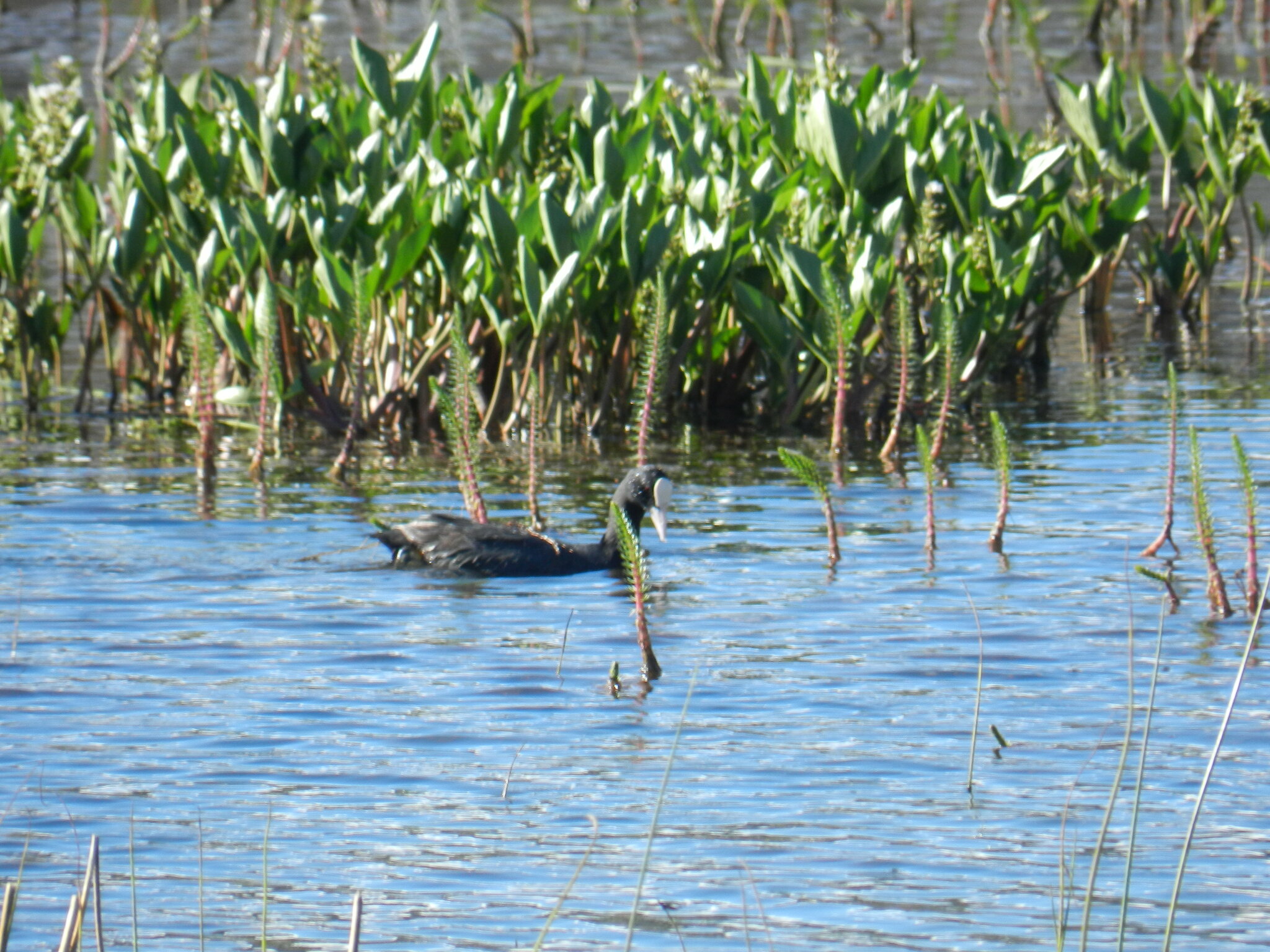
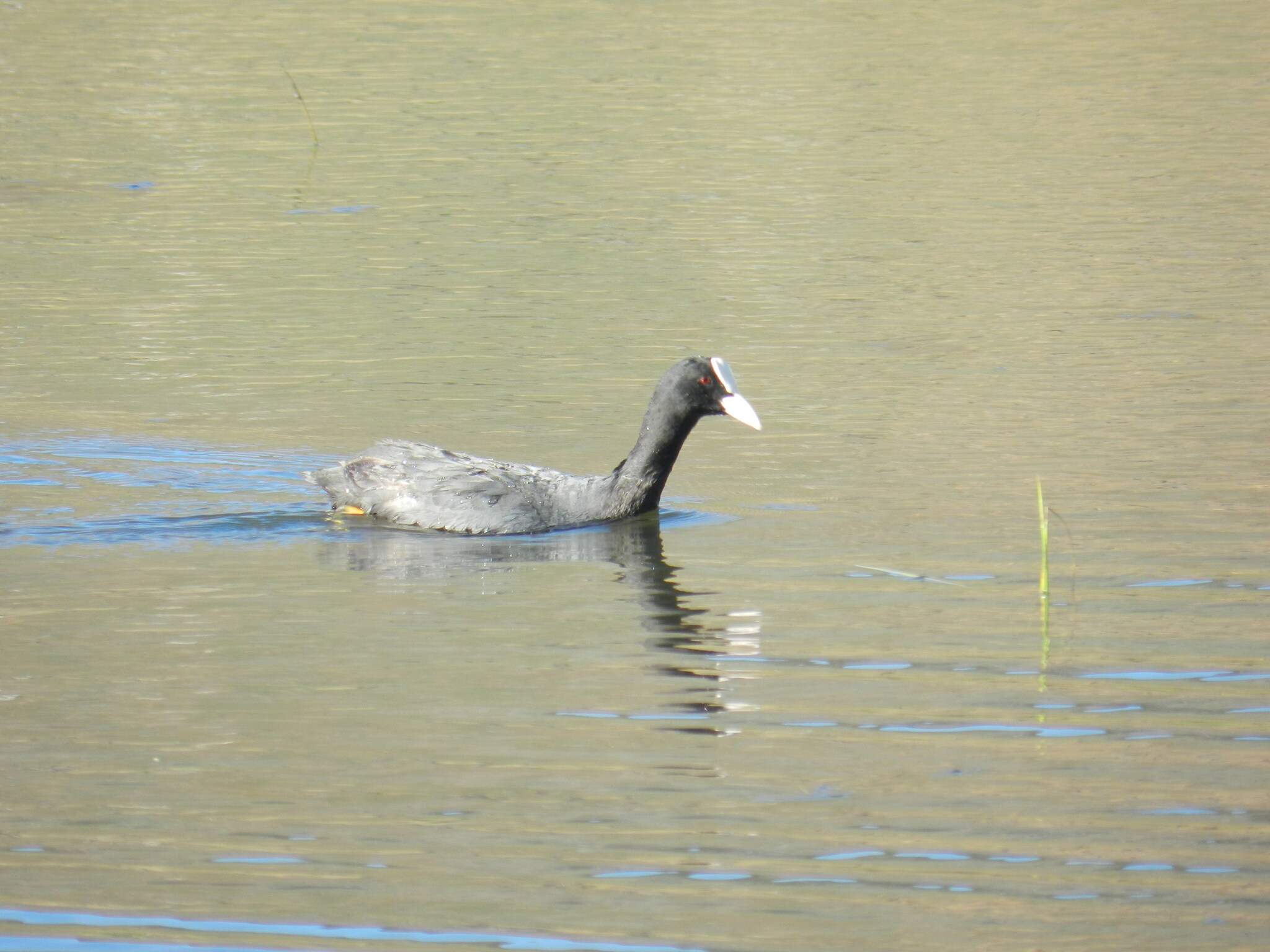
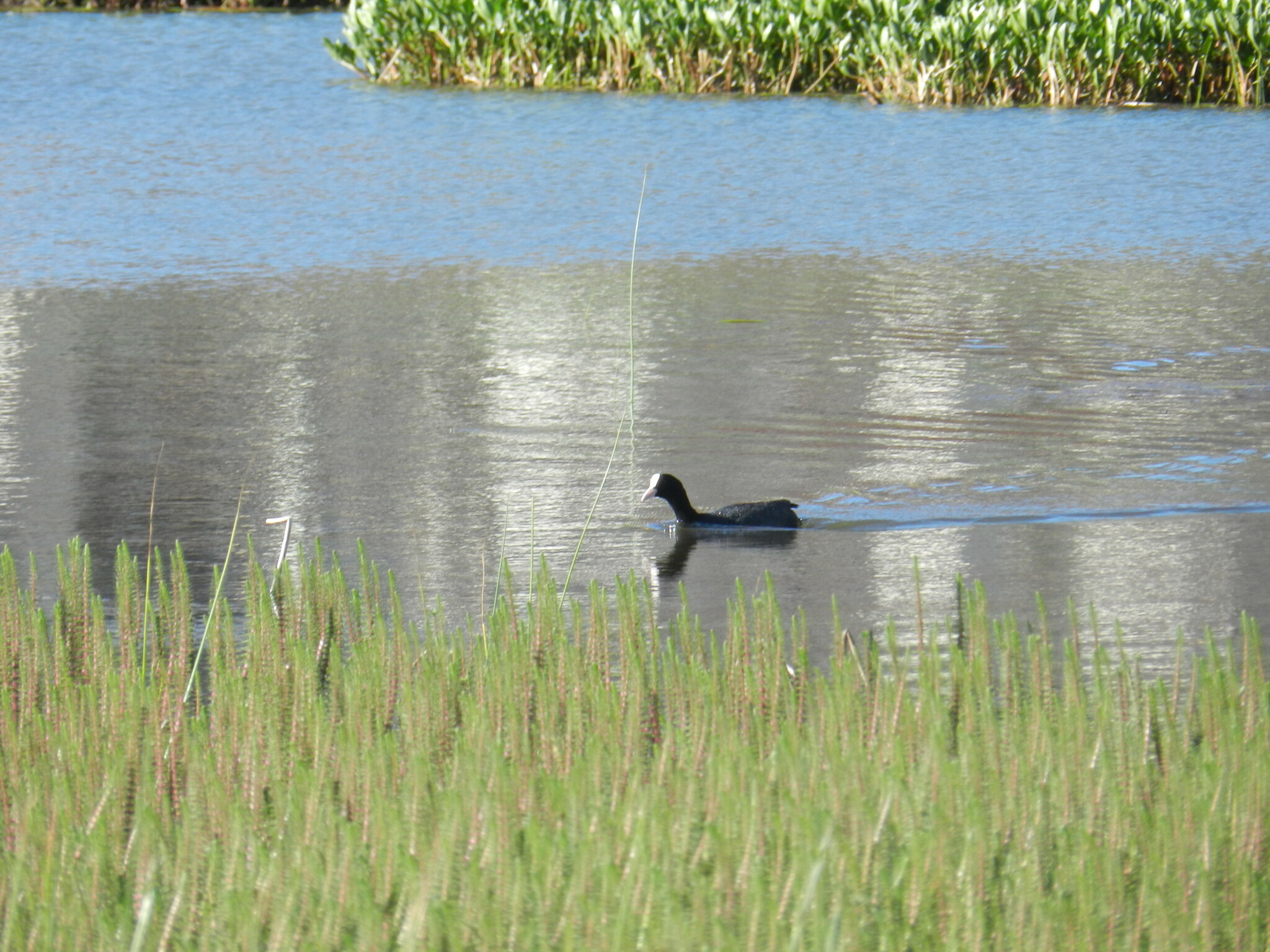
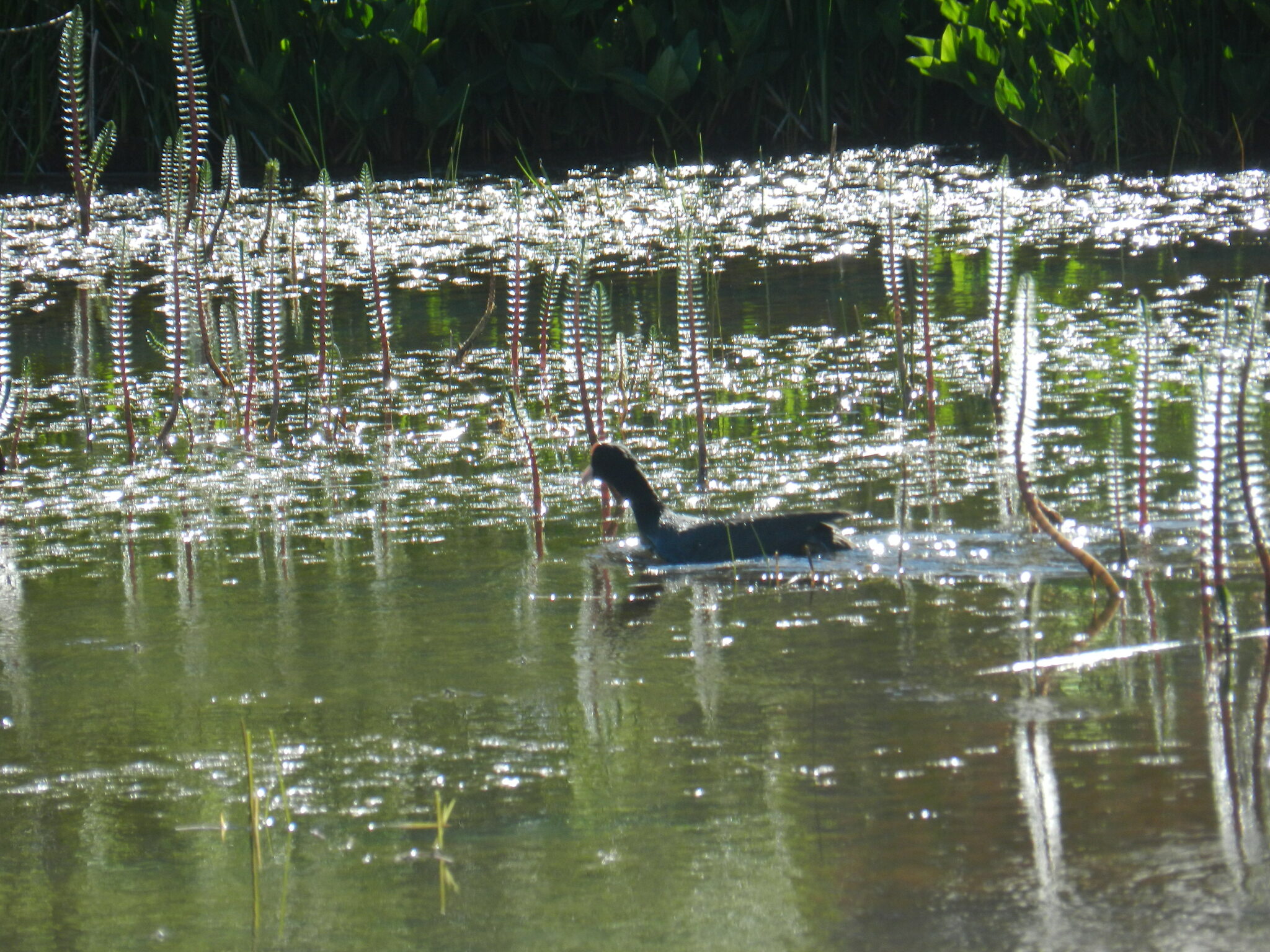
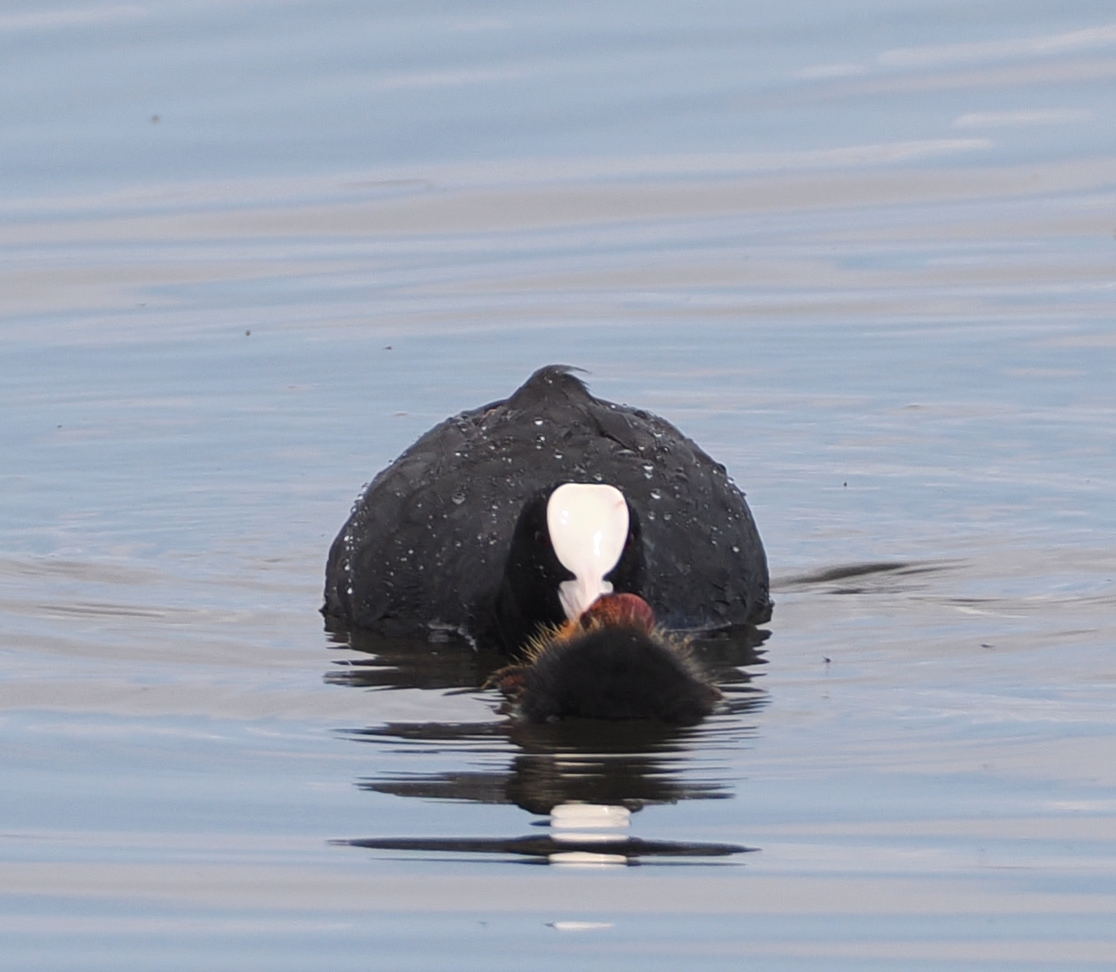
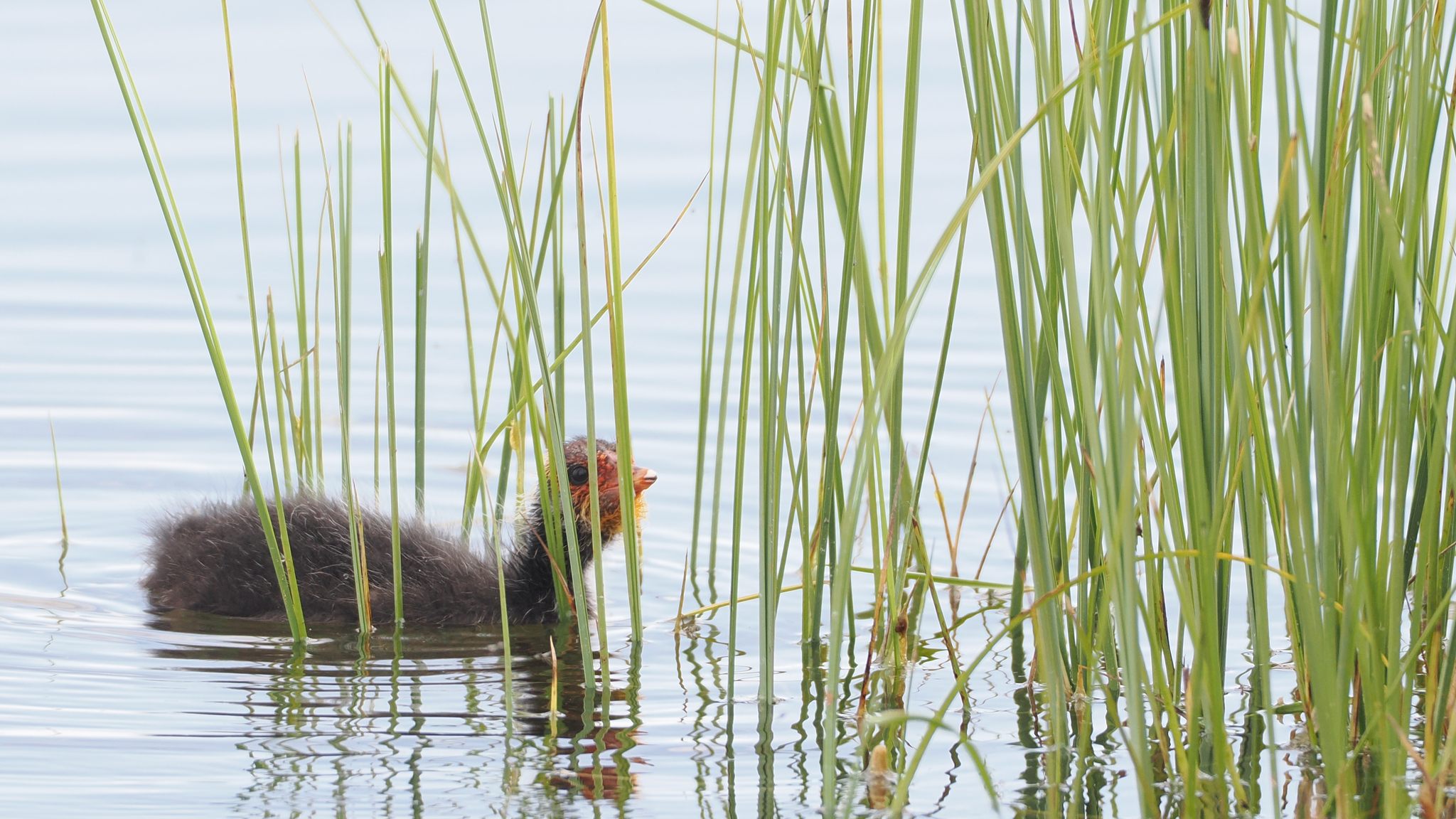
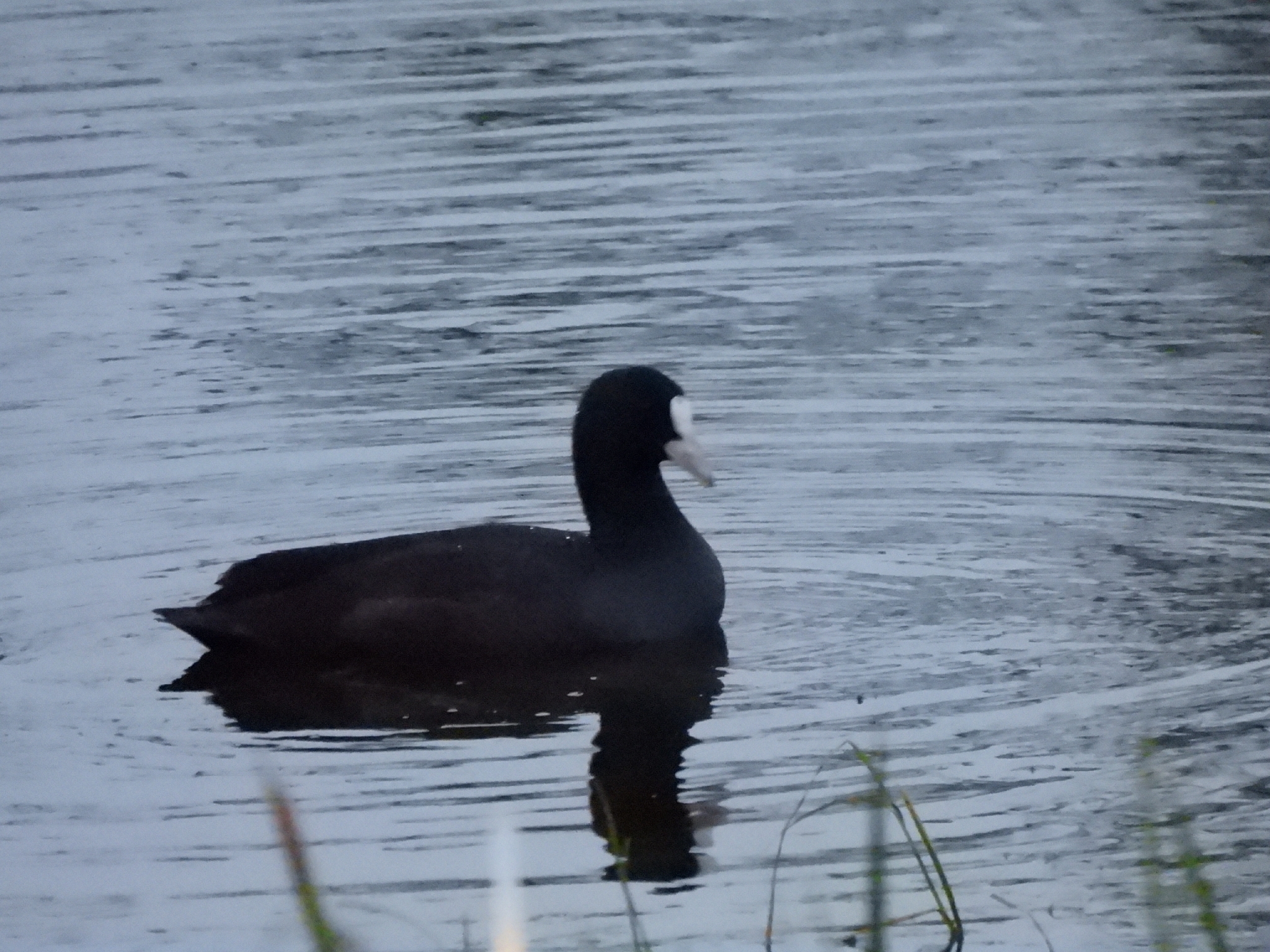
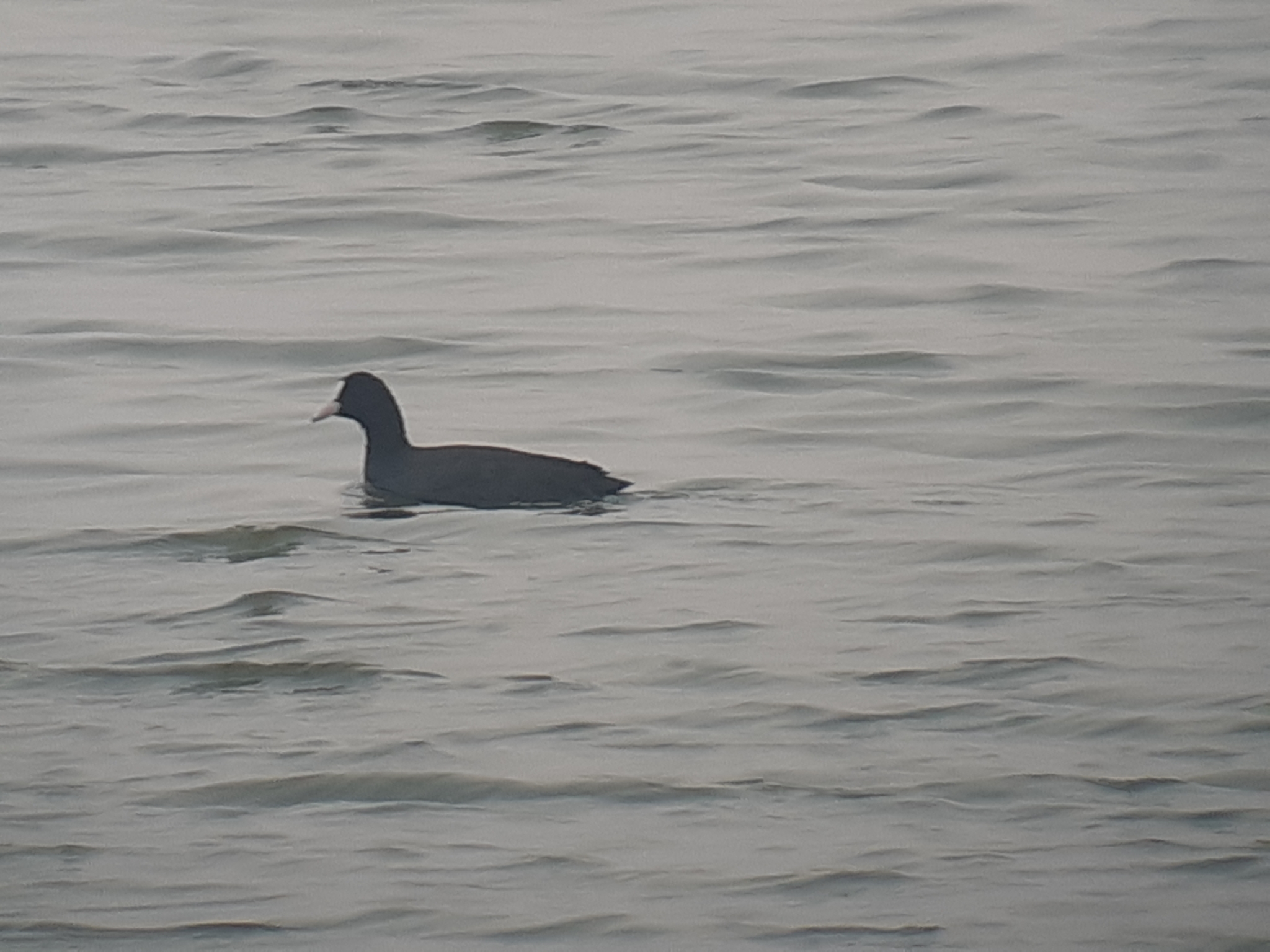
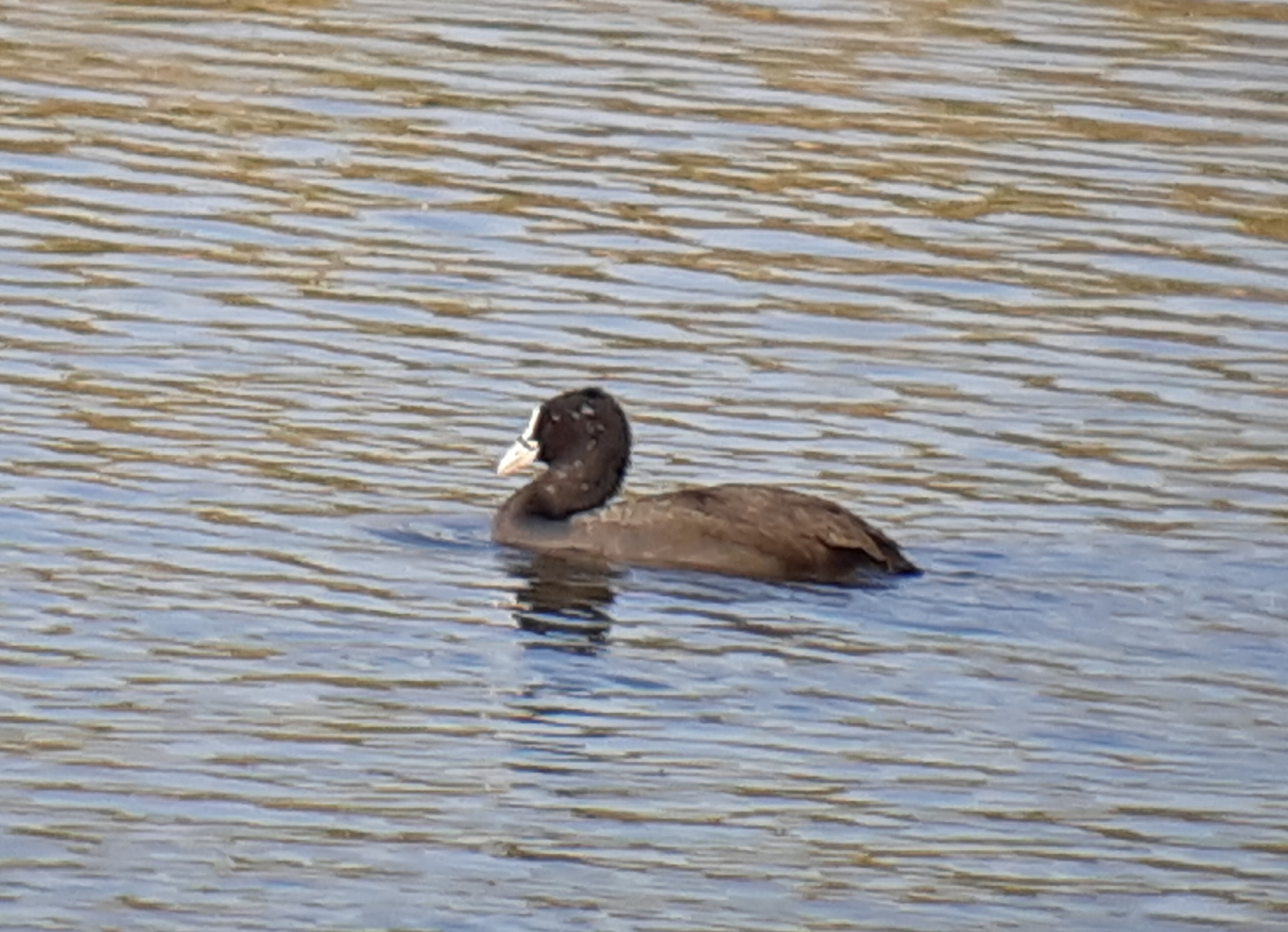
Length 36–38 cm (14–15 in), wingspan 70–80 cm (28–31 in). Males weigh around 890 g (31 oz) and females 750 g (26 oz). Plumage is largely black with a glossy black head, white bill, and white frontal shield. Sexes are similar. Juveniles are paler with a whitish breast, lack the facial shield, and have black down with yellow, orange-red, or red hair-like tips; the adult black plumage develops at 3–4 months, while the white shield is fully developed at about one year.
Identification
Recognized by slaty-black body, white bill, and prominent white frontal shield. Partial webbing on long toes distinguishes it from many relatives. Noisy with crackling, explosive, or trumpeting calls, often given at night. Reluctant to fly, taking off with a running splash across water.
Distribution & Habitat
Breeds across much of the Old World, including Europe, Asia, Australia, and Africa. Recently expanded range into New Zealand. Four subspecies recognized: F. a. atra (Europe, North Africa to Japan, India, Southeast Asia, Philippines, Borneo), F. a. lugubris (Java, Bali, northwest New Guinea), F. a. novaeguineae (central New Guinea), and F. a. australis (Australia, New Zealand). Resident in milder parts; migrates south and west from much of Asia in winter. Vagrant in North America.
Behavior & Ecology
Less secretive than most rails, seen swimming on open water or walking on grasslands. Aggressive and strongly territorial during breeding; attacks opponents by charging and striking with long legs. Forms large flocks in non-breeding season. Omnivorous diet includes algae, vegetation, seeds, fruit, and small live prey like other waterbird eggs. Feeds by grazing, upending, or diving. Nests are bulky structures of plant stems built by both sexes in shallow water or vegetation. Clutch of 6–10 buff eggs with dark speckles, incubated by both sexes for 21–24 days. Chicks are precocial and nidifugous; brooded by female initially, fed by male. Young feed themselves at 30 days, fledge at 55–60 days. Brutal to begging young under food stress; may kill chicks. Practices conspecific brood parasitism.
Conservation
One of the species to which the Agreement on the Conservation of African-Eurasian Migratory Waterbirds (AEWA) applies.
Source: Wikipedia · CC BY-SA 3.0
Taxonomy
- Order
- Gruiformes
- Family
- Rallidae
- Genus
- Fulica
Subspecies (4)
-
Fulica atra atra
breeds Europe, northern Africa, Azores and Canaries eastward through central Asia to Japan and southward to Indian Subcontinent, including Sri Lanka; winters to Africa, Indonesia, and Philippines
Data Sources
CBR Notes: 中文名由骨顶鸡改为白骨顶
Species description from Wikipedia, licensed under CC BY-SA 3.0.
Bird images and sounds sourced from GBIF, contributed by citizen scientists worldwide under Creative Commons licenses.
Taxonomy data from AviList 2025.