Passeriformes / Muscicapidae / Ficedula
Yellow-rumped Flycatcher
Ficedula zanthopygia · 白眉姬鹟
Introduction
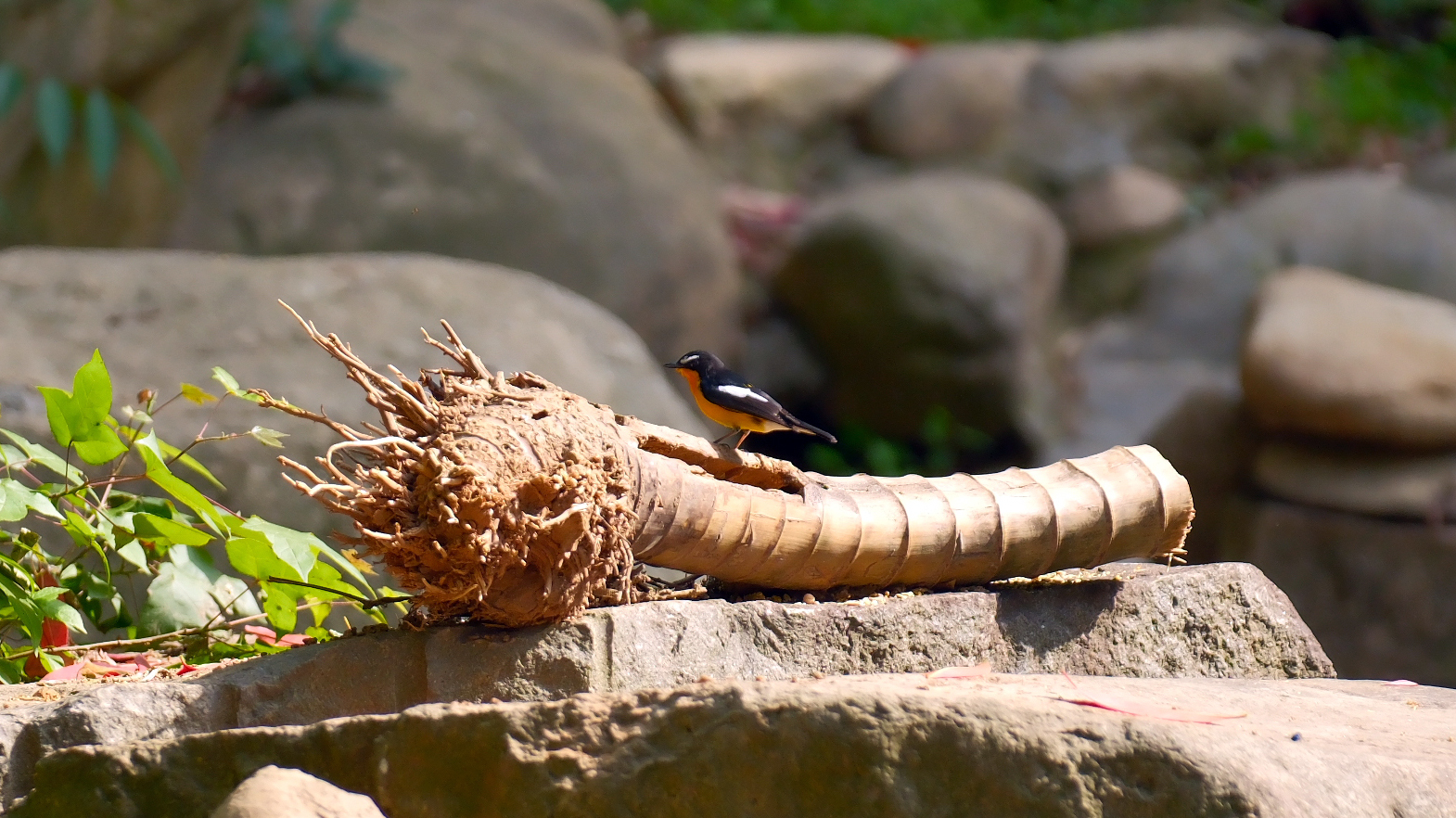
A species of flycatcher found in eastern Asia. It breeds in parts of Mongolia, Transbaikal, southern China, Korea, and western Japan, and winters in the Malay Peninsula and South Asia. Distinctive for its yellow rump and lack of close look-alikes other than the narcissus flycatcher.
Description
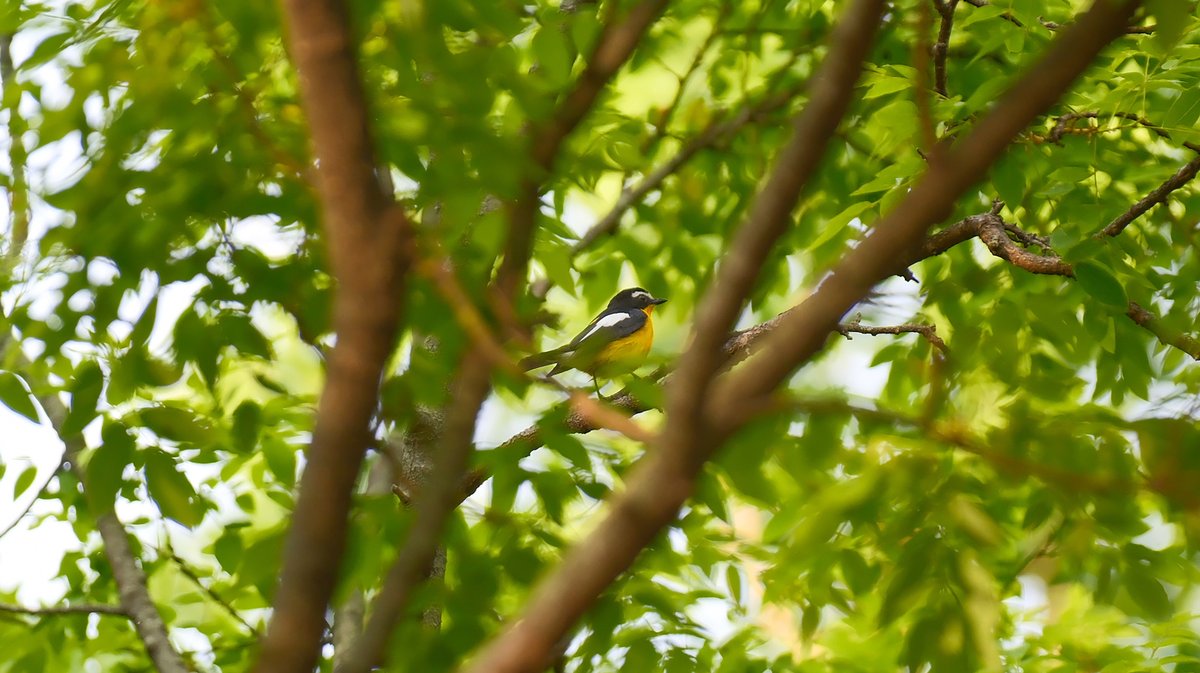
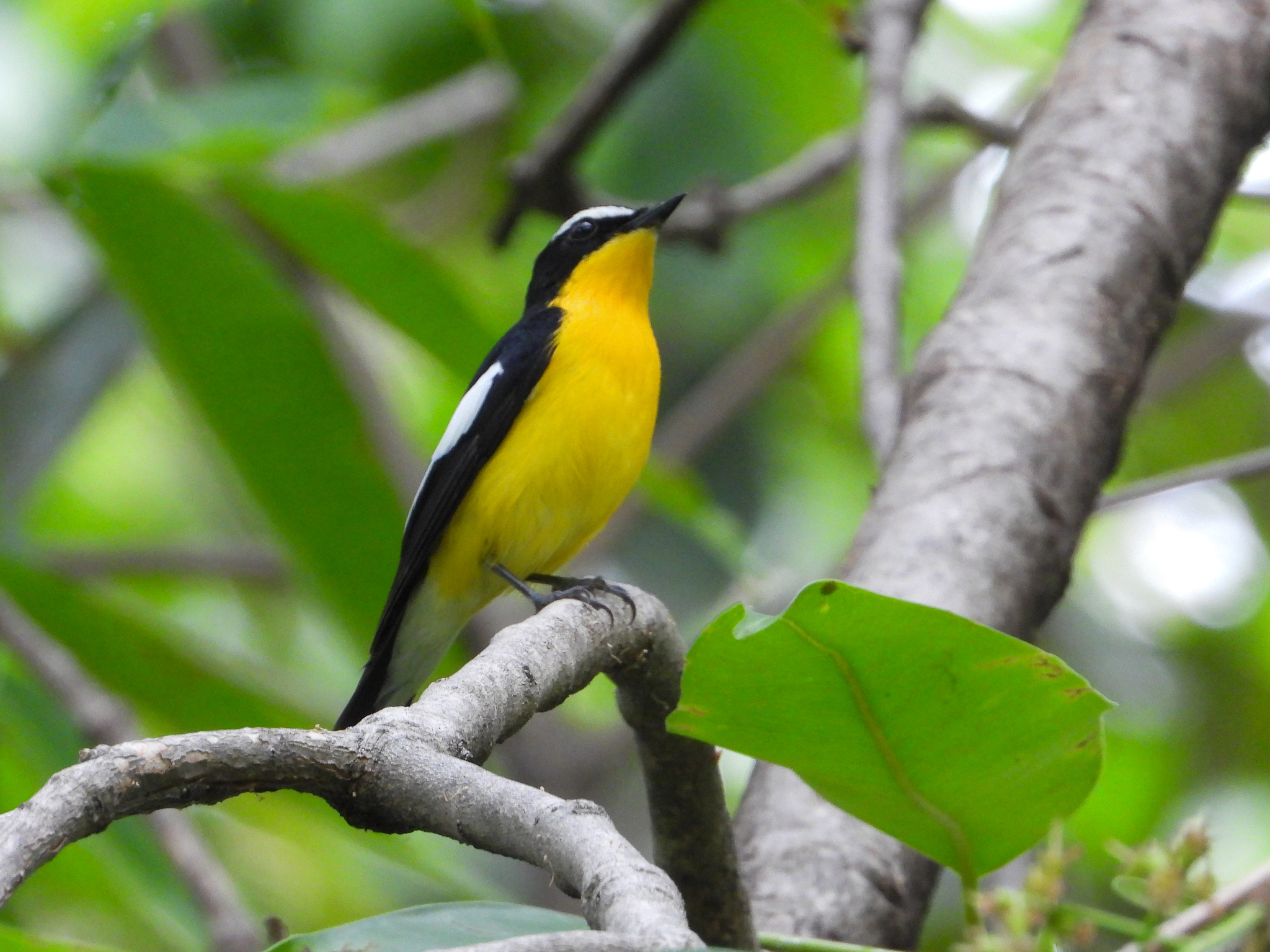
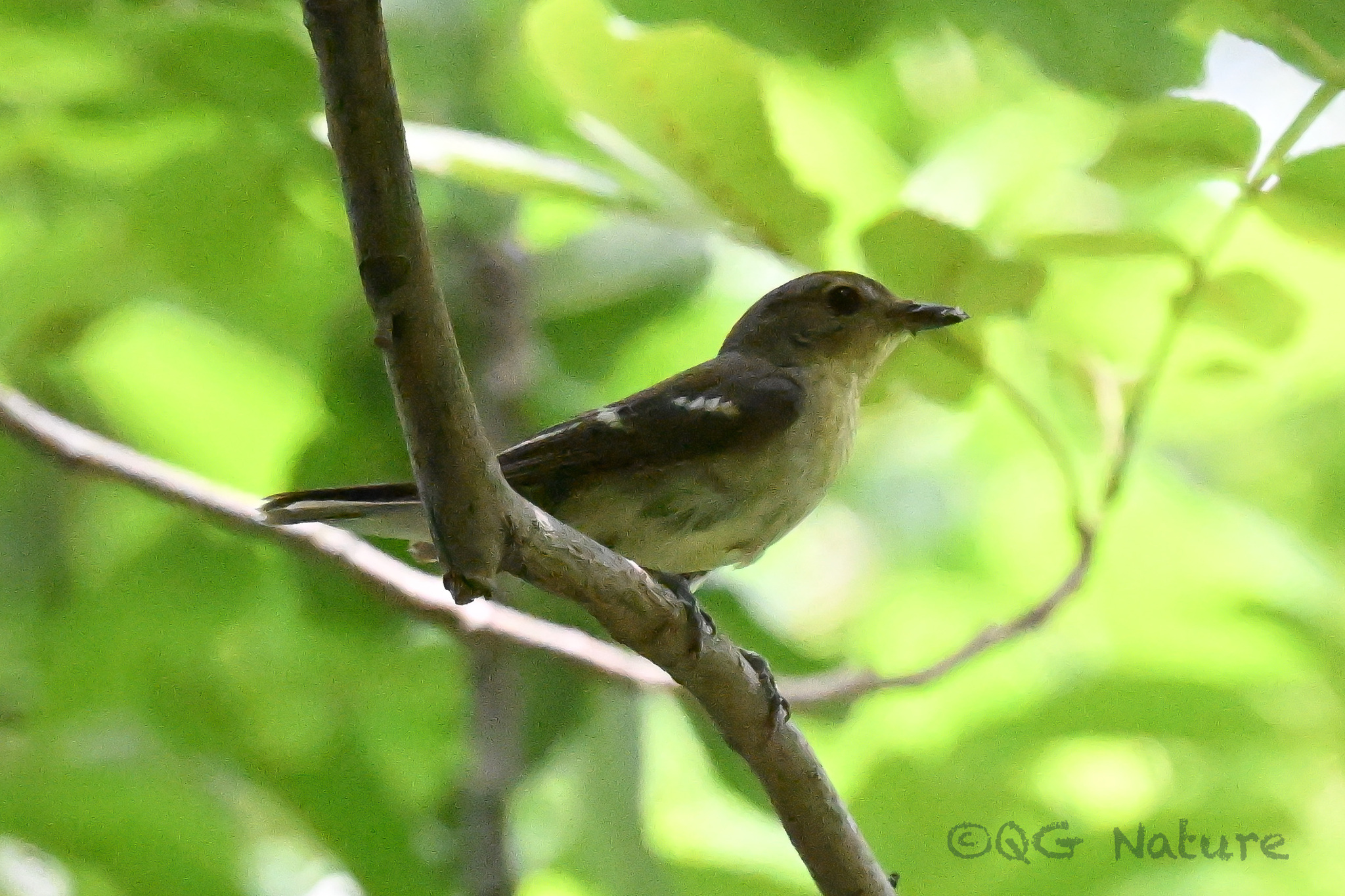
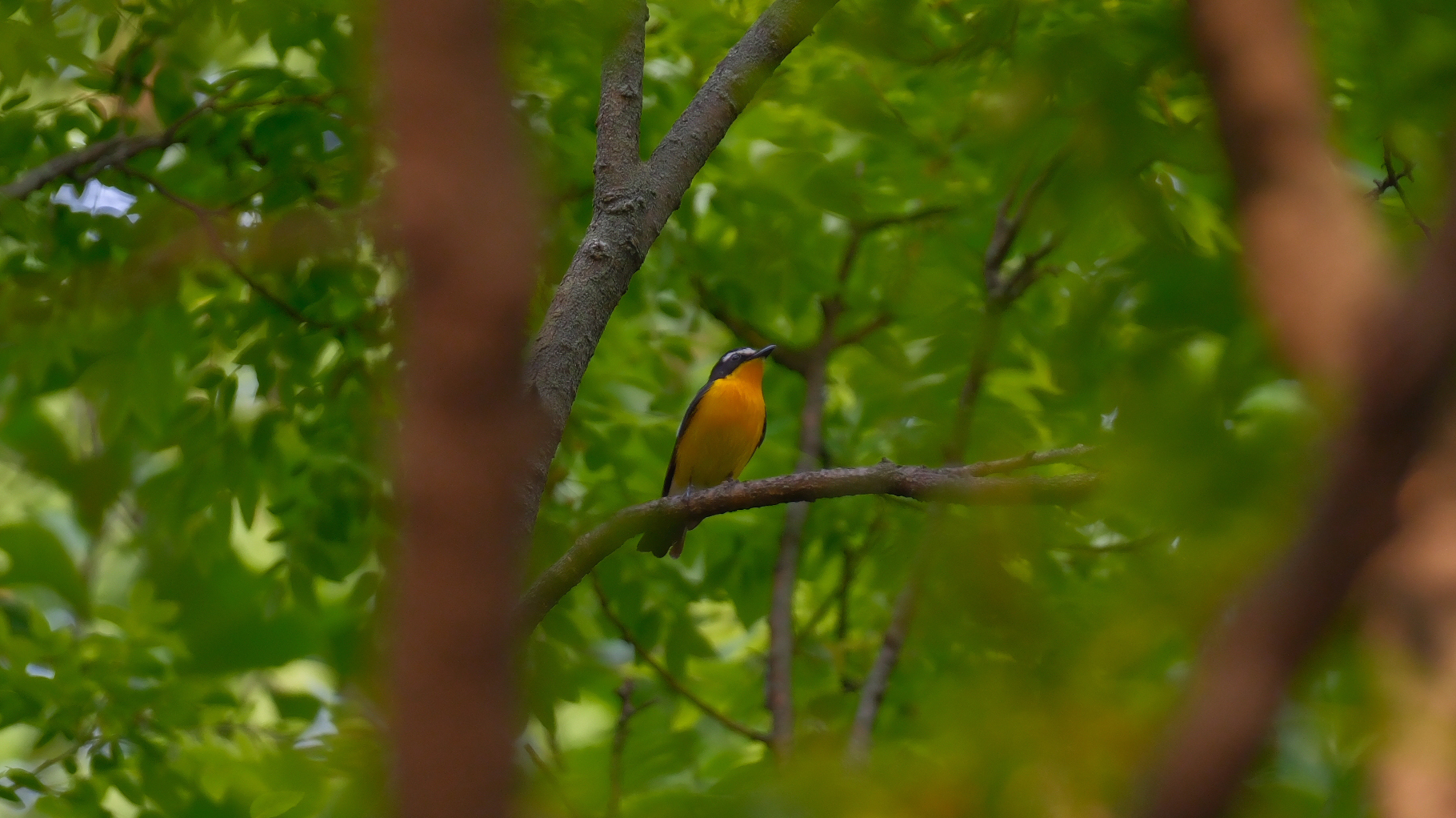
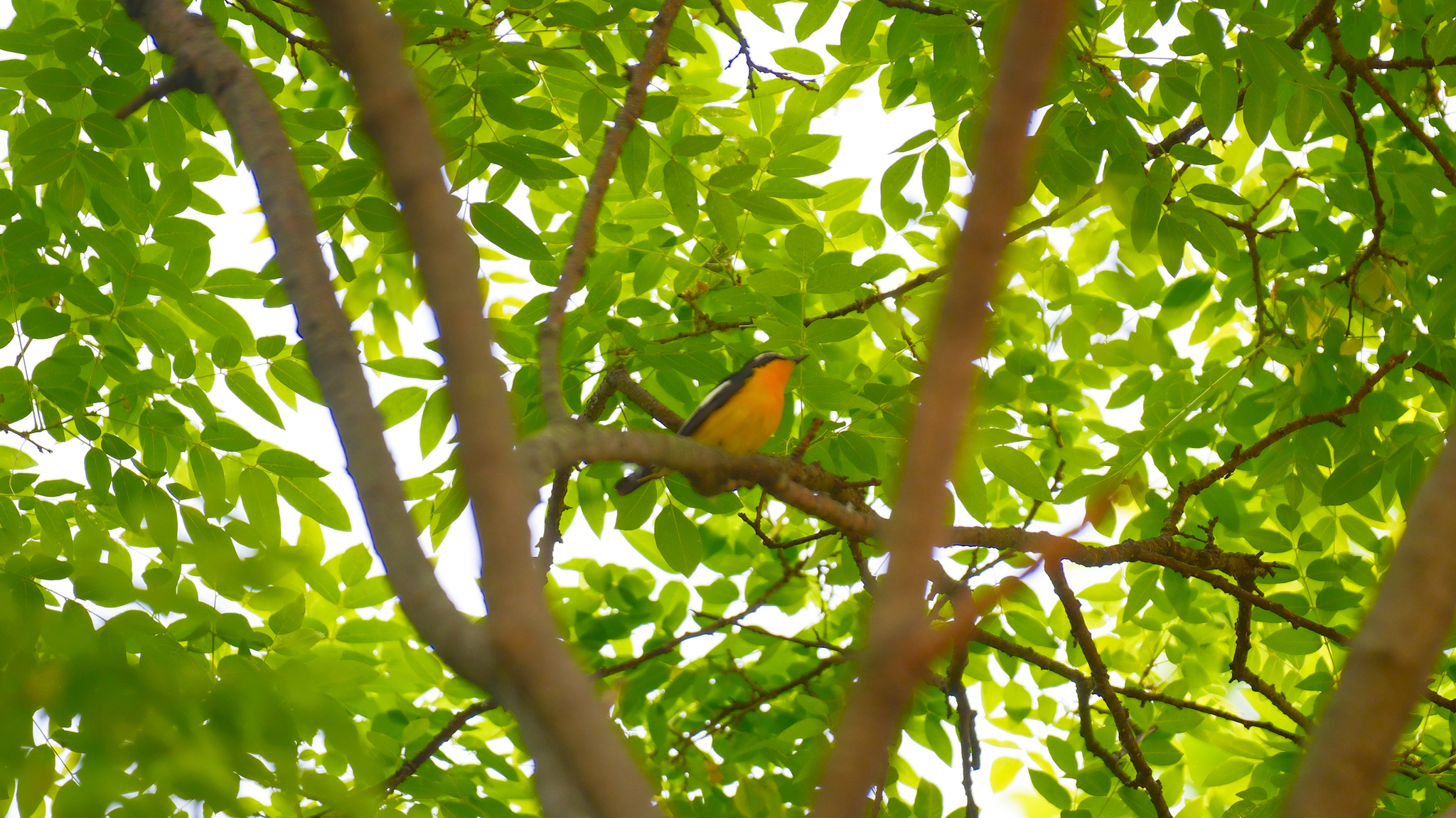
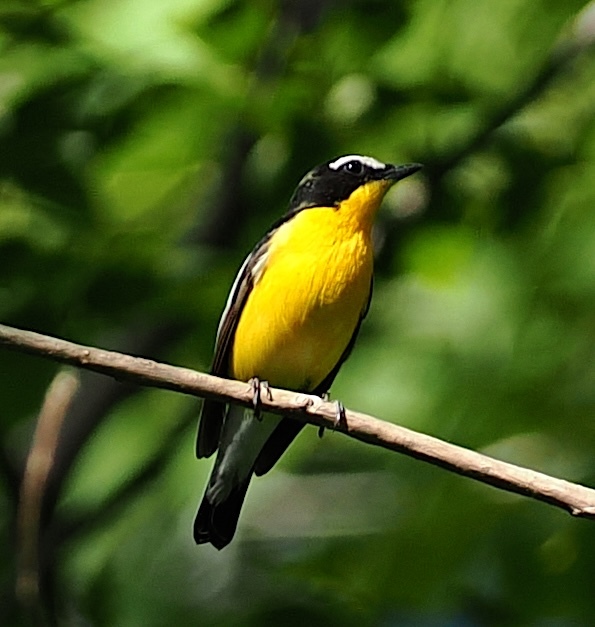
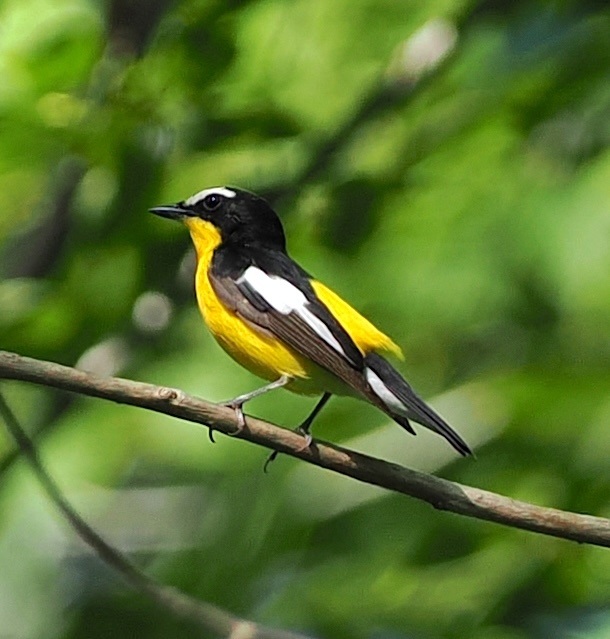
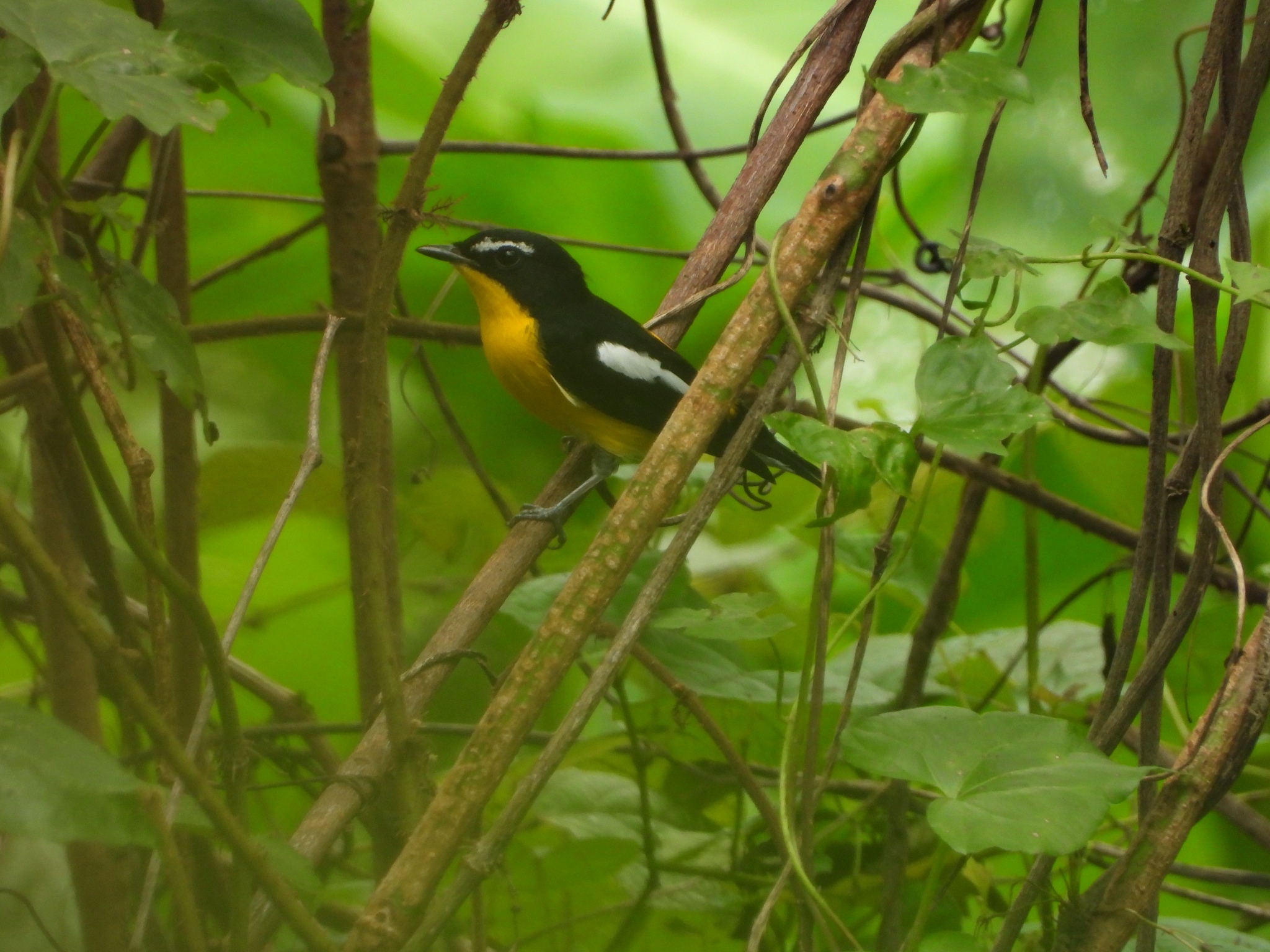
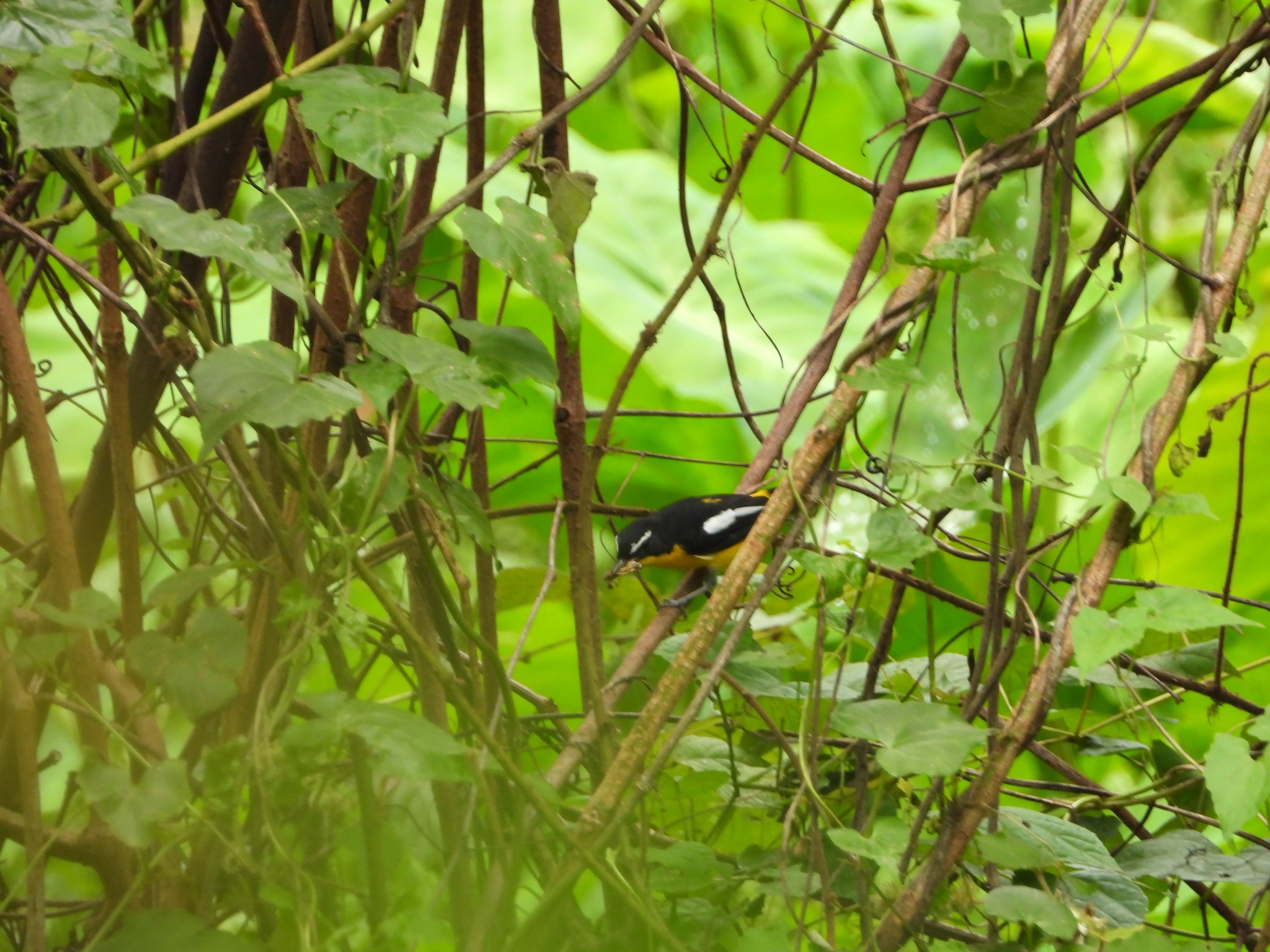
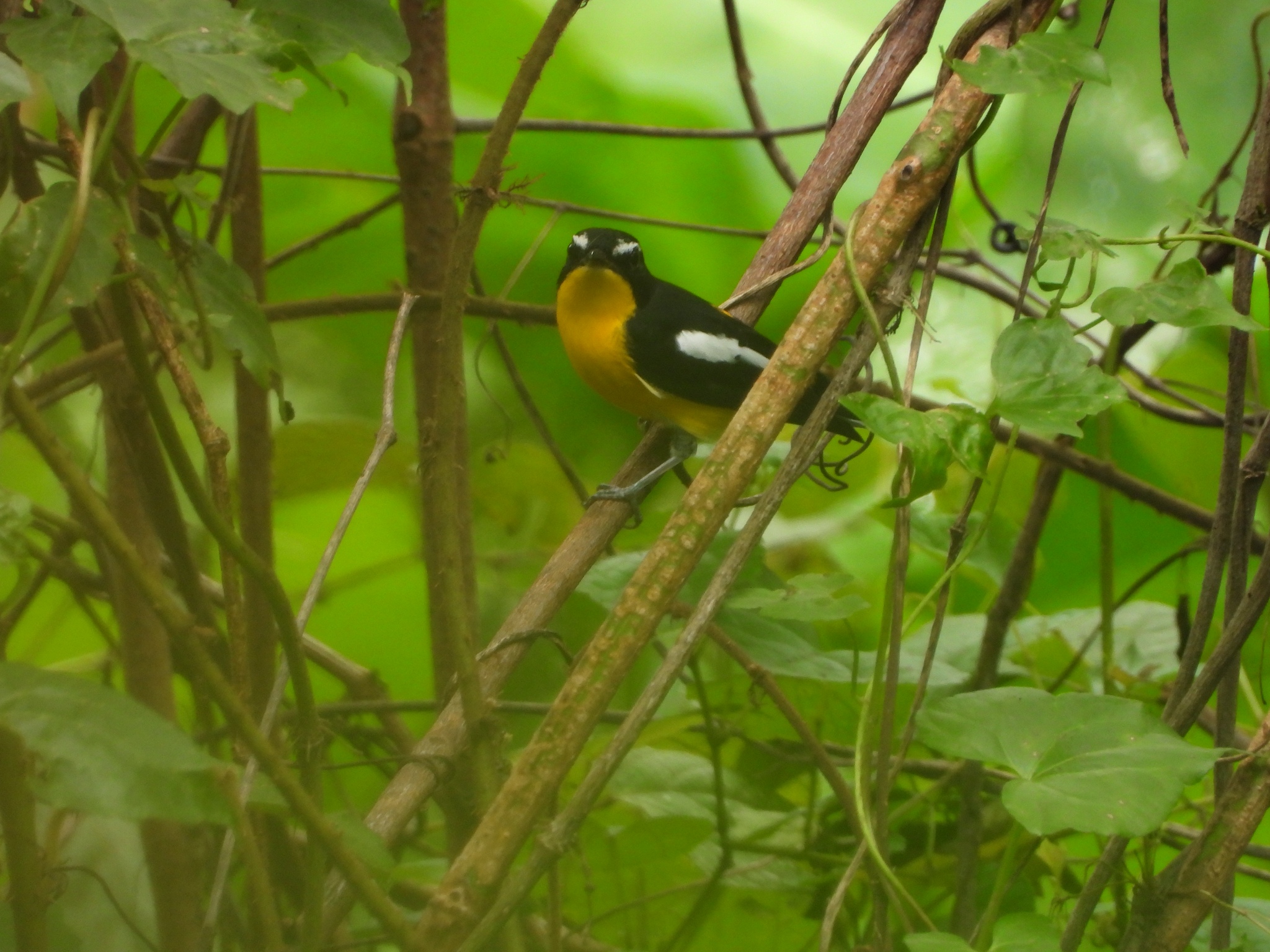
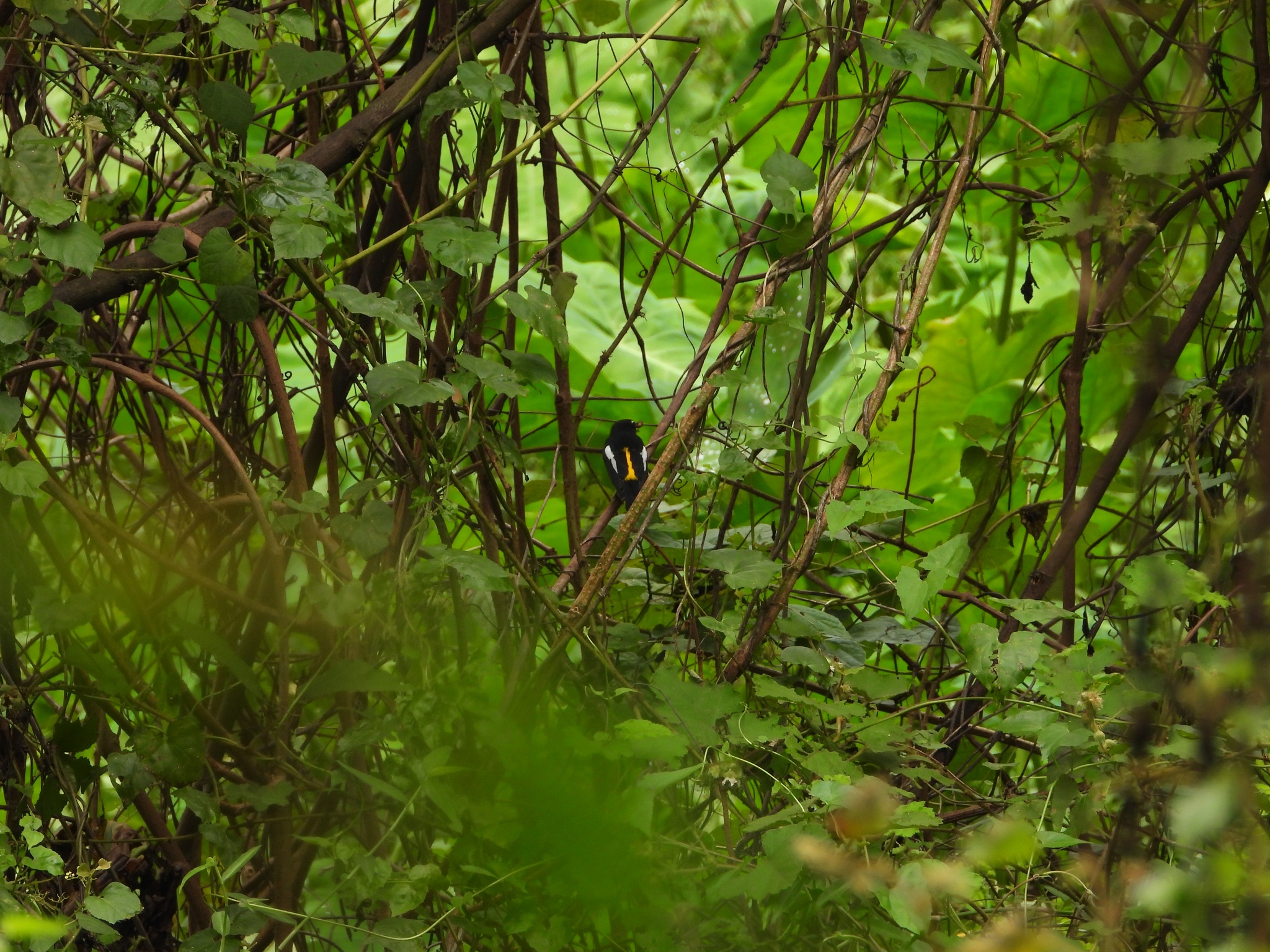
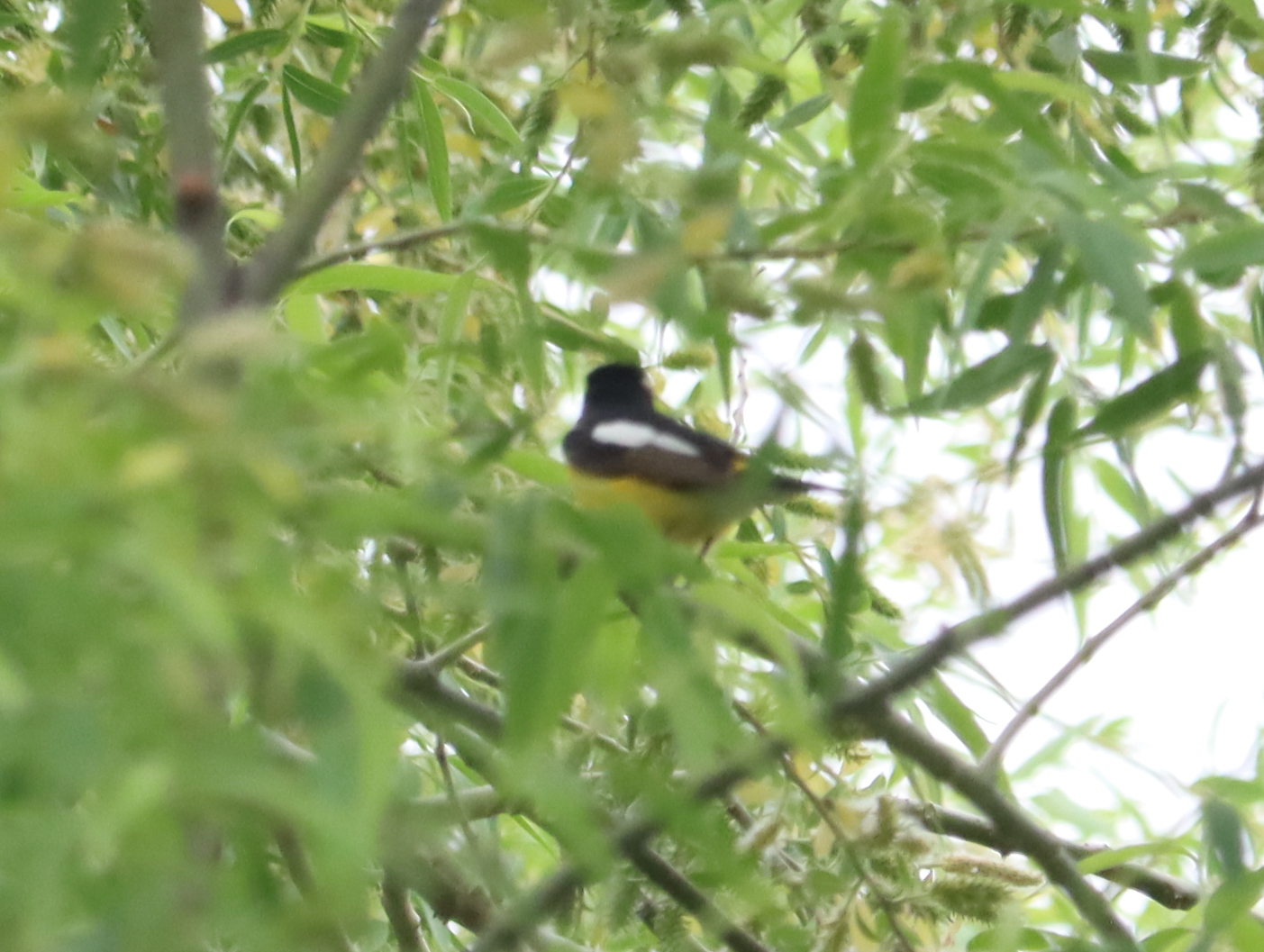
Males have black upperparts with a white supercilium and wingpatch, rich yellow underparts, and a yellow rump. Females and first-year males are olive-grey or greyish above with a blackish tail, paler below, and feature a wingbar and yellow rump; they may show yellow on the throat.
Identification
The yellow rump is distinctive in all plumages. The male's white supercilium separates it from the narcissus flycatcher and the green-backed flycatcher. Some individuals with yellow supercilia are considered hybrids with the narcissus flycatcher. Clear call and morphological differences exist between this species and Elise's flycatcher.
Distribution & Habitat
Breeds in eastern Asia including Manchuria, Korea, China (southern China, Xiaoxingan region), parts of Mongolia, Transbaikal, and western Japan. Winters in the Malay Peninsula, South Asia, central and southwestern India, and Sri Lanka. First noted wintering in central India in 1989.
Behavior & Ecology
Breeds mainly in low valleys at the base of hills, with nesting in the Xiaoxingan region occurring in May and June. The home range of a pair is about 2000-5000 sq. m. The female alone builds the nest in three to four days and incubates the clutch of 4-7 eggs for 11–12 days. Adults forage within about 70 metres (230 ft) of the nest to feed chicks. Young fledge after 14–15 days.
Source: Wikipedia · CC BY-SA 3.0
Taxonomy
- Order
- Passeriformes
- Family
- Muscicapidae
- Genus
- Ficedula
Distribution
breeds mountains of northeastern Asia; winters in southeastern Asia and Greater Sundas
Vocalizations
Data Sources
Species description from Wikipedia, licensed under CC BY-SA 3.0.
Bird images and sounds sourced from GBIF, contributed by citizen scientists worldwide under Creative Commons licenses.
Taxonomy data from AviList 2025.