Passeriformes / Emberizidae / Emberiza
Black-faced Bunting
Emberiza spodocephala · 灰头鹀
Introduction
A passerine bird in the bunting family Emberizidae. It breeds in southern Siberia across to northern China and is migratory, wintering in north-east India, southern China, and northern south-east Asia. It is a very rare vagrant to western Europe. Breeding occurs in dense undergrowth along streams and rivers in the taiga zone, while wintering habitats include agricultural or open bushy areas close to water.
Description
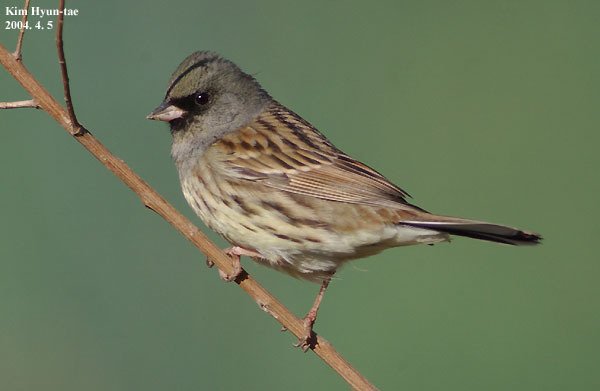
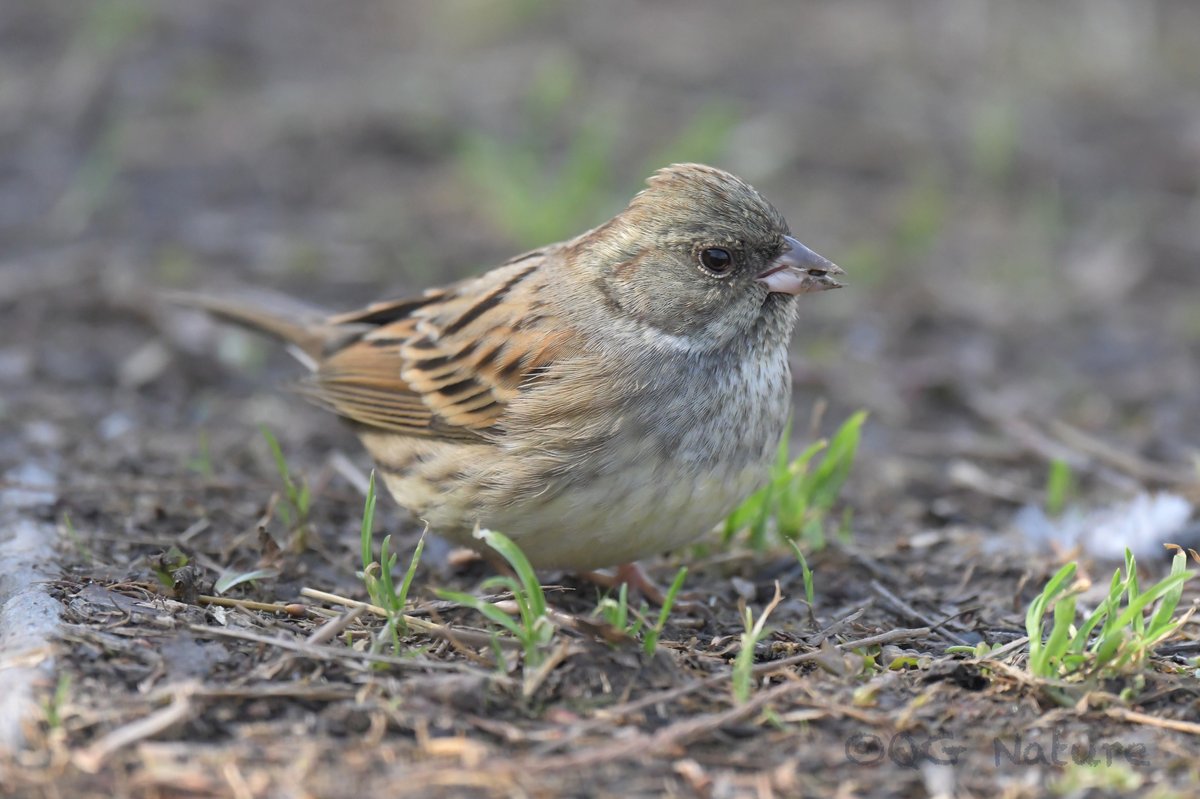
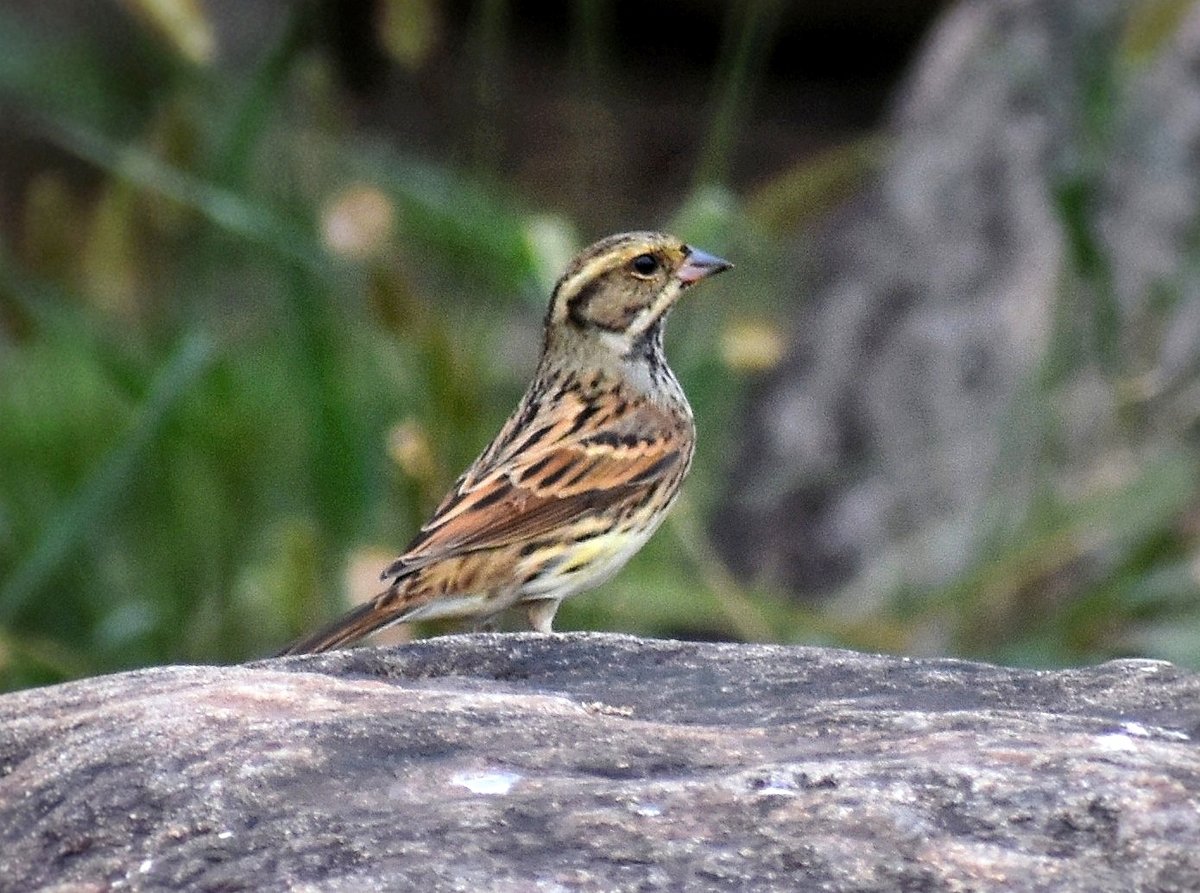
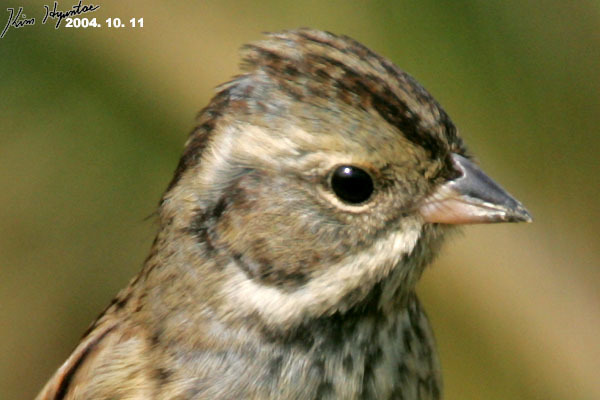
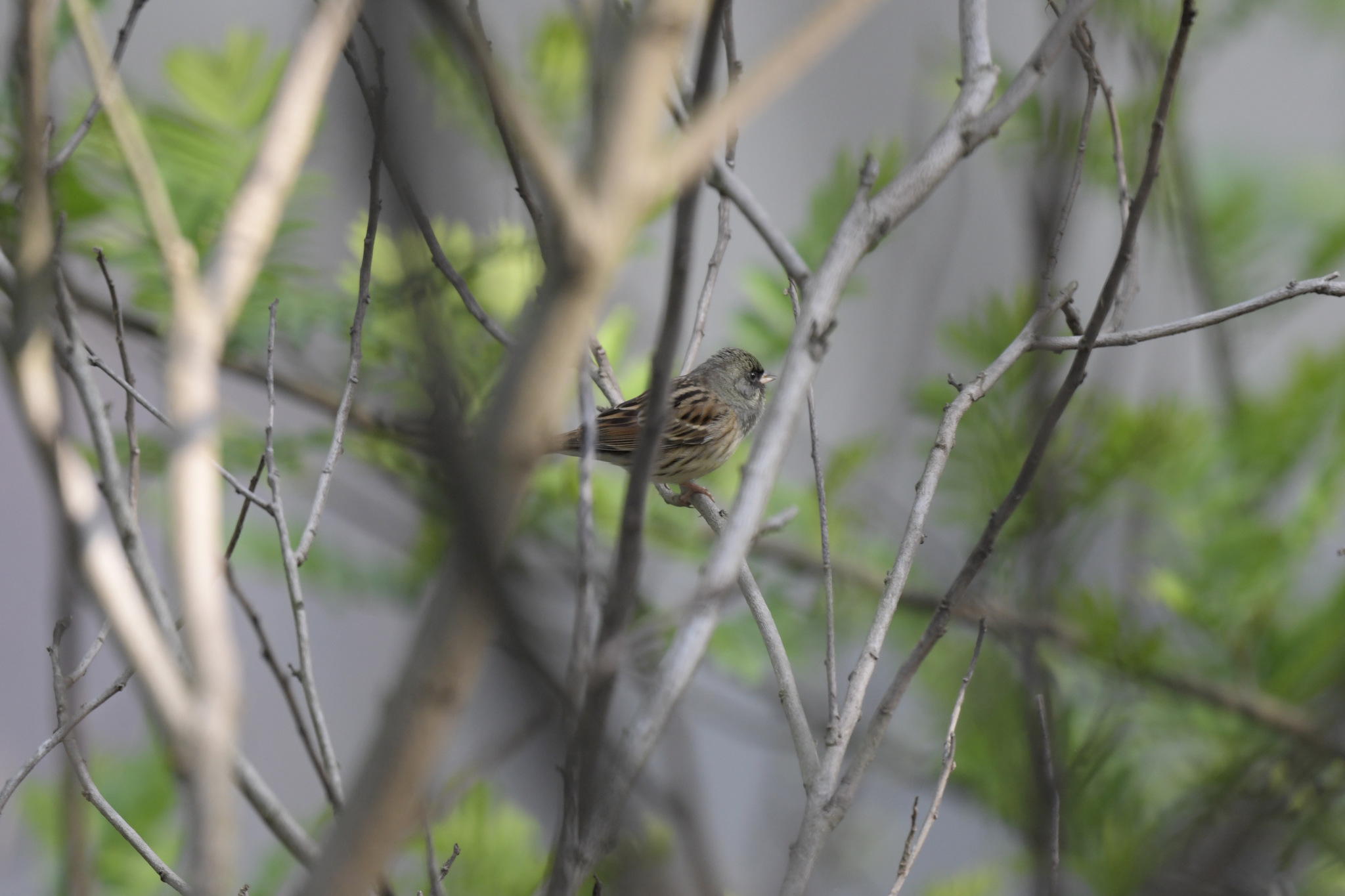
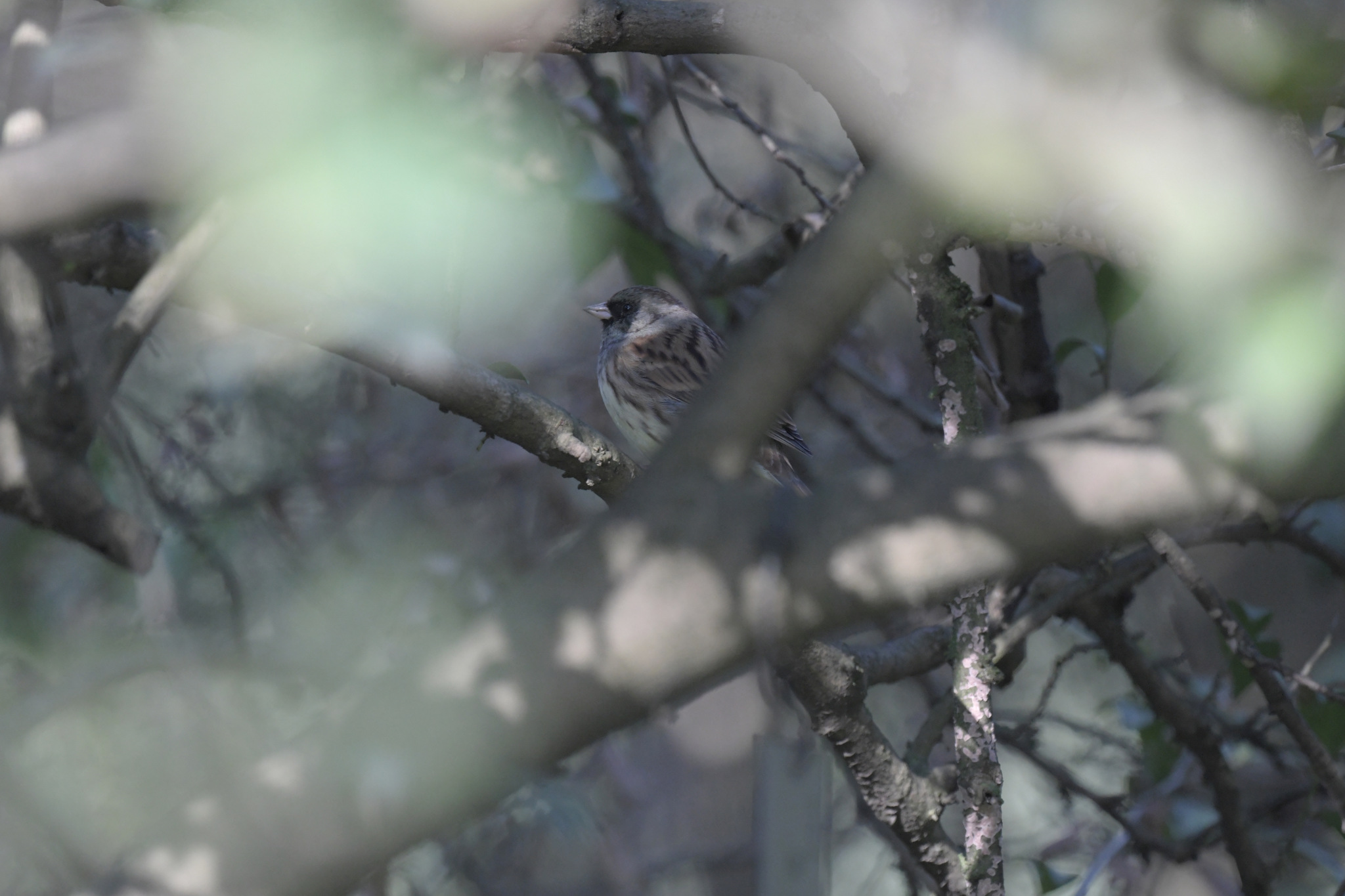
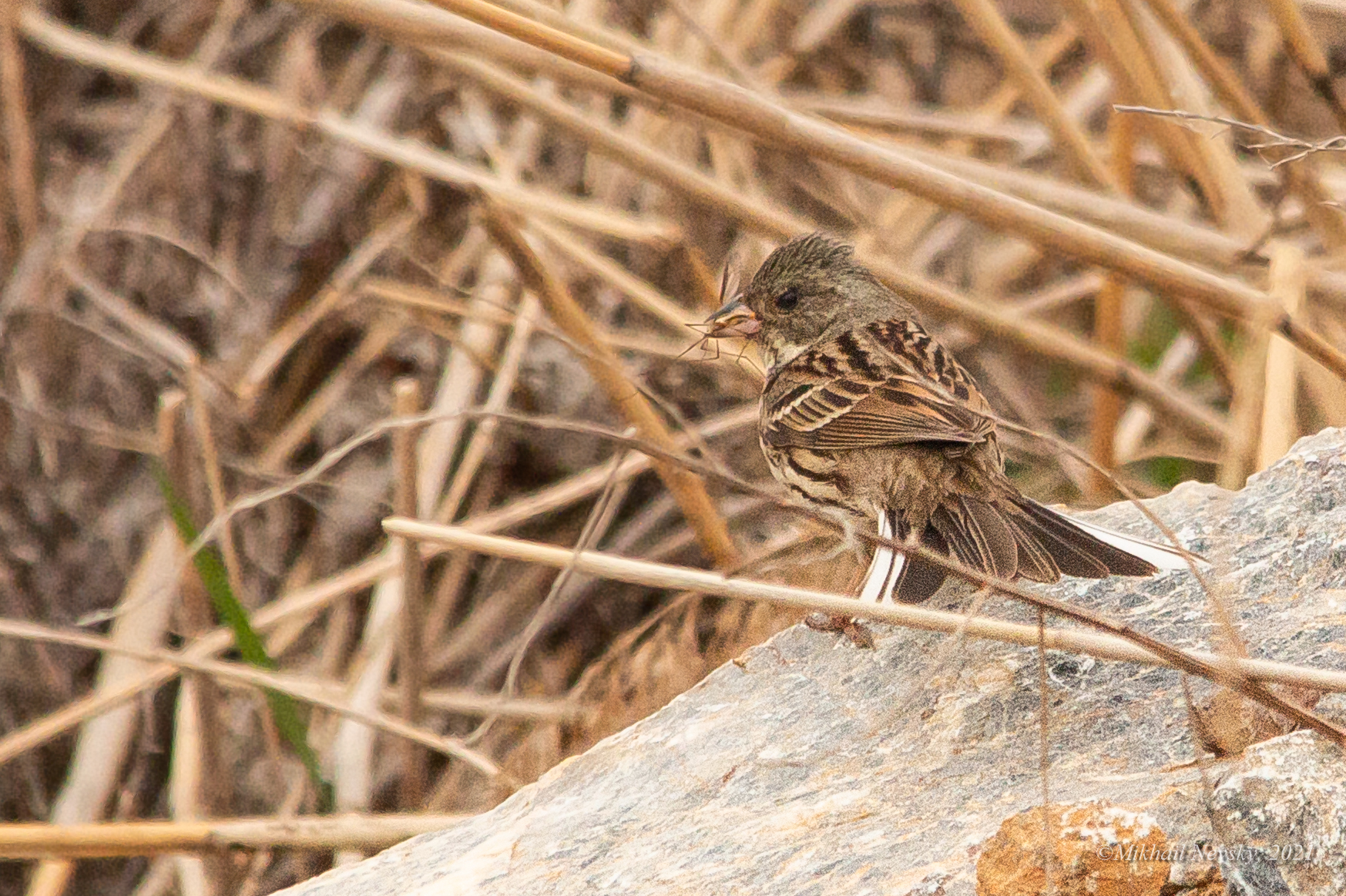
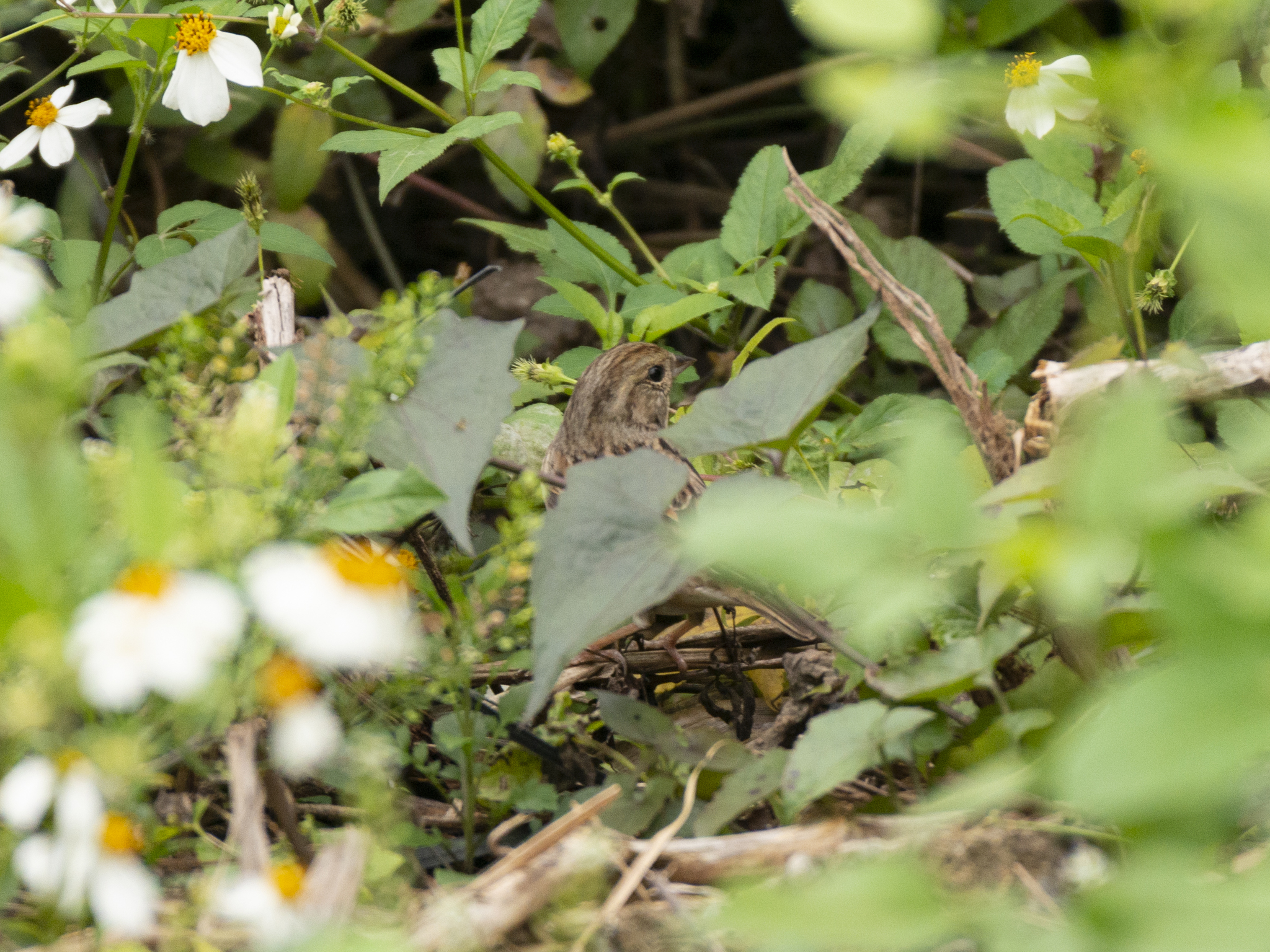
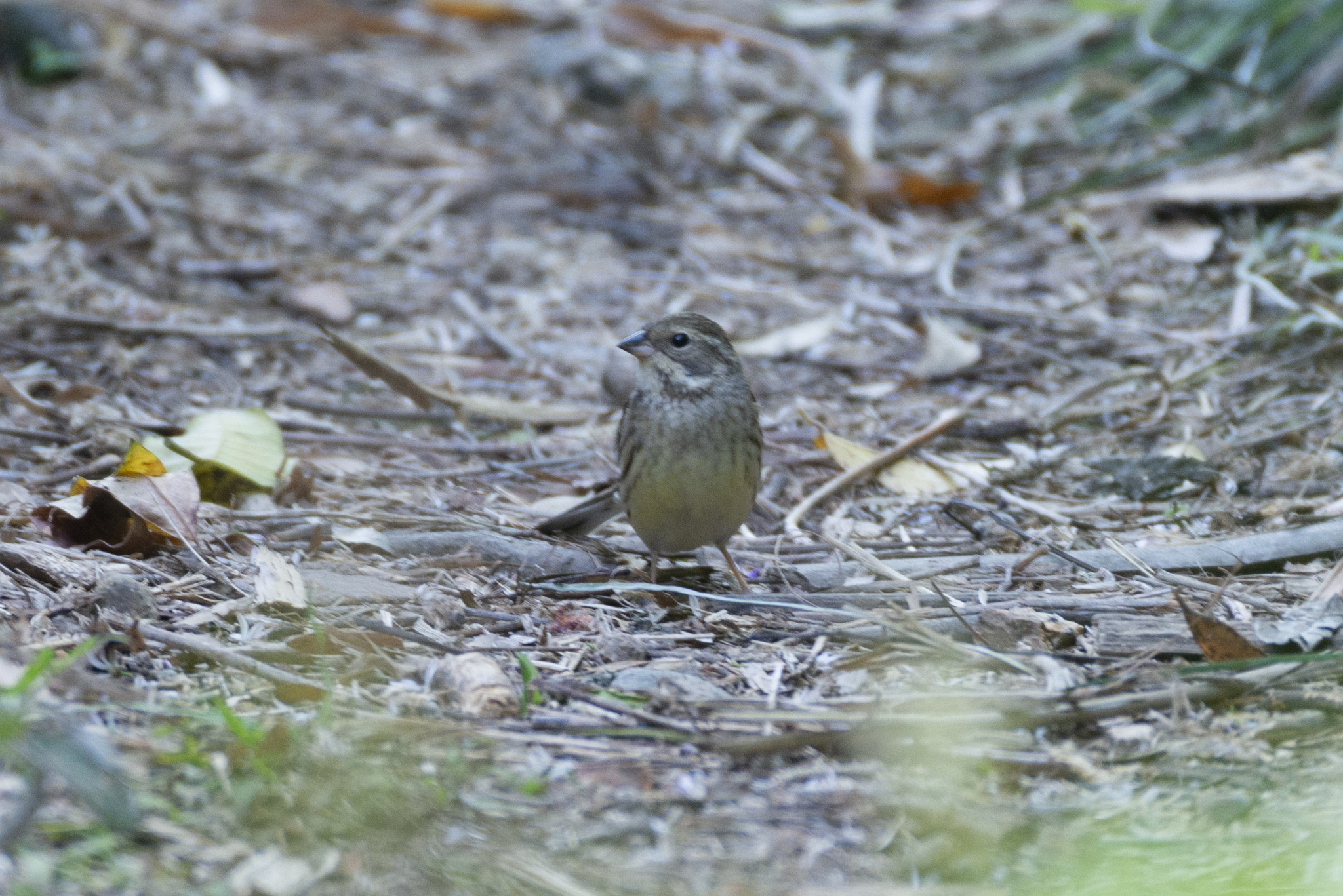
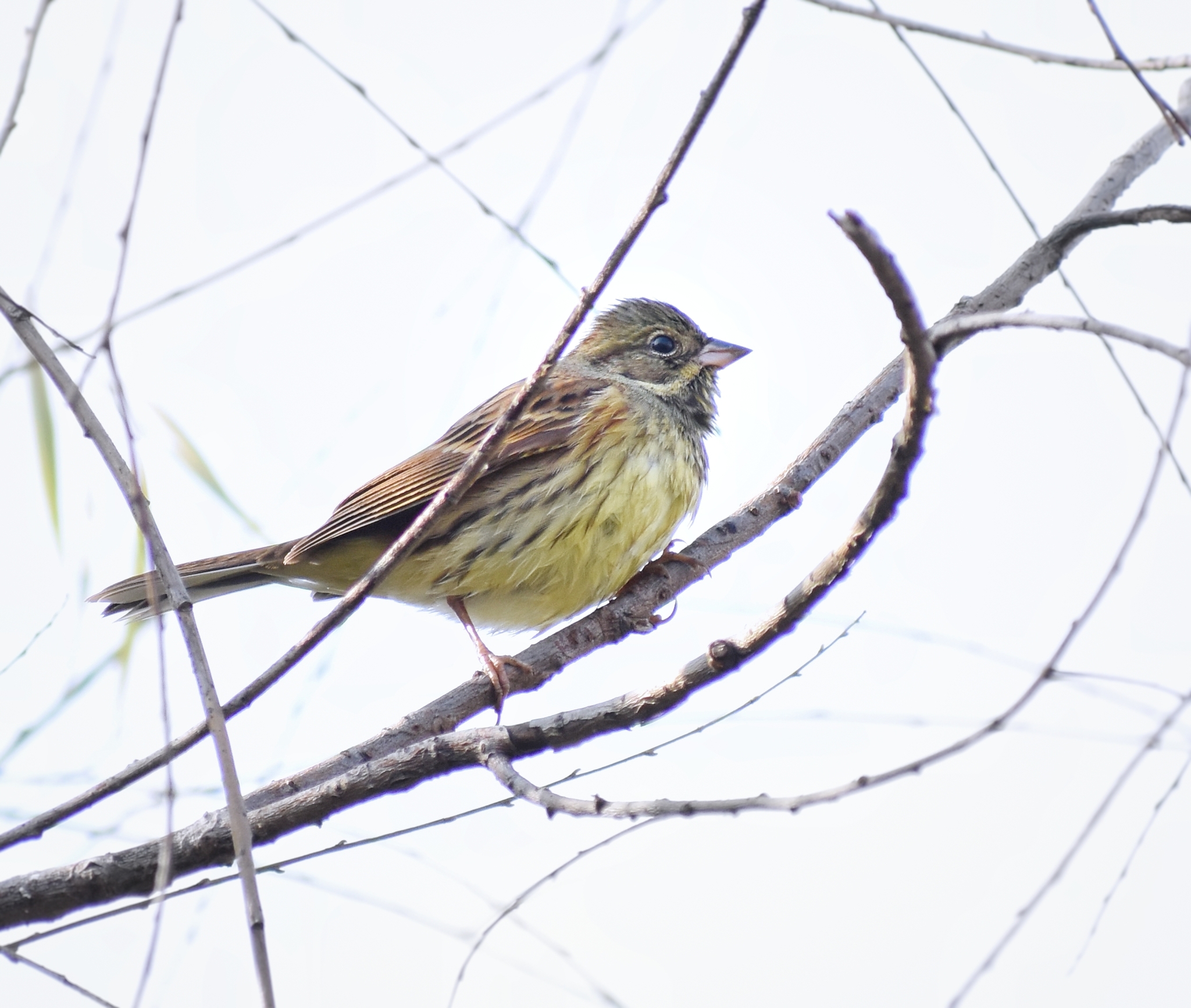
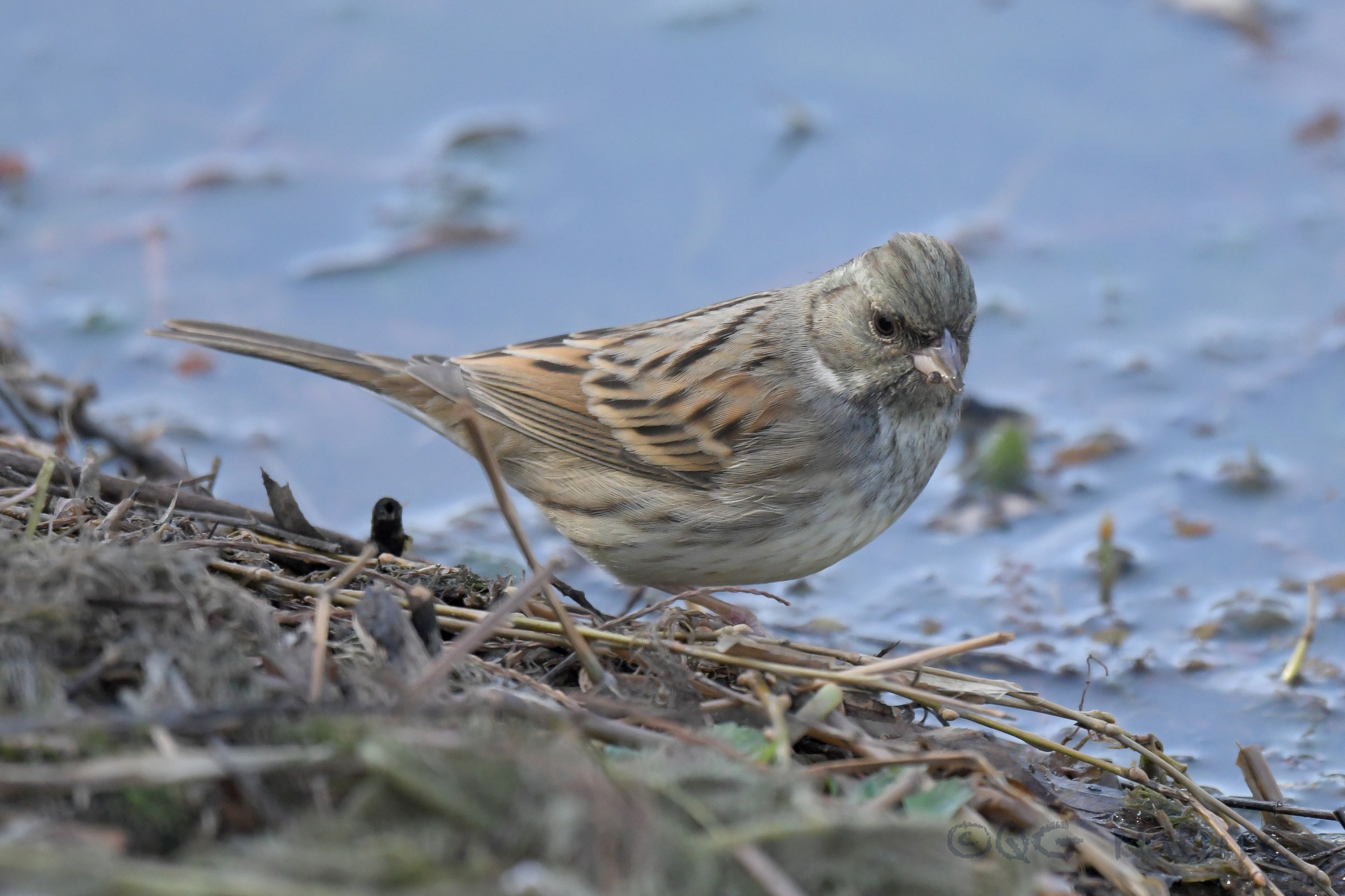
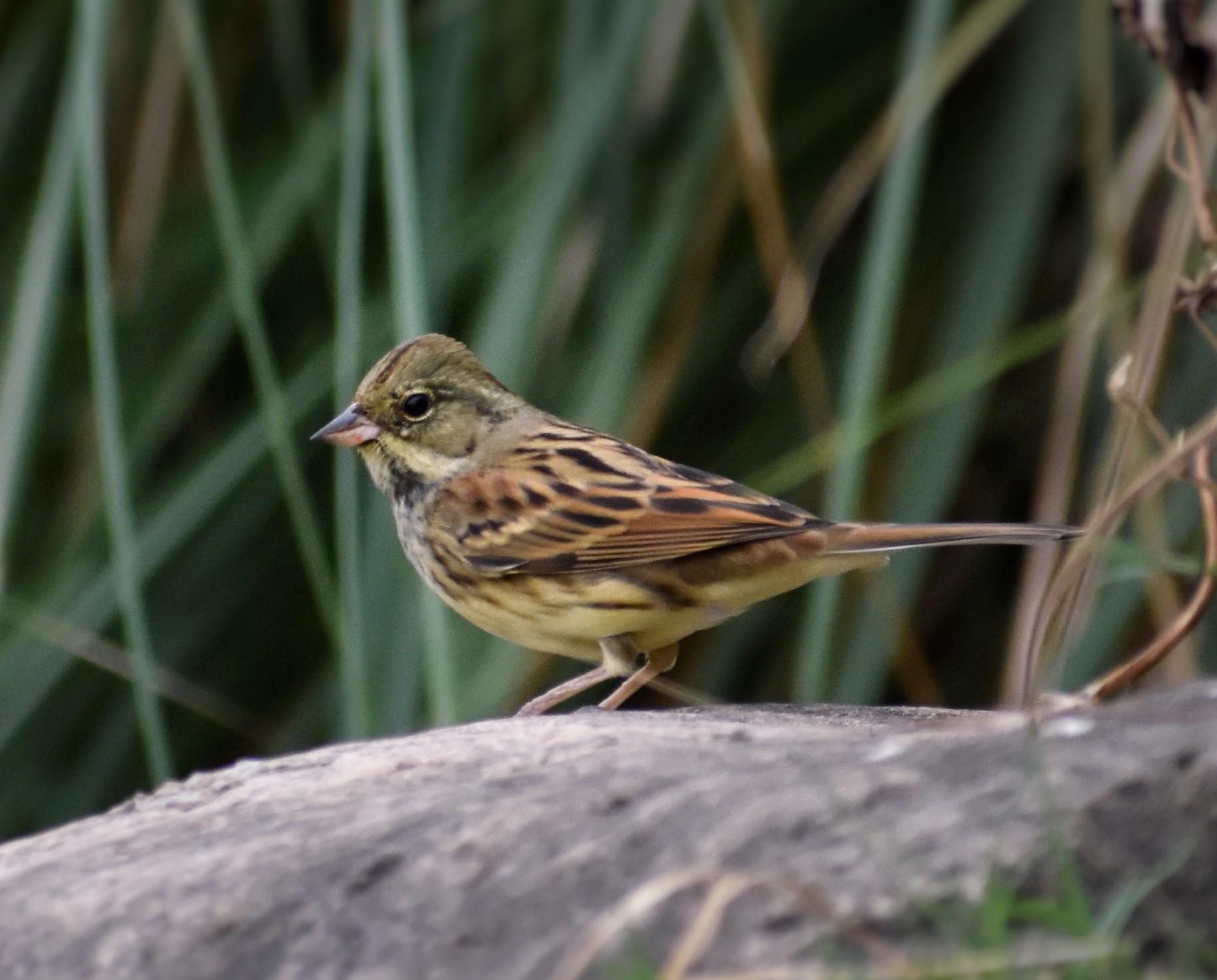
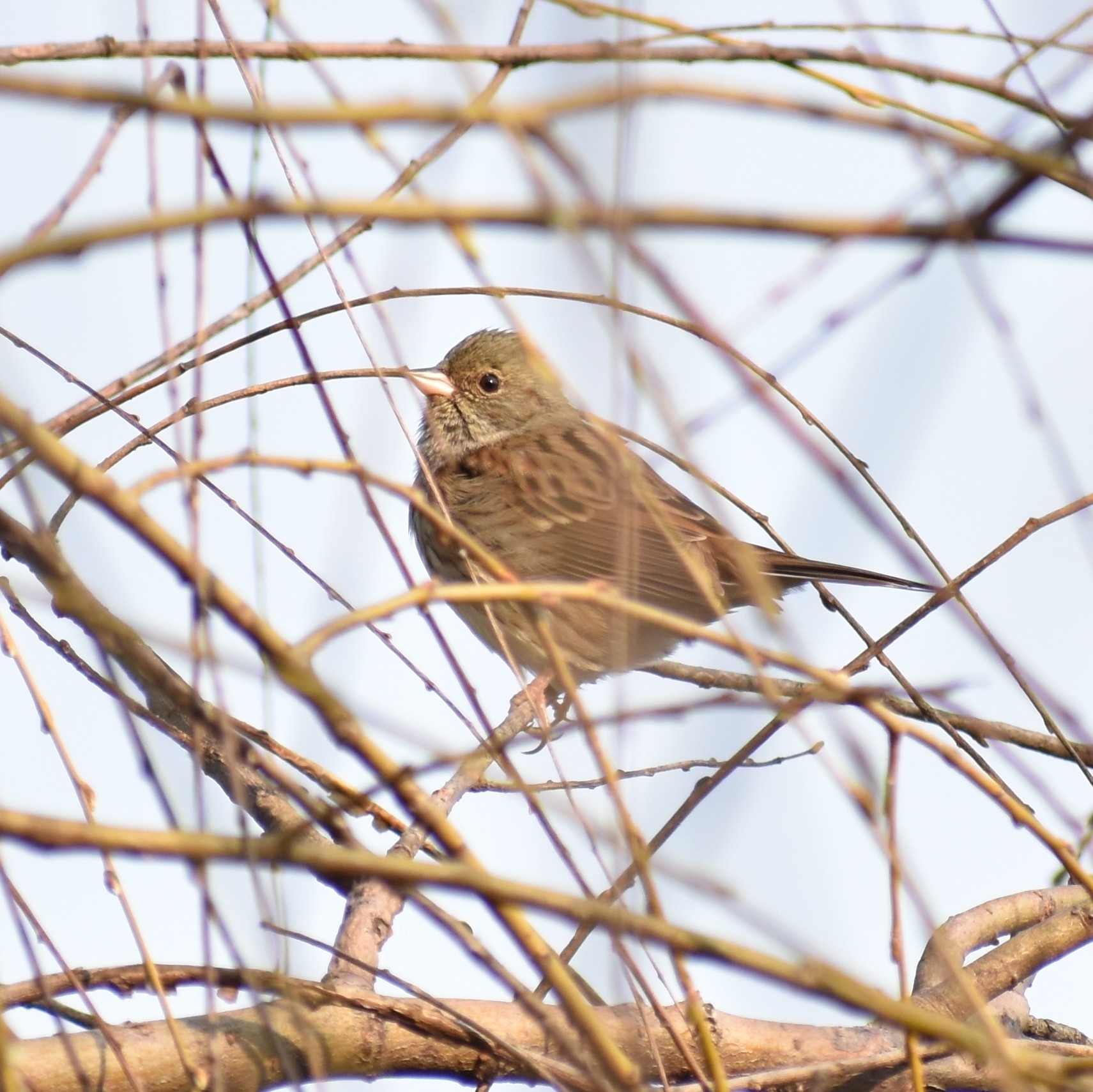
Similar in size to a reed bunting at about 16 cm long. The breeding male has a dark grey head with a mix of yellow-green and black between the bill and eye. Upperparts are brown and heavily streaked with black, except on the rump, which is brown. The tail is dark brown. Underparts are yellowish white with some fine dark brown flank streaks. The stout bill is pink. Females and young birds have a weaker head pattern, with olive-grey cheeks and a weak creamy white supercilium. Their underparts are creamy yellow heavily streaked with dark brown.
Distribution & Habitat
Breeds in southern Siberia across to northern China. Migratory, wintering in north-east India, southern China, and northern south-east Asia. Very rare vagrant to western Europe. Breeding habitat is dense undergrowth along streams and rivers in the taiga zone. Wintering habitat is close to water in agricultural or other open bushy habitats.
Behavior & Ecology
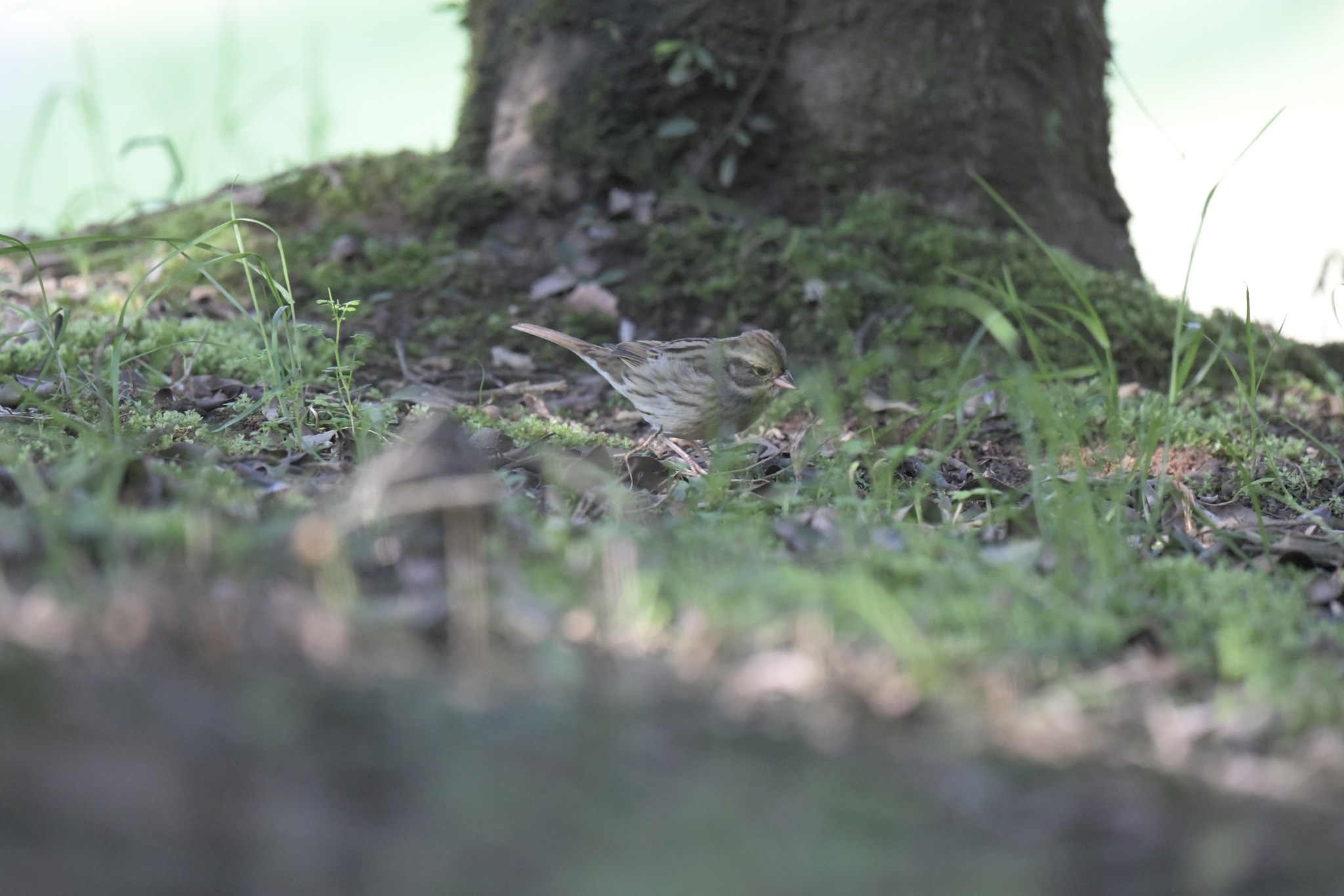
Terrestrial feeding habits. Natural food consists of seeds, and insects when feeding young. Nests on trees or on the ground and lays about four to five eggs. The call is like a tzii or tzee, sounding very metallic, short, and not exactly a song.
Source: Wikipedia · CC BY-SA 3.0
Taxonomy
- Order
- Passeriformes
- Family
- Emberizidae
- Genus
- Emberiza
Vocalizations
Subspecies (2)
-
Emberiza spodocephala sordida
breeds Qinghai and Shaanxi southward to Yunnan and Guizhou (central China); winters central Nepal to northern Indochina
Data Sources
Species description from Wikipedia, licensed under CC BY-SA 3.0.
Bird images and sounds sourced from GBIF, contributed by citizen scientists worldwide under Creative Commons licenses.
Taxonomy data from AviList 2025.