Black-faced Bunting
Emberiza spodocephala
灰头鹀
Introduction
A medium-sized bunting (Passeriformes: Emberizidae) occurring across southern Siberia into northern China. Breeds in dense undergrowth along streams and rivers within the taiga zone. Winters in northeastern India, southern China, and northern Southeast Asia, favoring agricultural areas and open bushy landscapes near water. Recorded as a rare vagrant in western Europe. Characterized by a stout pink bill and terrestrial feeding habits.
Description
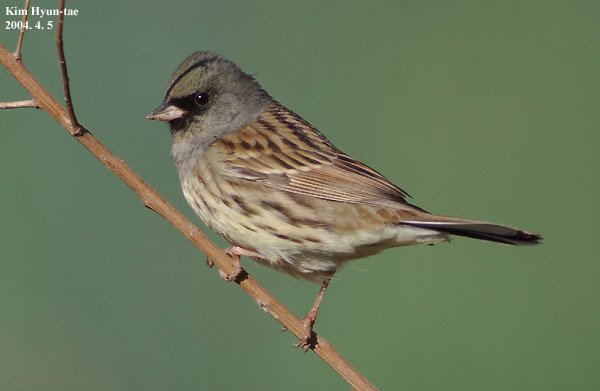
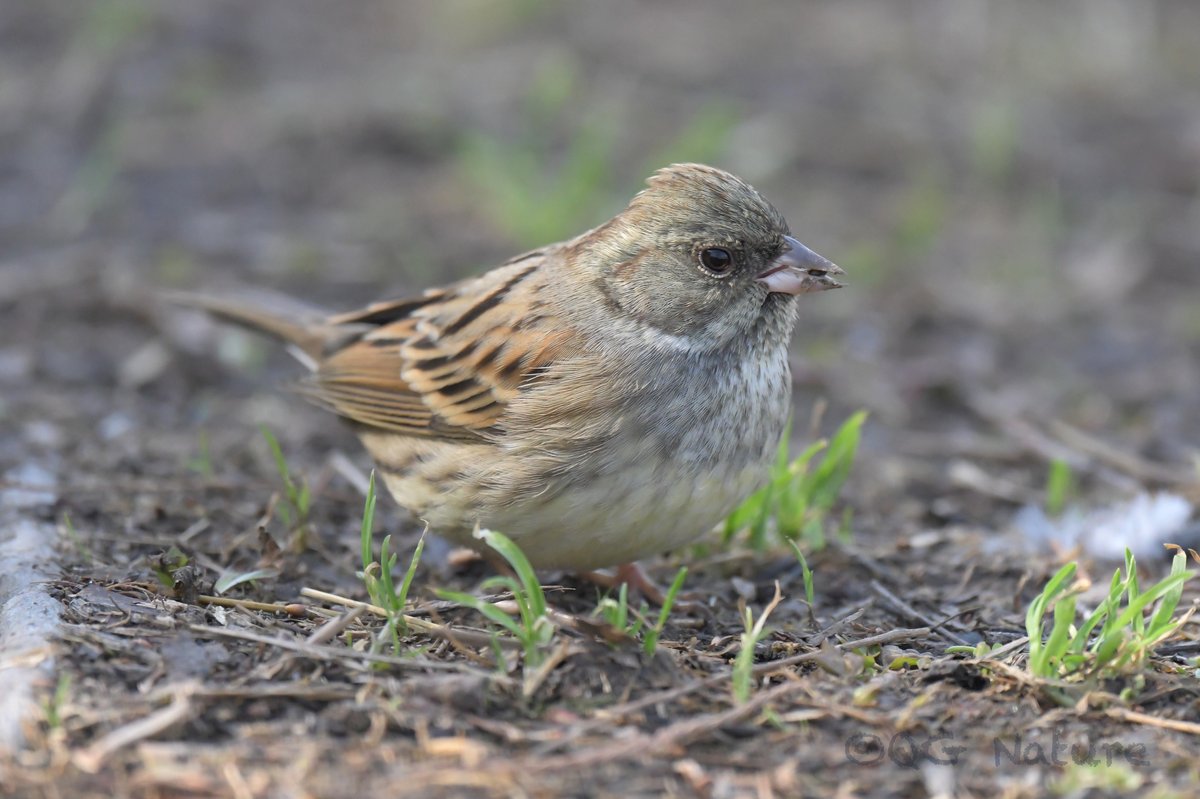
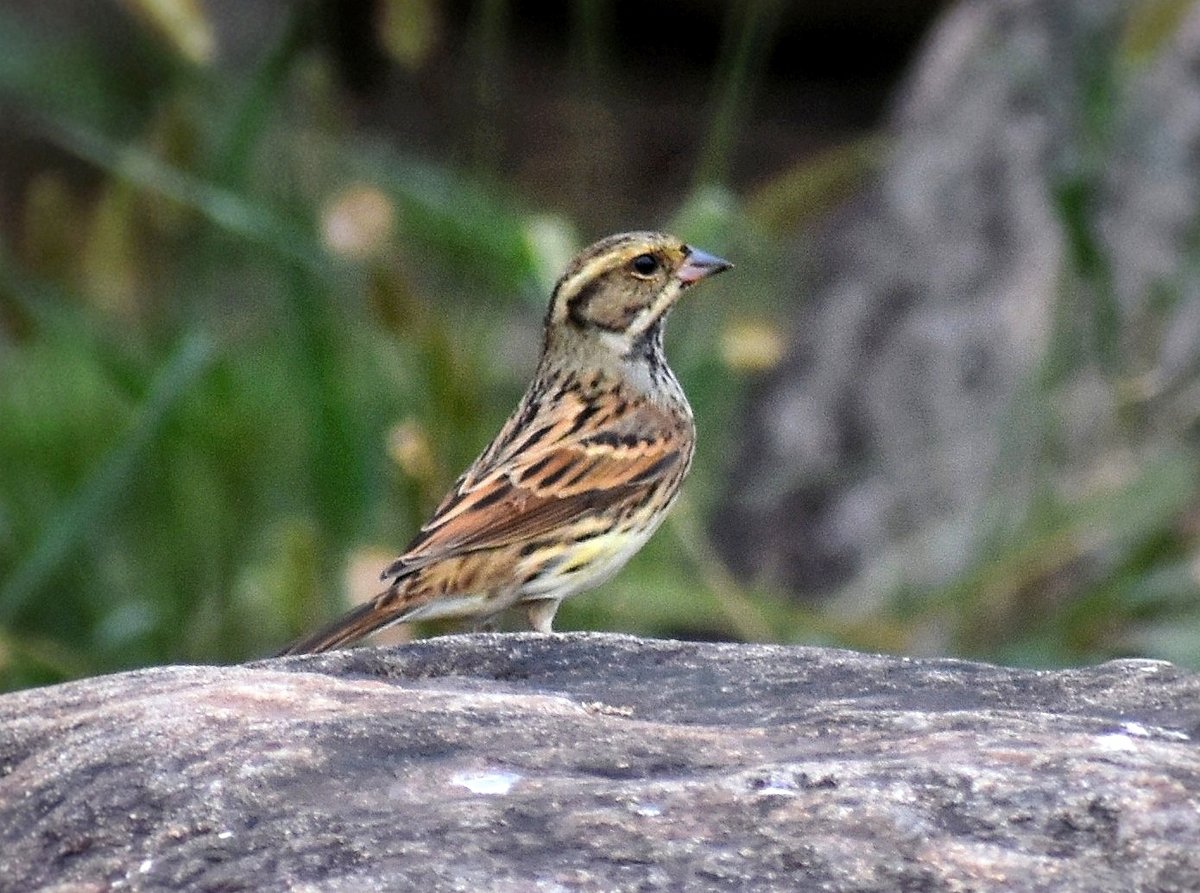
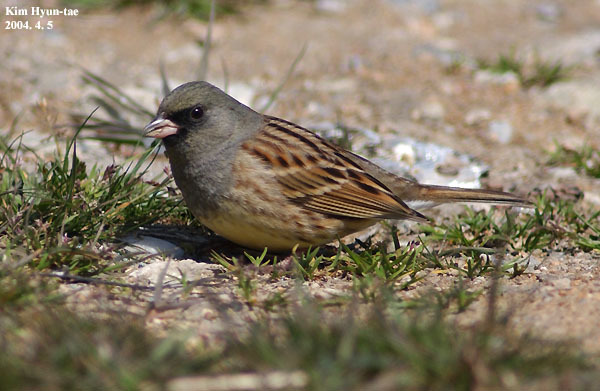
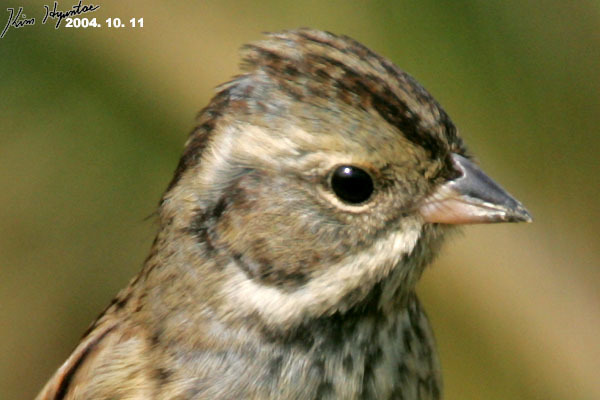
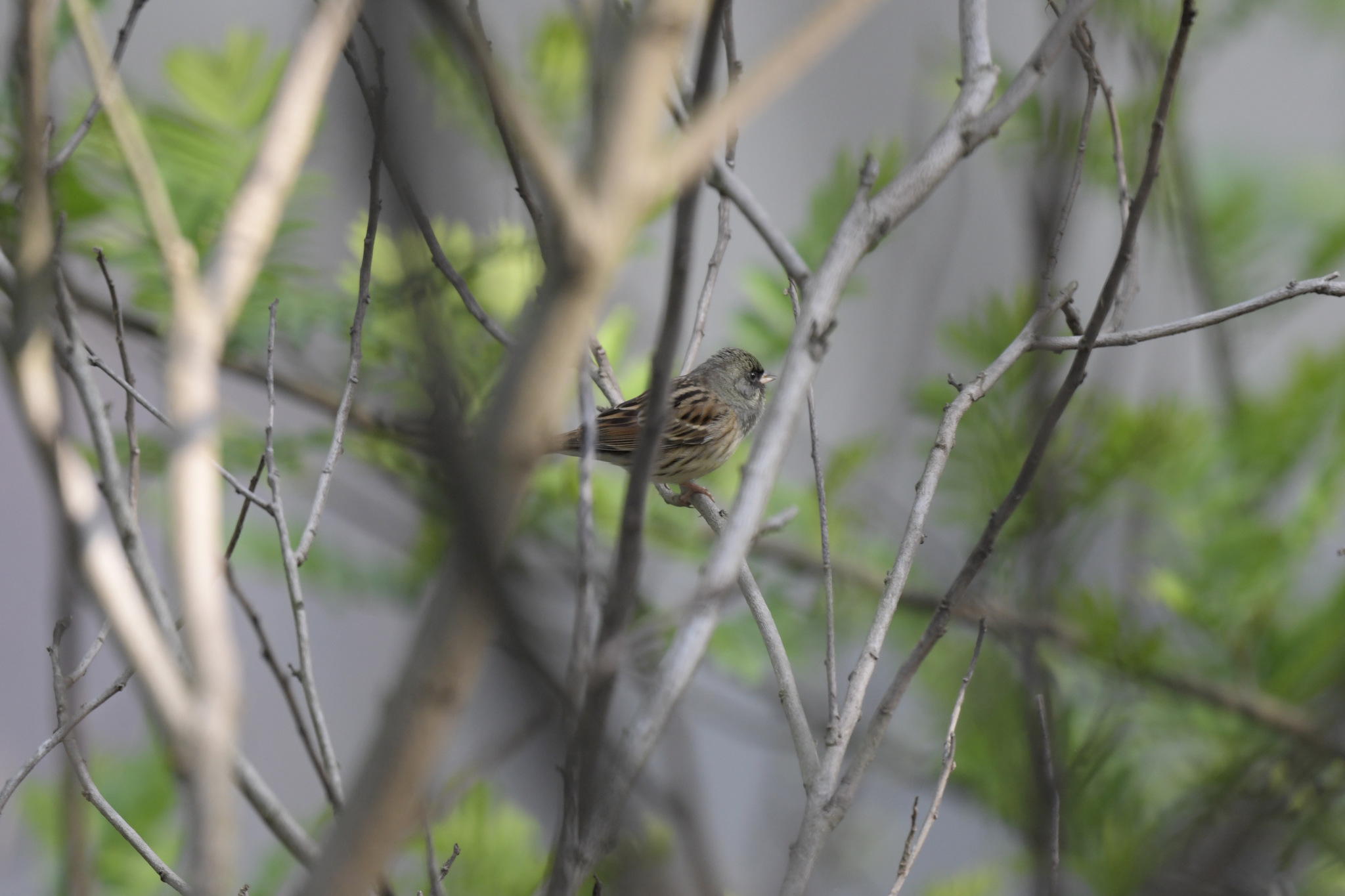
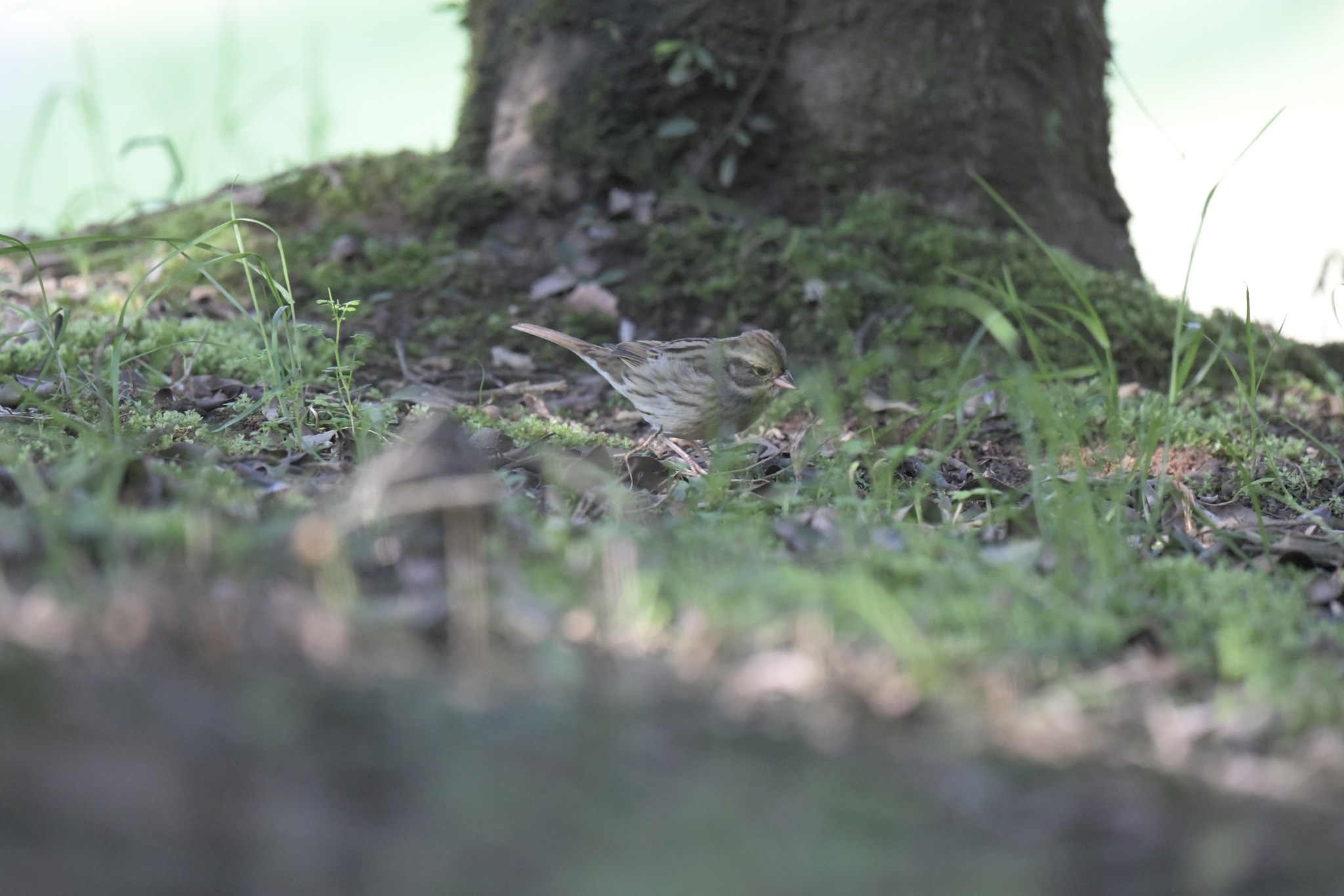
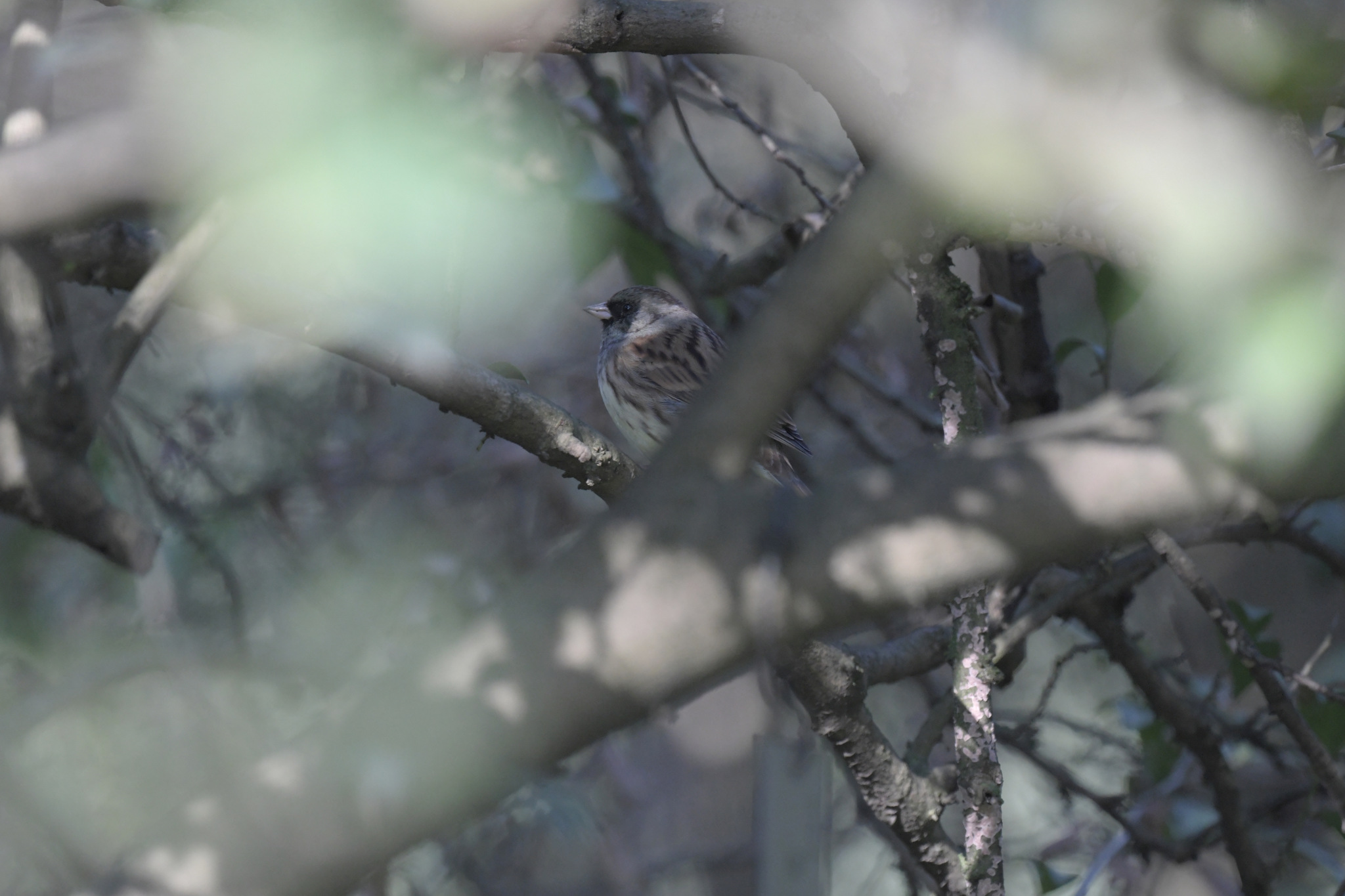
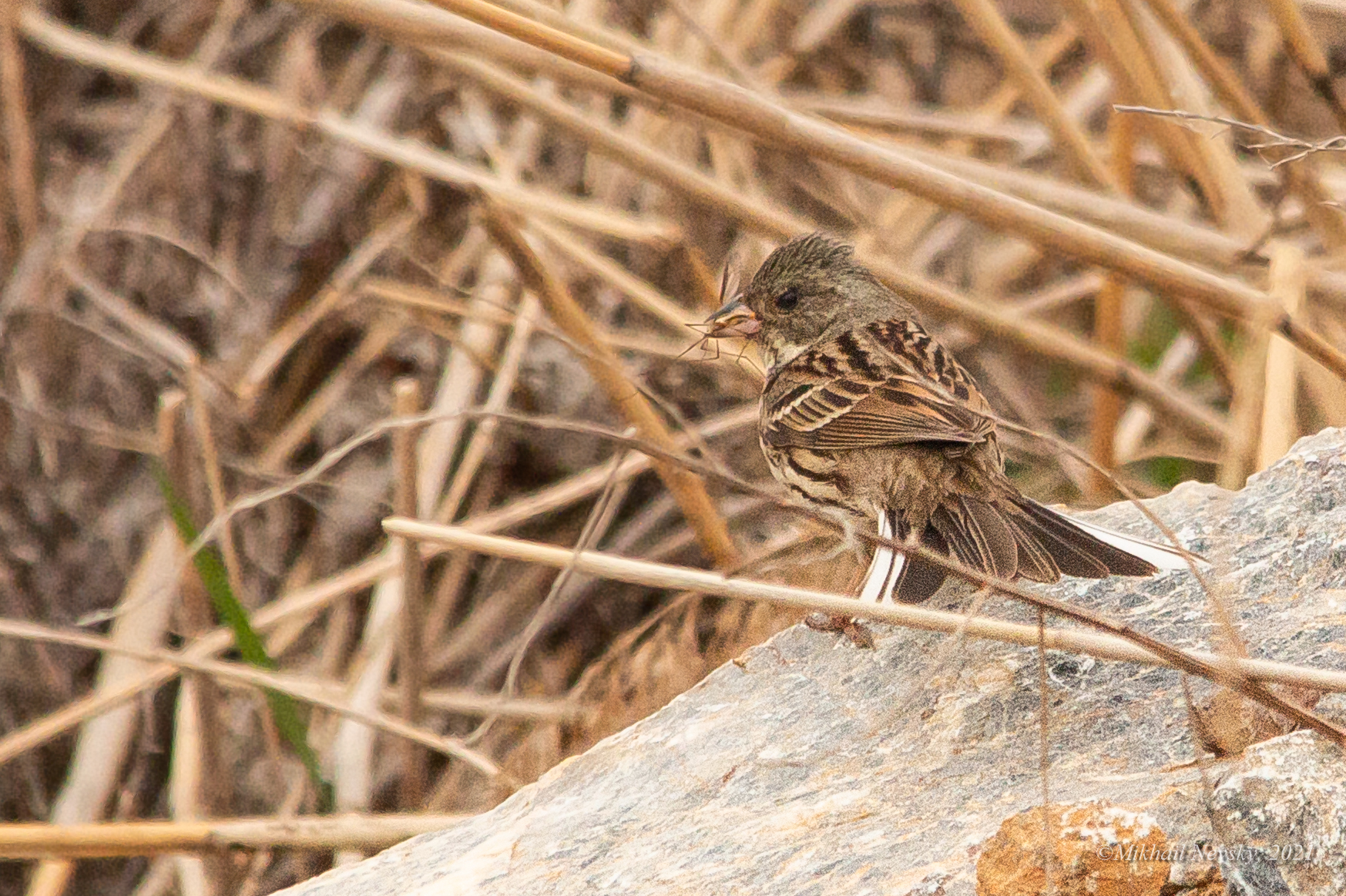
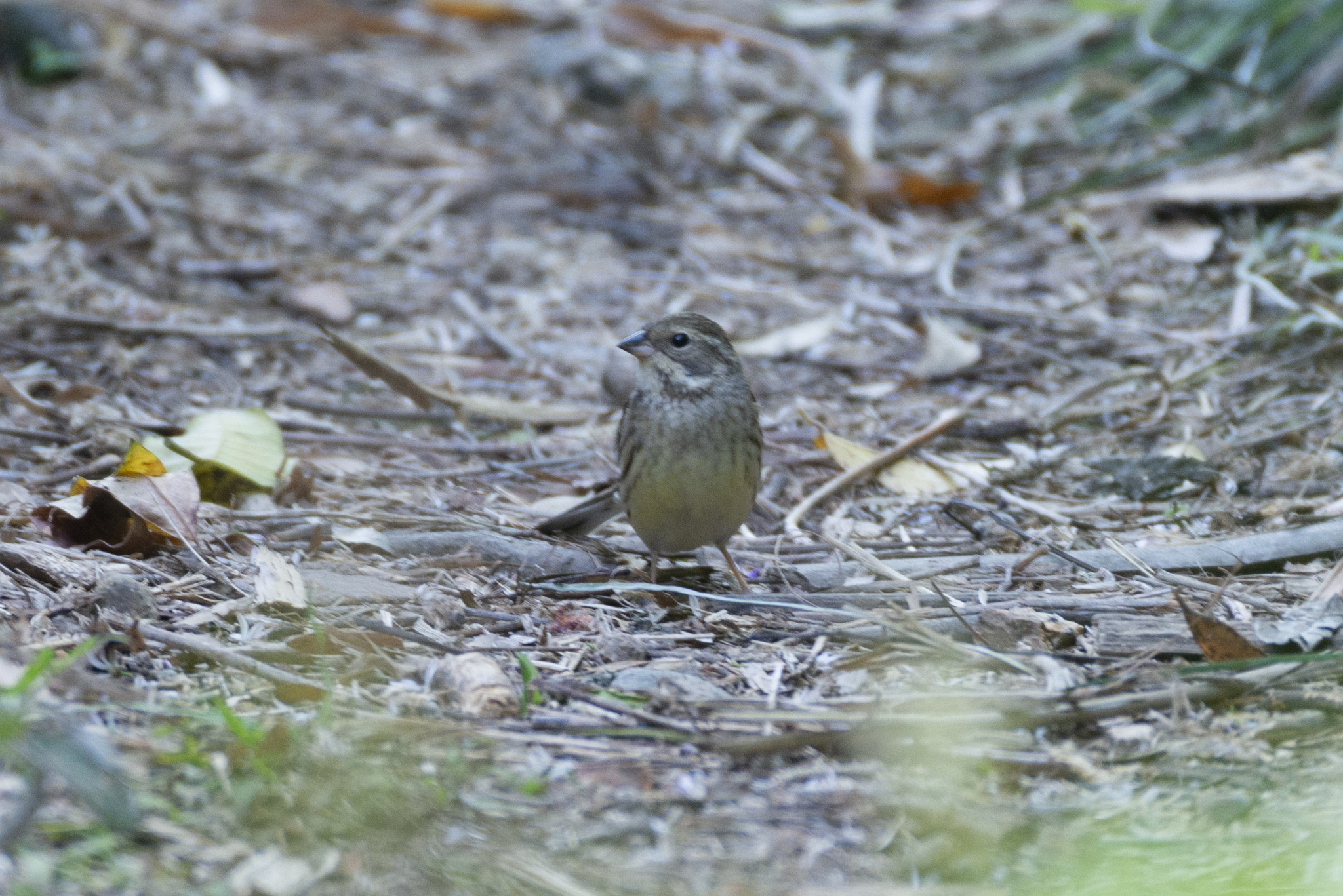
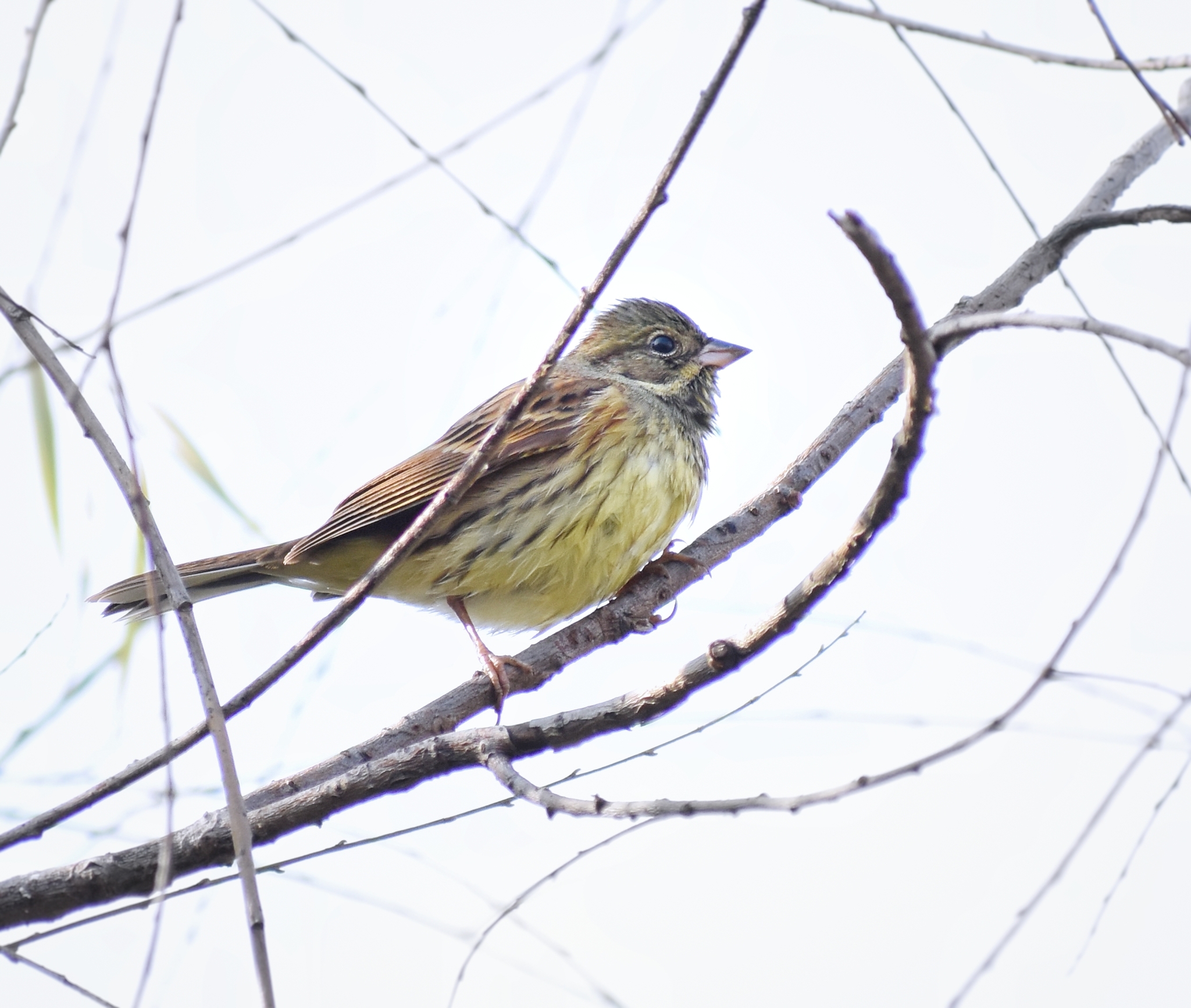
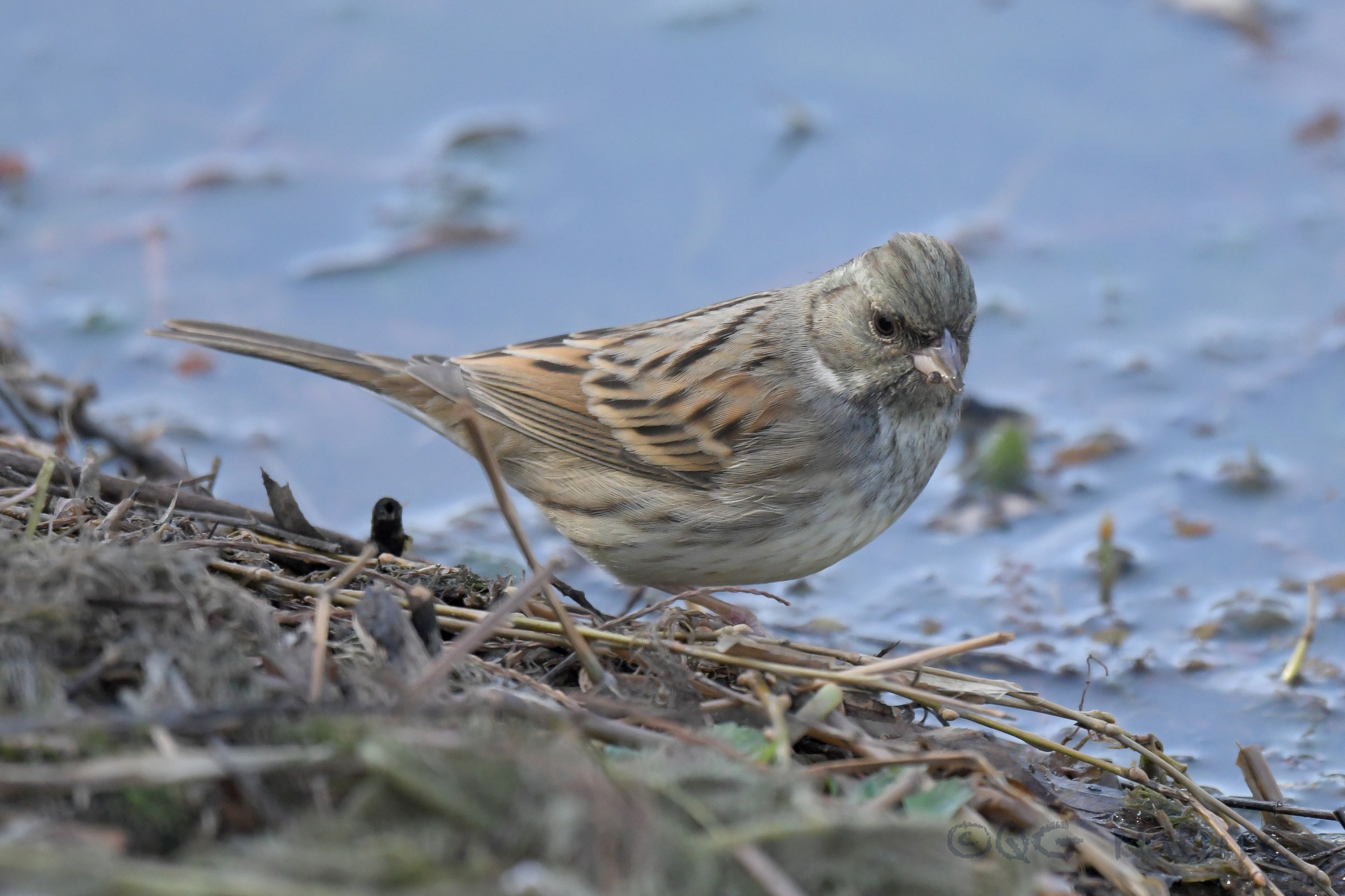
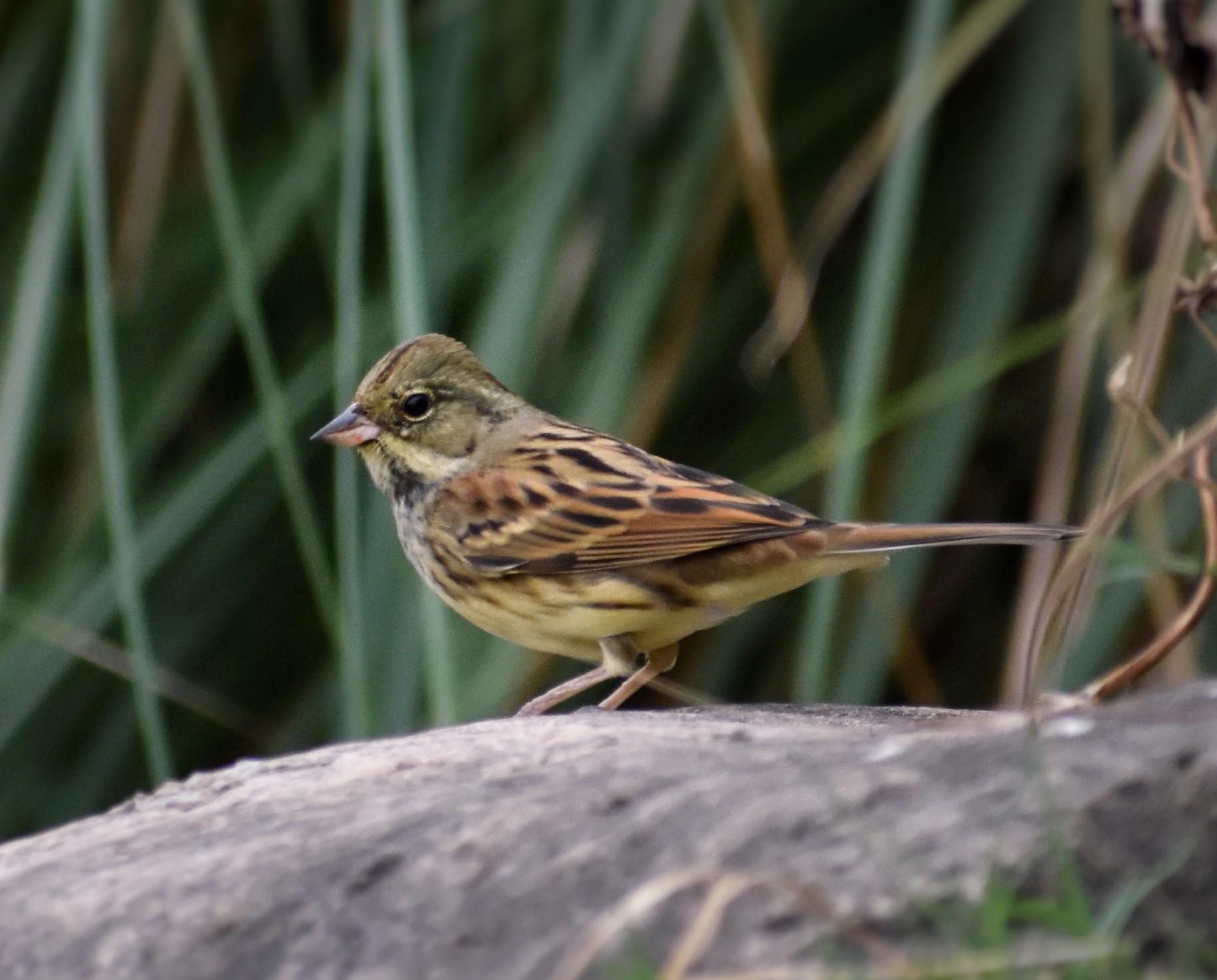
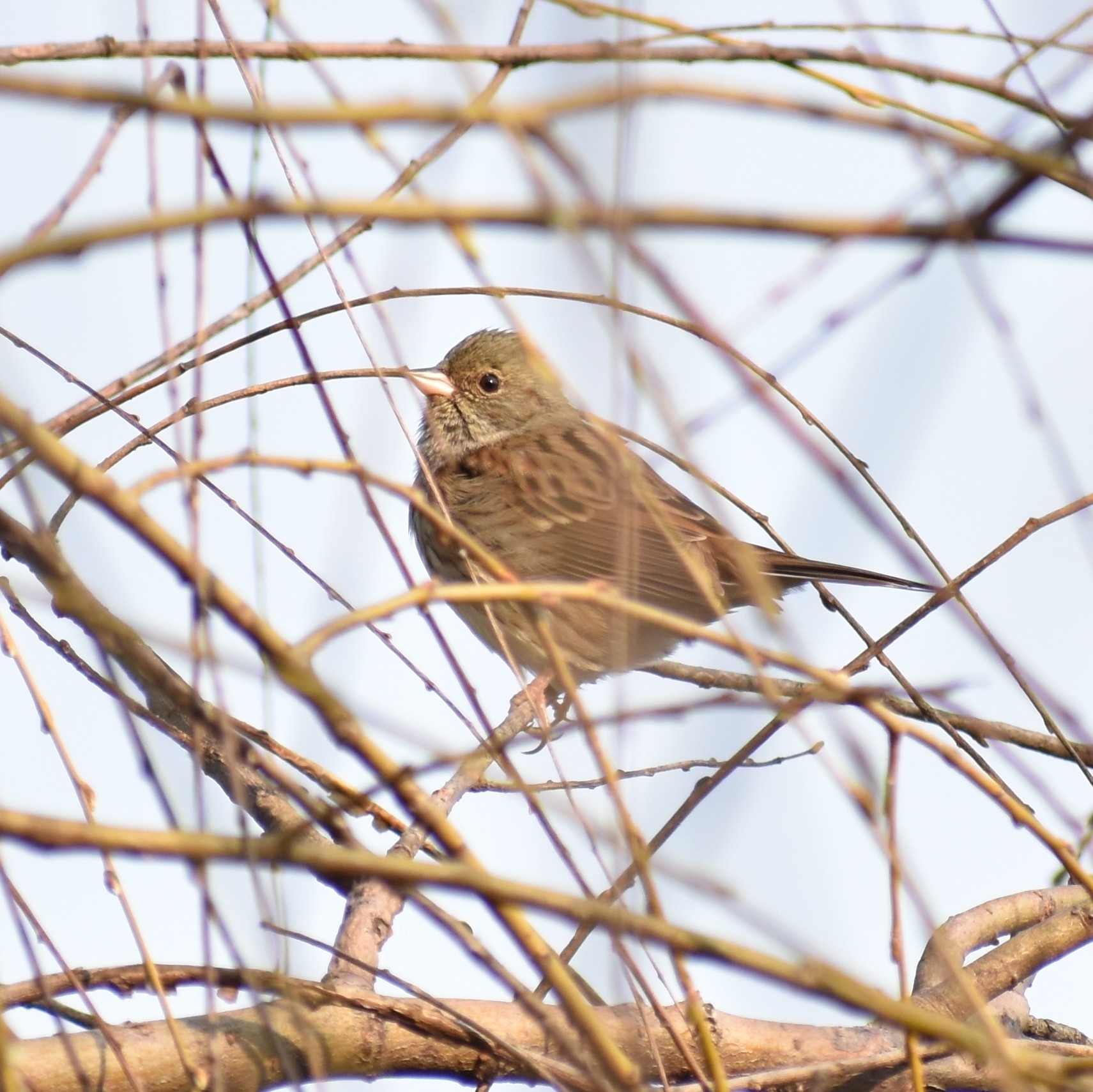
This species measures approximately 16 centimeters in length, placing it in the same size category as the reed bunting. The breeding male displays a dark grey head with a distinctive mix of yellow-green and black feathering between the bill and eye. Its upperparts are brown and heavily streaked with black, creating a mottled appearance, though the rump remains unstreaked and plain brown. The tail is dark brown. The underparts show yellowish-white coloration with fine dark brown streaking along the flanks. The most notable feature is its stout pink bill, characteristic of buntings. Females and young birds possess a much weaker head pattern, with olive-grey cheeks and a faint creamy white supercilium. Their underparts are creamy yellow with heavy dark brown streaking throughout.
Identification
This species is most easily identified by its combination of size, terrestrial habits, and distinctive bill. The stout pink bill immediately separates it from similarly sized birds like dunnocks, which have thinner, more pointed bills. Compared to the reed bunting, to which it is similar in size, the black-faced bunting shows a darker, more heavily streaked upperpart pattern and has a more contrasting head pattern in breeding plumage. The metallic, short call note is also a useful identification clue, quite different from the more musical songs of other buntings. In female and juvenile plumage, the heavily streaked creamy-yellow underparts and weak head pattern can help distinguish it from other Emberiza species.
Distribution & Habitat
This species breeds across southern Siberia extending eastward through to northern China, occupying the taiga zone of northeastern Asia. It is a migratory species, departing its breeding grounds in autumn to winter in northeastern India, southern China, and northern Southeast Asia. During the winter period, it prefers habitats close to water sources, including agricultural land and open bushy environments. While primarily an Asian species with a predominantly eastern distribution, there are occasional records of vagrants reaching western Europe, though such occurrences remain very rare and irregular.
Behavior & Ecology
This bunting feeds primarily on seeds, though it supplements its diet with insects when feeding nestlings. It forages on the ground in a terrestrial manner, often moving through dense undergrowth and vegetation. The breeding season sees the species constructing nests either on the ground or in trees, with the female laying a clutch of four to five eggs. The call note is distinctive: a short, metallic 'tzii' or 'tzee' sound that is more of a call than a true song. During the breeding season, males establish territories in the dense streamside vegetation of the taiga, while in winter they become more sociable and may form small flocks in suitable habitat.
Conservation
The black-faced bunting is currently classified as Least Concern by the IUCN, indicating that it does not face immediate threats of extinction on a global scale. However, like many species dependent on specific wetland and forest edge habitats, it may face ongoing pressures from habitat degradation and loss throughout its range. The draining of wetlands, changes to river systems, and agricultural intensification could potentially impact both breeding and wintering populations. Monitoring of population trends remains important to detect any significant declines that might require conservation attention in the future.
Source: Wikipedia · CC BY-SA 3.0
Taxonomy
- Order
- Passeriformes
- Family
- Emberizidae
- Genus
- Emberiza
- eBird Code
- bkfbun1
Vocalizations
Subspecies (2)
-
Emberiza spodocephala sordida
breeds Qinghai and Shaanxi southward to Yunnan and Guizhou (central China); winters central Nepal to northern Indochina
-
Emberiza spodocephala spodocephala
breeds south-central Russia and northern Mongolia eastward to Sea of Okhotsk and northern Sakhalin, and southward to northeastern China and Korean Peninsula; winters to southern and eastern China, Ryukyu Islands, and Taiwan
Data Sources
Species description from Wikipedia, licensed under CC BY-SA 3.0.
Bird images and sounds sourced from GBIF, contributed by citizen scientists worldwide under Creative Commons licenses.
Taxonomy data from AviList 2025.