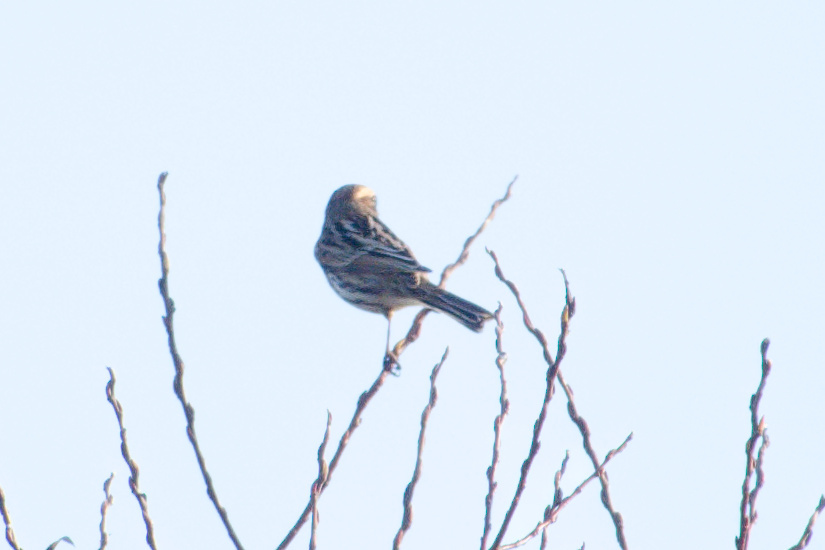
Common Reed Bunting
Emberiza schoeniclus
芦鹀
Introduction
The common reed bunting (Emberiza schoeniclus) is a medium-sized passerine distributed across Europe and much of the Palearctic. It inhabits reedbeds, purple moor grass pastures, rush grasslands, and agricultural areas, showing a preference for poorly drained soils. The breeding male displays a black head and white collar. The species produces a metallic 'srip' song from prominent perches at the top of reeds or bushes. During the non-breeding season, it forms loose flocks in agricultural areas and grasslands. Populations in northern Europe have declined in recent decades.
Description
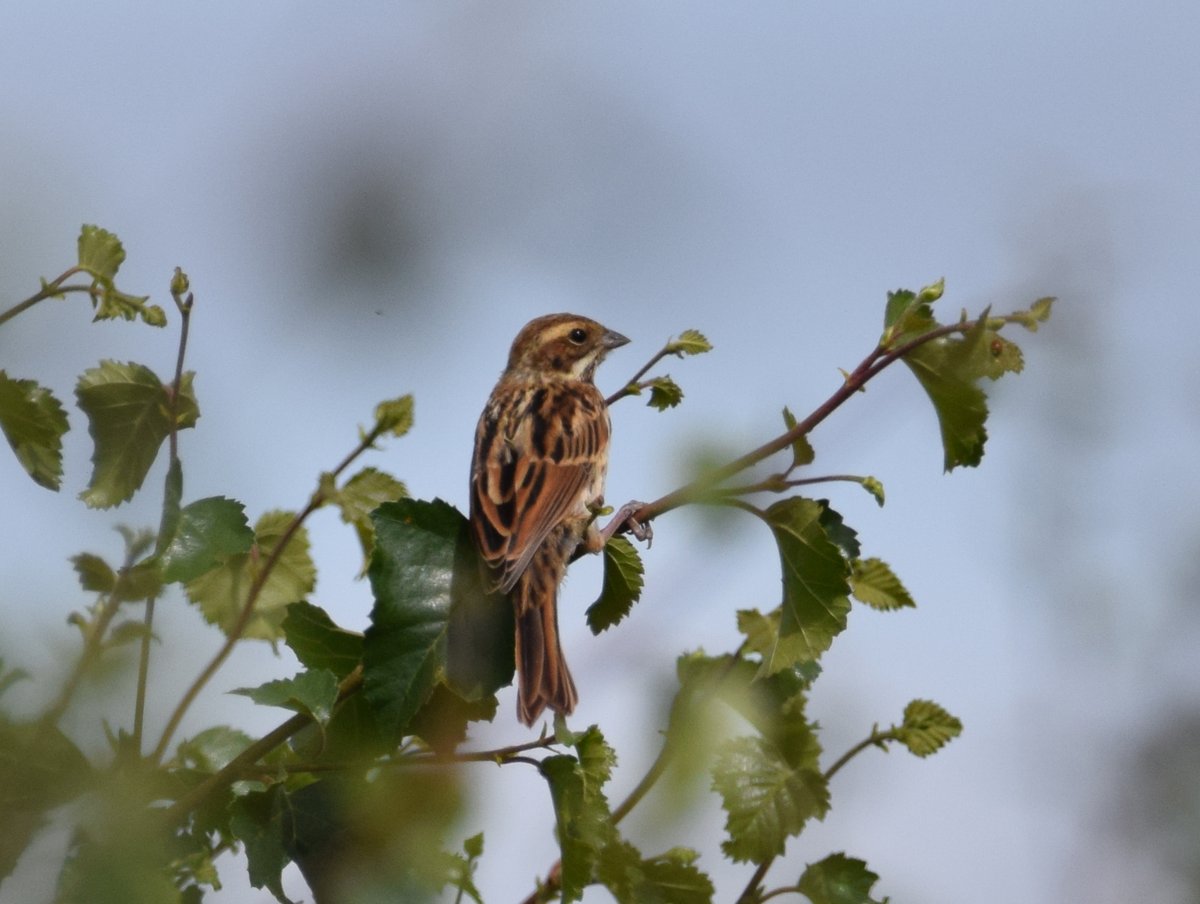
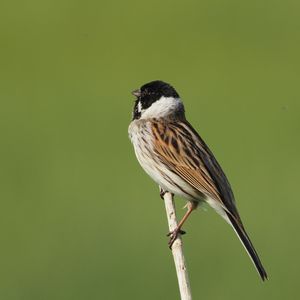
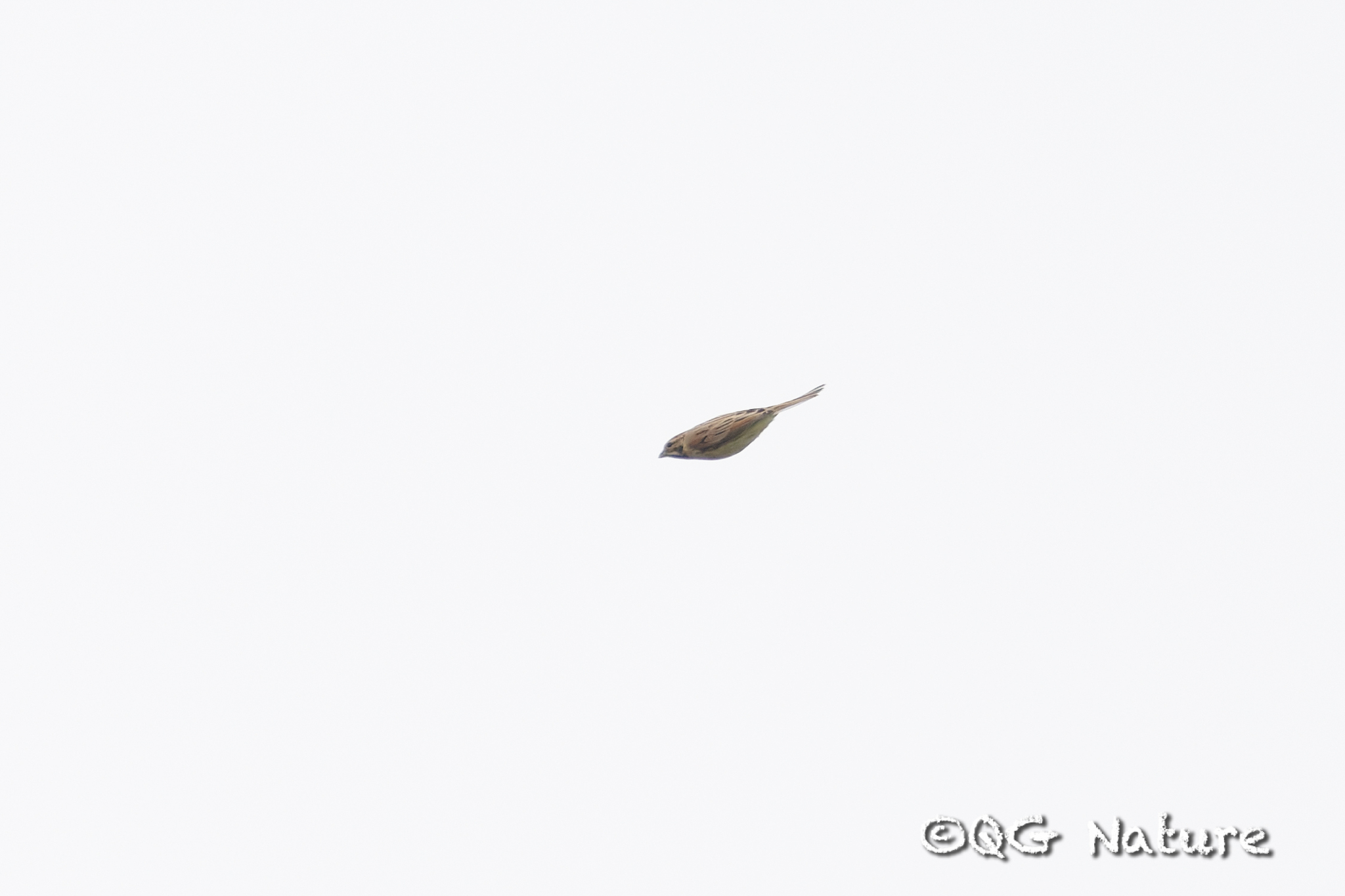
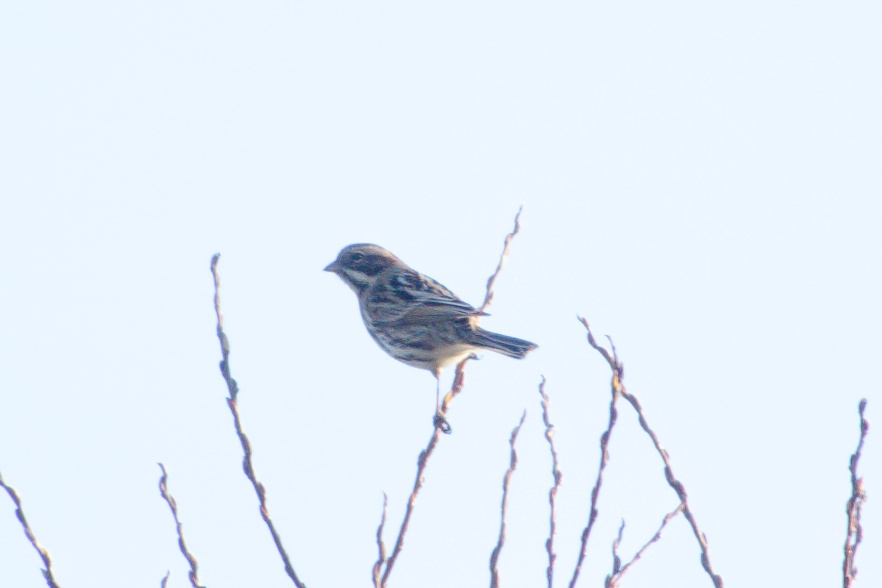
This medium-sized bunting measures 13.5-15.5 cm in length and weighs between 10-28 g. It possesses a small but powerful conical bill adapted for seed-eating. The male in breeding plumage is distinctive, featuring a black head and throat, a conspicuous white neck collar, pale underparts, and a heavily barred brown back. The female is considerably duller, showing a streaked brown head pattern and more pronounced barring on the underparts. The species produces a repetitive, metallic song described as 'srip'.
Distribution & Habitat
The species breeds throughout Europe and across much of the Palearctic region. While most populations migrate southward for the winter, birds in the milder southern and western parts of the range remain resident year-round. Its preferred habitats include reedbeds, purple moor grass and rush pastures, moorland, and arable land. It occupies both lowland and upland fringe areas, showing a particular affinity for poorly drained neutral and acidic soils. The species is designated as a Biodiversity Action Plan priority habitat in the UK.
Behavior & Ecology
The diet varies seasonally, consisting primarily of insects when feeding young and seeds at other times of the year. Breeding occurs from early April through late August, with timing varying by location and altitude. This species is monogamous, with pairs constructing nests made of twigs, grass, and reeds, lined with finer materials including hair, moss, and rootlets. Nests are situated in bushes or reed tussocks. The female lays four to five olive-grey eggs featuring the distinctive hair-like markings characteristic of buntings. Both parents share incubation duties over a period of 12-15 days and jointly feed the nestlings.
Conservation
The species is currently classified as Least Concern by the IUCN and is not considered globally threatened. The European population is estimated at least 4.8 million breeding pairs, with significant concentrations in Sweden, Poland, and Norway. However, concerning population declines have been reported in Norway, Sweden, Denmark, and Germany, warranting continued monitoring of northern European populations.
Culture
No significant cultural references, folklore, or traditional uses of this species are documented.
Source: Wikipedia · CC BY-SA 3.0
Taxonomy
- Order
- Passeriformes
- Family
- Emberizidae
- Genus
- Emberiza
- eBird Code
- reebun
Subspecies (19)
-
Emberiza schoeniclus caspia
eastern Caucasus to western and southern Iran, Syria, adjacent southeastern Türkiye, and northeastern Iraq
-
Emberiza schoeniclus centralasiae
western China (Tarim Basin eastward to Lop Nur, Xinjiang)
-
Emberiza schoeniclus harterti
far southern Russia (southern Tuva), far eastern Kazakhstan, northwestern China (Xinjiang), and western and central Mongolia
-
Emberiza schoeniclus incognita
breeds Russia east of Volga to southern Urals and northern Kazakhstan; winters to northwestern China
-
Emberiza schoeniclus intermedia
Italy (including Sicily) eastward to Albania
-
Emberiza schoeniclus korejewi
eastern Iran
-
Emberiza schoeniclus lusitanica
Portugal and northwestern Spain
-
Emberiza schoeniclus pallidior
breeds southwestern Siberia; winters to Caucasus to northwestern India and Mongolia
-
Emberiza schoeniclus parvirostris
breeds central Siberia and northern Mongolia; winters to northern China
-
Emberiza schoeniclus passerina
breeds northwestern Siberia; winters in southern Asia, from northern India to western China
-
Emberiza schoeniclus pyrrhulina
Transbaikalia to Kamchatka, Kuril Islands, Sakhalin, and Hokkaido
-
Emberiza schoeniclus pyrrhuloides
northern Caspian Sea region eastward to southeastern Kazakhstan
-
Emberiza schoeniclus reiseri
Albania, Macedonia, and northern Greece
-
Emberiza schoeniclus schoeniclus
breeds British Isles and northwestern Europe to central Russia; winters to North Africa
-
Emberiza schoeniclus stresemanni
eastern Austria, Hungary, northern Serbia, and northwestern Romania
-
Emberiza schoeniclus tschusii
Bulgaria and Romania east across the northern Black Sea to the Sea of Azov
-
Emberiza schoeniclus ukrainae
breeds southern Russia to northern Ukraine and Volga River; winters to Caucasus
-
Emberiza schoeniclus witherbyi
northwestern Morocco, eastern Spain (including the Balearic Islands), and Mediterranean coast of France and Sardinia
-
Emberiza schoeniclus zaidamensis
western China (Qaidam Basin in northern Qinghai)
Data Sources
Species description from Wikipedia, licensed under CC BY-SA 3.0.
Bird images and sounds sourced from GBIF, contributed by citizen scientists worldwide under Creative Commons licenses.
Taxonomy data from AviList 2025.