Passeriformes / Emberizidae / Emberiza
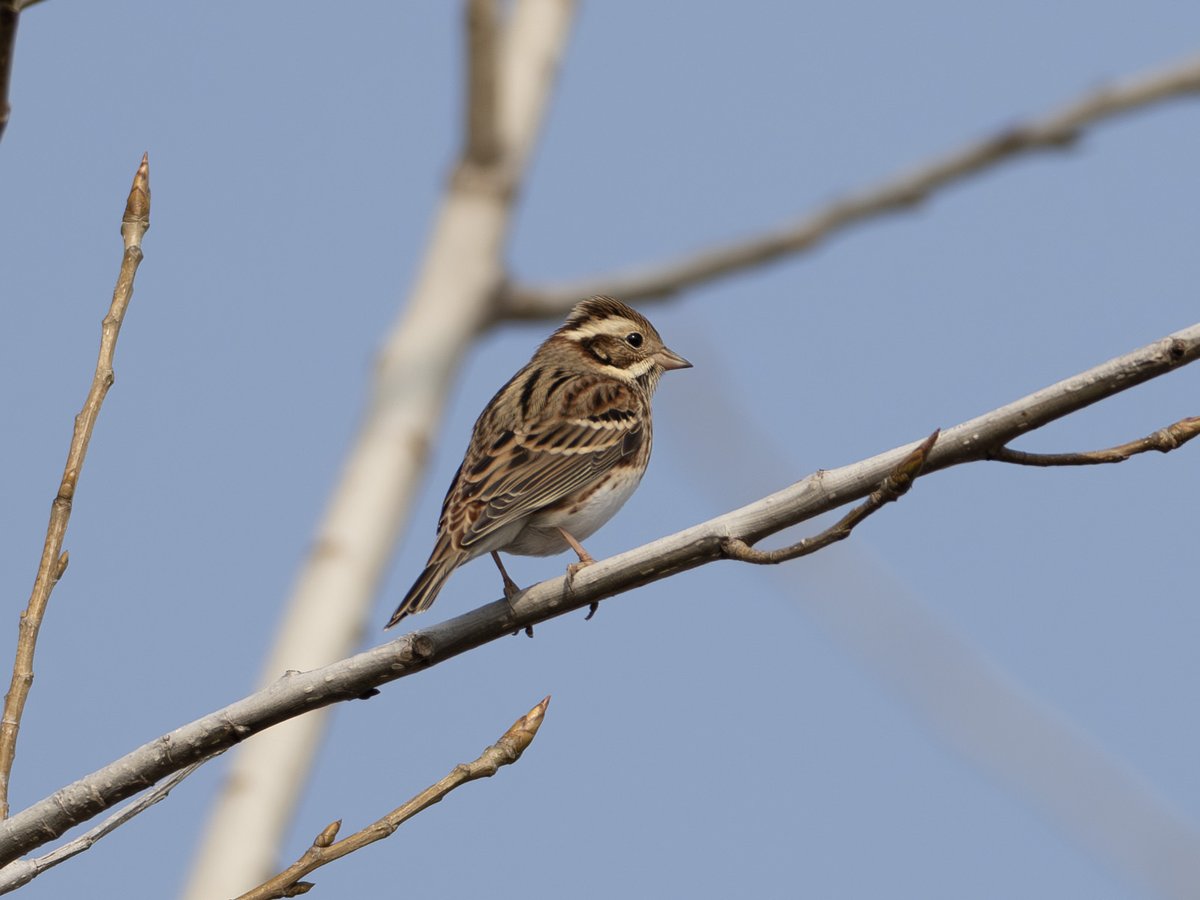
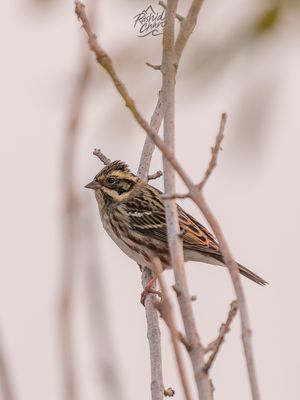
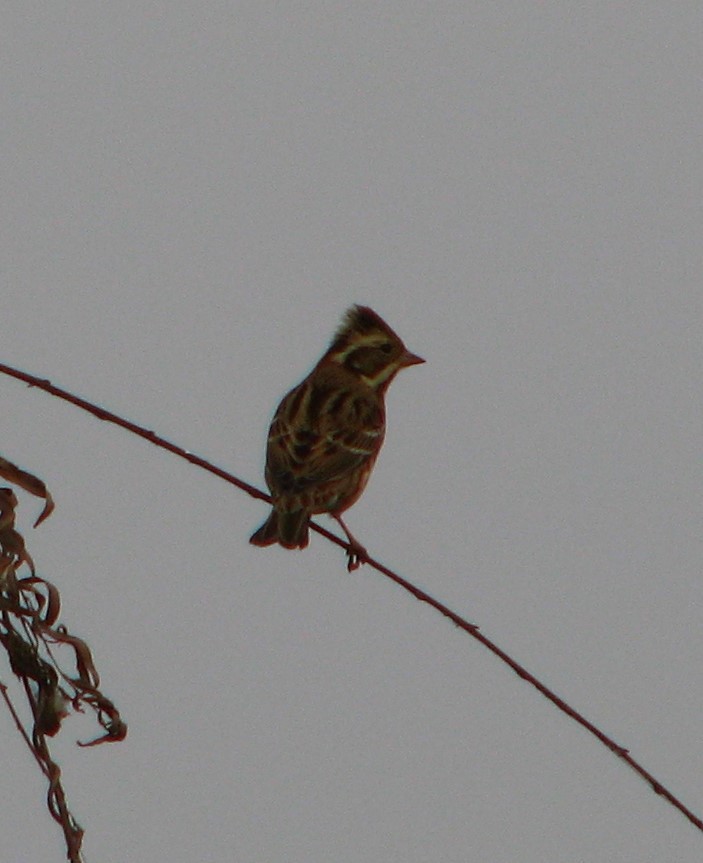
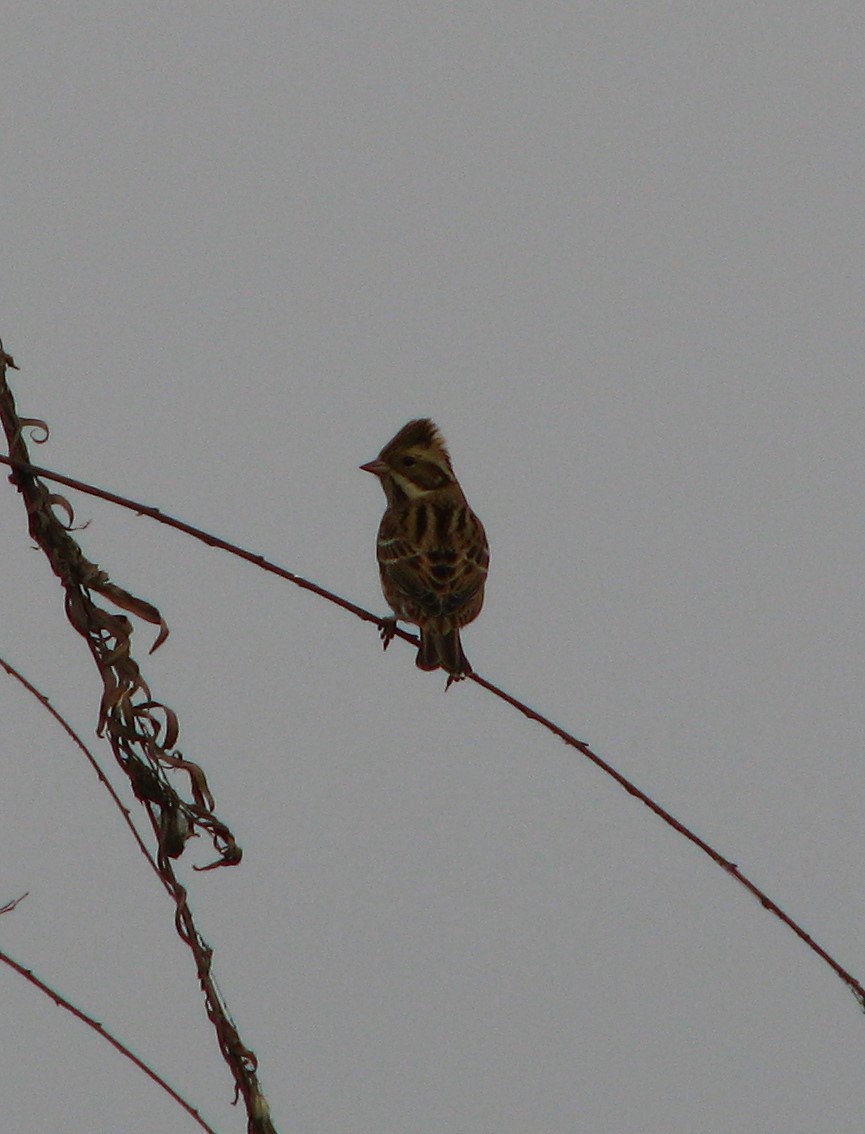
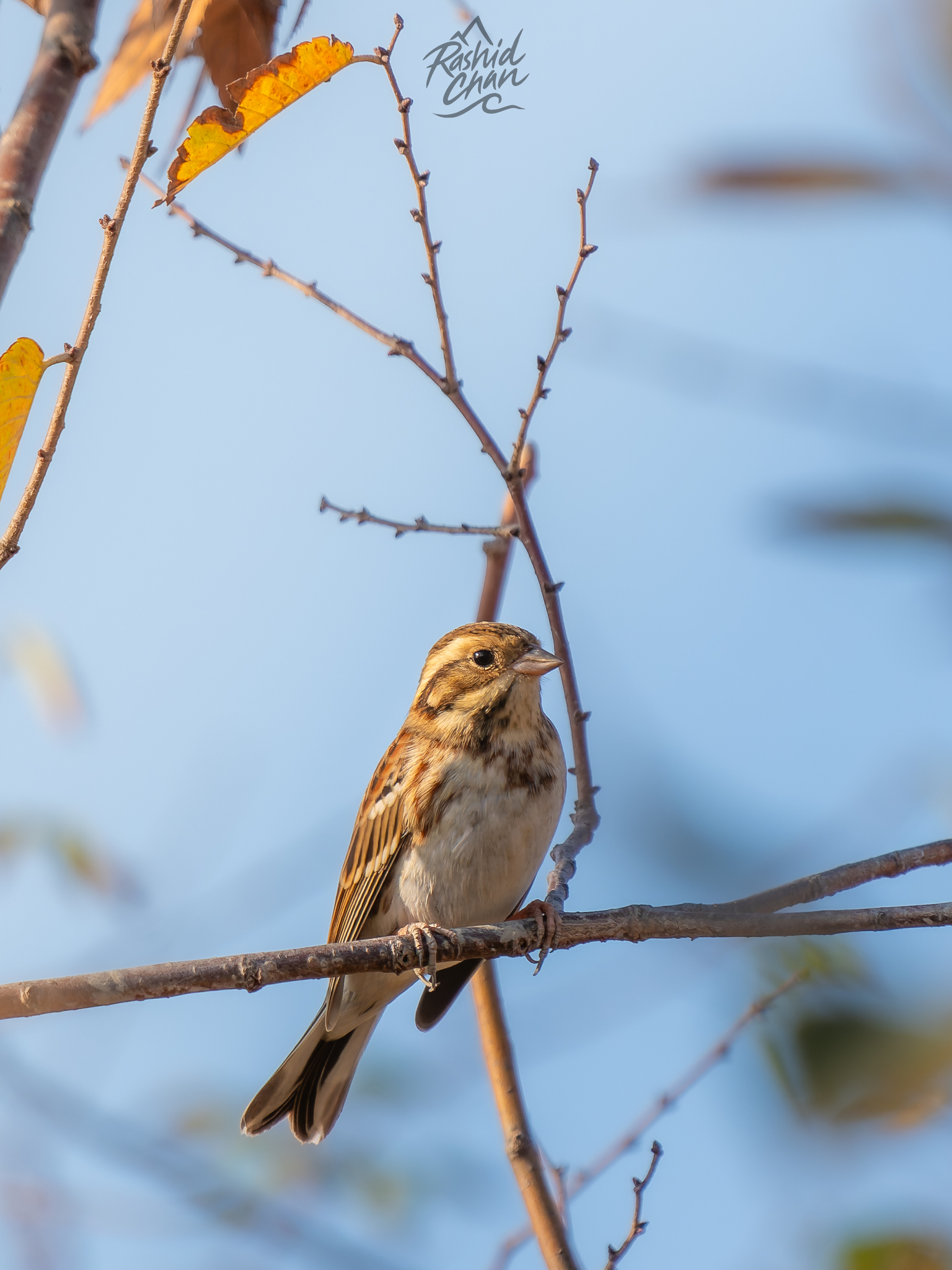
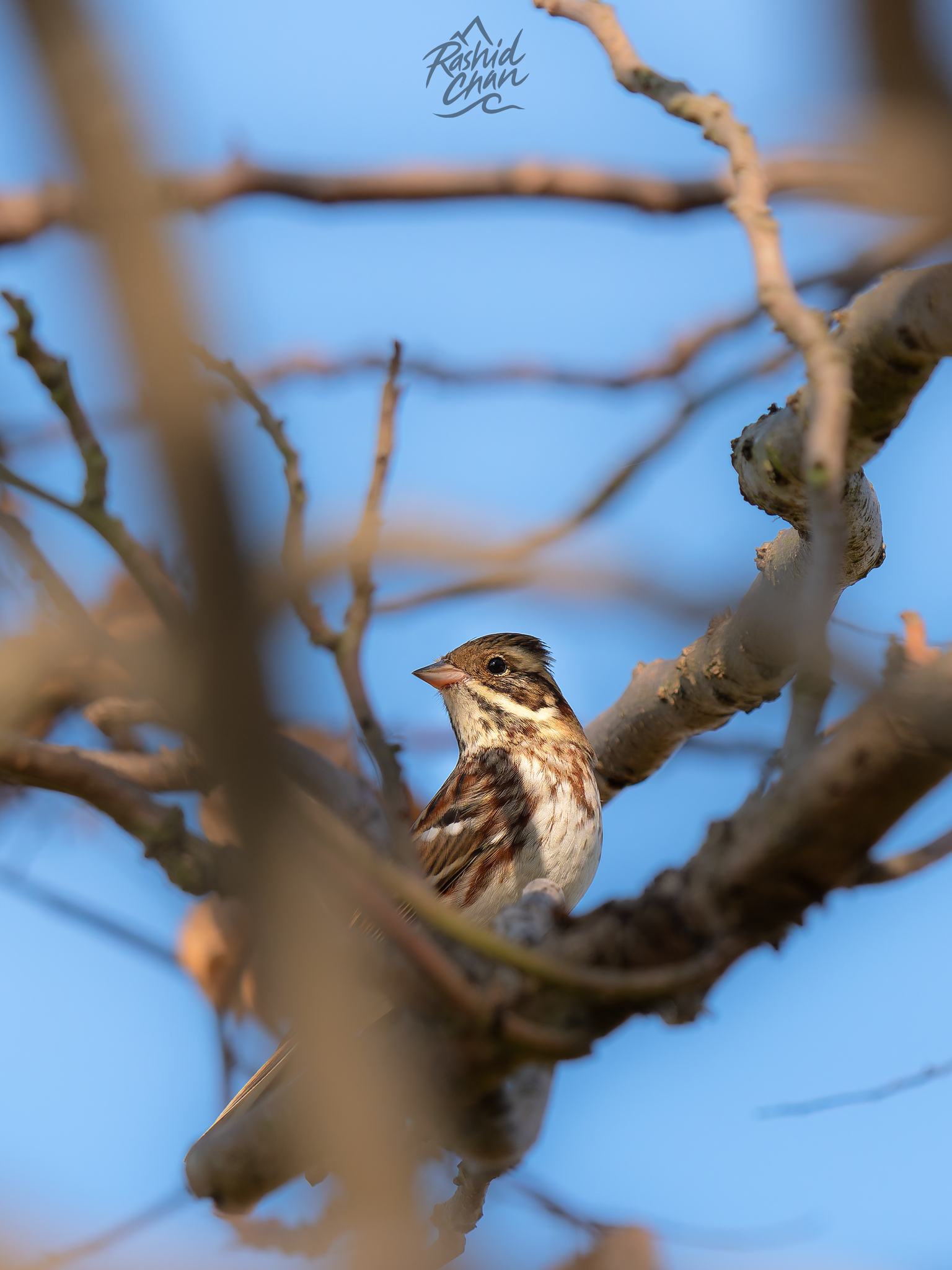
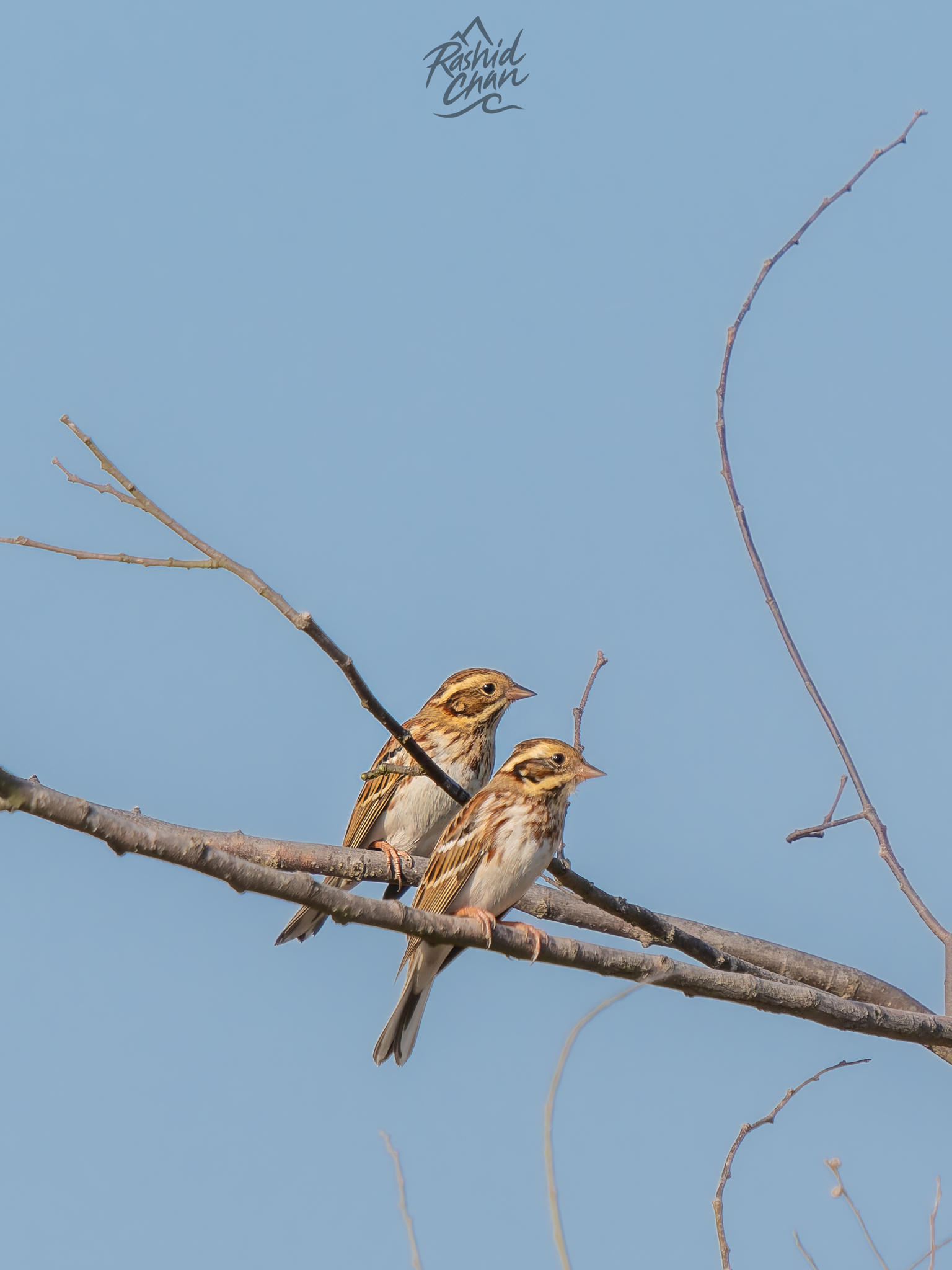
Rustic Bunting
Emberiza rustica · 田鹀
Introduction
A passerine bird in the bunting family Emberizidae, classified in the genus Emberiza. It breeds across the northern Palearctic in wet coniferous woodland and is migratory, wintering in south-east Asia. The species lays four to six eggs per clutch and feeds on seeds and insects.
Description
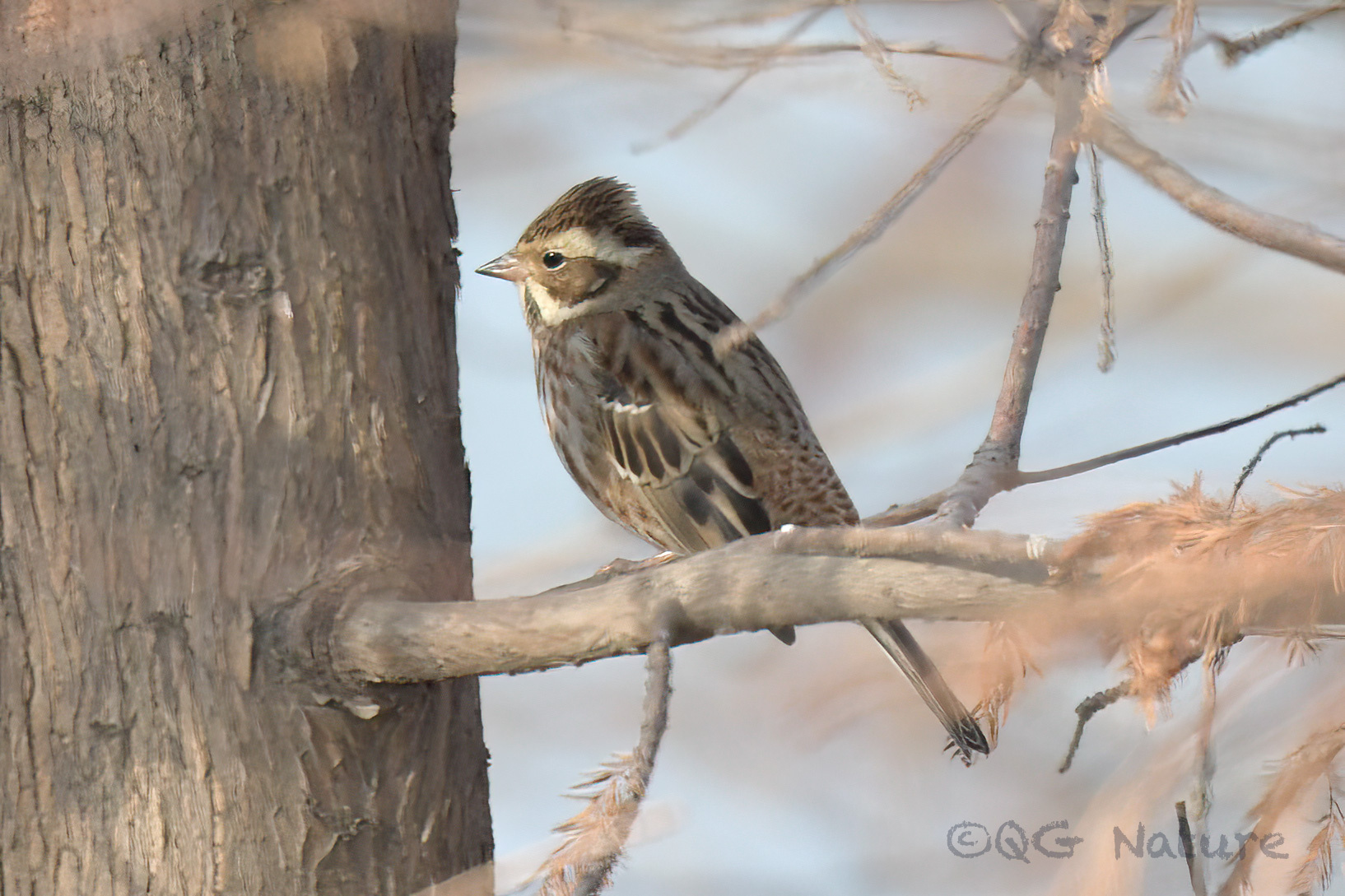
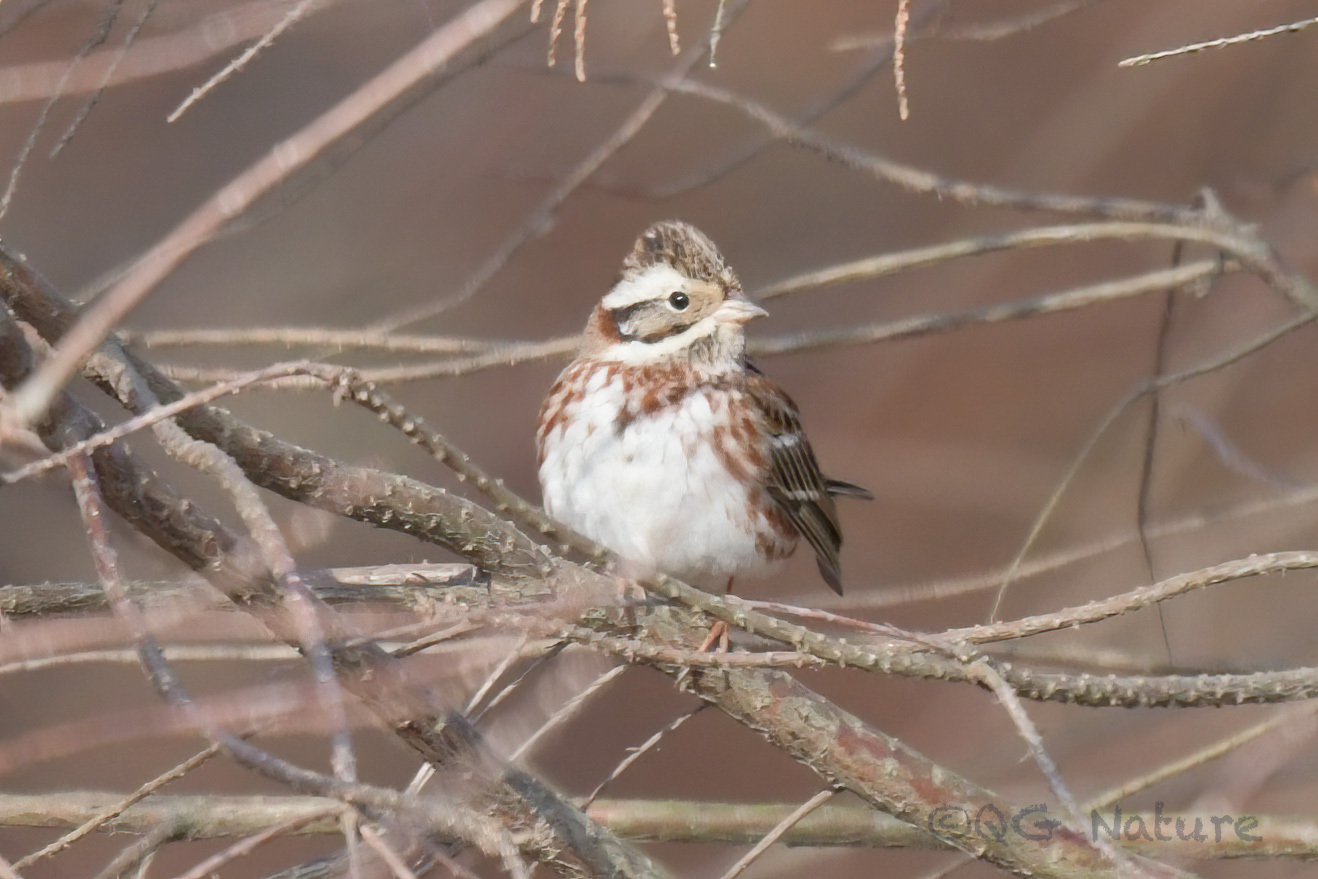
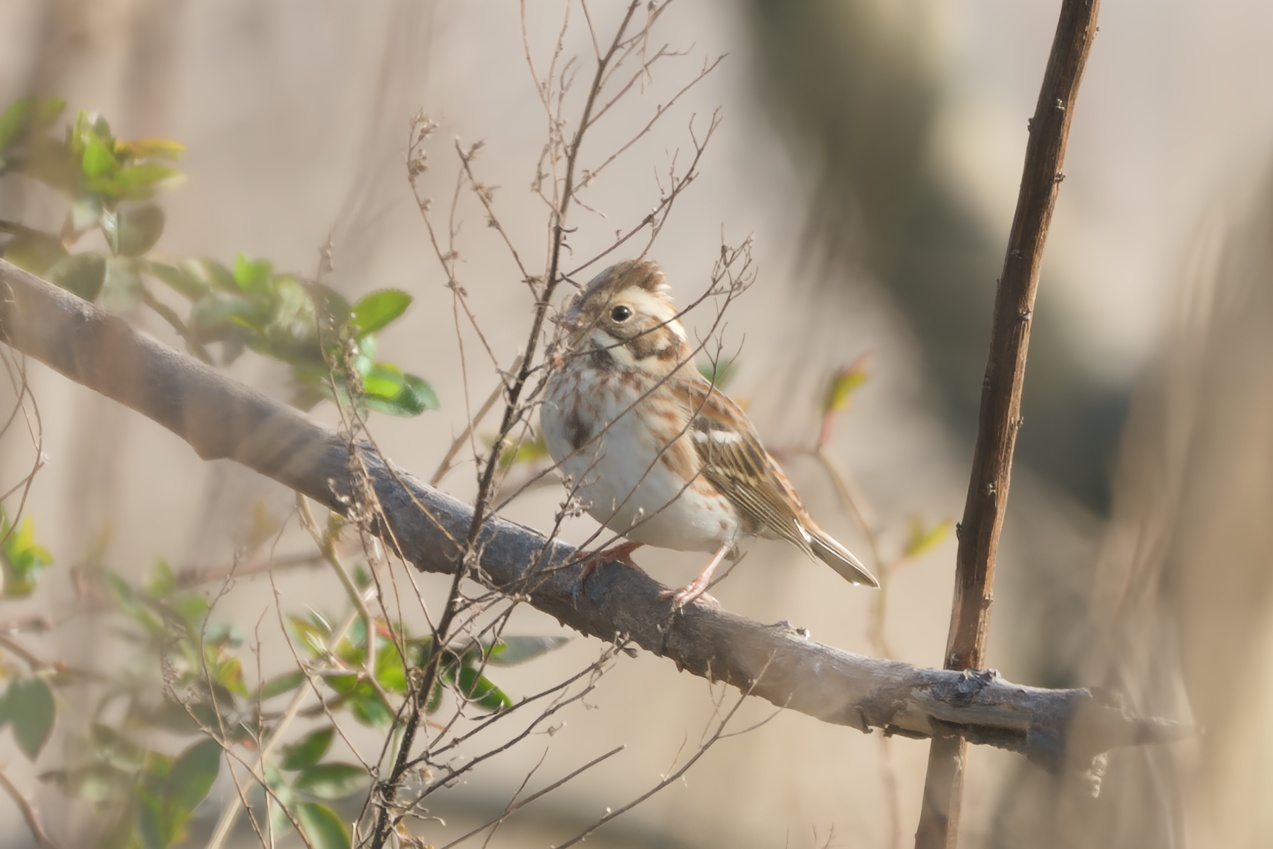
Similar in size to a reed bunting. It has white underparts with reddish flanks, pink legs, and a pink lower mandible. The summer male features a black head with a white throat and supercilium, plus a reddish breast band. The female has a heavily streaked brown back, brown face with a whitish supercilium, chestnut nape, and reddish flank streaks.
Identification
Resembles a female reed bunting but distinguished by reddish flank streaks, a chestnut nape, and a pink rather than grey lower mandible. The call is a zit, similar to that of a song thrush, and the song is a melancholic delee-deloo-delee.
Distribution & Habitat
Breeds in the taiga over most of Eurasia from Scandinavia to Siberia (subspecies E. r. rustica) and in far eastern Siberia from Yakutsk to Kamchatka (subspecies E. r. latifascia). Migratory, wintering in south-east Asia, Japan, Korea, and eastern China. It is a rare wanderer to western Europe.
Behavior & Ecology
Breeds in wet coniferous woodland, placing nests in bushes or on the ground. Four to six eggs are laid per clutch. Natural food consists of seeds, switching to insects when feeding young.
Source: Wikipedia · CC BY-SA 3.0
Taxonomy
- Order
- Passeriformes
- Family
- Emberizidae
- Genus
- Emberiza
Distribution
breeds swamp forest of northern Palearctic from Scandinavia eastward to Kamchatka and Sakhalin; winters to eastern China, southern Japan, Korean Peninsula, and Taiwan
Data Sources
Species description from Wikipedia, licensed under CC BY-SA 3.0.
Bird images and sounds sourced from GBIF, contributed by citizen scientists worldwide under Creative Commons licenses.
Taxonomy data from AviList 2025.