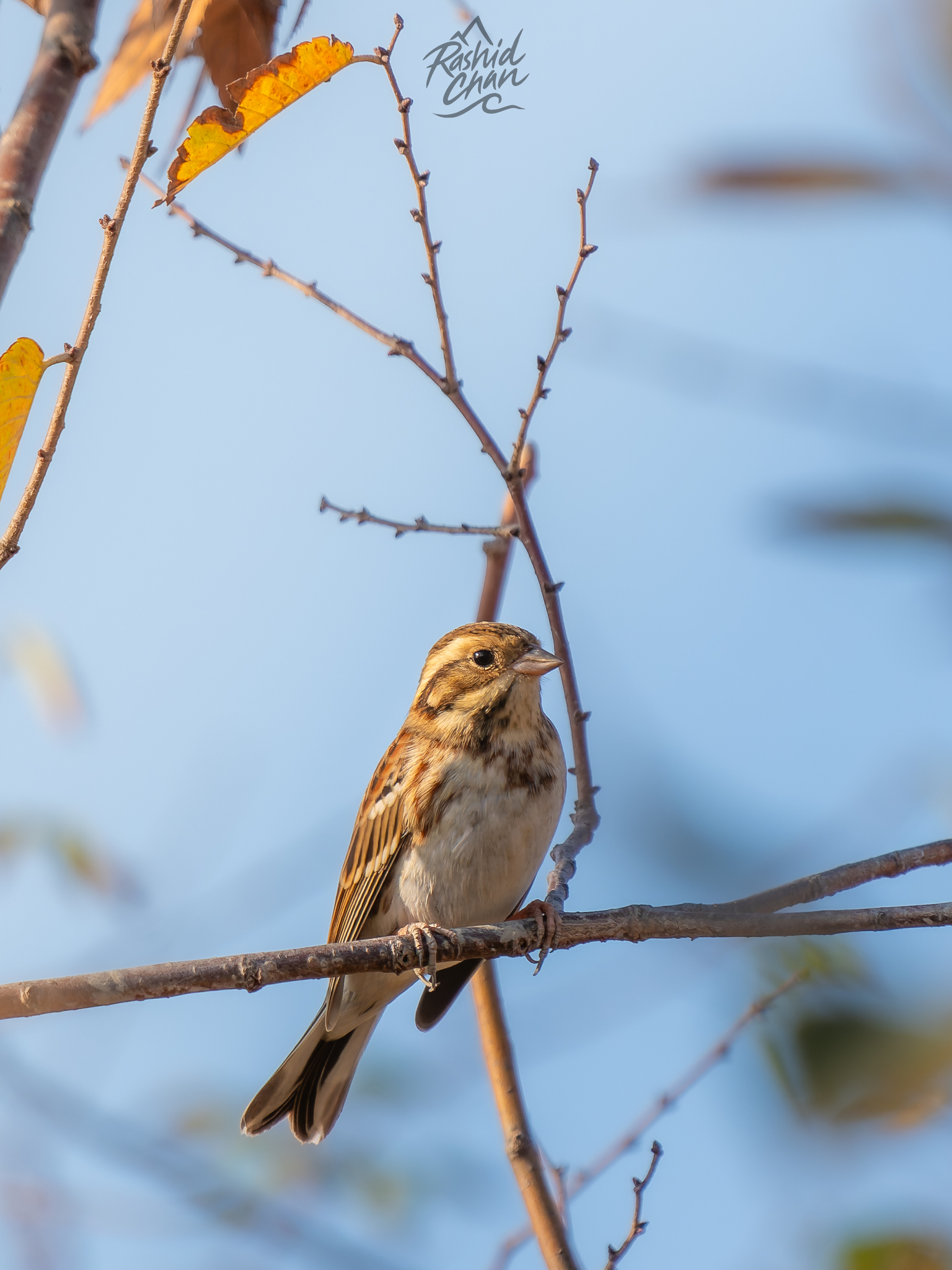
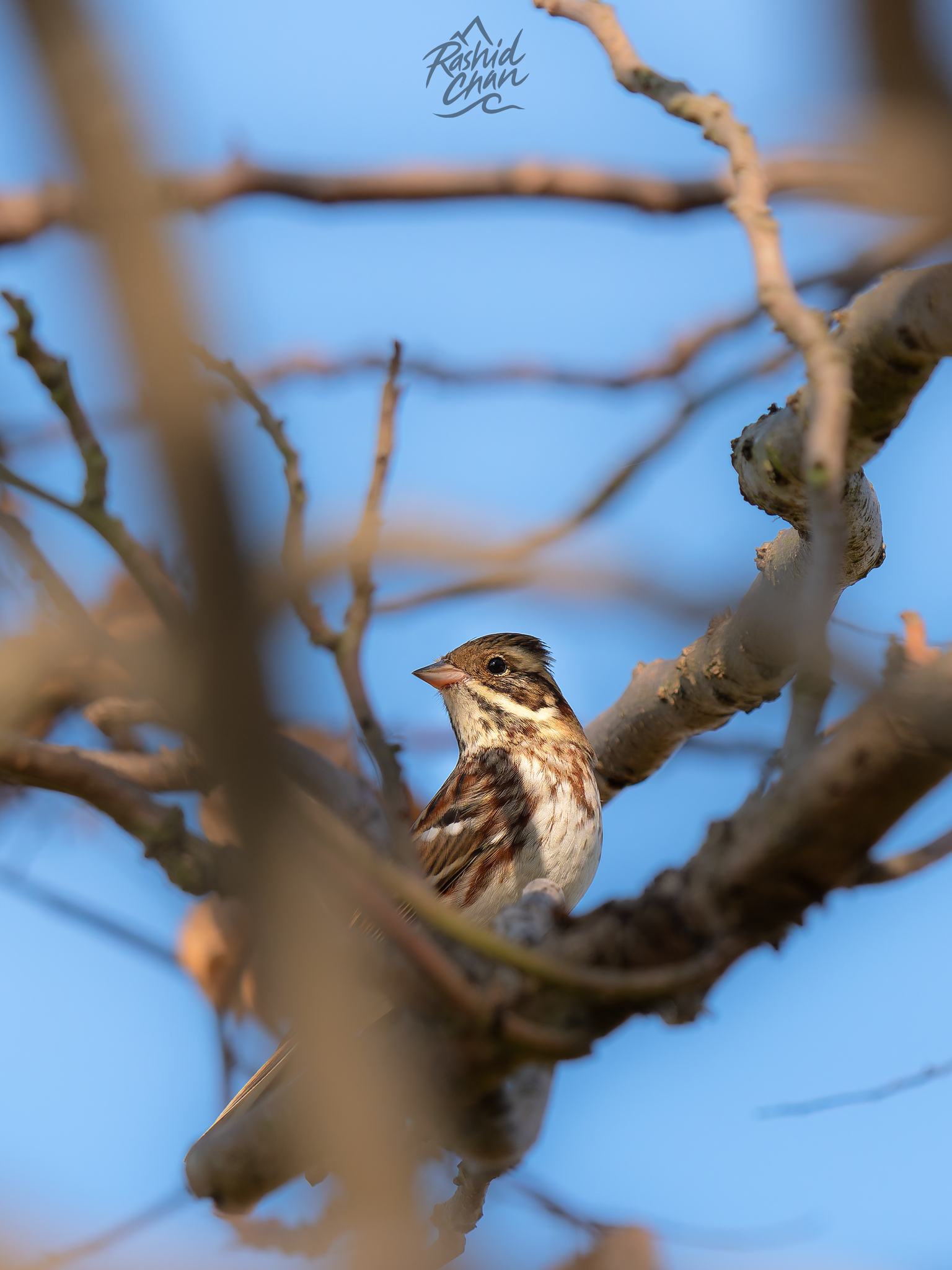
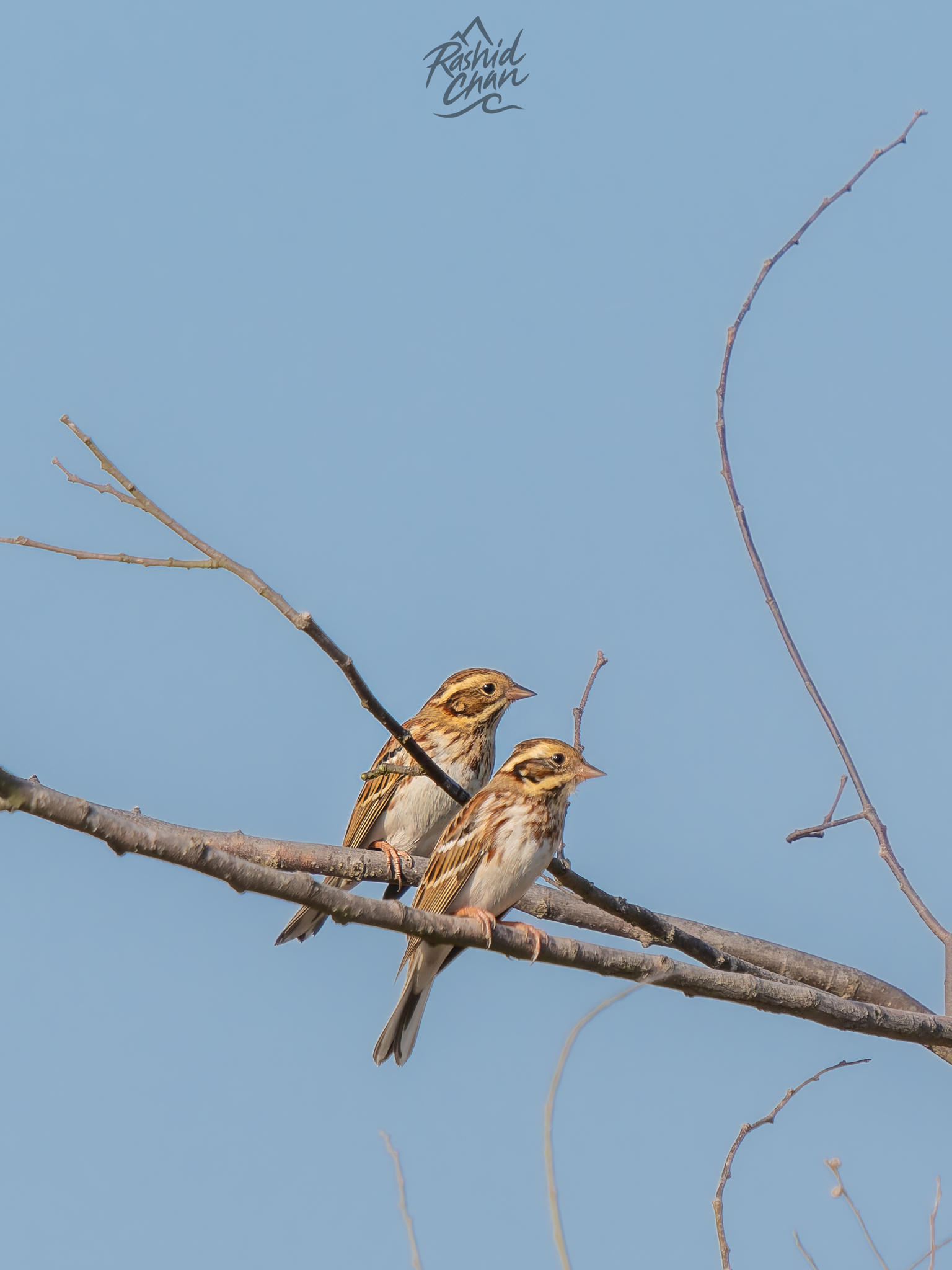
Rustic Bunting
Emberiza rustica
田鹀
Introduction
A bunting of the northern Palearctic, breeding across the taiga zone from Scandinavia through Siberia. Migratory, wintering in East Asia, including Japan, Korea, and eastern China; vagrants occasionally recorded in western Europe. Breeds in wet coniferous woodland, nesting in bushes or on the ground. The song is a flowing *delee-deloo-delee* delivered from prominent perches during the breeding season. Distinguished from similar buntings in part by its preference for wetter coniferous habitats rather than marshes.
Description
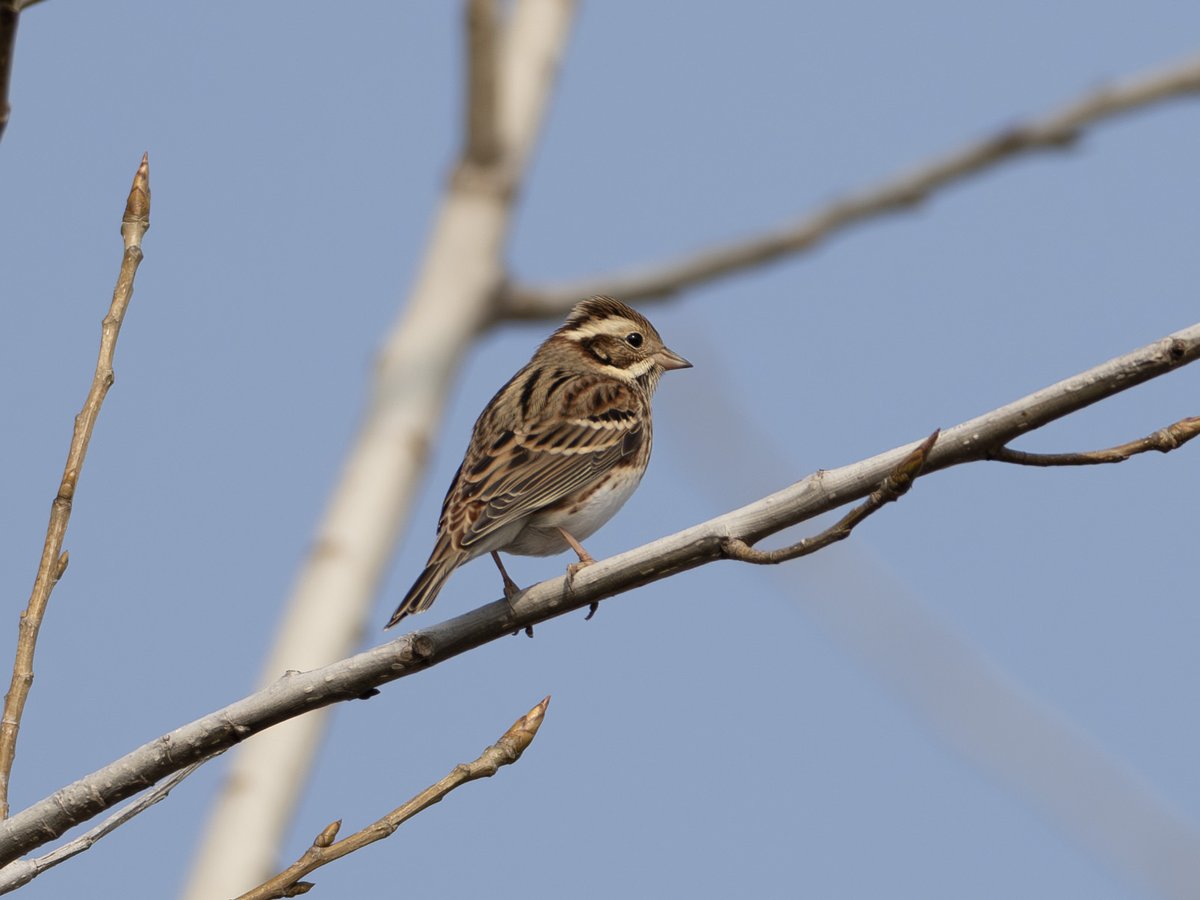
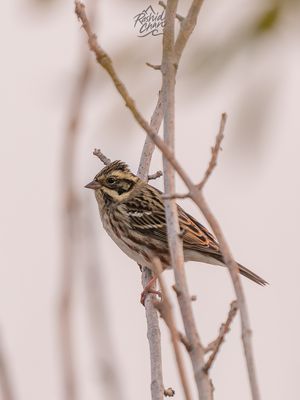
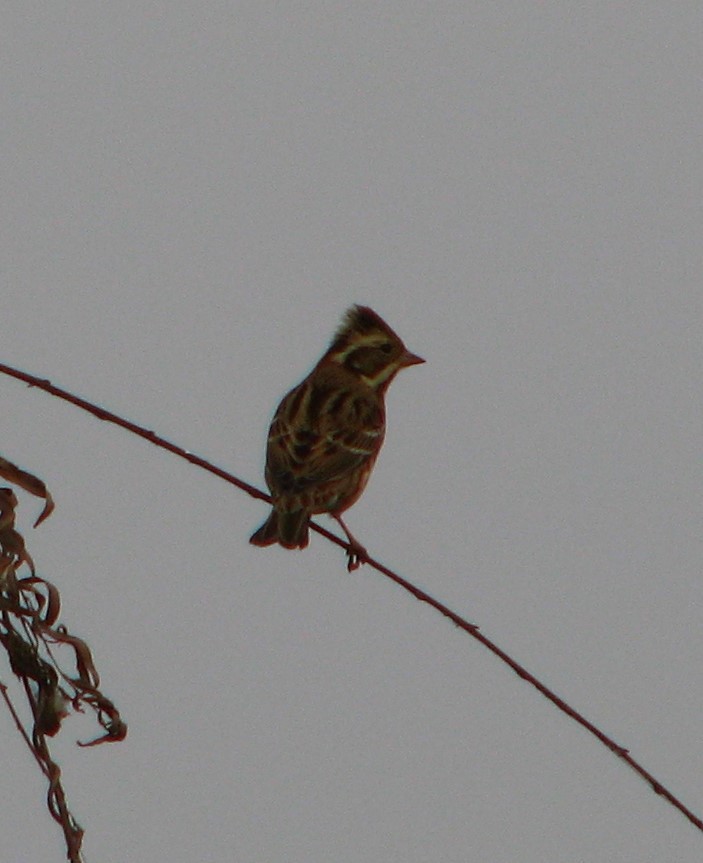
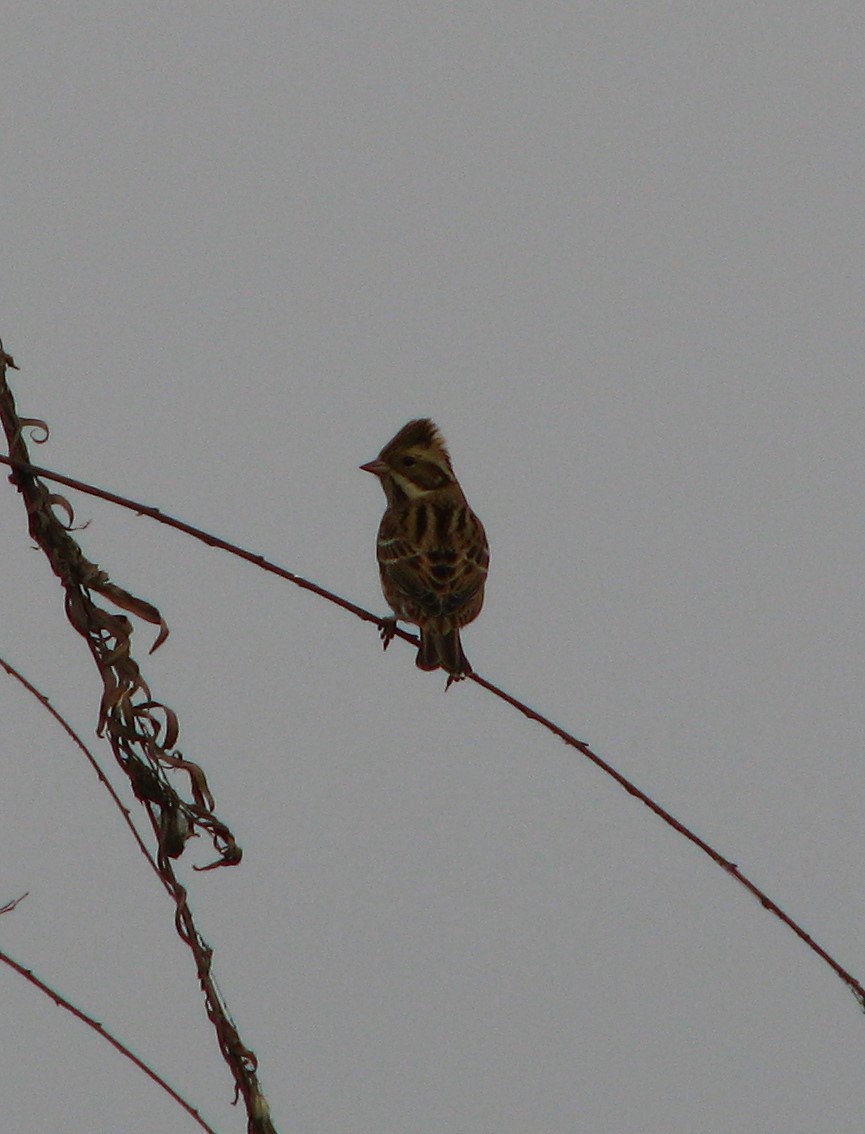
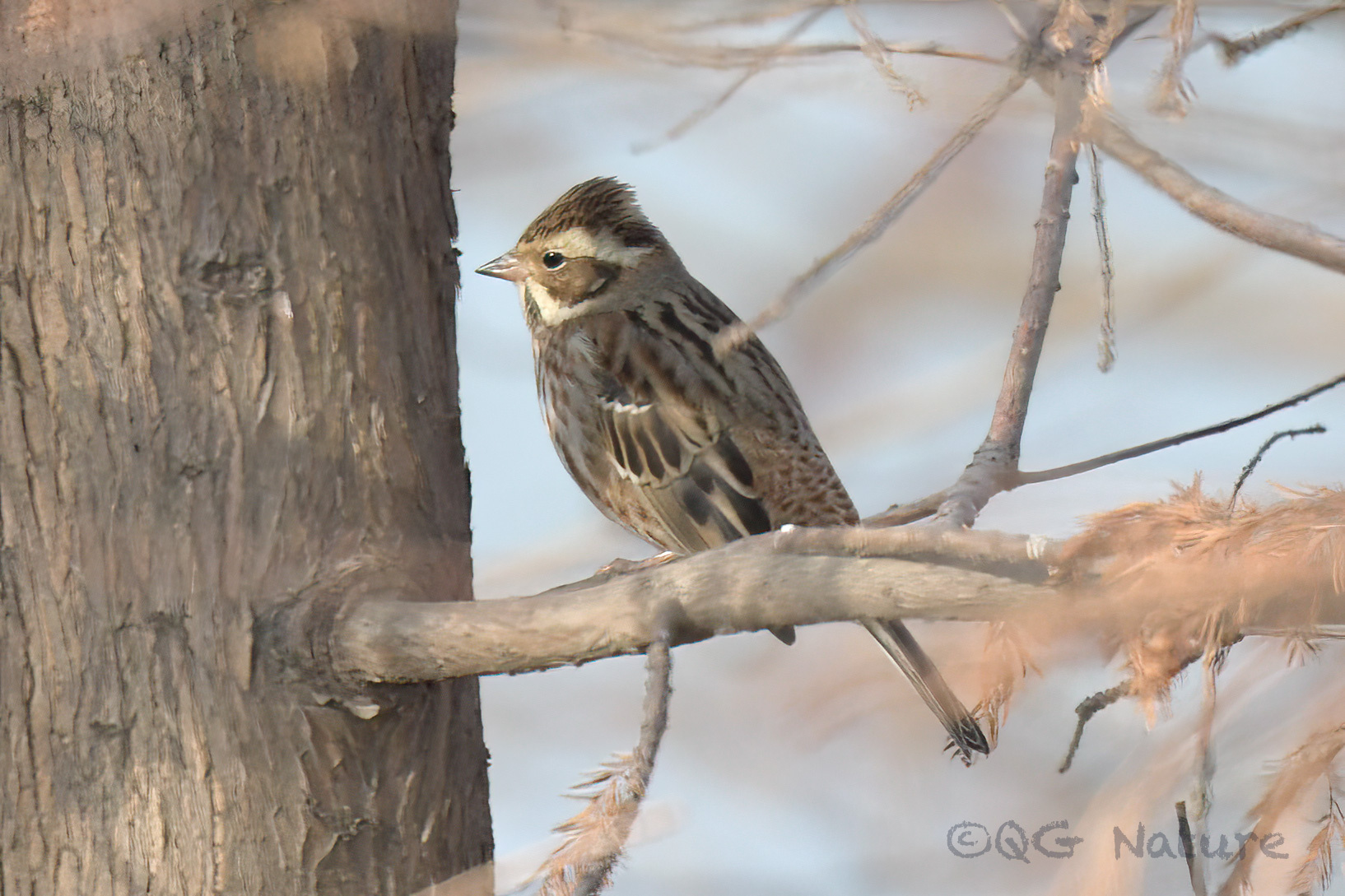
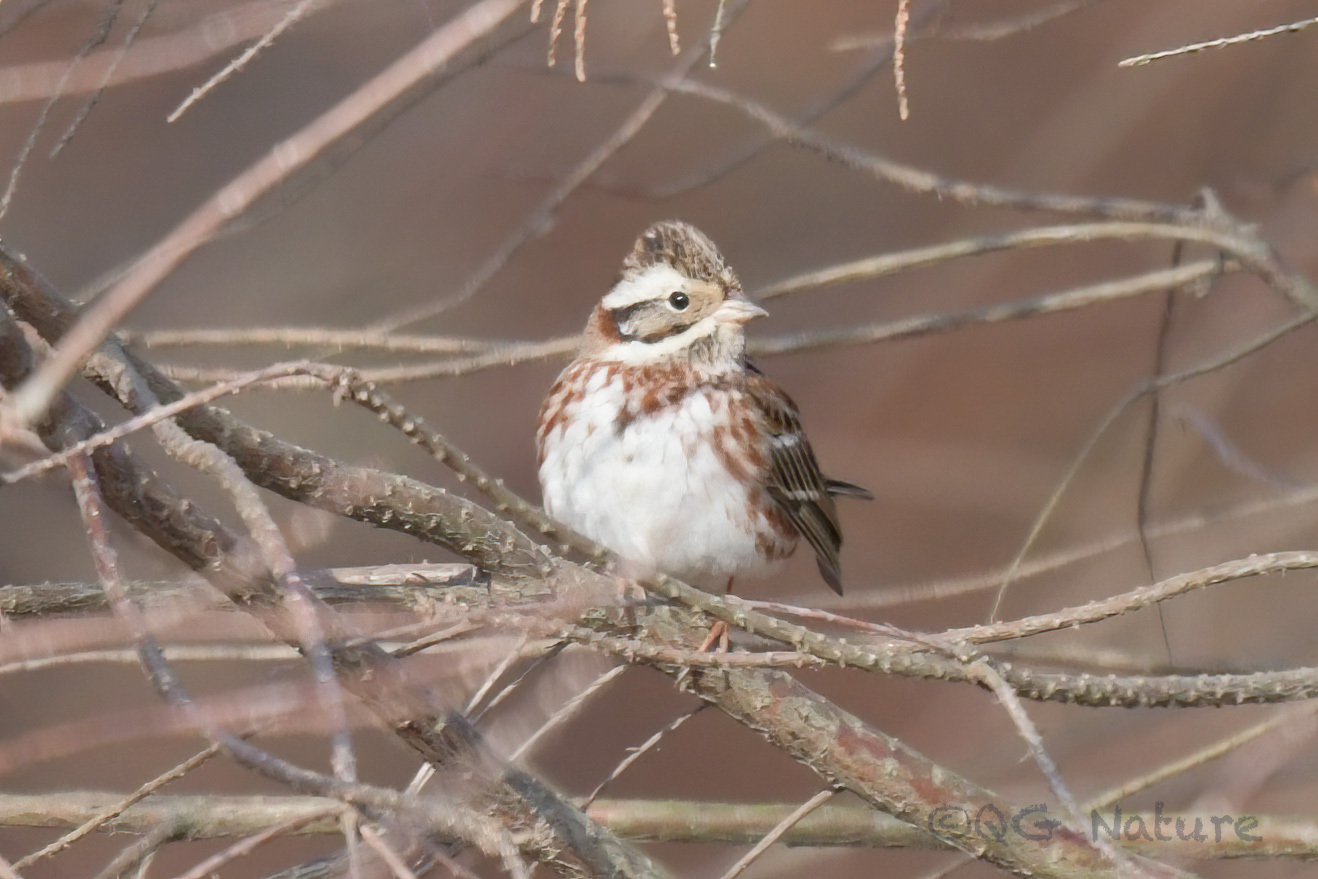
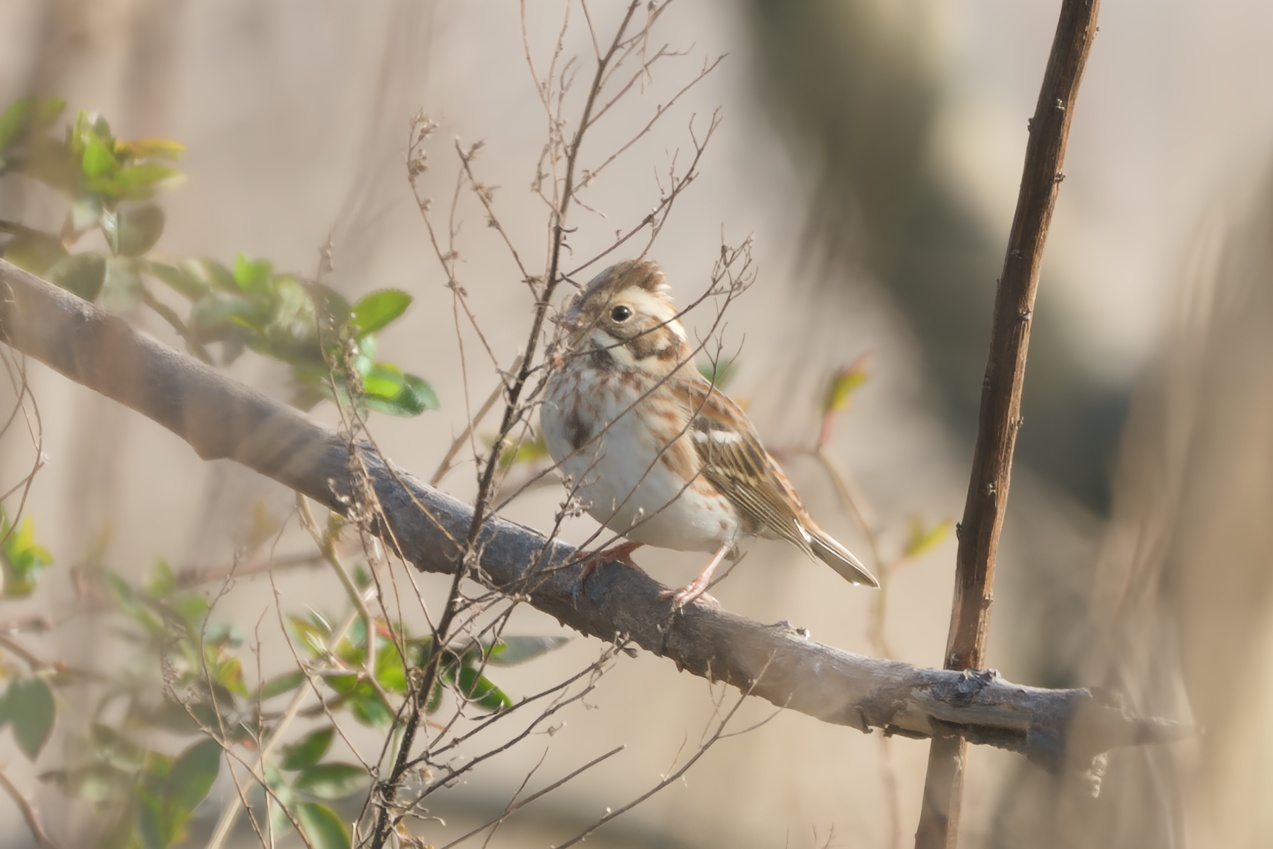
A compact bunting similar in size to a reed bunting. The summer male has a black head with white throat and supercilium, creating a bold facial pattern. A distinctive reddish breast band crosses the white underparts, which also show reddish flanks. Pink legs and a pink lower mandible are diagnostic features. The female has heavily streaked brown upperparts and a brown face with a whitish supercilium. She is generally more subdued in coloration but shares the pink legs and lower mandible with the male, along with a chestnut nape. The overall impression is of a rather warm-toned bunting compared to the grayer reed bunting.
Identification
The summer male is unmistakable with its black head, white markings, and reddish breast band. Females and first-year birds can present more challenge, resembling female reed buntings but distinguished by the pink lower mandible (not grey), reddish flank streaks, and chestnut nape. The call is a sharp zit, similar to a song thrush, which can help separate it from reed buntings in flight. The species' preference for wet coniferous woodland rather than reed beds further distinguishes it from the similar reed bunting.
Distribution & Habitat
Breeds across the northern Palearctic from Scandinavia east through Siberia to the Pacific coast. Two subspecies are recognized: the western race across most of Eurasia and an eastern race breeding from Yakutsk to Kamchatka. The species is migratory, spending winters in south-east Asia, Japan, Korea, and eastern China. It is a rare but regular wanderer to western Europe, with most records occurring during autumn migration.
Behavior & Ecology
Breeds in wet coniferous woodland, particularly in areas with dense understorey. The nest is constructed in a bush or on the ground, where the female lays four to six eggs. The diet consists primarily of seeds, though insects are fed to young nestlings. The song is a melancholy, rolling delee-deloo-delee delivered from a perch in the breeding territory. The species forms small flocks outside the breeding season, often associating with other seed-eating birds.
Conservation
The IUCN Red List classifies this species as Vulnerable, with population declines noted across its range. Threats include habitat degradation in both breeding and wintering areas, with drainage of wetland habitats in the taiga zone being a particular concern. Climate change may also be affecting the species' breeding success. While still relatively widespread, concentrated conservation efforts on key breeding and wintering sites are considered important for this bunting's long-term survival.
Culture
No significant cultural or folklore traditions are documented for this species in the available literature.
Source: Wikipedia · CC BY-SA 3.0
Taxonomy
- Order
- Passeriformes
- Family
- Emberizidae
- Genus
- Emberiza
- eBird Code
- rusbun
Distribution
breeds swamp forest of northern Palearctic from Scandinavia eastward to Kamchatka and Sakhalin; winters to eastern China, southern Japan, Korean Peninsula, and Taiwan
Data Sources
Species description from Wikipedia, licensed under CC BY-SA 3.0.
Bird images and sounds sourced from GBIF, contributed by citizen scientists worldwide under Creative Commons licenses.
Taxonomy data from AviList 2025.