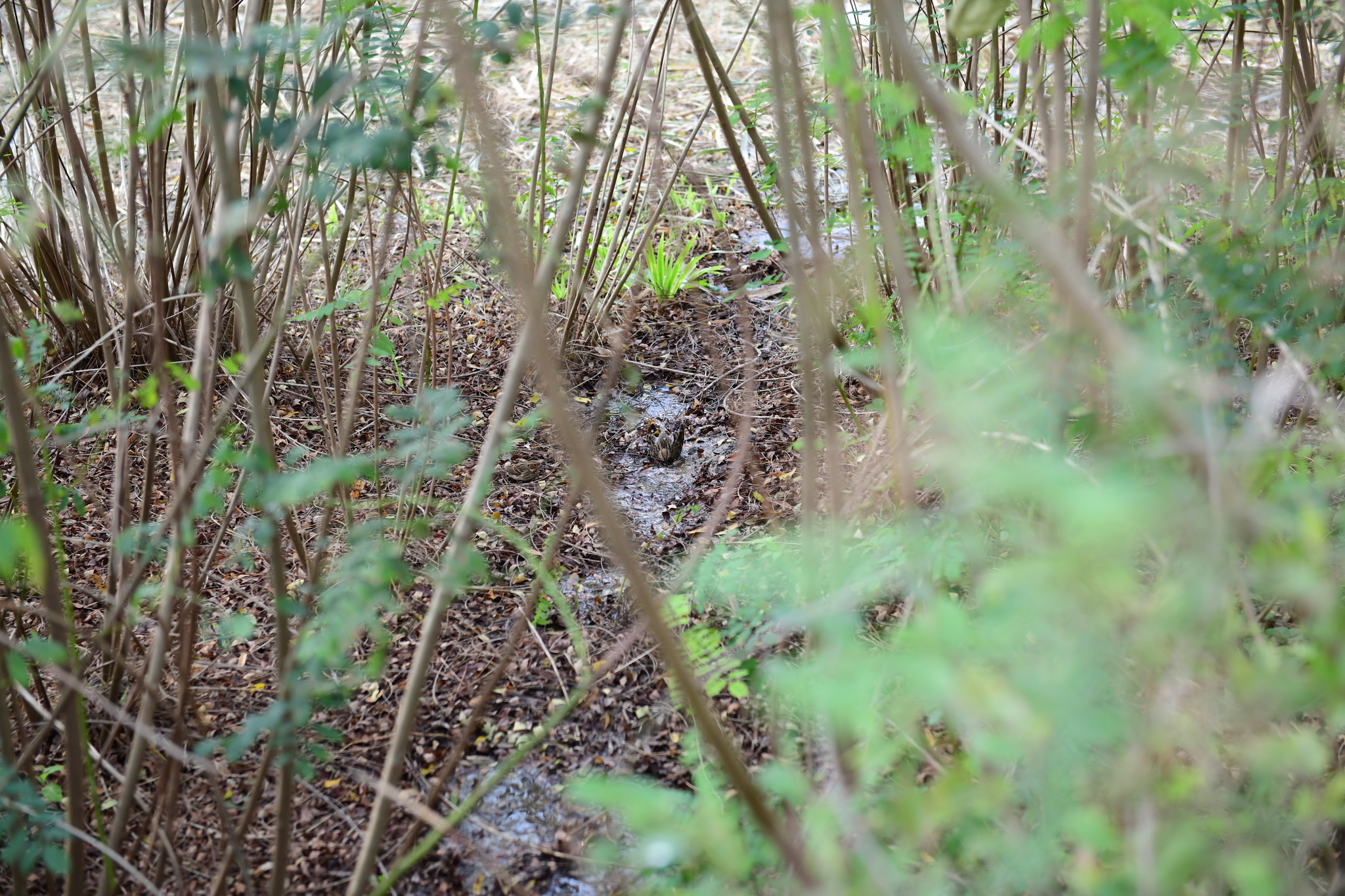
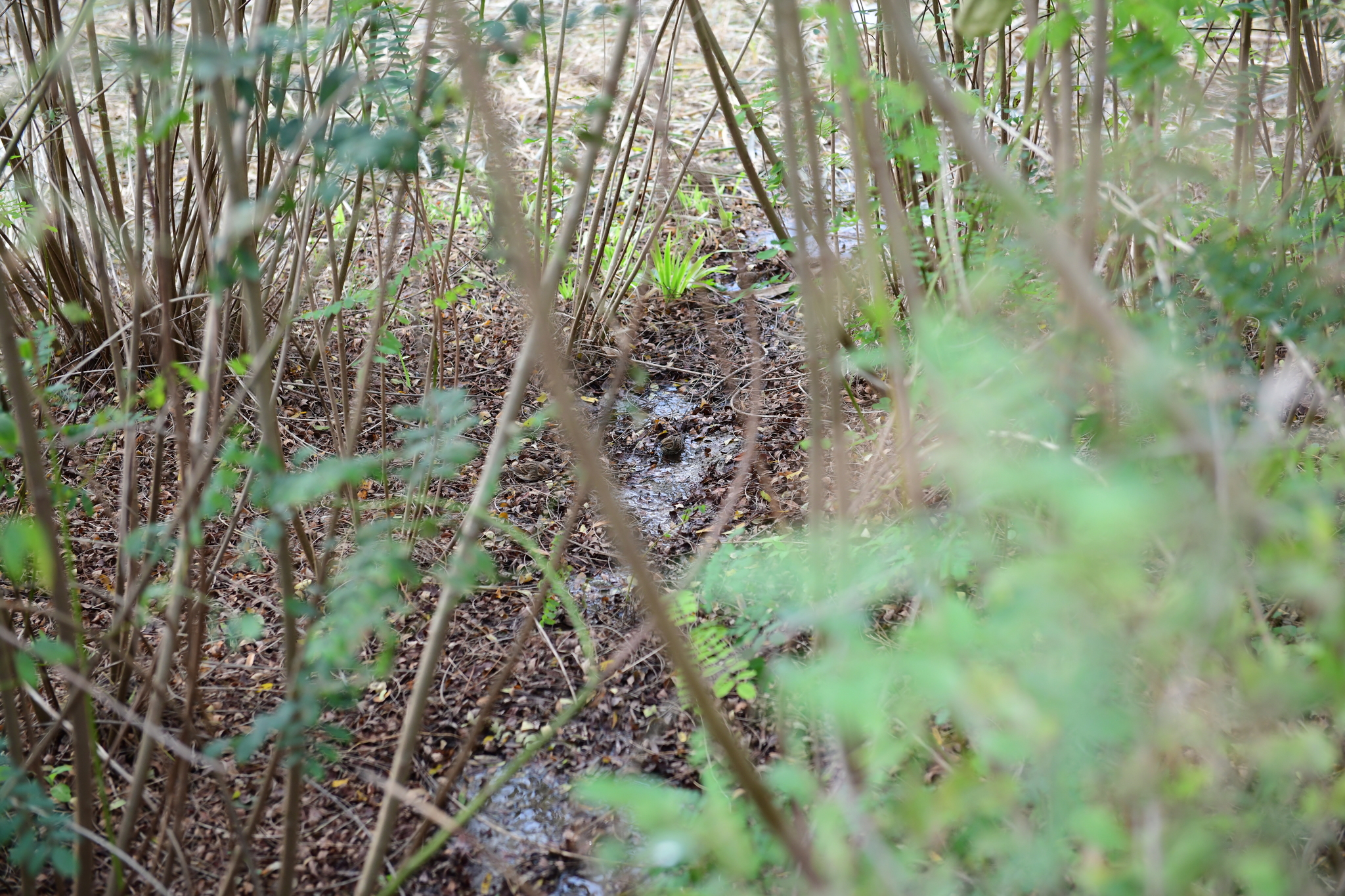
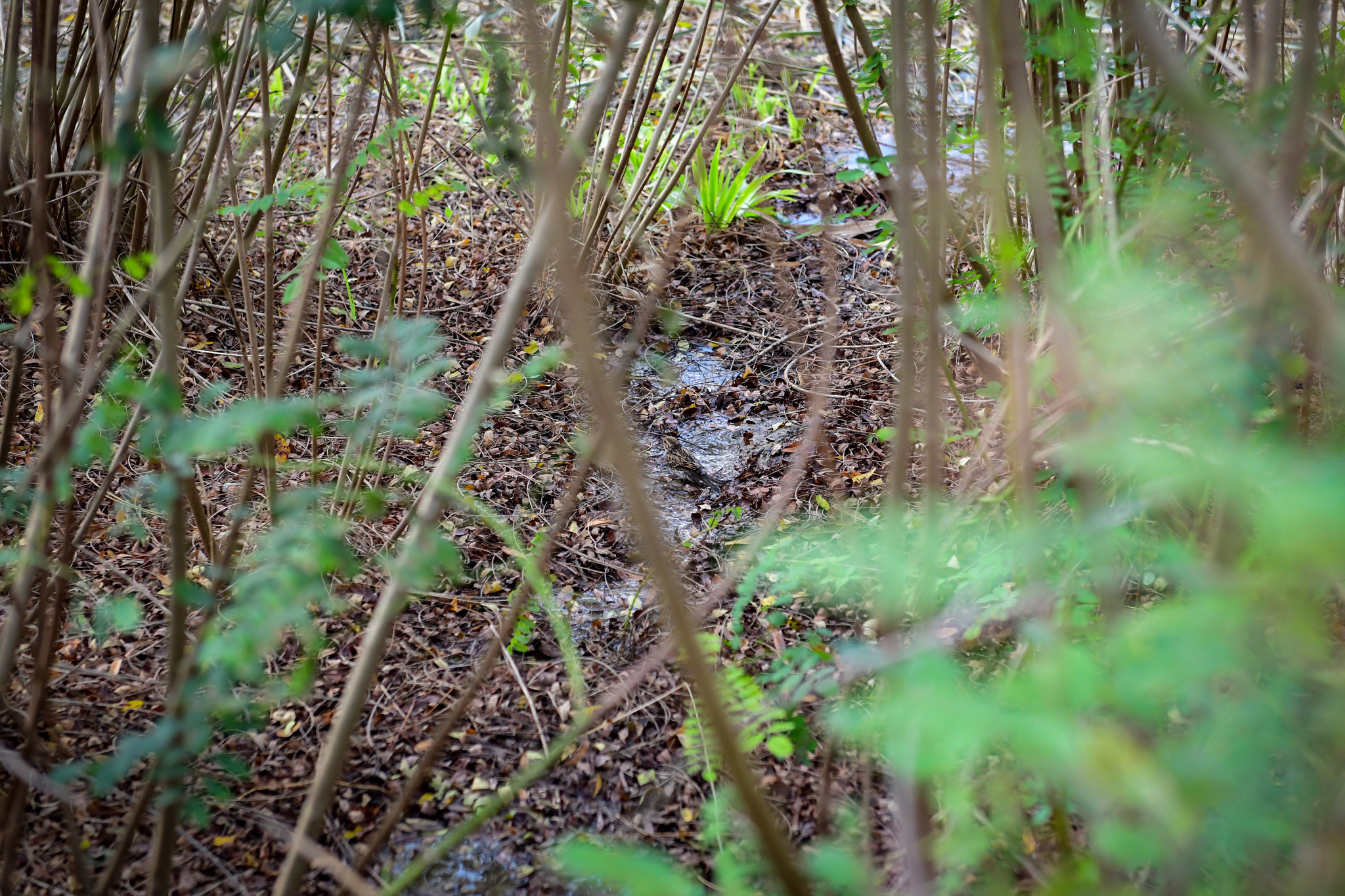

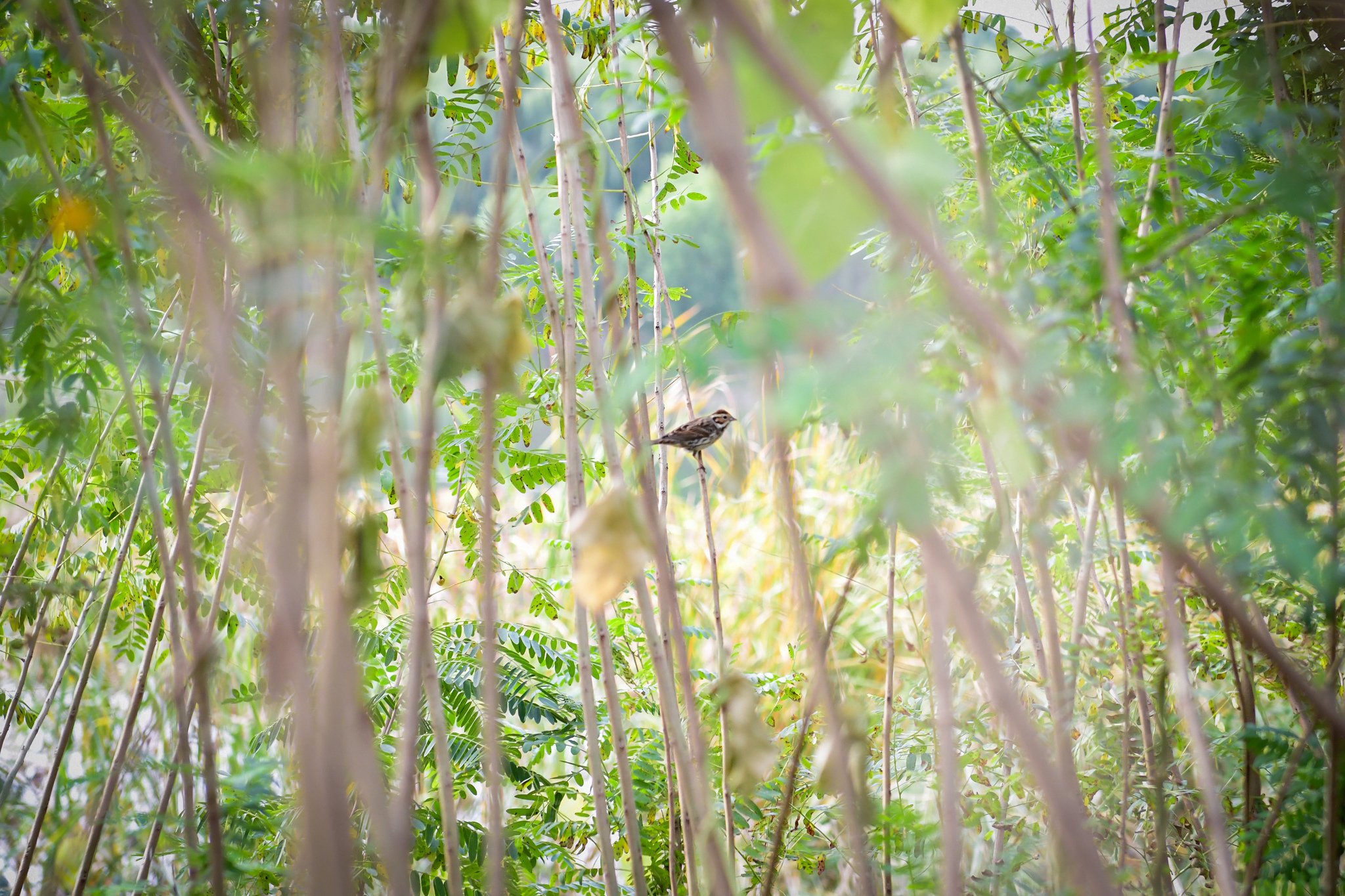
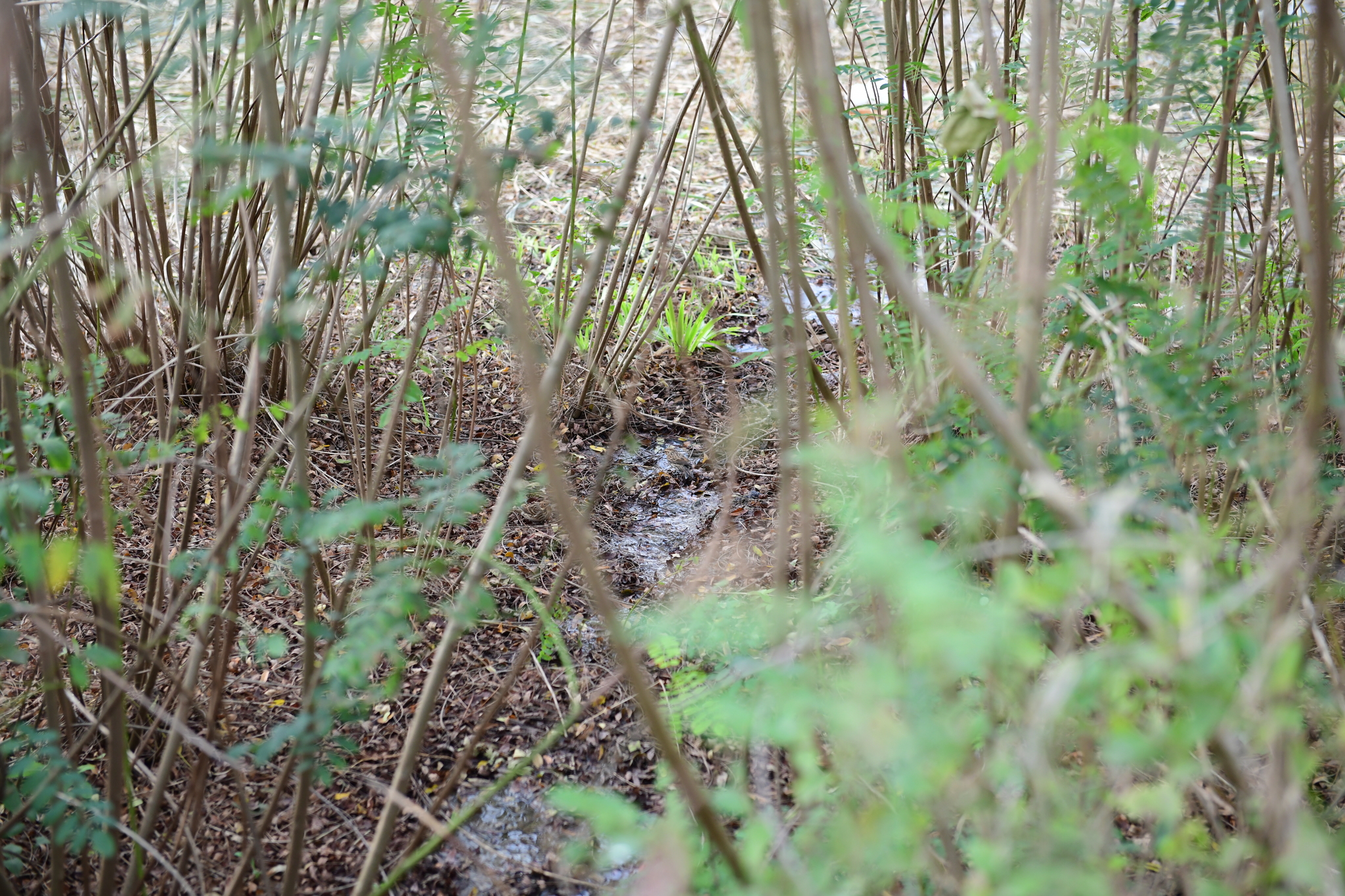
Passeriformes / Emberizidae / Emberiza
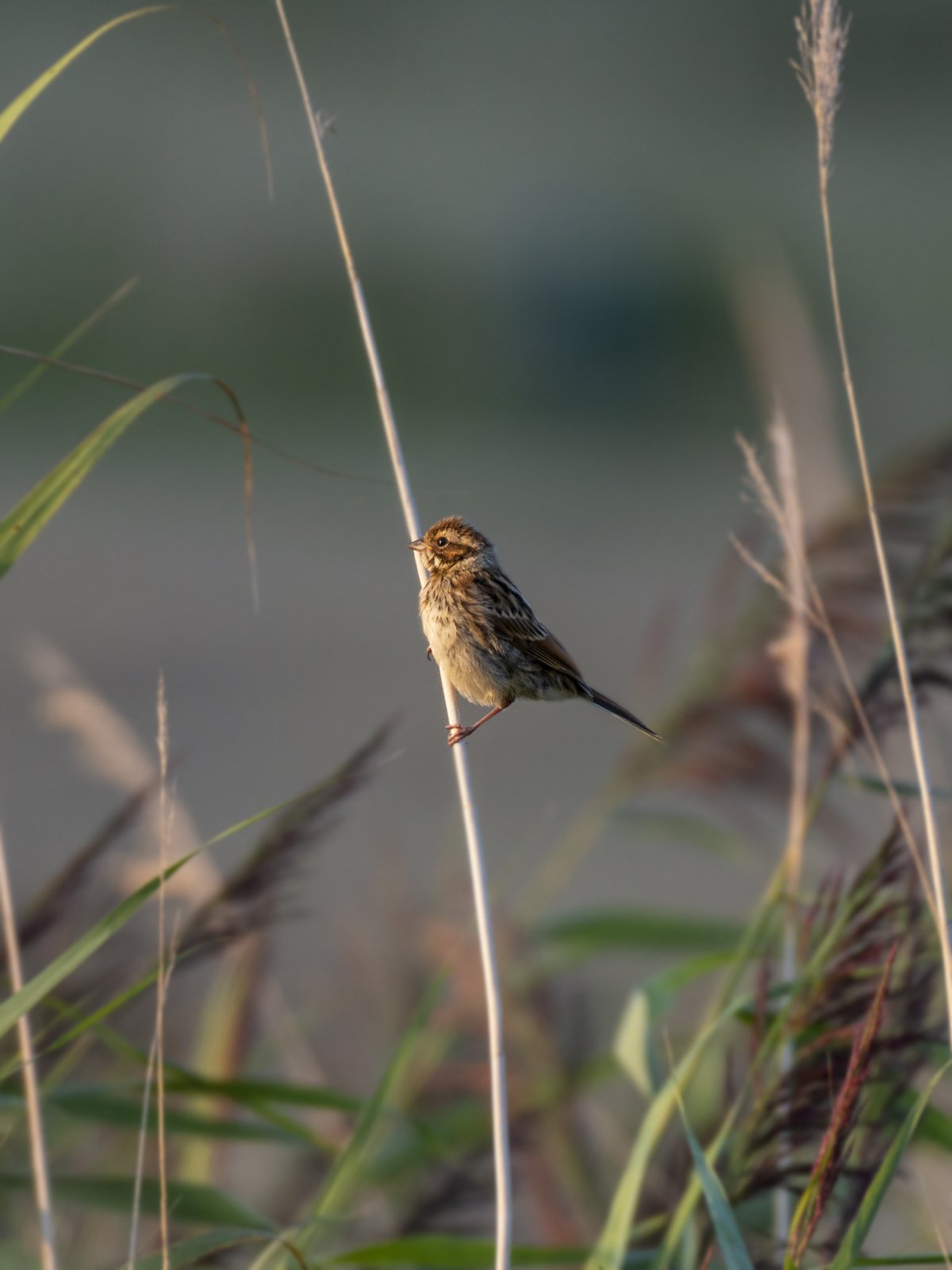
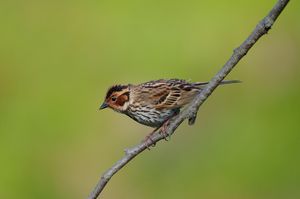
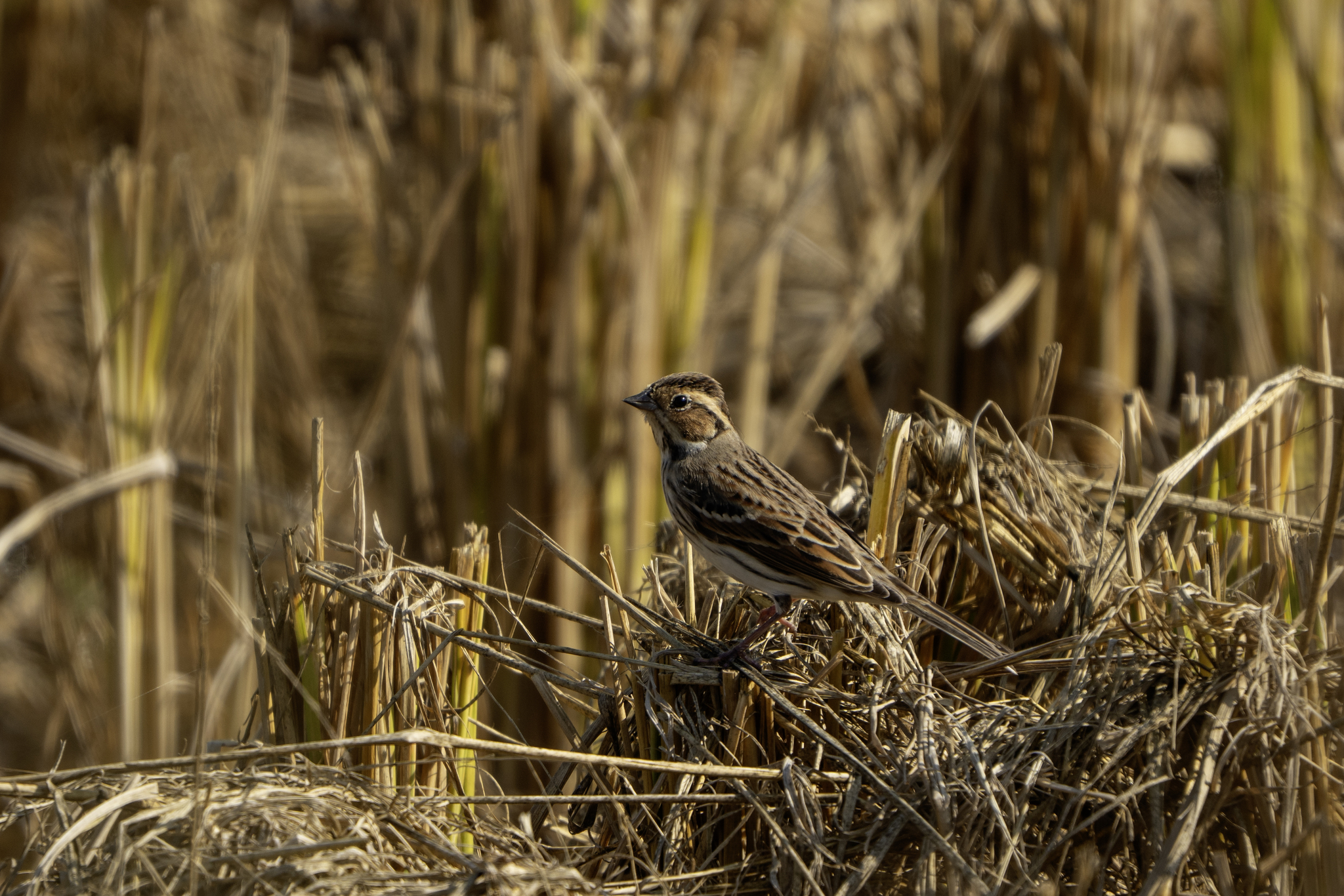
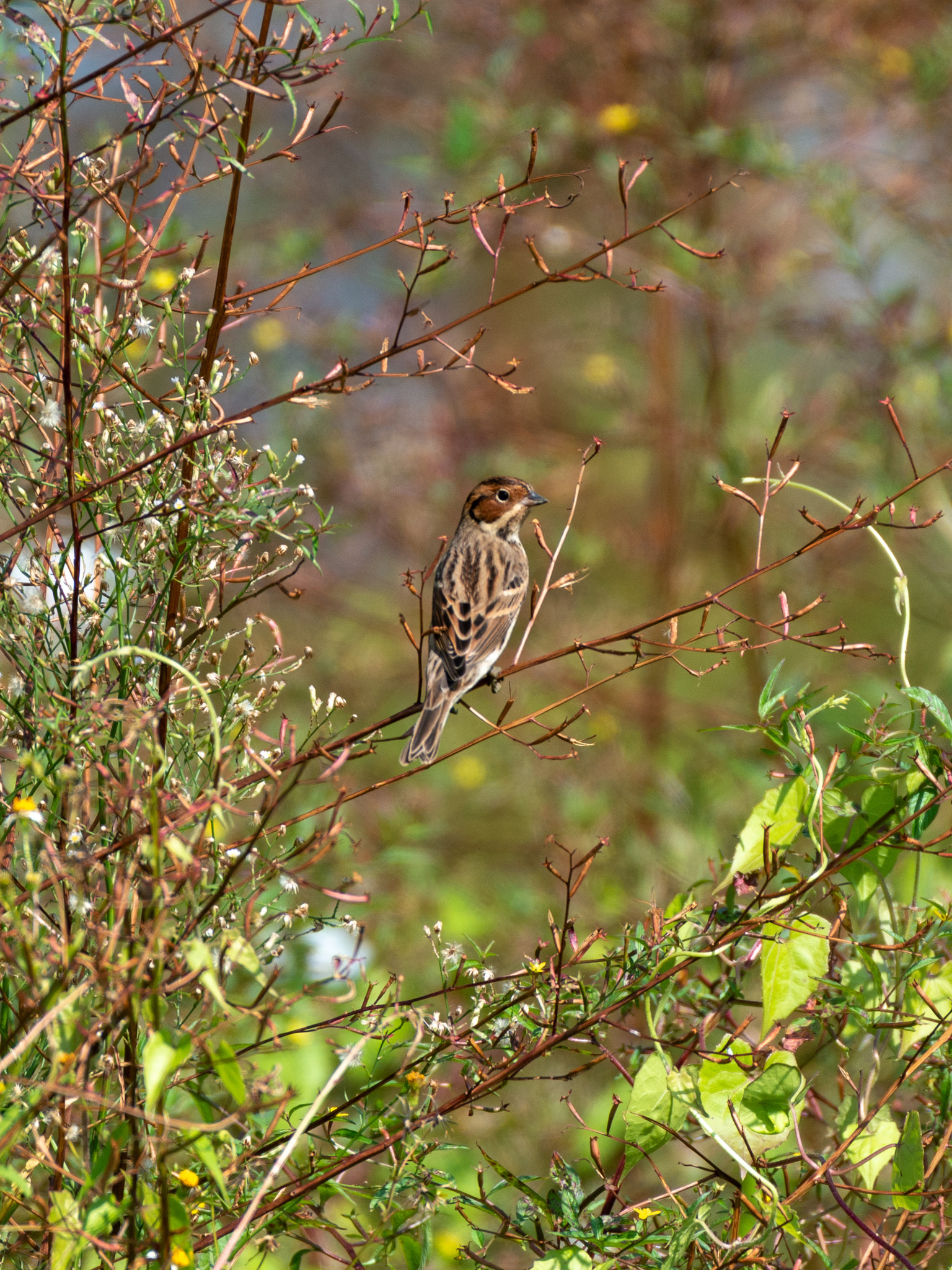
Little Bunting
Emberiza pusilla · 小鹀
Introduction
A passerine bird in the bunting family (Emberizidae), monotypic with no geographical variation across its extensive Palearctic range. It breeds in open coniferous woodland and winters in subtropical regions. The species is common, widely ranging, and not considered threatened on the IUCN Red List.
Description
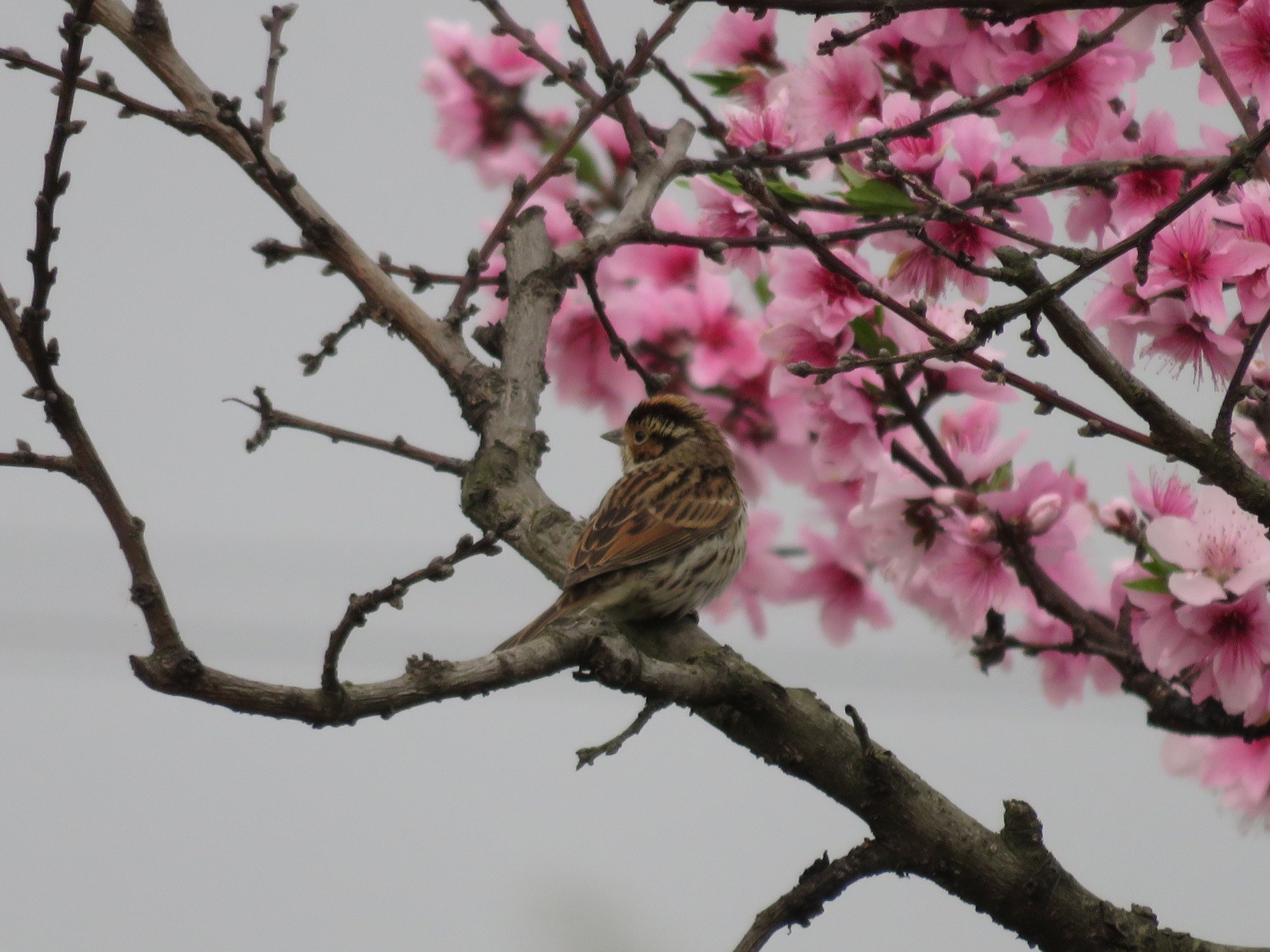
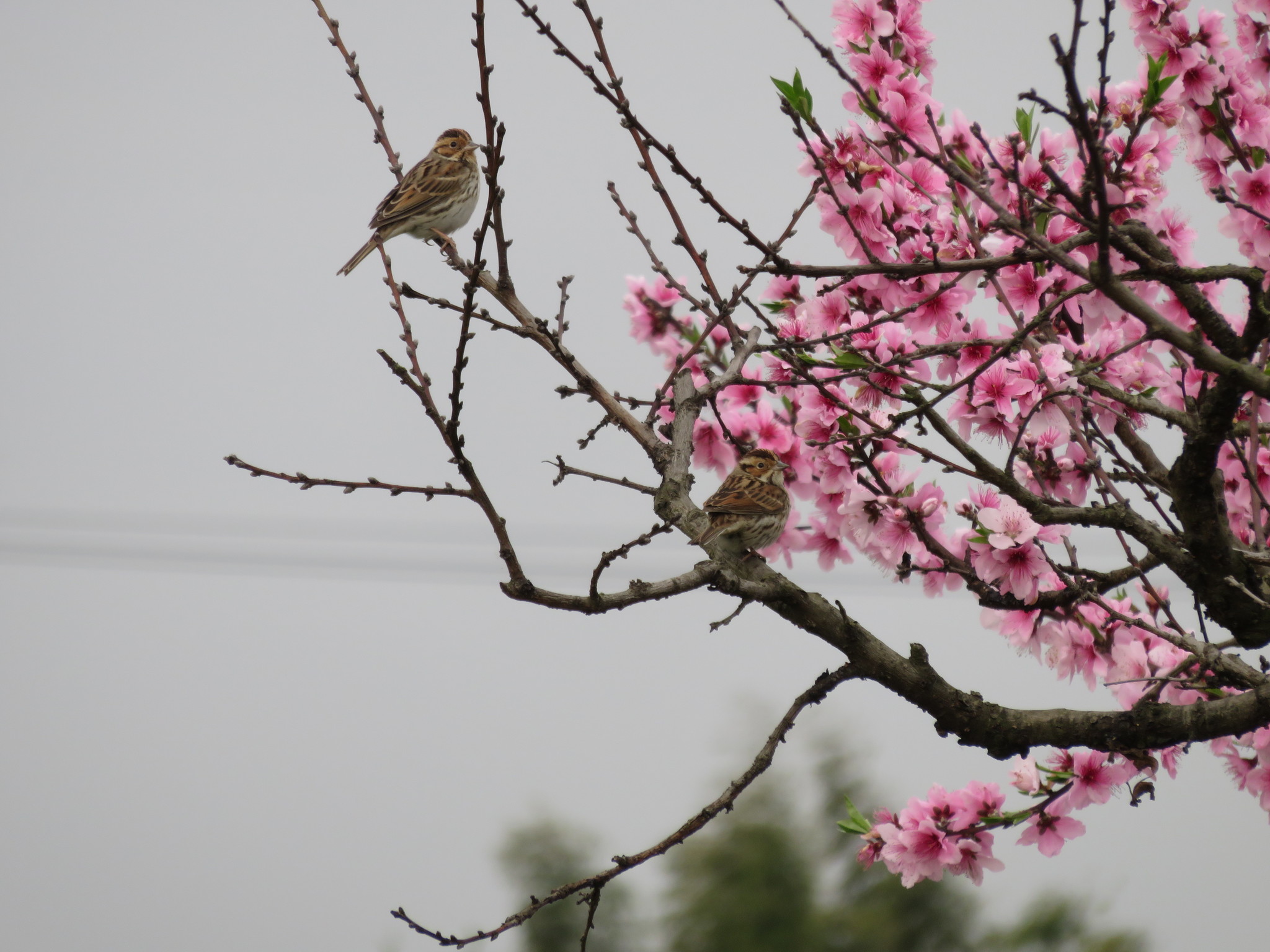
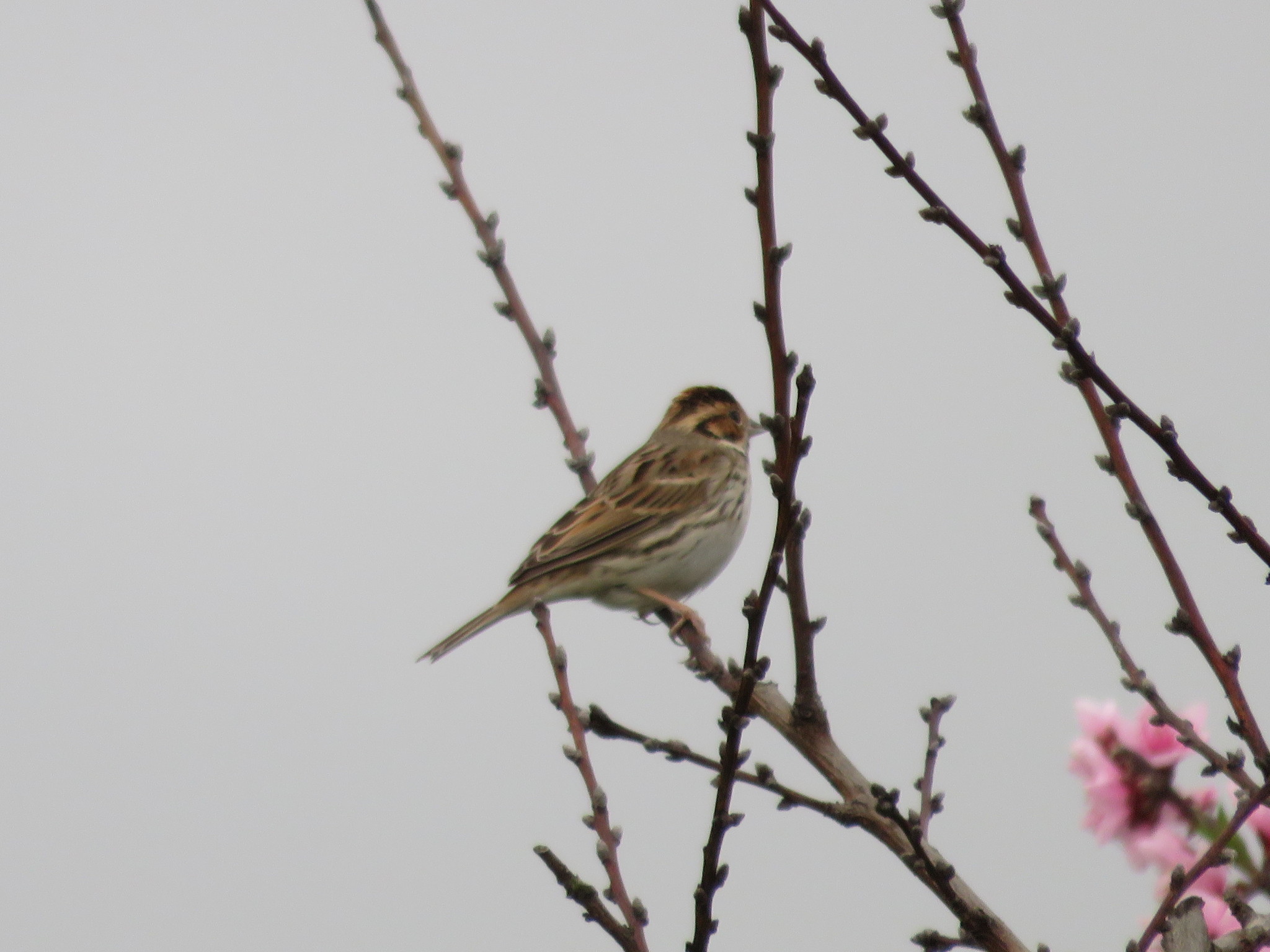
Measures 12–14 cm (4.7–5.5 in) in length. Has white underparts with dark streaking on the breast and sides. Features a chestnut face, white malar stripe, black crown stripes, a white eye-ring, and a fine dark border to the rear of its chestnut cheeks. Resembles a small female reed bunting. The sexes are similar.
Identification
Distinguished from similar species by black crown stripes, a white eye-ring, and a fine dark border behind the chestnut cheeks. The call is a distinctive zik, and the song is a rolling siroo-sir-sir-siroo.
Distribution & Habitat
Breeds across the taiga of far north-east Europe and northern Eurosiberia to the Russian Far East. Migratory, wintering in northern India, southern China, and northern parts of south-east Asia. A rare vagrant to western Europe. In Bhutan, found in agricultural habitats between 1,000 and 2,000 metres (3,300 and 6,600 ft) ASL.
Behavior & Ecology
Breeds in open coniferous woodland, often with birch or willow. Lays four to six eggs in a tree nest. Diet consists of seeds, or insects when feeding young.
Source: Wikipedia · CC BY-SA 3.0
Taxonomy
- Order
- Passeriformes
- Family
- Emberizidae
- Genus
- Emberiza
Distribution
breeds tundra and taiga of northern Eurasia from Scandinavia eastward to Chukotka, and southward to northeastern China; winters from east-central India to eastern China and Korean Peninsula and Taiwan
Data Sources
Species description from Wikipedia, licensed under CC BY-SA 3.0.
Bird images and sounds sourced from GBIF, contributed by citizen scientists worldwide under Creative Commons licenses.
Taxonomy data from AviList 2025.