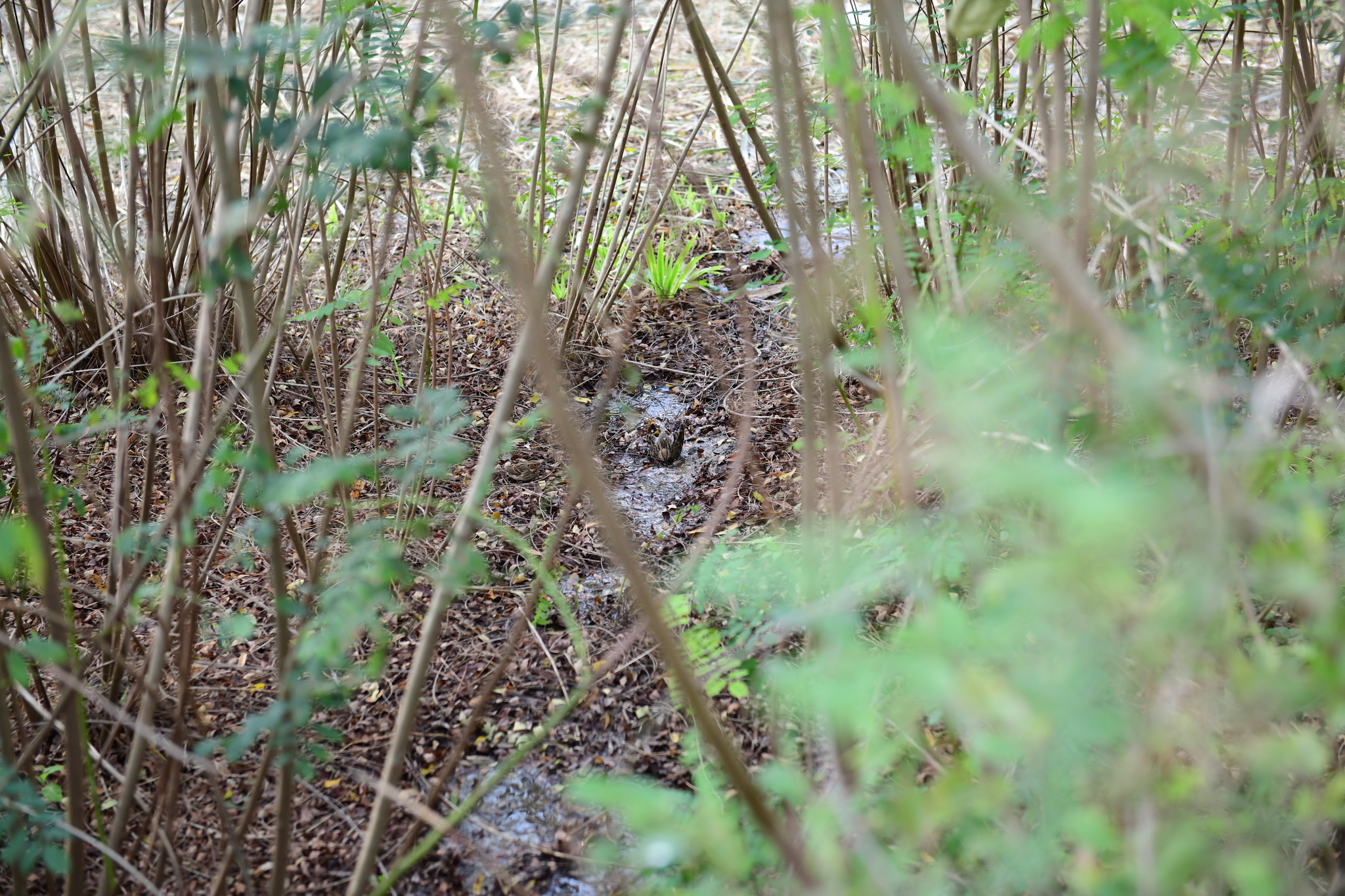
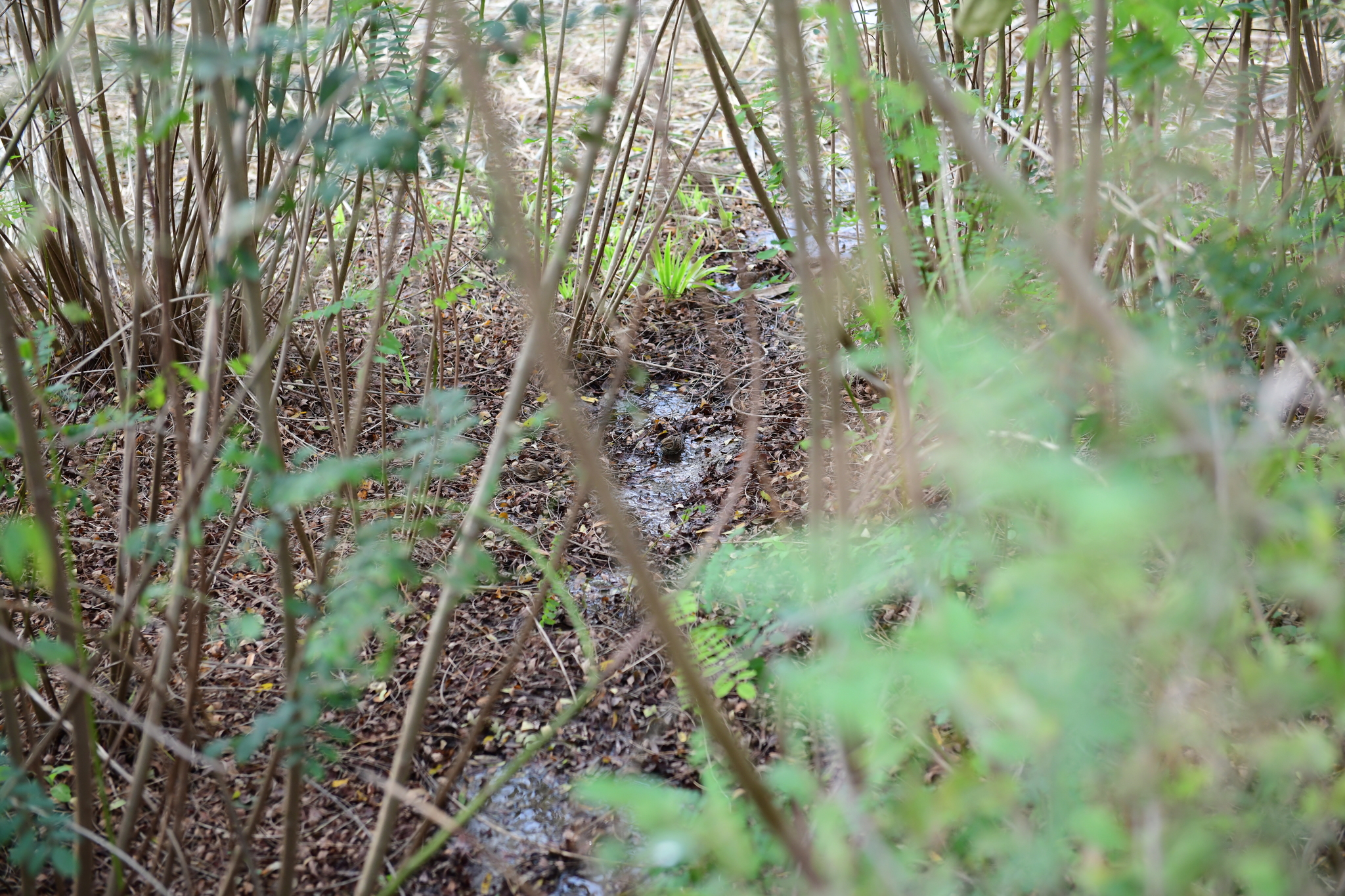
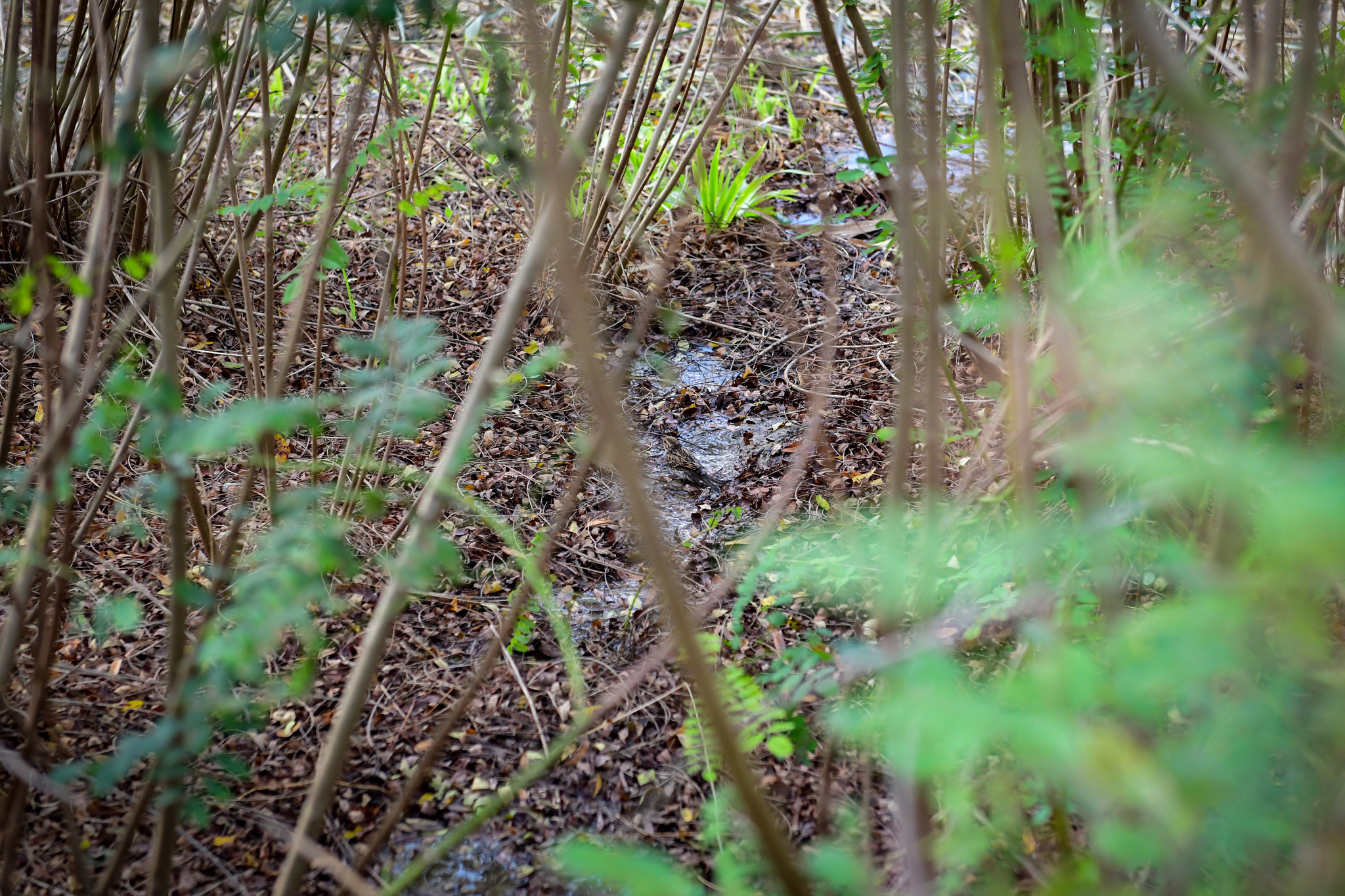

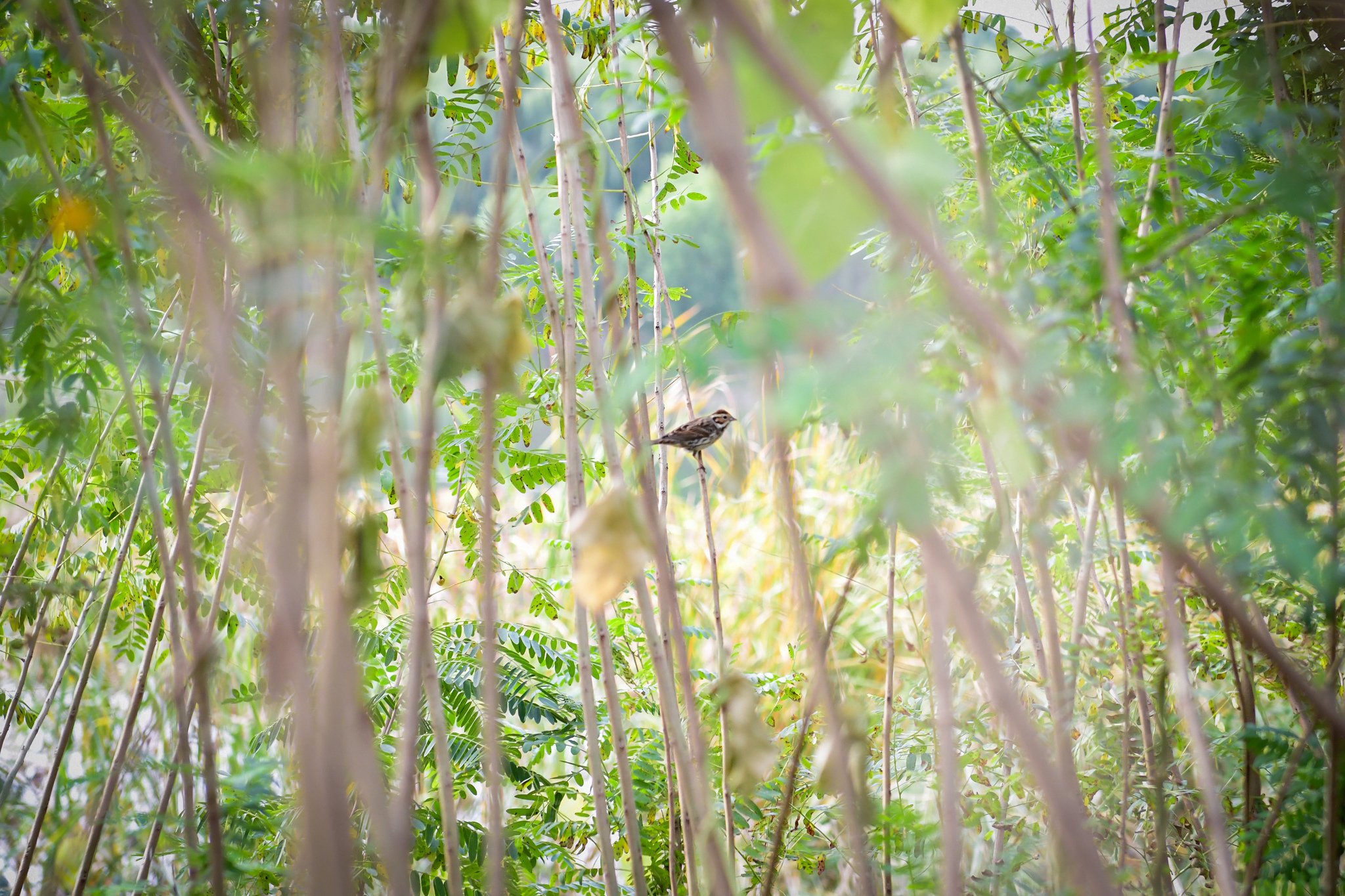
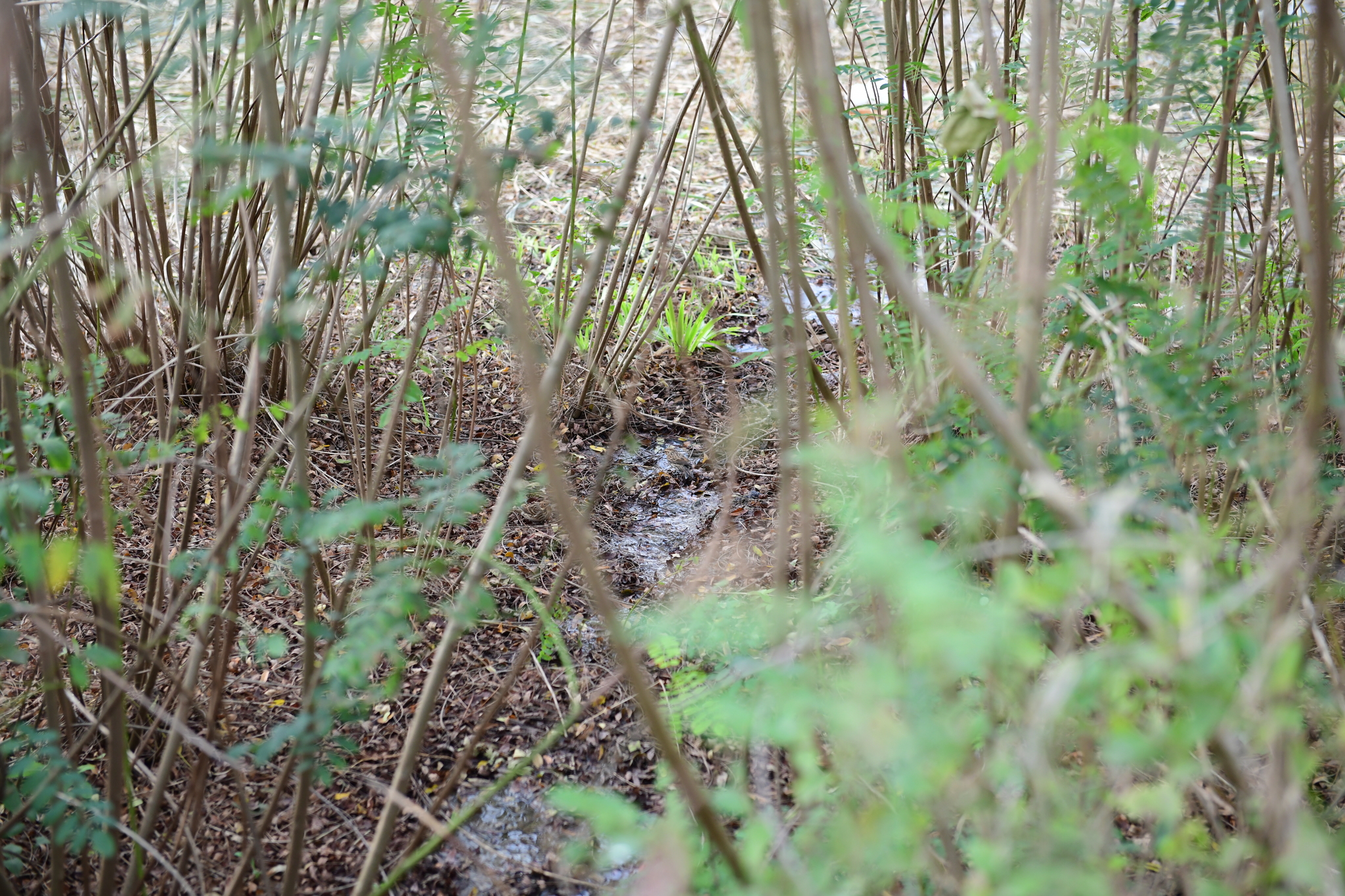
Little Bunting
Emberiza pusilla
小鹀
Introduction
The Rustic Bunting (Emberiza rustica) breeds across the taiga of northern Europe, Siberia, and the Russian Far East. It occupies high-latitude coniferous forests during the breeding season and migrates to agricultural areas and open woodlands for winter. The species occasionally appears as a vagrant in western Europe.
Description
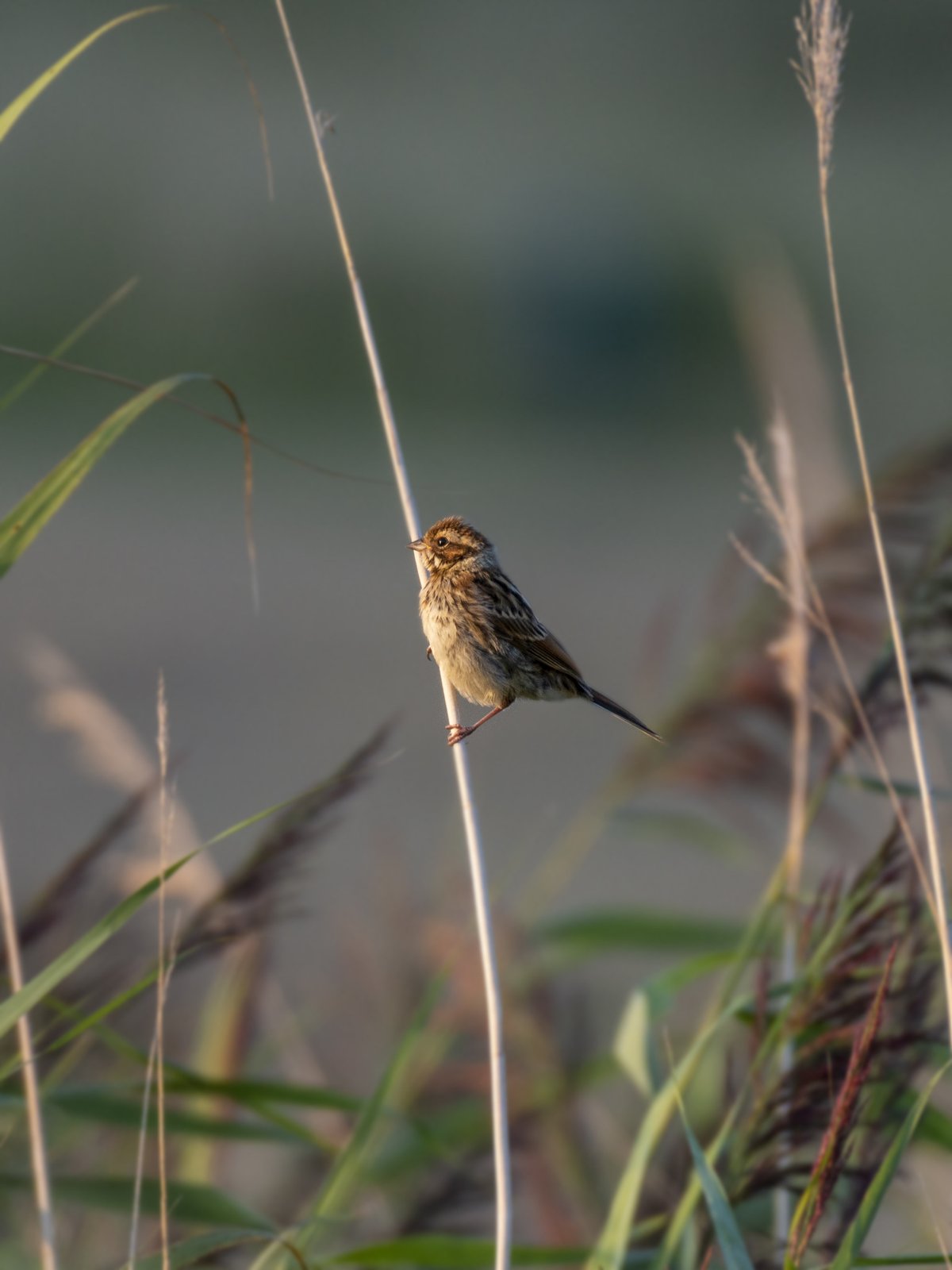
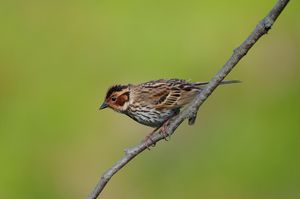
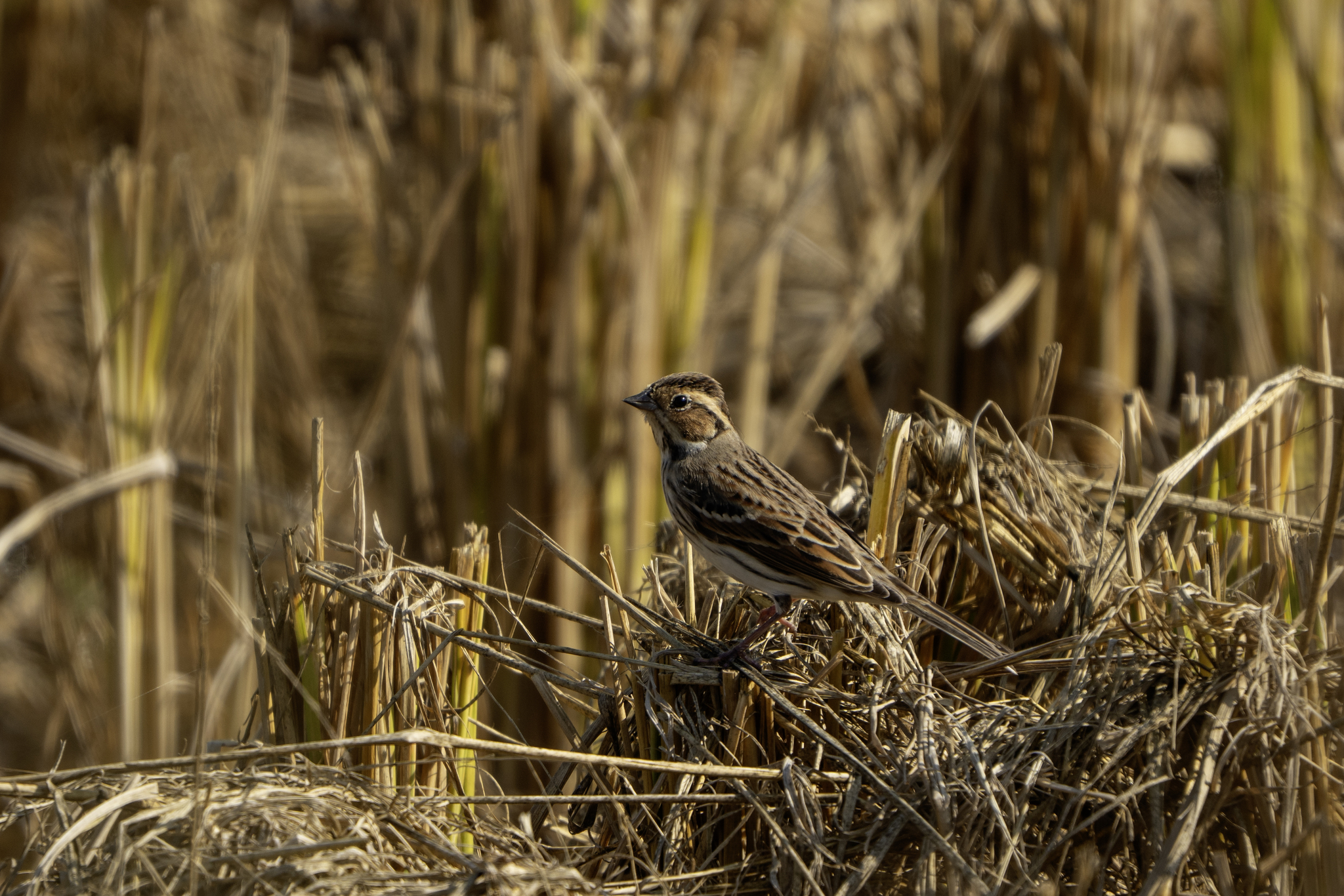
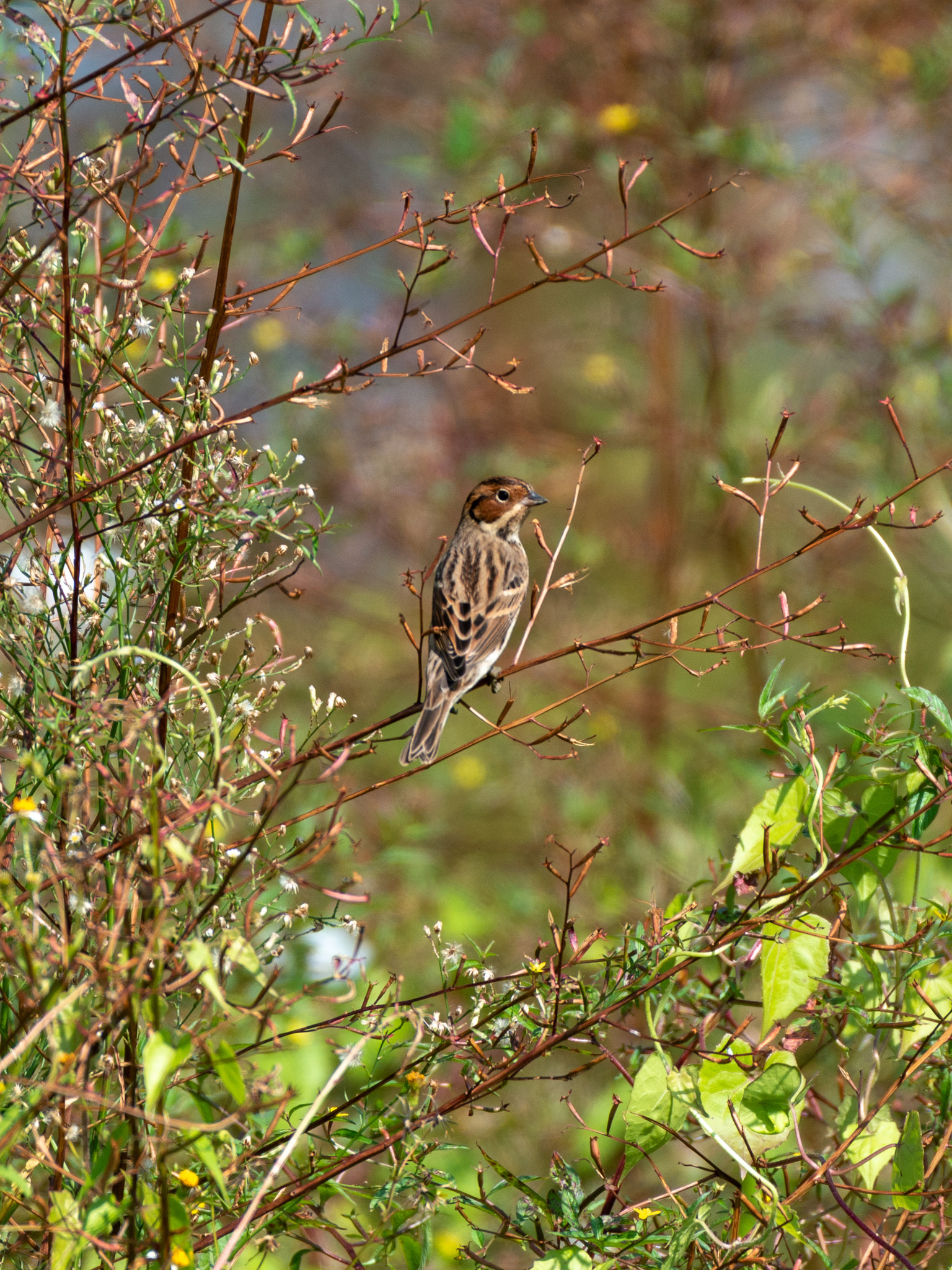
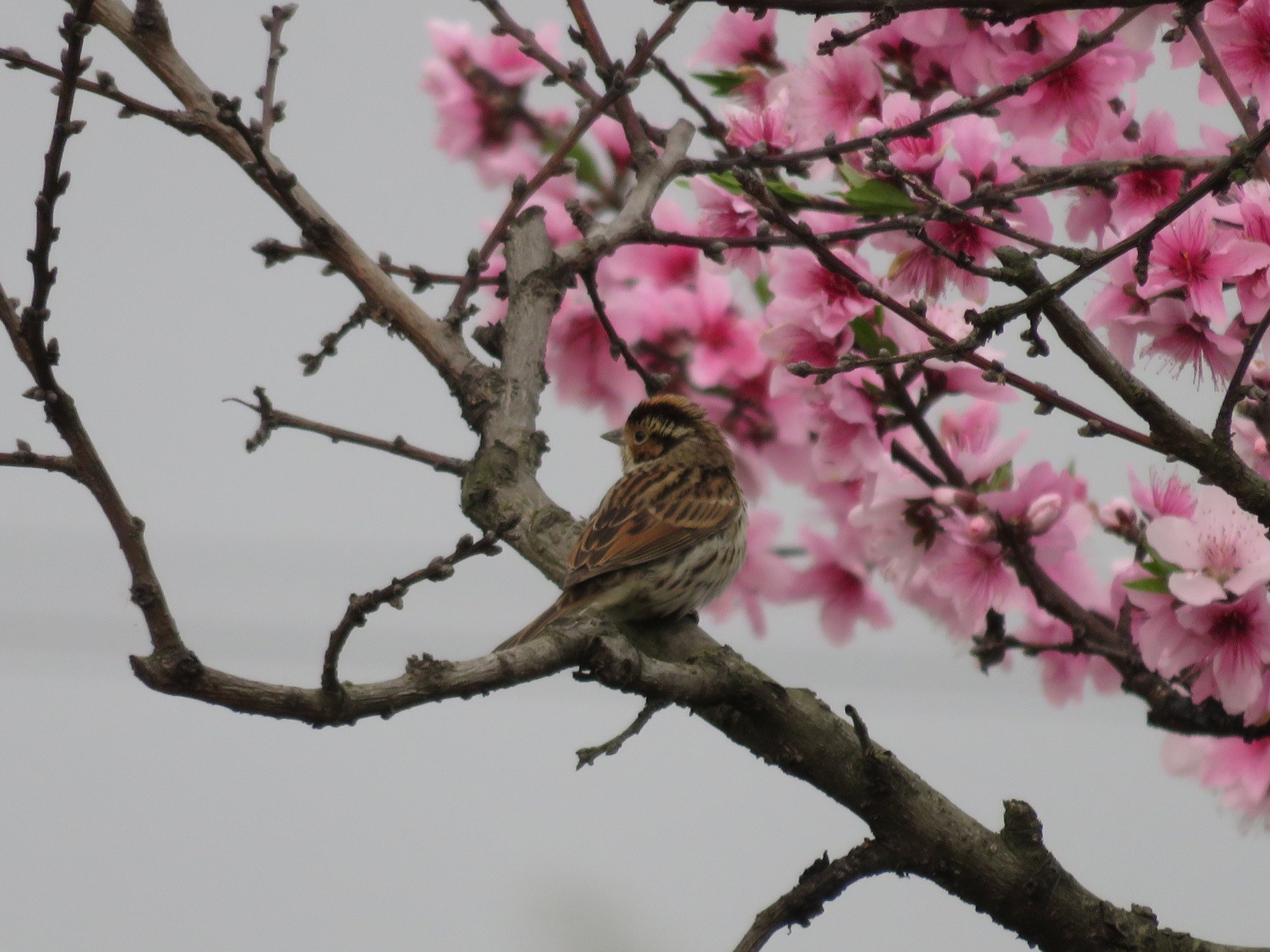
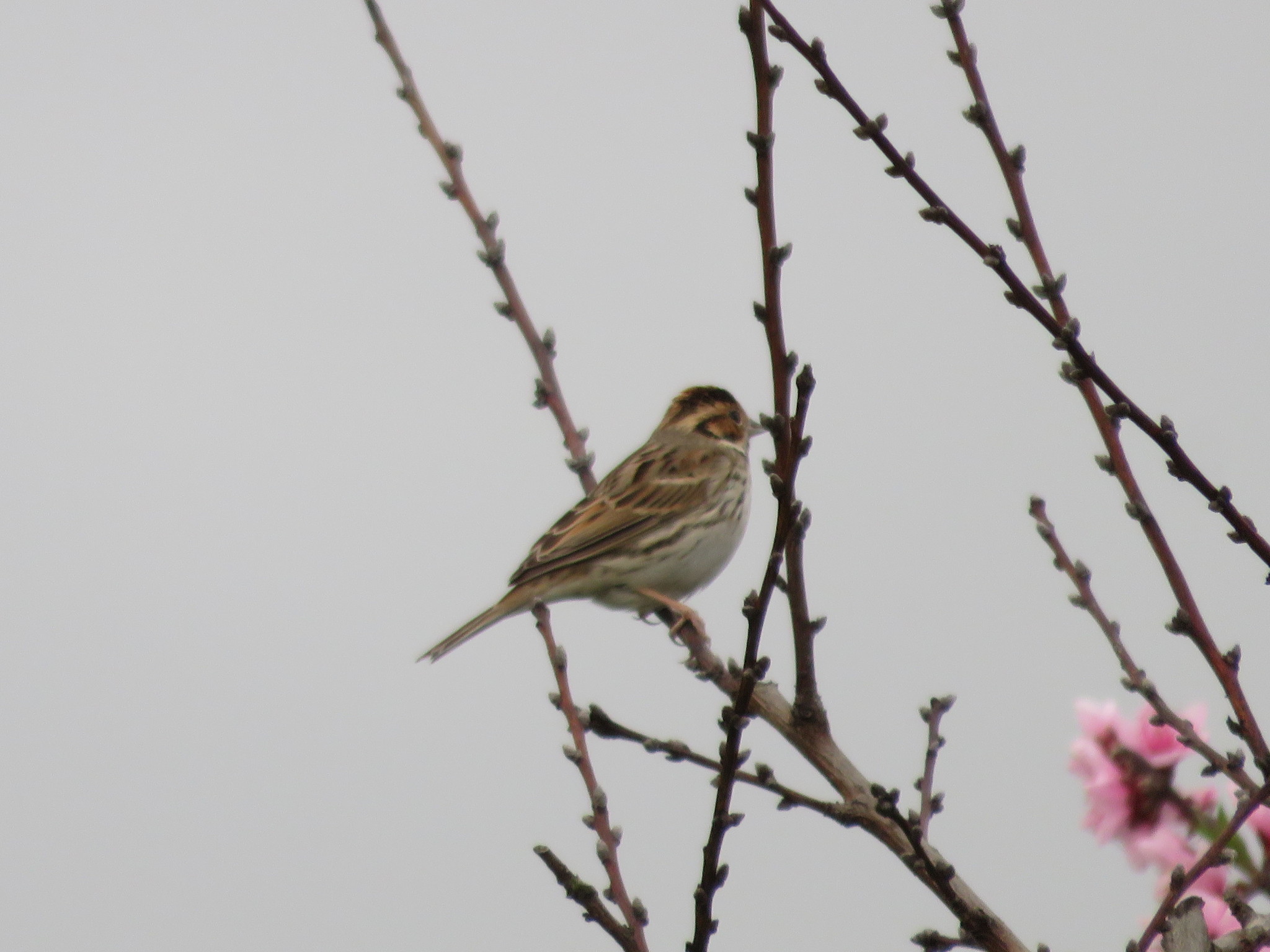
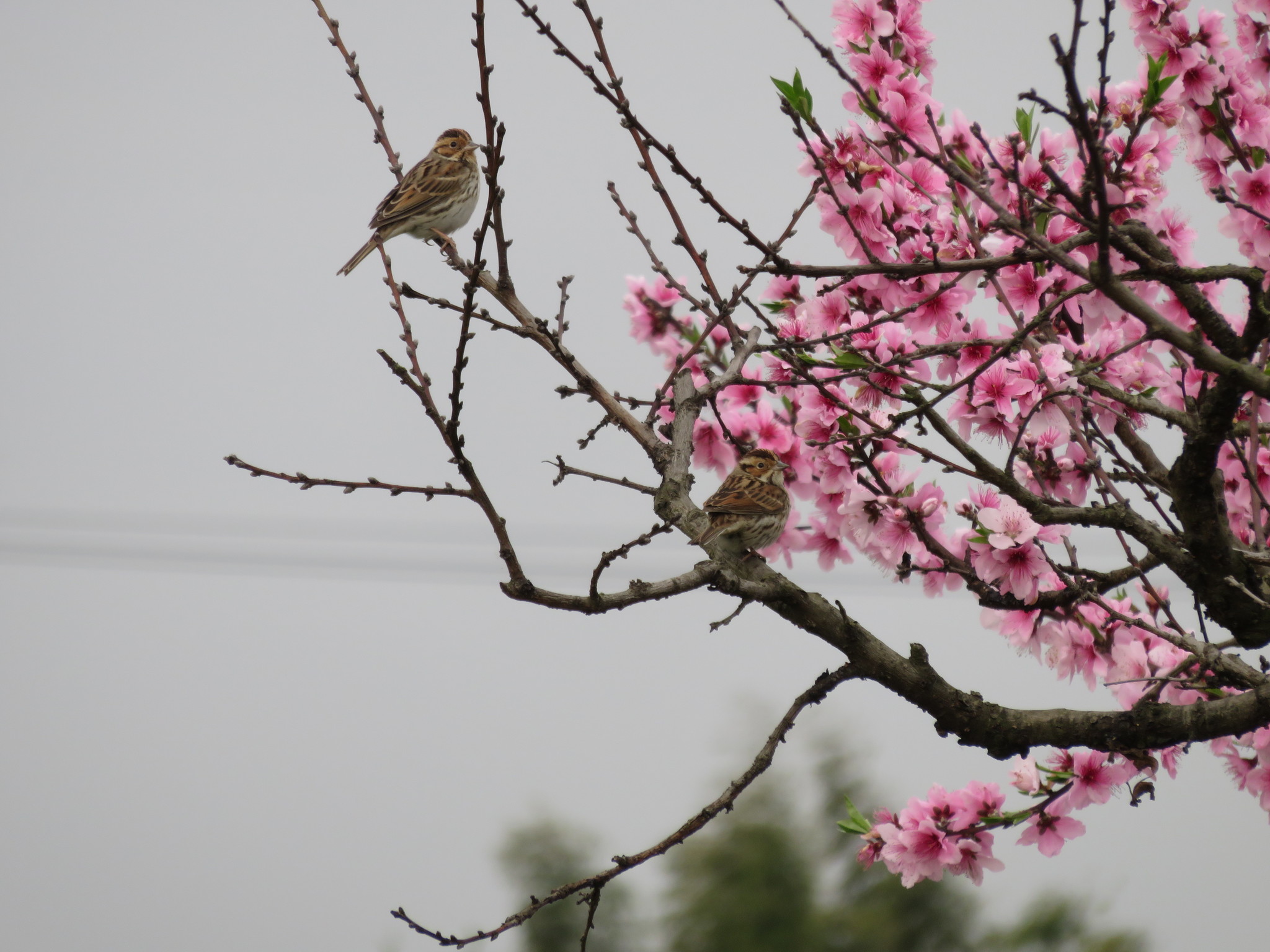
A diminutive bunting measuring just 12-14 cm in length with a compact build. The underparts are white, marked by dark streaking concentrated on the breast and extending along the sides. The face pattern is distinctive: a chestnut face patch framed by black crown stripes, a prominent white eye-ring, and a fine dark line bordering the rear of the chestnut cheek area. A white malar stripe completes the facial markings. The sexes appear similar, with no pronounced seasonal plumage variations. The overall impression is of a tiny, clean-looking bunting with a bold face pattern that sets it apart from larger Emberiza relatives.
Identification
Superficially resembles a small female reed bunting but can be distinguished by several key features. The black crown stripes are more prominent than the reed bunting's head pattern, and the white eye-ring creates a more striking facial appearance. The fine dark border along the rear edge of the chestnut cheek patch is diagnostic when visible. The smaller overall size—considerably less than reed bunting—provides an additional clue. The distinctive zik call is often the best way to locate and confirm identification in the field, as the bird's wary nature and preference for dense cover can make visual confirmation challenging.
Distribution & Habitat
Breeds across the taiga zones of northeastern Europe and northern Eurosiberia, extending eastward through Siberia to the Russian Far East. The species is migratory, spending the winter months in subtropical regions including northern India, southern China, and the northern parts of southeast Asia. Spring migrants typically depart wintering areas relatively late; specimens have been recorded in Yunnan as late as late March. A rare but regular vagrant to western Europe. During winter, particularly in mountain regions such as Bhutan, it occupies agricultural habitats at elevations between 1,000 and 2,000 meters. Breeding habitat consists of open coniferous woodland, often with scattered birch or willow trees.
Behavior & Ecology
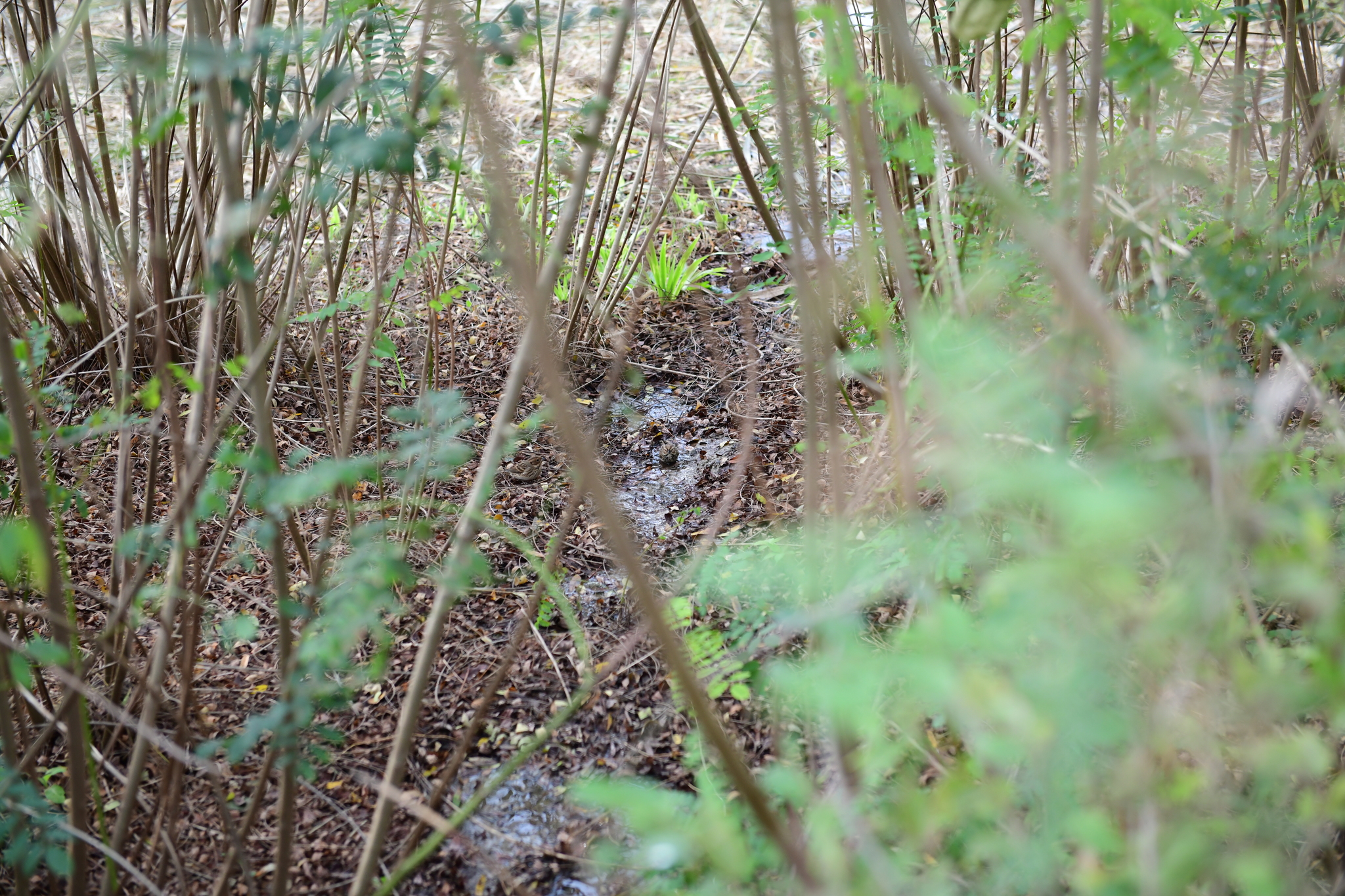
Forages primarily on the ground, consuming seeds throughout the year and adding insects to the diet when feeding nestlings. The breeding season produces a clutch of four to six eggs laid in a nest constructed in a tree. The vocal repertoire includes a sharp, distinctive zik call that serves as a primary contact note, and a rolling siroo-sir-sir-siroo song delivered from a perch within its woodland habitat. Birds typically occur singly or in pairs during breeding season, becoming more gregarious during migration and winter, though remaining secretive within dense cover.
Conservation
Classified as Least Concern on the IUCN Red List. The species maintains a common and widely-ranging population across its extensive Palearctic distribution. No significant population declines have been documented, and the species demonstrates adaptability to modified habitats including agricultural areas during winter. As a monotypic species with no recognized geographical variation, it faces no subspecies-level conservation concerns.
Culture
No significant cultural or folklore associations are documented for this species.
Source: Wikipedia · CC BY-SA 3.0
Taxonomy
- Order
- Passeriformes
- Family
- Emberizidae
- Genus
- Emberiza
- eBird Code
- litbun
Distribution
breeds tundra and taiga of northern Eurasia from Scandinavia eastward to Chukotka, and southward to northeastern China; winters from east-central India to eastern China and Korean Peninsula and Taiwan
Data Sources
Species description from Wikipedia, licensed under CC BY-SA 3.0.
Bird images and sounds sourced from GBIF, contributed by citizen scientists worldwide under Creative Commons licenses.
Taxonomy data from AviList 2025.