Passeriformes / Emberizidae / Emberiza
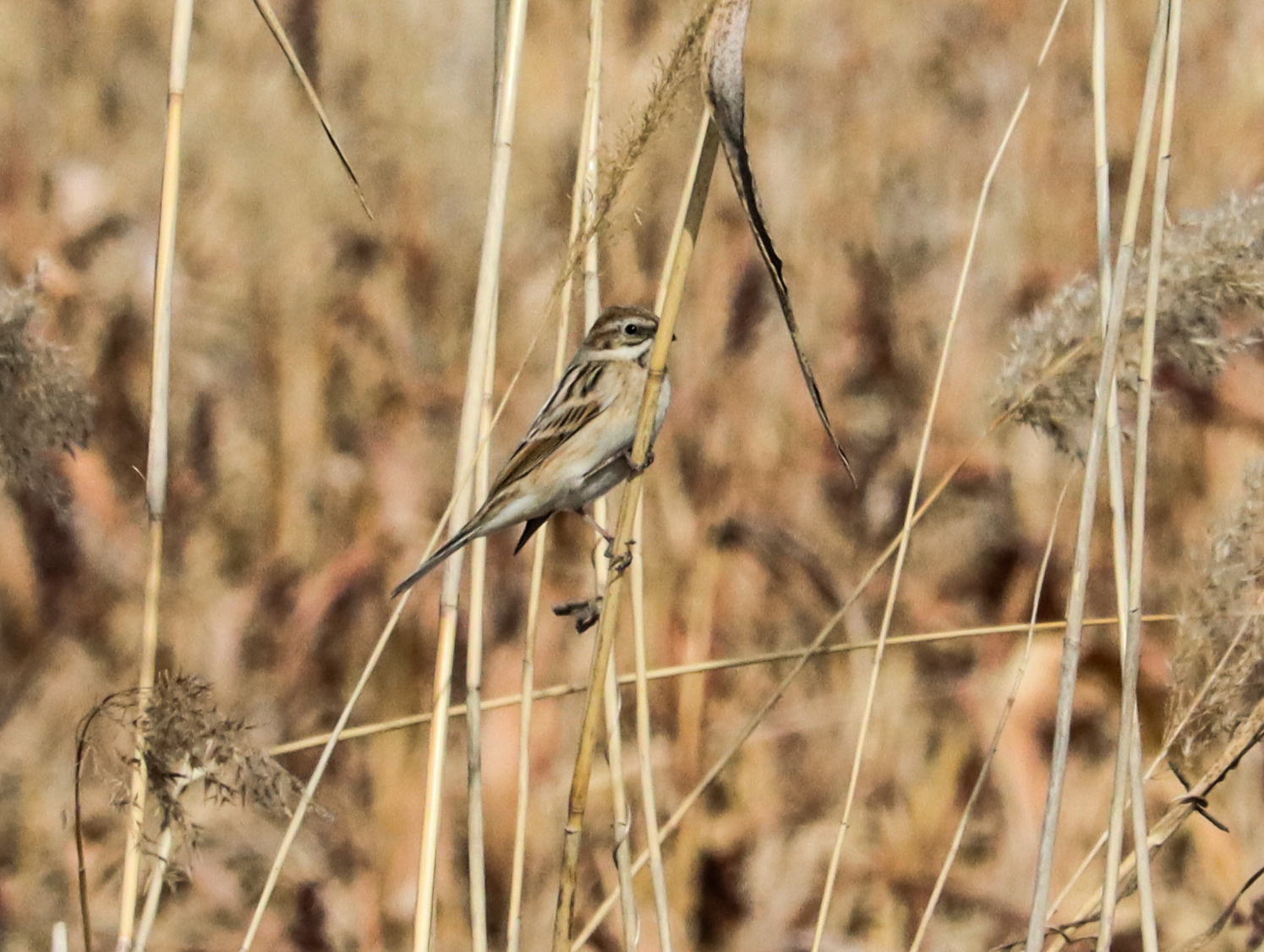
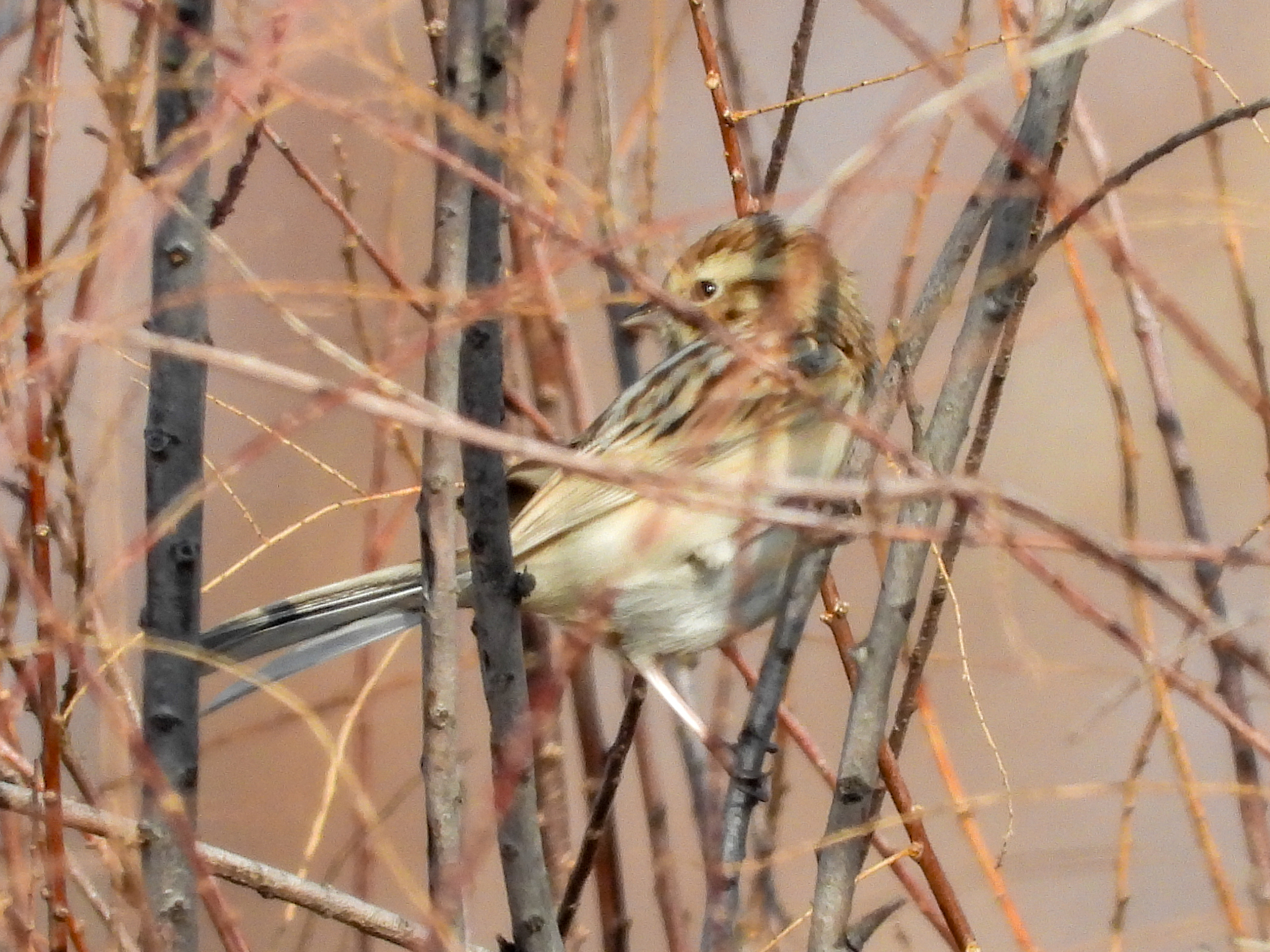
Pallas's Reed Bunting
Emberiza pallasi · 苇鹀
Introduction
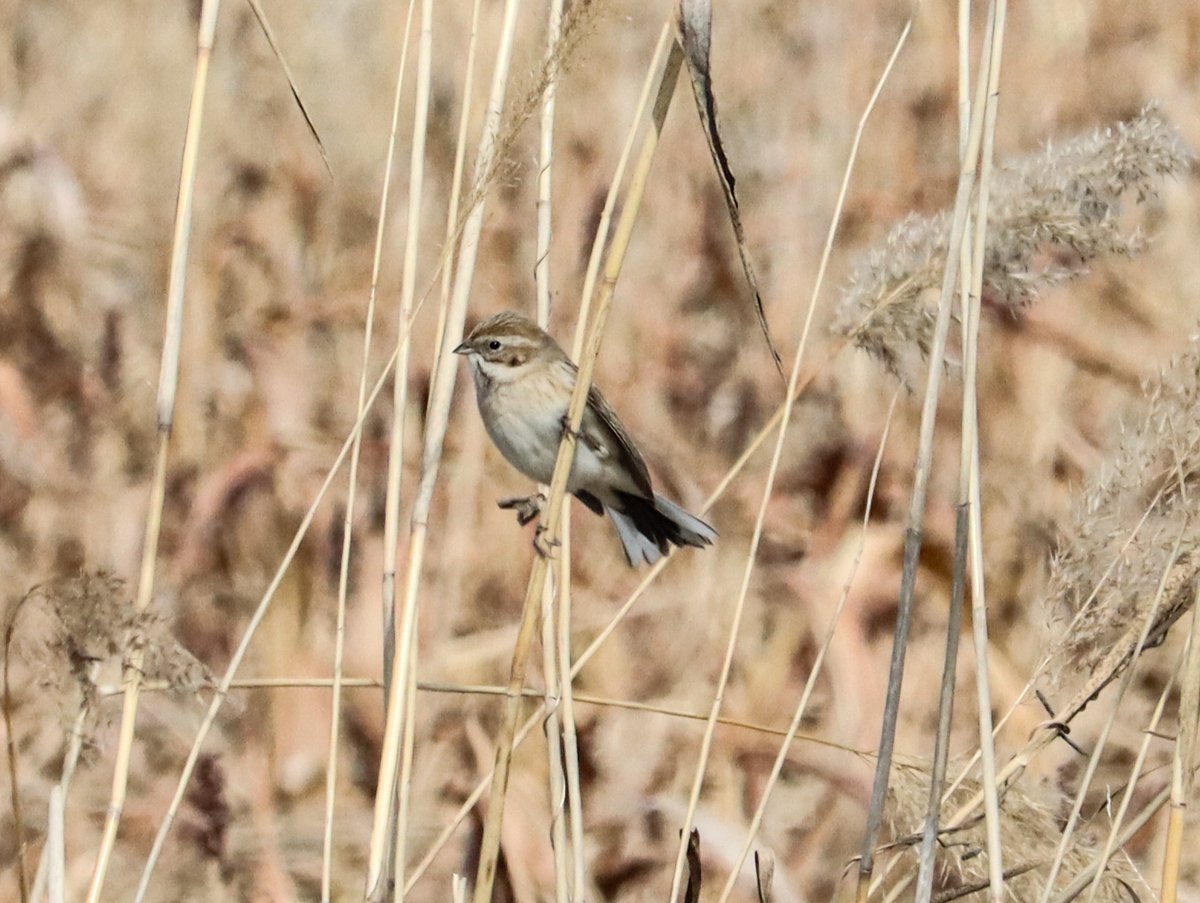
A passerine bird in the family Emberizidae, closely related to the Japanese reed bunting and the reed bunting. It breeds across northern and central Asia to Mongolia and is a migrant species wintering in southeast Asia. It inhabits tundra scrub by water and drier open areas such as open larch forest.
Description
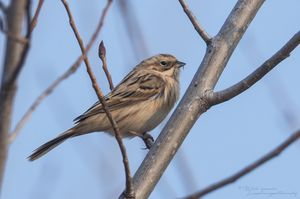
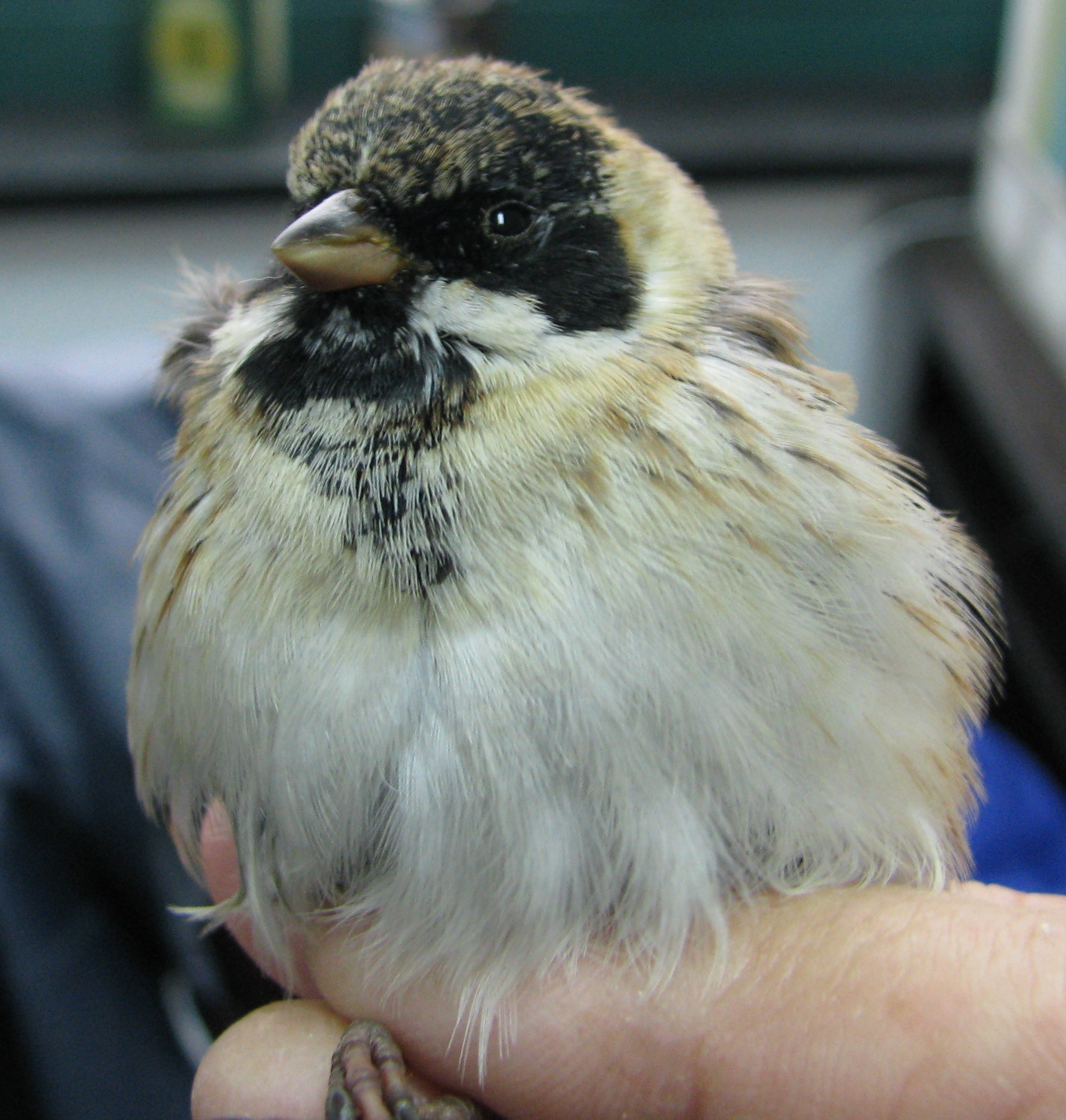
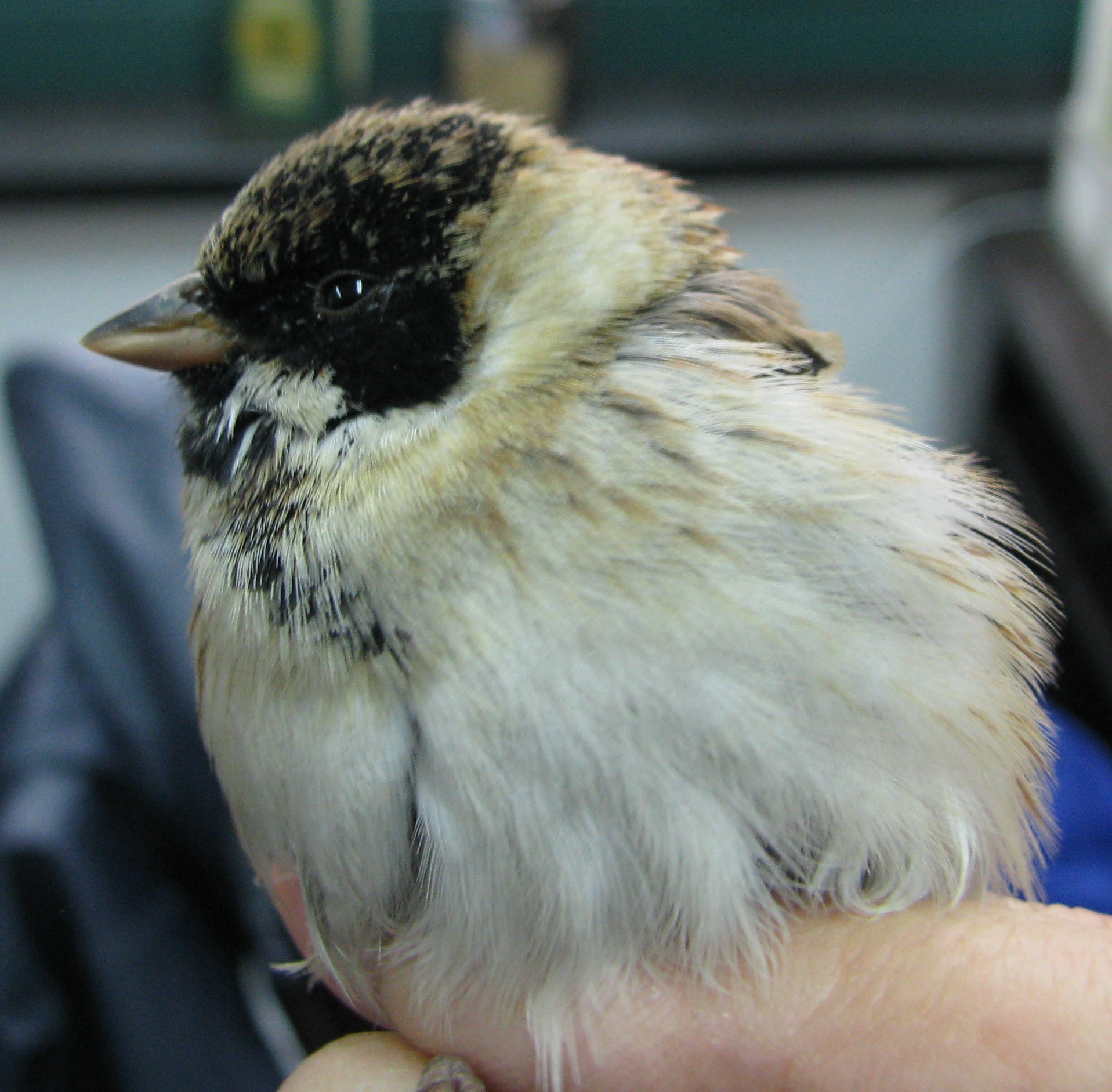
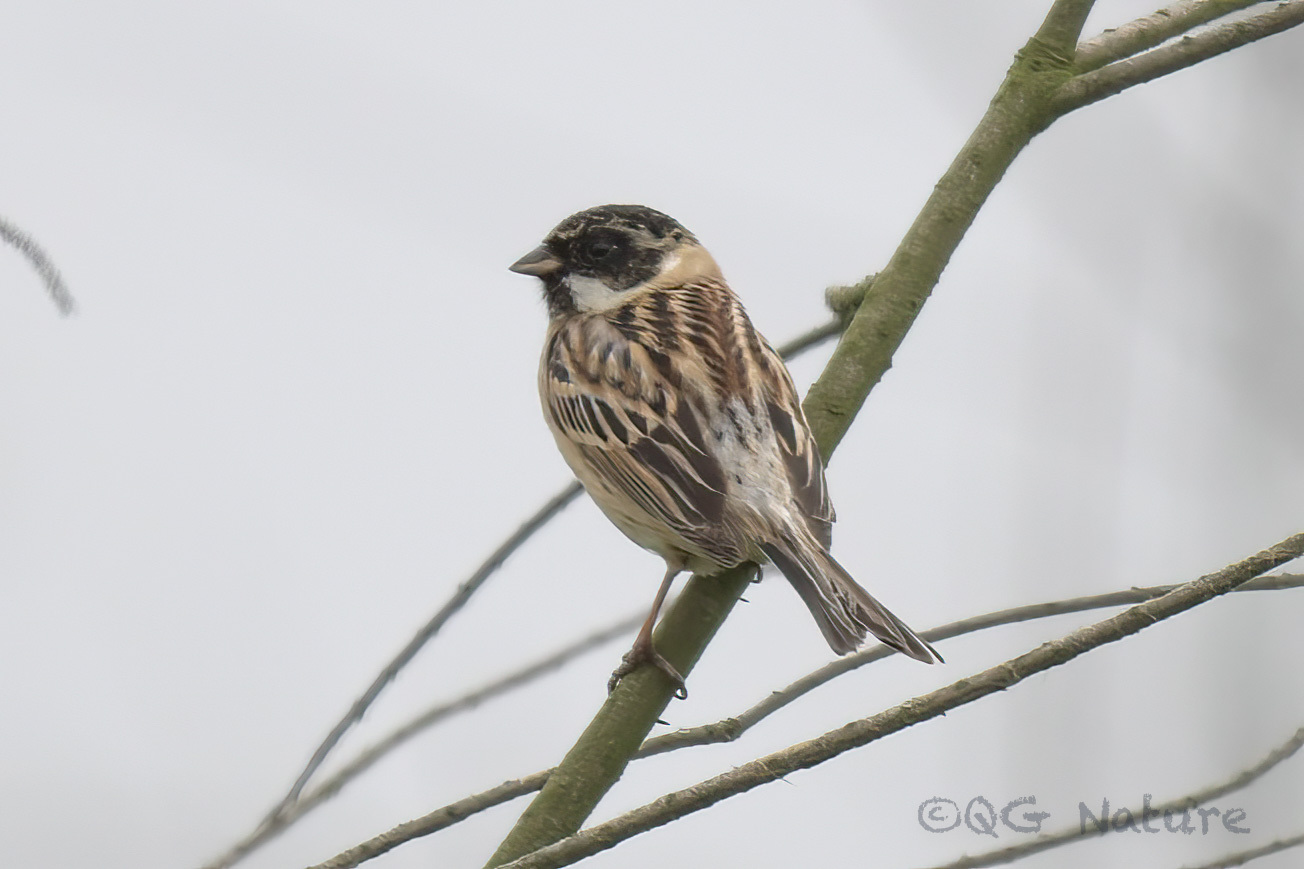
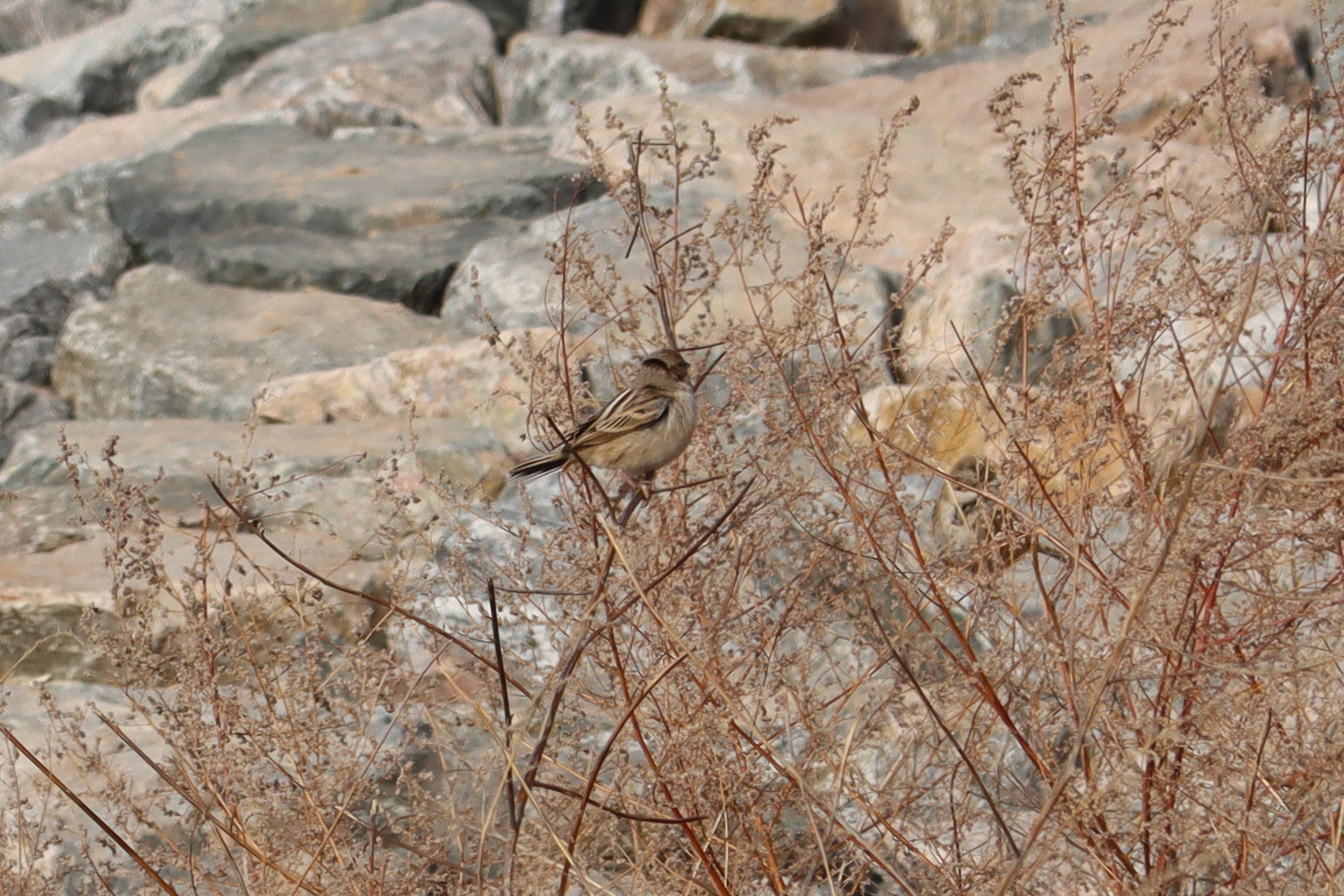
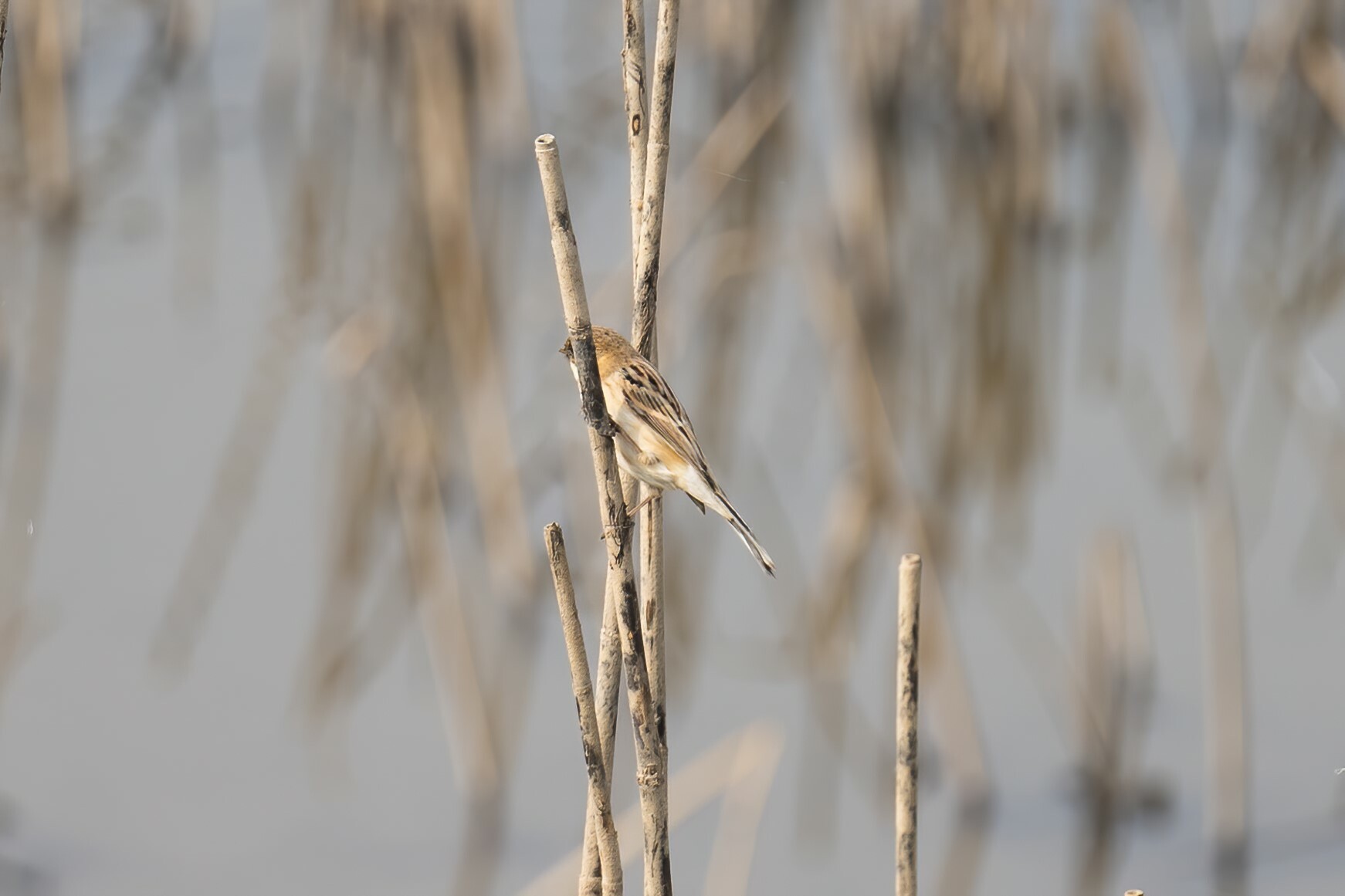
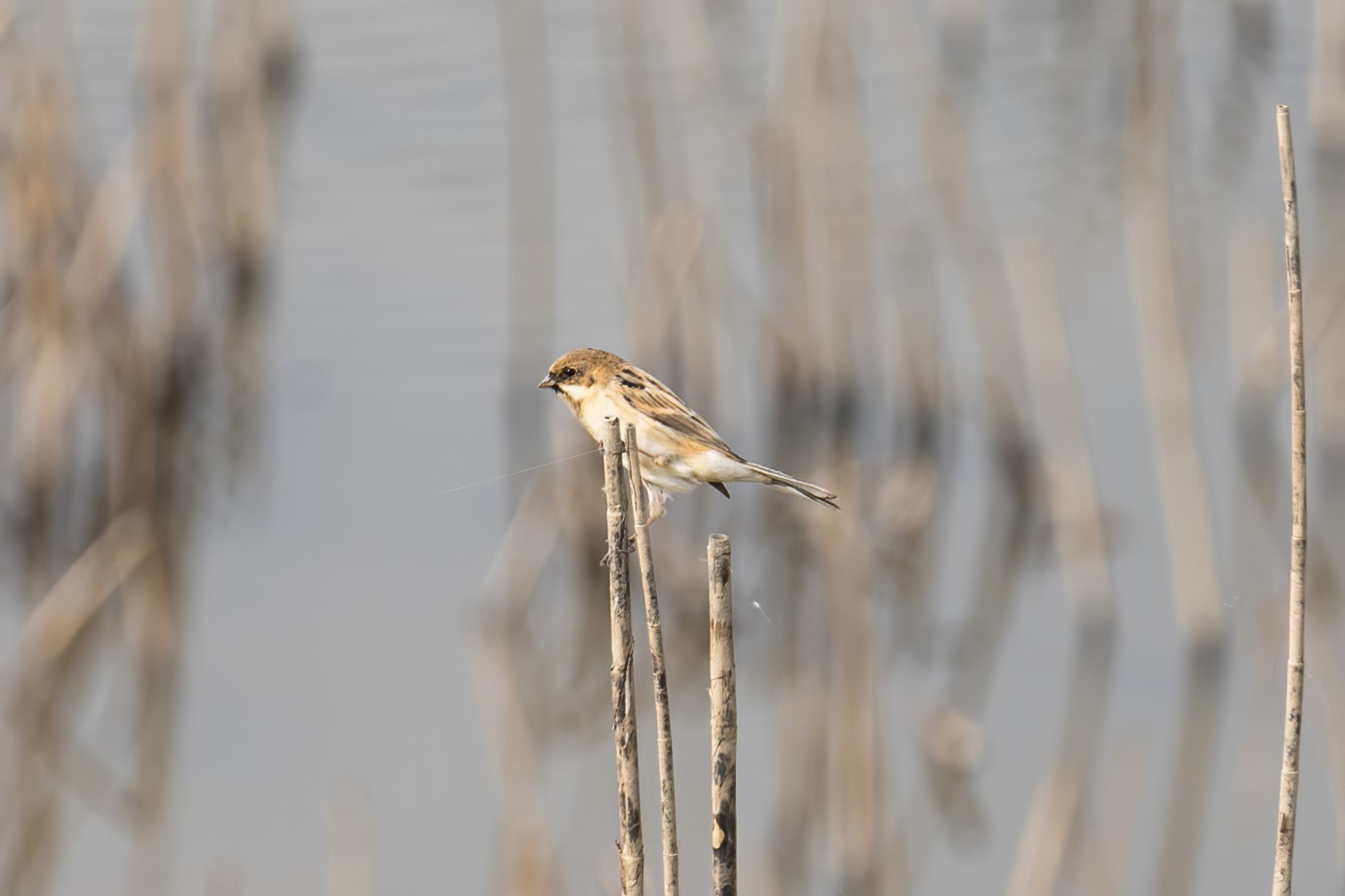
A small passerine with a small granivore-type bill. The male has a black head and throat, a white neck collar and underparts, and a heavily streaked grey back. The female is duller, with a streaked brown head and less streaking below than the female reed bunting.
Identification
Similar to a small reed bunting but distinguished by the male's heavily streaked grey back (rather than browner) and black head with white collar. The female is less streaked below than the female reed bunting. The male's song is a repetitive sherp.
Distribution & Habitat
Breeds across northern and central Asia to Mongolia, including northeast European Russia, north Kamchatka, Transbaikalia, and south Siberia. Winters in southeast Asia, specifically eastern, western, and northern China. Three subspecies are recognized: E. p. polaris, E. p. pallasi, and E. p. lydiae. It is a very rare vagrant to western Europe, with records as far west as Great Britain.
Behavior & Ecology
Diet consists of insects when feeding young and seeds otherwise. Breeding occurs between June and August, earlier in the north. The nest is built in a bush from grasses and sedges, lined with finer materials like smaller grasses and hair. The clutch size is 3–5 cream-colored eggs with hair-like markings. The incubation period is 11 days.
Source: Wikipedia · CC BY-SA 3.0
Taxonomy
- Order
- Passeriformes
- Family
- Emberizidae
- Genus
- Emberiza
Subspecies (4)
-
Emberiza pallasi lydiae
mountains of central Mongolia
Data Sources
Species description from Wikipedia, licensed under CC BY-SA 3.0.
Bird images and sounds sourced from GBIF, contributed by citizen scientists worldwide under Creative Commons licenses.
Taxonomy data from AviList 2025.