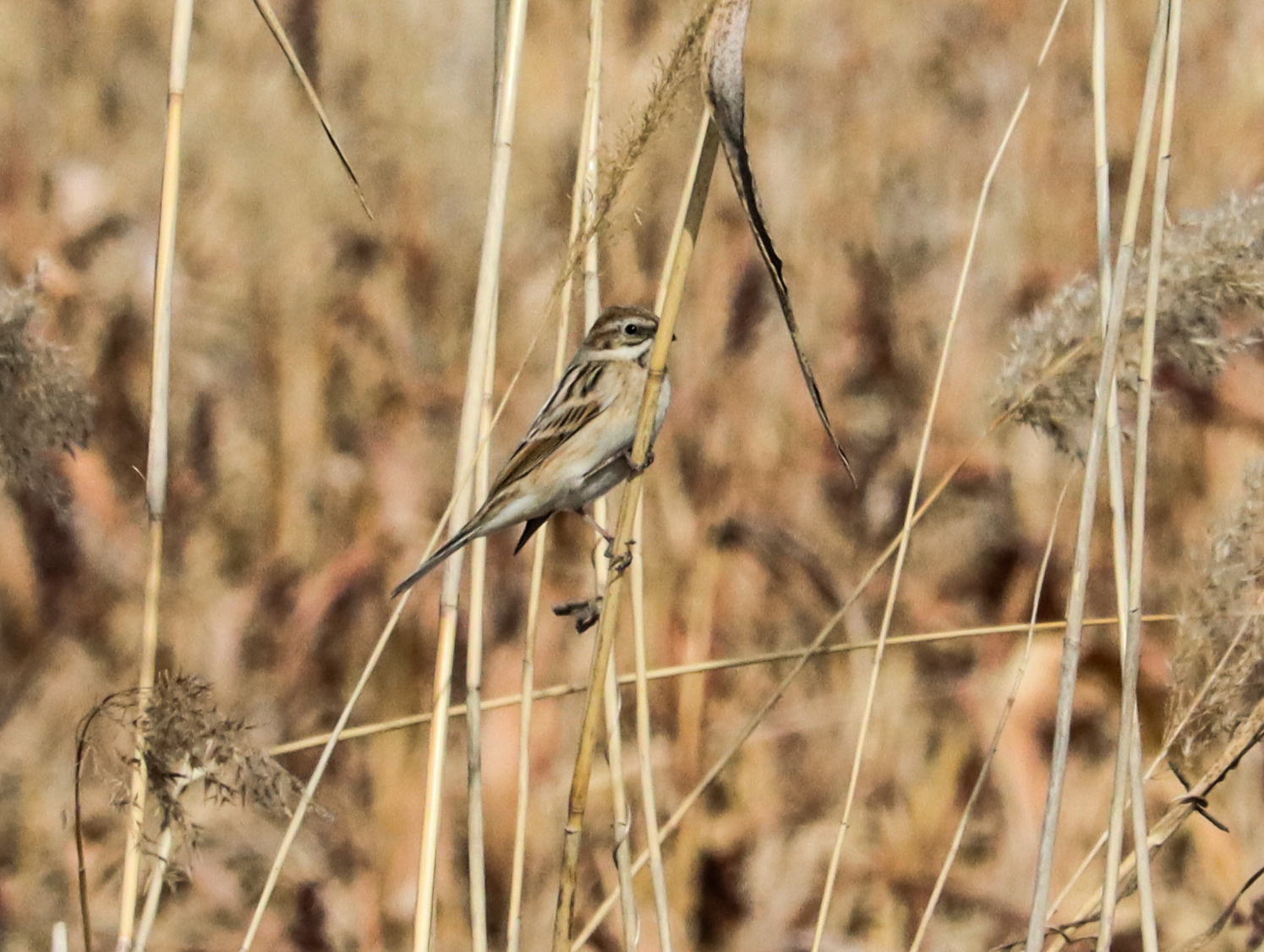
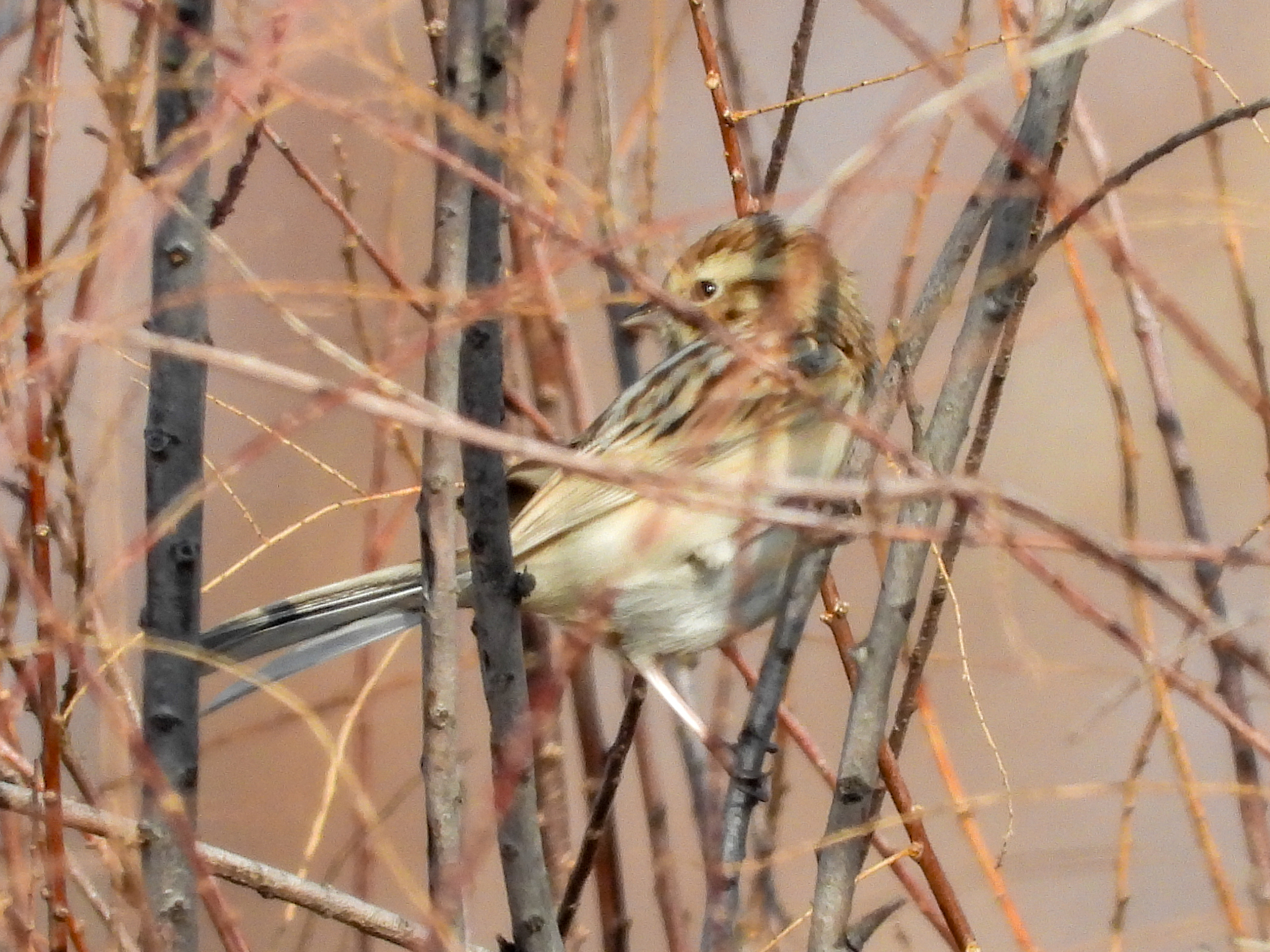
Pallas's Reed Bunting
Emberiza pallasi
苇鹀
Introduction
Small passerine bunting in the genus Emberiza. Breeds in tundra and scrub habitats across central and northern Asia. Inhabits wetland and scrub environments; delivers repetitive song. A rare vagrant to western Europe, with only a handful of British records.
Description
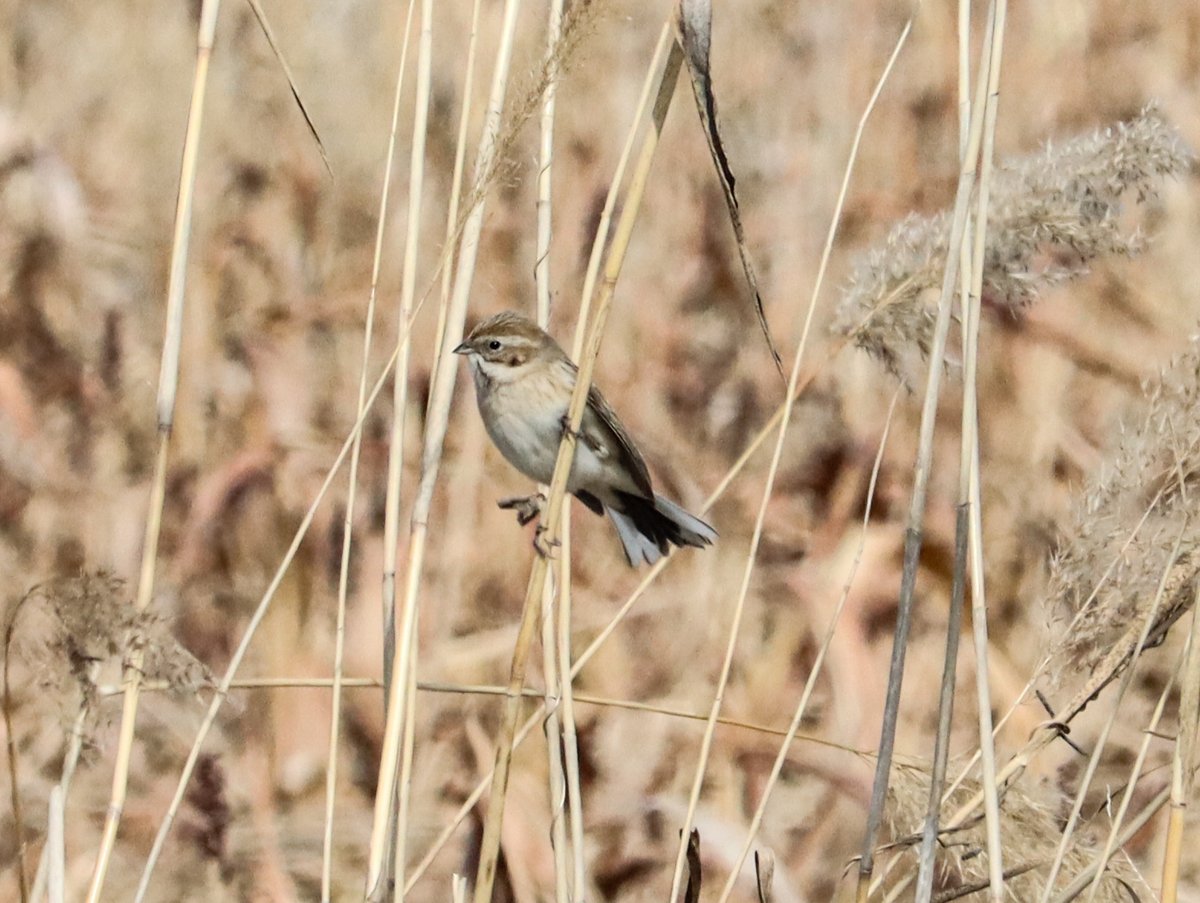
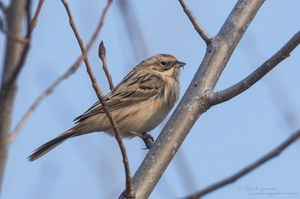
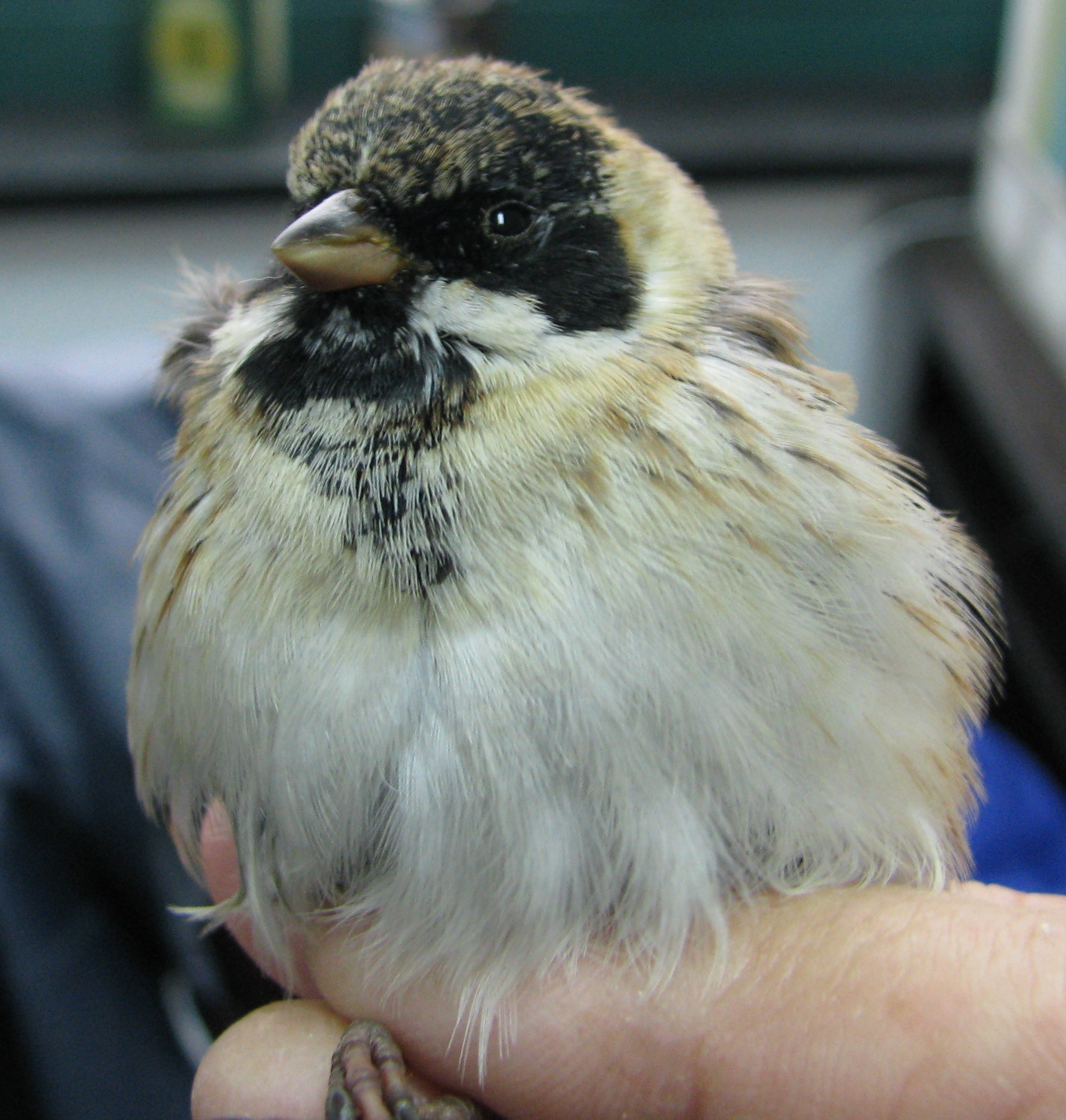
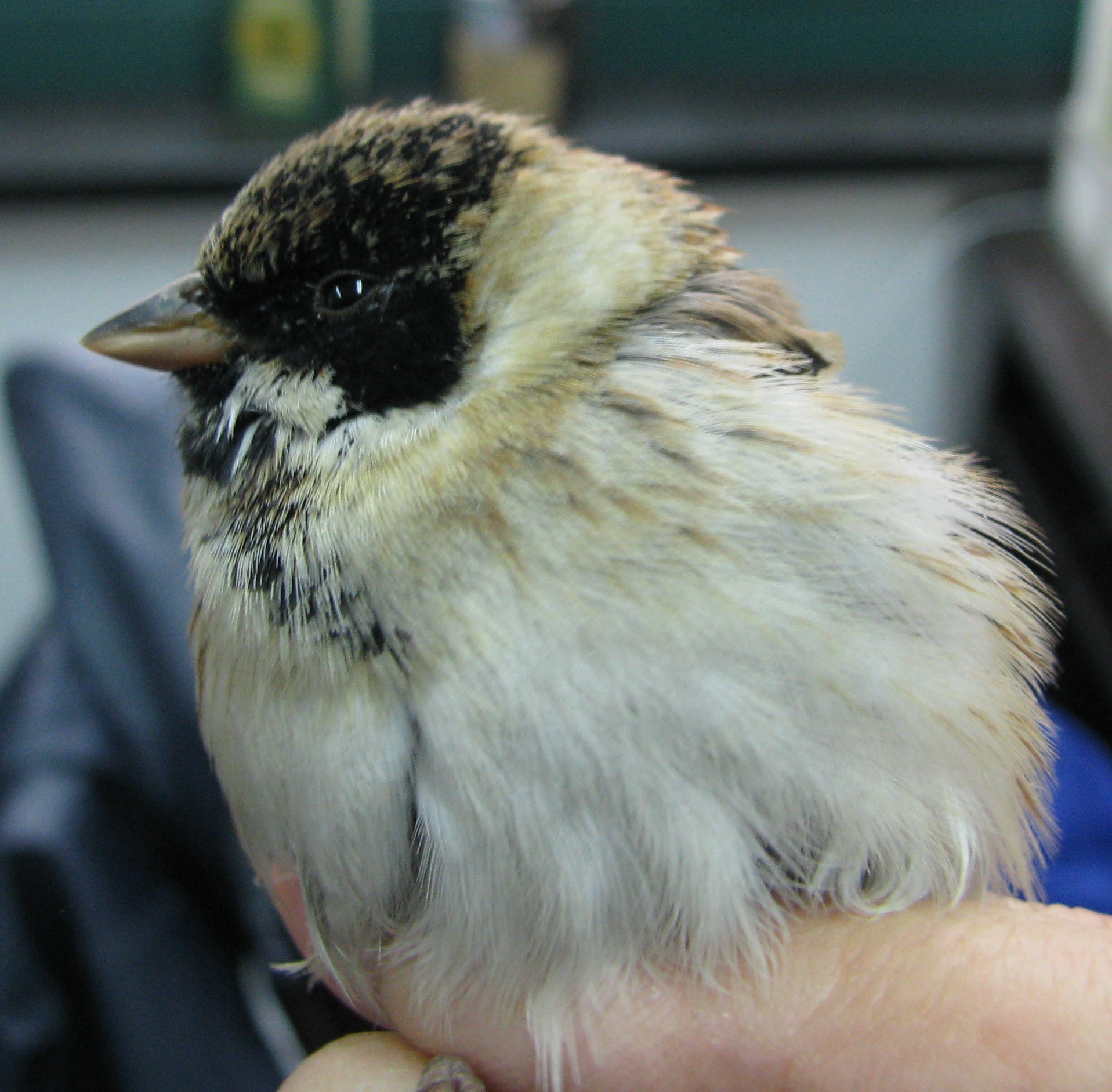
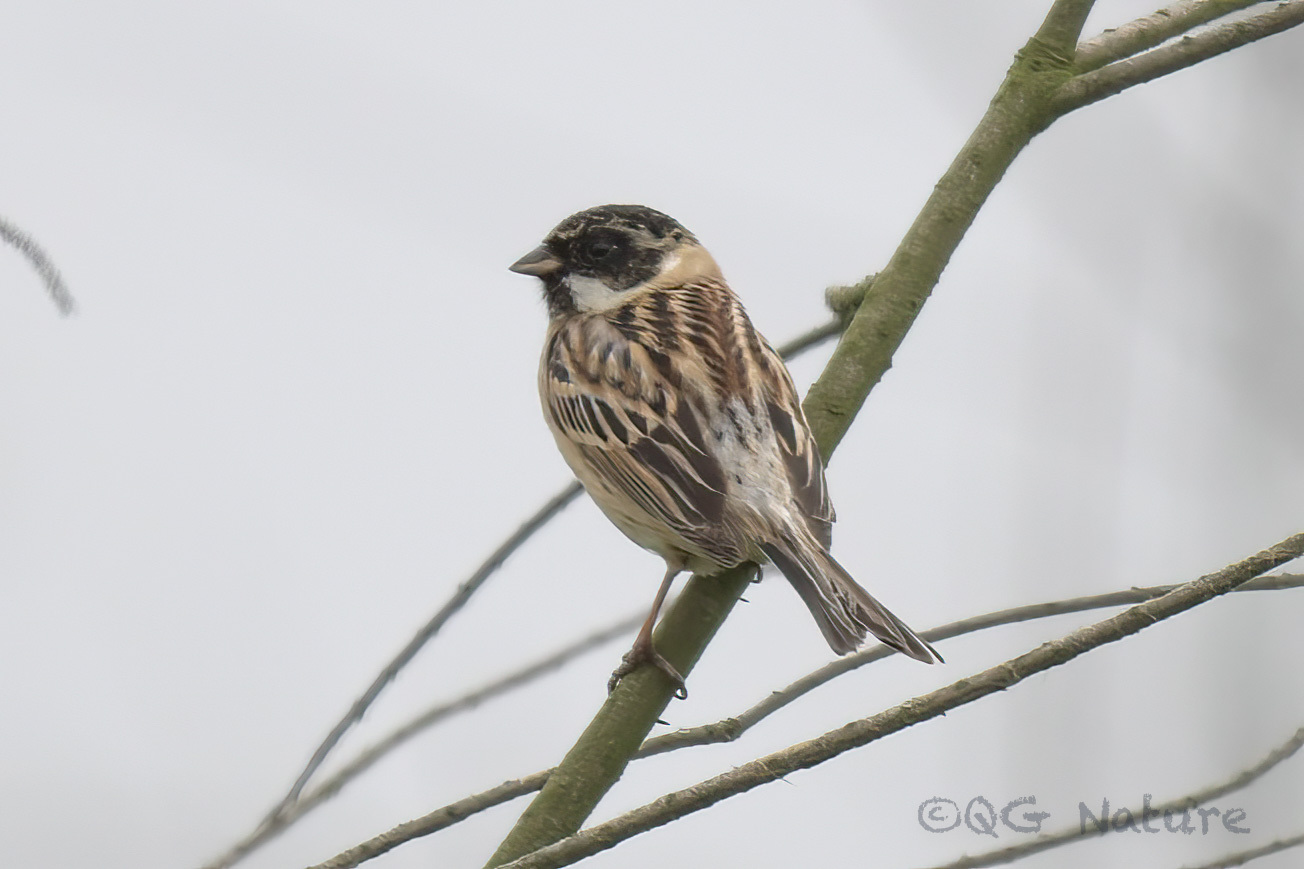
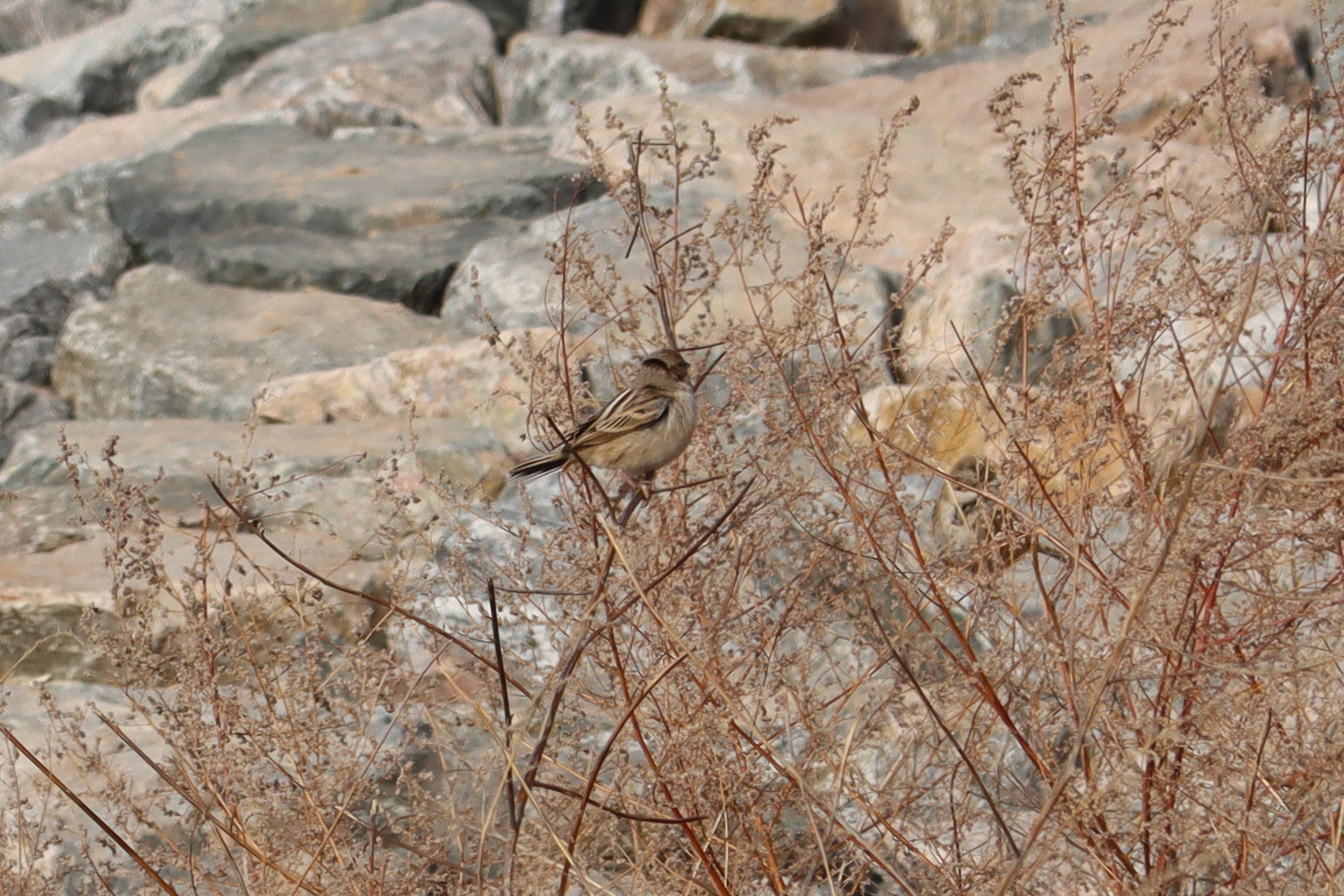
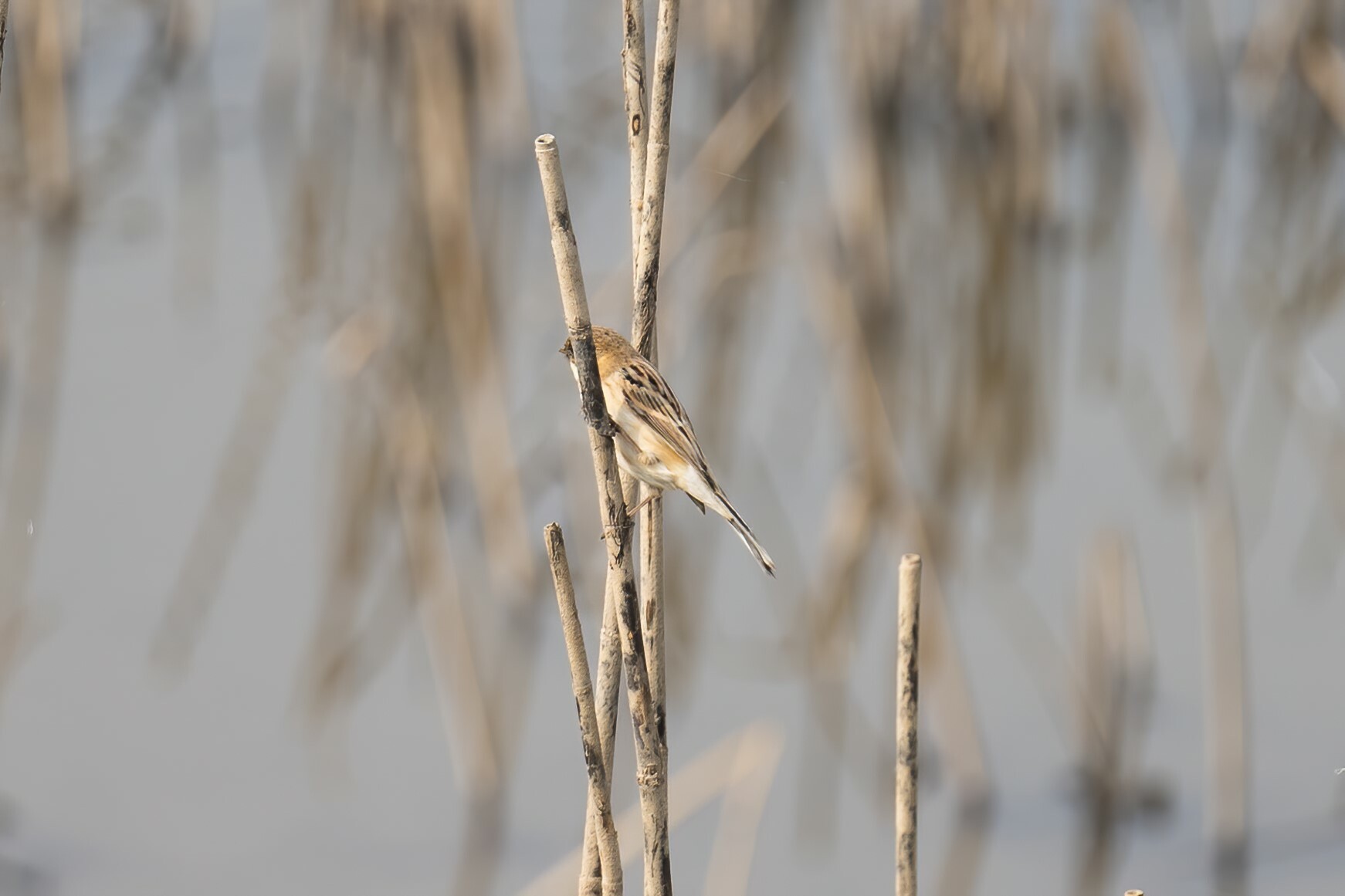
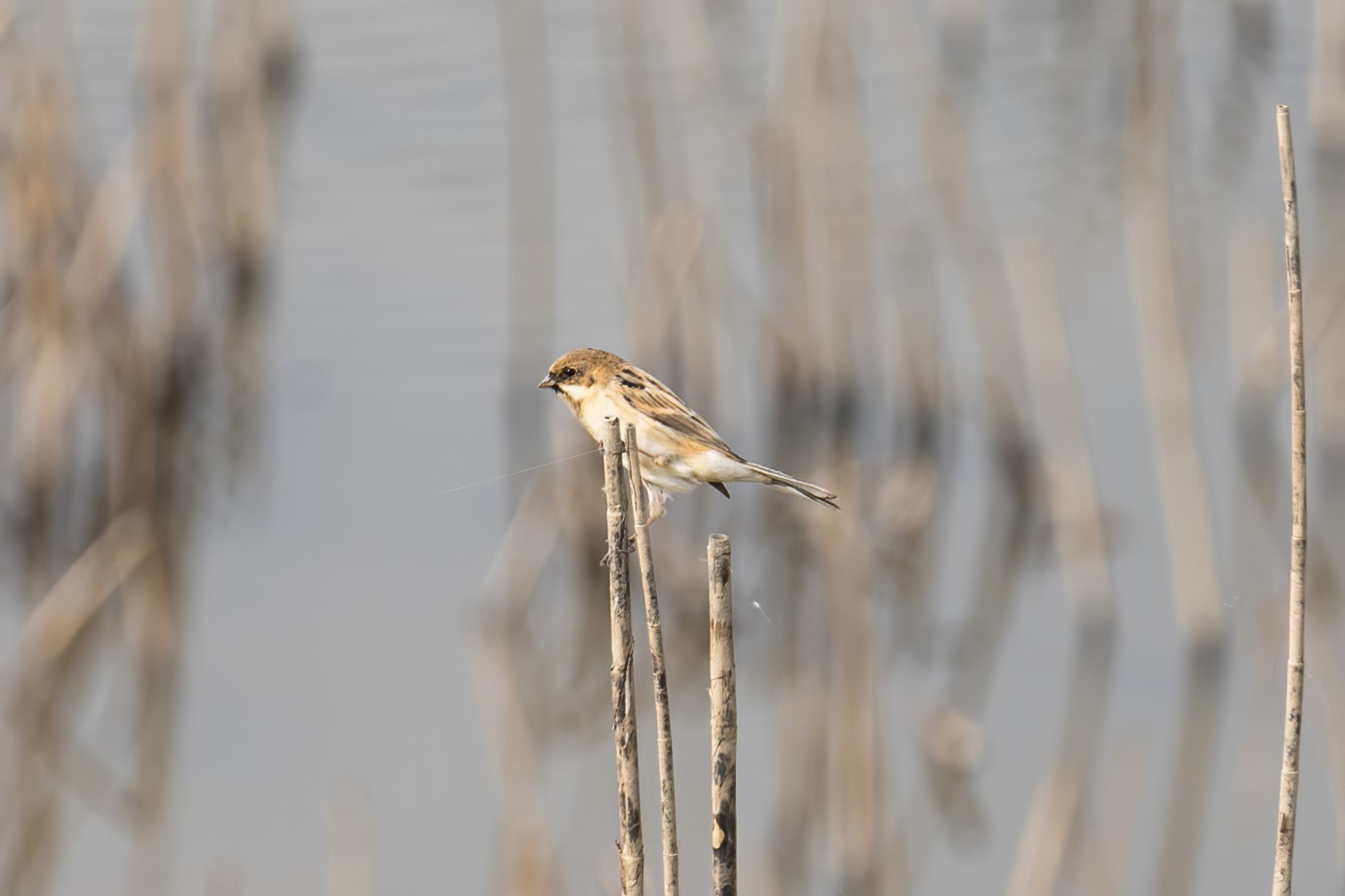
A small passerine bunting with a compact, finch-like appearance. It features a small, conical bill typical of seed-eating species. The male displays a striking black head and throat, contrasting with a prominent white neck collar and clean white underparts. The upperparts are heavily streaked grey, distinguishing it from the browner-backed reed bunting. The female presents a much more subdued appearance with a streaked brown head and paler underparts that show less streaking compared to the female reed bunting. The overall impression is of a neat, small bunting with a distinct facial pattern in breeding plumage.
Identification
The male is readily distinguished from the similar reed bunting by its heavily streaked grey back rather than the reed bunting's brown back. The white neck collar provides an additional distinguishing mark. Females and juveniles require more careful examination, as they closely resemble female reed buntings but typically show less heavy streaking on the underparts. The species appears slightly smaller and more compact than reed bunting in the field. The distinctive repetitive 'sherp' song can aid identification when visual confirmation proves challenging.
Distribution & Habitat
Breeds across northern and central Asia from northeast European Russia through Siberia to Mongolia. The breeding habitat consists of tundra scrub near water and drier open areas including open larch forest. The species migrates south for winter, with three recognized subspecies occupying different wintering ranges in eastern and northern China. Southeast Asia serves as the primary wintering area. Vagrancy to western Europe is extremely rare, though the species has occurred as far west as Great Britain, making any appearance a significant event for European birders.
Behavior & Ecology
The diet consists primarily of seeds, though insects are consumed and fed to young during the breeding season. Breeding occurs between June and August, starting earlier in the northern parts of the range. The nest is constructed from grasses and sedges and placed in a bush, lined with finer materials including smaller grasses and hair. The female lays 3-5 cream-colored eggs marked with the hair-like lines characteristic of bunting eggs. Incubation lasts approximately 11 days. The male delivers a repetitive, distinctive song described as 'sherp' from prominent perches within its breeding territory.
Conservation
No specific conservation assessment information is provided in the source article.
Culture
The species carries historical significance through its commemorative naming, honoring German naturalist and explorer Peter Simon Pallas. The scientific name Emberiza derives from the Old German word 'Embritz,' meaning bunting. Beyond this taxonomic heritage, no specific folklore or cultural traditions are documented for this species.
Source: Wikipedia · CC BY-SA 3.0
Taxonomy
- Order
- Passeriformes
- Family
- Emberizidae
- Genus
- Emberiza
- eBird Code
- palbun
Subspecies (4)
-
Emberiza pallasi lydiae
mountains of central Mongolia
-
Emberiza pallasi minor
southeastern Siberia and adjacent Manchuria
-
Emberiza pallasi pallasi
breeds mountains of central and eastern Asia; winters to western China and Mongolia
-
Emberiza pallasi polaris
breeds Siberia to Sea of Okhotsk; winters Manchuria to eastern China
Data Sources
Species description from Wikipedia, licensed under CC BY-SA 3.0.
Bird images and sounds sourced from GBIF, contributed by citizen scientists worldwide under Creative Commons licenses.
Taxonomy data from AviList 2025.