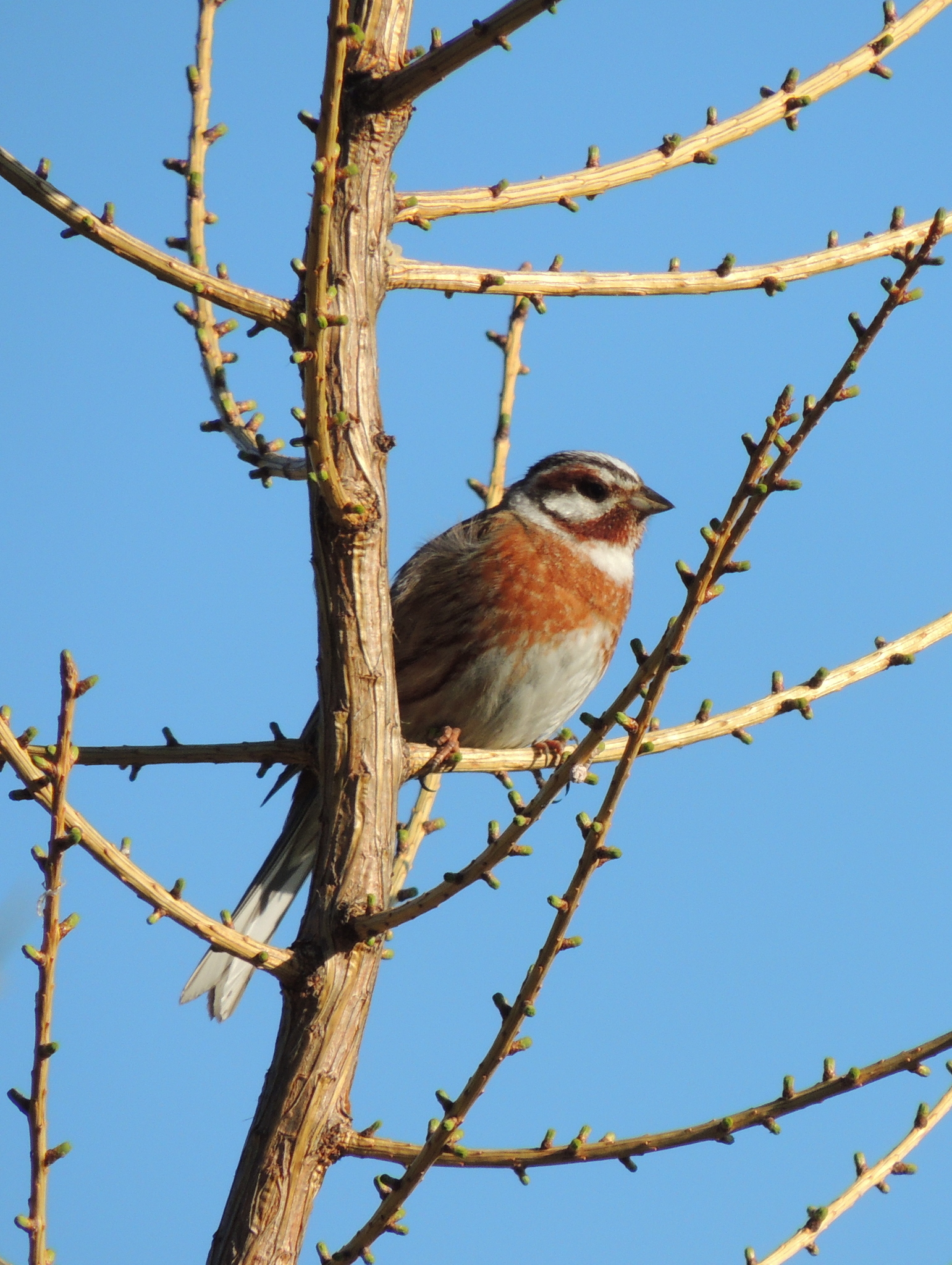
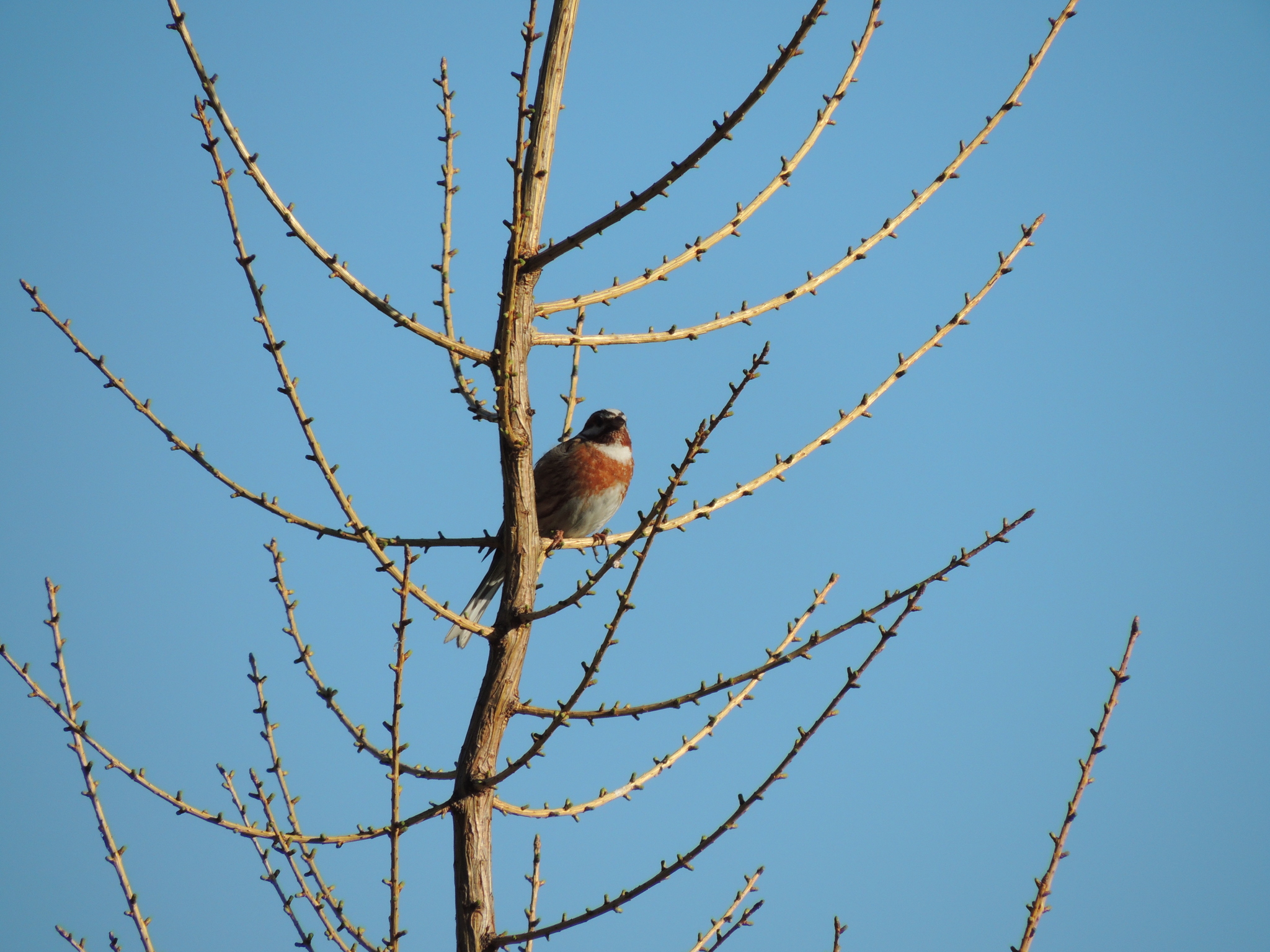
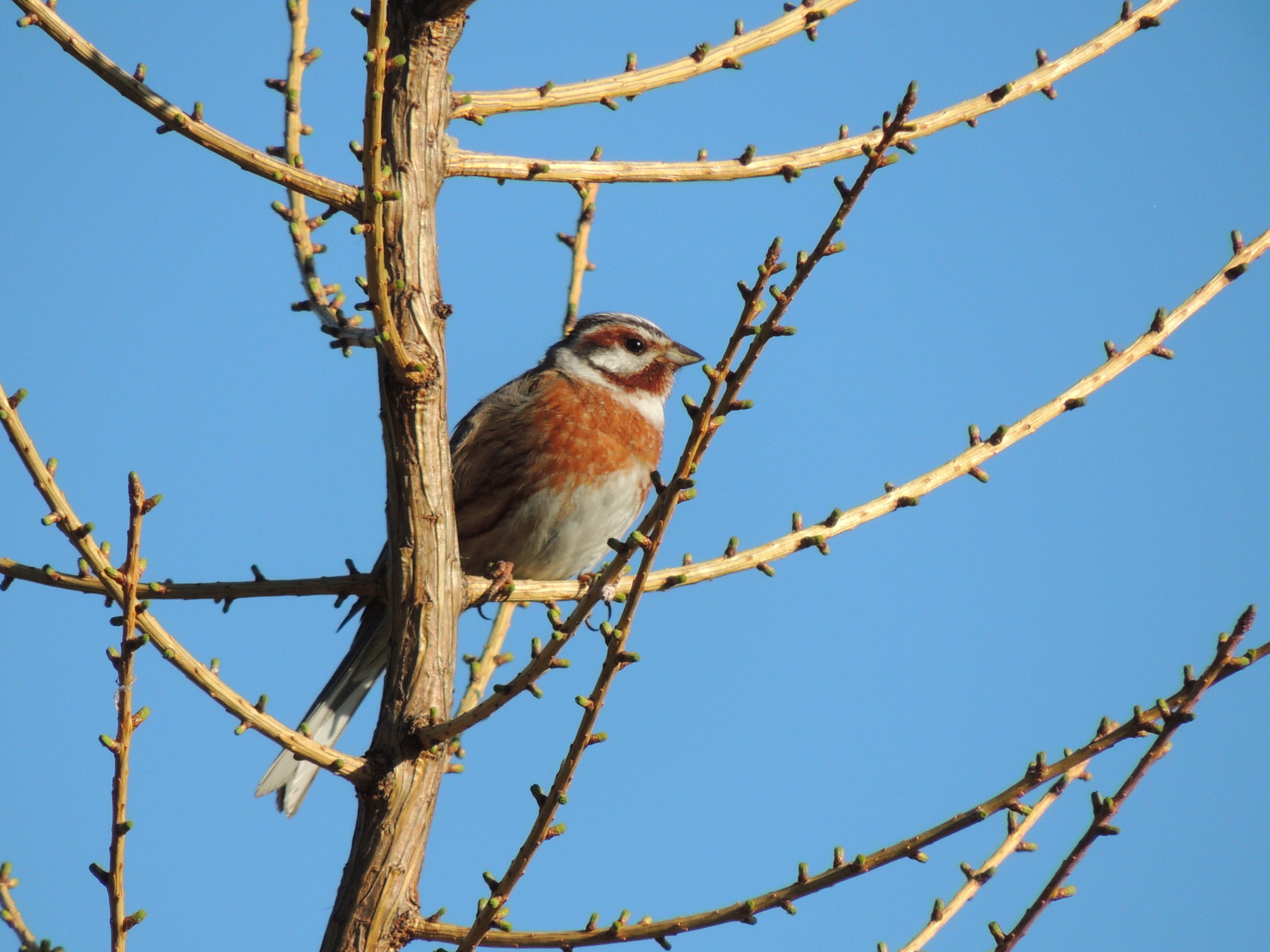
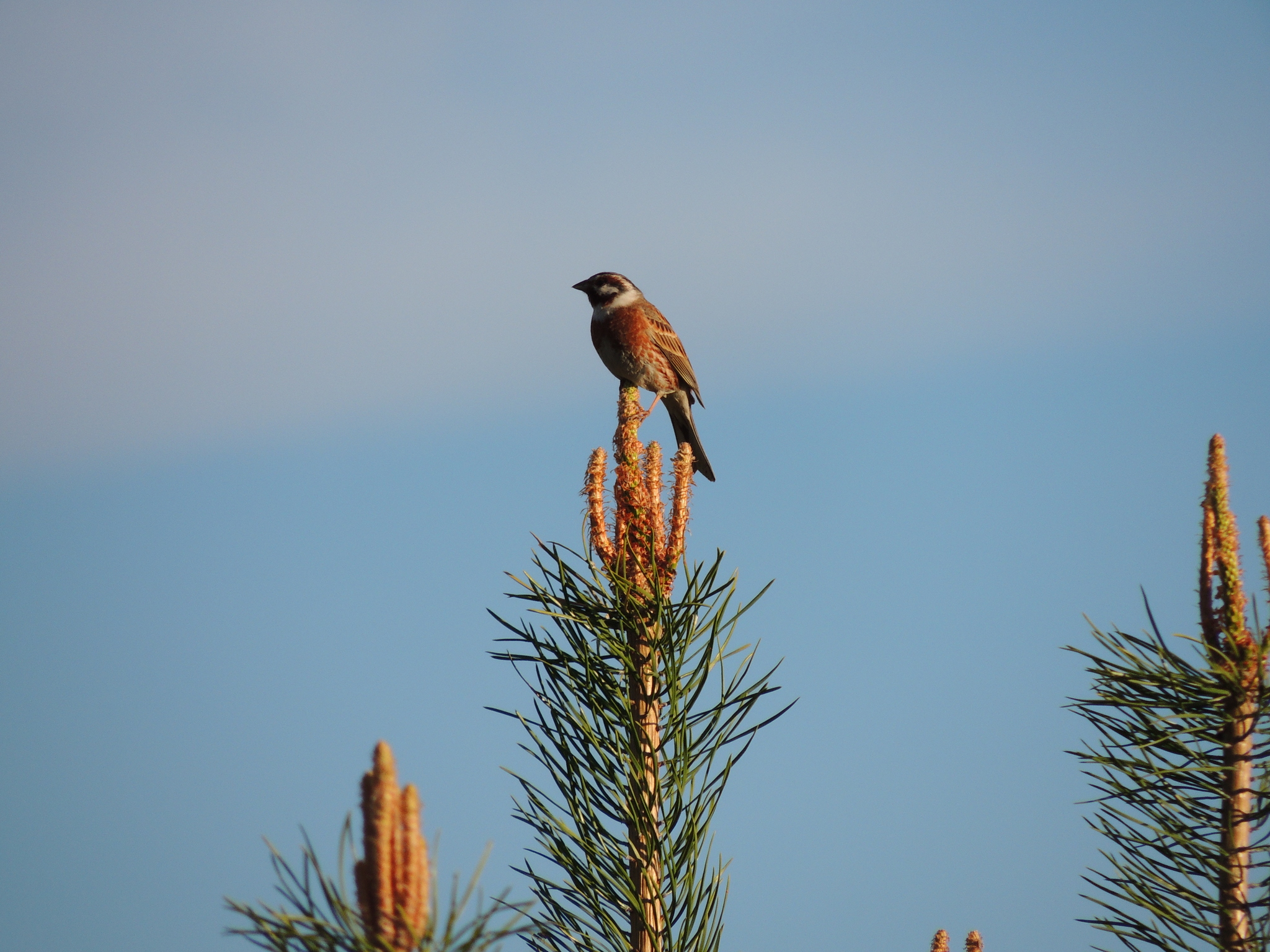
Passeriformes / Emberizidae / Emberiza
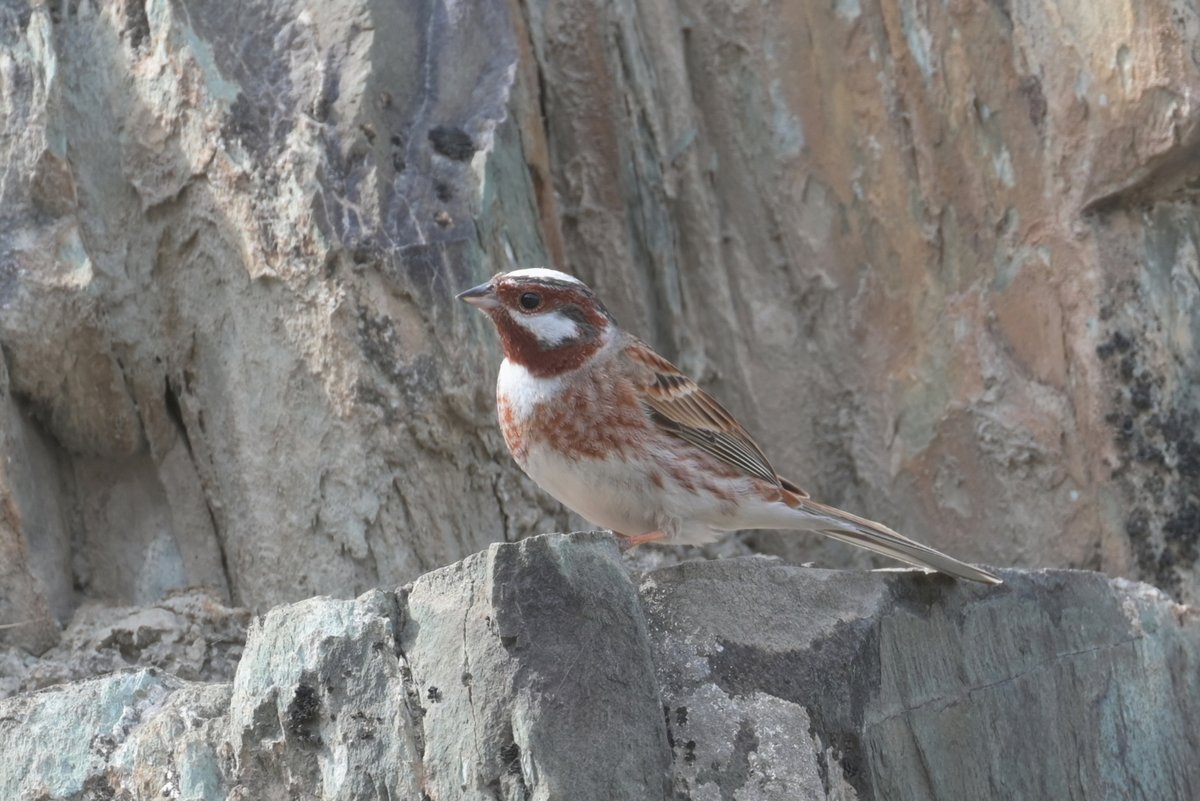
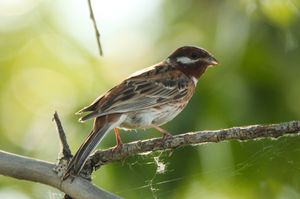
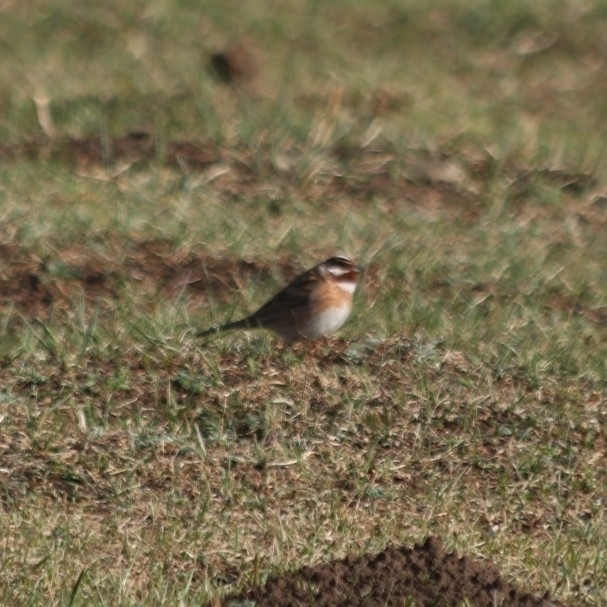
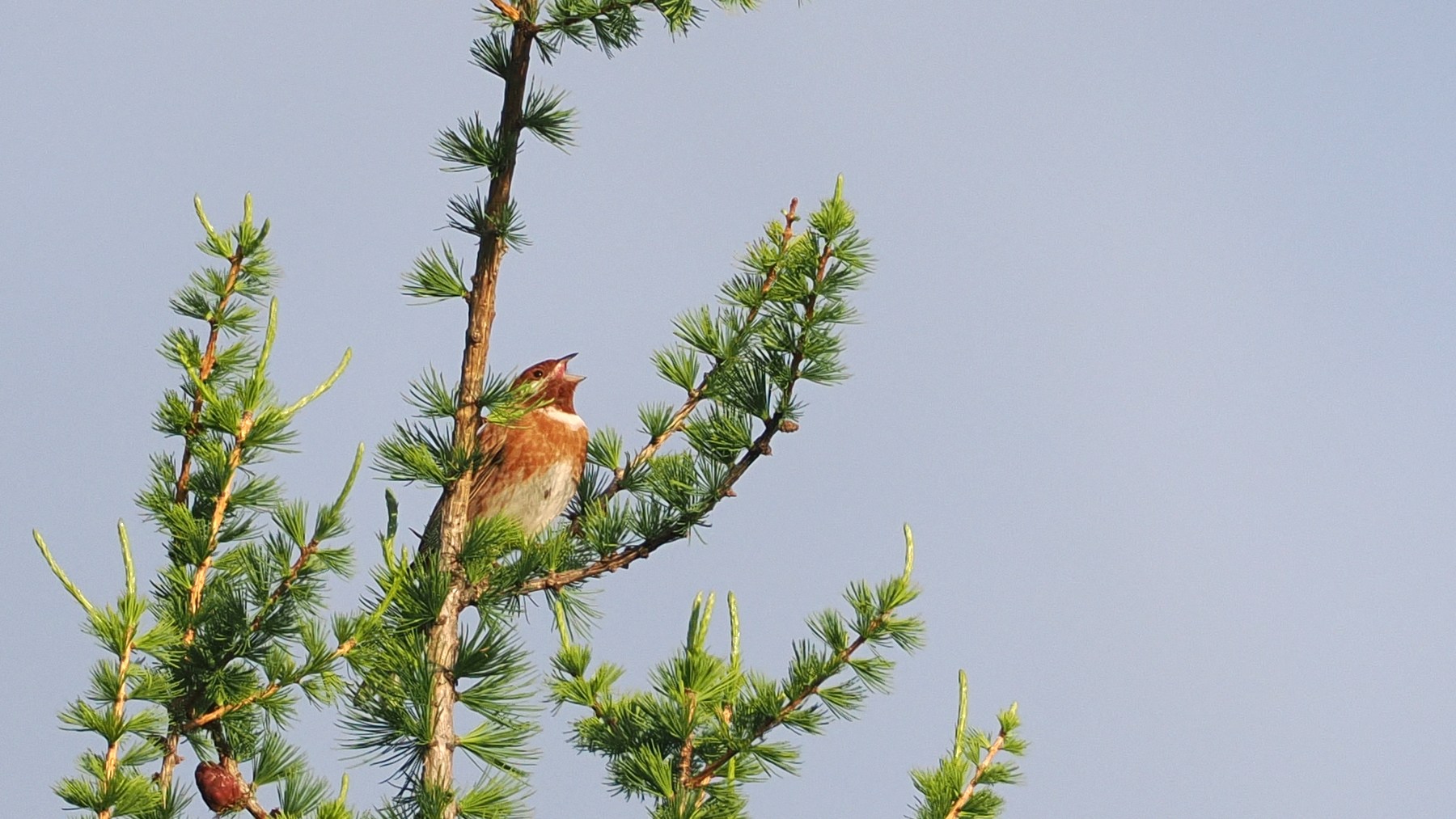
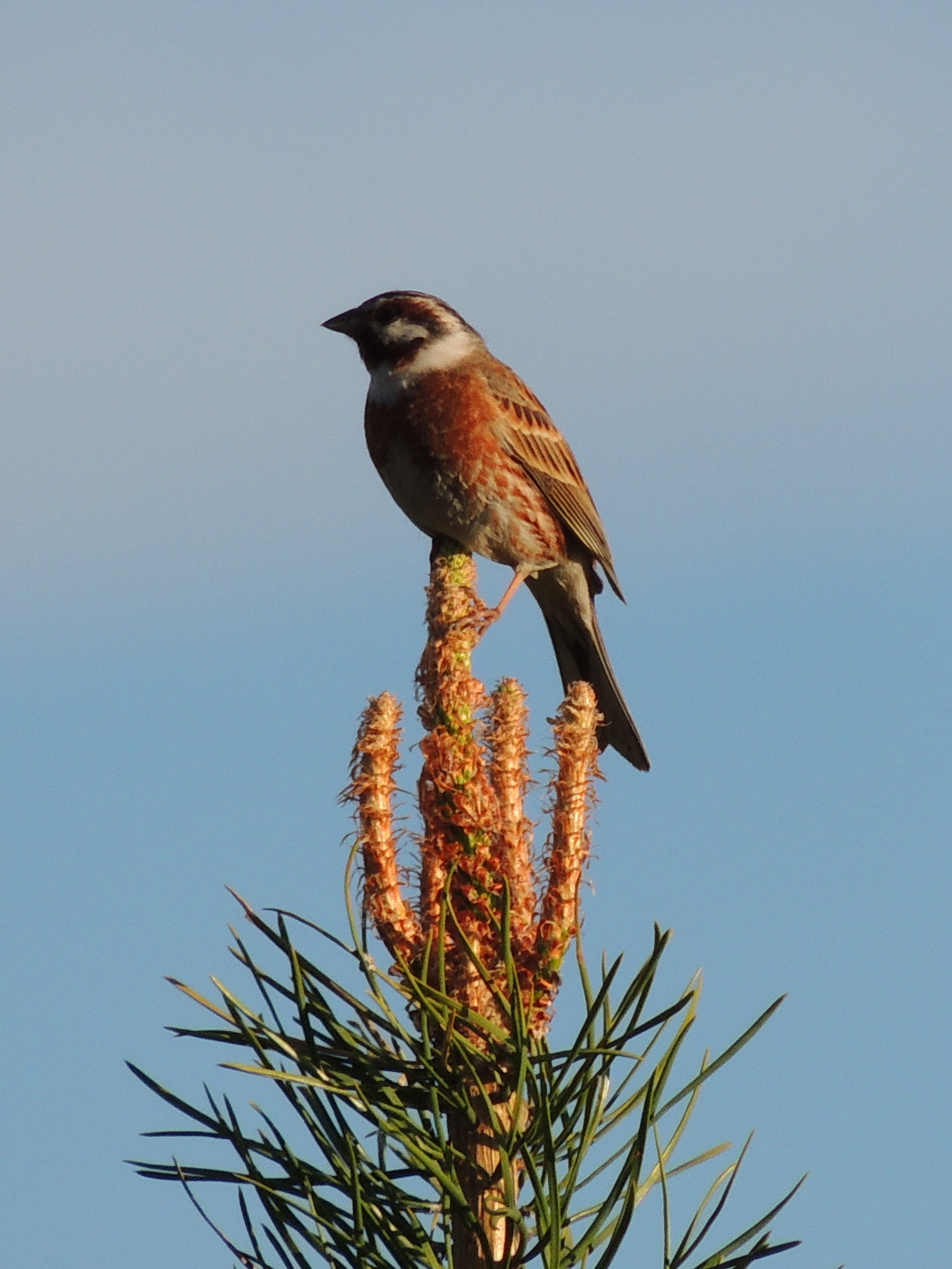
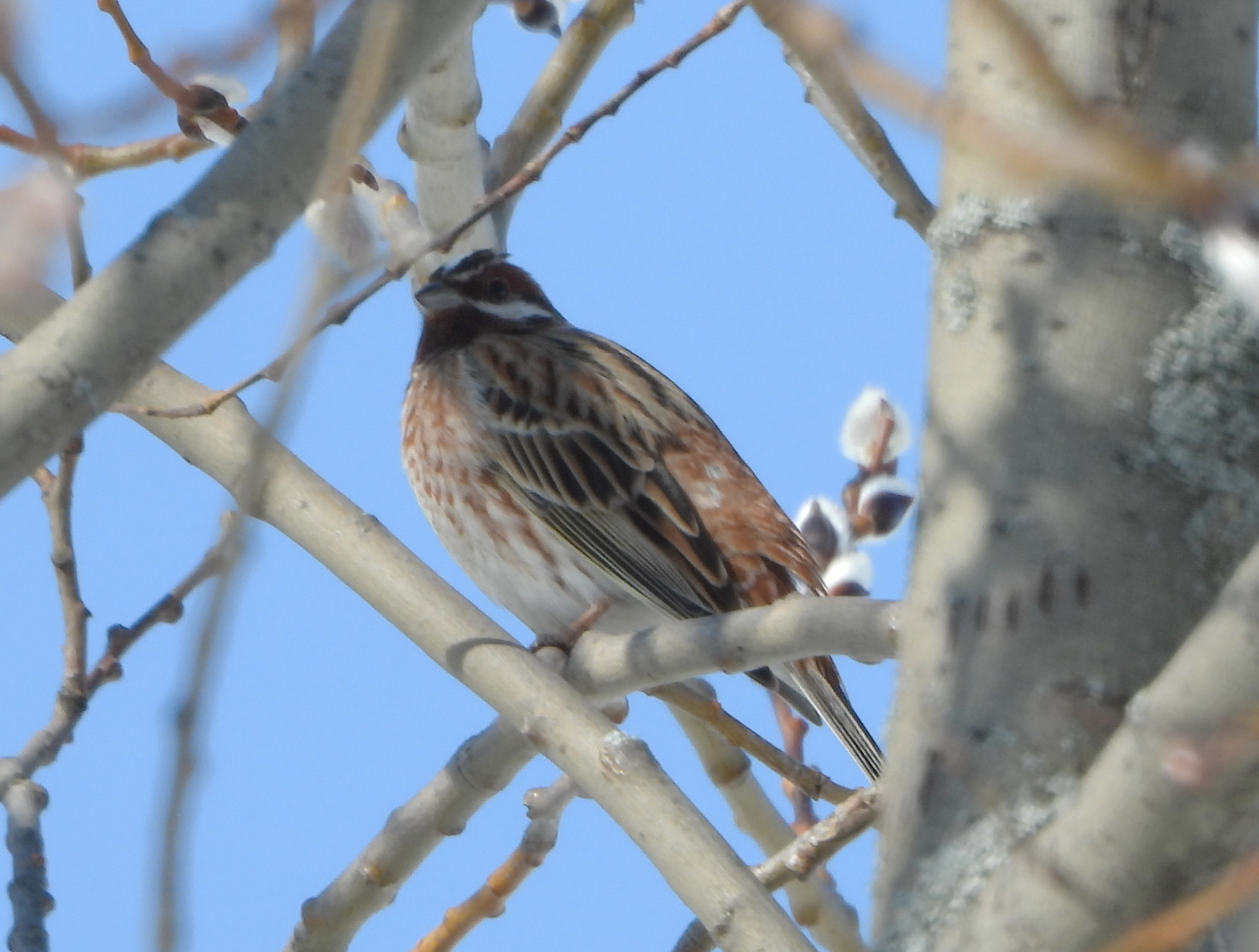
Pine Bunting
Emberiza leucocephalos · 白头鹀
Introduction
A passerine bird in the bunting family Emberizidae, inhabiting Eurosiberia east of the Urals. It prefers open forest, usually pines, over other open lands with scrub or trees.
Description
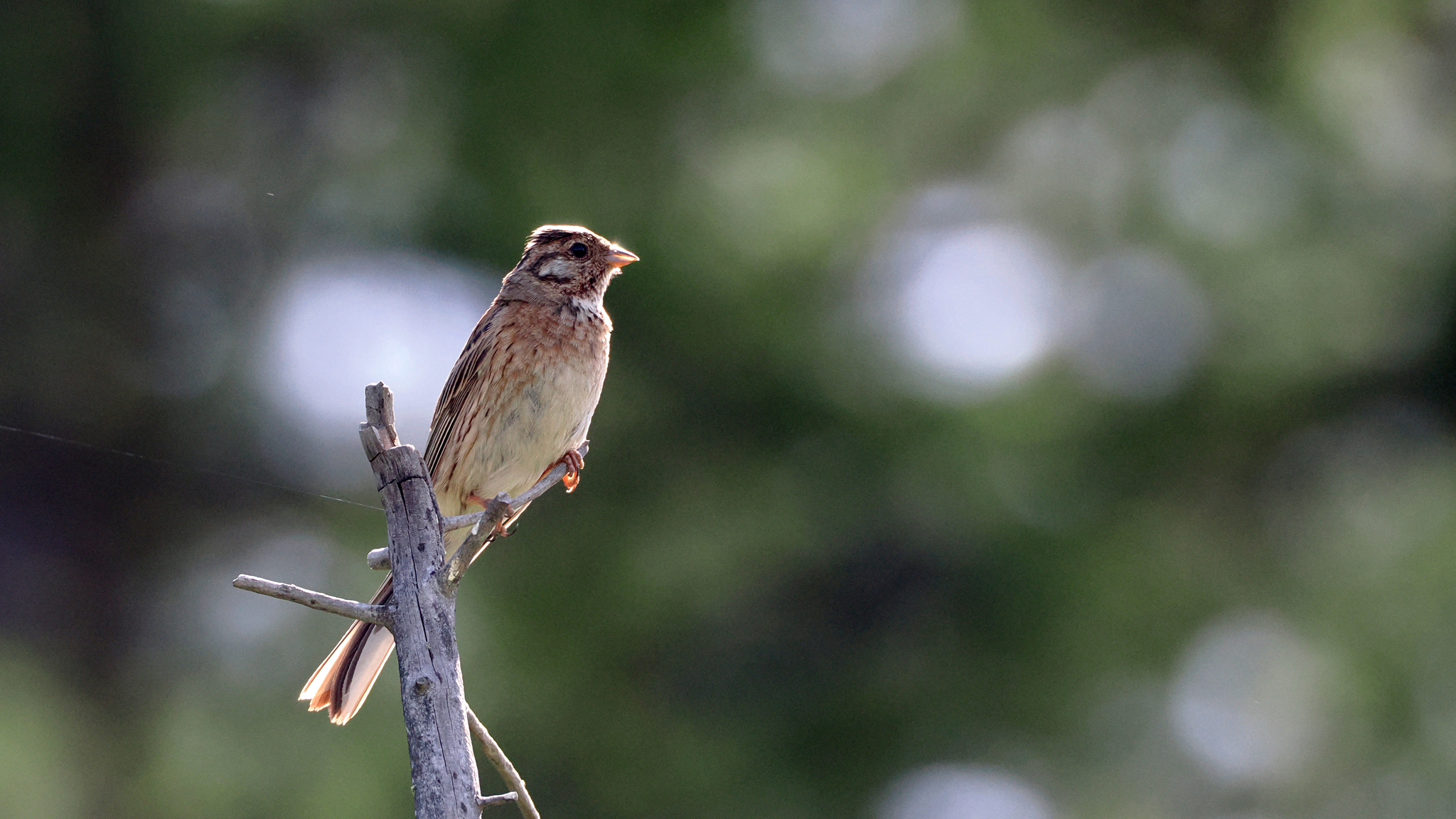
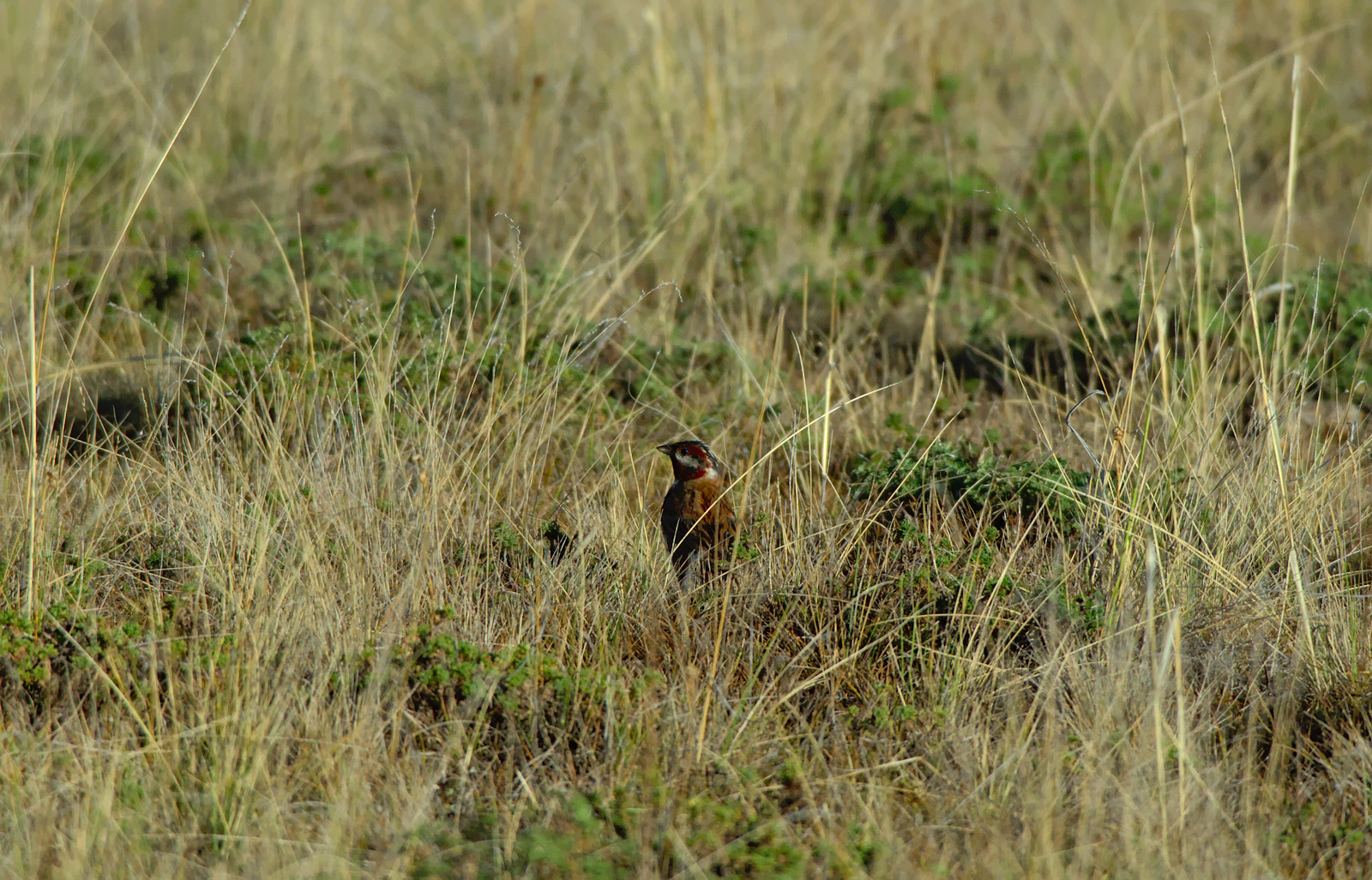
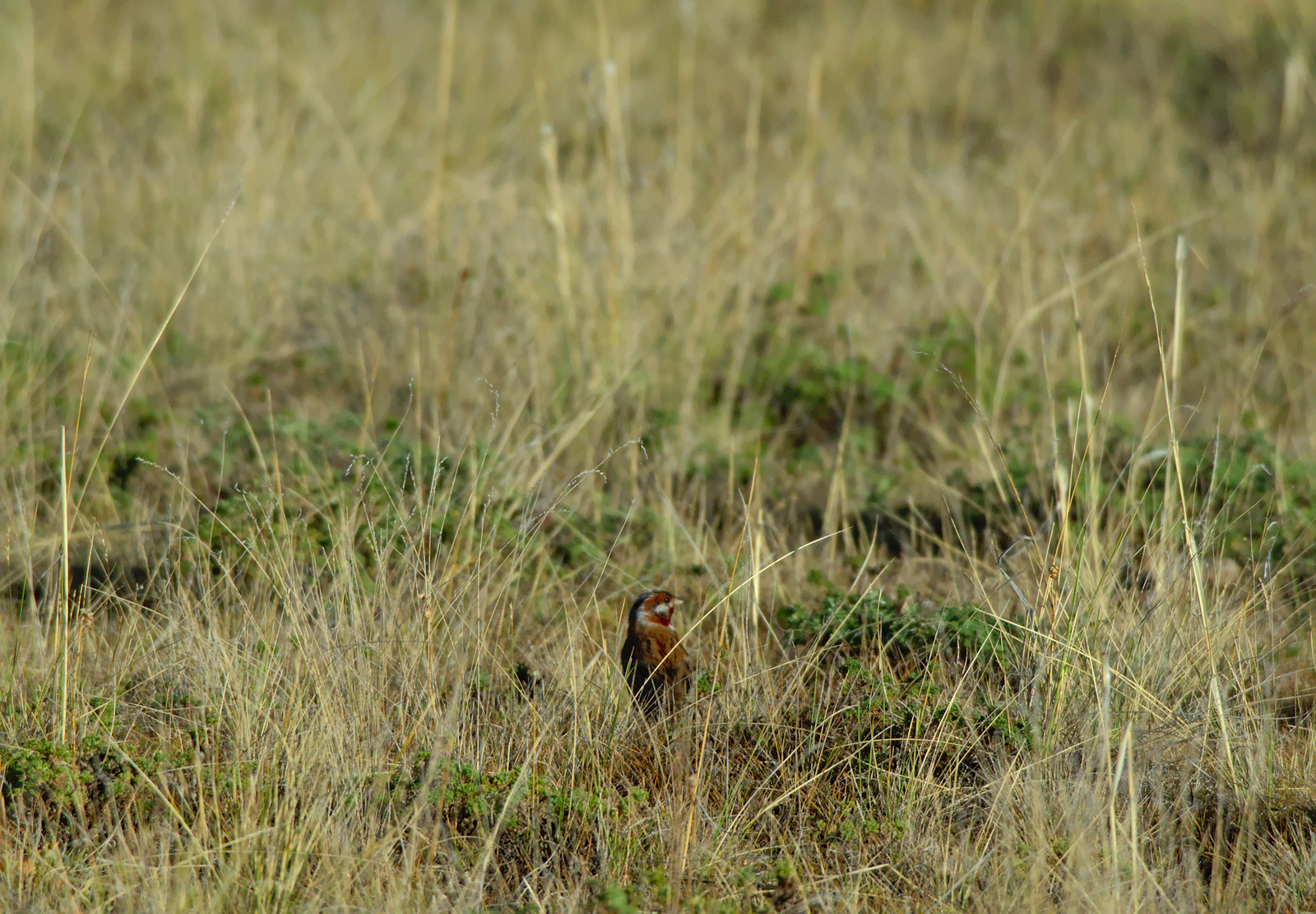
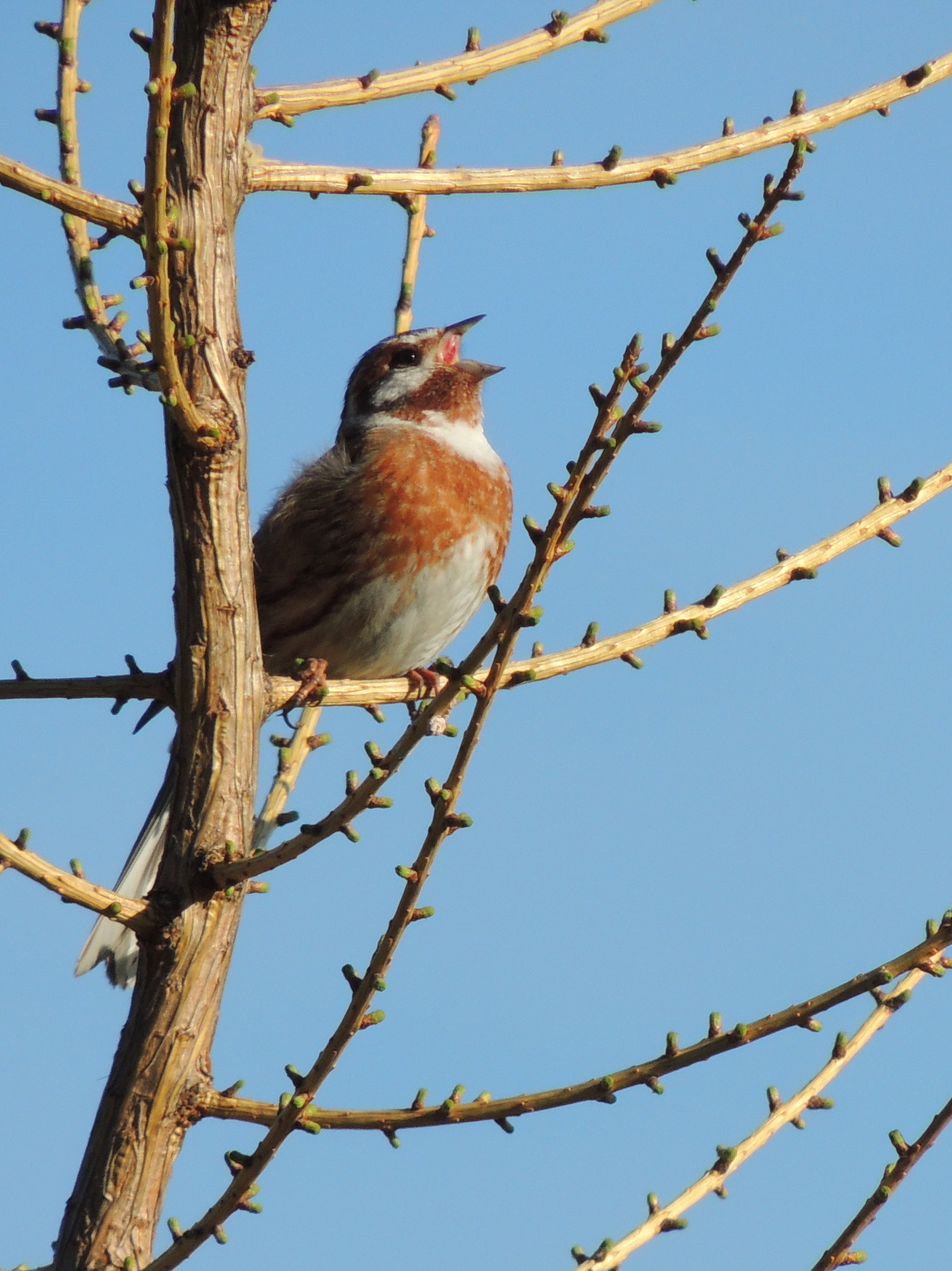
Robust 16–17.5 cm bird with a thick seed-eater's bill. The male has a white crown and cheeks, chestnut forehead and throat, and a heavily streaked brown back. The female is duller with more streaking on the undersides. Non-breeding plumage resembles the yellowhammer but with all yellow replaced by white.
Identification
Song and calls are similar to those of the yellowhammer. Hybrids show mixed characters. Pure males with yellow primary fringes are accepted if lores are chestnut (not black or grey), throat is extensively chestnut without dark malar or pale submoustachial lines, supercilium is chestnut or grey (not white), and no yellow exists on the head or elsewhere except primary fringes.
Distribution & Habitat
Breeds across much of temperate Asia; migrates south to central Asia, north India, and southern China in winter. Common in open land with scrub or trees, including cultivation, with a preference for open pine forests. Rare vagrant to western Europe, but often winters in north-east Italy and Tuscany.
Behavior & Ecology
Natural diet consists of seeds, with insects fed to young. Nests on the ground, laying four to six eggs with hair-like markings characteristic of buntings.
Source: Wikipedia · CC BY-SA 3.0
Taxonomy
- Order
- Passeriformes
- Family
- Emberizidae
- Genus
- Emberiza
Vocalizations
Subspecies (2)
-
Emberiza leucocephalos fronto
northwestern China (Kokonor region of northeastern Qinghai to northwestern Gansu)
Data Sources
Species description from Wikipedia, licensed under CC BY-SA 3.0.
Bird images and sounds sourced from GBIF, contributed by citizen scientists worldwide under Creative Commons licenses.
Taxonomy data from AviList 2025.