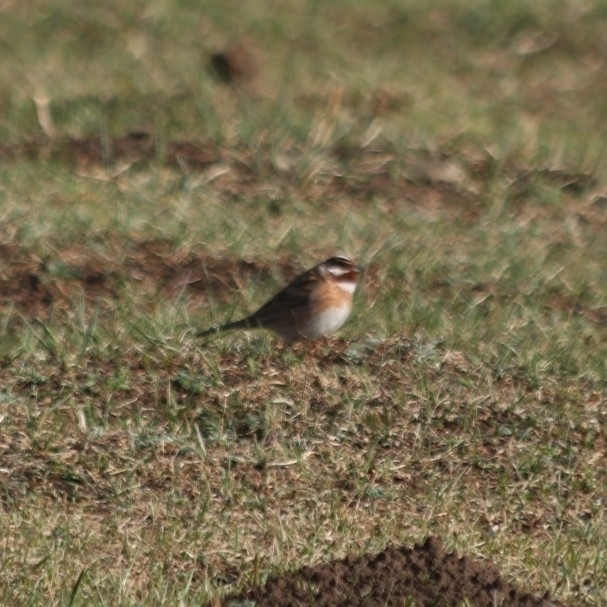
Pine Bunting
Emberiza leucocephalos
白头鹀
Introduction
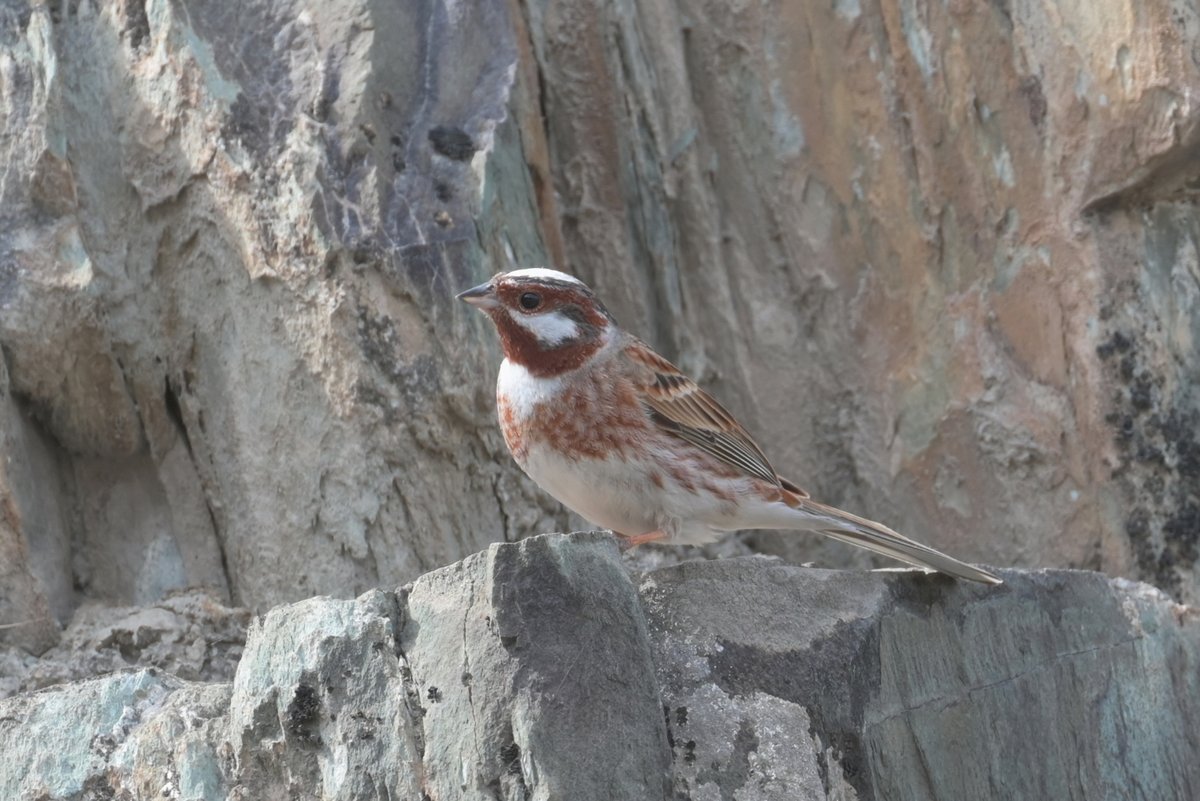
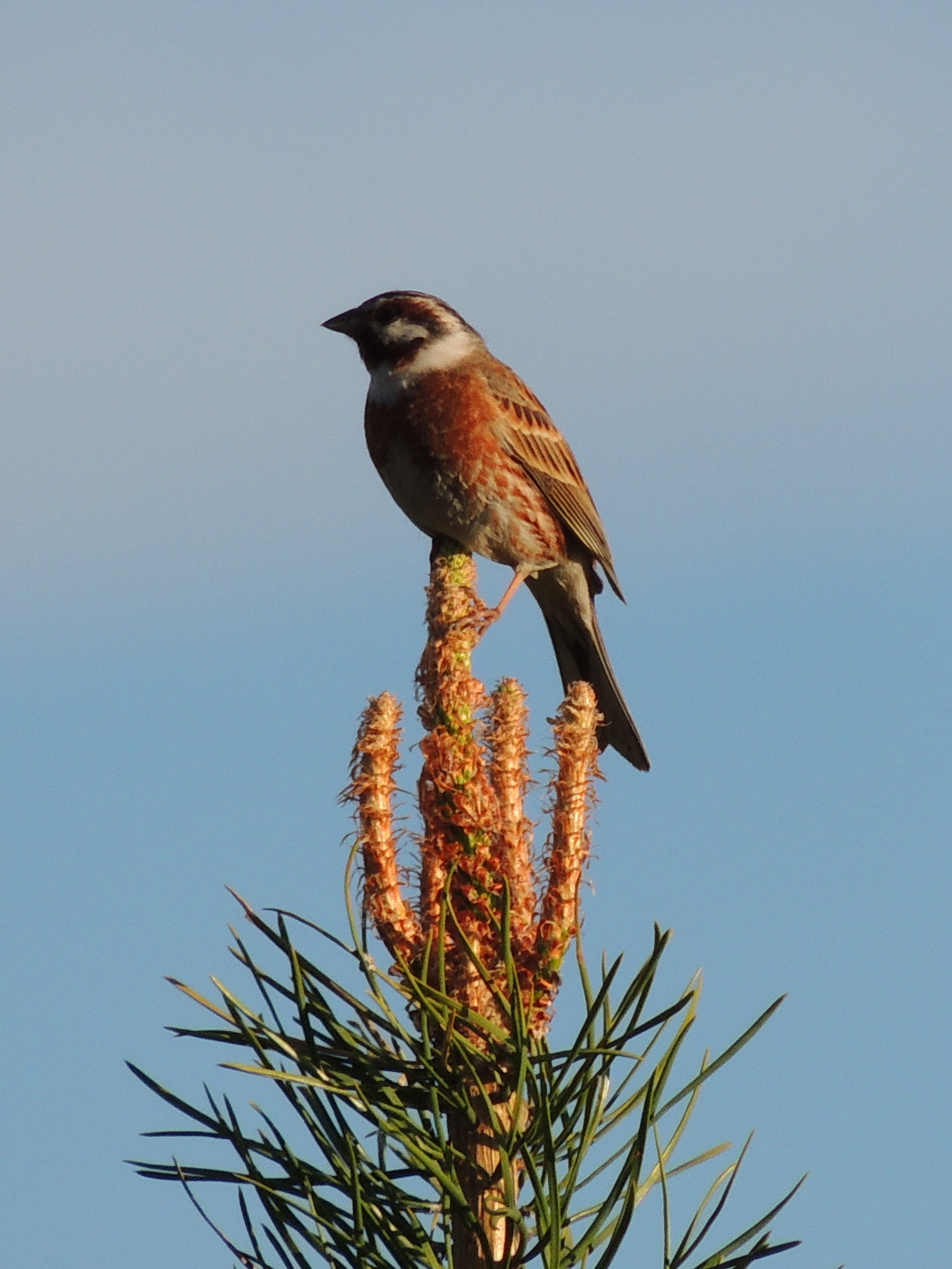
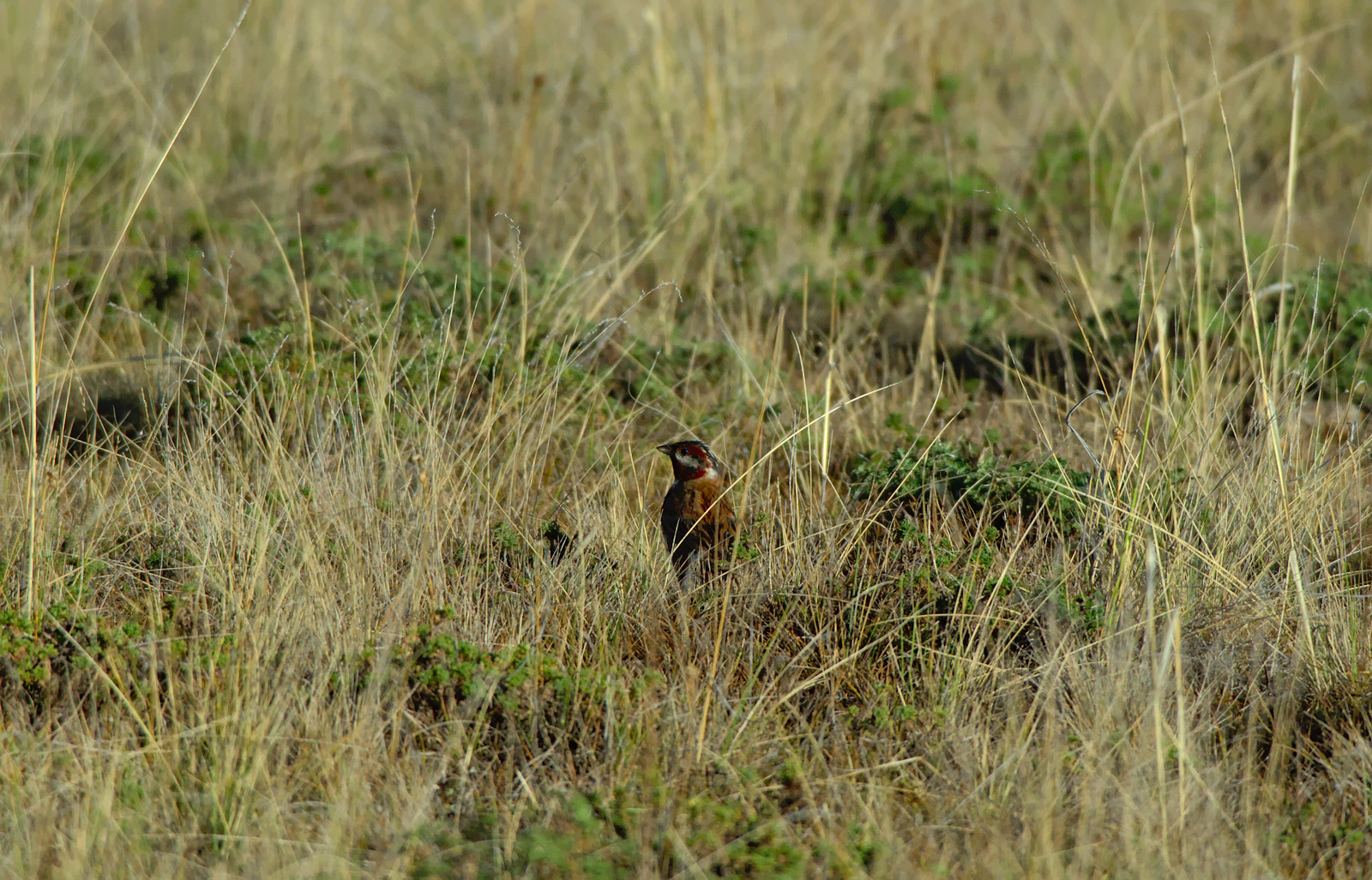
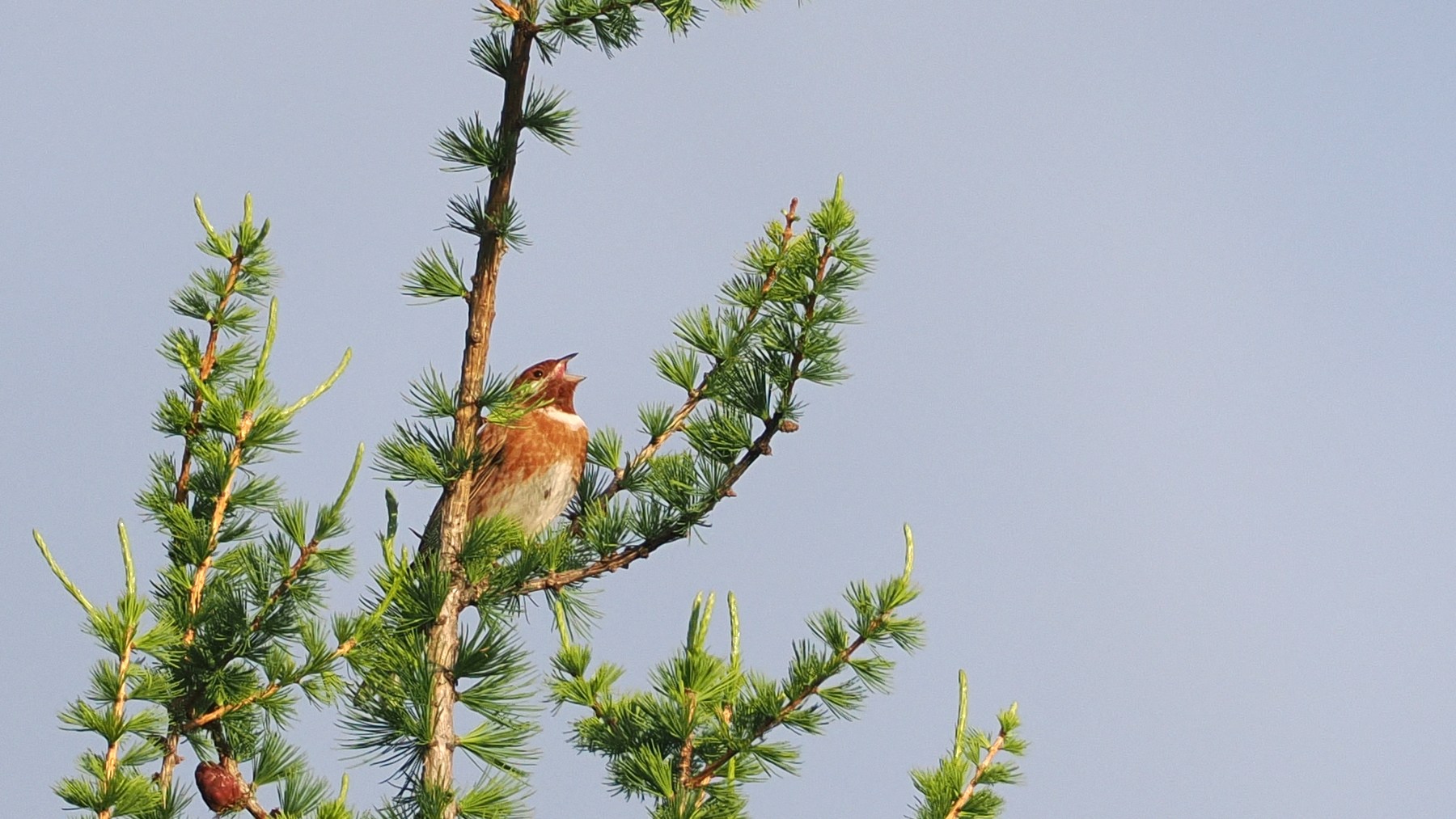
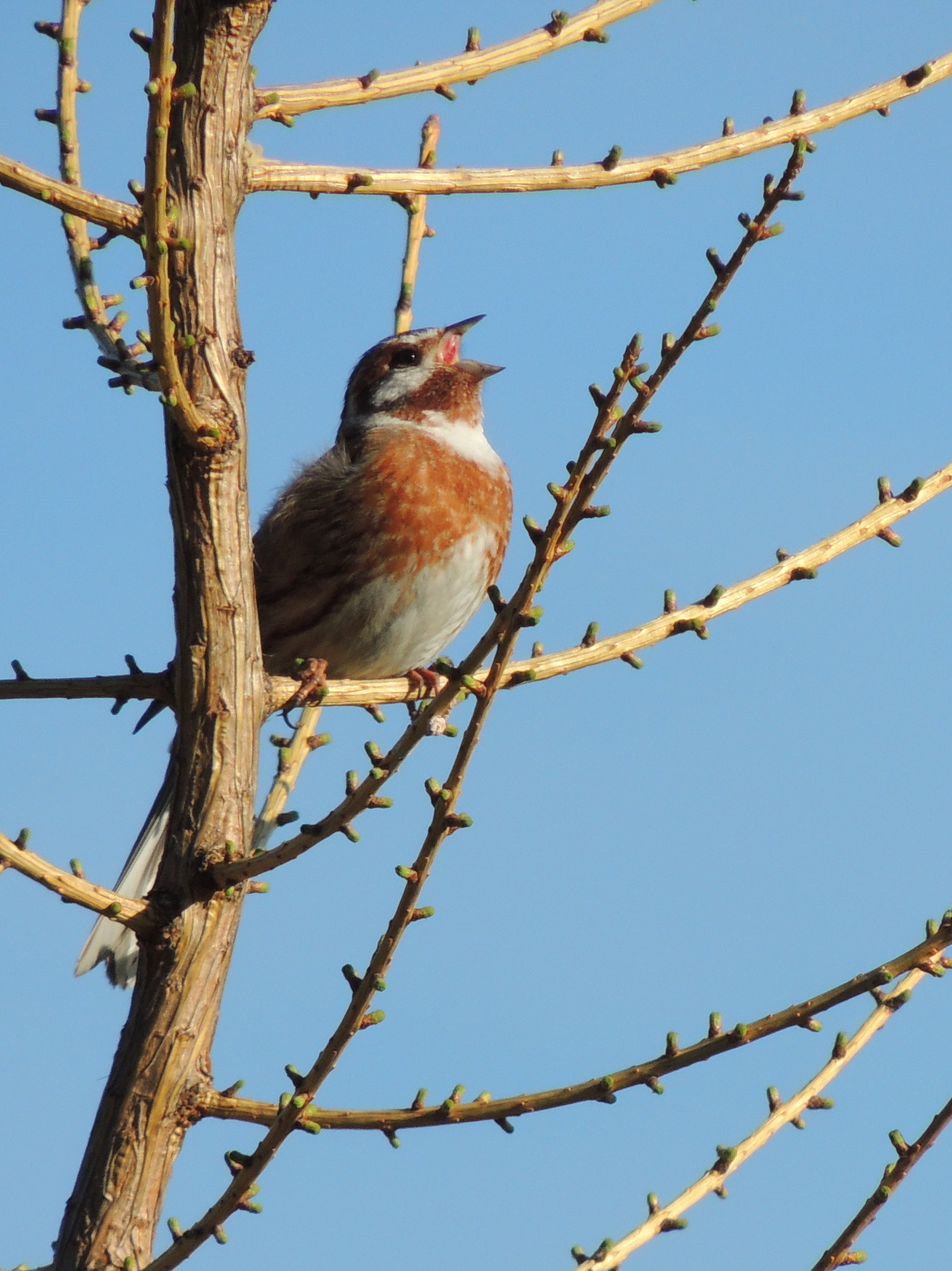
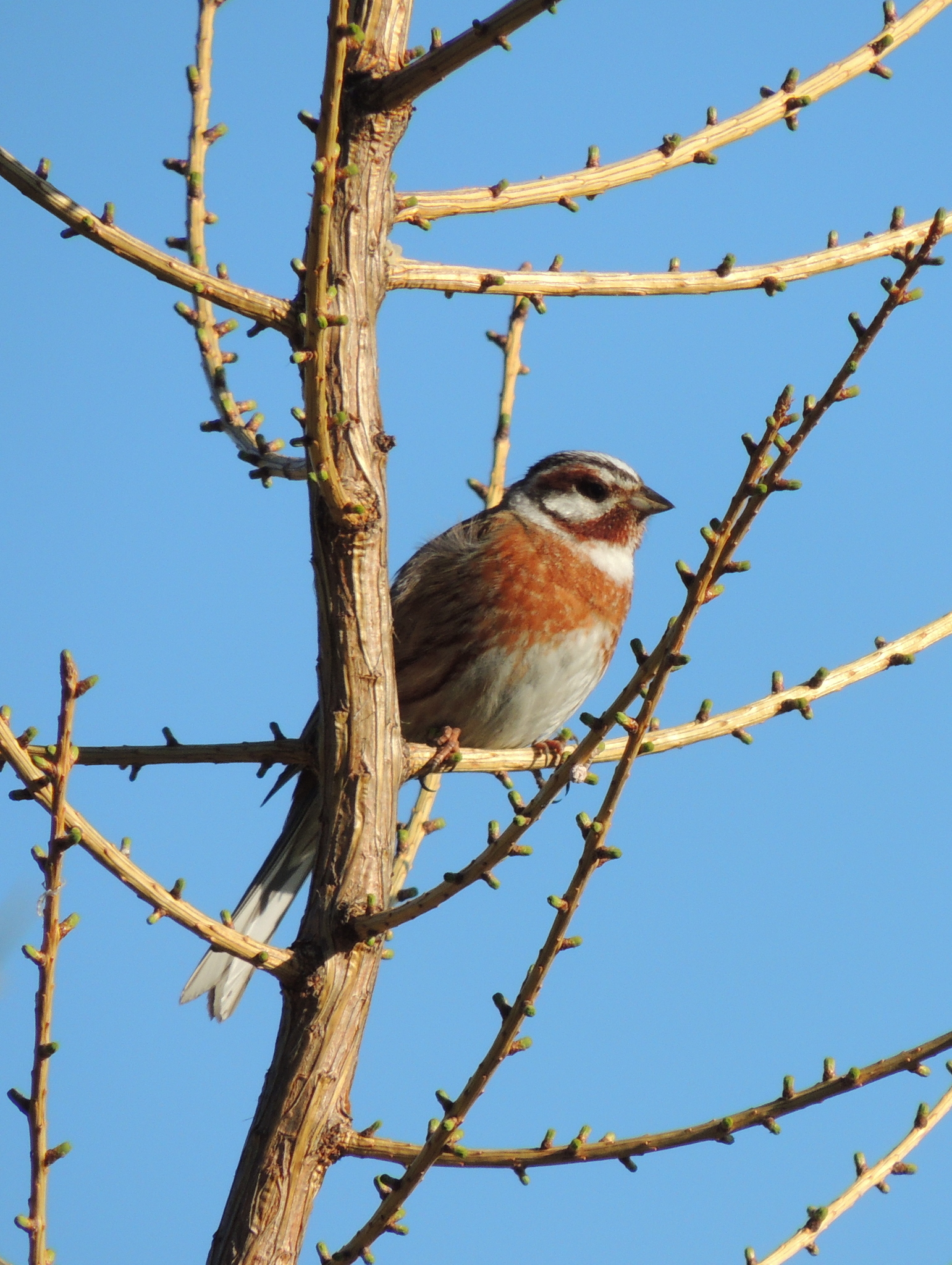
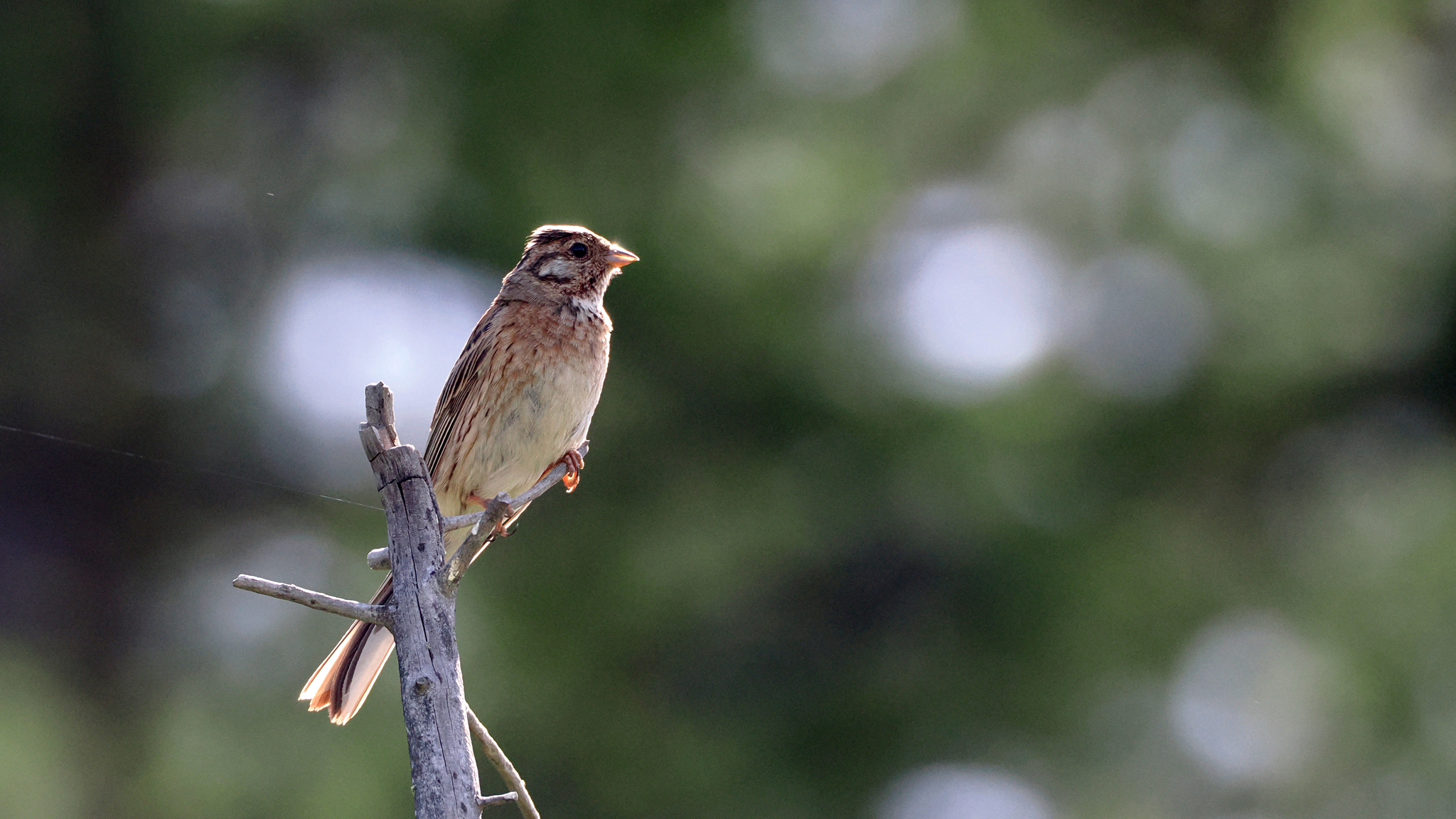
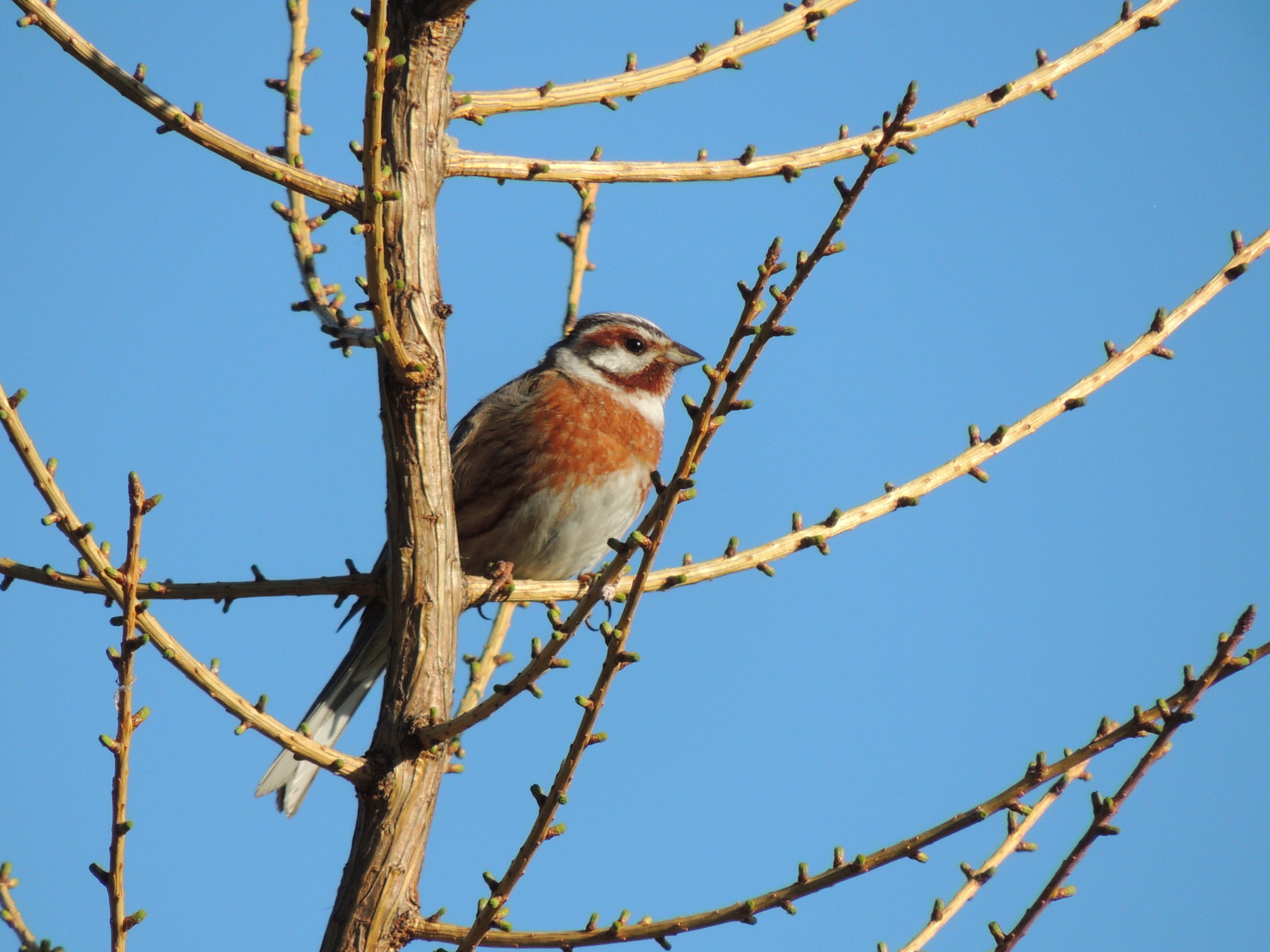
The pine bunting is a bunting species occurring across temperate Asia, inhabiting open woodlands, cultivated landscapes, and pine forests. It closely resembles the yellowhammer but can be distinguished by its distinctive head pattern, including a white crown and cheeks contrasting with chestnut forehead and throat. The species hybridizes with yellowhammer where their ranges overlap. Small numbers winter in northern Italy and Tuscany, and the species is a rare visitor to western Europe, with most records occurring in autumn and winter. The song is virtually indistinguishable from the yellowhammer, requiring visual confirmation for identification.
Description
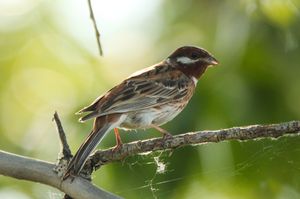
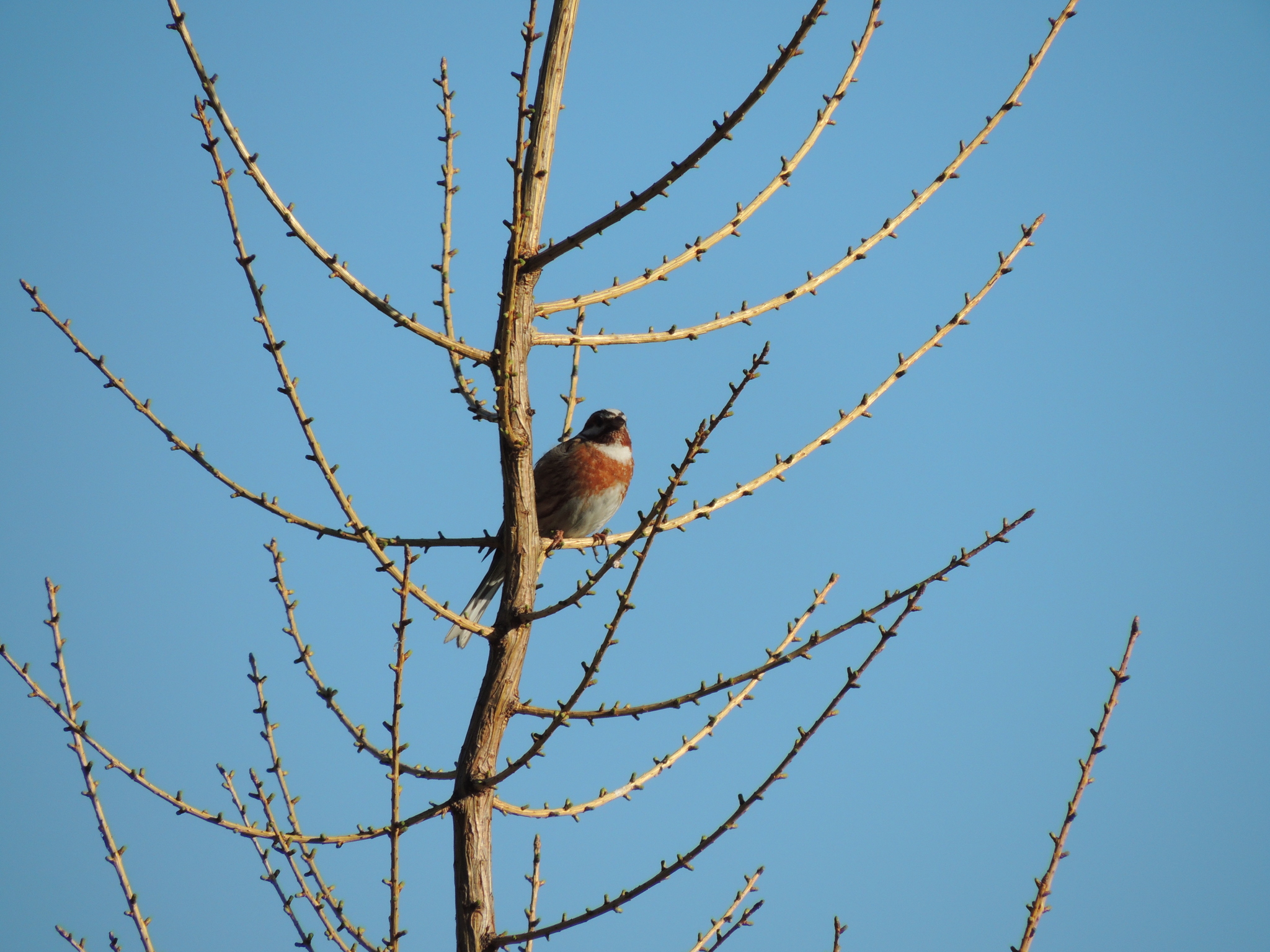
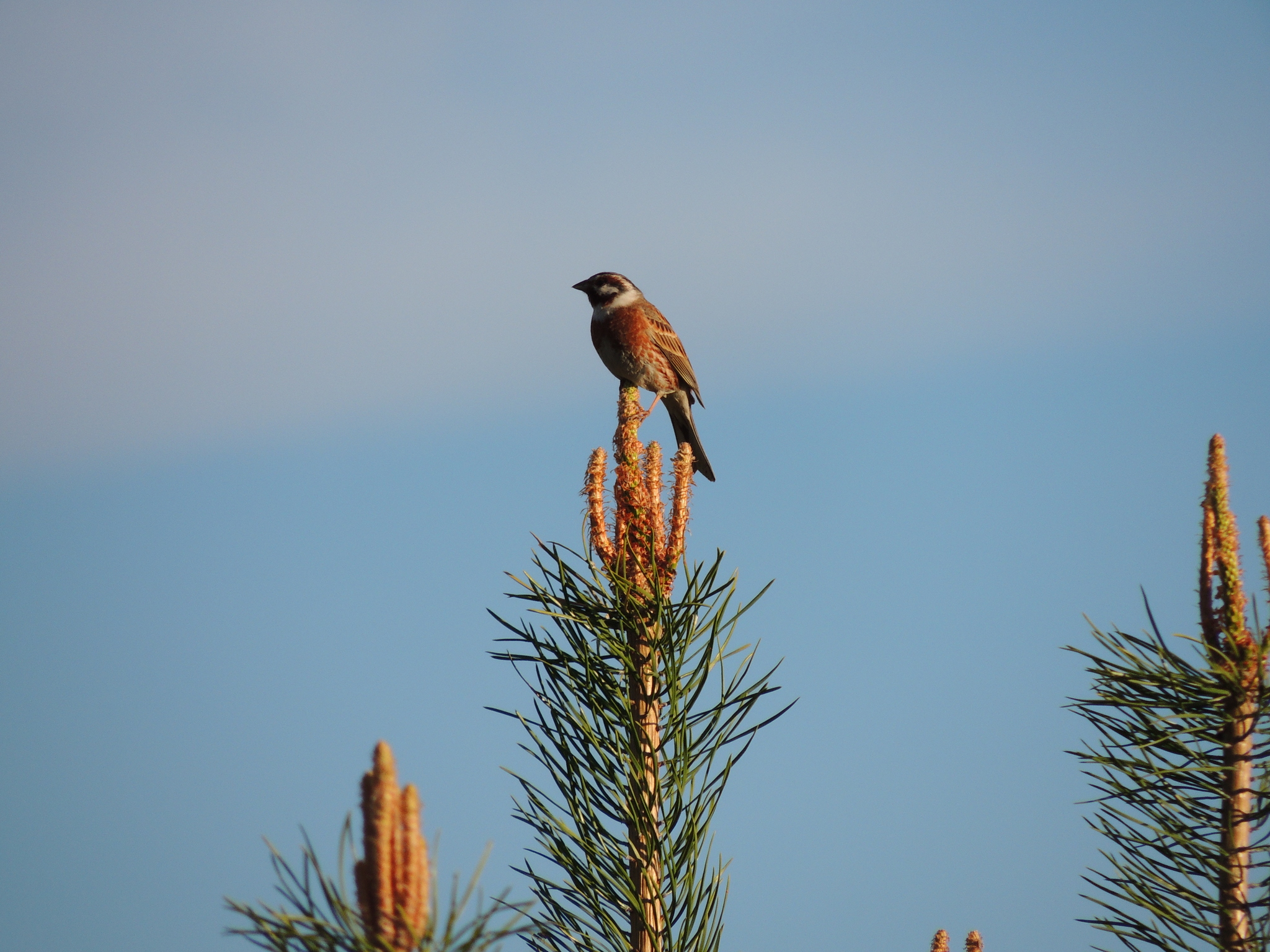
This is a robust bunting measuring 16–17.5 cm in length with a characteristic thick, conical bill suited to its seed-eating diet. The male in breeding plumage is distinctive, showing a white crown and white cheeks that contrast with a chestnut forehead and throat. The upperparts are heavily streaked brown. Females are considerably duller than males and show more extensive streaking on the underparts. In non-breeding plumage, both sexes resemble yellowhammers but with all yellow replaced by white, creating a more pallid appearance overall.
Identification
The pine bunting is most easily confused with the yellowhammer, sharing similar size, structure, and vocalizations. Key distinguishing features in males include the white crown and cheeks contrasting with chestnut face markings. Hybrids present identification challenges: British authorities now accept pure pine buntings if they show chestnut lores, extensively chestnut throat without dark malar lines, chestnut or grey supercilium, and yellow restricted only to primary fringes. Pure males previously suspected of hybridization due to yellow primary fringes are now accepted if they meet these criteria. The 1982 'Sizewell bunting' in Suffolk provides well-documented photographic reference for hybrid identification.
Distribution & Habitat
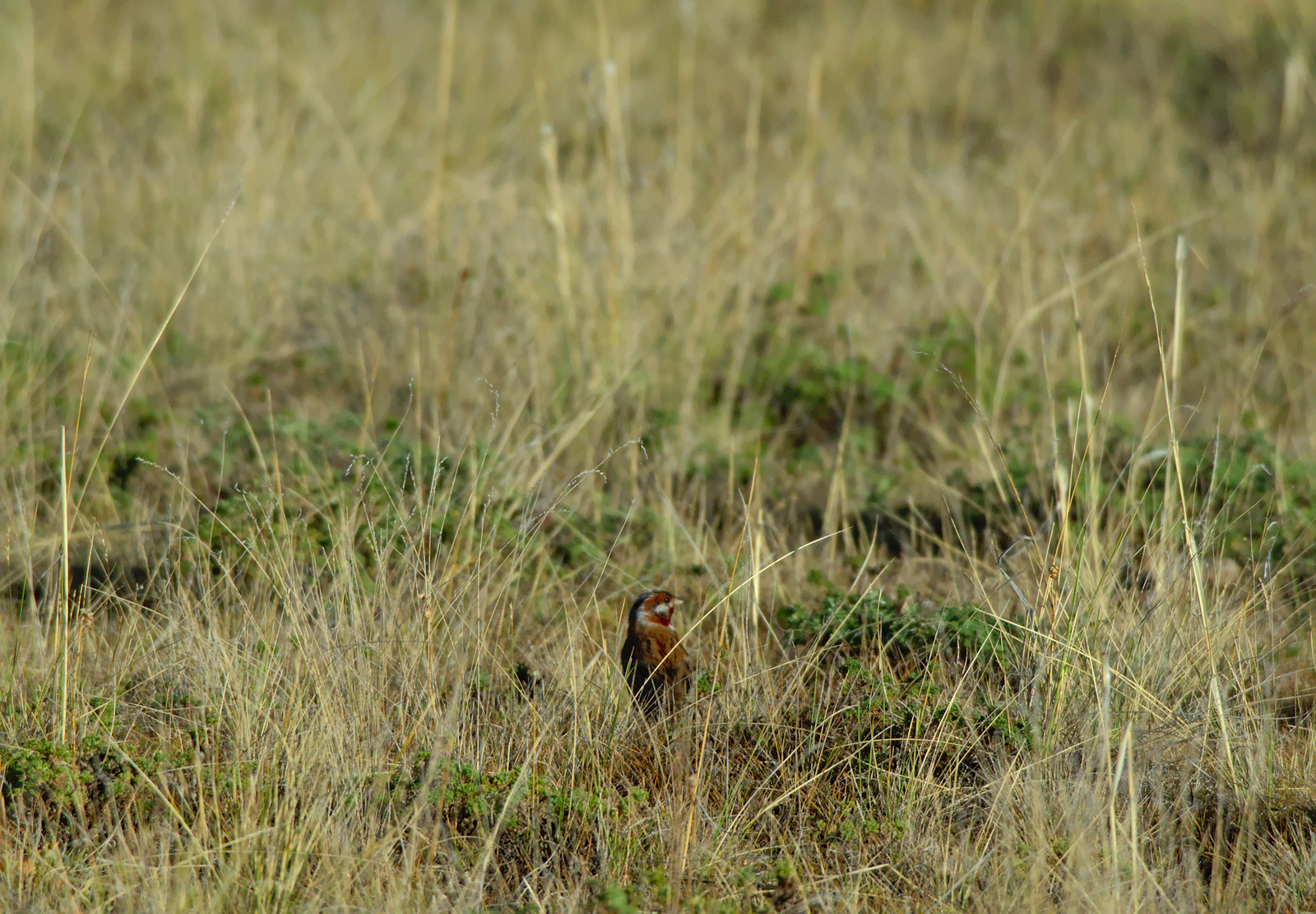
This species breeds across much of temperate Asia, east of the Urals, occupying open habitats with scattered trees and scrub. It shows a stronger preference for open pine forest than its close relative the yellowhammer. The breeding range extends across suitable habitat in forest-steppe zones. During winter, birds migrate south to central Asia, northern India, and southern China. In Europe, it is a rare vagrant to western countries but regularly winters in small numbers in northeastern Italy and Tuscany, making these areas the most accessible locations for European birdwatchers to encounter this species.
Behavior & Ecology
The diet consists primarily of seeds, with insects added when feeding nestlings. The nest is constructed on the ground, typically concealed among vegetation. Breeding occurs in spring and summer, with clutches of four to six eggs. The eggs display the characteristic hair-like markings typical of bunting species. Vocalizations closely match those of the yellowhammer, with similar song phrases and contact calls, making voice an unreliable identification characteristic in the field.
Conservation
The pine bunting maintains a wide distribution across its extensive Asian range. While specific population figures and conservation status assessments are not detailed in available sources, the species appears to remain common in appropriate habitat within its core range. No significant threats are documented in current literature, though monitoring of wintering populations in the Indian subcontinent and Central Asia would provide valuable data for long-term conservation planning.
Culture
No cultural significance, folklore, or traditional associations with this species are documented in available sources.
Source: Wikipedia · CC BY-SA 3.0
Taxonomy
- Order
- Passeriformes
- Family
- Emberizidae
- Genus
- Emberiza
- eBird Code
- pinbun
Vocalizations
Subspecies (2)
-
Emberiza leucocephalos fronto
northwestern China (Kokonor region of northeastern Qinghai to northwestern Gansu)
-
Emberiza leucocephalos leucocephalos
breeds Siberia to Sakhalin and Tibet; winters to Iraq, India, and China
Data Sources
Species description from Wikipedia, licensed under CC BY-SA 3.0.
Bird images and sounds sourced from GBIF, contributed by citizen scientists worldwide under Creative Commons licenses.
Taxonomy data from AviList 2025.