Ortolan Bunting
Emberiza hortulana
圃鹀
Introduction
A Eurasian bird in the bunting family Emberizidae, a passerine family separated from finches. Native to most European countries and West Asia, reaching as far north as Scandinavia and beyond the Arctic Circle. Frequents cornfields and their neighbourhoods. Monotypic species most closely related to Cretzschmar's bunting (Emberiza caesia). Maximum recorded age is six years and ten months. While the overall population is listed as Least Concern by IUCN (2018), a 2019 study suggests the species is in decline due to overexploitation for French cuisine.
Description
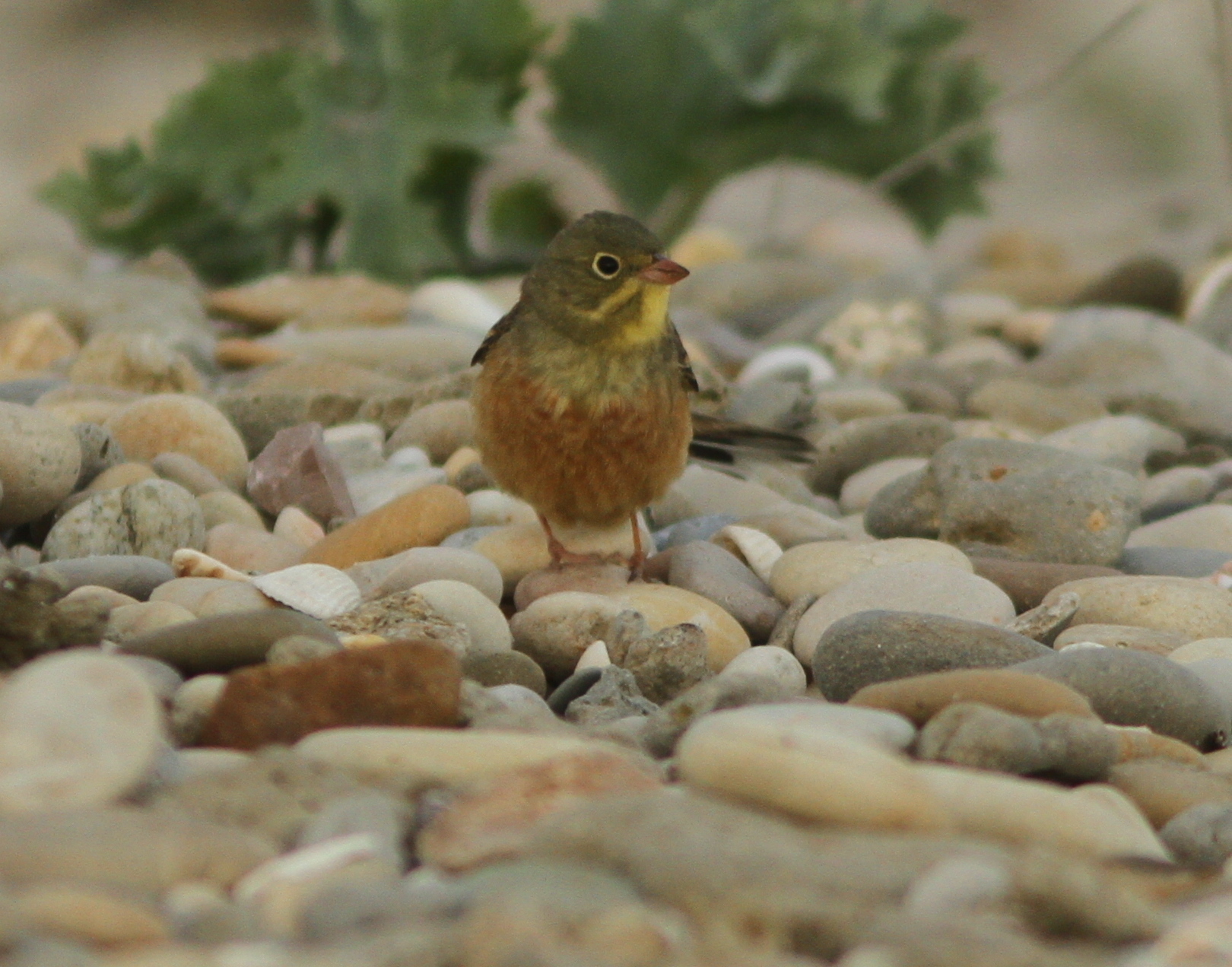
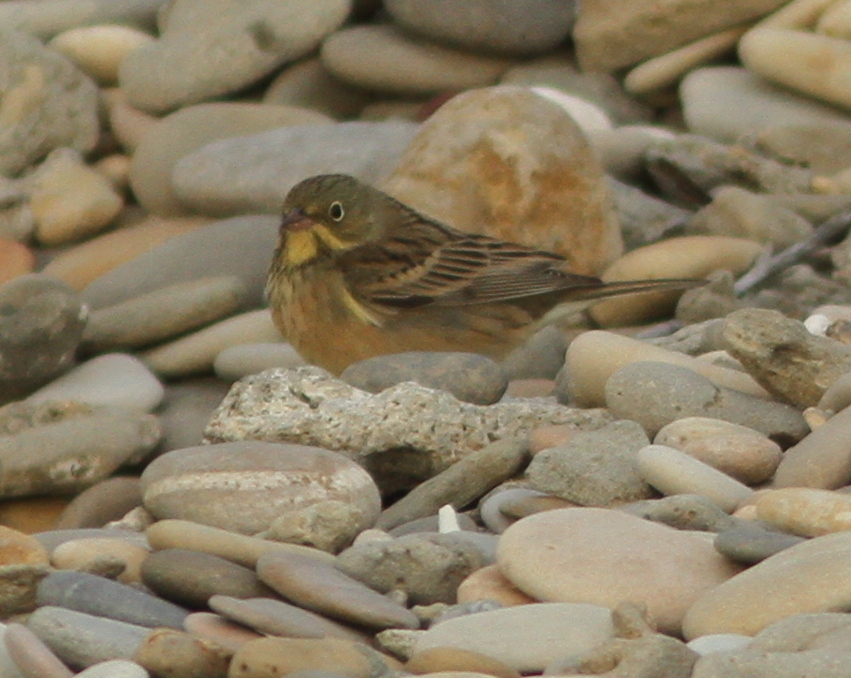
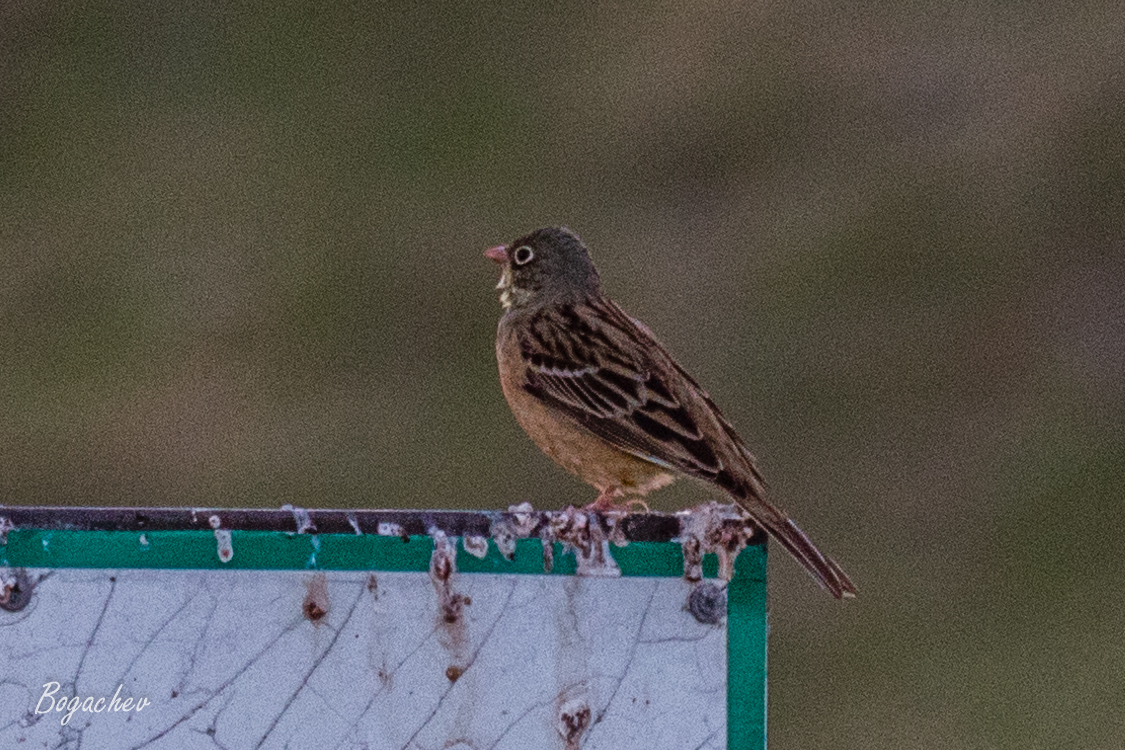
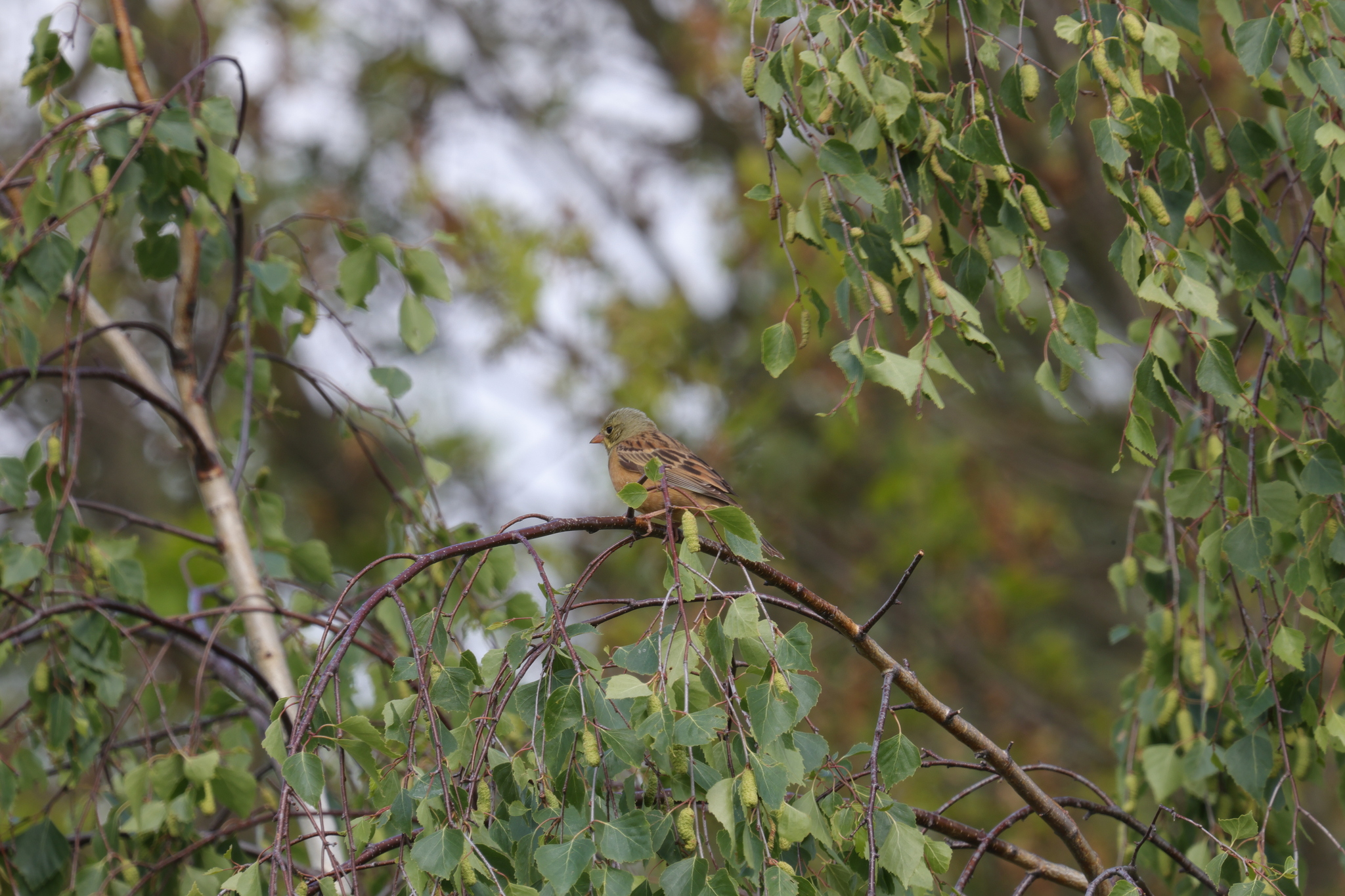
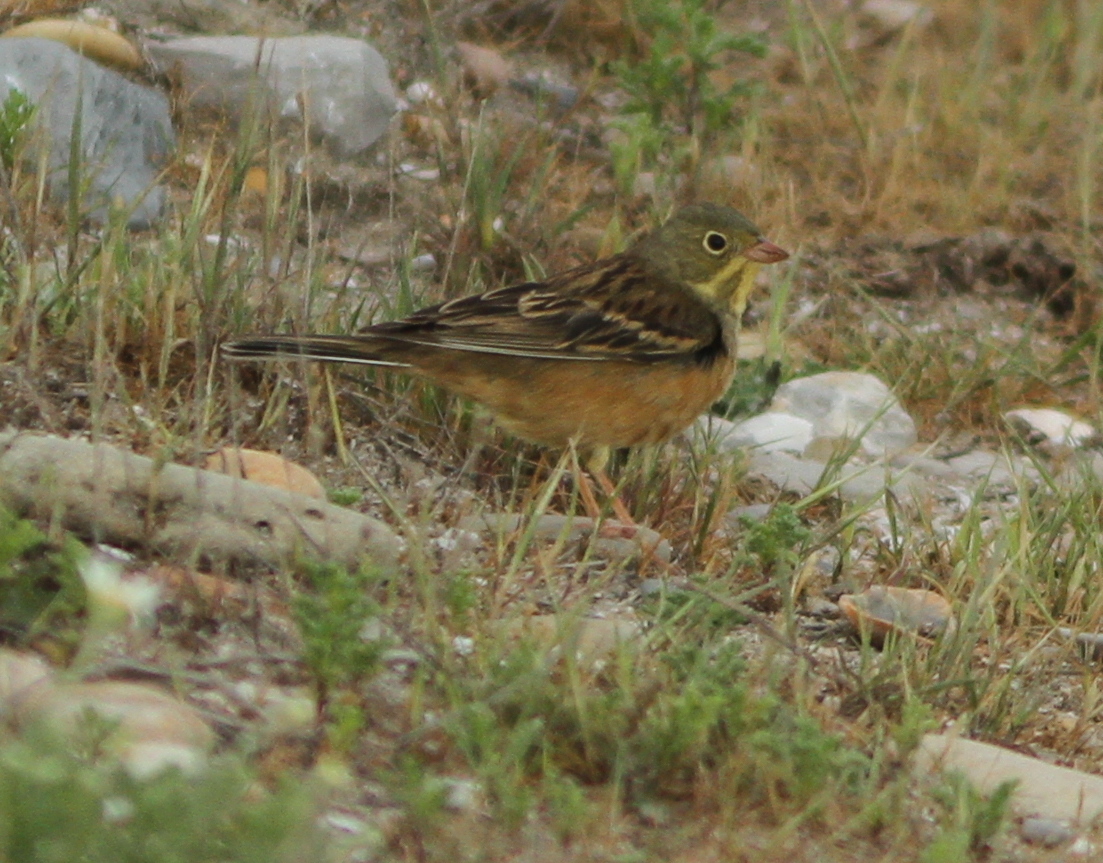
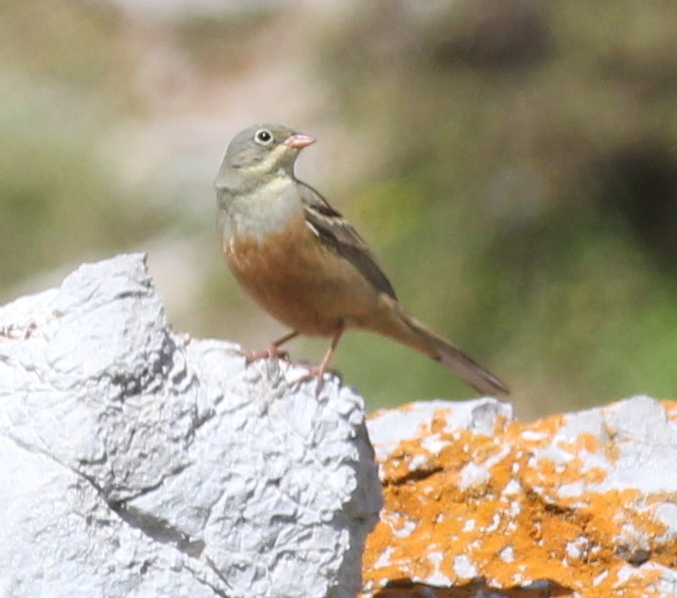
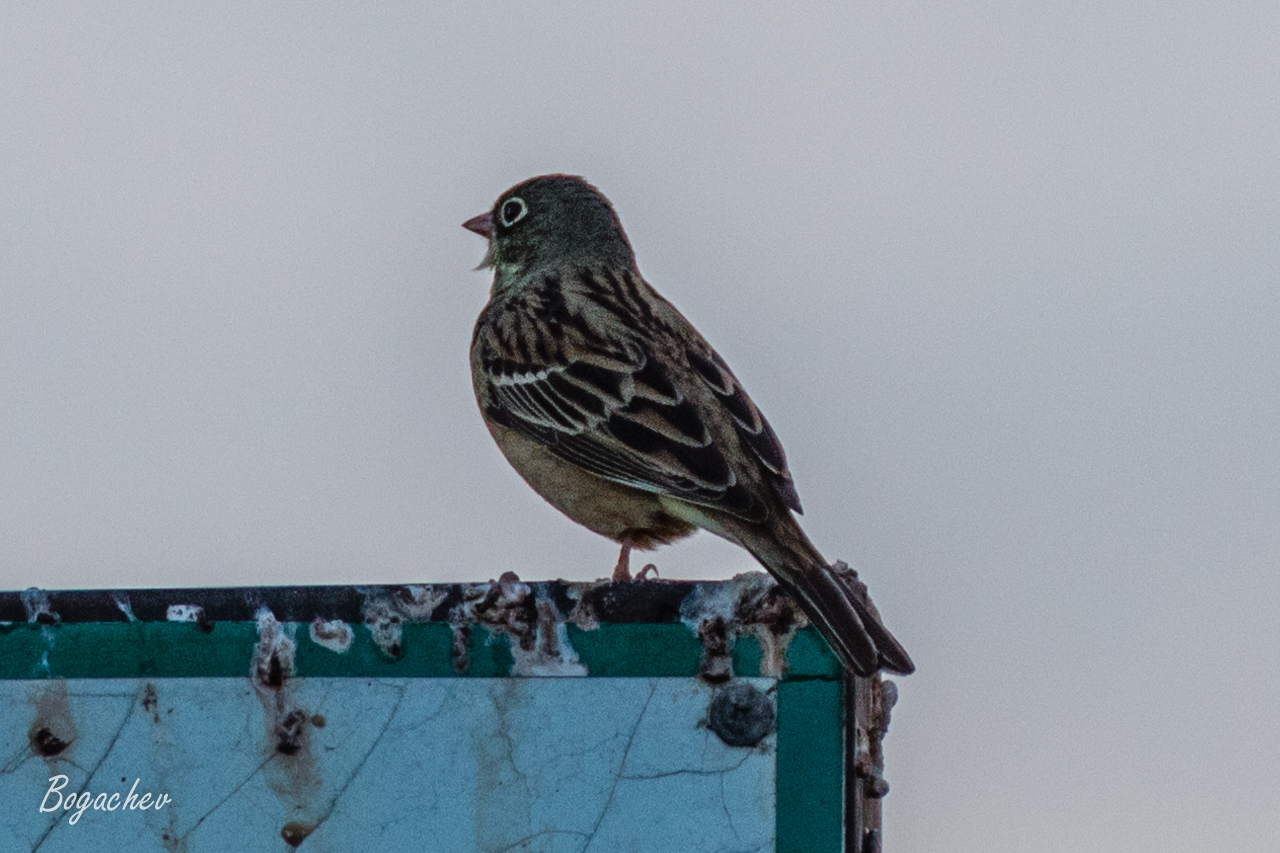
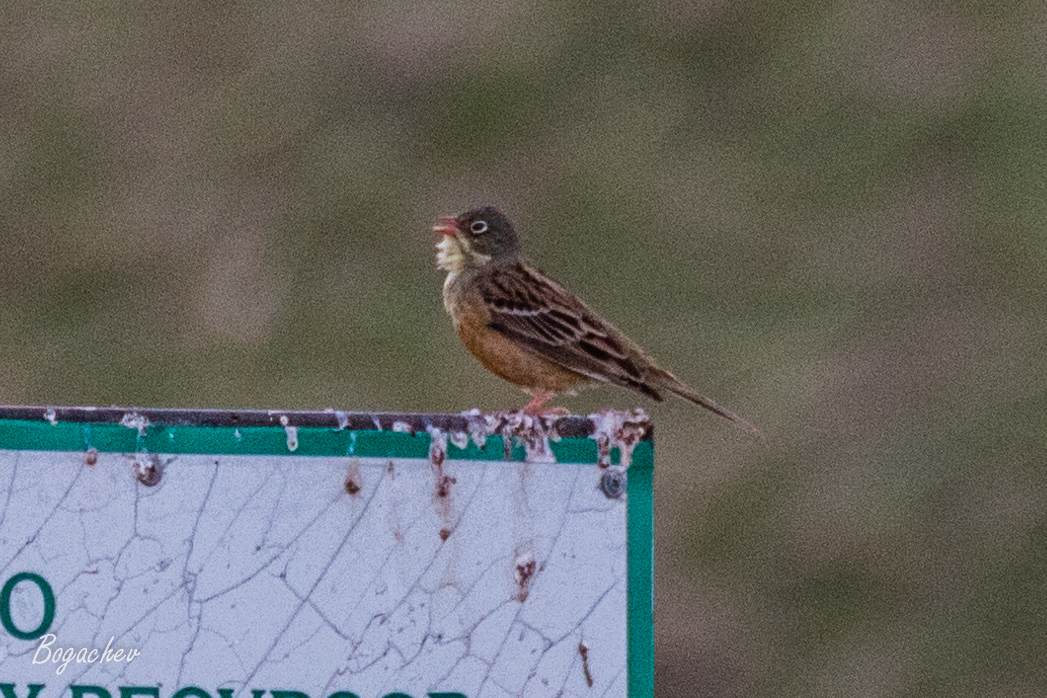
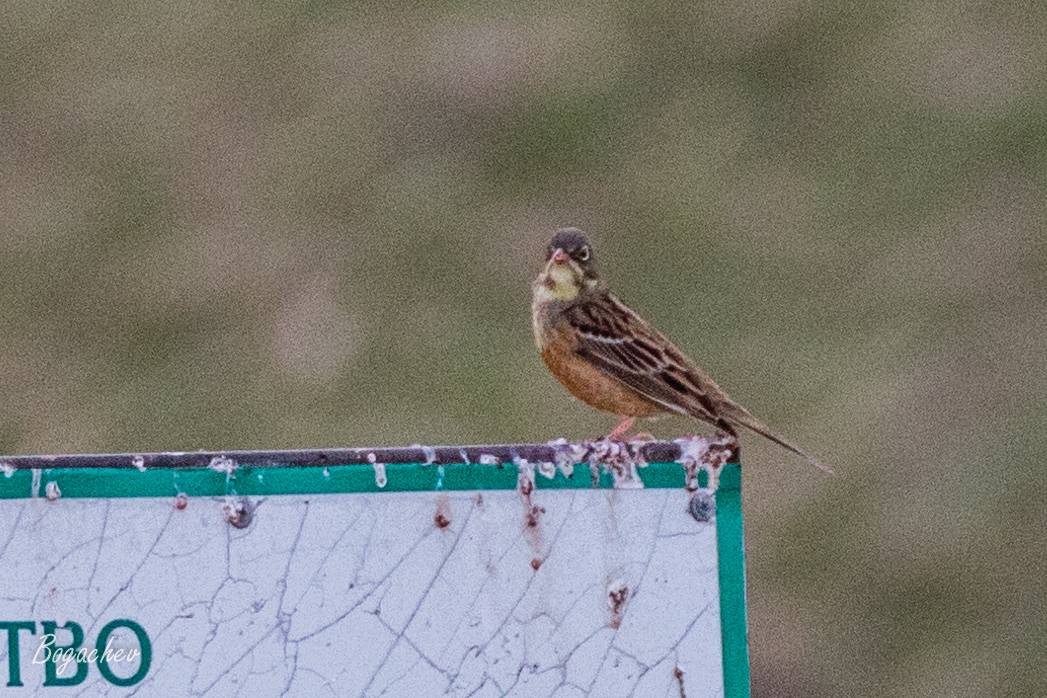
A small bunting measuring 16-17 cm in length with a wingspan of 23-29 cm. It closely resembles the yellowhammer in size and habits but lacks that species' bright coloring. The head is greenish-grey rather than the bright yellow seen in yellowhammers. The overall plumage is more subdued compared to its relative. The male's song is similar to that of the yellowhammer.
Identification
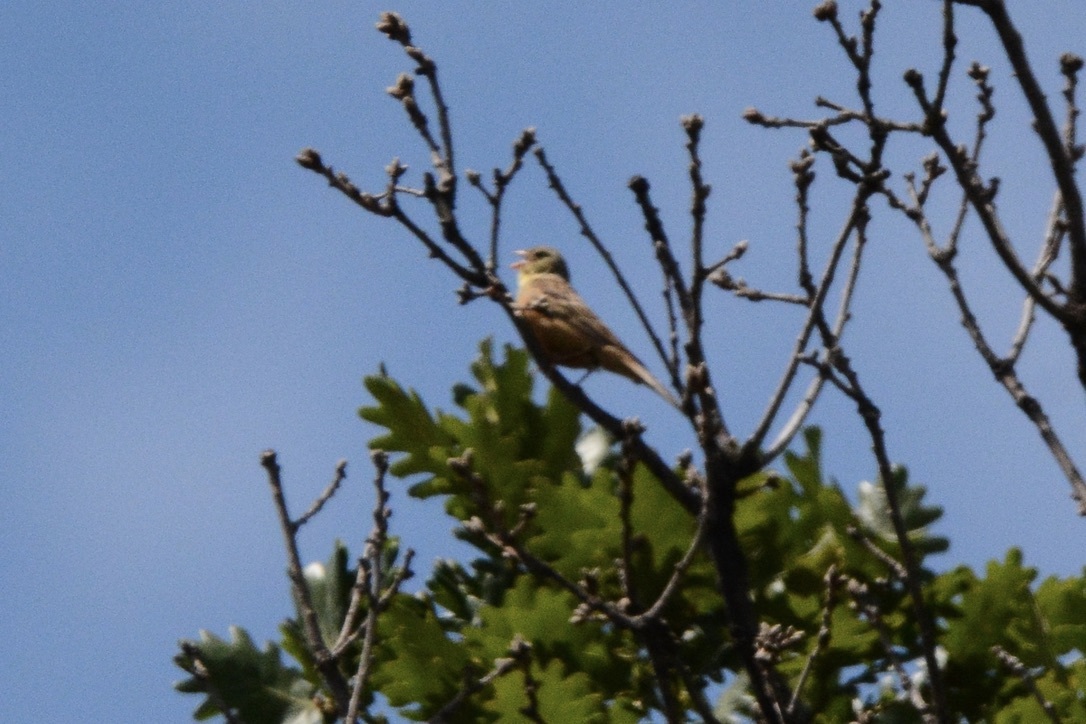
Similar to the yellowhammer but distinguished by its greenish-grey head (not bright yellow) and overall less vibrant plumage. The song resembles that of the yellowhammer but requires careful attention to distinguish the two species in areas where both occur.
Distribution & Habitat
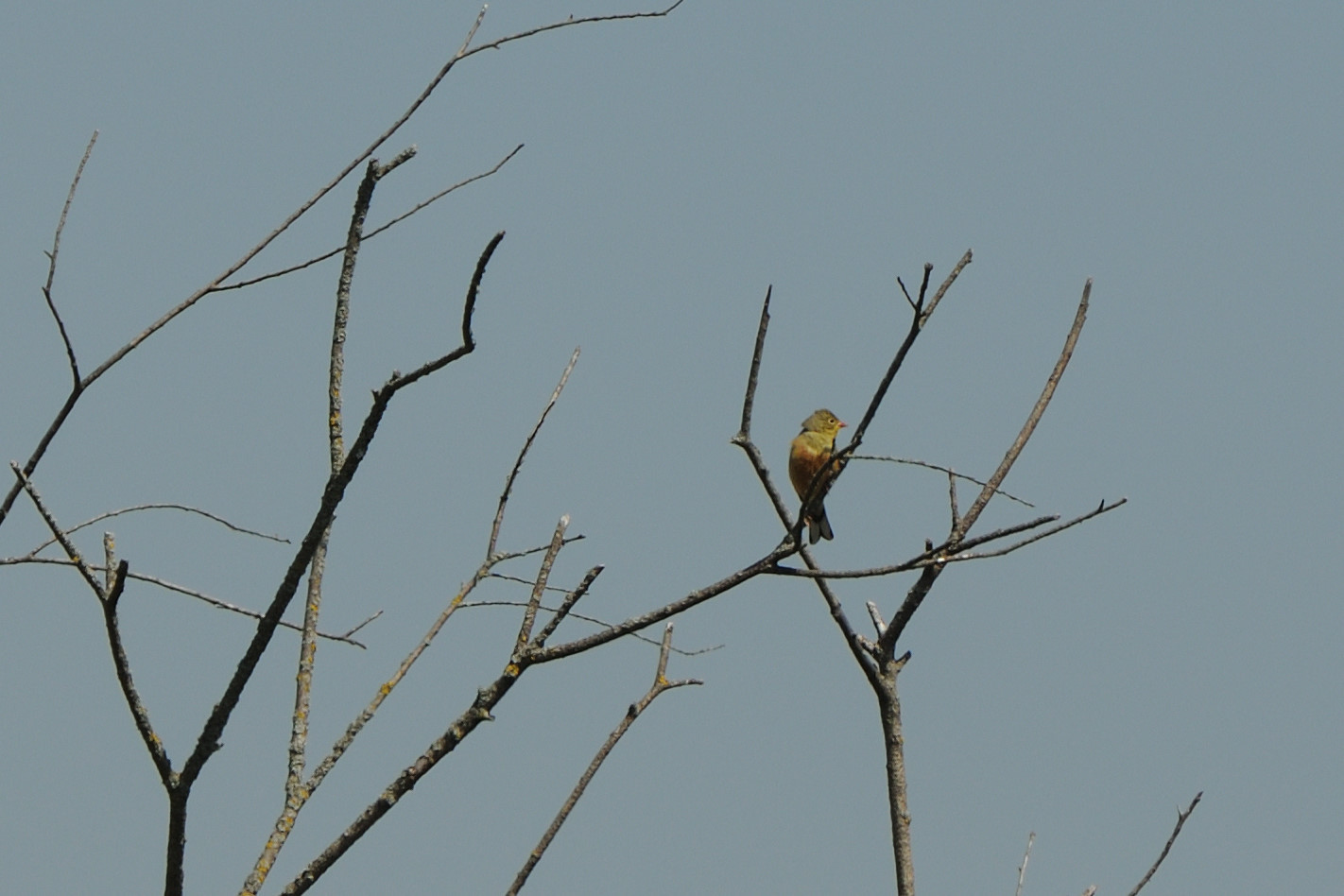
Breeds across most of Europe and West Asia, extending north to Scandinavia and beyond the Arctic Circle. Inhabits agricultural areas, particularly cornfields and surrounding habitats. A scarce migrant and vagrant to the British Isles, with sightings becoming rarer due to population declines. One individual was photographed in Karnataka, India in November 2018, representing the first photographic record for the country.
Behavior & Ecology
Nests are placed on or near the ground. Seeds form the natural diet, but beetles and other insects are consumed when feeding young. Longevity records show a maximum age of six years and ten months from a Swiss specimen.
Conservation
The overall population is listed as Least Concern by IUCN (2018), though a 2019 study indicates the species is declining. France's ortolan population fell 30% between 1997 and 2007 due to overhunting for cuisine. Hunting was banned in France in 1999, but an estimated 50,000 birds were illegally killed annually during autumn migration. The practice is now banned across the European Union, with fines up to €6,000 in France. EU directives prohibit deliberate killing, nest destruction, egg collection, disturbance during breeding, and sale of live or dead birds.
Culture
A celebrated delicacy in French cuisine for centuries, traditionally served roasted whole and eaten bones and all. Diners historically covered their heads with a napkin or towel while eating, a tradition allegedly begun by a priest friend of Jean Anthelme Brillat-Savarin. The dish featured in the famous 1867 Three Emperors Dinner and was served at prestigious Parisian restaurants including Chez Denis. Former French President François Mitterrand's last meal in 1995 included ortolans. The bird also appears in literature, including Edgar Allan Poe's 1832 short story 'The Duc de L'Omelette'.
Source: Wikipedia · CC BY-SA 3.0
Taxonomy
- Order
- Passeriformes
- Family
- Emberizidae
- Genus
- Emberiza
- eBird Code
- ortbun1
Distribution
breeds Western Palearctic; winters Mediterranean environs, Arabia, and Africa
Data Sources
Species description from Wikipedia, licensed under CC BY-SA 3.0.
Bird images and sounds sourced from GBIF, contributed by citizen scientists worldwide under Creative Commons licenses.
Taxonomy data from AviList 2025.