Passeriformes / Emberizidae / Emberiza
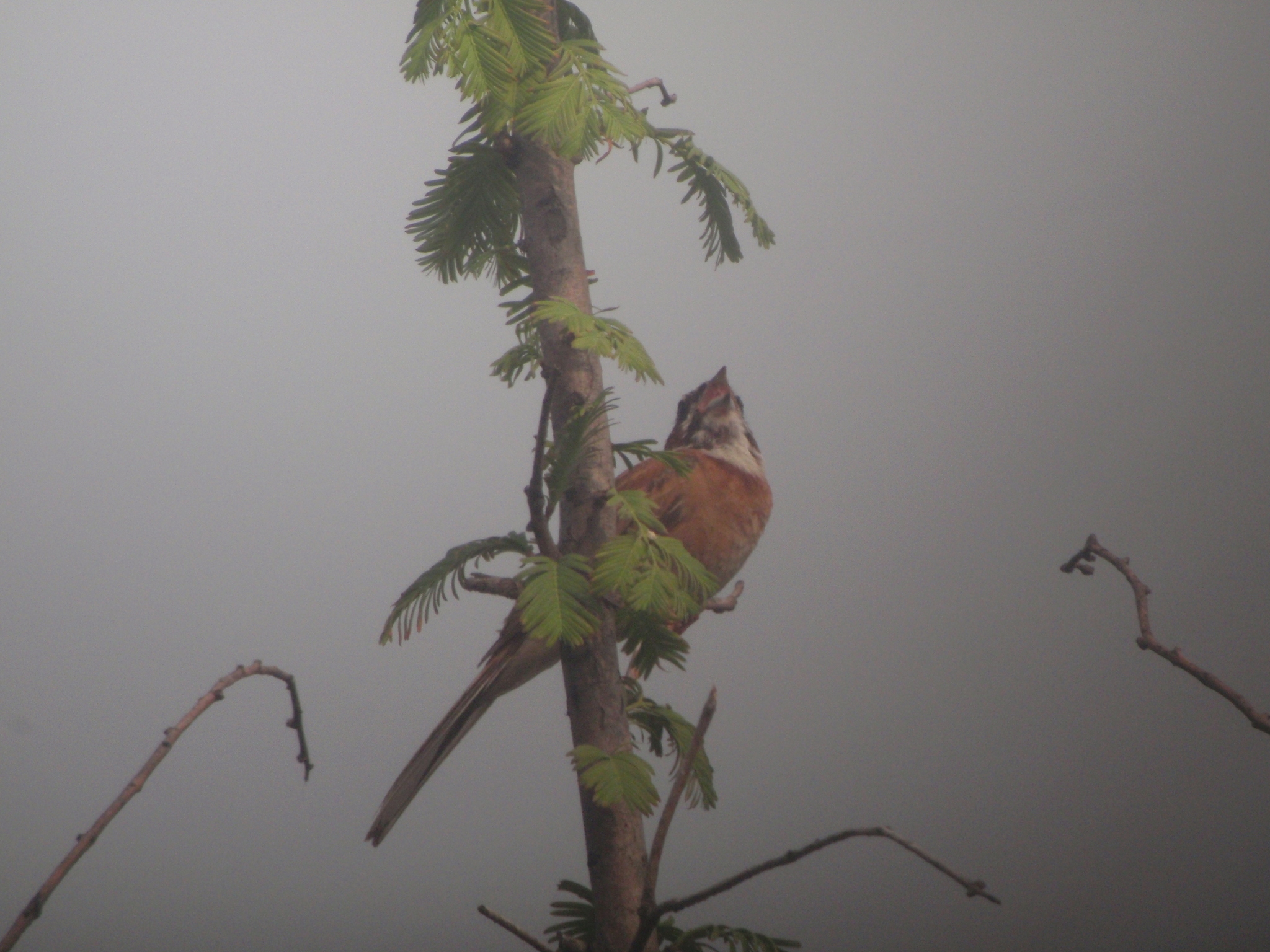
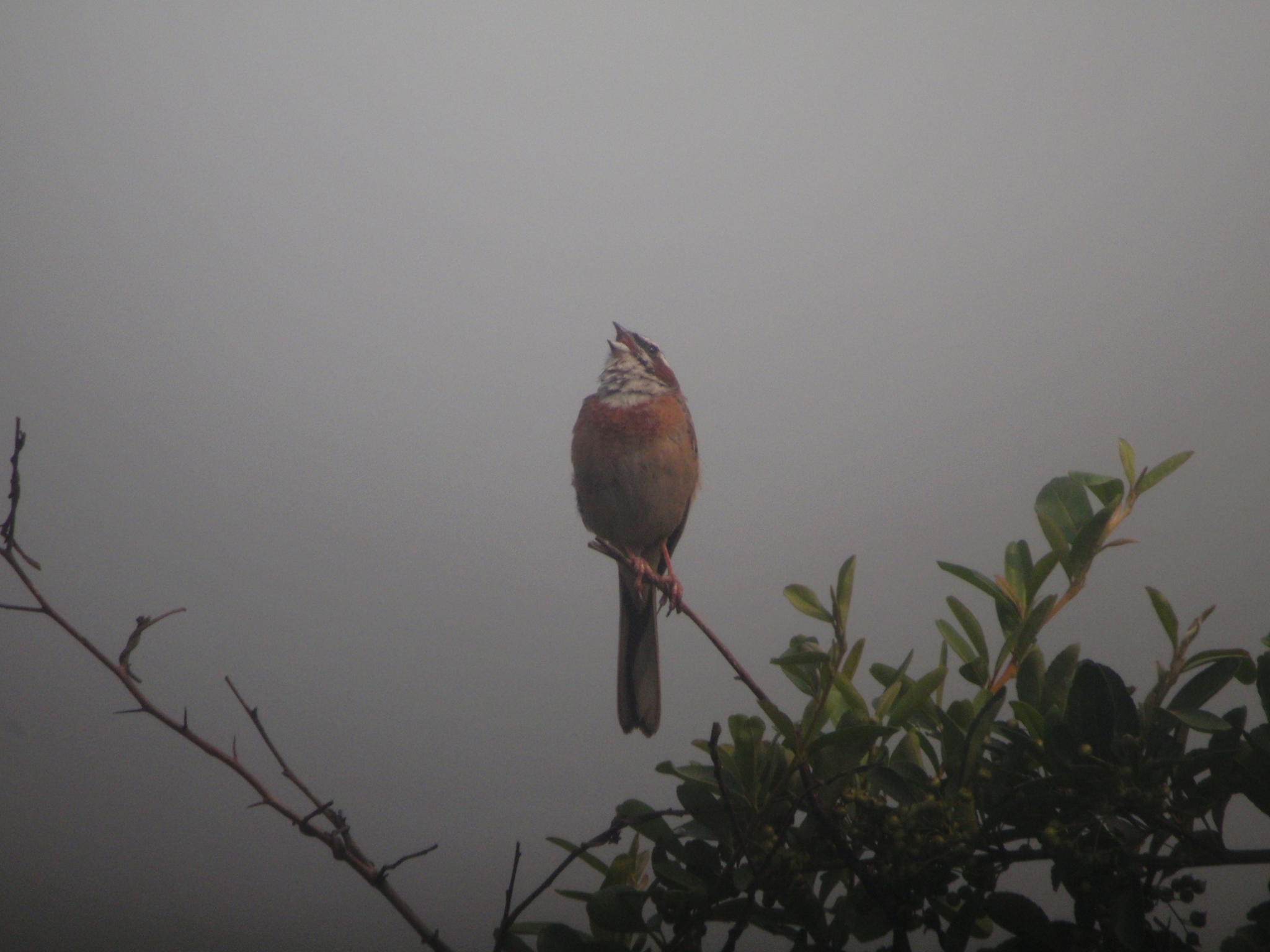
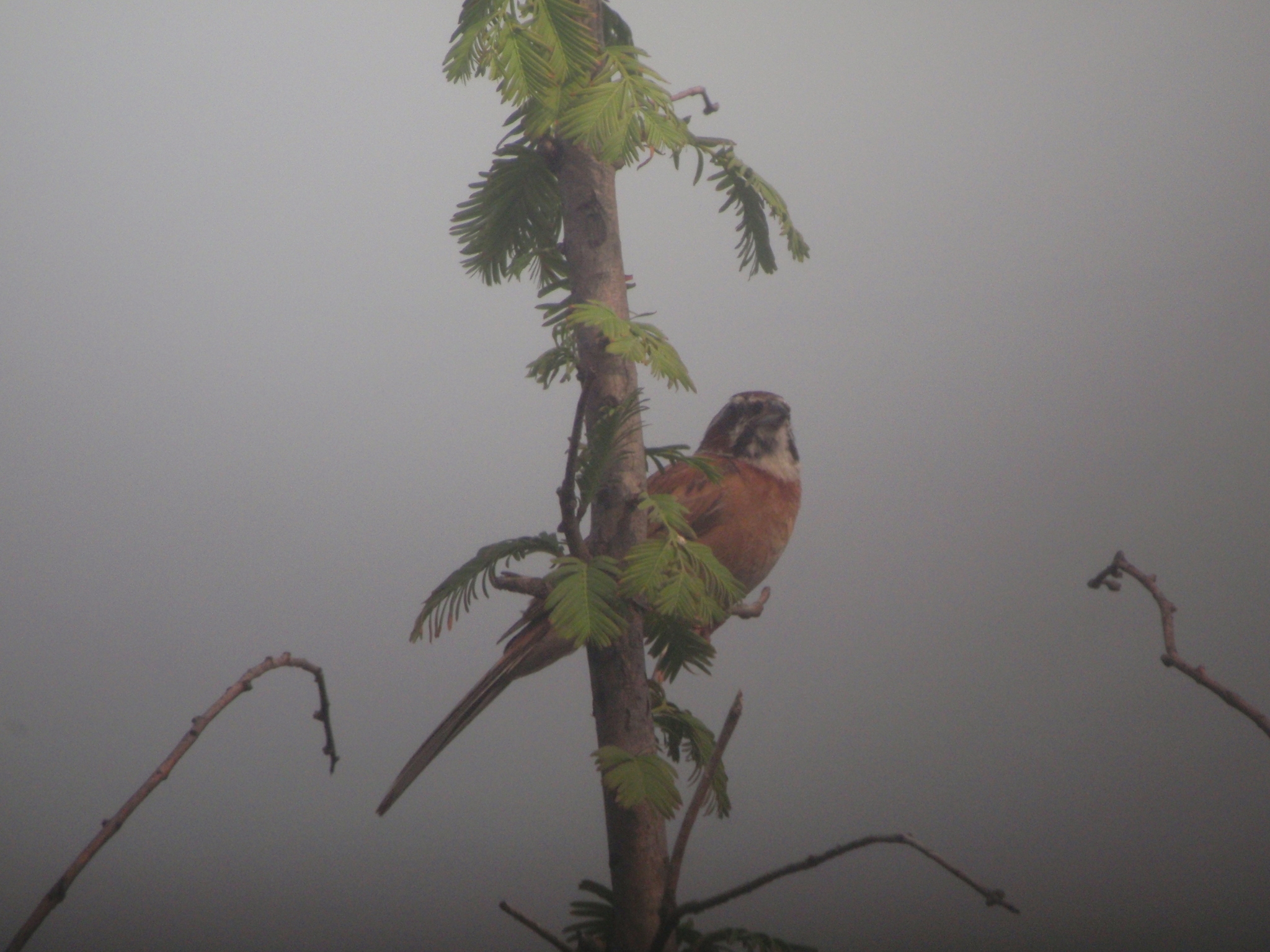
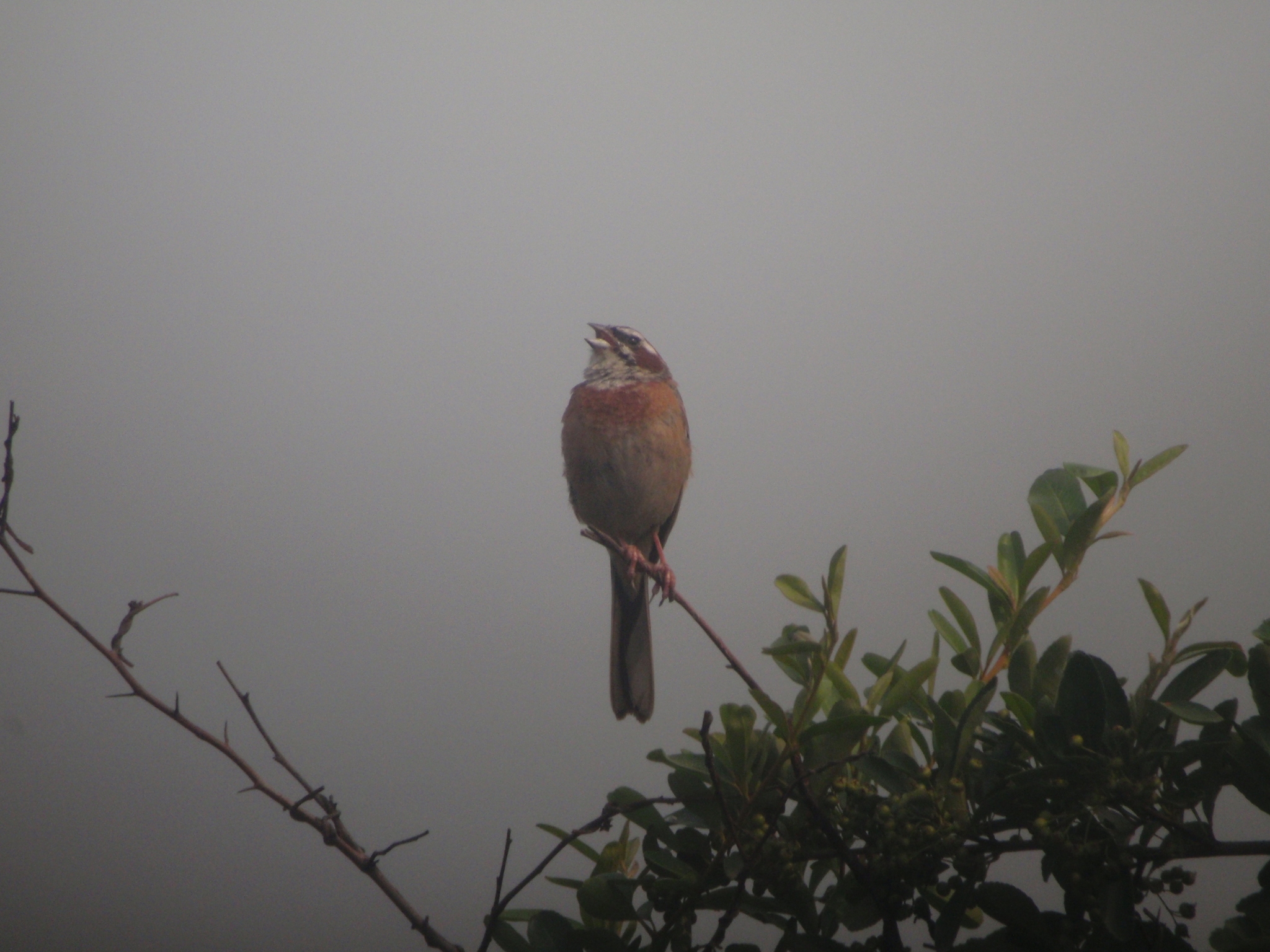
Meadow Bunting
Emberiza cioides · 三道眉草鹀
Introduction
A passerine bird of eastern Asia belonging to the genus Emberiza in the family Emberizidae. It inhabits dry, open habitats such as scrub, farmland, grassland, and open woodland.
Description
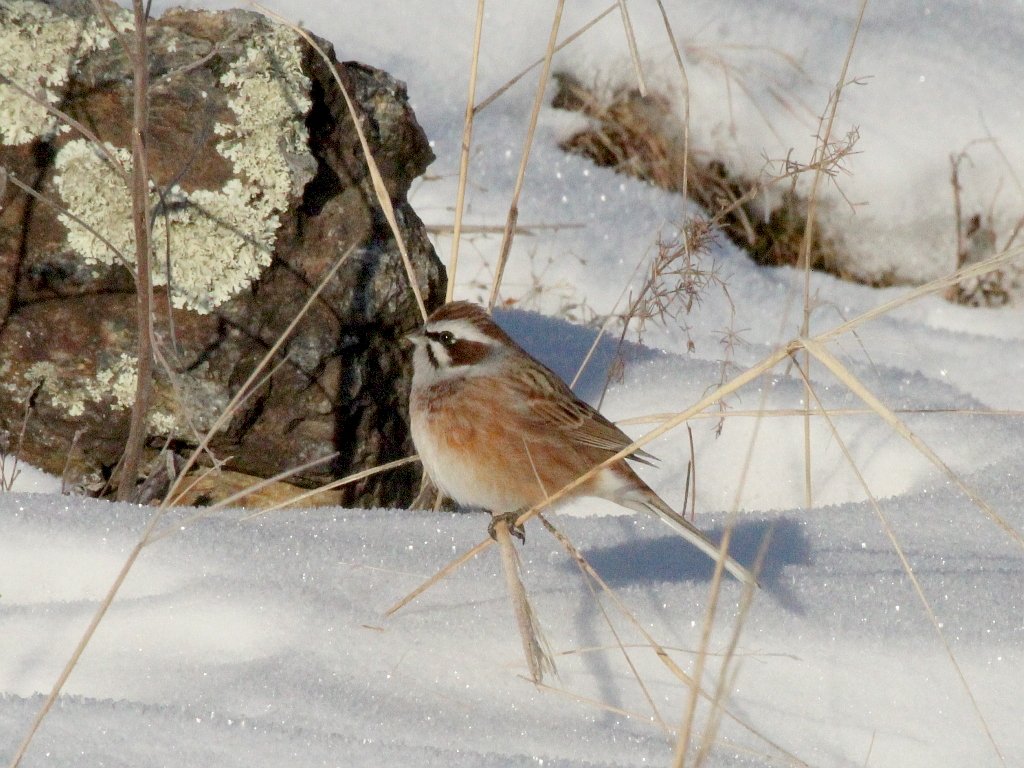
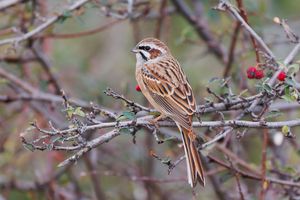
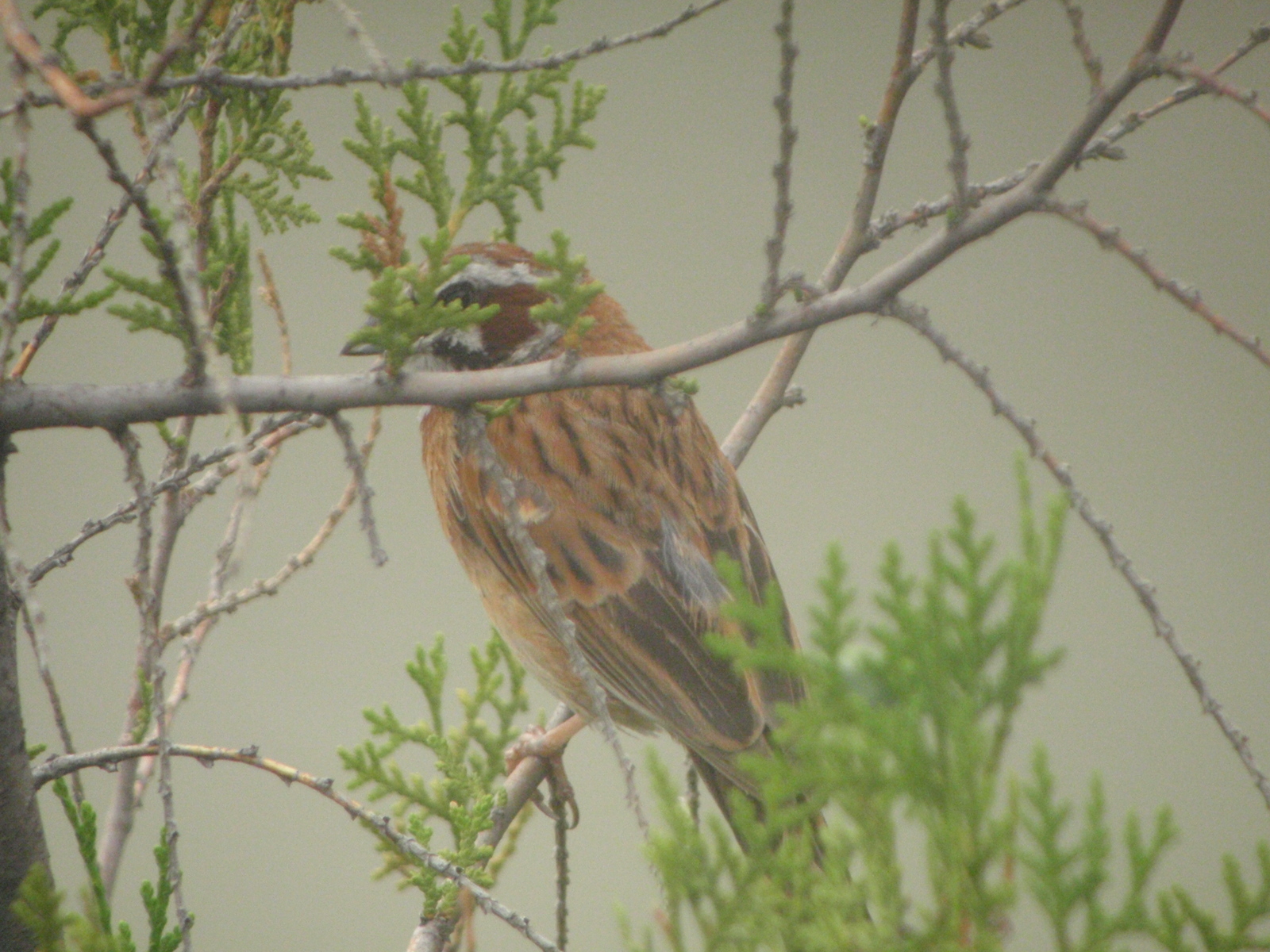
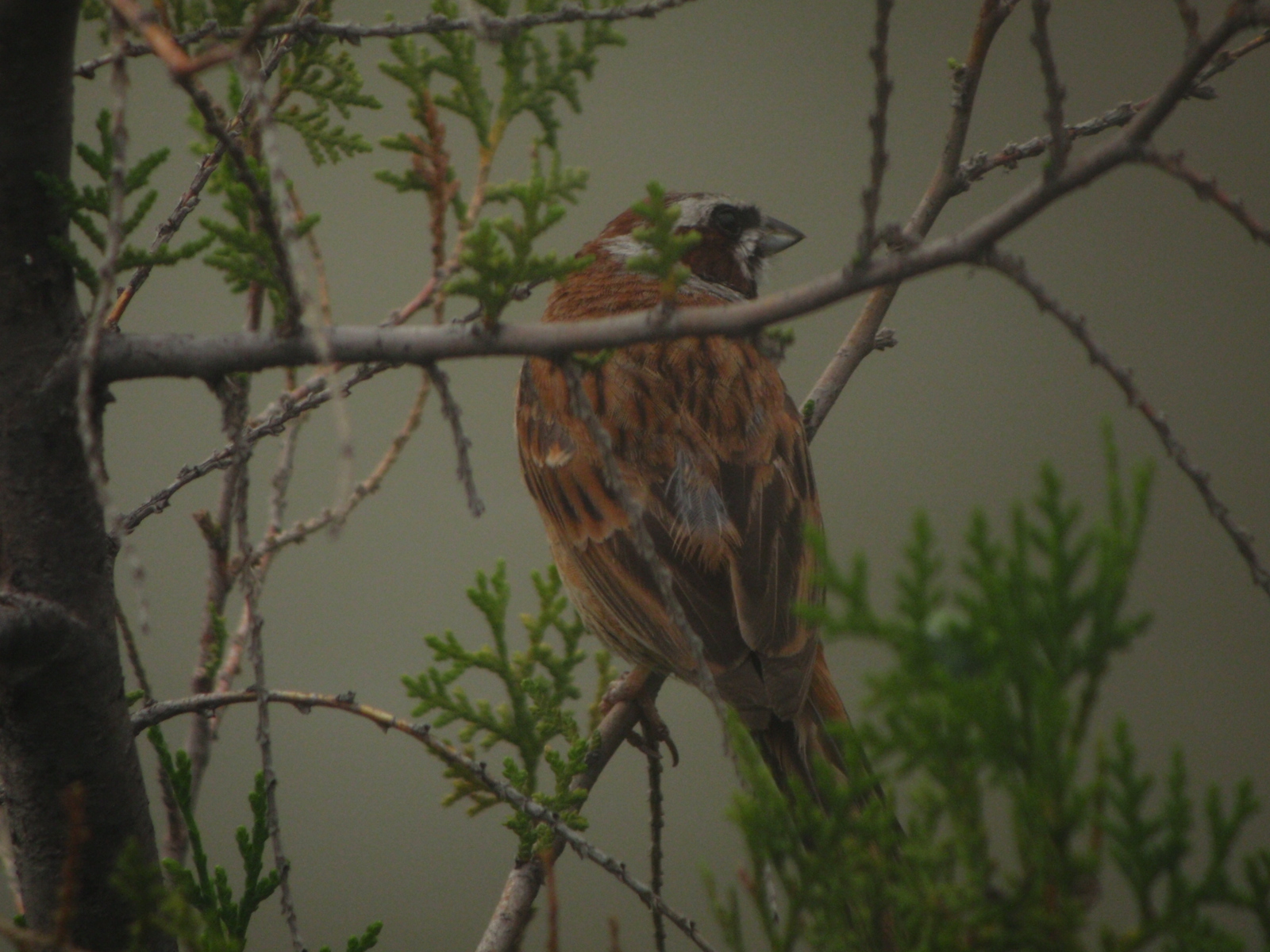
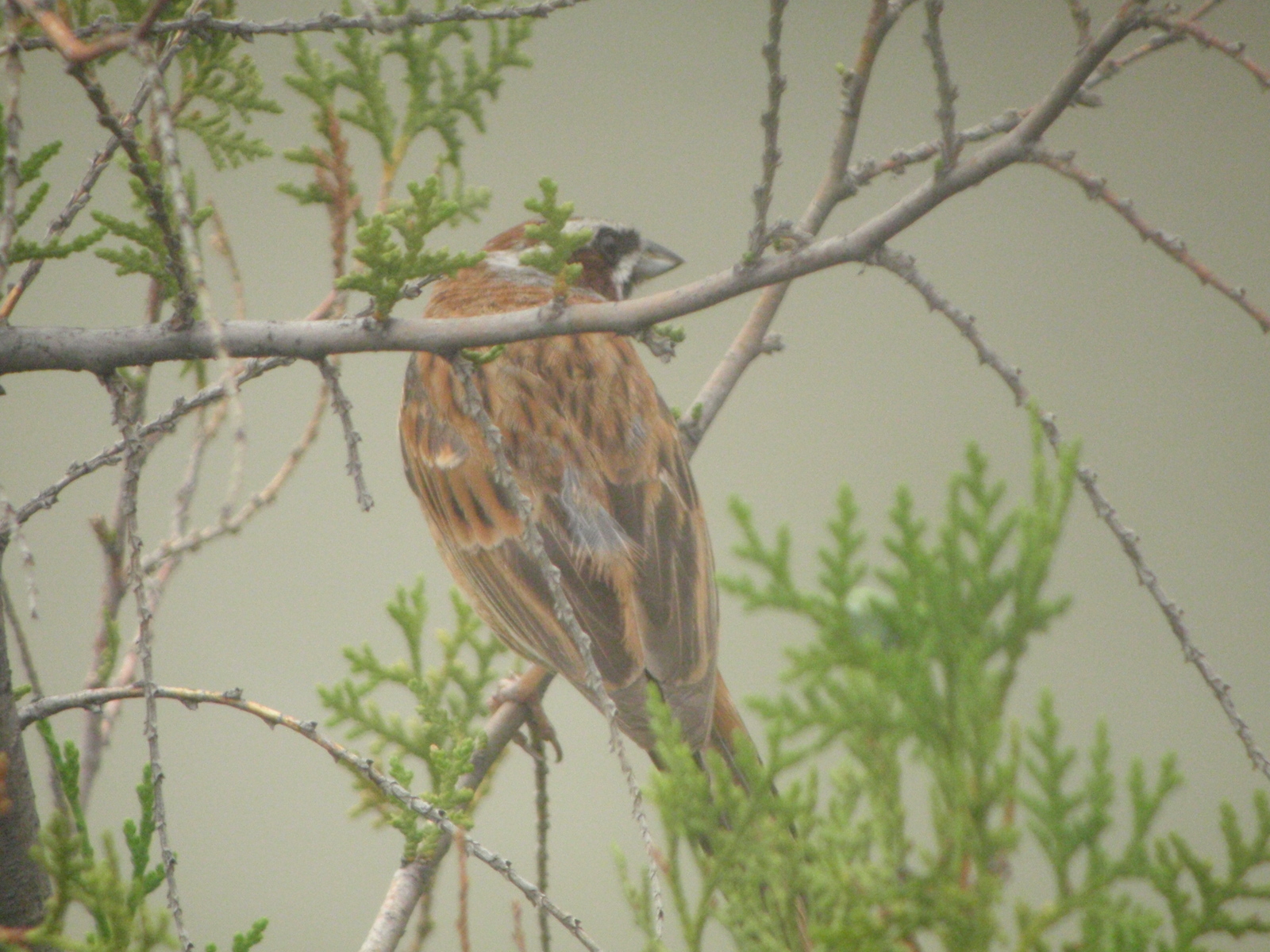
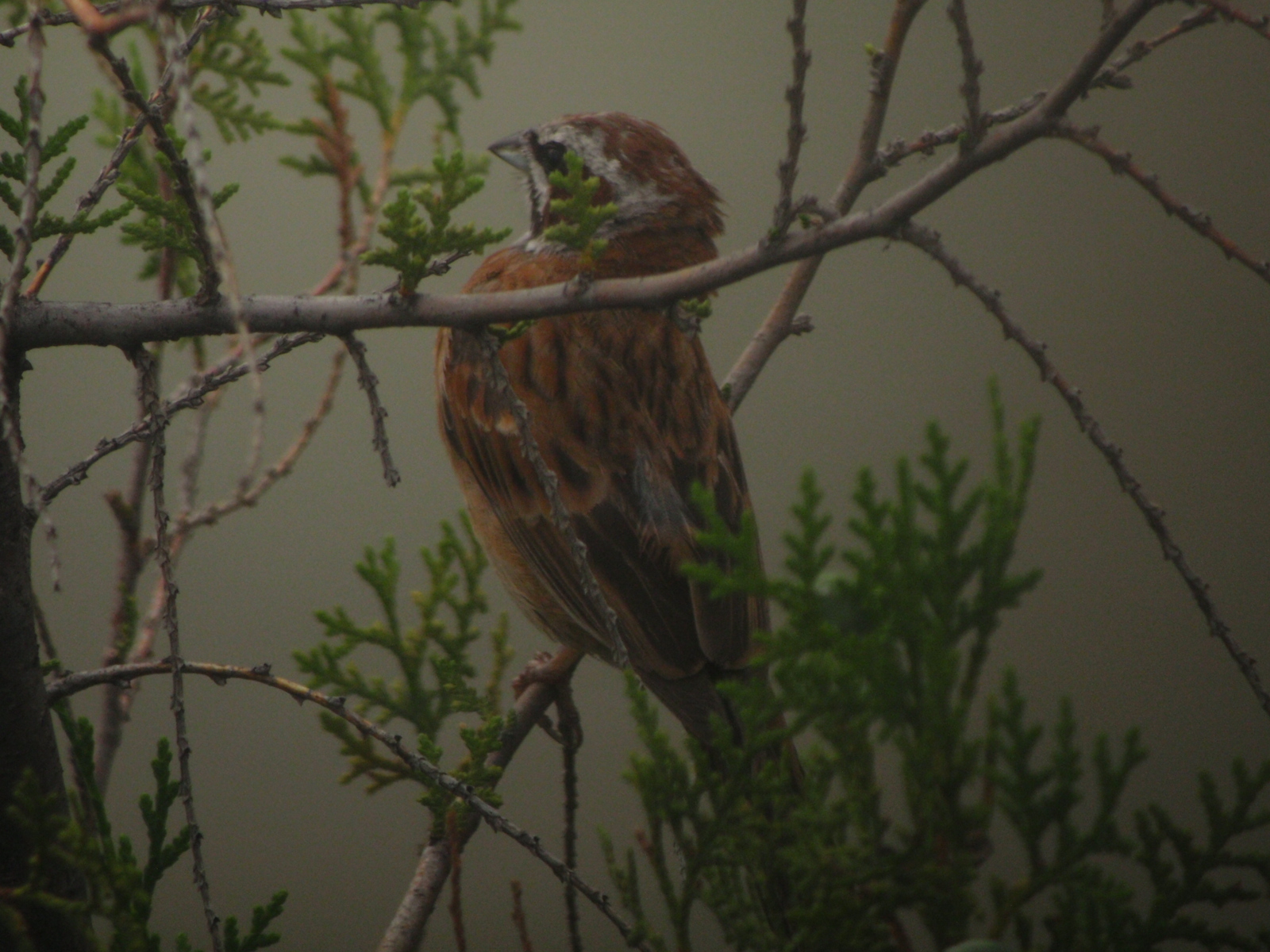
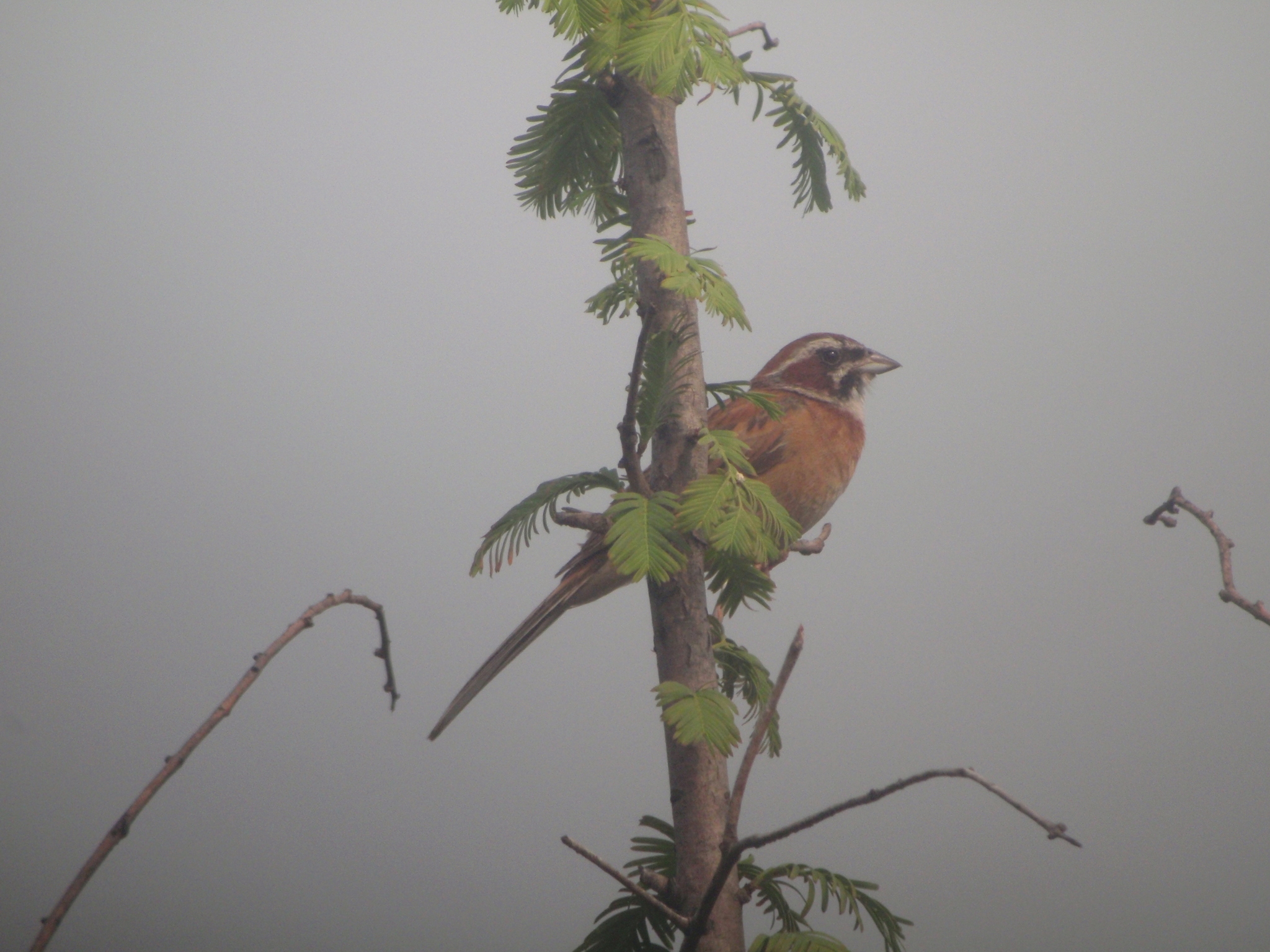
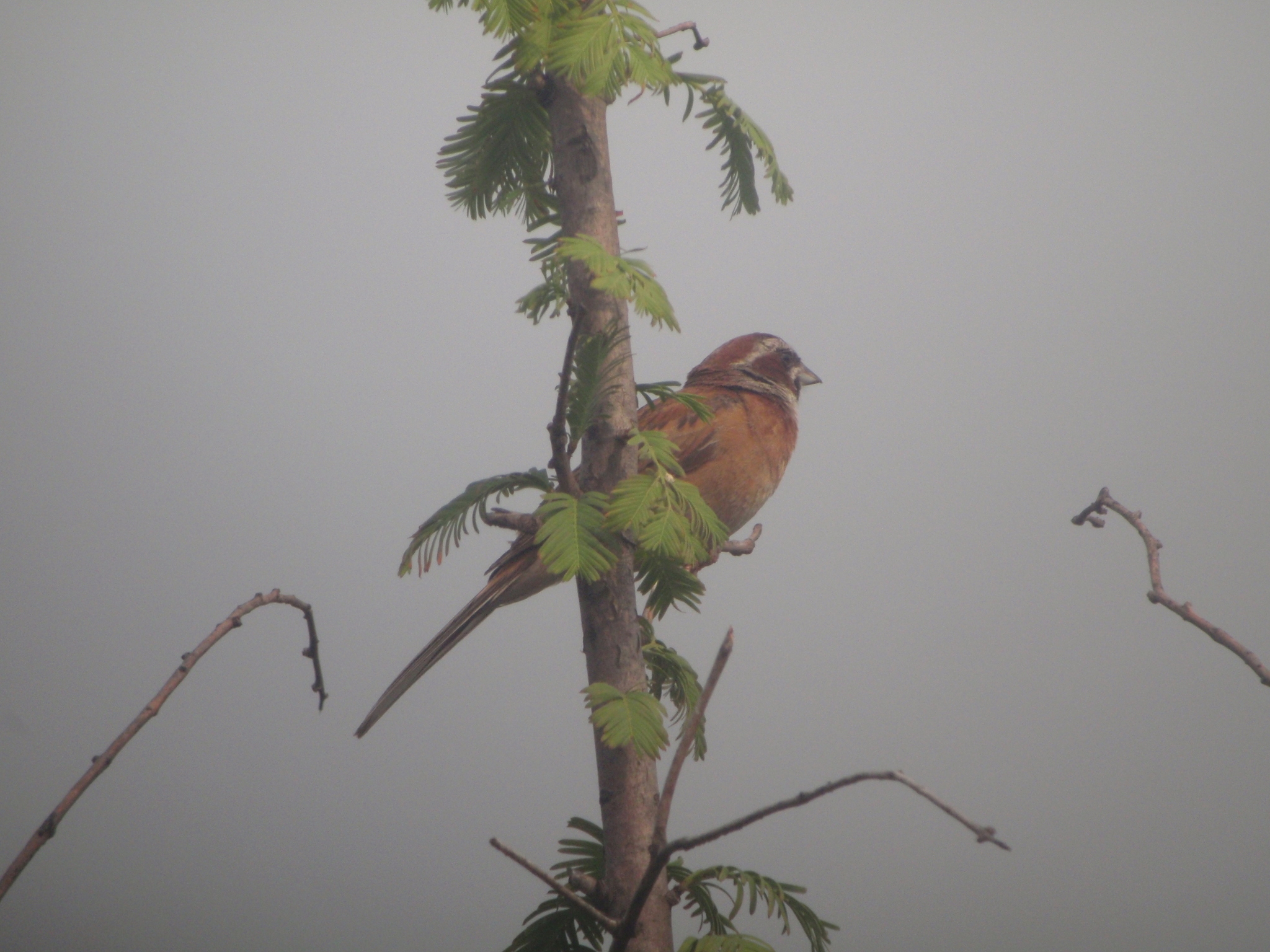
Length is 15 to 16.5 cm. The male is mostly rufous-brown with dark streaks on the back. The head is boldly patterned with brown coloration, white eyebrows, moustachial stripe, and throat, and grey sides to the neck. Outer tail-feathers are white and legs are pinkish-brown. Females are similar but duller and paler with a less well-defined head pattern.
Identification
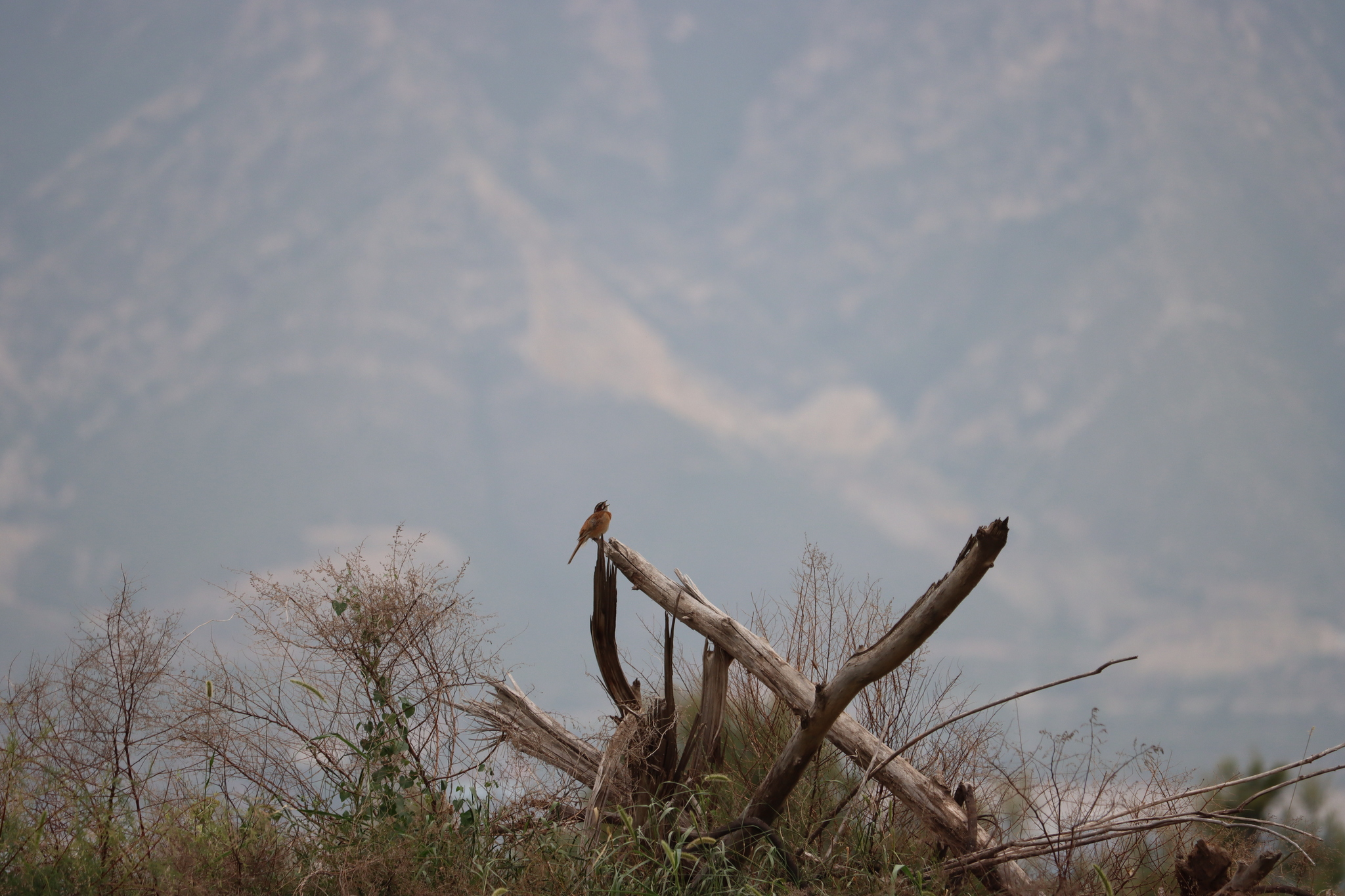
Song is a short, hurried phrase given from a prominent perch. Call consists of a series of up to four sharp notes.
Distribution & Habitat
Breeds in southern Siberia, northern and eastern China, eastern Kazakhstan, Kyrgyzstan, Mongolia, Korea, and Japan. Fairly non-migratory, but northern birds move south as far as southern China and Taiwan. Several records exist from Europe, though many are considered escapes from captivity rather than genuine vagrants.
Behavior & Ecology
Nest is built low in bushes or on the ground. Three to five eggs are laid and incubated for 11 days. Young fledge after another 11 days. Pairs are monogamous and use the same area for breeding several years in a row.
Source: Wikipedia · CC BY-SA 3.0
Taxonomy
- Order
- Passeriformes
- Family
- Emberizidae
- Genus
- Emberiza
Vocalizations
Subspecies (5)
-
Emberiza cioides castaneiceps
southern and central Korea and eastern China
Data Sources
Species description from Wikipedia, licensed under CC BY-SA 3.0.
Bird images and sounds sourced from GBIF, contributed by citizen scientists worldwide under Creative Commons licenses.
Taxonomy data from AviList 2025.