Piciformes / Picidae / Dendrocopos
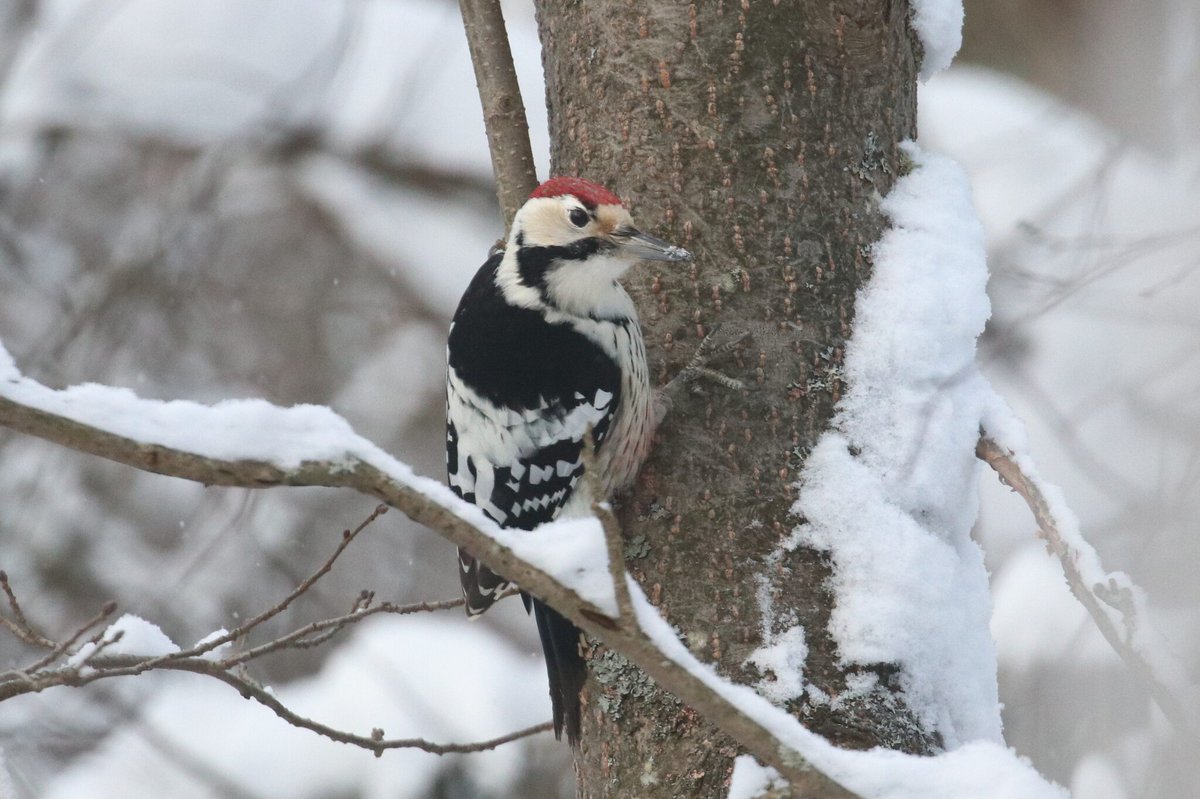
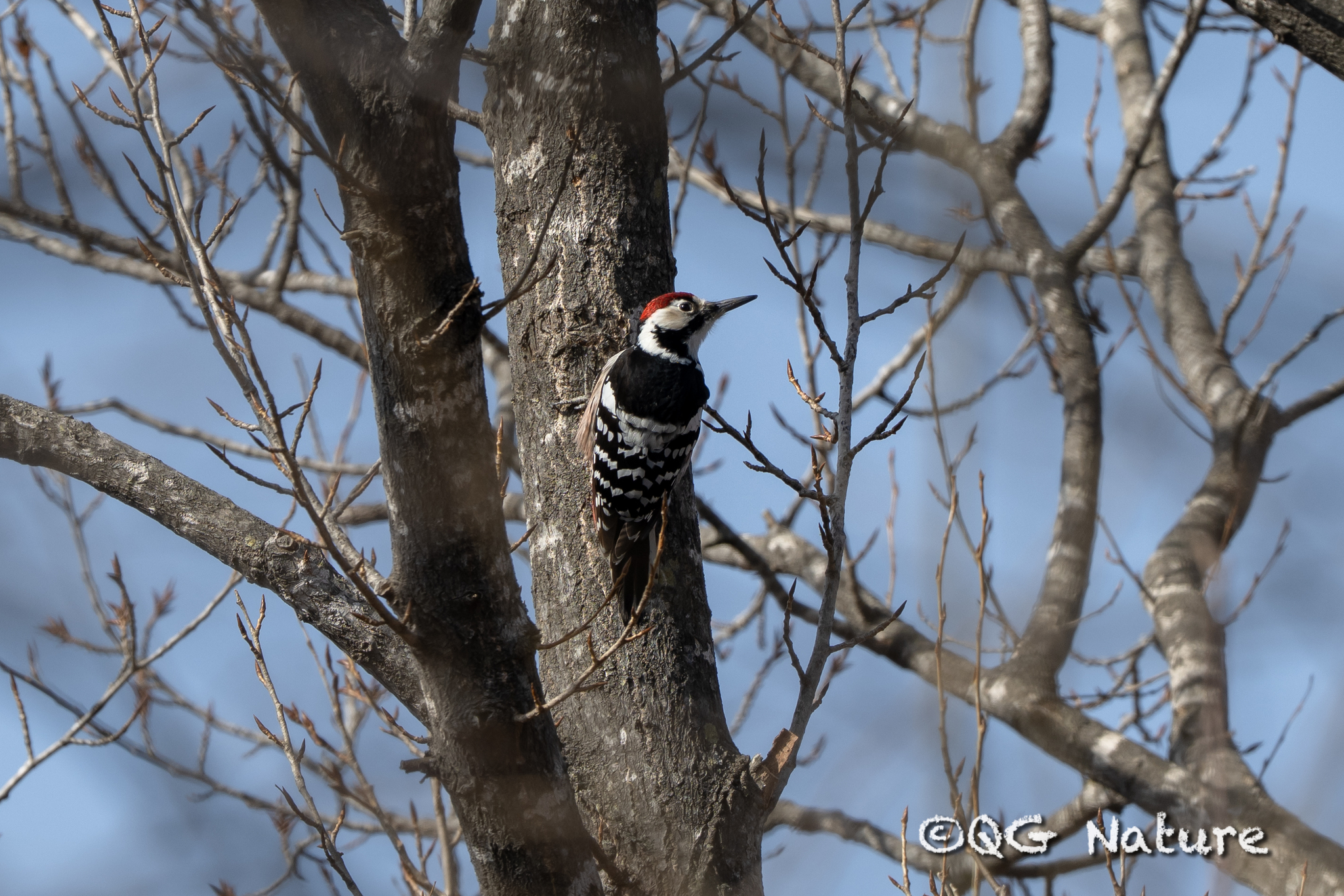
White-backed Woodpecker
Dendrocopos leucotos · 白背啄木鸟
Introduction
A Eurasian woodpecker belonging to the genus Dendrocopos, with twelve recognized subspecies. It inhabits mature deciduous forests requiring high amounts of standing and lying dead wood. The species is scarce and has experienced population decreases in Nordic countries.
Description
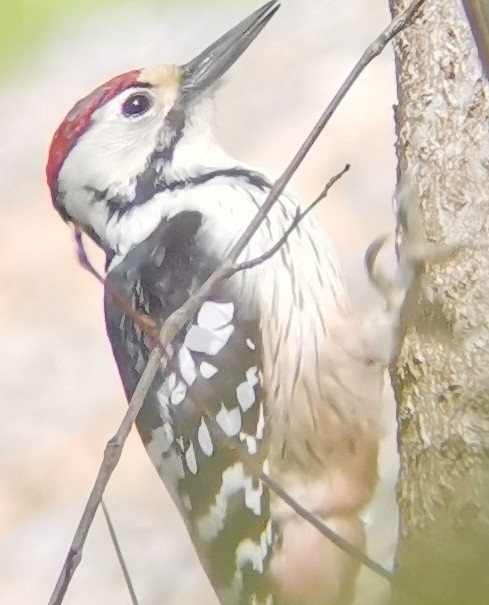
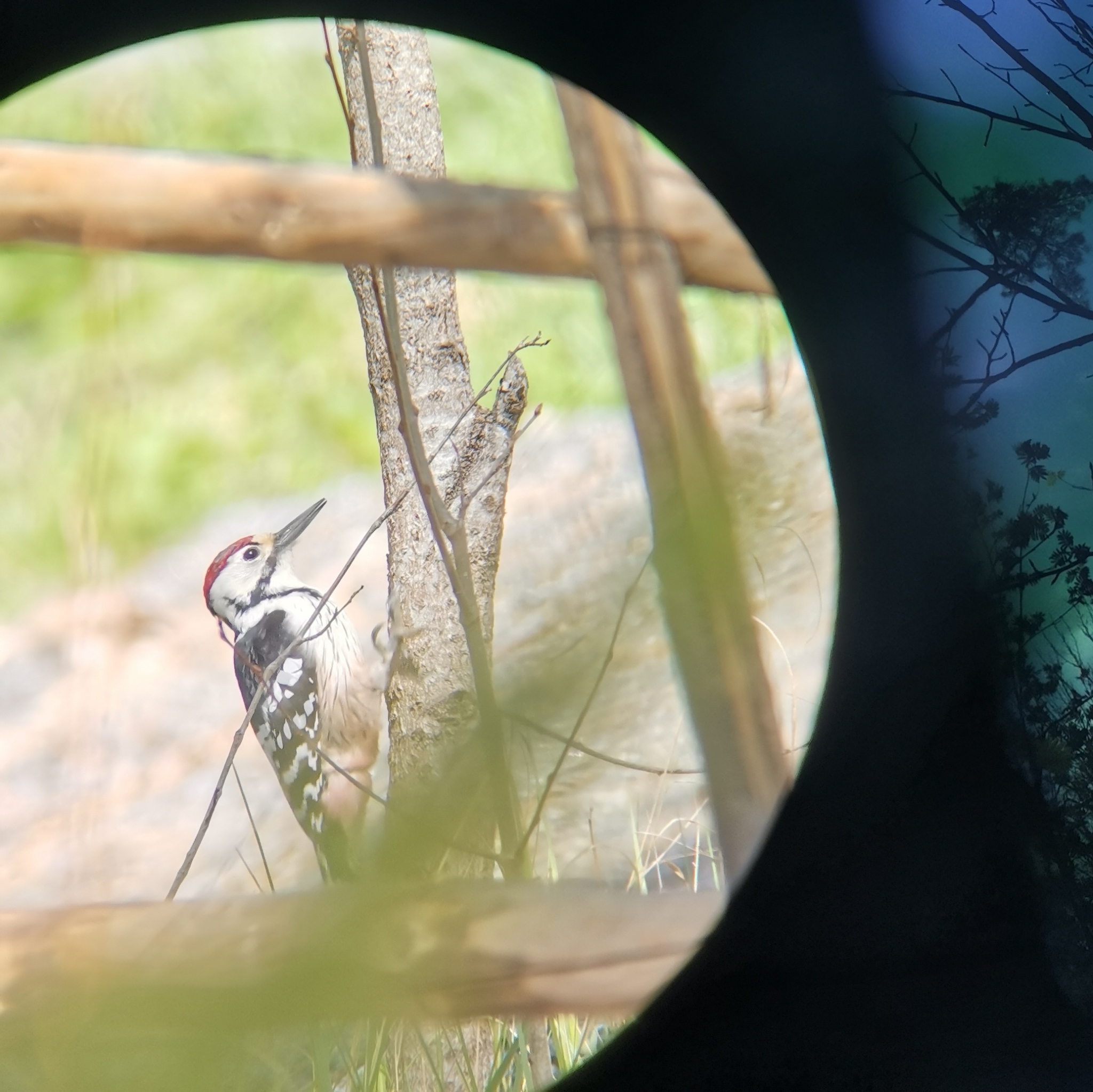
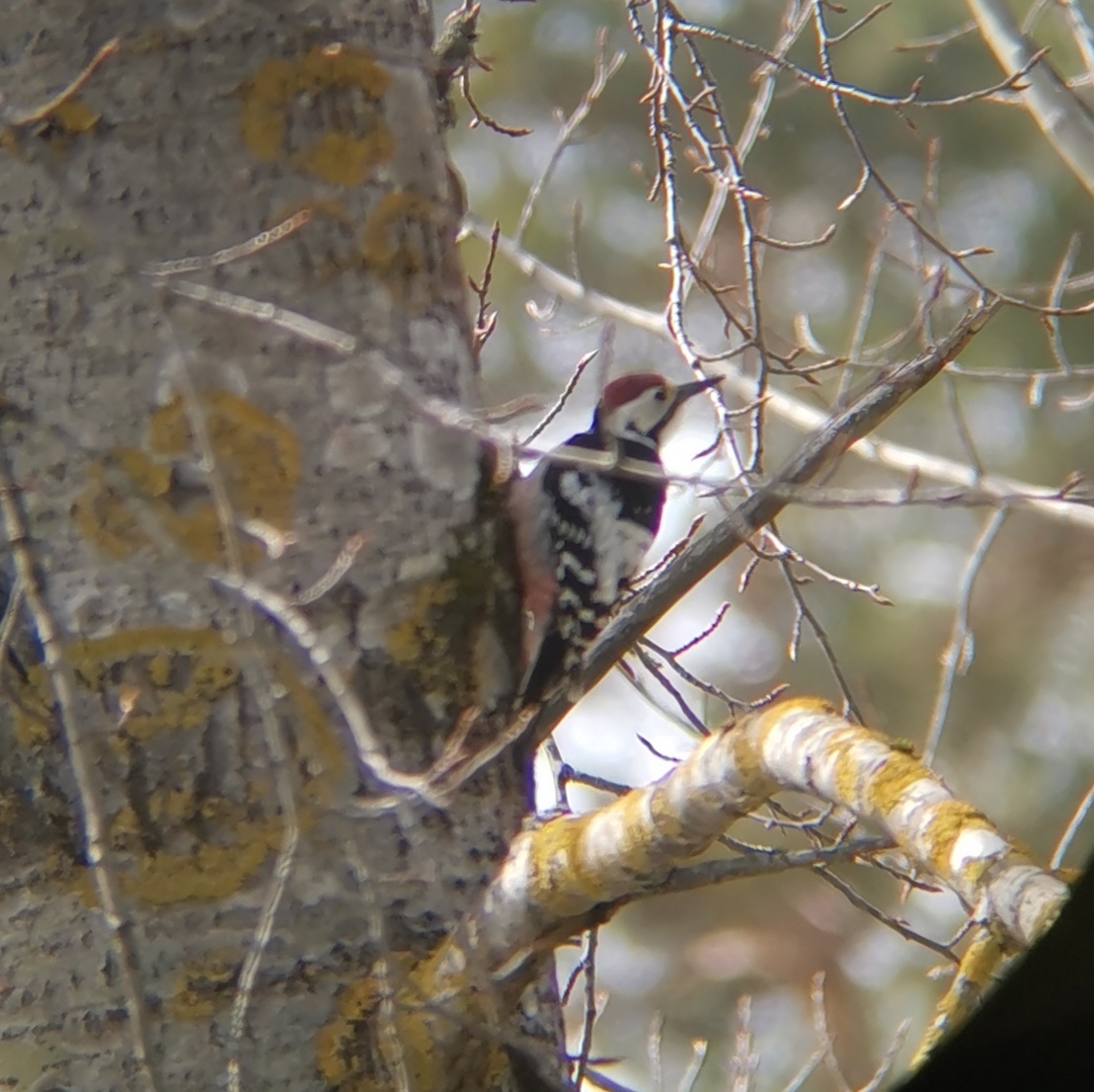
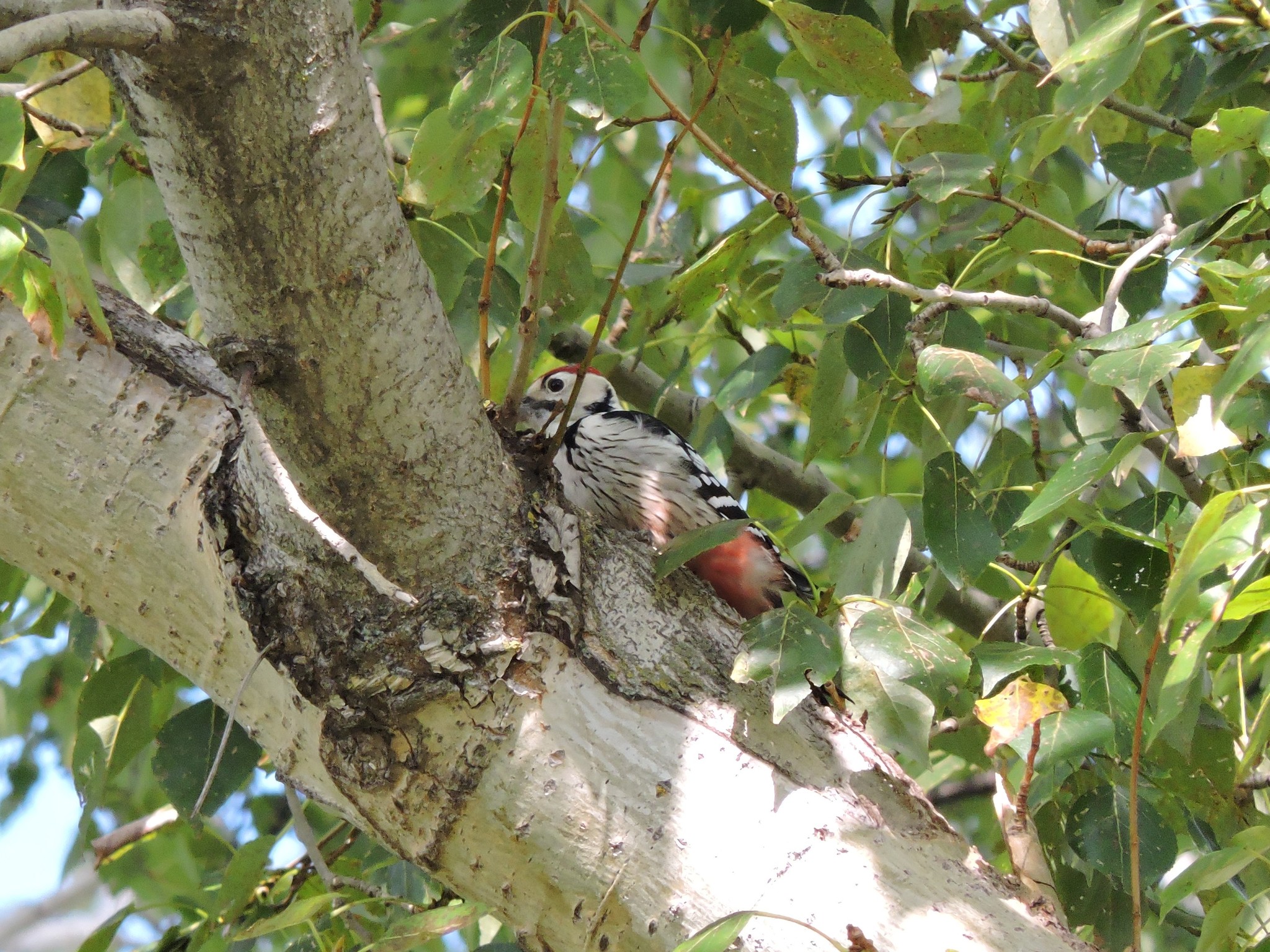
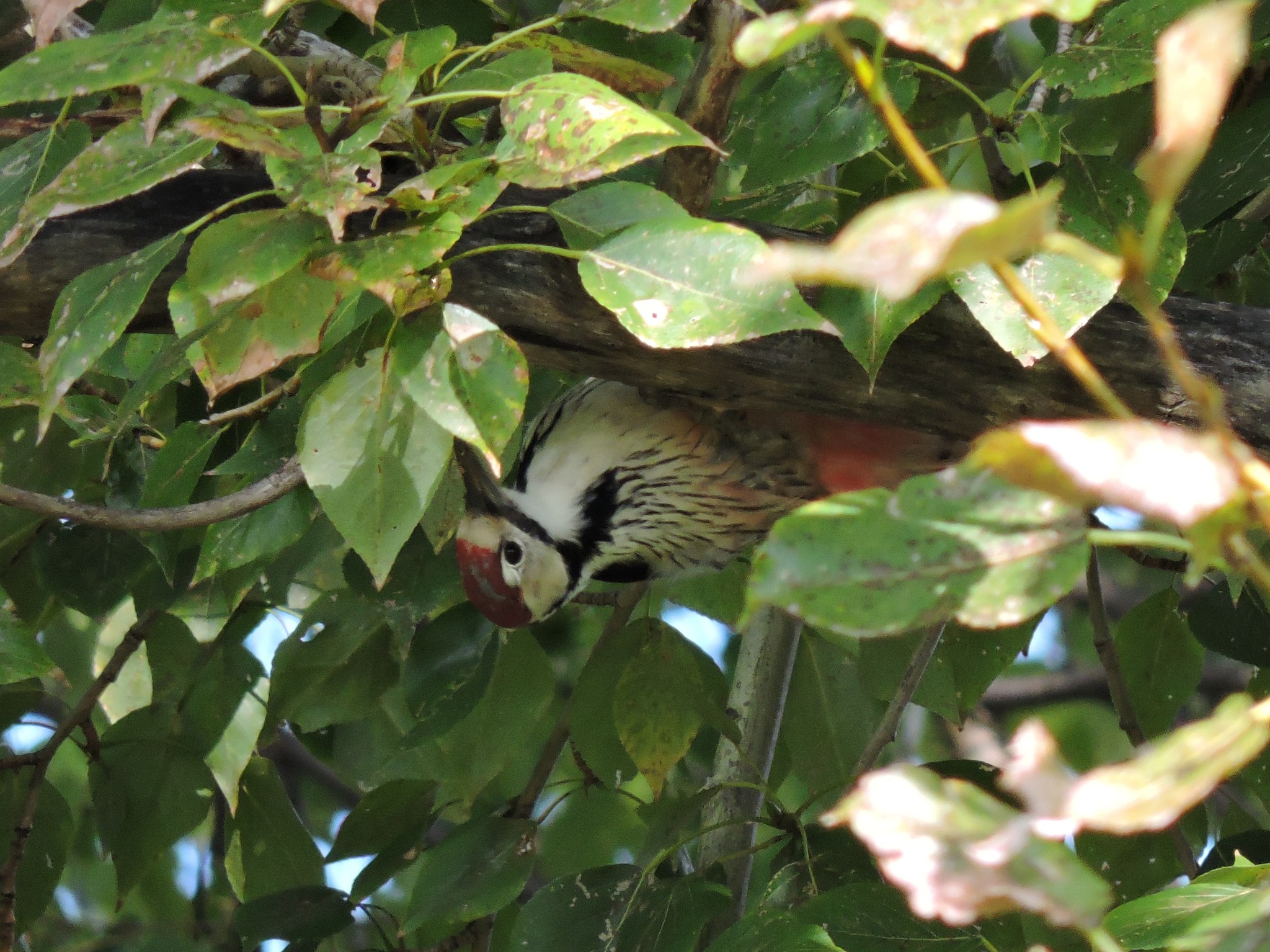
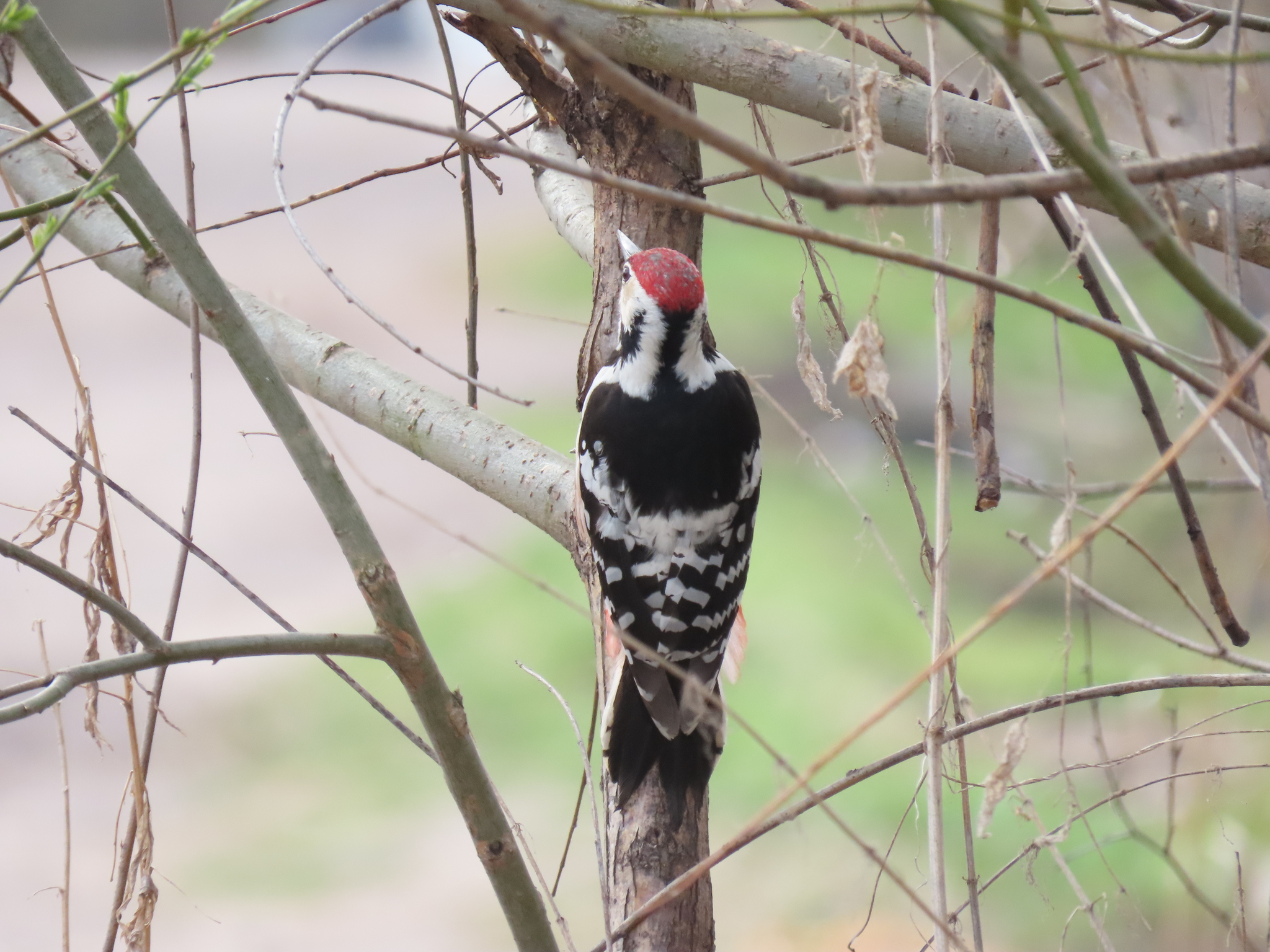
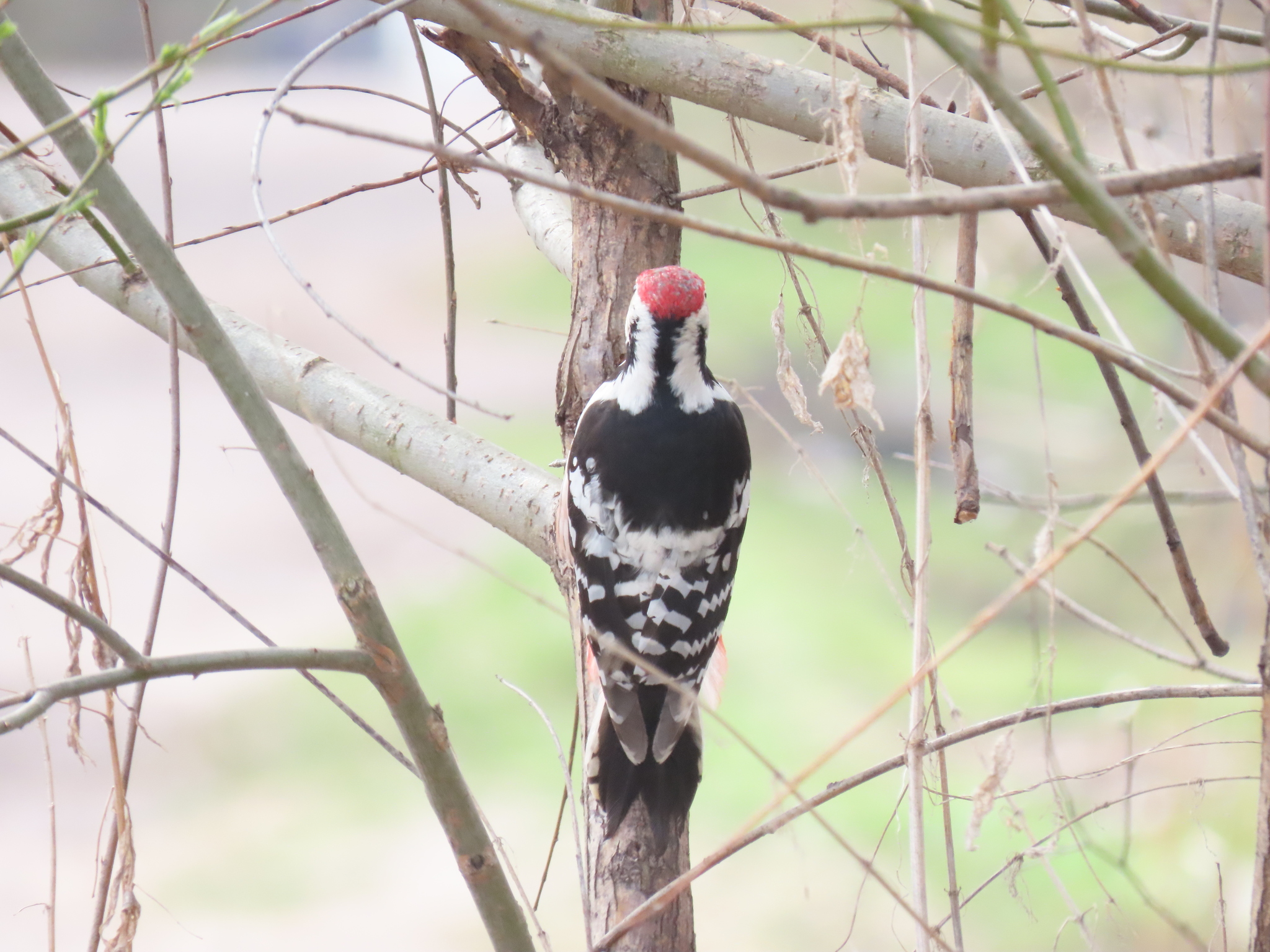
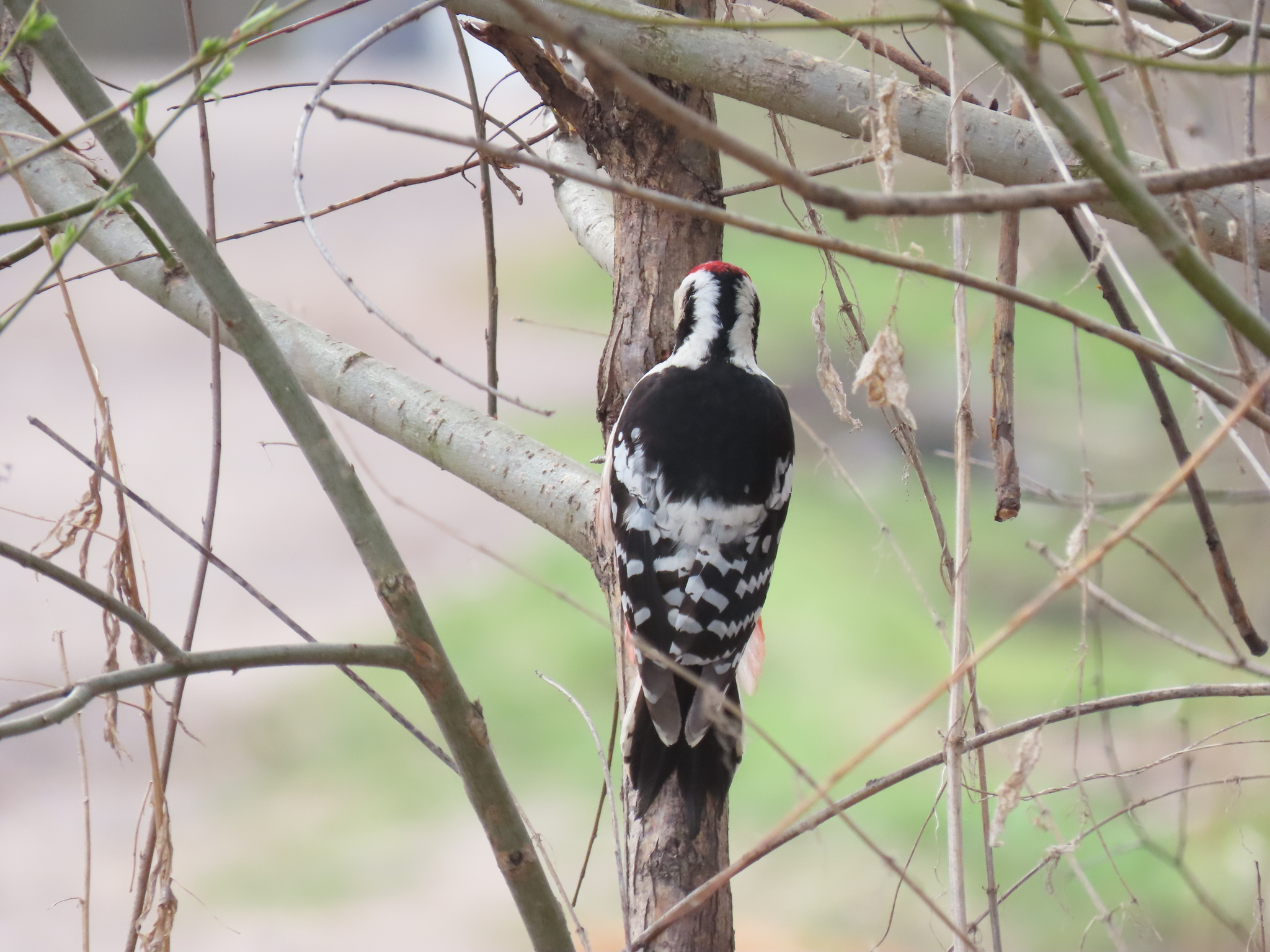
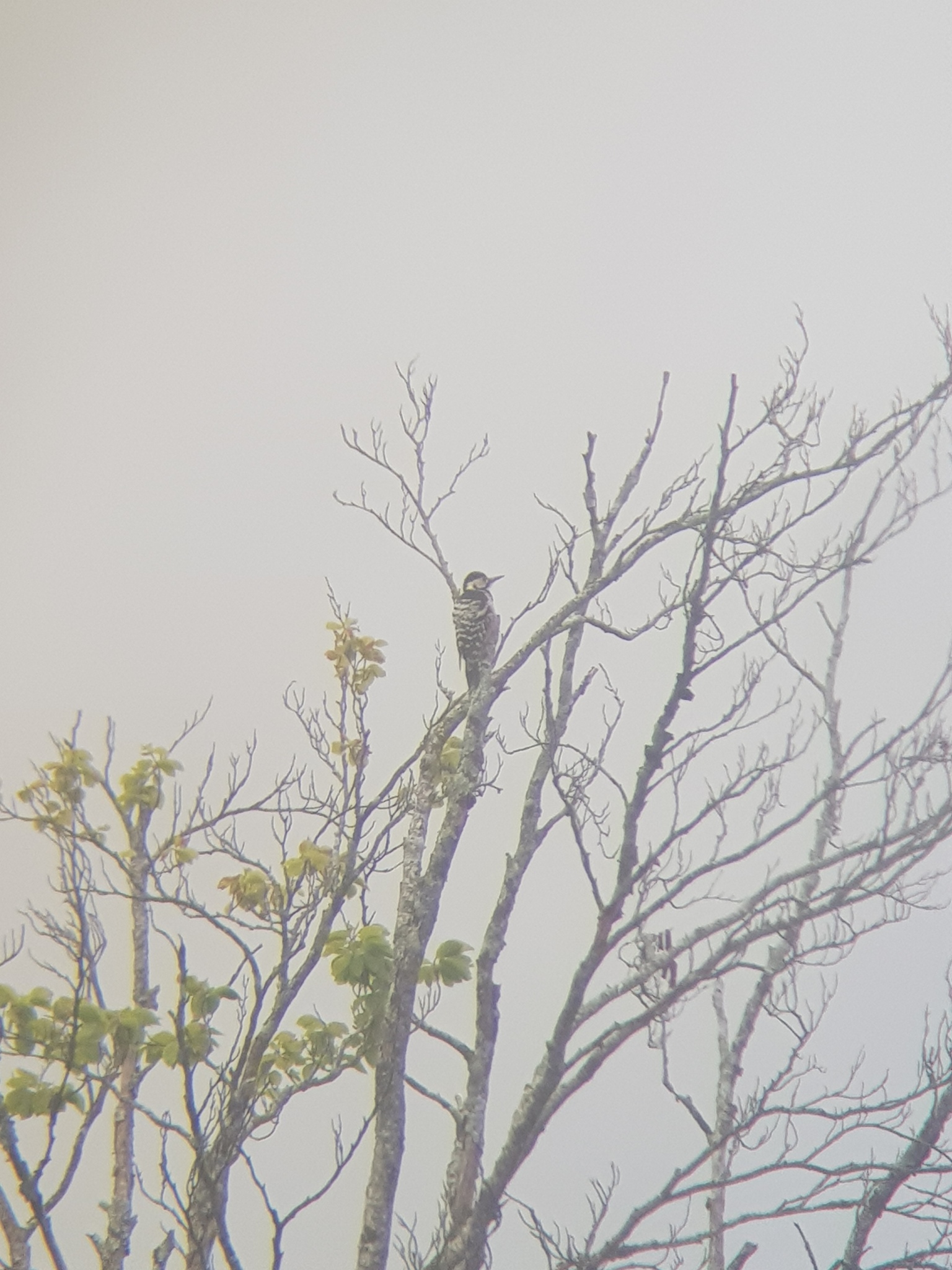
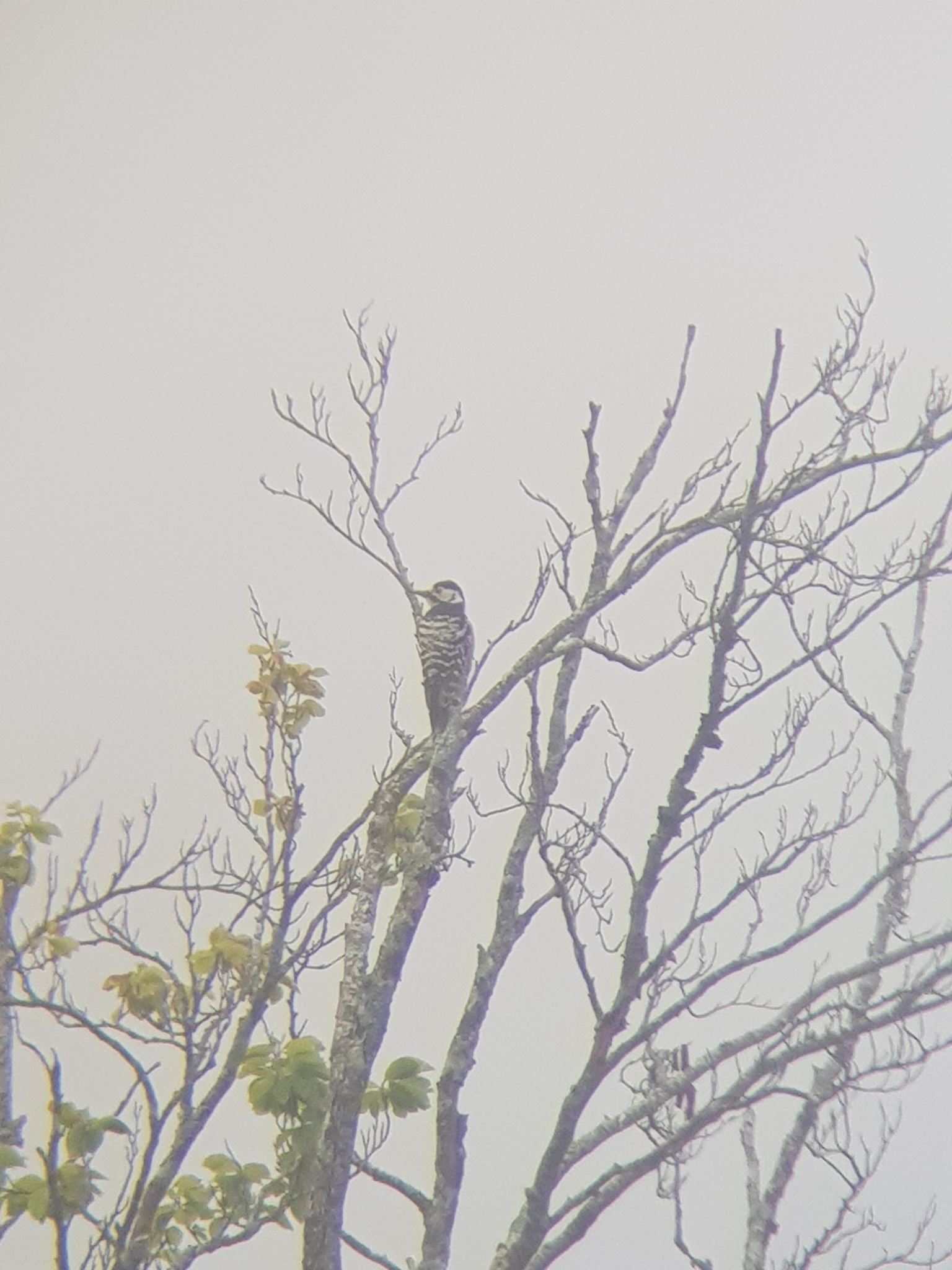
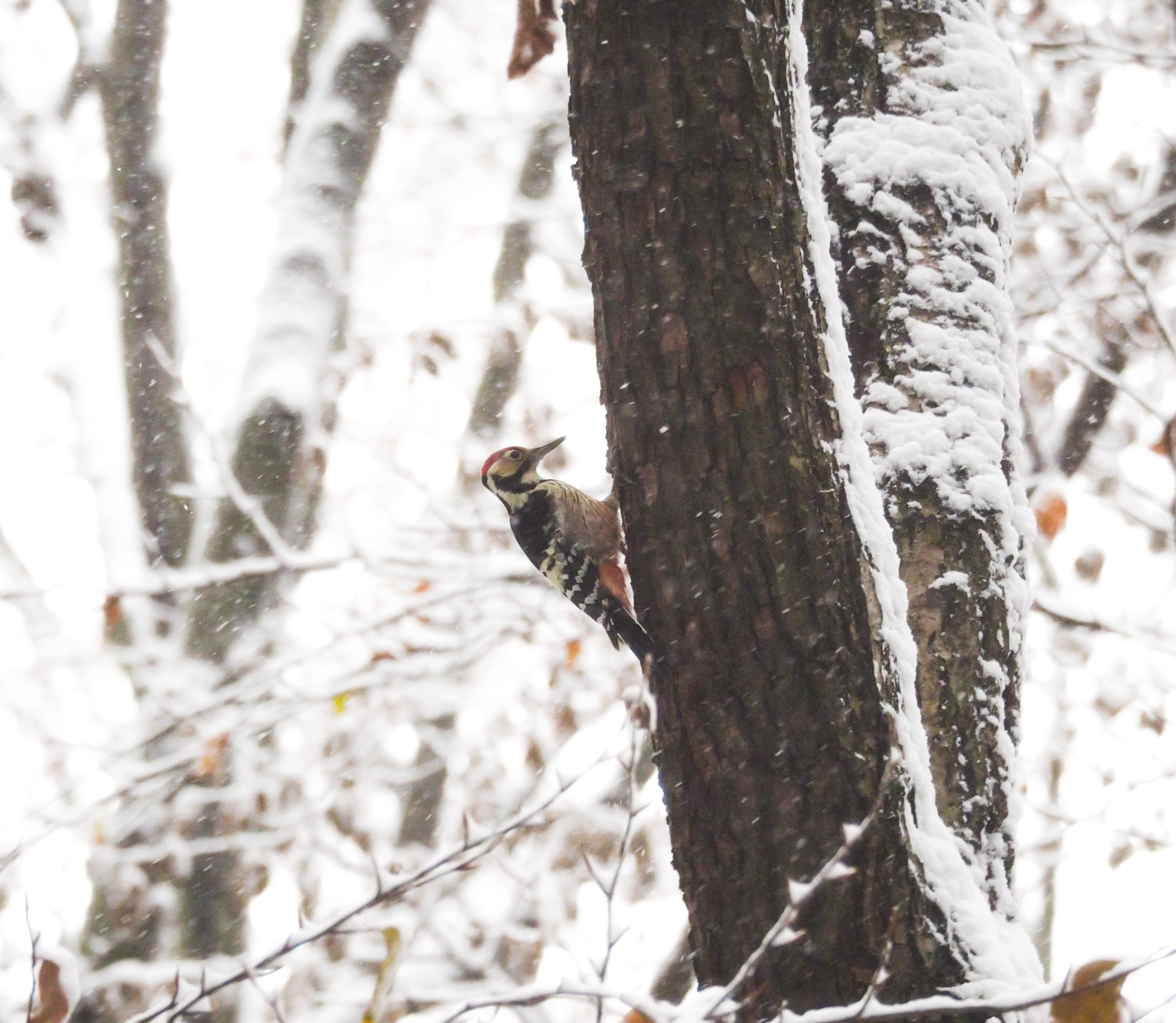
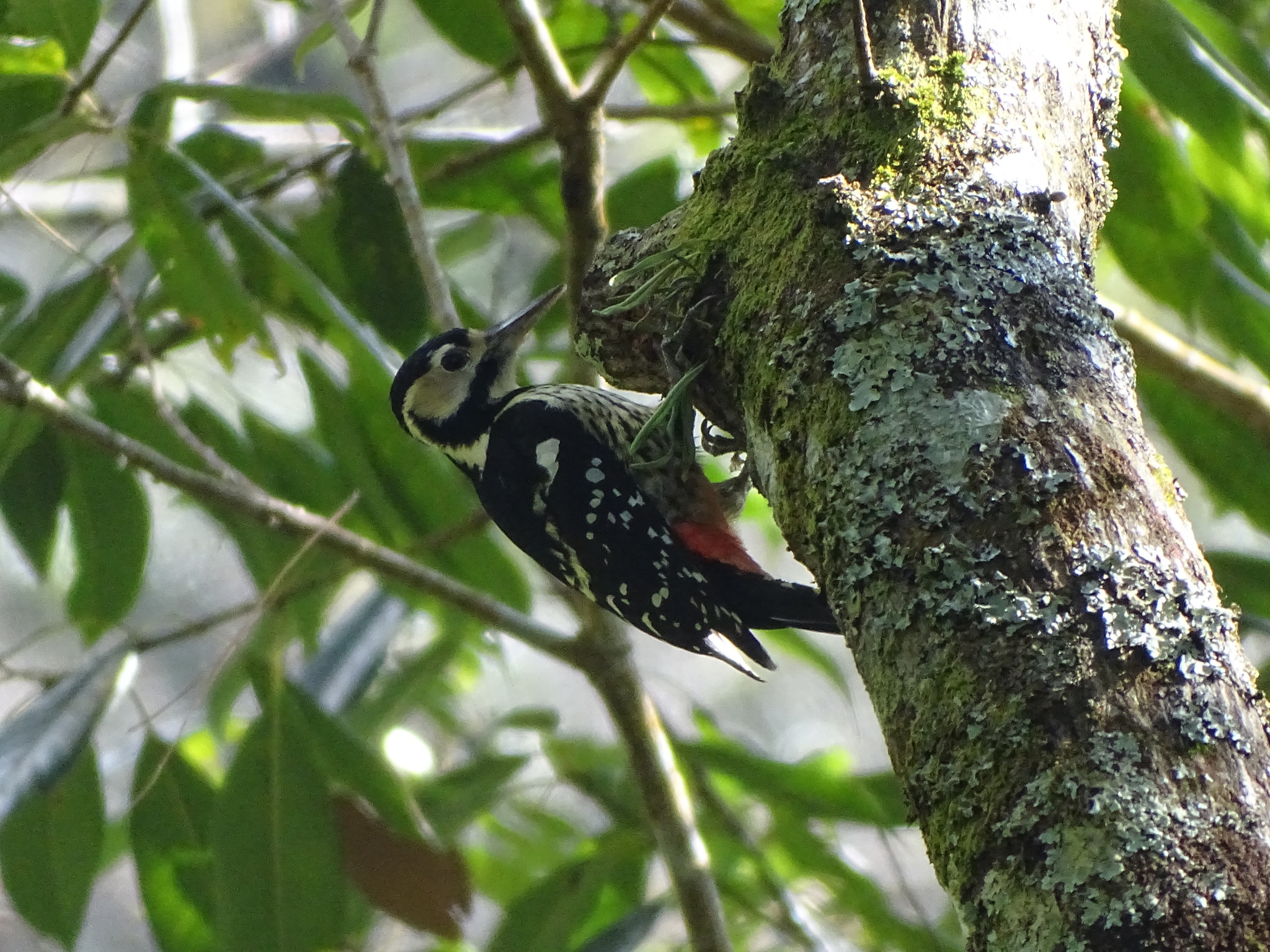
Largest of the spotted woodpeckers in the western Palearctic, measuring 24–26 cm in length with a wingspan of 38–40 cm. Plumage resembles the great spotted woodpecker but features white bars across the wings instead of spots, and a white lower back. Males have a red crown, while females have a black crown.
Identification
Distinguished from similar species by white wing bars rather than spots and a white lower back. Vocalizations include a soft kiuk and a longer kweek. Male drumming is very loud.
Distribution & Habitat
Range extends from north, central, and eastern Europe to northeast Asia, Korea, Sakhalin, and Japan. Specific subspecies occupy regions including the Pyrenees, Asia Minor, Caucasus, Sichuan, Hokkaido, Honshū, Kyushu, Shikoku, Ulleungdo Island, Jeju Island, Amami Ōshima, Fujian province, and Taiwan. Requires large tracts of mature deciduous forests with significant dead wood.
Behavior & Ecology
Excavates nest holes approximately 7 cm wide and 30 cm deep in decaying tree trunks during the breeding season. Lays three to five white eggs, incubated for 10–11 days. Diet consists predominantly of wood-boring beetles and their larvae, as well as other insects, nuts, seeds, and berries. Wild lifespan is three to four years; captivity lifespan is approximately eleven years.
Conservation
Numbers have decreased in Nordic countries. In Sweden, population decline led to government protection under the national Biodiversity Action Plan.
Source: Wikipedia · CC BY-SA 3.0
Taxonomy
- Order
- Piciformes
- Family
- Picidae
- Genus
- Dendrocopos
Vocalizations
Subspecies (12)
-
Dendrocopos leucotos fohkiensis
mountains of southeastern China (Fujian)
Data Sources
Species description from Wikipedia, licensed under CC BY-SA 3.0.
Bird images and sounds sourced from GBIF, contributed by citizen scientists worldwide under Creative Commons licenses.
Taxonomy data from AviList 2025.