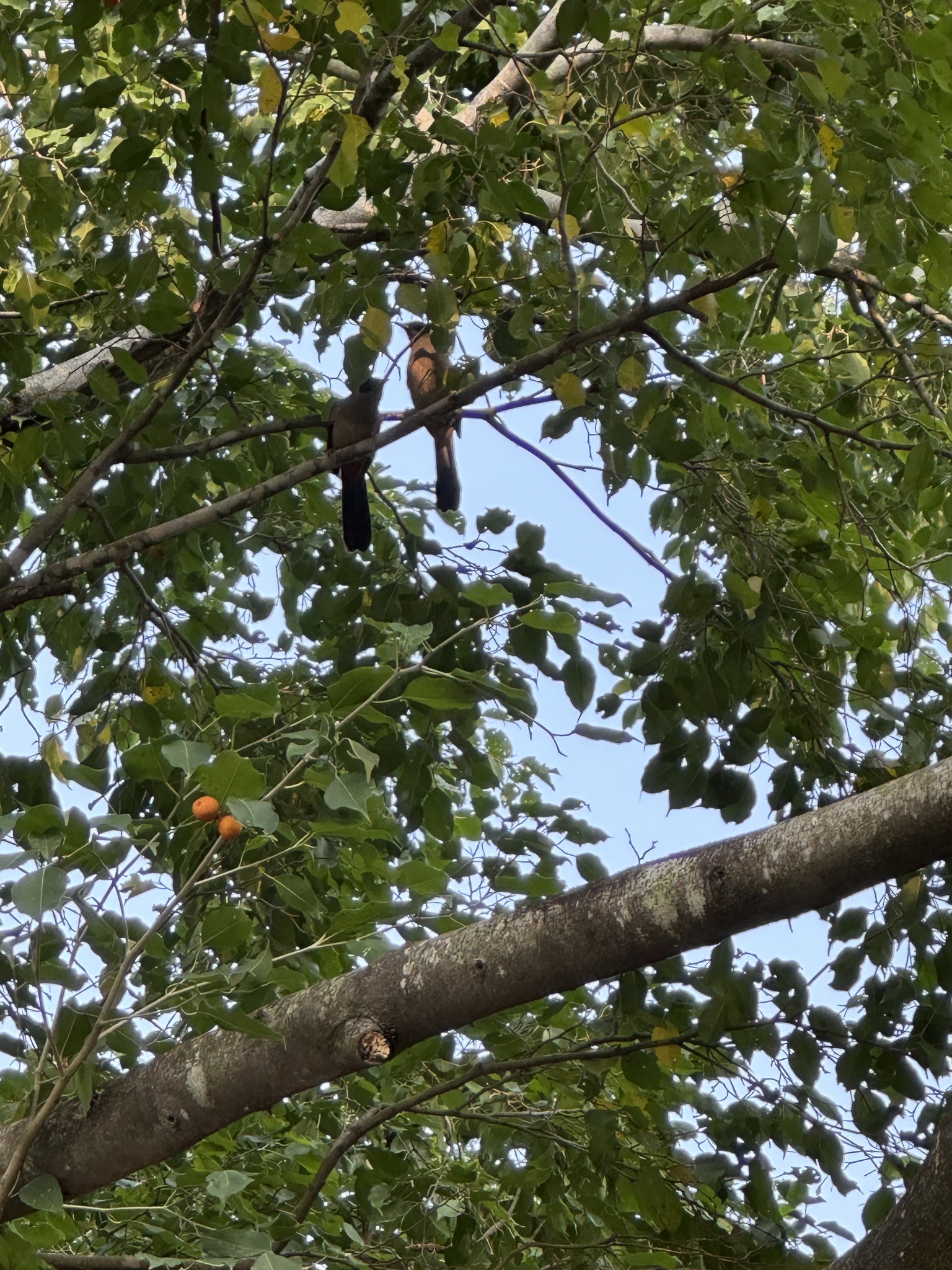
Passeriformes / Corvidae / Dendrocitta
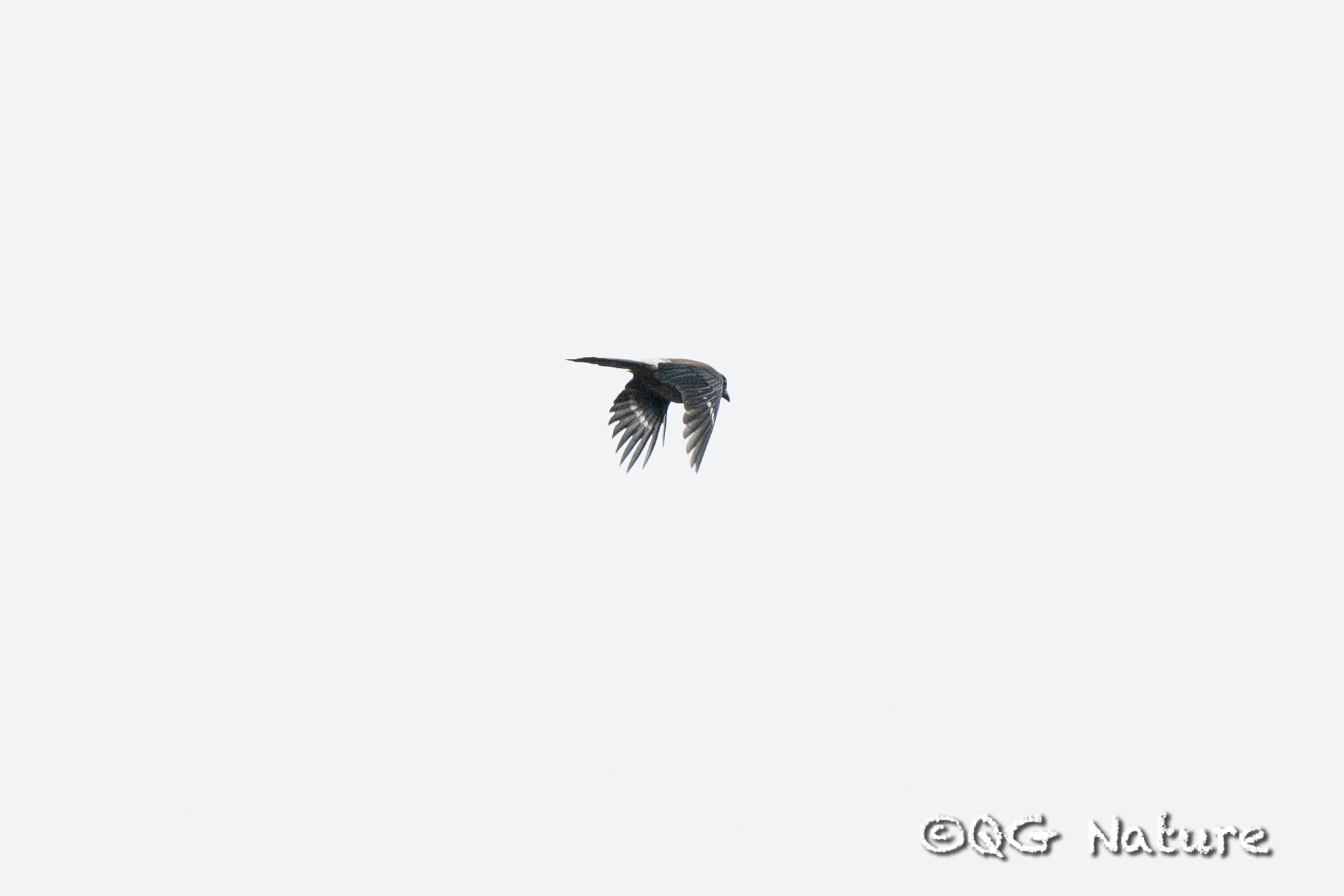
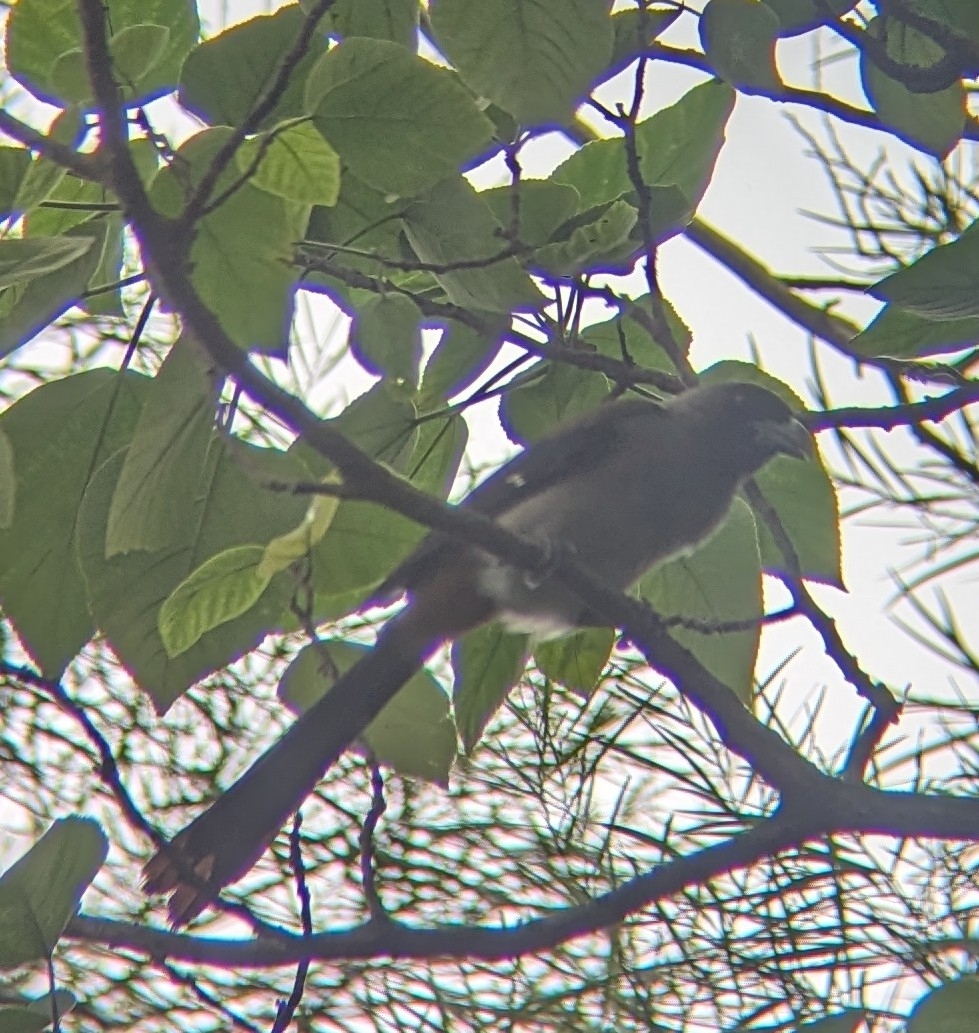
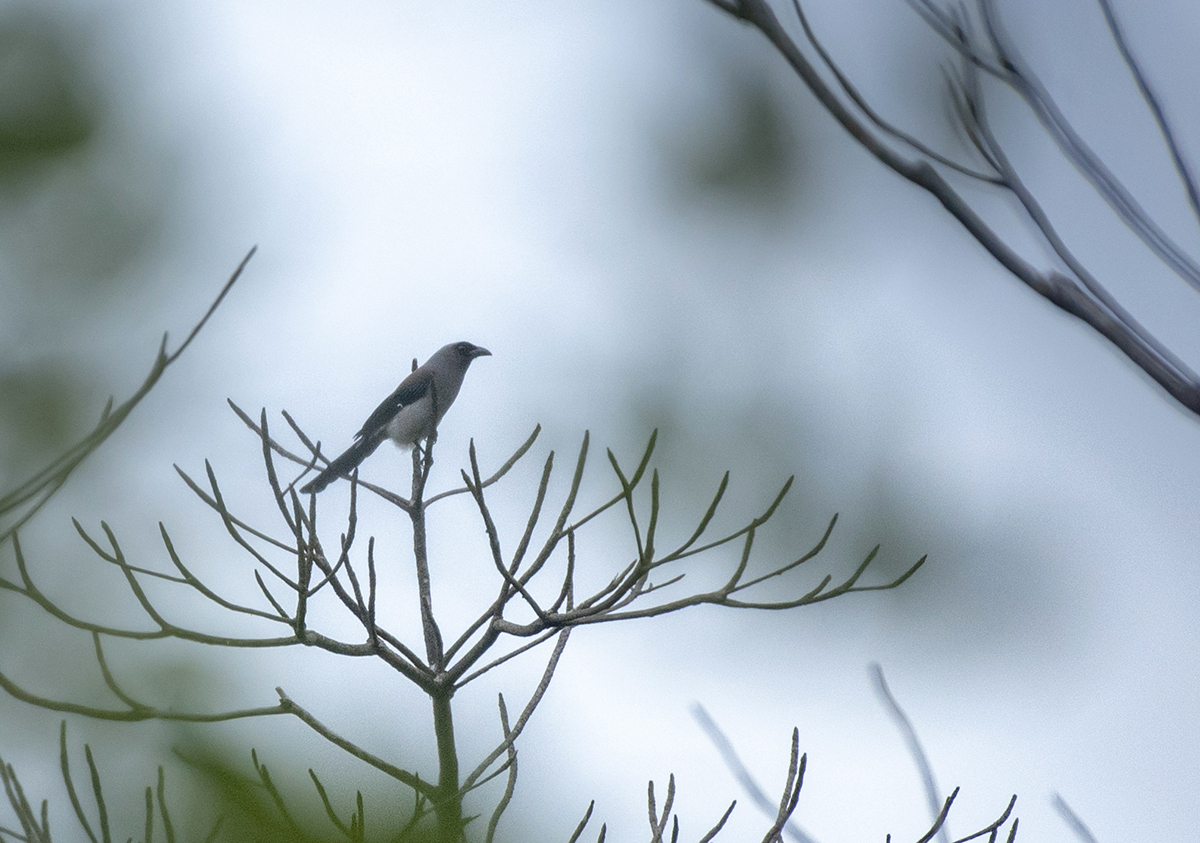
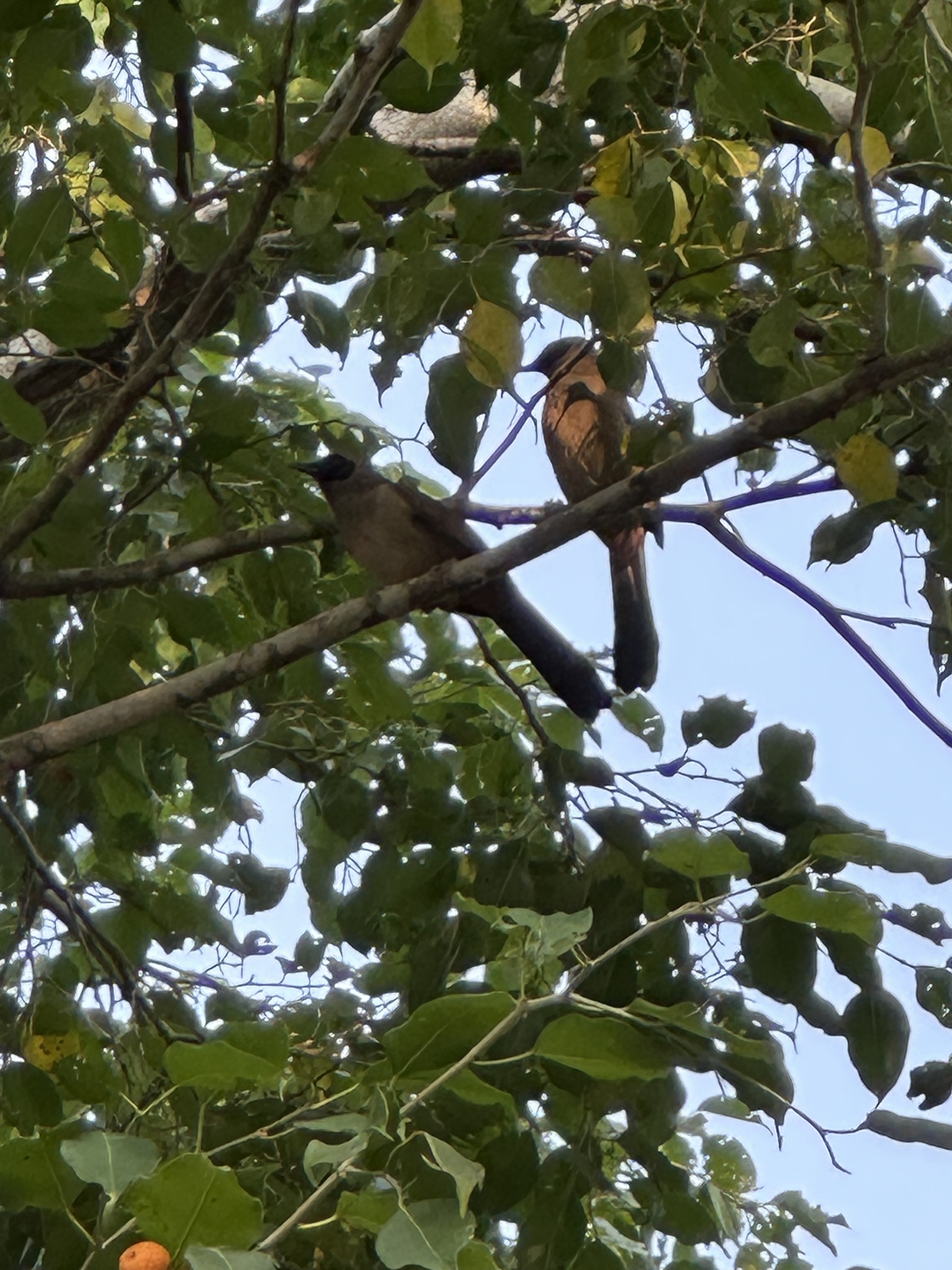
Grey Treepie
Dendrocitta formosae · 灰树鹊
Introduction
A medium-sized, long-tailed member of the crow family (Corvidae) found in Asia. It is widely distributed along the Himalayan foothills, the Indian subcontinent, Indochina, southern mainland China, and Taiwan. The species is omnivorous, largely arboreal, and often joins mixed-species flocks. The IUCN Red List assesses it as Least Concern.
Description
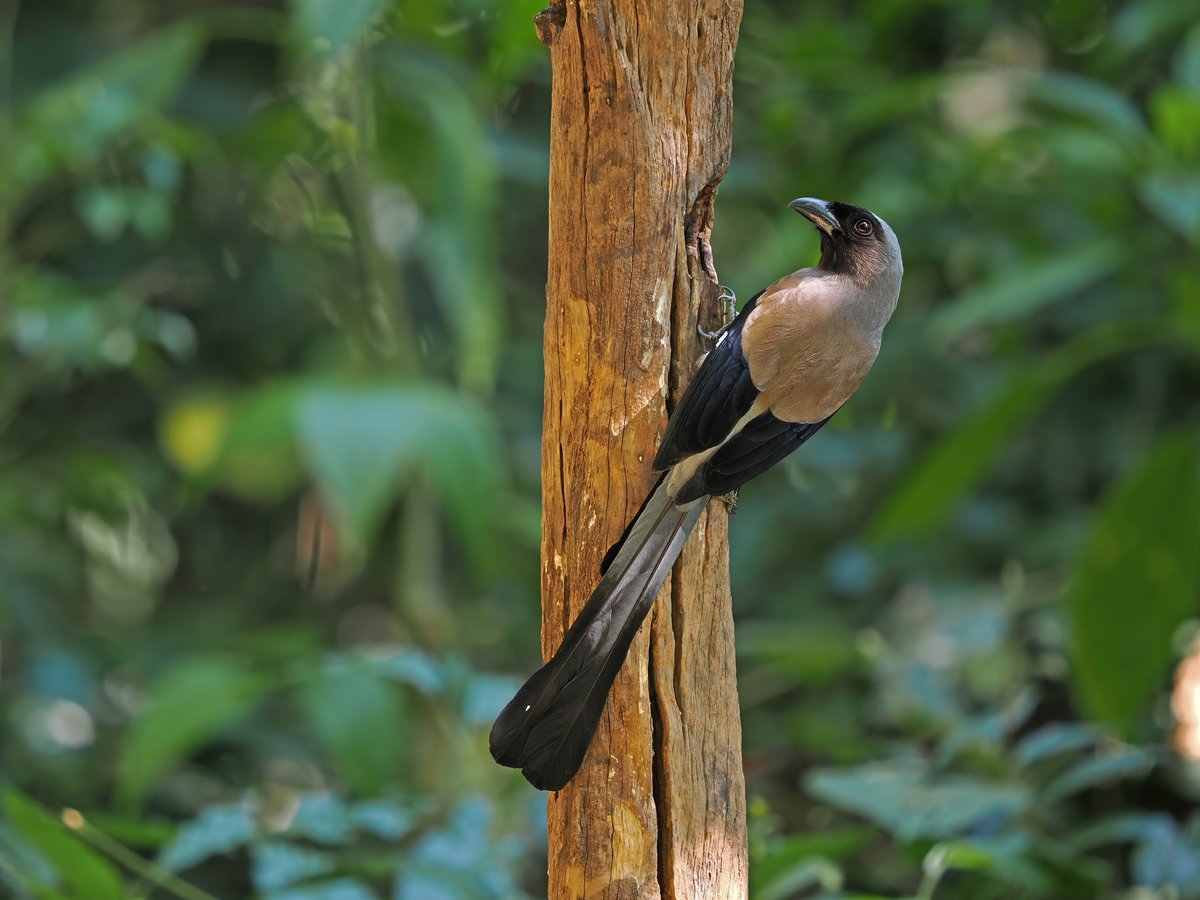
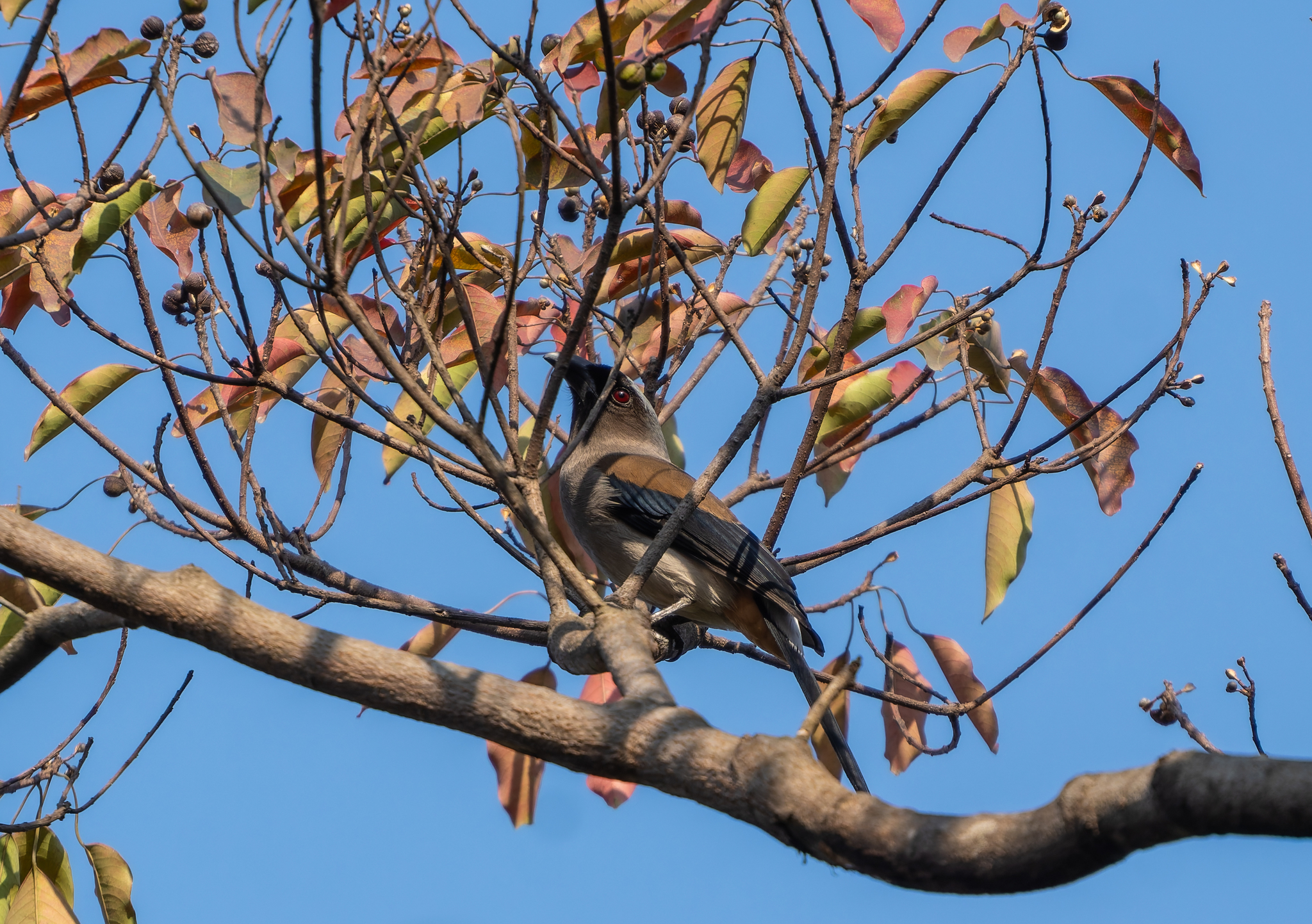
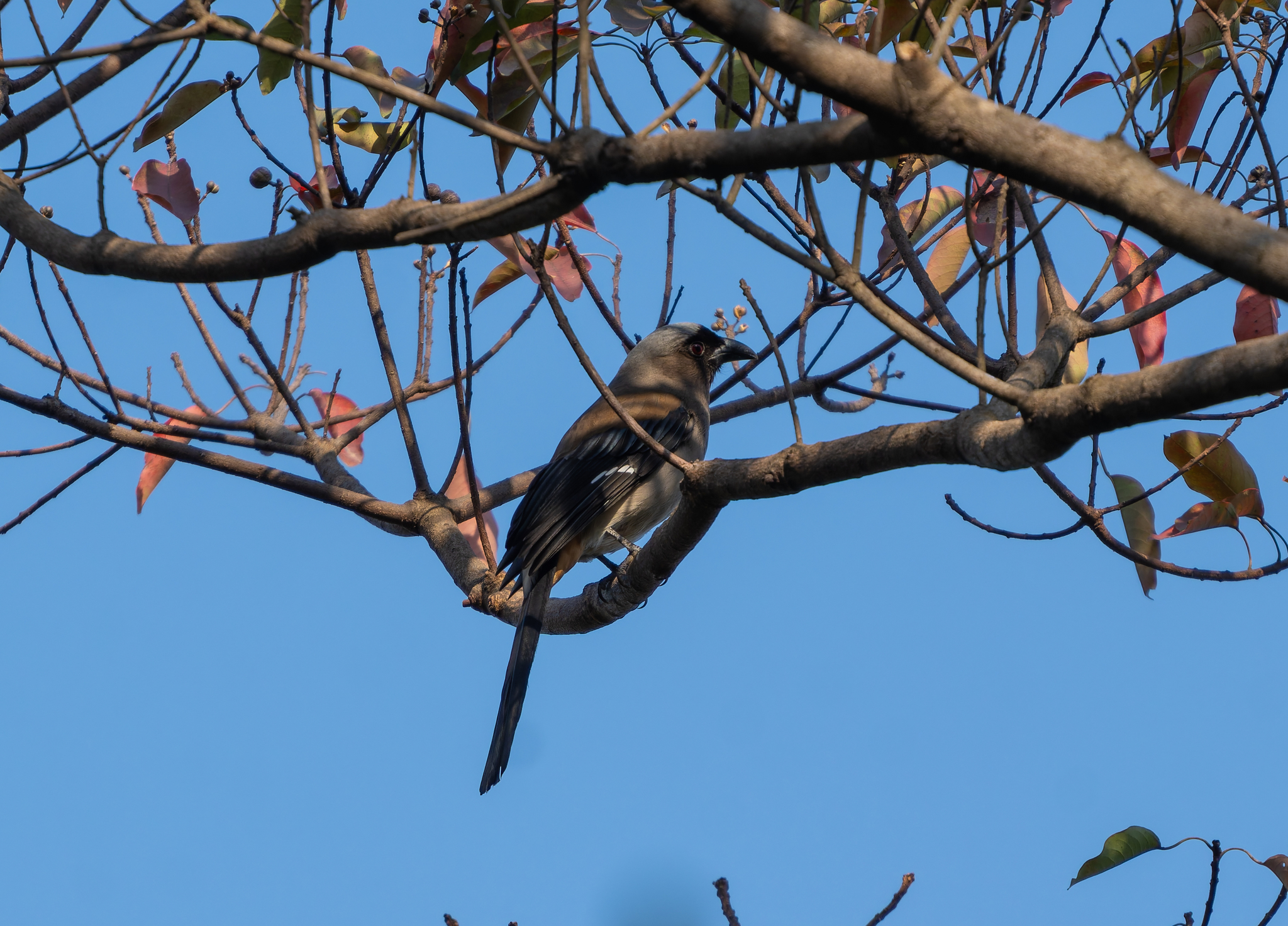
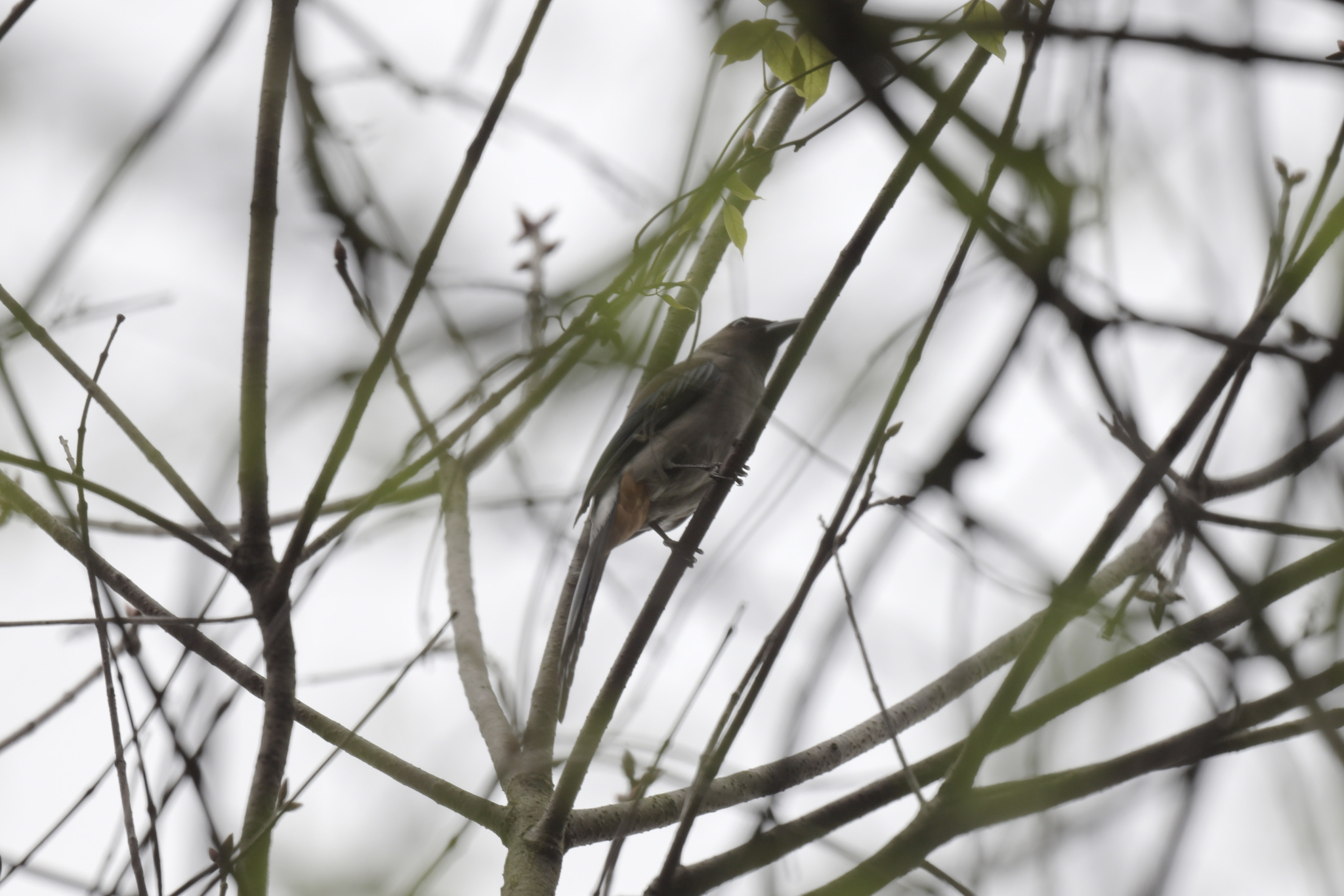
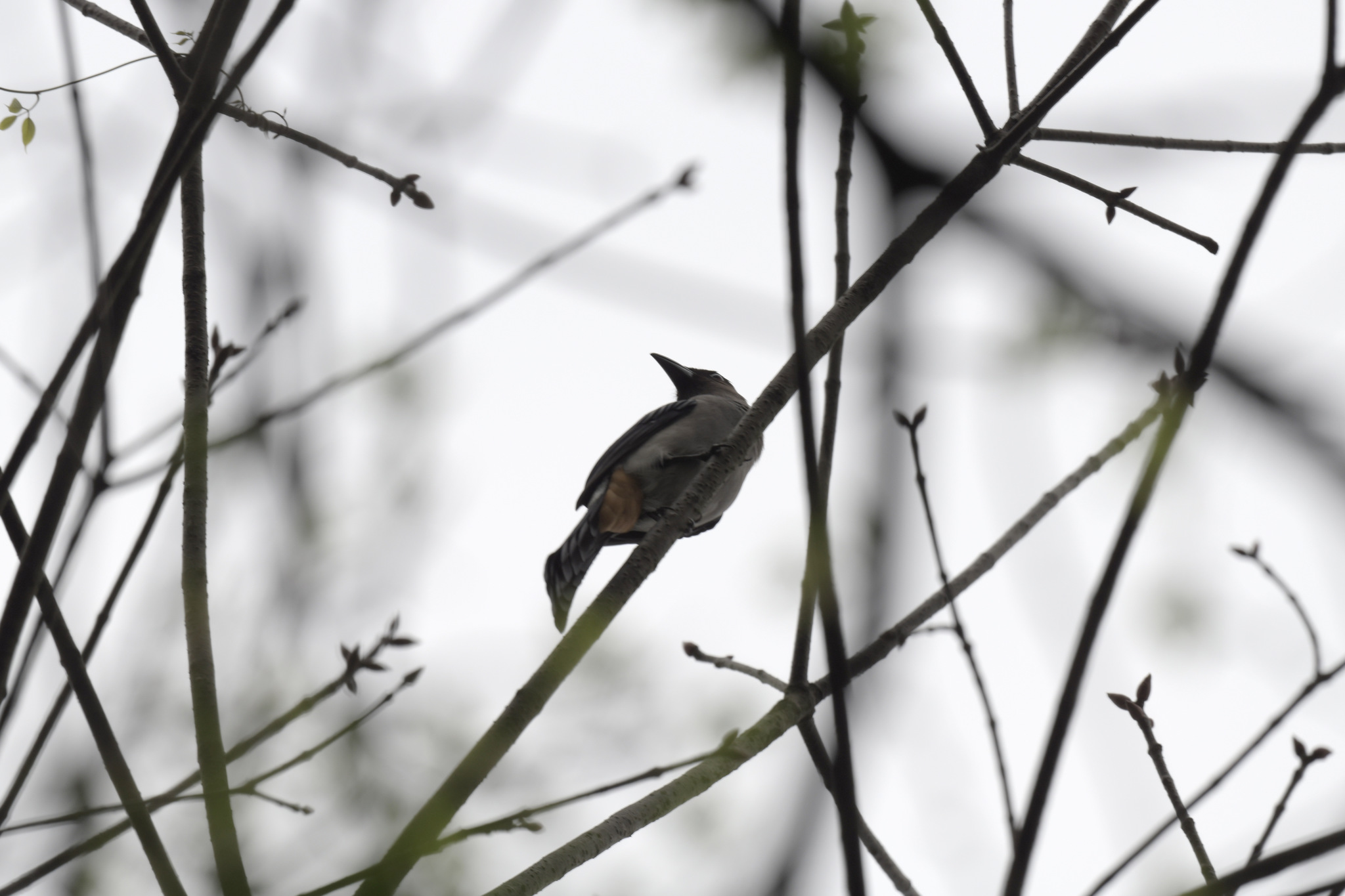
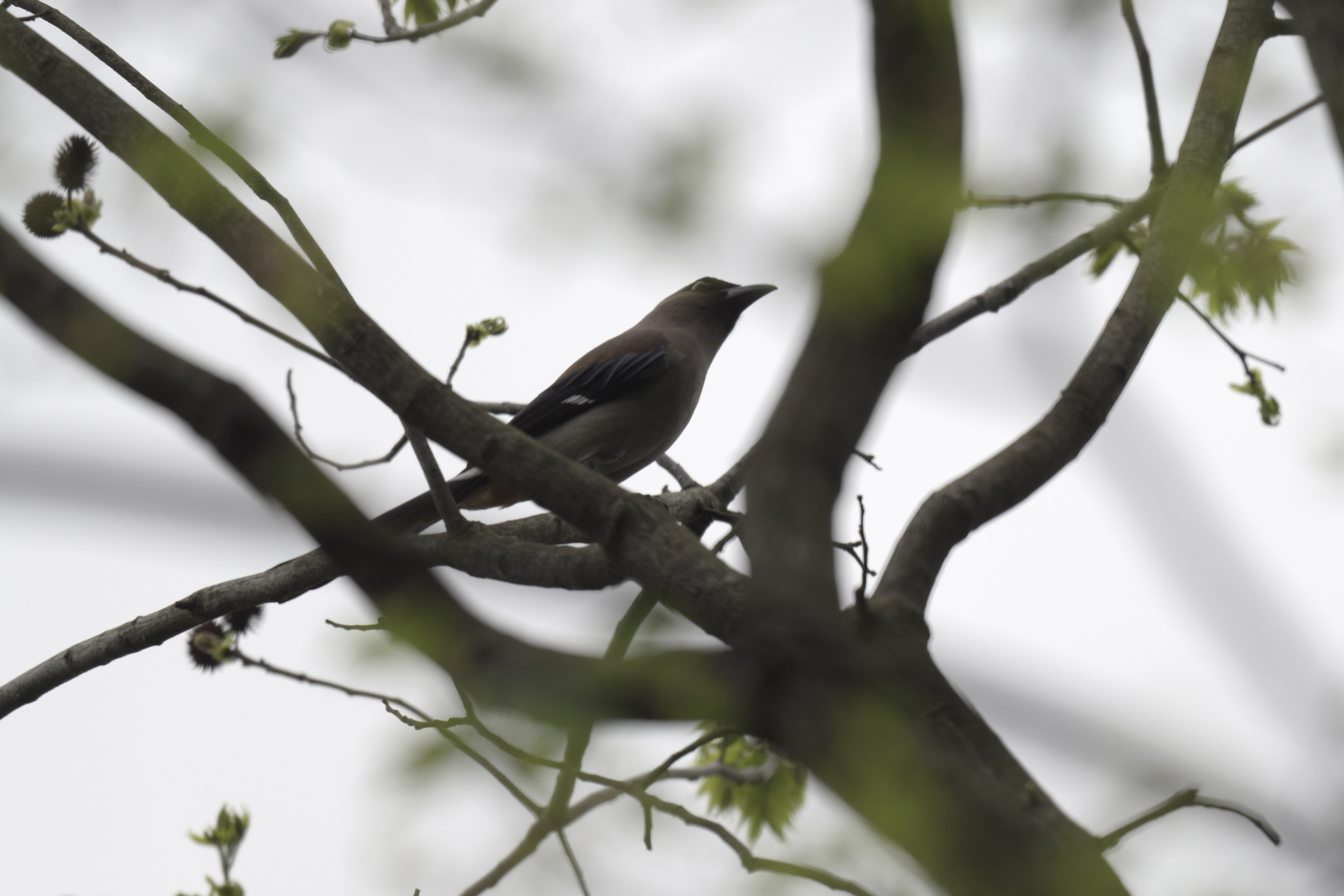
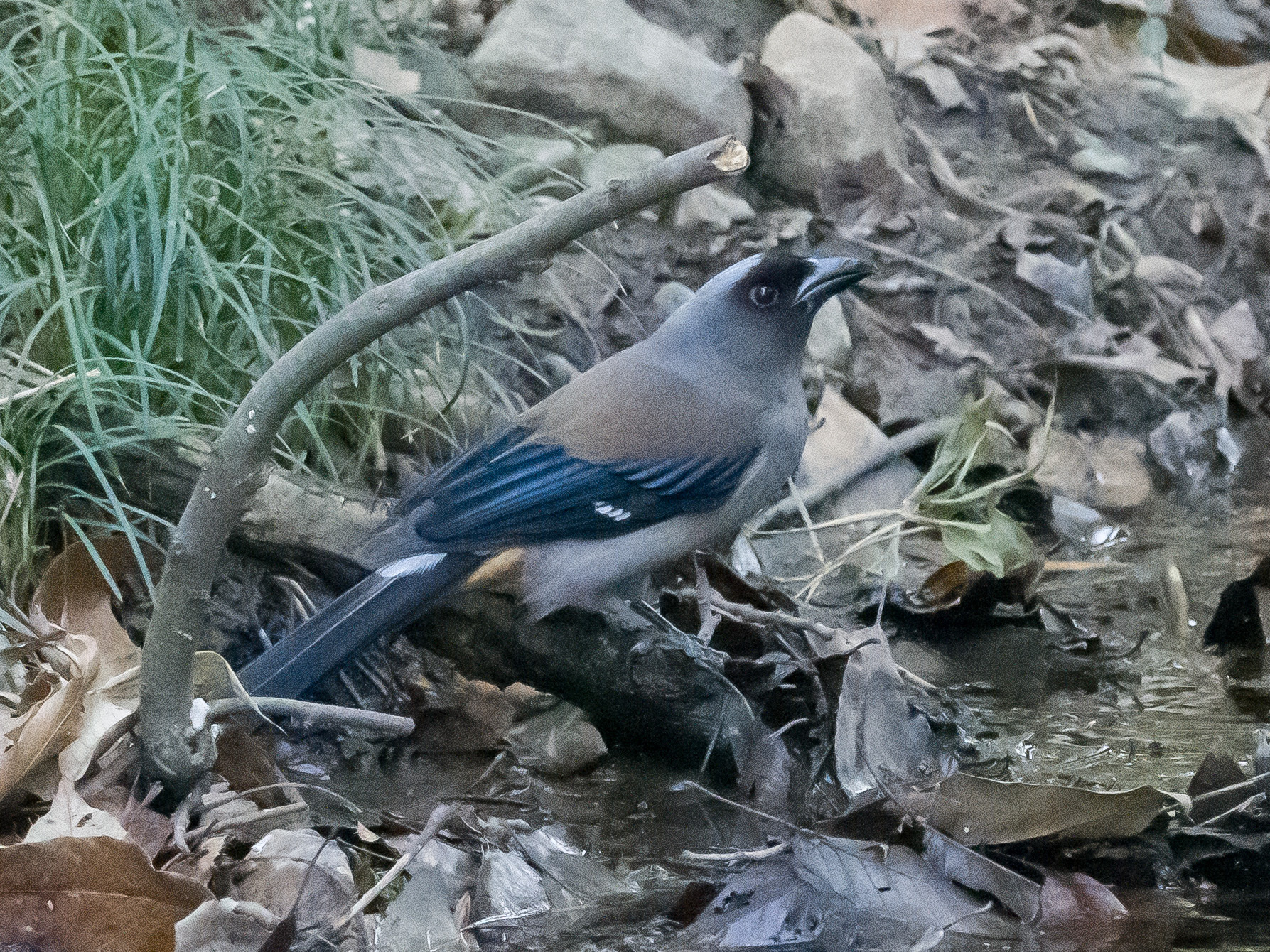
Length is 36–40 cm (14–16 in) and weight is 89–121 g (3.1–4.3 oz). The body is overall grey, distinguishing it from related species. Western populations have a greyish rump and some grey in the tail, while eastern forms have a white rump and black tail. The face and throat are dark black with a diffuse mask. The underside is grey, becoming whiter toward the vent, which is rufous. The back and scapulars are brownish, and the crown and nape are greyish. Wings are black with a prominent white carpal patch. Outer tail feathers and central feather tips are black. The beak is black, legs are blackish-brown, and eyes are red or reddish-brown. Sexes are similar. Juveniles are duller with a browner nape and rufous-tipped feathers.
Identification
Separated from other Dendrocitta species by its overall grey body color. Key marks include a black face and throat, white carpal patch on black wings, and rufous vent. Regional variations exist: western races have a greyish rump, while eastern races have a white rump and black tail. Voice includes harsh, grating k-r-r-r-r sounds, melodious tiddly-aye-kok and ko-ku-la notes, and barking braap calls.
Distribution & Habitat
Range includes the Himalayan foothills (up to 2,400 m), Eastern Ghats of India, Bangladesh, Myanmar, Thailand, China (400–1,200 m in the southeast), Hainan, Taiwan, and northern Indochina. Habitats include forests, cultivation, and human habitation. Subspecies include occidentalis (western Himalayas), himalayana (central Himalayas to Thailand/Vietnam), sarkari (Eastern Ghats), and Southeast Asian races assimilis, sapiens, sinica, formosae (Taiwan), and insulae (Hainan).
Behavior & Ecology
Mostly arboreal but feeds on the ground in cultivated areas. Diet includes insects, invertebrates, berries, nectar, grain, seeds, small reptiles, eggs, and nestlings. Often joins mixed-species foraging flocks, particularly with laughingthrushes. Breeding occurs from May to July in the Himalayan foothills at 2000–6000 feet. The nest is a shallow cup lined with hair, built in trees, bushes, or bamboo clumps. Clutch size is 3–4 eggs, which are whitish, buffish, or pale green with brown or grey spots. Both sexes build the nest and feed young.
Conservation
Assessed as Least Concern by the IUCN Red List due to a large range and no rapid population decline. Global population size is unknown. In China and Taiwan, estimated breeding pairs range from 10,000 to 100,000 each. The population in Hainan may be endangered by habitat destruction.
Source: Wikipedia · CC BY-SA 3.0
Taxonomy
- Order
- Passeriformes
- Family
- Corvidae
- Genus
- Dendrocitta
Taxonomy Changes
Dendrocitta sinensis → Dendrocitta formosae
Subspecies lump — GBIF Backbone Taxonomy uses the former name; AviList 2025 uses the current name.
Vocalizations
Subspecies (8)
-
Dendrocitta formosae assimilis
southern Myanmar to Thailand
Data Sources
Species description from Wikipedia, licensed under CC BY-SA 3.0.
Bird images and sounds sourced from GBIF, contributed by citizen scientists worldwide under Creative Commons licenses.
Taxonomy data from AviList 2025.