Passeriformes / Hirundinidae / Delichon
Western House Martin
Delichon urbicum · 毛脚燕
Introduction
A migratory passerine of the swallow family breeding in Europe, North Africa, and across the Palearctic, wintering in sub-Saharan Africa and tropical Asia. It feeds on insects caught in flight and is found in open country and near human habitation. The species has a blue head and upperparts, white rump, and pure white underparts. It builds closed cup nests from mud pellets under eaves, usually in colonies. Evaluated as Least Concern on the IUCN Red List.
Description
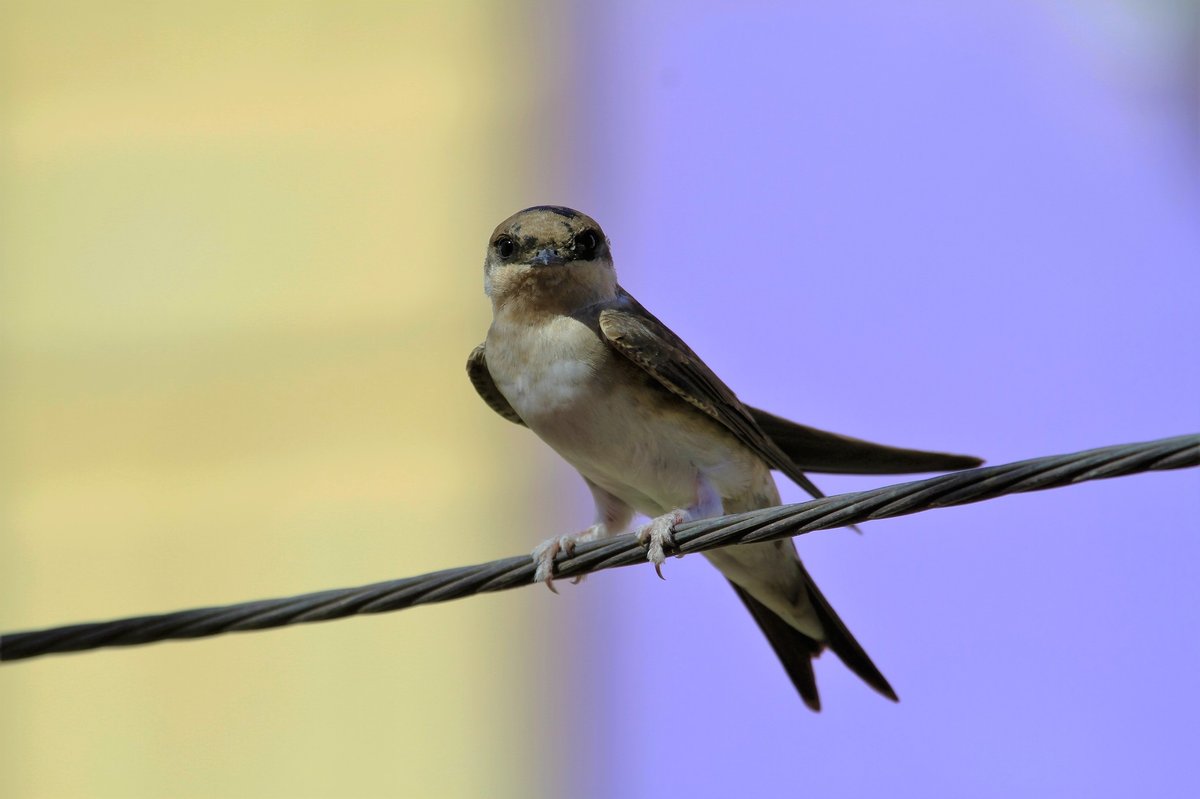
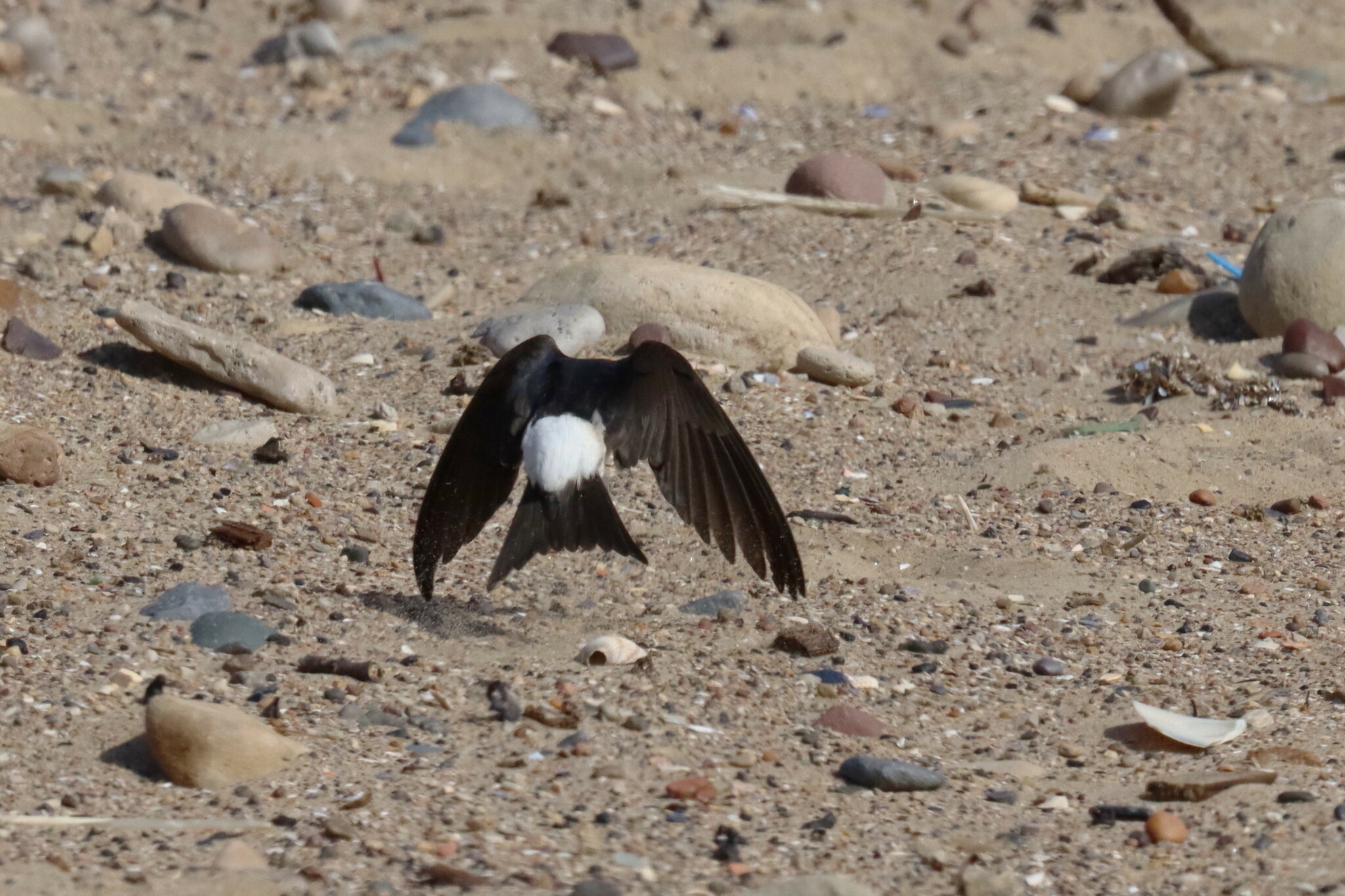
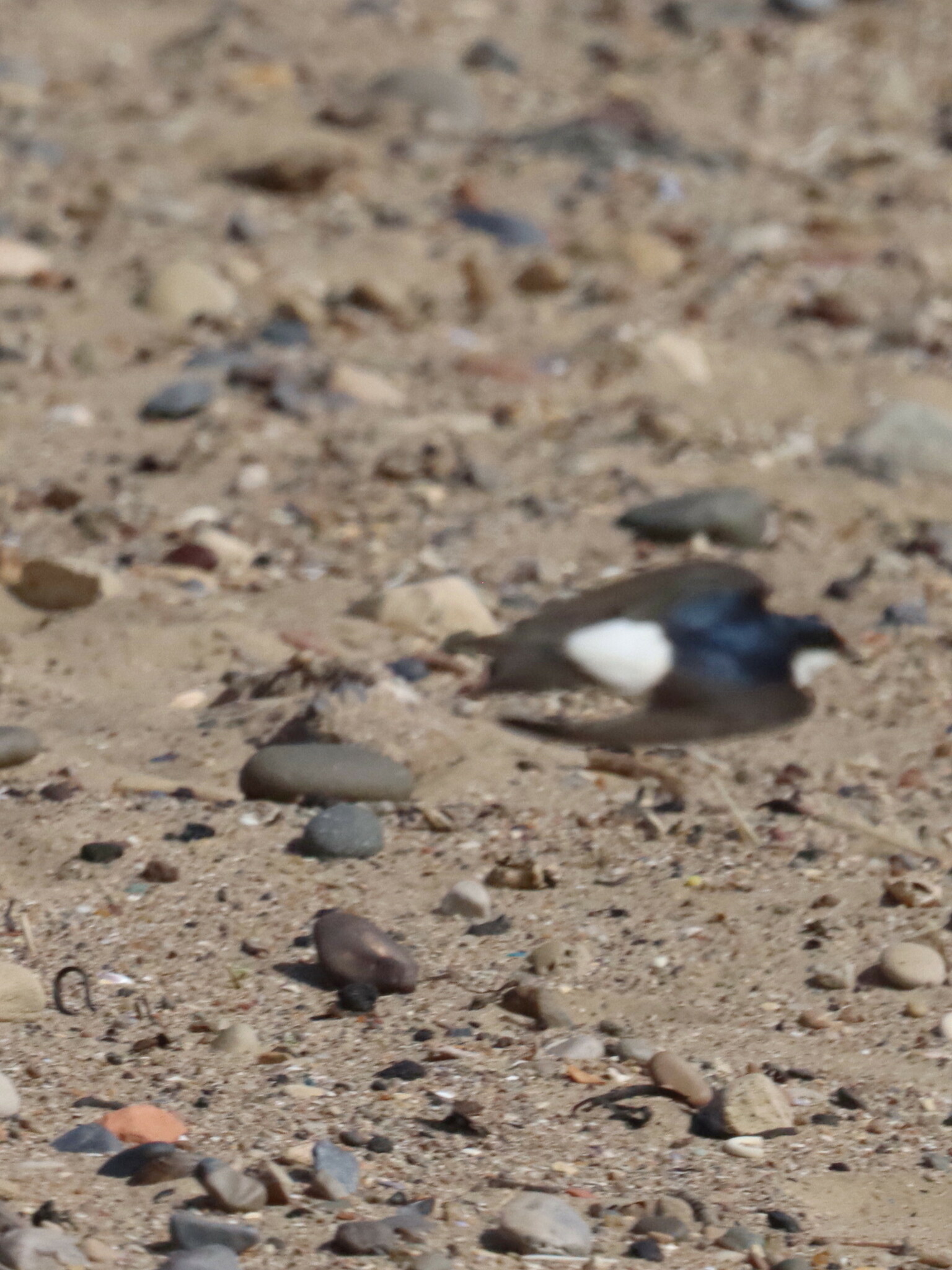
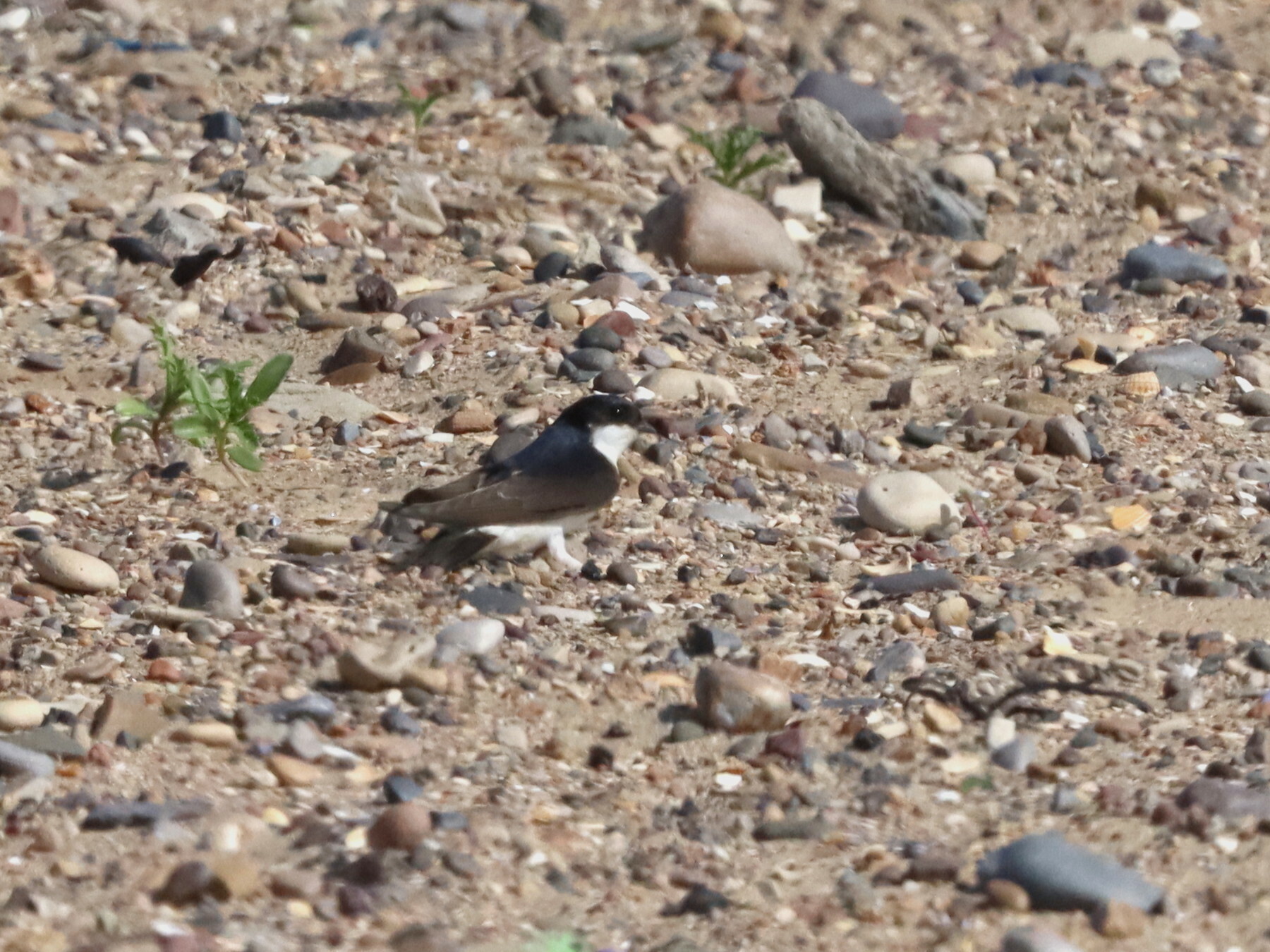
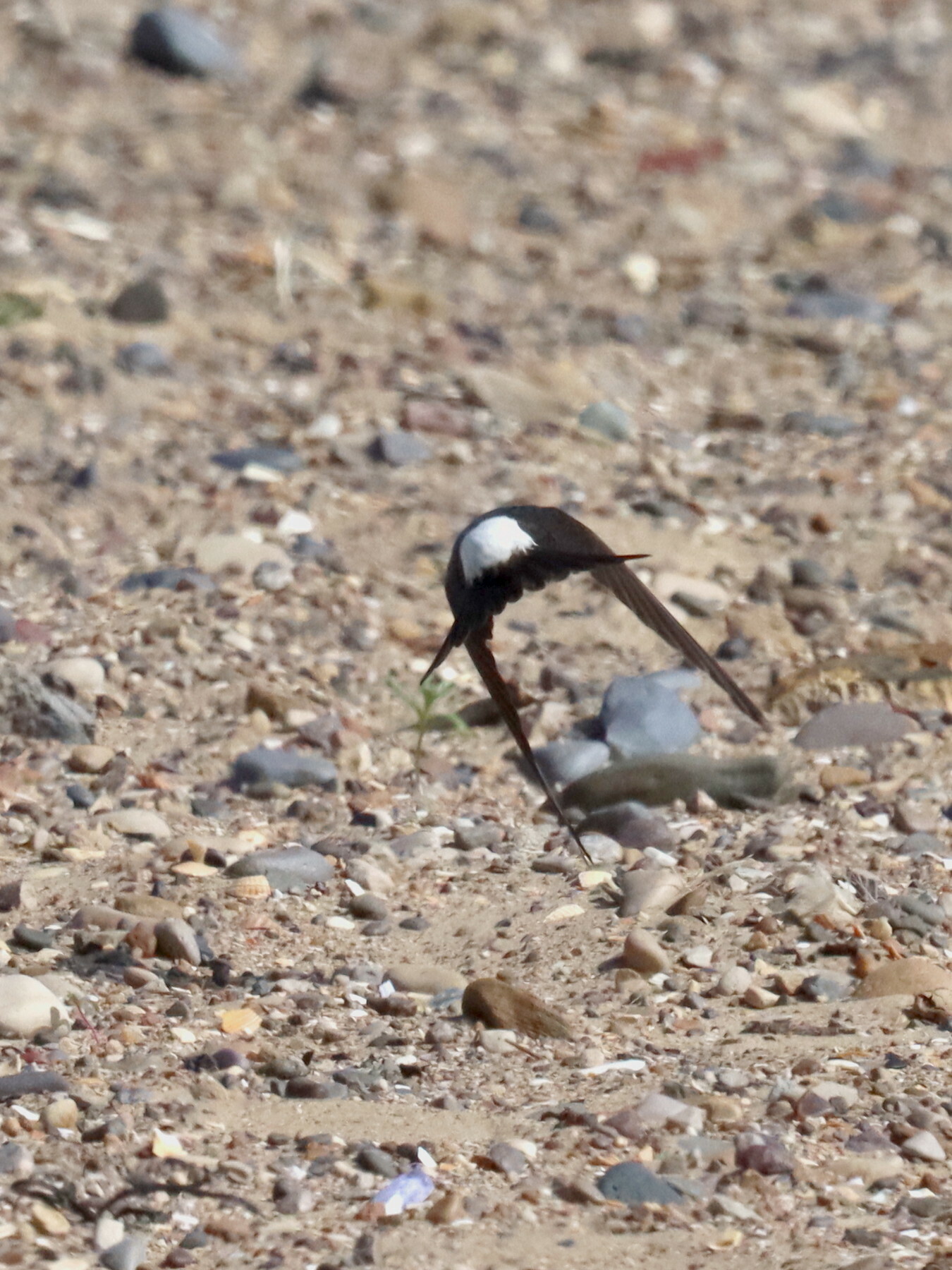
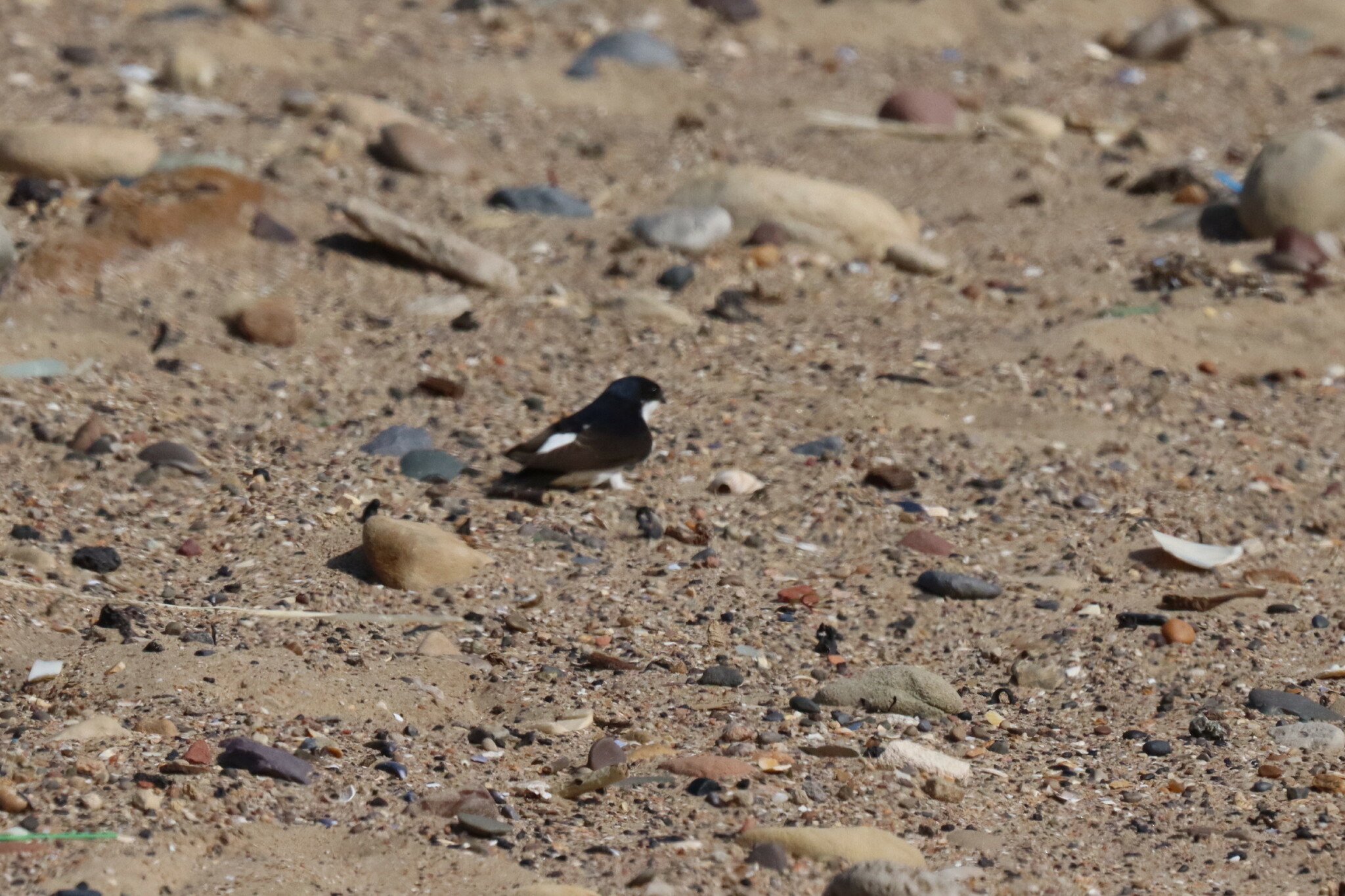
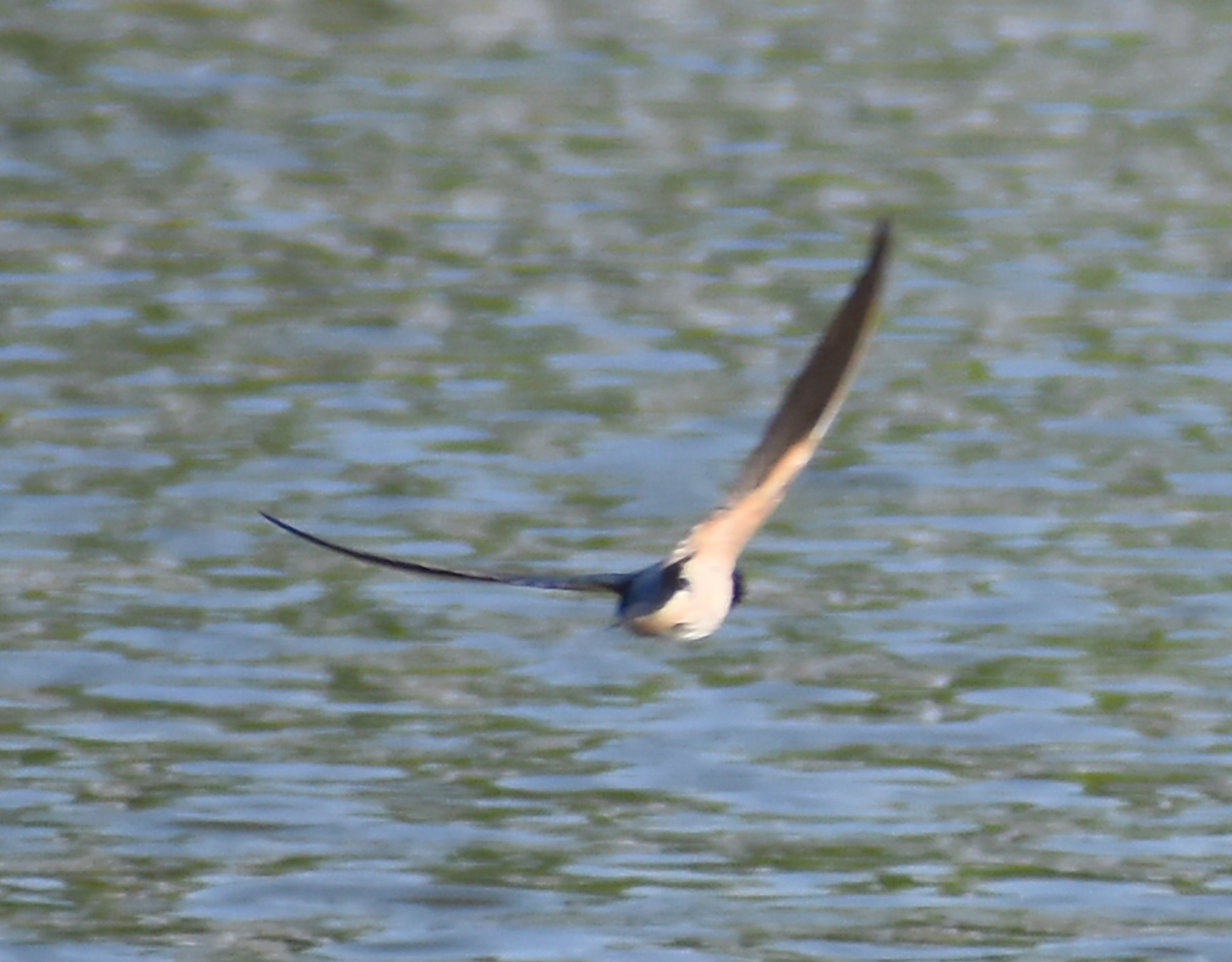
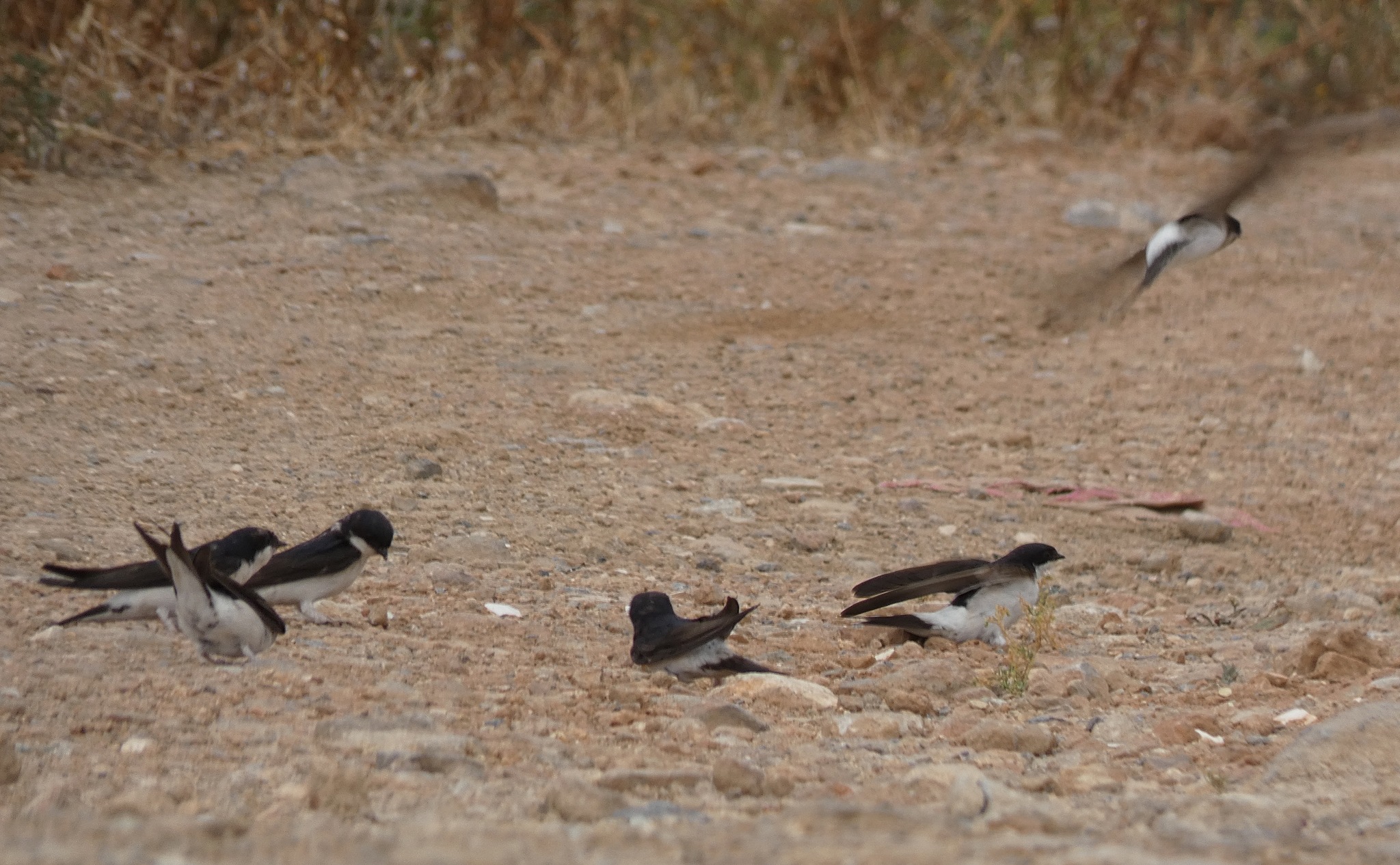
Adults are 13 cm (5 in) long with a wingspan of 26–29 cm (10–11.5 in) and average weight of 18.3 g. Plumage is steel-blue above with a white rump and white underparts, including underwings. Short legs have white downy feathering. Eyes are brown, bill is small and black, and toes and exposed leg parts are pink. Sexes are similar. Juveniles are sooty black with white tips and edgings on some wing coverts and quills. Subspecies D. u. lagopodum has a white rump extending further onto the tail.
Identification
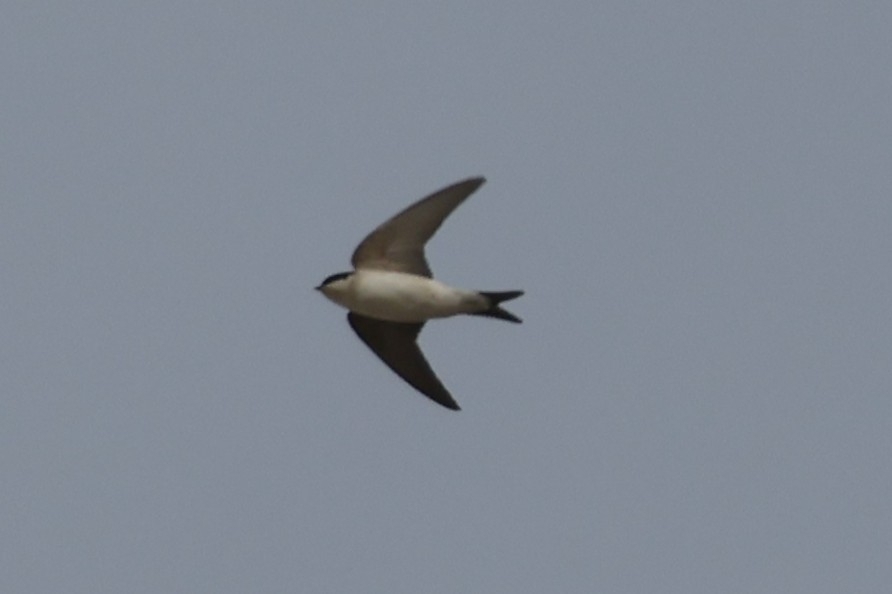
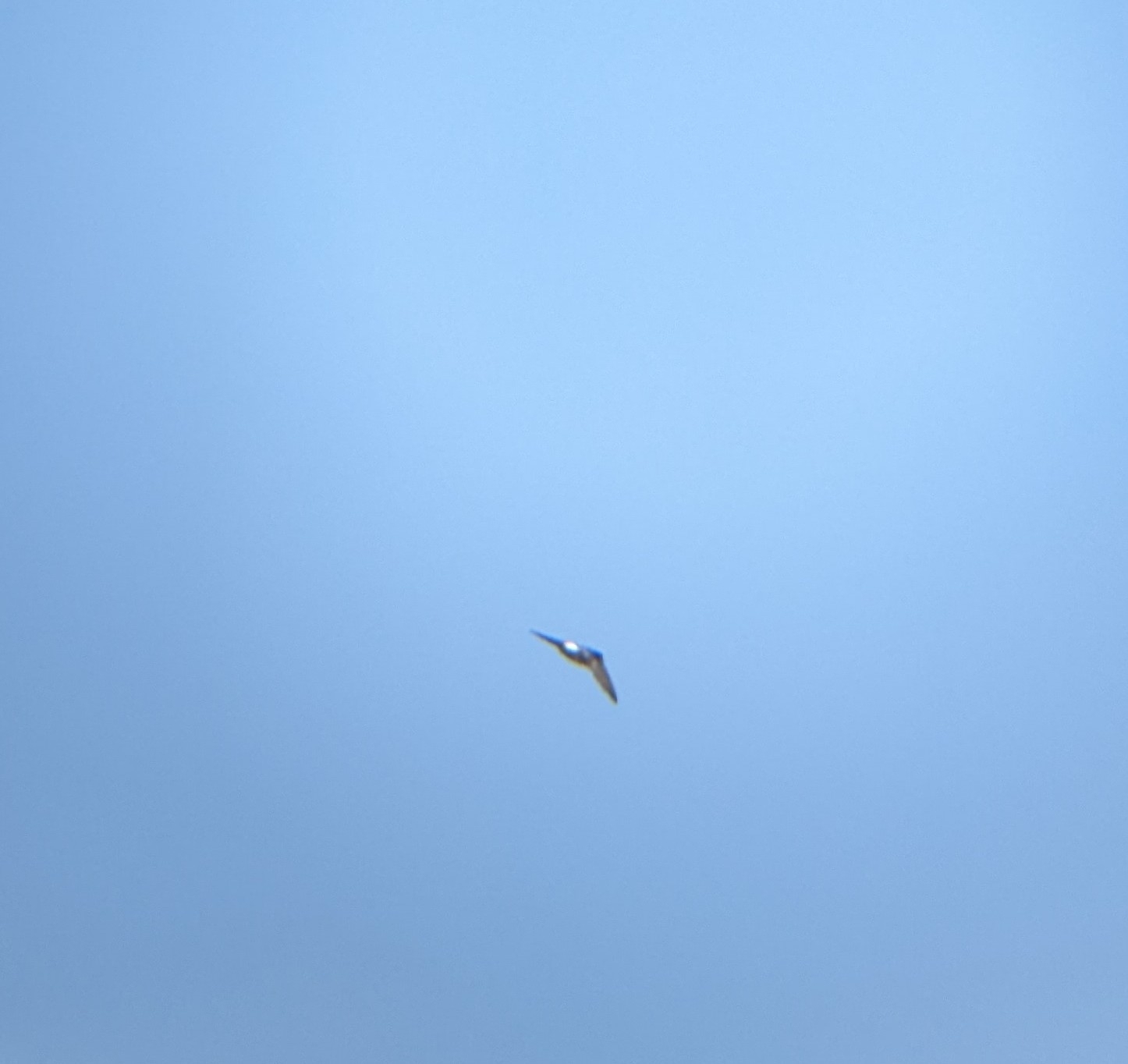
Distinguished by pure white rump and underparts, preventing confusion with barn swallow, sand martin, or red-rumped swallow. In Africa, differs from grey-rumped swallow which has a grey rump, off-white underparts, and deeply forked tail. Flight involves a wing beat averaging 5.3 beats per second. Vocalizations include a soft twittering song, a hard chirrrp contact call, and a shrill tseep alarm call.
Distribution & Habitat
Breeds across temperate Eurosiberia east to central Mongolia and the Yenisei River, and in Morocco, Tunisia, and northern Algeria. Migrates on a broad front across the Mediterranean and Sahara to winter in sub-Saharan Africa and tropical Asia. Preferred habitat includes open country with low vegetation, pasture, meadows, farmland, and mountains up to 2,200 m. More urban than barn swallows, often nesting in city centers. Vagrants recorded in Alaska, Newfoundland, Bermuda, Azores, and Colombia.
Behavior & Ecology
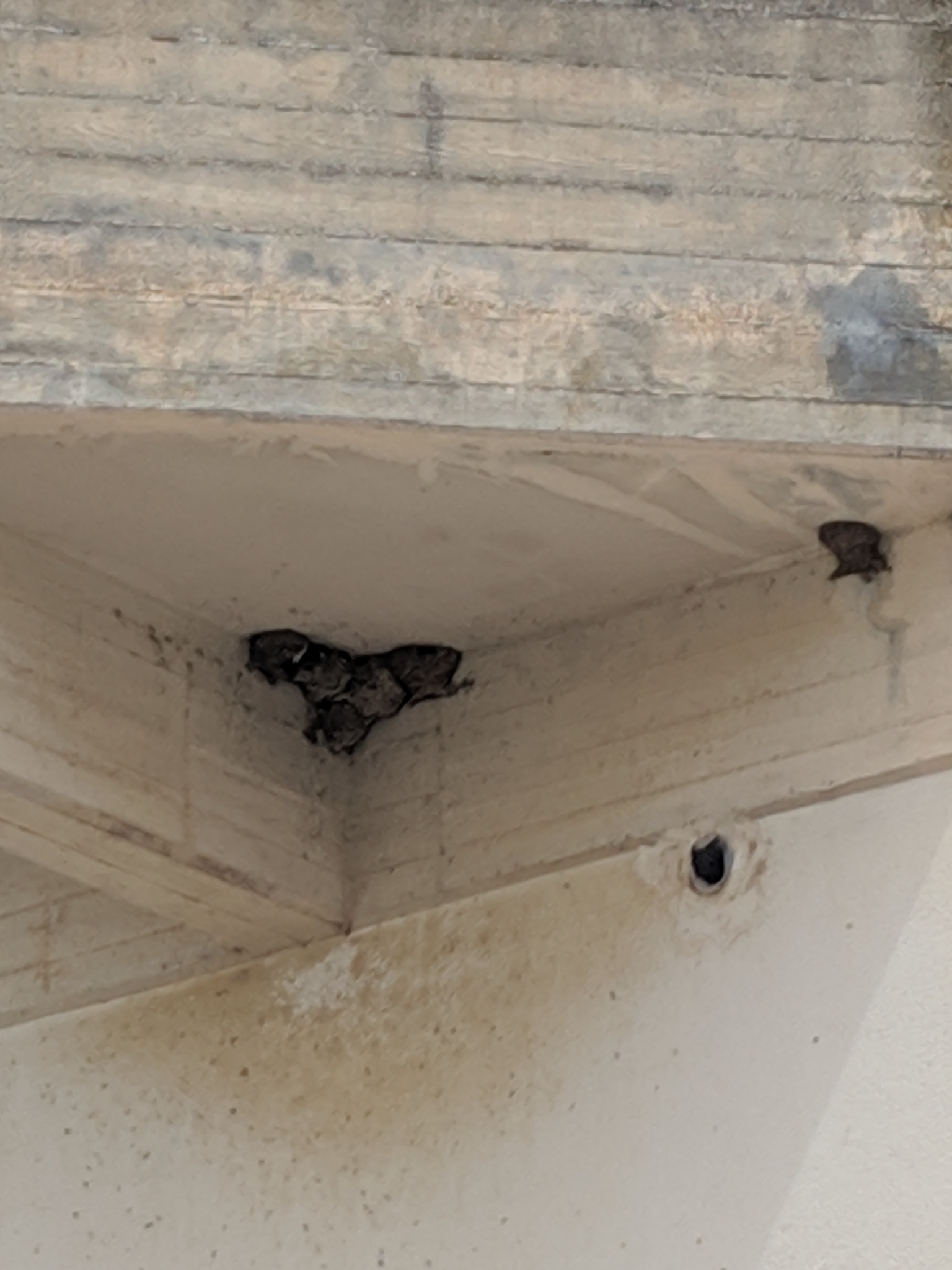
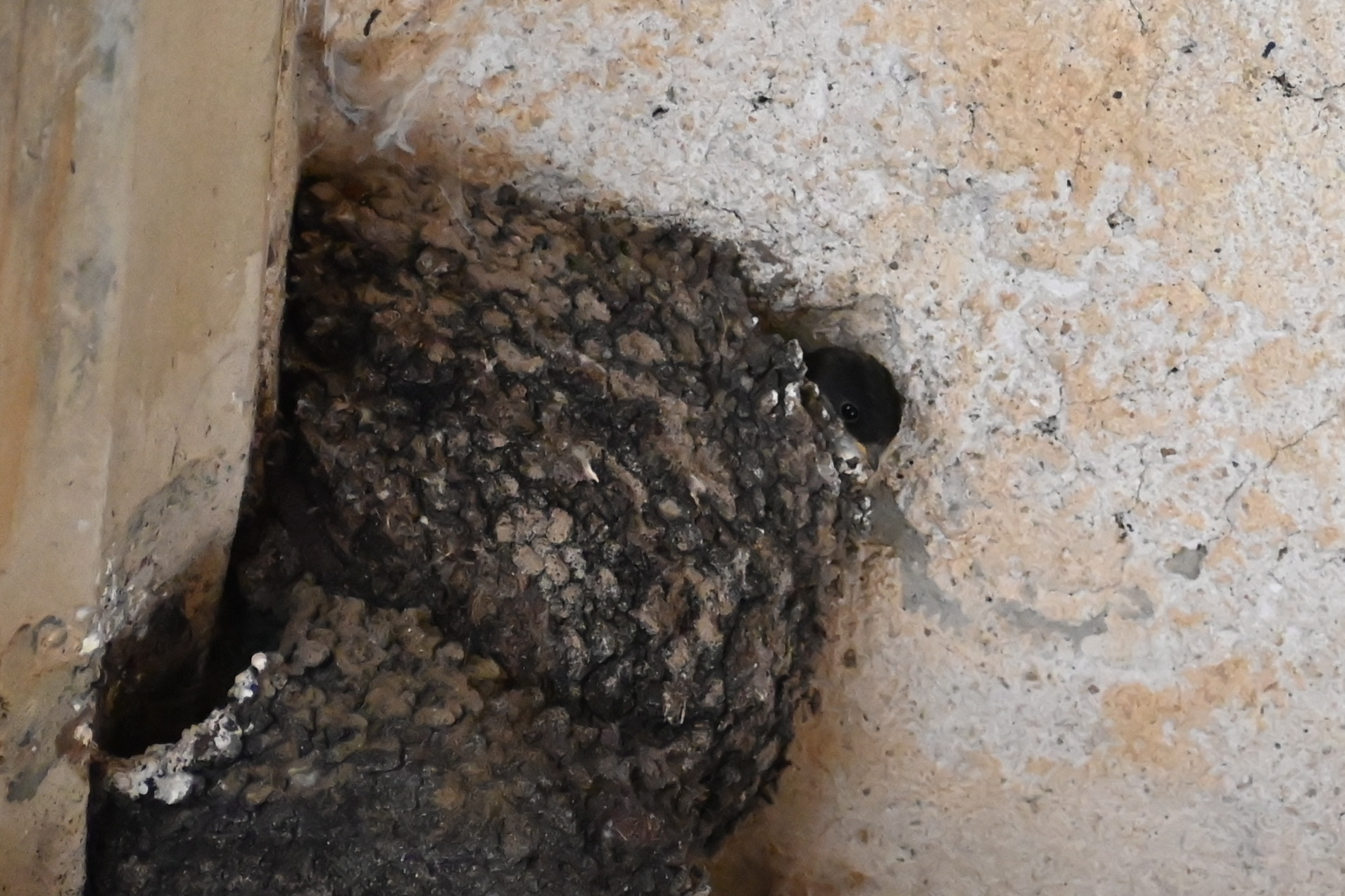
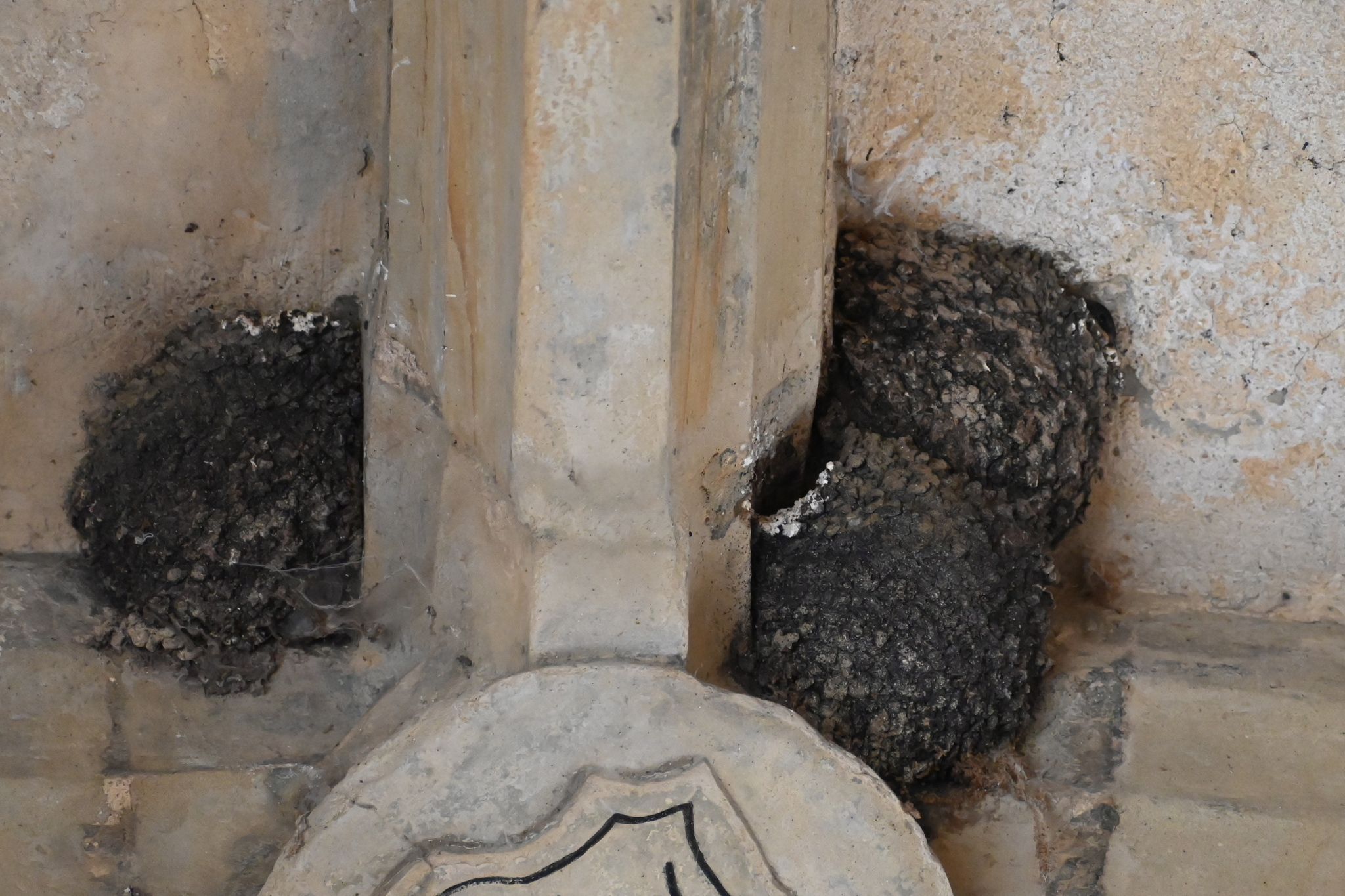
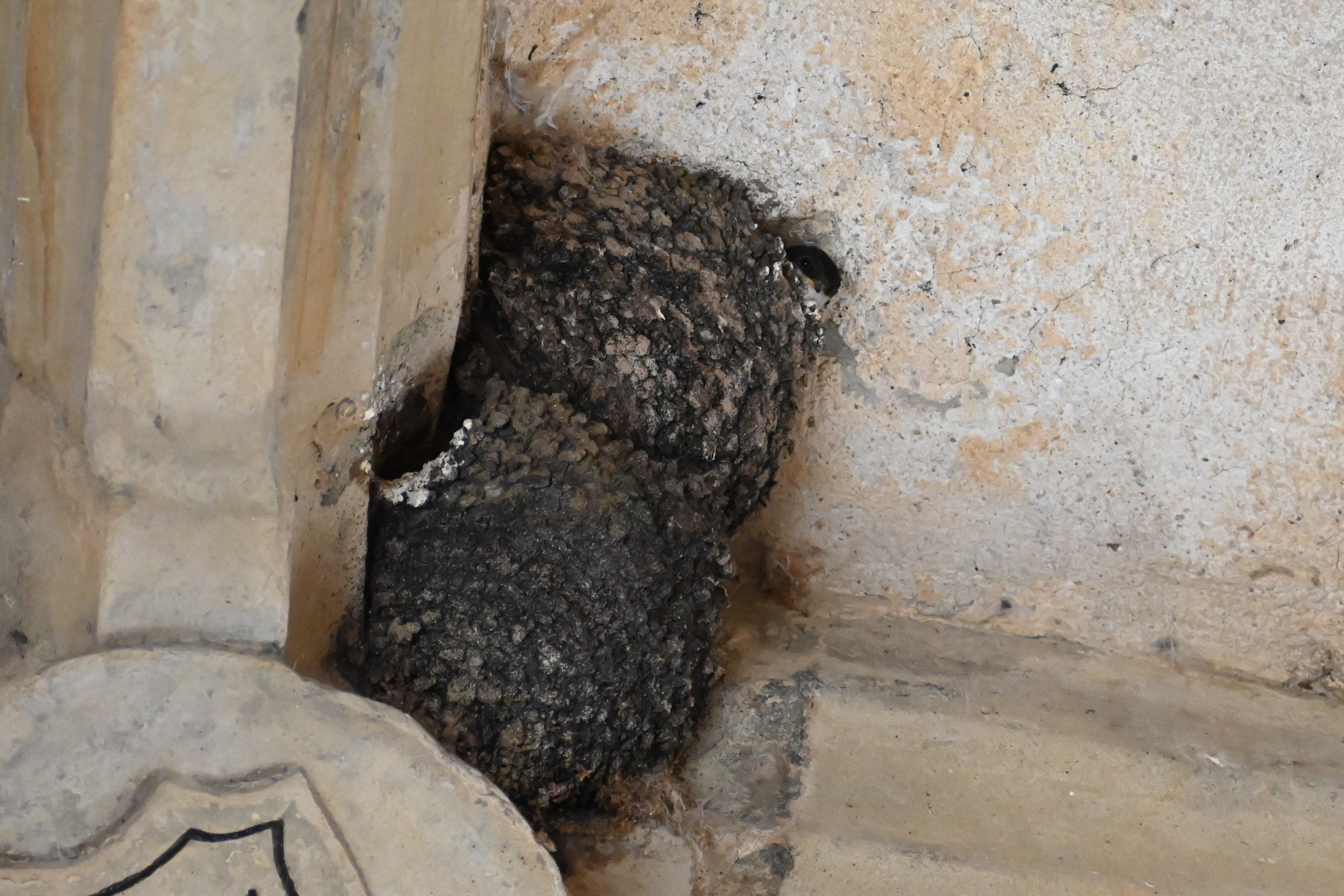
Feeds on aerial insects, primarily flies and aphids in breeding areas, and hymenopterans like flying ants in wintering grounds. Hunts at average height of 21 m during breeding season and over 50 m in winter. Nests are closed convex cups built from mud pellets, grass, and hair under eaves or rock overhangs, often in colonies. Typically lays 4–5 white eggs; incubation lasts 14–16 days, fledging 22–32 days. Usually raises two broods annually. Socially monogamous but genetically polygamous with frequent extra-pair copulations. Hybridizes with barn swallow.
Conservation
Evaluated as Least Concern on the IUCN Red List with a global extent of 30,800,000 km². European population estimated at 22–47 million individuals. Populations show declining trends in central and northern Europe since 1970, leading to an amber conservation status in Britain. Threats include poor weather, agricultural pesticides, lack of mud for nest building, and competition with house sparrows. Clean-air legislation has enabled breeding in major city centers.
Culture
Referenced in Shakespeare's Macbeth as the 'martlet'. Associated with old legends about walling up house sparrows in nests. The martlet, believed to refer to this species or a swallow, is a heraldic bird without legs, serving as the cadency mark for the fourth son of a noble family and featuring in coats of arms such as the Plantagenets.
Source: Wikipedia · CC BY-SA 3.0
Taxonomy
- Order
- Passeriformes
- Family
- Hirundinidae
- Genus
- Delichon
Subspecies (2)
-
Delichon urbicum meridionale
Mediterranean basin to North Africa, Iran, and northern India
Data Sources
Species description from Wikipedia, licensed under CC BY-SA 3.0.
Bird images and sounds sourced from GBIF, contributed by citizen scientists worldwide under Creative Commons licenses.
Taxonomy data from AviList 2025.