Apodiformes / Apodidae / Cypsiurus
Asian Palm Swift
Cypsiurus balasiensis · 棕雨燕
Introduction
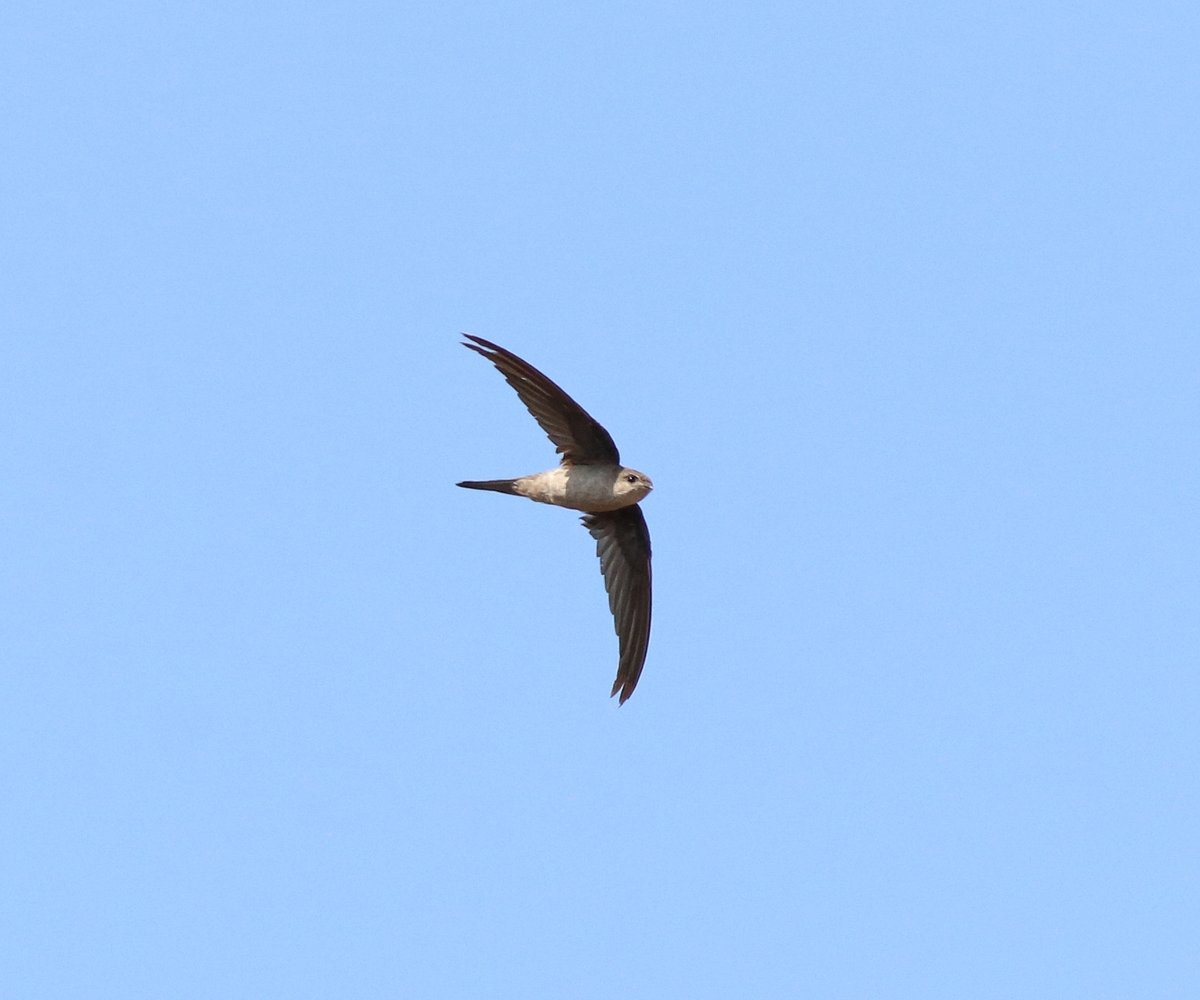
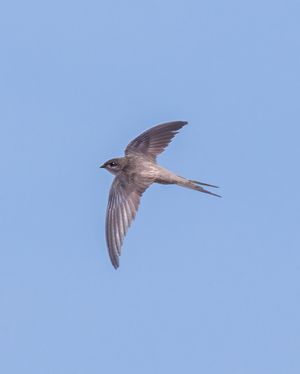
A small swift species, formerly considered conspecific with the African palm swift. It is a common resident breeder in tropical Asia, inhabiting open country and cultivation areas with a strong association with oil palms. Distinctive traits include building nests glued to palm leaves with saliva and spending most of its life airborne.
Description
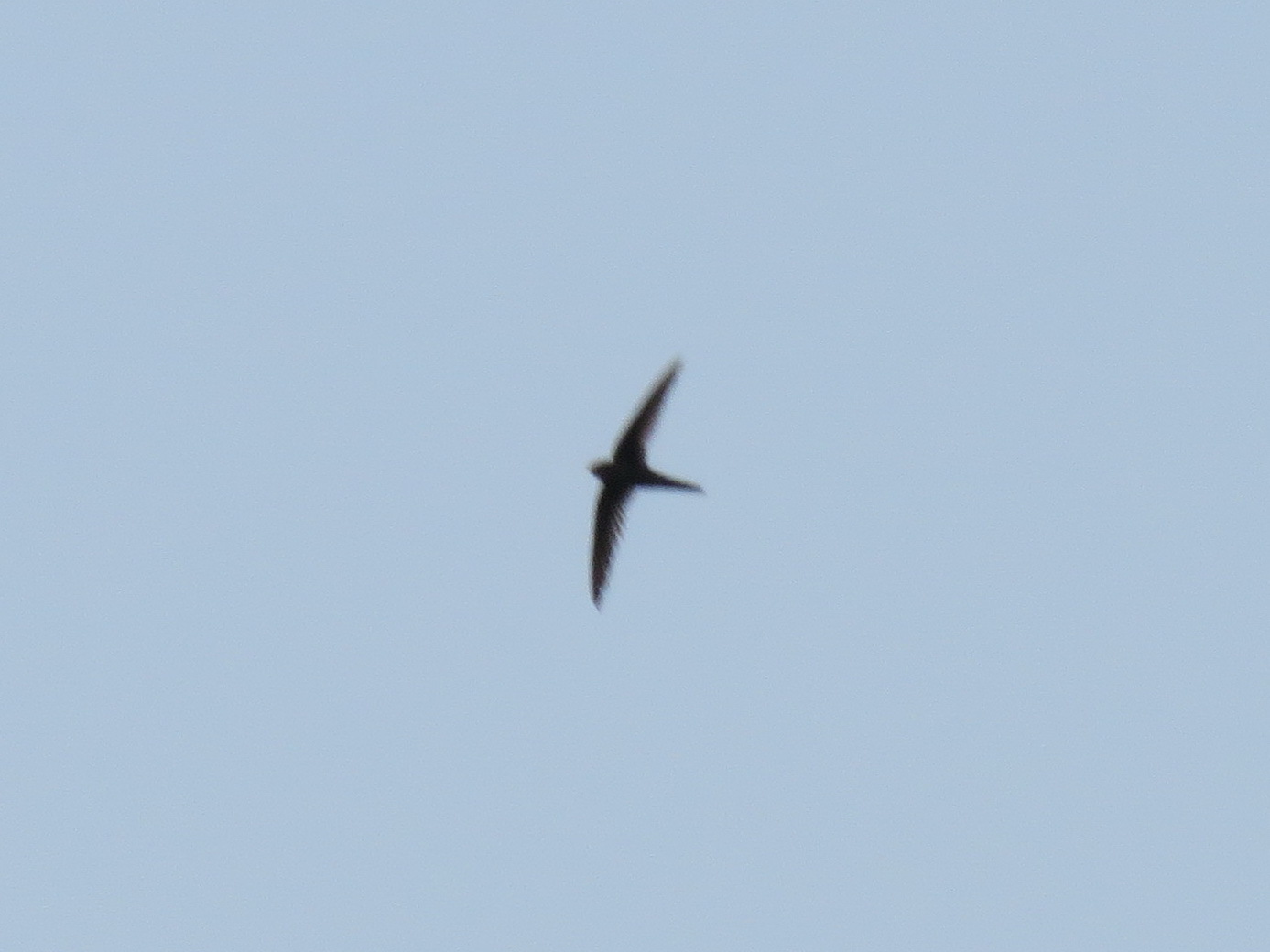
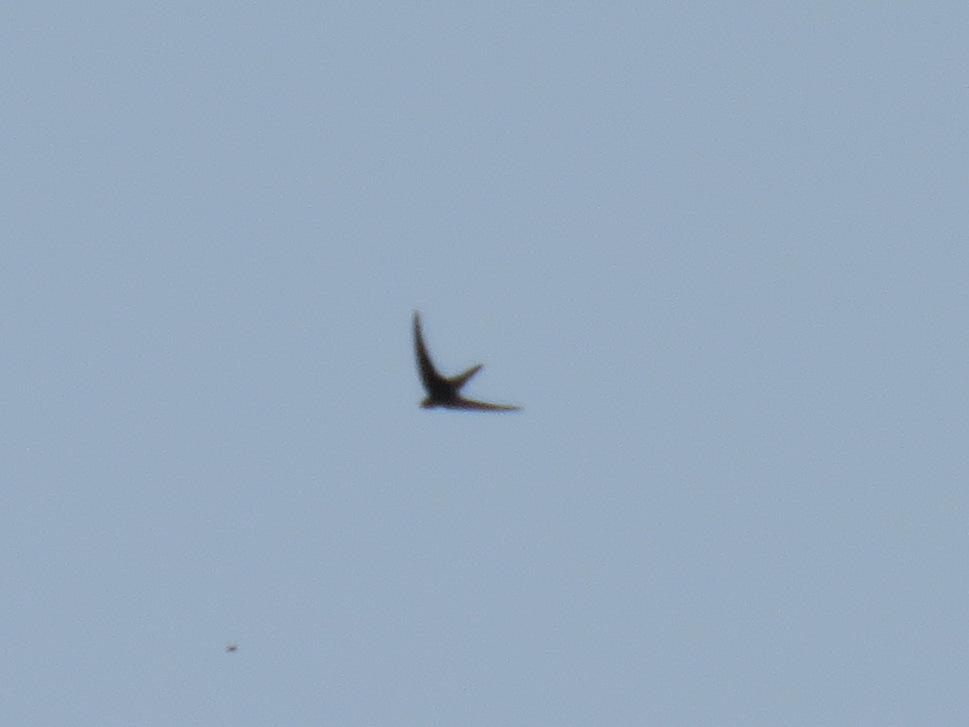
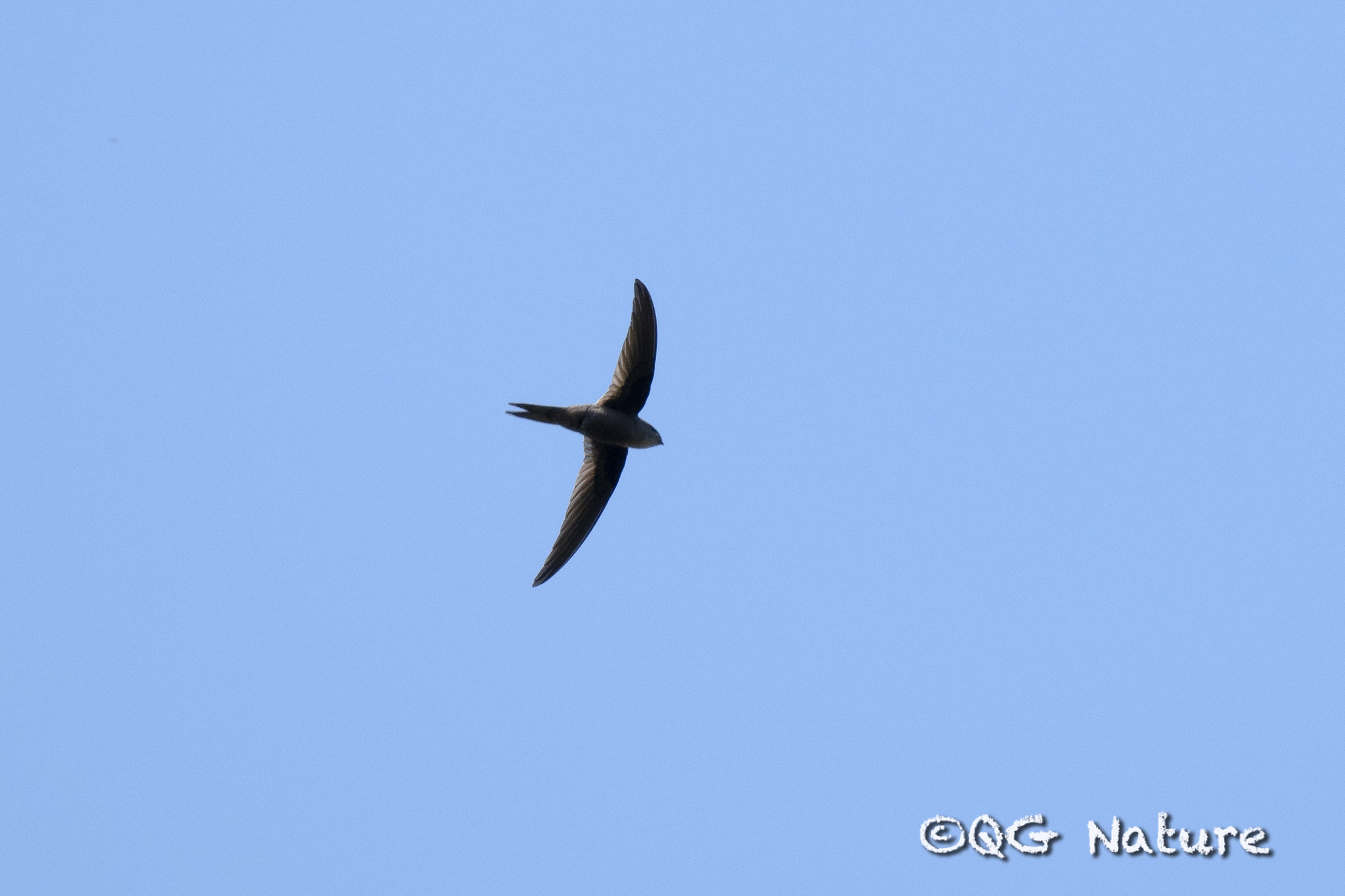
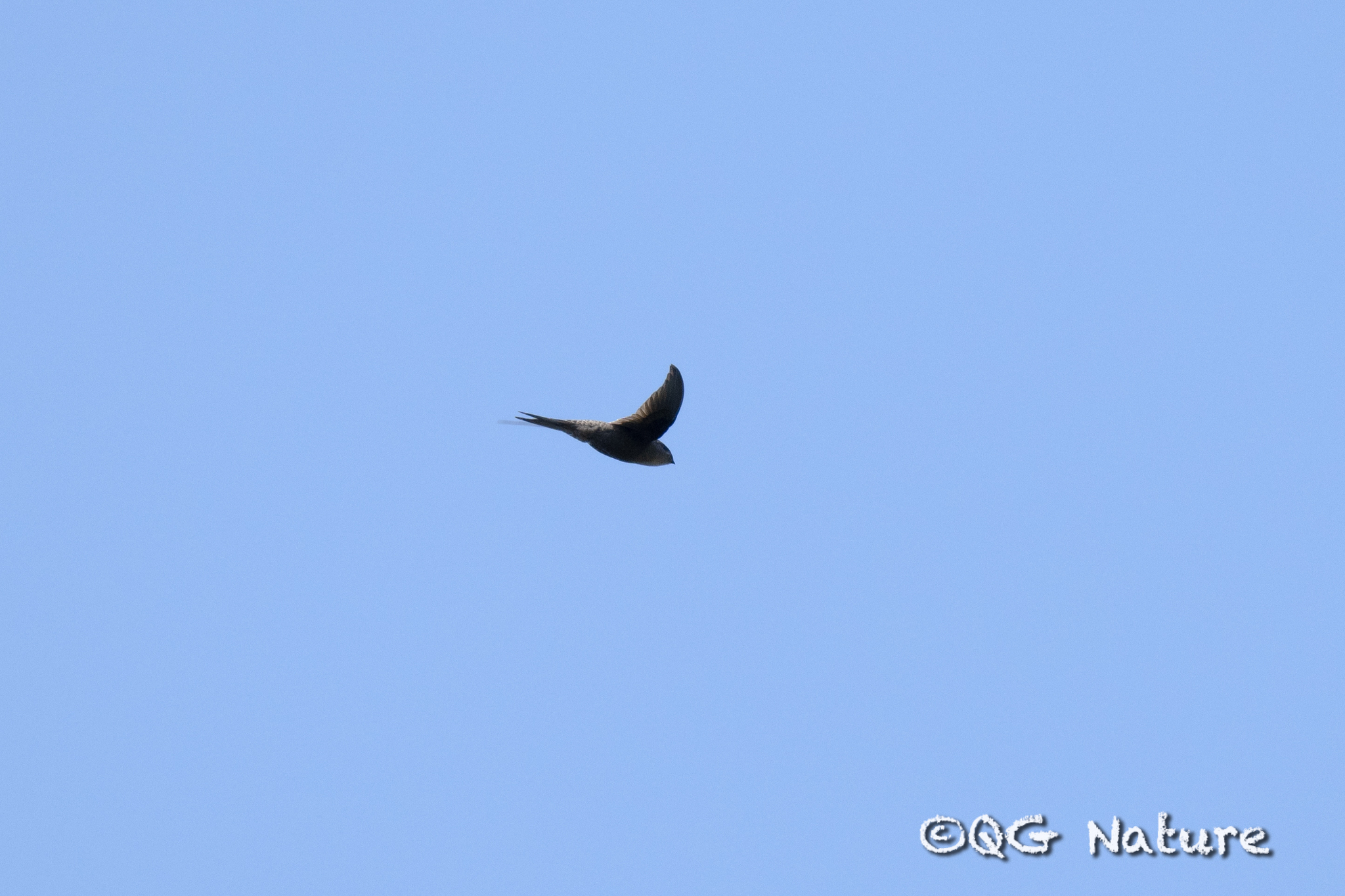
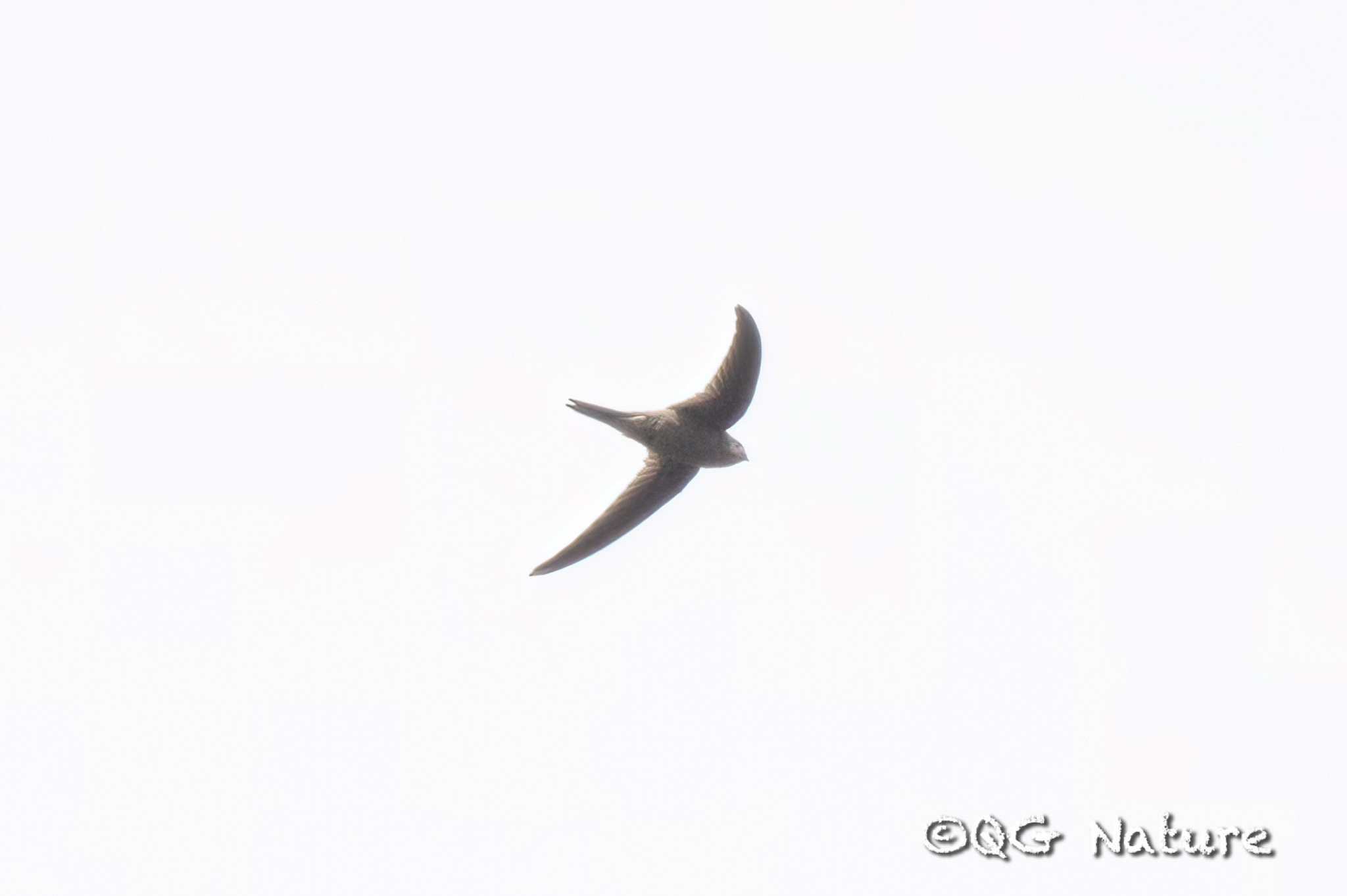
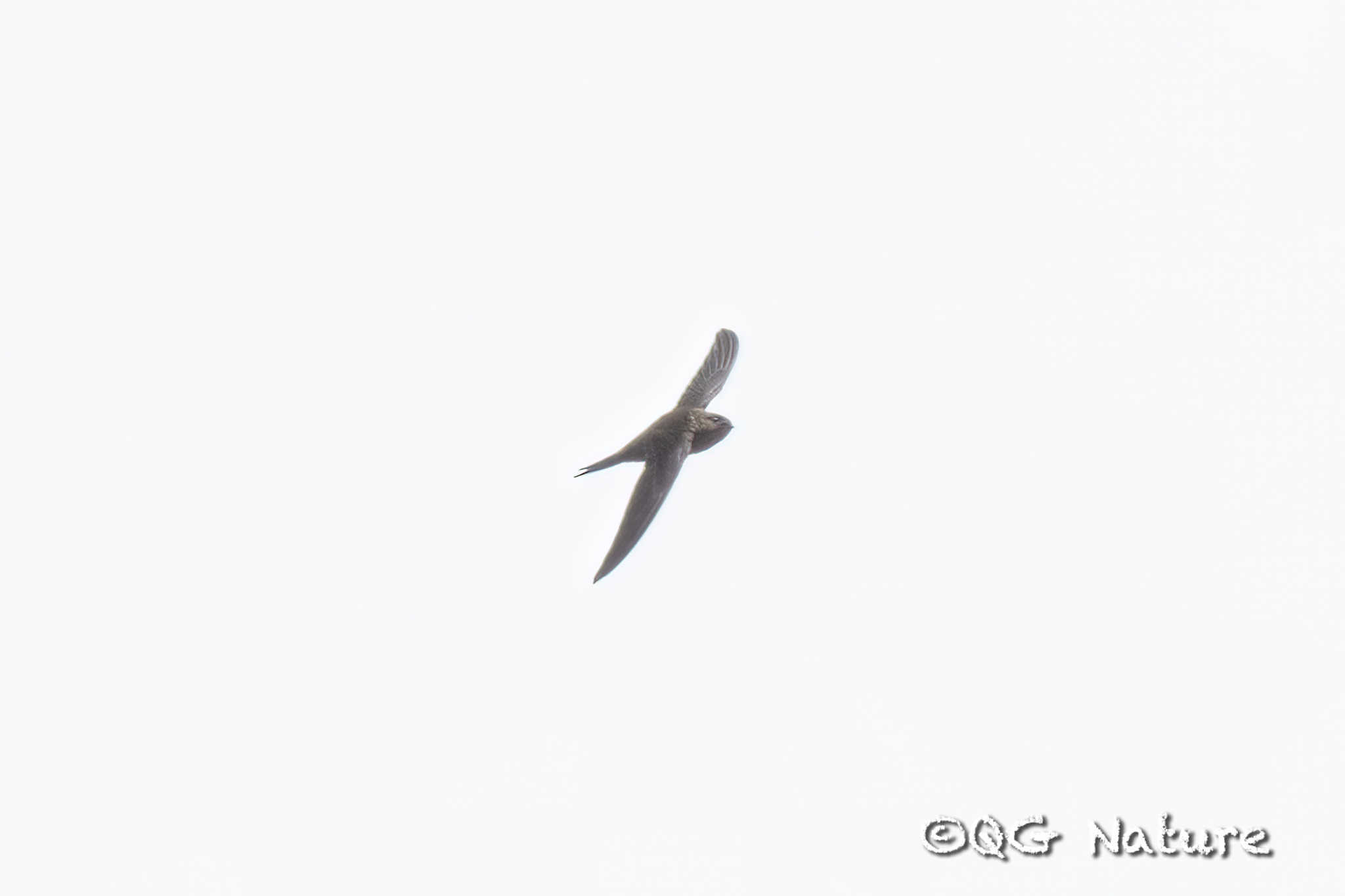
Measures 13 cm in length. Plumage is mainly pale brown. Features long swept-back wings resembling a crescent or boomerang, a slender body, and a long, deeply forked tail that is usually held closed. Sexes are similar; young birds differ from adults primarily by having shorter tails. Legs are very short, used only for clinging to vertical surfaces.
Identification
Key marks include pale brown coloration, crescent-shaped wings, and a deeply forked tail. Similar to the African palm swift. Vocalization is a loud shrill scream. Flight style involves spending most of life in the air, often feeding near the ground and drinking on the wing.
Distribution & Habitat
Common resident breeder in tropical Asia, ranging from India to the Philippines. Habitat includes open country and cultivation, strongly associated with oil palms.
Behavior & Ecology
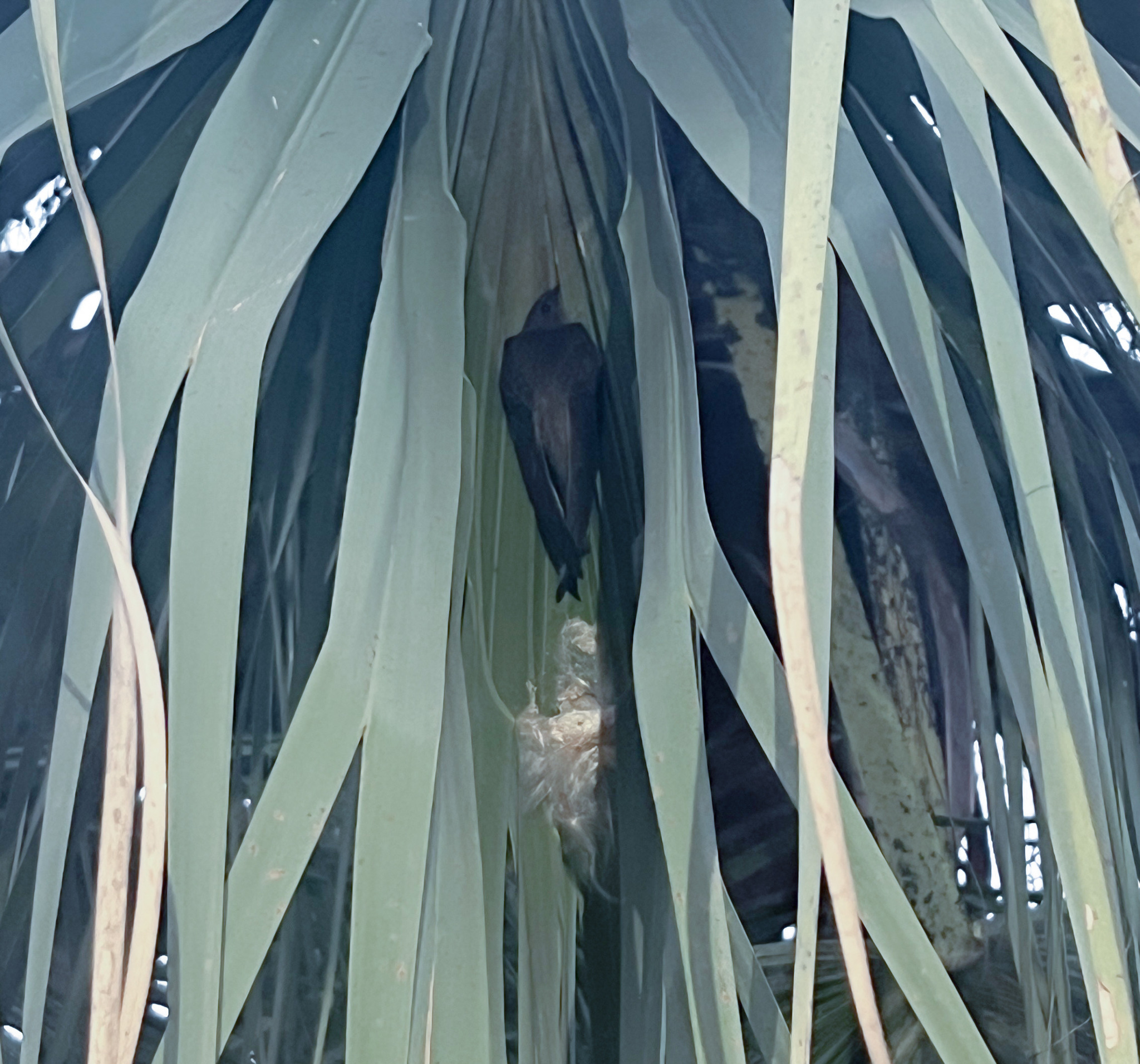
Nests are constructed from down and feathers, glued to the underside of palm leaves using saliva, which also secures the usual clutch of two or three eggs. Feeds on insects caught in the beak while flying. Does not settle voluntarily on the ground.
Source: Wikipedia · CC BY-SA 3.0
Taxonomy
- Order
- Apodiformes
- Family
- Apodidae
- Genus
- Cypsiurus
Vocalizations
Subspecies (4)
-
Cypsiurus balasiensis balasiensis
Indian subcontinent and Sri Lanka
Data Sources
Species description from Wikipedia, licensed under CC BY-SA 3.0.
Bird images and sounds sourced from GBIF, contributed by citizen scientists worldwide under Creative Commons licenses.
Taxonomy data from AviList 2025.