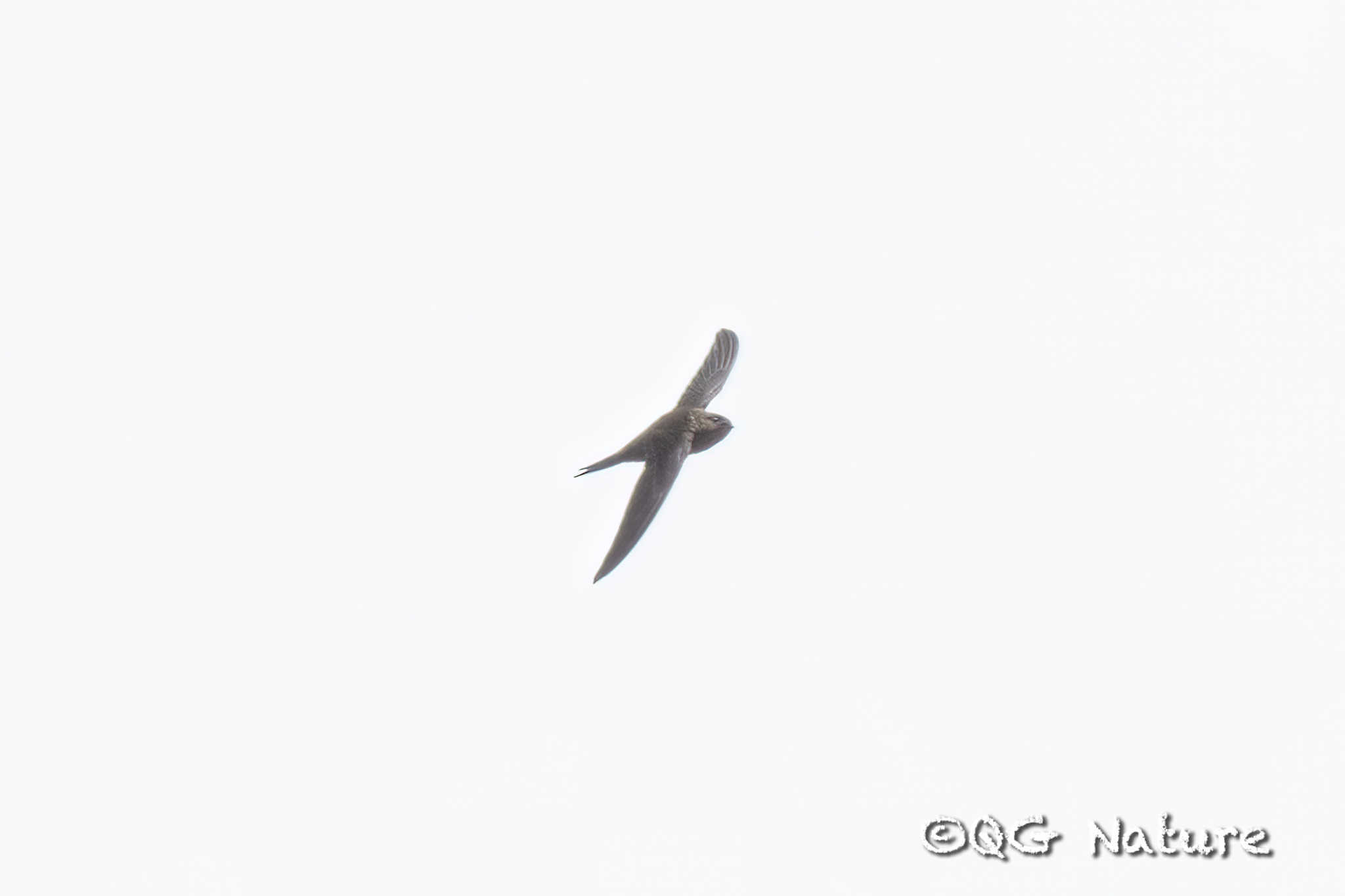
Asian Palm Swift
Cypsiurus balasiensis
棕雨燕
Introduction
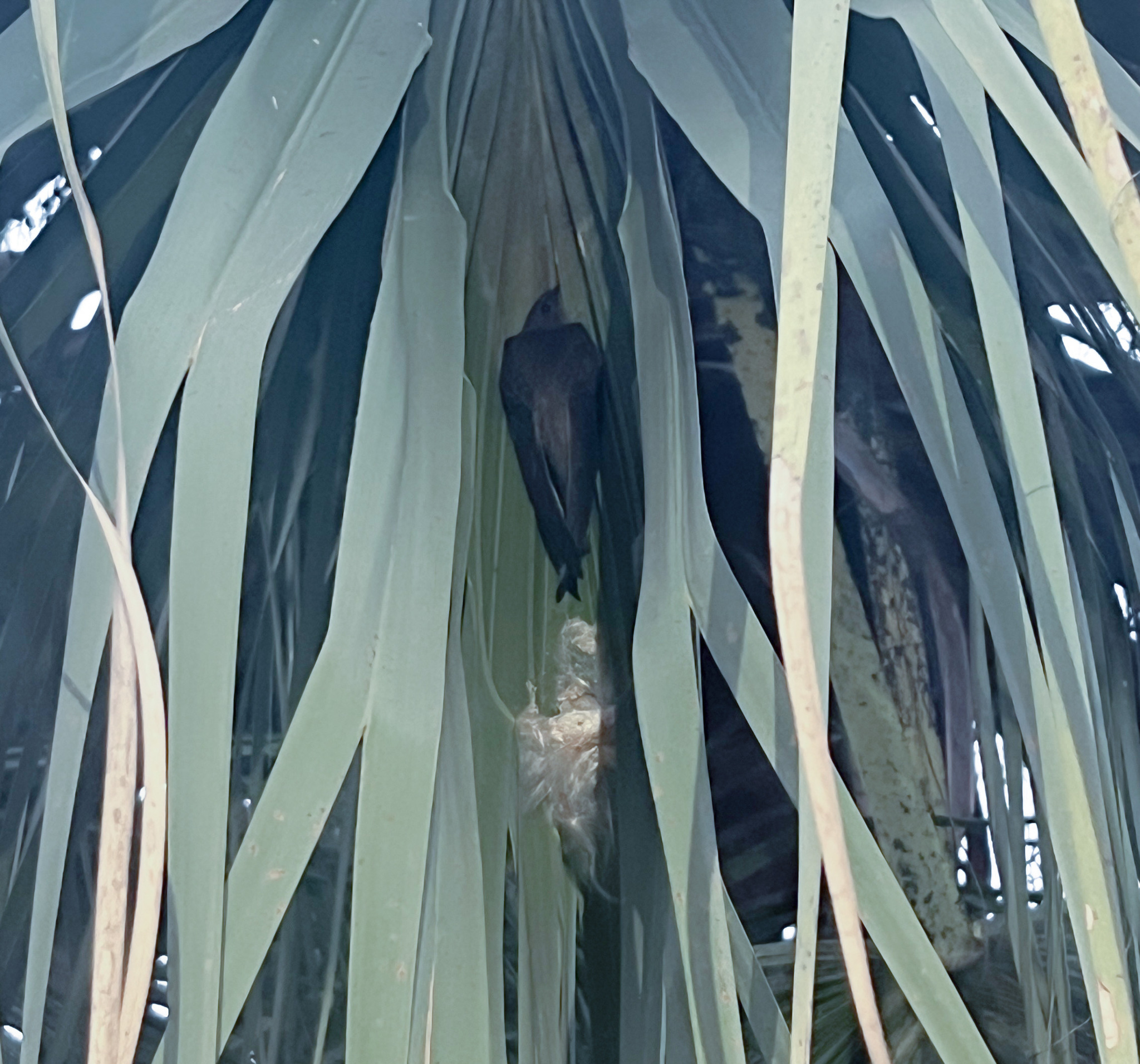
Resident of tropical Asia, breeding across a vast range from India to the Philippines. Favors open country and cultivated landscapes, particularly oil palm plantations. The species was once considered conspecific with its African counterpart, though they are now recognized as separate entities. Adapted for an entirely aerial existence, this bird spends virtually its entire life on the wing, only occasionally touching vertical surfaces to rest or nest. Constructs a nest by gluing feathers to the underside of palm leaves using saliva, securing a clutch of two or three eggs. Flies low over fields and waterways, catching insects and drinking while in flight. Detected by loud calls.
Description
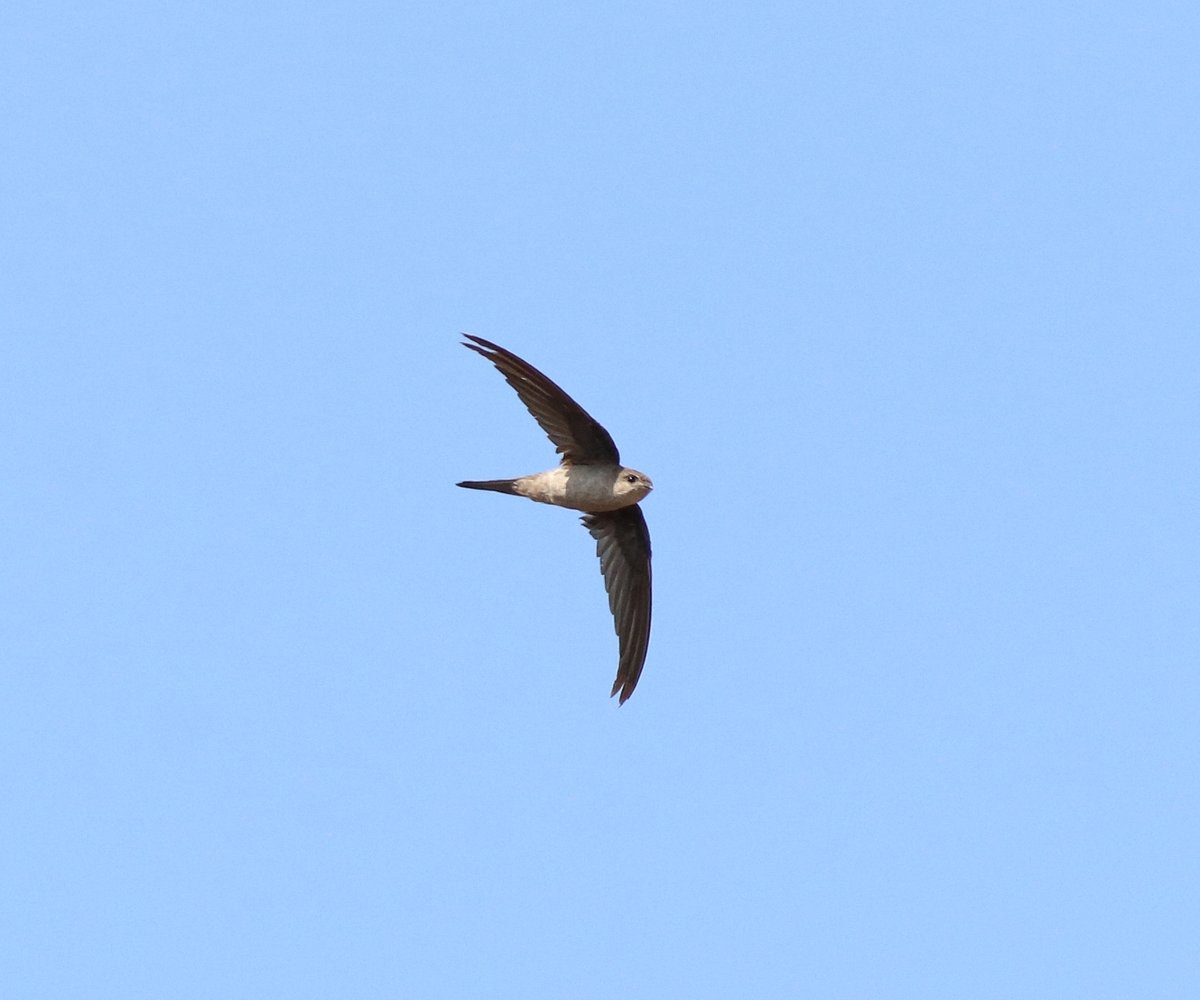
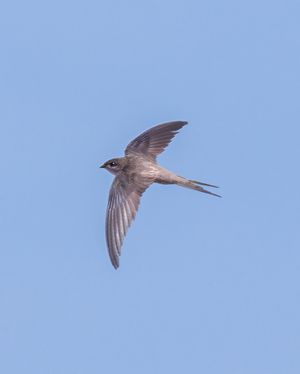
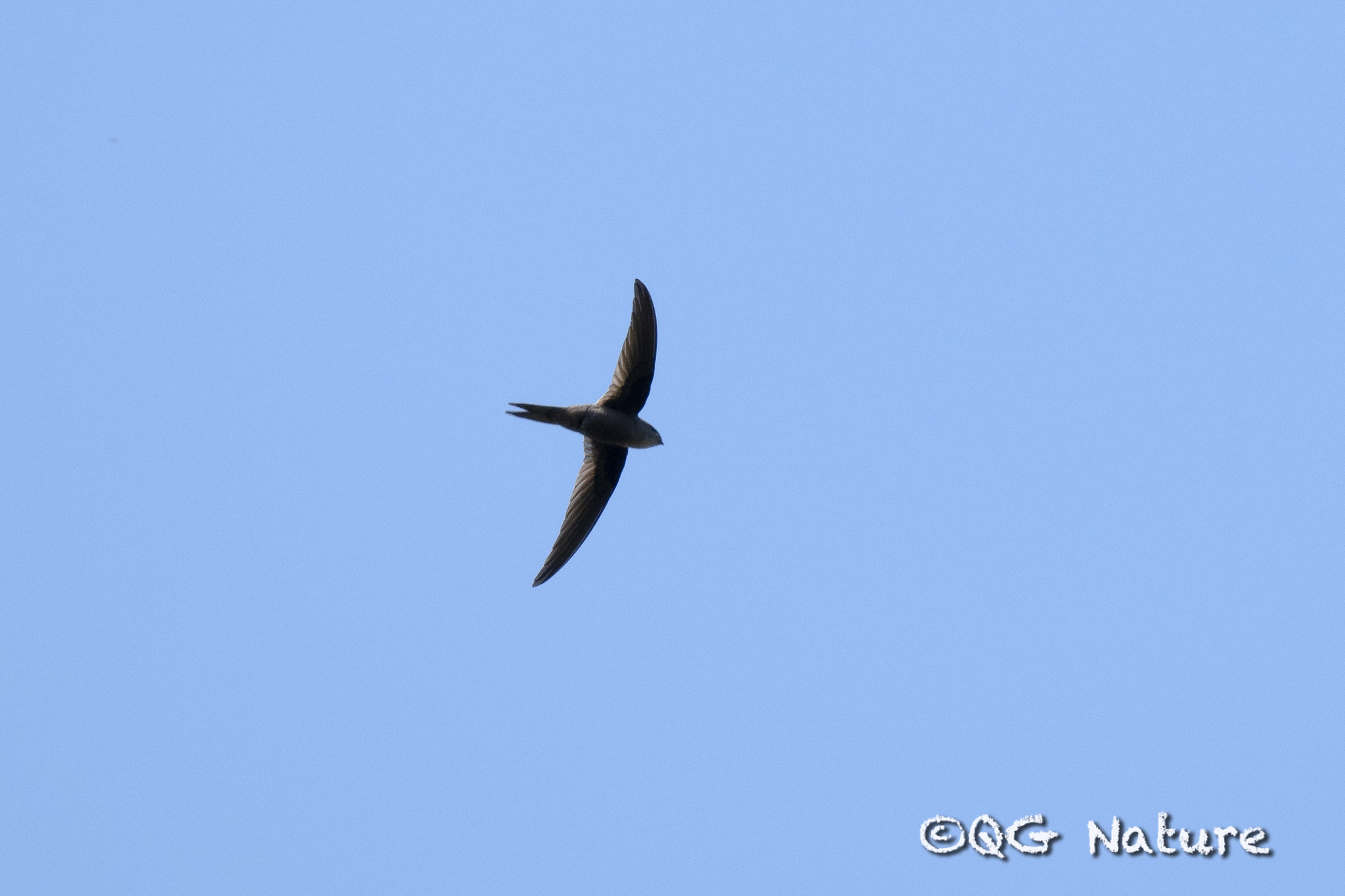
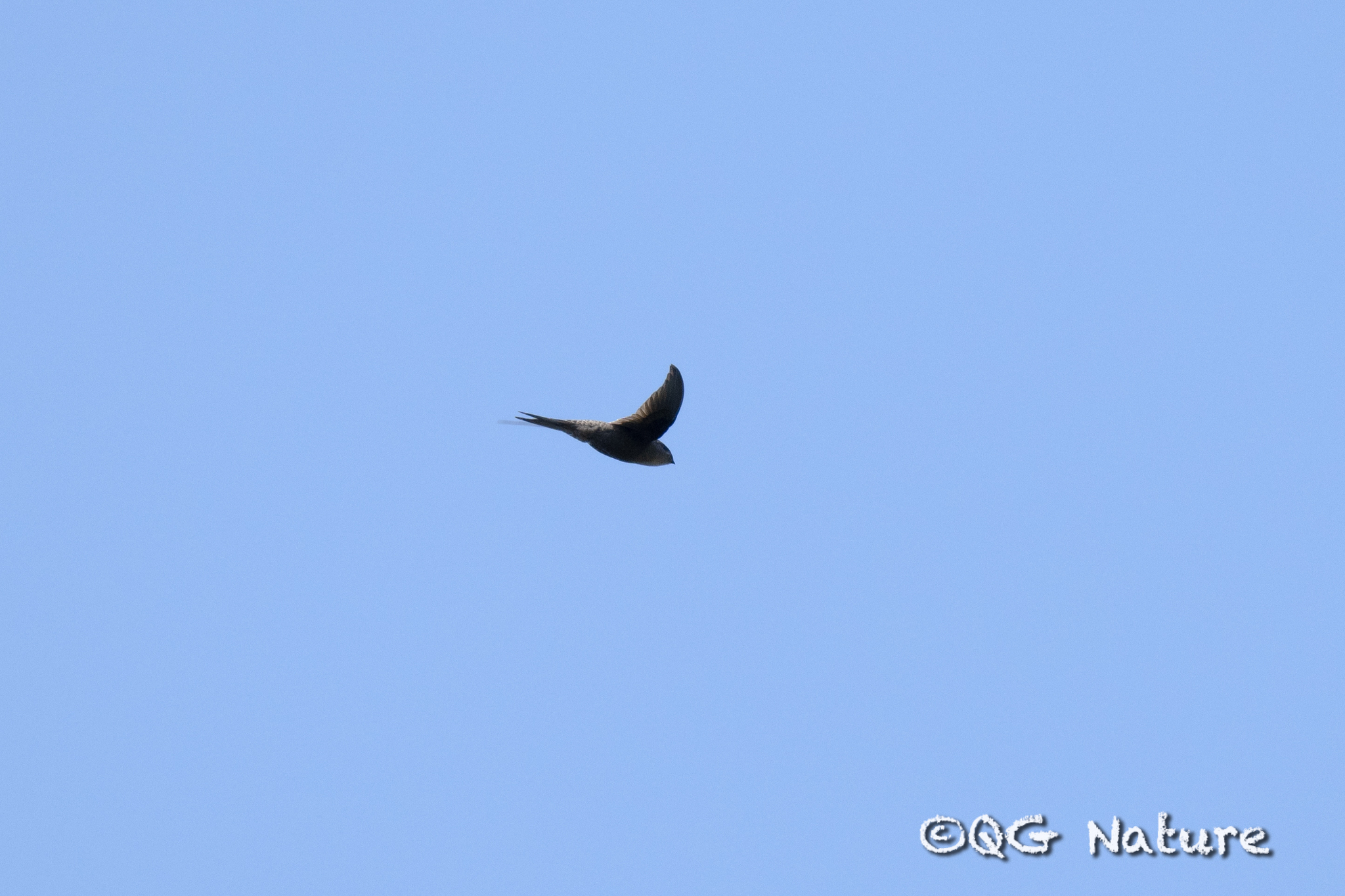
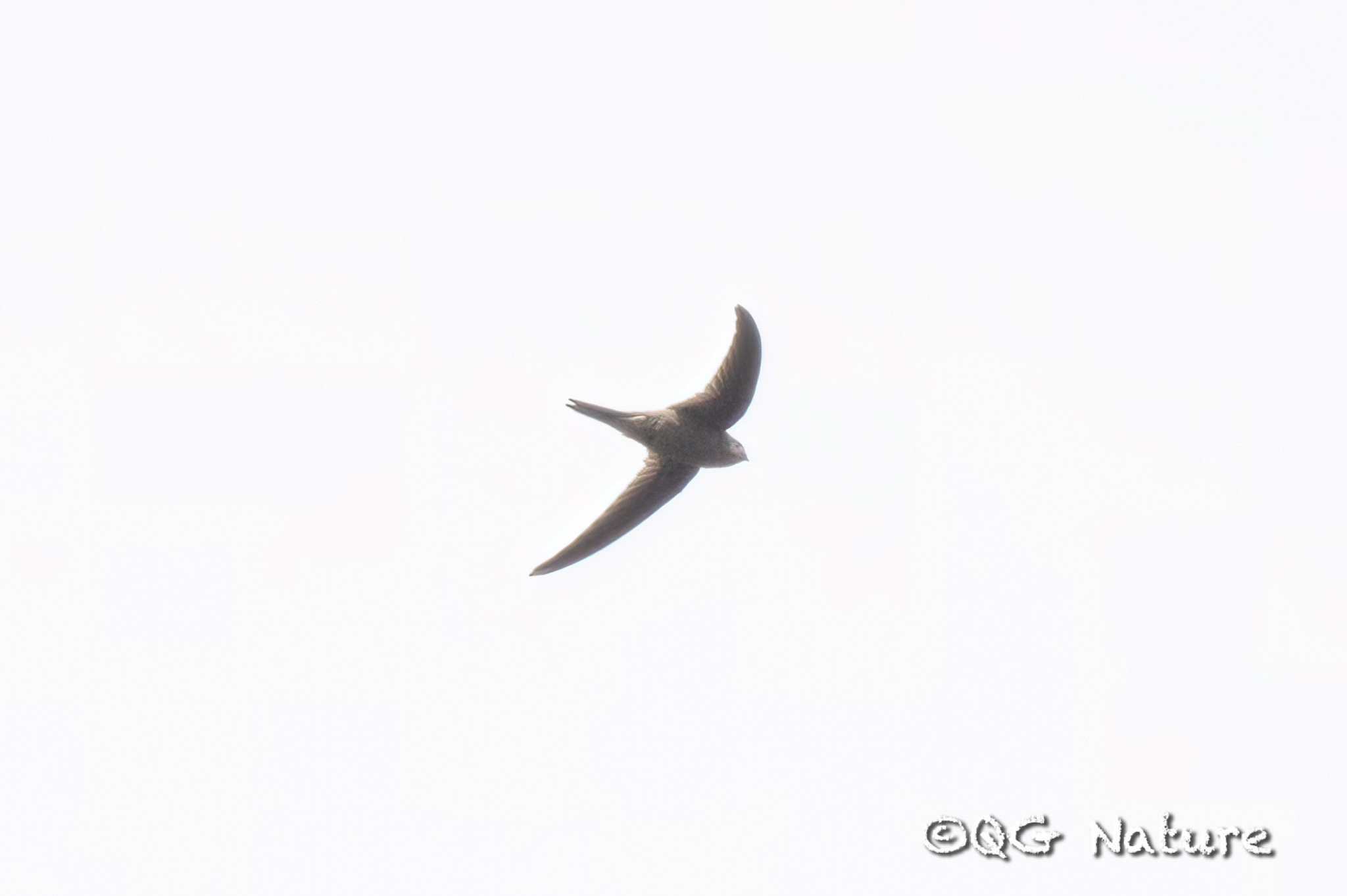
This compact swift measures 13 centimeters in length with a predominantly pale brown plumage. Its most striking feature is the long, swept-back wings that form a distinctive crescent or boomerang shape in flight. The body is slender and streamlined, built for speed and endurance in the air. The tail is notably long and deeply forked, though birds typically hold it closed when not in active flight maneuvering. The species has remarkably short legs specialized exclusively for clinging to vertical surfaces, a characteristic adaptation of true swifts that rarely, if ever, voluntarily settle on horizontal ground.
Identification
Field identification focuses on the combination of small size, pale brown coloration, and deeply forked tail. The species is nearly identical in appearance to the African palm swift, requiring careful attention to range and subtle structural differences. Sexes appear identical, with juveniles distinguished primarily by their noticeably shorter tail streamers. The long curved wings and rapid, agile flight pattern distinguish these birds from other swifts in their range.
Distribution & Habitat
The species breeds throughout tropical Asia, its range extending from India and Sri Lanka eastward through Southeast Asia to the Philippines and Indonesia. It inhabits open countryside, agricultural areas, and regions with scattered palm trees, showing particular fidelity to oil palm plantations. This is primarily a resident species, though individuals may undertake local movements in response to resource availability and seasonal conditions.
Behavior & Ecology
The species is supremely adapted for an aerial existence, spending nearly all its time on the wing. It catches flying insects in its beak and drinks while in motion, rarely if ever landing voluntarily. Feeding often occurs at low altitudes over fields and near water. The birds nest in small colonies, attaching their delicate nests to the underside of palm fronds using salivary secretions. The call is a loud, shrill scream that carries well across open terrain, typically given in flight.
Source: Wikipedia · CC BY-SA 3.0
Taxonomy
- Order
- Apodiformes
- Family
- Apodidae
- Genus
- Cypsiurus
- eBird Code
- aspswi1
Vocalizations
Subspecies (4)
-
Cypsiurus balasiensis balasiensis
Indian subcontinent and Sri Lanka
-
Cypsiurus balasiensis bartelsorum
Java and Bali
-
Cypsiurus balasiensis infumatus
Myanmar to Indochina, Malay Peninsula, Sumatra, and Borneo
-
Cypsiurus balasiensis pallidior
Philippines
Data Sources
Species description from Wikipedia, licensed under CC BY-SA 3.0.
Bird images and sounds sourced from GBIF, contributed by citizen scientists worldwide under Creative Commons licenses.
Taxonomy data from AviList 2025.