Passeriformes / Muscicapidae / Cyanoptila
Blue-and-white Flycatcher
Cyanoptila cyanomelana · 白腹蓝鹟
Introduction
A migratory songbird in the family Muscicapidae. It breeds in Japan, Korea, northeastern China, and the Russian Far East, wintering in Southeast Asia including Vietnam, Cambodia, Thailand, Sumatra, and Borneo. It inhabits primary and secondary lowland to submontane forests up to 1200m during breeding, and coastal woodlands or gardens in winter. The species is classified as Least Concern on the IUCN Red List.
Description
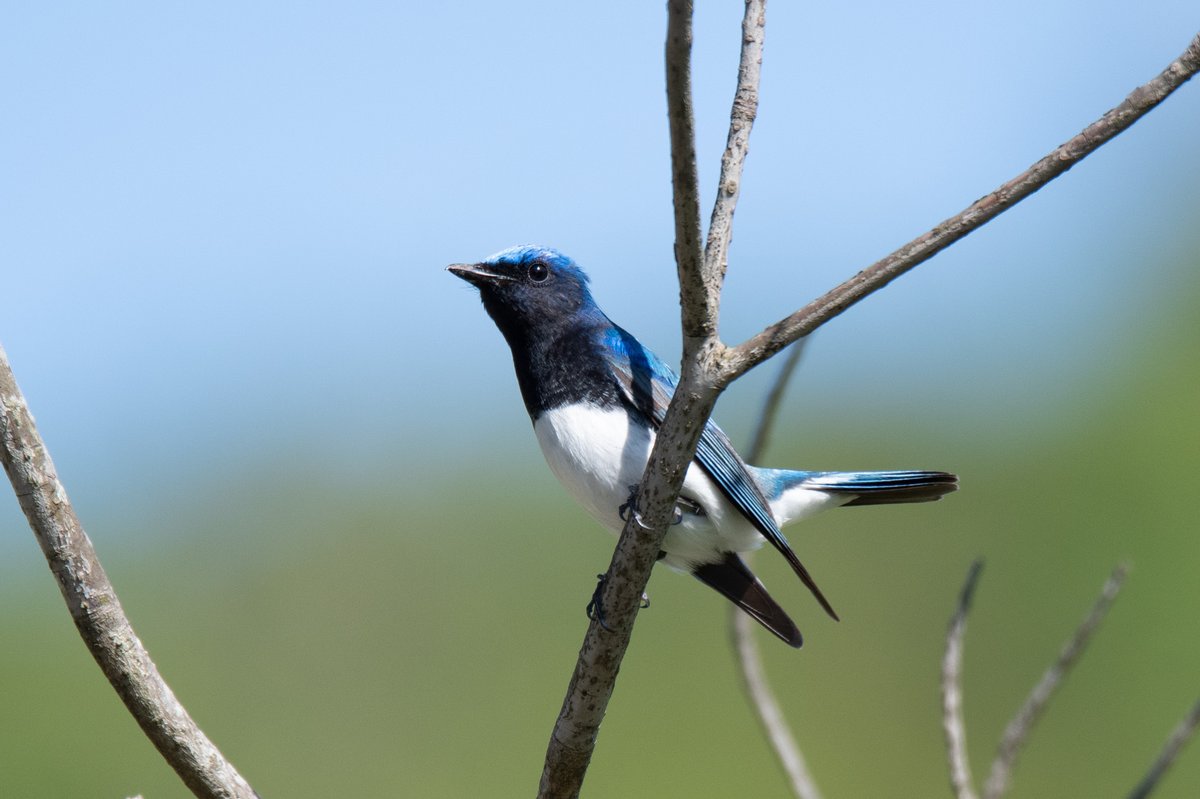
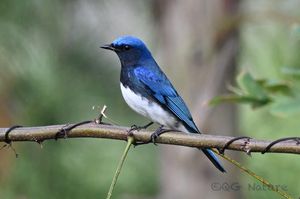
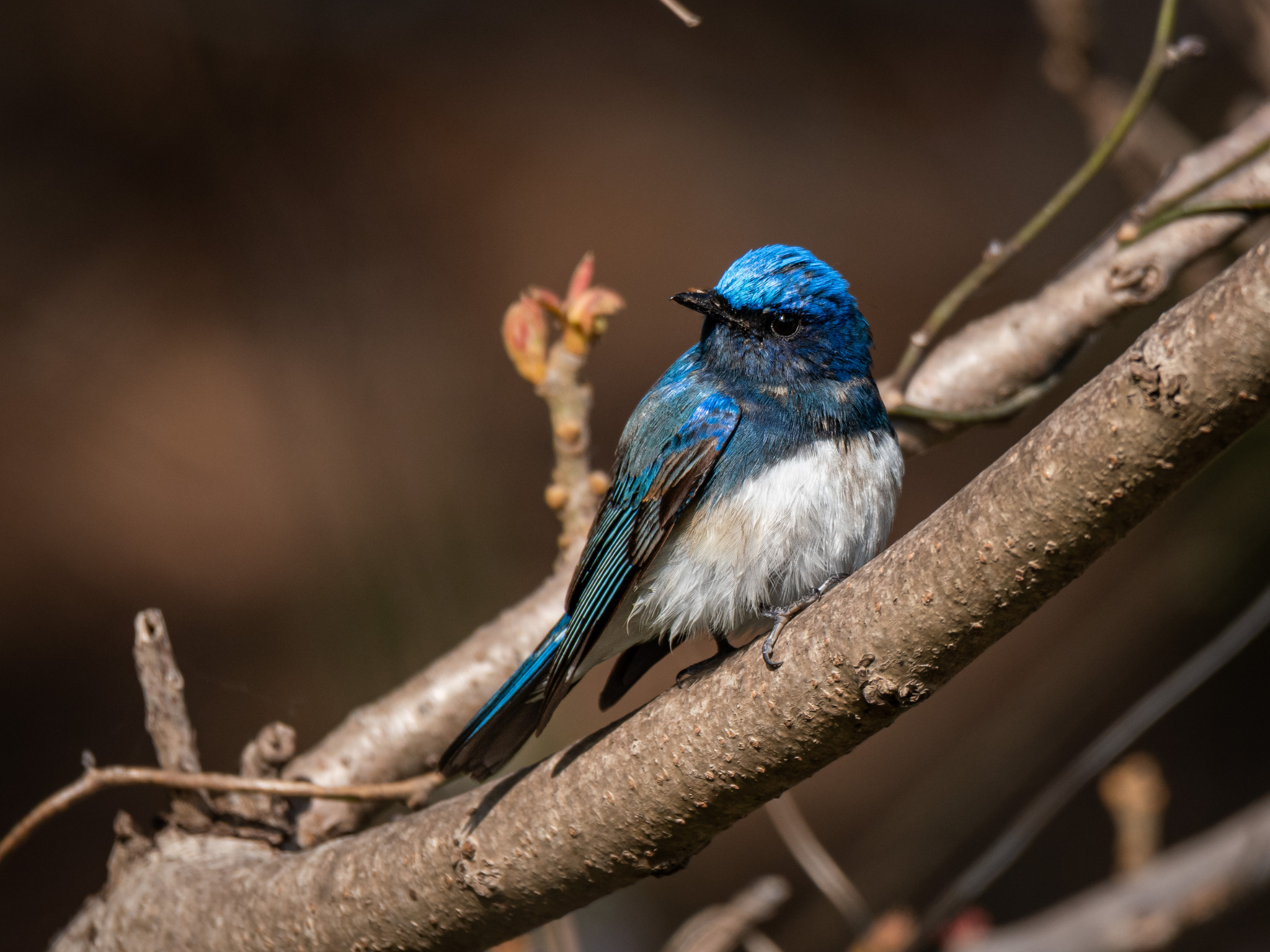
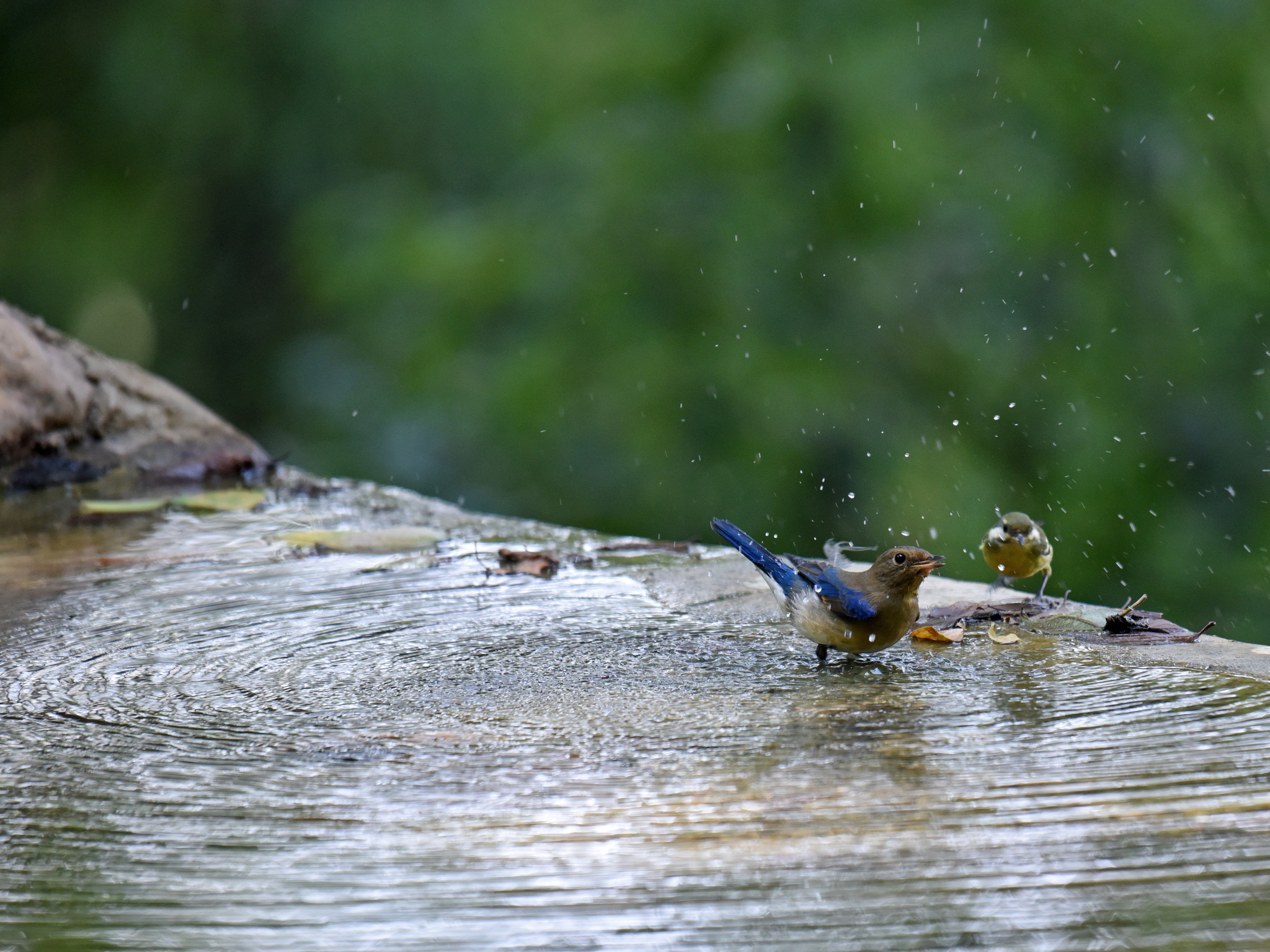
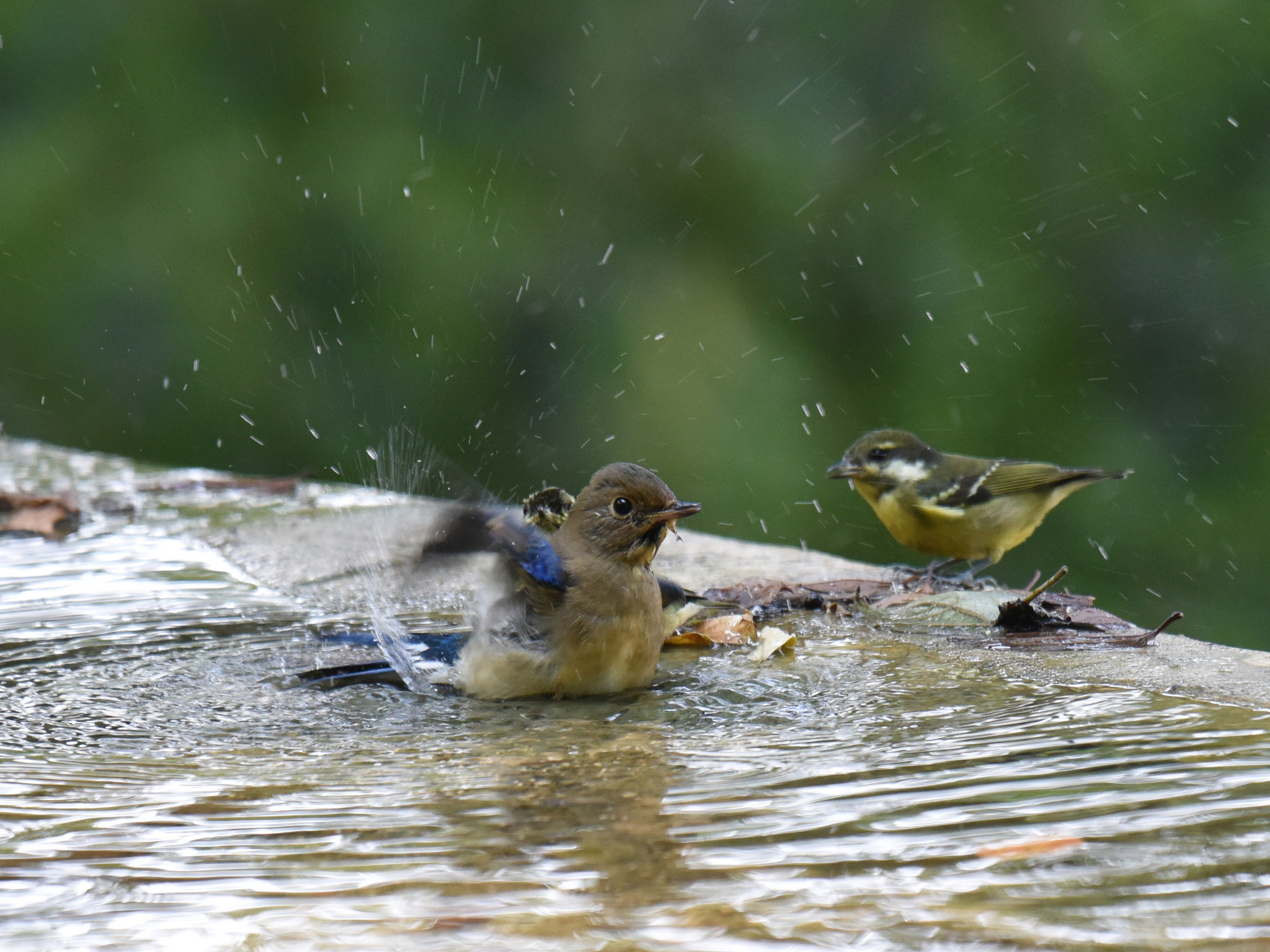
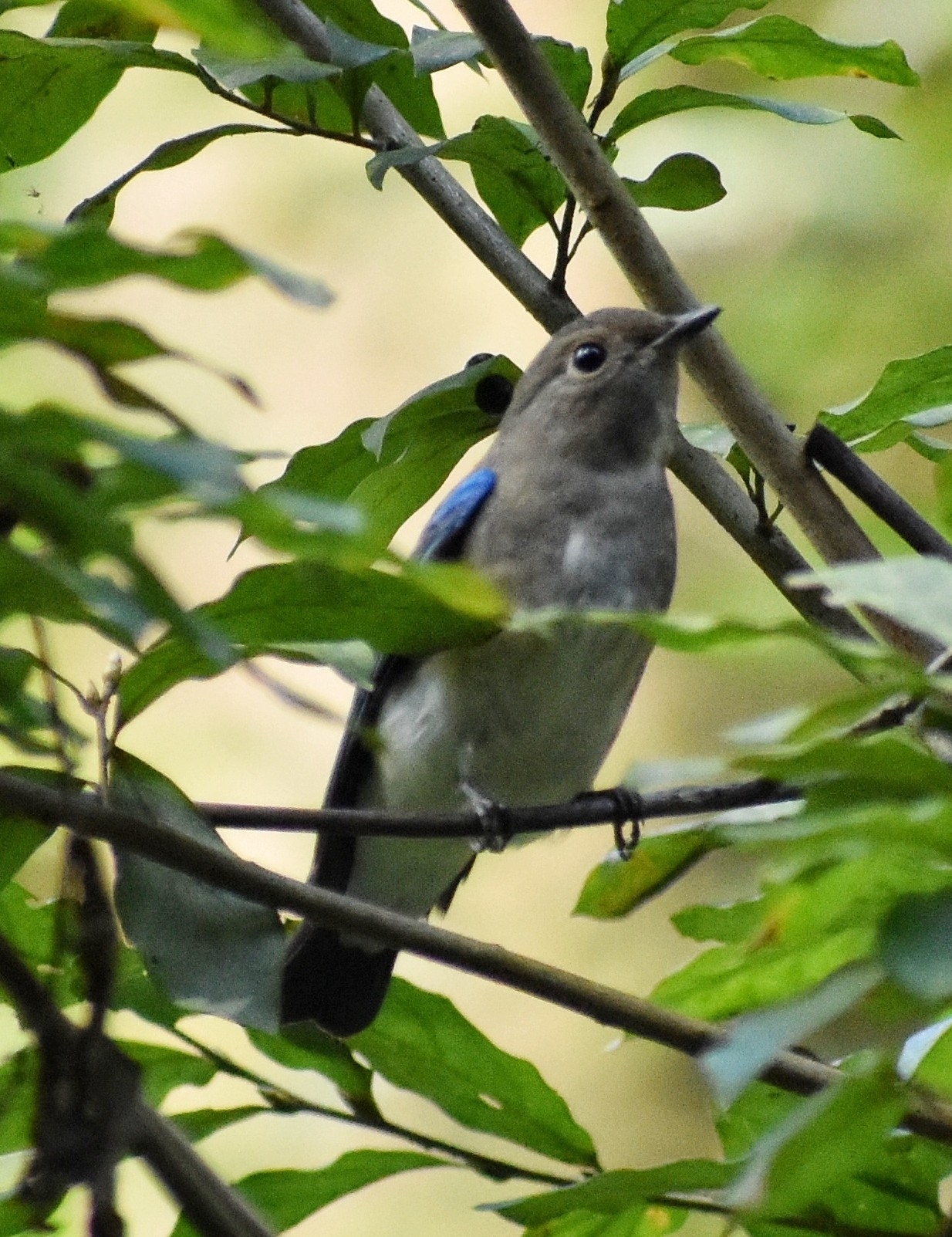
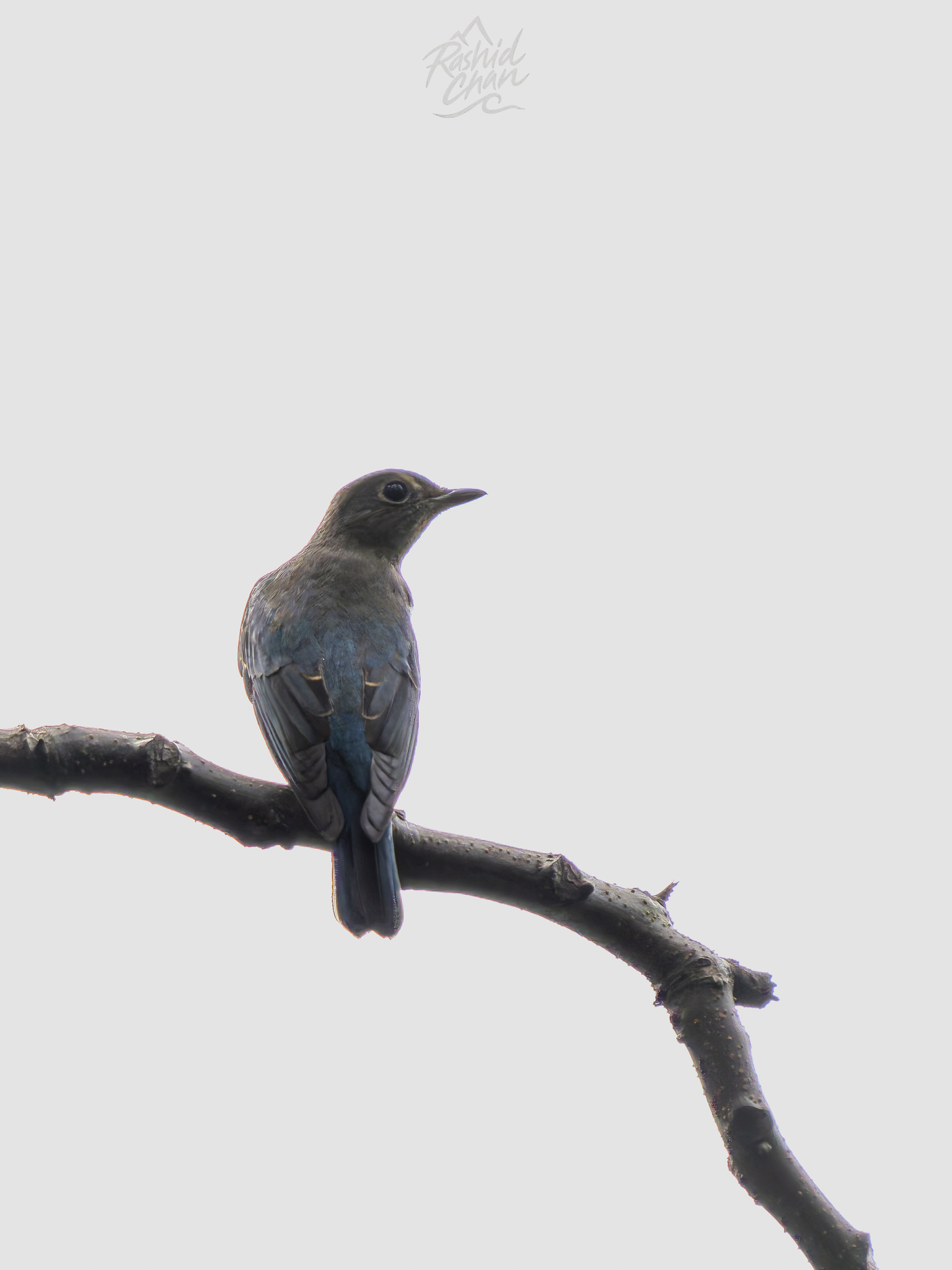
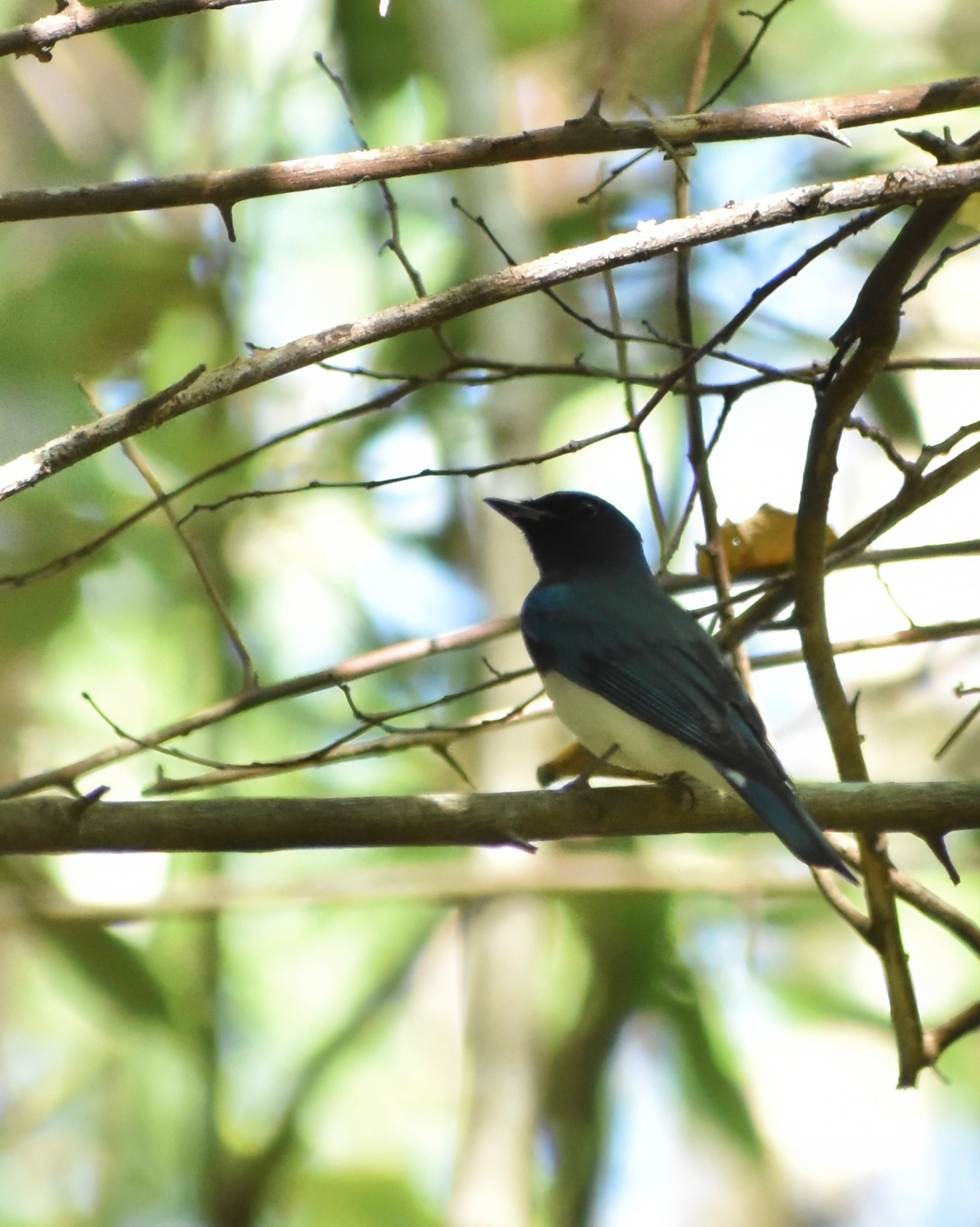
Measures 16–17 cm in length and weighs approximately 25 g. Males are deep cobalt blue with black on the face, upper breast, and flanks, and white on the rest of the underside and base of outer tail feathers. Immature males have blue wings but are otherwise brown. Females are smaller with grey-brown heads, faces, and upperparts, and pale beige-white on the lower throat. Females exhibit a smaller-headed profile compared to other brown flycatchers in the range.
Identification
Males are distinguished by deep cobalt blue plumage with black facial and breast markings and white underparts. Key field marks include white at the base of the outer tail feathers. Females are identified by grey-brown upperparts and a smaller-headed profile than similar brown flycatchers. Immature males show blue wings against a brown body. Vocalizations consist of a short, melancholic series of whistles.
Distribution & Habitat
Breeds in Japan, southern Kuril Islands, northeastern China (Heilongjiang to eastern Hebei), southeastern Russia (Amur Oblast and Primorskiy Kray), and the Korean peninsula. Winters southward to Myanmar, Thailand, Greater Sundas (Sumatra, Borneo), Vietnam, and Cambodia. Recorded as a vagrant in Sri Lanka. Breeding habitat includes lowland and submontane forests up to 1200m; wintering sites include coastal woodlands, scrub, parks, and forested hills up to 1850m in Borneo.
Behavior & Ecology
Most active in the morning. Diet consists mainly of insects and larvae, supplemented by berries such as pokeweed. Breeding occurs from late May to early August. Nests are constructed primarily of moss and placed in sheltered locations like cliff crevices, tree roots, under stream banks, shallow tree hollows, or abandoned buildings. Clutch size is four to six eggs, incubated solely by the female for 14–15 days. Females invest more energy in caring for young than males. Known nest parasites include the northern hawk-cuckoo, common cuckoo, and lesser cuckoo.
Conservation
Classified as Least Concern on the IUCN Red List due to wide distribution and likely large population size, although the population trend is decreasing.
Source: Wikipedia · CC BY-SA 3.0
Taxonomy
- Order
- Passeriformes
- Family
- Muscicapidae
- Genus
- Cyanoptila
Vocalizations
Subspecies (2)
-
Cyanoptila cyanomelana cyanomelana
breeds southern Kuril Islands and Japan; winter range of subspecies poorly known, but species winters southward to Myanmar, Thailand, and the Greater Sundas
Data Sources
Species description from Wikipedia, licensed under CC BY-SA 3.0.
Bird images and sounds sourced from GBIF, contributed by citizen scientists worldwide under Creative Commons licenses.
Taxonomy data from AviList 2025.