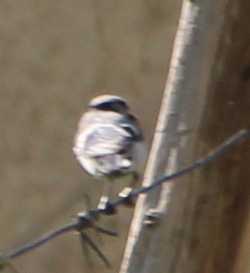
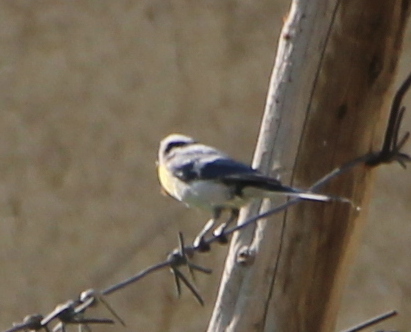
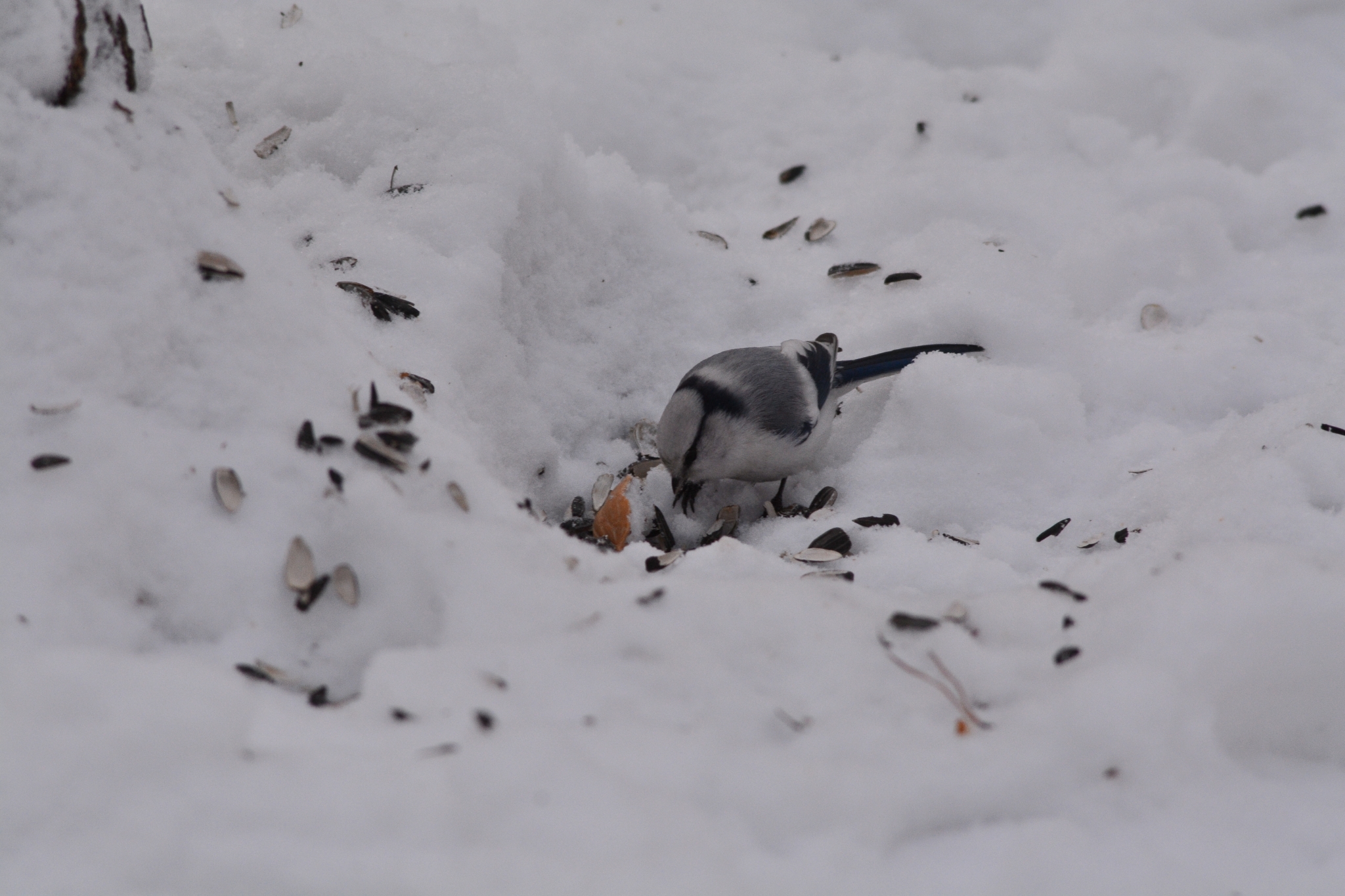
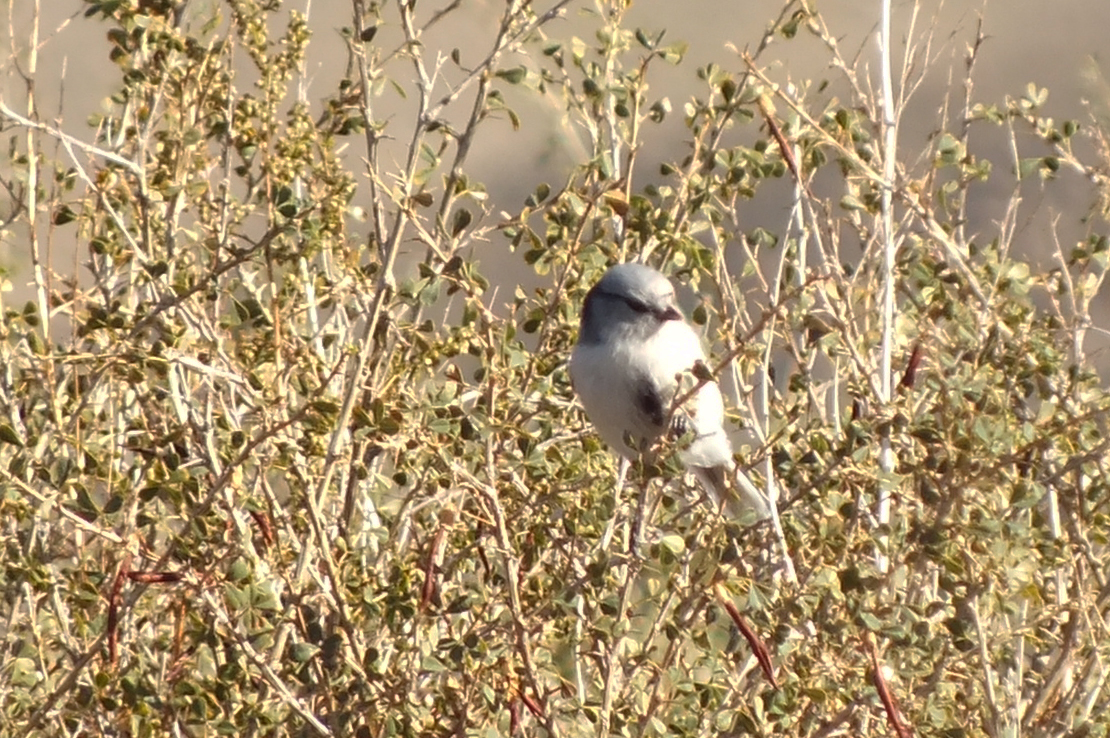
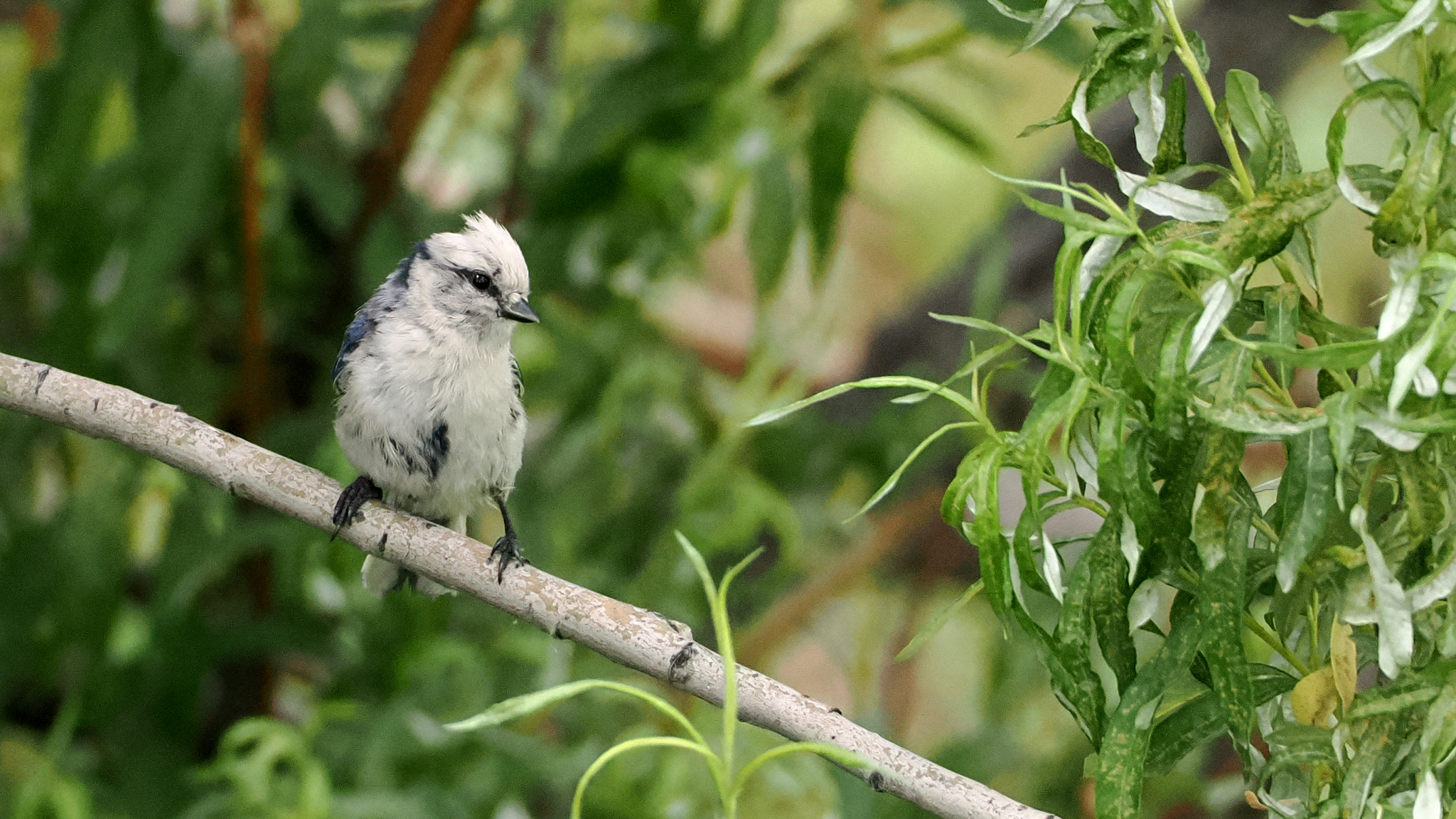
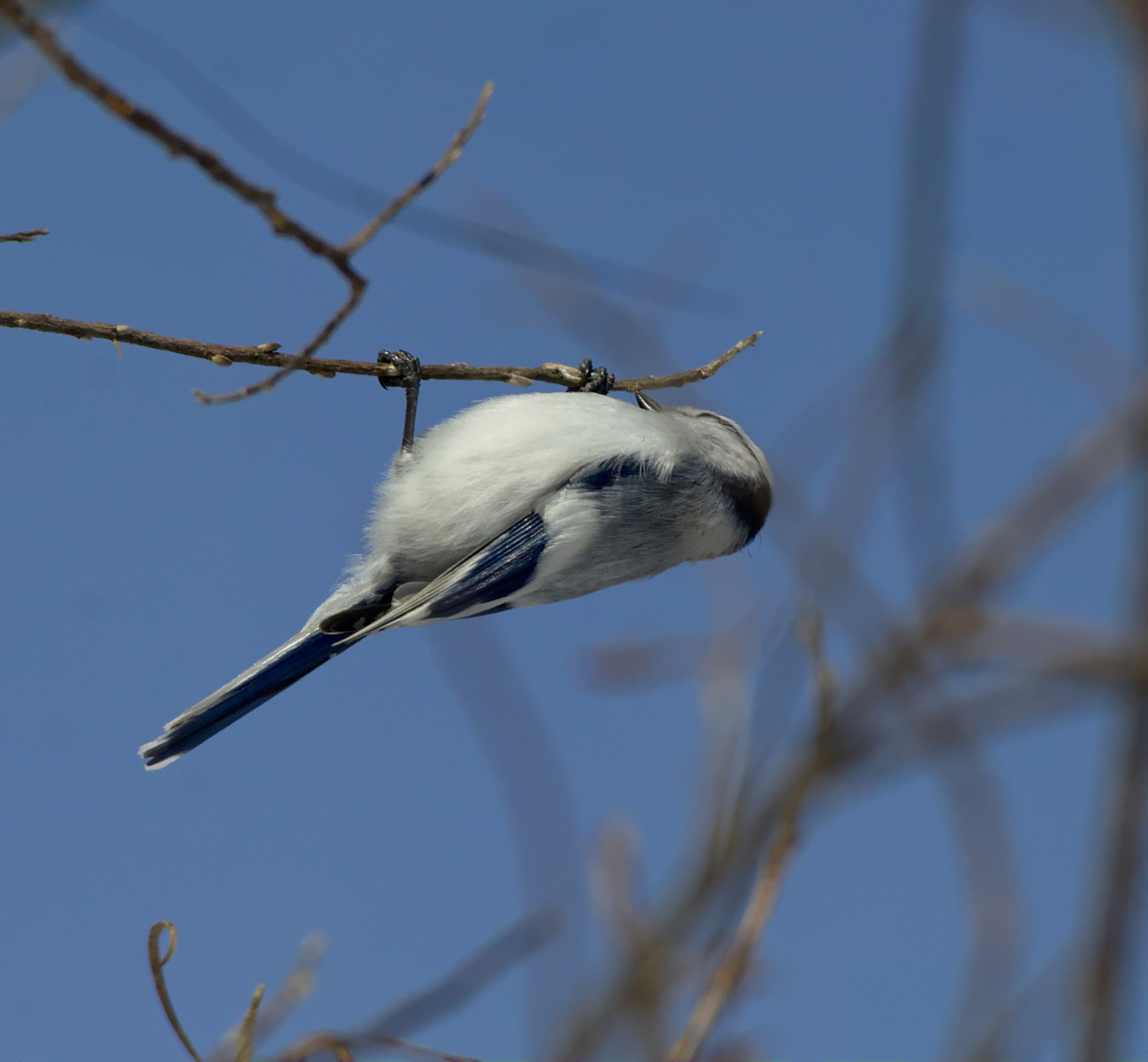
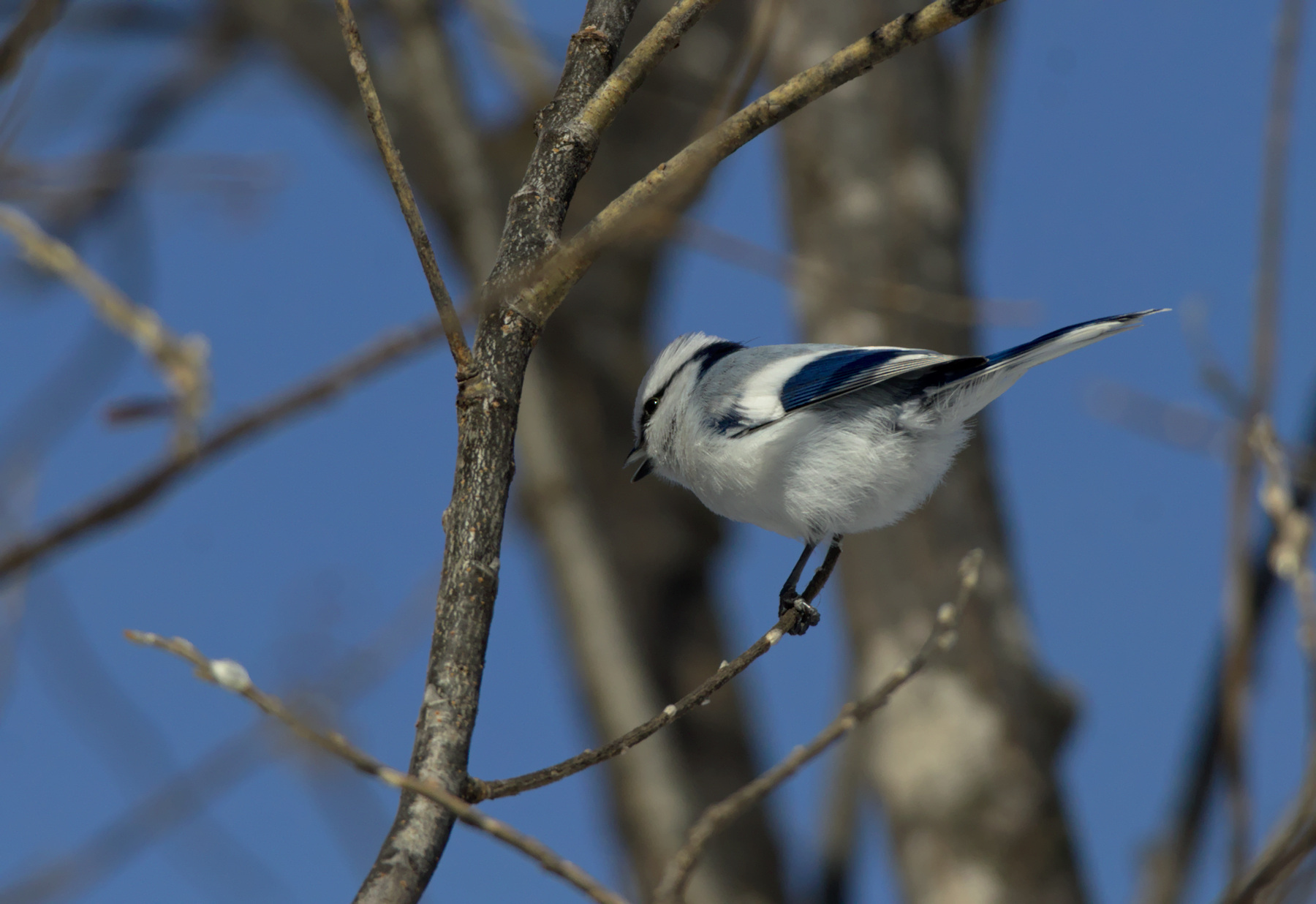
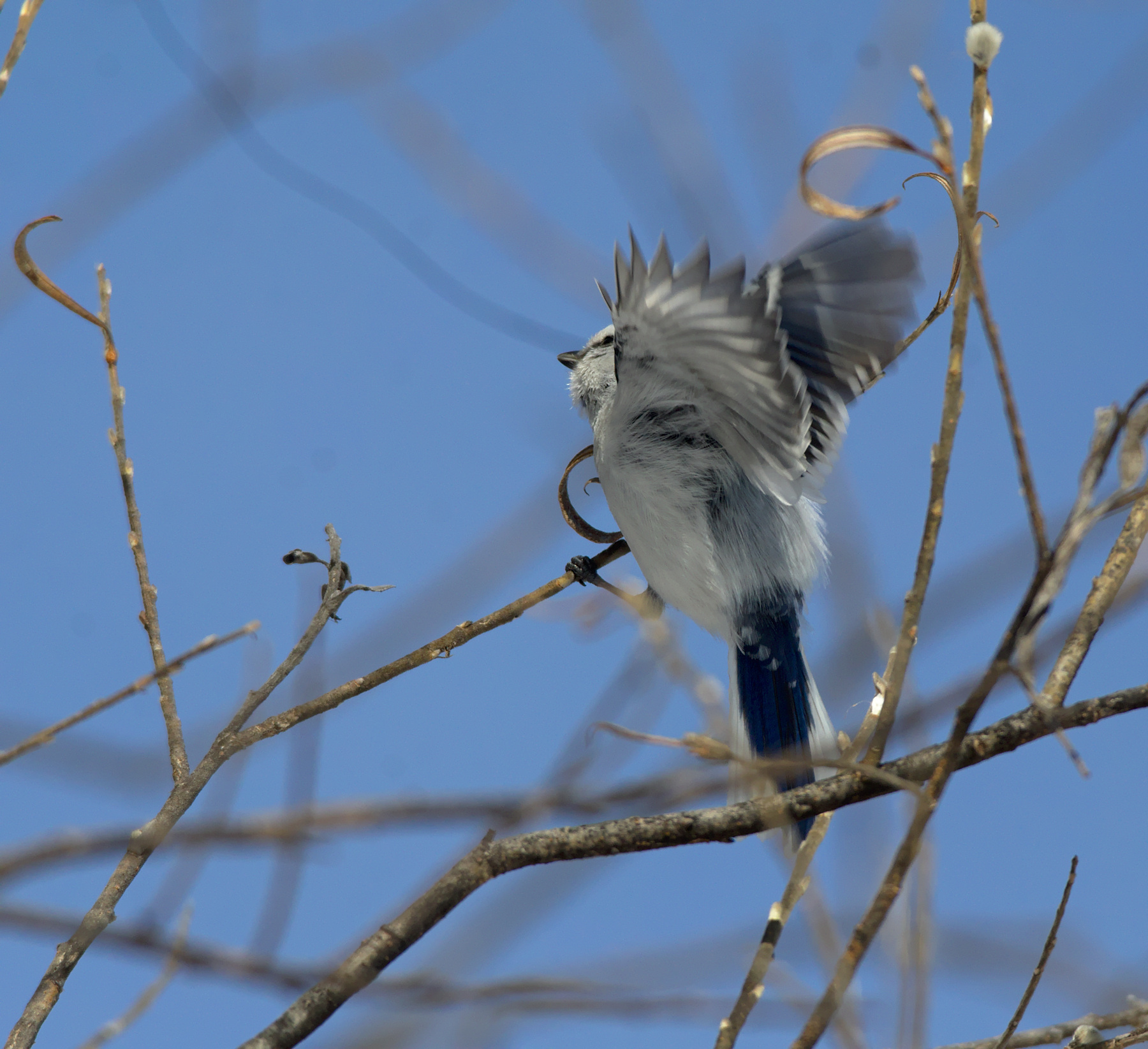
Passeriformes / Paridae / Cyanistes
Azure Tit
Cyanistes cyanus · 灰蓝山雀
Introduction
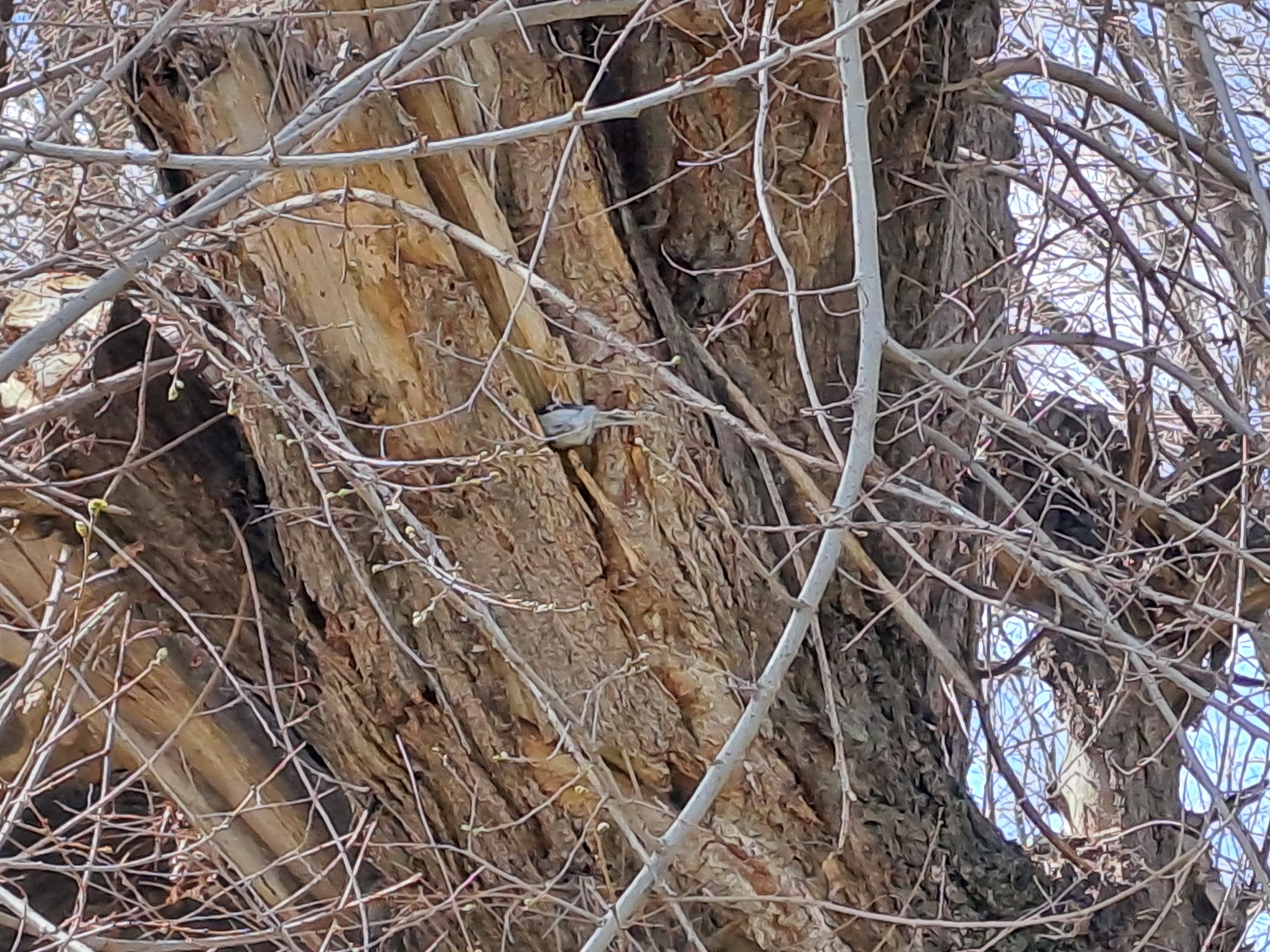
A passerine bird in the tit family Paridae, widespread and common in Russia, Central Asia, northwest China, Manchuria, and Pakistan. It inhabits temperate and subarctic deciduous or mixed woodlands, scrub, and marshes. A resident species that nests in tree holes, laying approximately 10 eggs.
Description
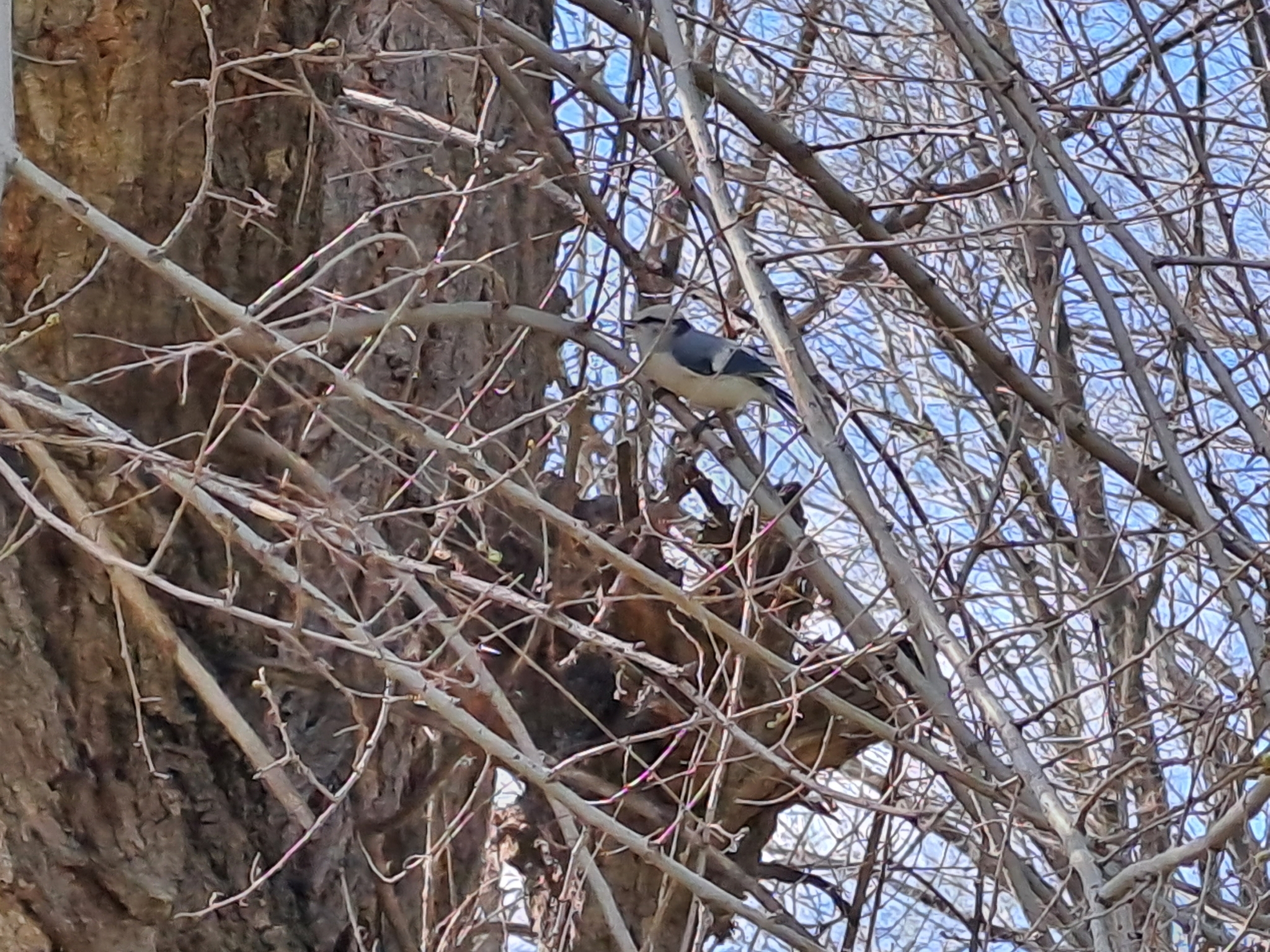
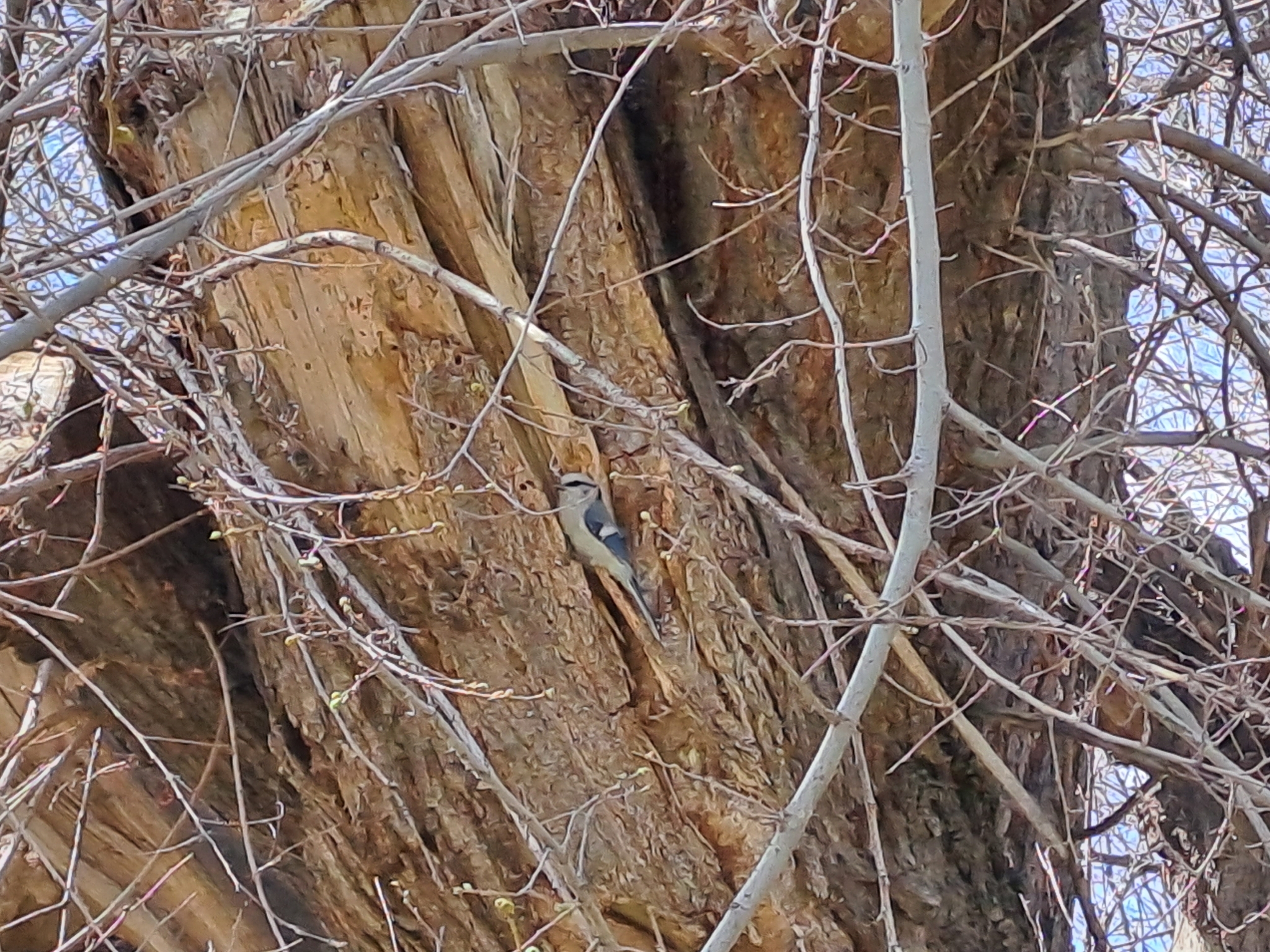
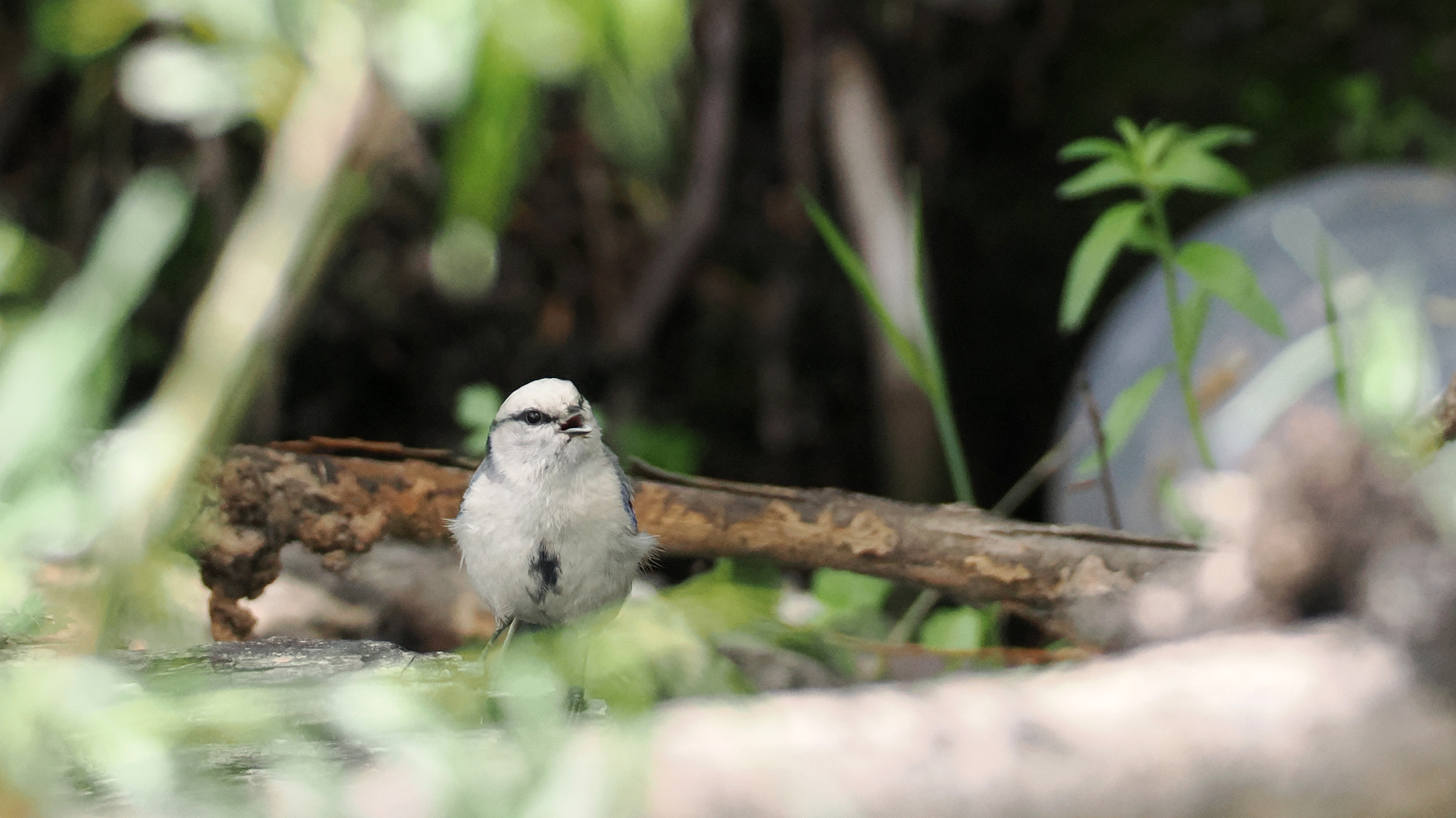
Measures 12–13 cm (4.7–5.1 in). Head, tail corners, wing bars, and underparts are white, while upperparts are blue. Features a distinctive dark line running through the eye.
Identification
Unmistakable appearance with white head and underparts contrasting with blue upperparts and a dark eye-line. Calls include 'dee, dee, dee' or a scolding 'churr'. Song is 'tsi-tsi-tshurr-tsi-tsi-tshurr', described as intermediate between blue tit and crested tit. Hybridizes with Eurasian blue tit; offspring usually show a blue crown rather than the white of this species.
Distribution & Habitat
Resident breeder throughout Russia, Central Asia, northwest China, Manchuria, and Pakistan. Found in temperate and subarctic deciduous or mixed woodlands, scrub, and marshes. Most birds do not migrate. Some records exist in Finland, Sweden, Poland, and Austria. The central Asian population (yellow-breasted tit) is sometimes included as a subspecies.
Behavior & Ecology
Nests in tree holes. Displays defensive behaviors such as hissing and biting when disturbed. Diet primarily consists of insects, seeds, small invertebrates, bug larvae, and eggs. Frequently hybridizes with blue tit in western Russia.
Source: Wikipedia · CC BY-SA 3.0
Taxonomy
- Order
- Passeriformes
- Family
- Paridae
- Genus
- Cyanistes
Taxonomy Changes
Parus flavipectus → Cyanistes cyanus
GENUS_TRANSFER_AND_LUMP — GBIF Backbone Taxonomy uses the former name; AviList 2025 uses the current name.
Vocalizations
Subspecies (8)
-
Cyanistes cyanus berezowskii
north-central China (eastern Qinghai south of Kokonor on upper Yellow River)
Data Sources
Species description from Wikipedia, licensed under CC BY-SA 3.0.
Bird images and sounds sourced from GBIF, contributed by citizen scientists worldwide under Creative Commons licenses.
Taxonomy data from AviList 2025.