Azure Tit
Cyanistes cyanus
灰蓝山雀
Introduction
The azure tit (Cyanistes cyanus) is a small passerine bird found across temperate and subarctic regions of Eurasia, ranging from Russia through Central Asia to northwest China and Pakistan. It inhabits deciduous and mixed woodlands, scrubland, and marshy areas. This species is the eastern counterpart to the blue tit, characterized by a black eye-stripe, white head and underparts, and blue upperparts. It hybridizes with blue tits in western Russia. The species is common throughout most of its range, with occasional vagrant records in Finland, Sweden, Poland, and Austria.
Description
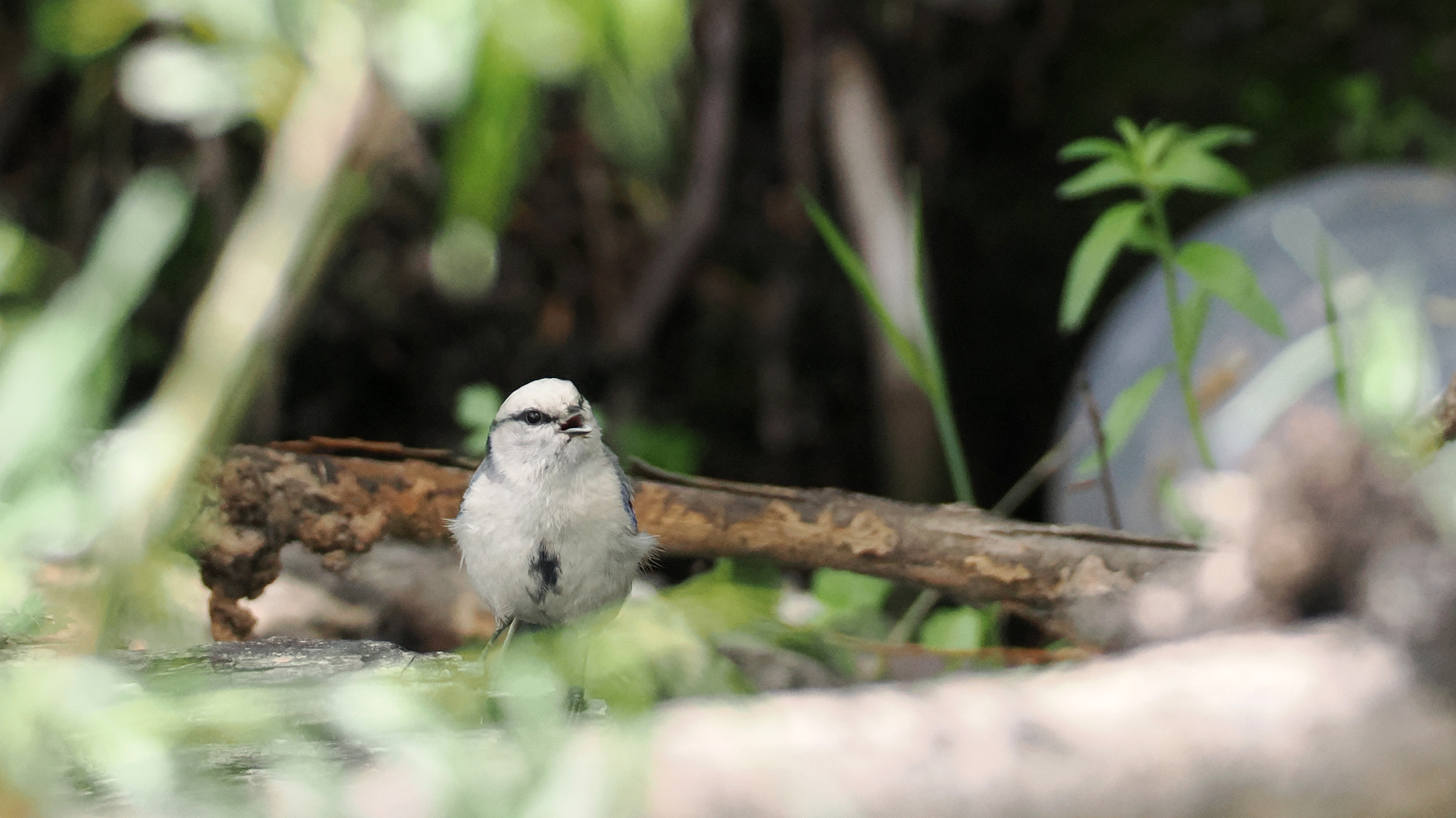
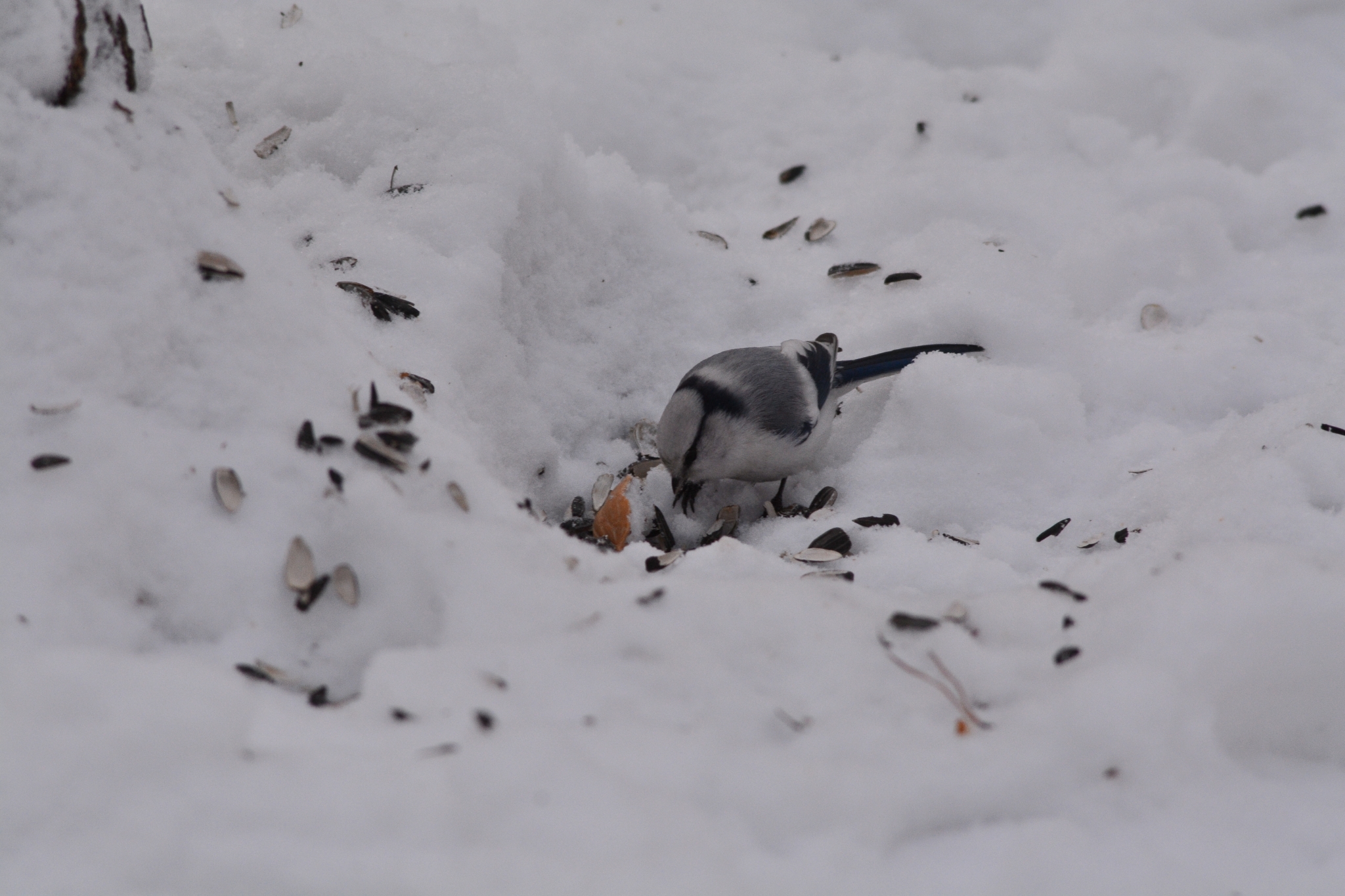
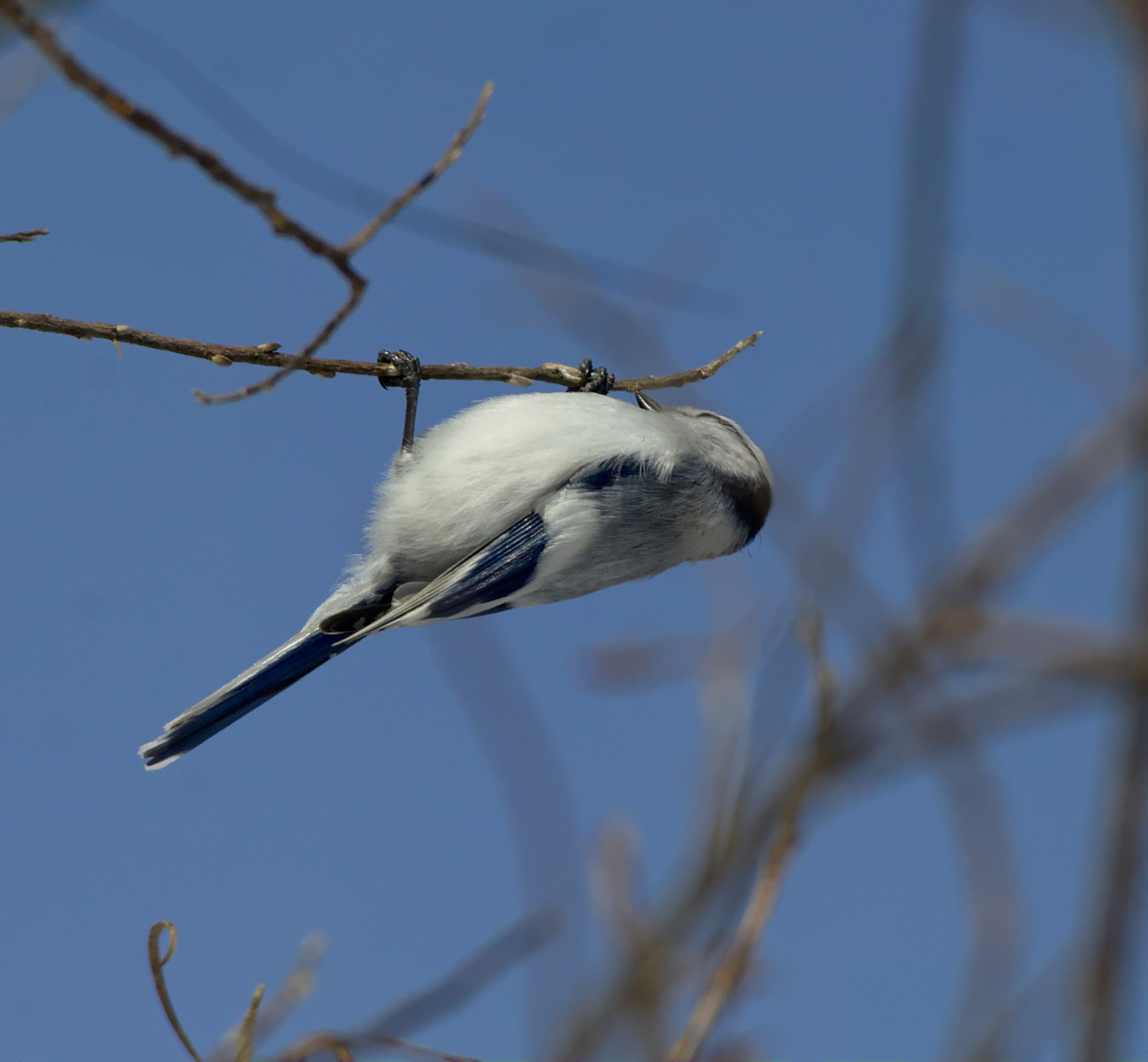
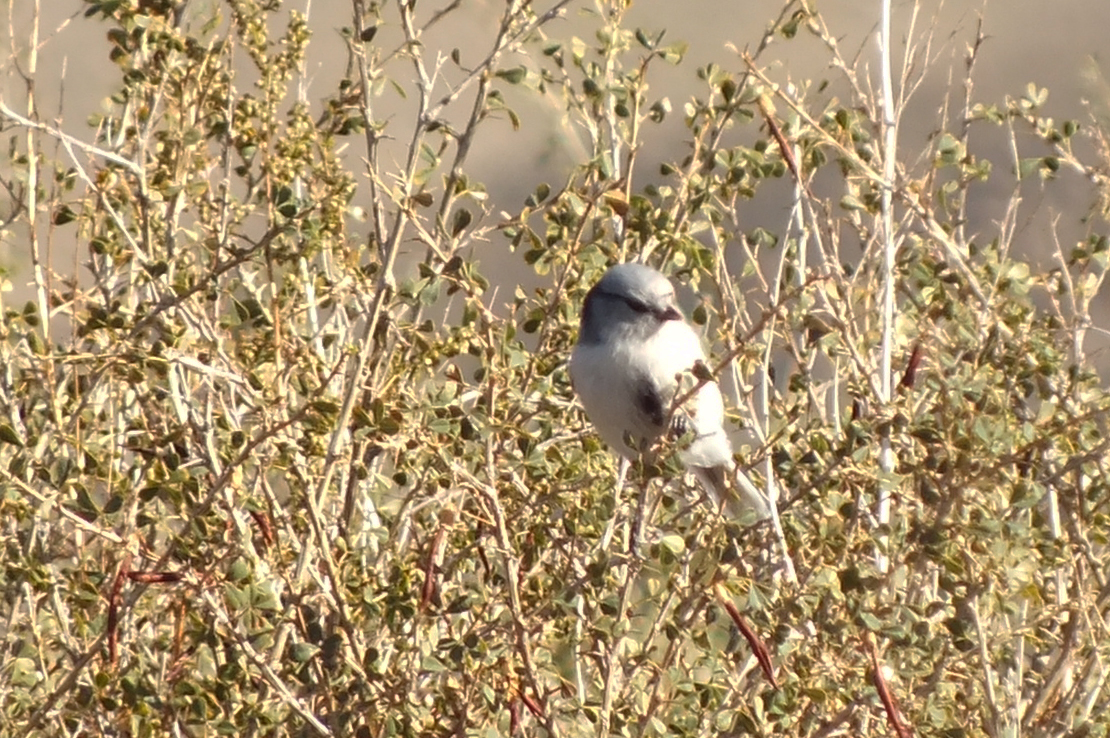
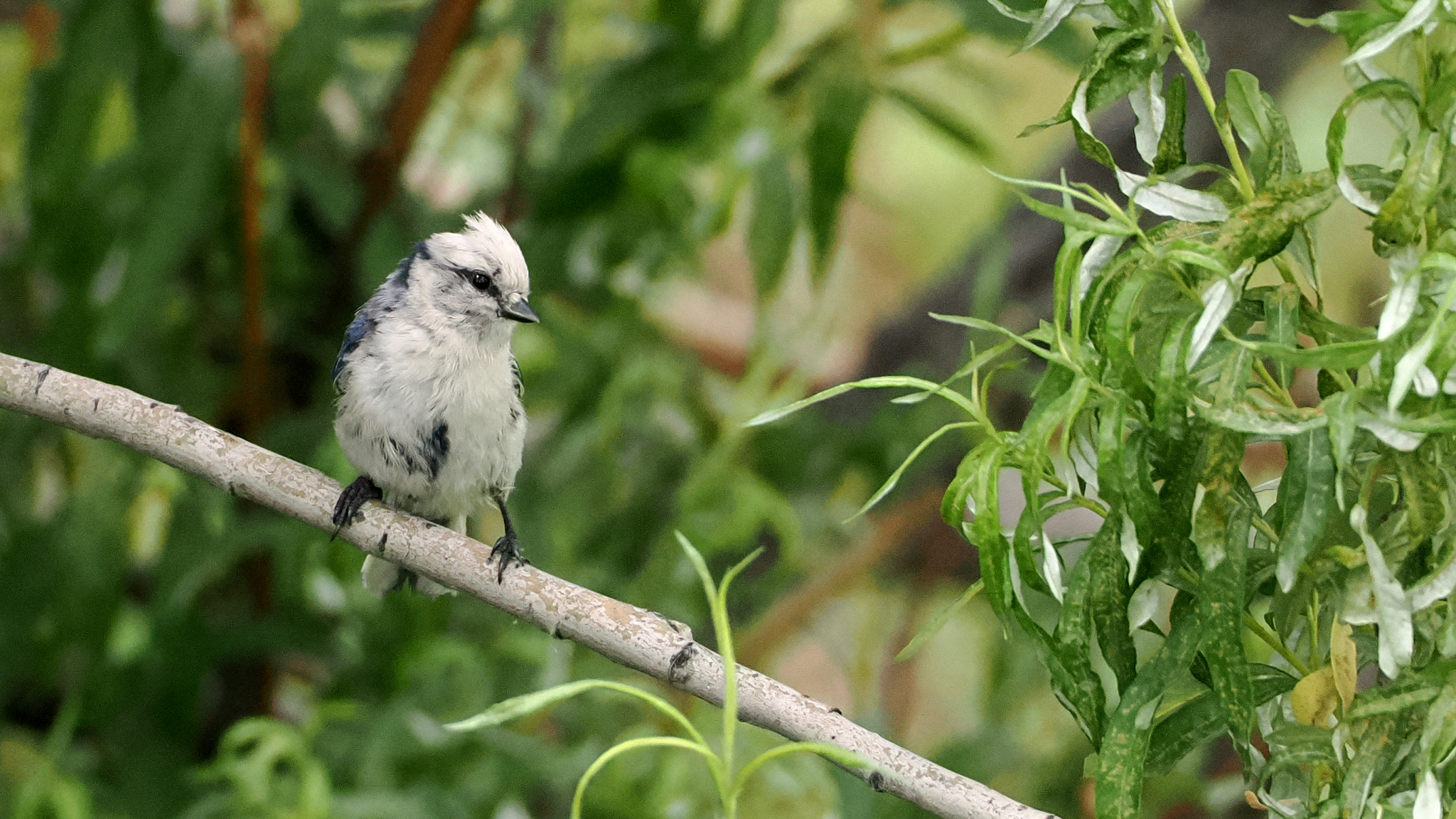
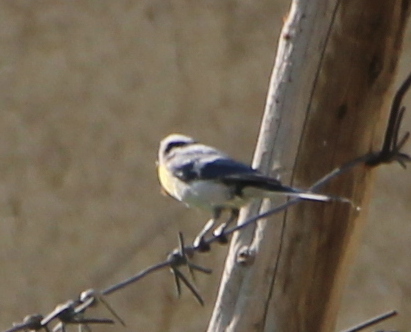
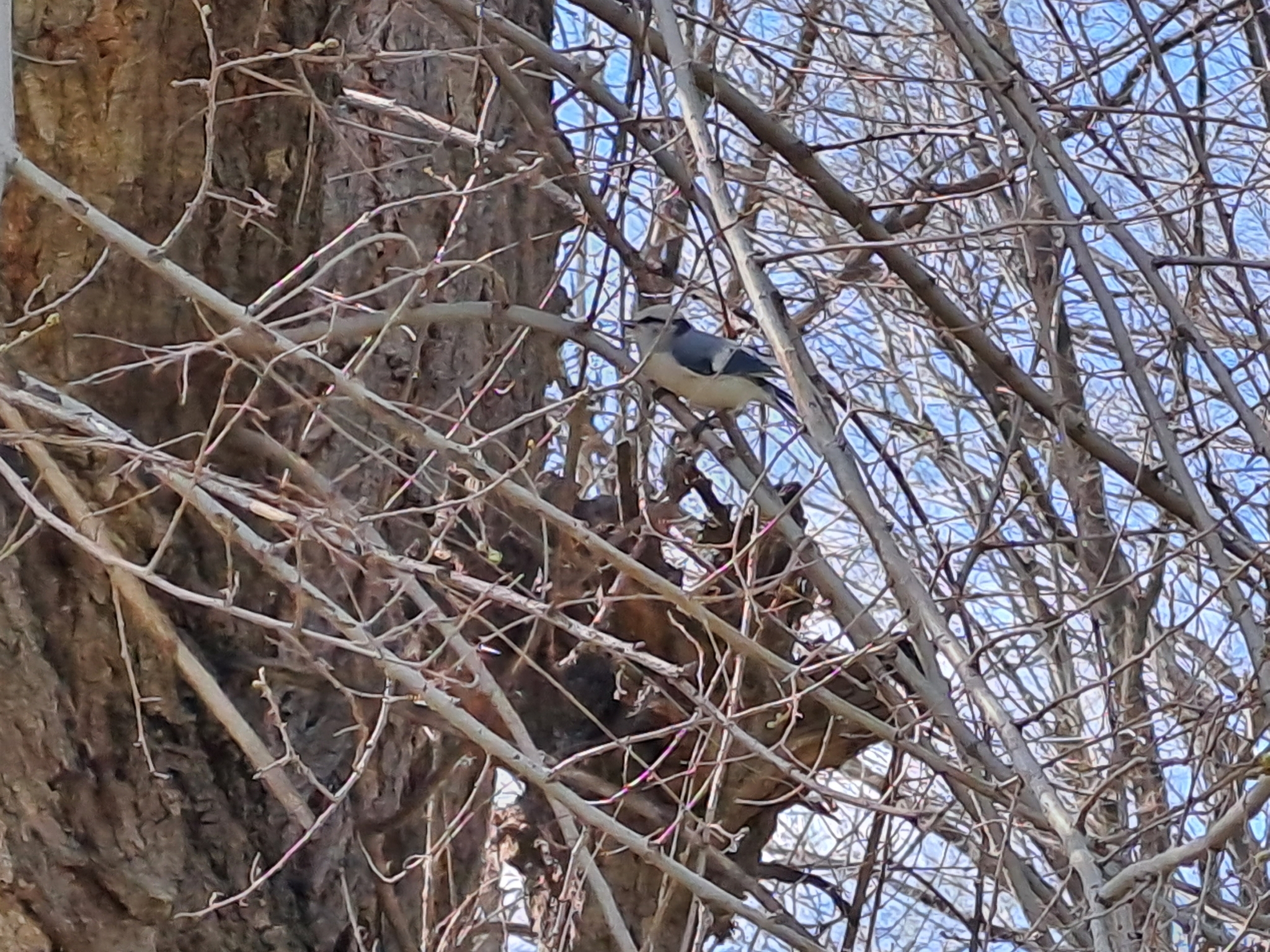
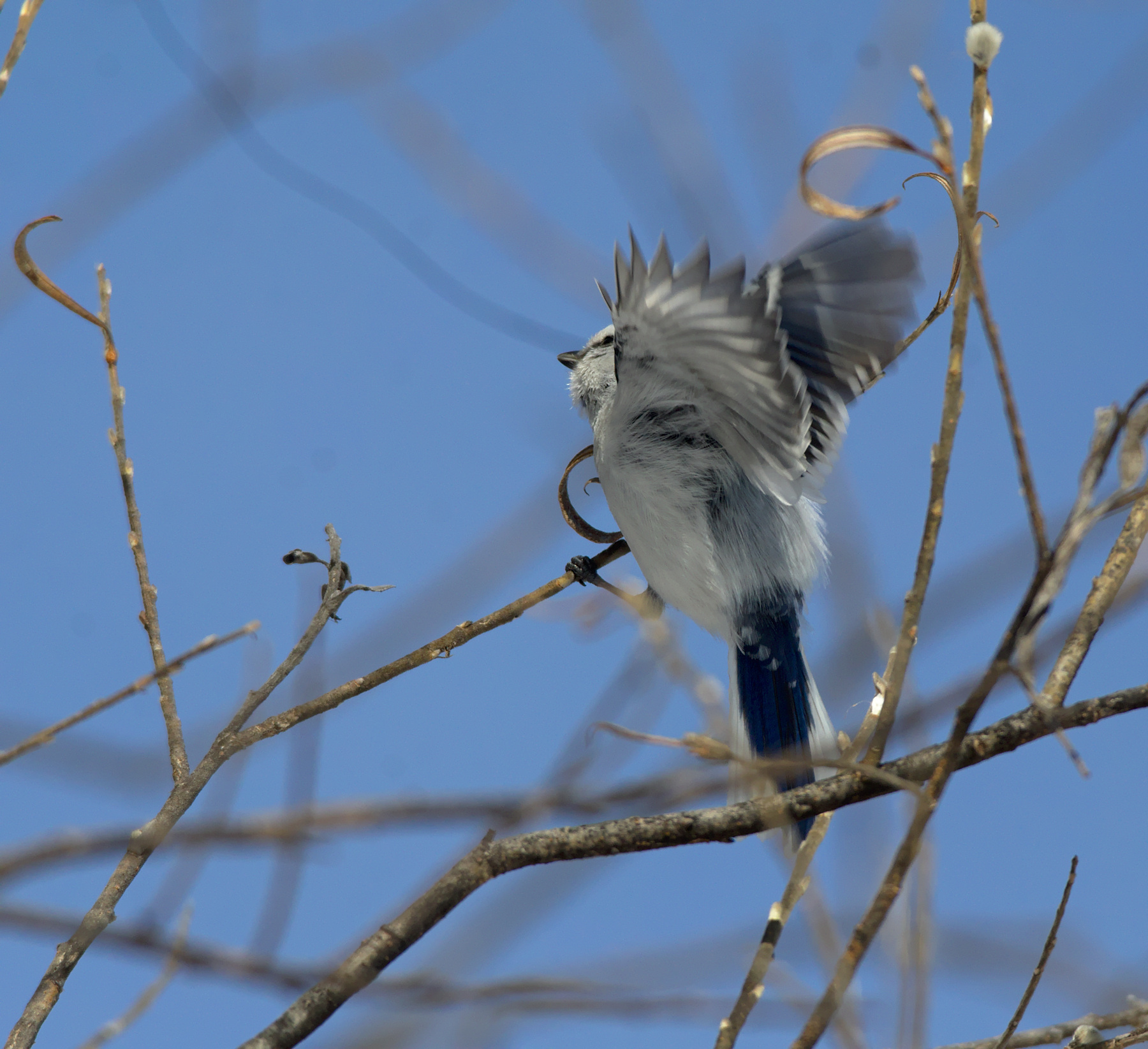
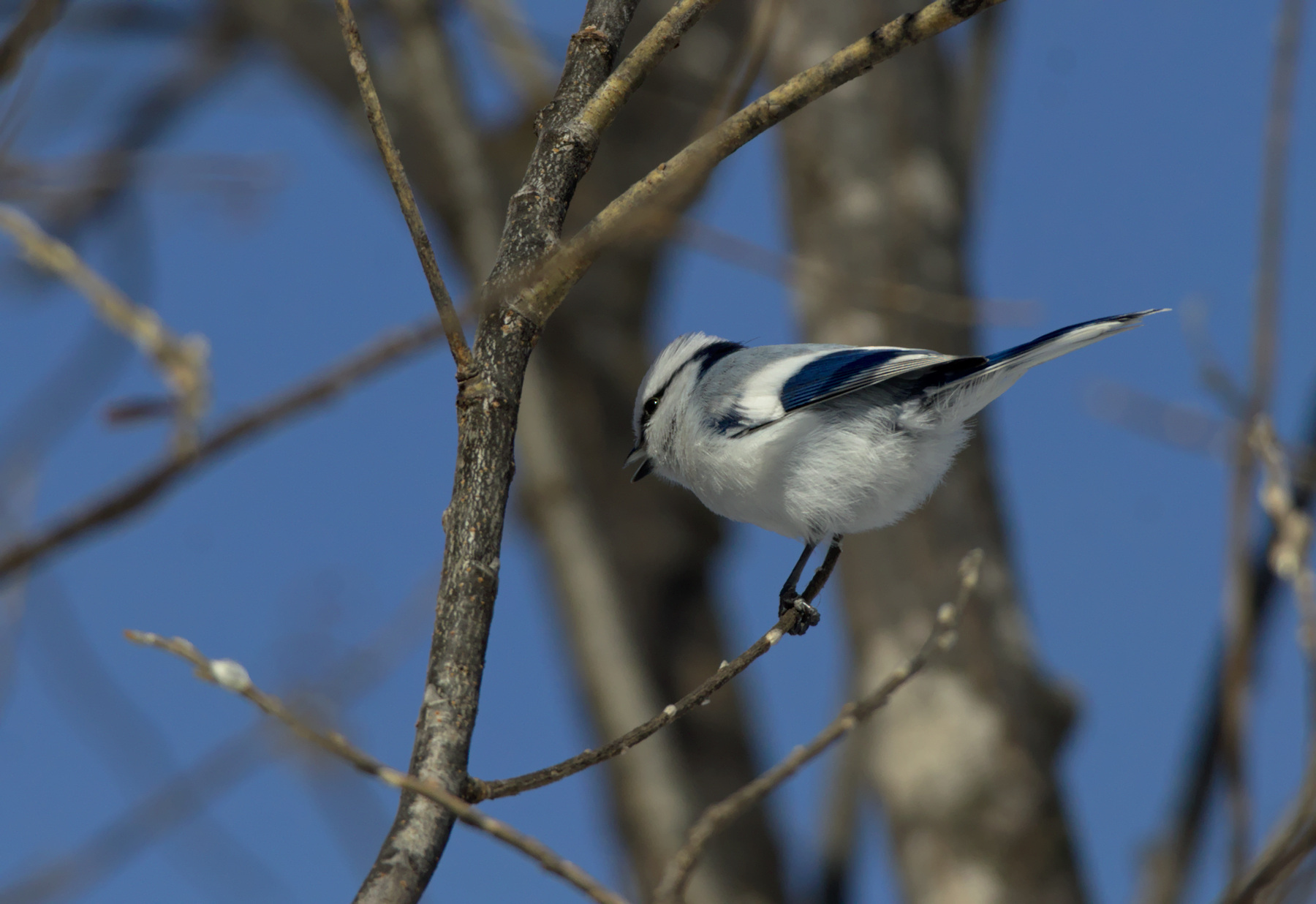
A compact and attractive tit, measuring 12-13 cm in length with a wingspan of approximately 18-22 cm. The plumage is unmistakable and striking: the upperparts are a rich azure-blue, while the head, underparts, tail corners, and wing bars are pure white. A distinctive dark line runs through the eye, creating a masked appearance. The wings show blue coloring with white bars, and the tail is blue with white outer feathers. Both sexes appear similar, though the female may show slightly duller blue tones. The combination of white head and underparts against blue upperparts distinguishes it immediately from its close relative, the blue tit.
Identification
The azure tit is essentially unmistakable within its range due to its unique color pattern. The white head, underparts, and wing bars against blue upperparts separate it immediately from the blue tit, which has a blue crown and greenish upperparts. When hybridisation occurs with blue tits, the resulting offspring typically show a blue crown rather than white, revealing their mixed ancestry. The species is also distinguished from crested tit by lacking a crest. Voice provides additional clues: calls are similar to blue tit, consisting of 'dee dee dee' notes or a scolding 'churr', while the song is a distinctive 'tsi-tsi-tshurr-tsi-tsi-tshurr' that bridges the sounds of blue tit and crested tit.
Distribution & Habitat
This species has an extensive range across temperate and subarctic Eurasia, breeding throughout Russia, Central Asia, northwest China, Manchuria, and Pakistan. It occupies temperate and subarctic deciduous and mixed woodlands, as well as scrubland and marshes. The azure tit is primarily resident, with most individuals remaining in their breeding territories year-round. Some scattered records from Finland, Sweden, Poland, and Austria represent vagrant occurrences outside the normal range. The species adapts reasonably well to human-modified landscapes where suitable woodland habitat persists.
Behavior & Ecology
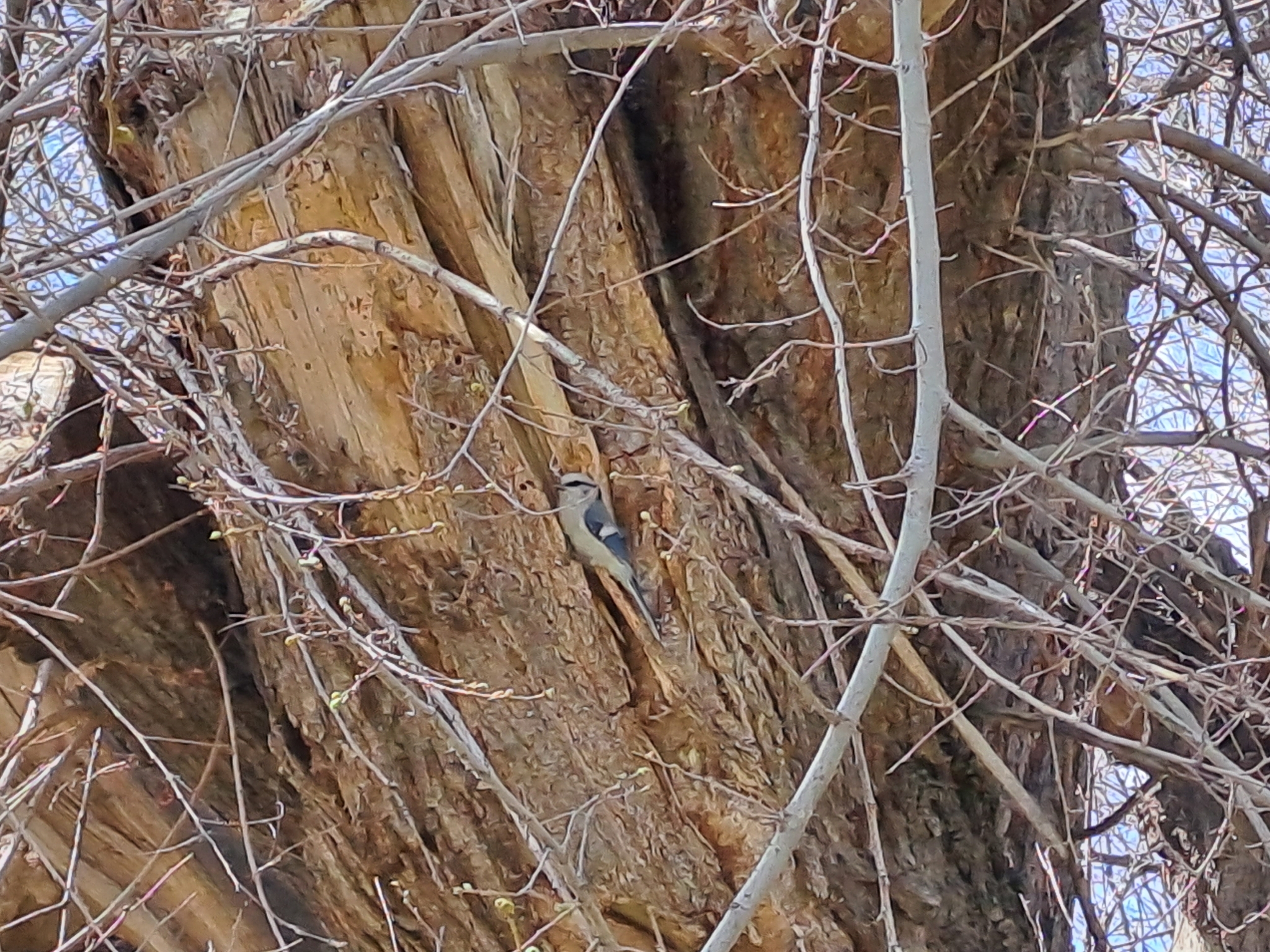
The azure tit exhibits typical tit family behaviour, being active and agile in vegetation while foraging. It nests in tree cavities, excavating or adapting existing holes, and produces clutches of approximately 10 eggs. The female incubates while the male provides food. This species is noted as a close sitter on the nest, displaying surprisingly aggressive defensive behaviour when disturbed, including hissing and biting. The diet encompasses insects, seeds, small invertebrates, larvae, and eggs. Vocalisations include the common 'dee dee dee' contact call and a scolding 'churr' alarm call, with the song described as 'tsi-tsi-tshurr-tsi-tsi-tshurr'. The species social behaviour includes forming pairs during breeding season and sometimes joining mixed-species flocks outside the breeding period.
Conservation
The azure tit is currently evaluated as Least Concern by the IUCN, reflecting its extensive range and apparently stable population numbers across most of its territory. The species remains widespread and common throughout much of its extensive range, with no significant population declines reported. However, like all woodland birds, it may face threats from habitat loss through deforestation and agricultural intensification in some regions. Conservation of deciduous and mixed woodland habitats, particularly the preservation of mature trees with natural cavities for nesting, will benefit this species.
Culture
The azure tit holds limited cultural significance beyond its taxonomic interest. The hybrid form produced with blue tit, known as Pleske's tit (Cyanistes × pleskei), was historically considered a distinct species before genetic analysis clarified its hybrid origin. This created interest among ornithologists studying hybridisation in birds. The species has been illustrated in various bird field guides and scientific collections. Otherwise, it remains primarily a species of interest to birdwatchers and taxonomists rather than having prominent folklore or cultural traditions associated with it.
Source: Wikipedia · CC BY-SA 3.0
Taxonomy
- Order
- Passeriformes
- Family
- Paridae
- Genus
- Cyanistes
- eBird Code
- azutit2
Vocalizations
Subspecies (8)
-
Cyanistes cyanus berezowskii
north-central China (eastern Qinghai south of Kokonor on upper Yellow River)
-
Cyanistes cyanus carruthersi
western Pamir Mountains to Fergana basin and eastern Alayskiy Mountains
-
Cyanistes cyanus cyanus
European Russia to basin of middle Volga River
-
Cyanistes cyanus flavipectus
western Tien Shan Mountains to northern Afghanistan and northern Pakistan
-
Cyanistes cyanus hyperrhiphaeus
eastern European Russia to western Siberia and northern Kazakhstan
-
Cyanistes cyanus koktalensis
lowlands of southeastern Kazakhstan (south of Lake Balkhash)
-
Cyanistes cyanus tianschanicus
southeastern Kazakhstan to northwestern China, Manchuria, and Pakistan
-
Cyanistes cyanus yenisseensis
southeastern Siberia to Sea of Japan and lower Amur River
Data Sources
Species description from Wikipedia, licensed under CC BY-SA 3.0.
Bird images and sounds sourced from GBIF, contributed by citizen scientists worldwide under Creative Commons licenses.
Taxonomy data from AviList 2025.