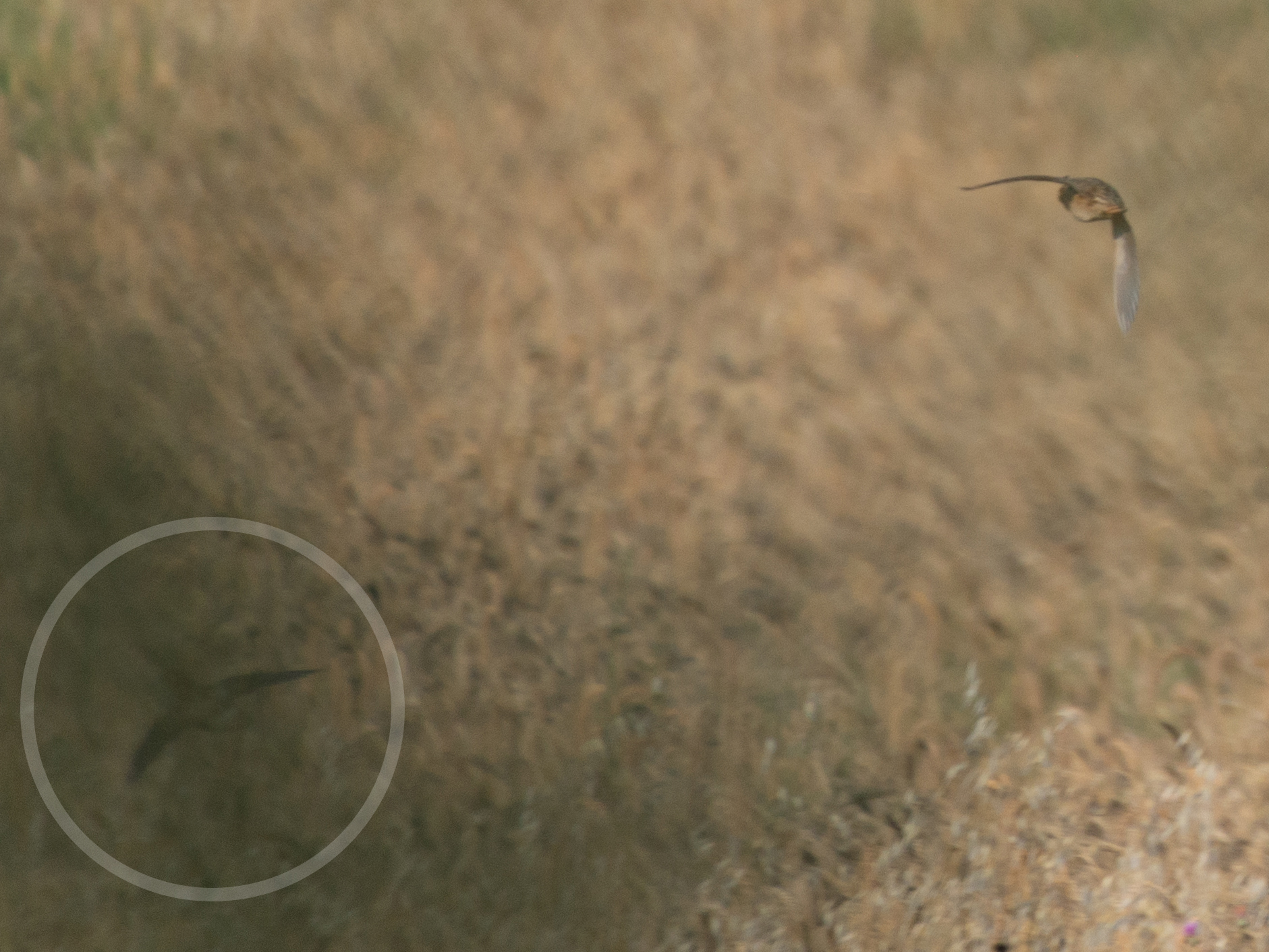
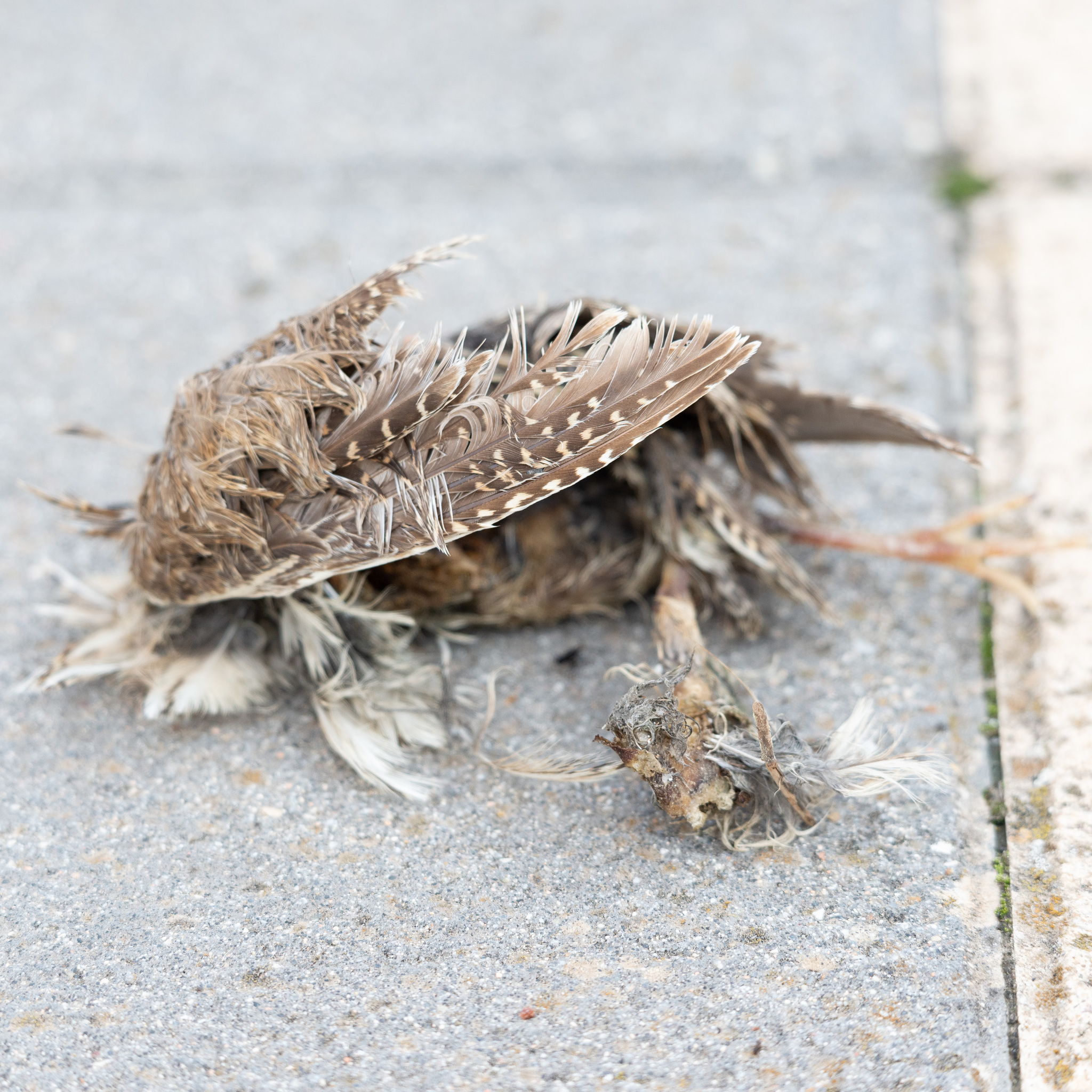
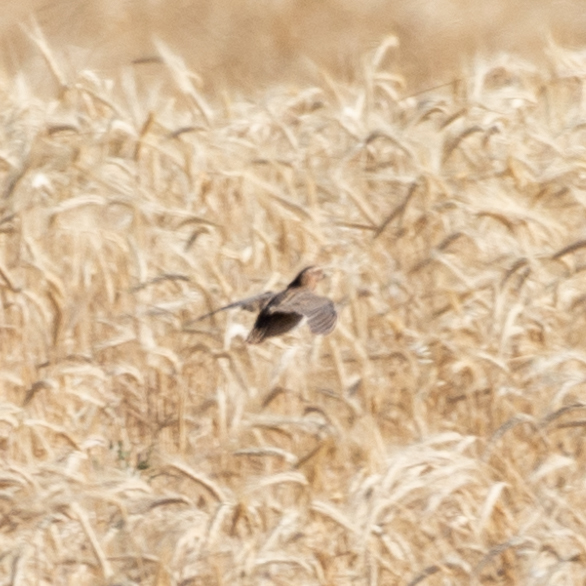
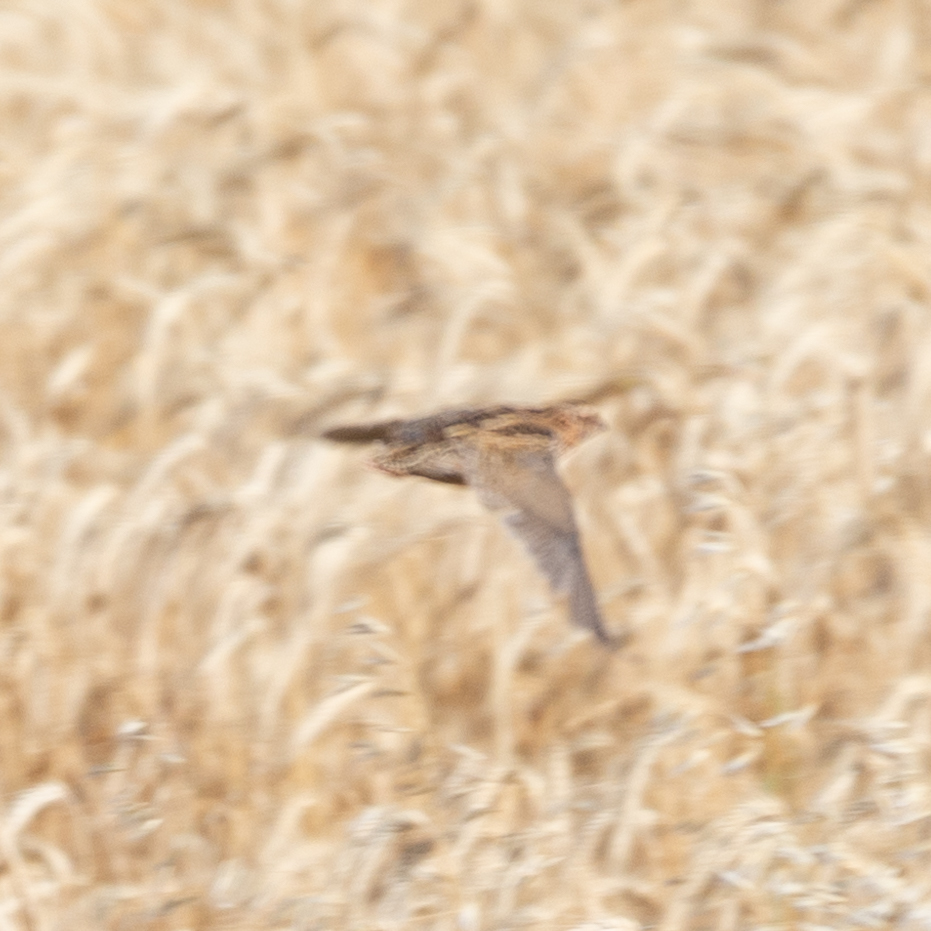
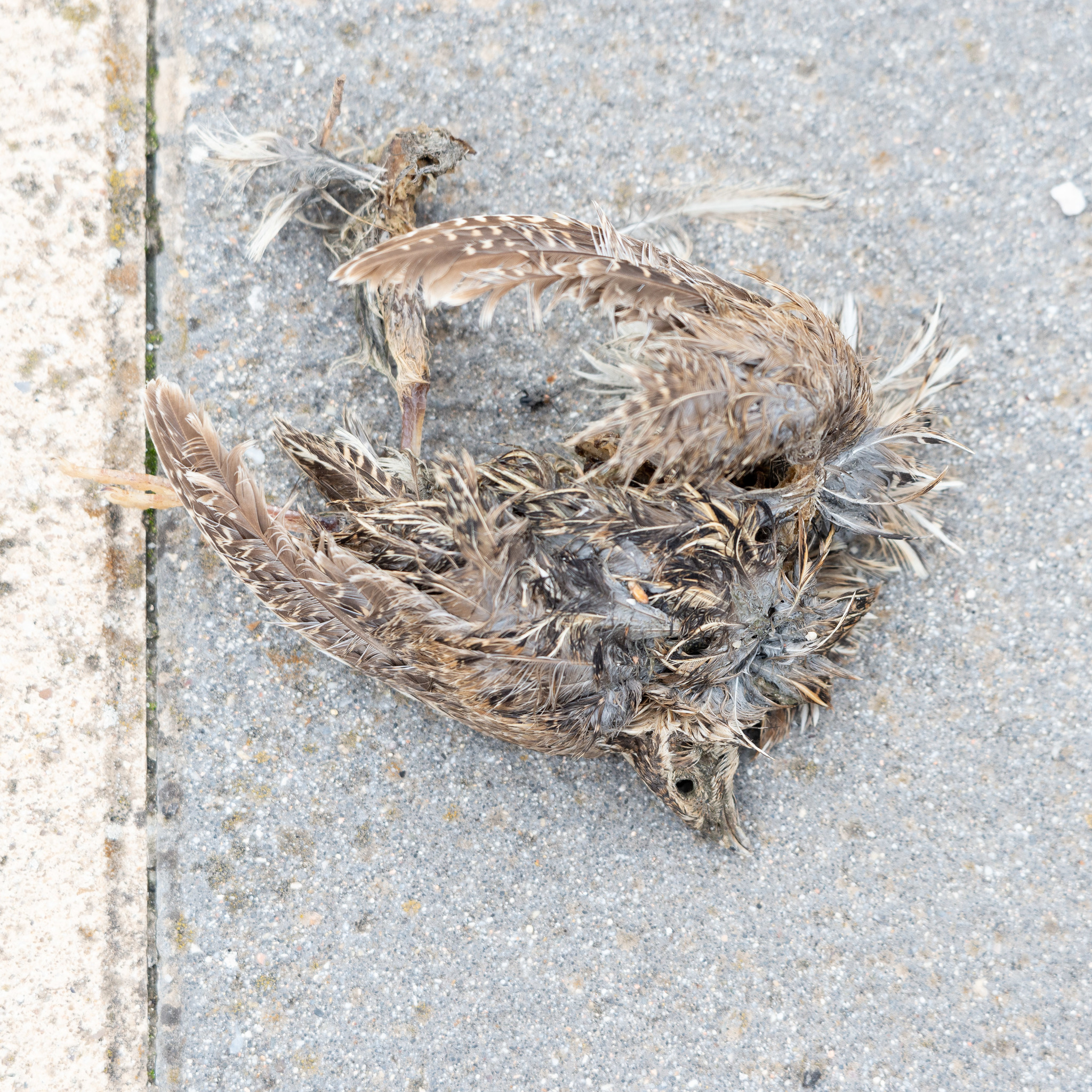
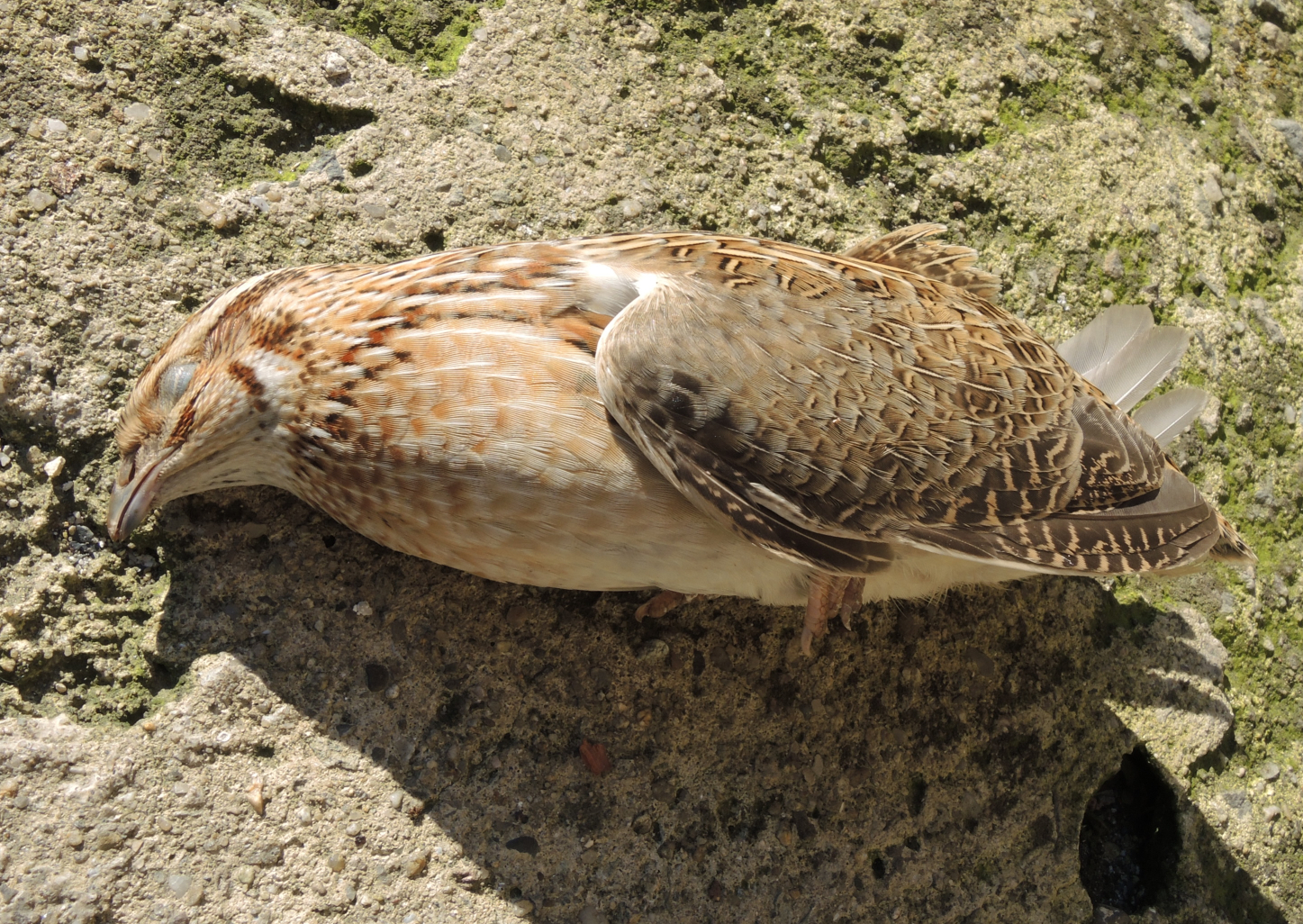
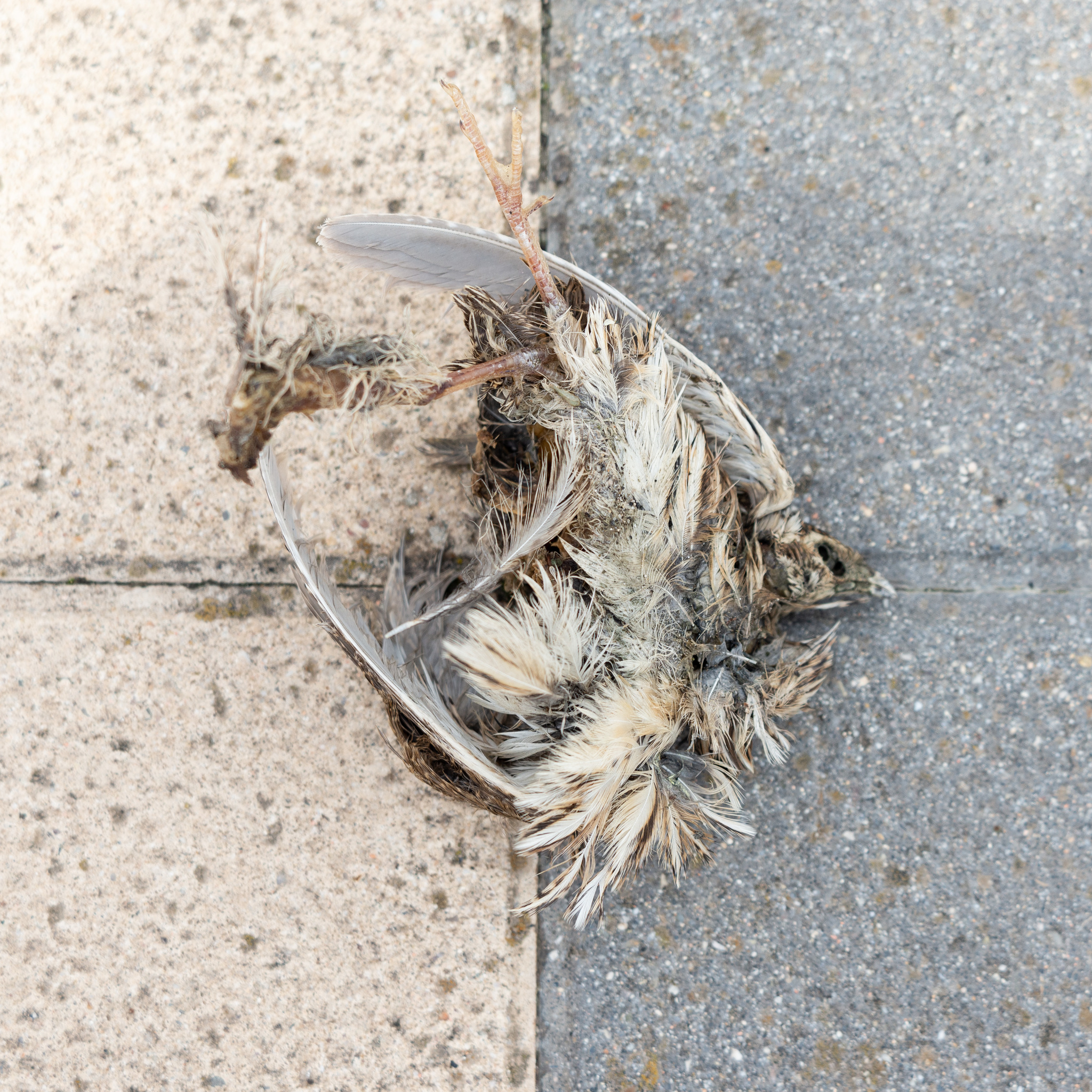
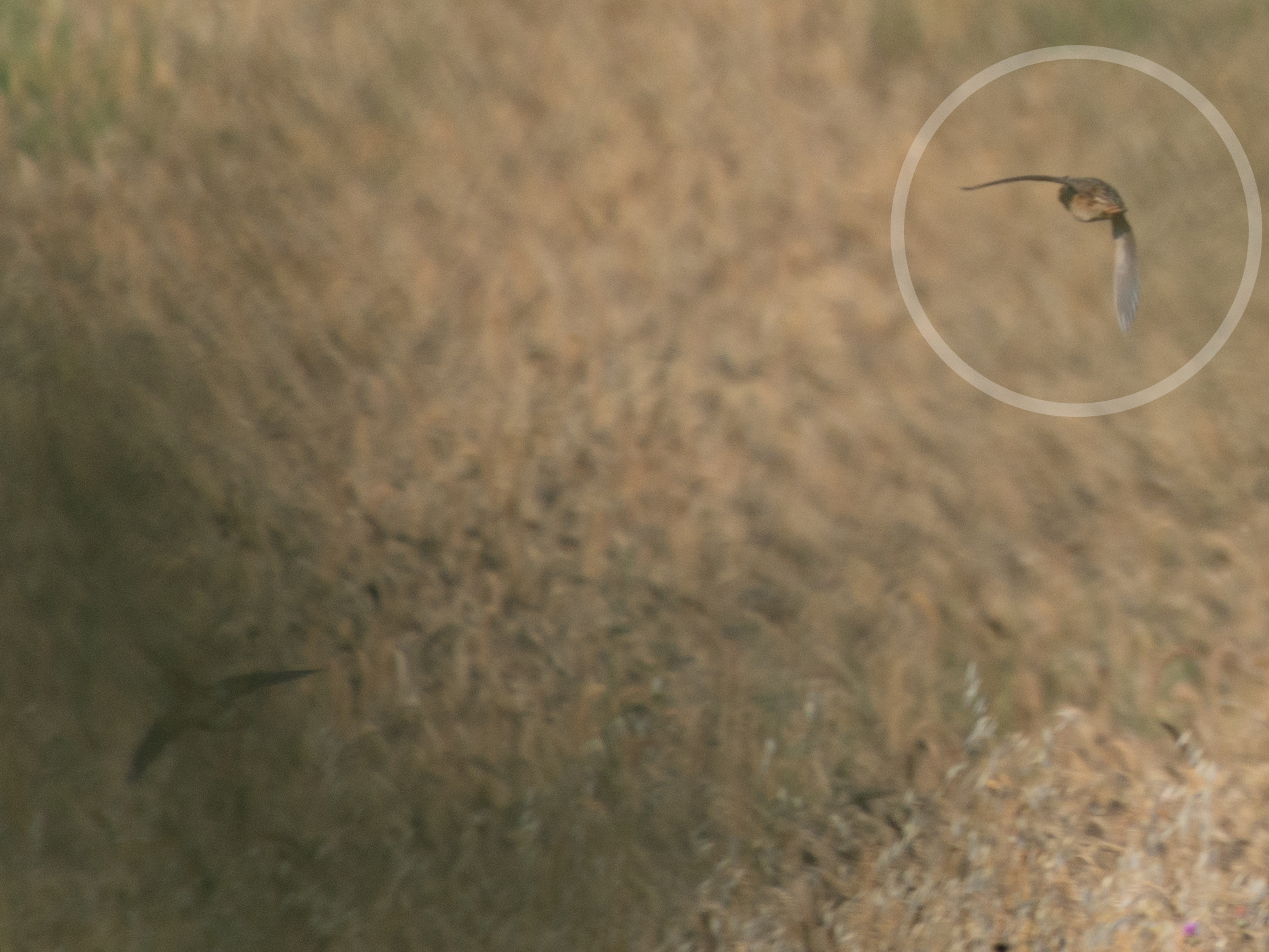
Common Quail
Coturnix coturnix
西鹌鹑
Introduction
Ground-nesting game bird in the pheasant family. Range extends across Europe and North Africa through the western Palearctic region. Primarily migratory, breeding in the western Palearctic and wintering in Africa and southern India. Inhabits agricultural areas and open country. Characterized by a repetitive "wet-my-lips" call most frequently heard during mornings, evenings, and occasionally at night. Conservation status is Least Concern globally, though populations in Ireland have declined.
Description
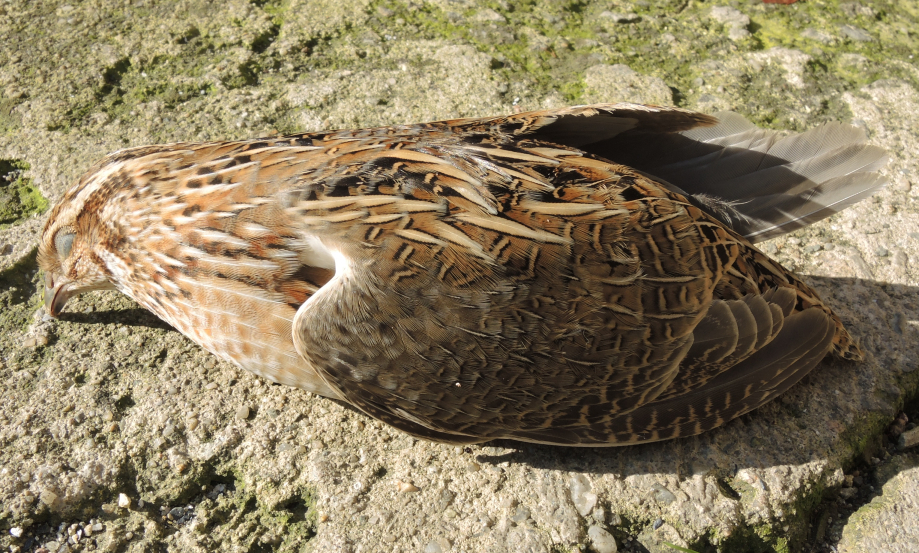
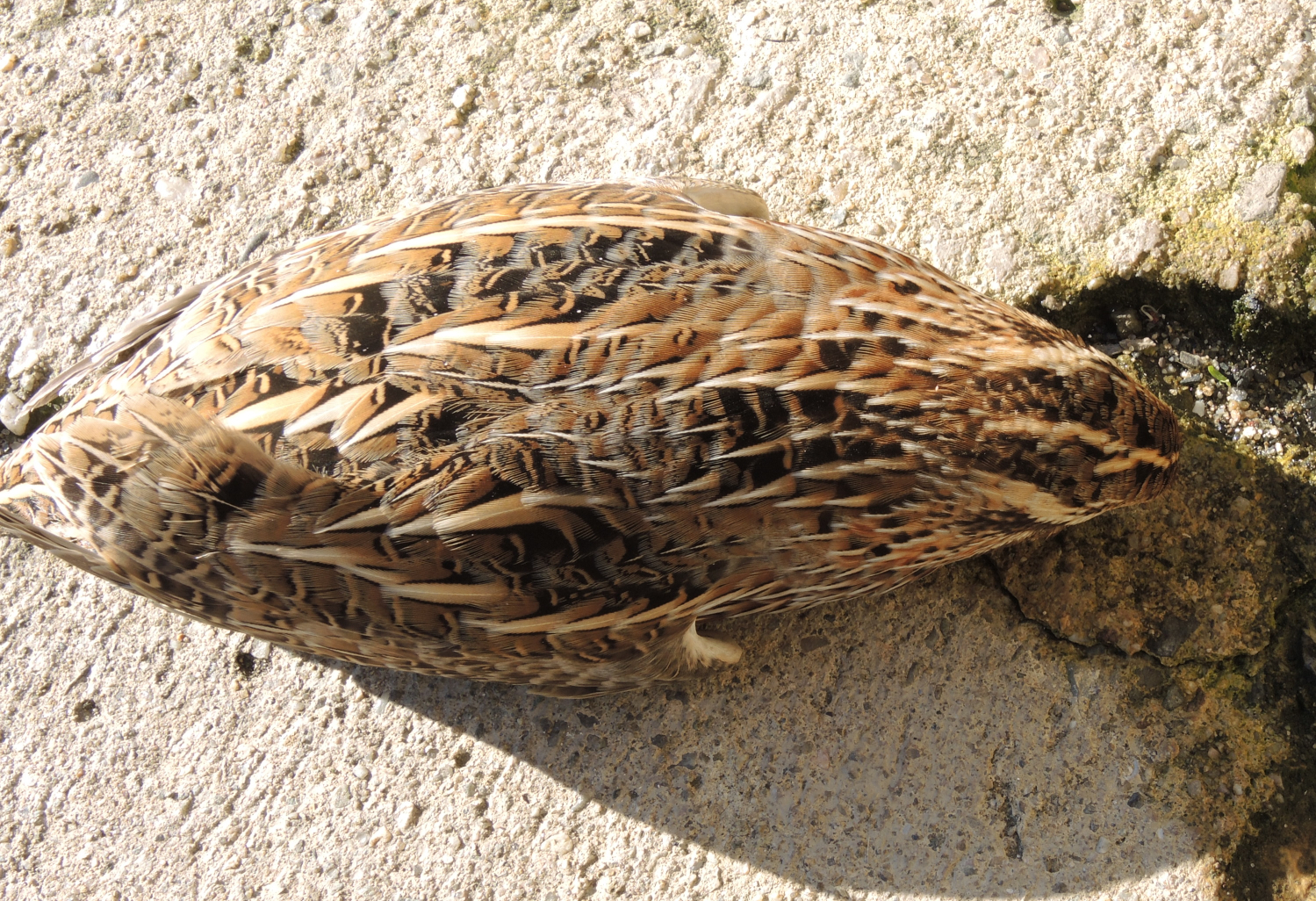
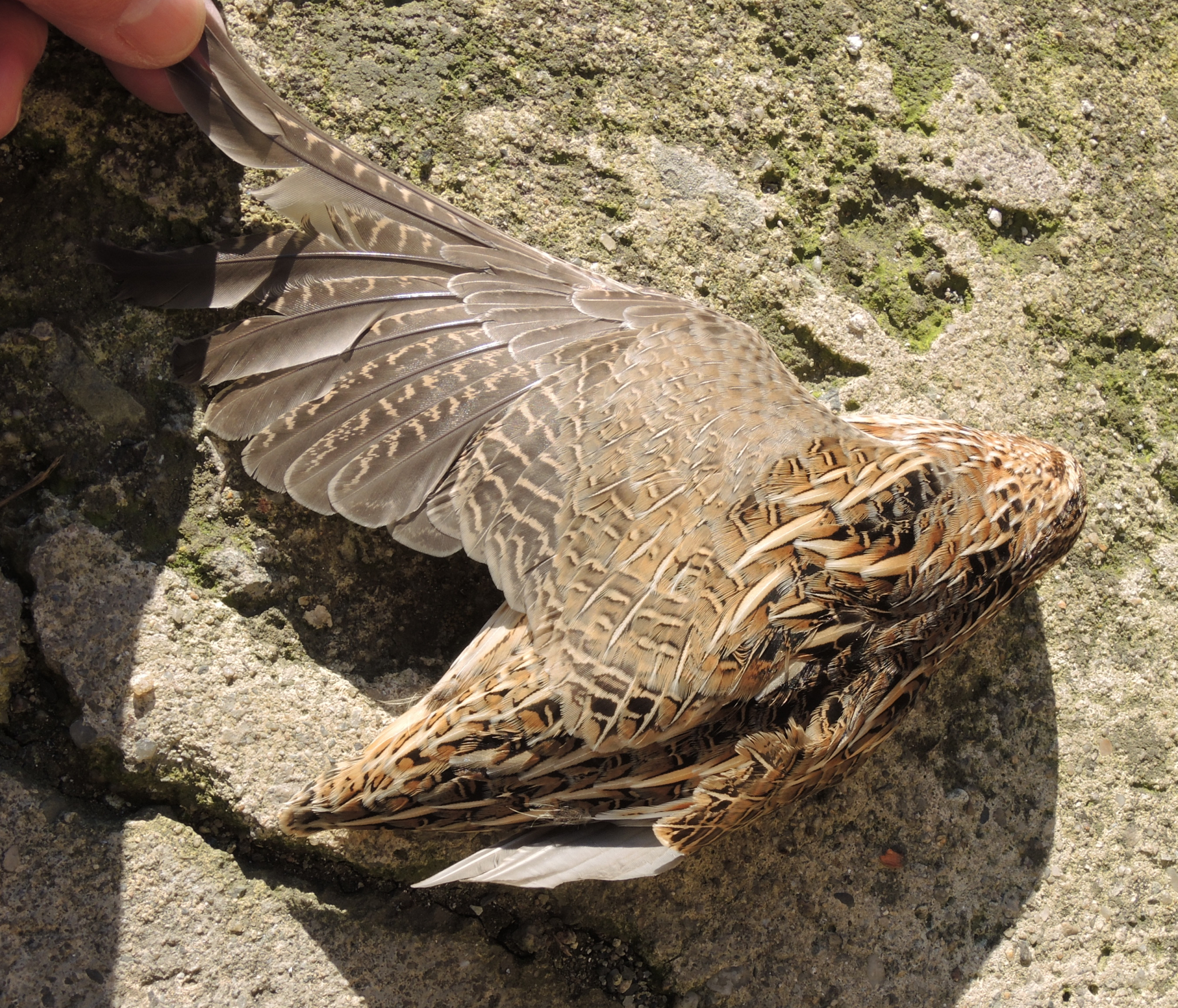
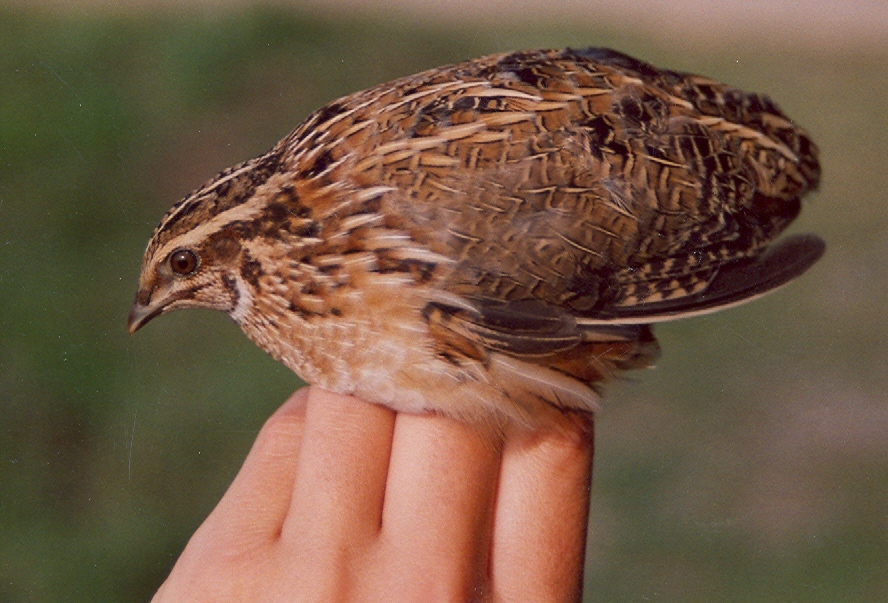
A compact gallinaceous bird measuring 16-18 centimeters in length with a wingspan of 32-35 centimeters. Adults weigh between 70 and 140 grams, with weight peaking before migration at the end of the breeding season when females typically outweigh males. The plumage is predominantly streaked brown, providing excellent camouflage in its terrestrial habitat. A prominent white eyestripe runs across the face, and males distinguish themselves with a distinctive white chin patch. Unlike many game birds with short wings, this species possesses relatively long wings—an adaptation reflecting its migratory lifestyle. The overall appearance is modest and cryptic, designed for concealment rather than display.
Identification
Visual identification in the field presents significant challenges due to the bird's secretive behavior and the density of its habitat. When seen briefly, the combination of streaked brown upperparts, white eyestripe, and (in males) white chin provides the key distinguishing features. The most reliable identification method is the characteristic three-part call, which distinguishes it from the similar-looking Japanese quail (Coturnix japonica), an Asian species with a distinctly different vocalization. The Japanese quail, while visually nearly identical, does not overlap significantly in range except in areas of eastern Asia where their distributions meet near Mongolia and Lake Baikal. Field observers should note that this species is extremely reluctant to fly, preferring to remain hidden or creep away when disturbed, and when flushed, it maintains a low flight before quickly dropping back into cover.
Distribution & Habitat
The species breeds across the western Palearctic region, including Europe and northwest Africa, extending east to Mongolia and northern India. Northern populations are strongly migratory, wintering in sub-Saharan Africa and central and southern India. Five subspecies are recognized, with the nominate race (C. c. coturnix) covering the primary breeding range. Additional subspecies occur in the Azores (C. c. conturbans), Cape Verde Islands (C. c. inopinata), sub-Saharan Africa (C. c. africana), and east and northeast Africa (C. c. erlangeri). The species inhabits terrestrial environments, particularly agricultural areas, grasslands, and open country where it feeds on seeds and insects. Introductions to Mauritius have been unsuccessful, and the species is now considered extinct there. It occupies a variety of open habitats but is most associated with cereal crops and weedy fields.
Behavior & Ecology
This terrestrial forager consumes a varied diet consisting primarily of seeds—including weed seeds and cereal gleanings—along with insects such as beetles, true bugs, ants, earwigs, orthopterans and their larvae, all picked from the ground. Males arrive at breeding grounds before females, with egg-laying in northern Europe beginning around mid-May and potentially continuing through repeat clutches until late August. The female constructs a shallow scrape nest measuring 7-13.5 centimeters in diameter, sparsely lined with vegetation, where she lays 8-13 eggs at 24-hour intervals. The eggs, measuring approximately 30 by 23 millimeters and weighing around 8 grams, display an off-white to creamy-yellow background with dark brown spots or blotches. Incubation lasting 17-20 days is performed solely by the female and begins after all eggs are laid. The precocial young leave the nest shortly after hatching and can feed themselves, though they remain with the family group for 30-50 days under the female's care. First breeding typically occurs at one year of age, with only a single annual brood.
Conservation
The IUCN Red List categorizes this species as 'least concern' at the global level, reflecting its extensive range and large population. However, significant concerns exist at regional levels, with documented declines in parts of its range including Ireland. The primary threat comes from intensive hunting, particularly during migration when vast numbers are harvested across the Mediterranean region. The most severe pressure occurs in Egypt, where an estimated 3.4 million birds were captured in nets during autumn migration in 2012, with the total for the entire country potentially reaching 12.9 million individuals. Such unsustainable harvest levels raise conservation concerns for populations passing through or wintering in the region. Agricultural intensification and habitat loss may also contribute to local population declines, though comprehensive population assessments remain limited for this cryptic species.
Culture
The species holds cultural significance in biblical tradition, notably in the Book of Numbers chapter 11, which describes a miraculous event where enormous flocks of quails were blown by wind and provided as meat for the Israelites wandering in the wilderness. This passage represents one of the earliest recorded references to quail migration and their importance as a food source. Historical records also document the species' culinary significance in European royalty; in 1537, Queen Jane Seymour, third wife of Henry VIII and pregnant with the future King Edward VI, developed an intense craving for quail that prompted courtiers and diplomats abroad to source sufficient supplies. The species has also given rise to the medical condition known as 'coturnism'—muscle soreness sometimes leading to kidney failure—associated with consuming quail that have fed on certain toxic plants, though the specific plants involved remain debated.
Source: Wikipedia · CC BY-SA 3.0
Taxonomy
- Order
- Galliformes
- Family
- Phasianidae
- Genus
- Coturnix
- eBird Code
- comqua1
Subspecies (5)
-
Coturnix coturnix africana
breeds southern Africa, Comoros, and Madagascar; introduced to Mascarenes
-
Coturnix coturnix conturbans
resident Azores
-
Coturnix coturnix coturnix
breeds Europe (including Madeira) eastward to Mongolia and southward to northern Africa and northern India and Bhutan; migrates to Sahel zone
-
Coturnix coturnix erlangeri
largely residen, northeastern to southeastern Africa
-
Coturnix coturnix inopinata
resident Cape Verde Islands
Data Sources
Species description from Wikipedia, licensed under CC BY-SA 3.0.
Bird images and sounds sourced from GBIF, contributed by citizen scientists worldwide under Creative Commons licenses.
Taxonomy data from AviList 2025.