Passeriformes / Corvidae / Corvus
Collared Crow
Corvus torquatus · 白颈鸦
Introduction
Member of the family Corvidae native to China and northern Vietnam. Inhabits plains, low-lying river valleys, open country, and cultivated regions, particularly paddy fields, while avoiding large urban centers. Classified as Vulnerable by the IUCN as of 2018.
Description
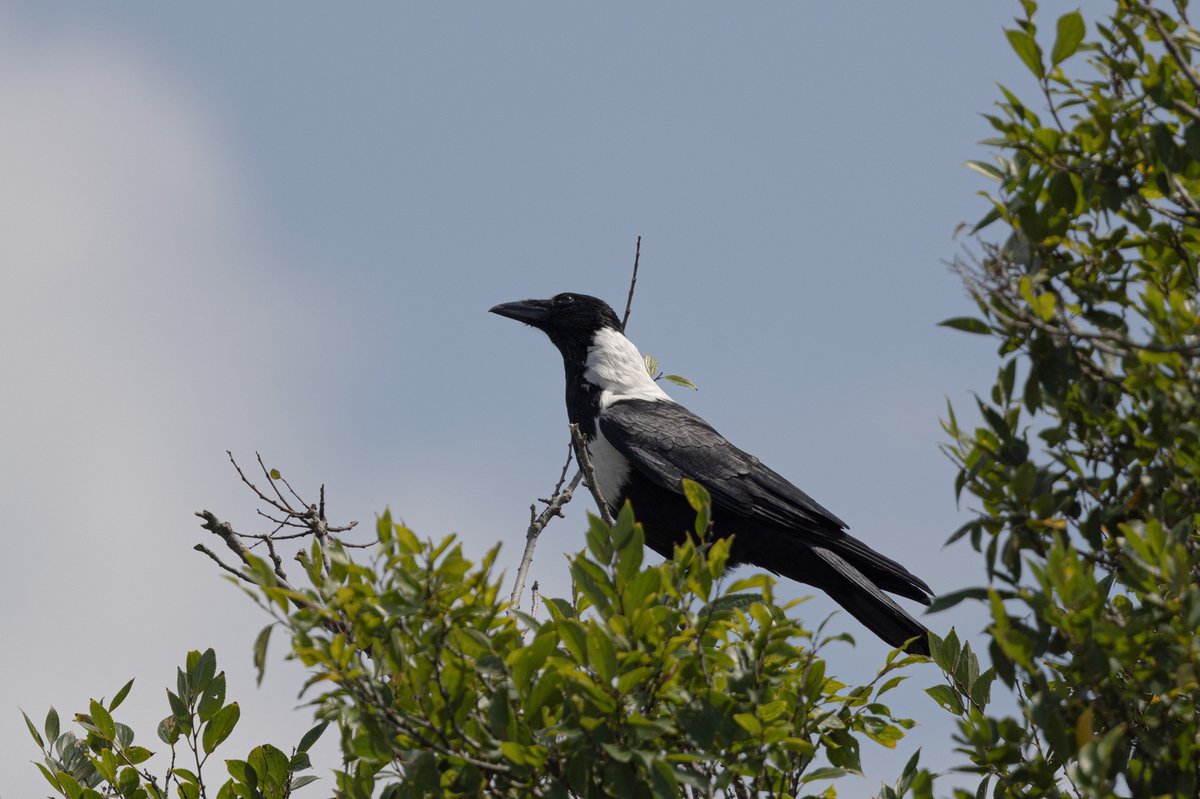
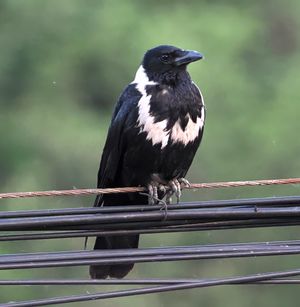
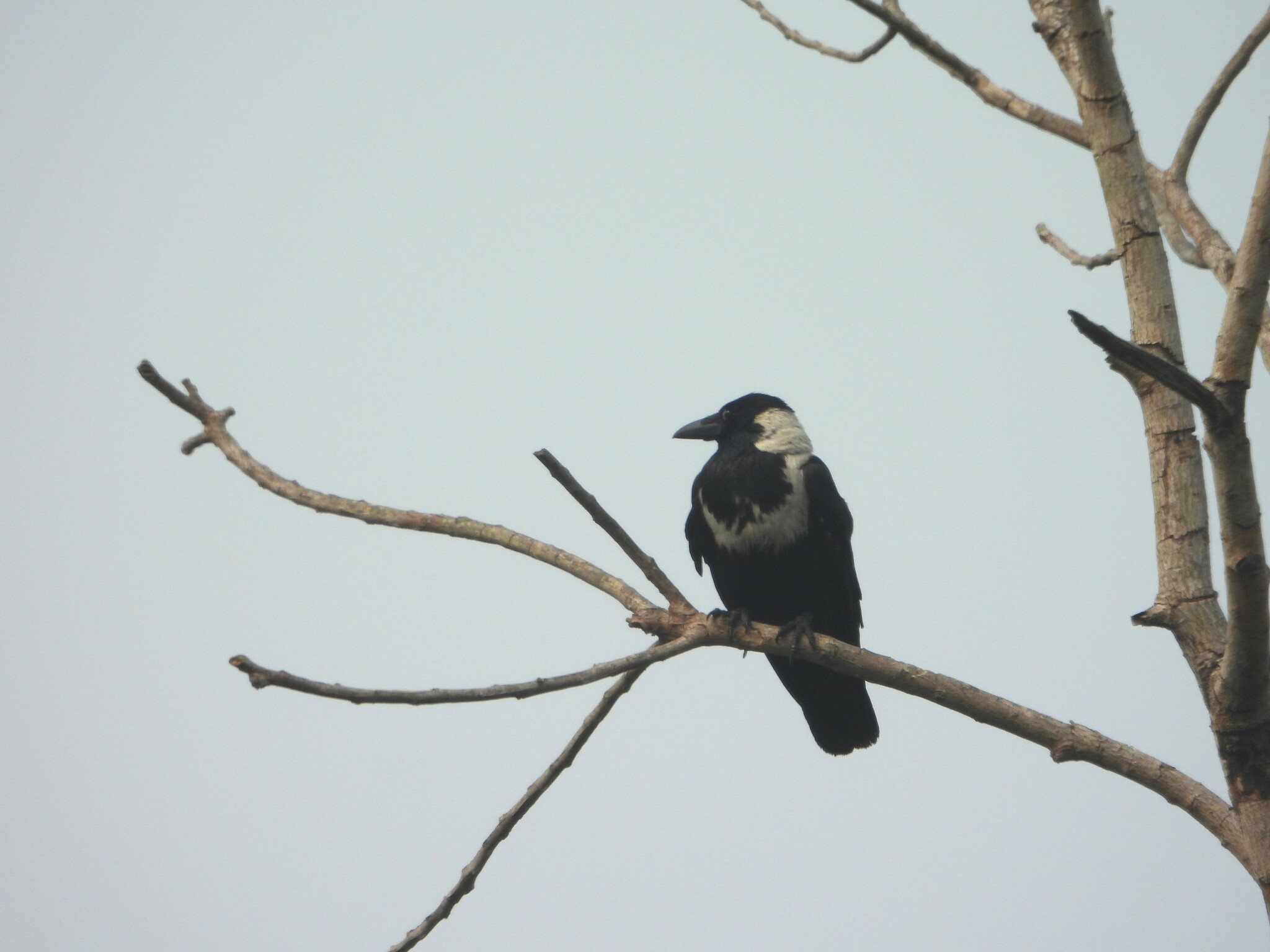
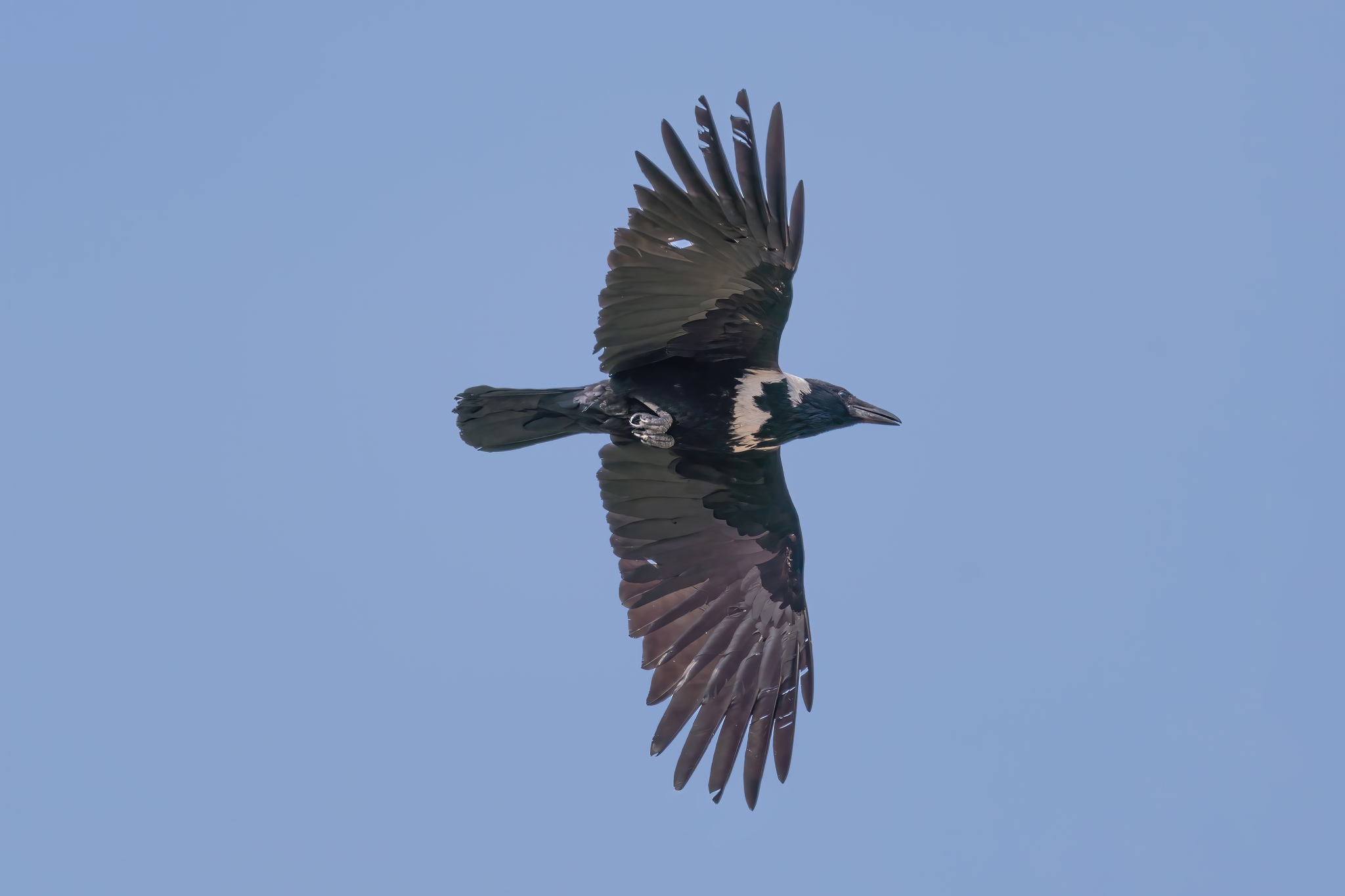
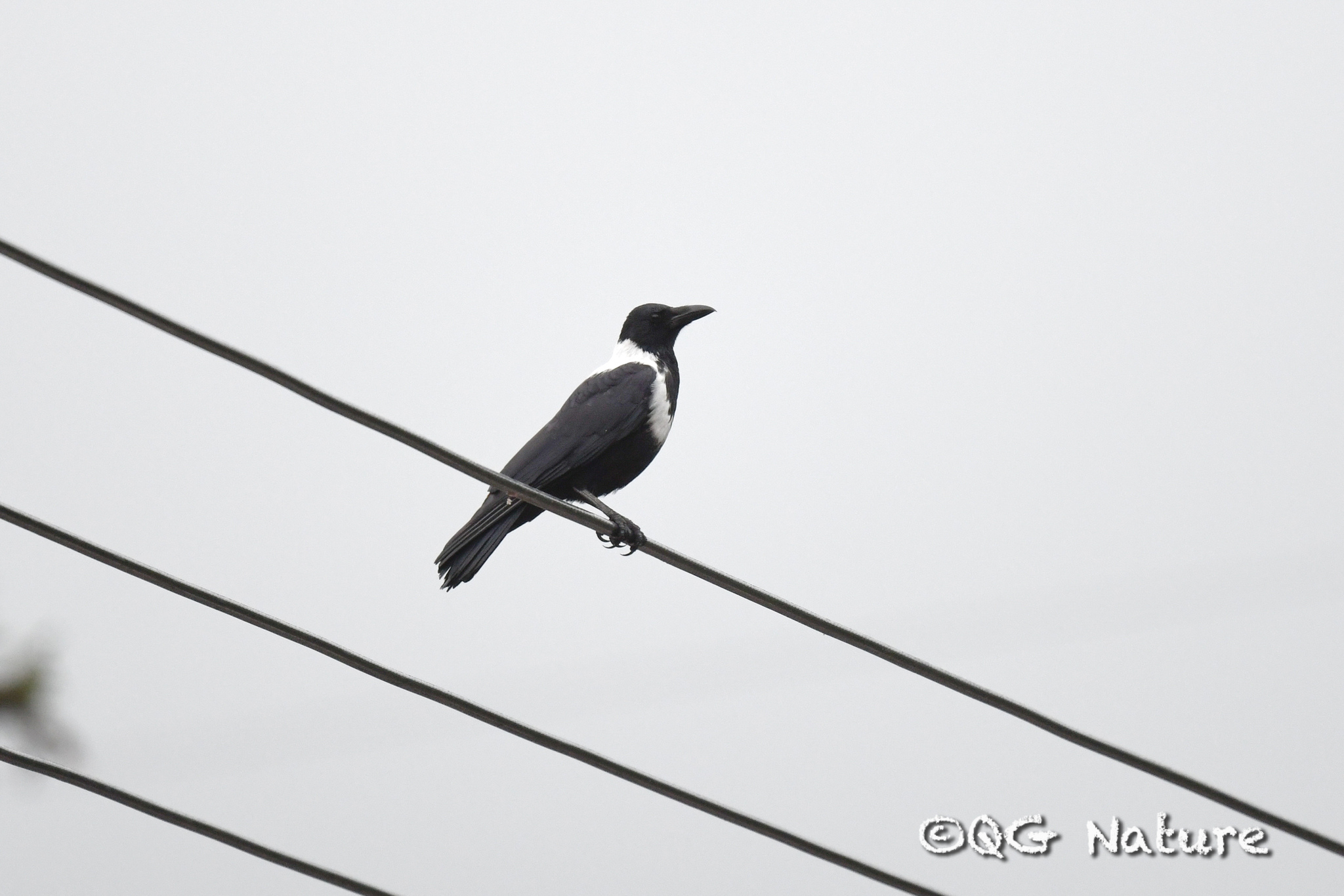
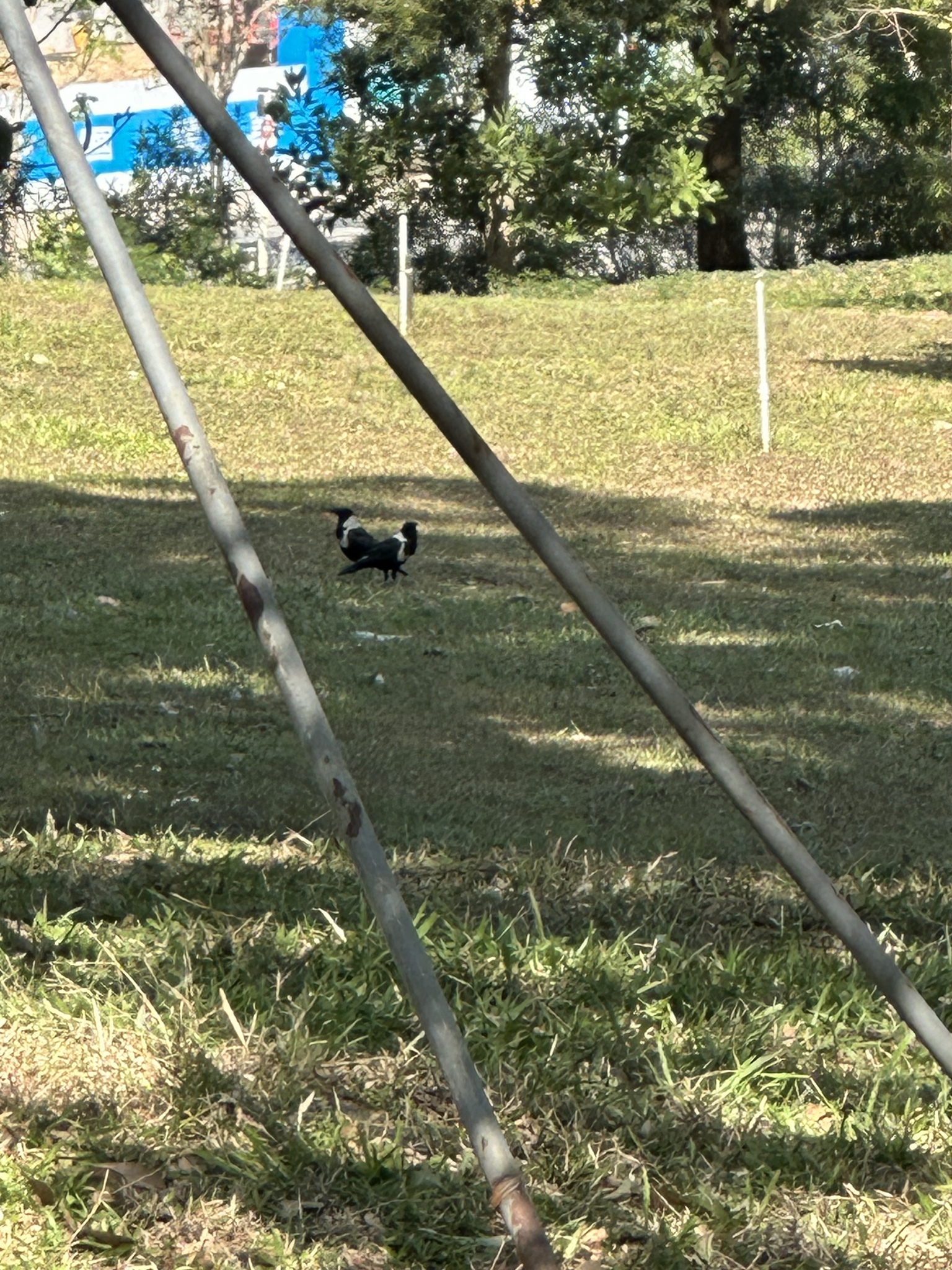
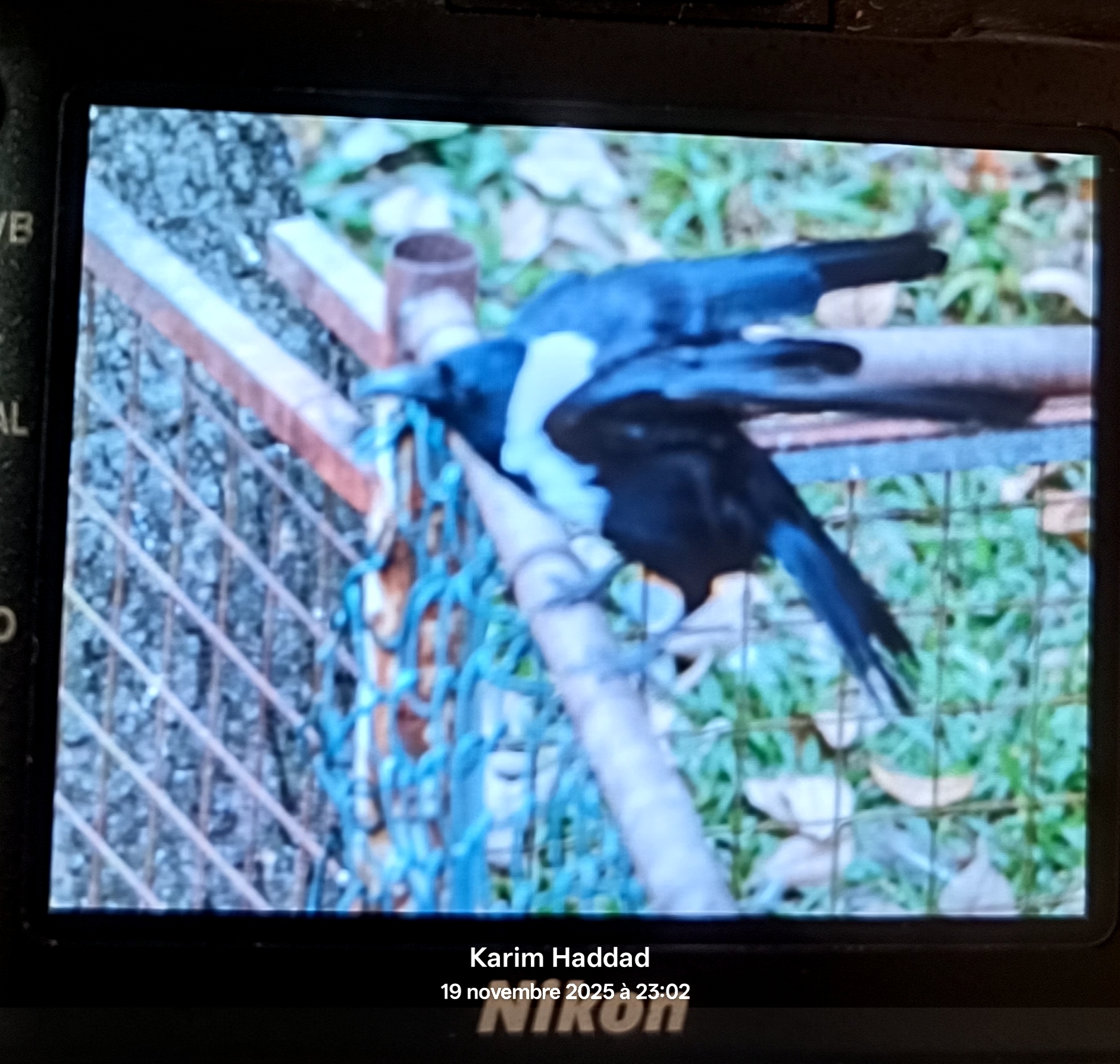
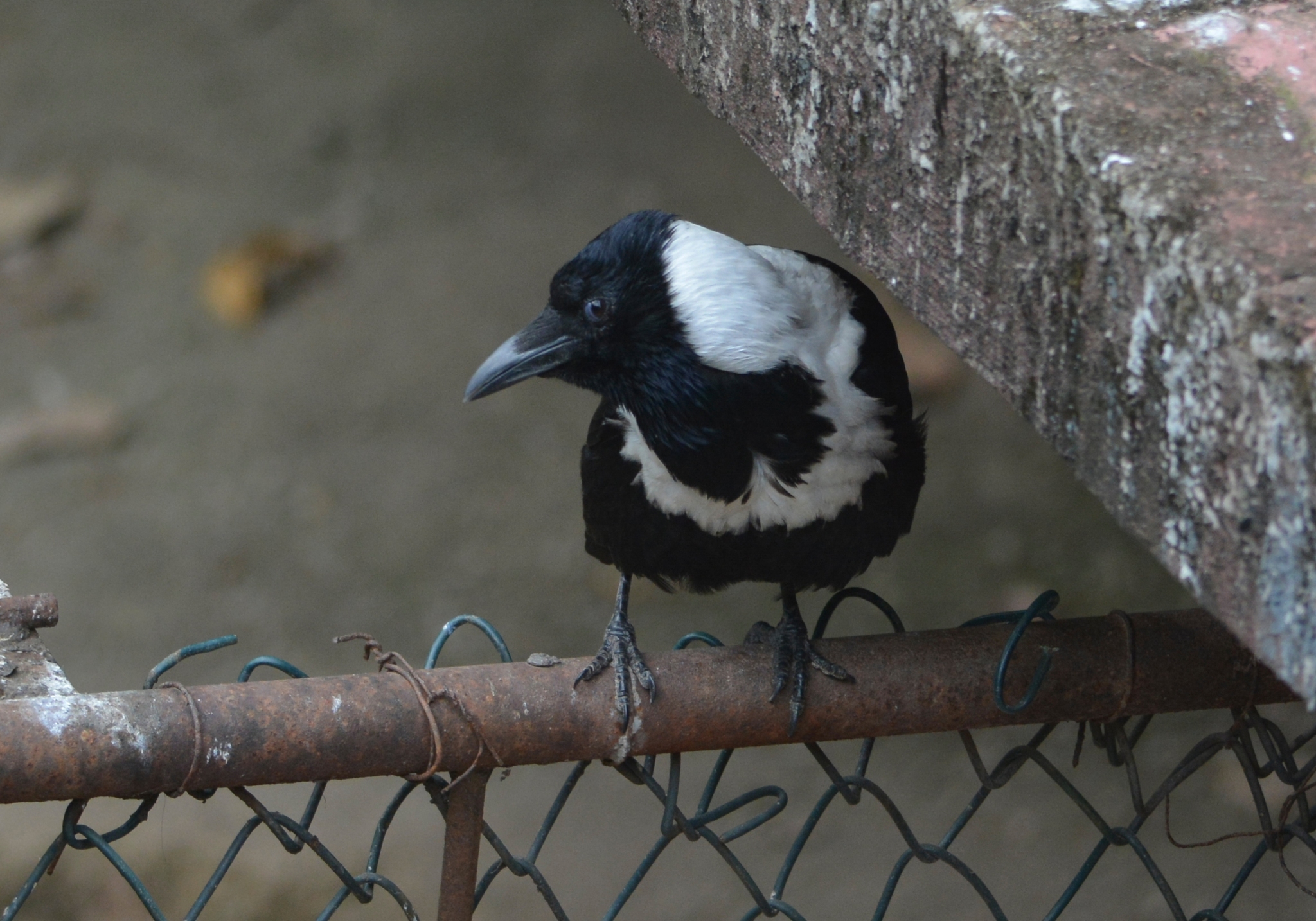
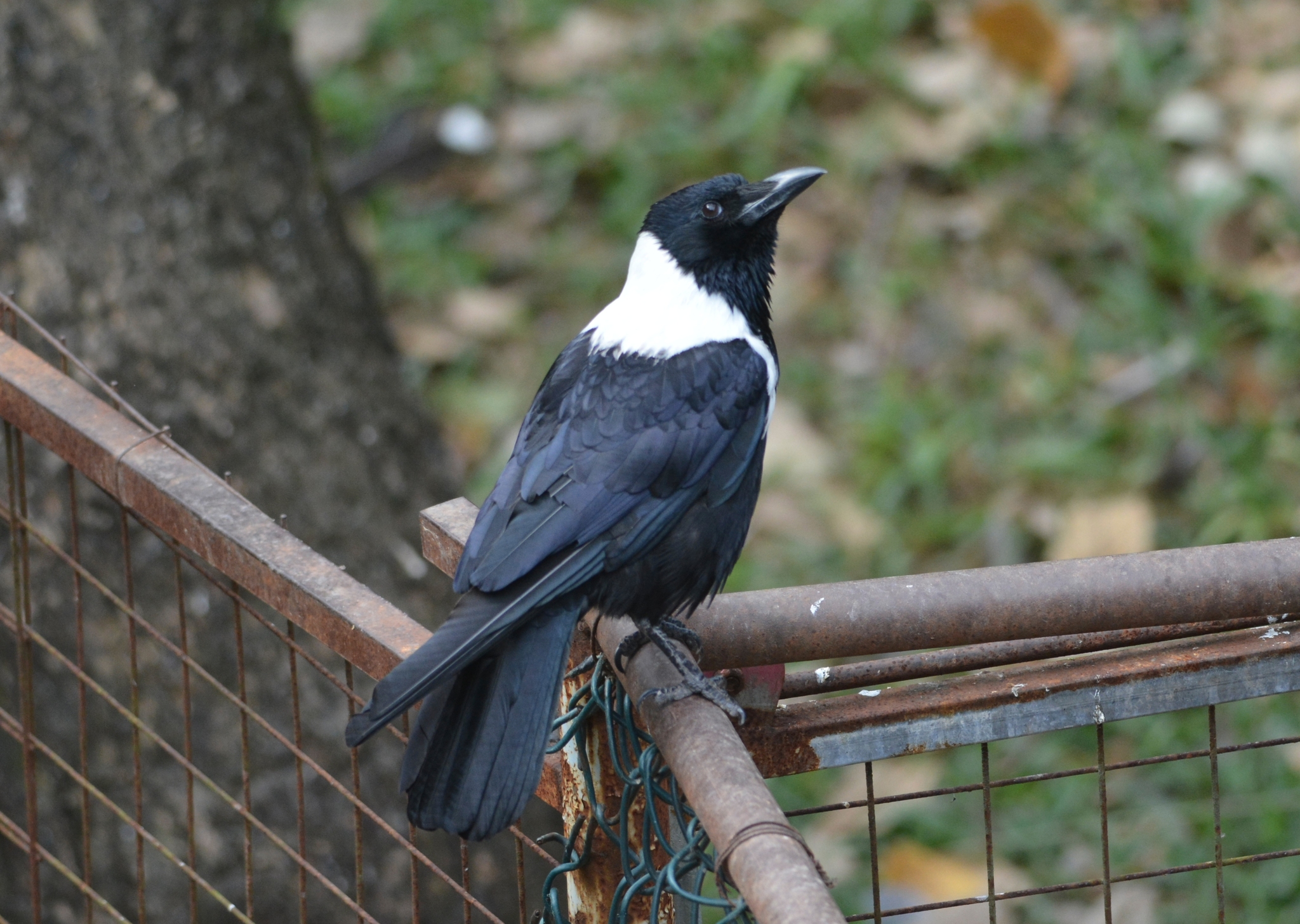
Length 52–55 cm, similar in size or slightly larger than the carrion crow, with proportionately longer wings, tail, and bill. Plumage is glossy black except for a white patch on the back of the neck, upper back (mantle), and a broad white band around the lower breast. Bill, legs, and feet are black.
Identification
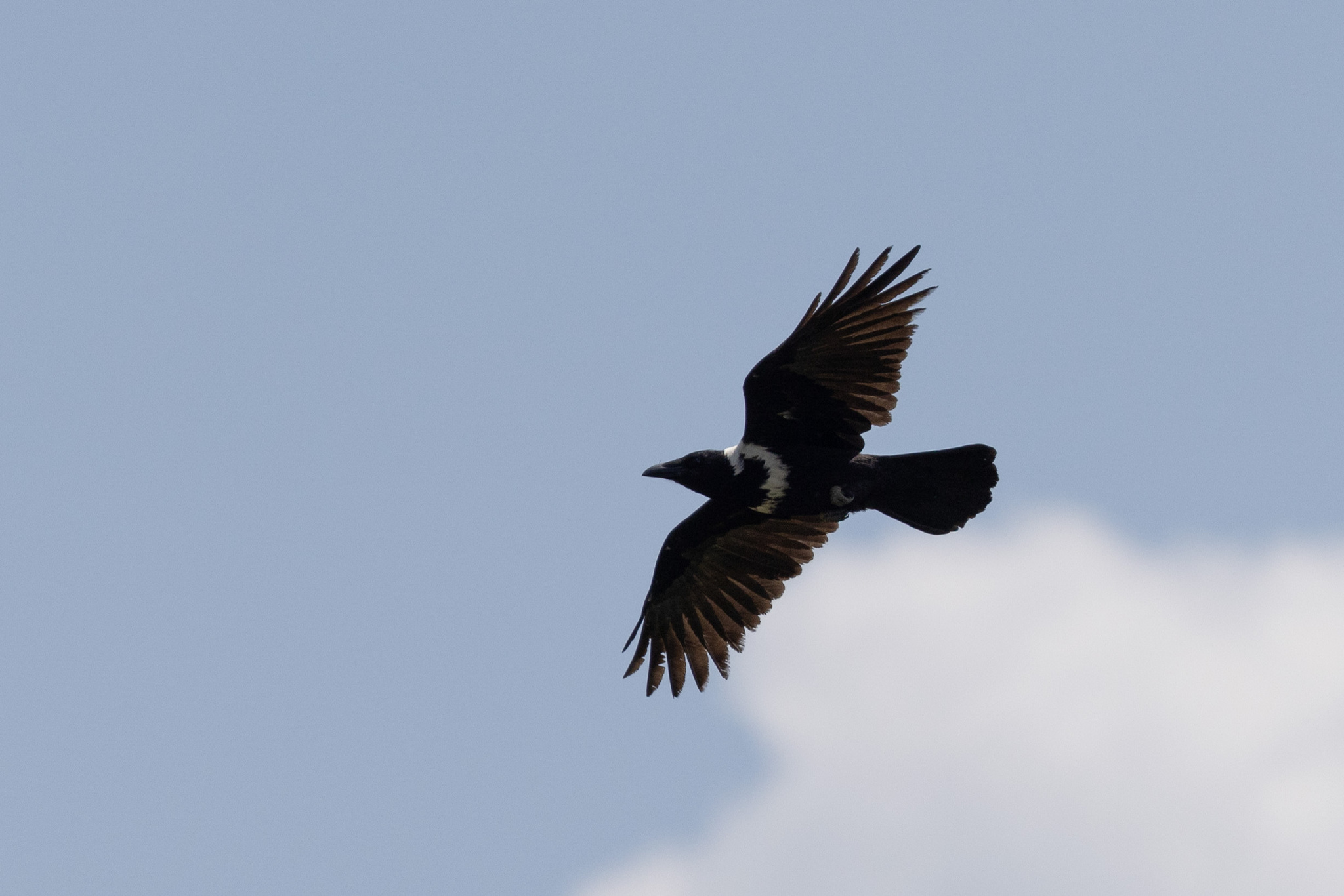
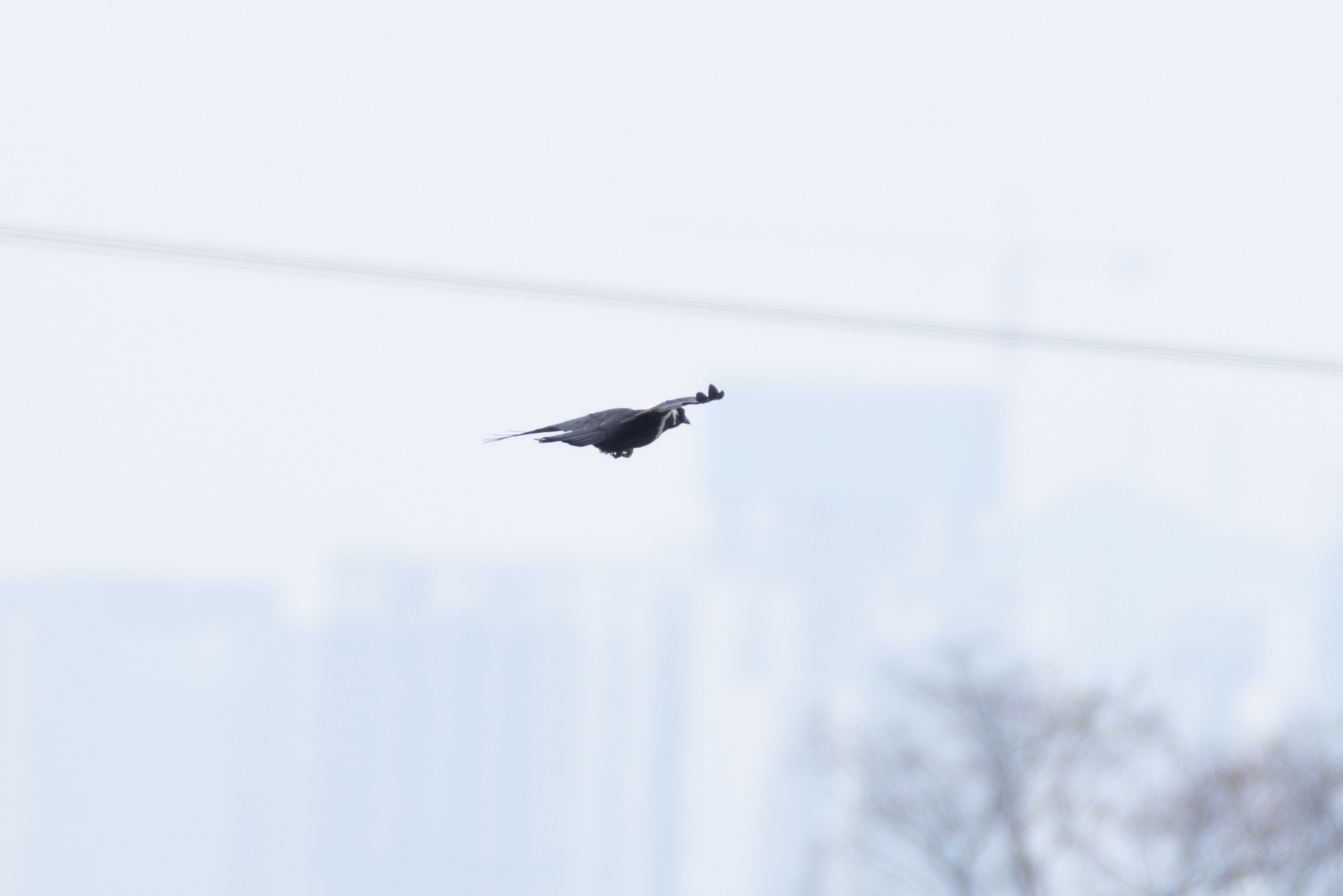
Distinctive white collar on the nape and mantle, plus a broad white breast band against otherwise glossy black plumage. Flight style is characterized by feet hanging down below the body in a 'lazy' manner. Vocalizations include a loud 'kaaar' repeated several times, along with clipping and clicking sounds during head-bowing displays.
Distribution & Habitat
Range covers large areas of China, extending no further north than Beijing, and includes northern Vietnam. Found in plains, low-lying river valleys, open country, and cultivated regions such as paddy fields. Predominantly rural, tending to avoid large towns and cities.
Behavior & Ecology
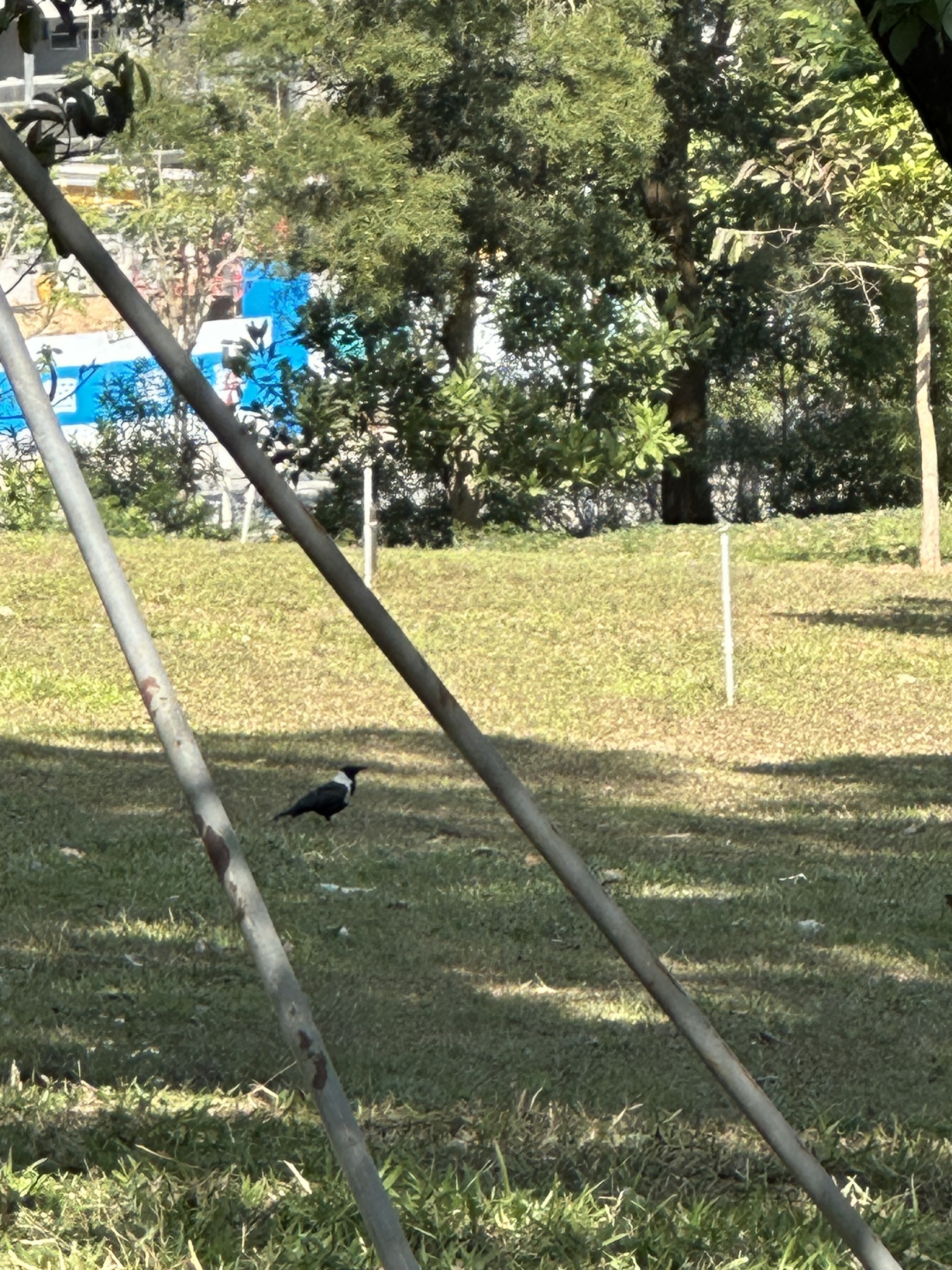
Forages mainly on the ground for insects, mollusks, other invertebrates (including from shallow water), grains (especially rice), and human refuse. Occasionally takes carrion, eggs, and nestlings. Nests are usually built in trees and plastered with mud. Clutch size is typically three or four eggs.
Conservation
Classified as Least Concern by the IUCN in 2004, upgraded to Near Threatened in 2008, and listed as Vulnerable as of 2018.
Source: Wikipedia · CC BY-SA 3.0
Taxonomy
- Order
- Passeriformes
- Family
- Corvidae
- Genus
- Corvus
Taxonomy Changes
Corvus pectoralis → Corvus torquatus
Species rename — GBIF Backbone Taxonomy uses the former name; AviList 2025 uses the current name.
Distribution
central and eastern China to northern Vietnam; Hainan and Taiwan
Data Sources
Species description from Wikipedia, licensed under CC BY-SA 3.0.
Bird images and sounds sourced from GBIF, contributed by citizen scientists worldwide under Creative Commons licenses.
Taxonomy data from AviList 2025.