
Passeriformes / Corvidae / Corvus
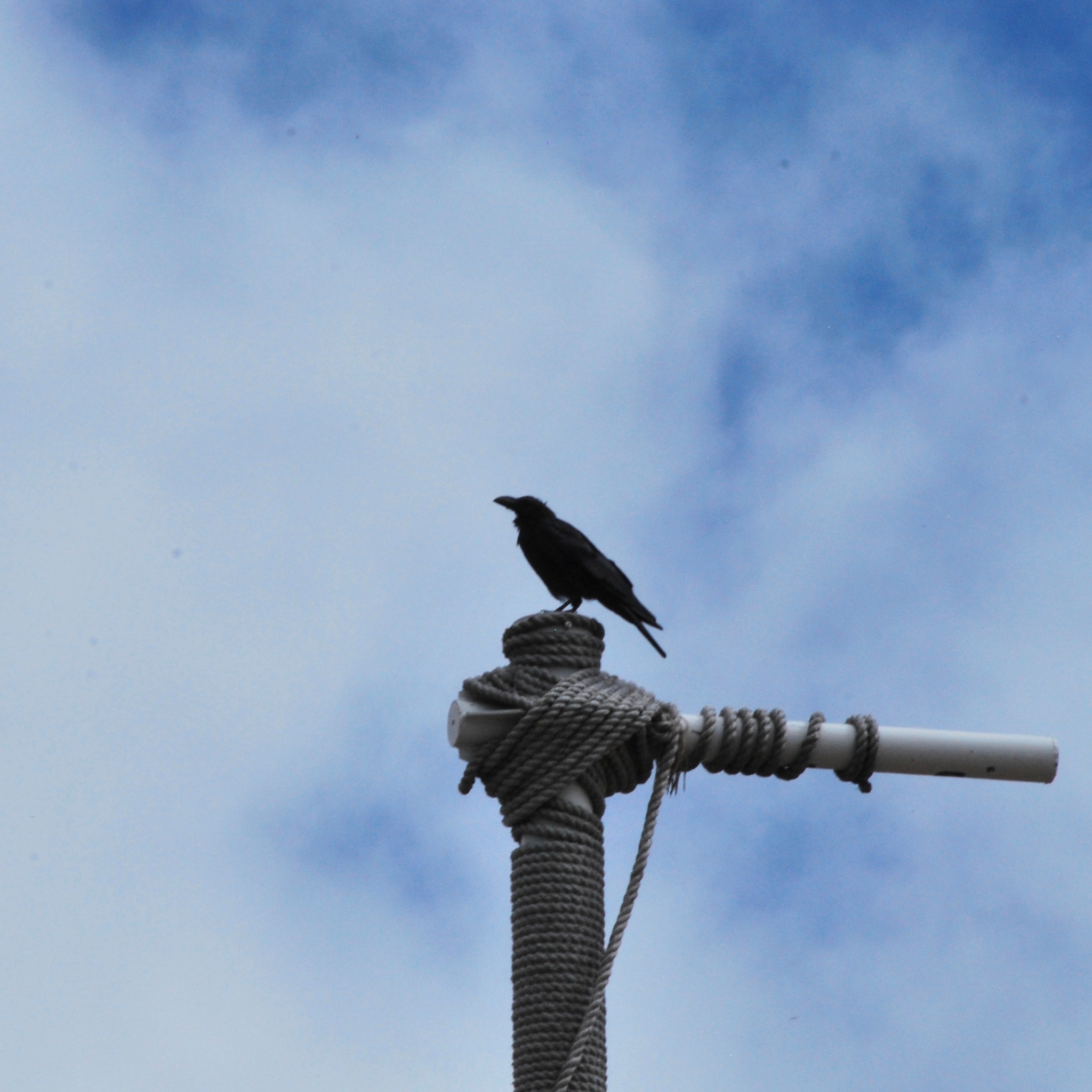
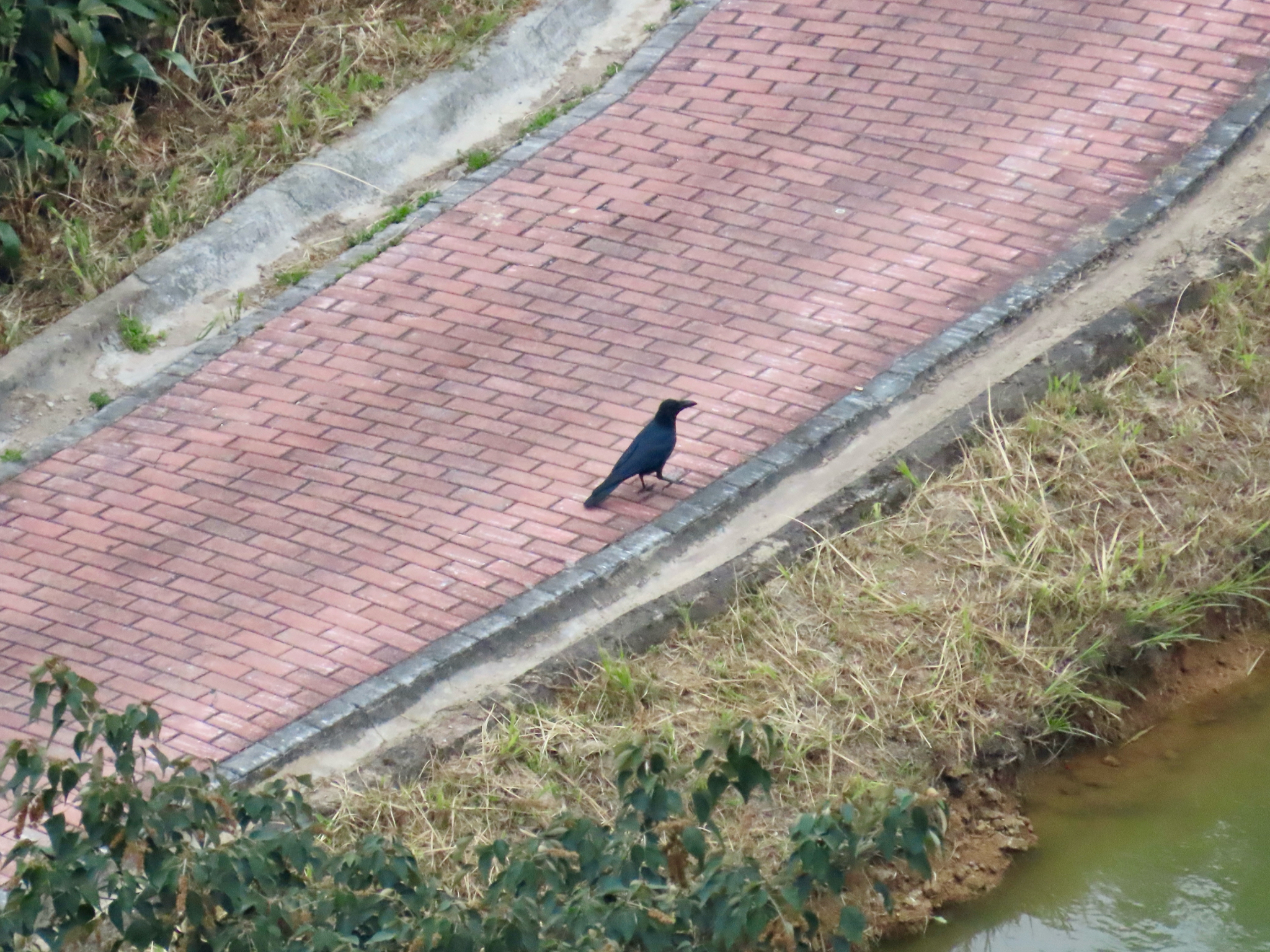
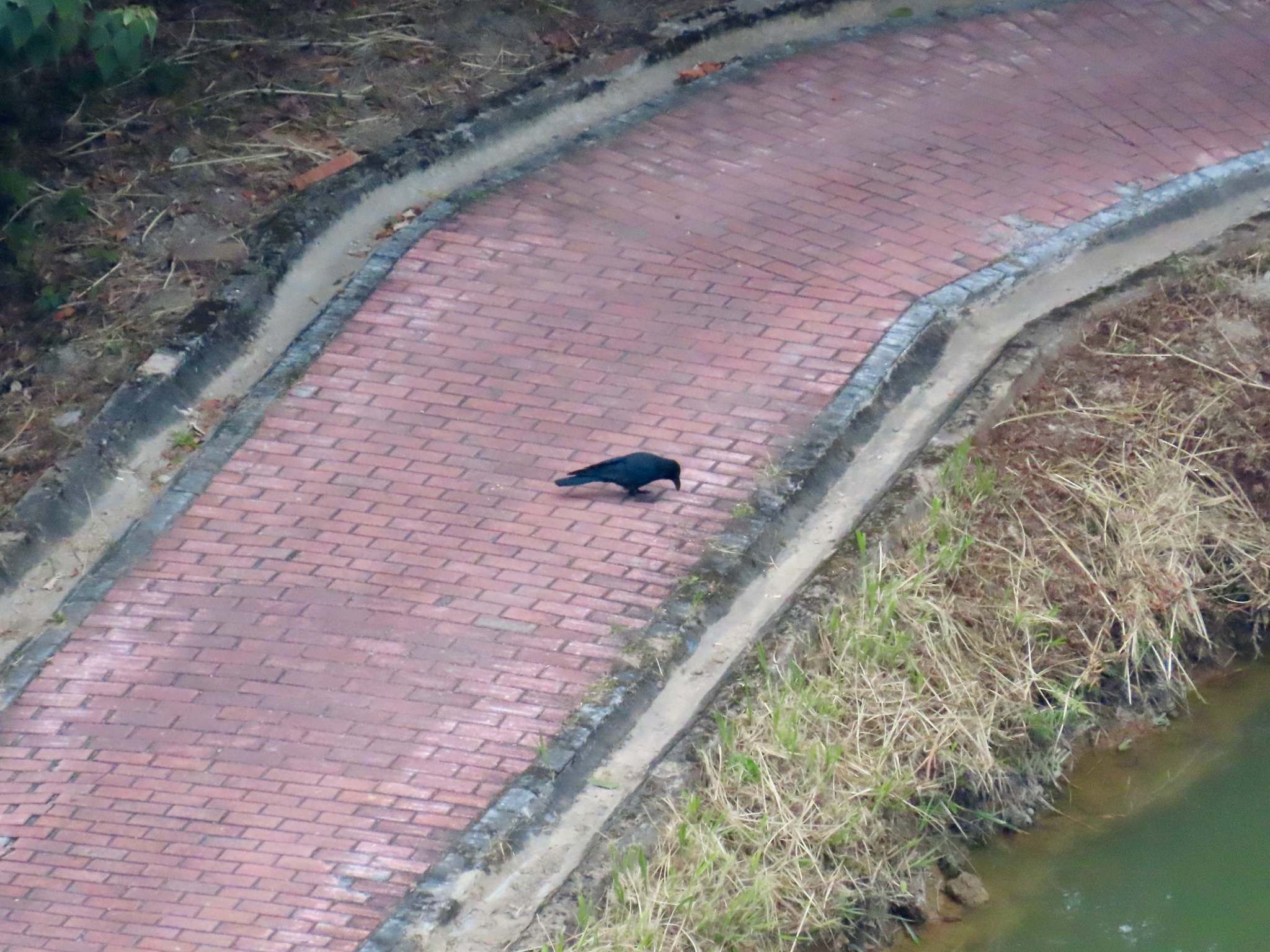
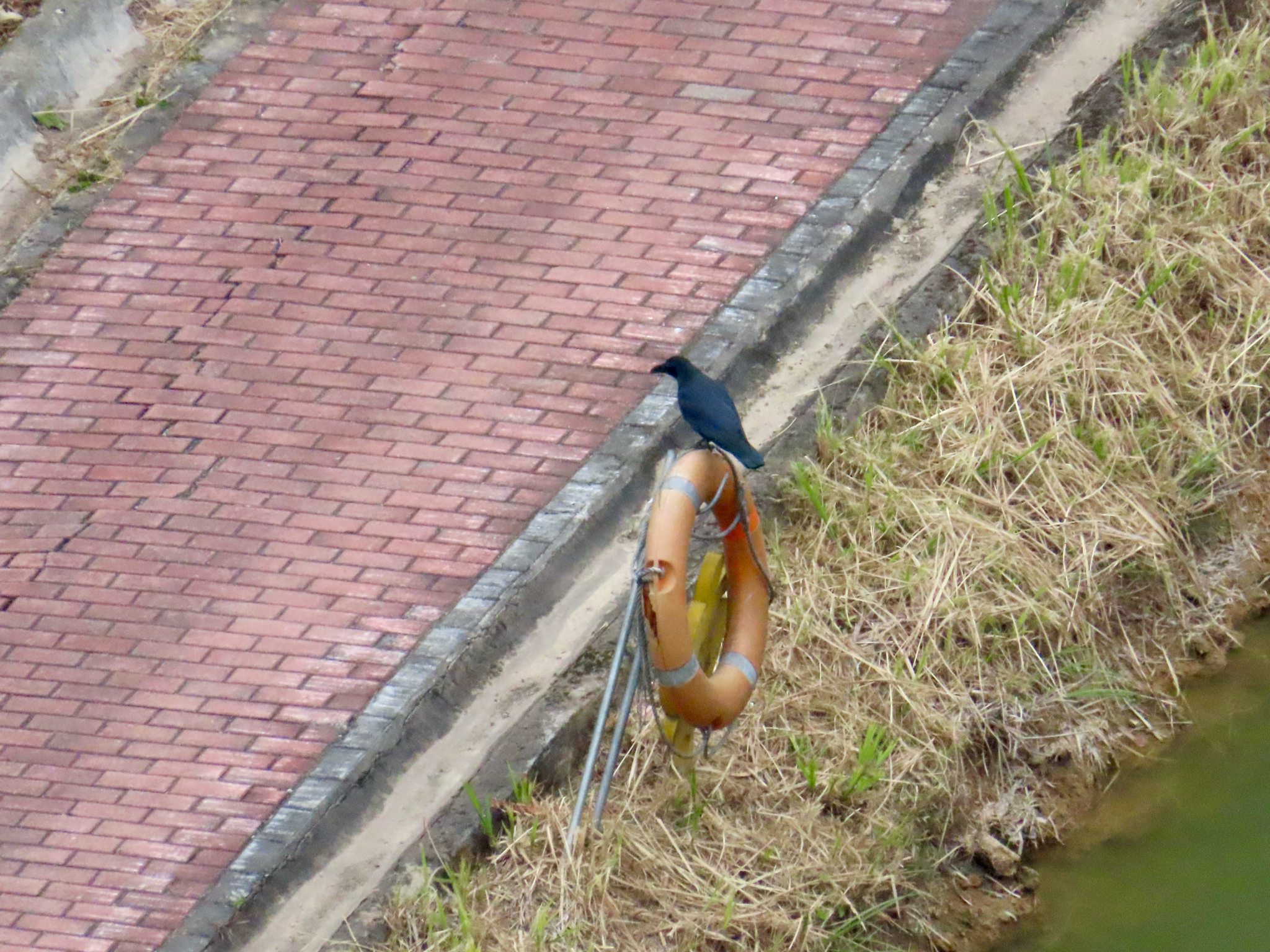
Large-billed Crow
Corvus macrorhynchos · 大嘴乌鸦
Introduction
A widespread Asian species of crow, formally described in 1837. It is highly adaptable, surviving on a wide range of food sources and colonizing new areas, often considered a nuisance on islands. Ten subspecies are recognized, though taxonomy remains complex with some treatments raising subspecies to species status.
Description
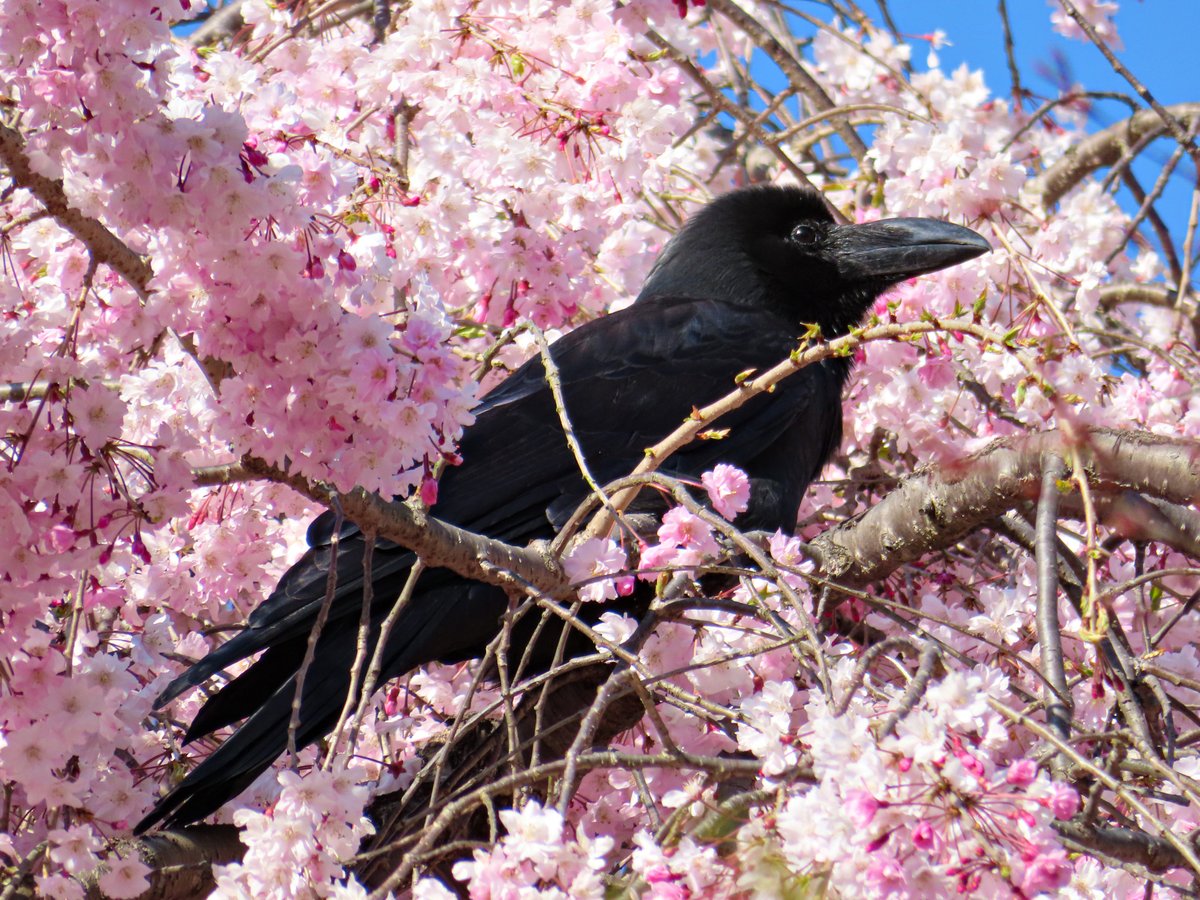
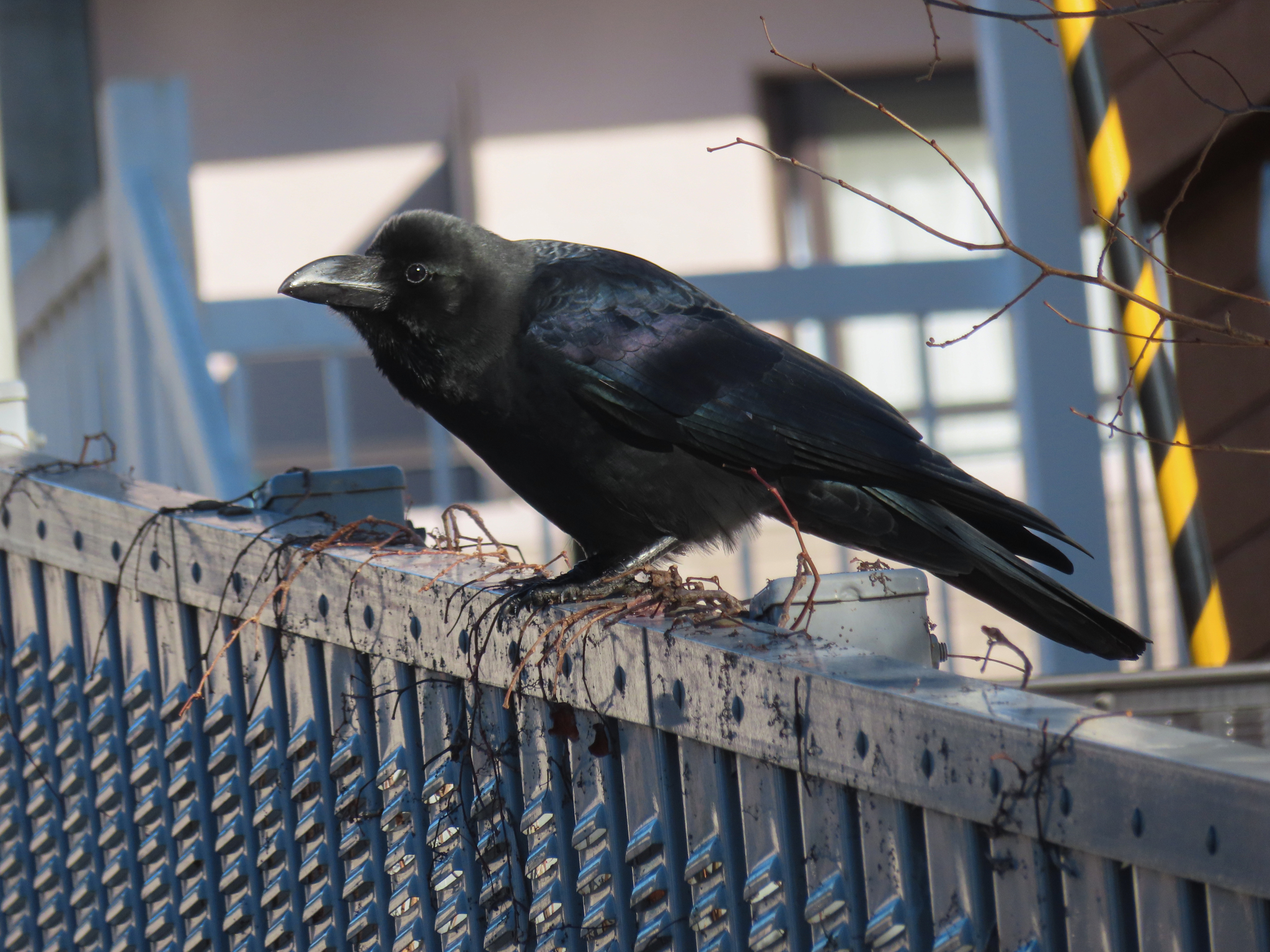
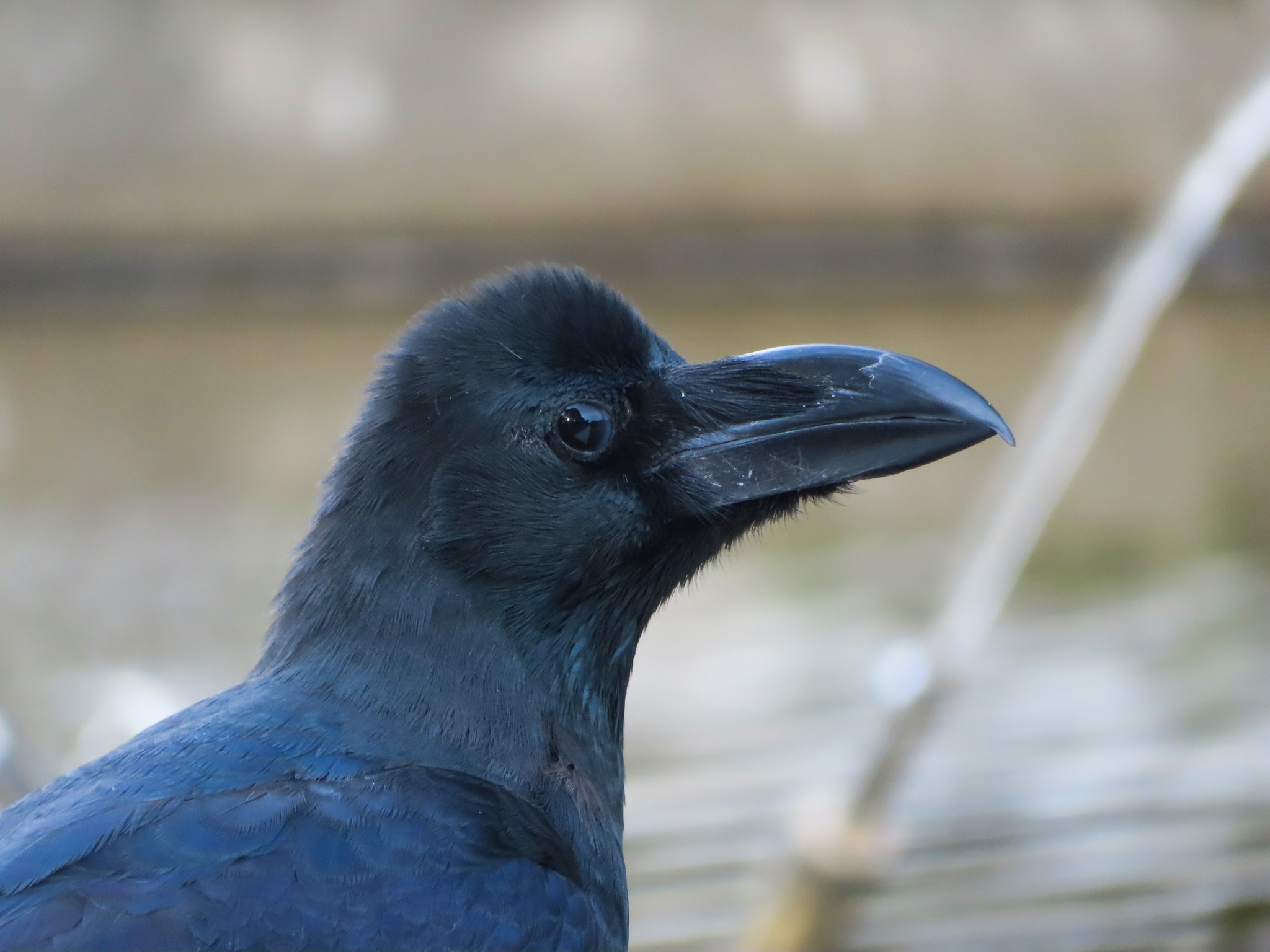
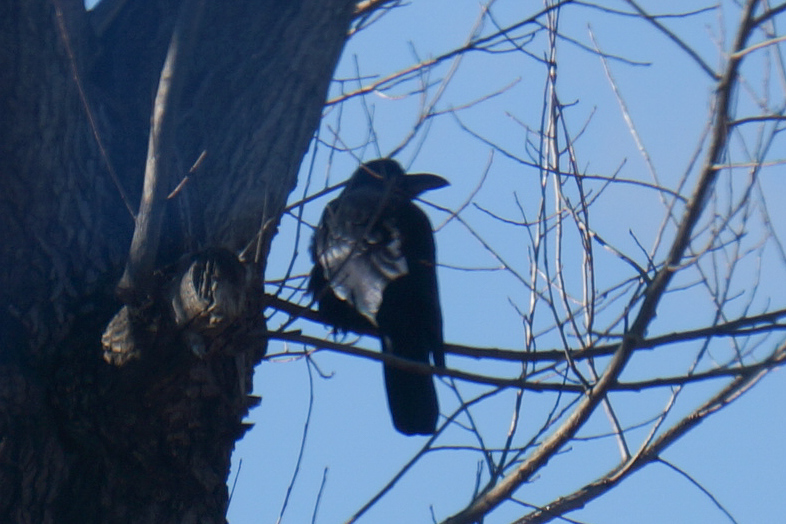
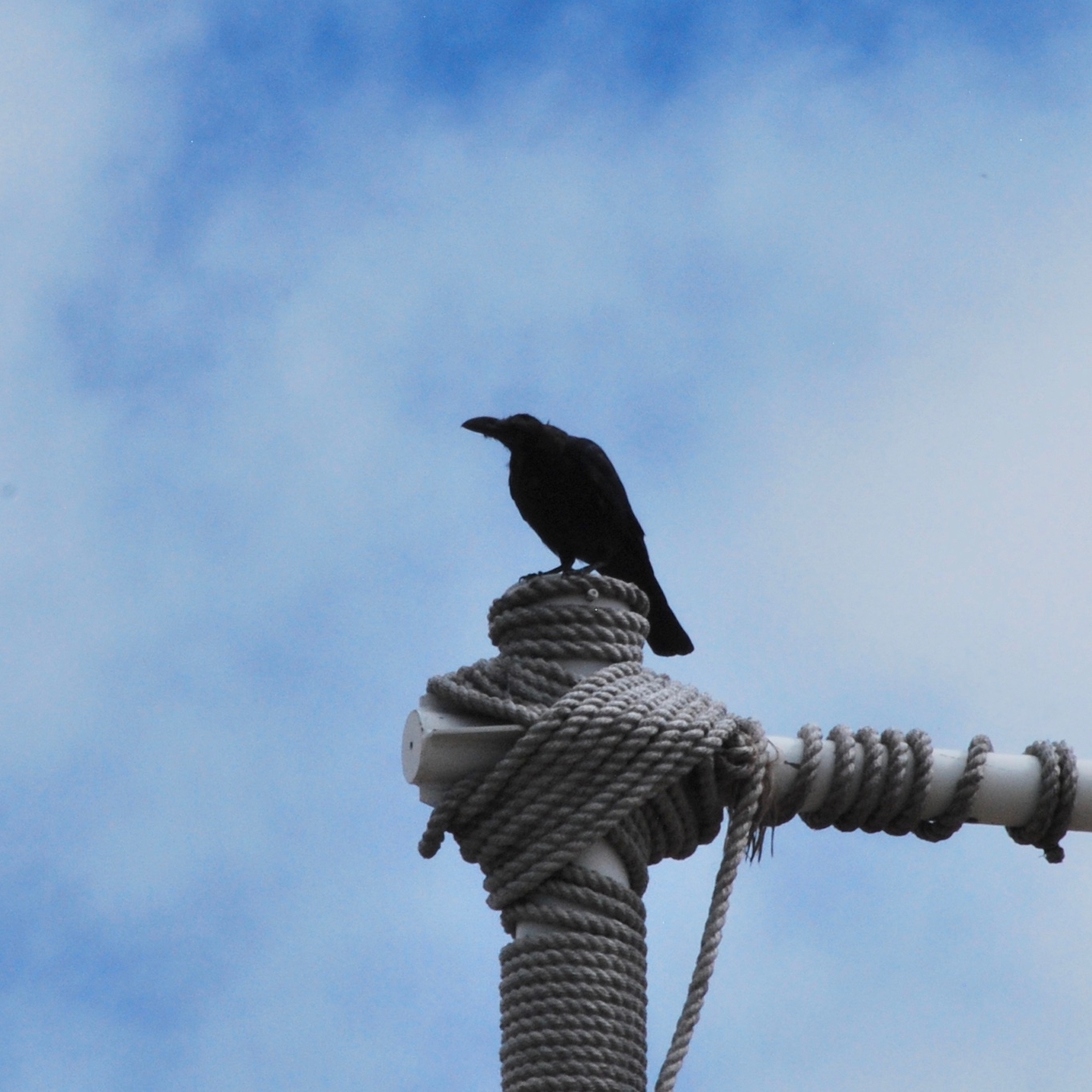
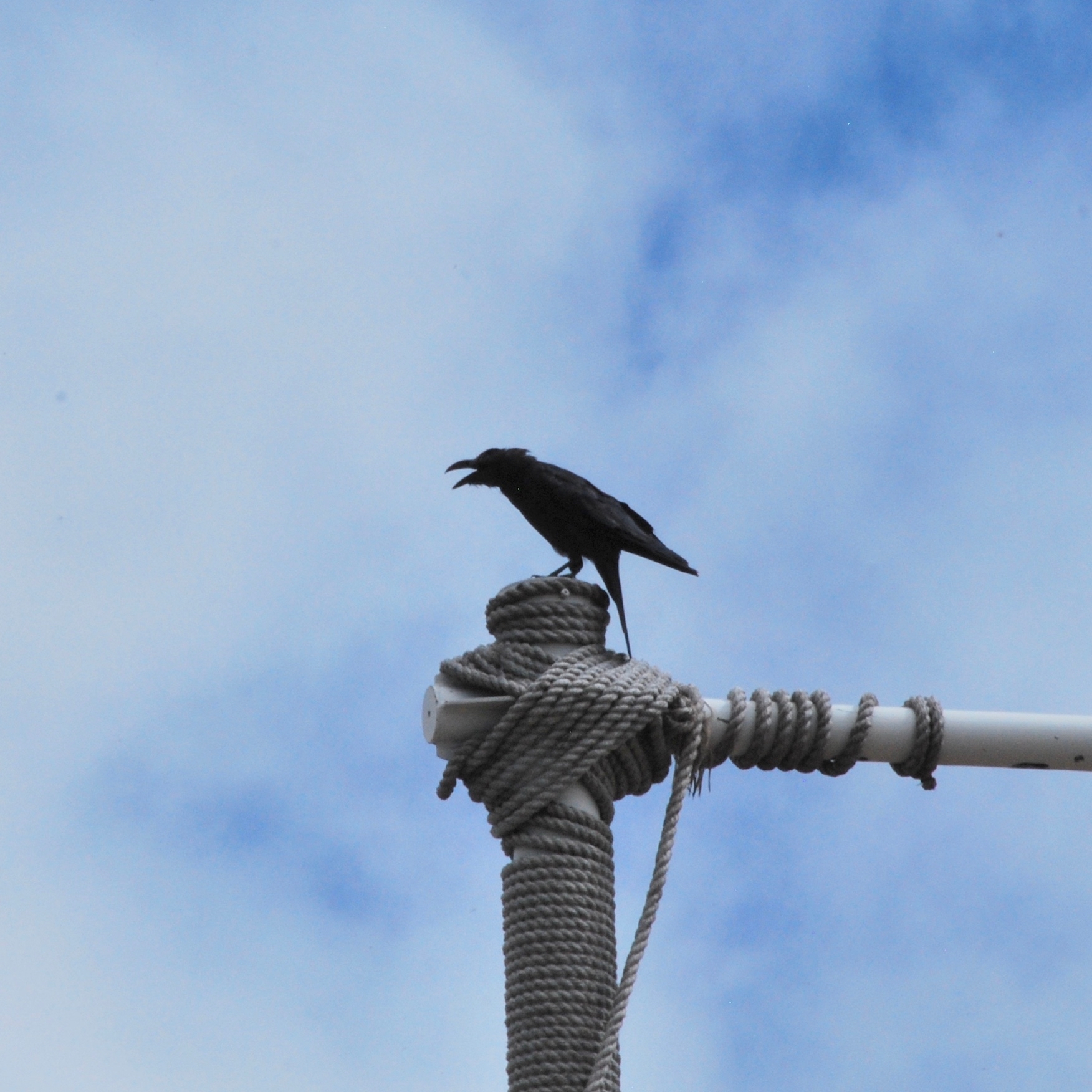
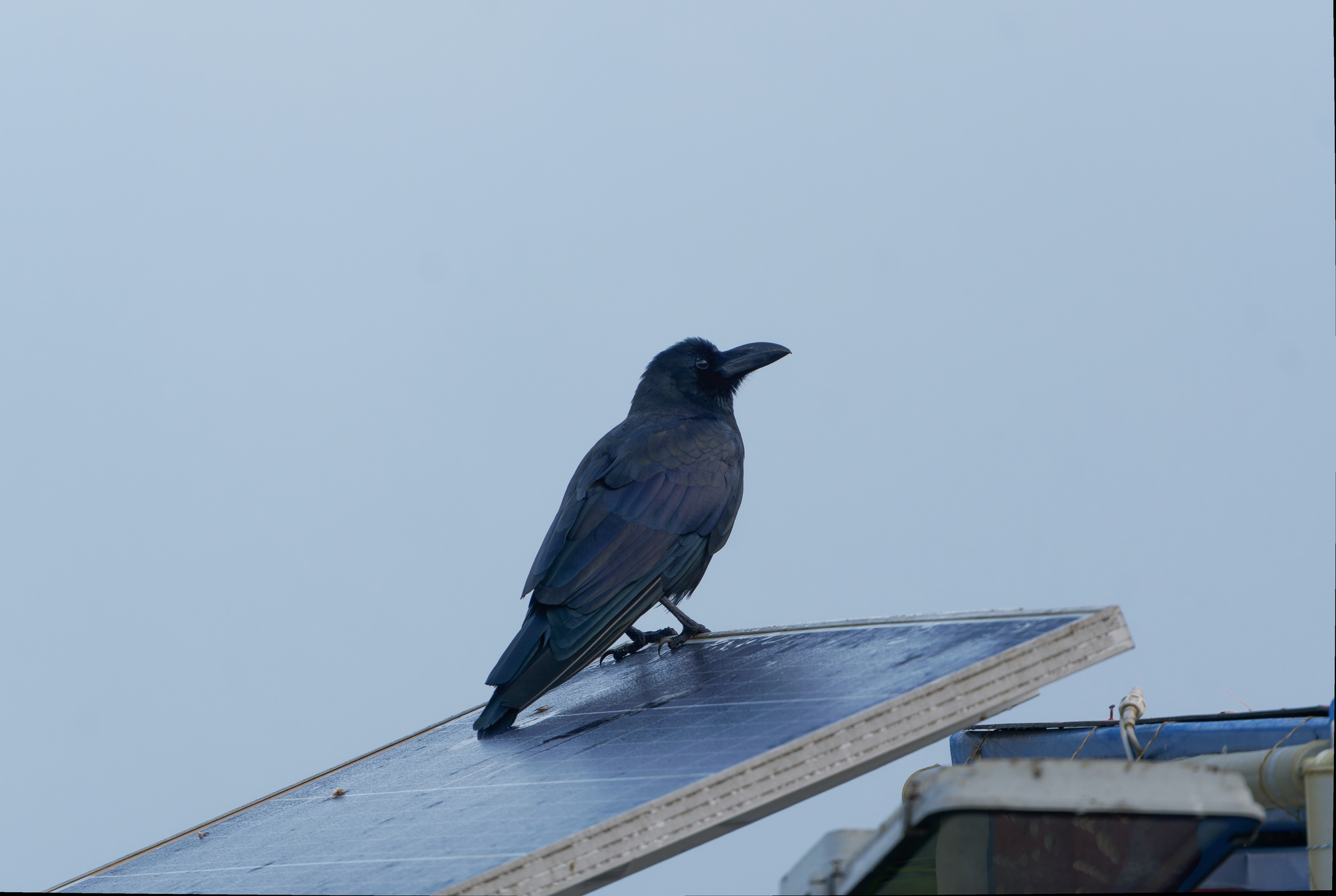
Relatively large all-black bird, 46–59 cm (18–23 in) in length and 450–1,000 g (16–35 oz) in weight. Features a large black bill with an arched culmen, the base of which is hidden by overlapping black rictal bristles. Glossy black plumage has a purple sheen, with pale grey bases to neck feathers and elongated throat hackles. Irises are dark brown; legs are black. Females are on average smaller with a less arched culmen. Juveniles have less glossy plumage and smoky blue irises. Subspecies vary in size and bill dimensions; C. m. japonensis has a bill 70–80 mm long, while C. m. culminatus has a bill 52–67 mm long.
Identification
Can be mistaken for a common raven. Distinguished by a large bill with an arched culmen and purple sheen on glossy black plumage. Voice is deeper and more resonant than the house crow, typically a loud 'caa-haa-caa', but includes calls resembling woodpecker drumming. In Nepal, the smaller C. m. culminatus has a higher-pitched voice than the larger C. m. intermedius.
Distribution & Habitat
Range extends from the northeastern Asian seaboard to Afghanistan and eastern Iran in the west, through South and Southeast Asia, to the Lesser Sundas and Cambodia in the southeast. Occurs in woodland, parks, gardens, and cultivated regions with trees. In the south of its range, it inhabits more open country. Ten recognized subspecies include populations in Japan, China, Indochina, the Malay Peninsula, Indonesia, India, Nepal, Iran, and Sri Lanka.
Behavior & Ecology
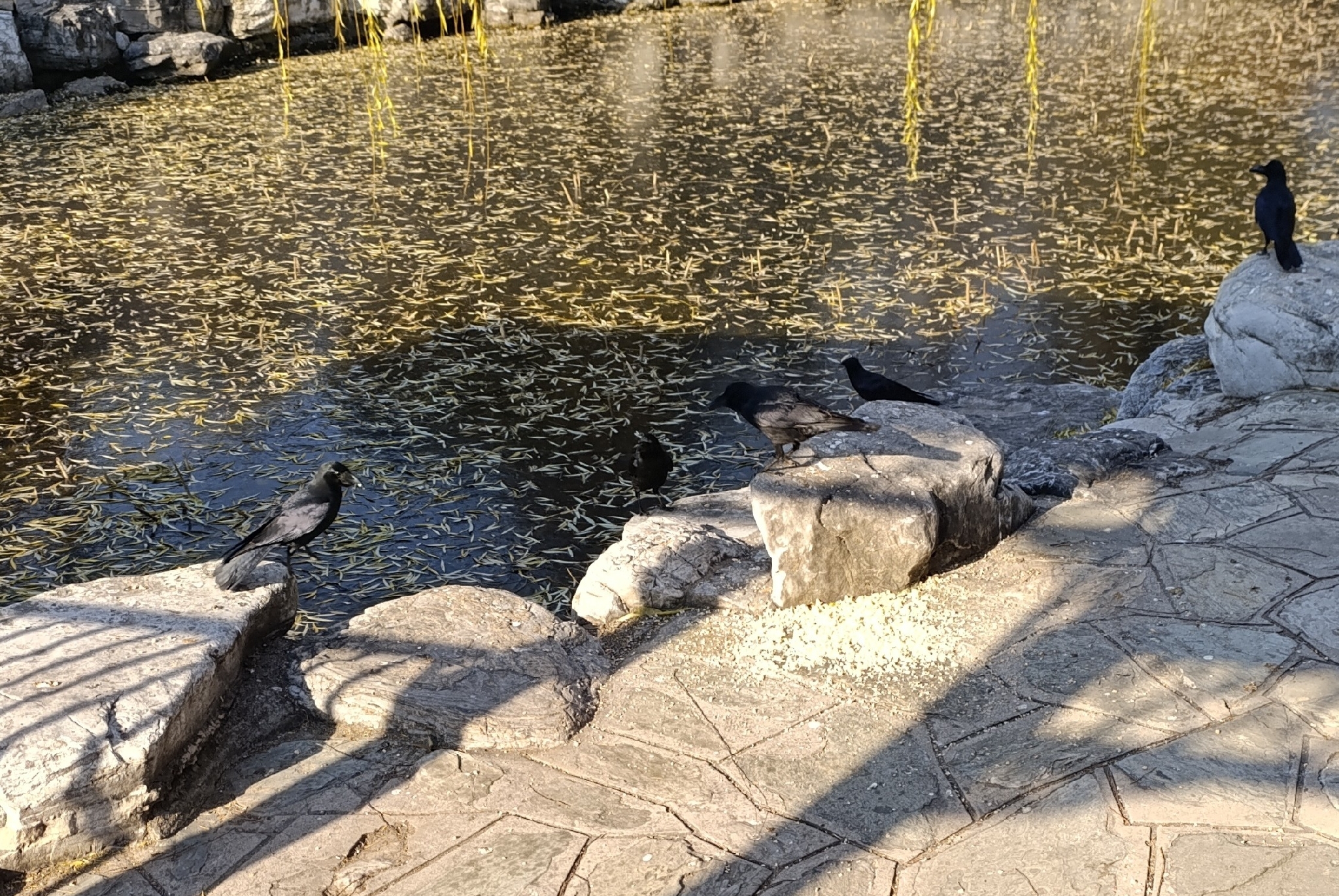
Extremely versatile feeder, taking plant or animal matter, alive or dead, from ground or trees. Bold and persistent, especially in urban areas. Known to rip open garbage bags and use wire coat hangers for nests. In Japan, unprovoked attacks on humans near nesting areas occur. In Sri Lanka, it preys on small animals, including critically endangered lizards. Hoarding behavior noted in ssp. culminatus. Nests are twig platforms high in trees, preferably conifers, lined with grass roots, wool, rags, or wire. Clutch size is normally 3–5 eggs (rarely 6–7), incubated for 17–19 days; young fledge by day 35. Breeding occurs March–May in India, starting mid-December in plains. Serves as a host for the Asian koel. Gregarious at roosts with thousands of individuals; maintains linear dominance hierarchies based on individual recognition.
Conservation
Pathogenic viruses such as H5N1 cause mortality in Japan. Large-scale deaths also result from Clostridium infection and enteritis. Filarial parasites have been reported.
Source: Wikipedia · CC BY-SA 3.0
Taxonomy
- Order
- Passeriformes
- Family
- Corvidae
- Genus
- Corvus
Vocalizations
Subspecies (10)
-
Corvus macrorhynchos colonorum
central and southern China including Hainan, Taiwan, and northern Indochina
Data Sources
Species description from Wikipedia, licensed under CC BY-SA 3.0.
Bird images and sounds sourced from GBIF, contributed by citizen scientists worldwide under Creative Commons licenses.
Taxonomy data from AviList 2025.