Passeriformes / Corvidae / Corvus
Carrion Crow
Corvus corone · 小嘴乌鸦
Introduction
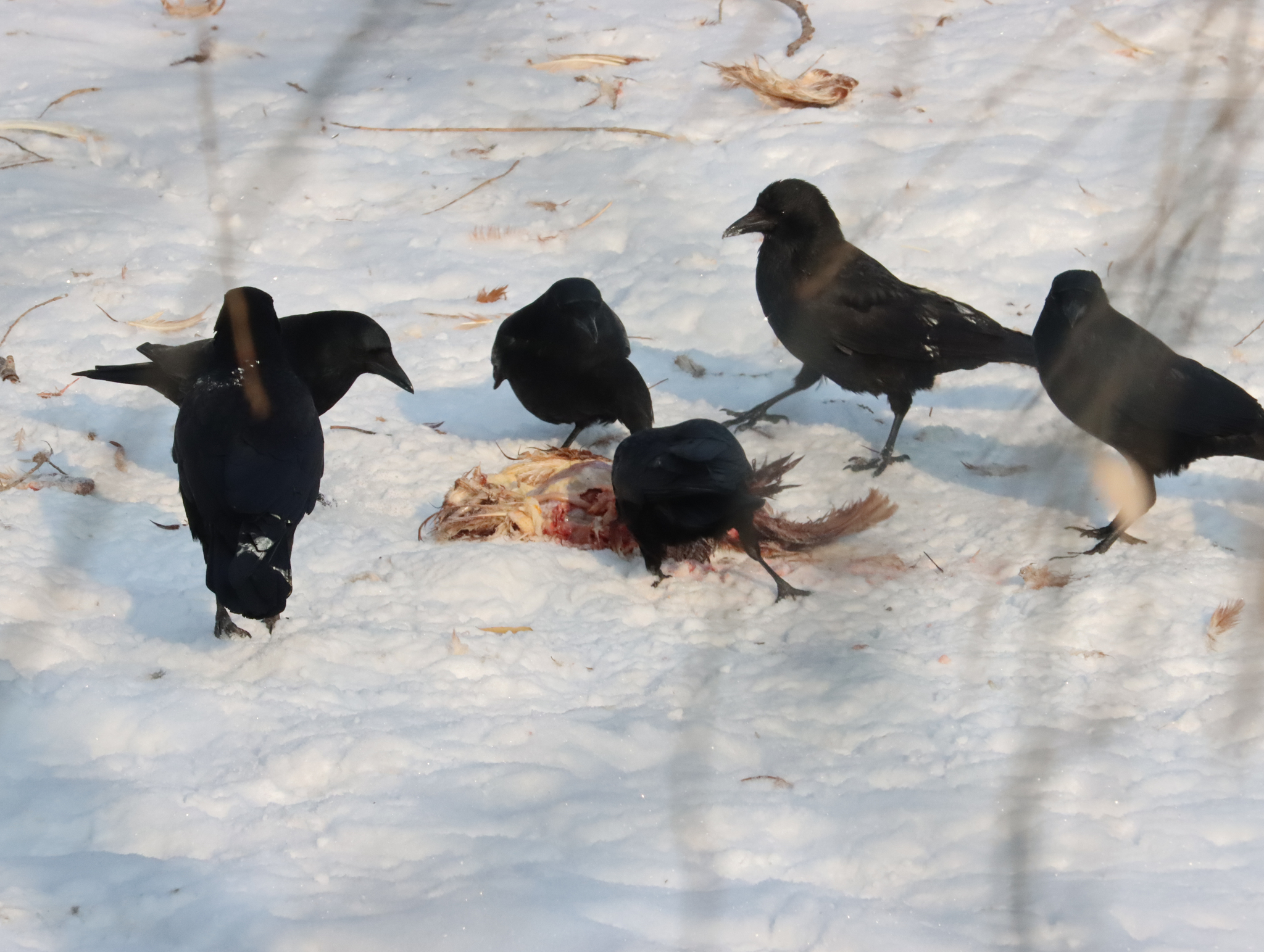
A passerine bird of the family Corvidae, native to western Europe and the eastern Palearctic. It occupies a similar ecological niche in Eurasia to the American crow in North America. The species is largely solitary but sociable in winter roosts, and exhibits high intelligence, including the ability to discriminate numbers up to 30 and recognize faces.
Description
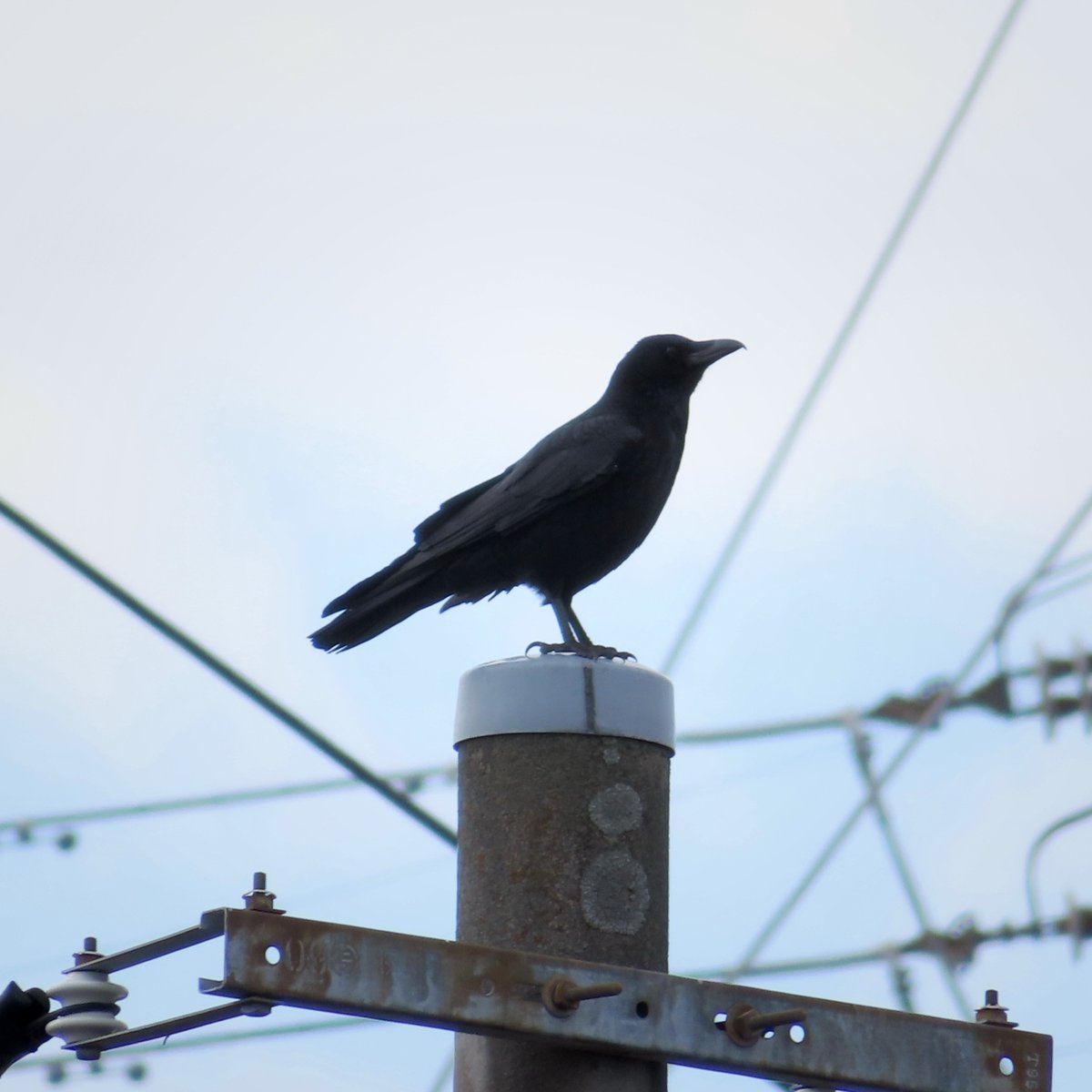
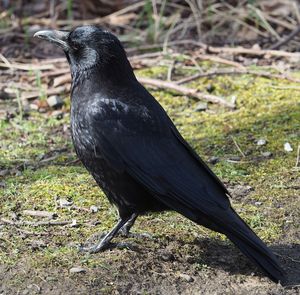
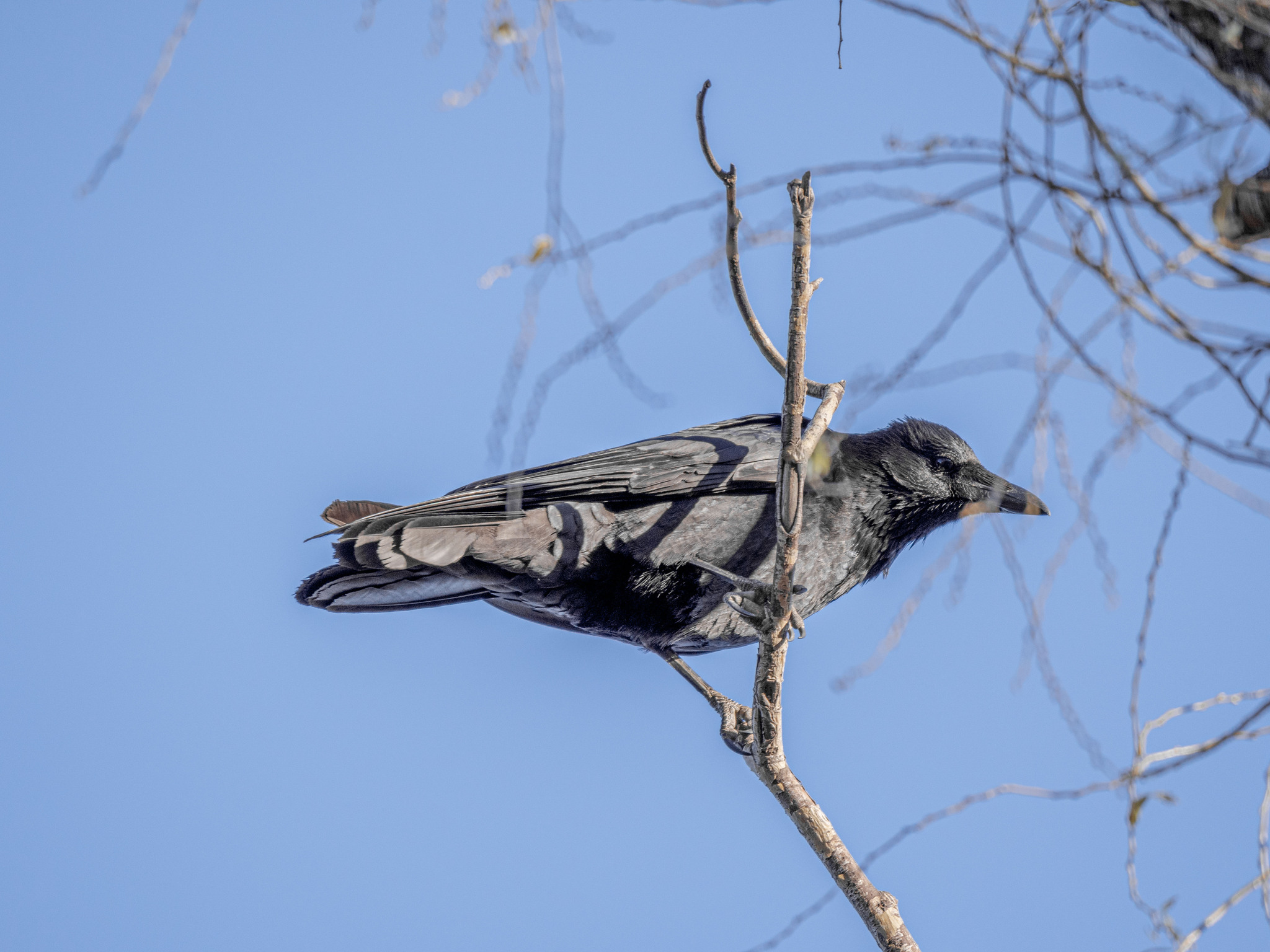
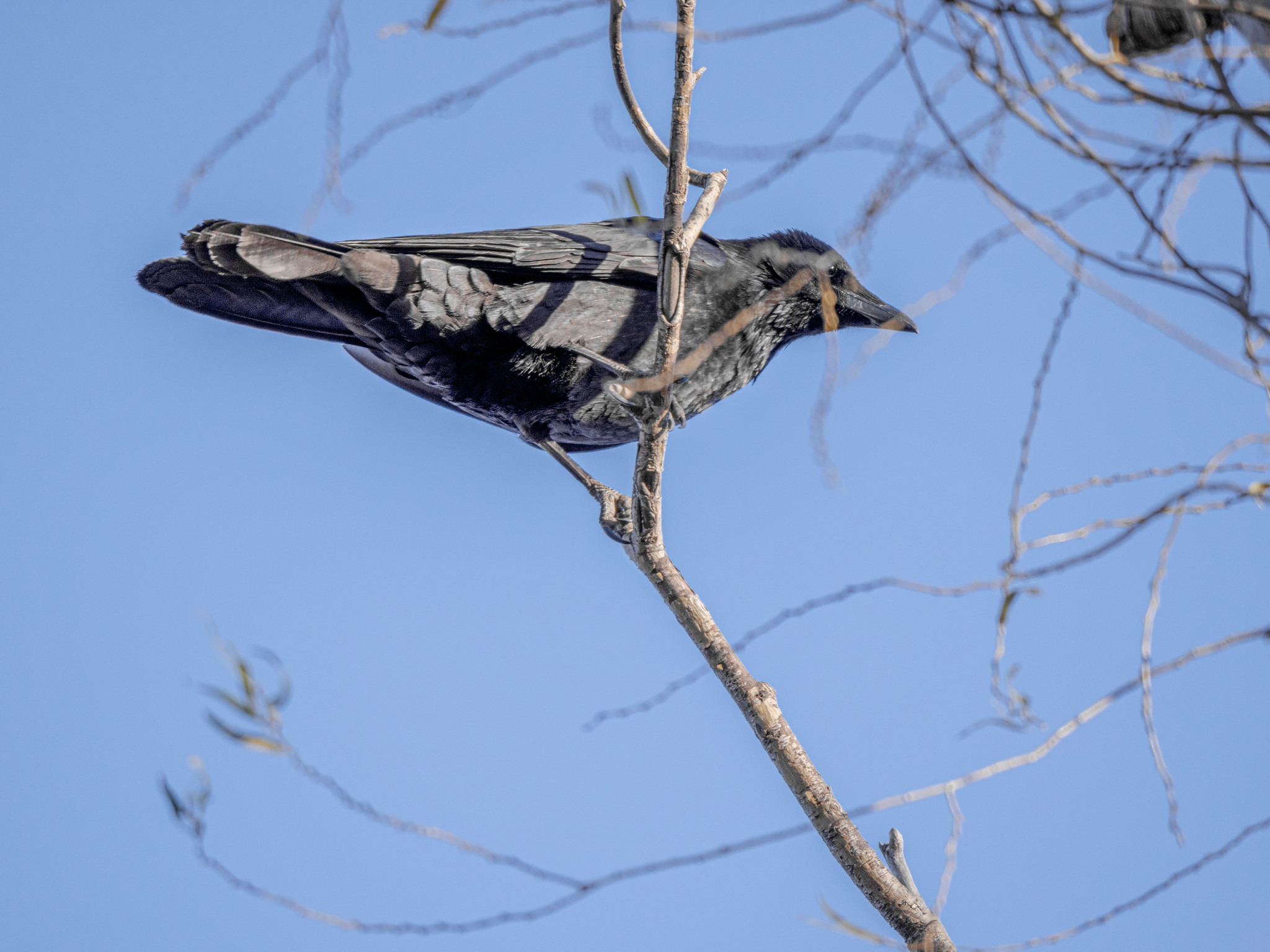
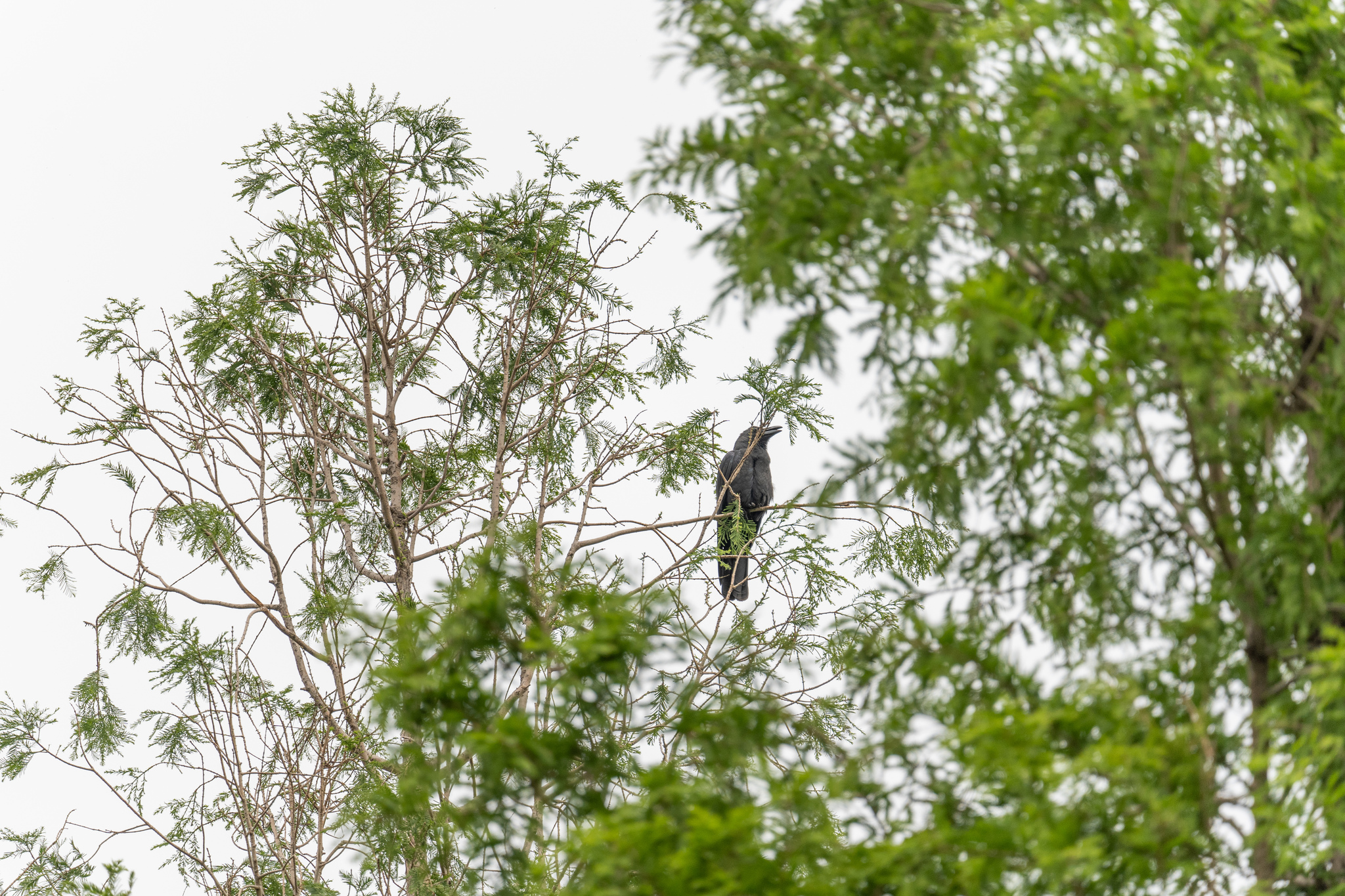
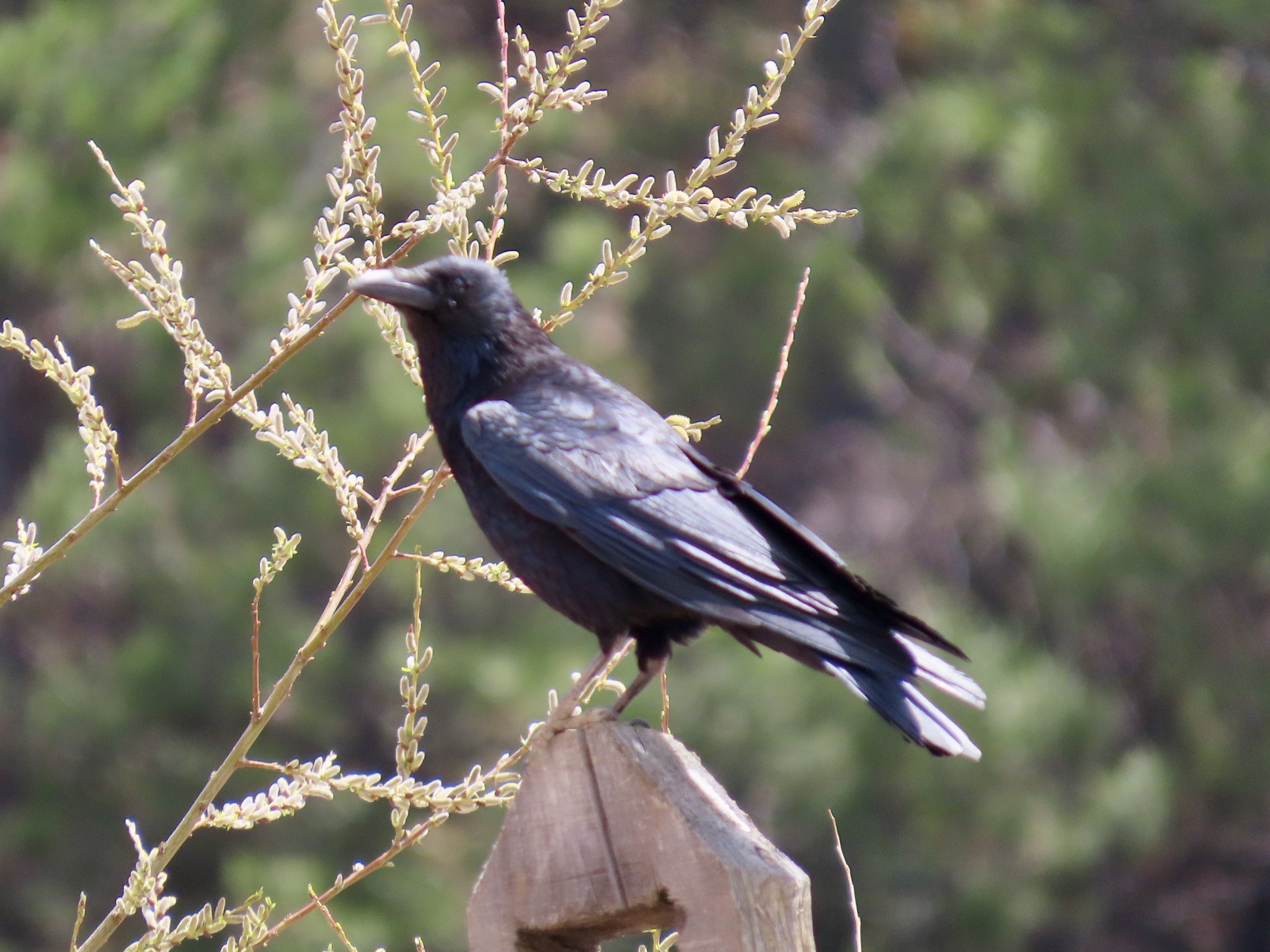
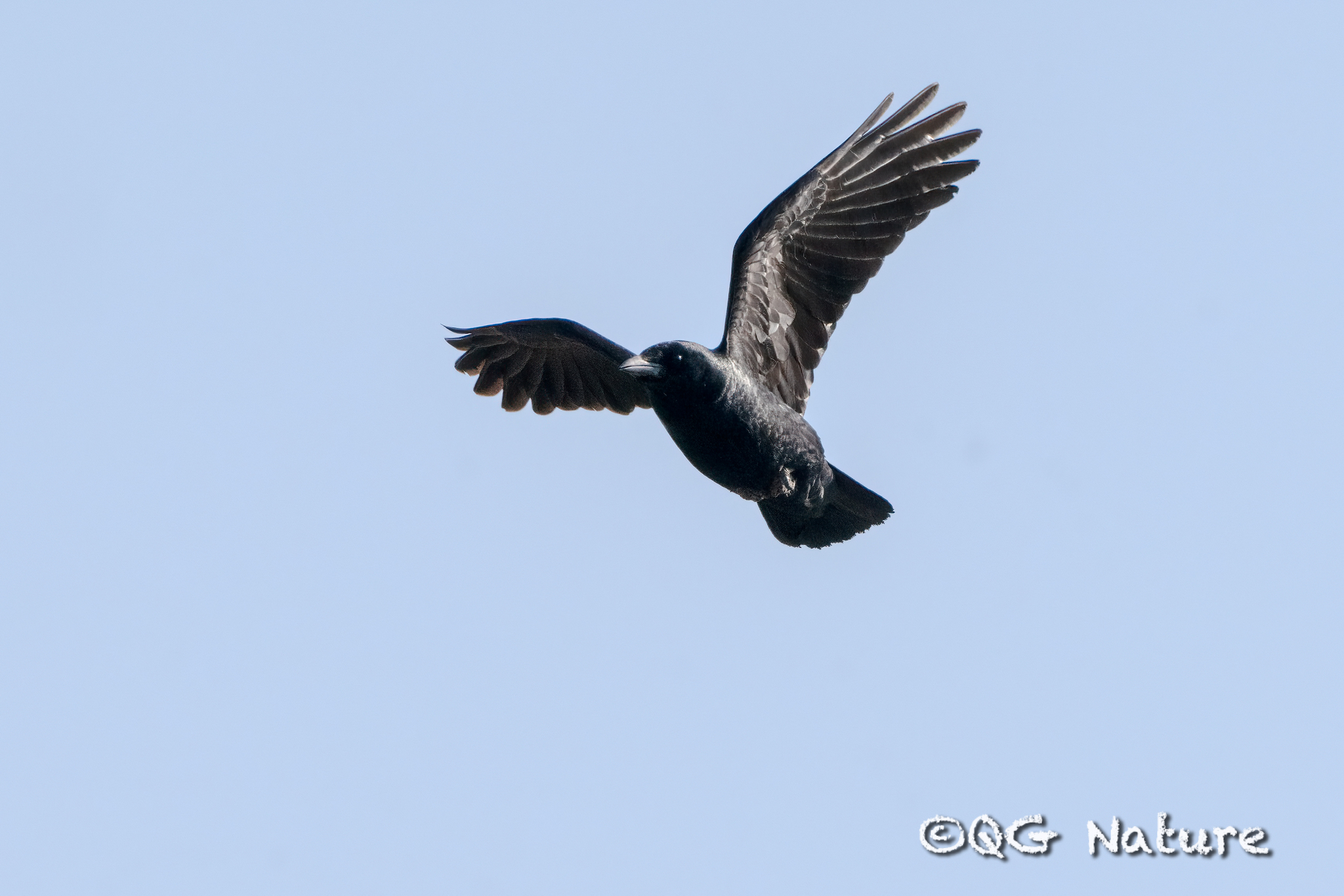
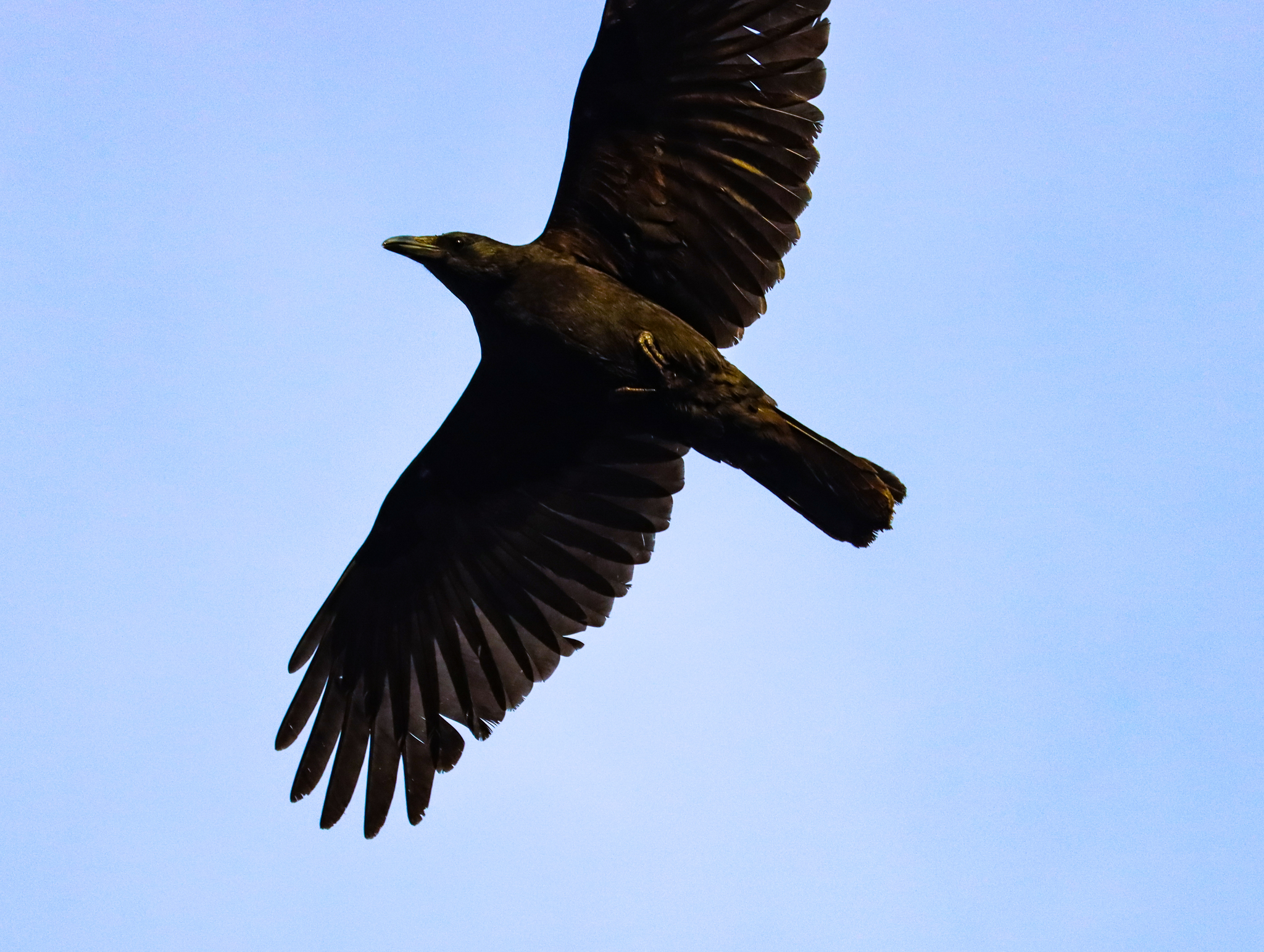
Plumage is black with a green or purple sheen, notably greener than that of the rook. The bill, legs, and feet are black. Body length is 48–52 cm (19–20 in), wingspan is 84–100 cm (33–39 in), and weight is 400–600 g (14–21 oz). It is larger and stockier than the American crow. Juveniles have brownish plumage and blue eyes, which darken to black and brown with age.
Identification
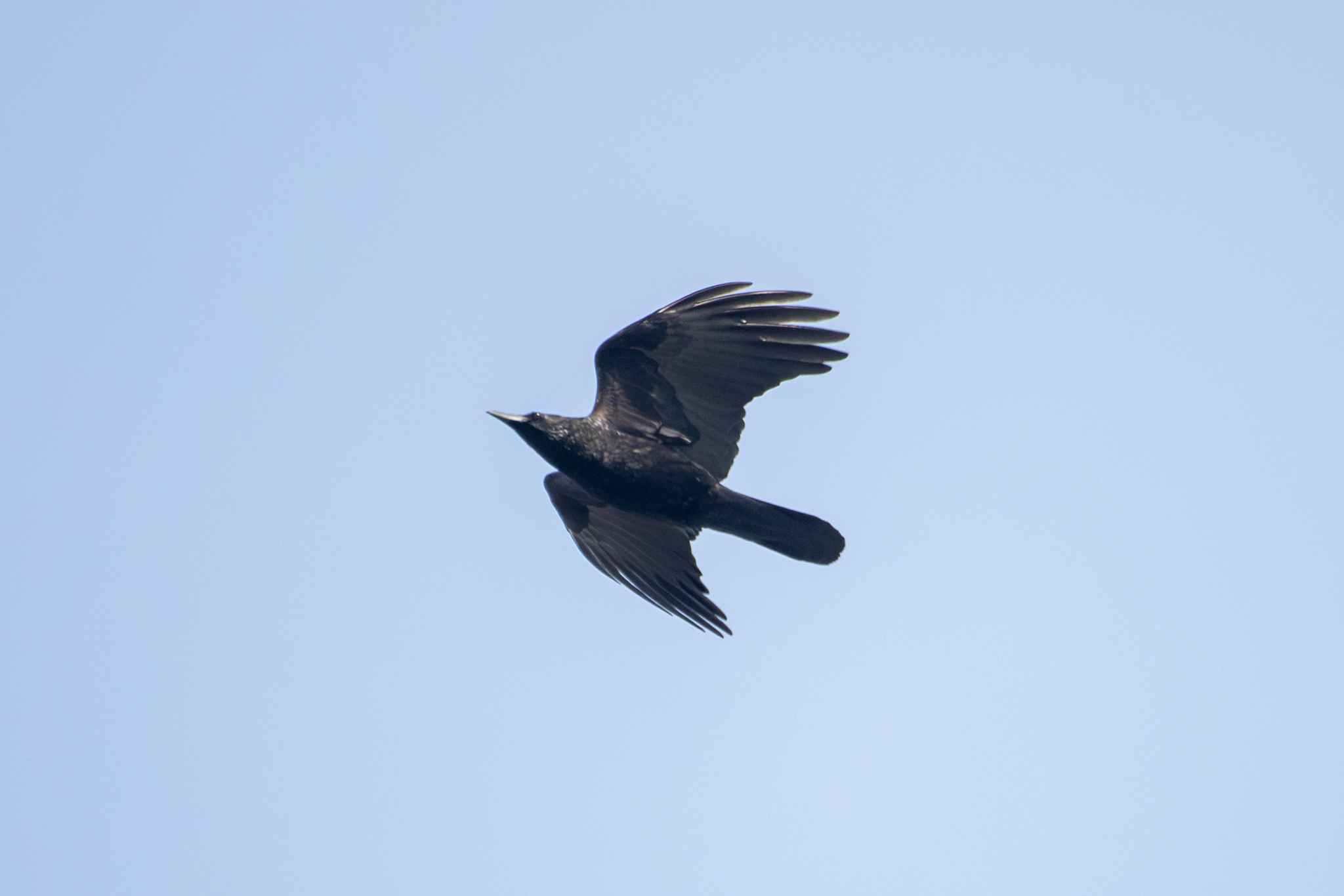
Distinguished from the common raven by smaller size (ravens average 63 cm) and from the hooded crow by all-black plumage. The voice is a guttural, deep croaked 'kraa', distinct from the rook's high-pitched 'kaaa'. Flight features slower, more deliberate wingbeats than the rook. Often performs bowing gestures, raising shoulders and bowing the head while calling.
Distribution & Habitat
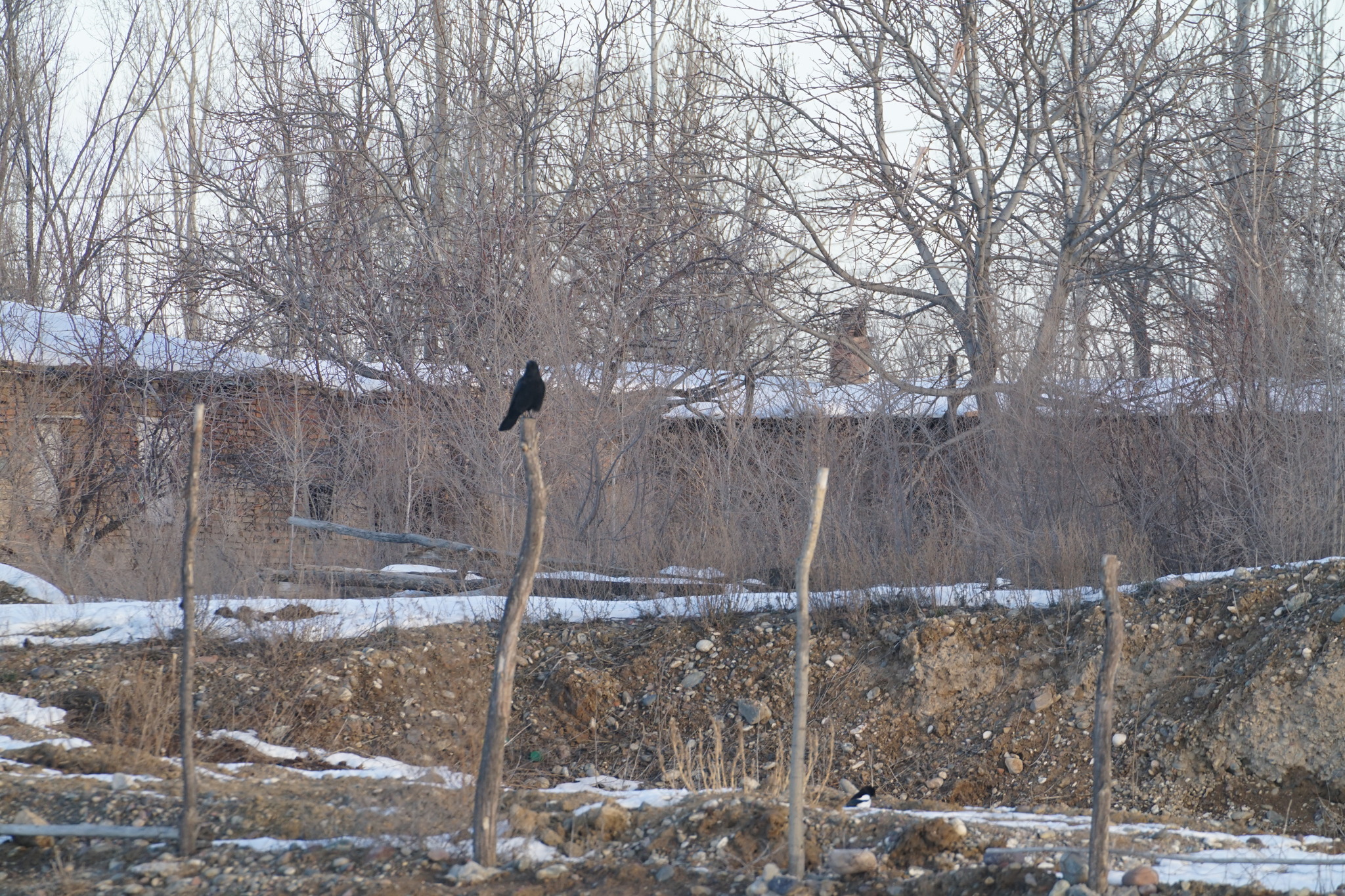
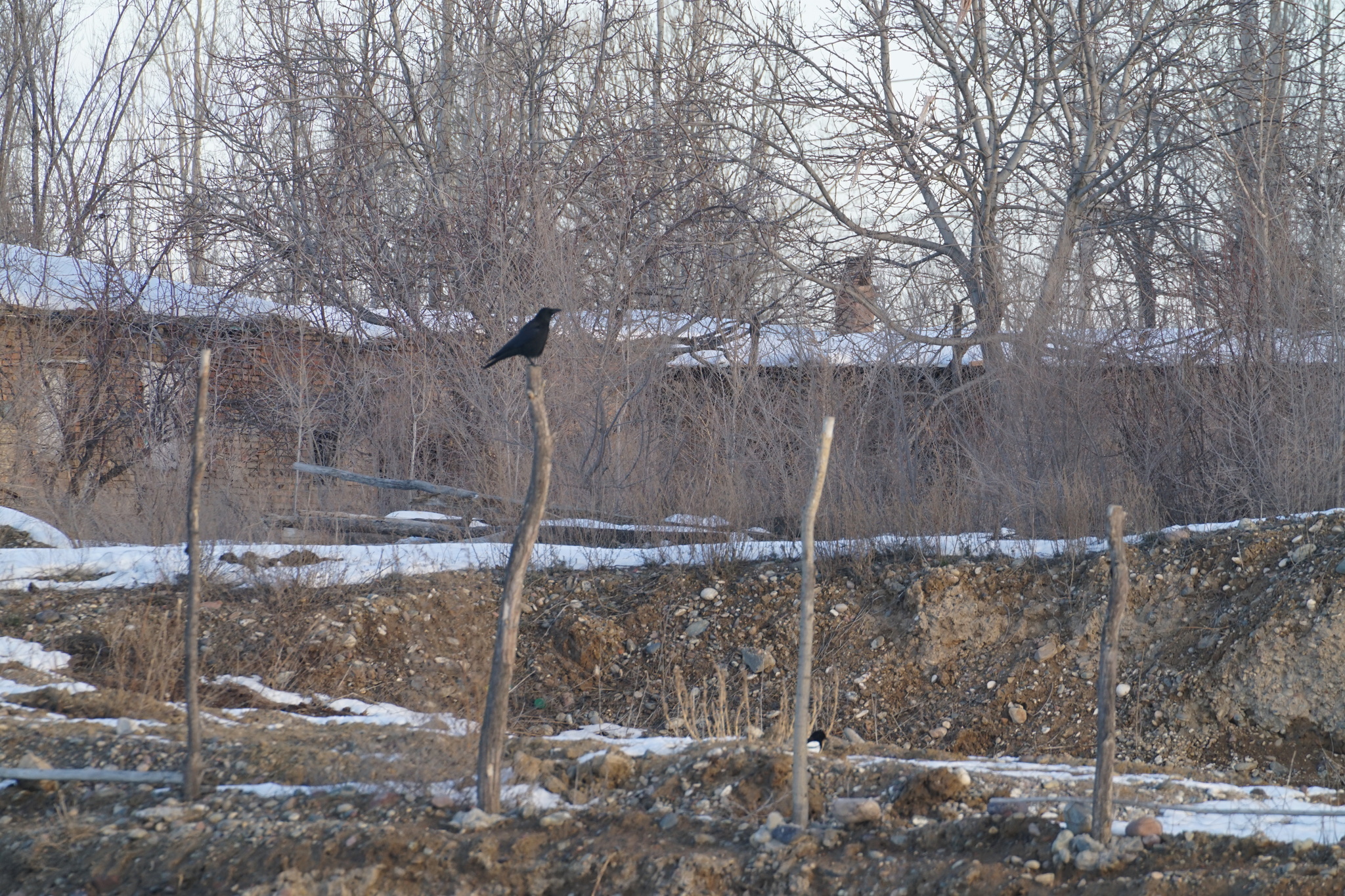
Native to western Europe and the eastern Palearctic, including mountains, forests, and cities in Japan. Geographic distribution across Europe may result from Pleistocene glaciation cycles. Closely related to the hooded crow, with hybridization occurring occasionally at contact zones, though assortative mating maintains separation.
Behavior & Ecology
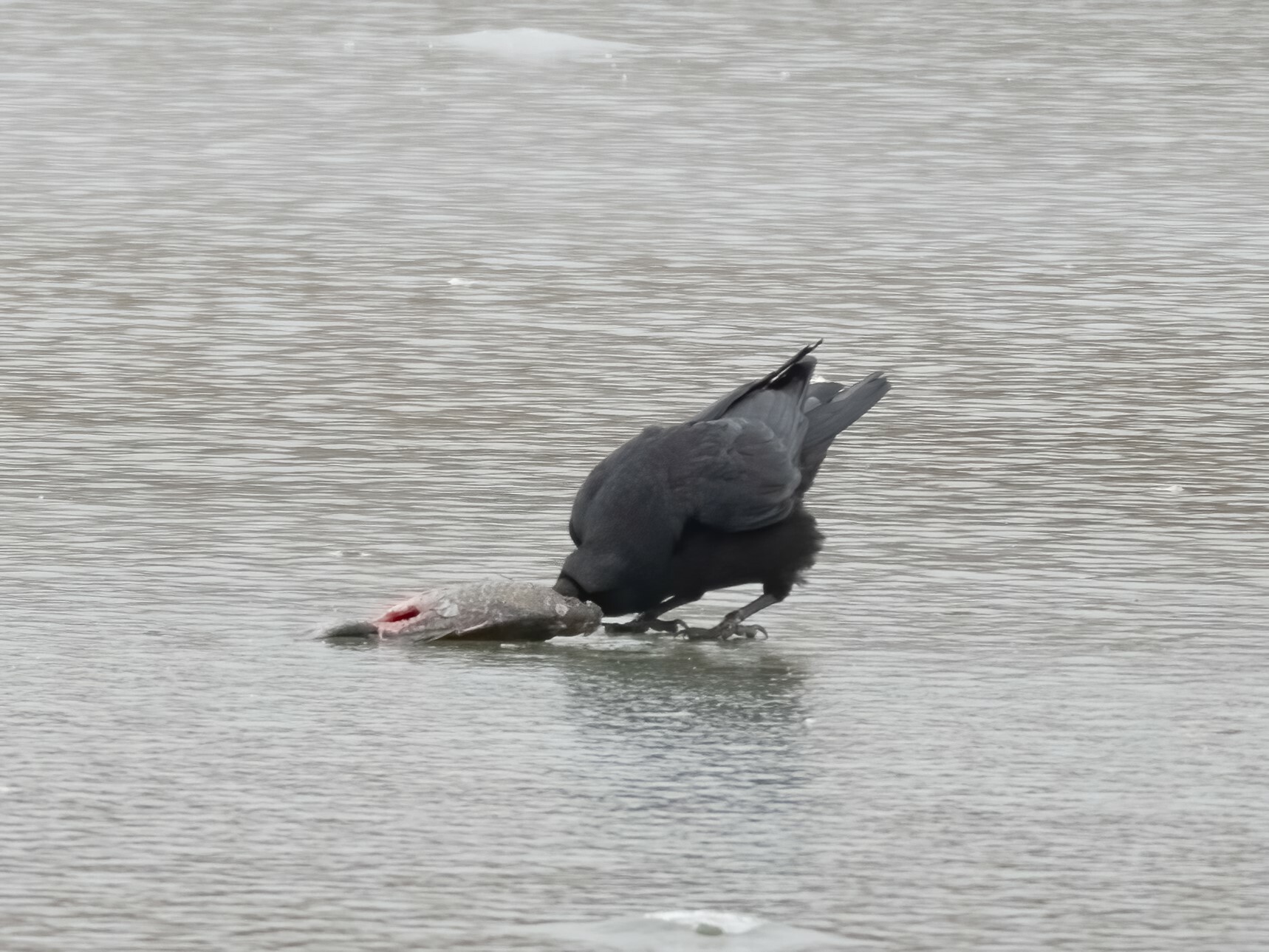
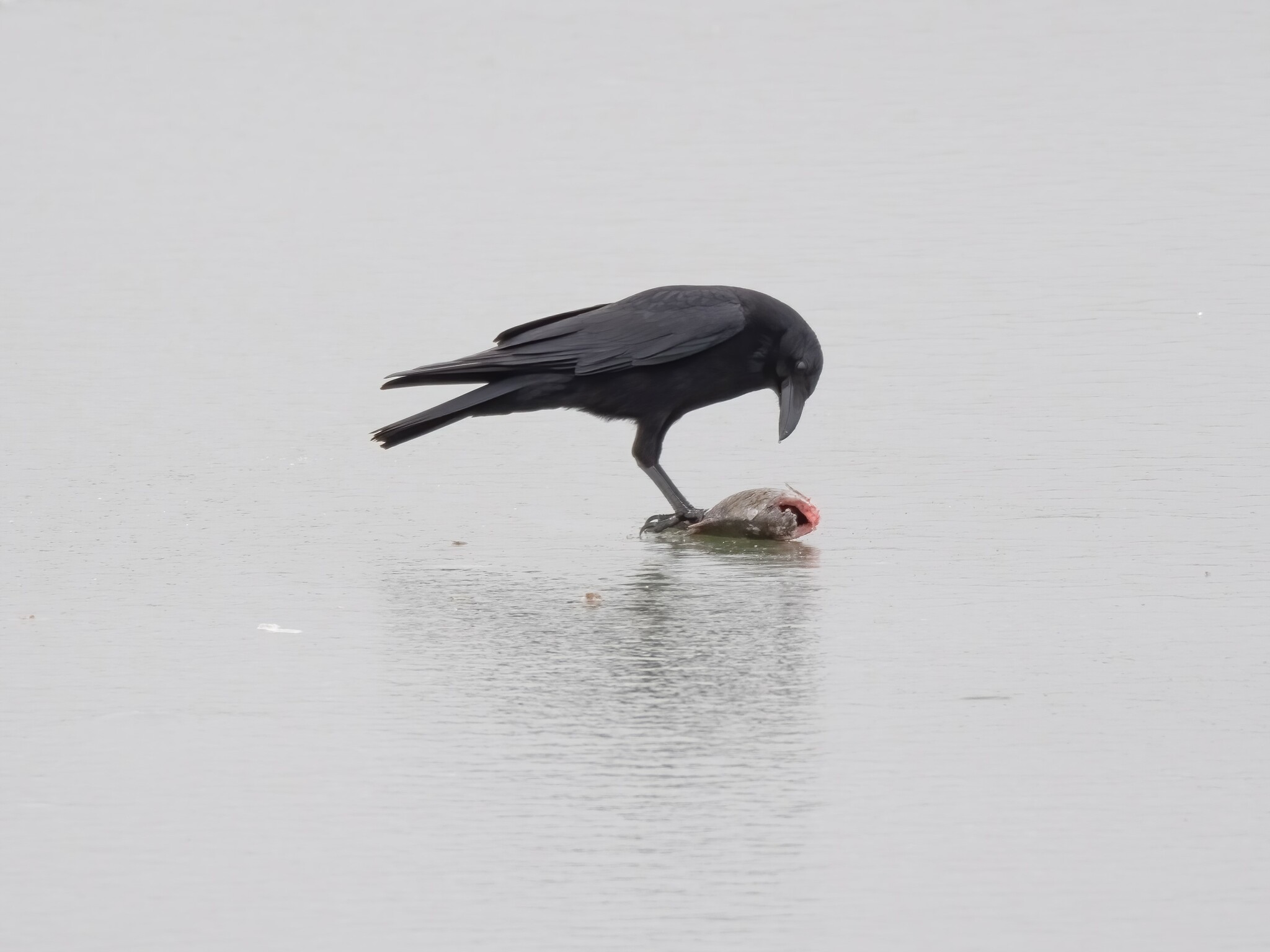
Largely solitary but forms winter roosts. Noisy, often calling from vantage points. Diet includes carrion, insects, earthworms, grain, fruits, seeds, nuts, small mammals, amphibians, fish, human food scraps, and eggs. Actively harasses predators and competitors, engaging in group mobbing. Nests are bulky stick structures in tall trees, cliffs, or buildings. Female incubates 3–4 brown-speckled blue or greenish eggs for 18–20 days; young fledge at 29–30 days. Offspring from previous years often assist in rearing new hatchlings.
Culture
The binomial name is derived from the Latin corvus, meaning 'raven', and Greek korōnē, meaning 'crow'.
Source: Wikipedia · CC BY-SA 3.0
Taxonomy
- Order
- Passeriformes
- Family
- Corvidae
- Genus
- Corvus
Taxonomy Changes
Corvus cornix → Corvus corone
Subspecies lump — GBIF Backbone Taxonomy uses the former name; AviList 2025 uses the current name.
Subspecies (6)
-
Corvus corone capellanus
southern Iraq and adjacent southwestern Iran
Data Sources
Species description from Wikipedia, licensed under CC BY-SA 3.0.
Bird images and sounds sourced from GBIF, contributed by citizen scientists worldwide under Creative Commons licenses.
Taxonomy data from AviList 2025.