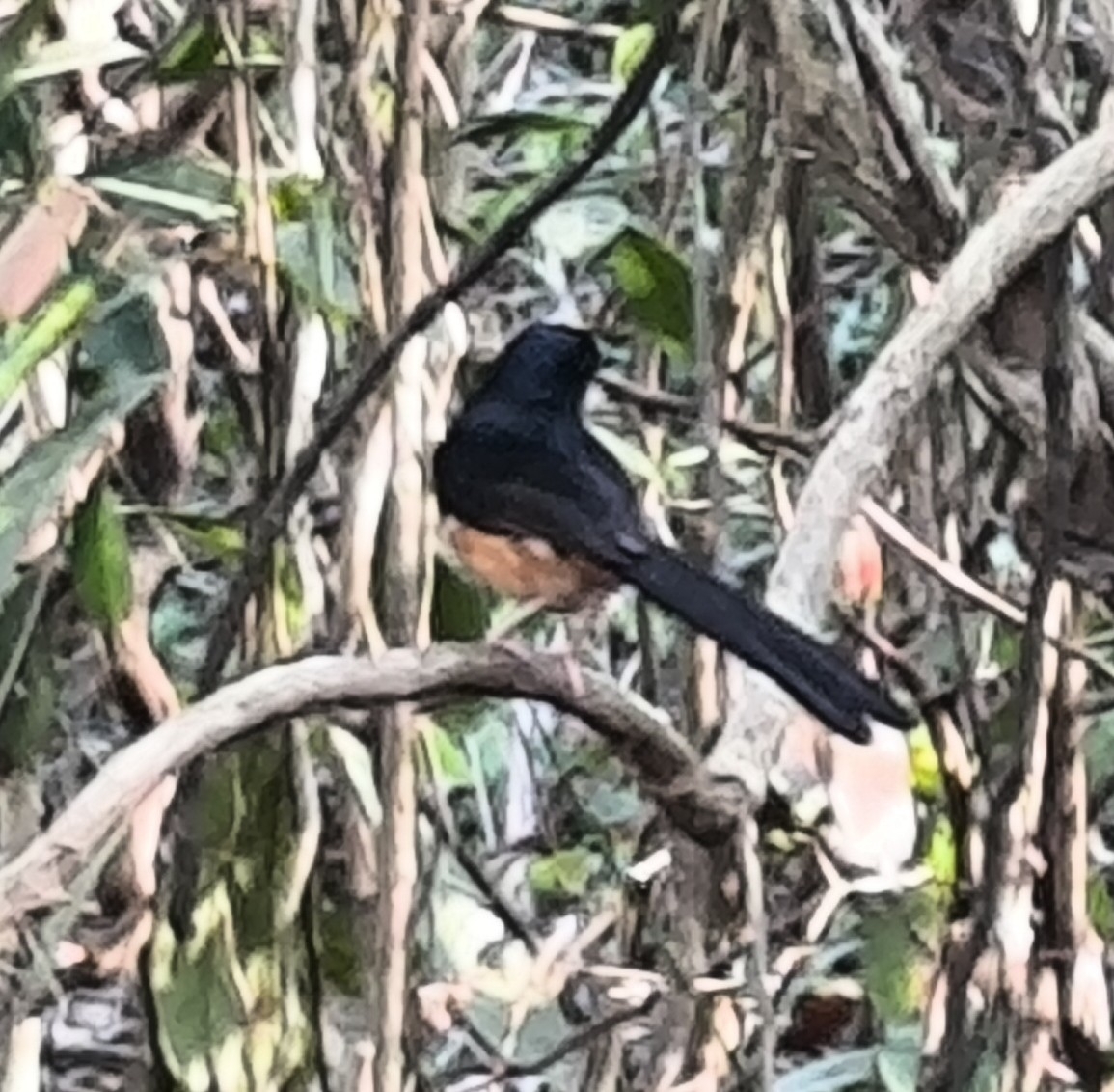
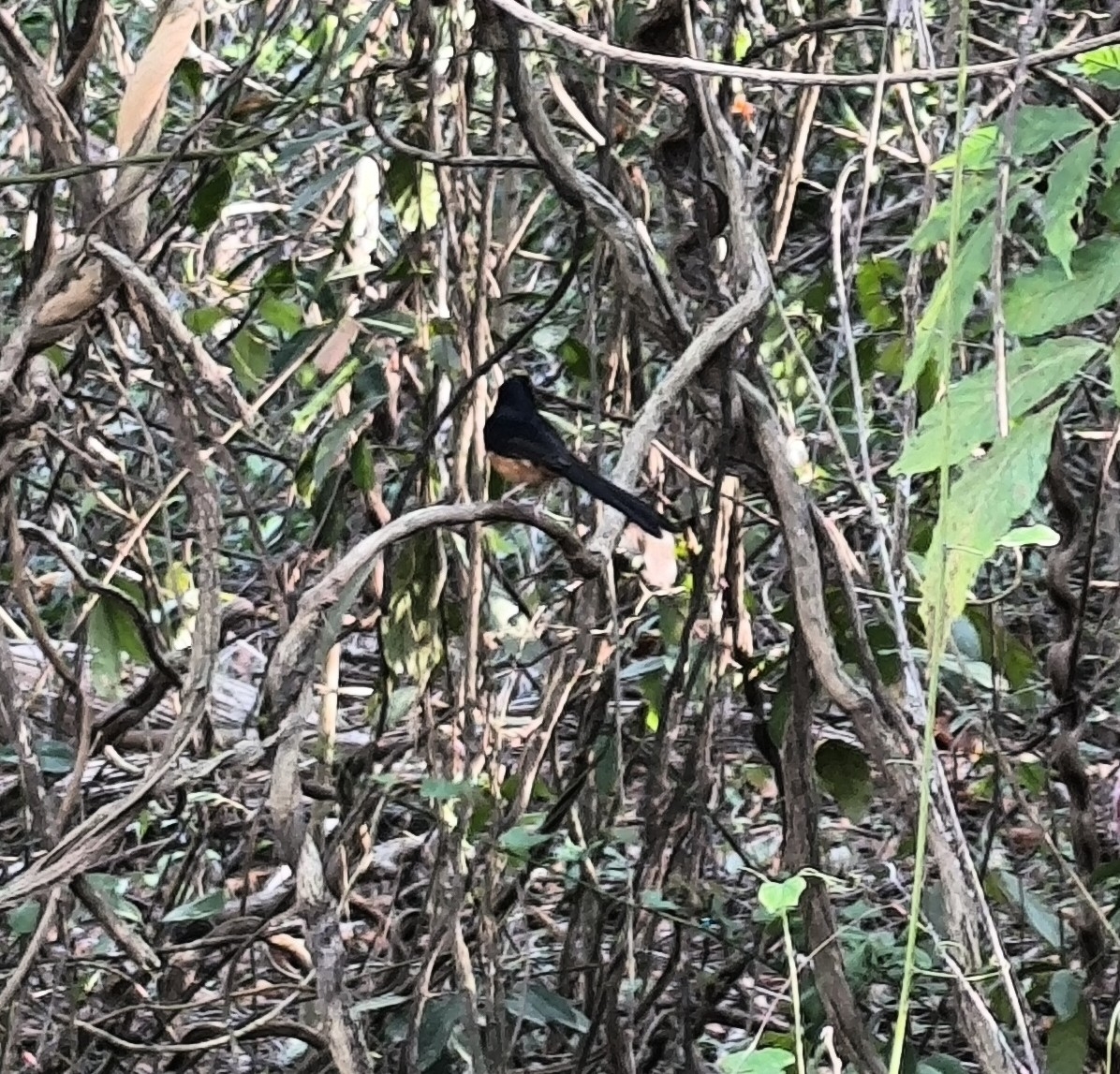
Passeriformes / Muscicapidae / Copsychus
White-rumped Shama
Copsychus malabaricus · 白腰鹊鸲
Introduction
A passerine bird in the family Muscicapidae, native to densely vegetated habitats in the Indian subcontinent and Southeast Asia. It is known for its rich, melodious song and popularity as a cage bird, which has led to introductions in other regions. Formerly conspecific with the Larwo shama, Kangean shama, and Sri Lanka shama.
Description
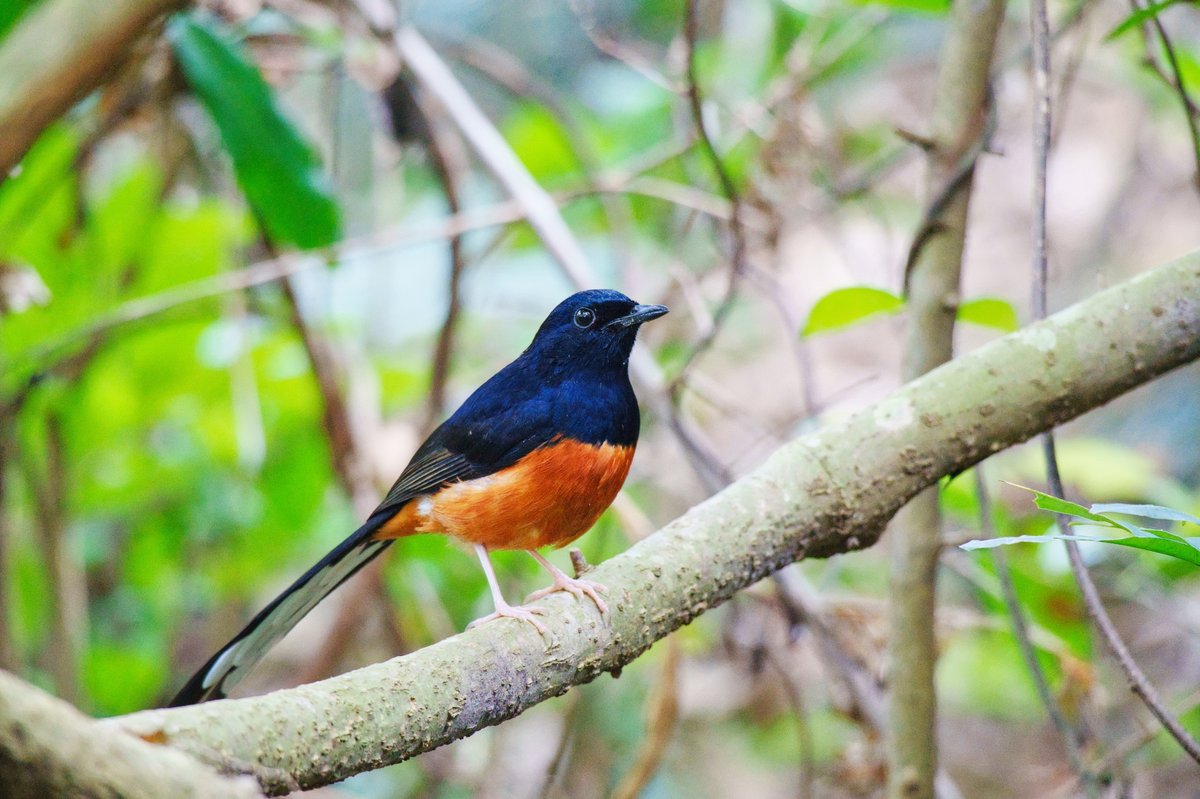
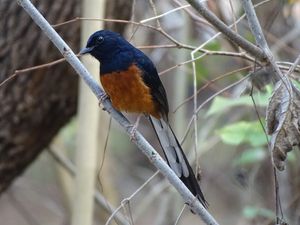
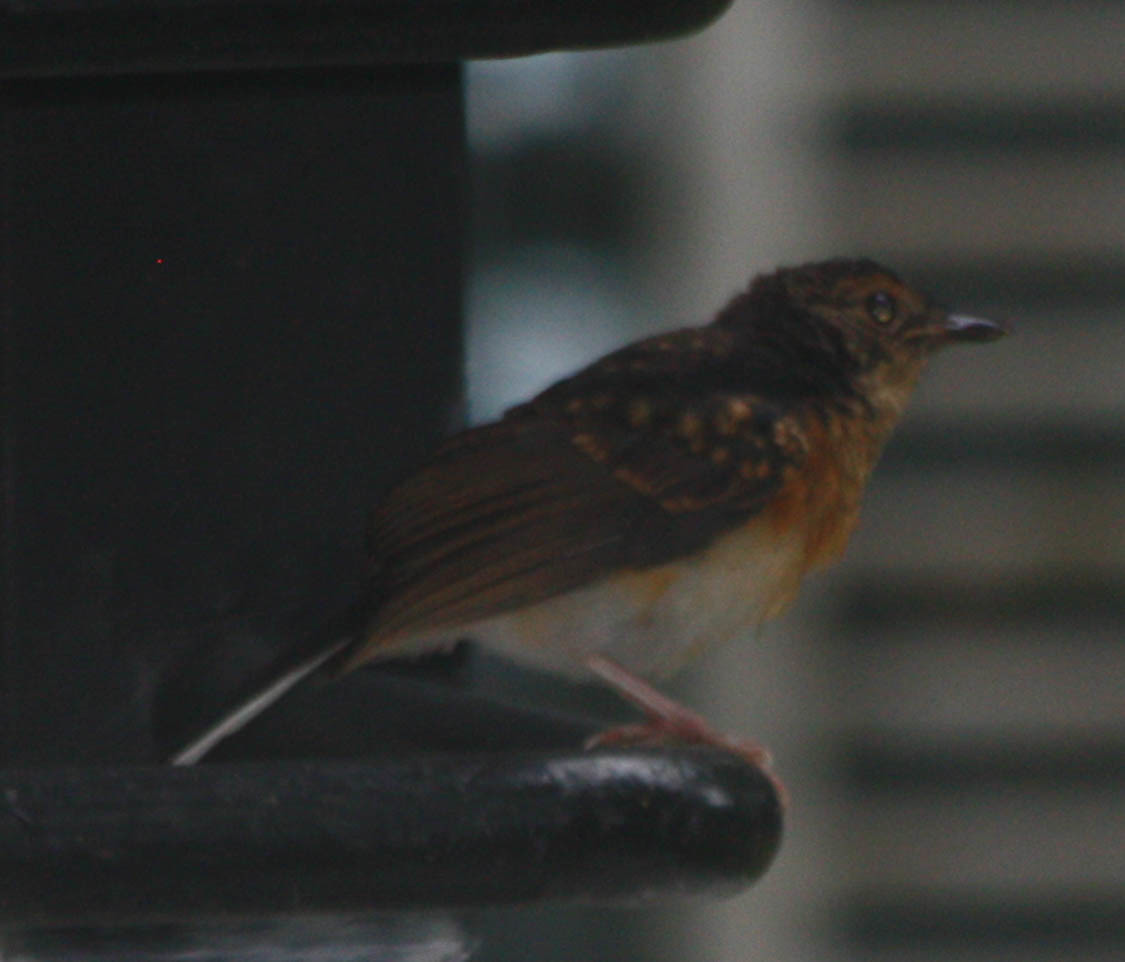
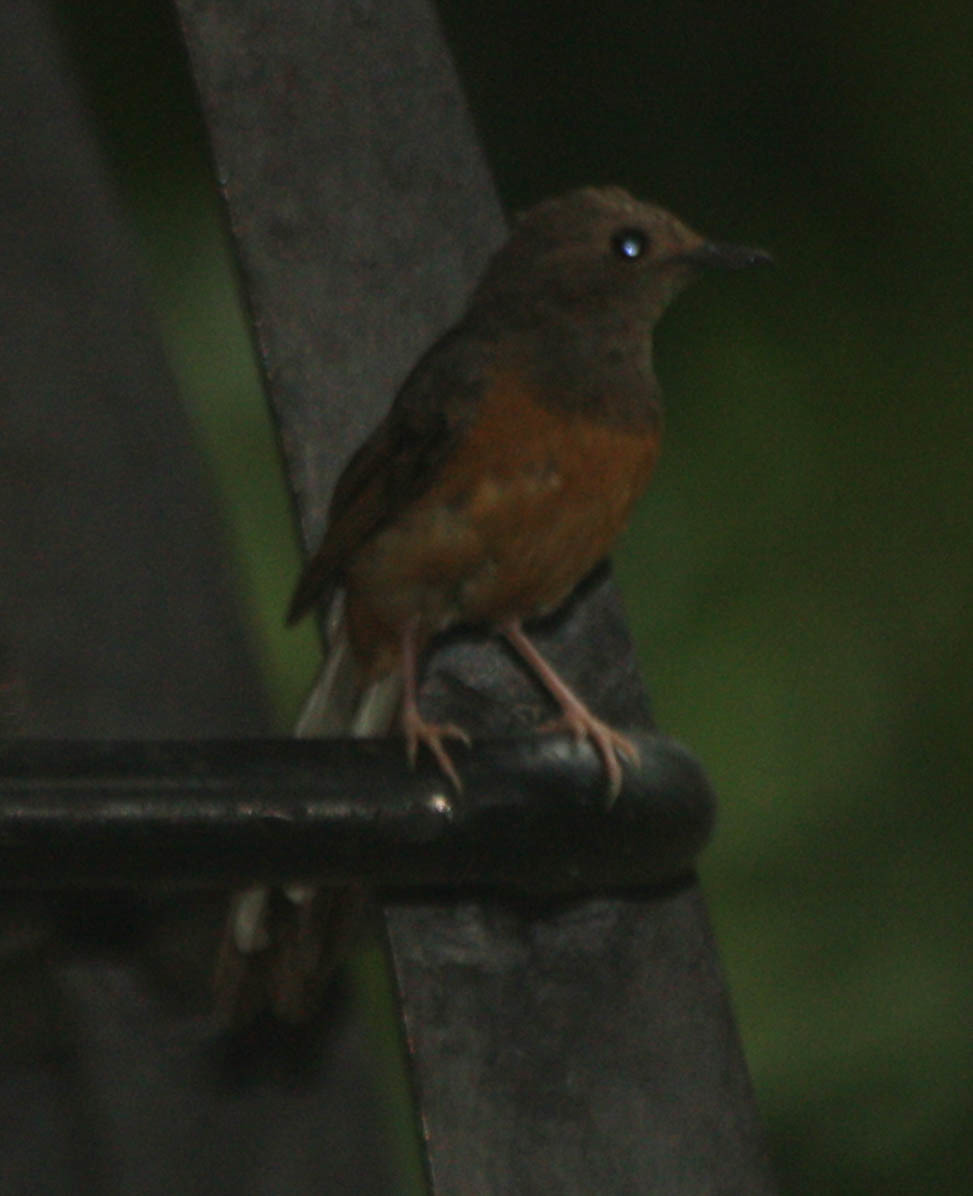
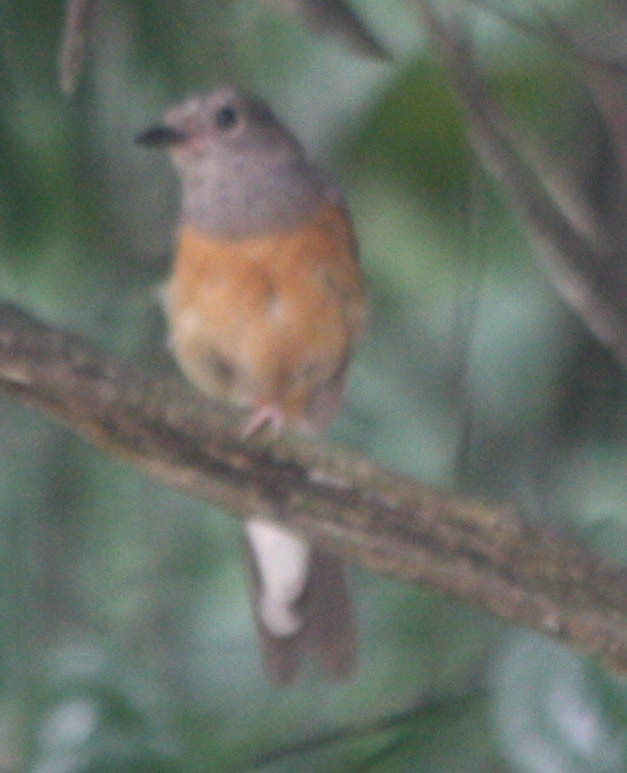
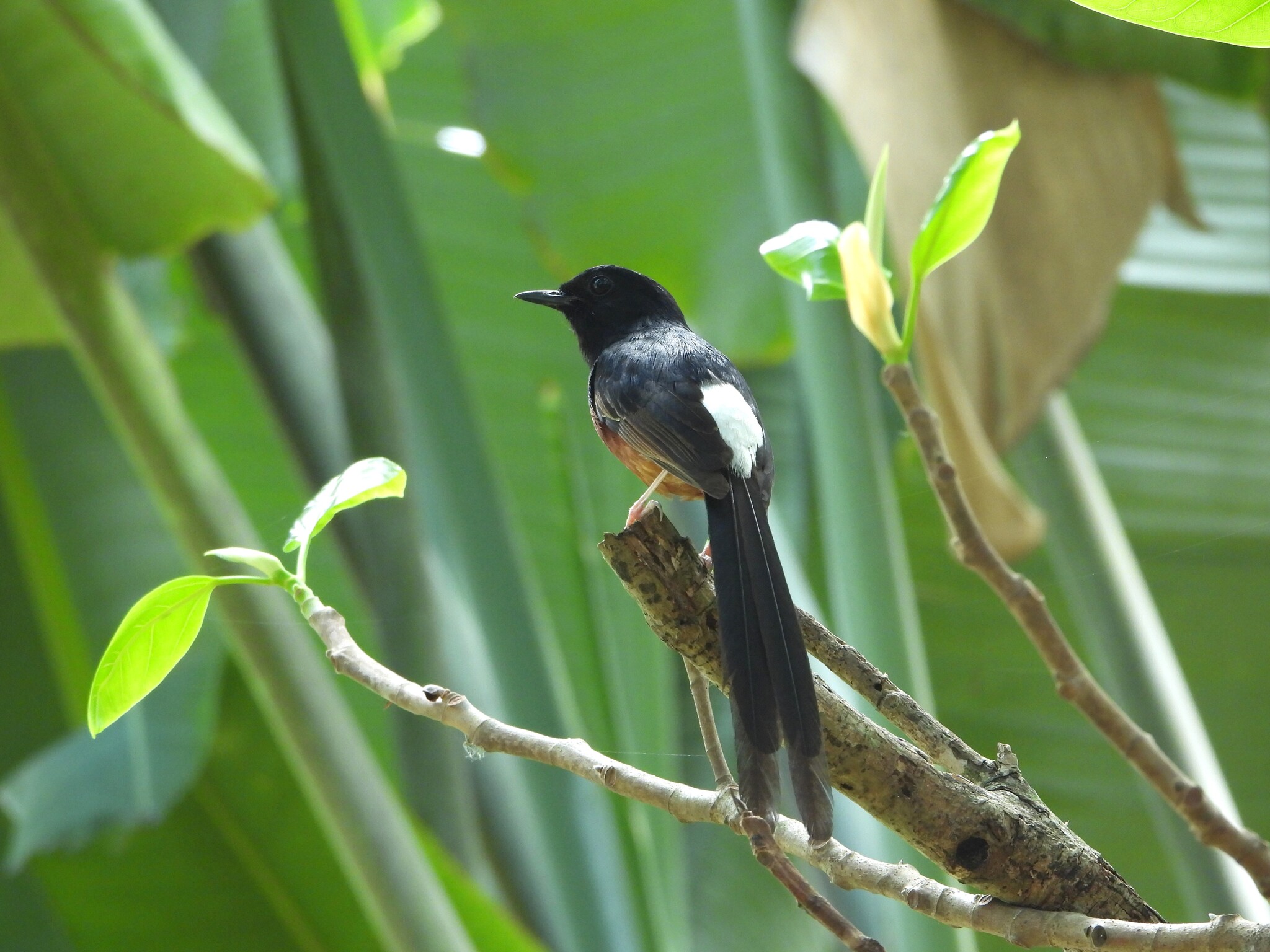
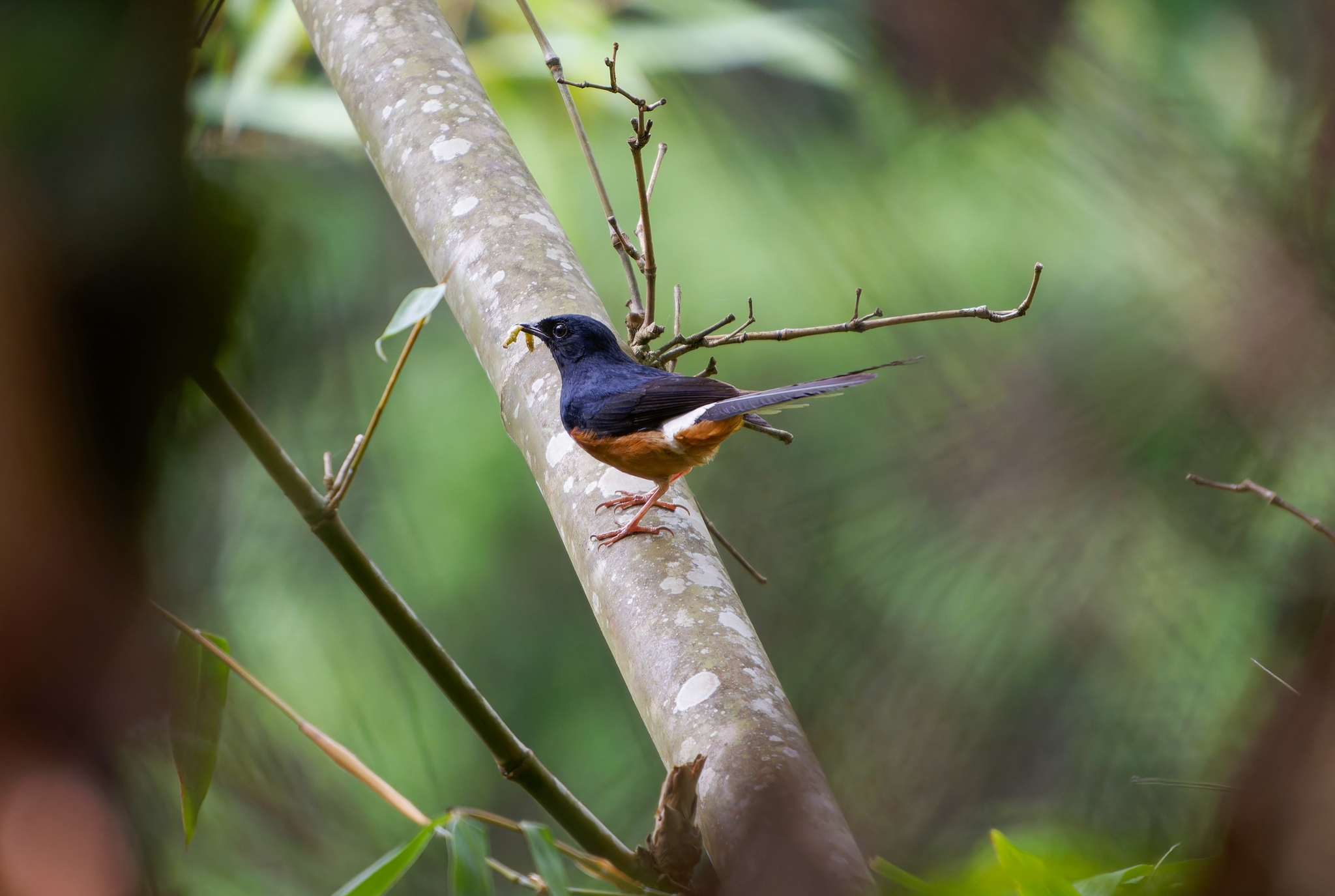
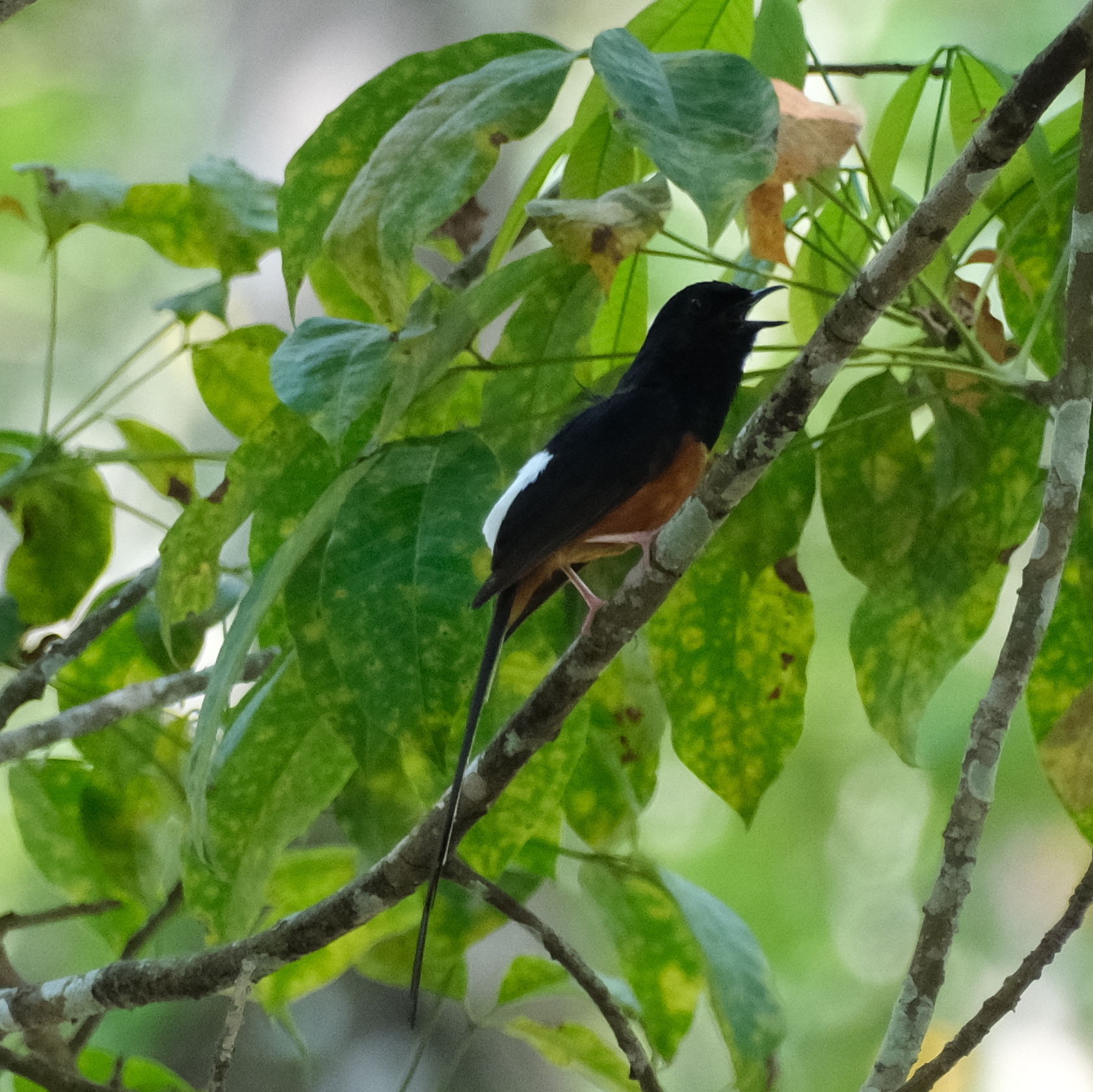
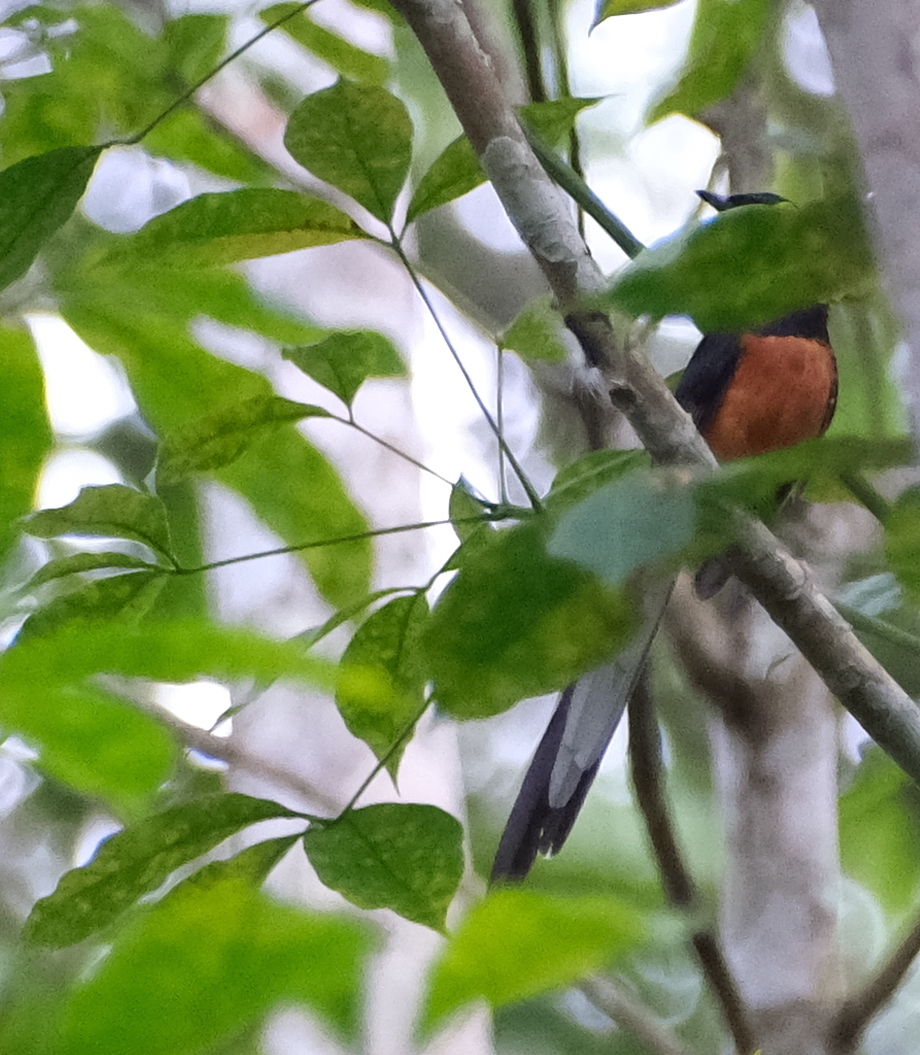
Weighs 28–34 g and measures 23–28 cm in length. Males are glossy black with a chestnut belly and white feathers on the rump and outer tail. Females are greyish-brown and typically shorter than males. Both sexes have a black bill and pink feet. Juveniles resemble females but feature a blotchy or spotted chest.
Identification
Males are distinguished by glossy black upperparts, chestnut underparts, and a prominent white rump and outer tail feathers. Females are duller greyish-brown. The species produces a loud, clear, and varied song that often mimics other birds, along with a 'Tck' alarm call.
Distribution & Habitat
Native to scrub and secondary forests across South and Southeast Asia, particularly dense undergrowth and bamboo forests. Introduced to Kauai (1931) and Oahu (1940) in Hawaii, where it inhabits valley forests and lowland broadleaf forests. Also introduced to Taiwan, where it is considered invasive. Nine subspecies are recognized, ranging from India and Nepal to China, Indochina, Malaysia, Sumatra, Borneo, and various islands.
Behavior & Ecology
Shy, crepuscular, and territorial; breeding territories average 0.09 ha. Breeds January to September in South Asia, mainly April to June. The female builds a nest of roots, leaves, ferns, and stems in tree hollows, while the male guards. Clutch size is four or five white to light aqua eggs with brown blotching. Incubation lasts 12–15 days (female only), and the nestling period averages 12.4 days. Both adults feed young. Diet consists mainly of insects. Courtship involves male pursuit, shrill calls, tail fanning, and rising-falling flight patterns.
Culture
Highly popular as a cage bird and songster in South Asia and parts of Southeast Asia due to its rich, melodious voice. The earliest known recording of bird song was made of this species in 1889 by Ludwig Koch using an Edison wax cylinder.
Source: Wikipedia · CC BY-SA 3.0
Taxonomy
- Order
- Passeriformes
- Family
- Muscicapidae
- Genus
- Copsychus
Subspecies (9)
-
Copsychus malabaricus hypolizus
formerly Simeulue Island (off western Sumatra); on the brink of becoming extinct in the wild
Data Sources
Species description from Wikipedia, licensed under CC BY-SA 3.0.
Bird images and sounds sourced from GBIF, contributed by citizen scientists worldwide under Creative Commons licenses.
Taxonomy data from AviList 2025.