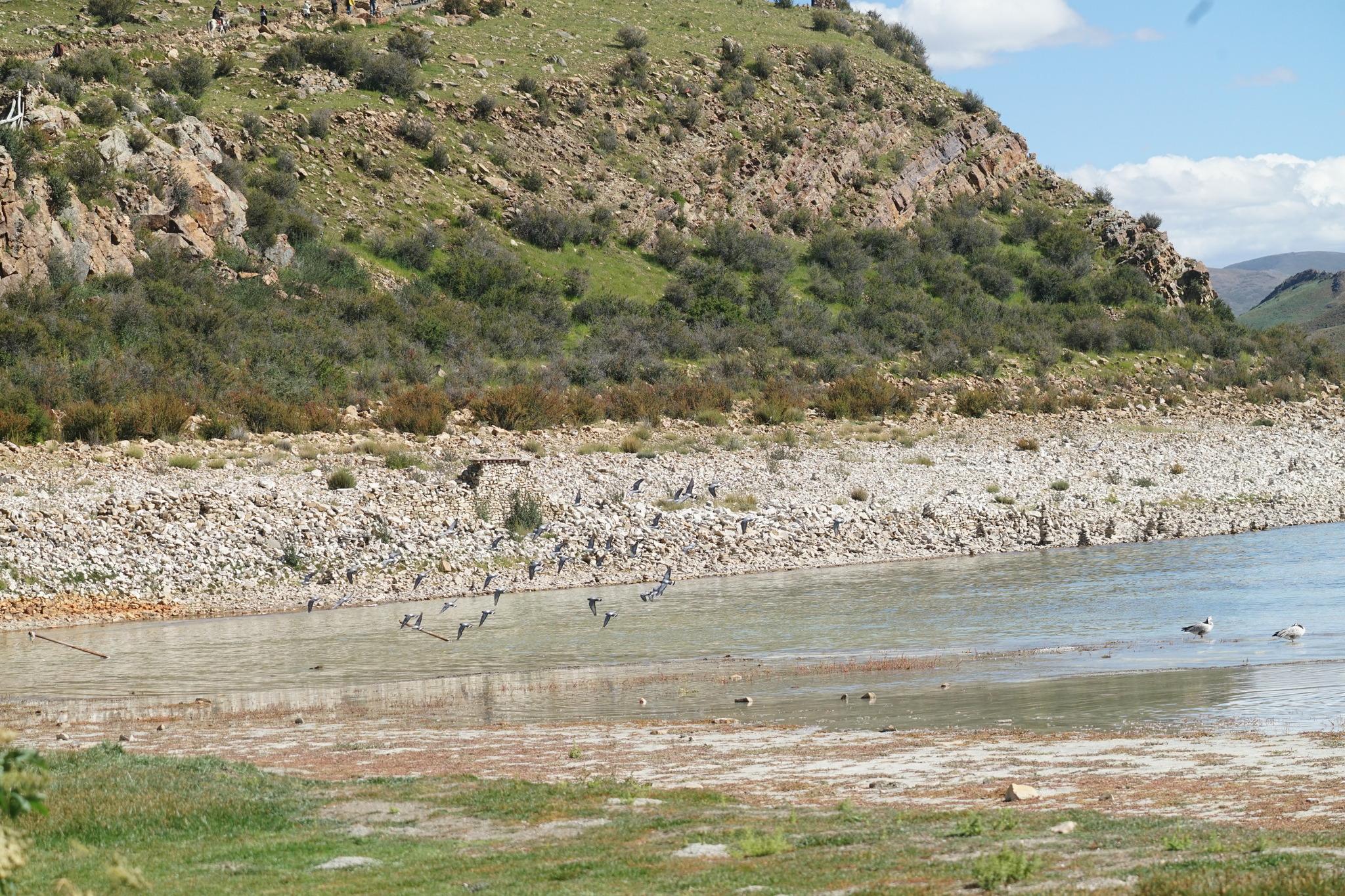

Columbiformes / Columbidae / Columba
Hill Pigeon
Columba rupestris · 岩鸽
Introduction
A species in the family Columbidae found across Asia. It inhabits open rugged country at high altitudes, ranging from 1,500 to 6,100 m. The bird is gregarious, often forming flocks in cultivated fields and mixing with rock doves. It is classified as Least Concern by the IUCN.
Description
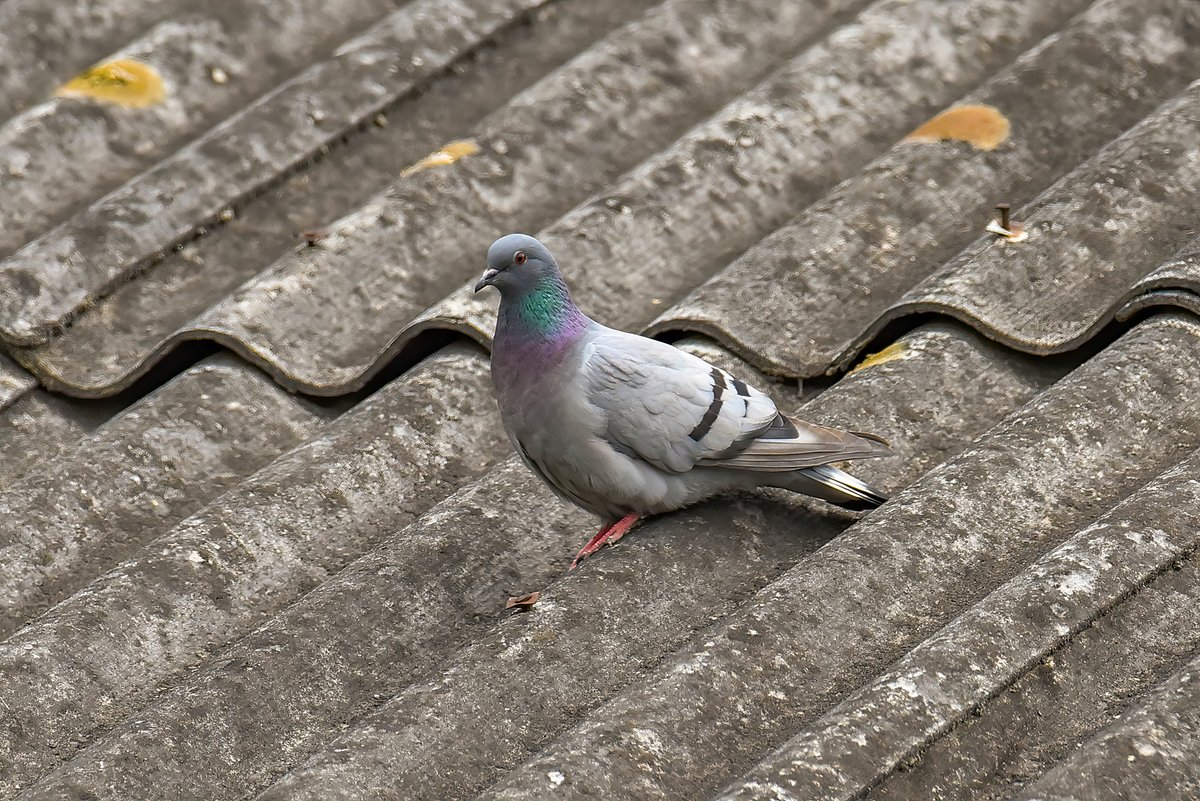
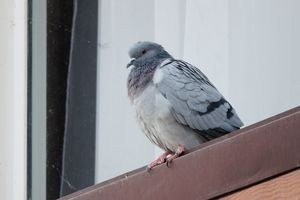
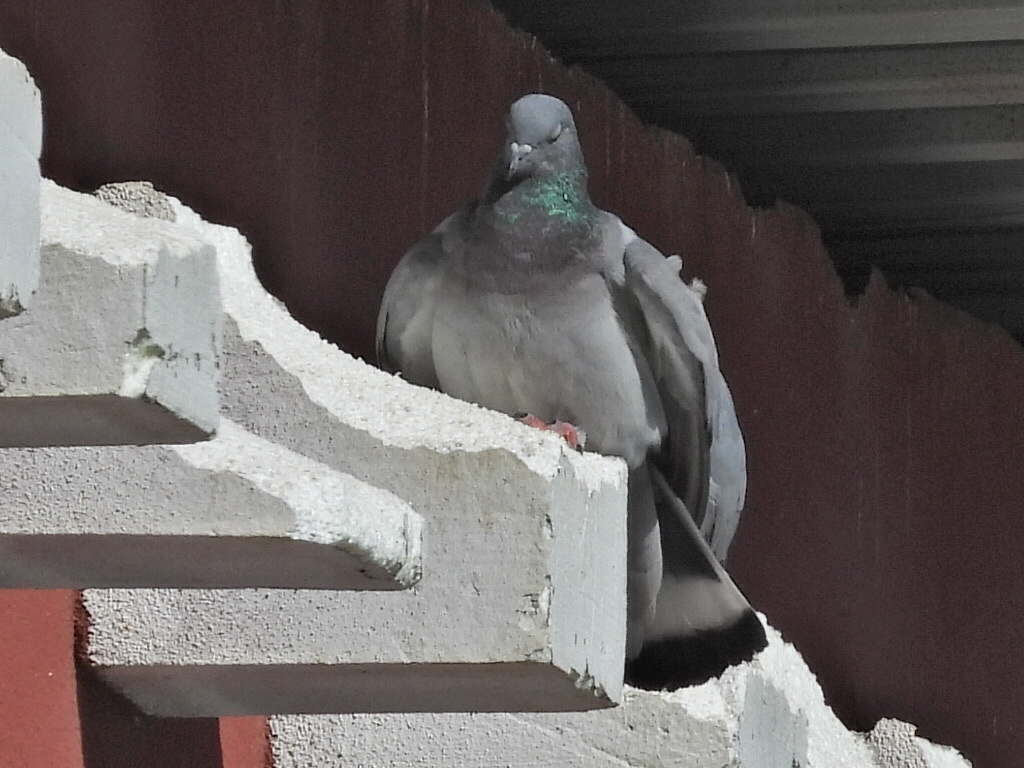
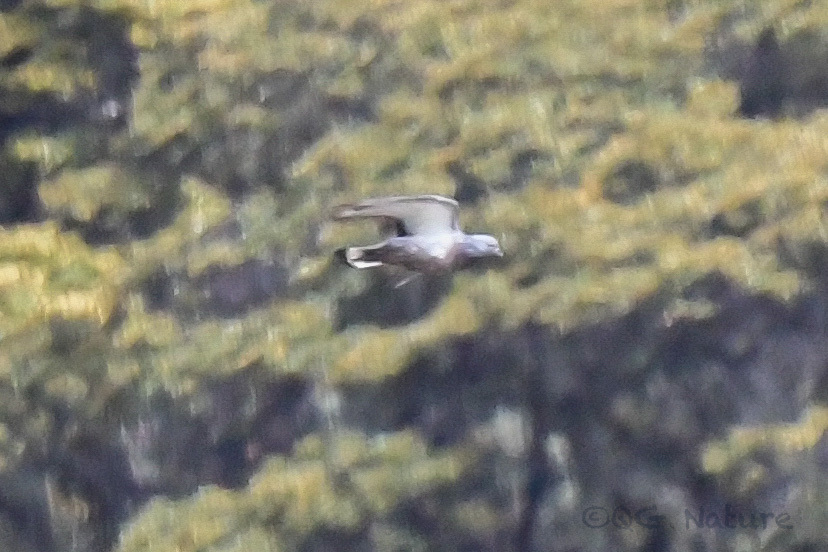
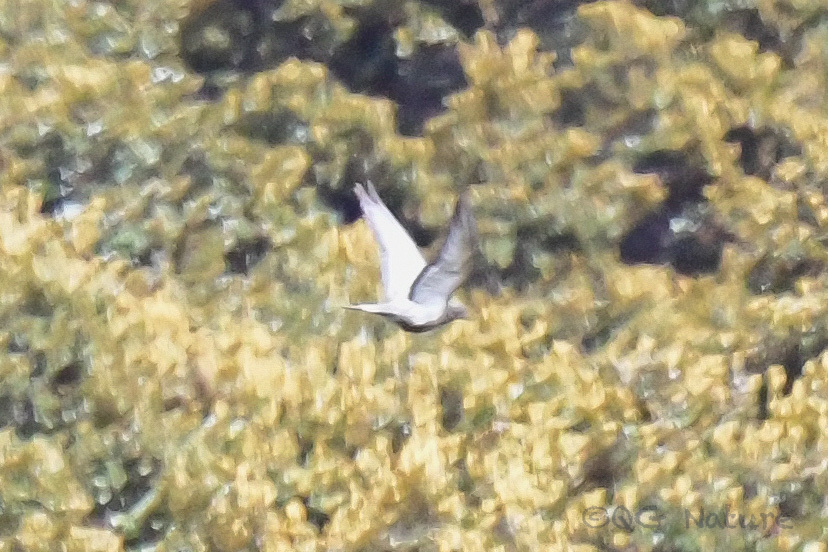
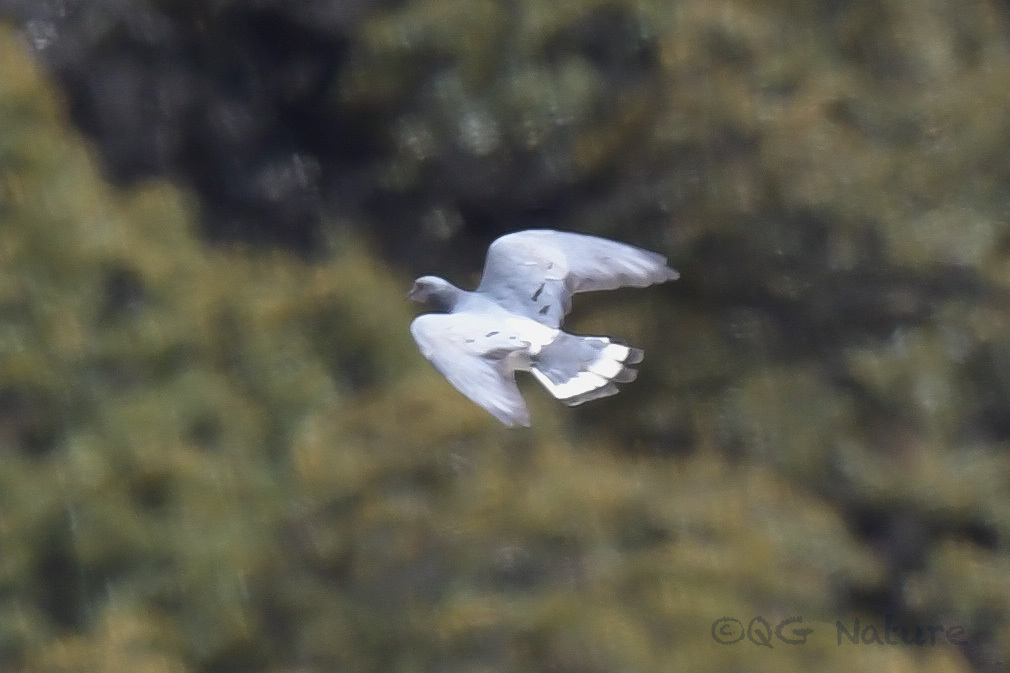
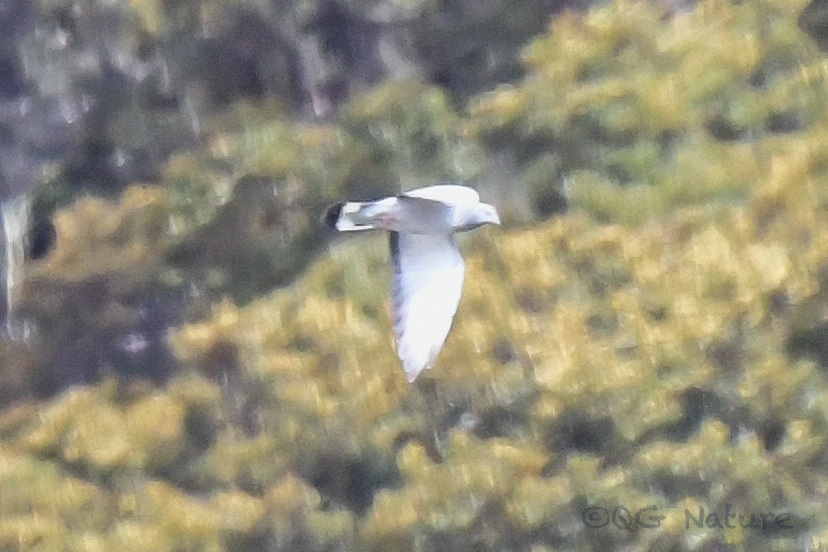
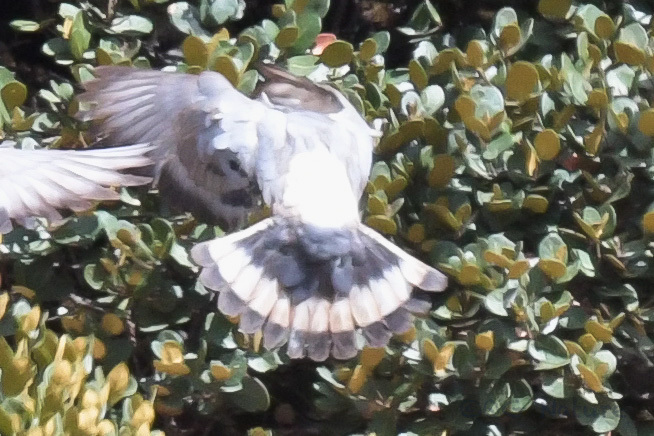
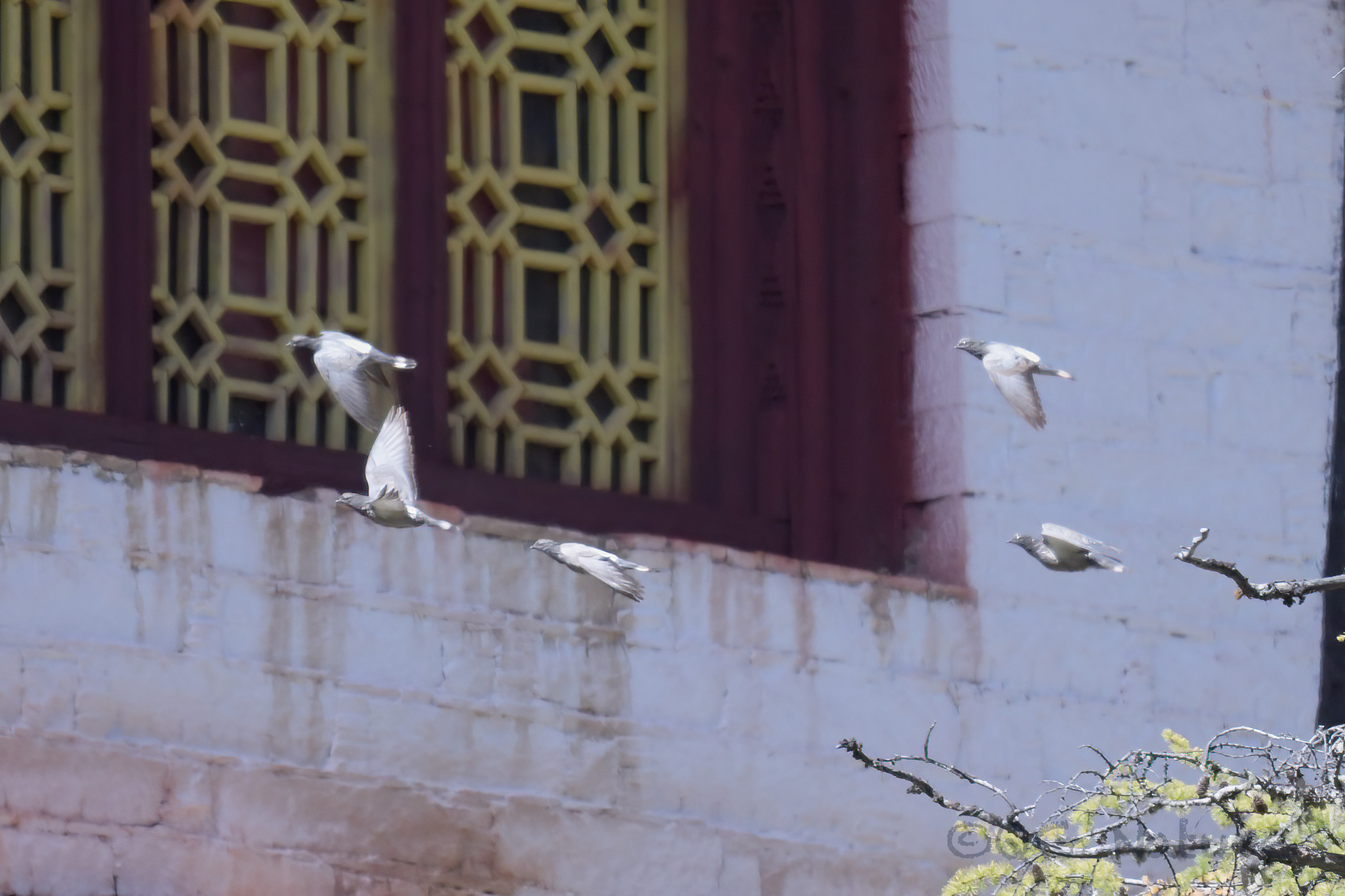
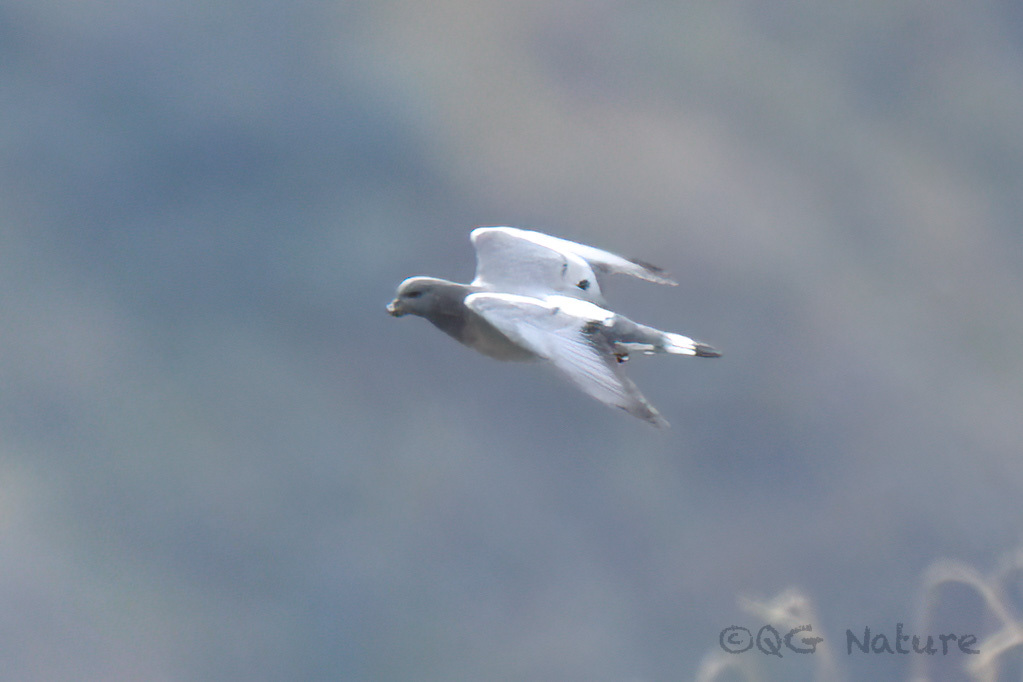
Stout-bodied pigeon similar in size and general appearance to the rock dove. Differentiated by a broad, white tail-band across the black tail. Features a paler mantle and upper wings, and a white patch on the back. In flight, the tail pattern resembles that of the snow pigeon, but lacks the contrast between the head and neck seen in that species.
Identification
Key mark is the broad, white tail-band on a black tail. Distinguished from the rock dove by this tail pattern, paler mantle, upper wings, and white back patch. Differs from the snow pigeon by lacking strong head-to-neck contrast in flight.
Distribution & Habitat
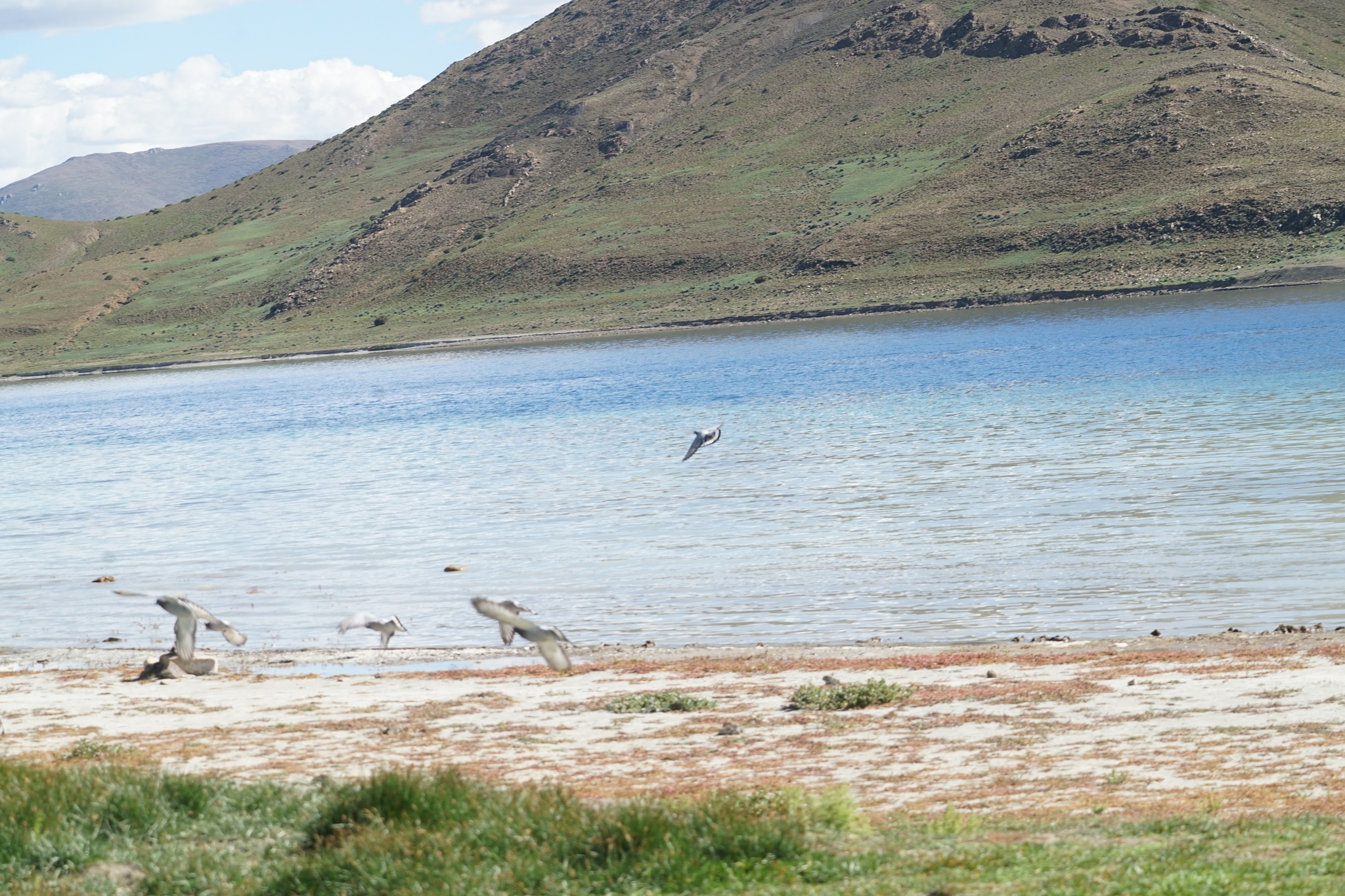
Found in China, Pakistan, India, Nepal, Kazakhstan, North Korea, South Korea, Mongolia, Russia, Tajikistan, Afghanistan, and Turkmenistan. Two subspecies are accepted: C. r. rupestris in the northeast and C. r. turkestanica in the southwest. In Pakistan, restricted to northern inner valleys of the Karakoram, Hindu Kush, and Pamirs, occurring from 2,000 m in winter up to 5,500 m in summer.
Behavior & Ecology
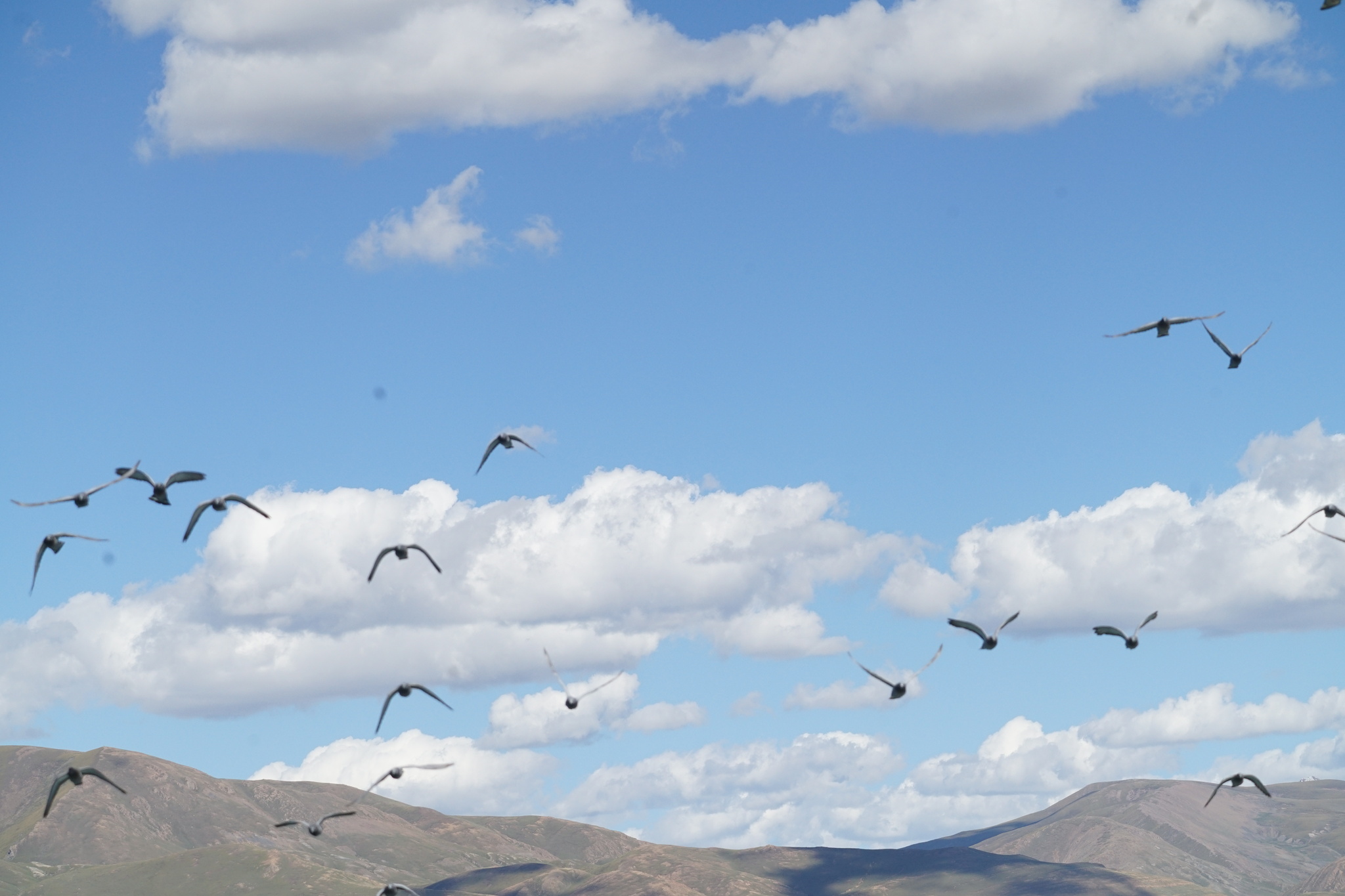
Gregarious throughout the year, feeding in flocks in terraced, cultivated fields, often mixing with rock doves. Tame and frequently found near human settlements, camps, and pilgrimage routes. Granivorous, supplementing diet with green shoots, leaves, and small mollusks; occasionally opportunistic, feeding on leftover food or undigested matter from kiang dung and carcasses. Nests in dense colonies on cliffs, gorges, rocky outcrops, or in houses and wall holes in Tibet. Males perform a bowing display. Nests are platforms of twigs or plant stems holding generally two eggs; may raise two broods per year. Nesting starts as early as February in Tajikistan, with young fledging as late as September in northeastern Tibet.
Conservation
Classified as Least Concern by the IUCN. The overall population is decreasing, but the rate is not alarming, and the bird remains widely distributed and abundant.
Source: Wikipedia · CC BY-SA 3.0
Taxonomy
- Order
- Columbiformes
- Family
- Columbidae
- Genus
- Columba
Subspecies (2)
-
Columba rupestris rupestris
western Mongolia to eastern Tibet, southern China, and Korea
Data Sources
Species description from Wikipedia, licensed under CC BY-SA 3.0.
Bird images and sounds sourced from GBIF, contributed by citizen scientists worldwide under Creative Commons licenses.
Taxonomy data from AviList 2025.