

Columbiformes / Columbidae / Columba
Rock Dove
Columba livia · 原鸽
Introduction
Member of the family Columbidae, originating in Southern Europe, North Africa, and Western Asia. Wild populations inhabit cliffs and rock ledges, while feral descendants occupy urban environments globally. Classified as Least Concern by the IUCN, with an estimated worldwide population of up to 120 million individuals.
Description
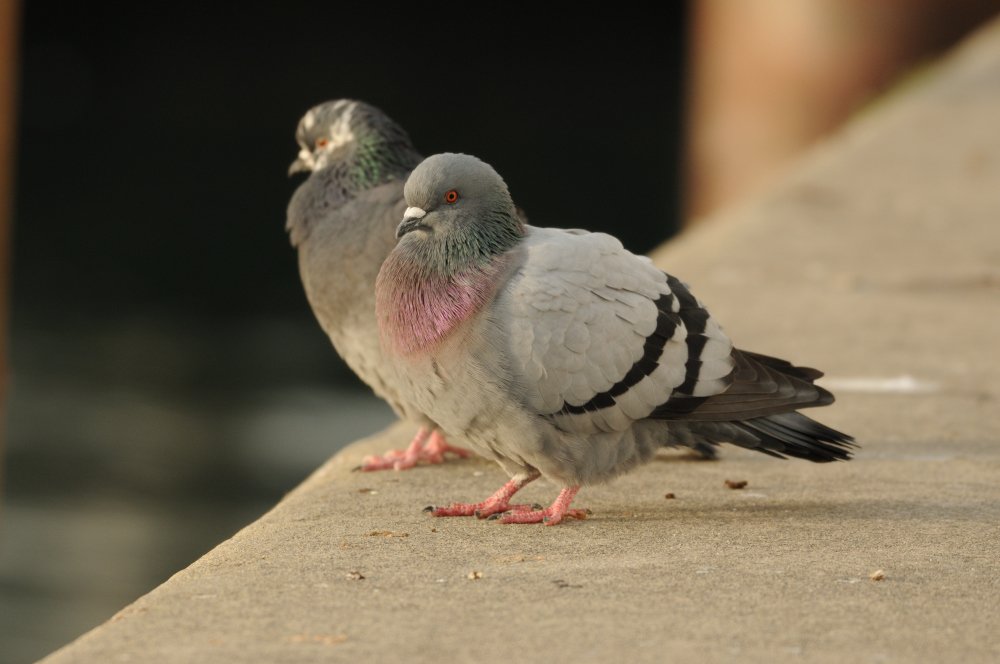
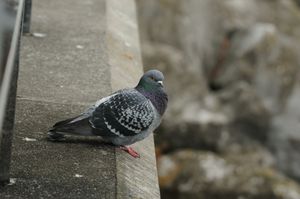
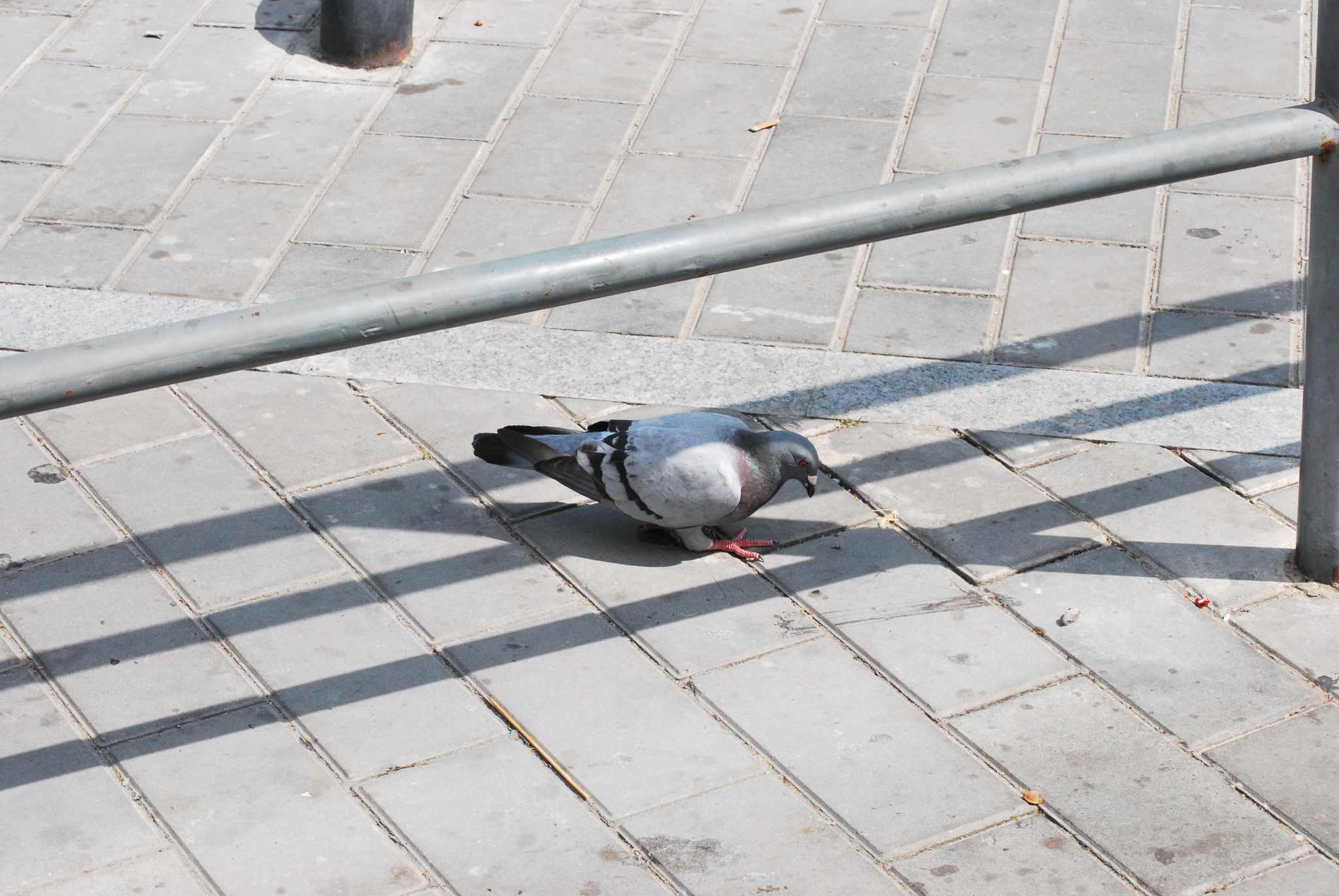
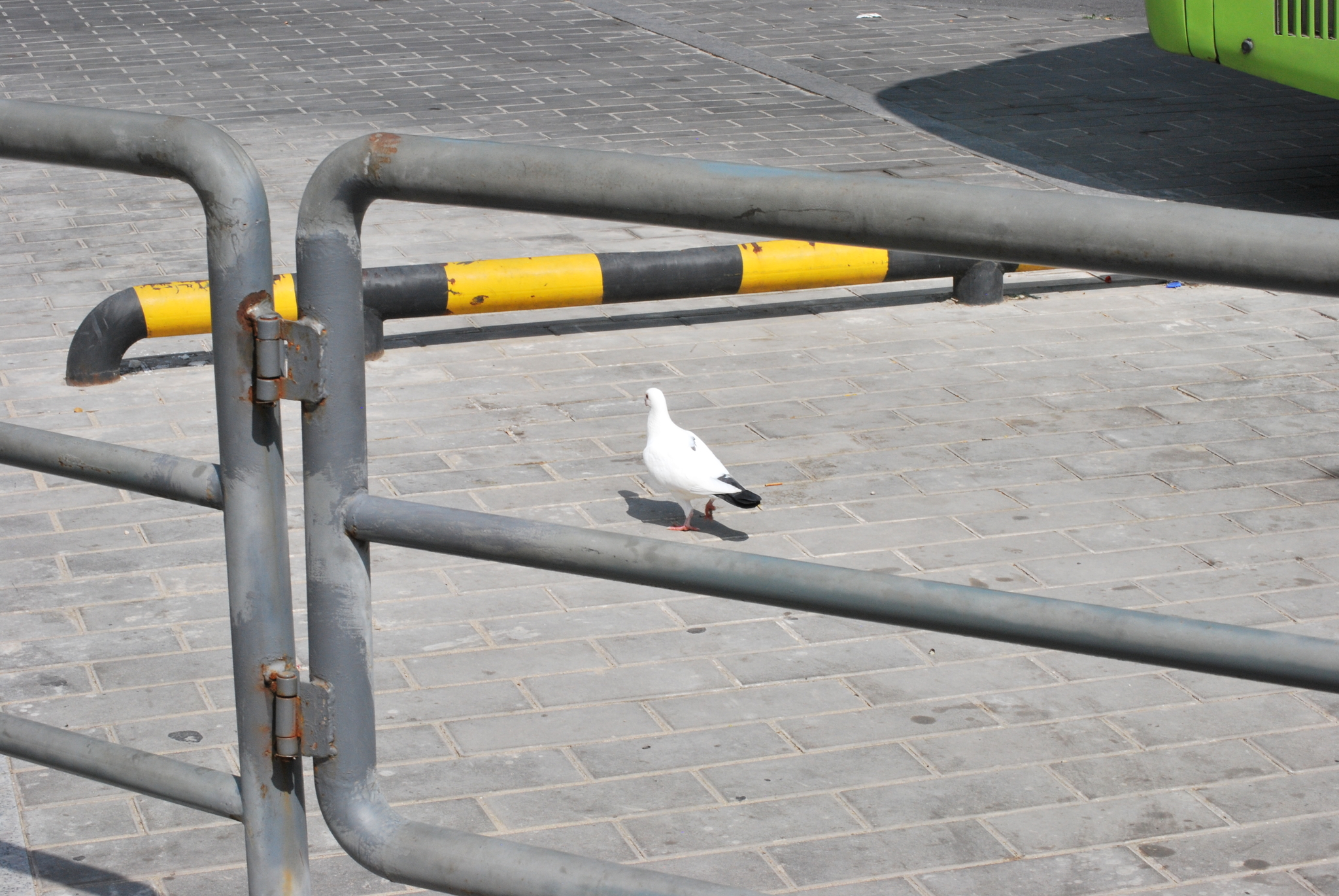
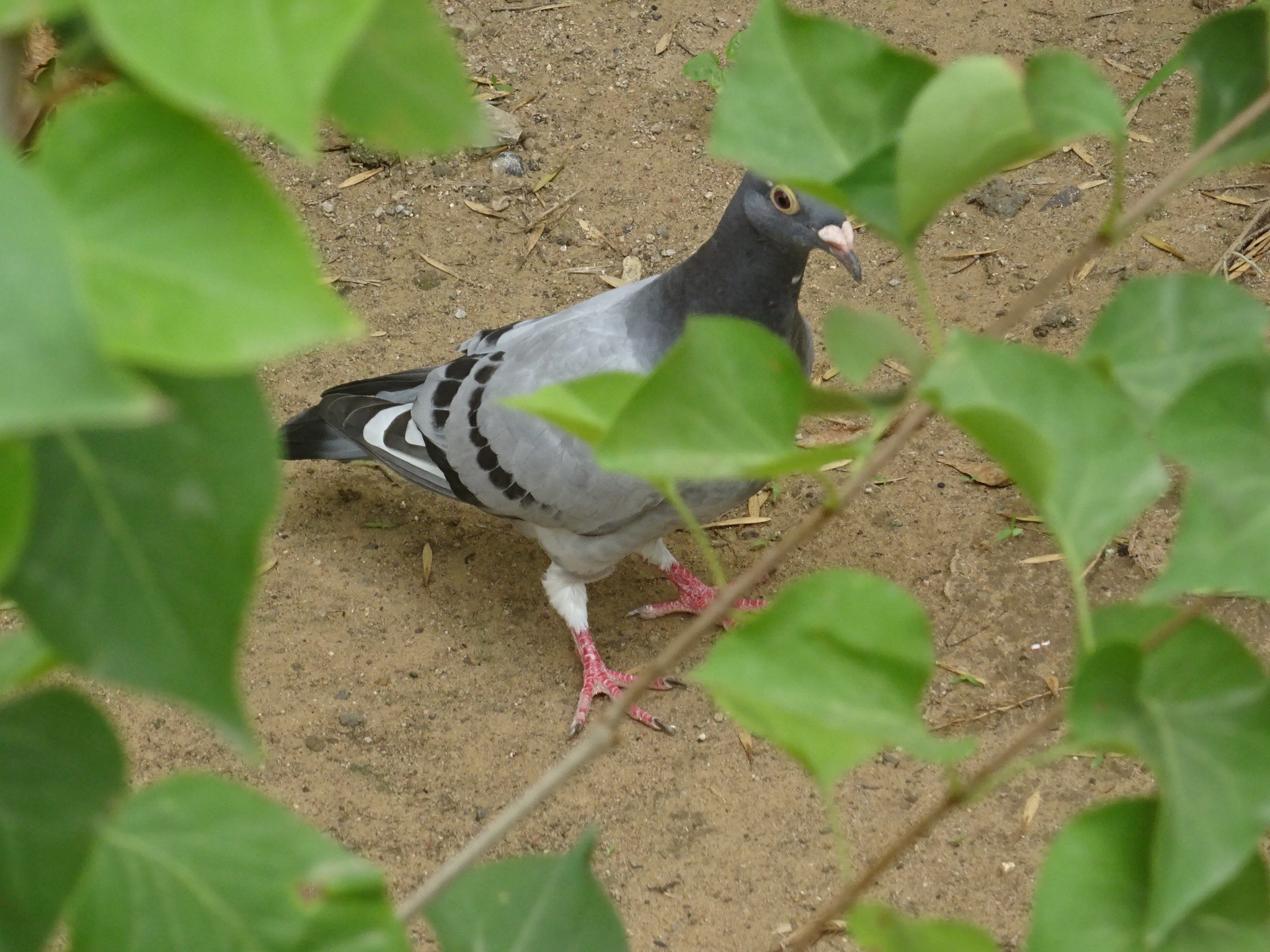
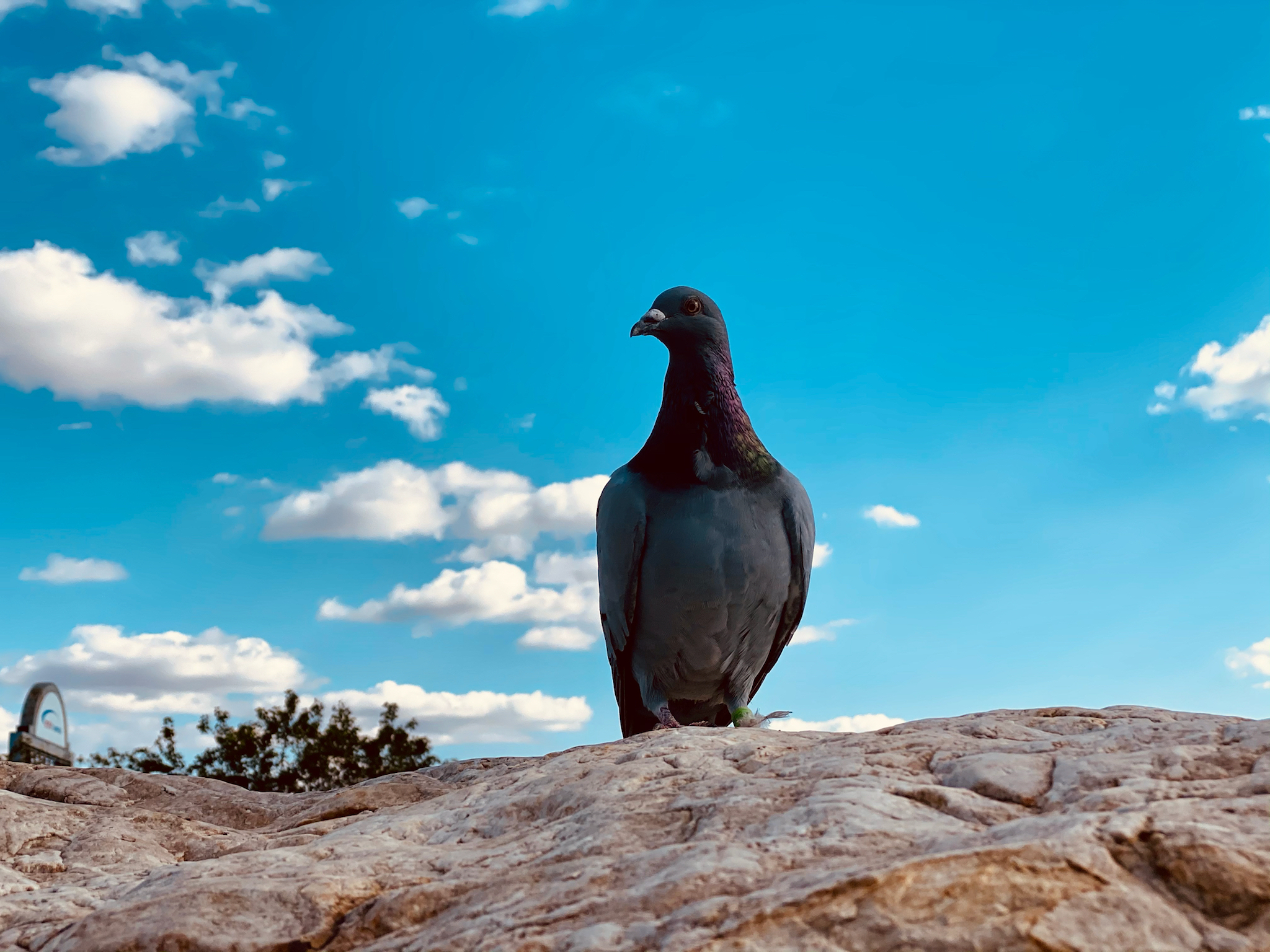
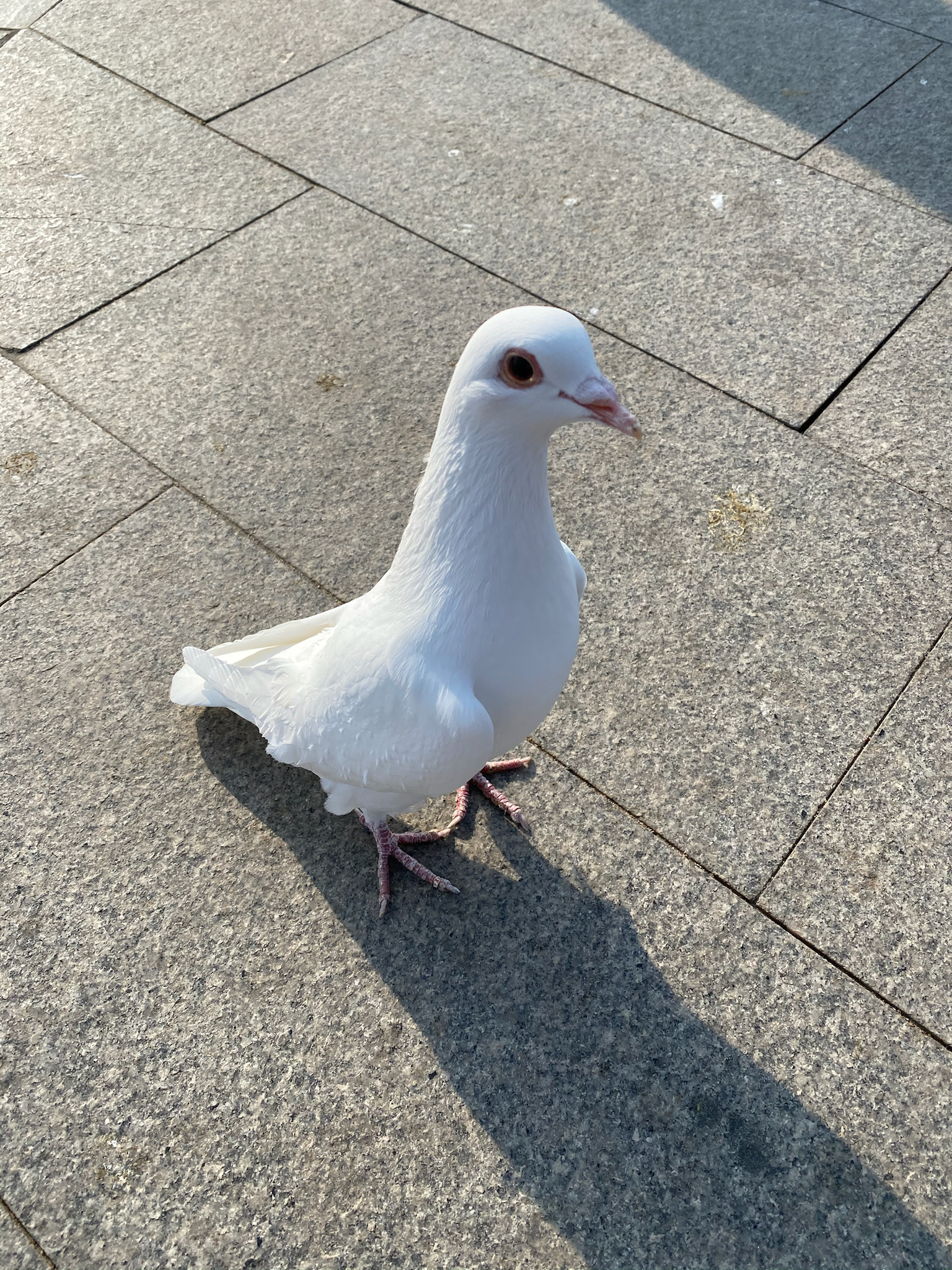
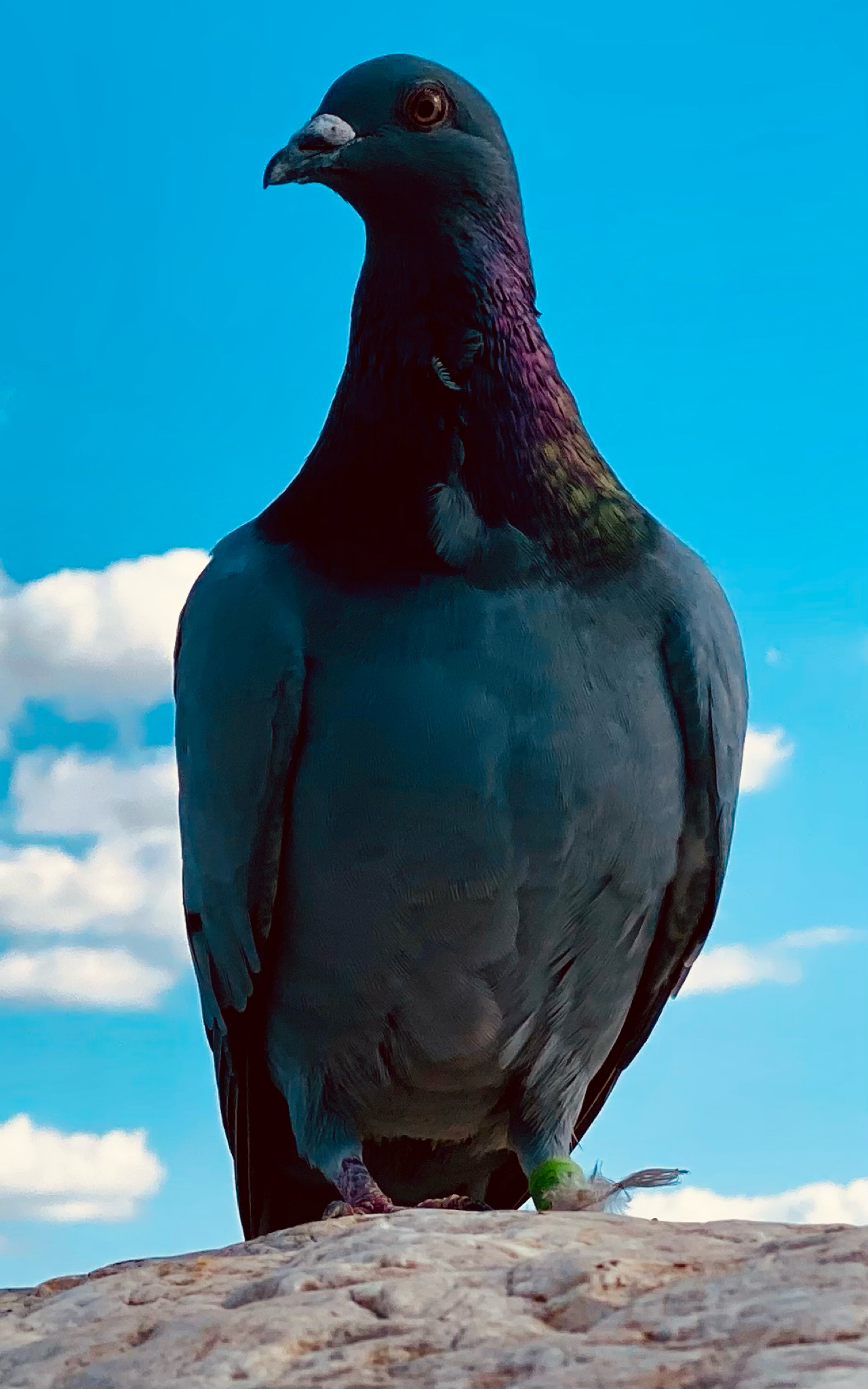
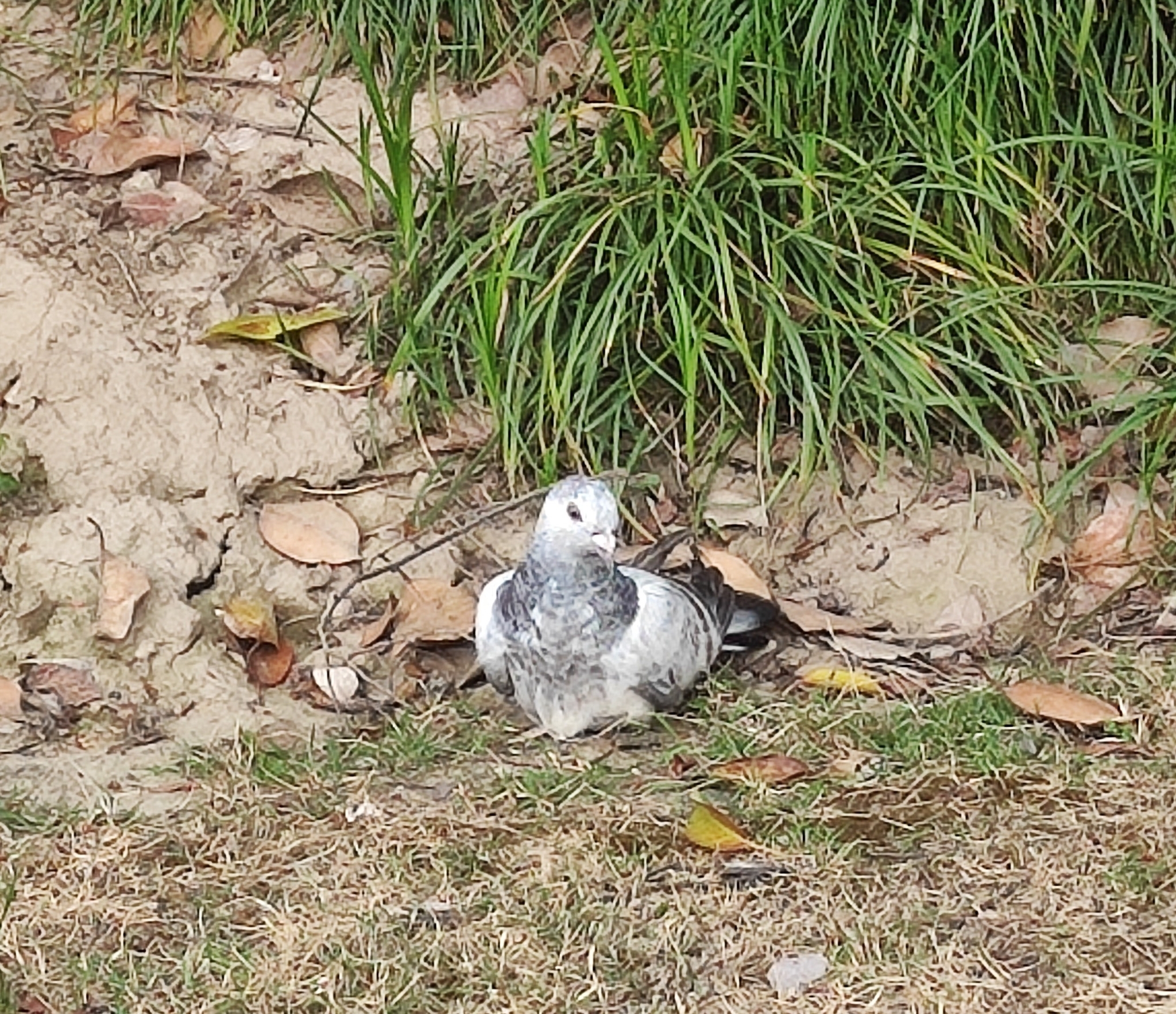
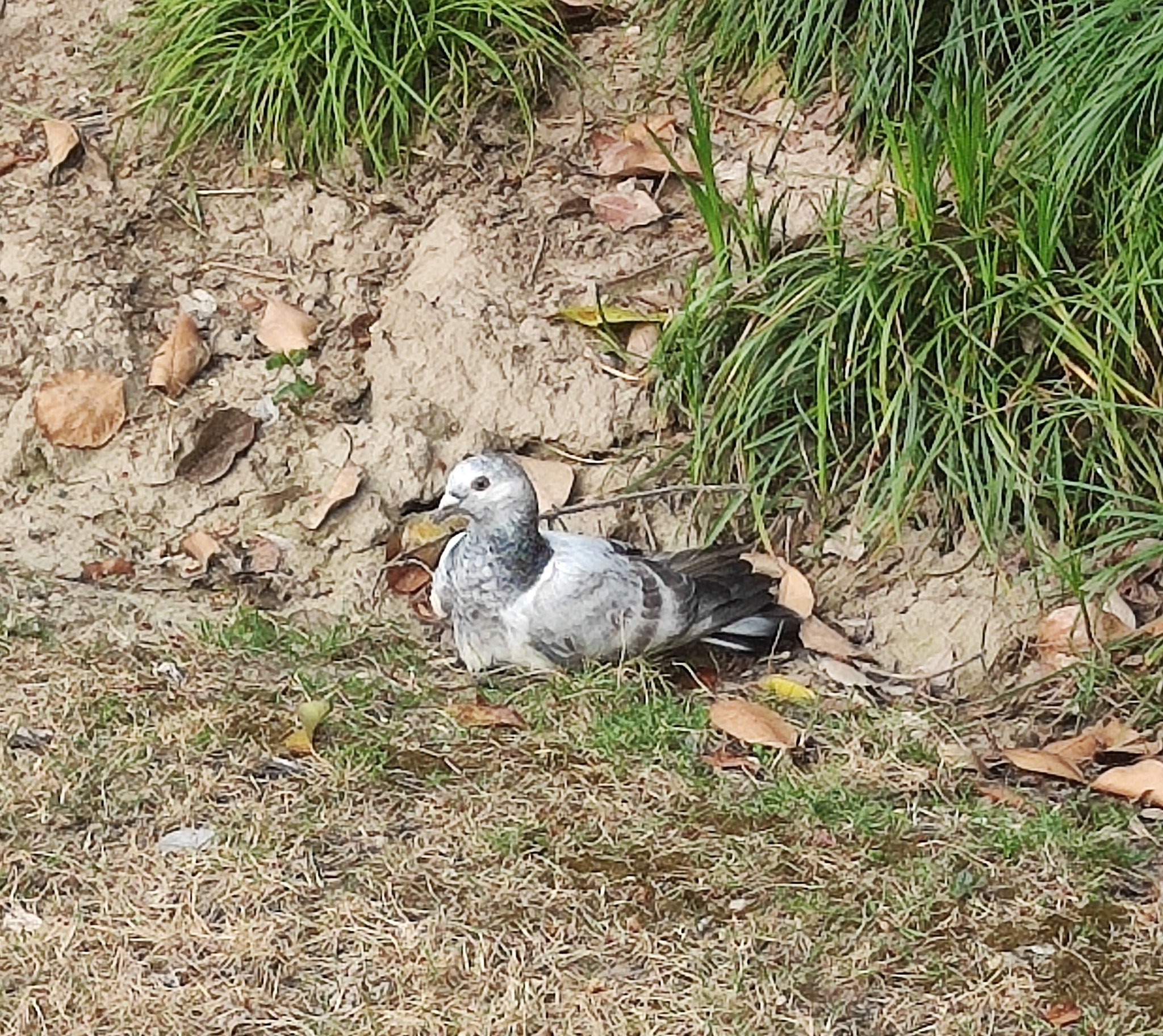
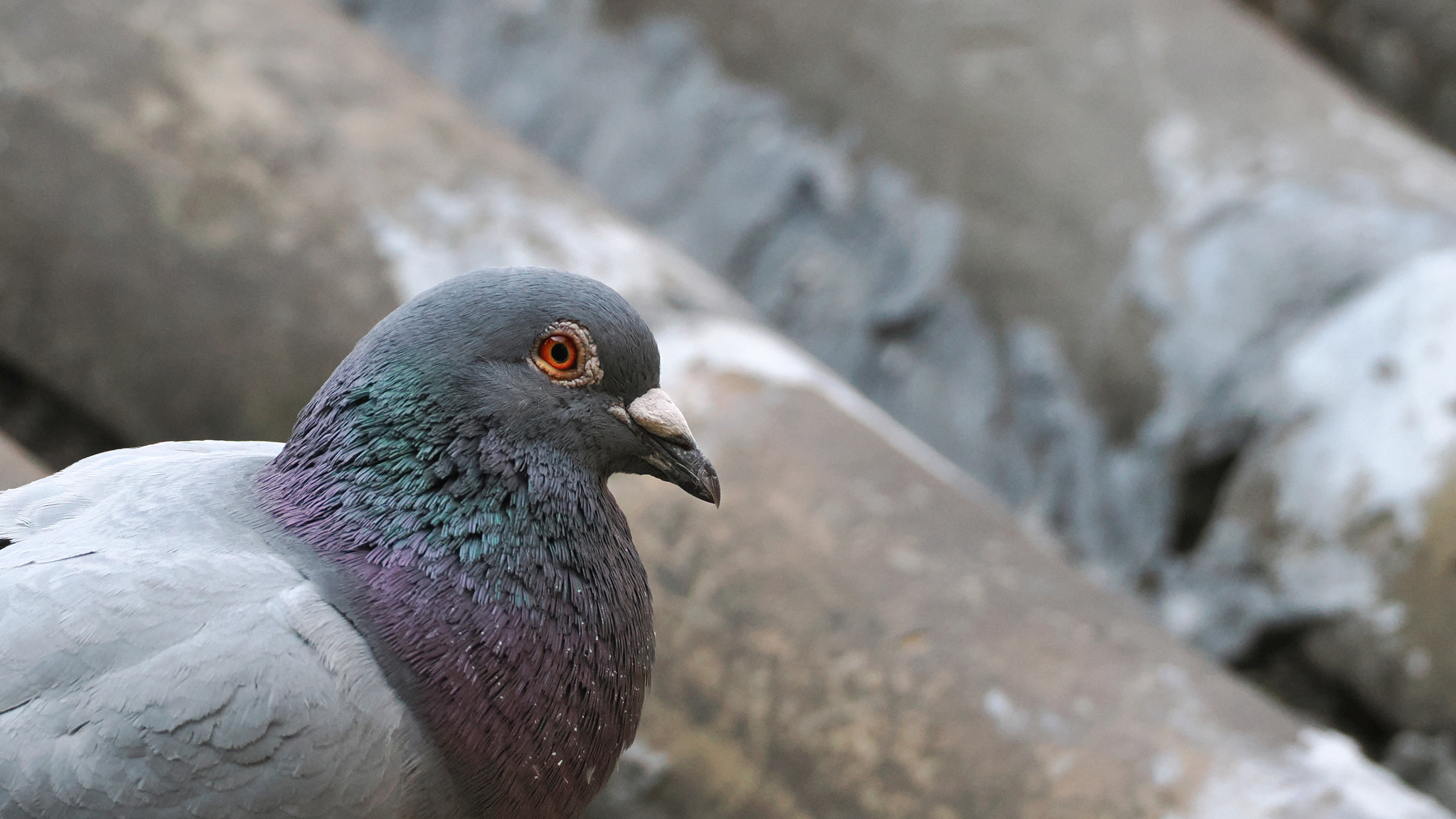
Adults of the nominate subspecies measure 30–35 cm in length with a 62–68 cm wingspan and weigh 238–380 g. Plumage is pale grey with two black wing bars, a white lower back, and a black tail band. The head, neck, and chest are dark bluish-grey with glossy greenish to reddish-purple iridescence on the neck. The iris is red-brown, the bill is grey-black with a small off-white cere, and feet are red to pink. Females exhibit less intense neck iridescence. Subspecies vary in size and darkness; for example, C. l. gymnocycla is smaller and almost blackish, while C. l. dakhlae is paler.
Identification
Key field marks include the white lower back and two black bars on pale grey wings. In flight, the white underwing becomes conspicuous, and the bird often glides with wings held in a pronounced V shape. Vocalizations consist of a soft, wavering coo ('crru oo-u'), distinct from the wood pigeon's phrase. An alarm call sounds like a grunt-like 'oorhh'.
Distribution & Habitat
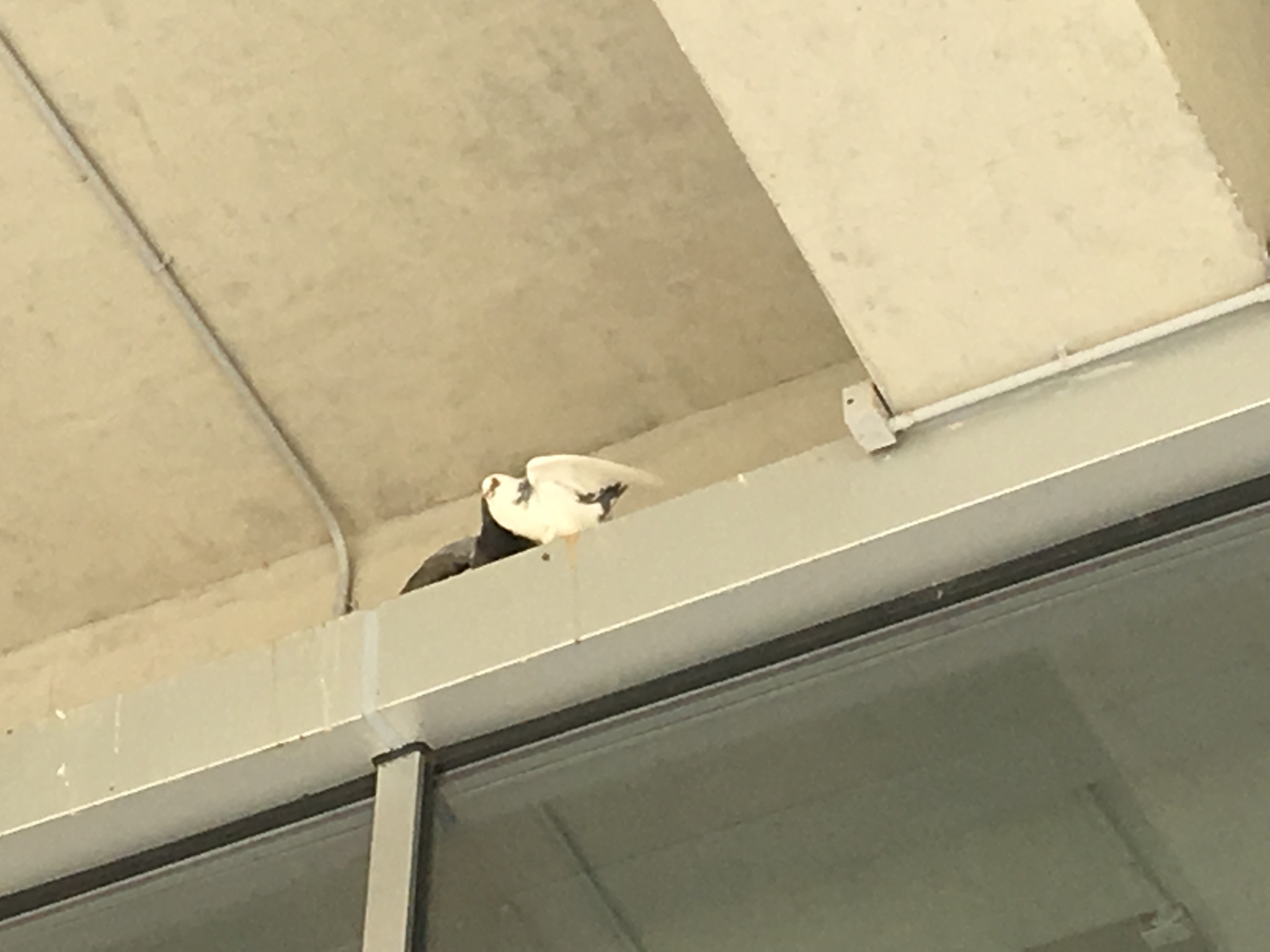
Native range includes western and southern Europe, North Africa, and South Asia, extending into central Asia. Introduced globally since 1603. Wild birds reside in rock formations, caves, canyons, and sea cliffs, avoiding dense vegetation. Feral populations thrive in human settlements, utilizing skyscrapers and bridges as artificial cliffs. Nine subspecies are recognized, ranging from Scotland and North Africa to India and Sri Lanka.
Behavior & Ecology
Gregarious, forming flocks of 50–500 birds. Omnivorous, preferring seeds and fruits but consuming invertebrates; drinks by dipping bills continuously without tilting the head. Breeds year-round with peaks in spring and summer, laying two white eggs per brood. Both parents produce crop milk to feed altricial young. Incubation lasts 17–19 days, and fledging occurs at about 30 days. Courtship involves male bowing, pirouettes, and regurgitation. Uses powder down for preening instead of oil. Escapes predators by dropping feathers.
Conservation
Assessed as Least Concern by the IUCN. The global population is abundant, estimated at 17–28 million in Europe and up to 120 million worldwide. Wild populations persist notably in the Outer Hebrides of Scotland but are endangered in many other areas due to hybridization with feral birds.
Source: Wikipedia · CC BY-SA 3.0
Taxonomy
- Order
- Columbiformes
- Family
- Columbidae
- Genus
- Columba
Subspecies (9)
-
Columba livia dakhlae
western Egypt (Dakhla and Kharga oases)
Data Sources
Species description from Wikipedia, licensed under CC BY-SA 3.0.
Bird images and sounds sourced from GBIF, contributed by citizen scientists worldwide under Creative Commons licenses.
Taxonomy data from AviList 2025.