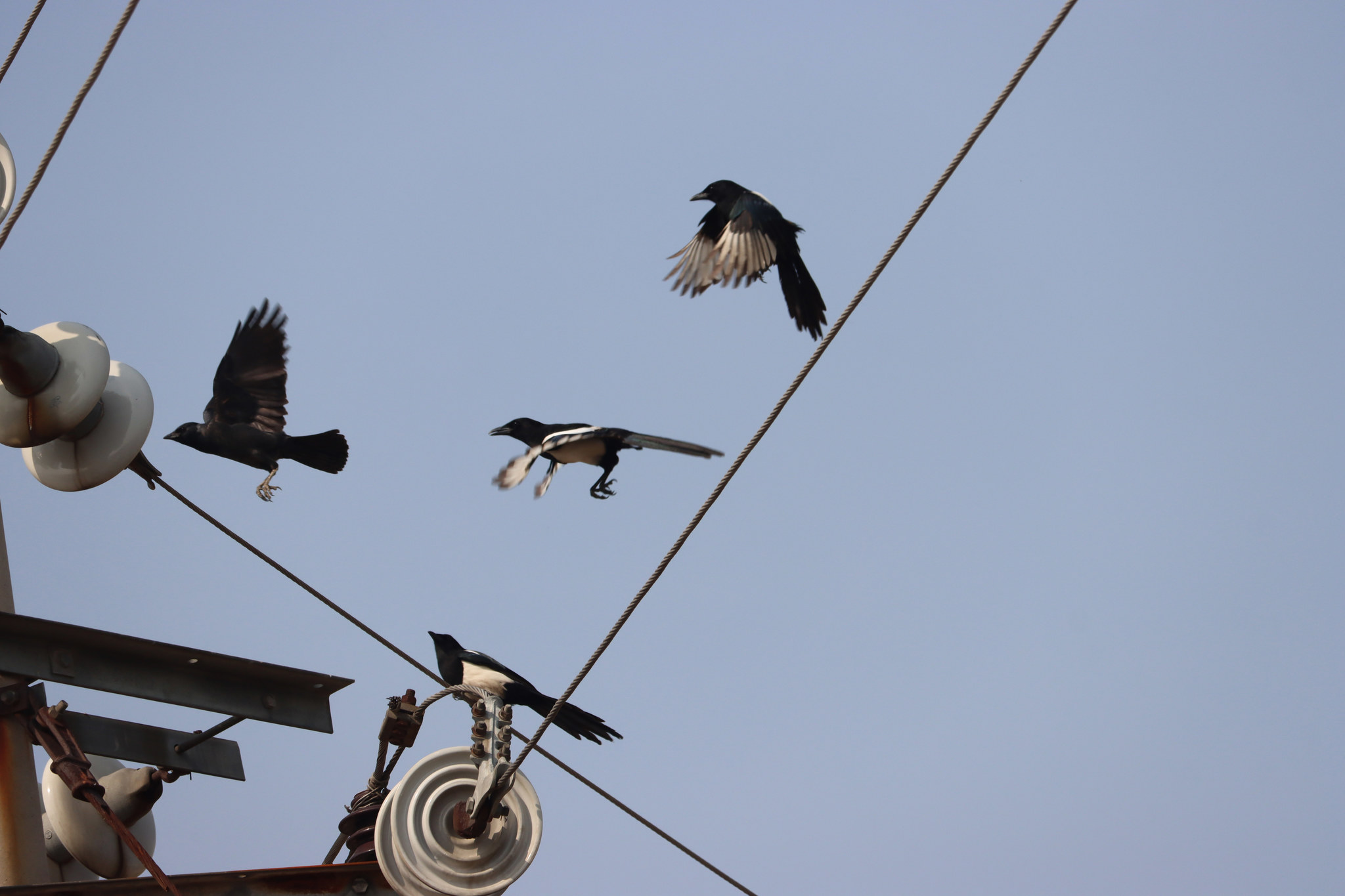
Passeriformes / Corvidae / Coloeus
Daurian Jackdaw
Coloeus dauuricus · 达乌里寒鸦
Introduction
A bird in the crow family, Corvidae, native to eastern Asia and closely related to the western jackdaw.
Description
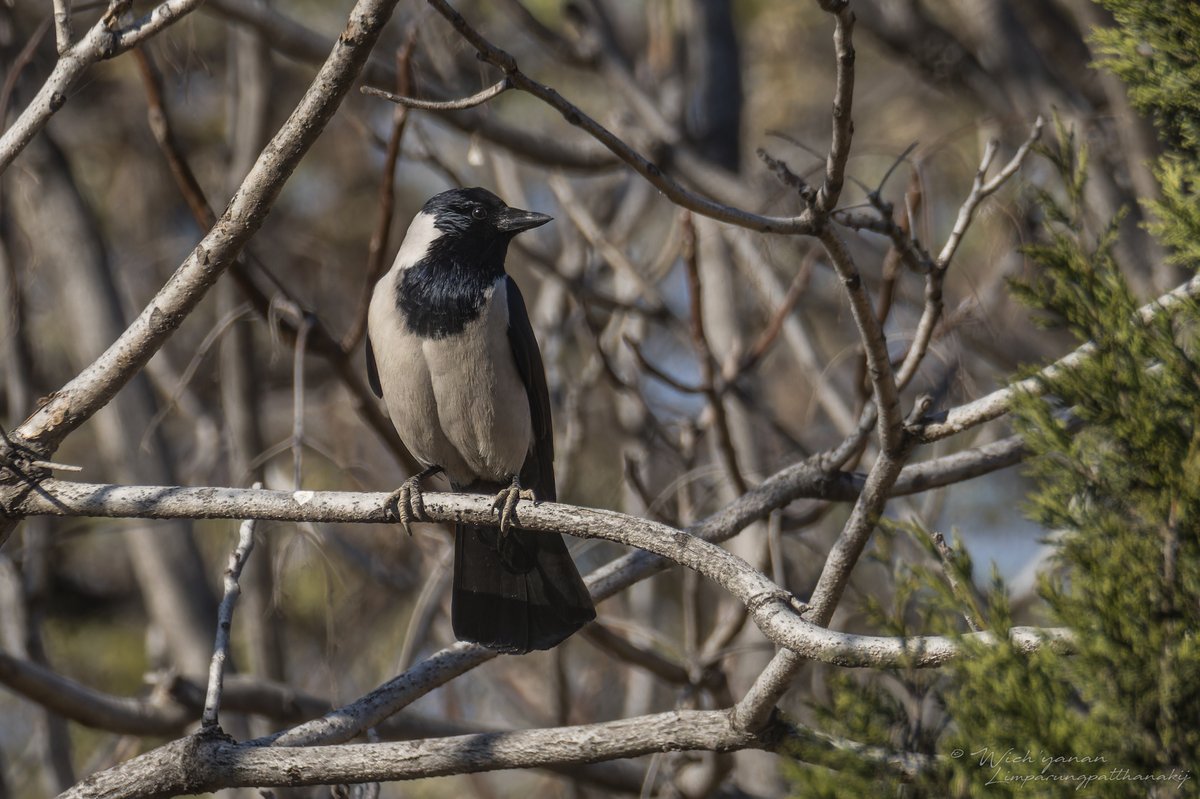
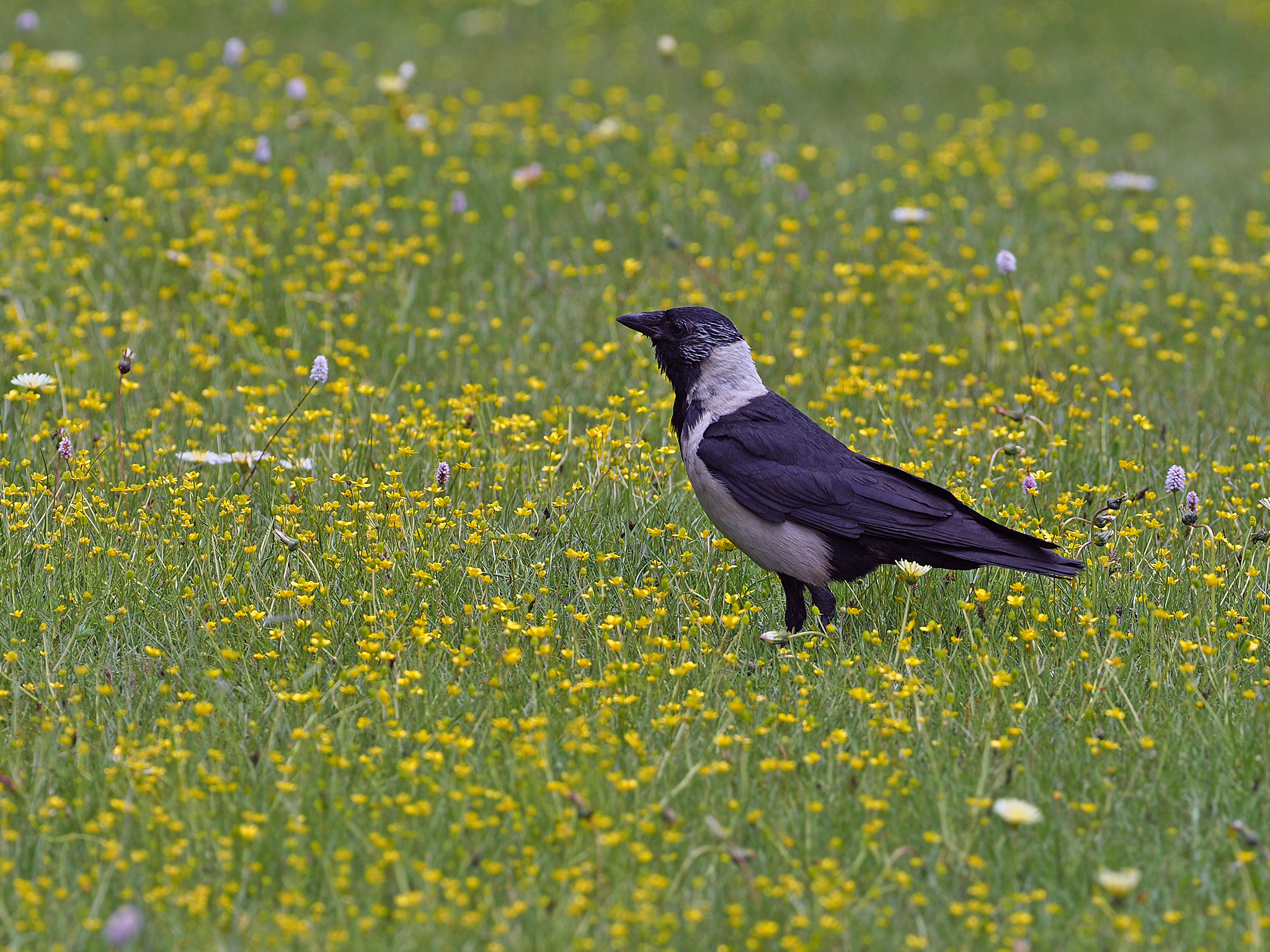
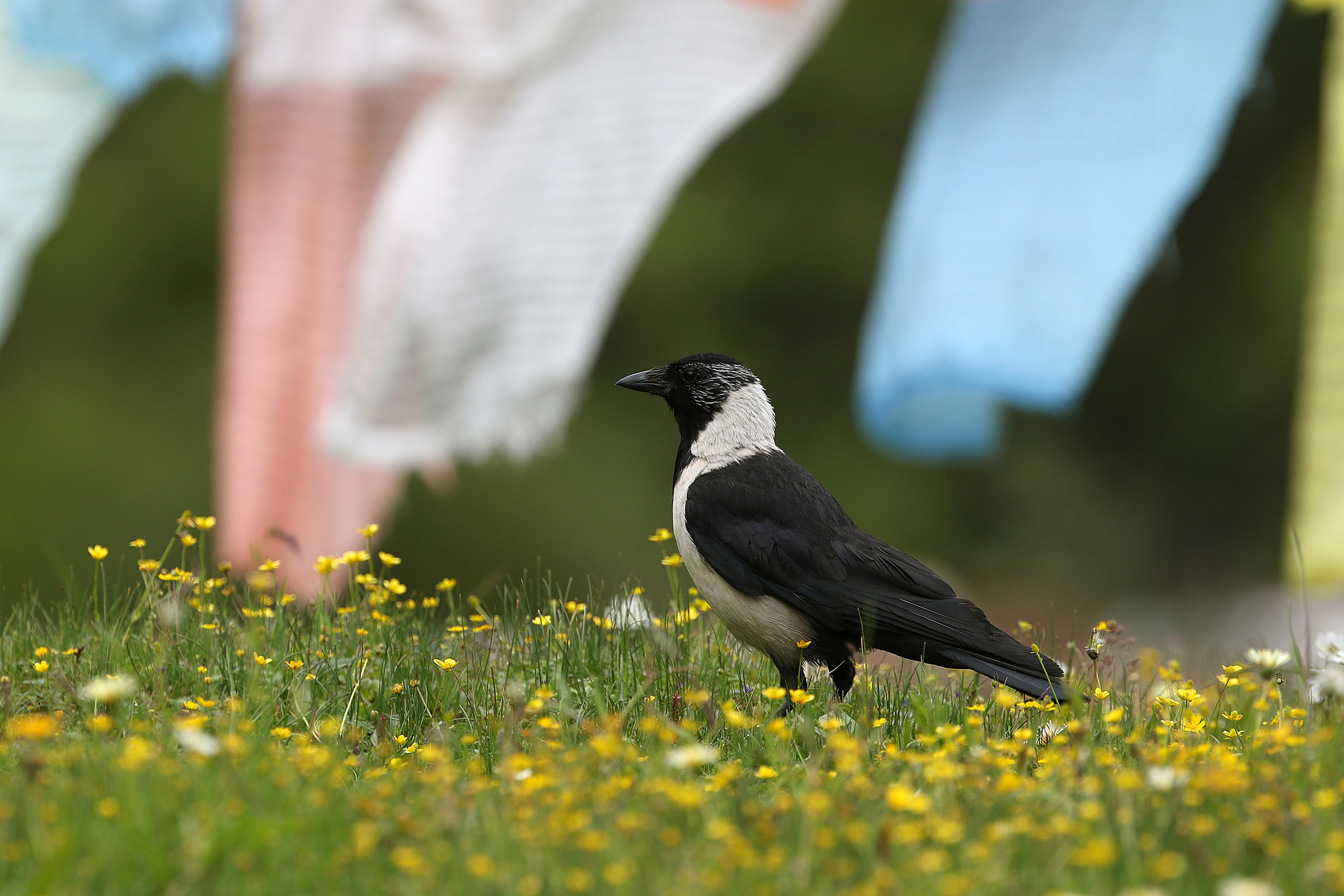
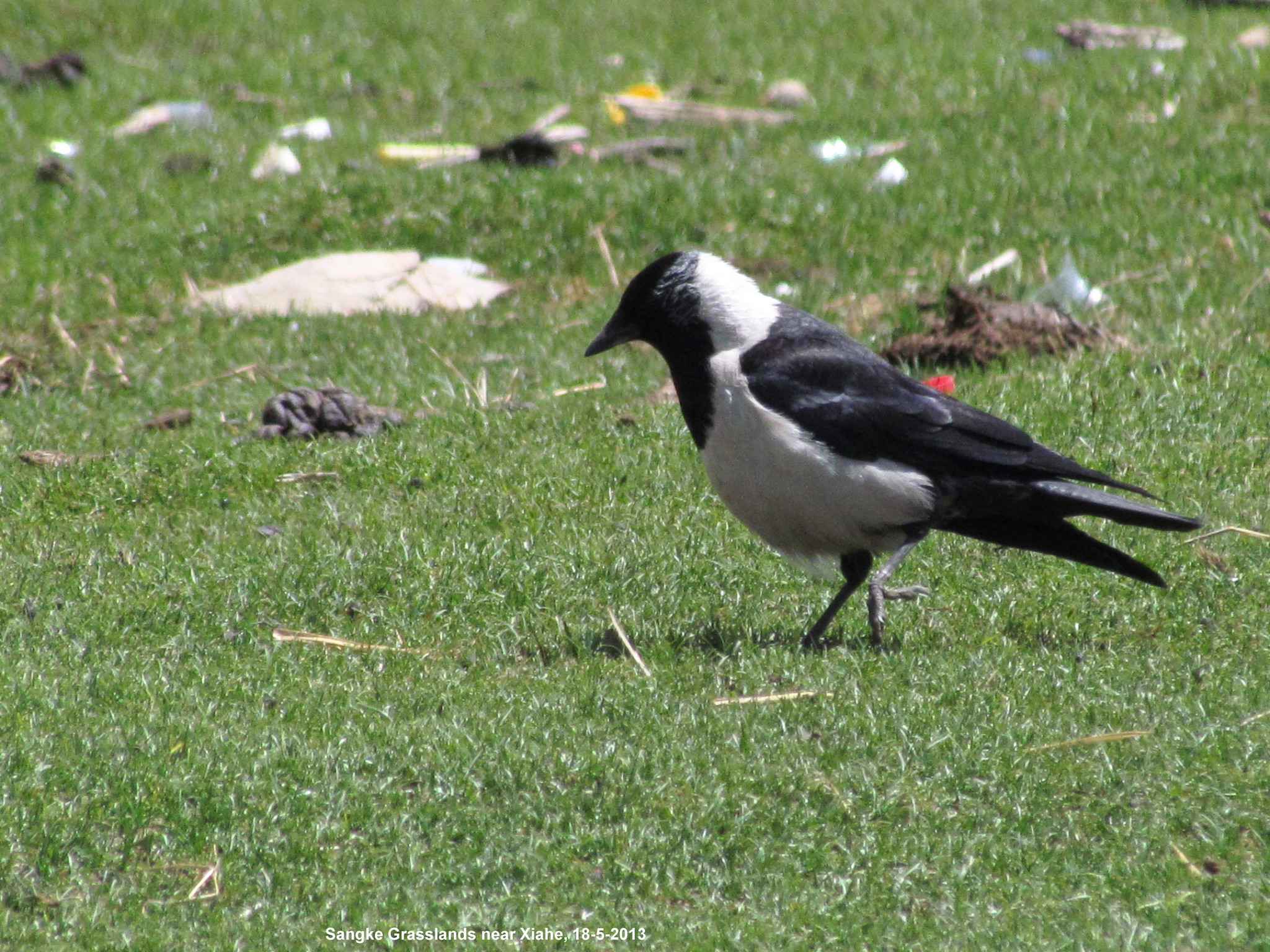
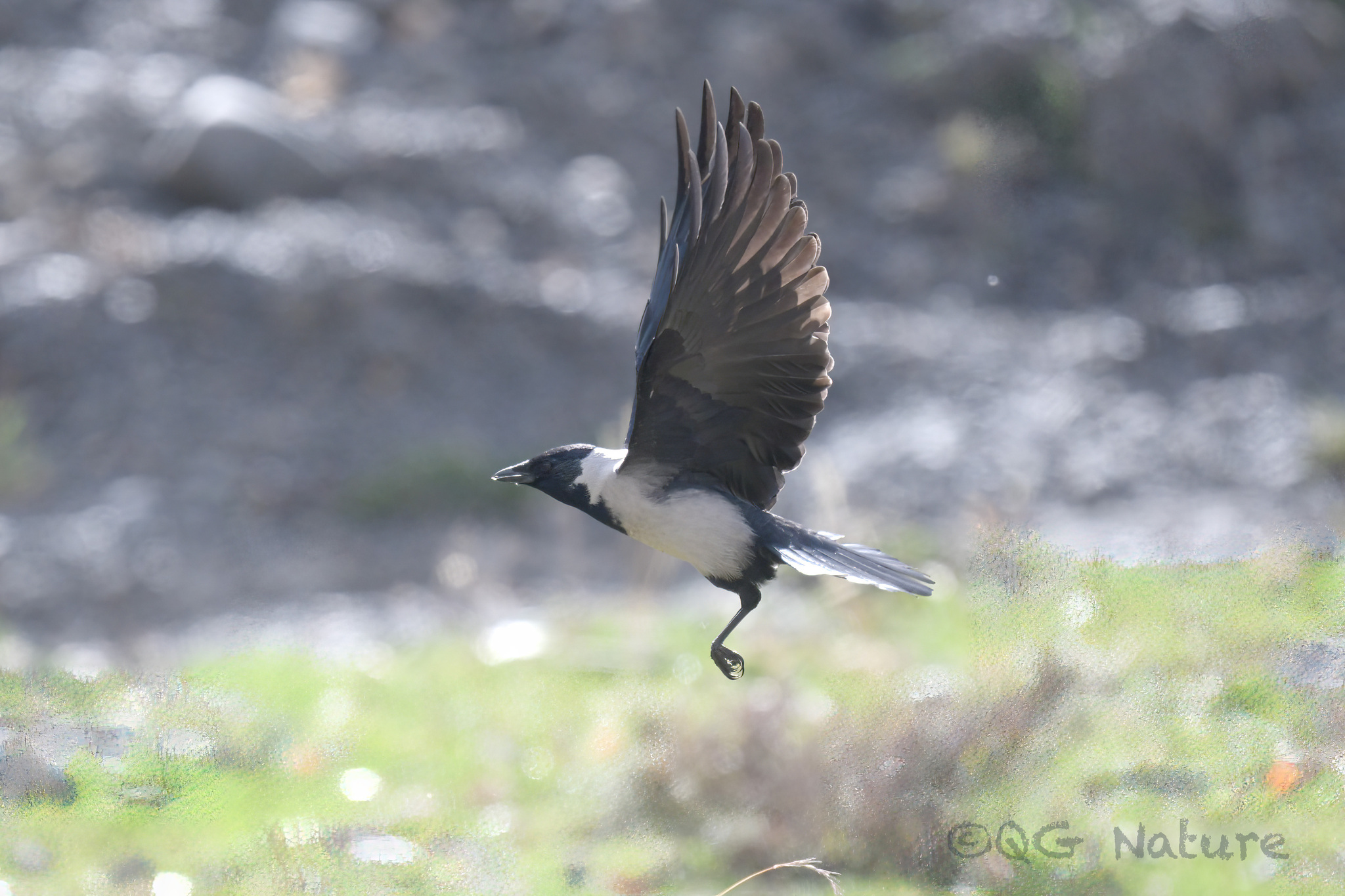
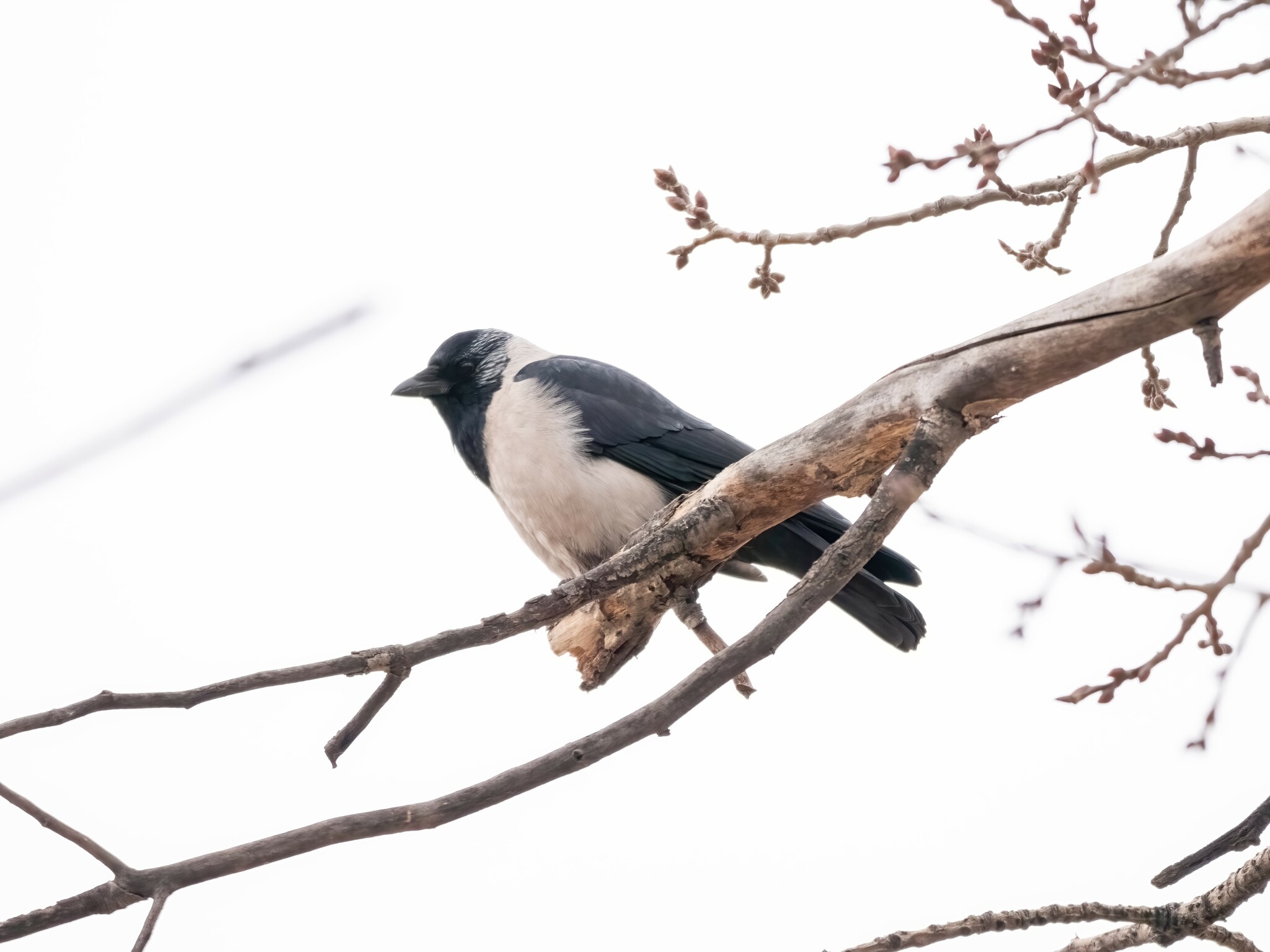
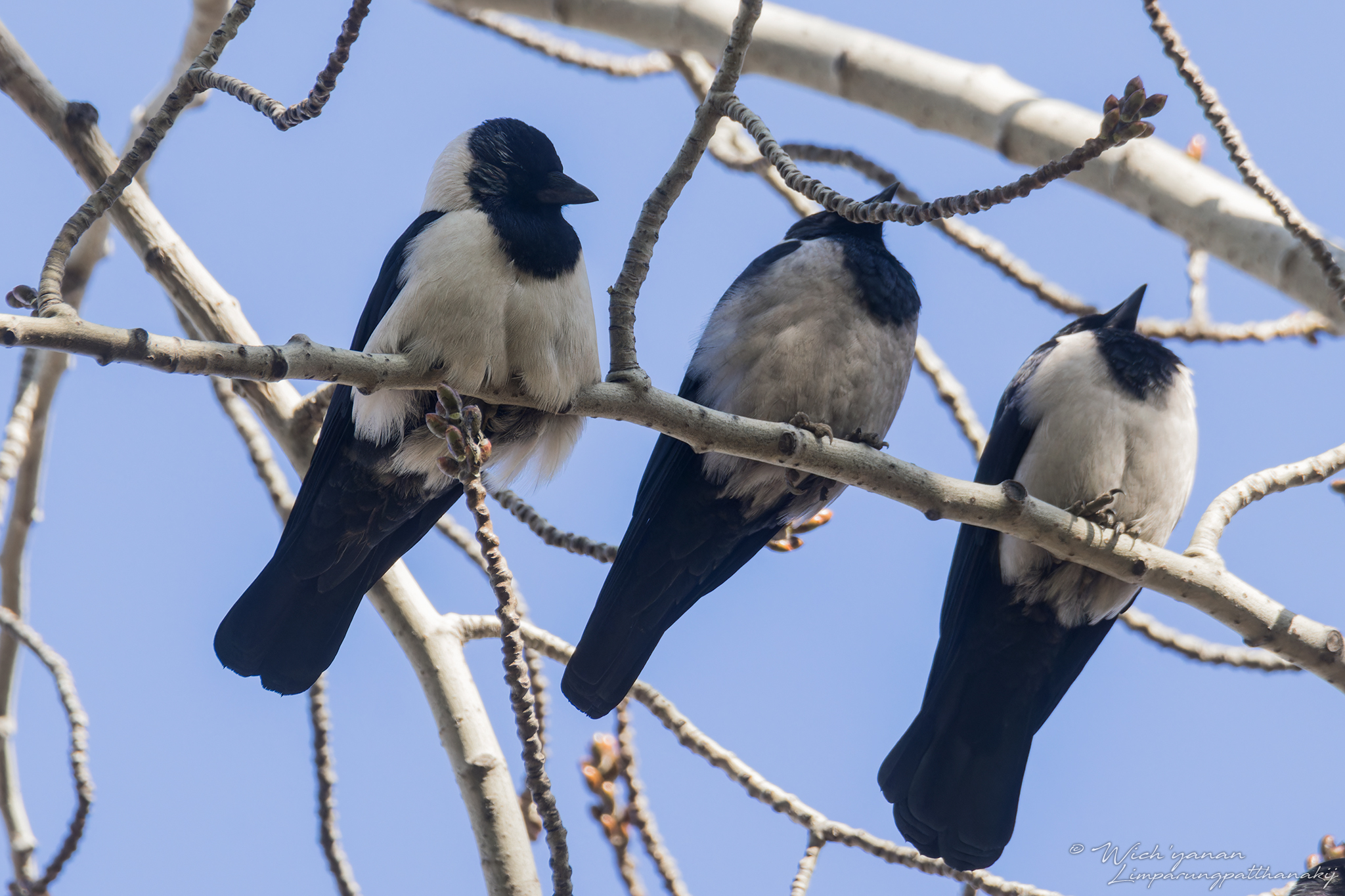
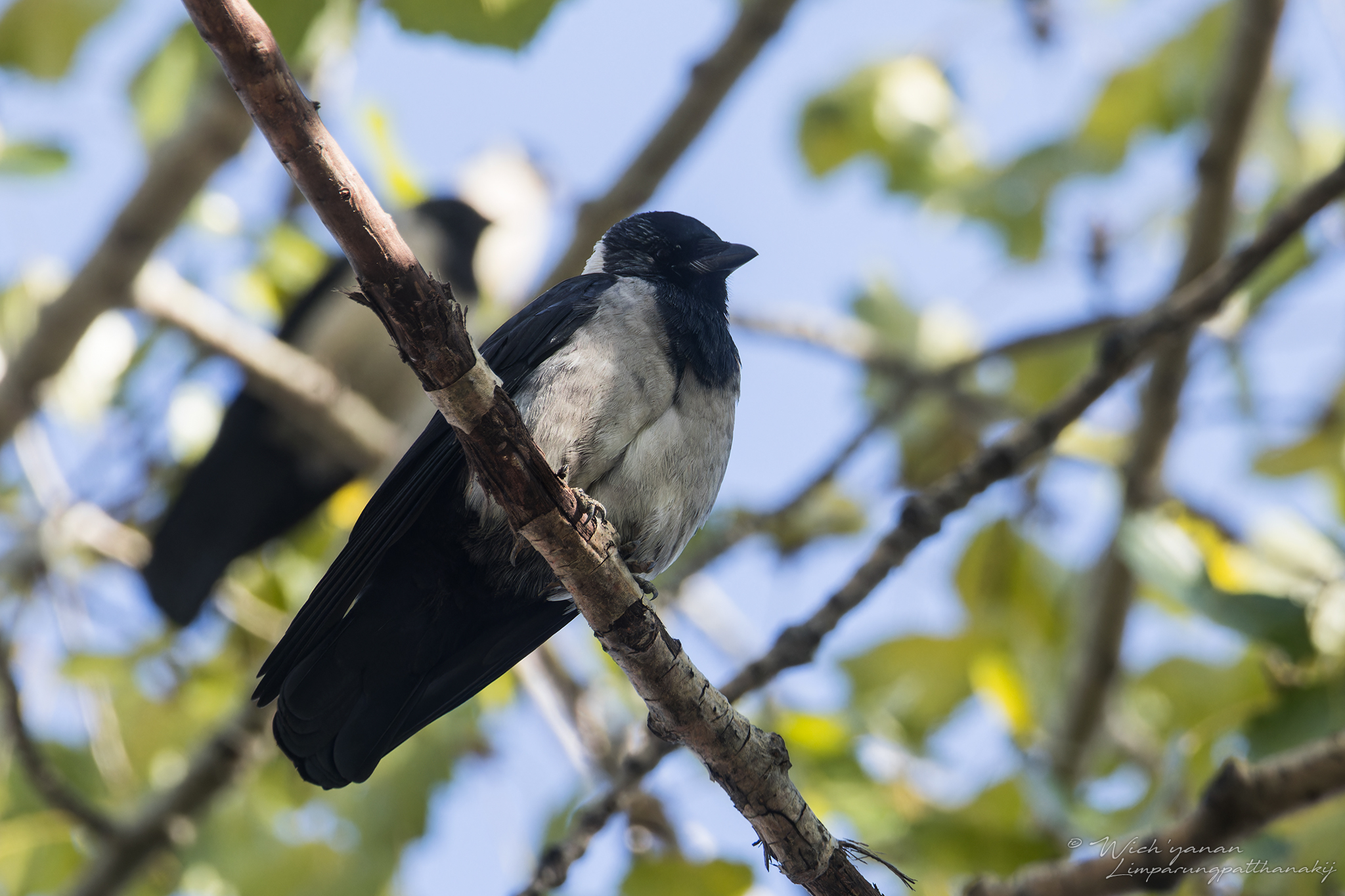
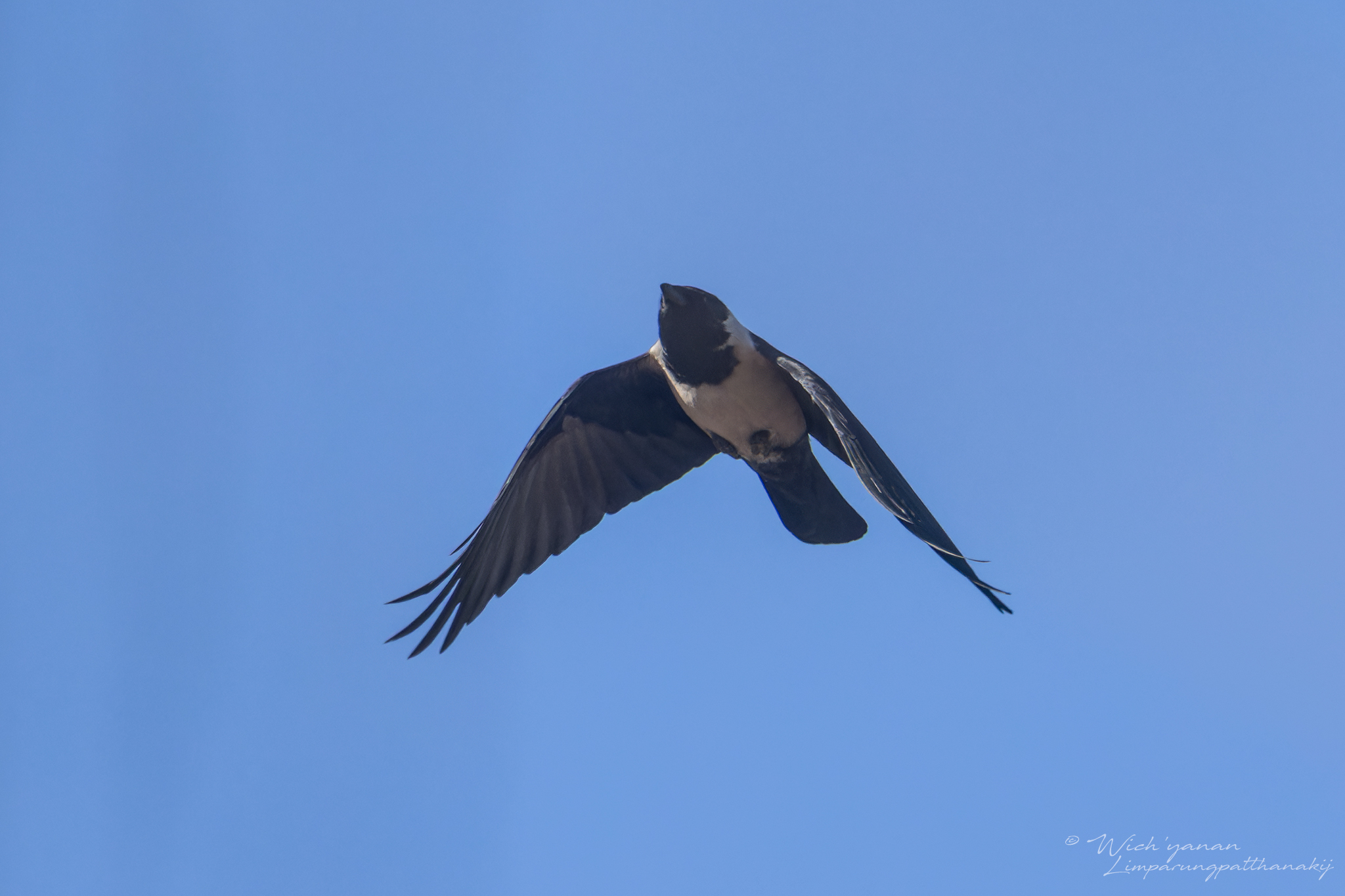
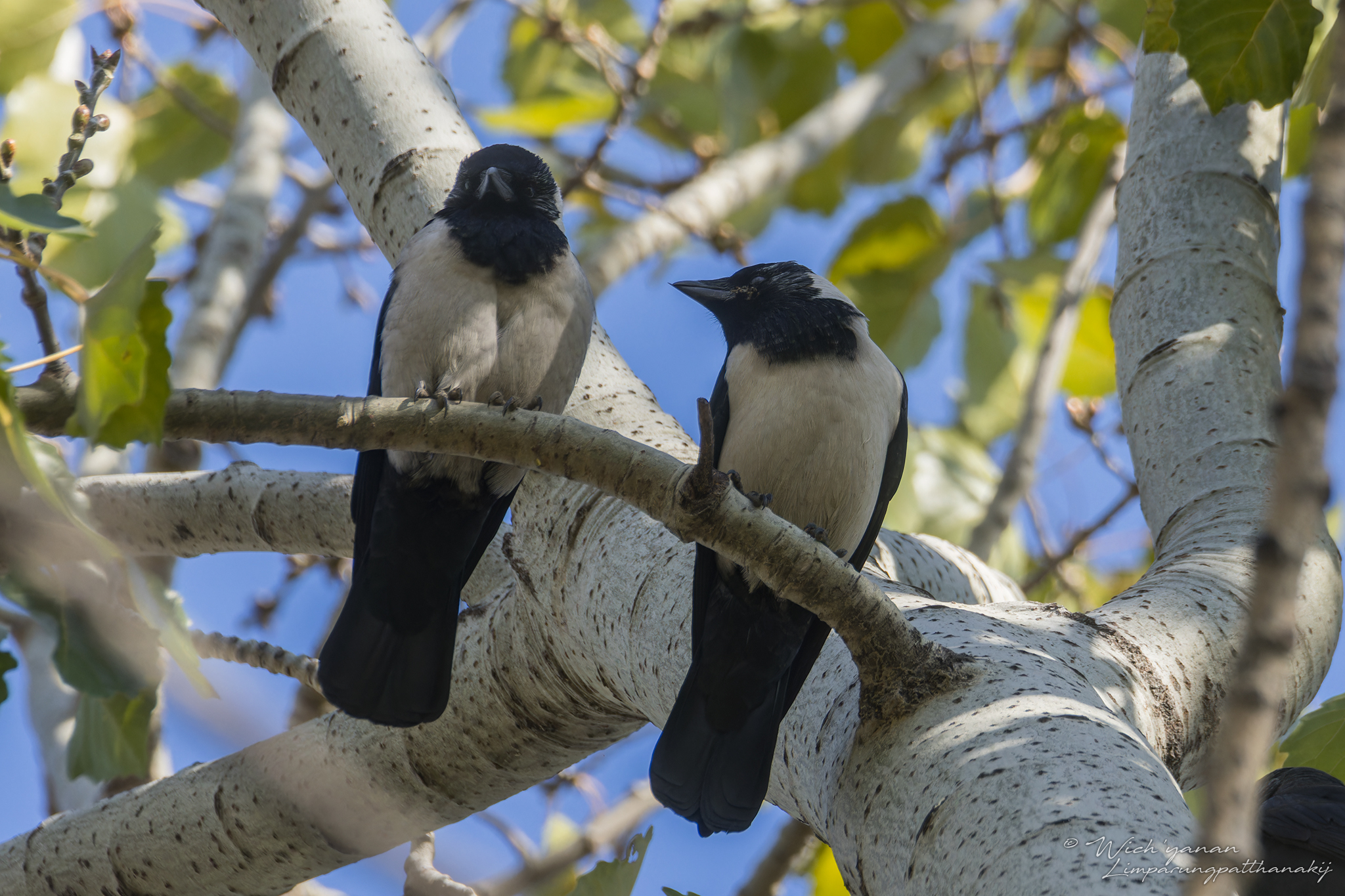
Around 32 cm (13 in) in length, about the same size as or slightly smaller than the western jackdaw. Many adults have large areas of creamy white on the lower parts extending up around the neck as a broad collar. The head, throat, wings, and tail are glossy black, and the ear coverts are grizzled grey. Darker adults and young birds resemble western jackdaws but have black irises, unlike the distinctive grey-white irises of the Eurasian jackdaw.
Identification
Key marks include creamy white lower parts with a broad collar in many adults, glossy black upperparts, and grizzled grey ear coverts. Distinguished from the Eurasian jackdaw by black irises rather than grey-white. Much smaller than the Chinese collared crow, the only other pied corvid in the region, making confusion unlikely.
Distribution & Habitat
Ranges from southern eastern Siberia south to Mongolia and throughout much of China. Migrates further south in winter in the north of its range. A scarce winter visitor to Korea, a rare annual winter visitor to Japan, and a vagrant to Taiwan, with few records from Western Europe. Inhabits open woodland, river valleys, and open hills and mountains.
Behavior & Ecology
A sociable species often found in association with rooks. Diet includes cultivated grains, insects, berries, eggs, carrion, and faeces. Nests in trees where suitable cavities cannot be found, though tree hollows, rock openings, and ruined buildings are favoured.
Source: Wikipedia · CC BY-SA 3.0
Taxonomy
- Order
- Passeriformes
- Family
- Corvidae
- Genus
- Coloeus
Distribution
southern Siberia to Mongolia, northern China, and southeastern Tibet; winters to southern China
Vocalizations
Data Sources
Species description from Wikipedia, licensed under CC BY-SA 3.0.
Bird images and sounds sourced from GBIF, contributed by citizen scientists worldwide under Creative Commons licenses.
Taxonomy data from AviList 2025.