Hen Harrier
Circus cyaneus
白尾鹞
Introduction
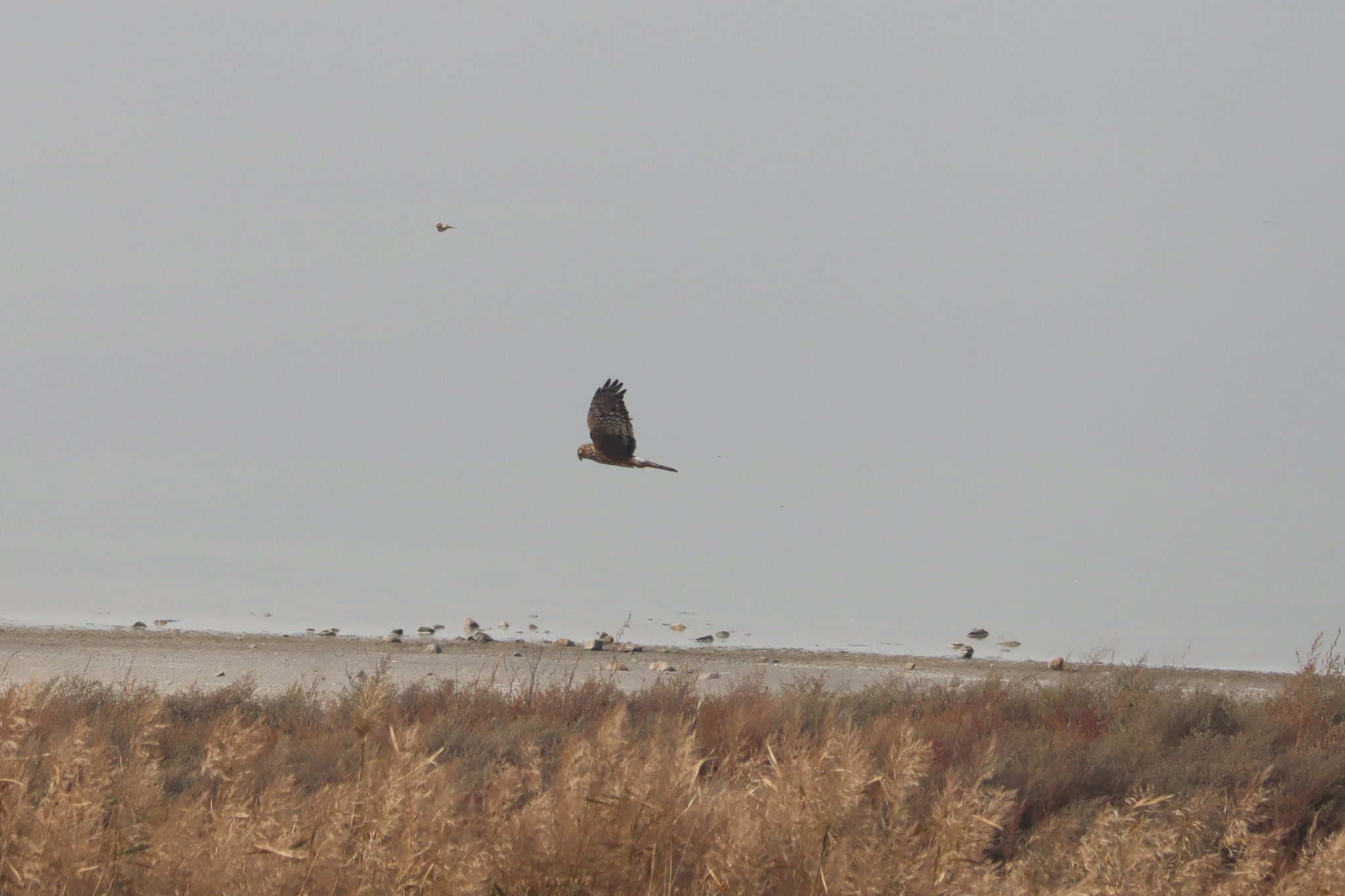
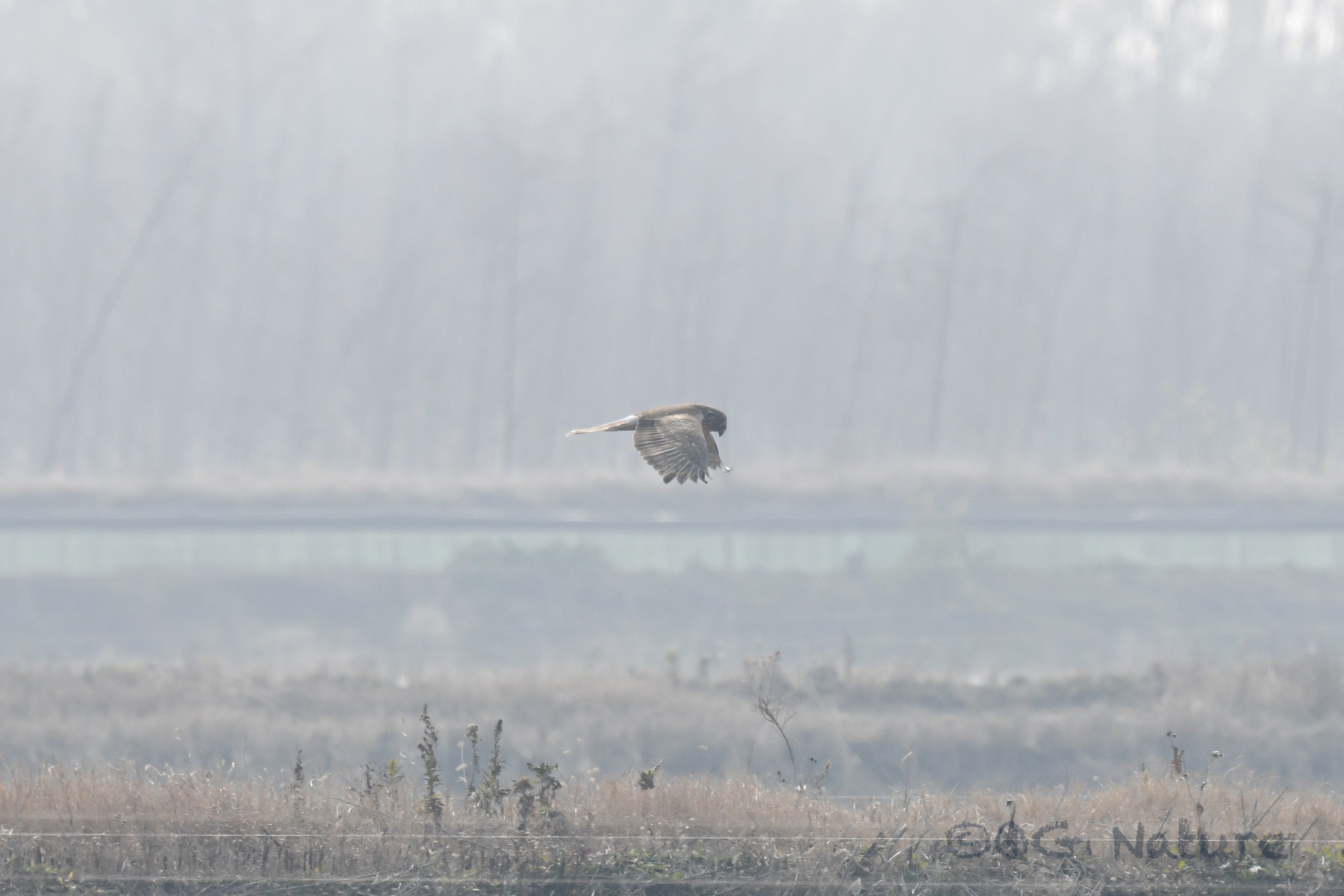
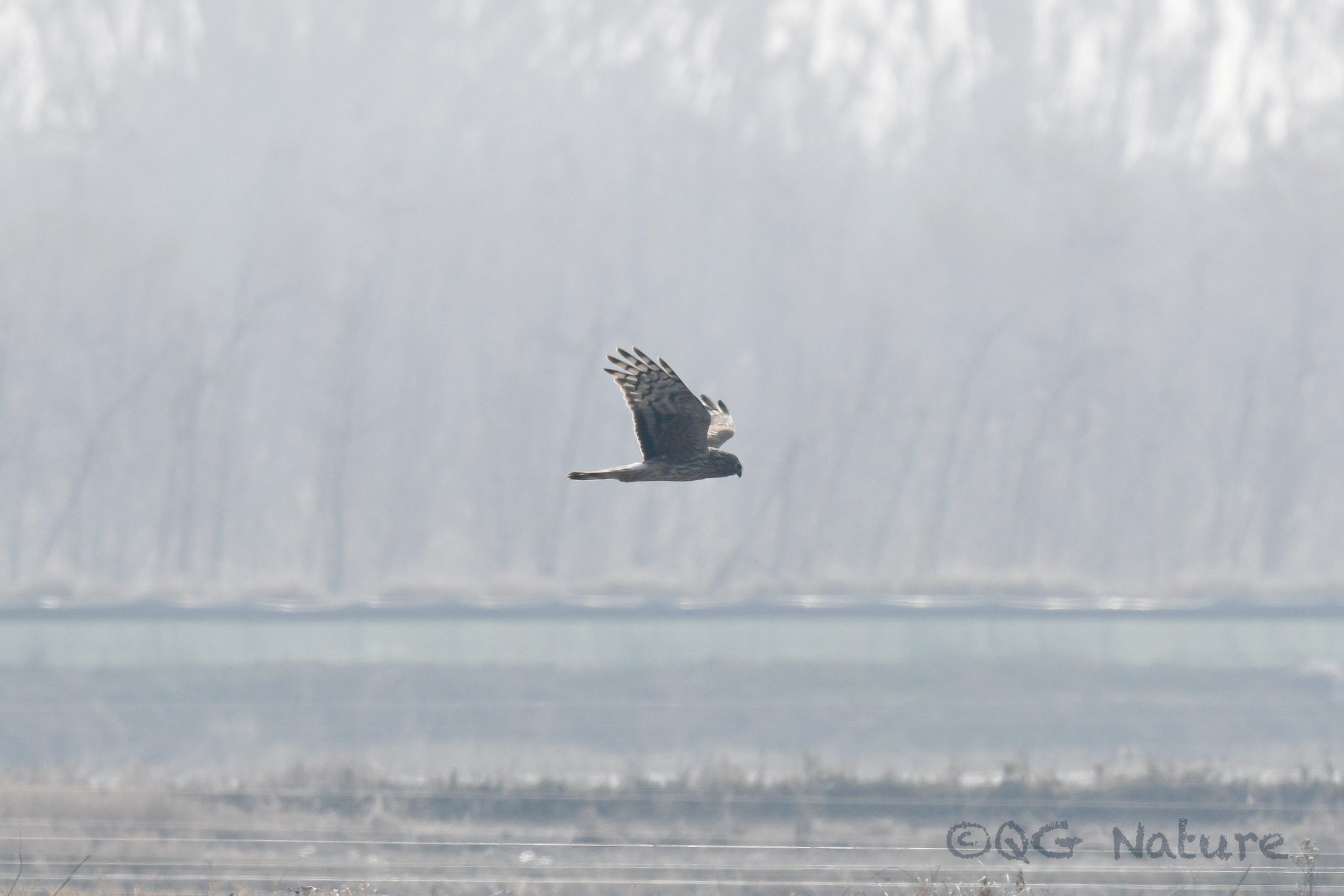
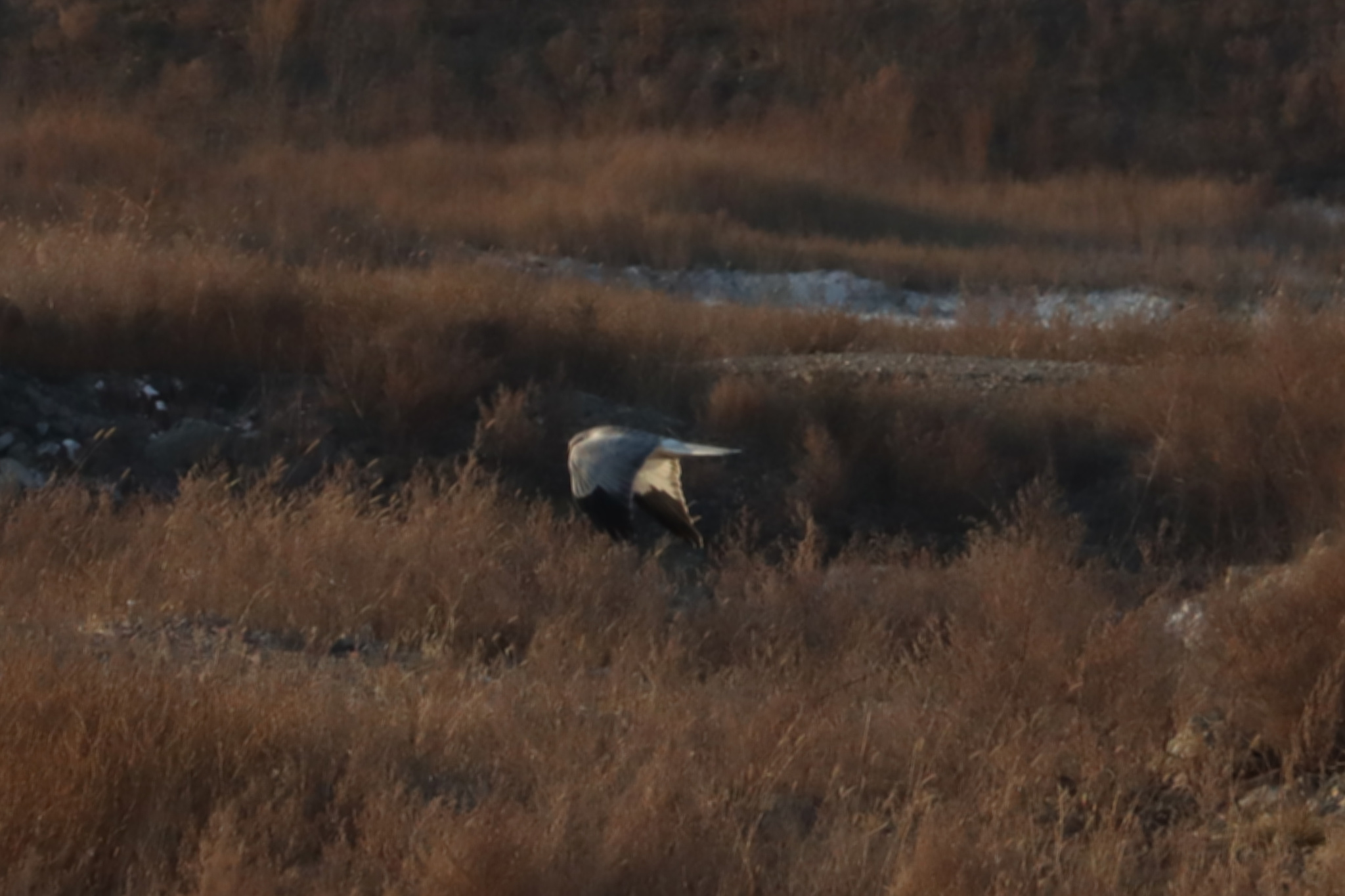
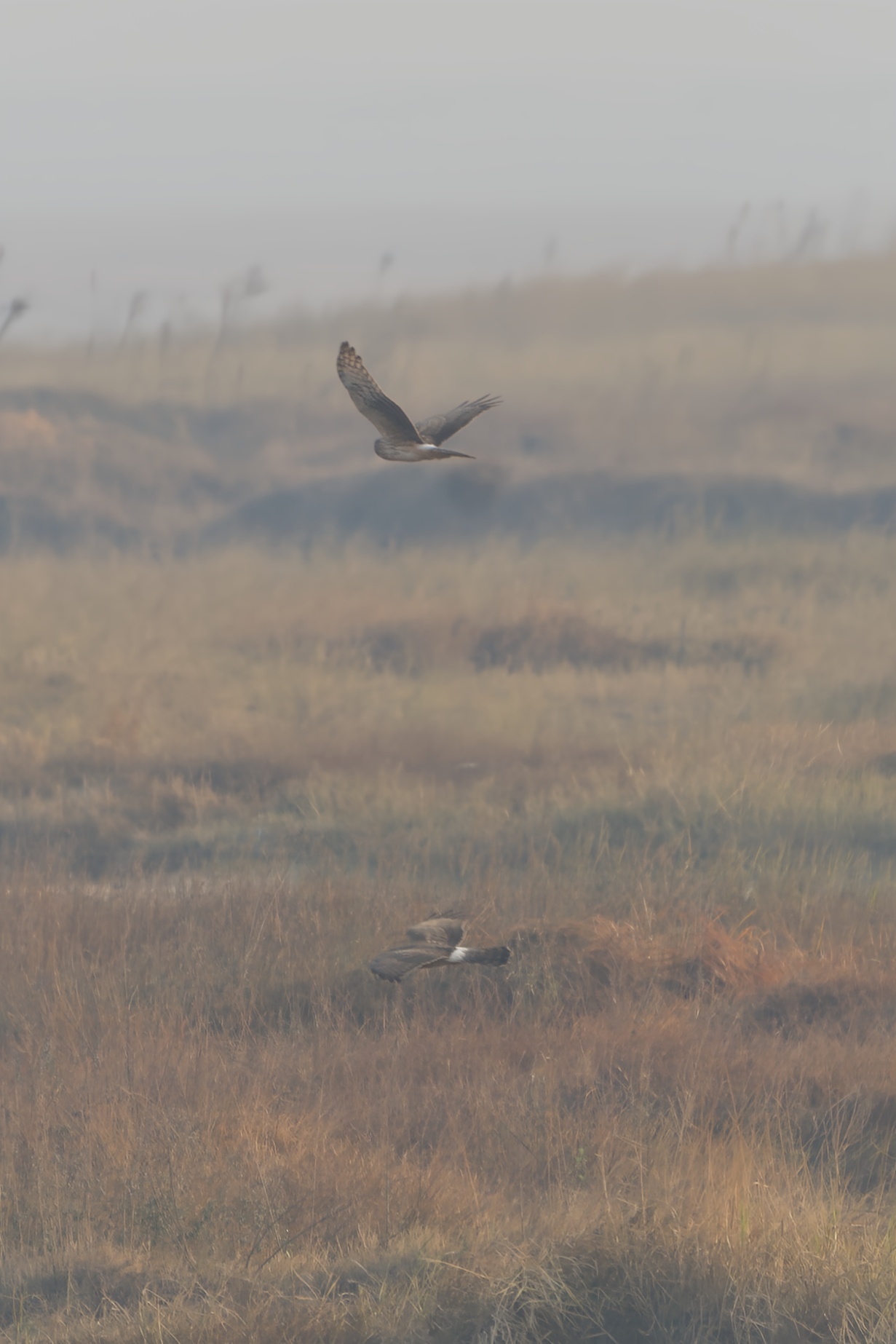
This medium-sized harrier breeds across the marshes and grasslands of Eurasia. Western populations in France and Great Britain are resident year-round, while high-altitude populations migrate south for winter. Males are grey-and-white with black wingtips; females are larger with brown plumage, buff underparts barred in brown. Both sexes have a white rump patch, which is more conspicuous in females and juveniles. The species inhabits open countryside and performs aerial displays during the breeding season.
Description
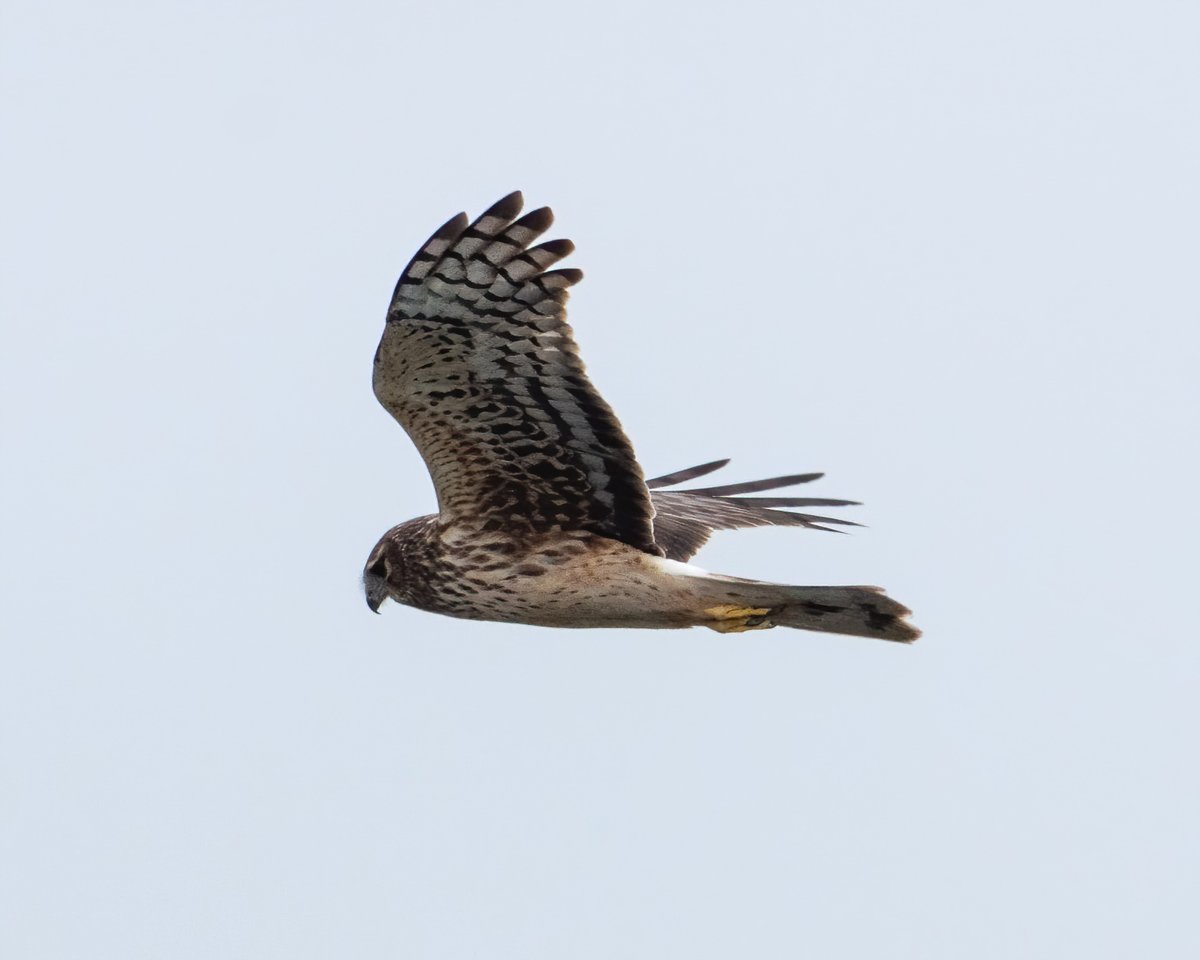
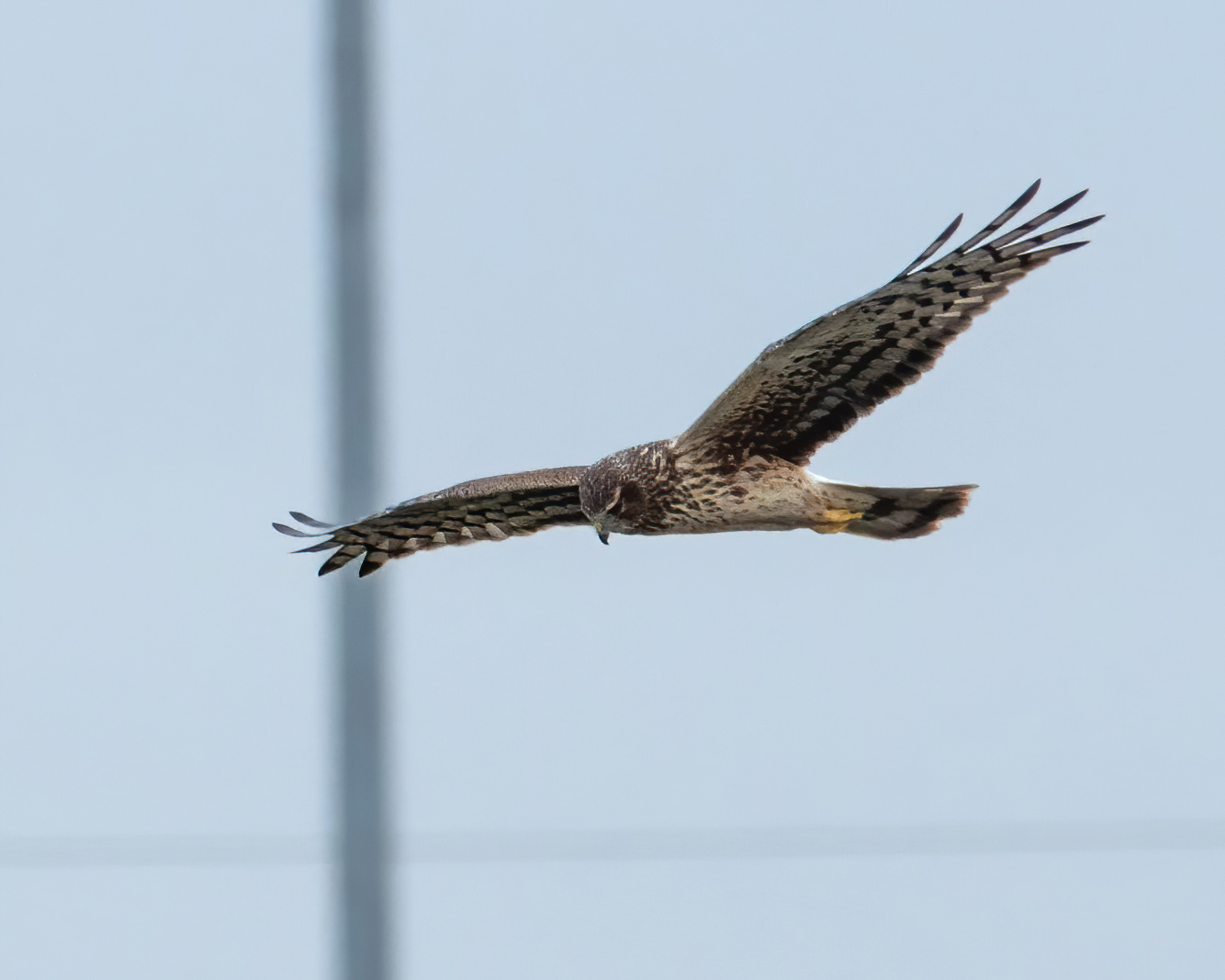
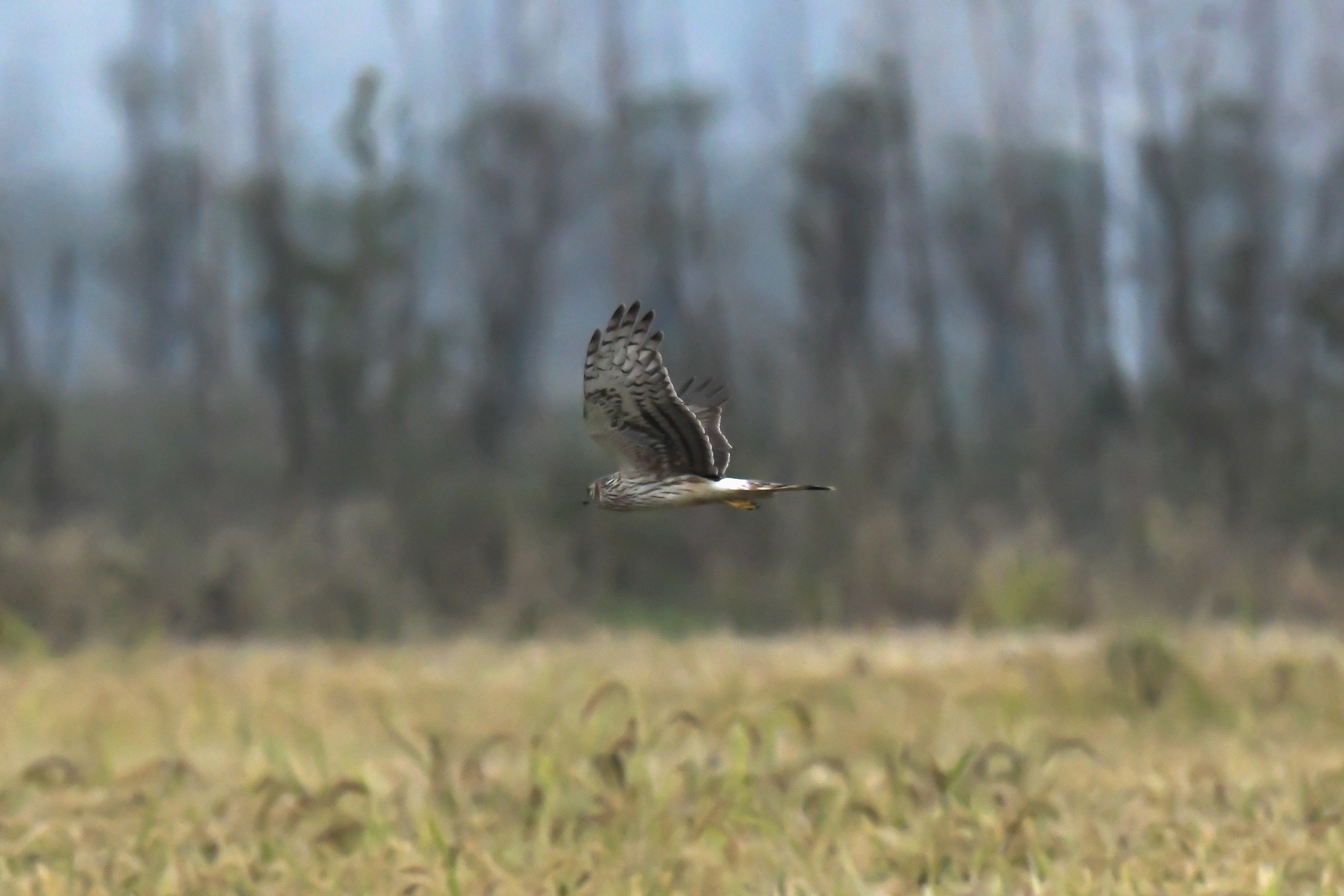
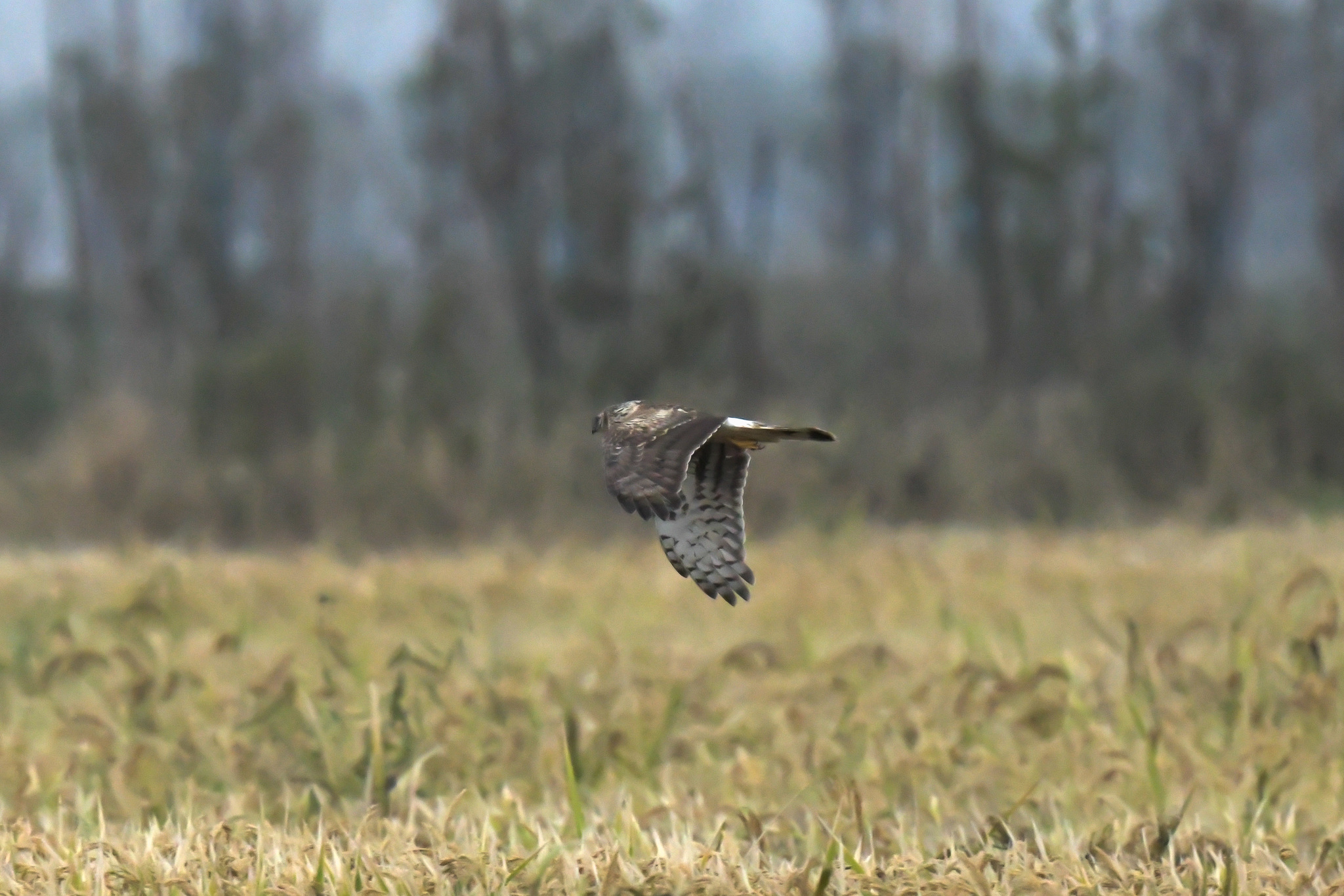
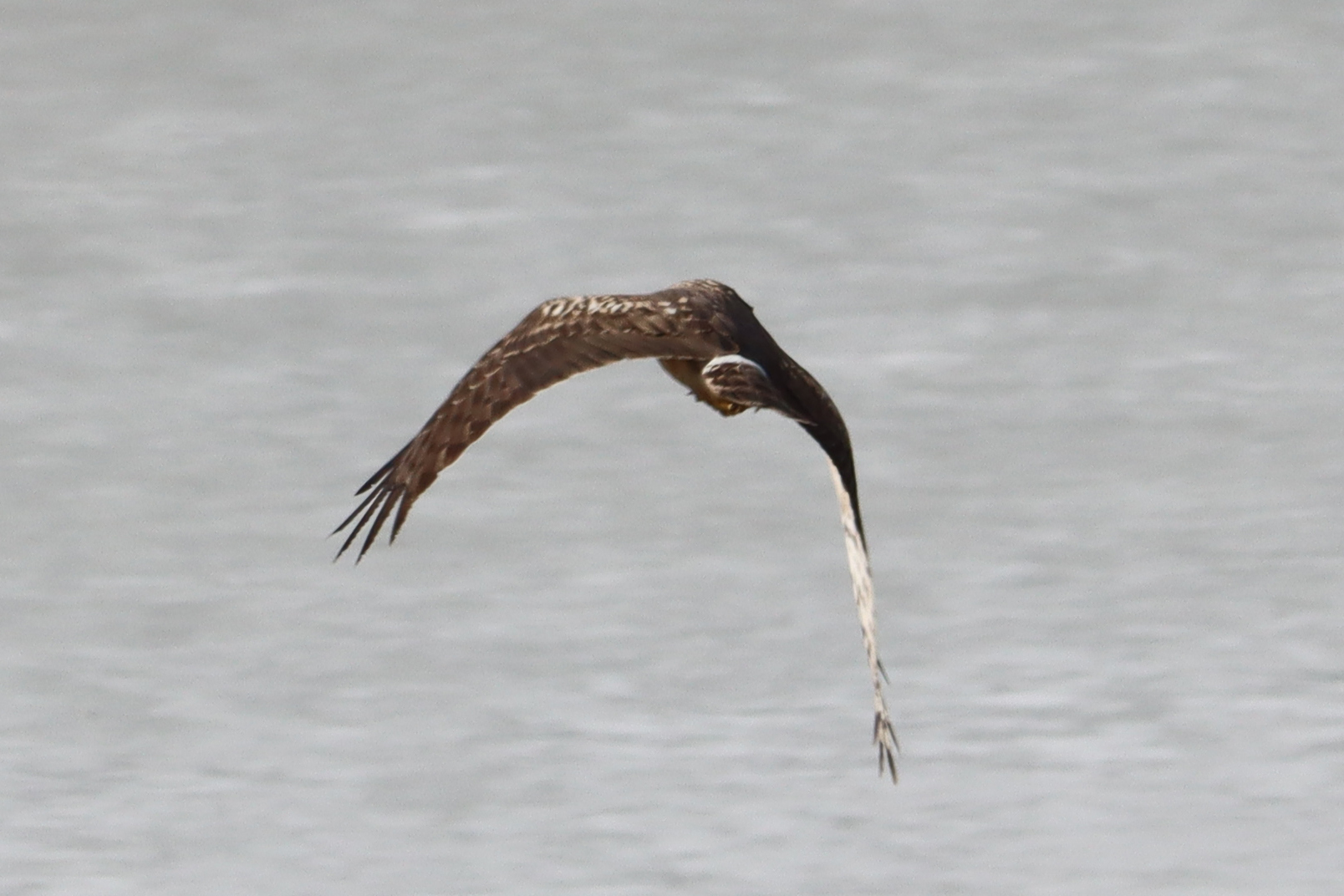
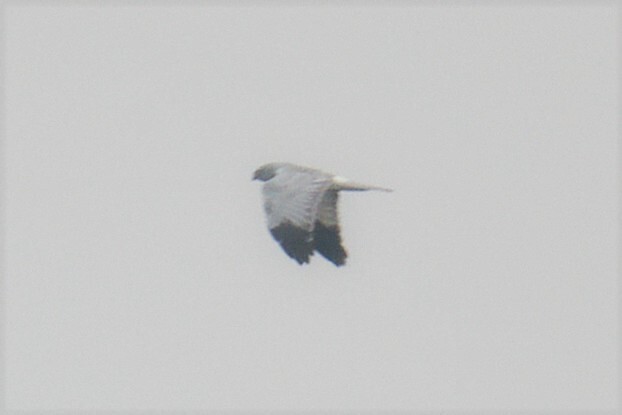
A medium-sized harrier measuring 41–52 cm in length with a generous wingspan of 97–122 cm. Males weigh 290–400 g while females are substantially larger at 390–750 g. The species is characterized by long, slim wings and an elongated tail. The male is predominantly grey above and white below, with grey upper breast and distinctive black wingtips contrasting against grey wing surfaces. The female is brown above with white upper tail coverts giving her the 'ringtail' appearance, while her underparts are buff-coloured with distinct brown barring. Juveniles resemble females but show less defined barring, darker brown secondaries, and a less-barred belly. Standard measurements include wing chord 32.8–40.6 cm, tail length 19.3–25.8 cm, and tarsus 7.1–8.9 cm.
Identification
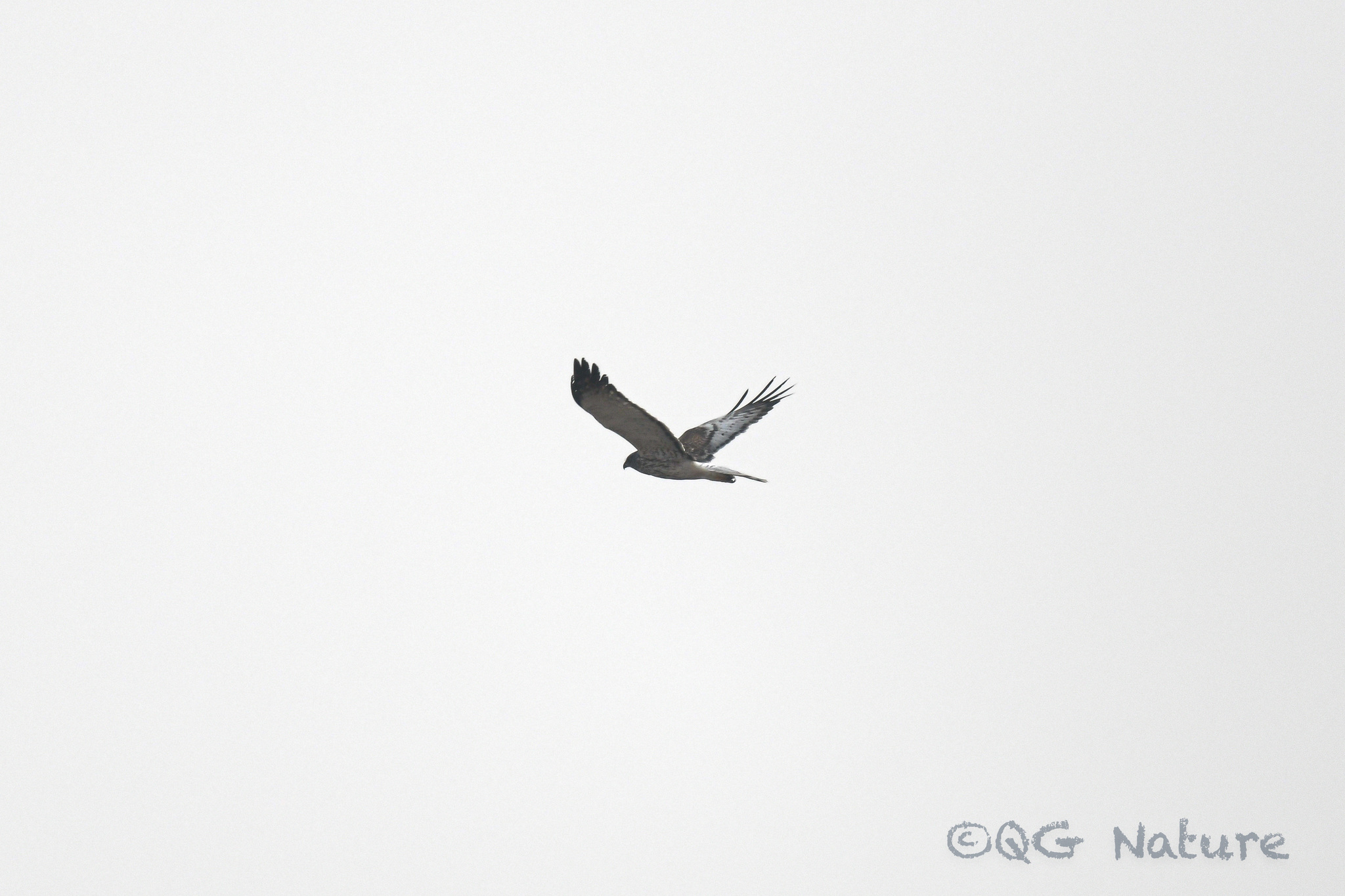
This species is most easily identified by its distinctive low, gliding flight with wings held in a shallow V, hugging the contours of the land. The prominent white rump patch is a key field mark visible at considerable distance. Males are unmistakable with their grey plumage and black wingtips, appearing almost ghostly against moorland backgrounds. Females and juveniles can be identified by their ringtail pattern and buff, barred underparts. The species differs from other harriers by its combination of size, plumage patterns, and habitat preferences. Short-eared owls share similar habitats and prey, but the harrier's longer wings and distinctive flight style help distinguish it. The owl-like facial disc, which aids hearing, is another useful identification feature.
Distribution & Habitat
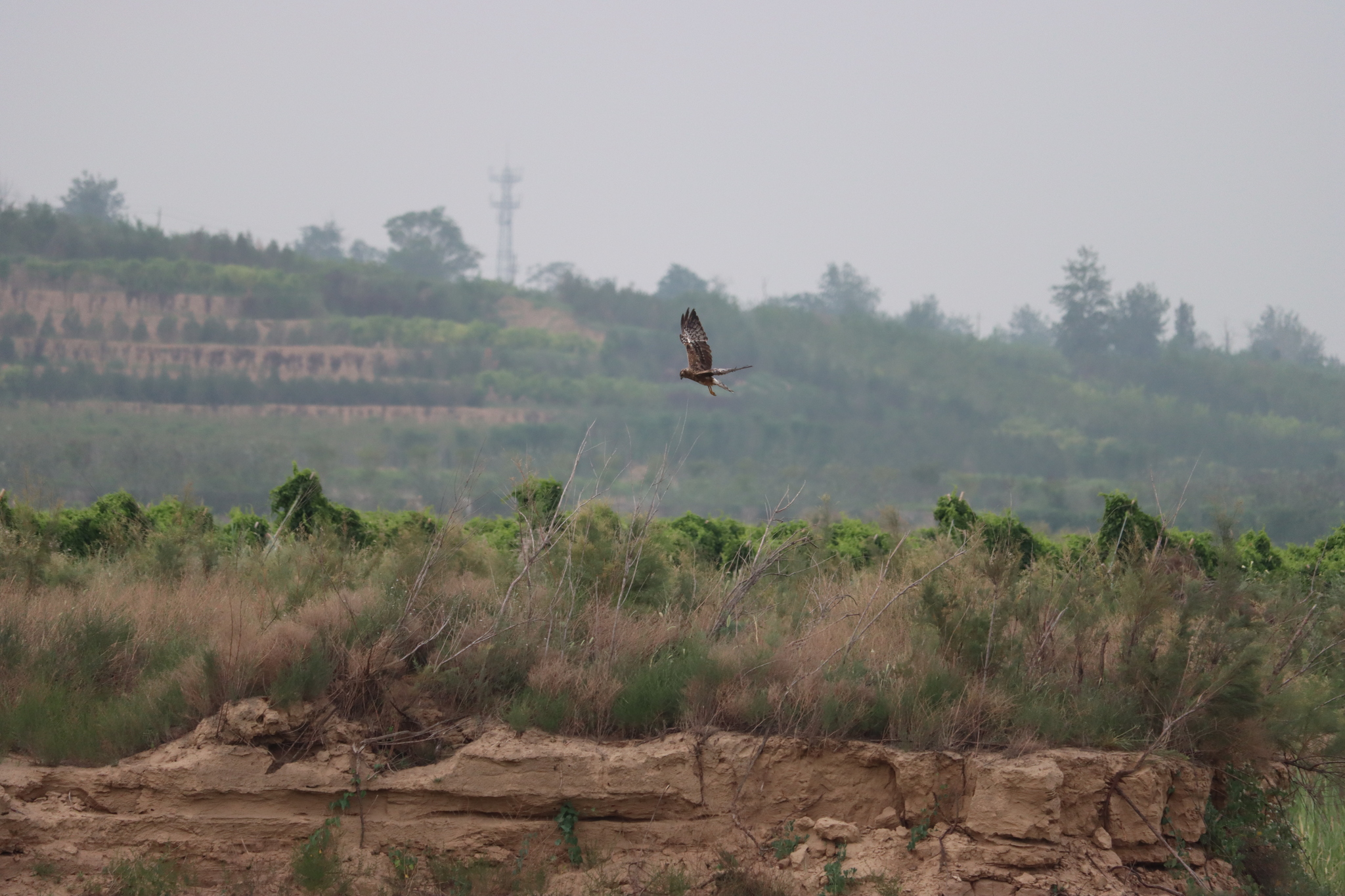
Breeds across open habitats throughout Eurasia, from western Europe eastwards to Siberia. In winter, northern populations migrate south to the Mediterranean, Middle East, and south Asia. Birds in milder western regions including France and Great Britain may remain resident year-round, while high-altitude breeders vacate their territories during winter months. The species inhabits a variety of open landscapes including moorland, bogs, marshes, grasslands, farmland, and swamps. It requires areas of rough vegetation for nesting and hunting, making it particularly associated with heathland, upland edges, and coastal marshes.
Behavior & Ecology
This harrier breeds on moorland, bogs, farmland, marshes, and grasslands, with males maintaining territories averaging 2.6 km². A notable breeding behavior is polygyny, with one male sometimes mating with up to five females in a season, a trait rare among raptors. The nest is built on the ground from sticks and lined with vegetation, where the female lays four to eight eggs. She incubates for 31–32 days while the male provides food. Chicks fledge at around 36 days. The diet consists primarily of small mammals (up to 95%), supplemented by birds, amphibians, and insects. Hunting involves low, coursing flight over open ground, with the species using exceptionally good hearing for a diurnal raptor. In winter, it roosts communally with merlins and marsh harriers.
Conservation
Classified as Least Concern on the IUCN Red List due to its wide range and relatively stable global population, though evidence of decline exists. However, the species faces a critical situation in Britain and Ireland, where habitat loss and illegal shooting on grouse moors have caused severe population crashes. Despite sufficient habitat to support over 300 breeding pairs in England, only 34 successful nests were recorded in 2022. The UK population is on the British red list, with Scottish numbers declining 27% between 2004 and 2016. The RSPB identifies this as the most persecuted bird of prey in the UK relative to population size, with 102 confirmed persecution incidents between 2020 and 2024. Afforestation with non-native conifers also reduces suitable breeding habitat.
Culture
In some parts of Europe, folklore held that seeing a hen harrier perched on a house was an omen that three people would die. Despite this superstition, farmers historically viewed the species favorably because it preyed upon predators of quail eggs and mice that damaged crops, earning it the nickname 'good hawk' for its relatively harmless relationship with poultry. In the United Kingdom, however, the bird's predation on red grouse has made it unpopular among some landowners, leading to illegal persecution including shooting, trapping, and nest destruction. This complex relationship with human interests has shaped both the species' cultural perception and its conservation challenges in different regions.
Source: Wikipedia · CC BY-SA 3.0
Taxonomy
- Order
- Accipitriformes
- Family
- Accipitridae
- Genus
- Circus
- eBird Code
- norhar1
Distribution
breeds Europe and central and northern Asia; winters to northern Africa and southern Asia
Data Sources
Species description from Wikipedia, licensed under CC BY-SA 3.0.
Bird images and sounds sourced from GBIF, contributed by citizen scientists worldwide under Creative Commons licenses.
Taxonomy data from AviList 2025.