Galliformes / Phasianidae / Chrysolophus
Lady Amherst's Pheasant
Chrysolophus amherstiae · 白腹锦鸡
Introduction
A bird of the order Galliformes and family Phasianidae, native to southwestern China and far northern Myanmar. It inhabits dense, dark forests with thick undergrowth. Evaluated as Least Concern on the IUCN Red List.
Description
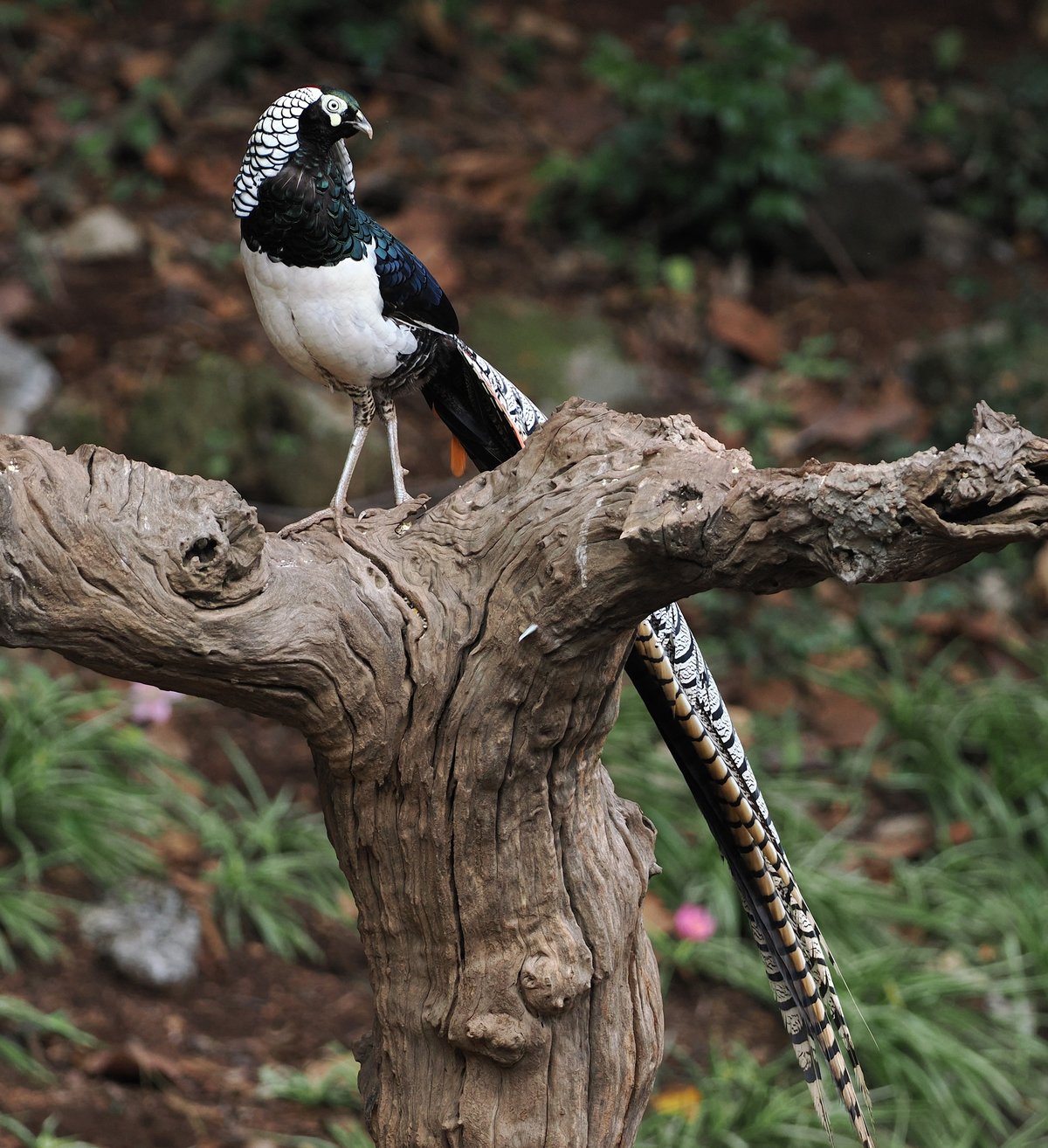
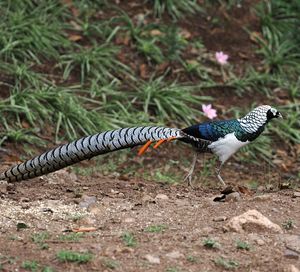
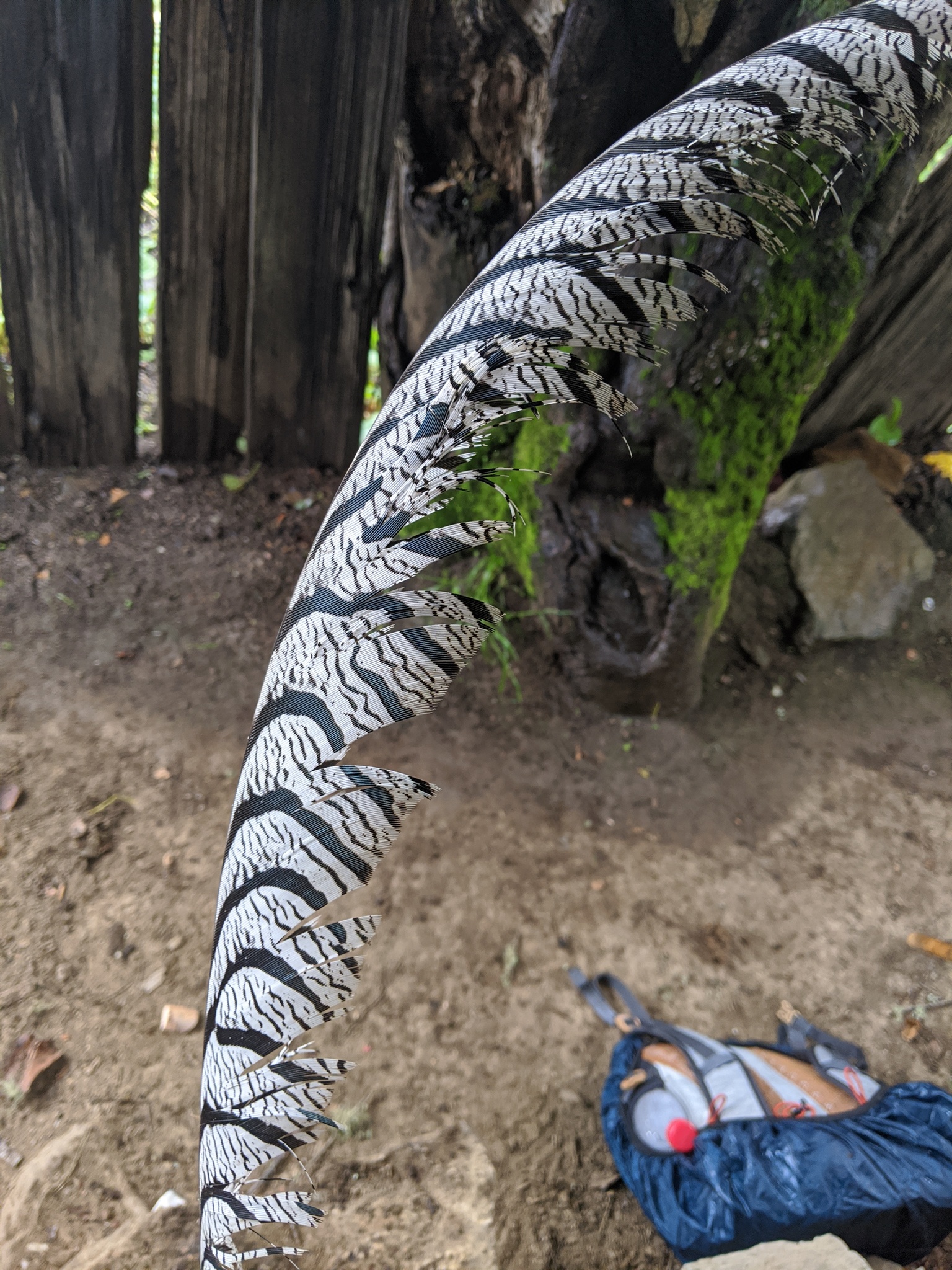
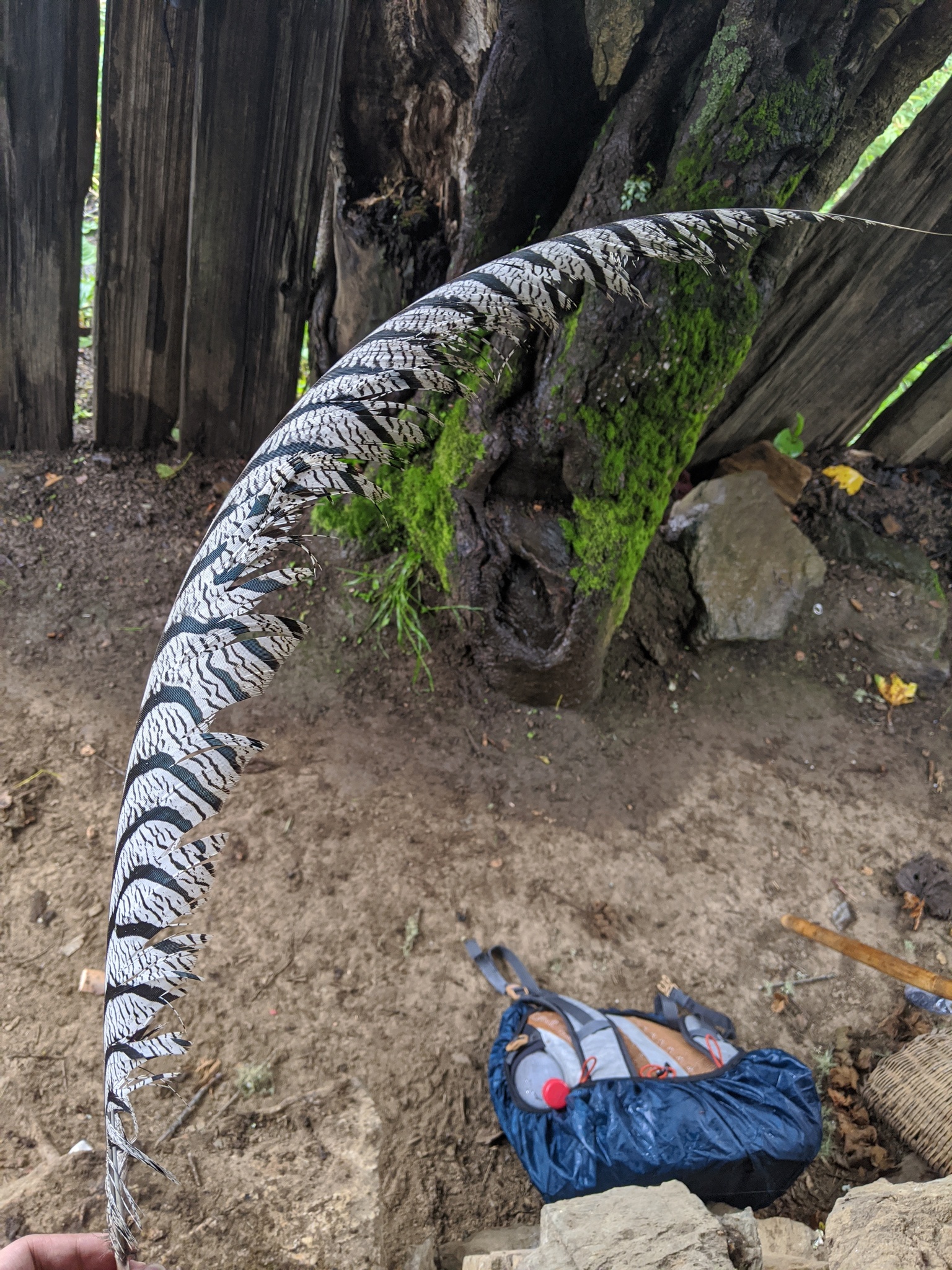
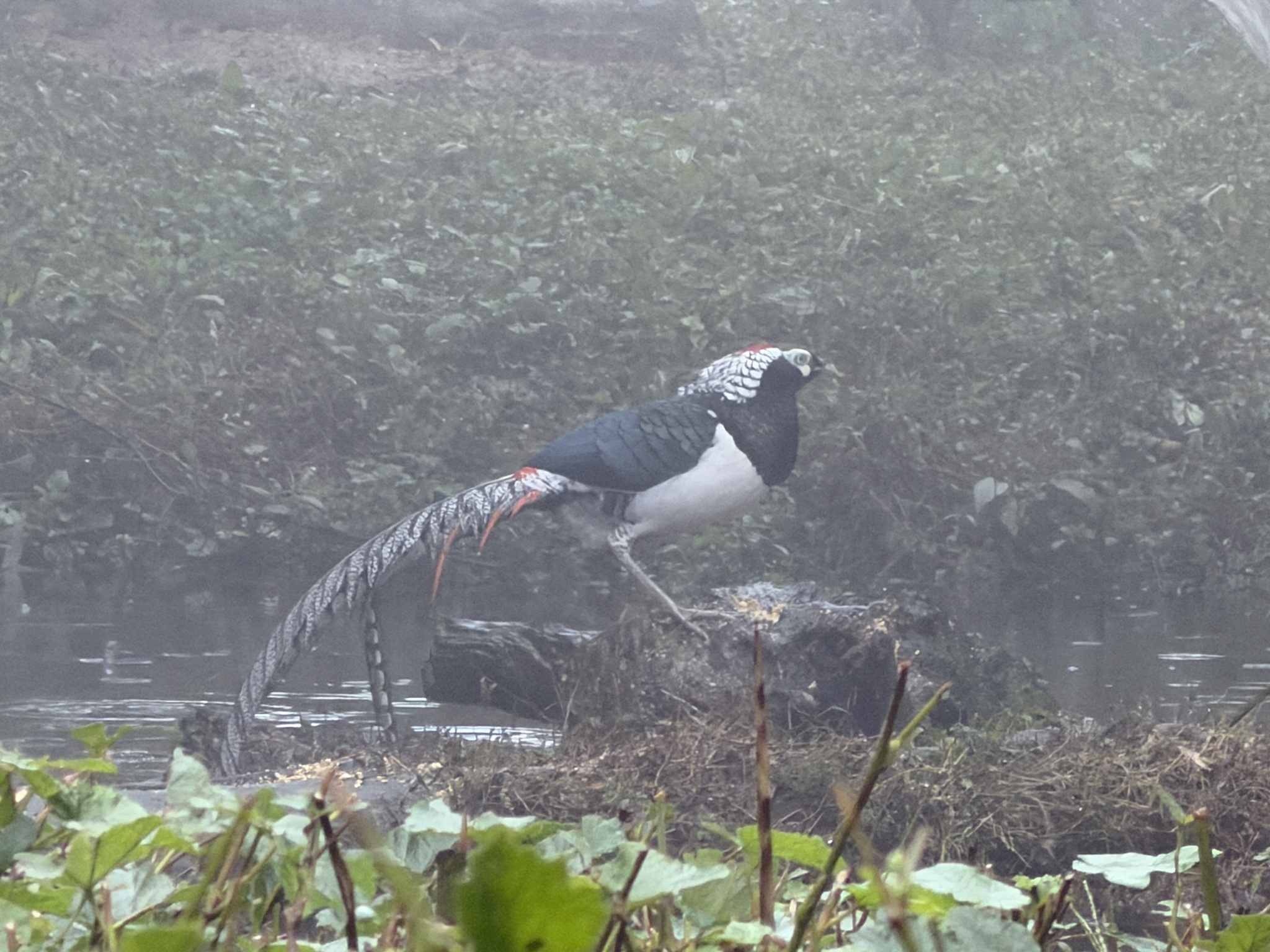
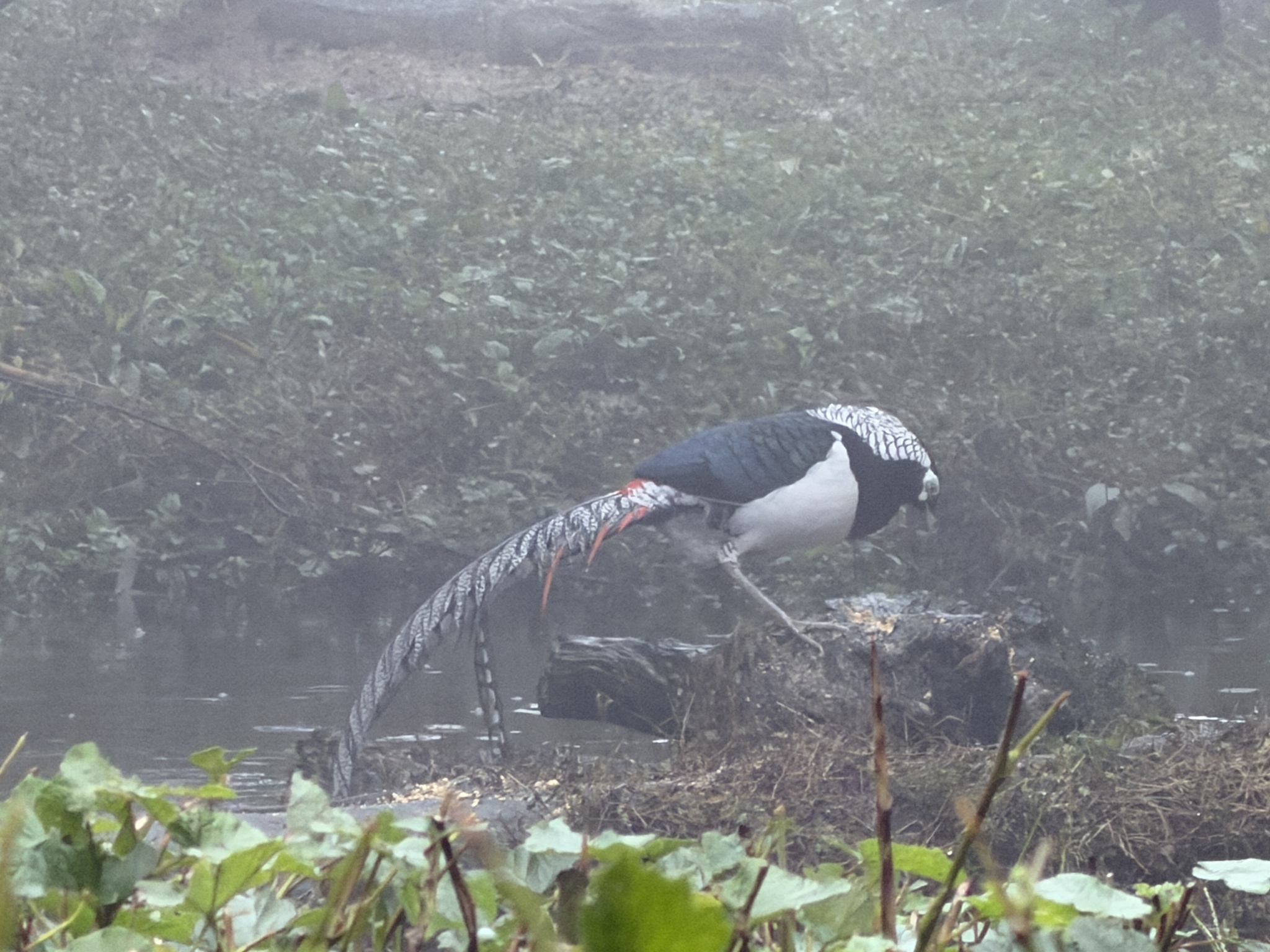
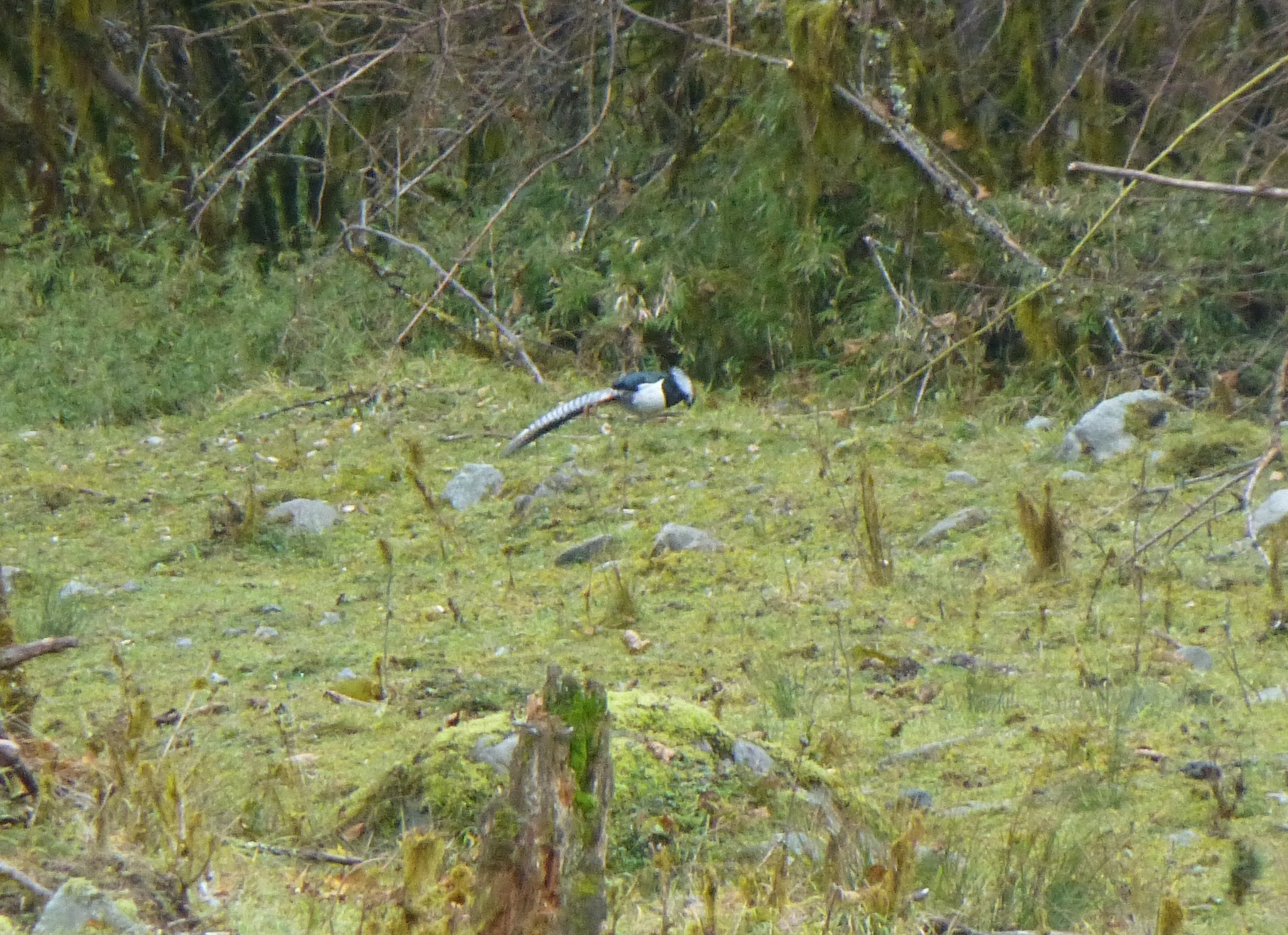
The adult male is 100–120 cm (39.5–47 in) in length, with a tail accounting for 80 cm (31 in). It features a white and black nuchal cape, a red crest, and blue-green bare skin around a yellow eye. The long tail is greyish-white with black bars and red streaks at the base. The chest and belly are white, the throat is scaled green, the back is dark green, wings are blue and brown, and the rump is yellow. The bill is horn-coloured and legs are blue-gray. The female has duller mottled brown plumage with finer barring than the female common pheasant, a darker head, and cleaner underparts than the female golden pheasant.
Identification
Males are unmistakable with their nuchal cape, red crest, and yellow eye surrounded by blue-green skin. They are slightly larger than the closely related golden pheasant. Females resemble female golden pheasants but have a darker head and cleaner underparts. When startled, they burst upwards at great speed with a distinctive wing sound.
Distribution & Habitat
Native to southwestern China and far northern Myanmar. Introduced populations were established in England, particularly West Bedfordshire, though believed locally extinct since 2015 with occasional sightings likely from escapees. In England, they interbred extensively with introduced golden pheasants and to a lesser degree with common pheasants.
Behavior & Ecology
Feeds on the ground on grain, leaves, and invertebrates, but roosts in trees at night. Prefers running to flying. The male emits a metallic call during the breeding season and can raise its cape in display.
Conservation
Evaluated as Least Concern on the IUCN Red List. Introduced British populations declined due to predation by Eurasian goshawks, destruction of woodland understorey by Reeves's muntjac, habitat loss from hardwood felling and replacement with commercial softwoods, increased human recreational use of woods, and isolation from loss of wildlife corridors.
Source: Wikipedia · CC BY-SA 3.0
Taxonomy
- Order
- Galliformes
- Family
- Phasianidae
- Genus
- Chrysolophus
Distribution
mountains of southeastern Tibet and southwestern China to northern Myanmar
Data Sources
Species description from Wikipedia, licensed under CC BY-SA 3.0.
Bird images and sounds sourced from GBIF, contributed by citizen scientists worldwide under Creative Commons licenses.
Taxonomy data from AviList 2025.