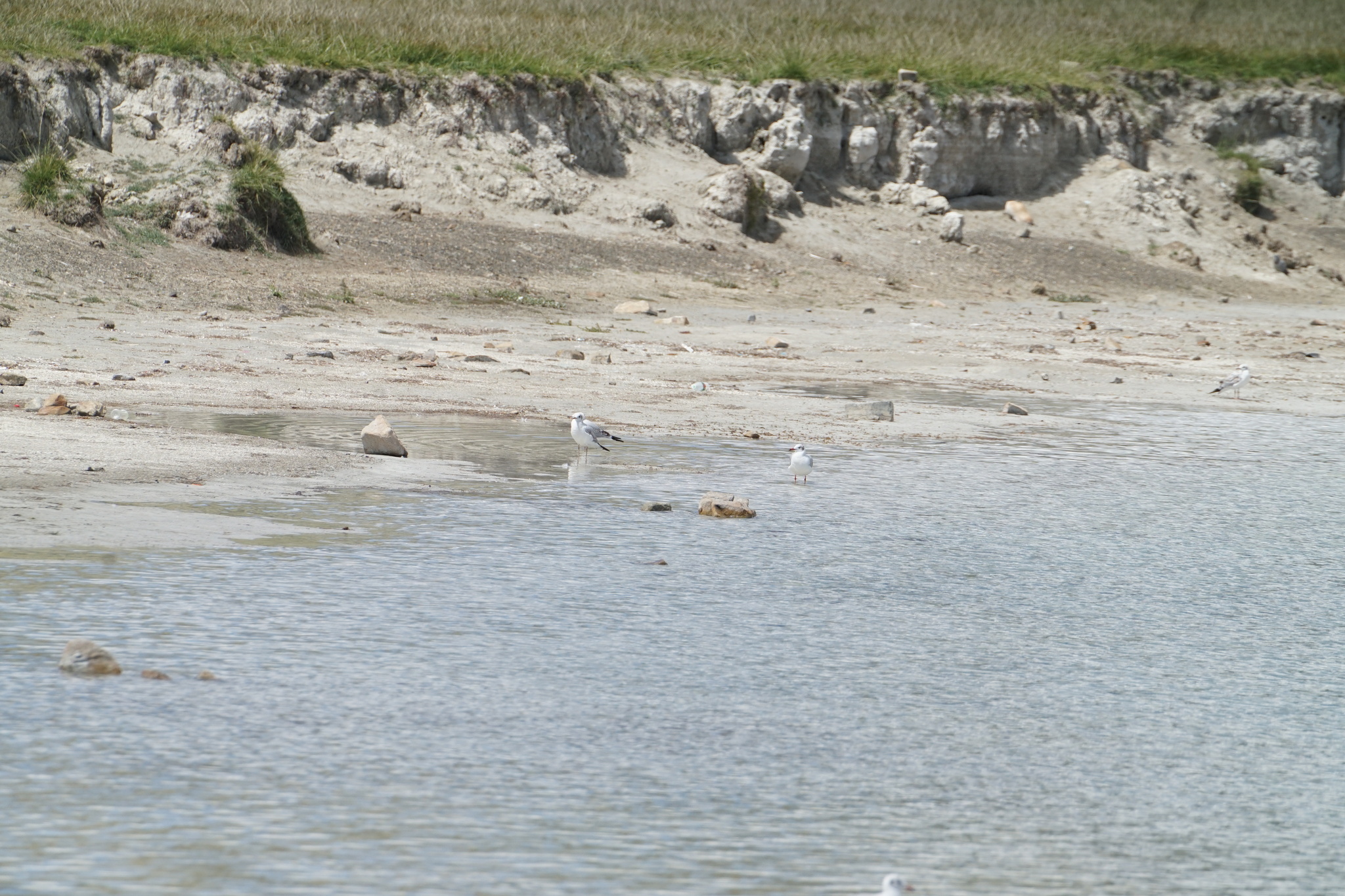
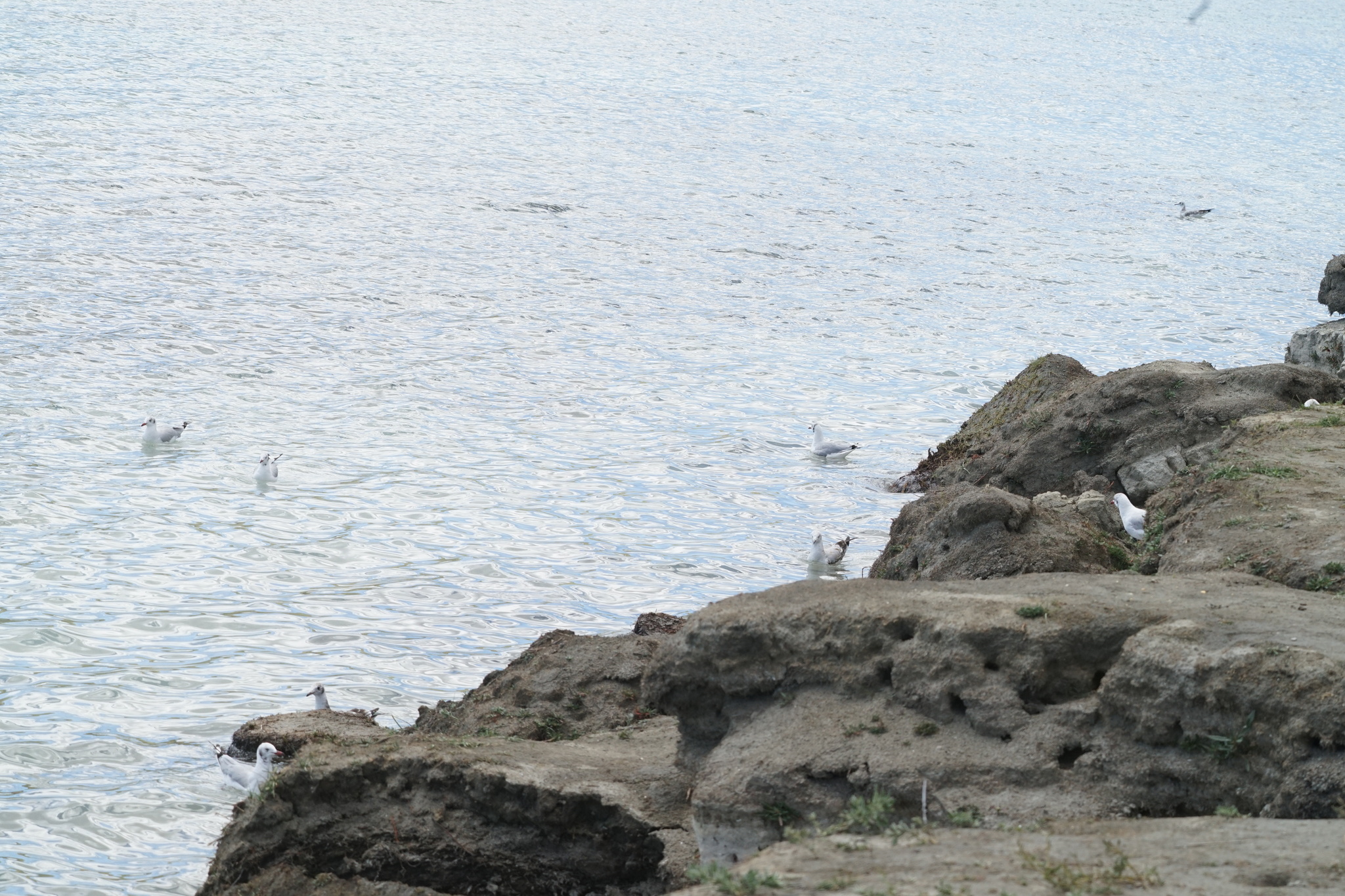
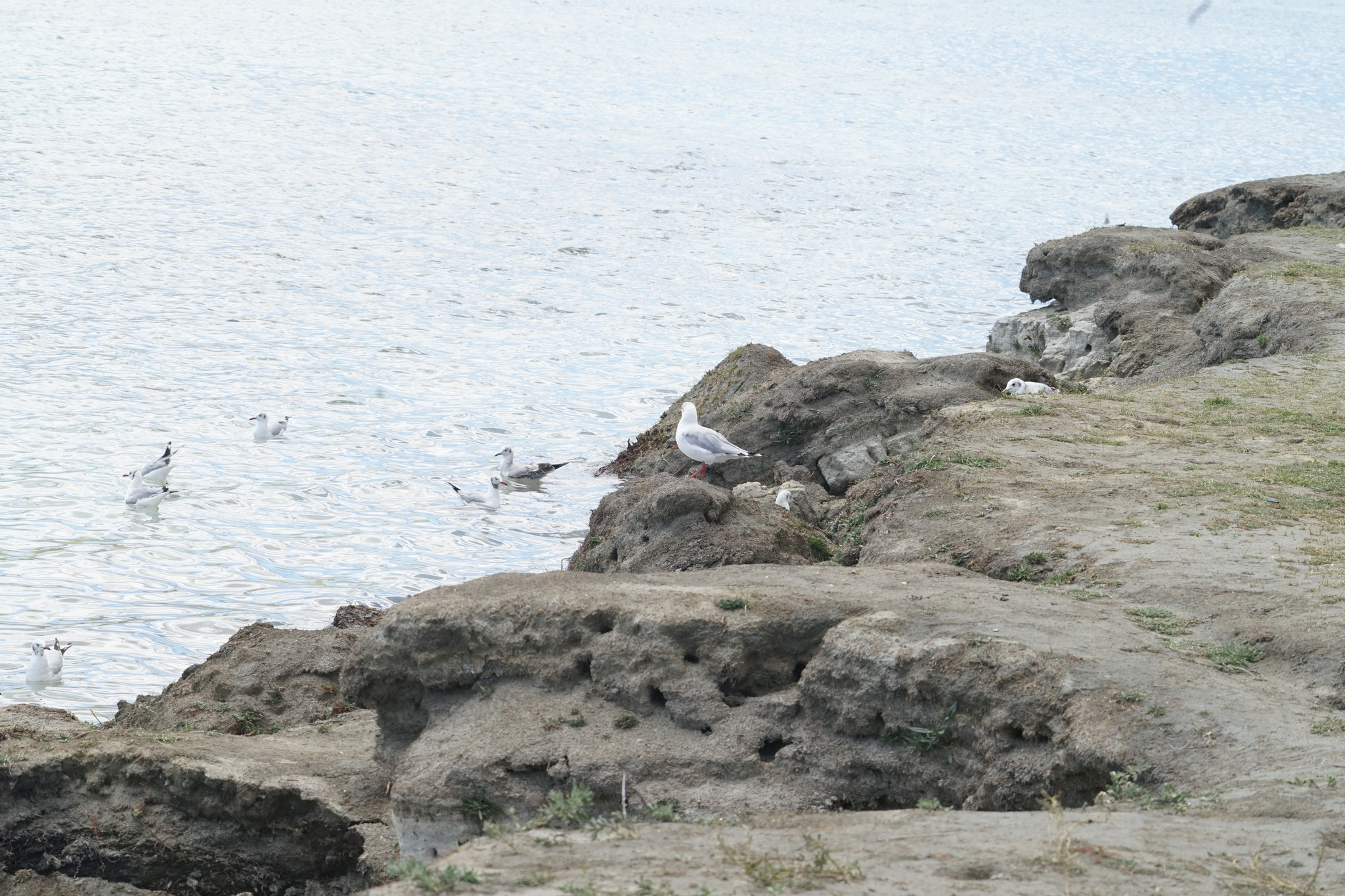
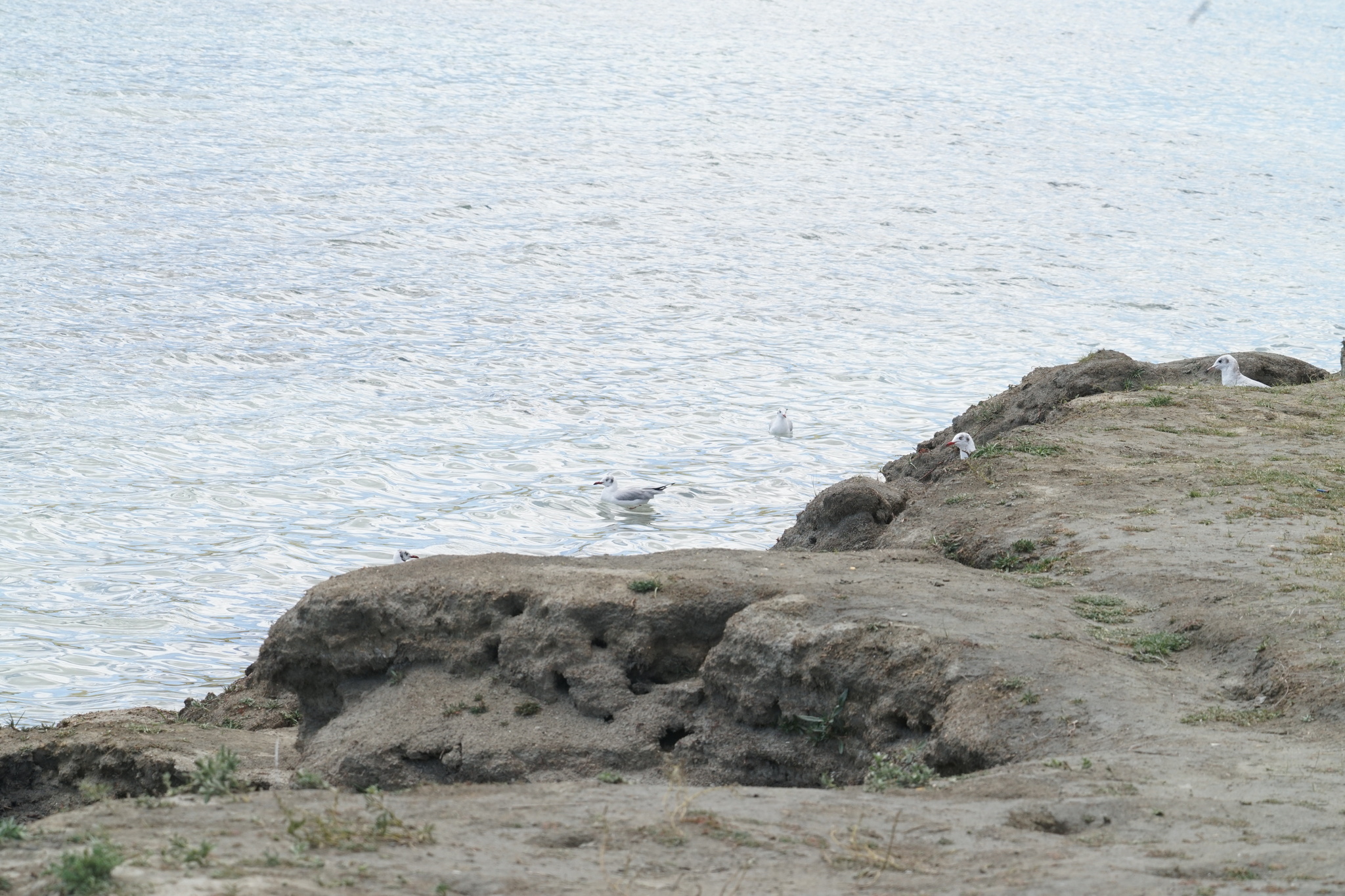
Charadriiformes / Laridae / Chroicocephalus
Brown-headed Gull
Chroicocephalus brunnicephalus · 棕头鸥
Introduction
A small gull species traditionally placed in the genus Larus. It breeds in the high plateaus of central Asia and migrates to winter on the coasts and large inland lakes of the Indian subcontinent. The species breeds in colonies, nesting on the ground in reedbeds, marshes, or on islands, and is highly gregarious in winter. It is not pelagic and is rarely seen far from coasts.
Description
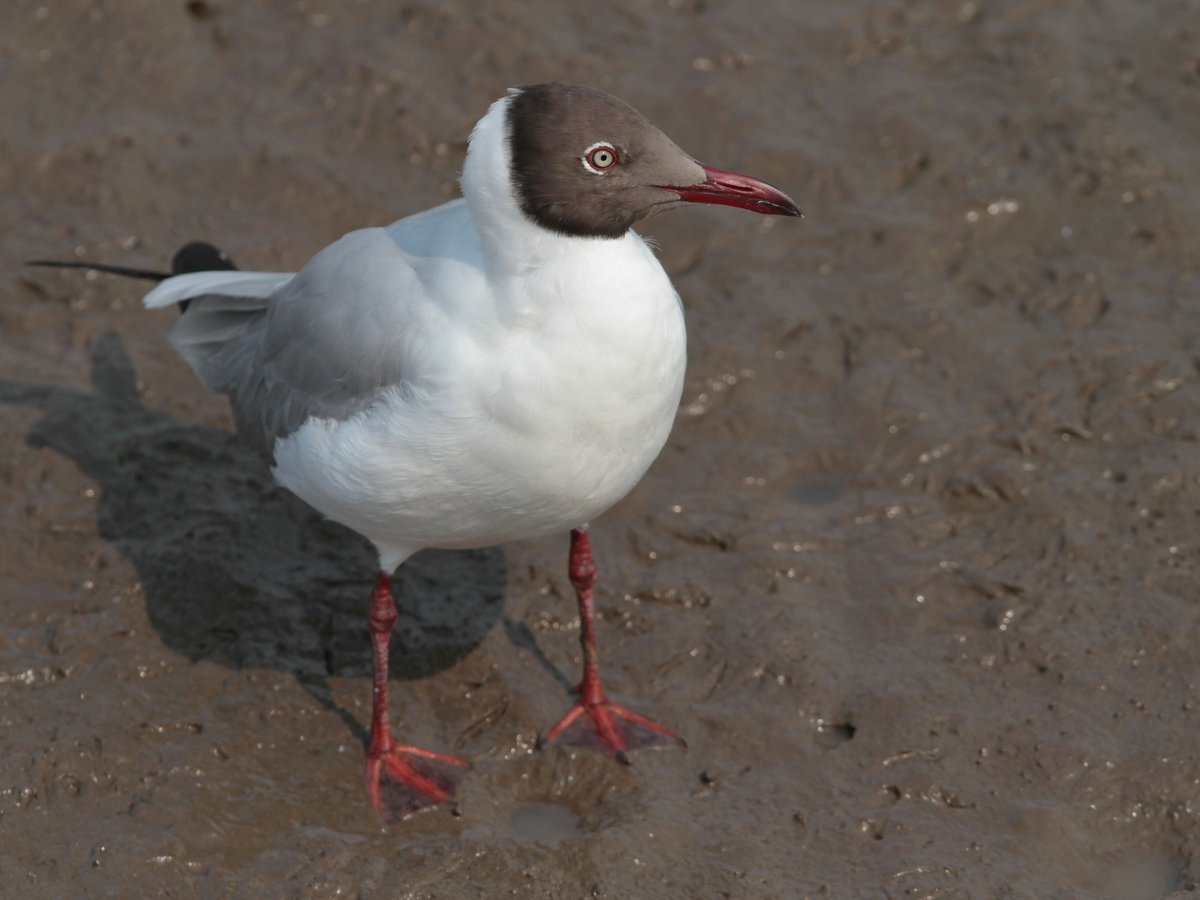
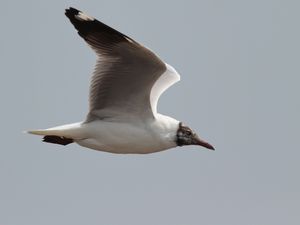
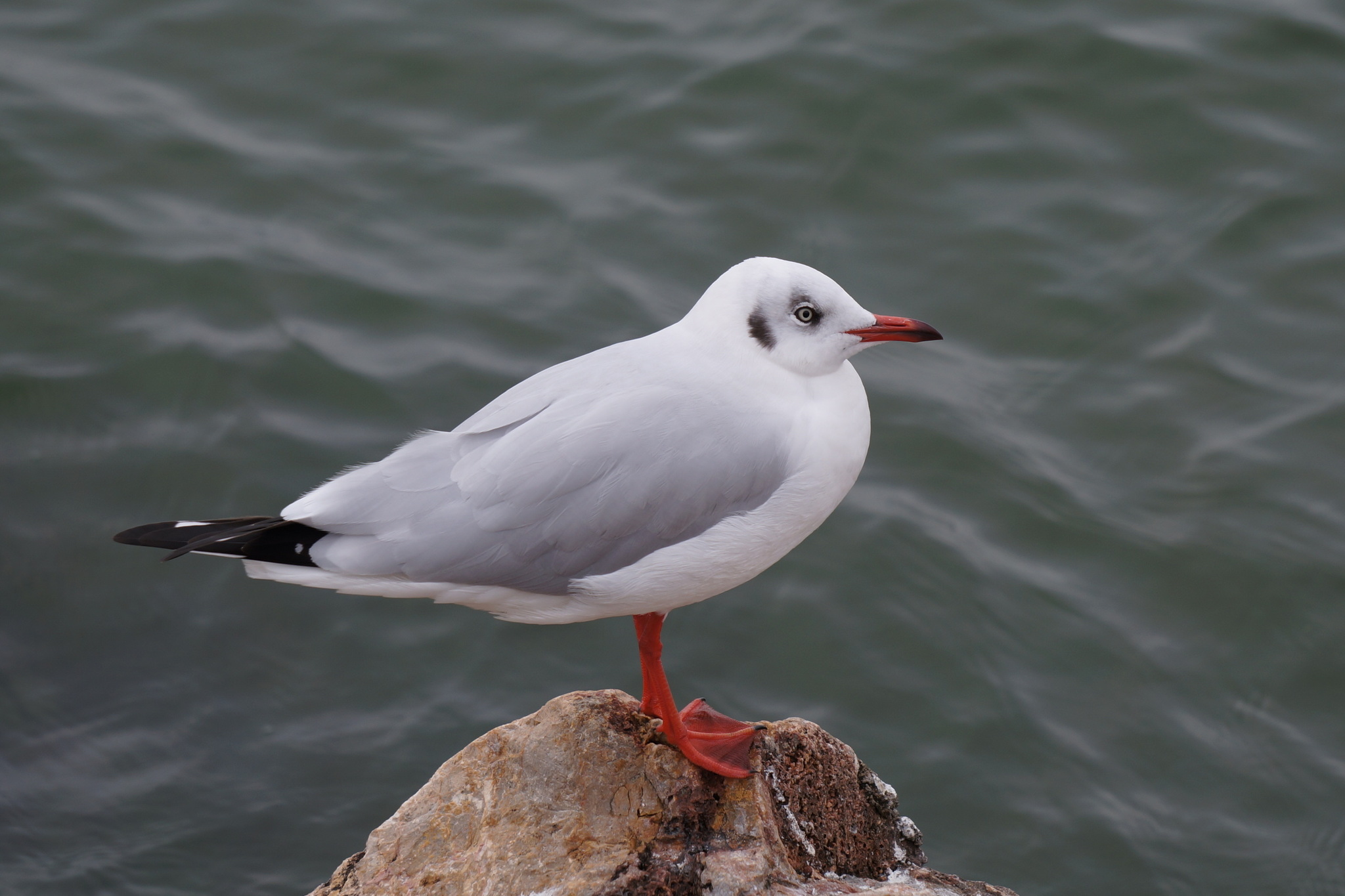
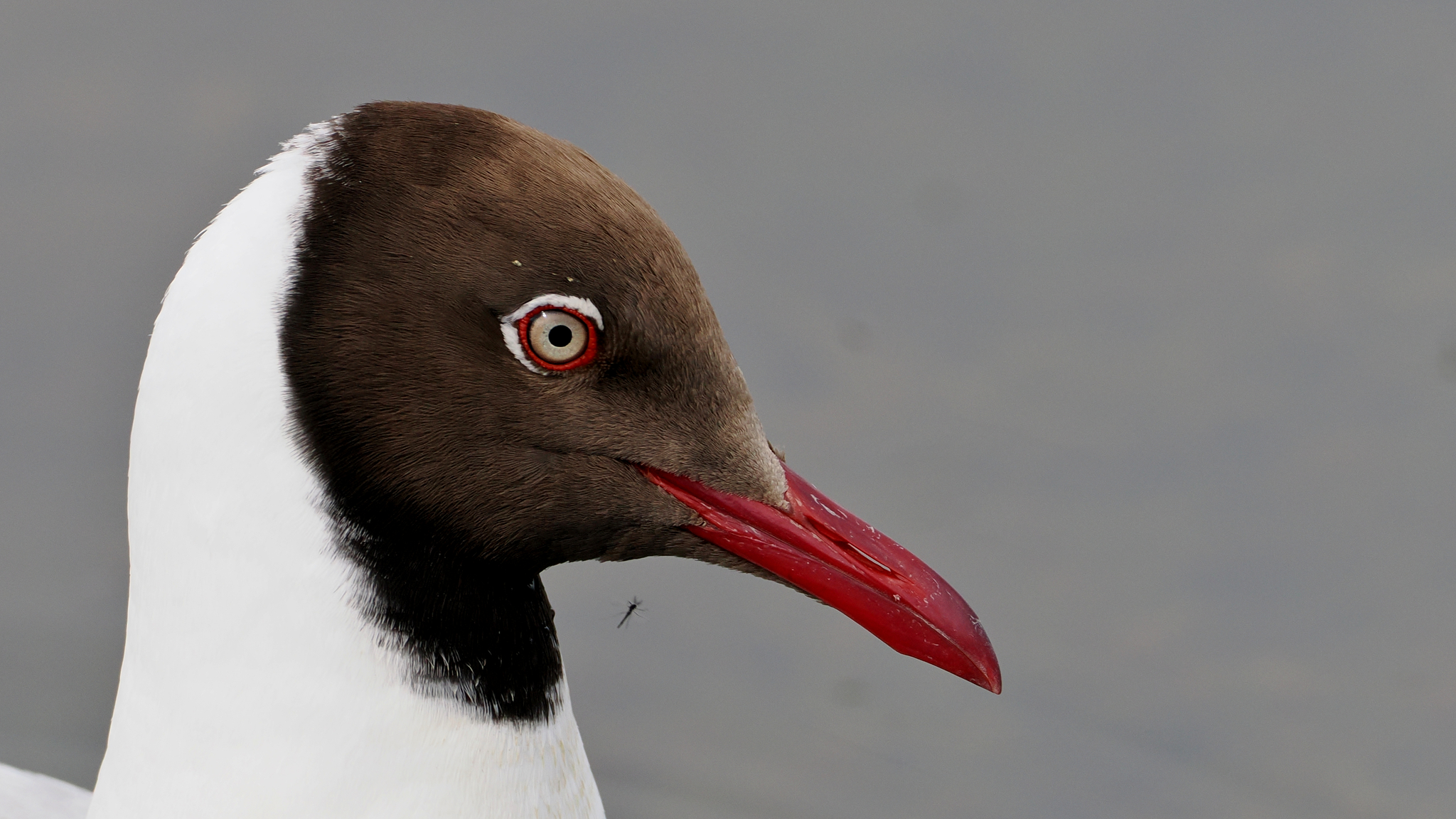
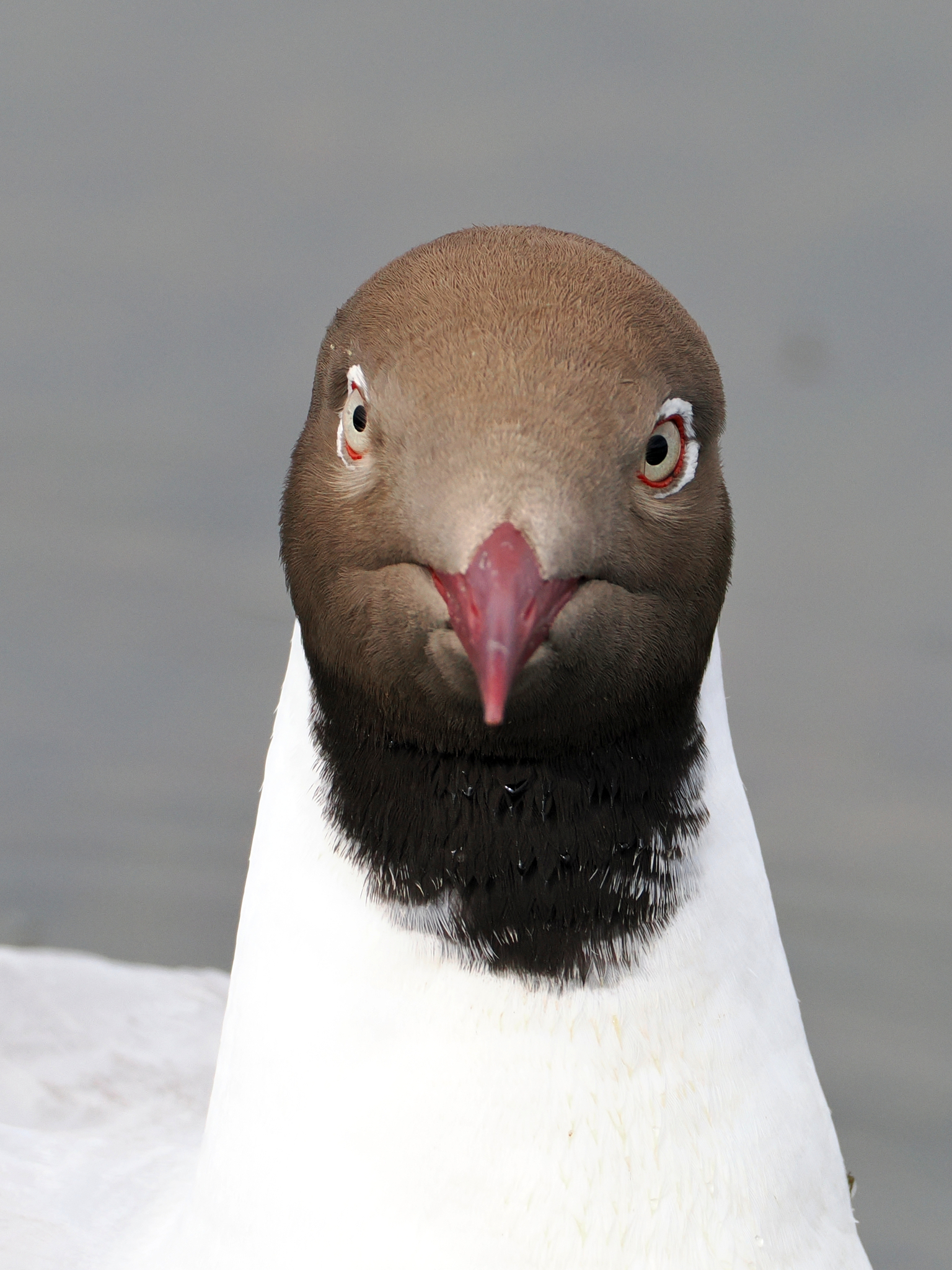
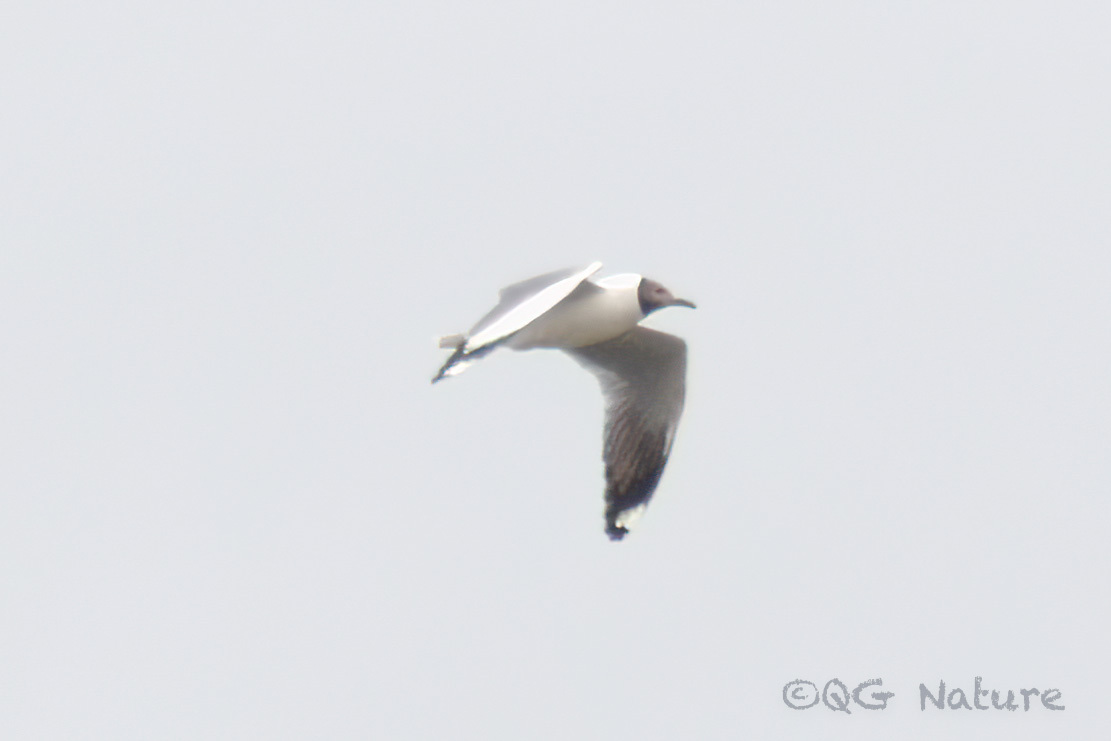
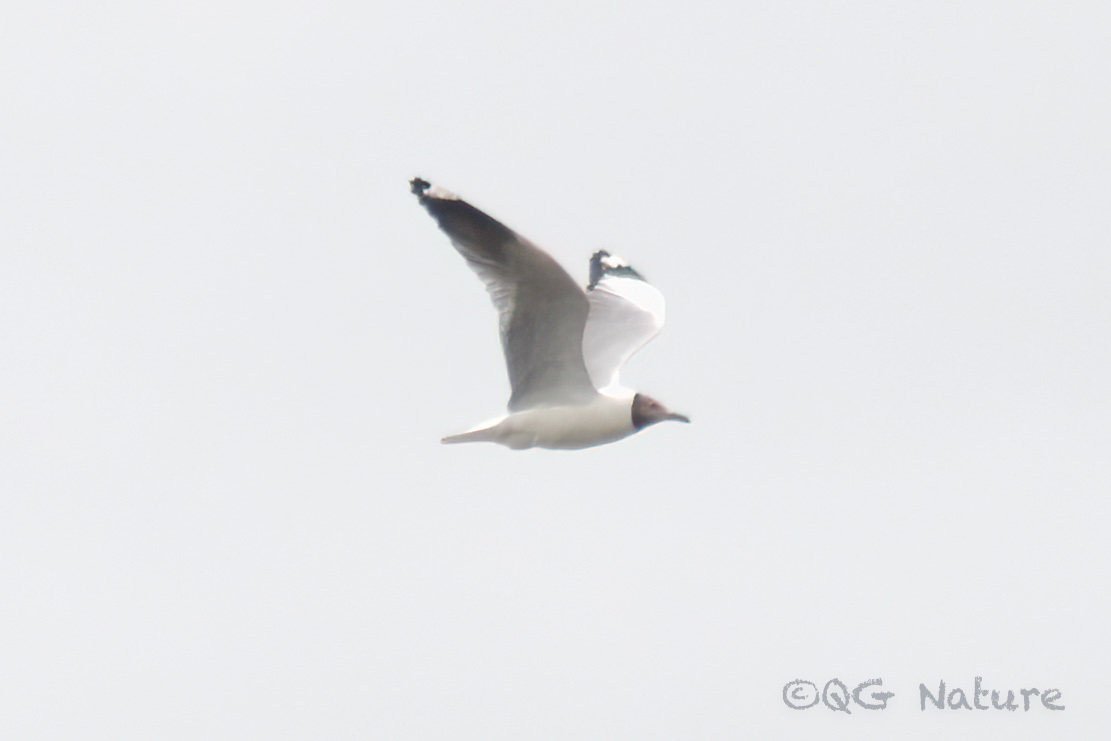
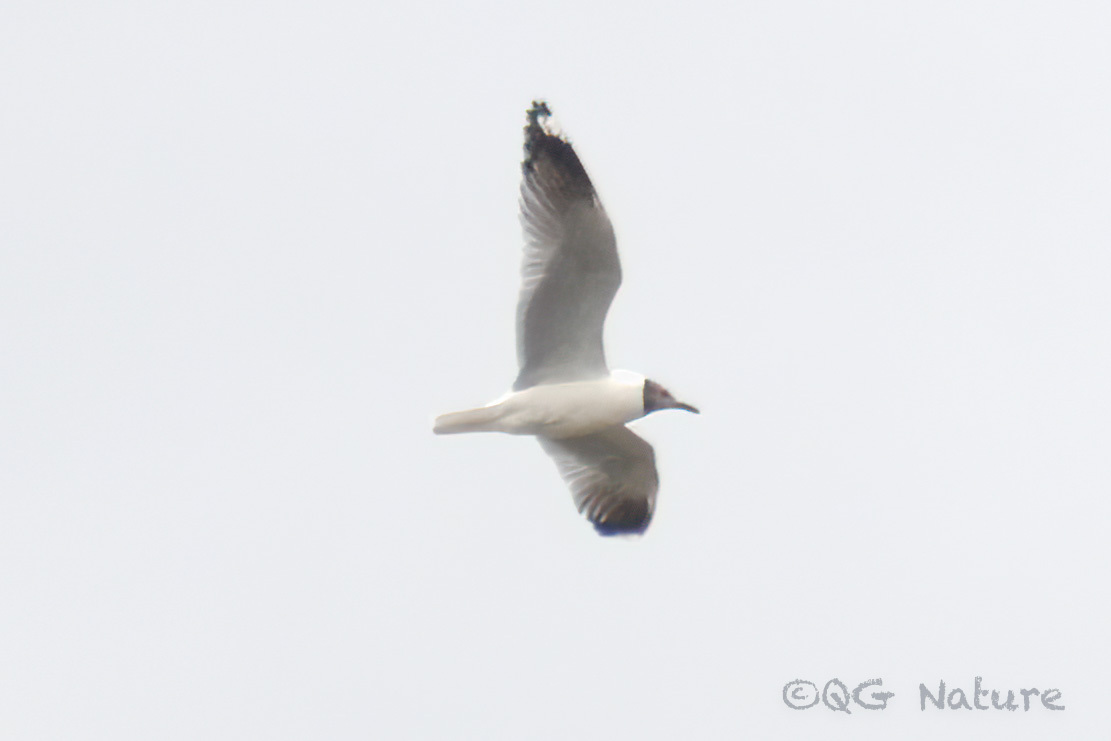
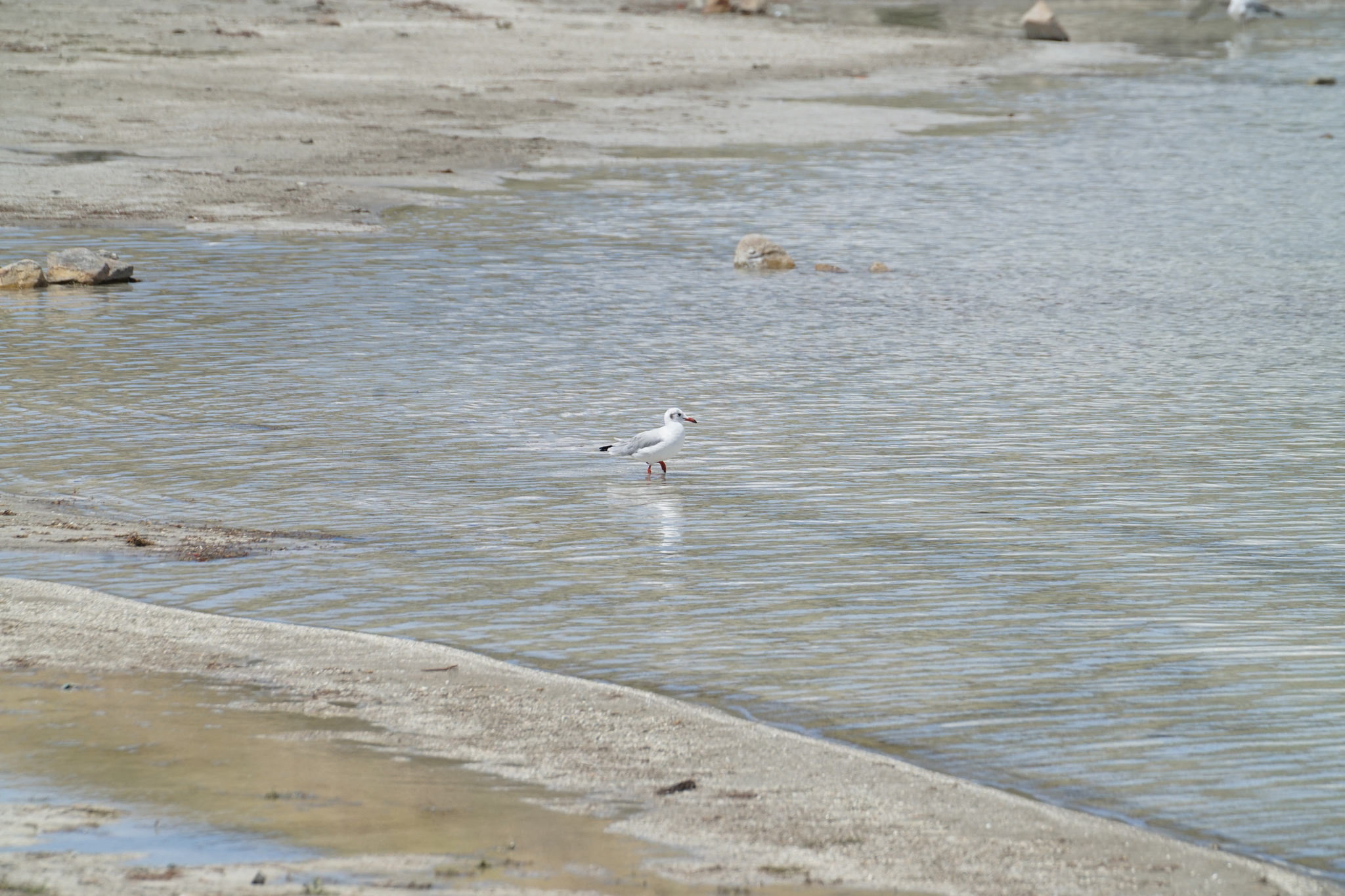
Slightly larger than the black-headed gull. Summer adults have a pale brown head, lighter than that of the black-headed gull, a pale grey body, and red bill and legs. The black tips of the primary wing feathers feature conspicuous white mirrors. The underwing is grey with black flight feathers. In winter, the brown hood is lost, leaving dark vertical streaks. First-year birds have a black terminal tail band, more dark areas in the wings, and a less homogeneous hood in summer. The species takes two years to reach maturity.
Distribution & Habitat
Breeds in the high plateaus of central Asia, ranging from Tajikistan to Ordos in Inner Mongolia. Migratory, wintering on the coasts and large inland lakes of the Indian subcontinent. Breeding habitats include large reedbeds, marshes, or islands in lakes.
Behavior & Ecology
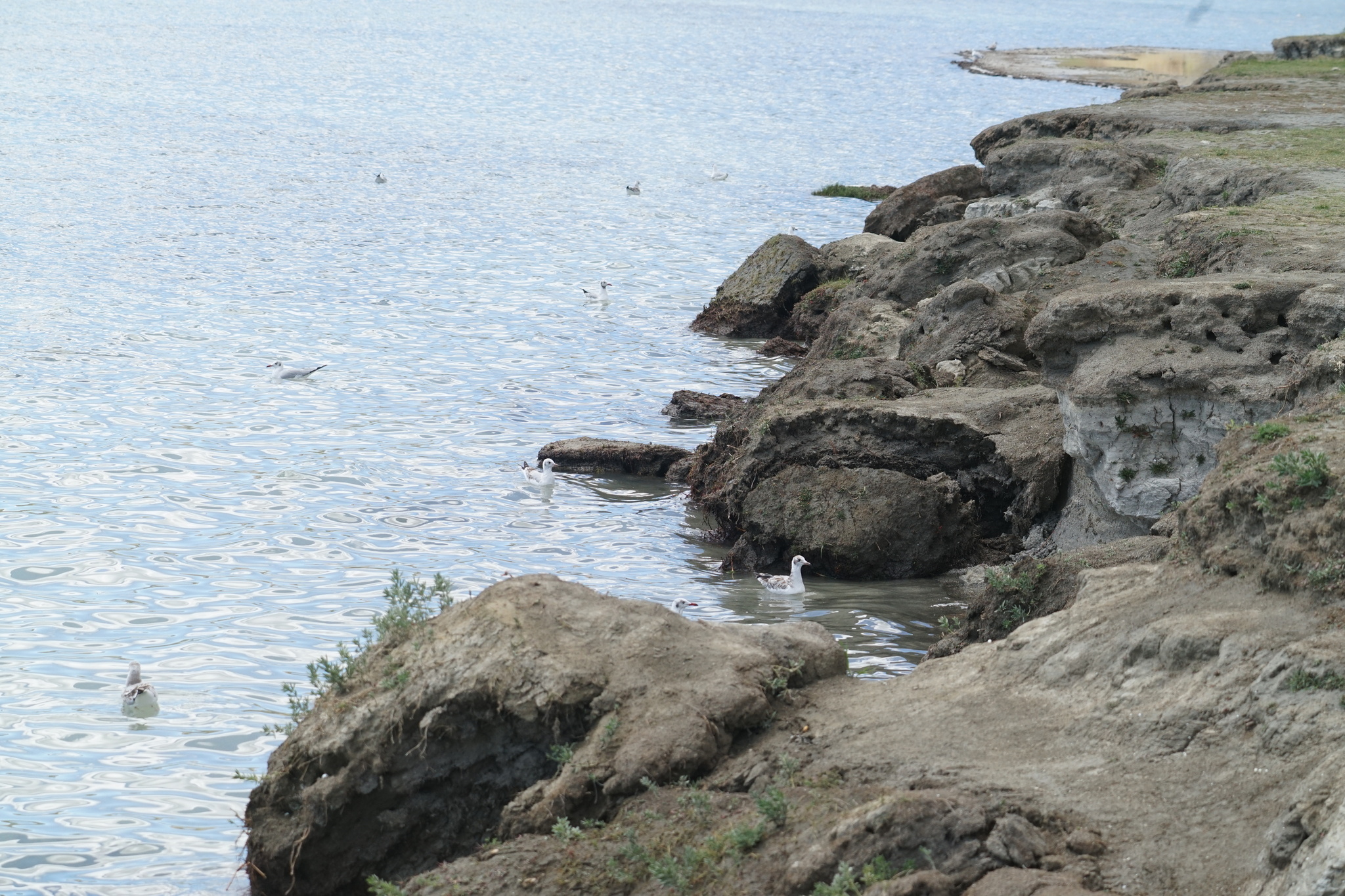
Breeds in colonies, nesting on the ground. Highly gregarious in winter during feeding and evening roosts. A bold and opportunist feeder, scavenging in towns or taking invertebrates in ploughed fields. Noisy, especially at colonies.
Source: Wikipedia · CC BY-SA 3.0
Taxonomy
- Order
- Charadriiformes
- Family
- Laridae
- Genus
- Chroicocephalus
Distribution
breeds inland Tibetan Plateau of Tajikistan, Xinjiang (western China), Ladakh (far northwestern India), and Tibet; winters inland and coastal Indian Subcontinent, southwestern China, and western southeast Asia
Data Sources
Species description from Wikipedia, licensed under CC BY-SA 3.0.
Bird images and sounds sourced from GBIF, contributed by citizen scientists worldwide under Creative Commons licenses.
Taxonomy data from AviList 2025.