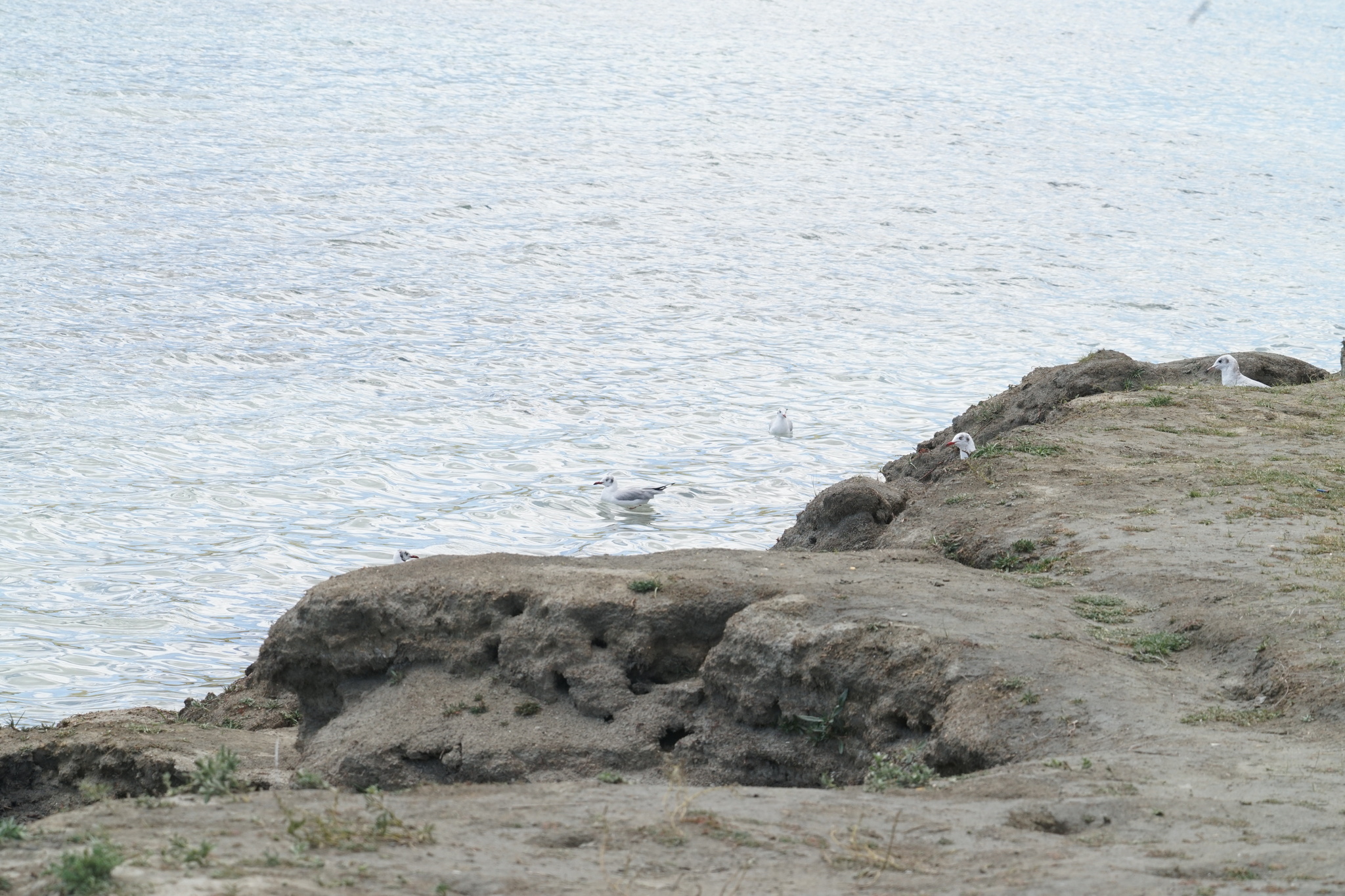
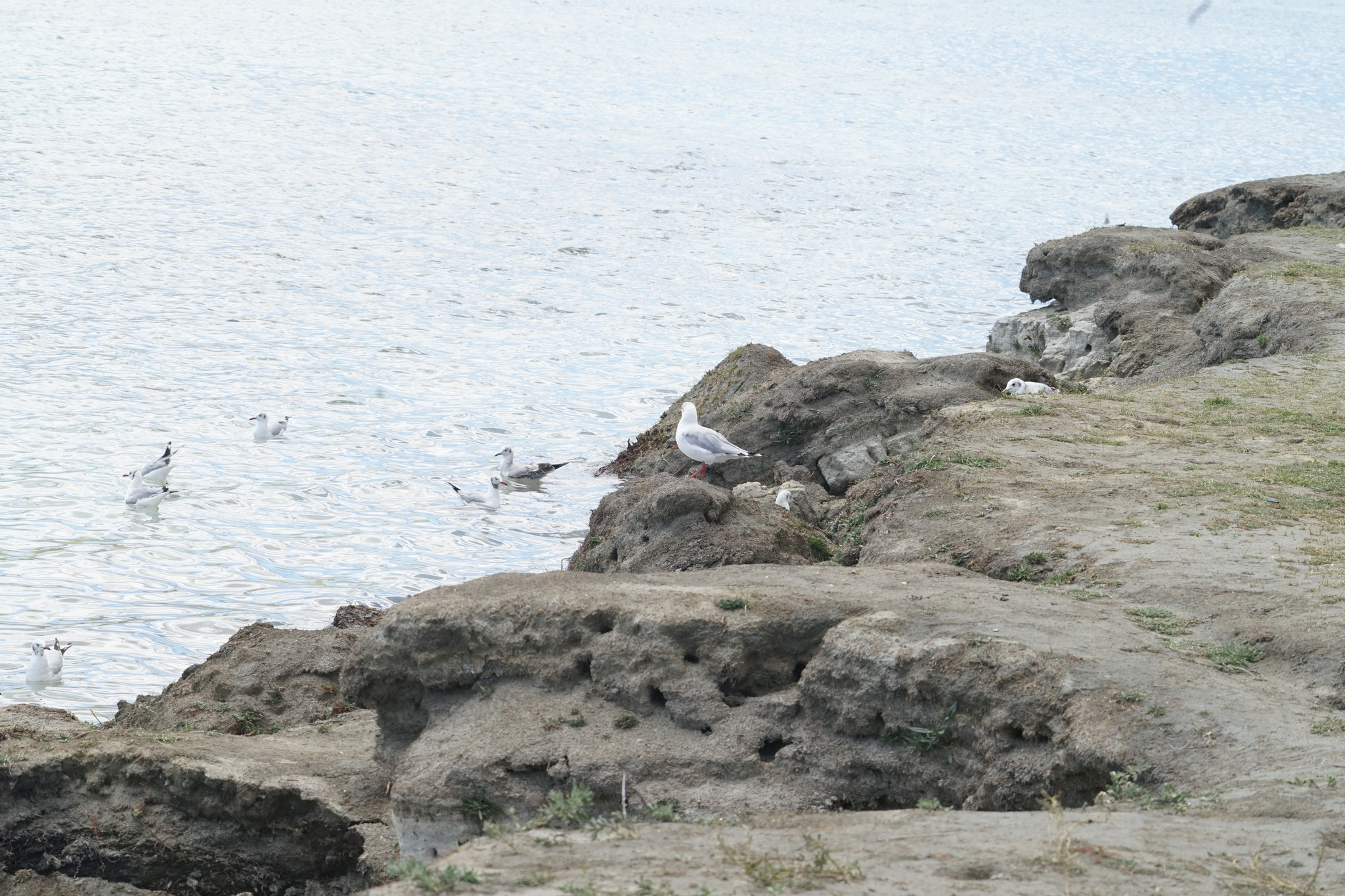
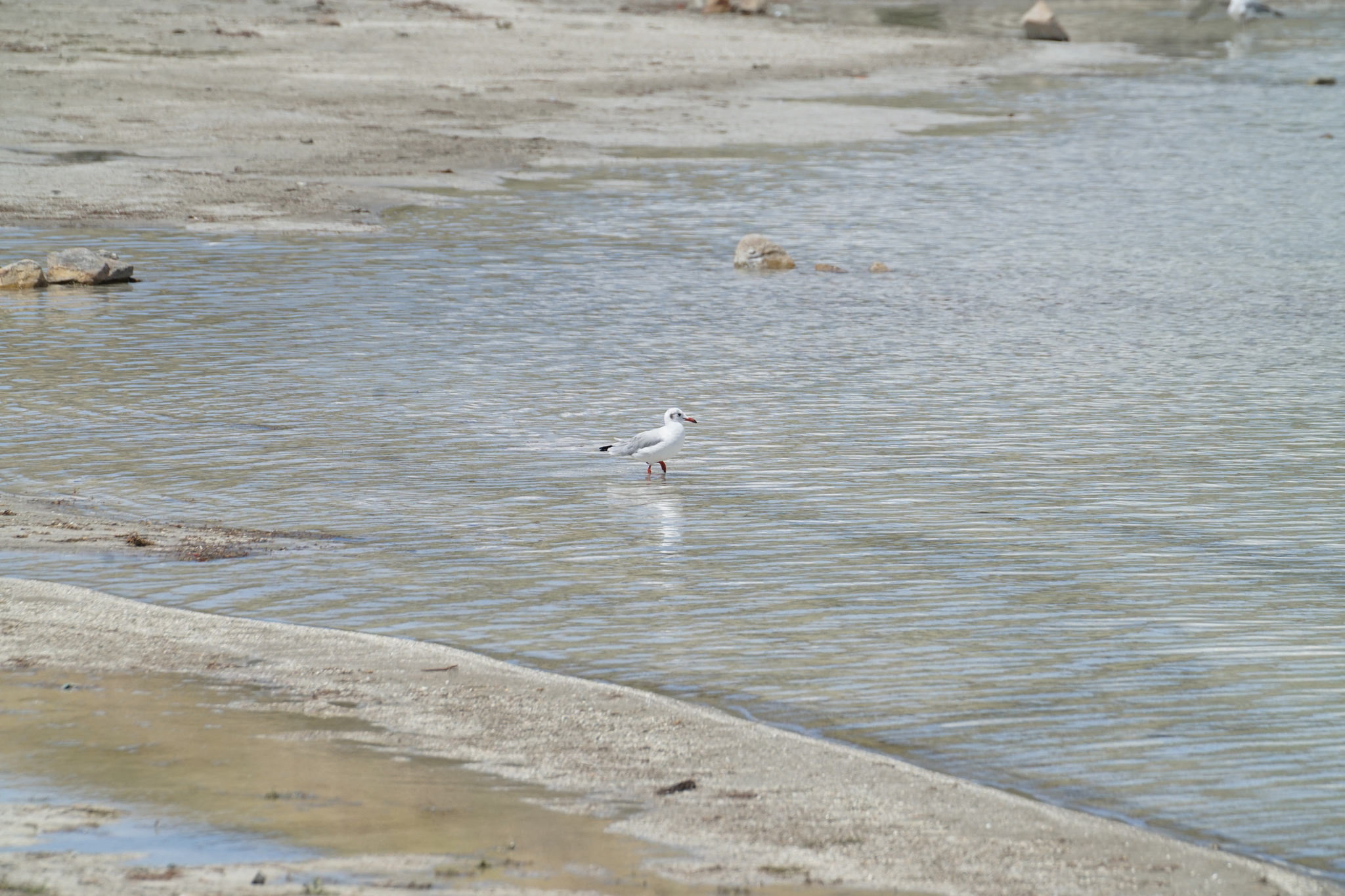
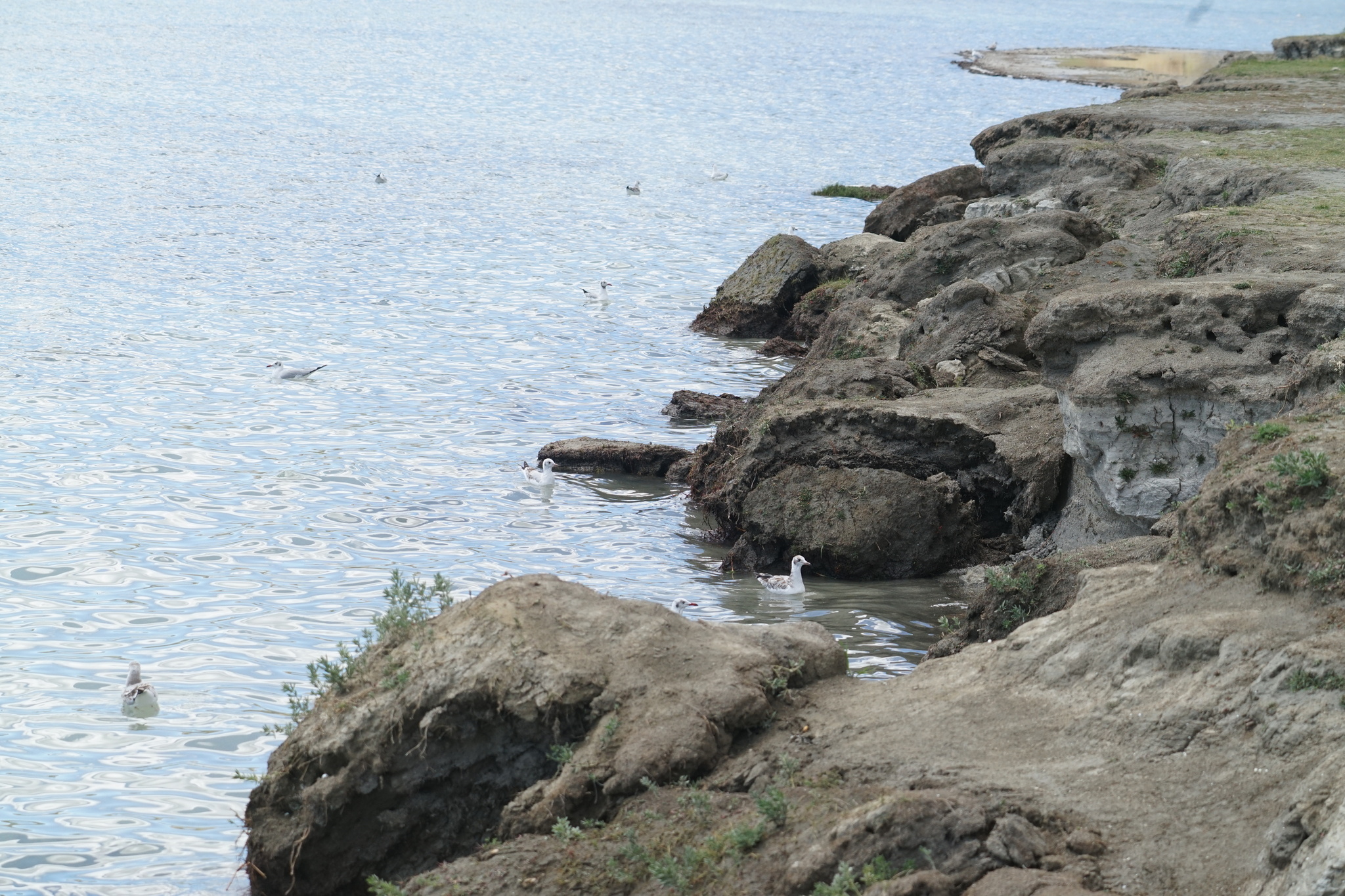
Brown-headed Gull
Chroicocephalus brunnicephalus
棕头鸥
Introduction
Medium-sized gull. Range includes Indian subcontinent and central Asia. Habitat encompasses human-modified landscapes, urban areas, natural habitats, coastal regions, and inland lakes. Breeds on high plateaus in remote central Asian areas. Forms large flocks during winter. Nests in noisy, active colonies. Present year-round across much of its range.
Description
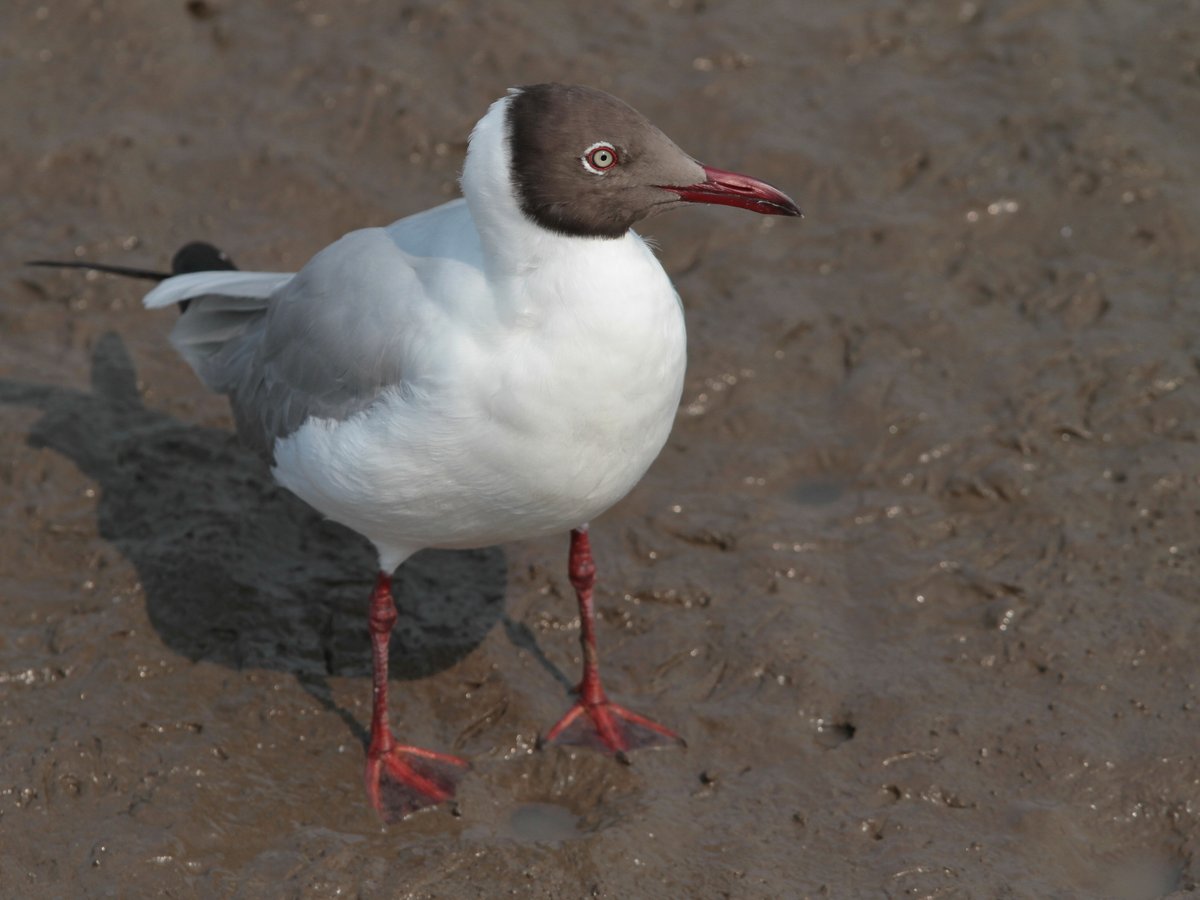
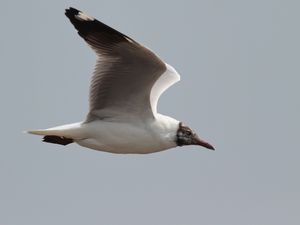
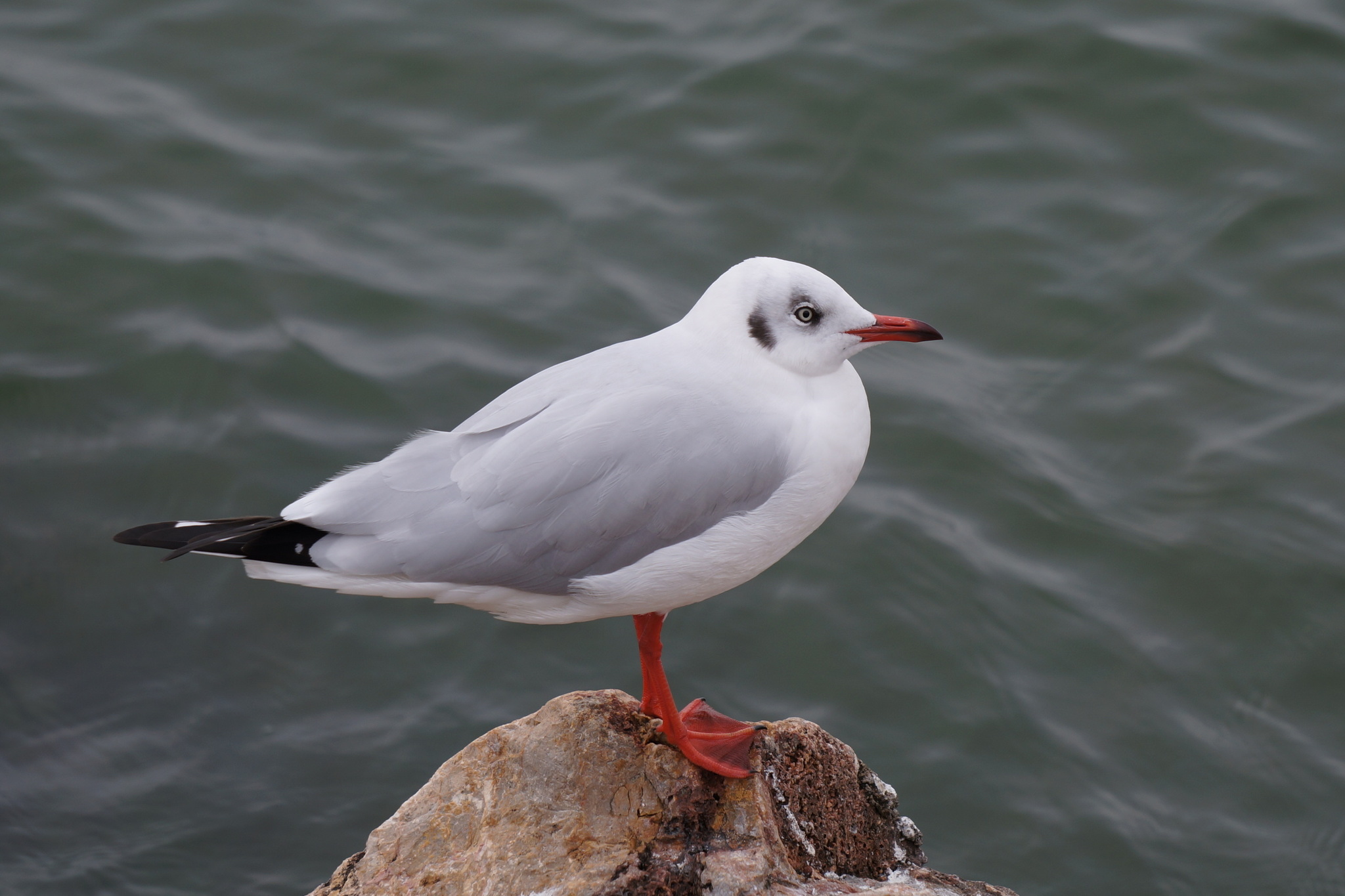
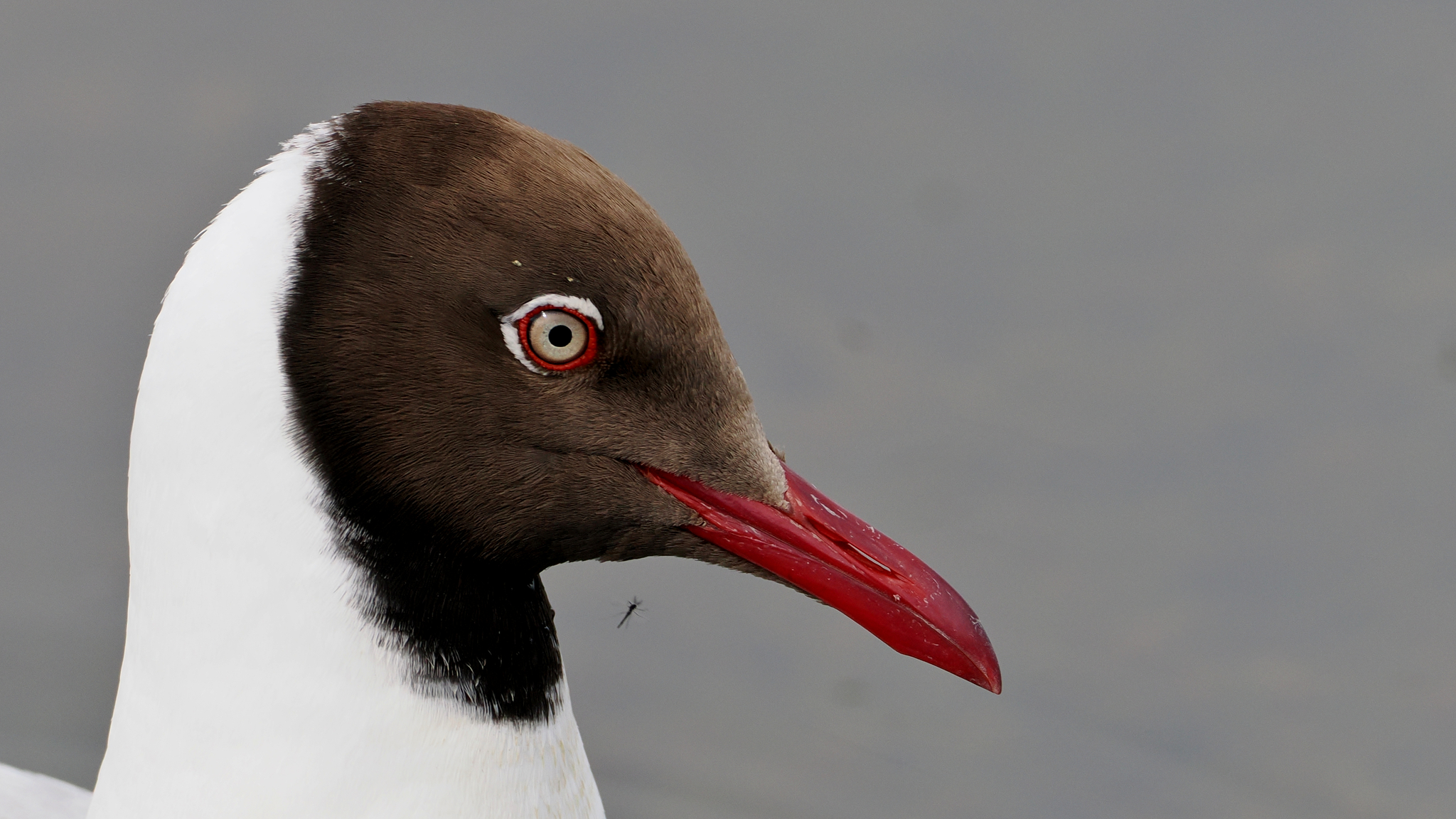
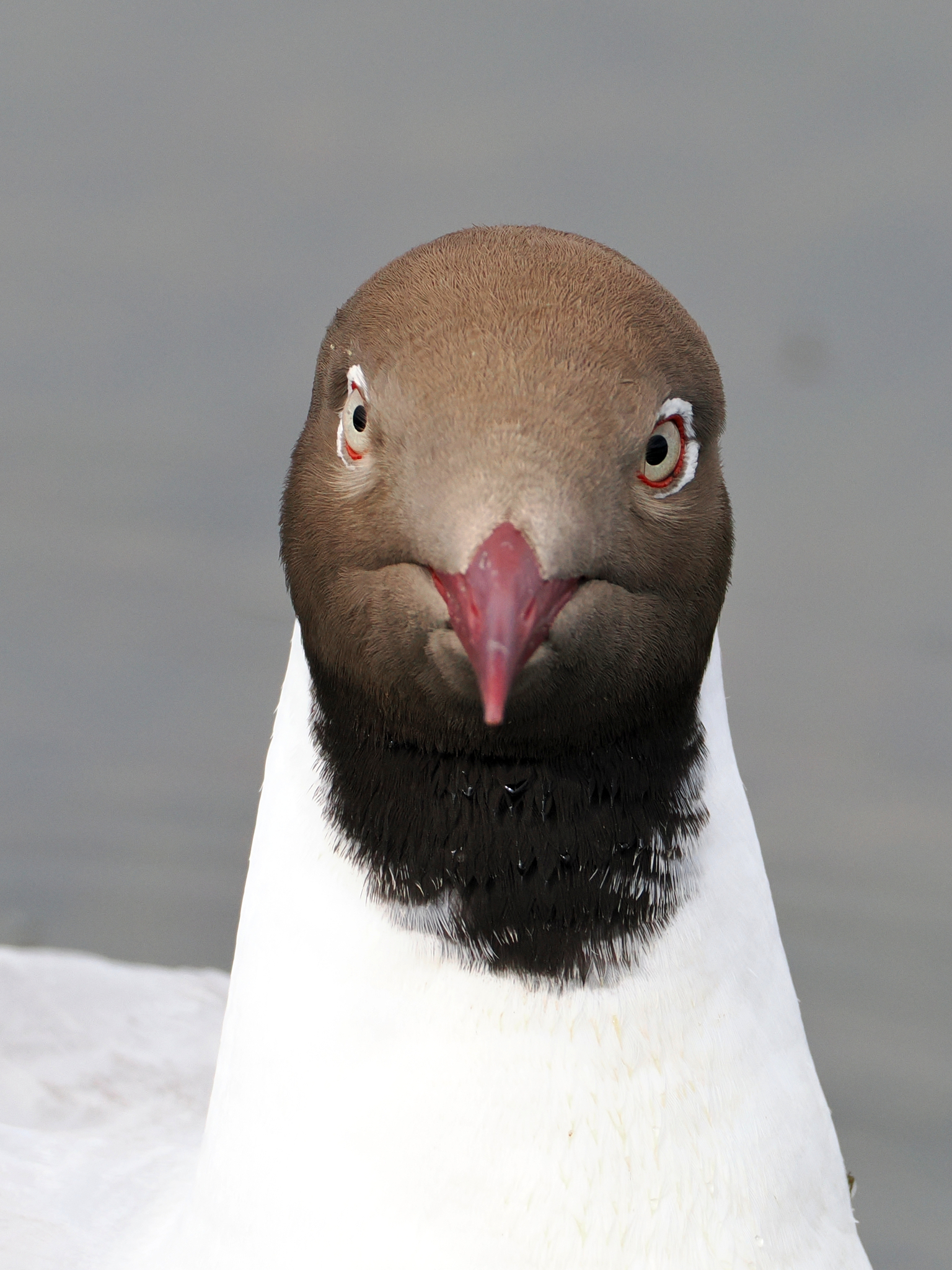
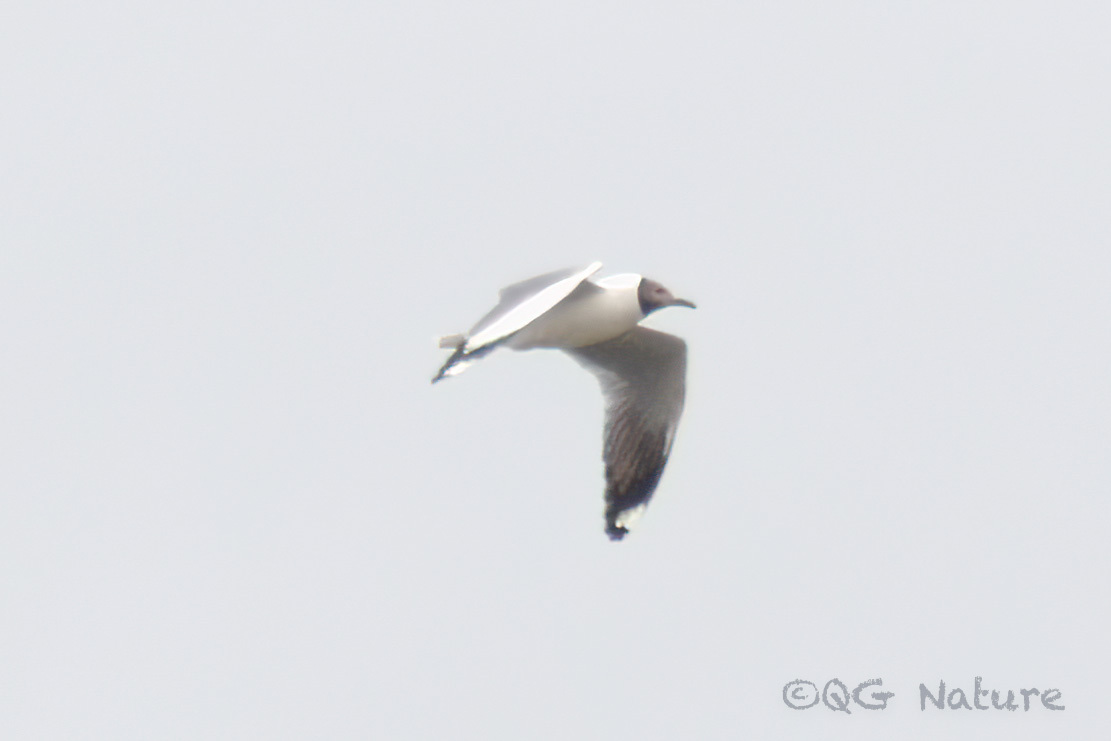
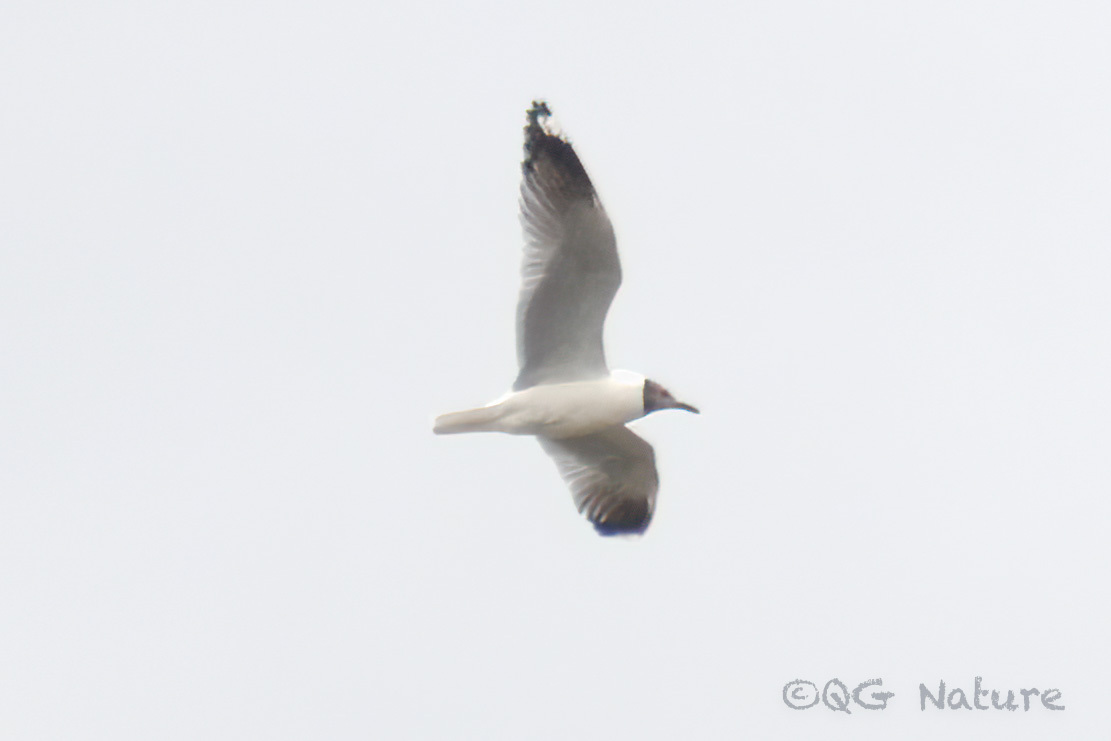
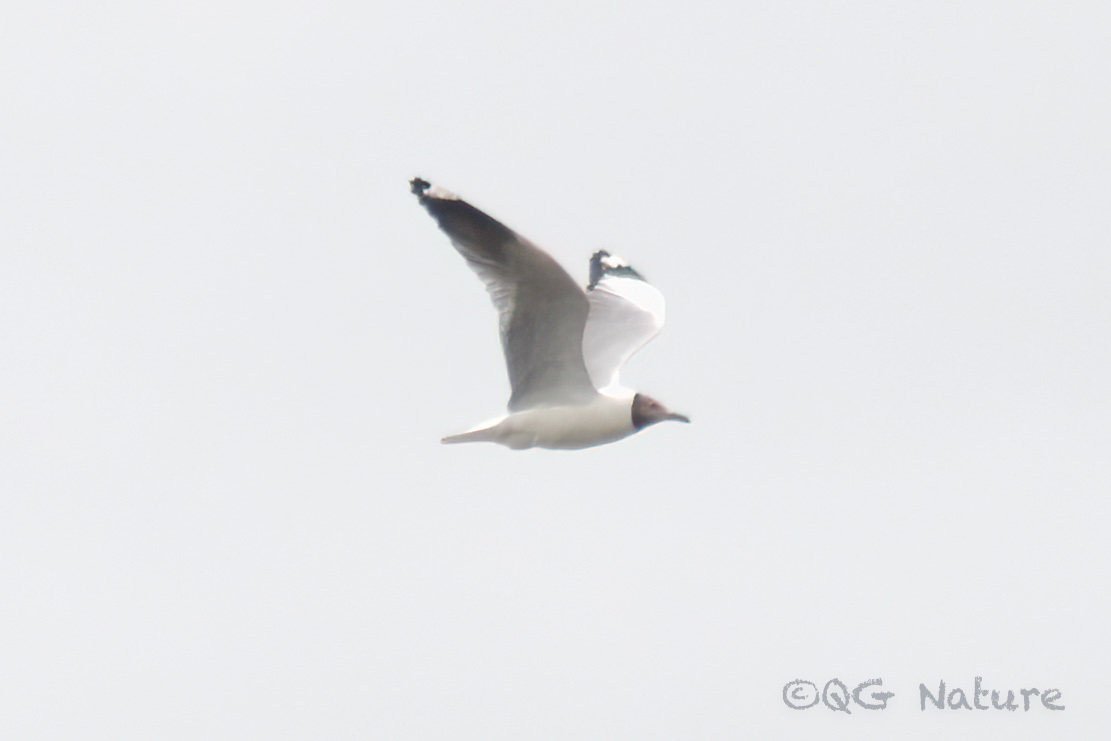
This gull is slightly larger than the familiar black-headed gull, with adults measuring around 40-42 centimeters in length. The summer plumage features a distinctive pale brown hood that appears washed-out compared to the darker hood of the black-headed gull. The body is a clean pale grey, while the bill and legs are a bright red that stands out prominently. The wing pattern is diagnostic: black-tipped primary feathers display conspicuous white "mirrors" or spots near the tips. The underwing presents a grey background with contrasting black flight feathers. Winter adults lose the brown hood entirely, retaining only faint dark vertical streaks on an otherwise white head. First-year birds show a black terminal band on the tail, more extensive dark markings in the wings, and a less complete, mottled hood during summer months.
Identification
The most reliable field mark is the white "mirrors" on the black wing tips, which distinguish it from similar species. Compared to black-headed gull, this species is slightly larger with a noticeably paler brown head in summer plumage. The red bill and legs are brighter and more extensive than in the similar slenderer-billed gull species. In flight, the grey underwing with black flight feathers creates a distinctive two-toned appearance. First-year birds are best identified by the complete black tail band, which sets them apart from the partially banded tails of juvenile black-headed gulls. The species' bold, approachable behavior also helps distinguish it from more wary relatives.
Distribution & Habitat
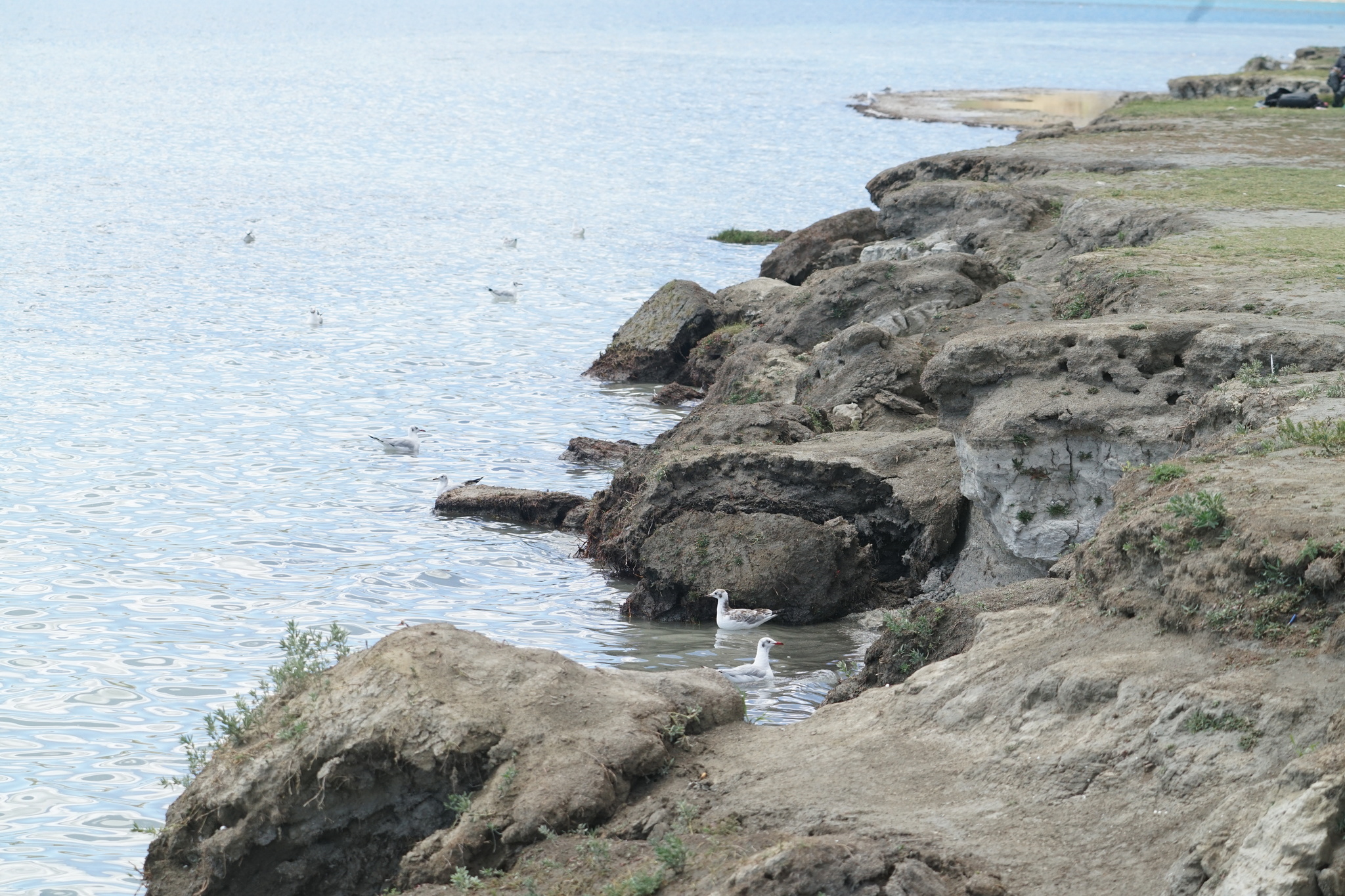
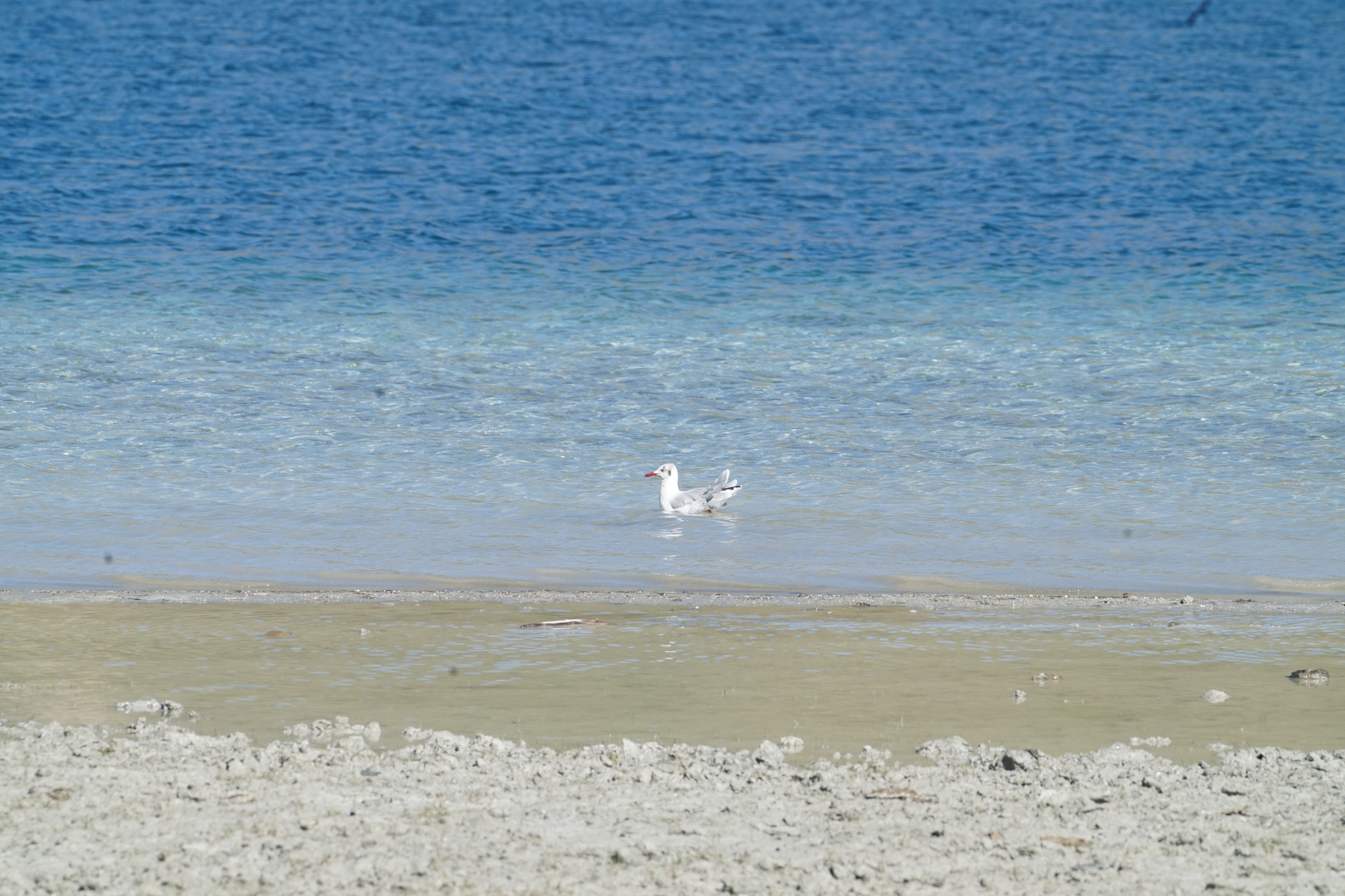
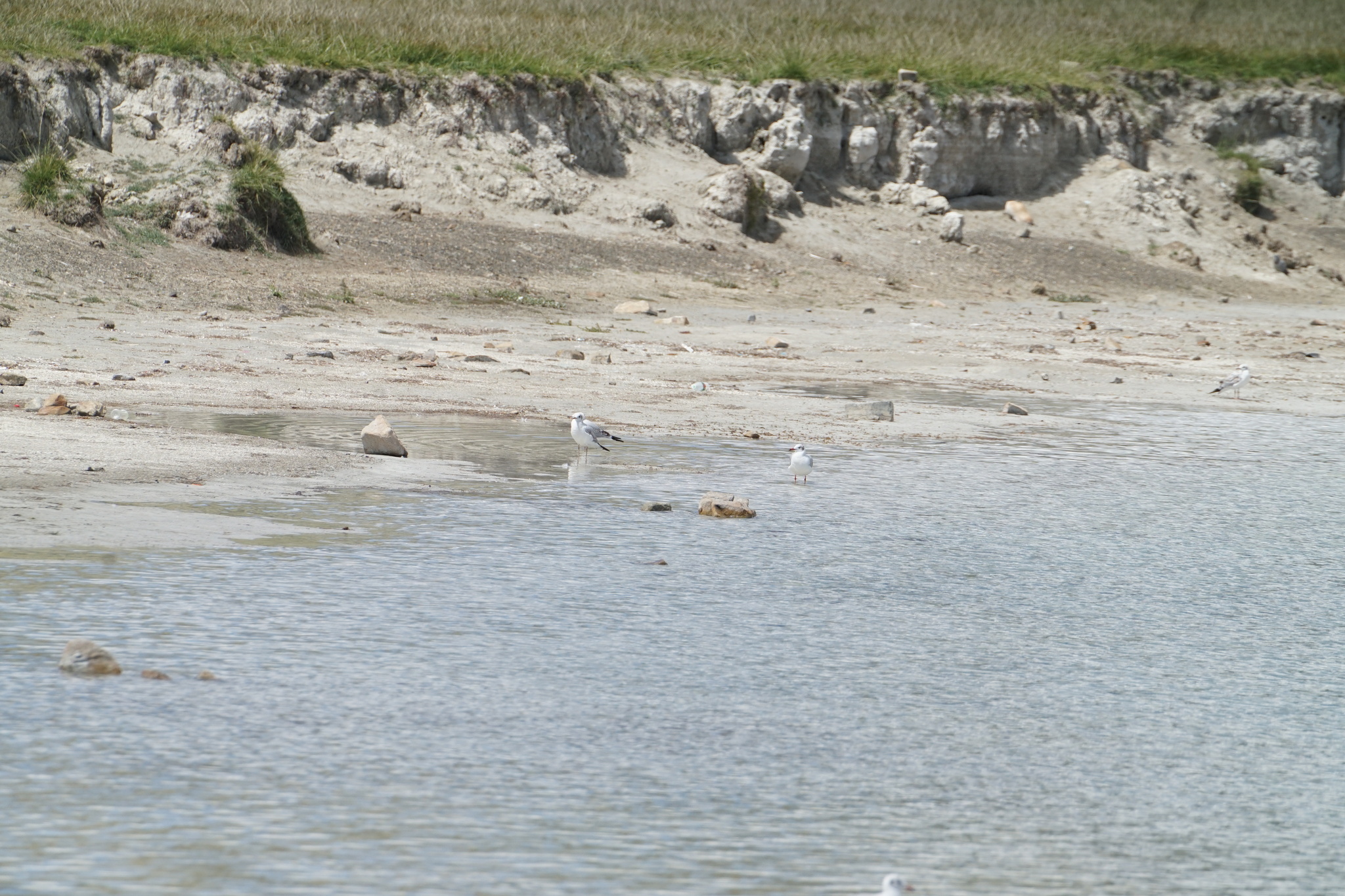
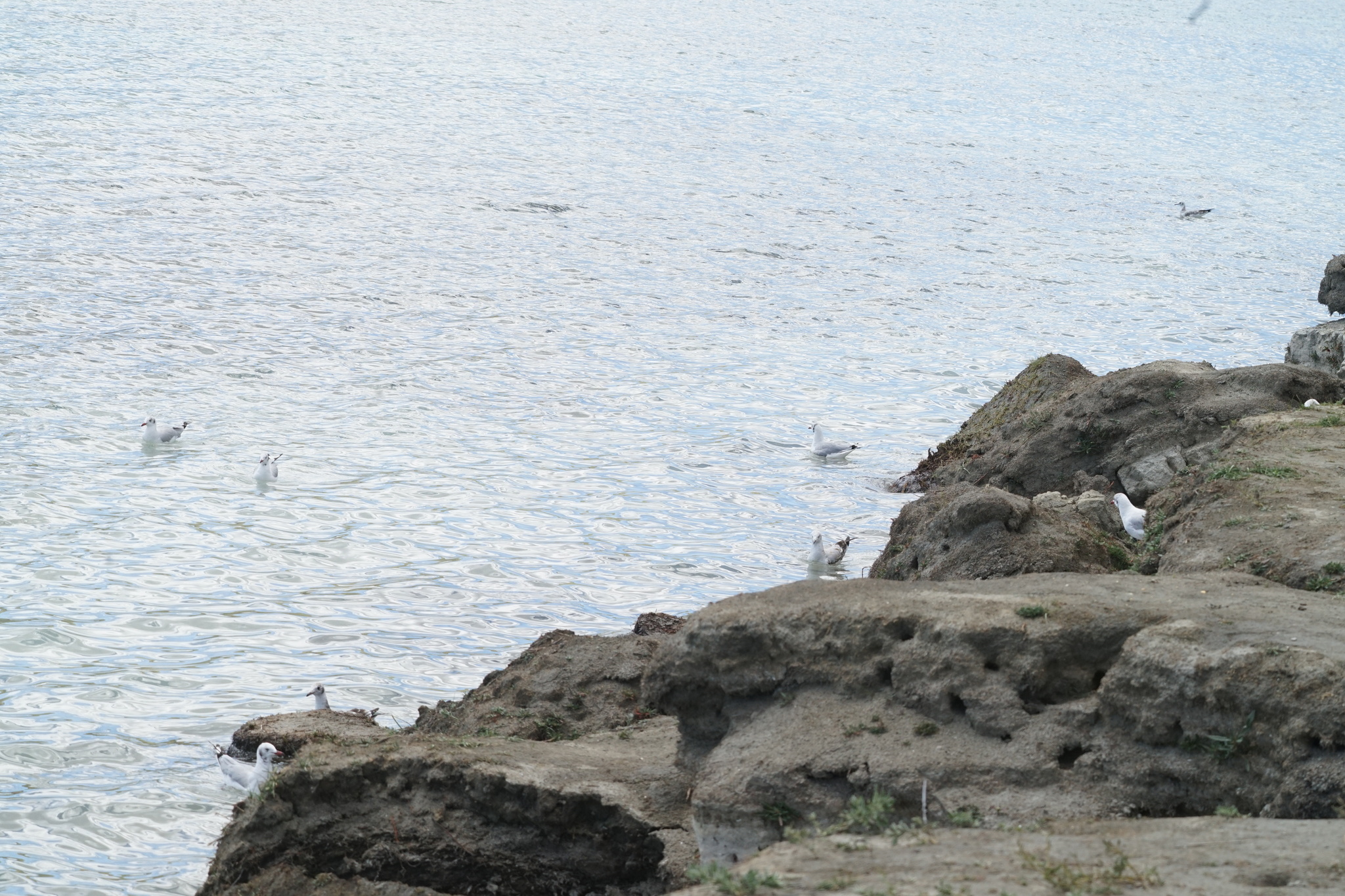
This Central Asian breeder occupies high plateau regions from Tajikistan eastwards to Ordos in Inner Mongolia, nesting at elevations where few other gulls occur. Its breeding habitat consists of large reedbeds, marshes, or island formations in high-altitude lakes. Following the breeding season, it undertakes a long migration southward to winter across the Indian subcontinent, utilizing both coastal environments and large inland lakes. Unlike some gull species, it remains largely coastal and rarely ventures into pelagic waters far from shore. During winter, it becomes highly gregarious, forming large feeding flocks and roosting concentrations in traditional sites that birdwatchers can reliably locate.
Behavior & Ecology
This species exemplifies opportunistic foraging behavior, readily adapting its diet to available food sources. It scavenges confidently in urban areas and fishing ports, while equally readily exploiting agricultural fields for invertebrates in ploughed areas. The breeding system is colonial, with pairs establishing territories in dense reedbed or island colonies. Nests are simple ground scrapes positioned in the vegetation. The species is notably noisy, with persistent calling at colonies creating a characteristic soundscape. It reaches sexual maturity at two years of age. Winter behavior is intensely social, with large flocks forming both while feeding and at communal evening roosts, though the species never becomes truly pelagic in its habits.
Conservation
This species is currently classified as Least Concern by the IUCN, reflecting its relatively stable population and extensive range. While specific population numbers are not available, the species is described as common throughout its range. The primary conservation concerns center on habitat degradation at breeding and wintering sites, particularly wetland drainage and pollution of inland lakes. Its adaptability to urban environments may provide some resilience against habitat loss, though the quality of foraging habitats in these areas can be variable. Monitoring of colonial sites in Central Asia remains limited due to the remote nature of breeding areas.
Source: Wikipedia · CC BY-SA 3.0
Taxonomy
- Order
- Charadriiformes
- Family
- Laridae
- Genus
- Chroicocephalus
- eBird Code
- bnhgul1
Distribution
breeds inland Tibetan Plateau of Tajikistan, Xinjiang (western China), Ladakh (far northwestern India), and Tibet; winters inland and coastal Indian Subcontinent, southwestern China, and western southeast Asia
Data Sources
Species description from Wikipedia, licensed under CC BY-SA 3.0.
Bird images and sounds sourced from GBIF, contributed by citizen scientists worldwide under Creative Commons licenses.
Taxonomy data from AviList 2025.