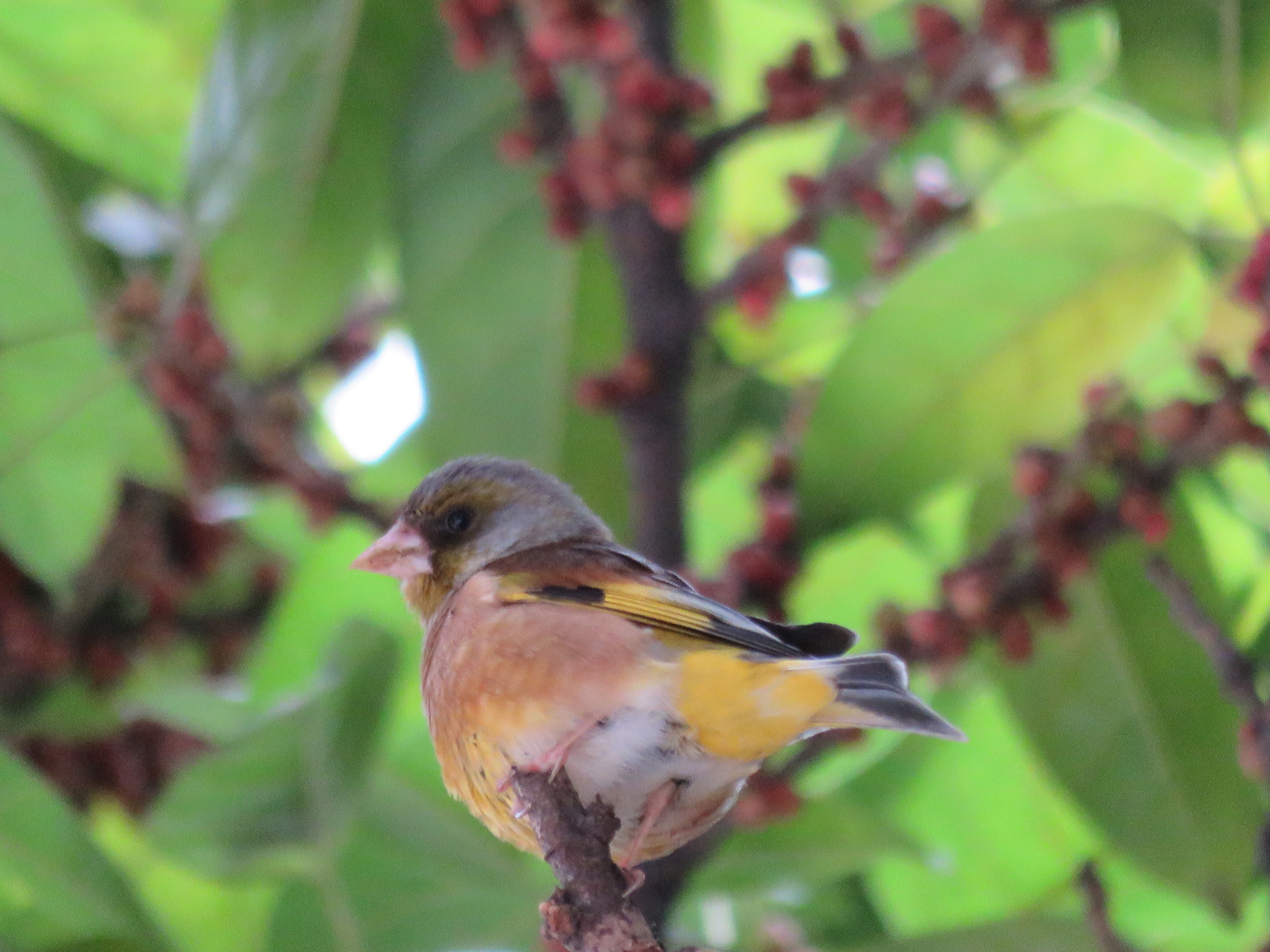
Oriental Greenfinch
Chloris sinica
金翅雀
Introduction
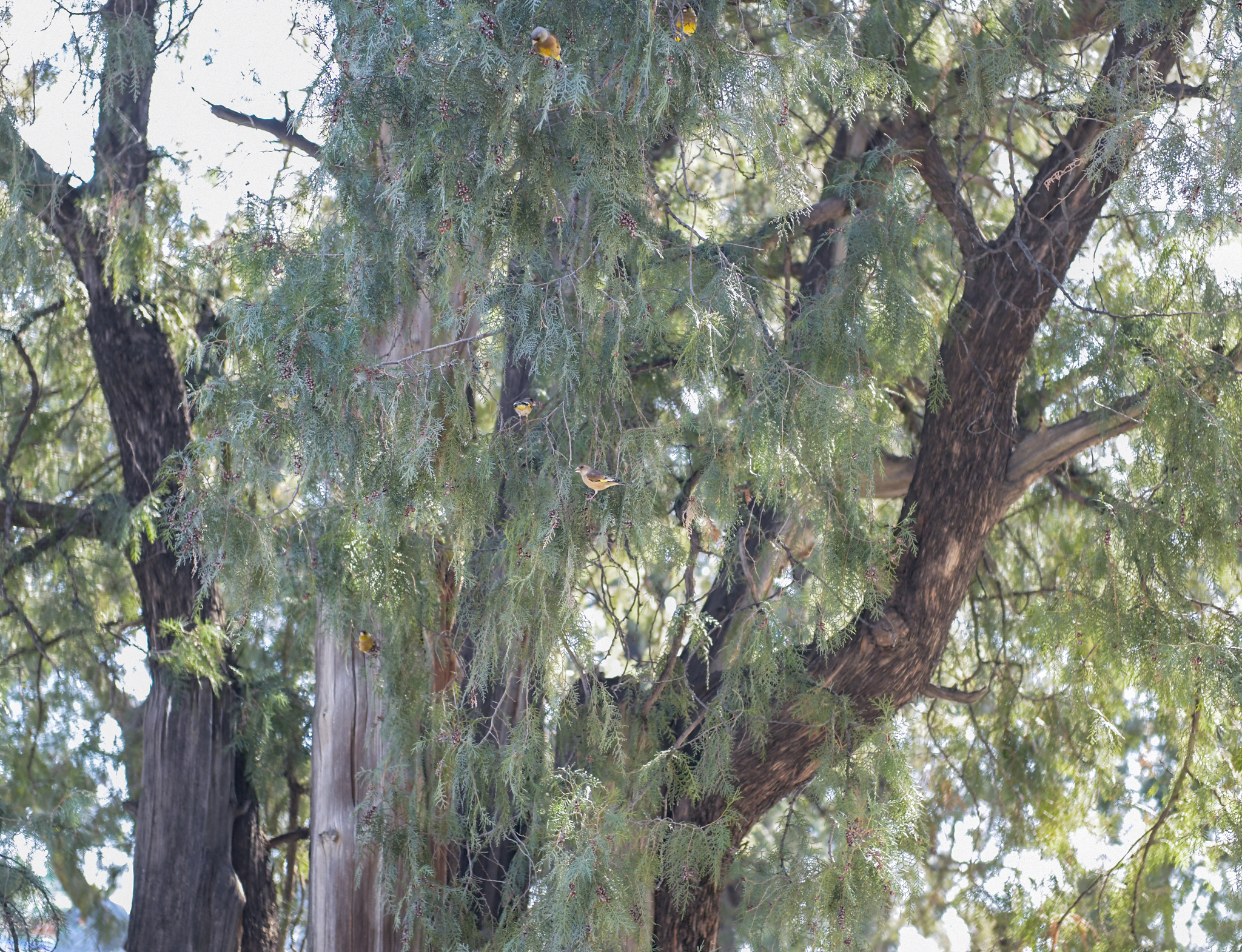
This small passerine finch (family Fringillidae) inhabits broadleaf and conifer woodlands, woodland edges, parks, and gardens across the East Palearctic region of eastern Asia. It has a conical seed-crushing bill adapted to its granivorous diet. During breeding season, the species is vocal and active in the canopy. In winter, it moves to lower elevations and more open habitats where it forms small flocks with other finch species. It visits feeding stations offering sunflower seeds and other small seeds.
Description
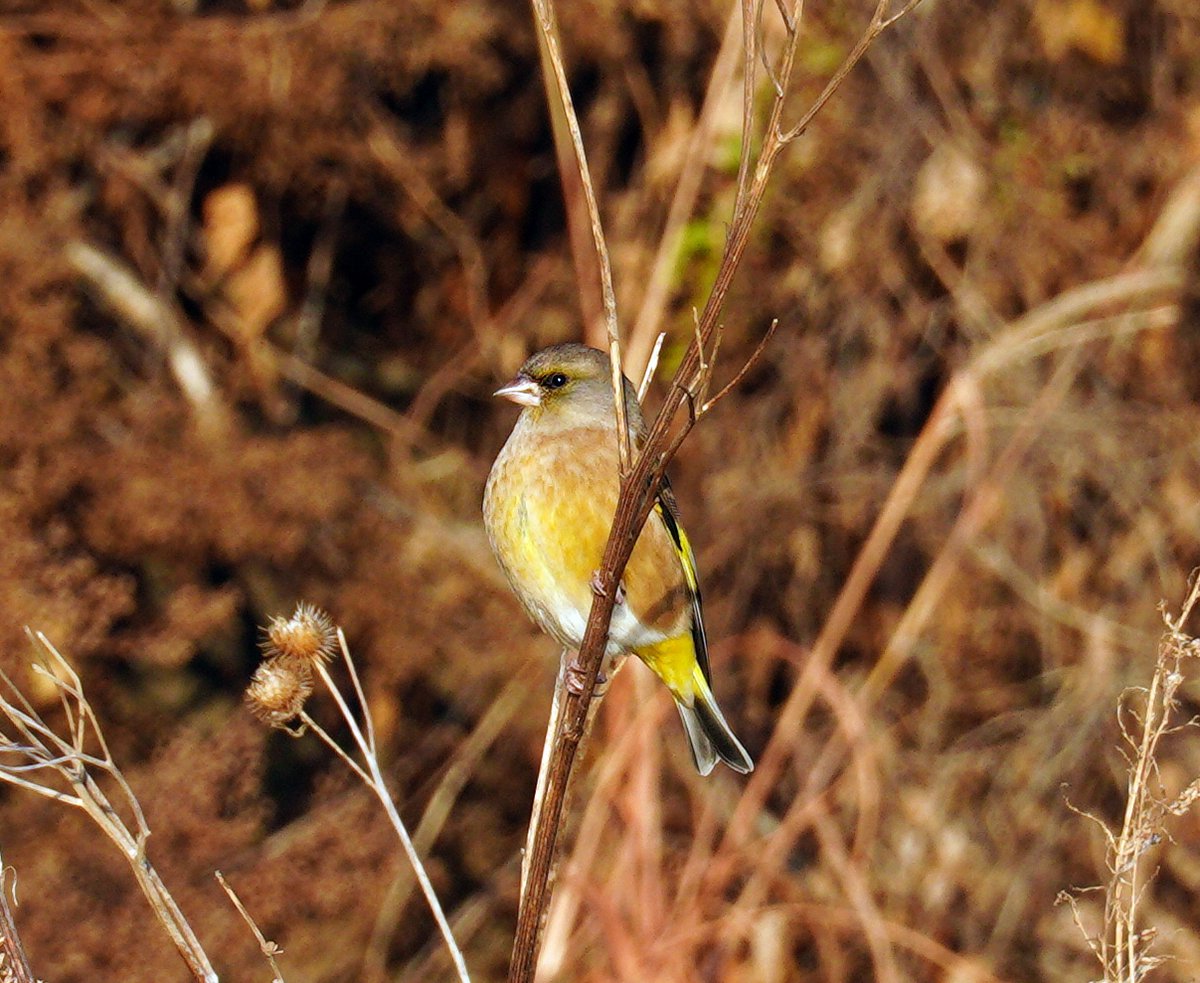
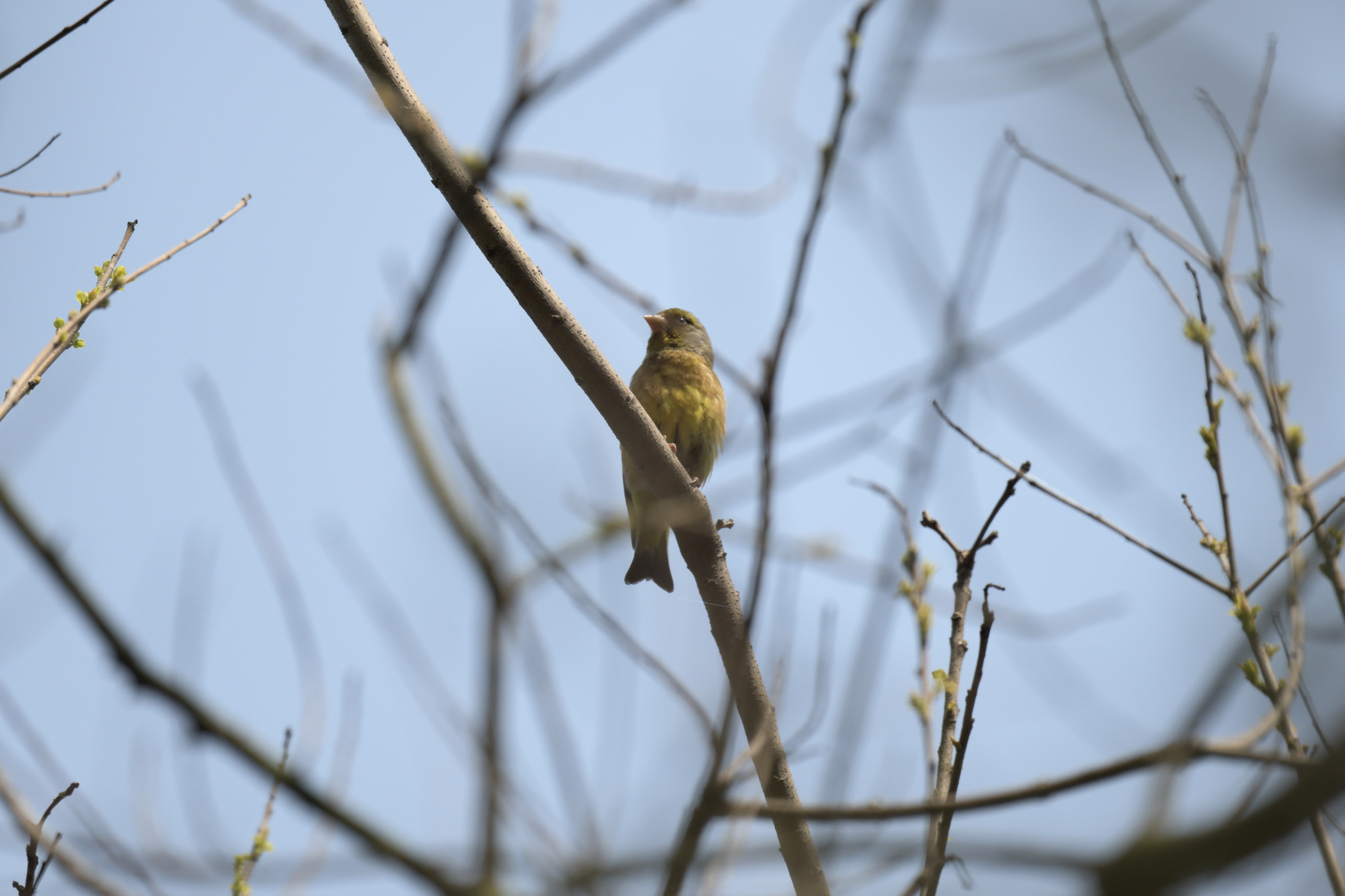
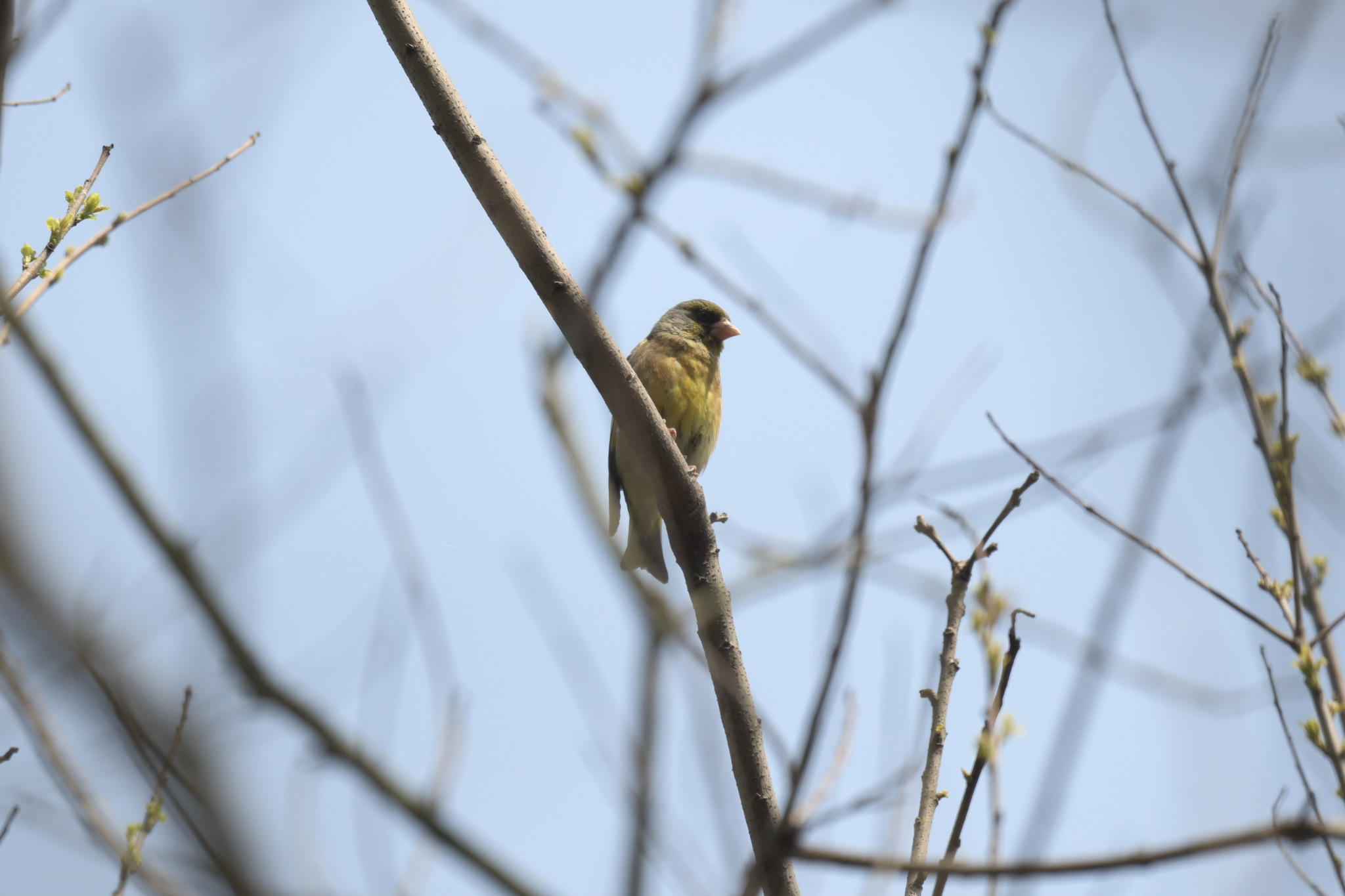
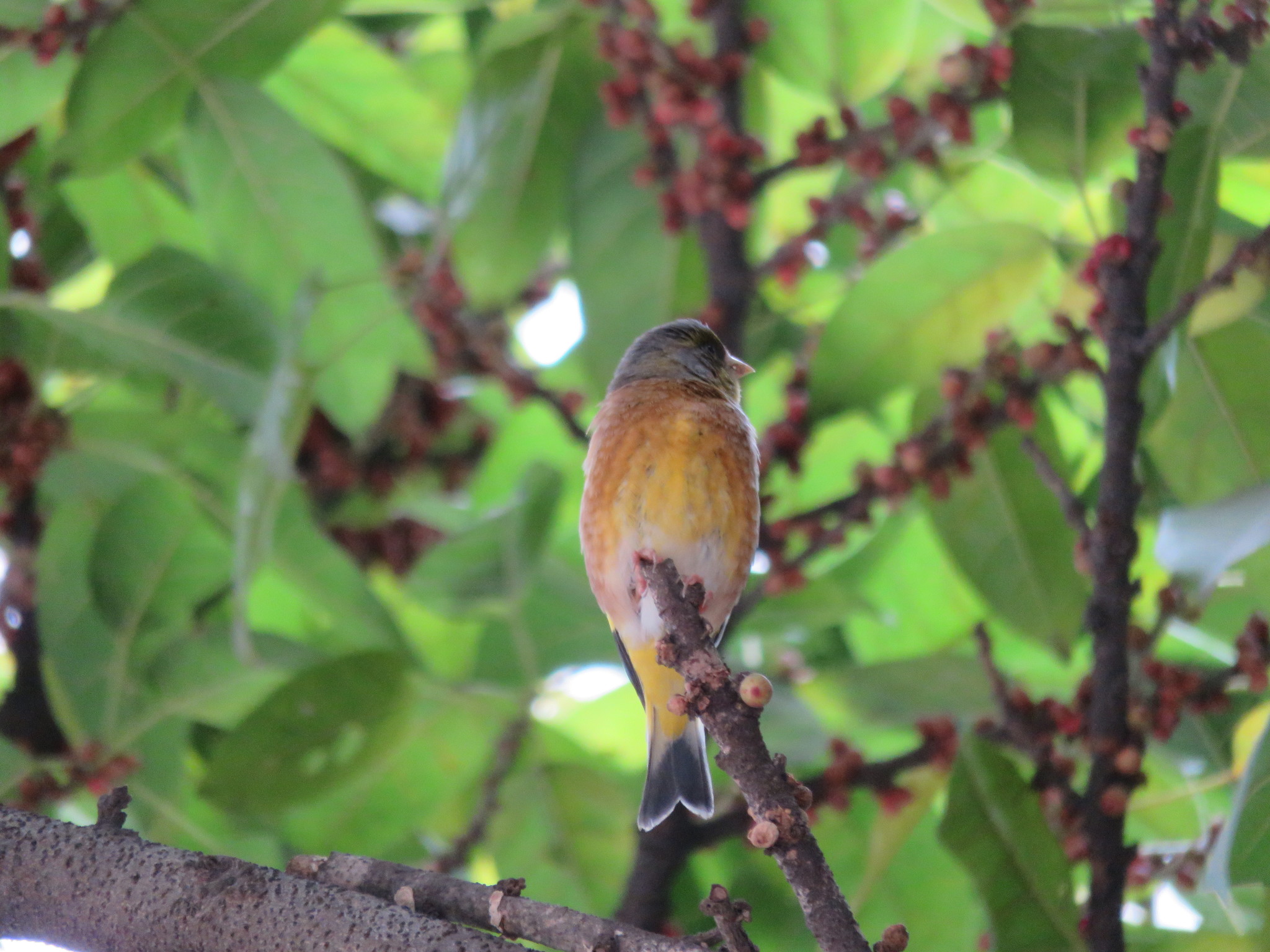
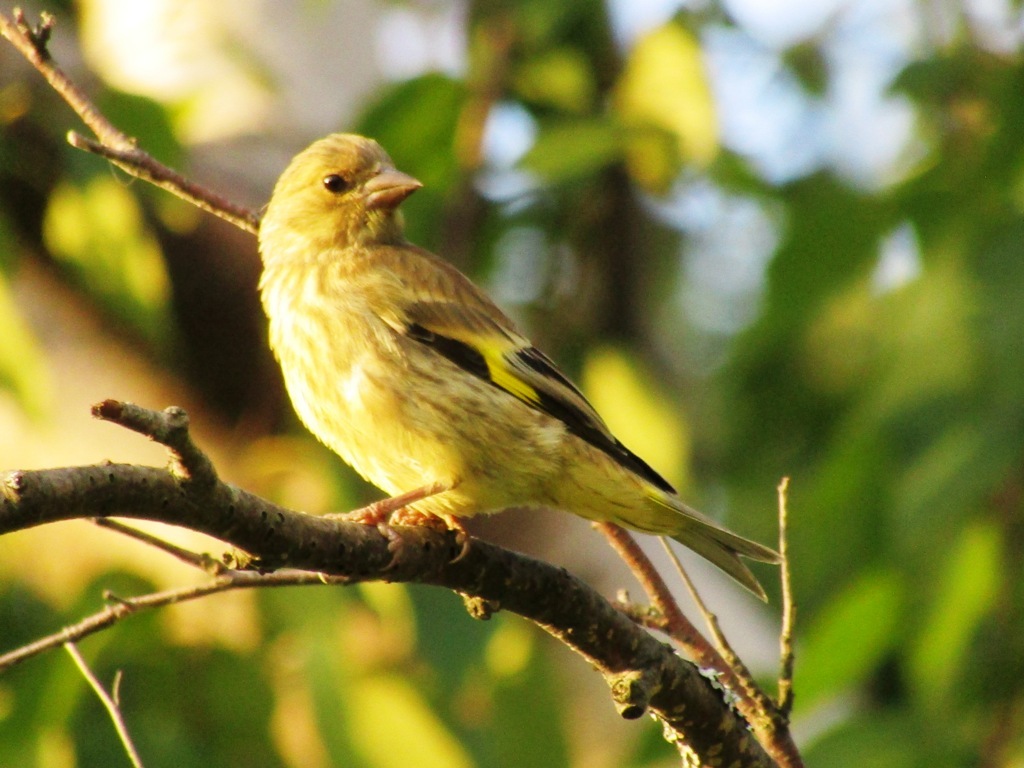
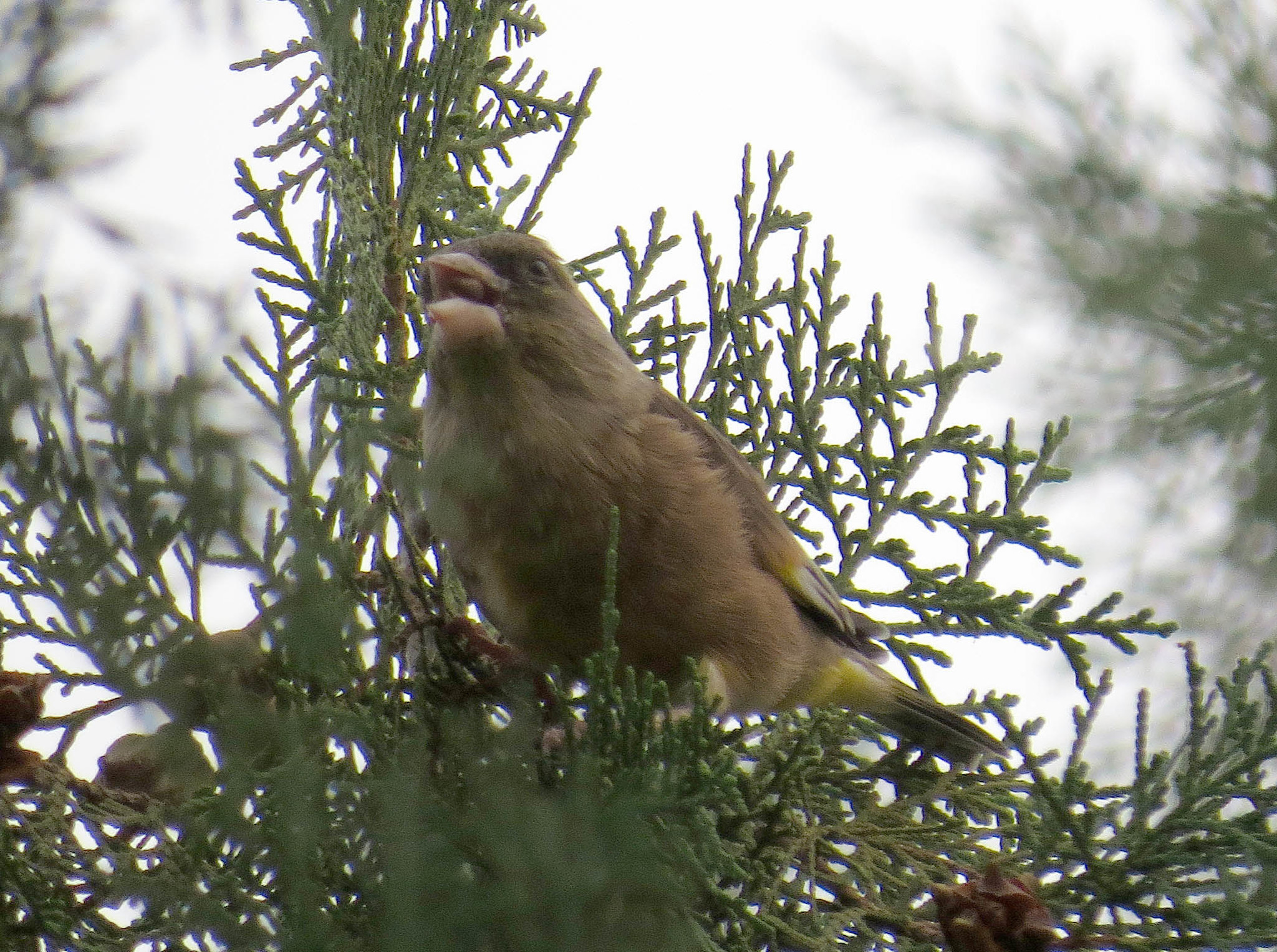
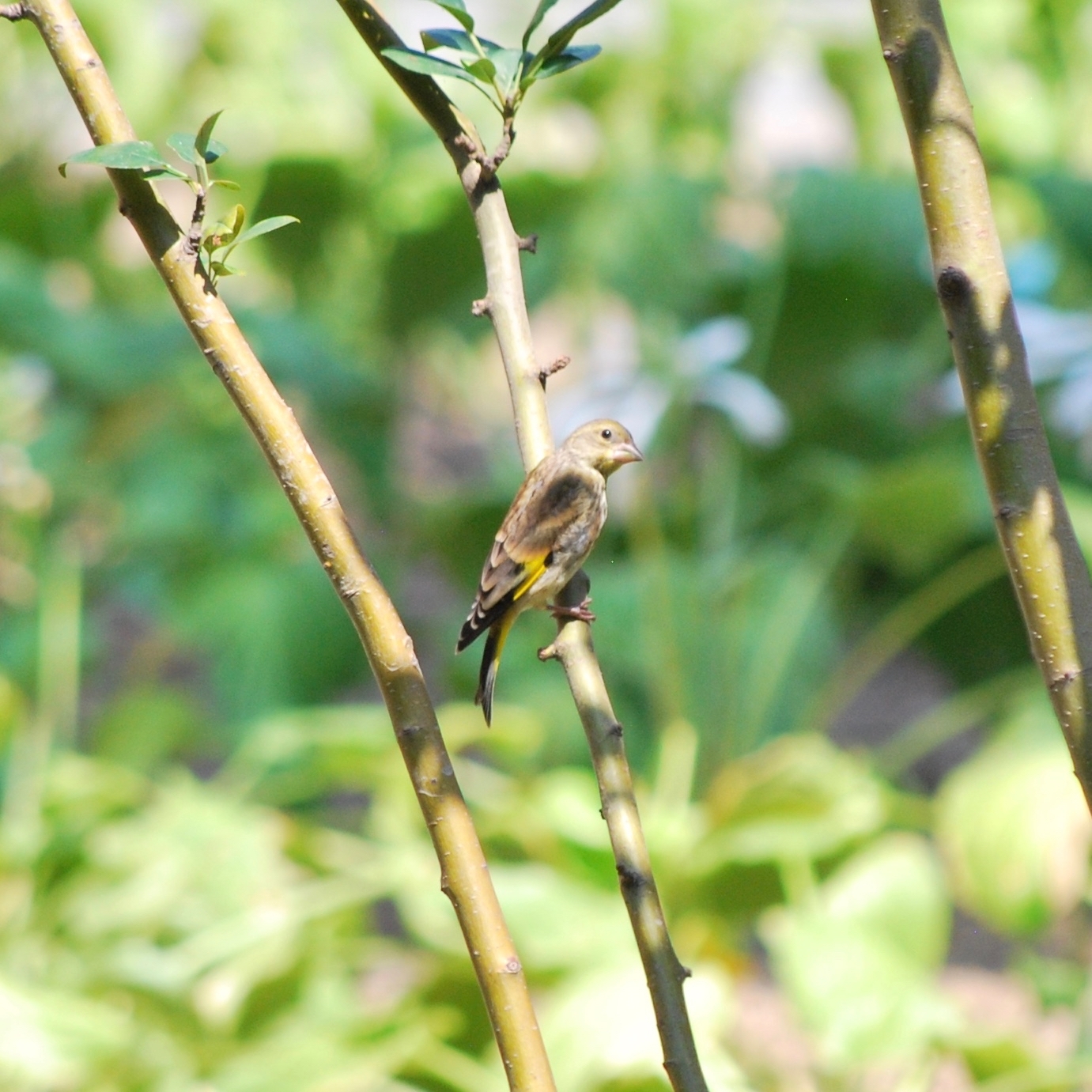
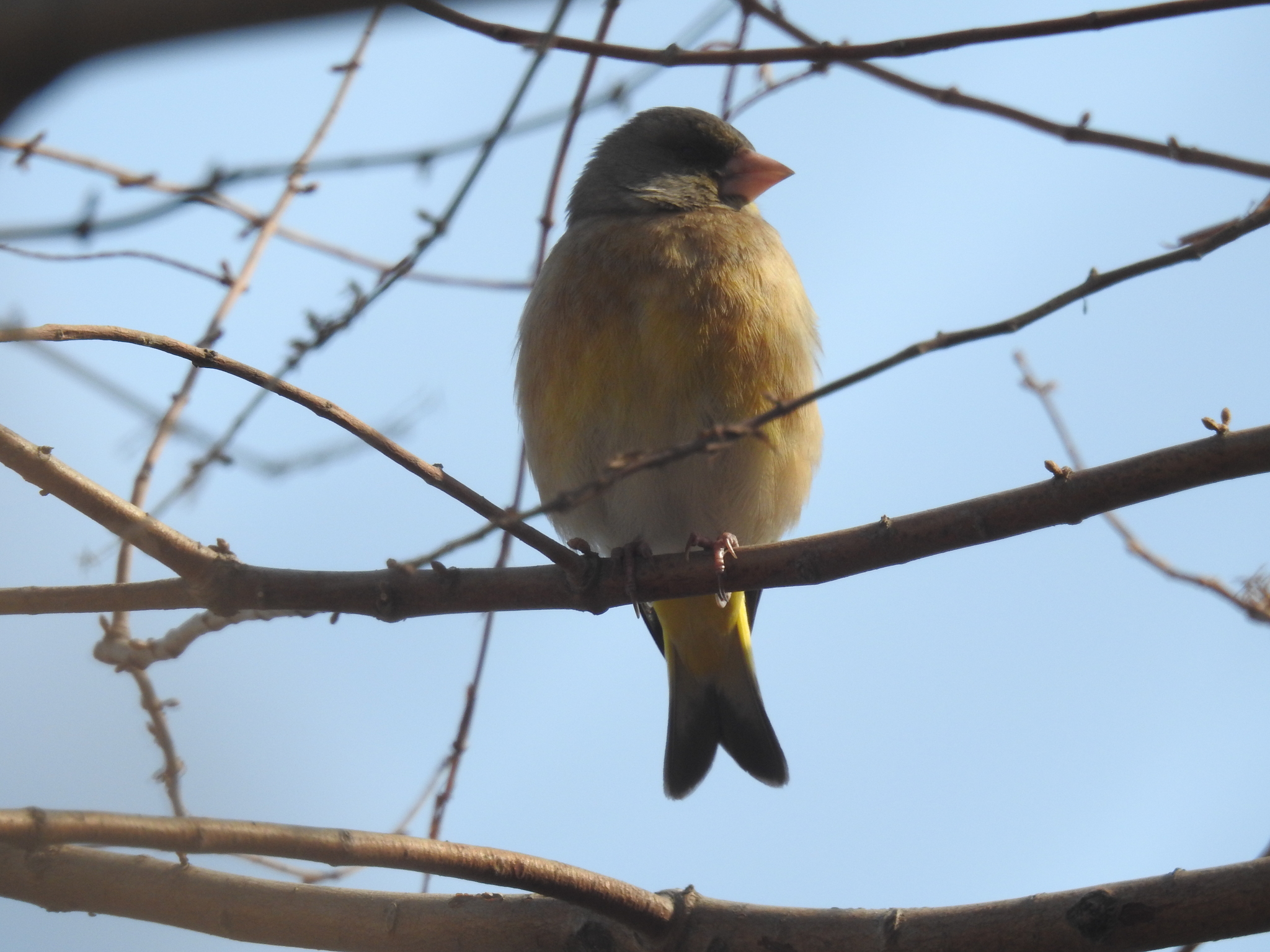
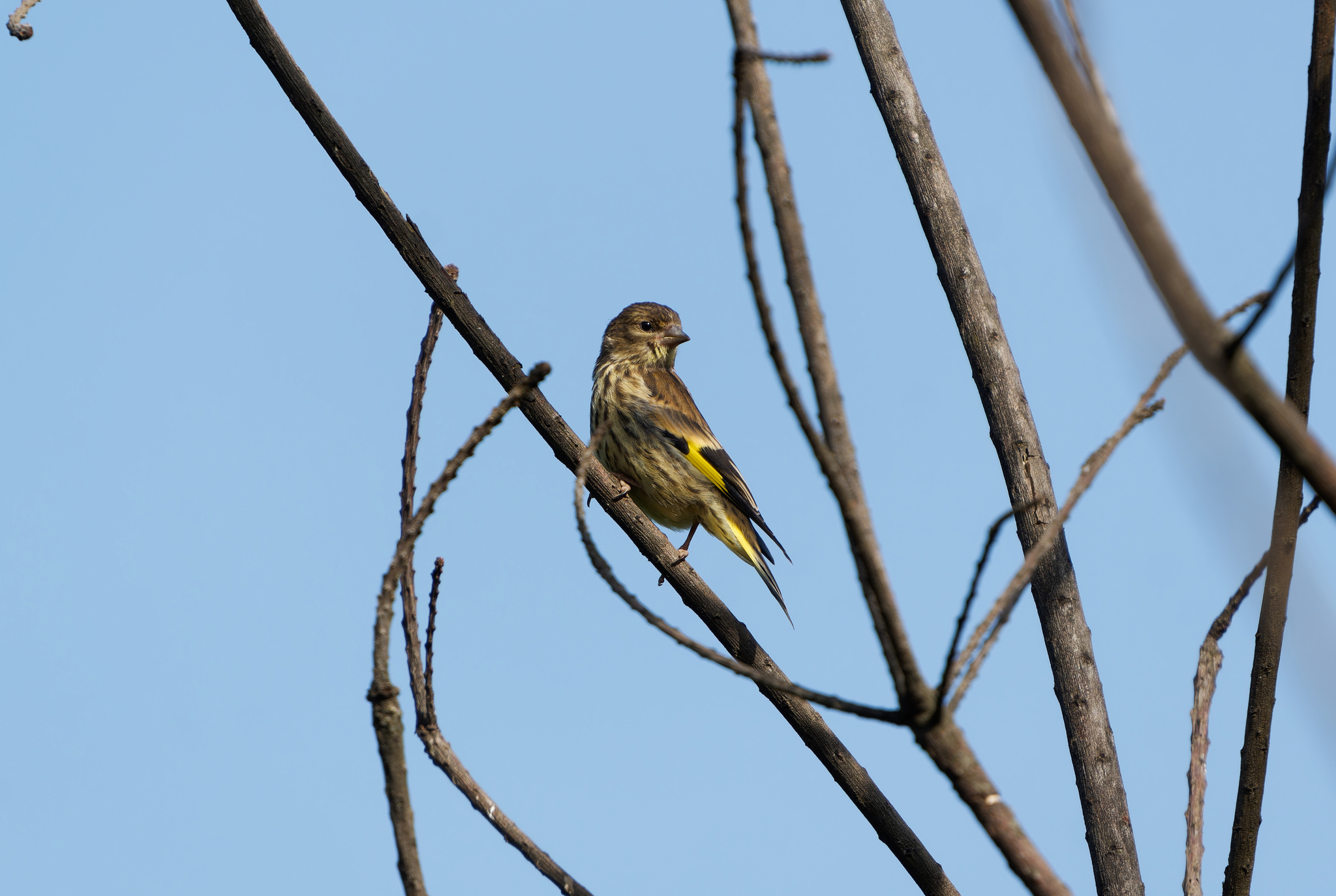
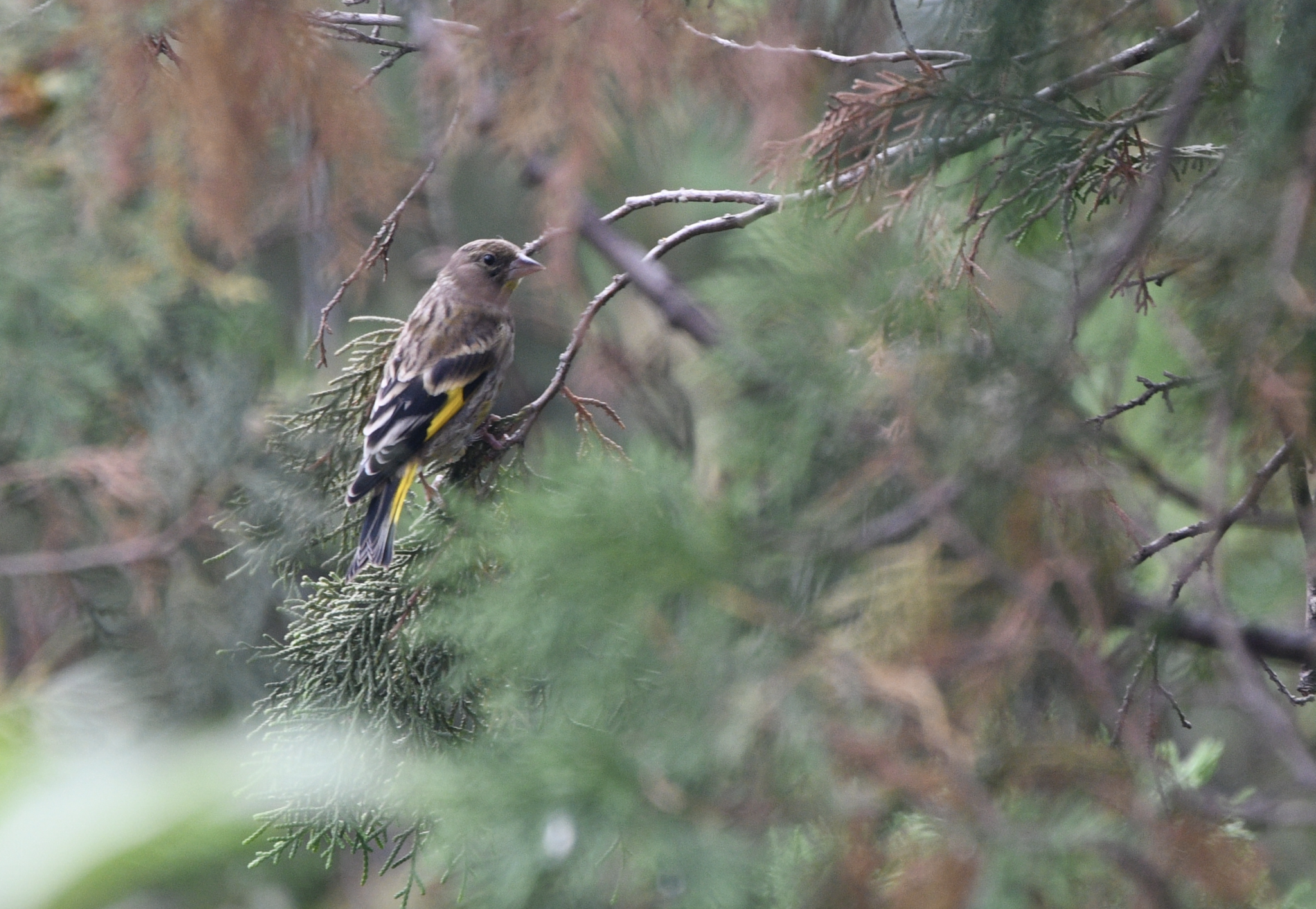
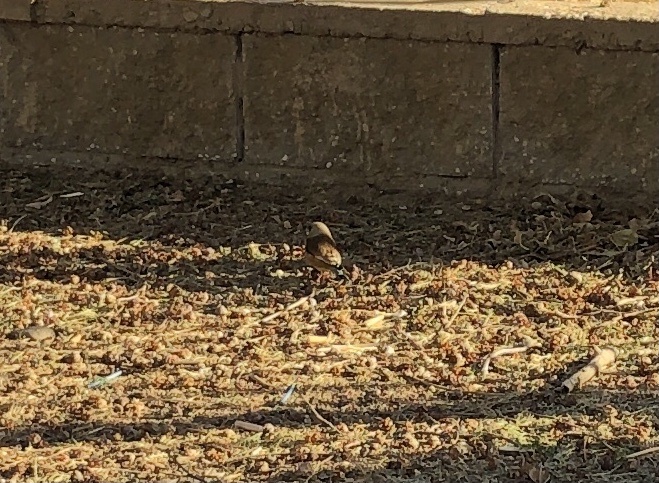
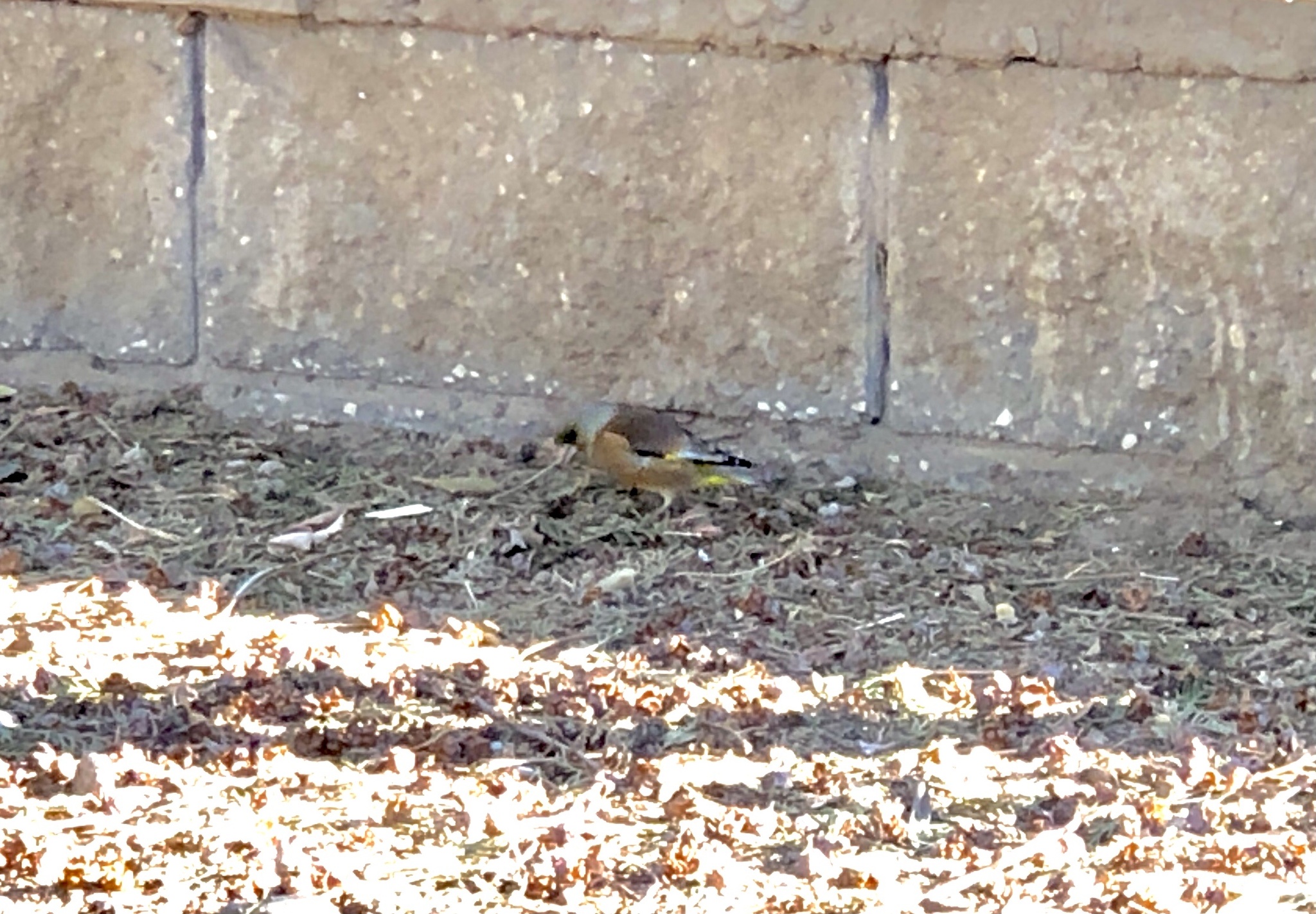
A medium-sized finch measuring 12.5 to 14 centimeters in length, this species presents a robust silhouette with a strong, conical bill typical of seed-eating finches. The tail is relatively short and shows a subtle fork, distinguishing it from species with longer or more deeply forked tail shapes. The plumage combines greenish-yellow tones on the underparts and rump with darker brownish upperparts, creating effective camouflage in woodland foliage. The head patterning varies among subspecies, with some populations displaying a greyish cap that gives rise to the alternative common name. The wings feature yellowish panels that become conspicuous in flight, helping distinguish this species from similar-looking passerines.
Identification
Field identification focuses on the combination of size, tail shape, and wing patterns. The yellowish wing panels and rump provide the most reliable field marks, particularly visible during the distinctive undulating flight pattern characteristic of finches. The relatively short, slightly forked tail distinguishes it from species with longer or square-ended tails. The strong, conical bill immediately identifies it as a finch, while the overall greenish-yellow plumage tones separate it from brown or grey-plumaged similar-sized passerines. Subspecies identification requires careful attention to head coloration, with some populations showing more pronounced grey capping than others.
Distribution & Habitat
This species occupies a broad geographic range across the East Palearctic, from eastern China and Manchuria through the Korean Peninsula to the Russian Far East. Five subspecies are recognized, each occupying distinct geographic areas: C. s. ussuriensis occurs in eastern Manchuria, South Ussuriland, and Korea; C. s. kawarahiba breeds on the Kamchatka Peninsula, Kuril Islands, Sakhalin, and Hokkaido, wintering in Japan; C. s. minor inhabits southern Japan and Korea's Cheju-Do Island; C. s. sinica occupies western China to South Manchuria; and C. s. chabarowi is found from Inner Mongolia to North Manchuria. The species shows a preference for broadleaf and conifer woodlands, though it also adapts to parkland, gardens, and agricultural edges within its range.
Behavior & Ecology
The breeding biology of this species centers on nesting in trees or shrubs, where the female constructs a cup-shaped nest and lays a clutch of 3 to 5 eggs. As with other finches, the diet consists primarily of seeds from various plants, supplemented by buds, shoots, and occasional insects during the breeding season. The species possesses a strong bill capable of handling larger seeds that smaller-billed passerines cannot process. While specific vocalizations are not detailed in available sources, finches in this family typically produce melodic, warbling songs and distinctive contact calls. The species may form small flocks outside the breeding season, sometimes associating with other greenfinch species or siskin flocks.
Conservation
This species is currently evaluated as Least Concern by the IUCN, indicating that it does not face immediate significant threats across its relatively extensive range. The species' adaptability to modified habitats, including parks and gardens, may help buffer it from more specialized woodland birds facing habitat loss. However, localized populations may face pressures from deforestation and habitat fragmentation in parts of its range, particularly in areas experiencing rapid development.
Culture
No specific cultural significance, folklore, or mythological associations are documented for this species in available sources. While finches generally appear in various cultural contexts across their ranges due to their melodious songs and attractive plumage, this particular species does not appear to have notable traditional or contemporary cultural importance documented in ornithological literature.
Source: Wikipedia · CC BY-SA 3.0
Taxonomy
- Order
- Passeriformes
- Family
- Fringillidae
- Genus
- Chloris
- eBird Code
- origre
Vocalizations
Subspecies (5)
-
Chloris sinica kawarahiba
breeds Kamchatka, Kuril Islands, Sakhalin, and Hokkaido; winters to Japan
-
Chloris sinica kittlitzi
southern Japan (Bonin Islands and Volcano Islands)
-
Chloris sinica minor
southern Japan (Honshu, Shikoku, and Kyushu) and Korea (Jeju Islands)
-
Chloris sinica sinica
western China (Gansu) to southern Manchuria
-
Chloris sinica ussuriensis
northeastern China, Korea, and eastern Siberia
Data Sources
Species description from Wikipedia, licensed under CC BY-SA 3.0.
Bird images and sounds sourced from GBIF, contributed by citizen scientists worldwide under Creative Commons licenses.
Taxonomy data from AviList 2025.