Passeriformes / Fringillidae / Chloris
European Greenfinch
Chloris chloris · 欧金翅雀
Introduction
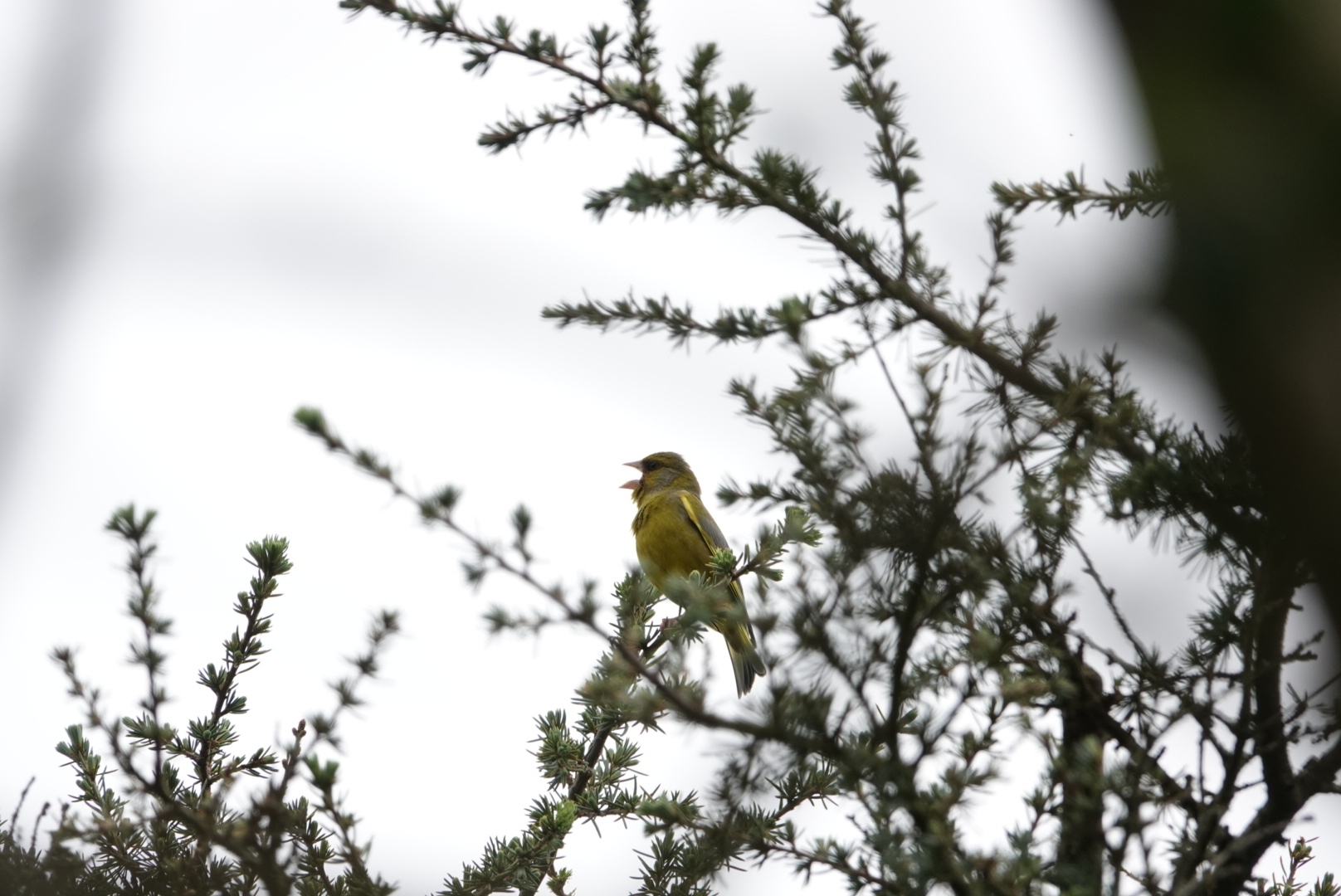
Small passerine in the finch family Fringillidae, widespread throughout Europe, North Africa, and Southwest Asia. Mainly resident, with northern populations migrating south; introduced to Australia, New Zealand, Uruguay, and Argentina. Distinctive for thick conical bill, green plumage with yellow wing and tail markings, and trilling song with butterfly display flight.
Description
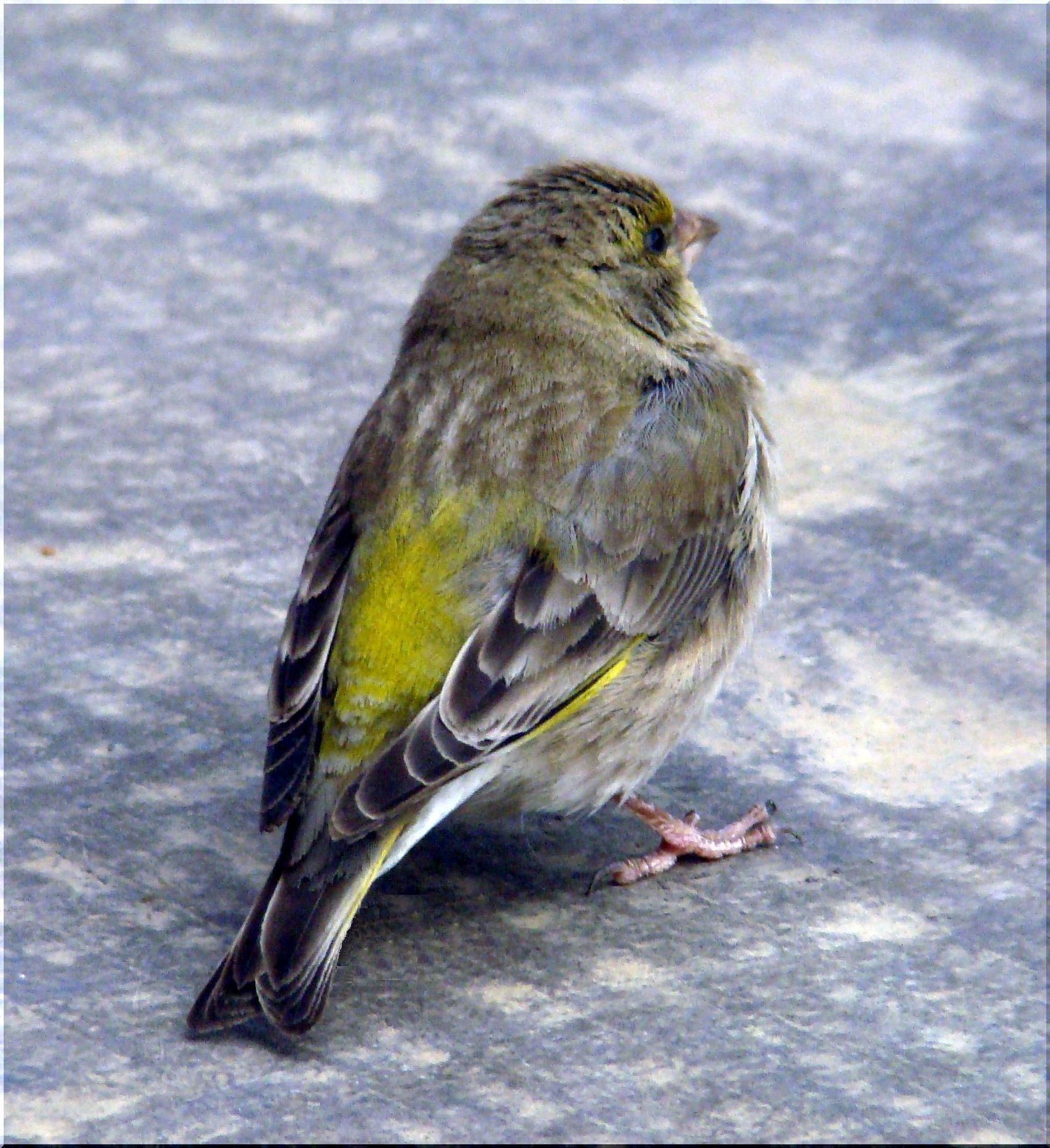
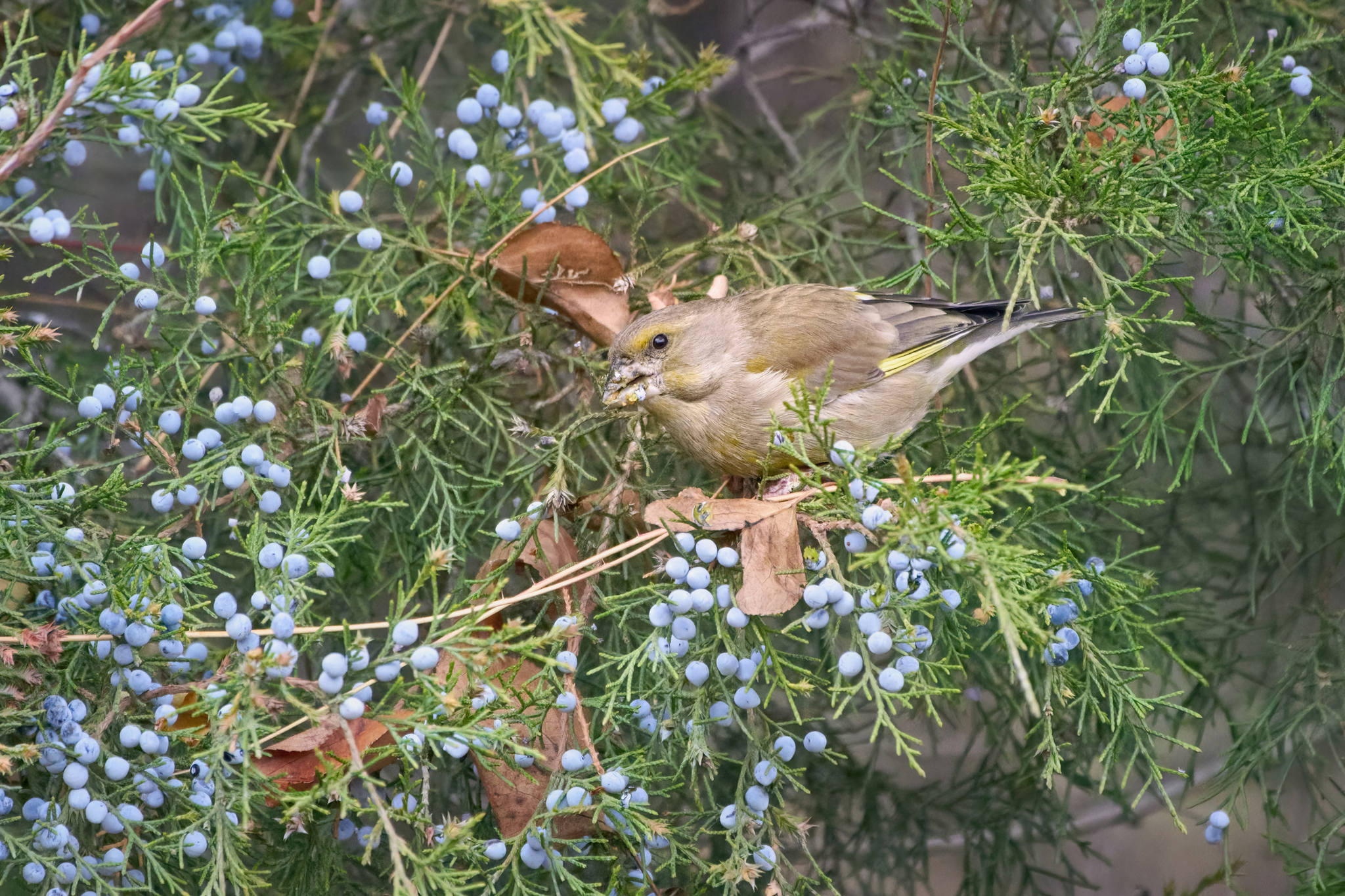
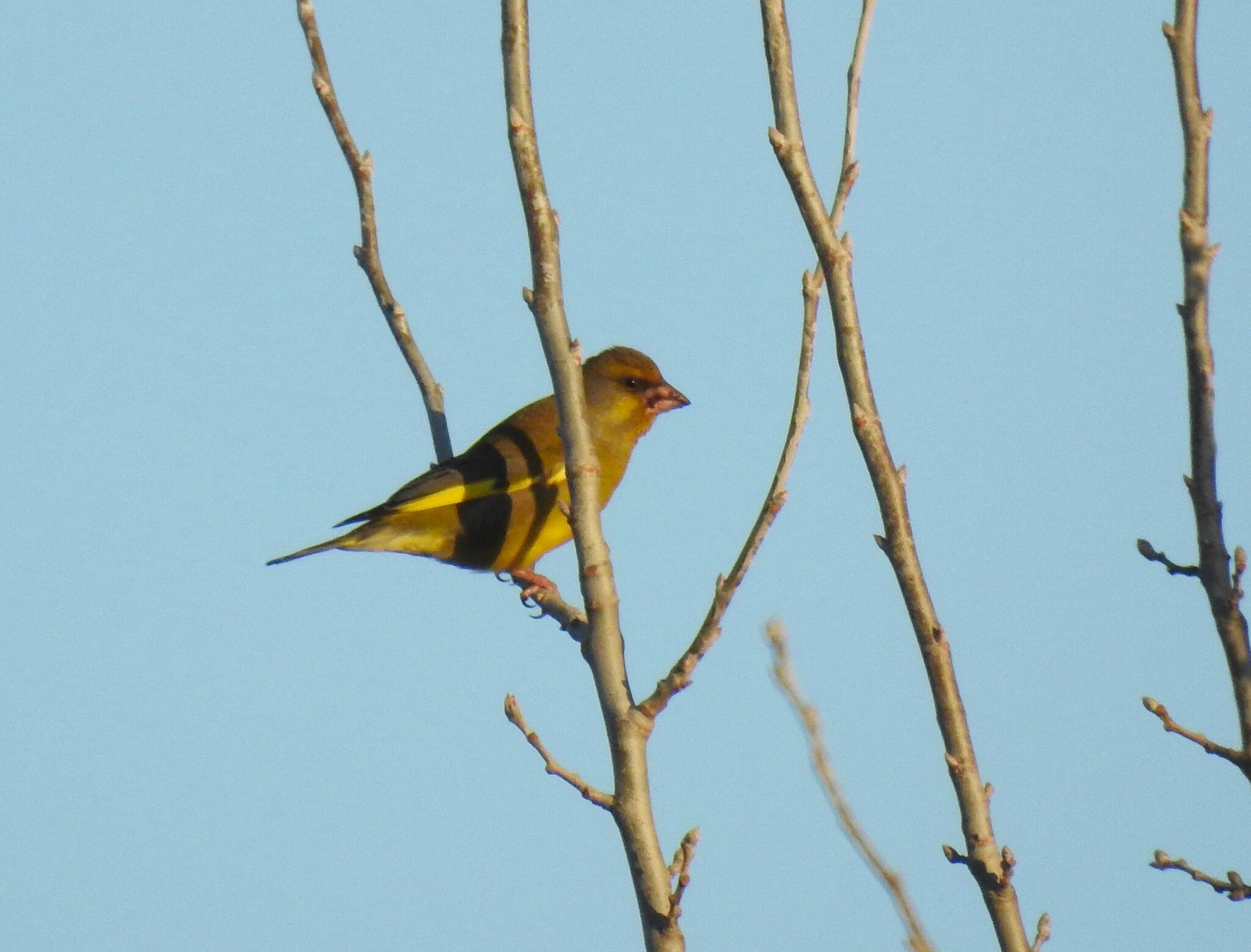
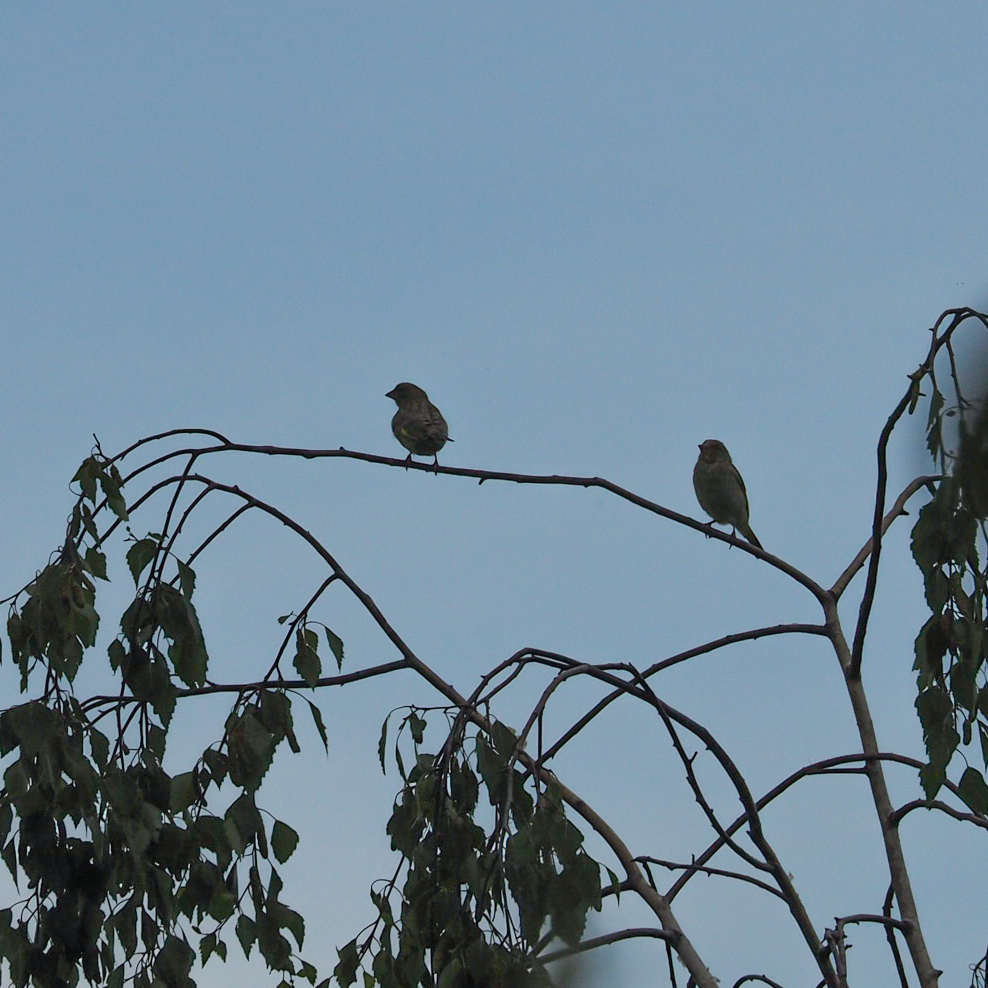
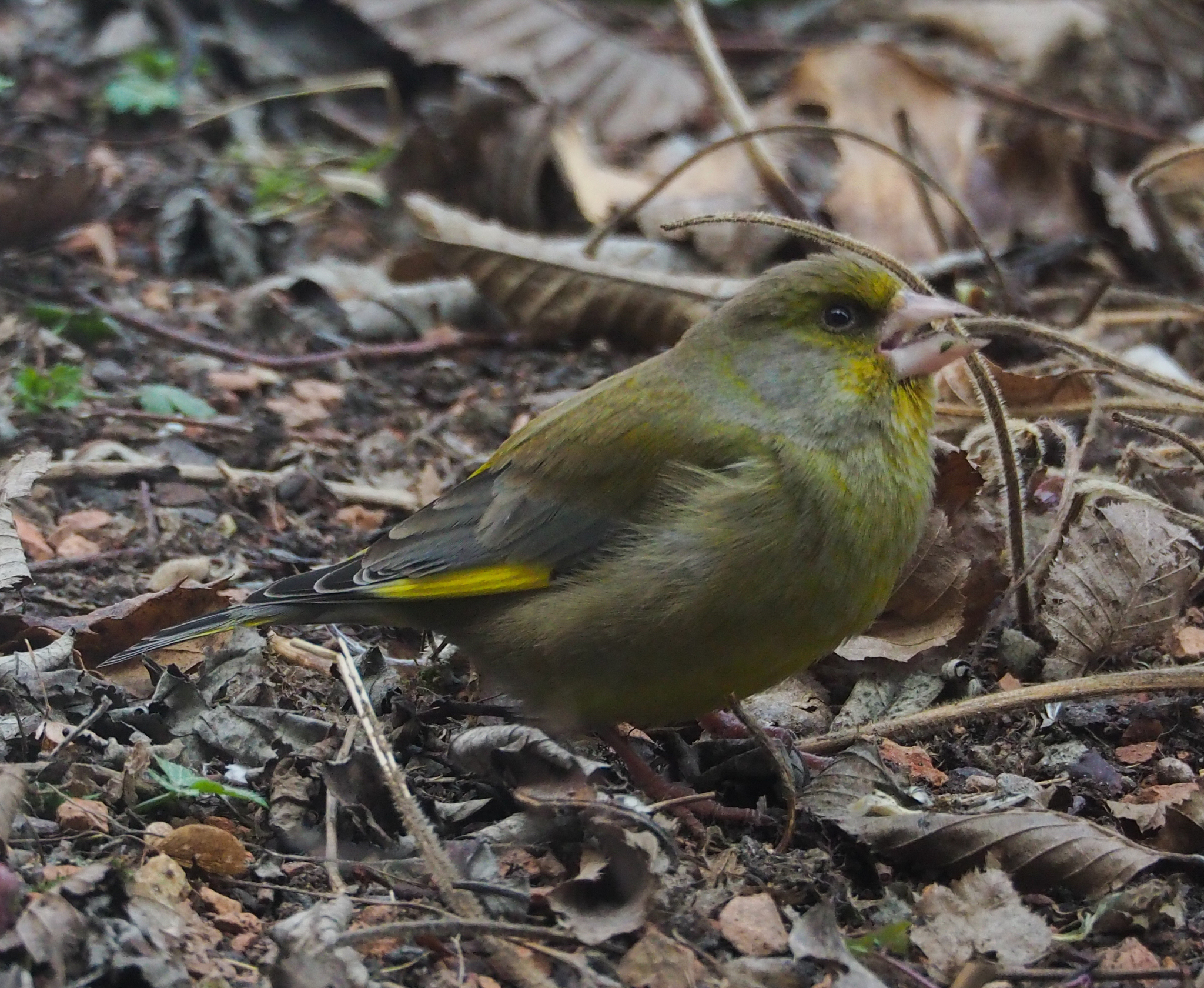
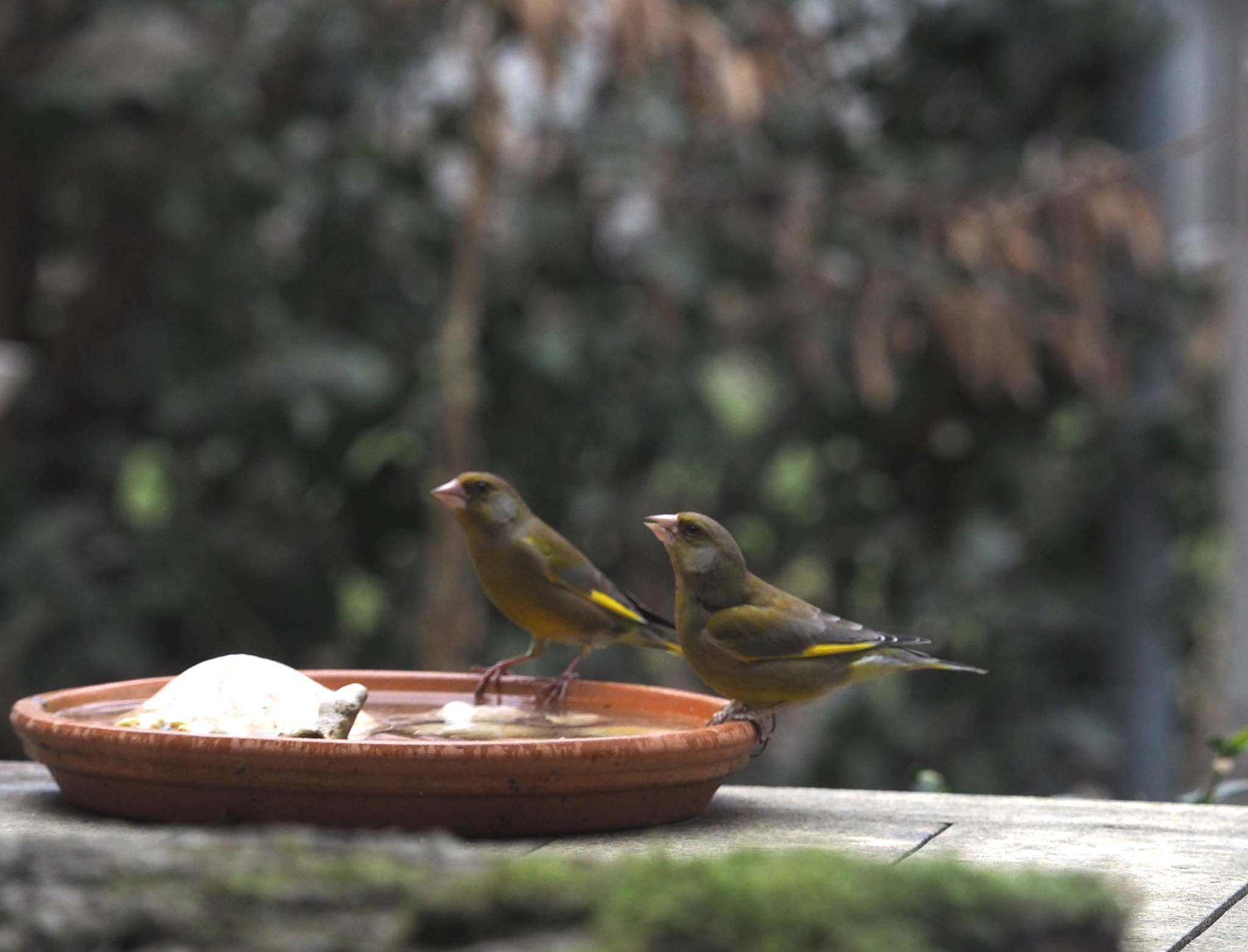
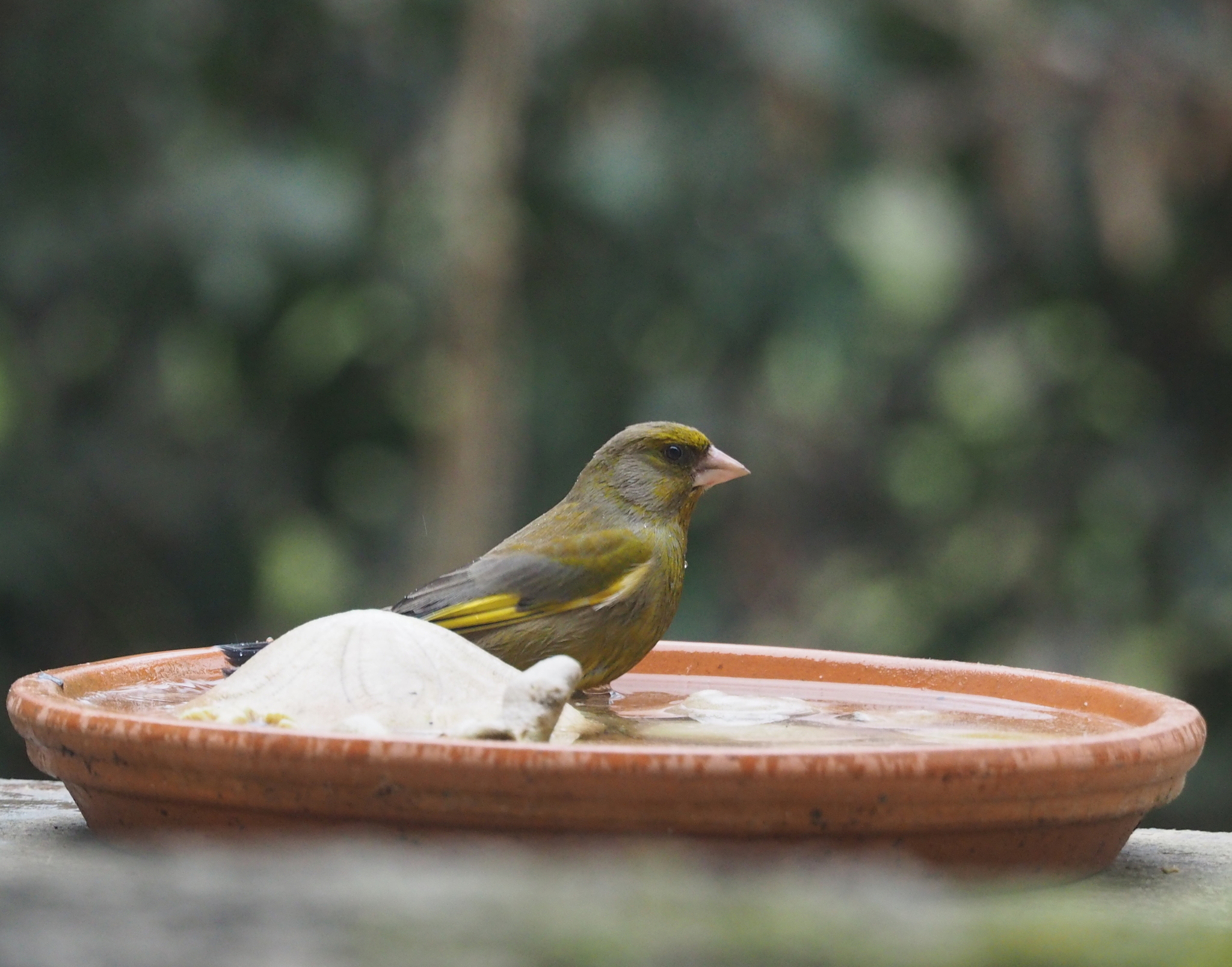
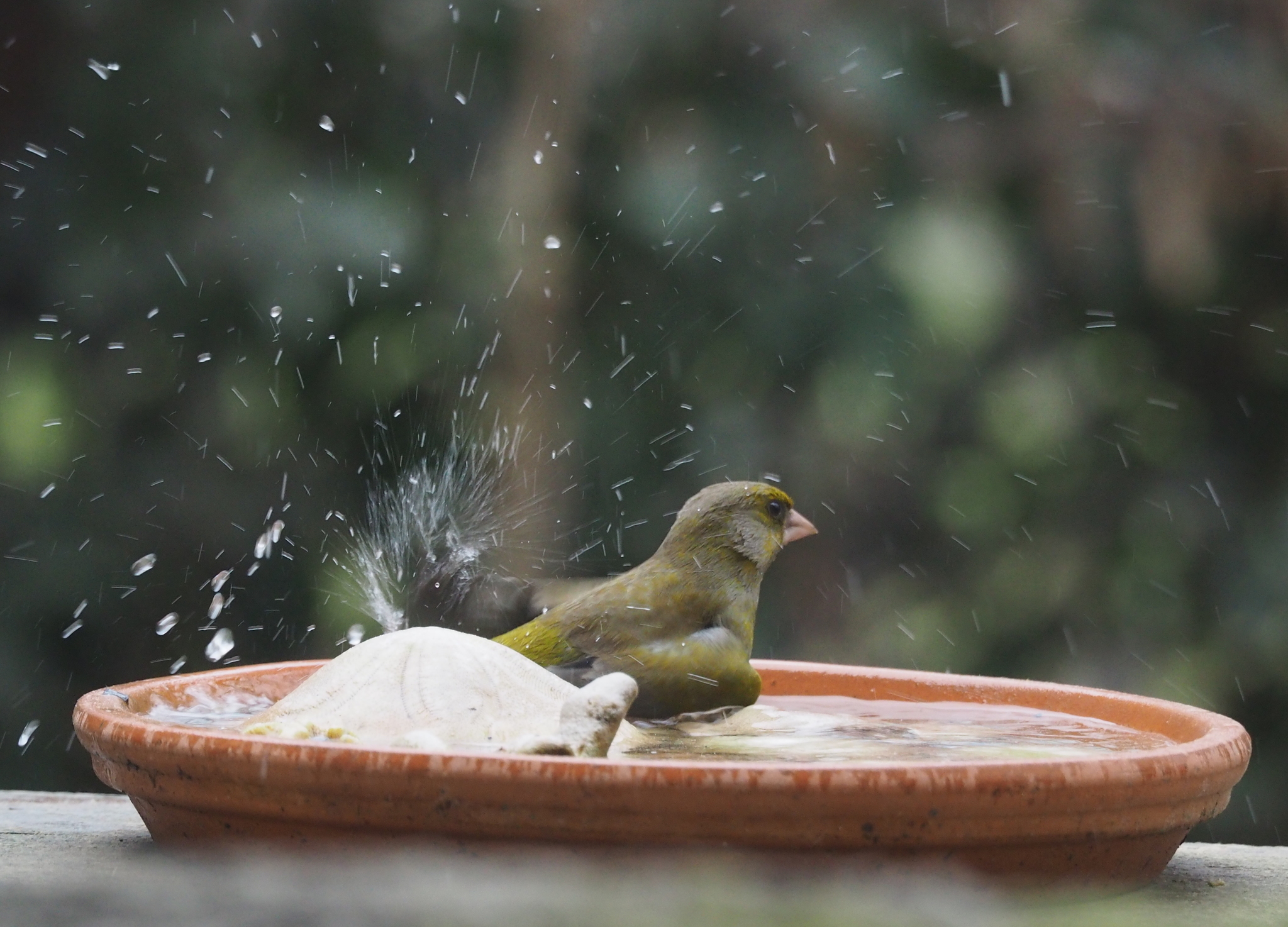
15 cm (5.9 in) long with a wingspan of 24.5 to 27.5 cm (9.6 to 10.8 in). Similar in size and shape to a house sparrow. Plumage is mainly green with yellow in the wings and tail. Females and young birds are duller with brown tones on the back. Bill is thick and conical.
Identification
Key marks include green body, yellow wing and tail patches, and thick conical bill. Song features trilling and twittering interspersed with wheezes. Male performs a distinctive 'butterfly' display flight.
Distribution & Habitat
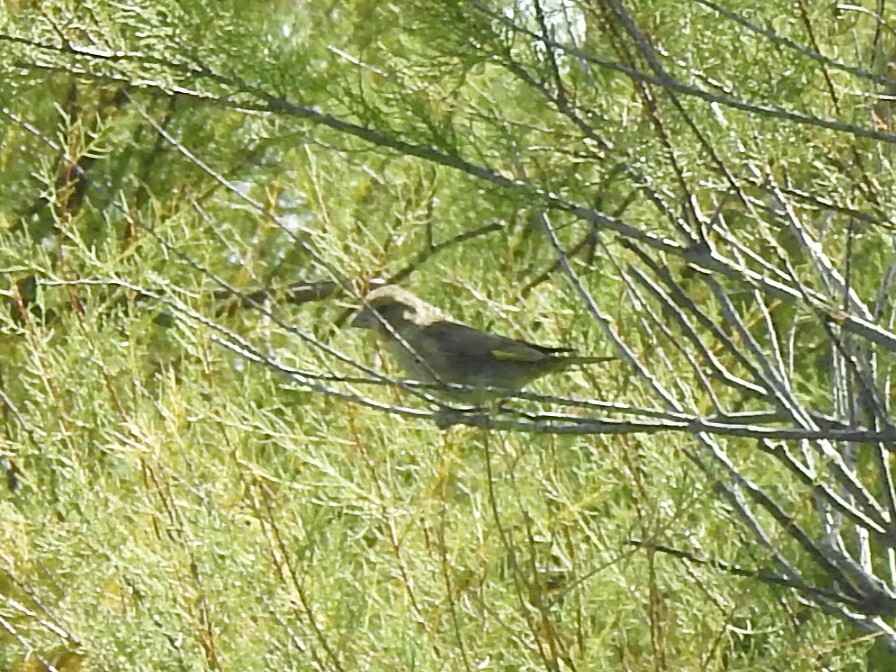
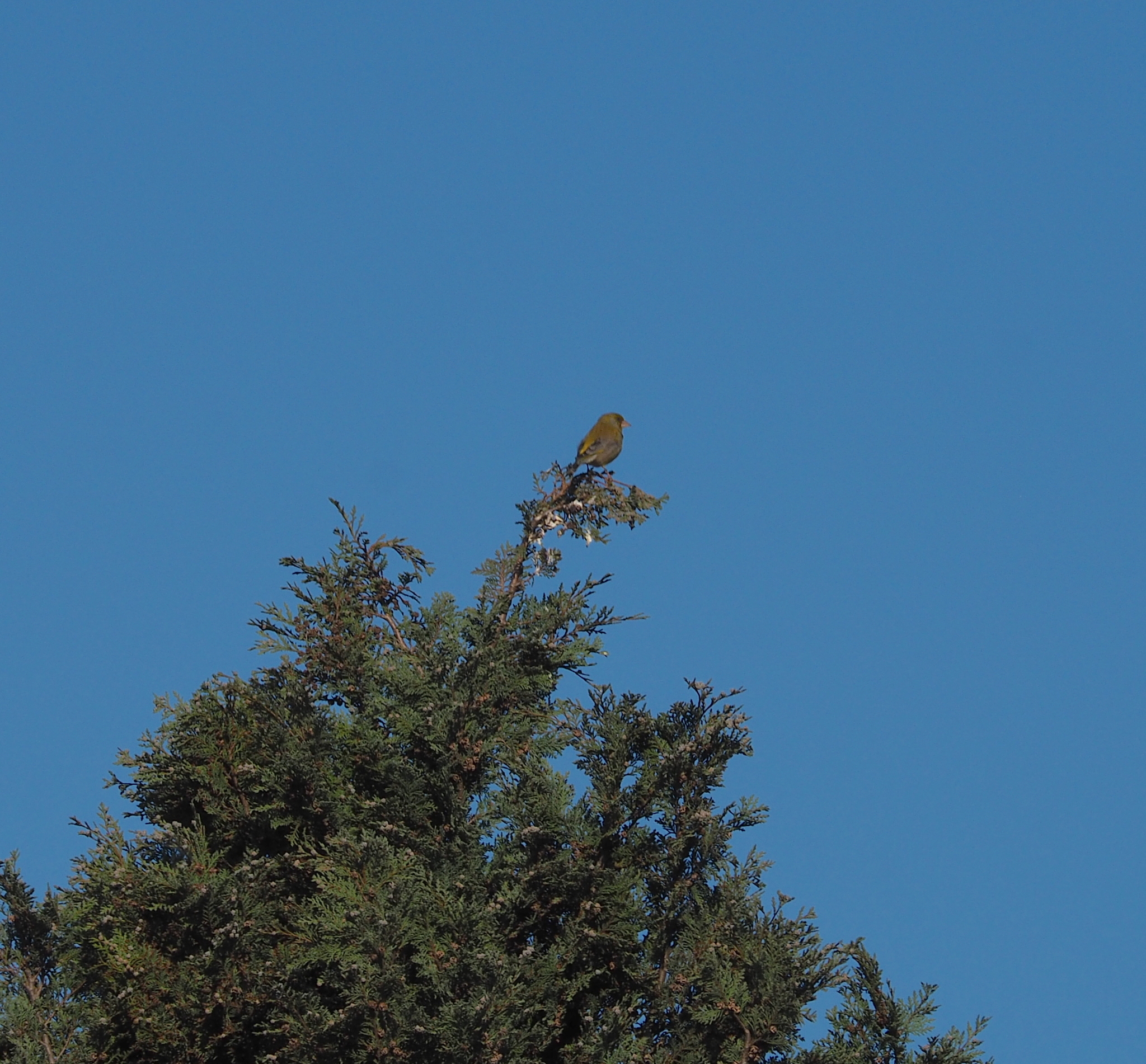
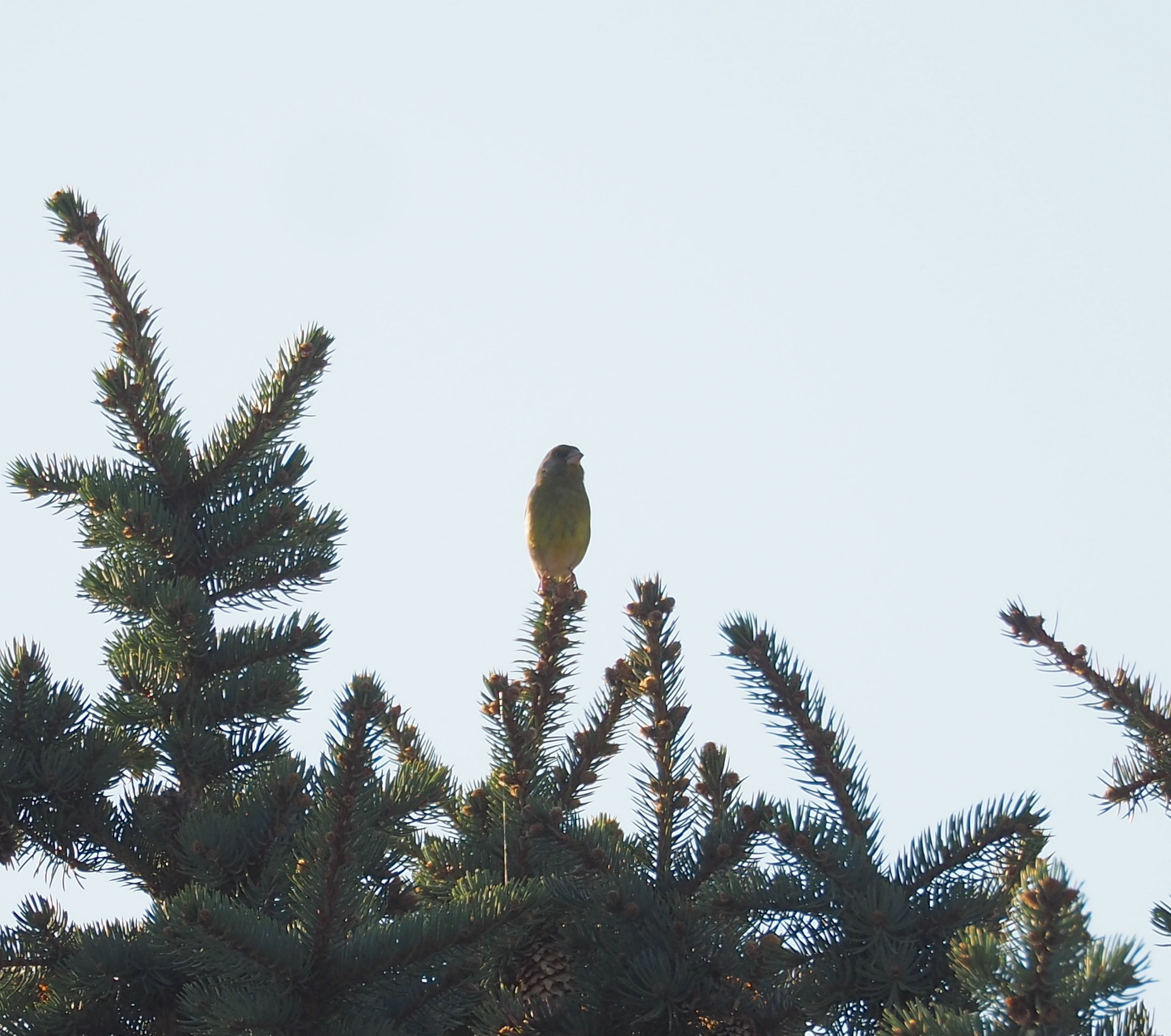
Native range covers Europe, North Africa, and Southwest Asia. Introduced populations exist in Australia, New Zealand, Uruguay, and Argentina. Ten recognised subspecies. Habitat includes woodland edges, farmland hedges, and gardens with thick vegetation.
Behavior & Ecology
Breeding season runs from late March to June in the Northern Hemisphere (October to March in Australasia). Nest built by female in trees or bushes; clutch of 4–6 greyish-white, bluish-white, or beige eggs with reddish-brown spots. Female incubates for 13–14 days while male feeds her. Chicks fledge 16–18 days after hatching; two or three broods per year. Diet consists of seeds, berries, fruit, buds, flowers, and arthropods, foraged in trees, bushes, and on ground.
Culture
Subject of William Wordsworth's 1803 poem 'The Green Linnet'.
Source: Wikipedia · CC BY-SA 3.0
Taxonomy
- Order
- Passeriformes
- Family
- Fringillidae
- Genus
- Chloris
Subspecies (10)
-
Chloris chloris aurantiiventris
southern Spain through southern Europe to western Greece
Data Sources
Species description from Wikipedia, licensed under CC BY-SA 3.0.
Bird images and sounds sourced from GBIF, contributed by citizen scientists worldwide under Creative Commons licenses.
Taxonomy data from AviList 2025.