European Greenfinch
Chloris chloris
欧金翅雀
Introduction
This small finch occurs across much of Europe, North Africa, and Southwest Asia, inhabiting woodland edges, farmland hedgerows, and gardens. Northern populations are migratory, moving southward in winter, while southern populations are resident. The species has been introduced to Australia, New Zealand, Uruguay, and Argentina. It possesses a robust, conical bill adapted for larger seeds. The wing and tail show yellowish flashes. The flight is undulating. The song consists of twittering notes with wheezes and trills, produced from late winter through summer. This species is the type species of its genus, having been separated from the genus Carduelis based on molecular phylogenetic studies.
Description
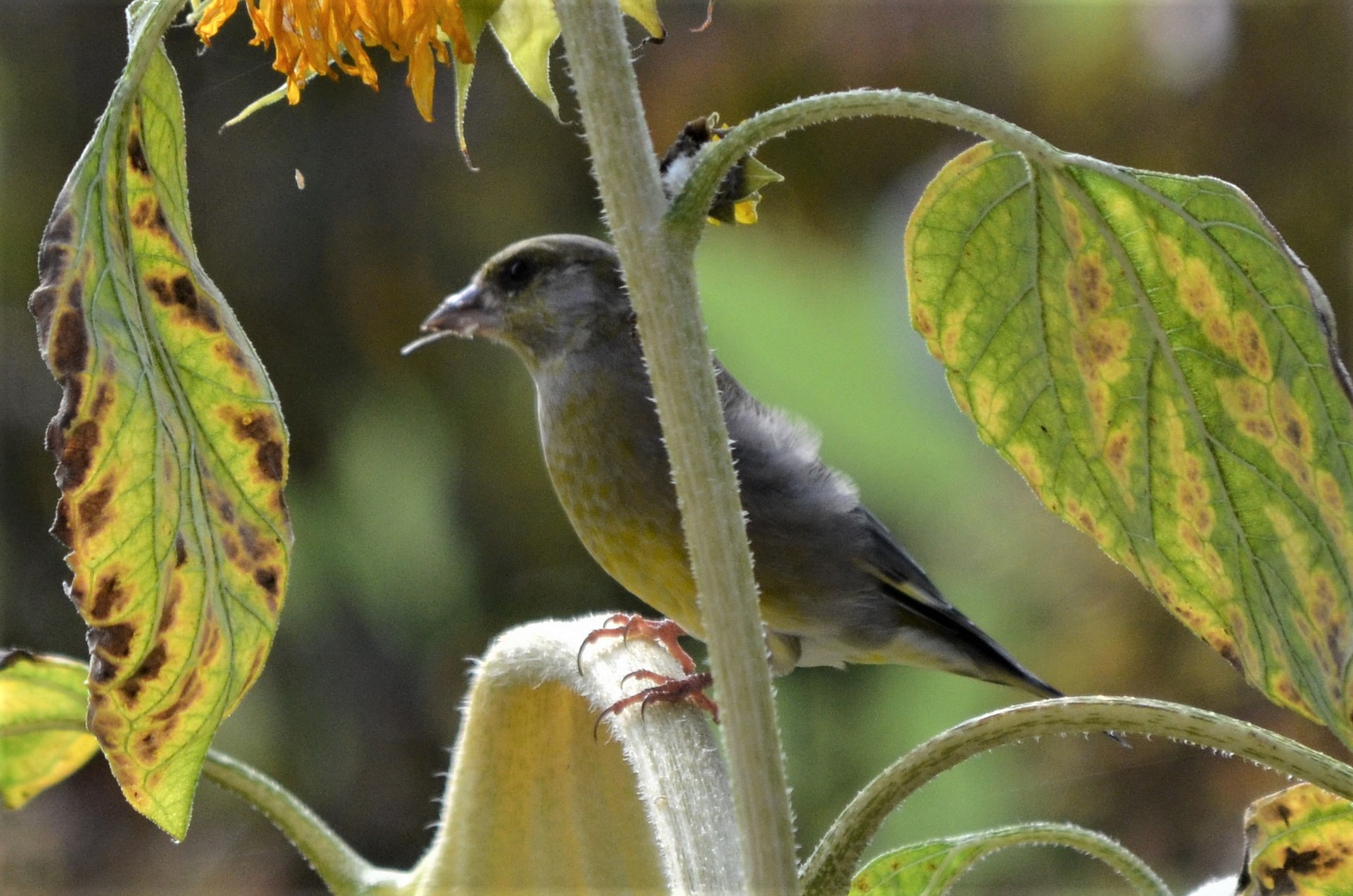
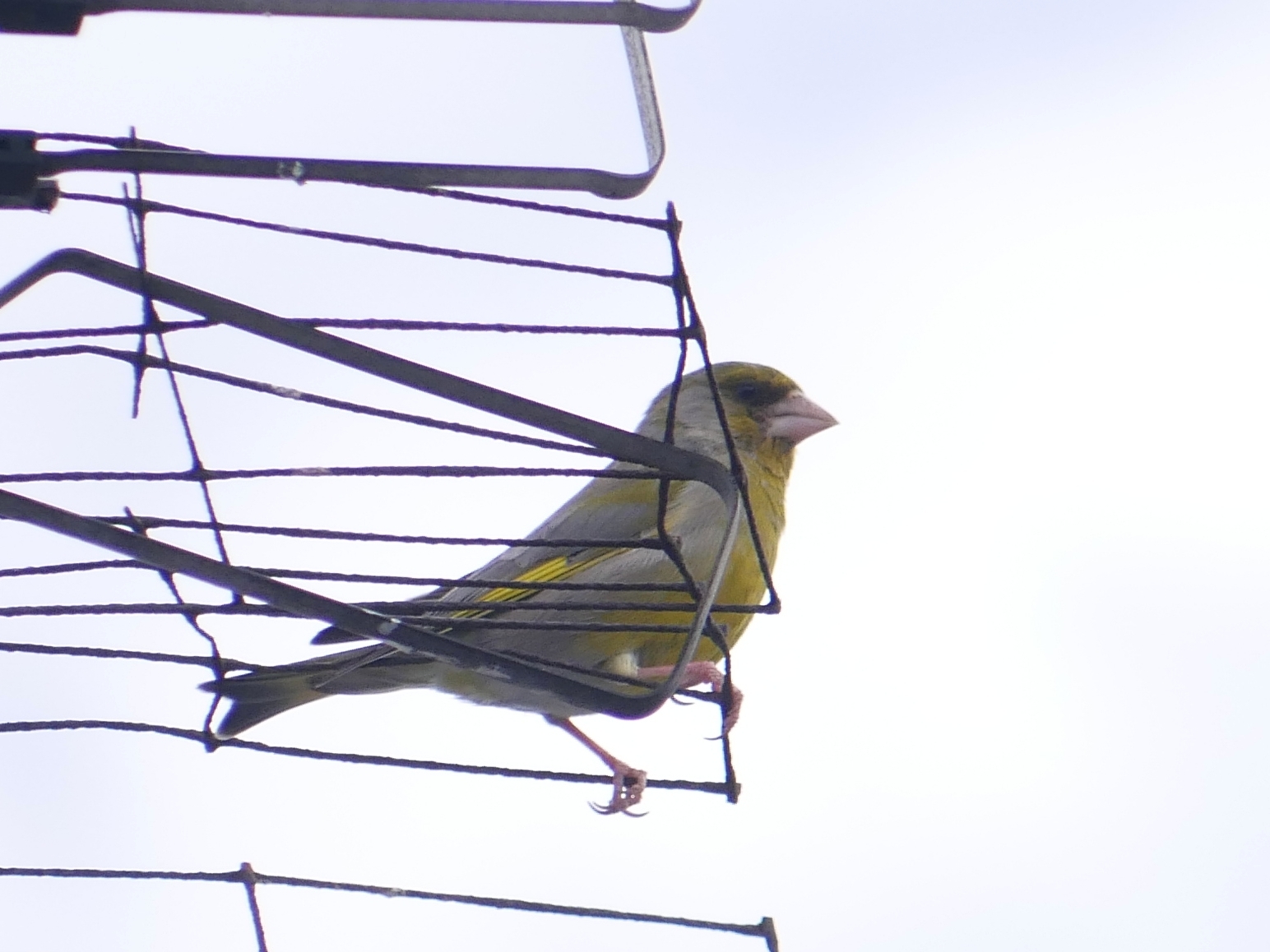
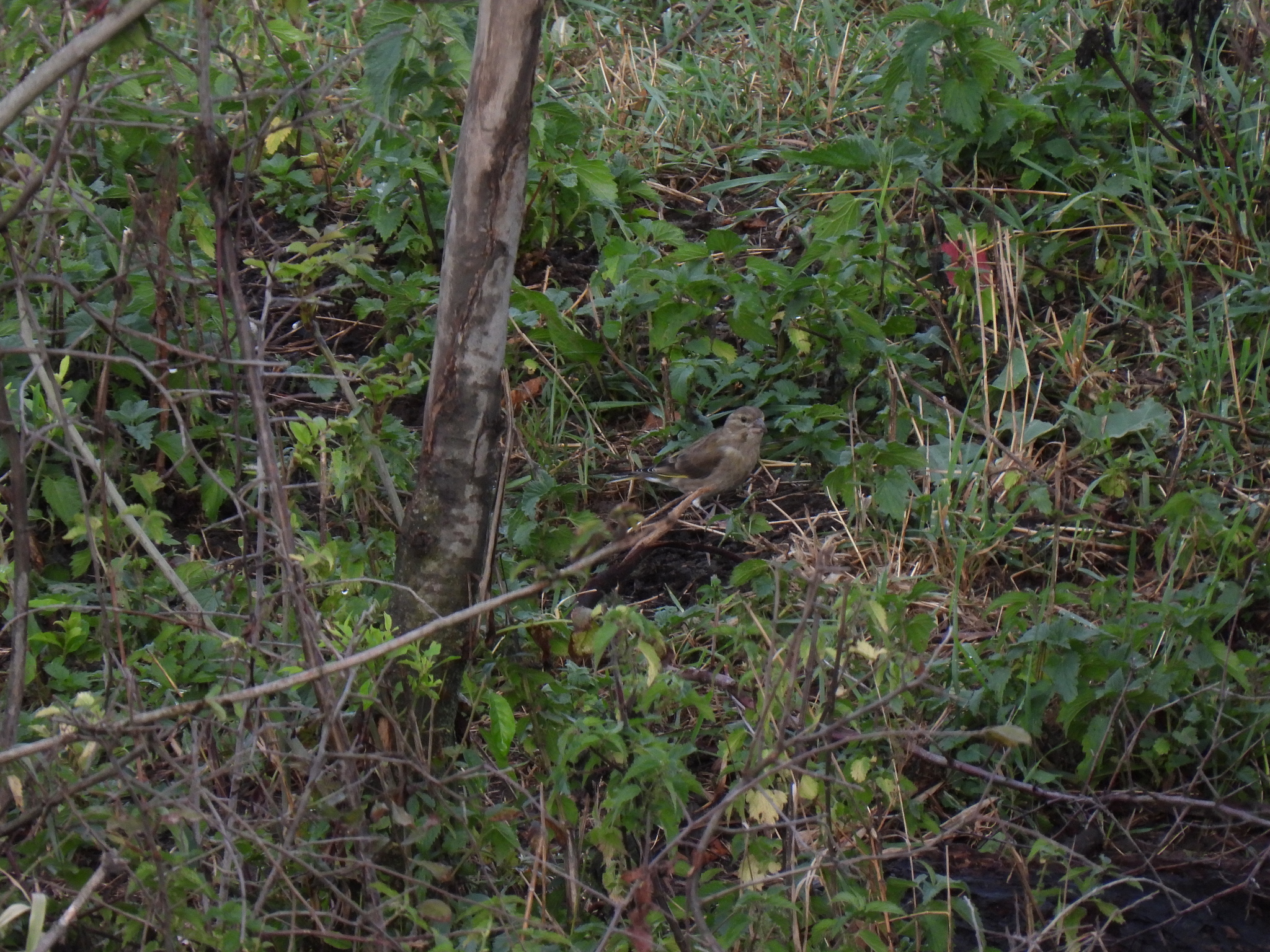
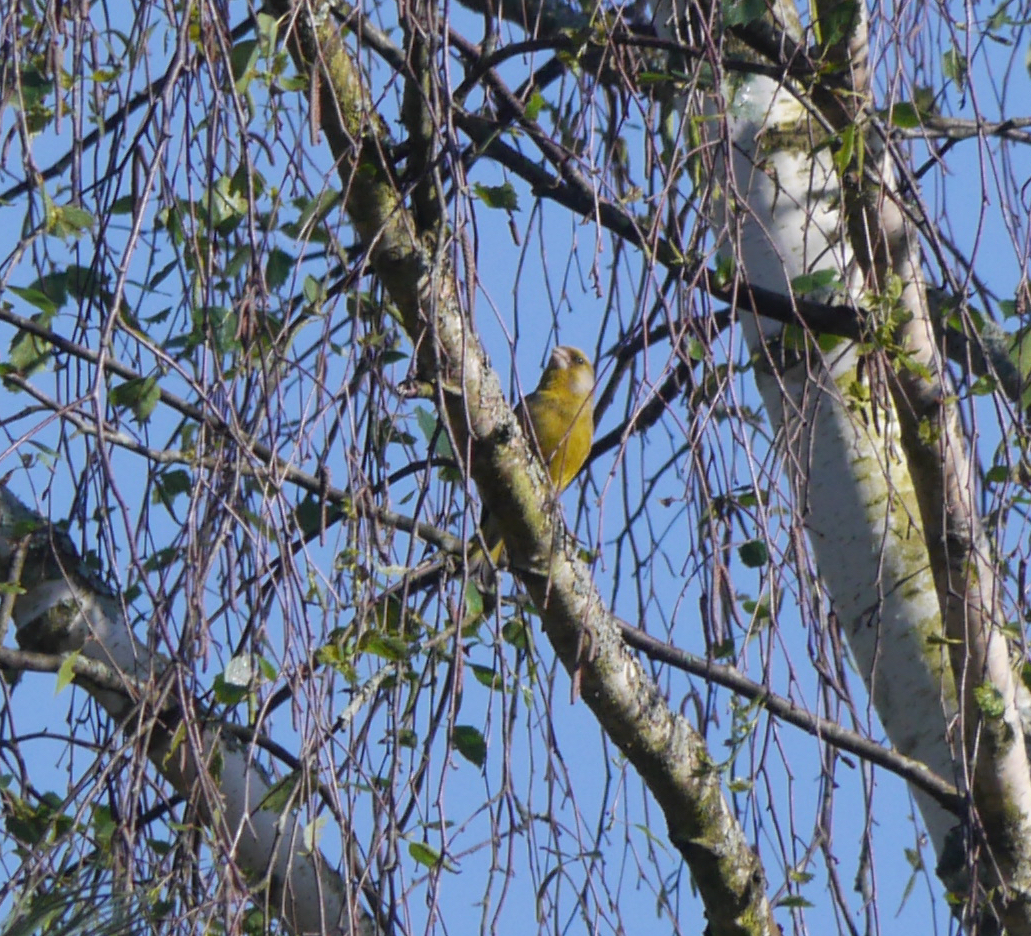
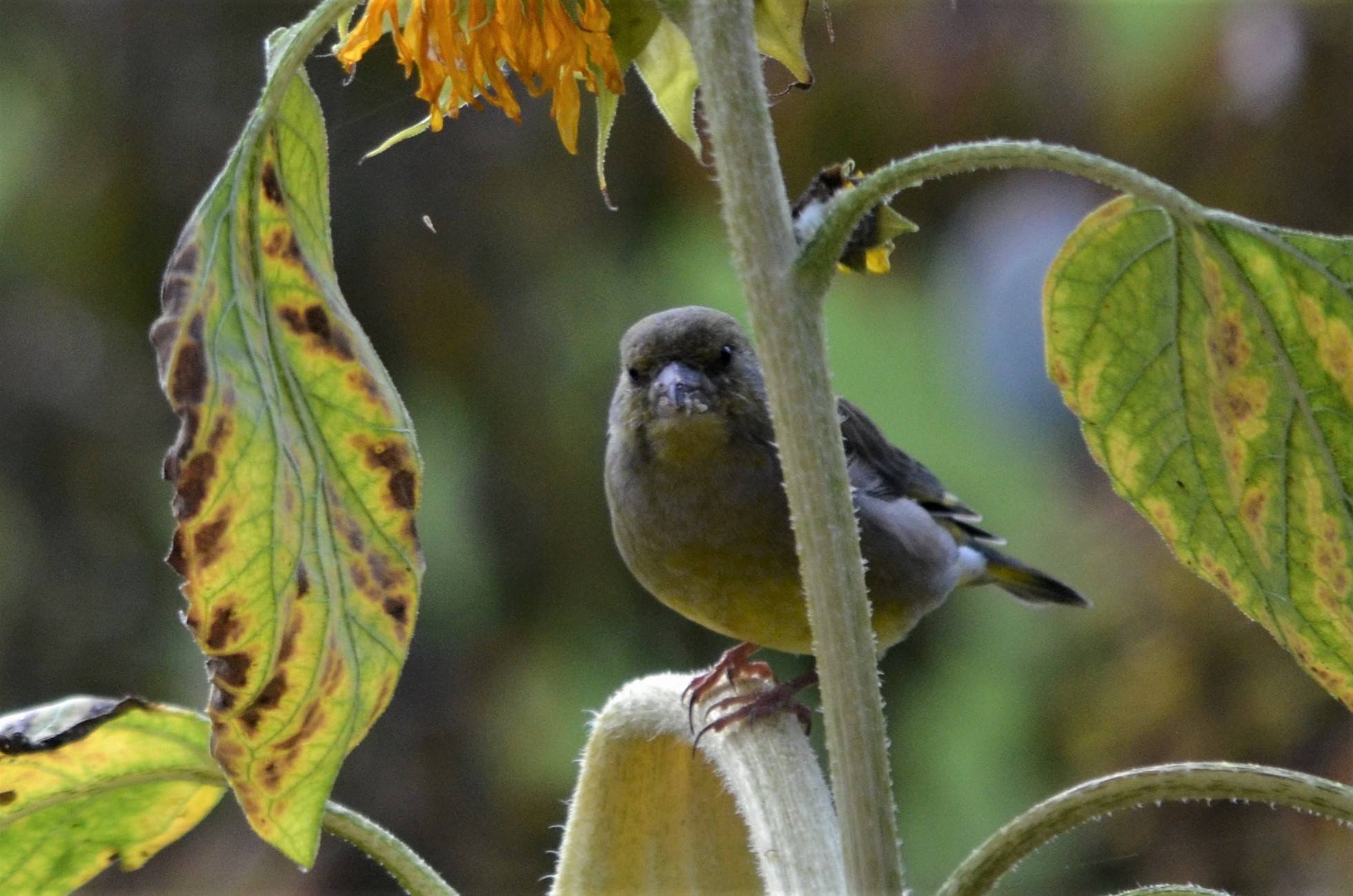
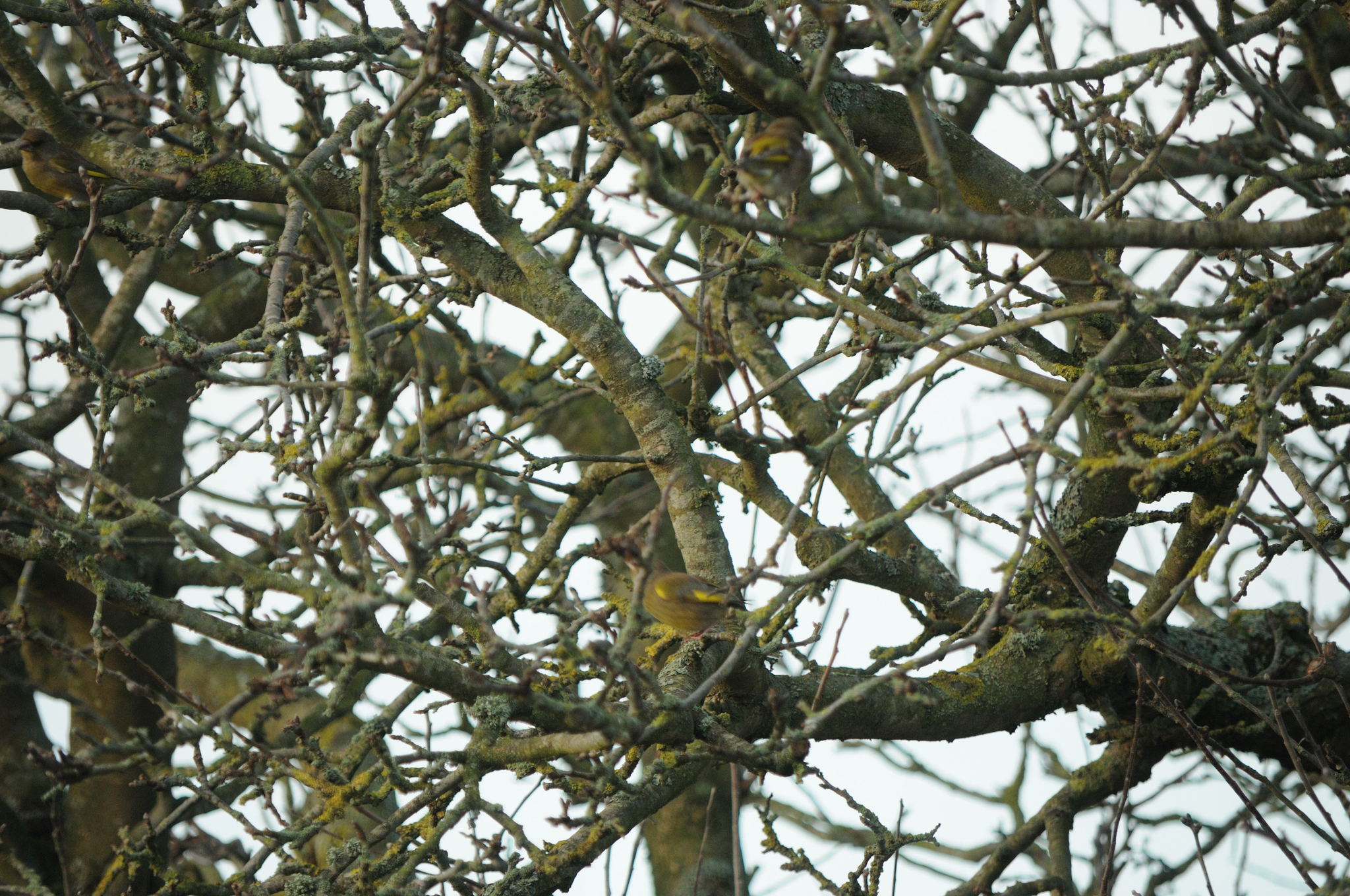
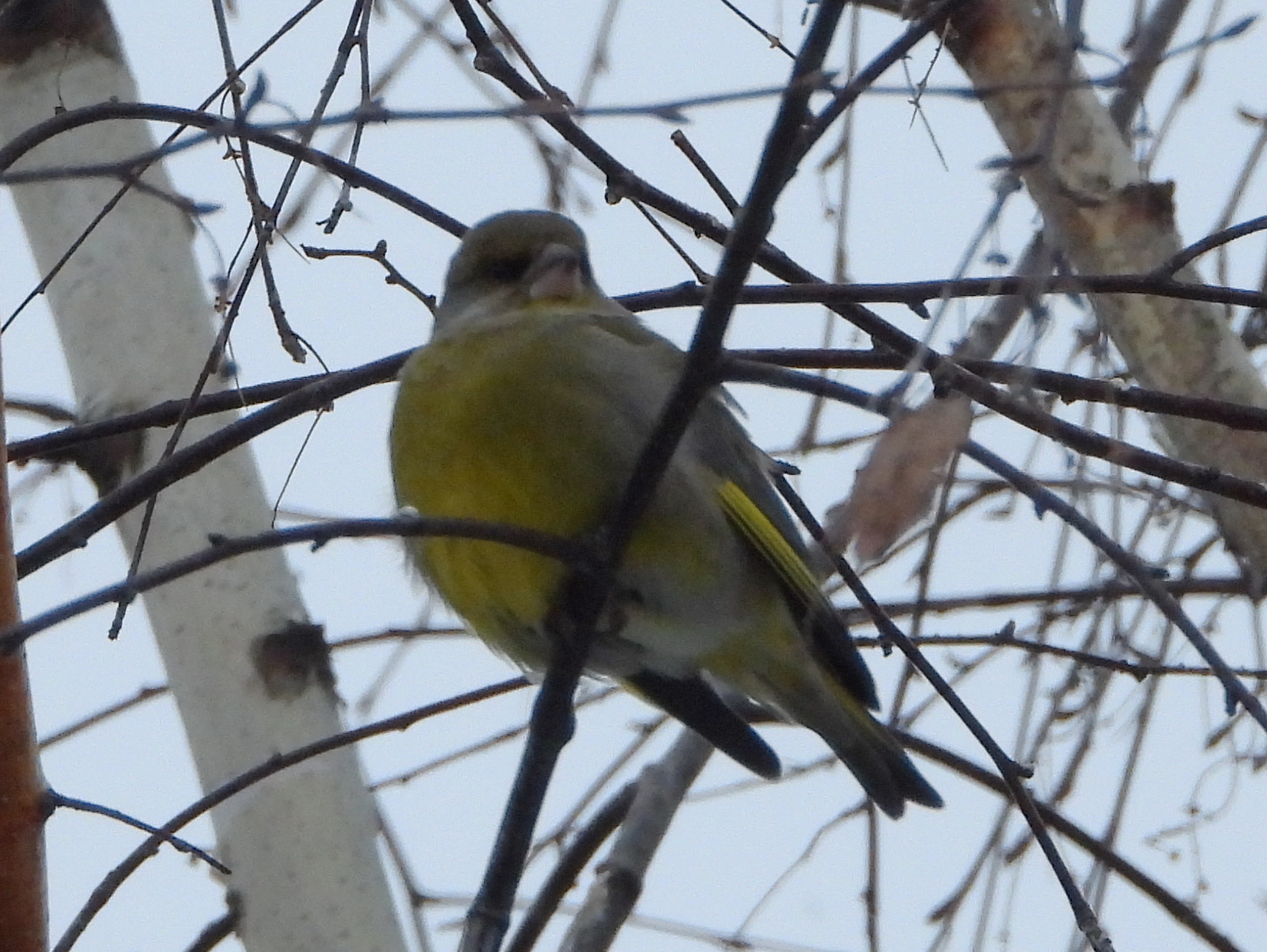
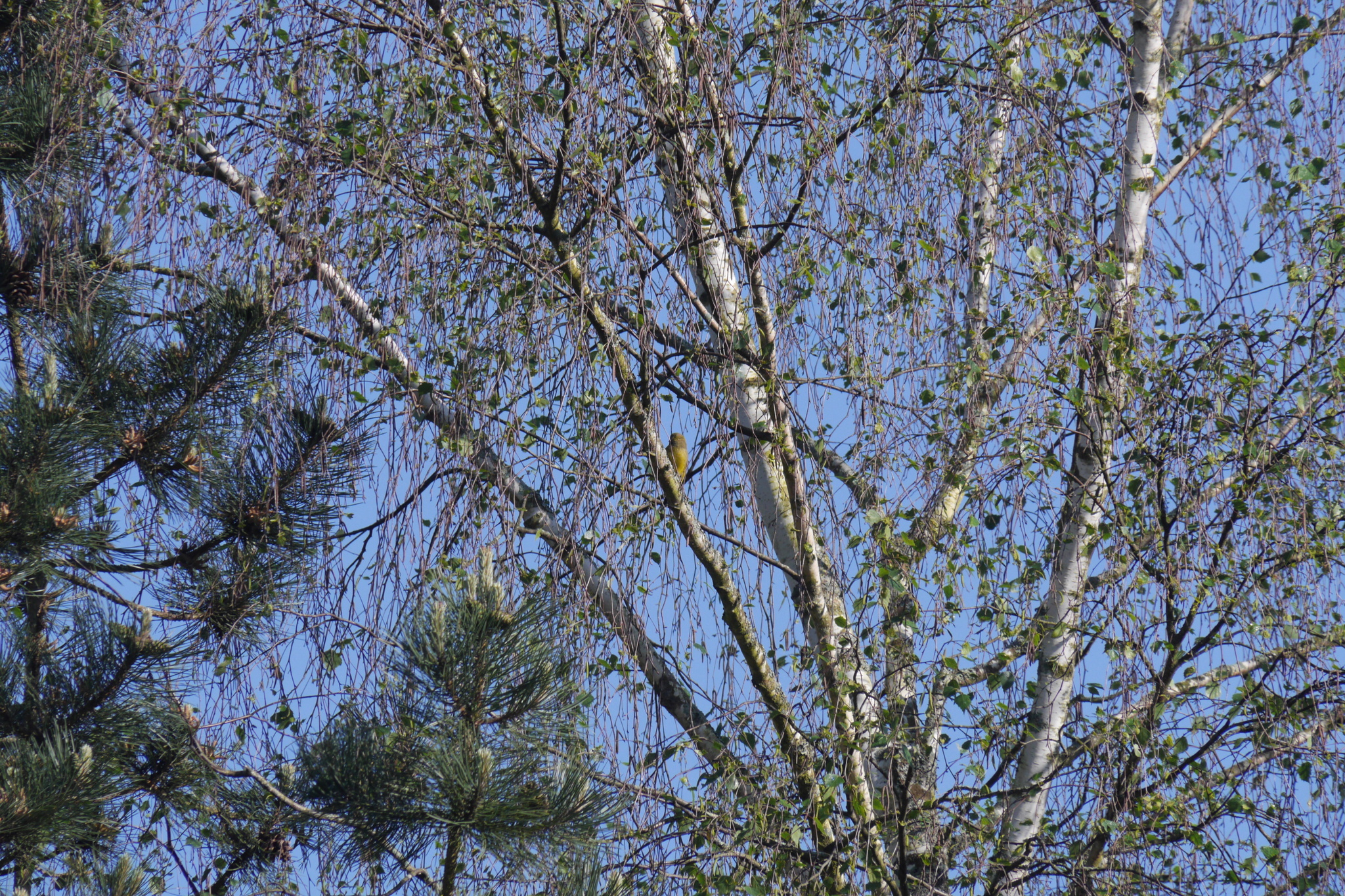
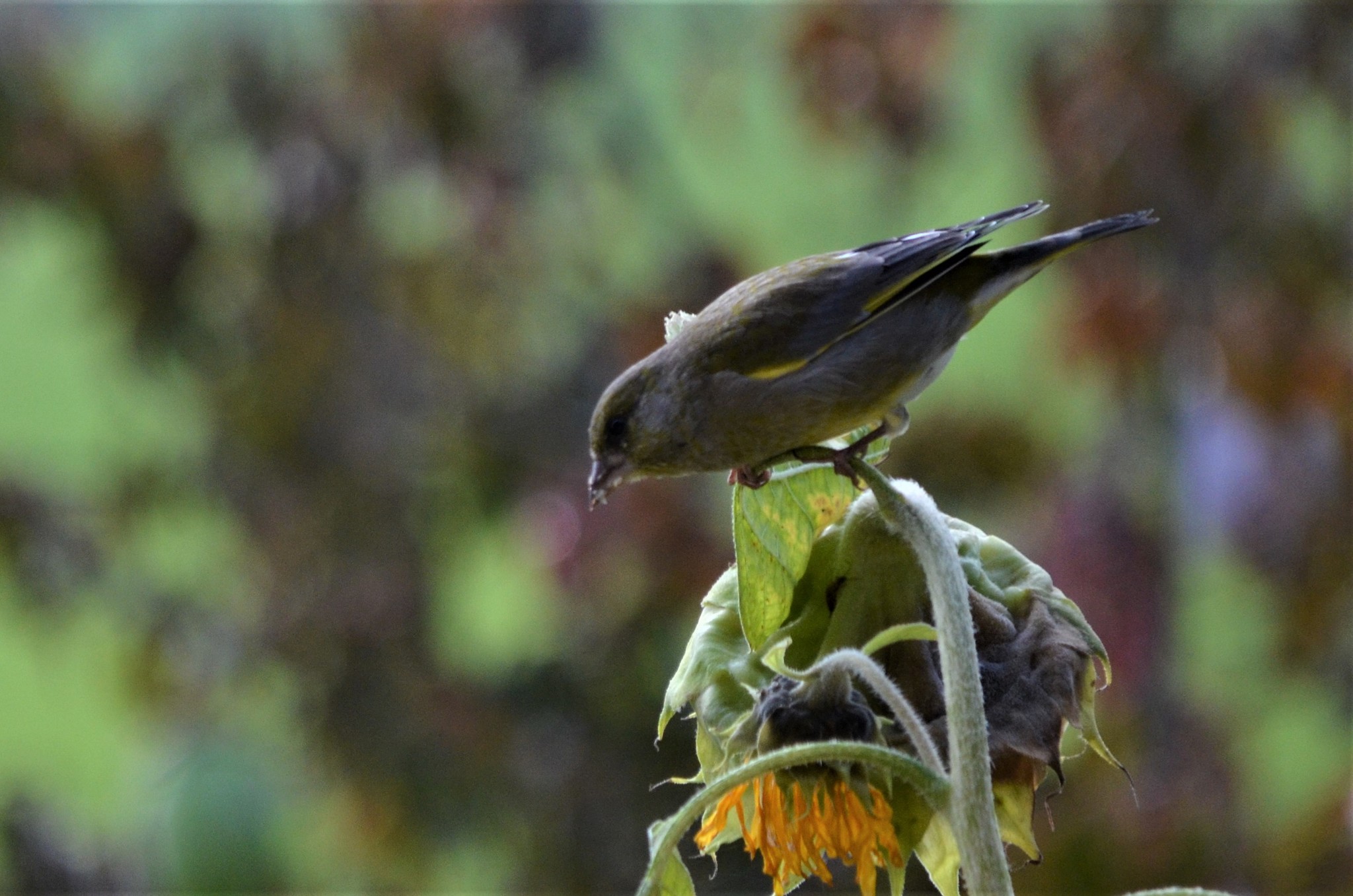
This compact finch measures approximately 15 centimeters in length with a wingspan ranging from 24.5 to 27.5 centimeters, making it similar in size and overall shape to the familiar house sparrow. The plumage is predominantly green, most vivid on the upperparts and brightest on the male, with conspicuous yellow patches decorating the wings and tail. The female and juvenile birds display duller overall coloration with brownish tones混入背部, appearing less vivid than breeding males. The thick, conical bill is adapted for seed-eating, reflecting the bird's primarily granivorous diet. The overall silhouette shows a relatively sturdy, stocky build typical of many finches, with a rounded head and medium-length tail.
Identification
The combination of green plumage with prominent yellow in the wings and tail separates this species from most other European finches. The stocky build and thick, pale bill help distinguish it from smaller, more slender species. Unlike the closely related siskin, which shows more yellow on the face and is considerably smaller, this species shows yellow primarily in the wing and tail patches. The undulating flight style, featuring a series of quick wingbeats followed by brief closures, is characteristic but shared with many finch species. Males in breeding plumage are brightest and most distinctive, while females and immatures require closer observation to confirm identification.
Distribution & Habitat
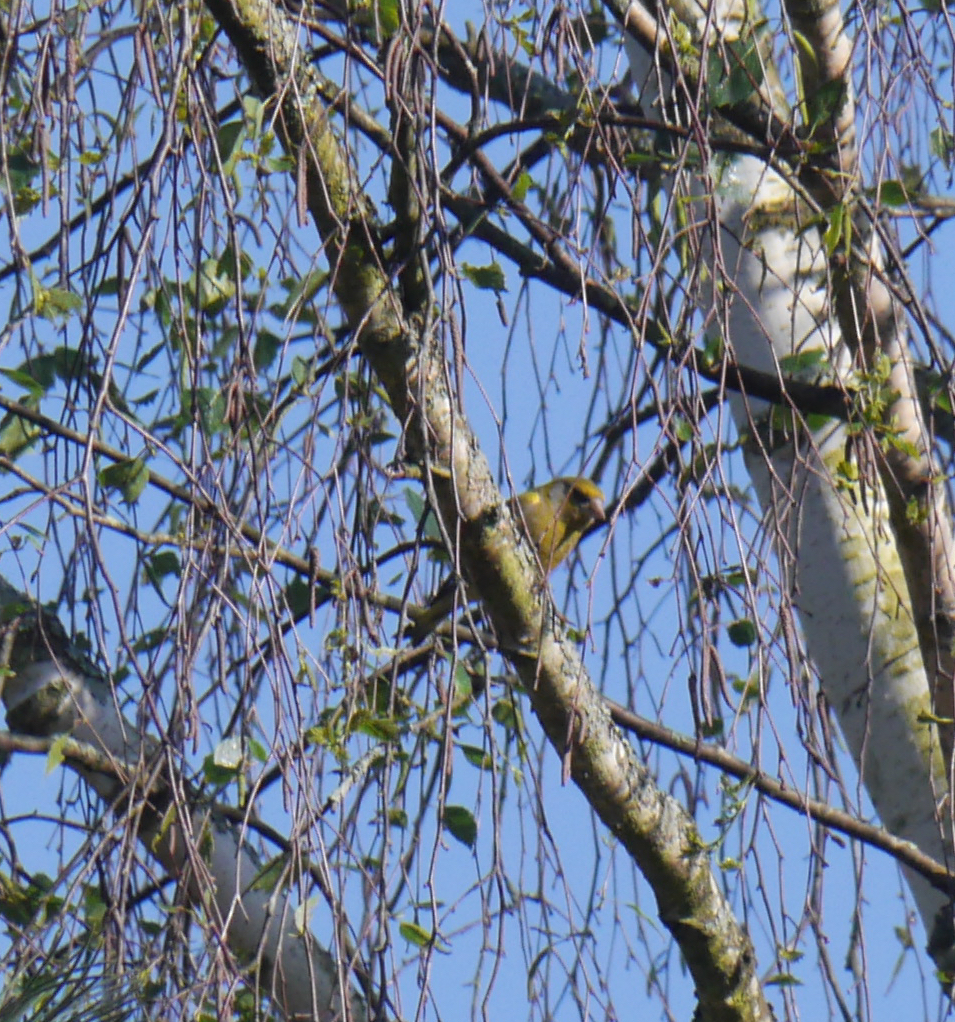
This species breeds widely across most of Europe, extending east into western Asia and south into North Africa. The core population is largely resident year-round, though birds breeding in Scandinavia and other northern regions migrate southward for the winter months. Introduced populations have become established in eastern Australia, New Zealand, and parts of South America, particularly Uruguay and Argentina. Within its range, it favors mosaic habitats including woodland edges, agricultural areas with hedgerows, orchards, and suburban gardens with sufficient vegetation cover for breeding.
Behavior & Ecology
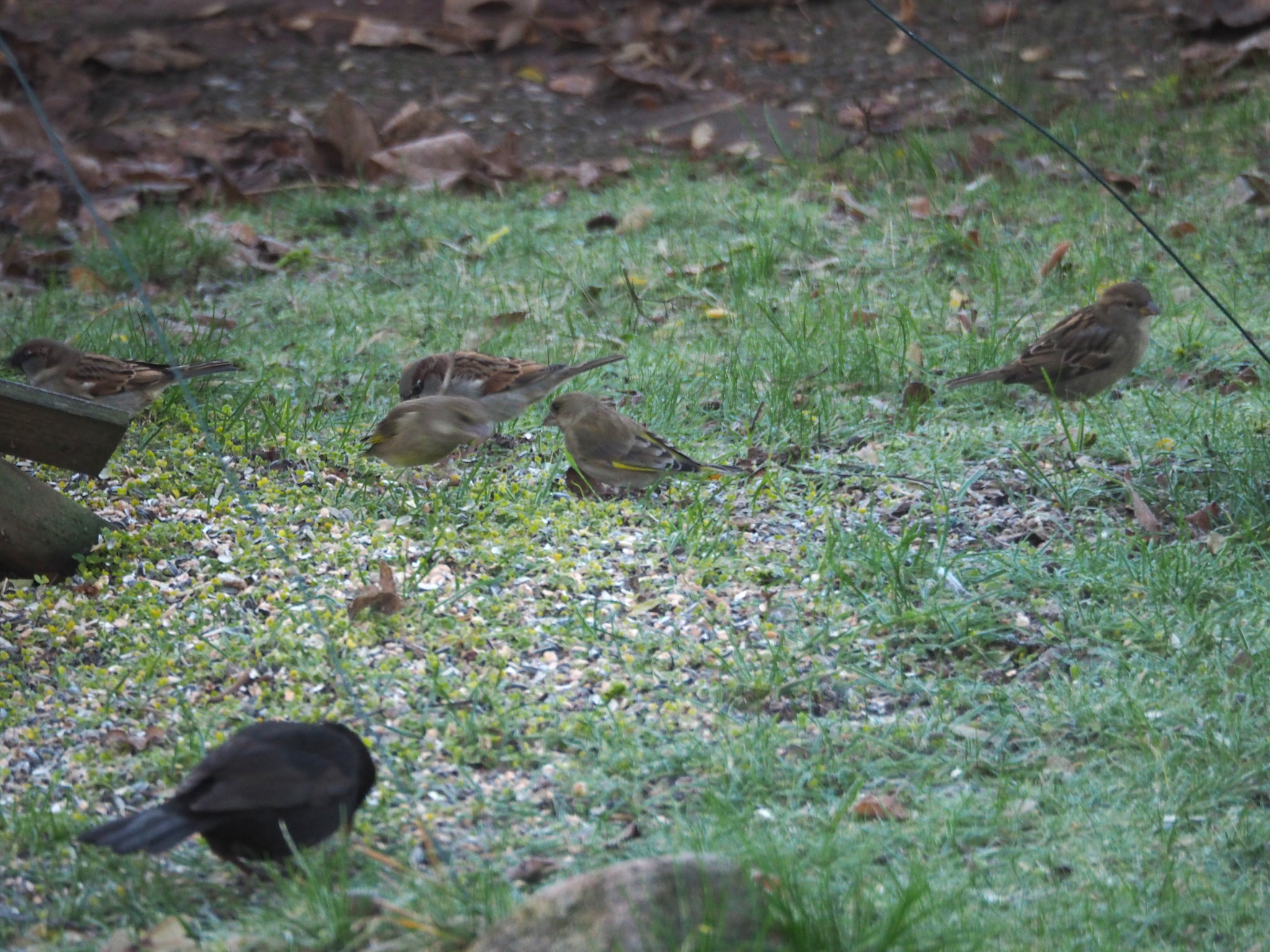
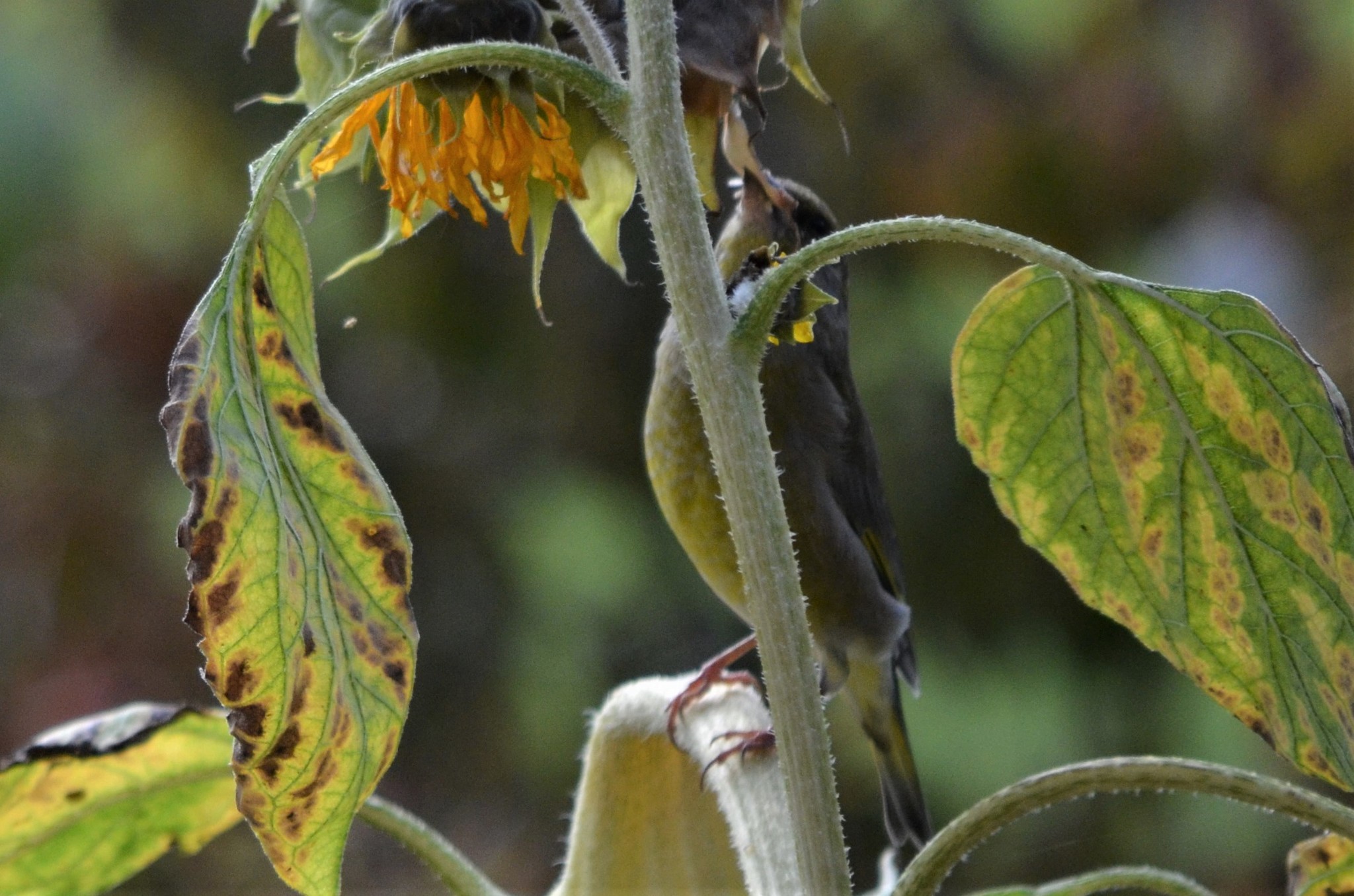
The diet encompasses a wide variety of plant material including seeds, berries, fruits, buds, and flowers, with occasional arthropods supplementing nutrition. Foraging occurs in trees, bushes, and on the ground, with birds often visiting garden feeders for sunflower seeds and similar fare. The male's courtship display includes a distinctive butterfly-like flight pattern, with slow, deep wingbeats holding the wings above the body. The song is a rapid, complex mixture of trills, twitters, and wheezy notes, delivered from an exposed perch to establish territory and attract mates. Breeding commences in late March and continues through June, with two or three broods typical. The female builds a tidy cup nest in trees or bushes, laying four to six eggs that she incubates for 13 to 14 days. The male feeds his mate during incubation. Both parents provision the chicks, which leave the nest at approximately 13 days old but continue receiving care for several more days.
Conservation
While not currently considered globally threatened, significant population declines have occurred in parts of the species' range. An outbreak of the protozoal parasite Trichomonas gallinae, first detected in Great Britain in 2005, caused substantial mortality, with British populations declining from an estimated 4.3 million to approximately 2.8 million individuals. The disease subsequently spread to Scandinavia and Germany via infected common chaffinches, which acted as vectors. Finnish populations also experienced notable declines following the parasite's arrival in 2008. Numbers have since stabilized in some areas, though recovery remains ongoing.
Culture
The English Romantic poet William Wordsworth composed a poem entitled 'The Green Linnet' in 1803, celebrating this species in verse. Though the title refers to it as a linnet rather than a greenfinch, the work captures the bird's melodious song and vivid presence in meadow and garden habitats. The poem reflects the Romantic era's broader interest in capturing the beauty of common British birds through literary description, elevating the everyday experience of observing garden wildlife into something worthy of artistic contemplation. This literary connection demonstrates how the species has embedded itself in cultural consciousness beyond its ecological role.
Source: Wikipedia · CC BY-SA 3.0
Taxonomy
- Order
- Passeriformes
- Family
- Fringillidae
- Genus
- Chloris
- eBird Code
- eurgre1
Subspecies (10)
-
Chloris chloris aurantiiventris
southern Spain through southern Europe to western Greece
-
Chloris chloris bilkevitchi
southern Ukraine, the Caucasus, and northeastern Türkiye to northern Iran and southwestern Turkmenistan
-
Chloris chloris chloris
breeds northern Scotland, northern and central France and Norway to western Siberia; winters to southern Europe
-
Chloris chloris chlorotica
breeds Syria, Lebanon, Israel, and Jordan; winters to Sinai Peninsula and Egypt
-
Chloris chloris harrisoni
Britain (except northern Scotland) and Ireland
-
Chloris chloris madaraszi
Corsica and Sardinia
-
Chloris chloris muehlei
Serbia and Montenegro to Moldova, Bulgaria and Greece
-
Chloris chloris turkestanica
southern Kazakhstan to Kyrgyzstan and central Tajikistan
-
Chloris chloris vanmarli
lowlands of northern Morocco
-
Chloris chloris voousi
mountains of North Africa (Morocco and Algeria)
Data Sources
Species description from Wikipedia, licensed under CC BY-SA 3.0.
Bird images and sounds sourced from GBIF, contributed by citizen scientists worldwide under Creative Commons licenses.
Taxonomy data from AviList 2025.