Passeriformes / Fringillidae / Carduelis
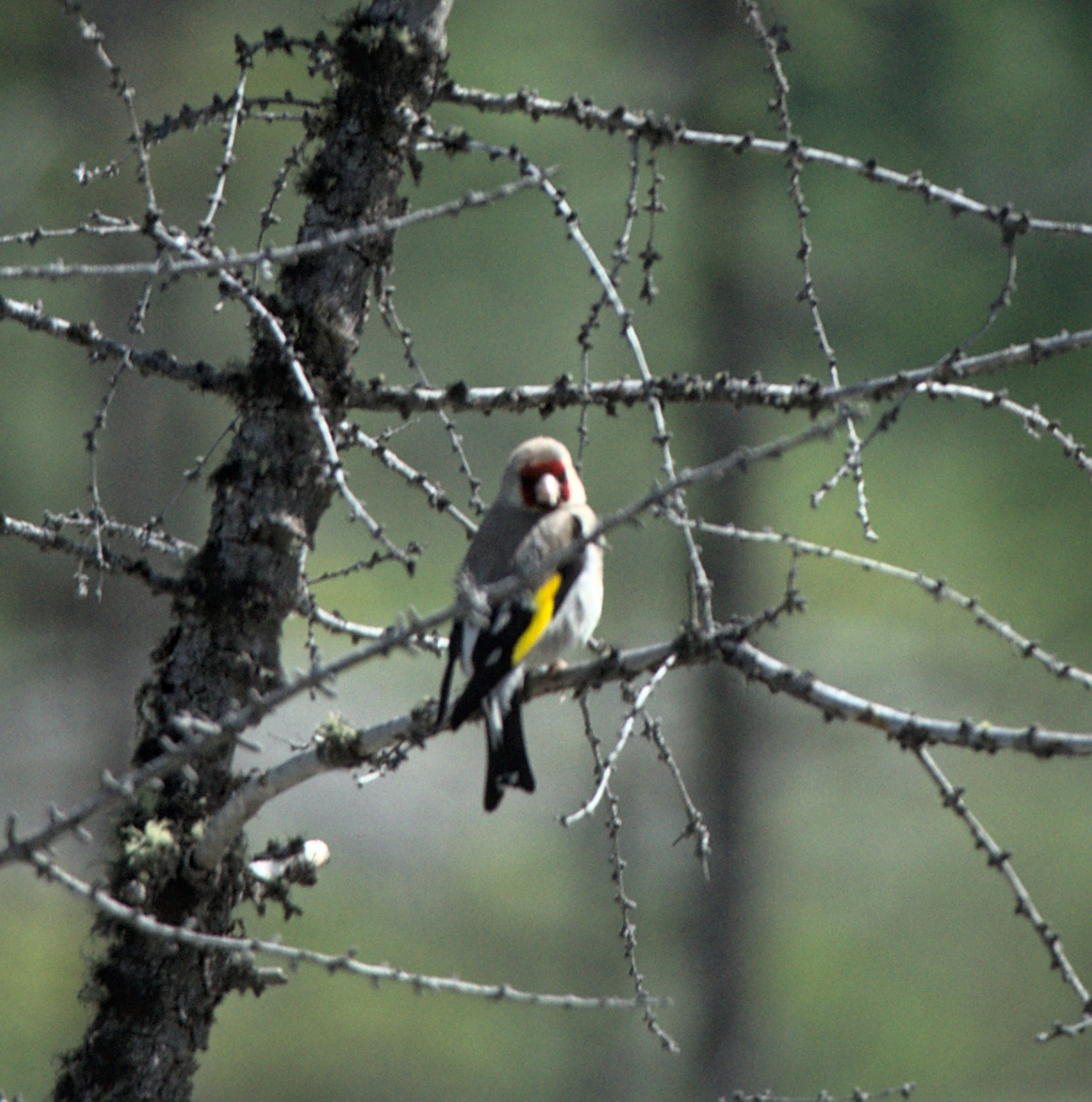
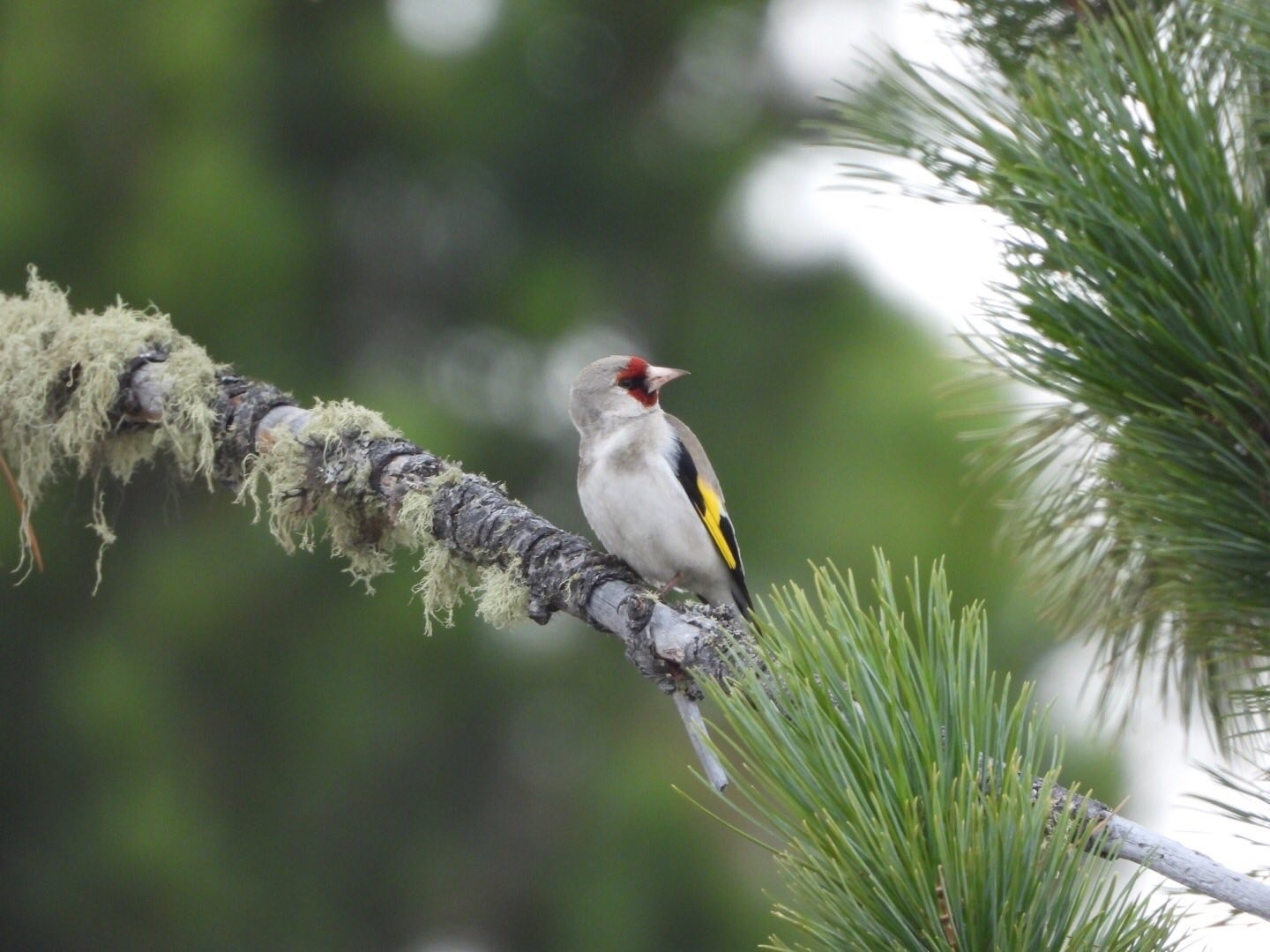
Grey-crowned Goldfinch
Carduelis caniceps · 灰冠金翅雀
Introduction
A small passerine in the finch family distributed throughout Central Asia and the Himalayas. It was restored to full species status in 2016 by BirdLife International and in 2024 by the IOC World Bird List due to distinct plumage lacking the black crown of its relative. It is an altitudinal migrant, breeding at high elevations and descending in winter.
Description
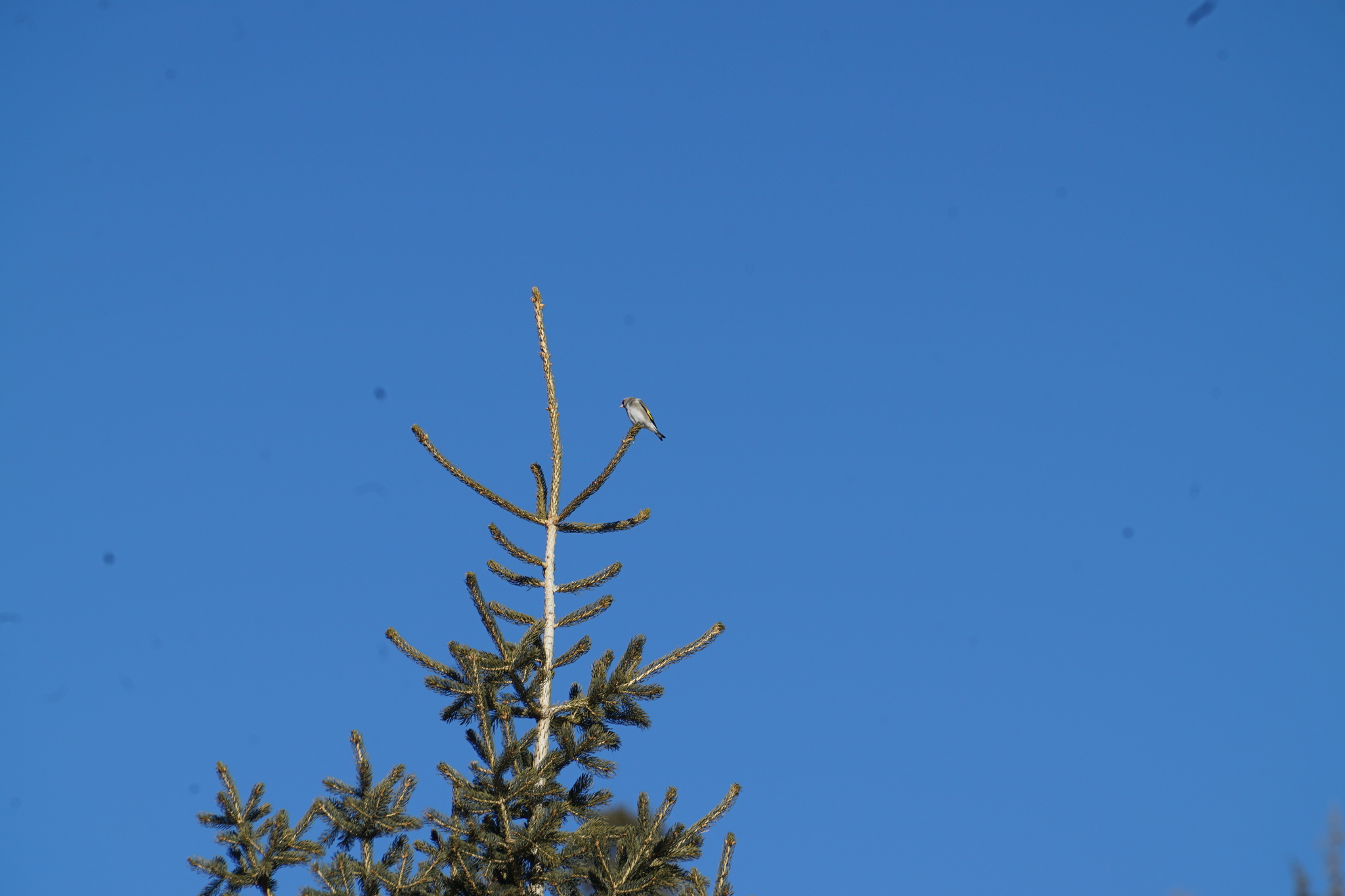
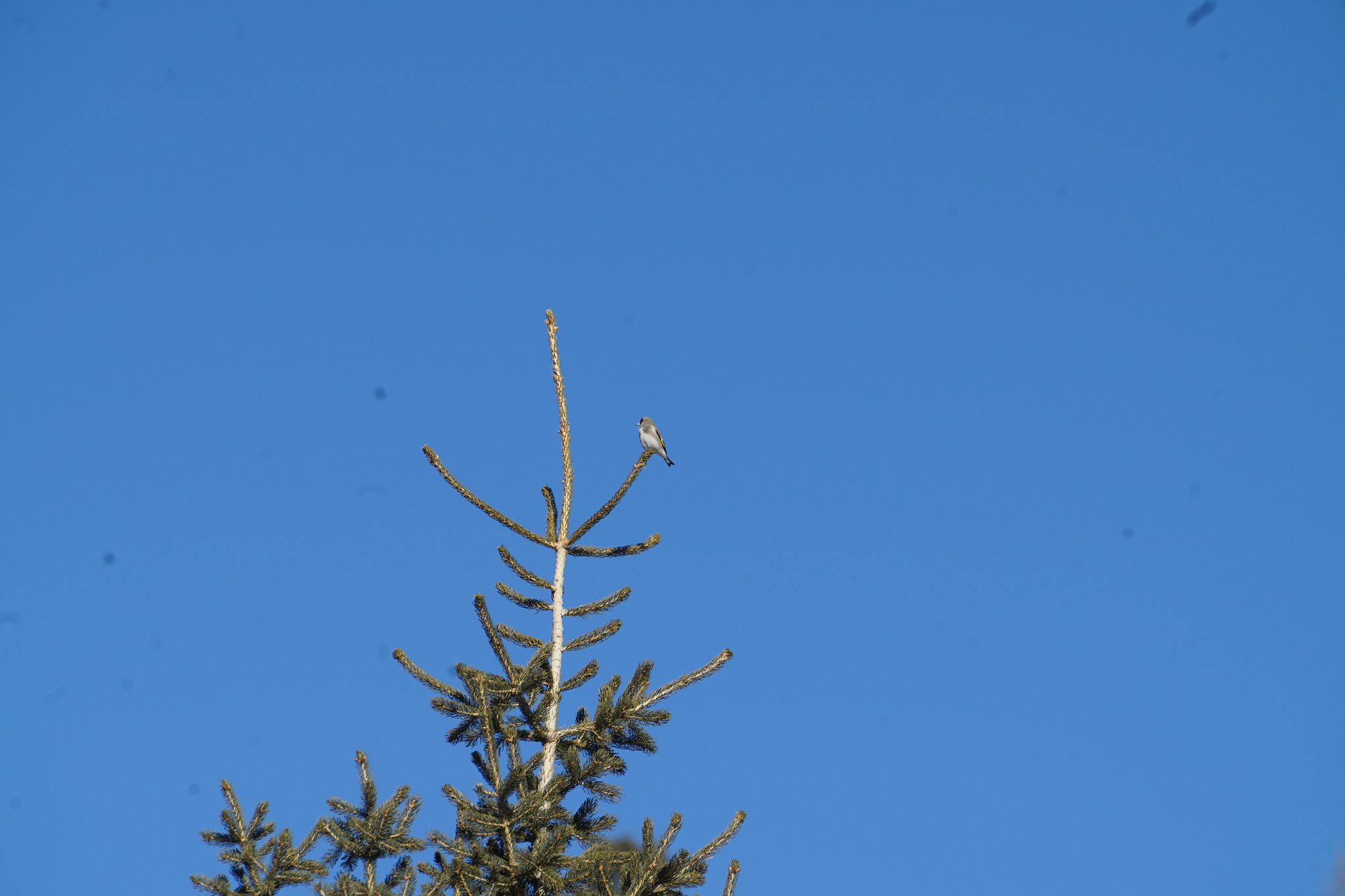
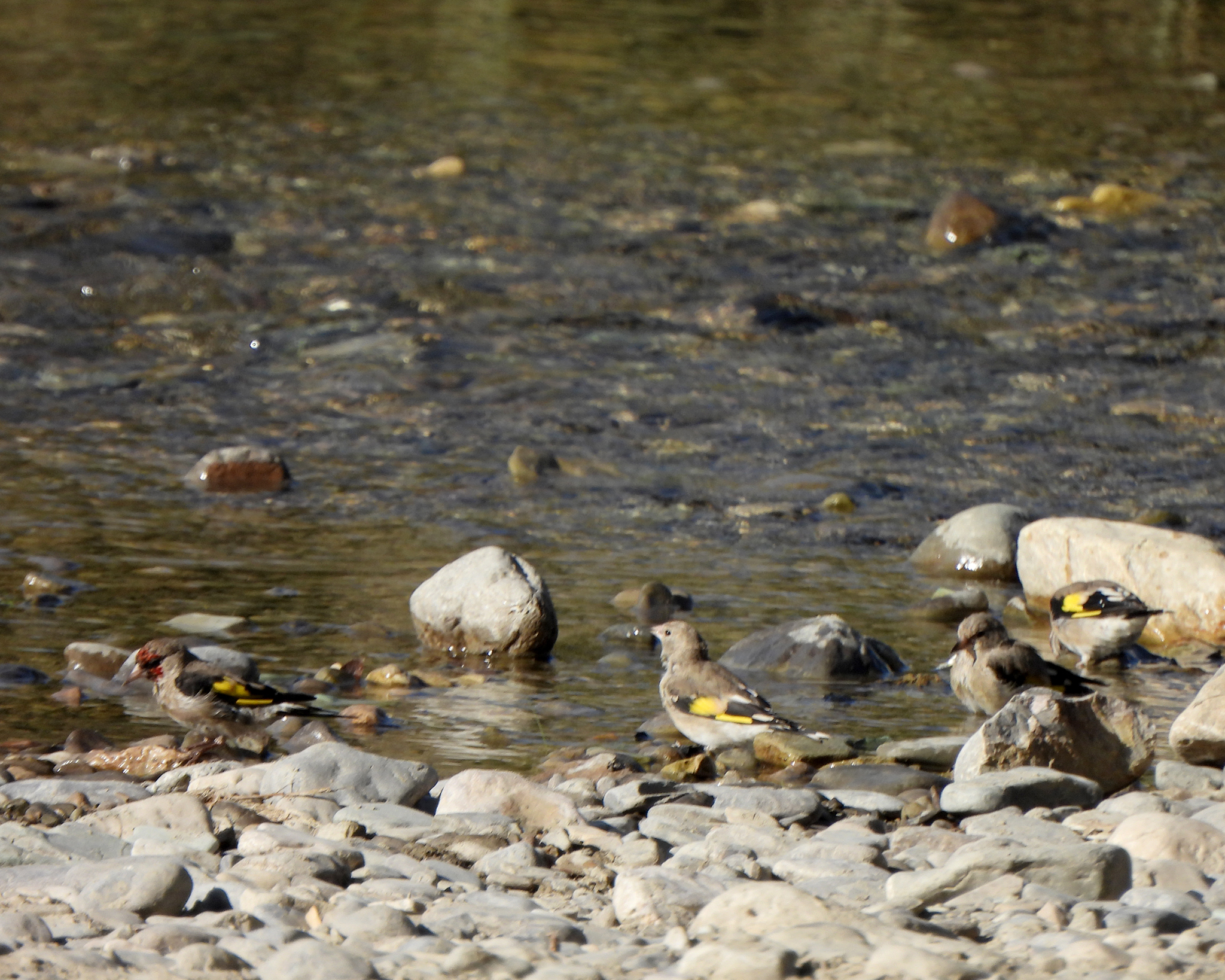
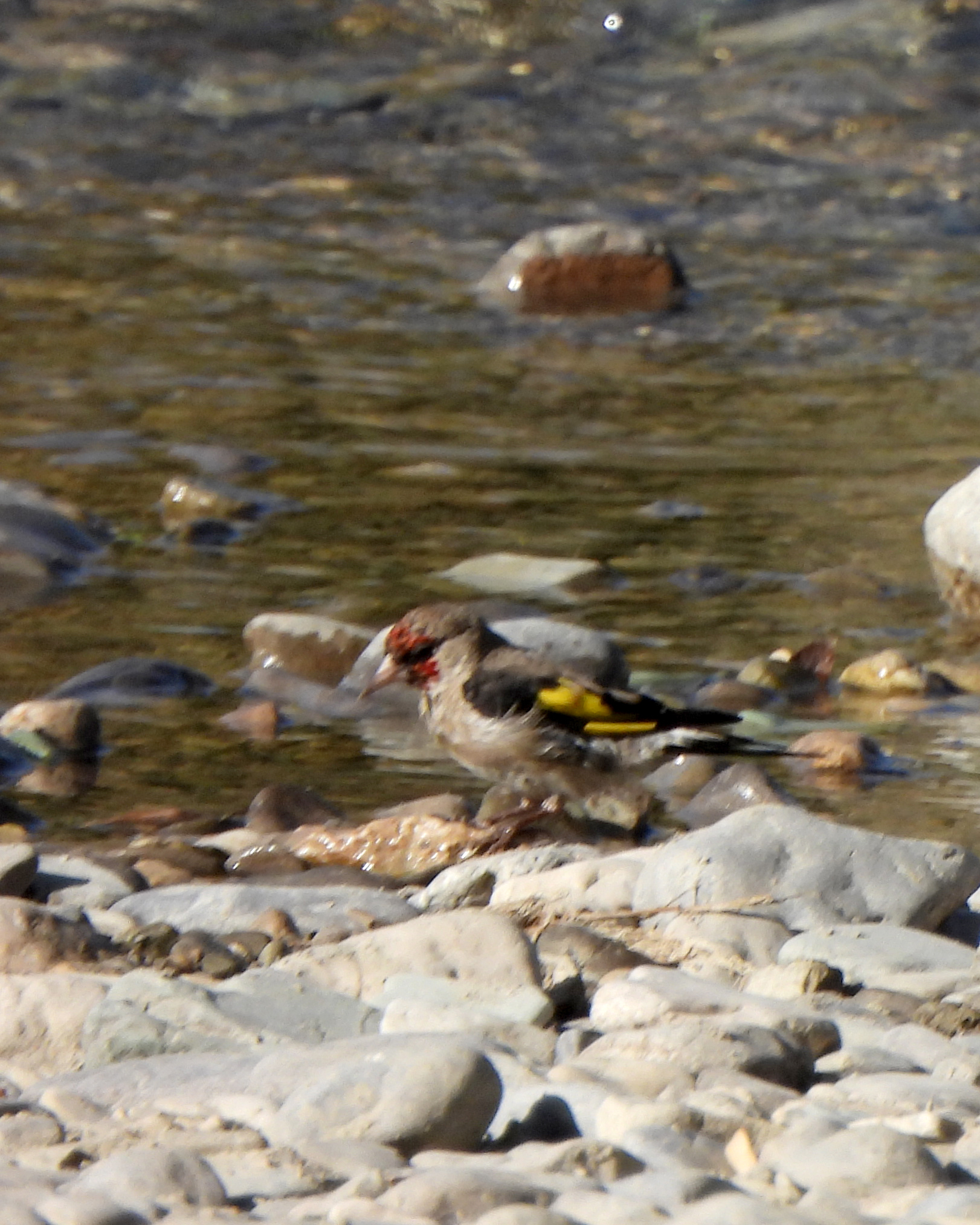
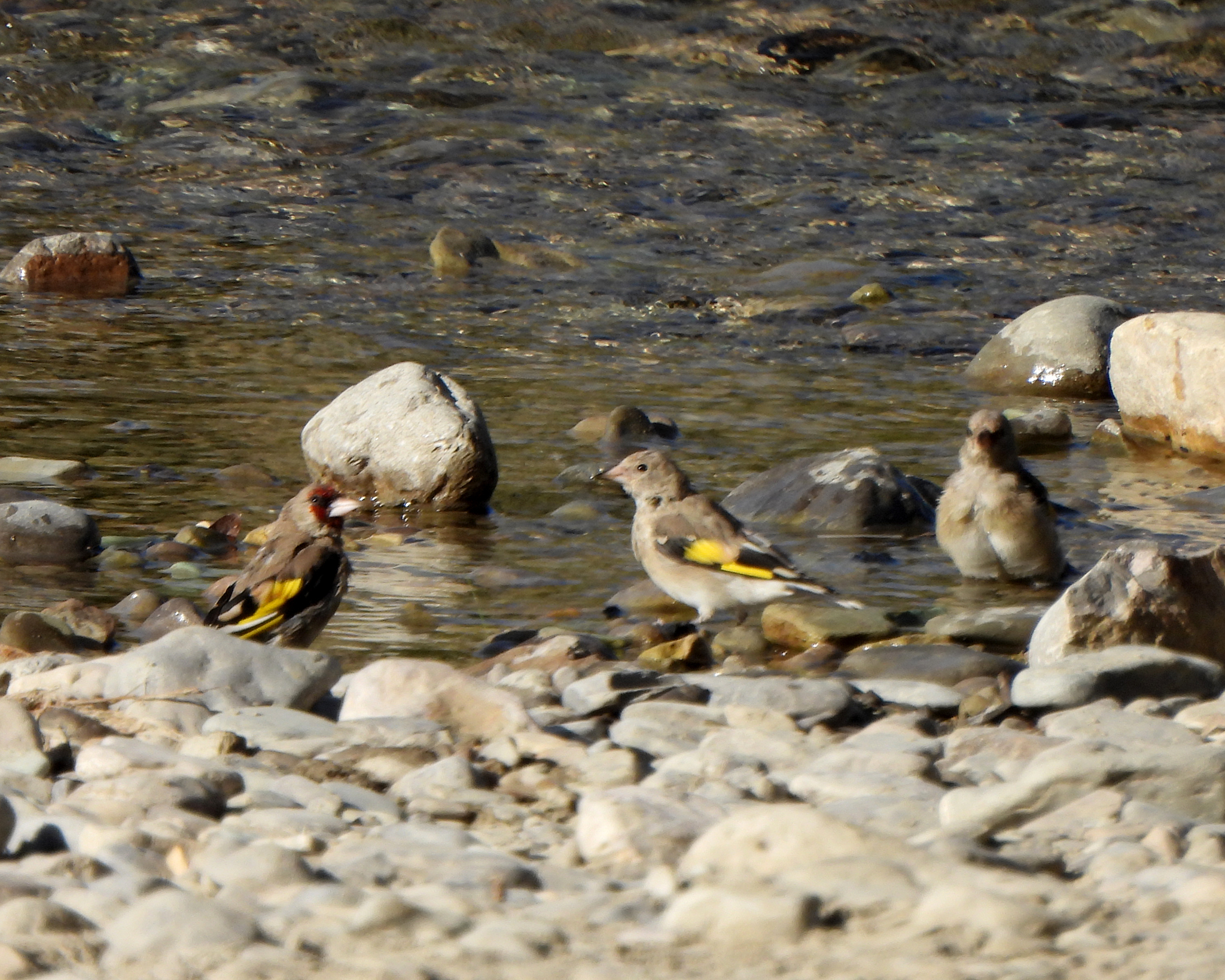
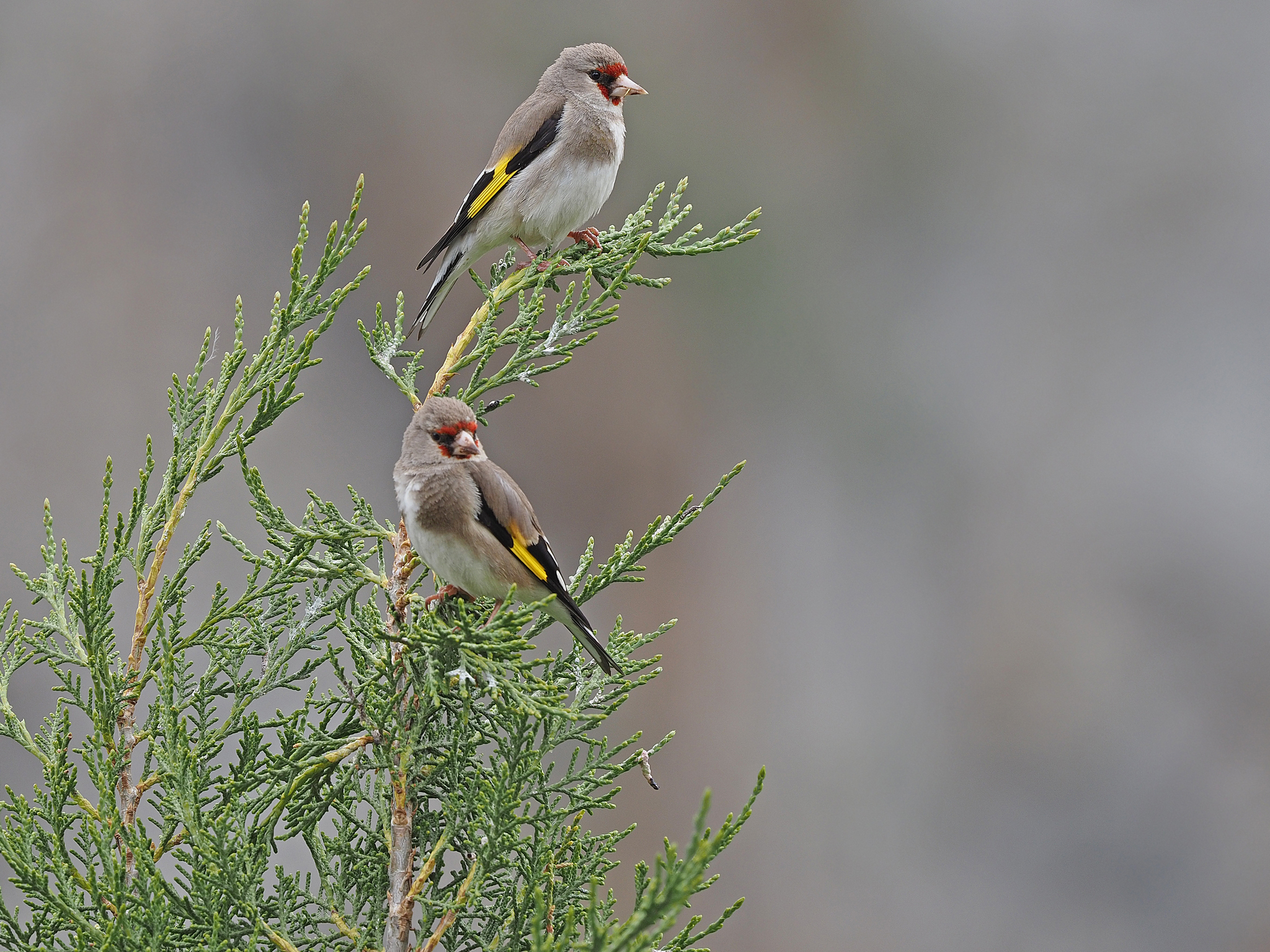
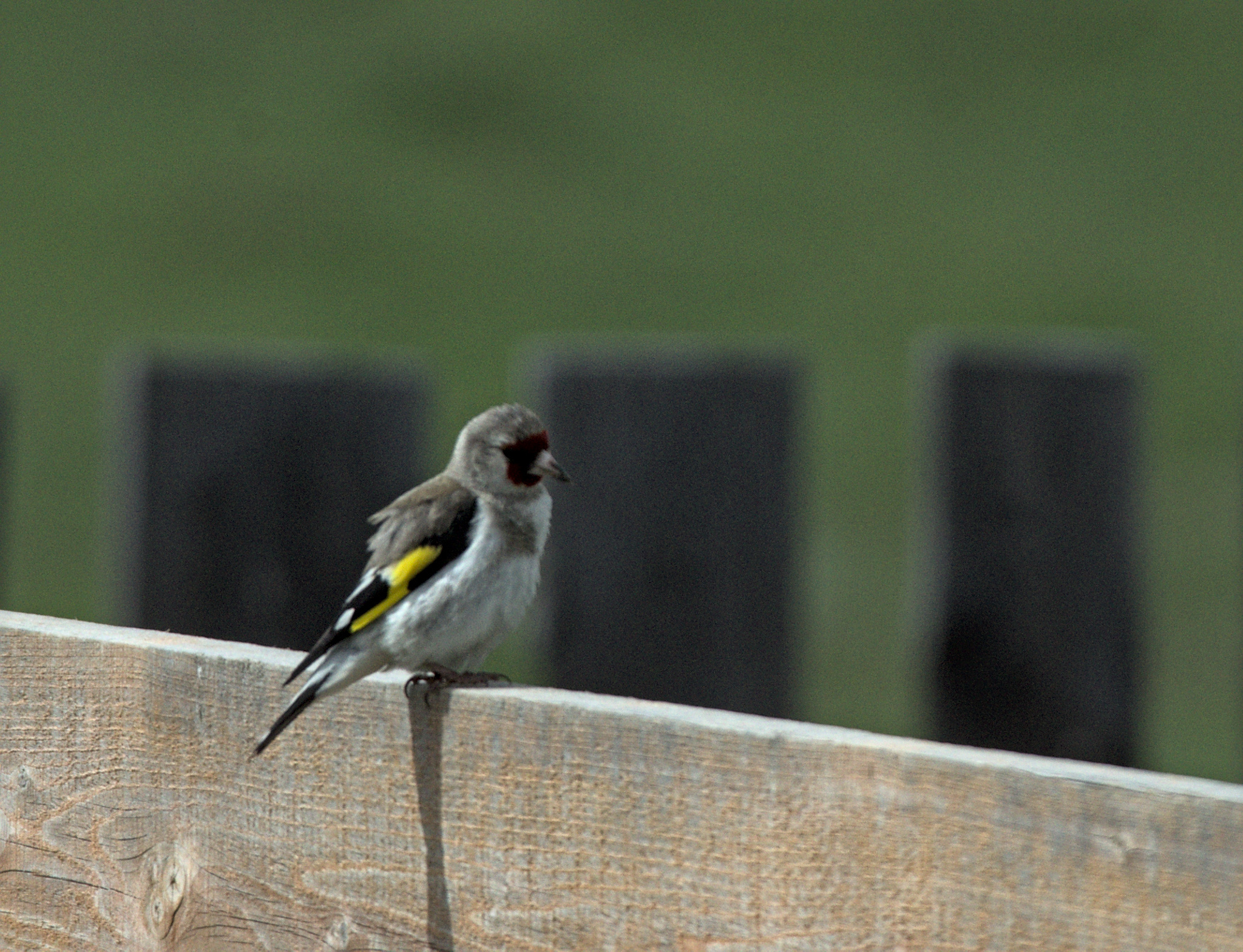
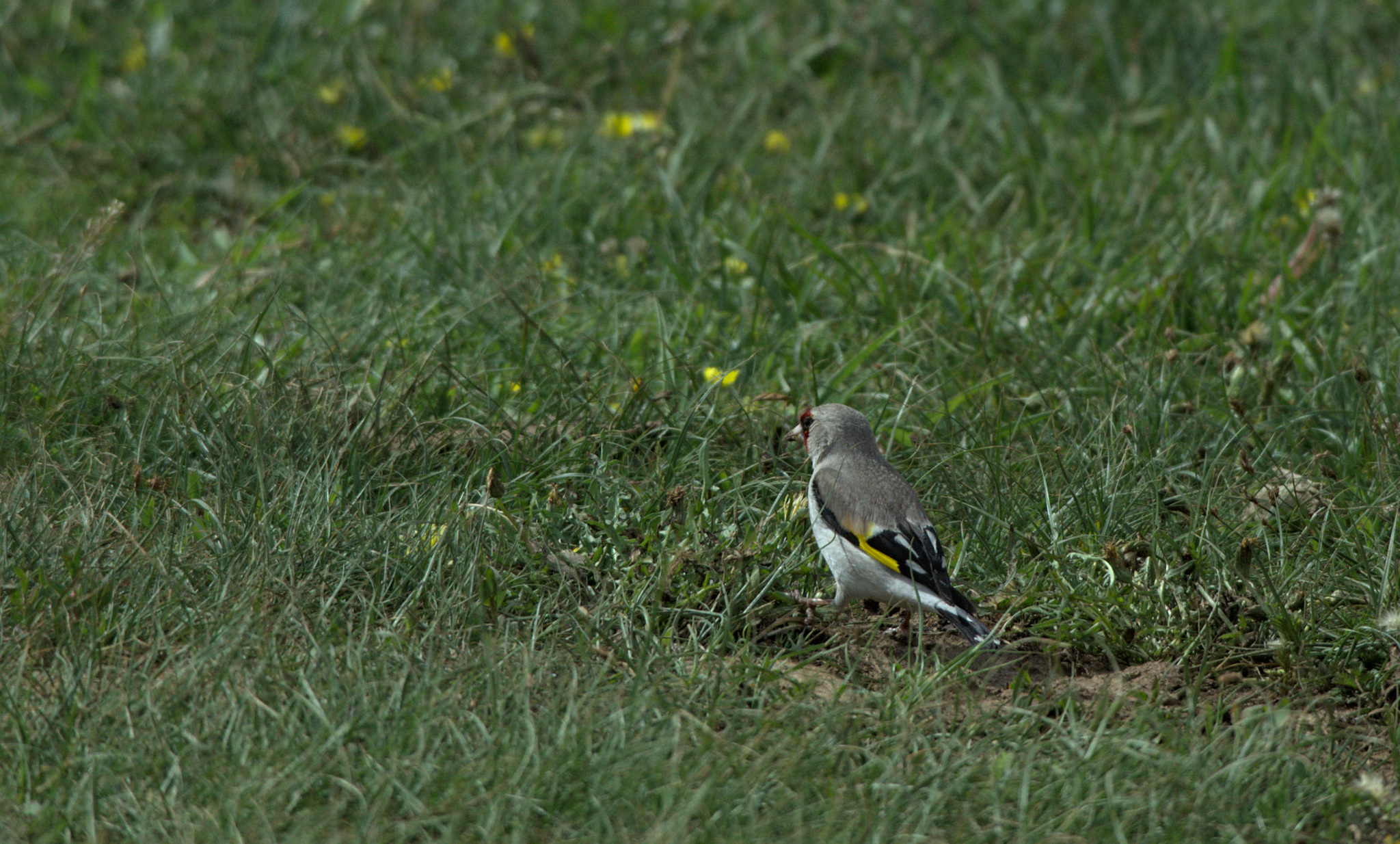
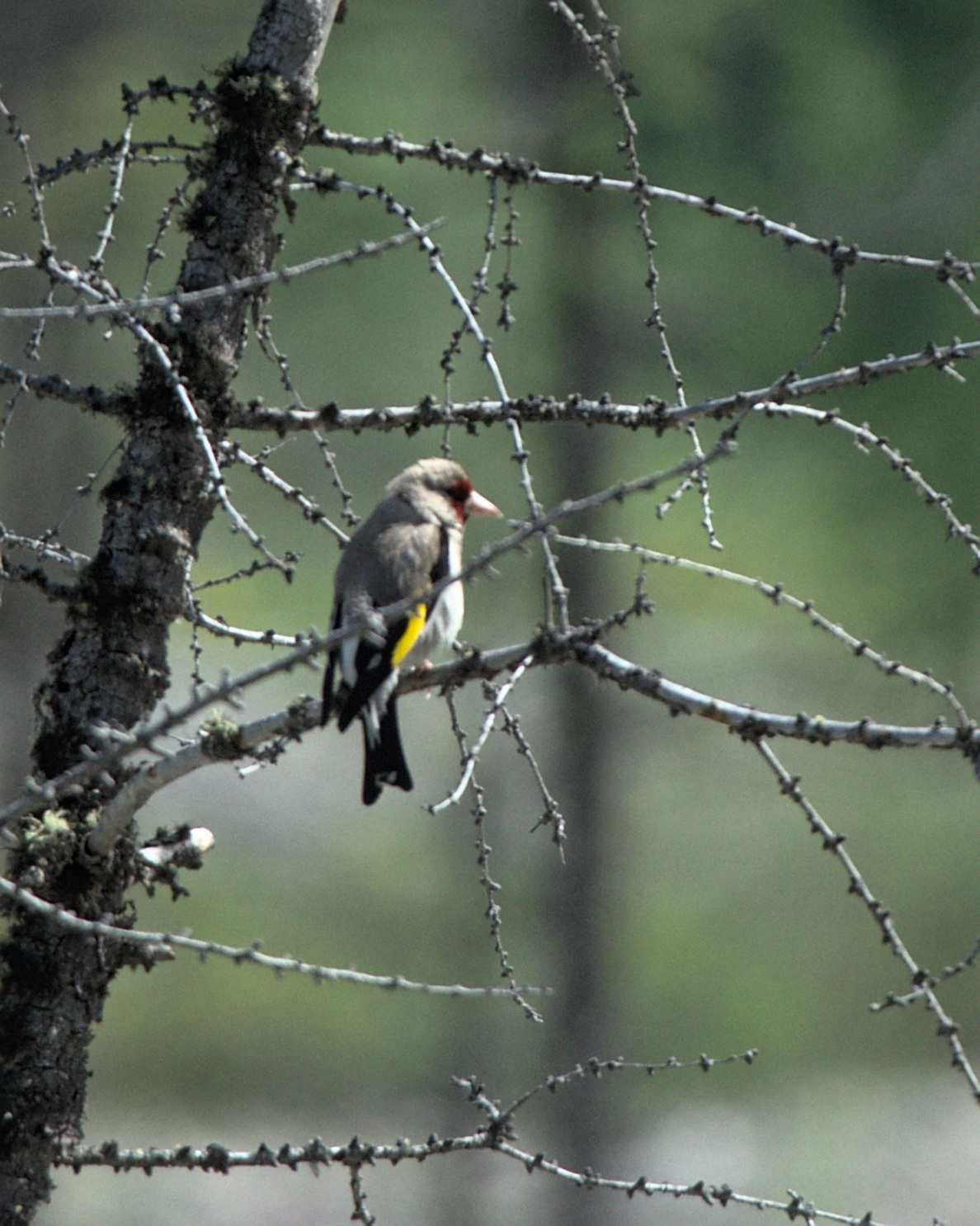
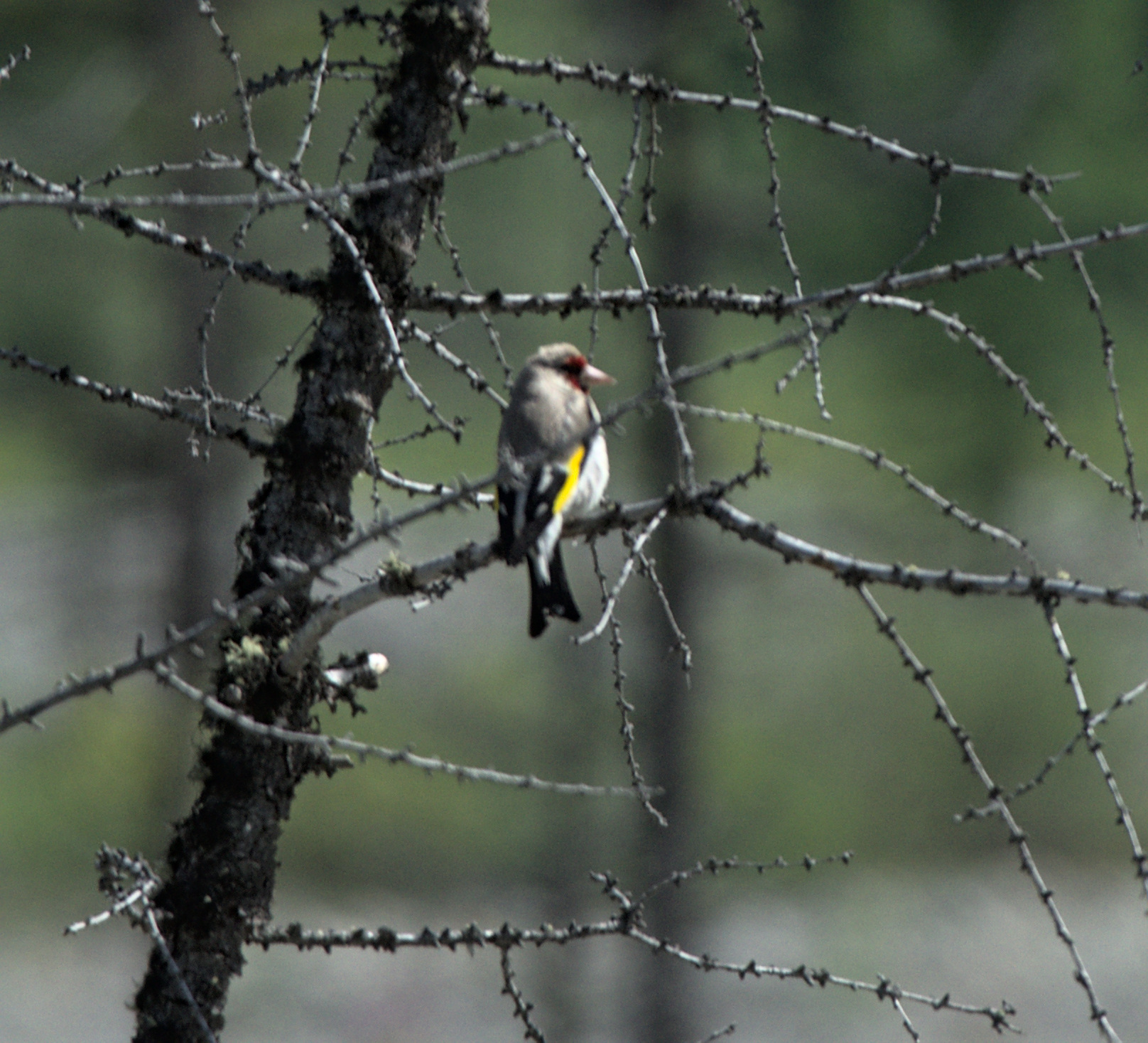
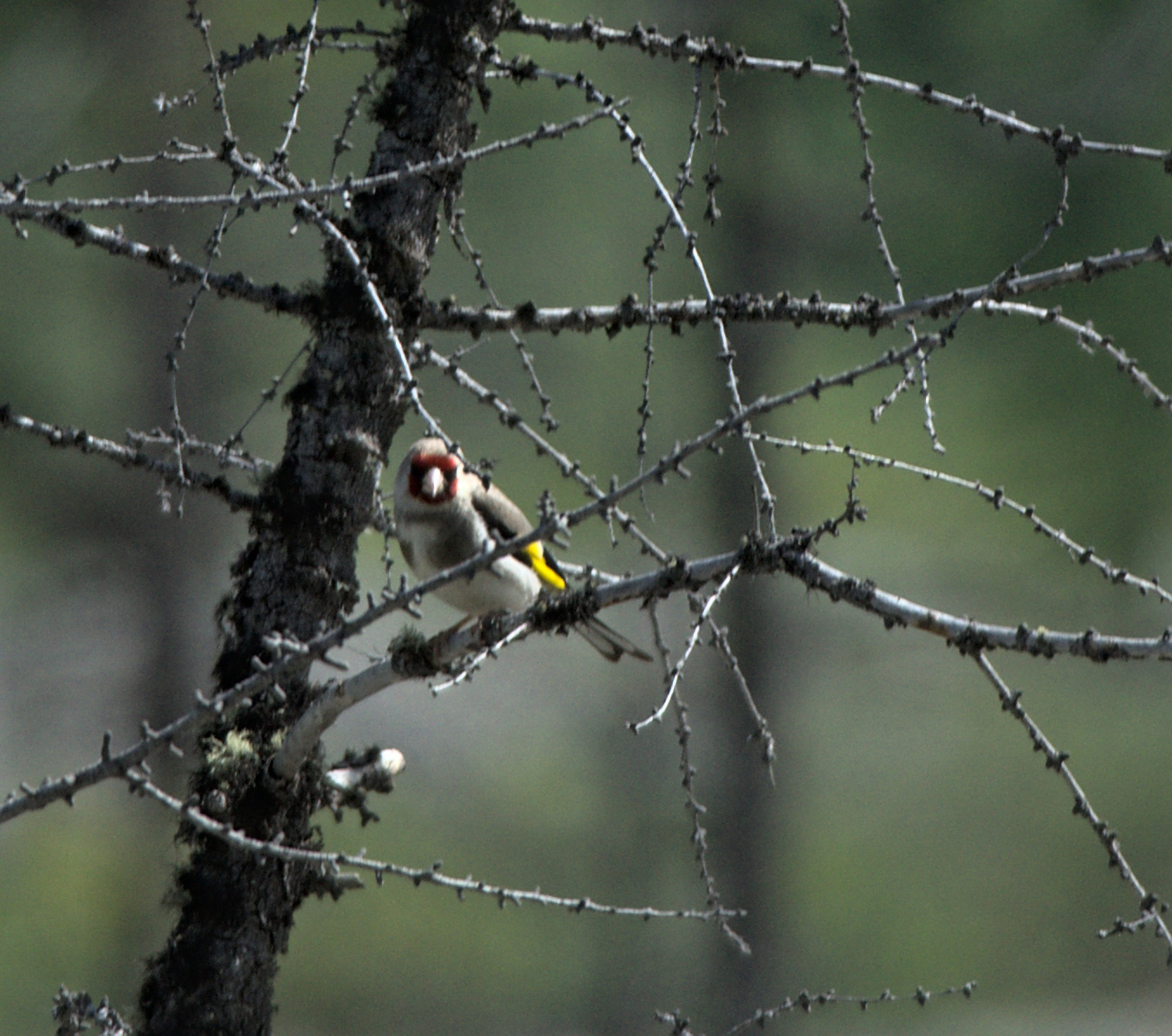
Length 10.5–14 cm (4.1–5.5 in), wingspan 21.5–25.5 cm (8.5–10.0 in), weight 15–21 g (0.53–0.74 oz). Both sexes have a pinkish bill. Males exhibit brighter and more extensive red on the face and brighter yellow on the wing than females. Juveniles lack facial red, show faint breast streaking, and have buffish tips to coverts and tertial markings. Subspecies vary: C. c. paropanisi has a paler face and almost entirely grey breast; C. c. subulata is the largest with pale buffish grey or cinnamon-tinged upperparts; C. c. caniceps is smaller and darker grey; C. c. ultima has a longer bill.
Identification
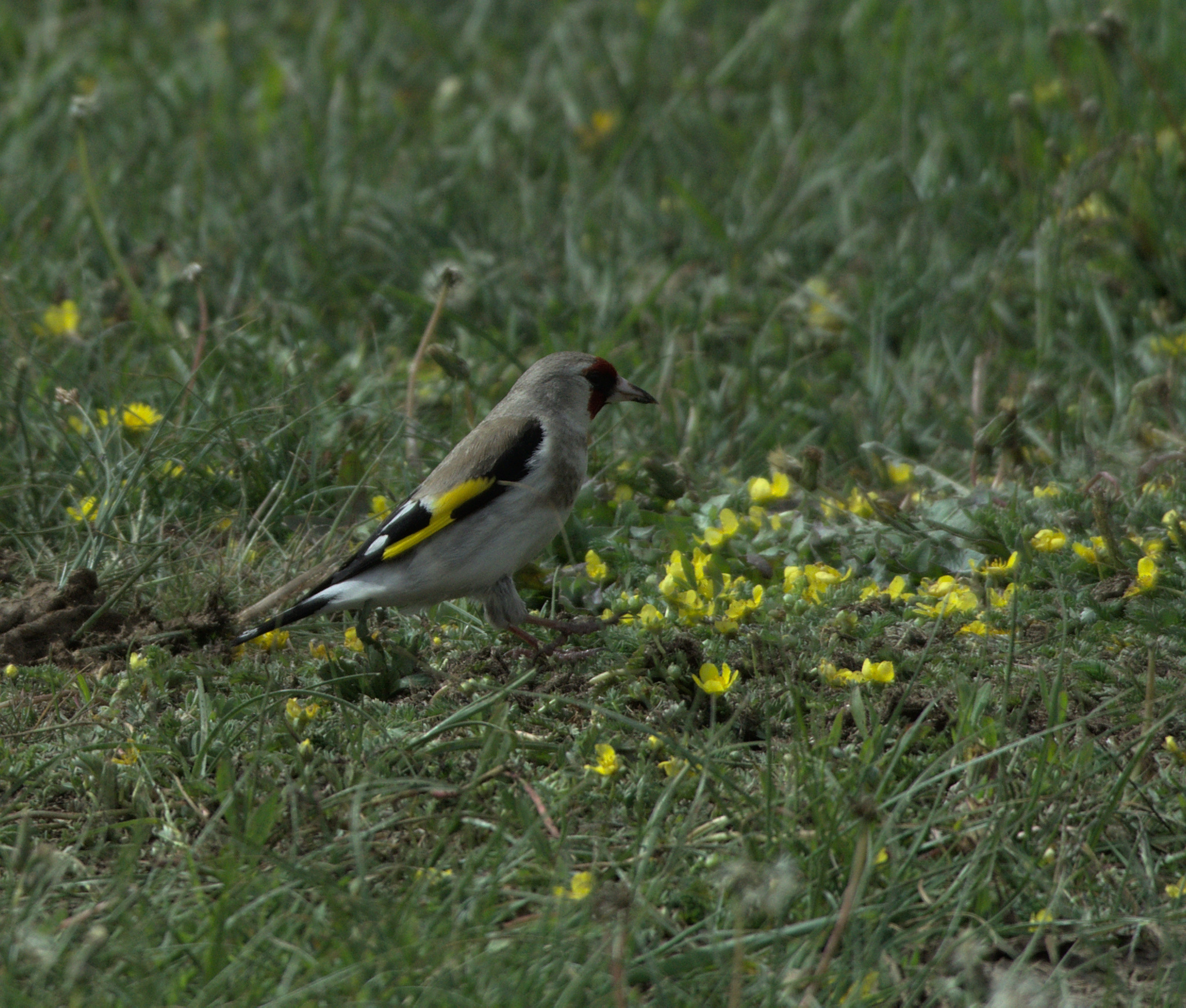
Distinguished from the European goldfinch by a grey crown and the absence of a black crown and vertical line behind the ear coverts. Calls include twittering 'deedelit' and 'chirik'.
Distribution & Habitat
Breeds in southern and eastern Iran east through Afghanistan to the western Himalaya (northern/western Pakistan, northwestern India, western Nepal) and northeast through Central Asia to far west Xinjiang, China. Four subspecies are recognized across Turkmenistan, Iran, Kazakhstan, Siberia, Mongolia, Pakistan, Nepal, and China. Altitudinal migrant: breeds at 2,400–4,200 m (rarely down to 1,500 m) and descends in winter to 1,900–2,400 m (rarely down to 75 m). Occupies open/sparse deciduous woodland, mixed woods, forest edges (2,100–3,600 m), orchards, parks, and gardens. Vagrants recorded in Beijing, China, and possibly Japan.
Behavior & Ecology
Gathers in flocks of four to several dozen, sometimes with other finches, usually foraging on the ground for seeds of thistles, sunflowers, zinnia, chinar, dandelions, and arthropods. Breeding season is April to August. Nests are built in groups (up to five in one tree) by females using mosses and grasses in a cup shape, located up to 18 m high. Clutch consists of bluish-white eggs speckled with red and brown (1.8 cm × 1.3 cm). Female incubates for 9–12 days; chicks remain in the nest for 13–18 days and are fed by parents for up to 10 days post-fledging. Hybridizes with C. carduelis major in Siberia and C. carduelis loudoni in Iran.
Culture
Also called the eastern goldfinch, Himalayan goldfinch, or grey-capped goldfinch.
Source: Wikipedia · CC BY-SA 3.0
Taxonomy
- Order
- Passeriformes
- Family
- Fringillidae
- Genus
- Carduelis
Subspecies (4)
-
Carduelis caniceps caniceps
western Himalayas (Kashmir to Nepal and western Tibet)
Data Sources
Species description from Wikipedia, licensed under CC BY-SA 3.0.
Bird images and sounds sourced from GBIF, contributed by citizen scientists worldwide under Creative Commons licenses.
Taxonomy data from AviList 2025.