Grey Nightjar
Caprimulgus jotaka
普通夜鹰
Introduction
A medium-sized nightjar (Caprimulgidae) found in East Asia. Breeding range extends from southeastern Russia south through China, the Korean Peninsula and Japan to northern Indochina and westward along the Himalayas. Largely migratory, wintering in Indochina south to Java, though resident in warmer southern areas. Inhabits early successional habitats surrounded by forests, up to 3,300m altitude. Feeds exclusively on flying insects including moths, beetles, flying ants, and grasshoppers. Global population listed as Least Concern (IUCN 2016), though Japanese populations have declined since the 1970s.
Description
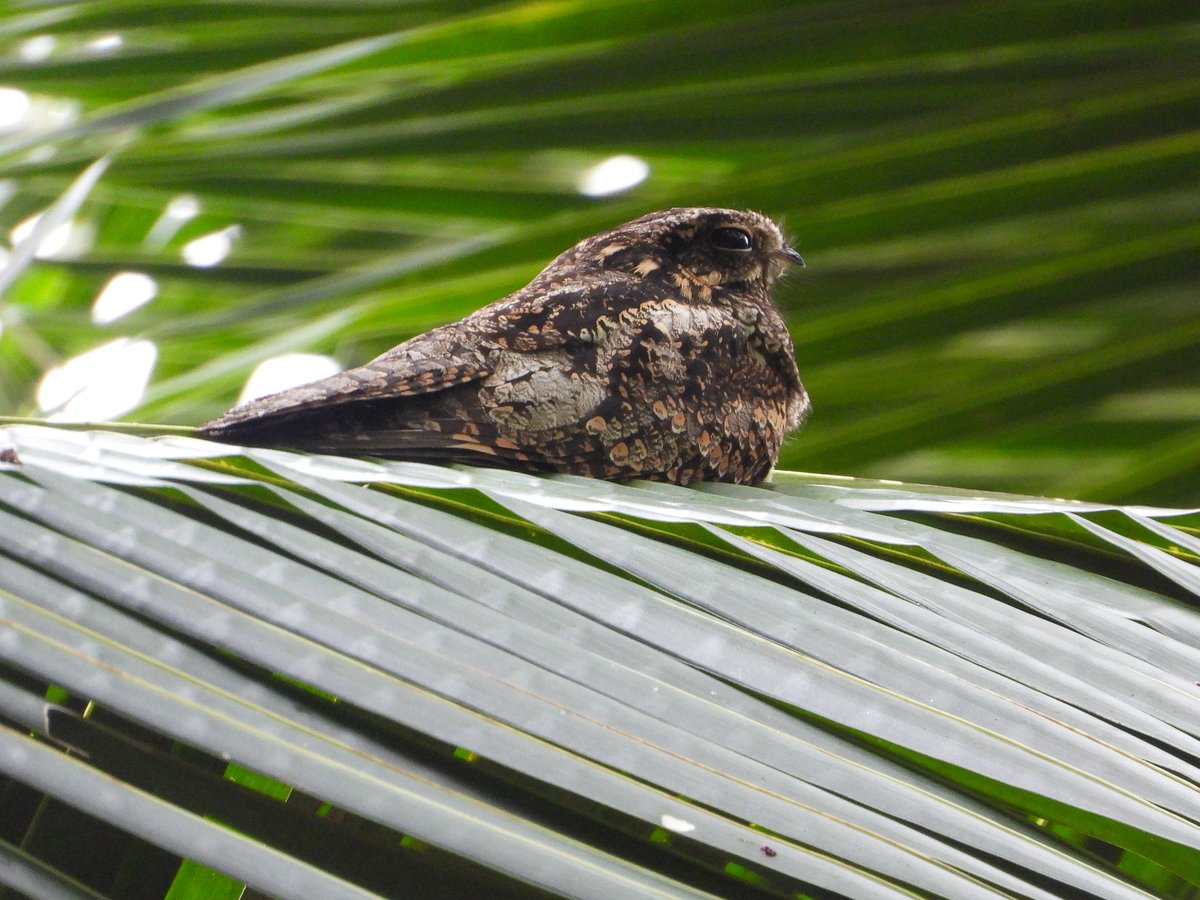
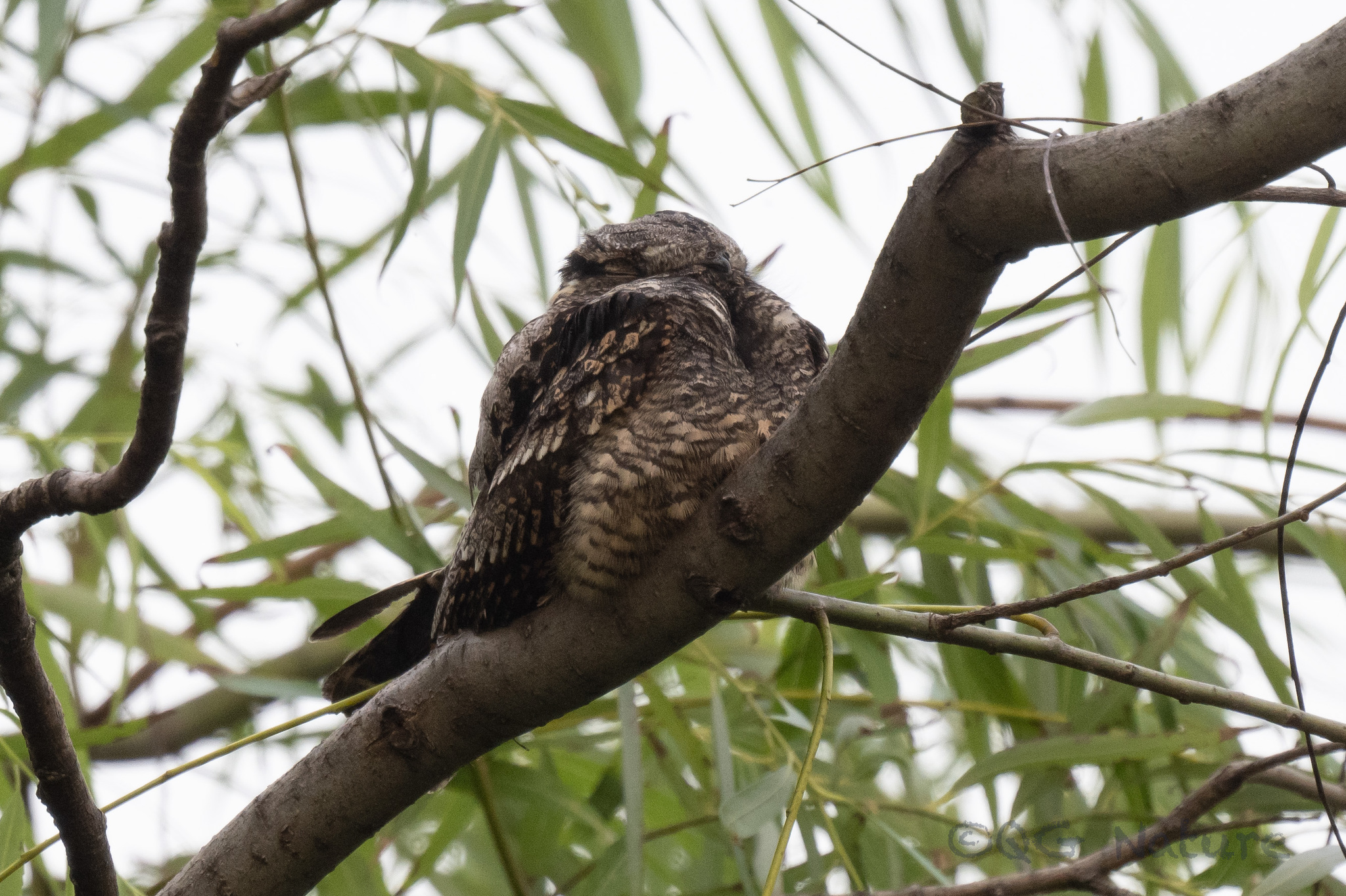
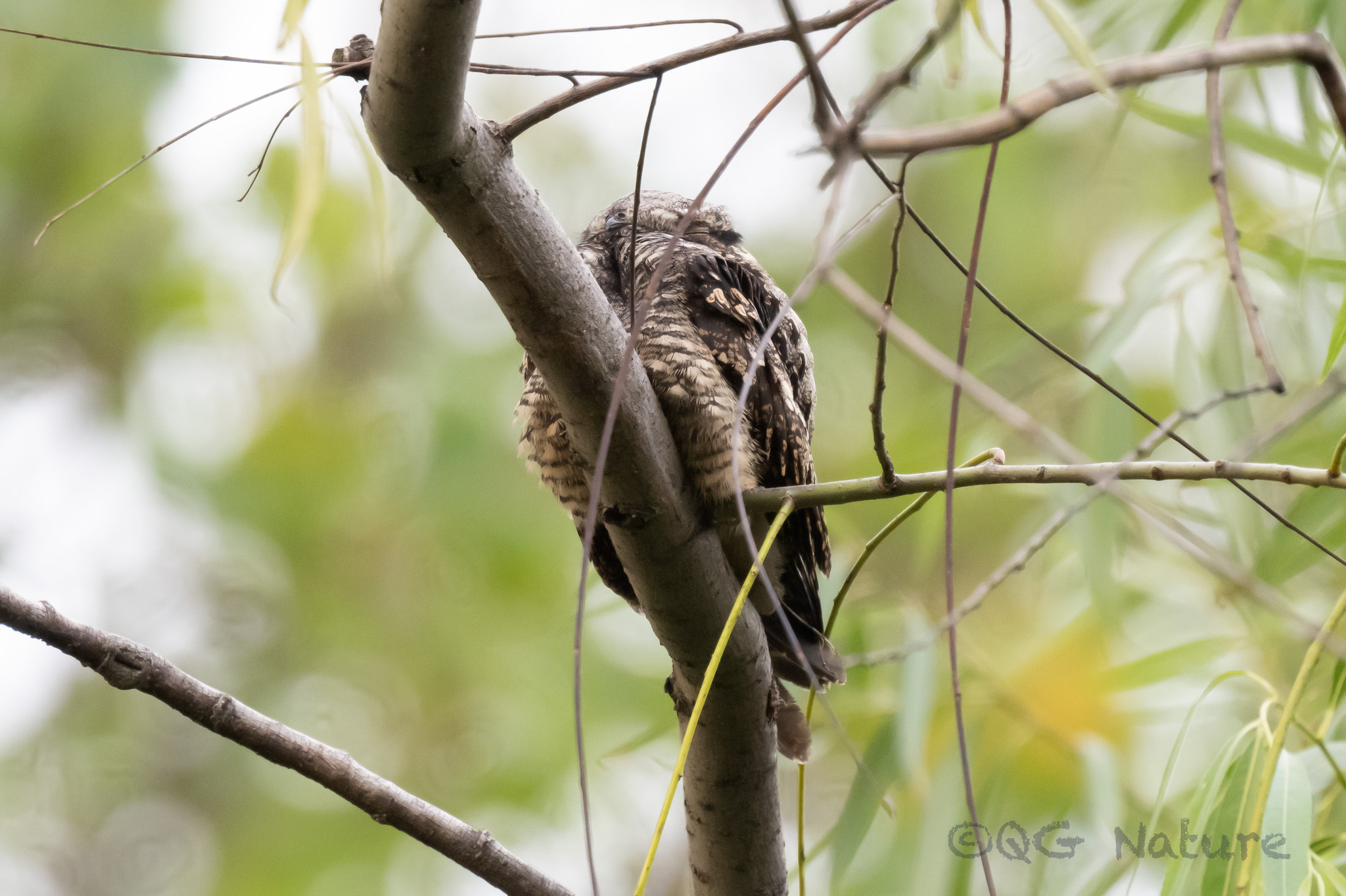
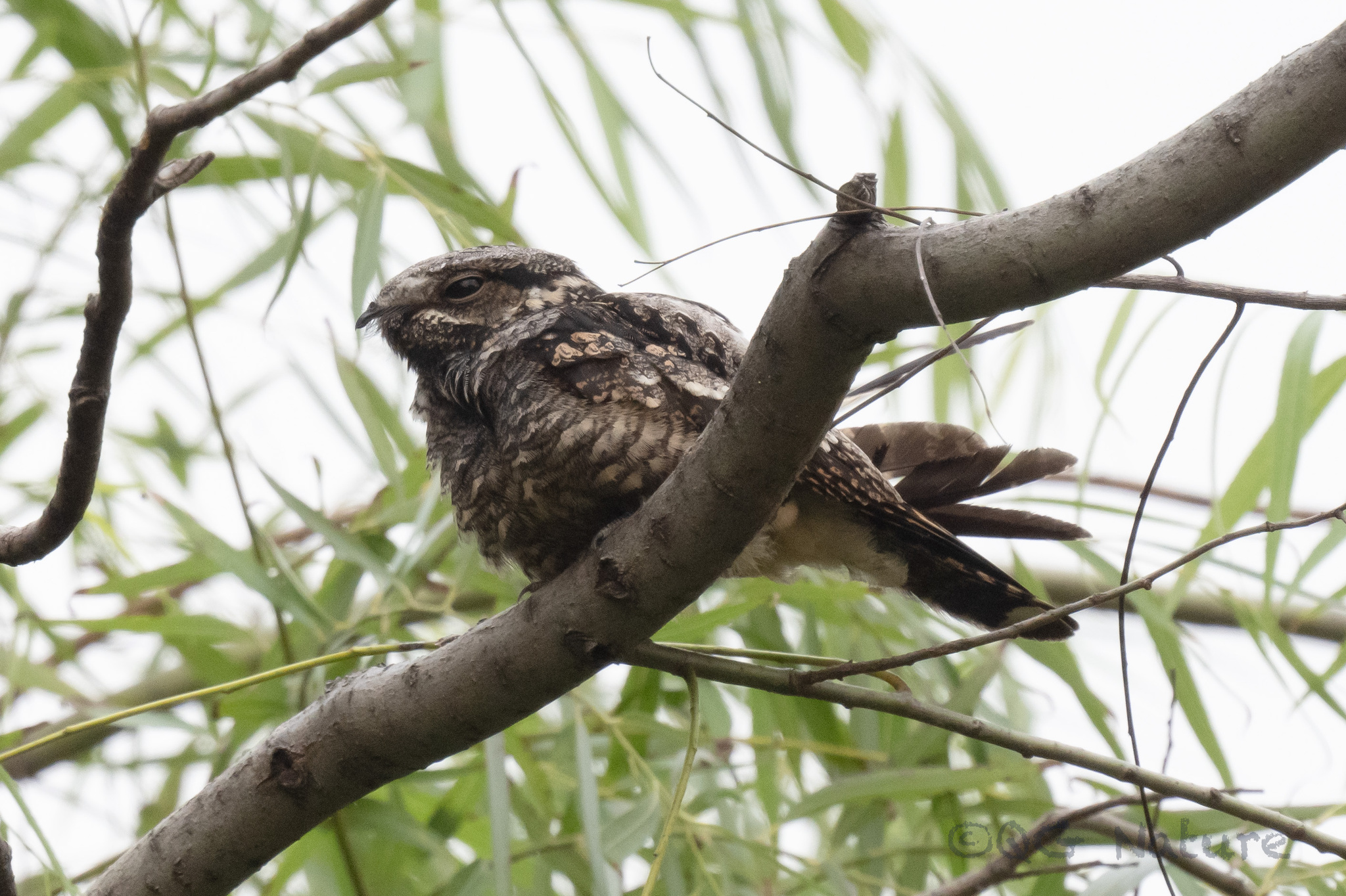
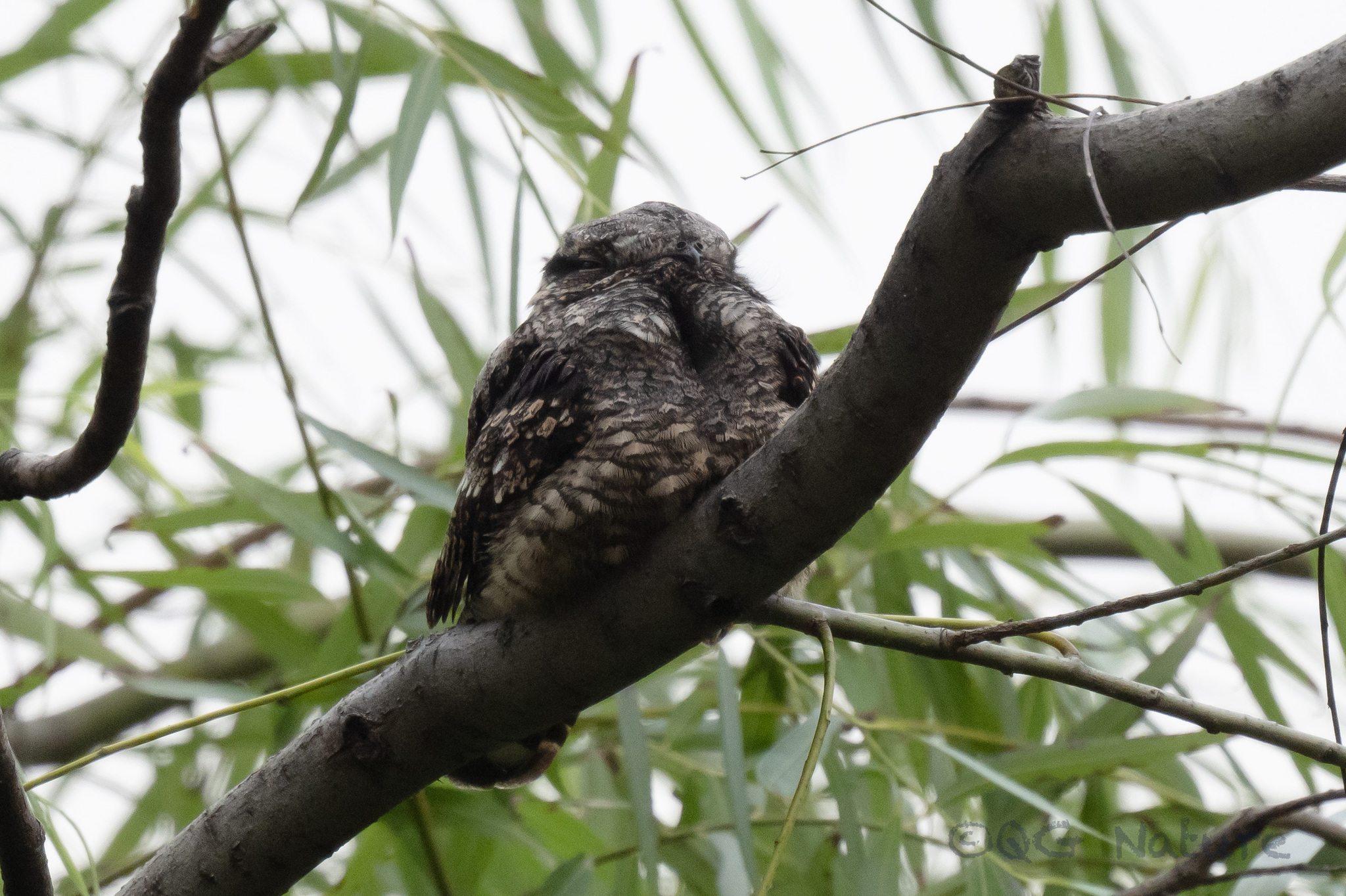
A medium-sized nightjar with a large head, large eyes, long tail, weak bill, and short legs. Plumage is mottled and cryptic. The forehead, crown, and nape display intricate grayish-white and dark brown vermiculated patterns mixed with black longitudinal streaks, with a prominent central black stripe on the crown. Upper back and tail coverts are similar but with more dark brown horizontal bars. Scapulars are black with brownish-yellow spots. Wing coverts and flight feathers are dark brown with brownish-yellow tips; primaries and secondaries have reddish-brown serrated edges. Central tail feathers show gray-brown coloring with dark brown vermiculated markings and 6-7 black wavy bands. The throat has a conspicuous white patch. The chest is dark brown with pale brown horizontal bars; underparts are pale brownish-yellow with dense dark brown stripes. Females are similar but paler with a smaller, often brown-tinged throat patch, no white spots on flight feathers, and no white subterminal tail patches. Iris dark brown; beak black; tarsi and toes horny brown; claws black.
Identification
Distinguished from other nightjar species in shared habitats by tail feather patterns. The song provides definitive identification: a series of hollow 'byuck' notes lasting 2-4 seconds, repeated at short intervals, resembling a cartoon laser gun. This differs from the jungle nightjar's bouncing 'pooKIHpooKIHpooKIH' notes. Females can be distinguished from males by their smaller, sometimes brown-tinged white throat patch, absence of white spots in the middle of flight feathers, and lack of white subterminal patches on tail feathers.
Distribution & Habitat
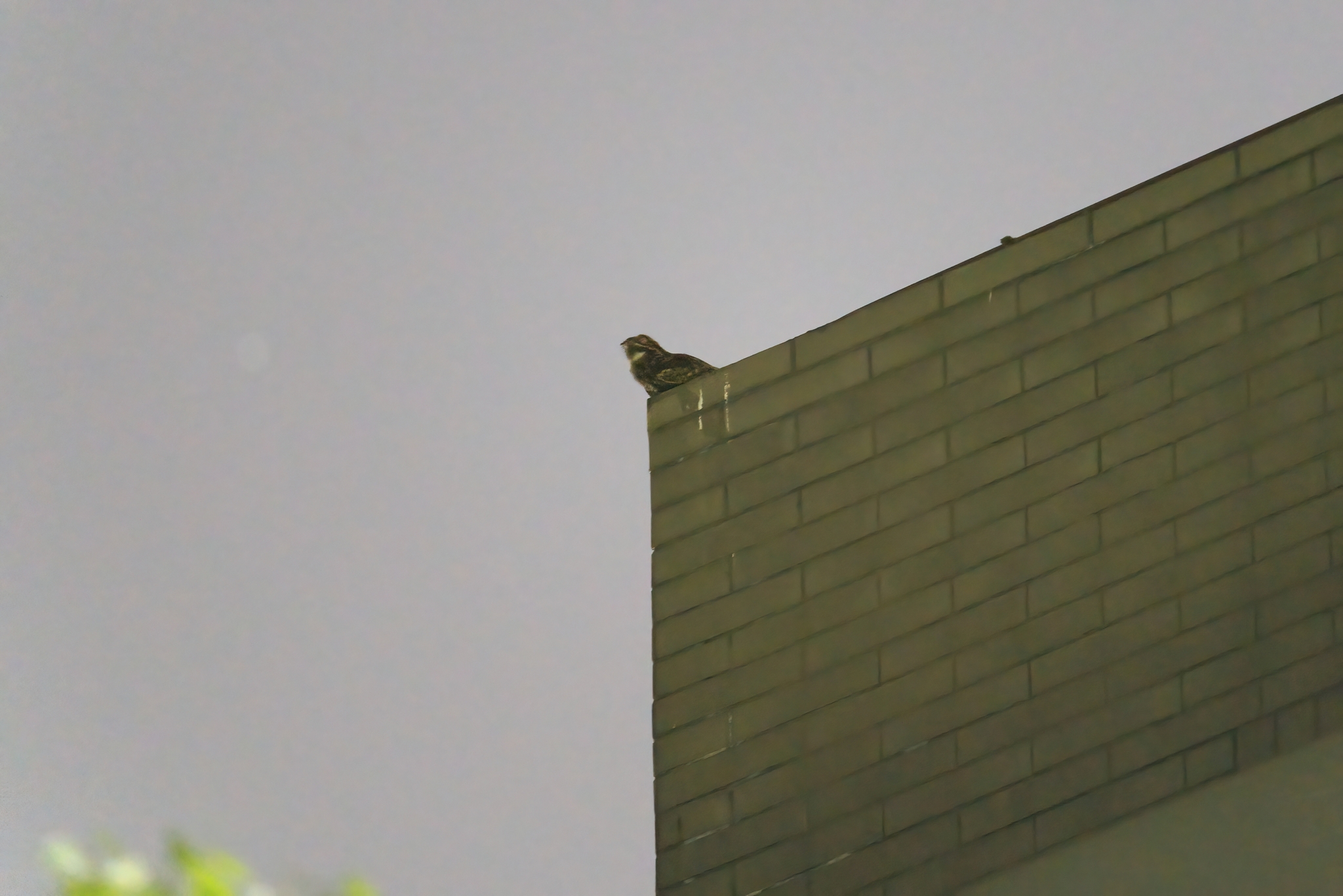
Range extends from South Asia through southeastern Russia to Japan, with an estimated extent of occurrence of 17,700,000 km². Resident populations occur in Bangladesh, Bhutan, China, Hong Kong, India, Malaysia, Myanmar, Nepal, Pakistan, and Singapore. Migratory populations breed in Japan, North Korea, South Korea, Mongolia, and Vietnam. Non-breeding visitors recorded in Brunei, Cambodia, Indonesia, Laos, Philippines, eastern Asian Russia, and Thailand. Vagrants have appeared in south Alaska, USA. Inhabits broadleaf forests, mixed broadleaf-coniferous forests, and coniferous forests below 1,400m; also found in shrubland, cliffs, and rocky areas including anthropogenic constructions. South China populations occur at 700-2,500m altitude.
Behavior & Ecology
Strictly nocturnal, most active at dusk. Forages continuously for flying insects in flight using slow, silent wing beats with occasional gliding or hovering. Flight pattern is typically circular but becomes erratic with sharp turns when pursuing prey. During the day, rests on grassy slopes or tree branches, aligning body axis parallel to the perch for camouflage. Diet consists primarily of beetles (Coleoptera), moths (Lepidoptera), and ants and wasps (Hymenoptera), including grasshoppers and other flying insects. Occasionally consumes seeds and hard particles including wood, glass shards, and gravel of unknown purpose. Breeding occurs May-July. No nest is constructed; 2 elliptical eggs with grayish-brown and dark gray speckles are laid directly on ground, rocks, or in dense vegetation including coniferous forests, bamboo groves, and shrub thickets. Eggs average 30.7mm × 22.7mm and weigh 6.5g. Female incubates by day; male takes dawn and dusk shifts. Generation length averages 5.6 years.
Conservation
Globally listed as Least Concern under IUCN Red List assessment (2016). Global population is stable. The species demonstrates adaptability to urban environments, reducing concerns about habitat fragmentation under current conditions. Although no systematic monitoring scheme exists, the species' range encompasses numerous conservation sites and populations are tracked by local governments. Japanese populations have declined since the 1970s, though this does not affect the global conservation assessment.
Culture
The specific epithet 'jotaka' derives from the Japanese word Yo-taka, meaning 'night hawk', reflecting traditional naming in Japanese ornithology.
Source: Wikipedia · CC BY-SA 3.0
Taxonomy
- Order
- Caprimulgiformes
- Family
- Caprimulgidae
- Genus
- Caprimulgus
- eBird Code
- grynig1
Vocalizations
Subspecies (2)
-
Caprimulgus jotaka hazarae
northeastern Pakistan to Bangladesh, southern China, Myanmar, and Malay Peninsula
-
Caprimulgus jotaka jotaka
breeds southeastern Siberia to eastern China, Japan, and Korea; winters to Greater Sundas
Data Sources
Species description from Wikipedia, licensed under CC BY-SA 3.0.
Bird images and sounds sourced from GBIF, contributed by citizen scientists worldwide under Creative Commons licenses.
Taxonomy data from AviList 2025.