Charadriiformes / Scolopacidae / Calidris
Temminck's Stint
Calidris temminckii · 青脚滨鹬
Introduction
A small wader in the genus Calidris, closely related to the long-toed stint. It breeds in bogs and marshes within the taiga of Arctic northern Europe and Asia and winters at freshwater sites in tropical Africa, the Indian subcontinent, and Southeast Asia. The species exhibits a unique breeding system where males and females incubate separate clutches.
Description
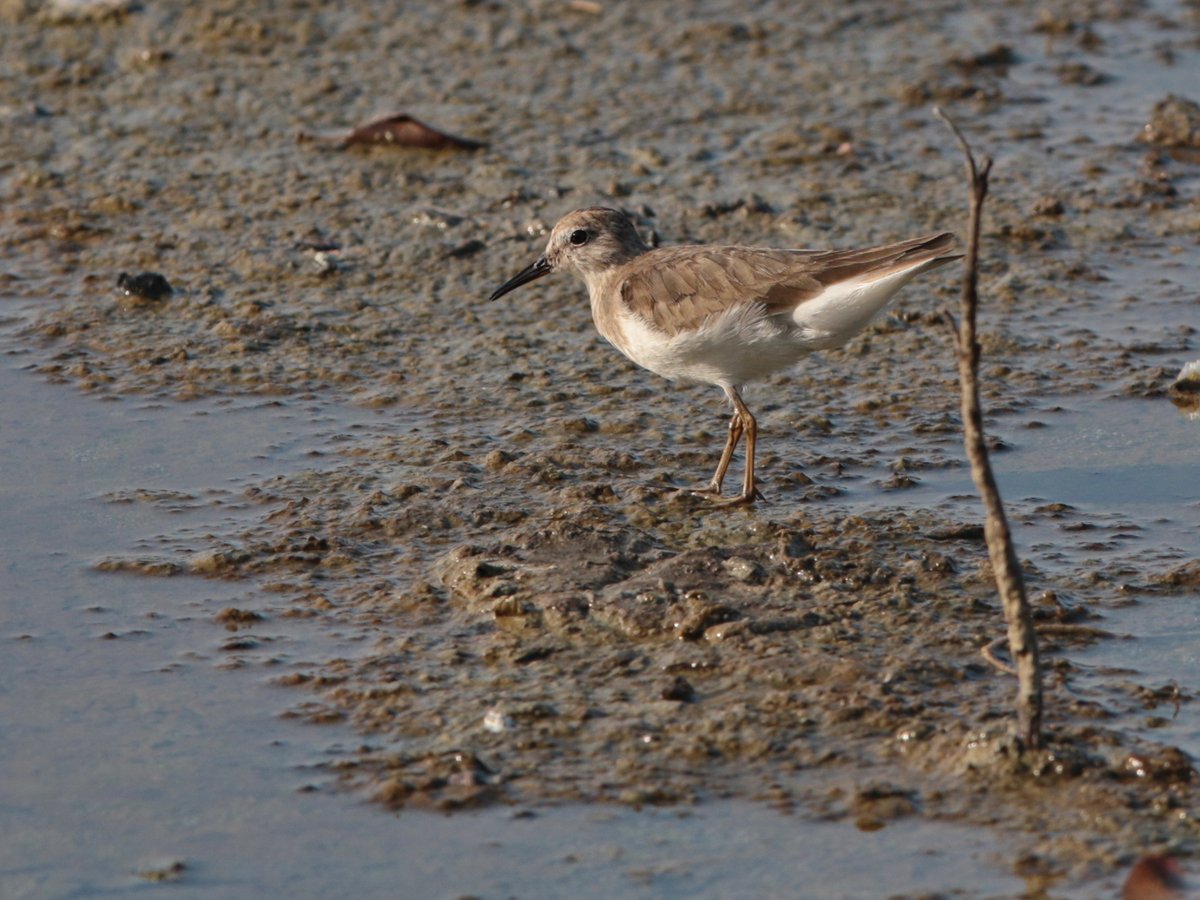
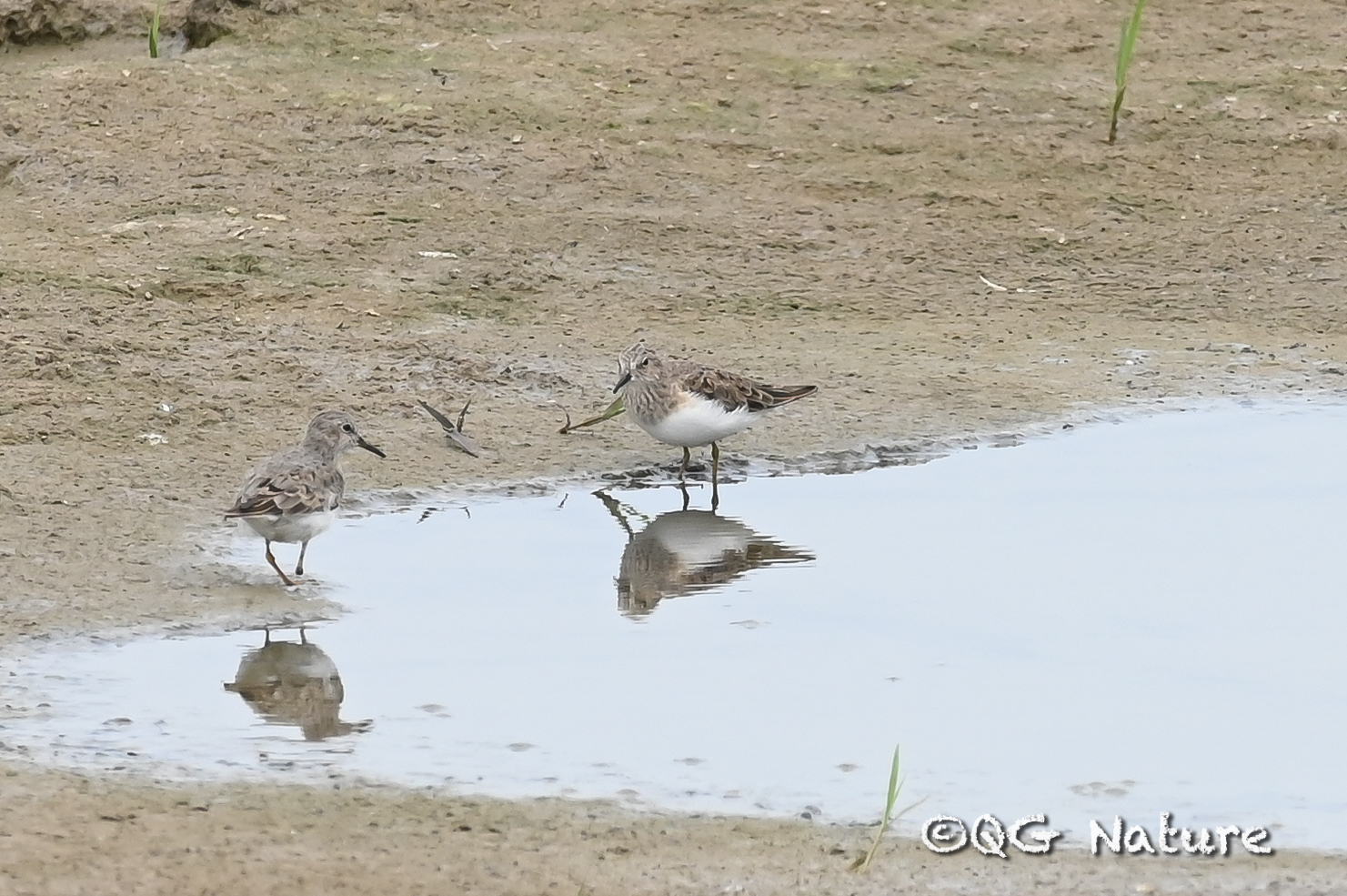
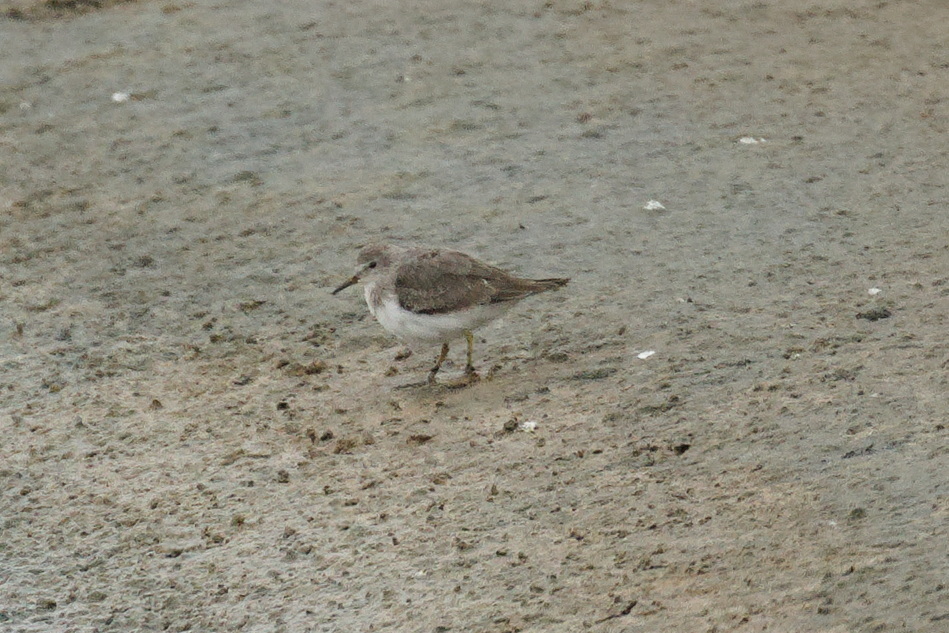
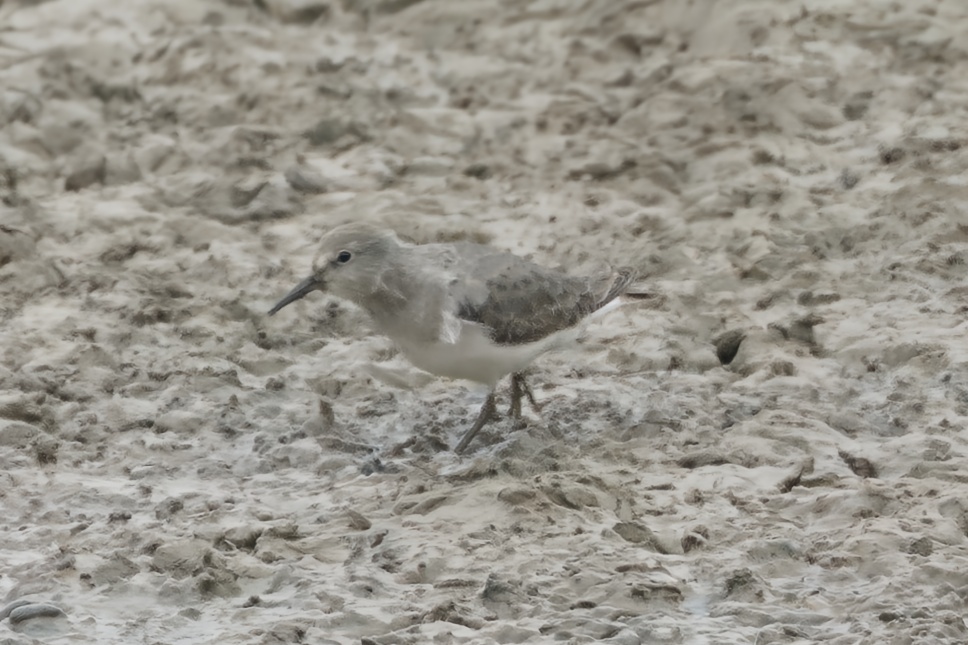
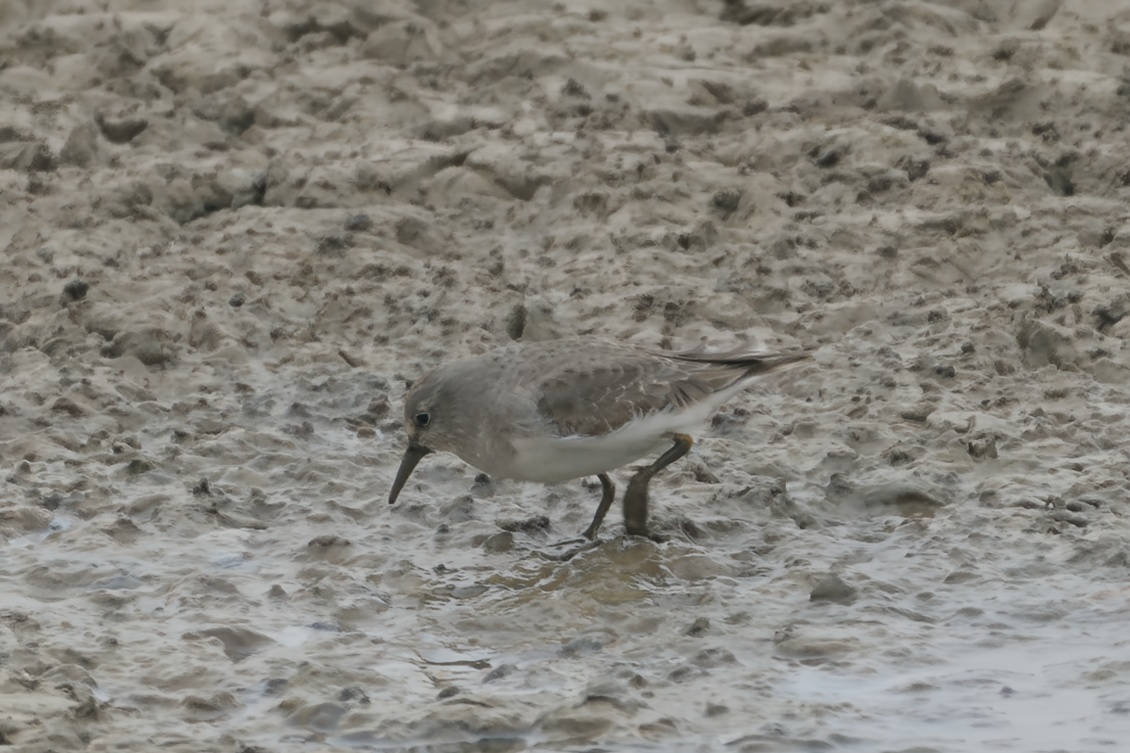
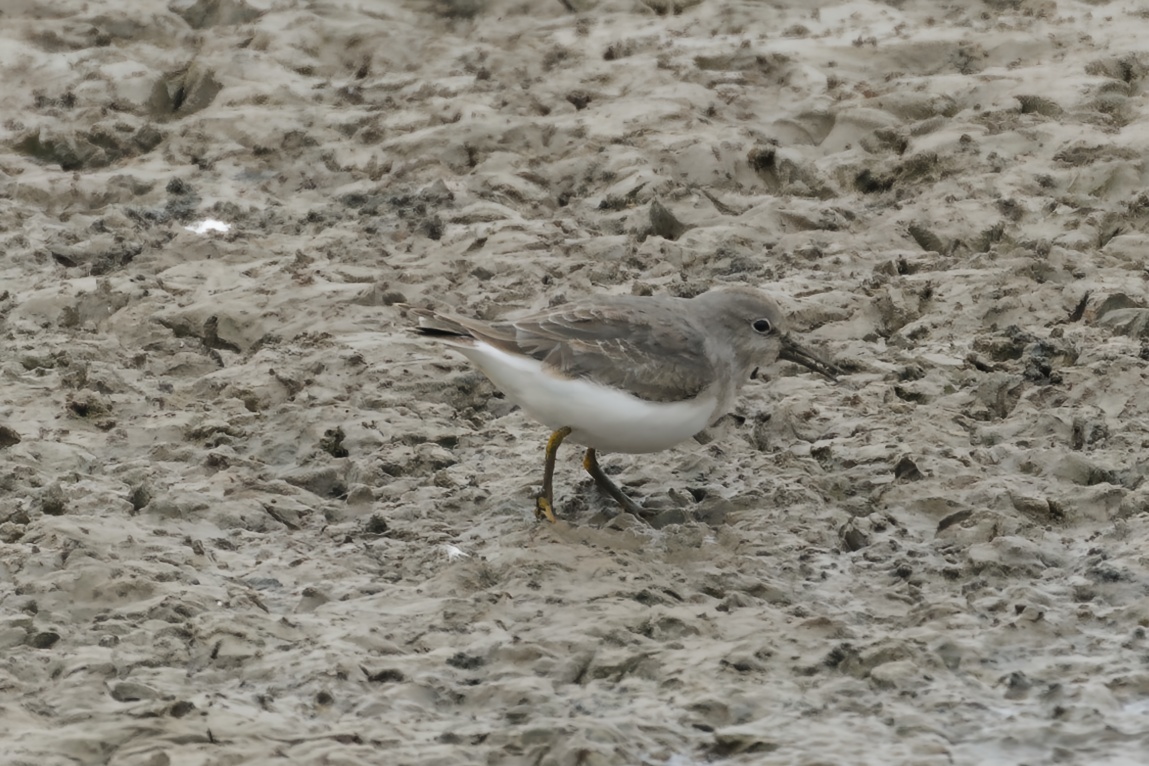
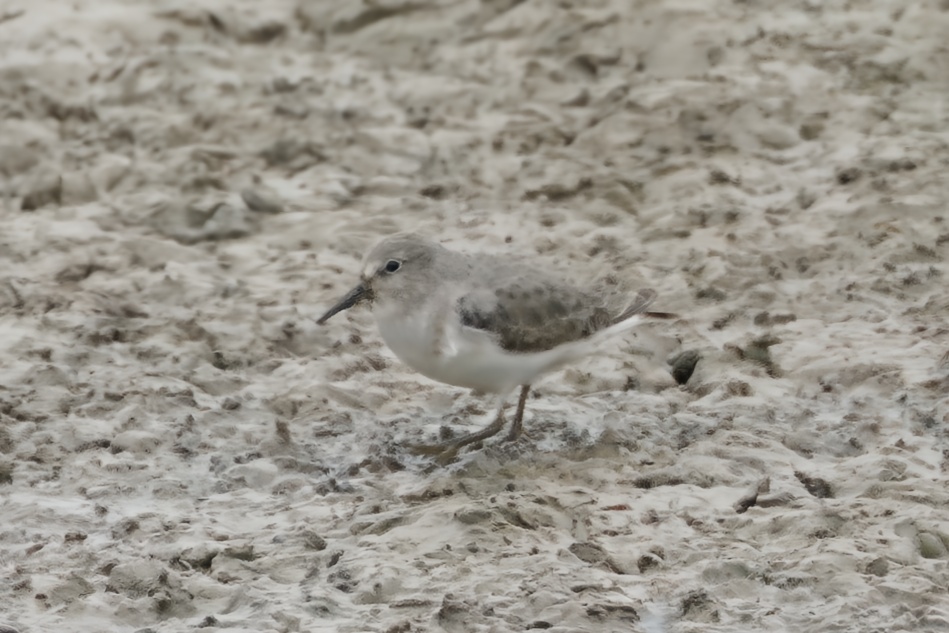
Length 13.5–15 cm (5.3–5.9 in). Similar in size to the little stint but shorter-legged and longer-winged. Legs are yellow, and outer tail feathers are white. Plumage is drab with plain brown upperparts and head; underparts are white with a darker breast. Breeding adults display brighter rufous mantle feathers. Winter plumage resembles a tiny common sandpiper.
Identification
Distinguished from the little stint by yellow legs (versus dark) and white outer tail feathers (versus grey). In winter, appearance recalls a tiny common sandpiper. Flight includes a distinctive hovering display. Vocalization is a loud trill.
Distribution & Habitat
Breeds in bogs and marshes in the taiga of Arctic northern Europe and Asia, including southern Scandinavia and occasionally Scotland. Strongly migratory, wintering at freshwater sites in tropical Africa, the Indian subcontinent, and parts of Southeast Asia.
Behavior & Ecology
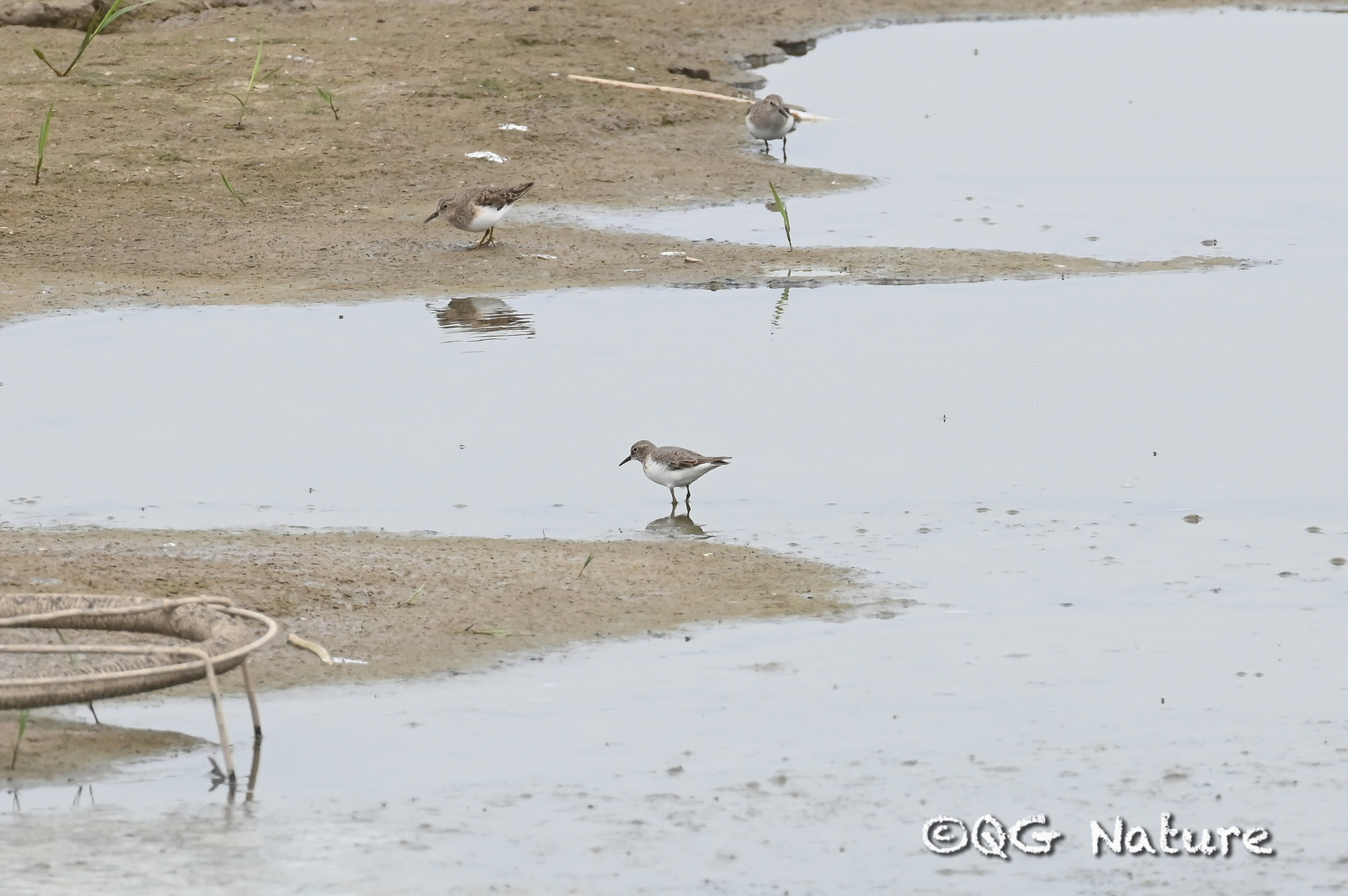
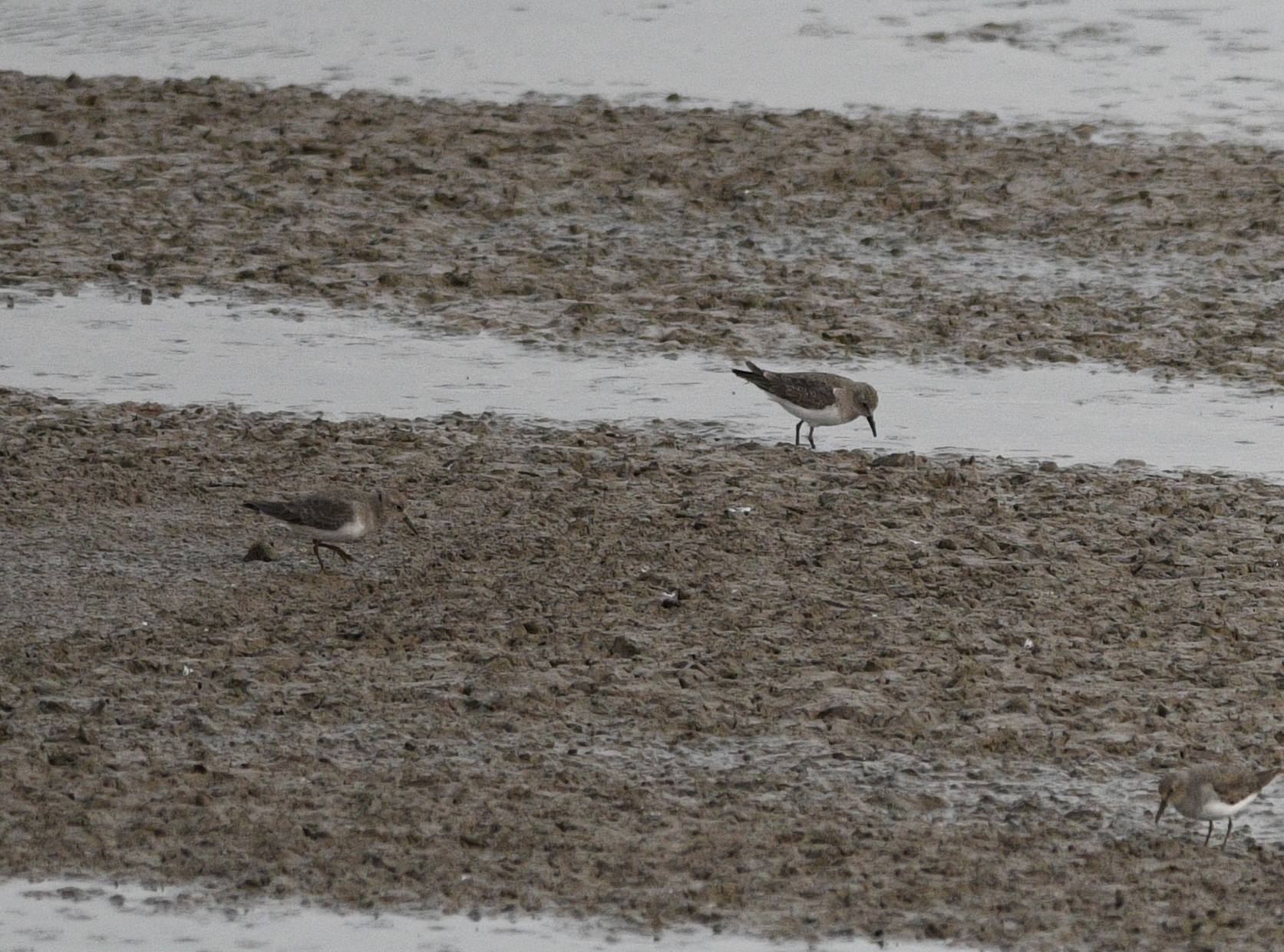
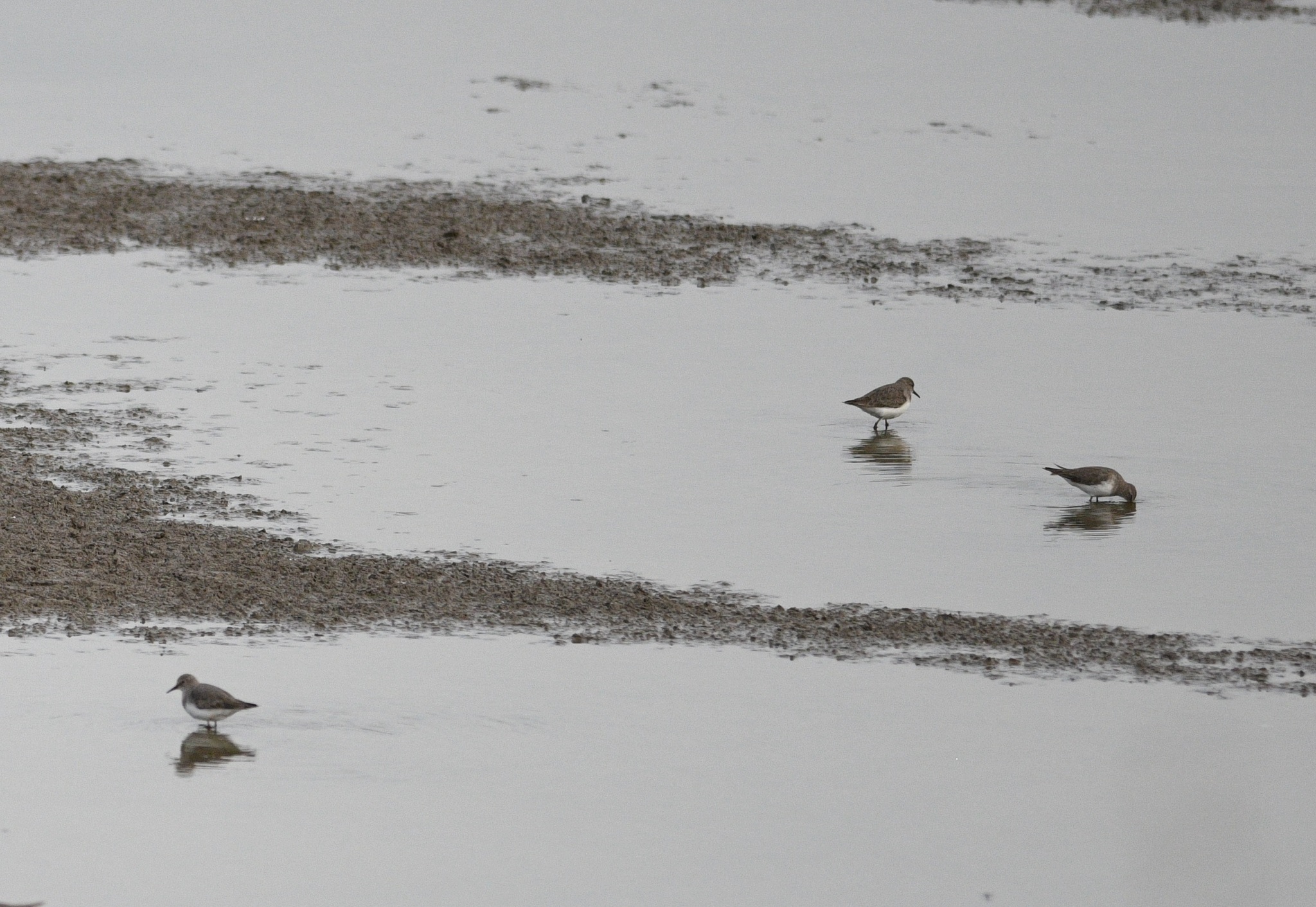
Forages in soft mud with vegetation, picking up food by sight while creeping steadily along pool edges. Diet consists mainly of insects and small invertebrates. Not gregarious; rarely forms large flocks. Breeding system involves separate clutches: the female lays a first clutch for the male to incubate, then moves to a second territory to lay and incubate a second clutch herself. Males may mate with a second female who lays on his territory. Nests in a ground scrape, laying 3–4 eggs.
Source: Wikipedia · CC BY-SA 3.0
Taxonomy
- Order
- Charadriiformes
- Family
- Scolopacidae
- Genus
- Calidris
Distribution
breeds tundra of Scandinavia eastward through northern Russia to Chukotskiy Peninsula (notheastern Russia), including New Siberian Islands; winters southeastern Europe southward to central Africa and eastward to southern Japan and Taiwan
Data Sources
Species description from Wikipedia, licensed under CC BY-SA 3.0.
Bird images and sounds sourced from GBIF, contributed by citizen scientists worldwide under Creative Commons licenses.
Taxonomy data from AviList 2025.