Temminck's Stint
Calidris temminckii
青脚滨鹬
Introduction
Among the smallest waders in Eurasia, this Calidris species forages methodically along muddy edges with a characteristic steady creep. During migration and winter, it prefers freshwater habitats with soft mud and scattered vegetation. Unlike many Calidris waders, it is typically solitary or found in very small groups. During the breeding season, it performs a distinctive hovering display flight. The species exhibits a polyandrous breeding system in which females lay multiple clutches cared for by different males in separate territories.
Description
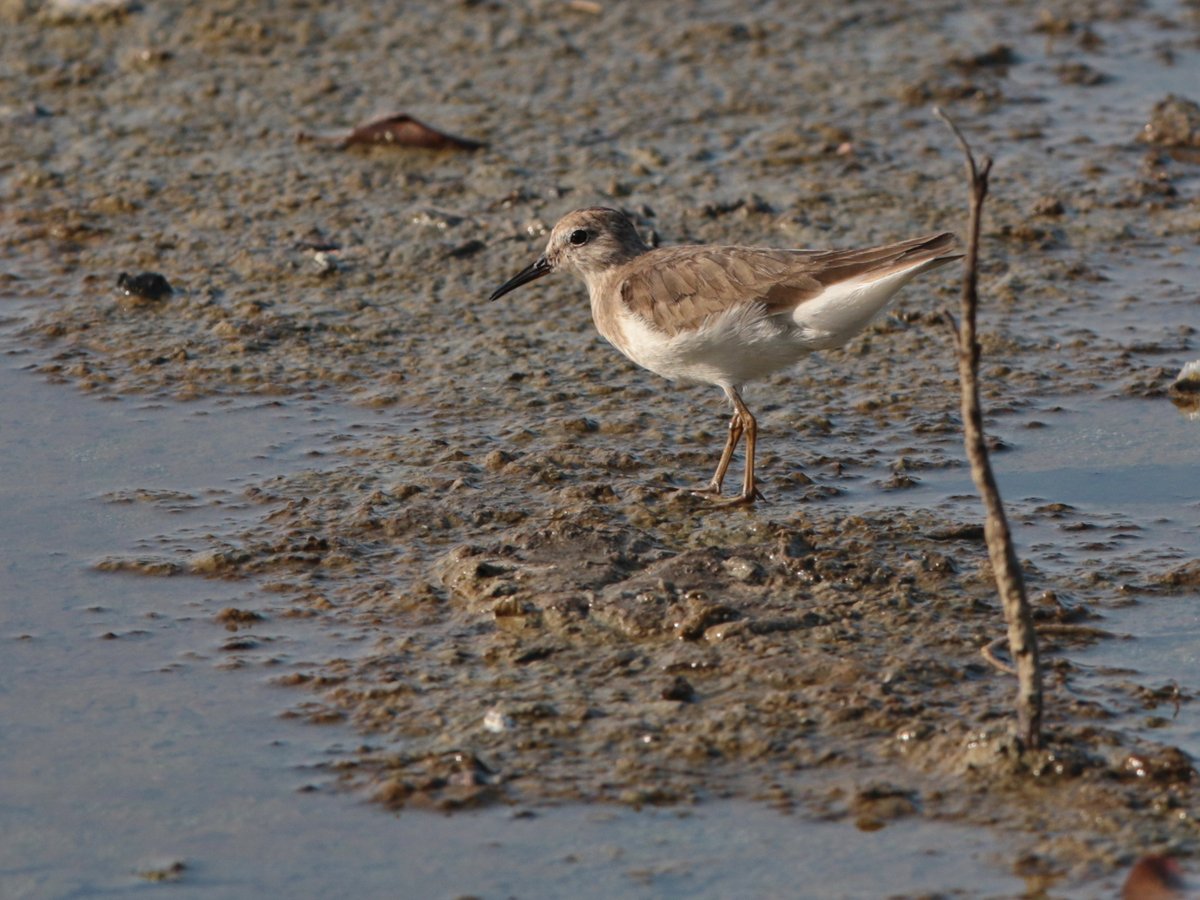
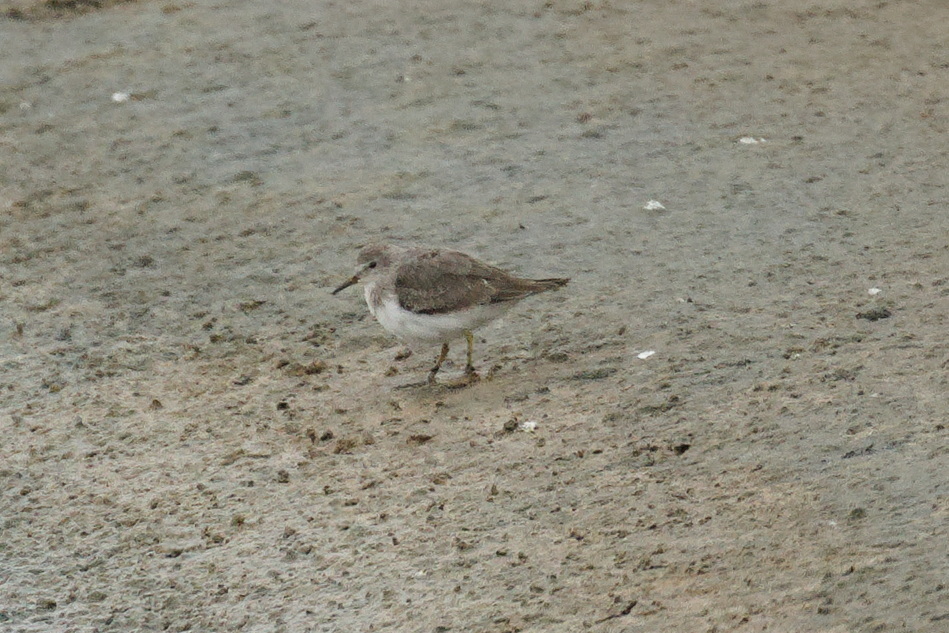
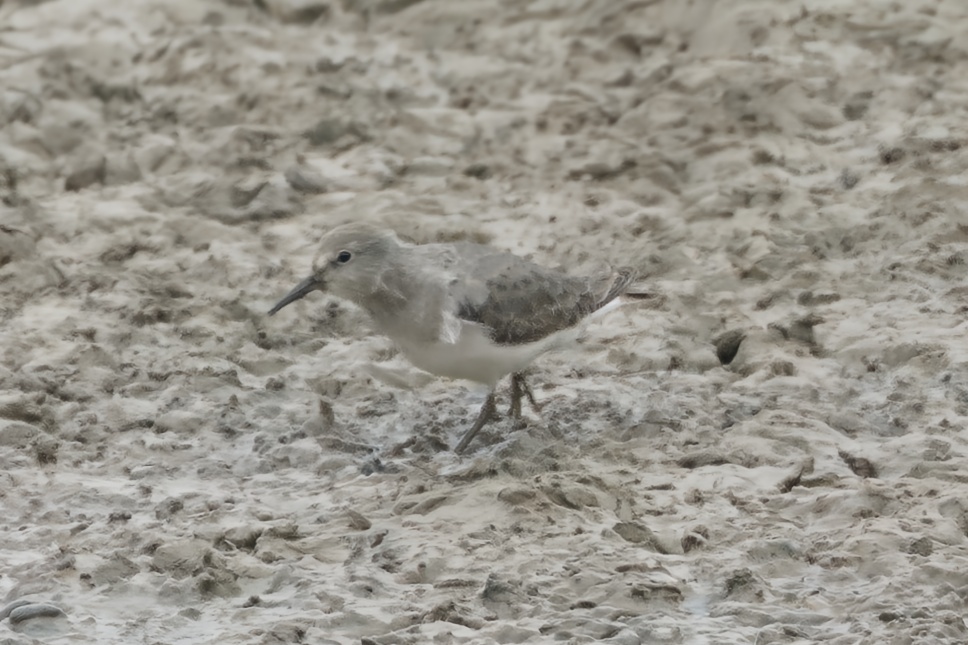
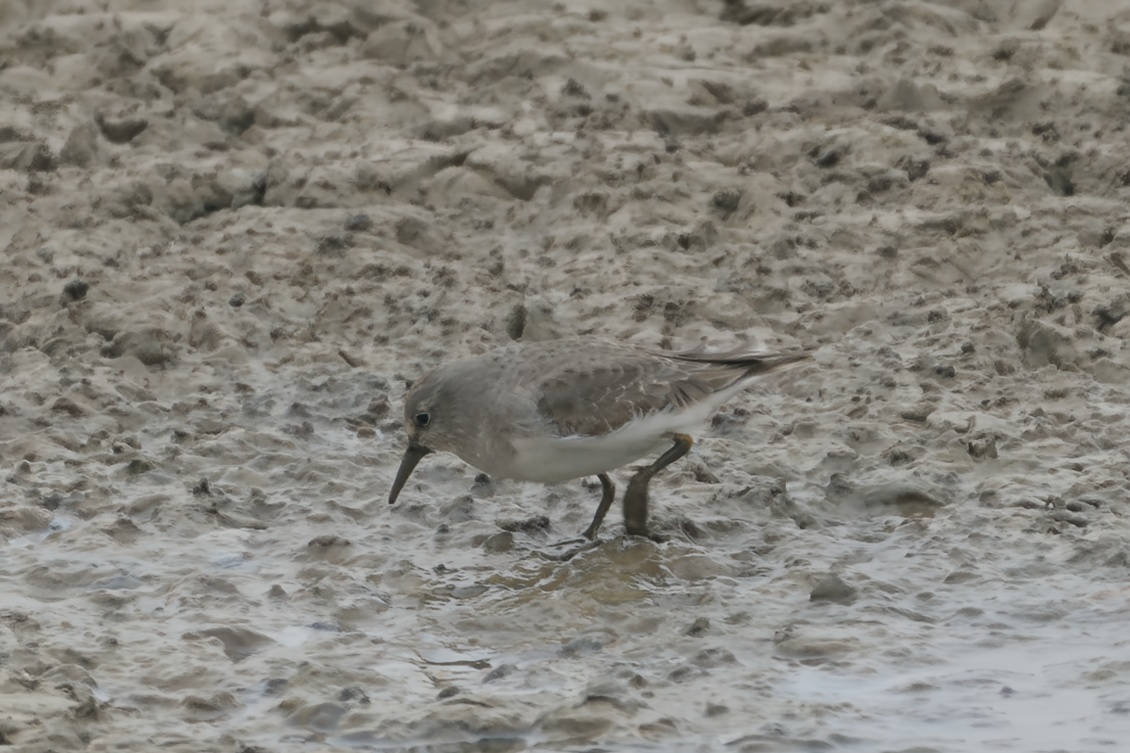
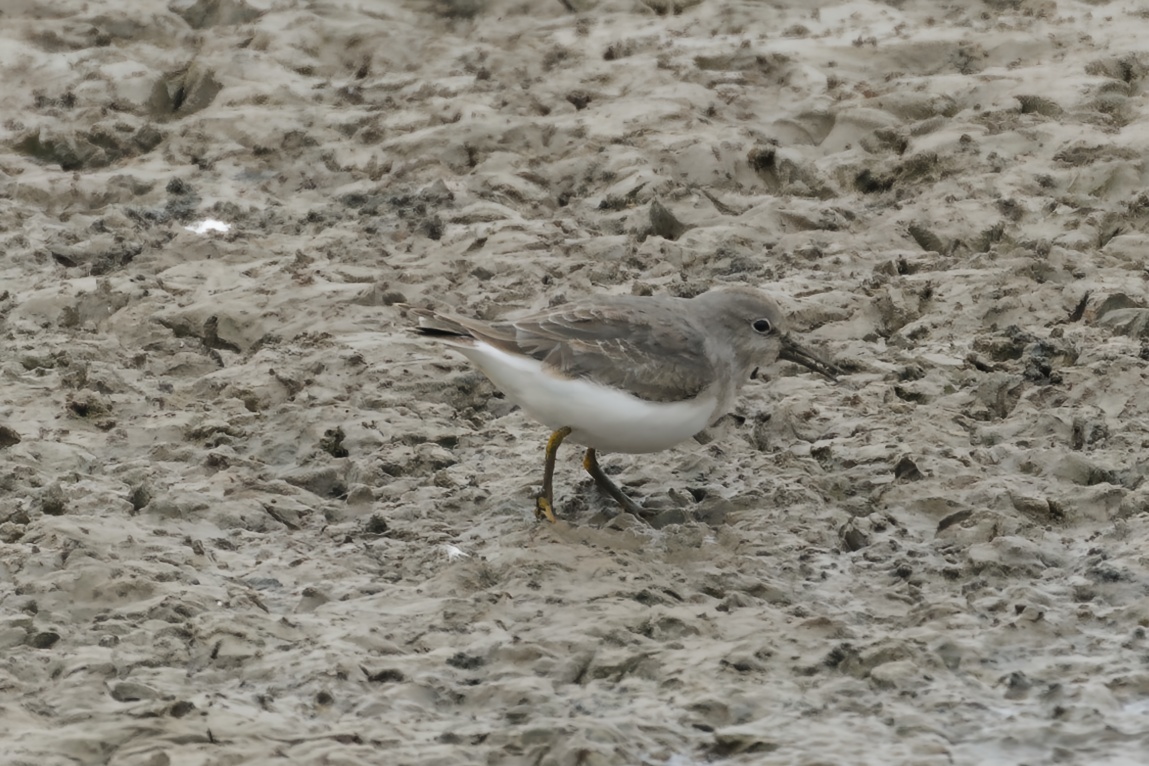
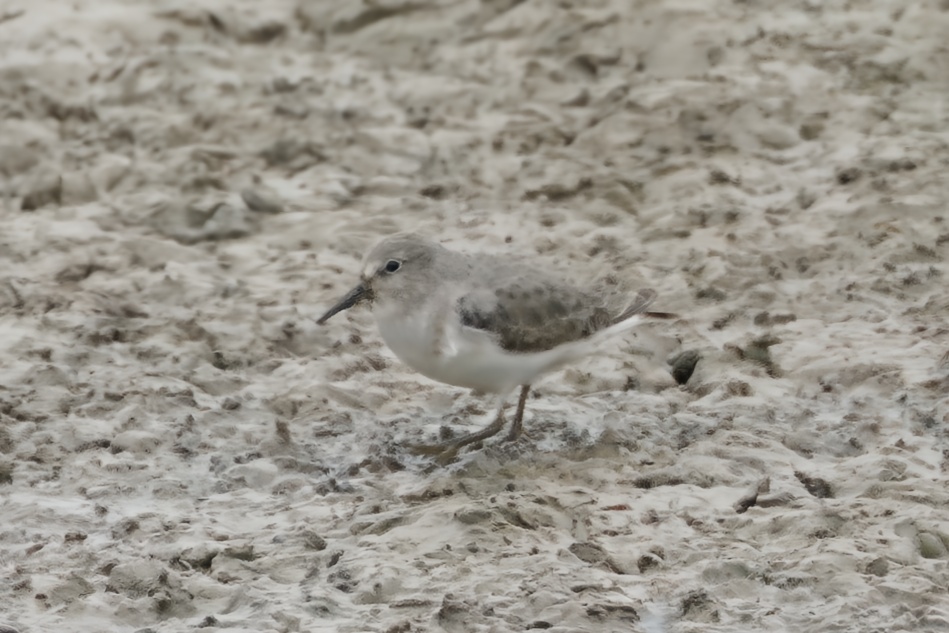
This is one of the world's smallest waders, measuring 13.5-15 cm in length with a compact, rounded body profile. The legs are notably short and bright yellow, while the wings appear relatively long compared to the body. The outer tail feathers are conspicuously white, a key identification feature. The plumage is generally plain and subdued, with brown upperparts and head contrasting with white underparts and a darker breast band. During breeding season, adults acquire brighter rufous feathers on the mantle, adding some color to an otherwise drab appearance. In non-breeding plumage, the bird takes on a more uniform brown tones, superficially resembling a miniature common sandpiper.
Identification
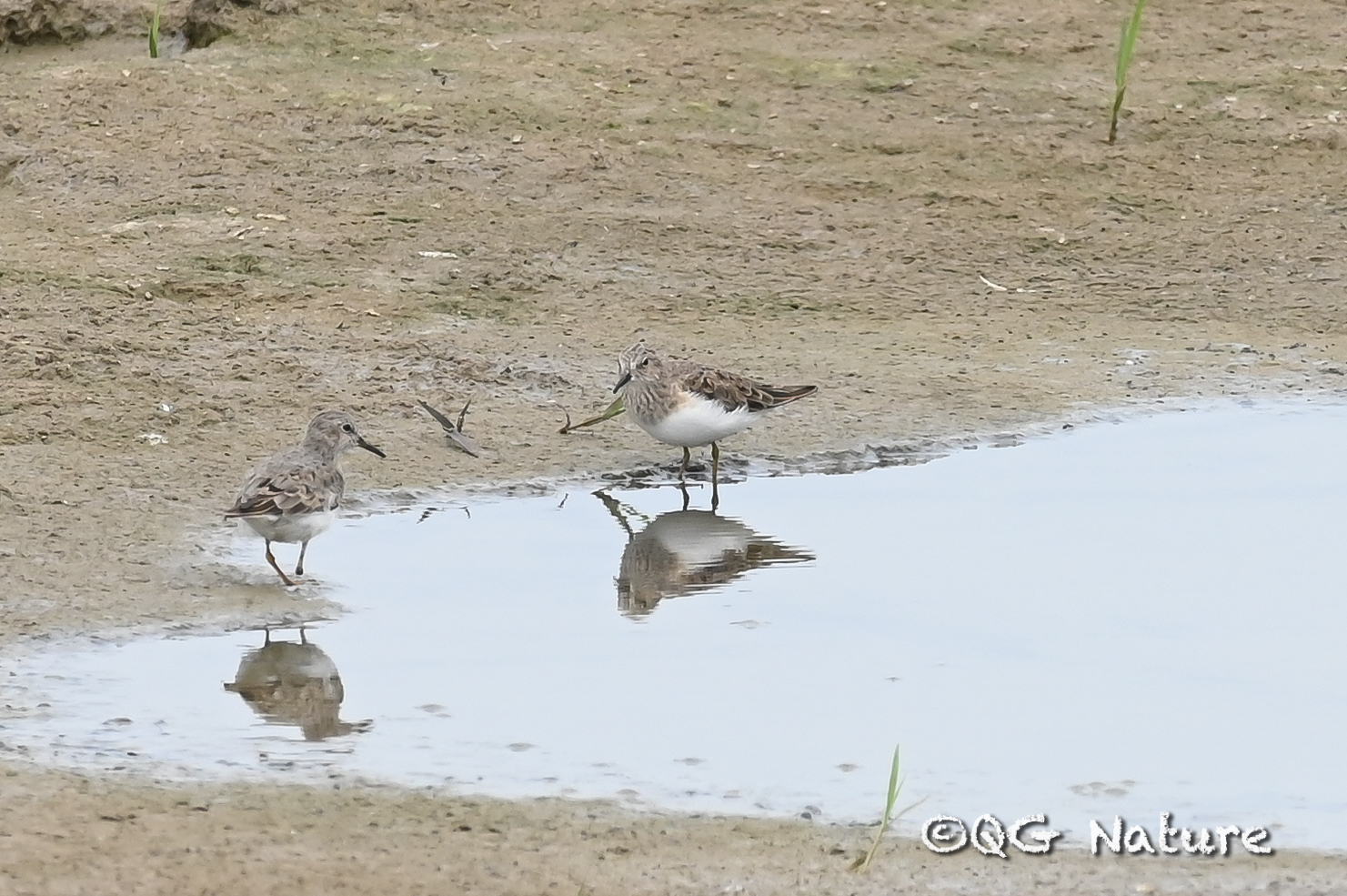
The combination of very small size, yellow legs, and white outer tail feathers distinguishes this species from the superficially similar little stint, which has dark legs and grey outer tail feathers. The shorter legs and longer wings create a different silhouette from little stint when the two are seen together. The generally plain brown appearance, lacking the rufous tones of little stint in breeding plumage, helps separate it in that season. The loud trill call is often the first indication of its presence, particularly during migration when individuals may be detected by voice before being seen. In winter plumage, the tiny size and distinctive feeding action of creeping steadily along pool edges provide additional clues.
Distribution & Habitat
The breeding range encompasses the taiga bogs and marshes of Arctic northern Europe and Asia, extending across Scandinavia with occasional breeding in Scotland. During the non-breeding season, this strongly migratory species disperses to freshwater sites across tropical Africa, the Indian subcontinent, and selected areas of Southeast Asia. The species is protected under the Agreement on the Conservation of African-Eurasian Migratory Waterbirds, reflecting its reliance on habitat networks spanning multiple continents.
Behavior & Ecology
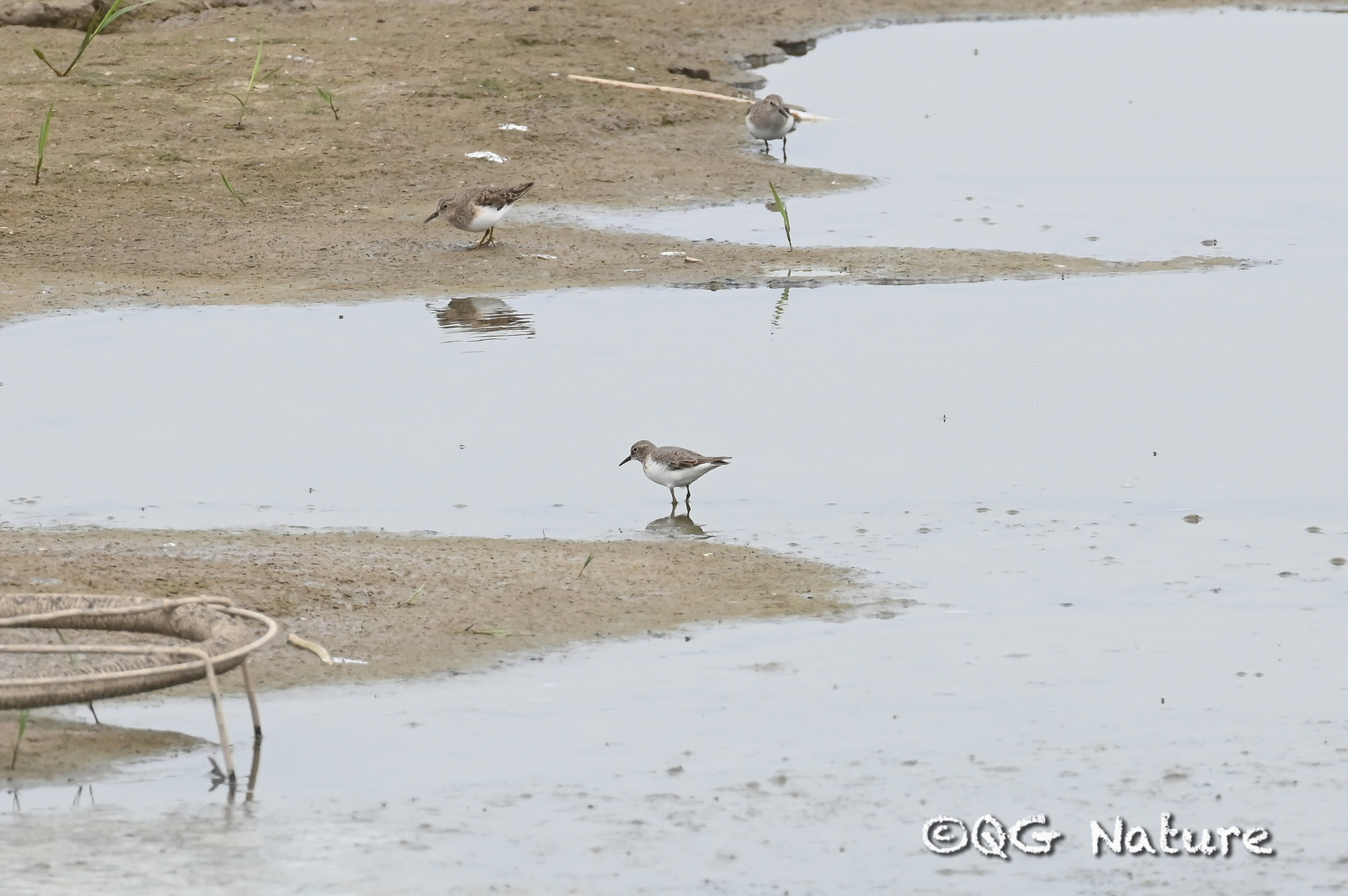
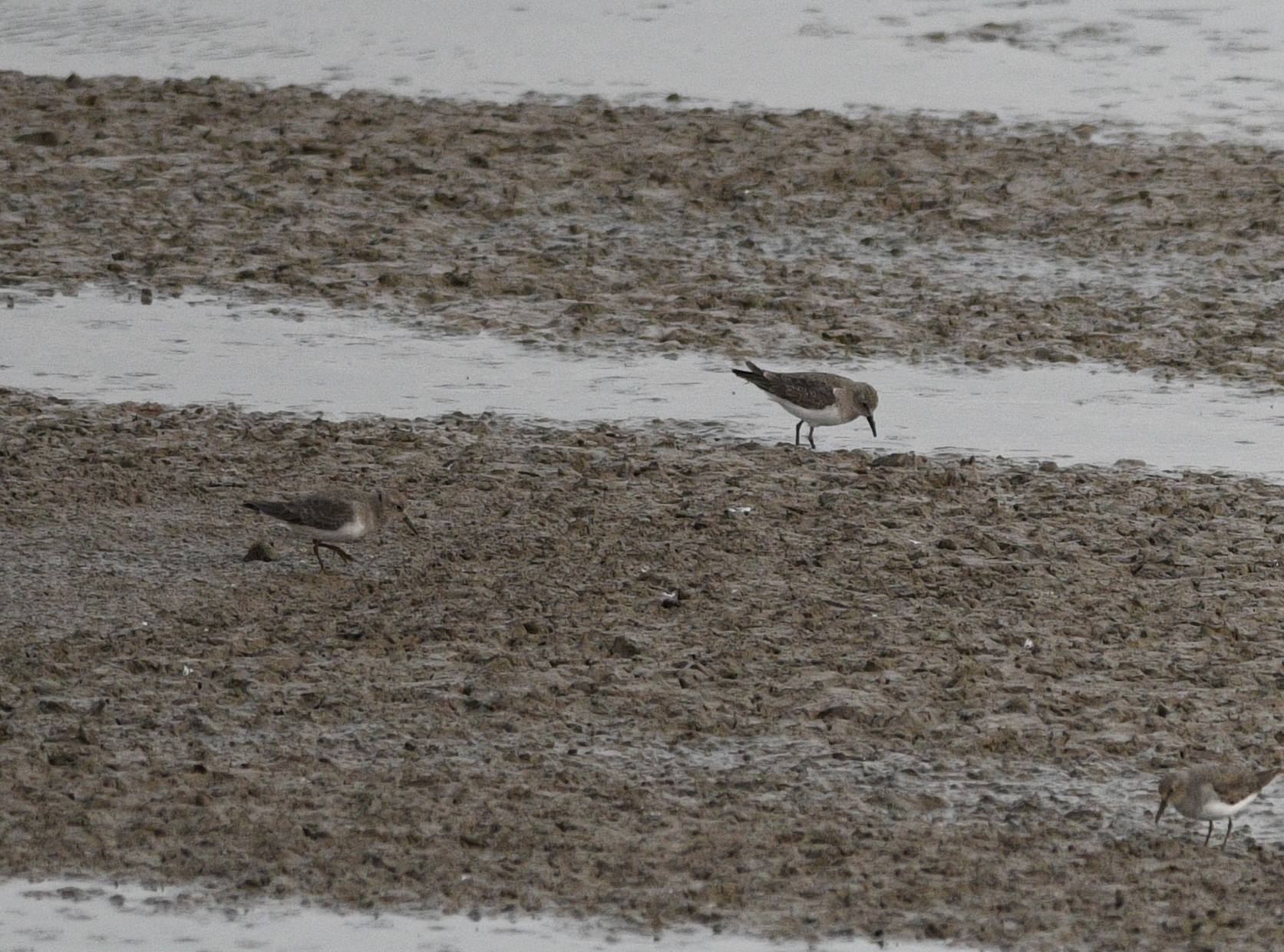
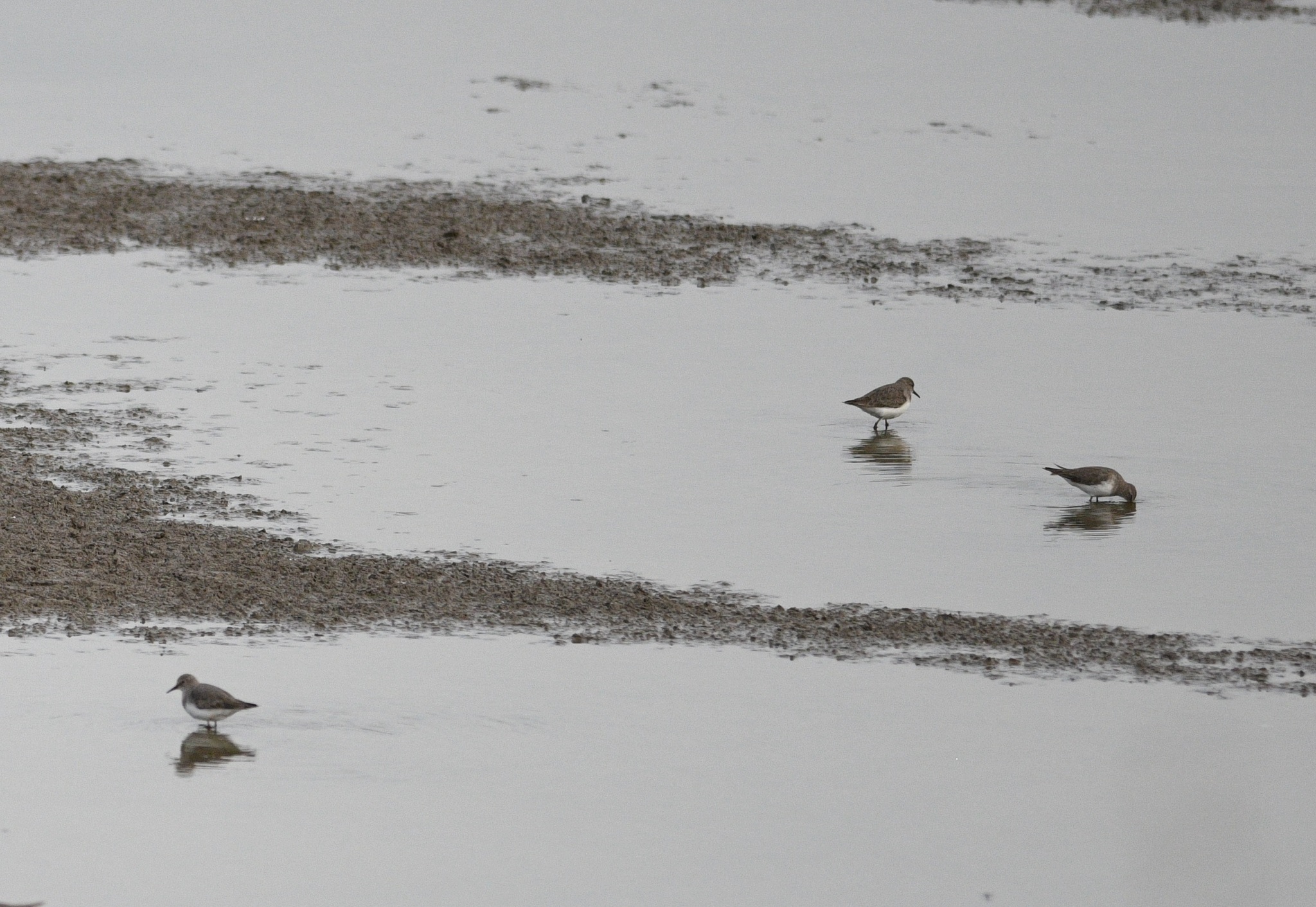
The breeding system of this species is exceptionally complex, with males and females maintaining separate nesting territories and incubating their own clutches. Males may mate with multiple females sequentially, while females also lay multiple clutches in different locations. The display flight involves a distinctive hovering action. Nests are simple scrapes on the ground containing 3-4 eggs. Foraging takes place in soft mud with some vegetation cover, where birds locate prey by sight while maintaining their characteristic steady, creeping movement along pool edges. Diet consists primarily of insects and other small invertebrates. This wader is notably less gregarious than its relatives, typically occurring alone or in very small groups rather than large flocks. The vocalization is a distinctive loud trill.
Conservation
The species is currently listed as Least Concern by the IUCN, though ongoing monitoring of population trends remains important given the interconnected nature of its migratory habitat network across multiple continents.
Source: Wikipedia · CC BY-SA 3.0
Taxonomy
- Order
- Charadriiformes
- Family
- Scolopacidae
- Genus
- Calidris
- eBird Code
- temsti
Distribution
breeds tundra of Scandinavia eastward through northern Russia to Chukotskiy Peninsula (notheastern Russia), including New Siberian Islands; winters southeastern Europe southward to central Africa and eastward to southern Japan and Taiwan
Data Sources
Species description from Wikipedia, licensed under CC BY-SA 3.0.
Bird images and sounds sourced from GBIF, contributed by citizen scientists worldwide under Creative Commons licenses.
Taxonomy data from AviList 2025.