Charadriiformes / Scolopacidae / Calidris
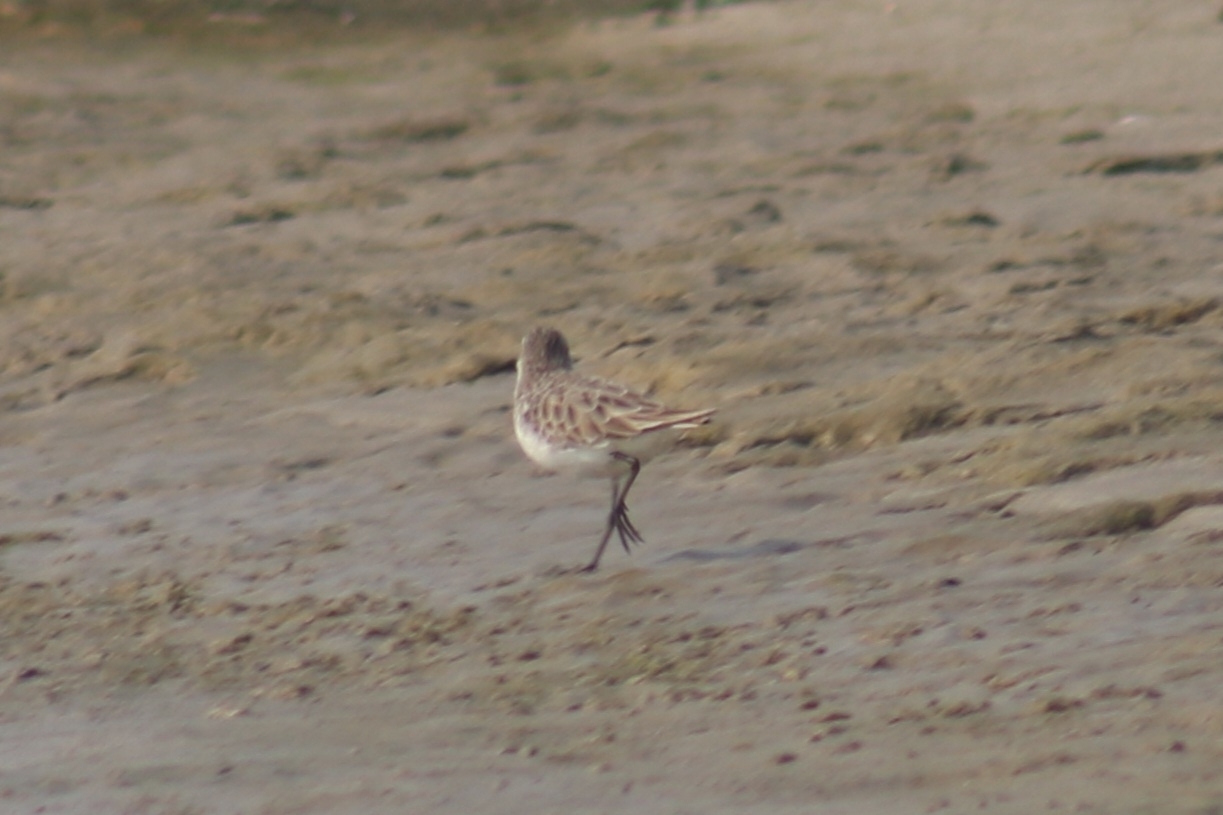
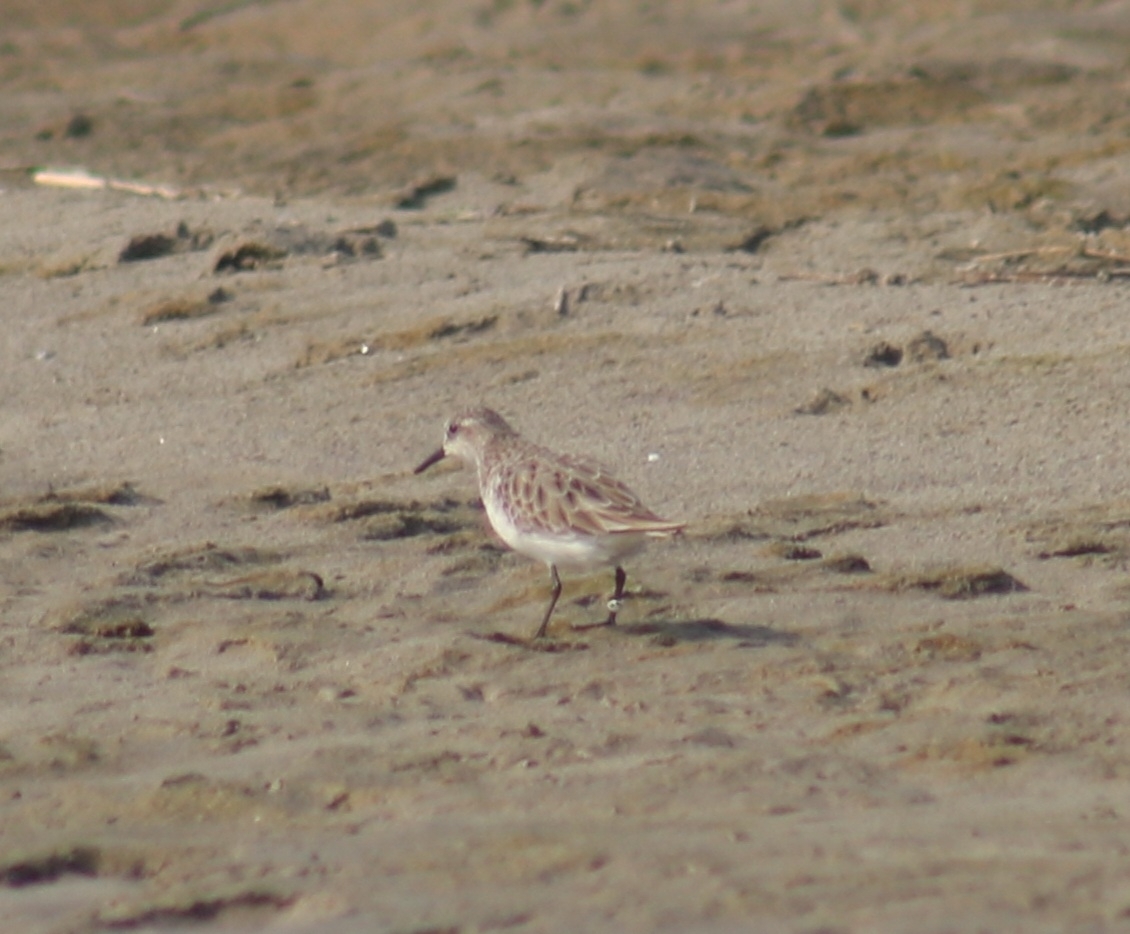
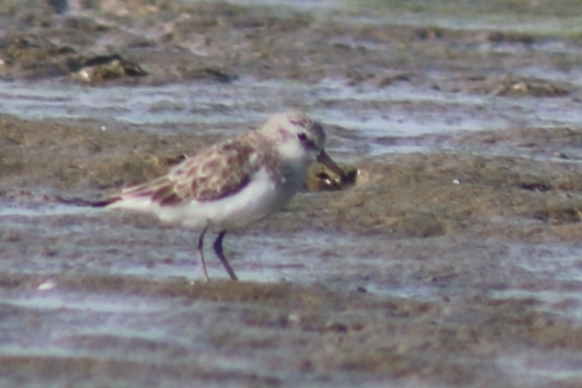
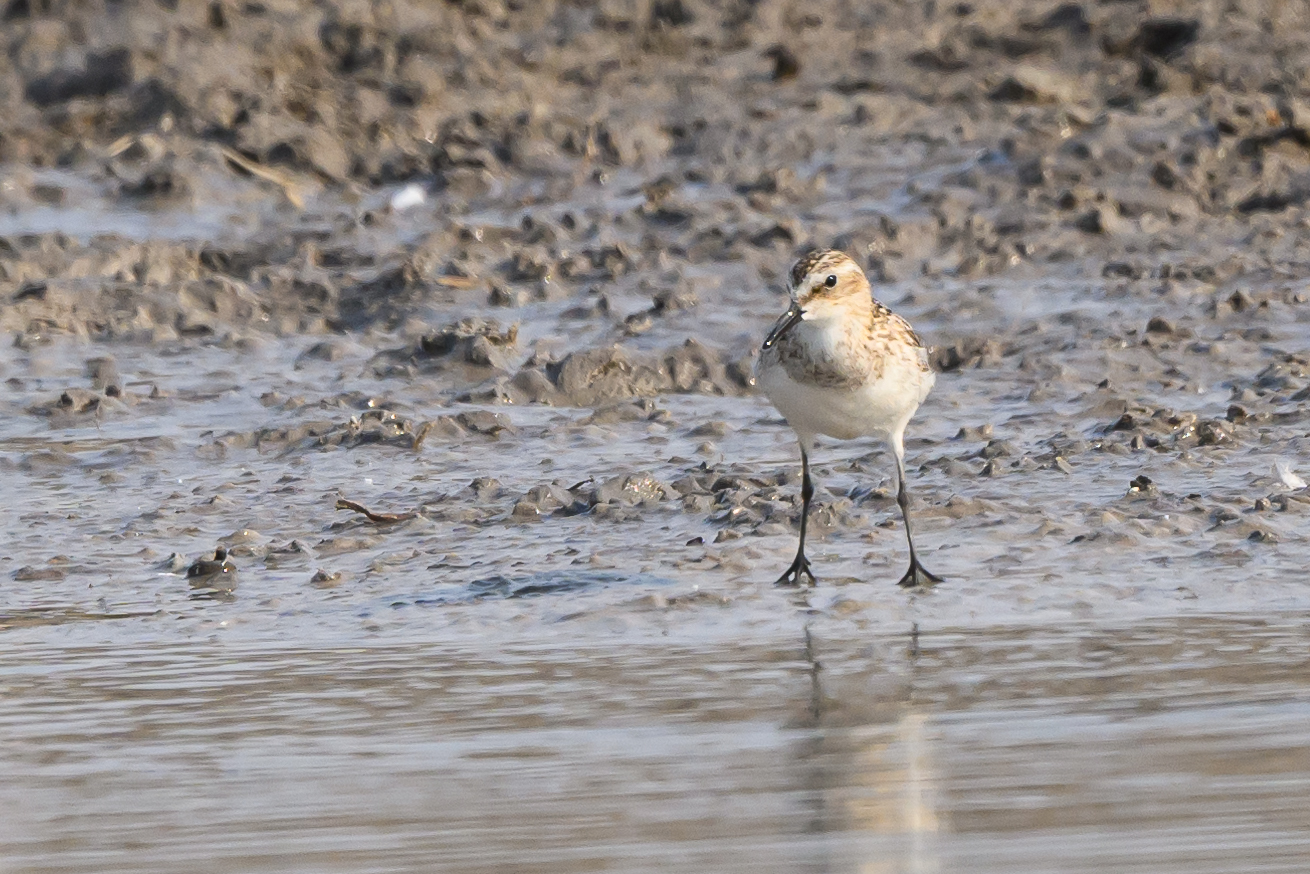
Little Stint
Calidris minuta · 小滨鹬
Introduction
A very small wader in the genus Calidris. It breeds in arctic Europe and Asia and is a long-distance migrant, wintering south to Africa and south Asia. Occasionally occurs as a vagrant to North America and Australia. Population numbers fluctuate based on lemming abundance due to predator switching.
Description
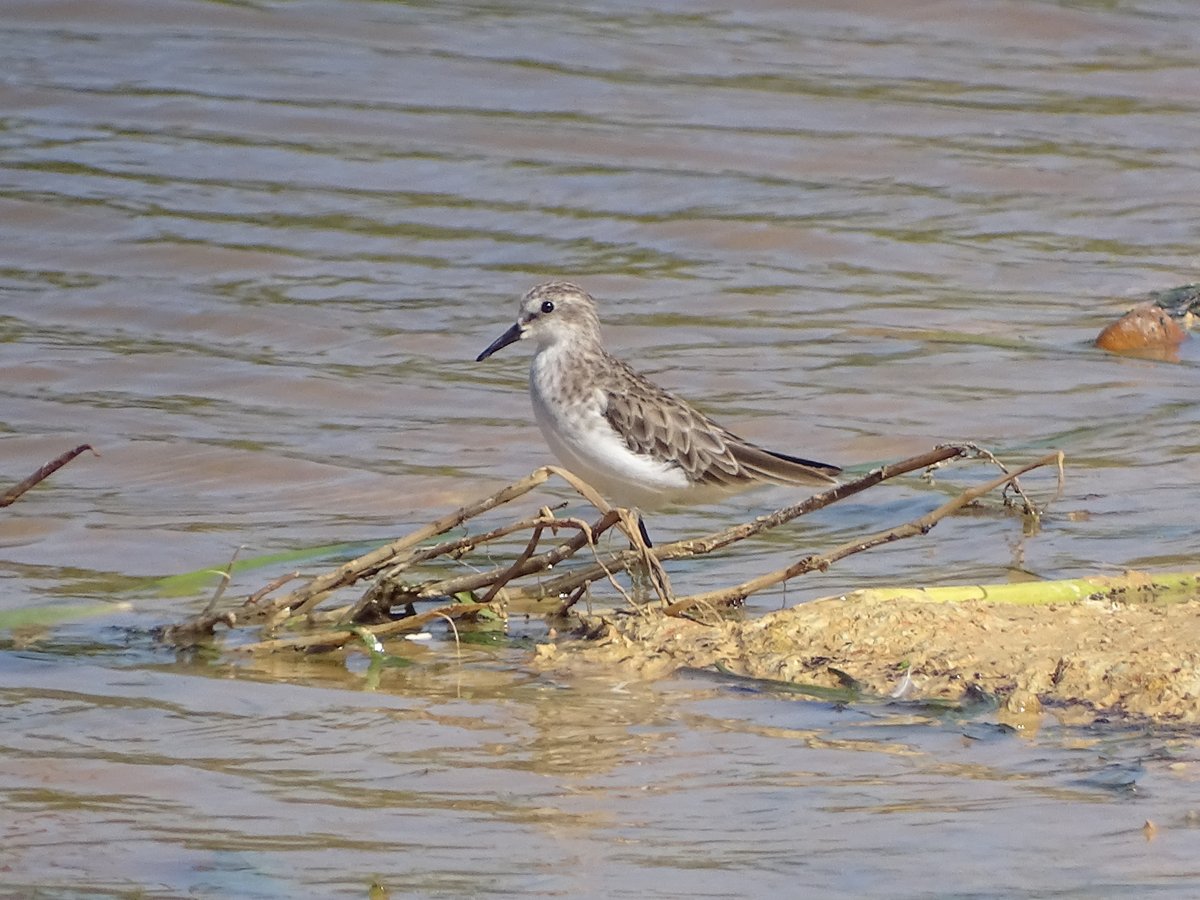
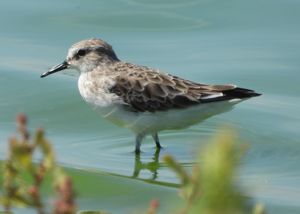
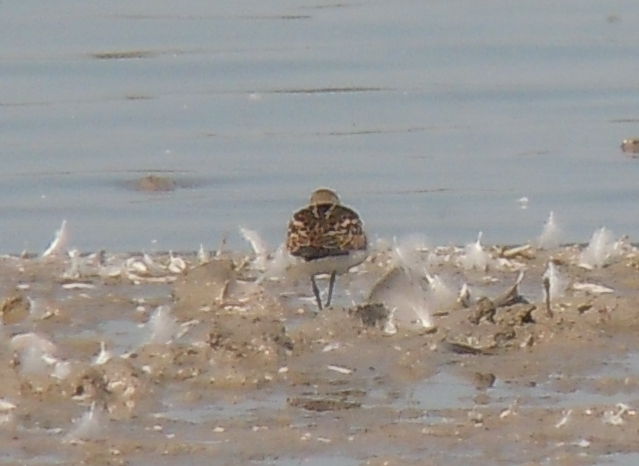
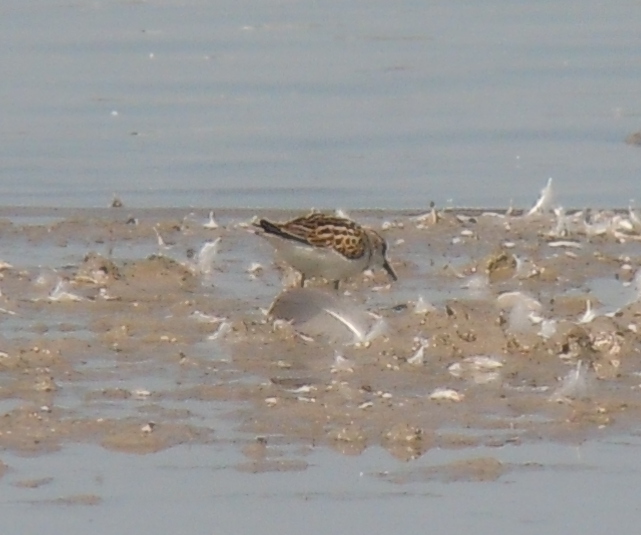
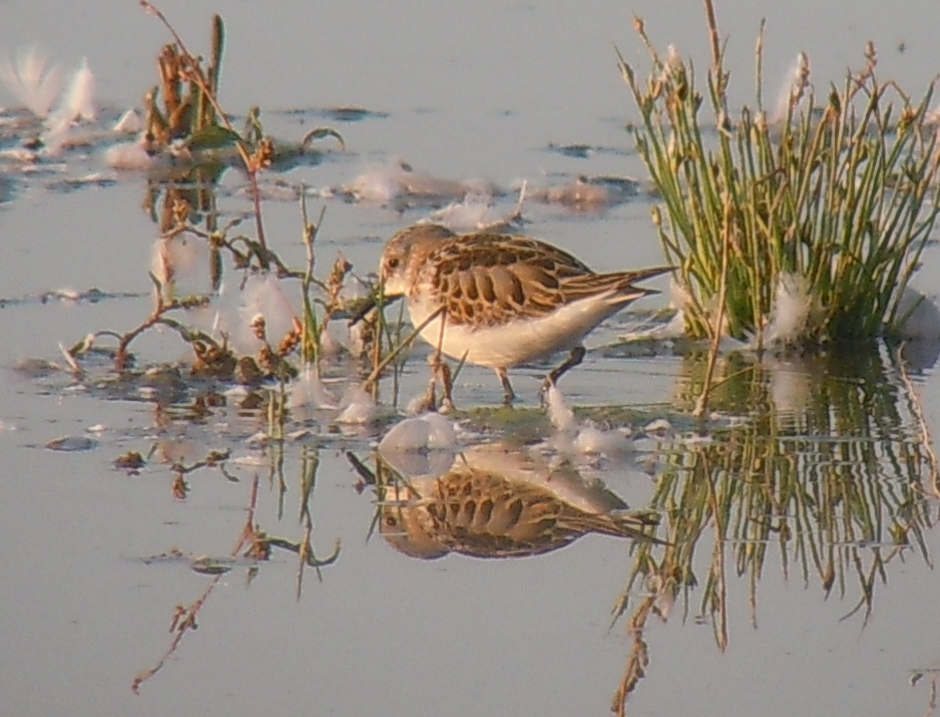
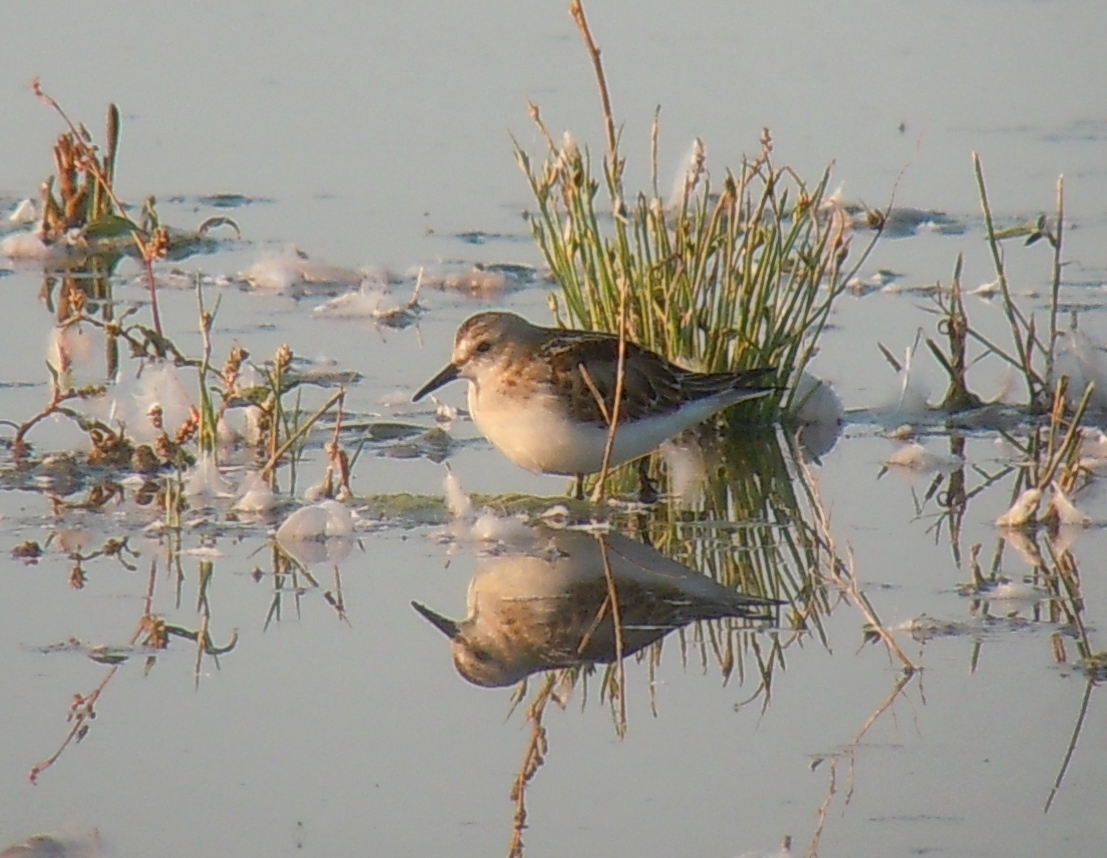
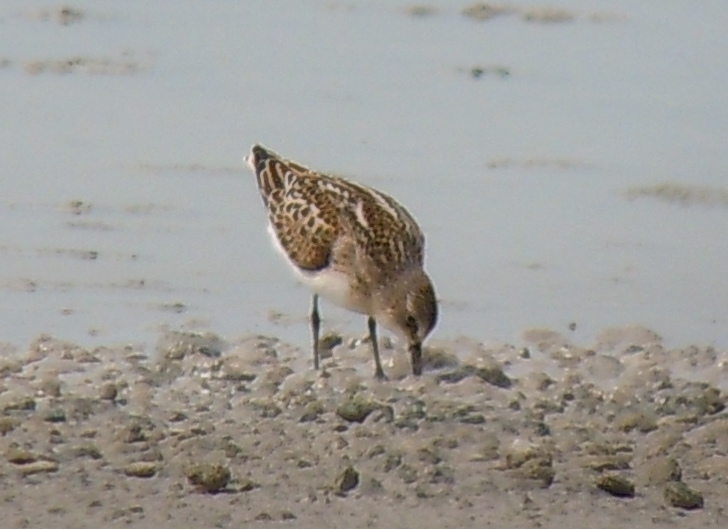
Distinguished by small size, fine dark bill, dark legs, and quick movements. Breeding adults feature an orange wash on the breast, white throat, and a strong white V on the back. Juveniles have pale crown stripes and a pinkish breast. Winter plumage identification is difficult. Key structural features include a fine bill tip, unwebbed toes, and long primary projection.
Identification
Differentiated from other dark-legged stints by the combination of a fine bill tip, unwebbed toes, and long primary projection. The call is a sharp "stit".
Distribution & Habitat
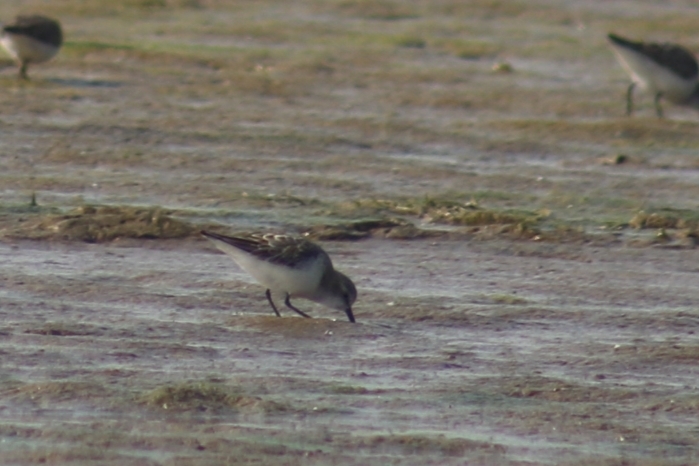
Breeds in arctic Europe and Asia. Winters in Africa and south Asia. Occasional vagrant to North America and Australia. In winter, found on coastal mudflats or edges of inland pools.
Behavior & Ecology
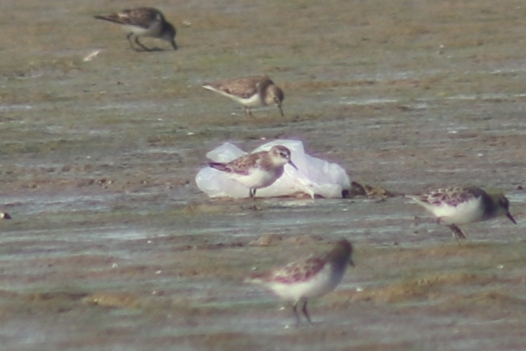
Gregarious in winter, often forming large flocks with other Calidris waders, particularly dunlin. Nests on a scrape in bare ground, laying 3–5 eggs. Polygamous; males and females may incubate separate clutches. Feeds on small invertebrates picked off the mud.
Conservation
One of the species to which the Agreement on the Conservation of African-Eurasian Migratory Waterbirds (AEWA) applies.
Source: Wikipedia · CC BY-SA 3.0
Taxonomy
- Order
- Charadriiformes
- Family
- Scolopacidae
- Genus
- Calidris
Distribution
breeds drier tundra from northern Scandinavia eastward through northern Russia to New Siberian Islands (east-central Siberia); winters mudflats and marshes from southern Europe and Africa eastward to southern Asia
Data Sources
Species description from Wikipedia, licensed under CC BY-SA 3.0.
Bird images and sounds sourced from GBIF, contributed by citizen scientists worldwide under Creative Commons licenses.
Taxonomy data from AviList 2025.