Charadriiformes / Scolopacidae / Calidris
Dunlin
Calidris alpina · 黑腹滨鹬
Introduction
A small wader in the genus Calidris, formally described by Carl Linnaeus in 1758. It is a circumpolar breeder in Arctic or subarctic regions. Populations exhibit varying migration strategies: western European breeders are short-distance migrants, while those from northern Europe and Asia migrate long distances to Africa and Asia. Alaskan and Canadian Arctic breeders migrate to North American coasts, with northern Alaska populations overwintering in Asia. The IUCN assesses the species as Near Threatened.
Description
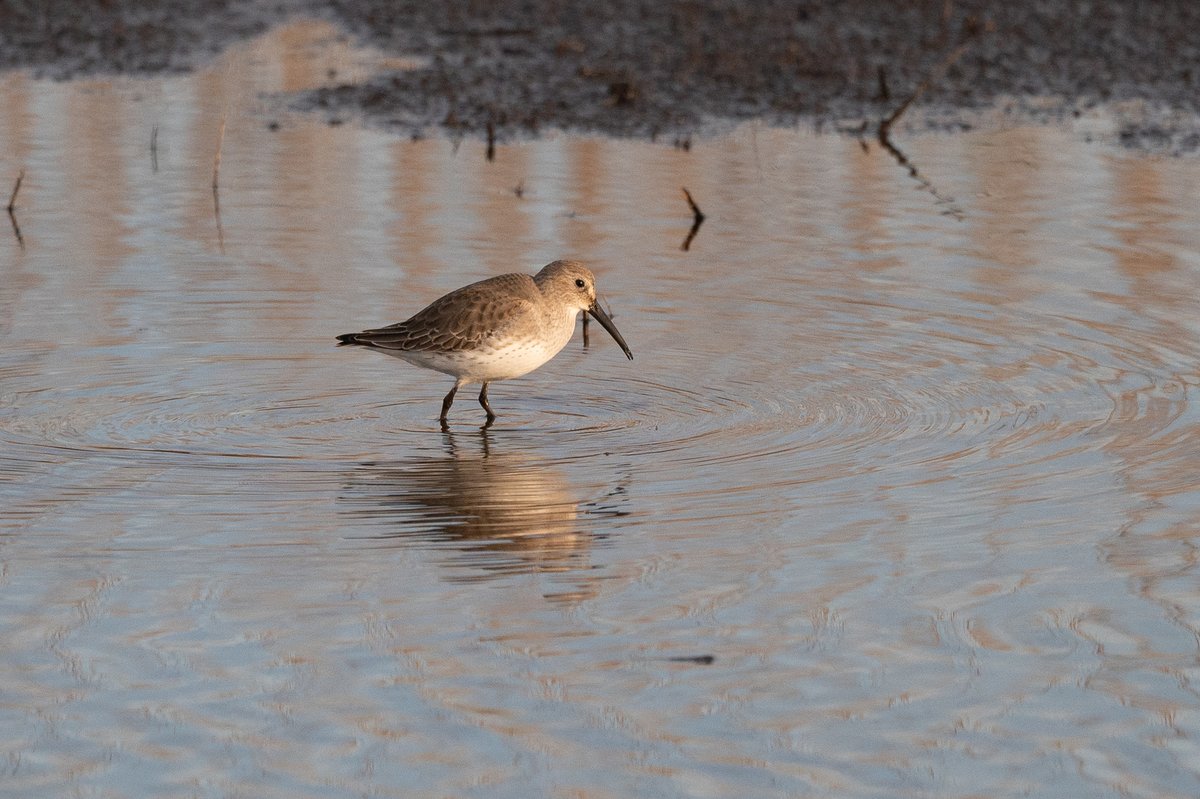
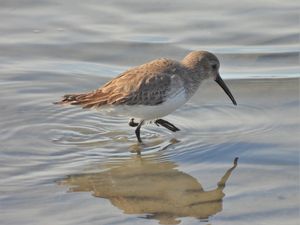
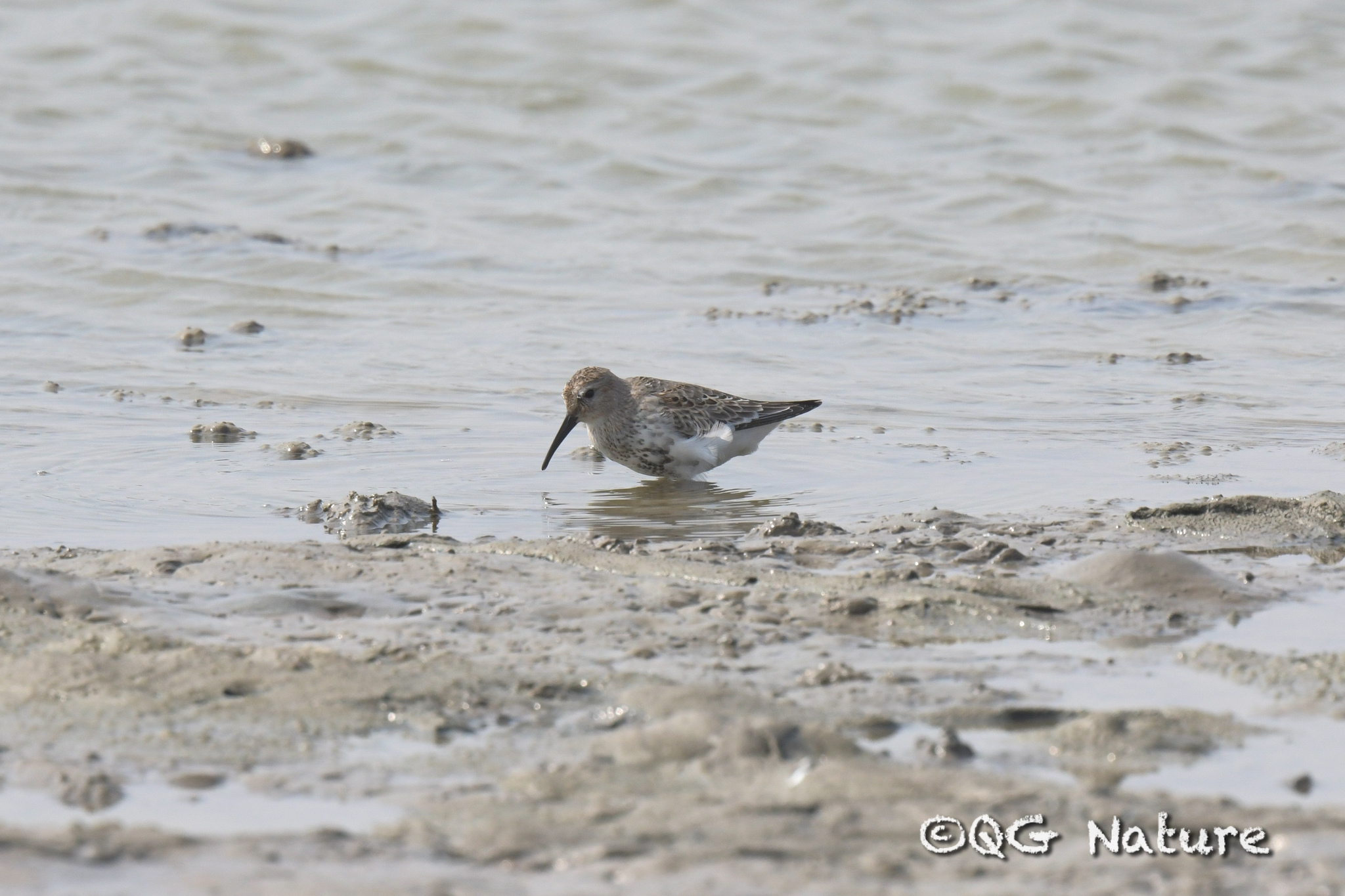
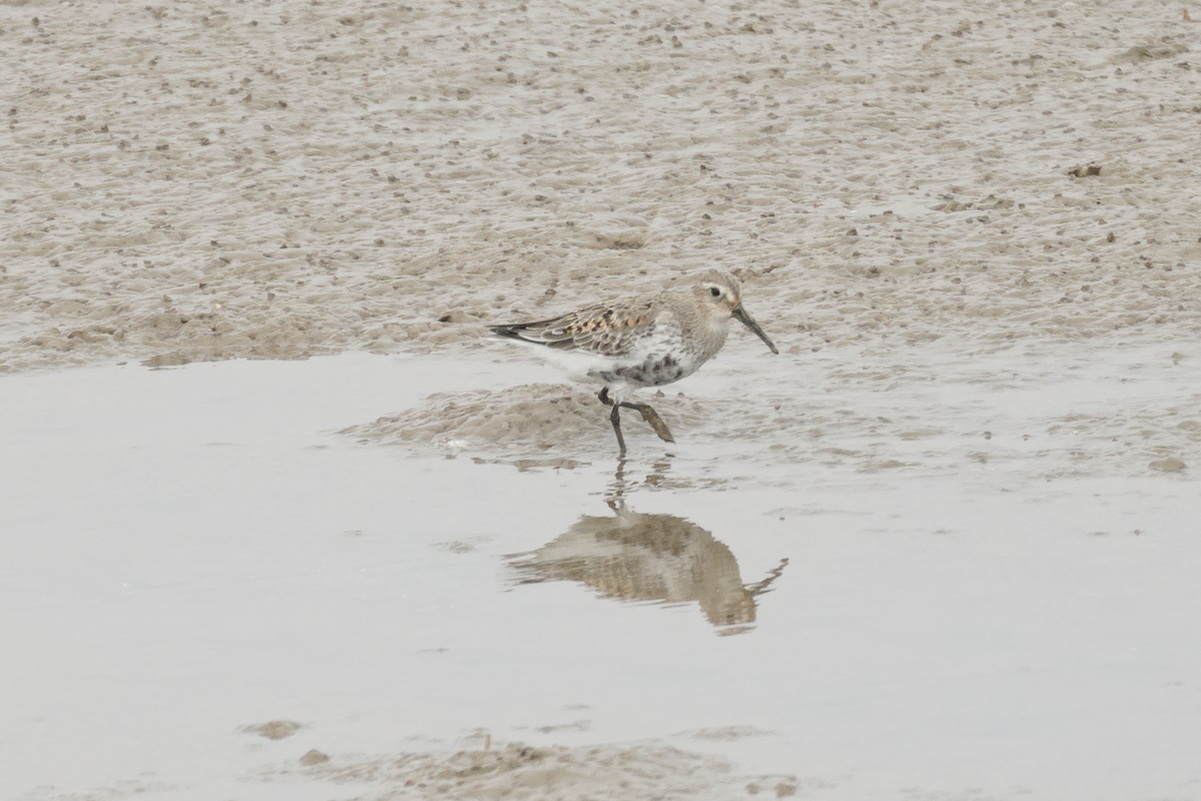
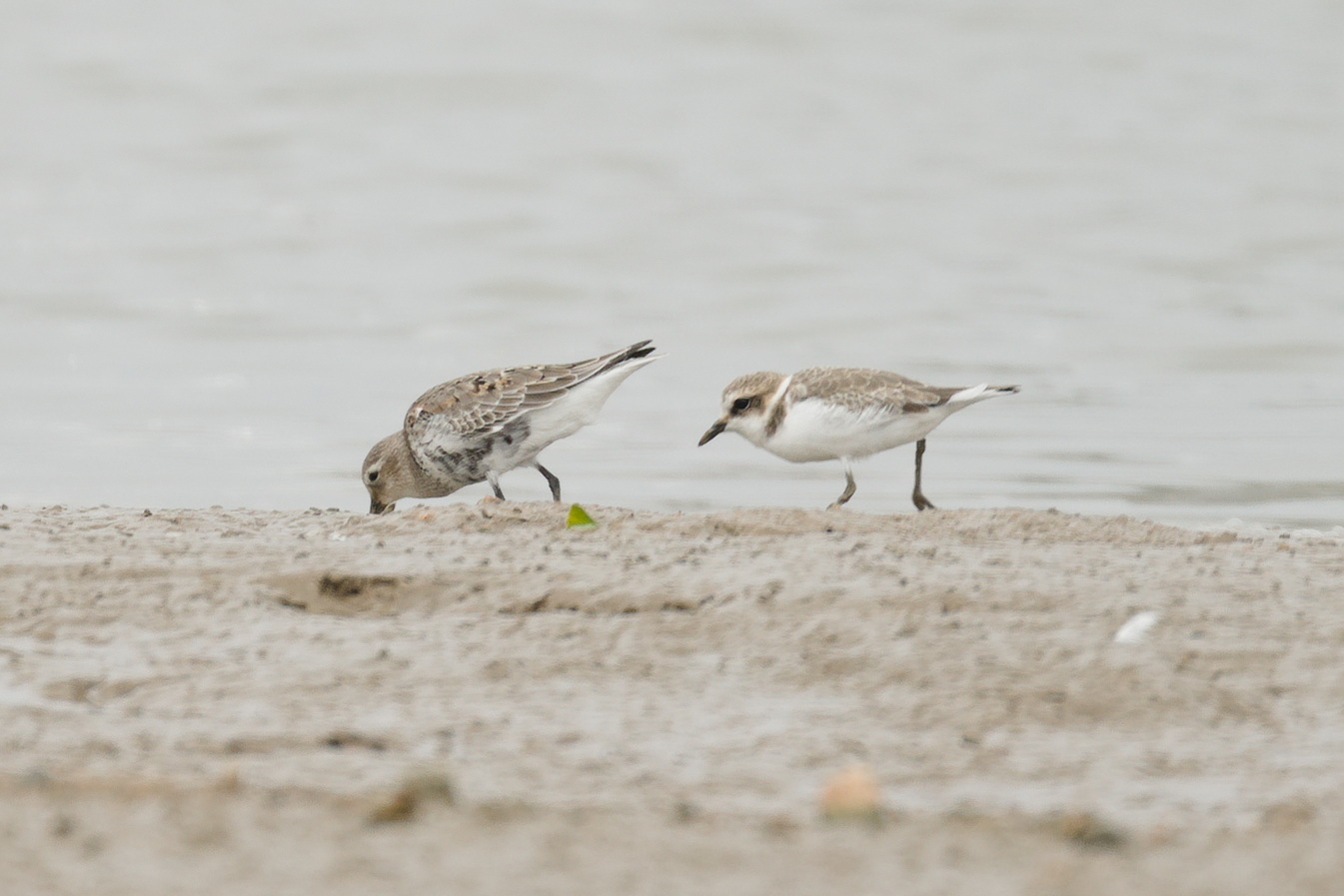
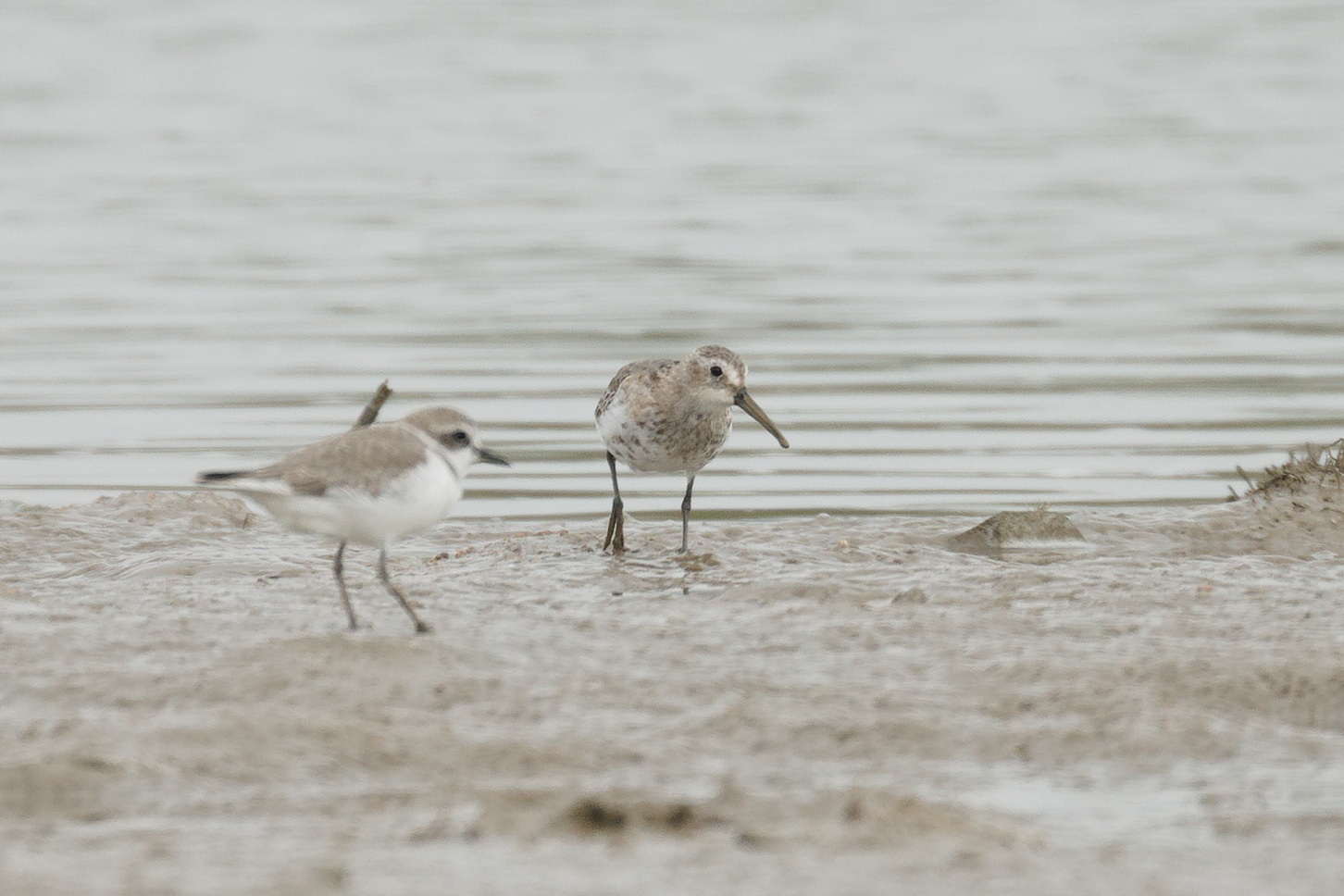
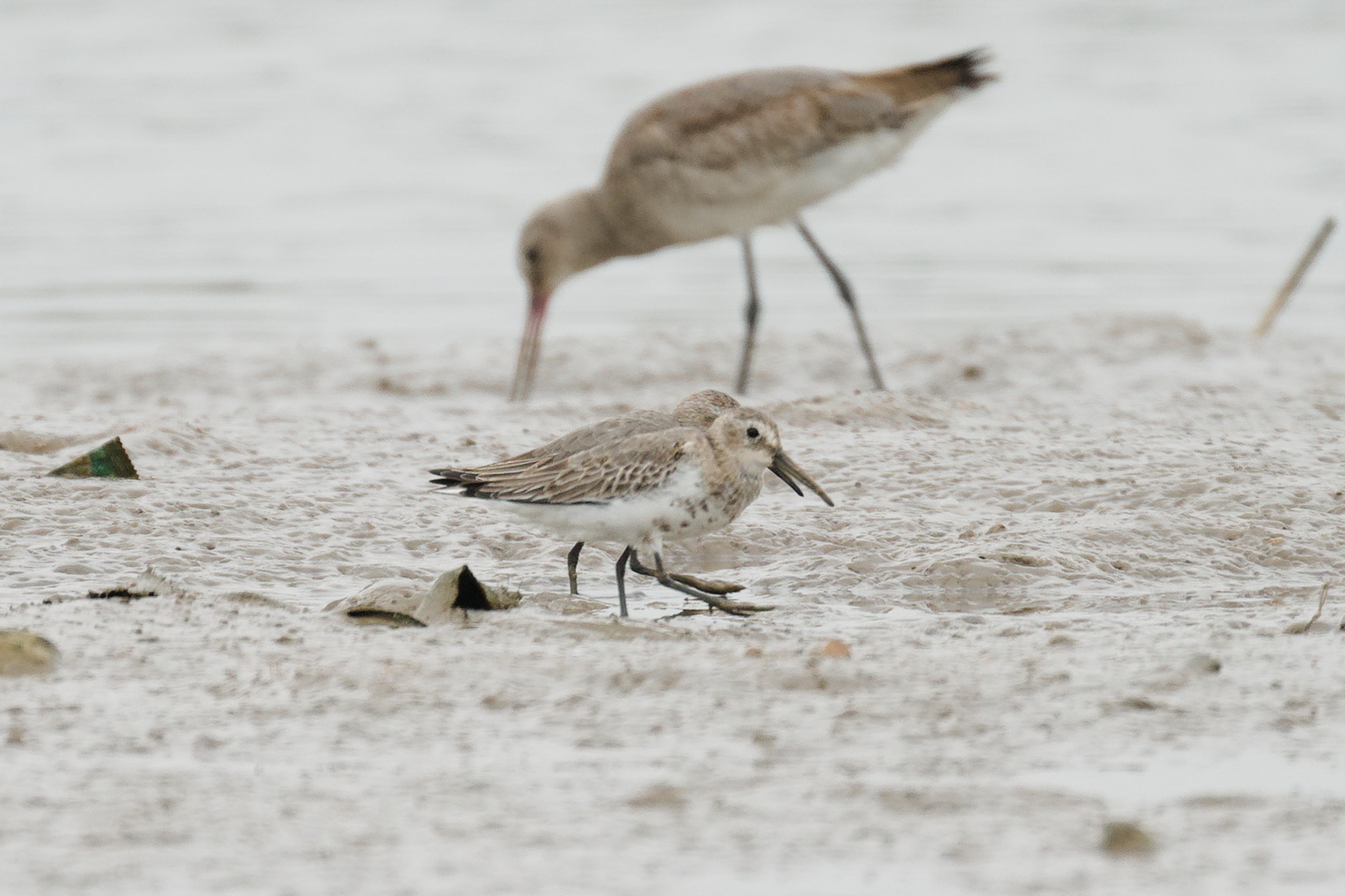
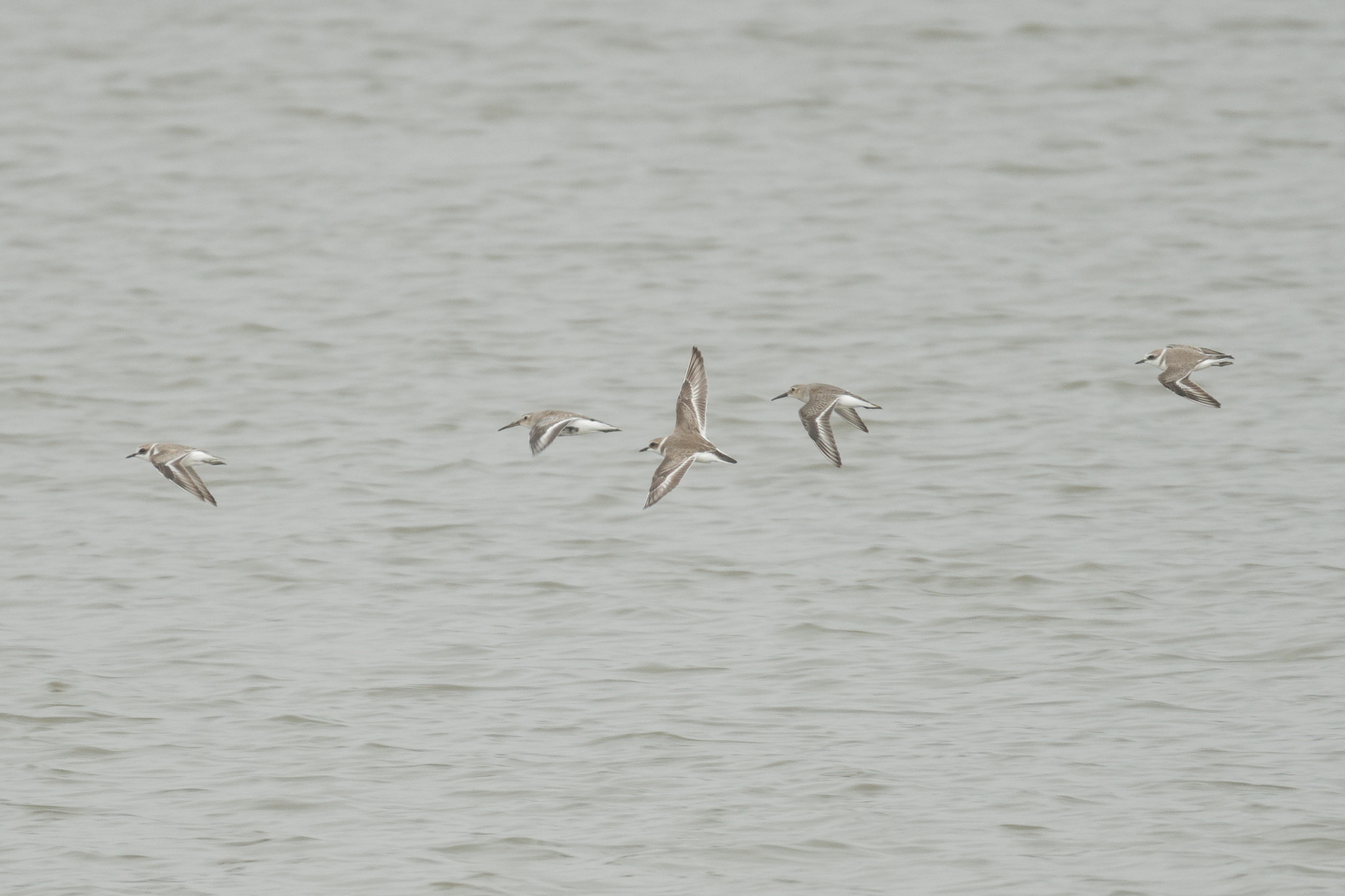
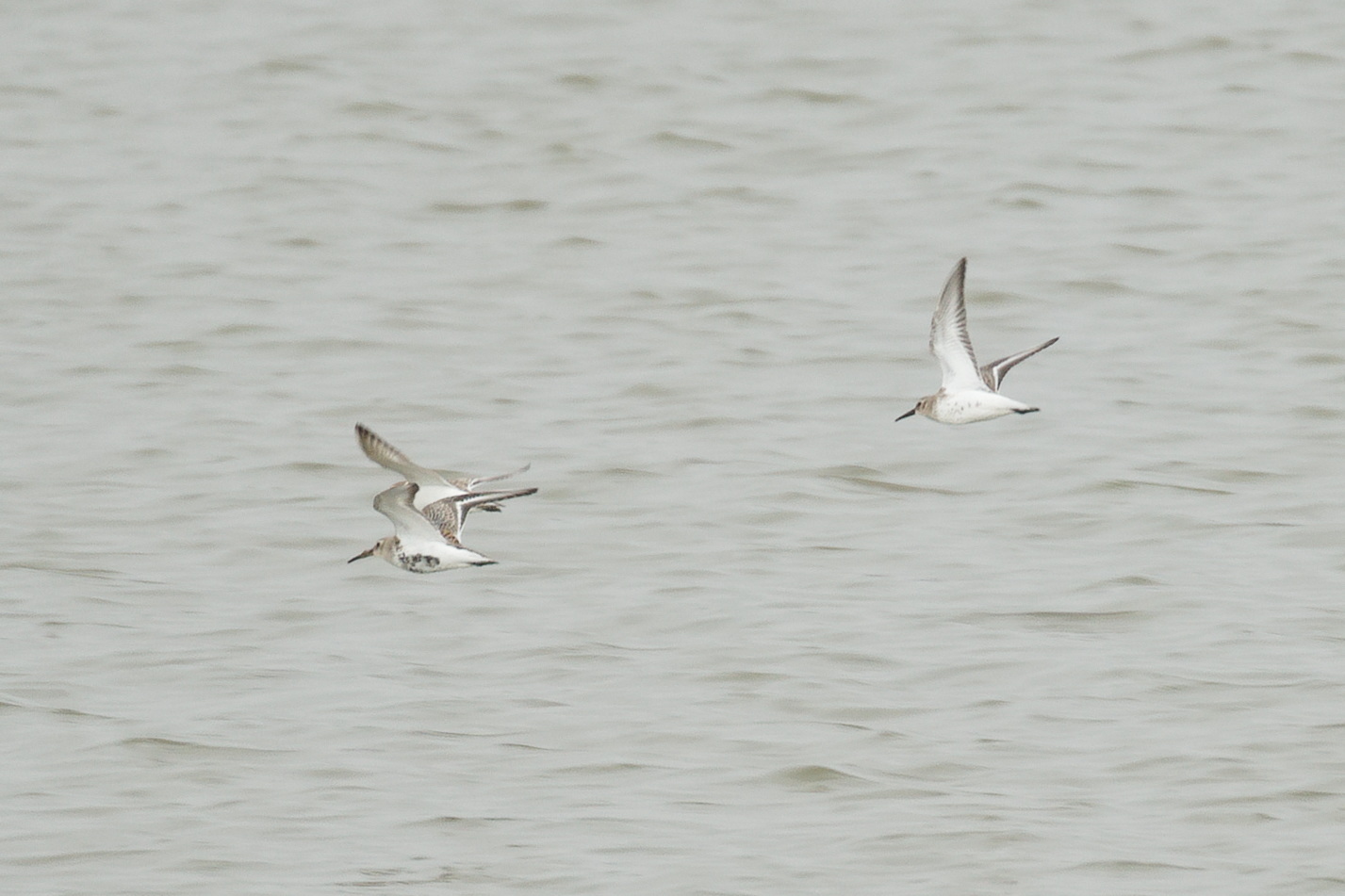
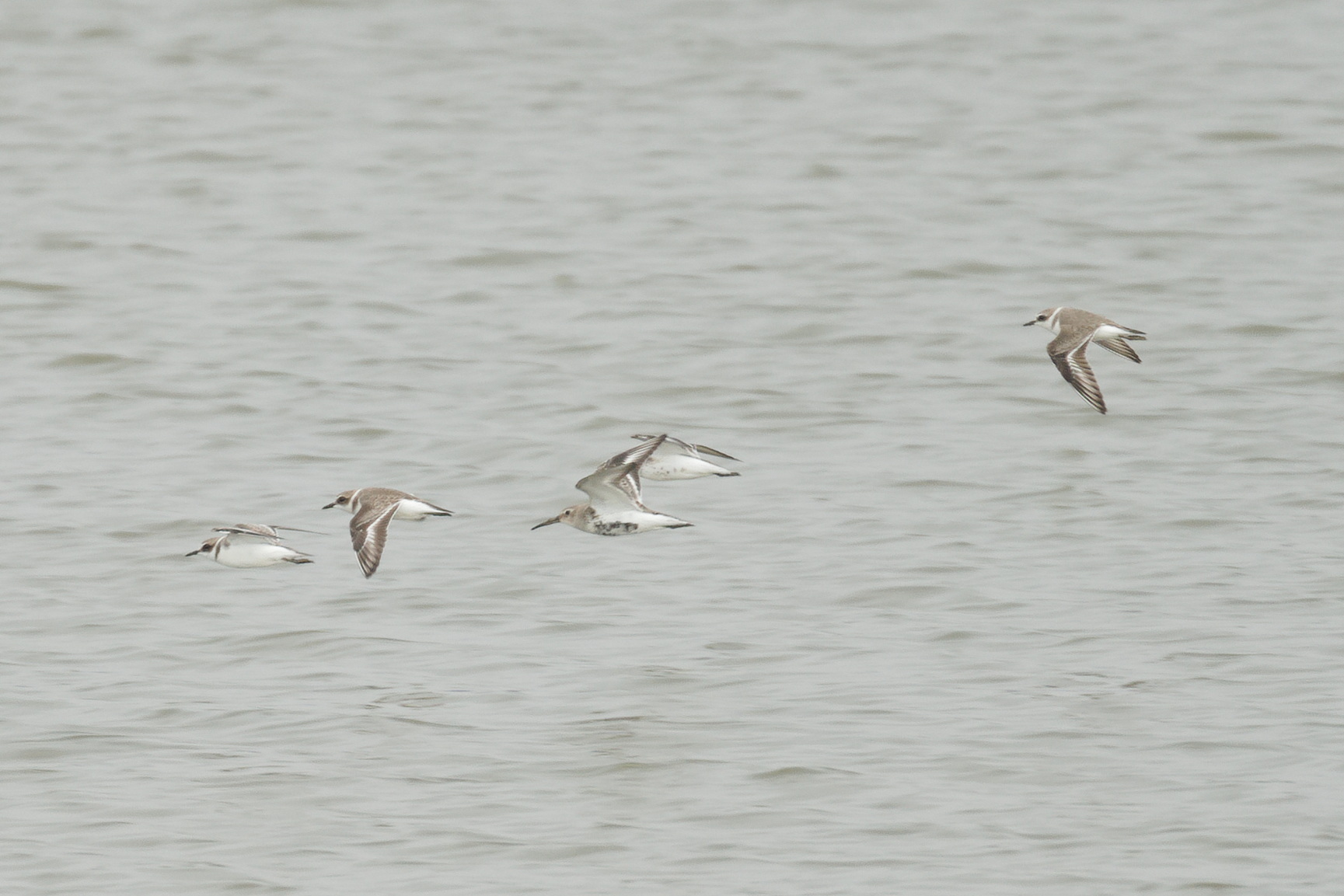
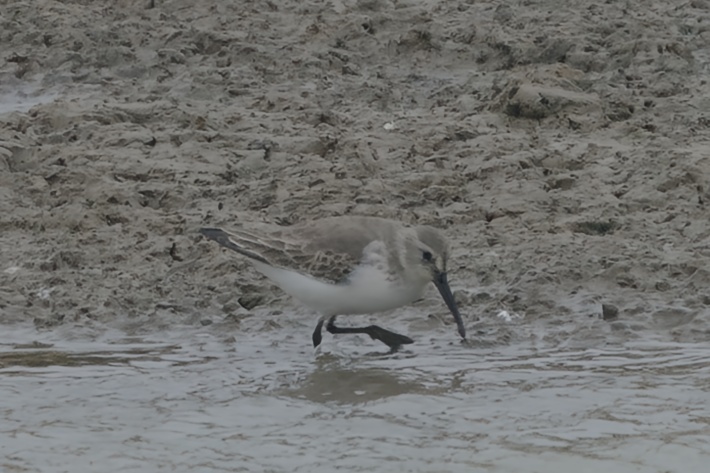
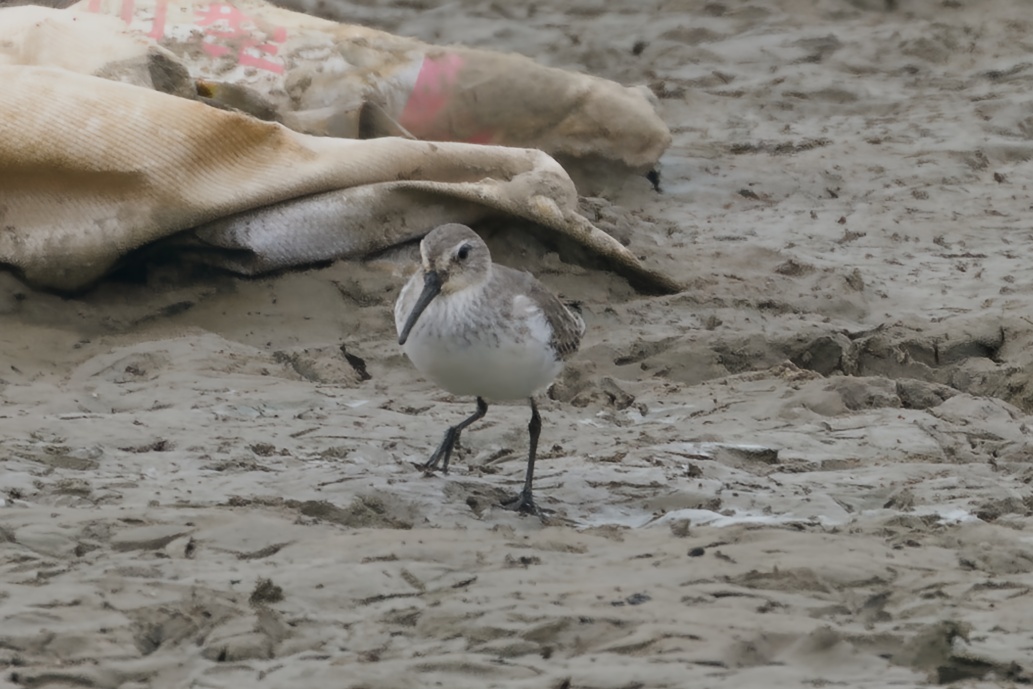
Length 16–20 cm (6.3–7.9 in), wingspan 38–43 cm (15–17 in), weight 34–77 g. Adults in breeding plumage display a distinctive black belly patch. Winter plumage is greyish-brown above and white below. Juveniles are brown above with two weak whitish V-shapes on the back and often have black marks on flanks or belly. All ages show a narrow white wingbar in flight. Legs and slightly decurved bill are black; the bill tip is a sensitive probe with nerve endings. Females have longer bills than males. Subspecies differ in rufous extent, belly patch size, and bill length.
Identification
Breeding adults are identified by the unique black belly patch among similar-sized waders. In flight, all ages show a narrow white wingbar. Winter identification relies on bill length, as plumage lacks subspecific distinctions. The call is a typical sandpiper chreep, and the display song is a harsh trill. Similar in size to a common starling but stouter with a longer, thicker bill.
Distribution & Habitat
Breeds in Arctic or subarctic regions including Greenland, Iceland, British Isles, Scandinavia, Siberia, Alaska, and Canada. Ten subspecies are recognized with specific breeding ranges such as C. a. arctica in northeast Greenland and C. a. schinzii in southeast Greenland, Iceland, and northern Europe. Wintering grounds include western and southern European coasts, northwest Africa, southeast and west Asia, and Pacific and Atlantic coasts of North America. Shows strong philopatry in southern subspecies.
Behavior & Ecology
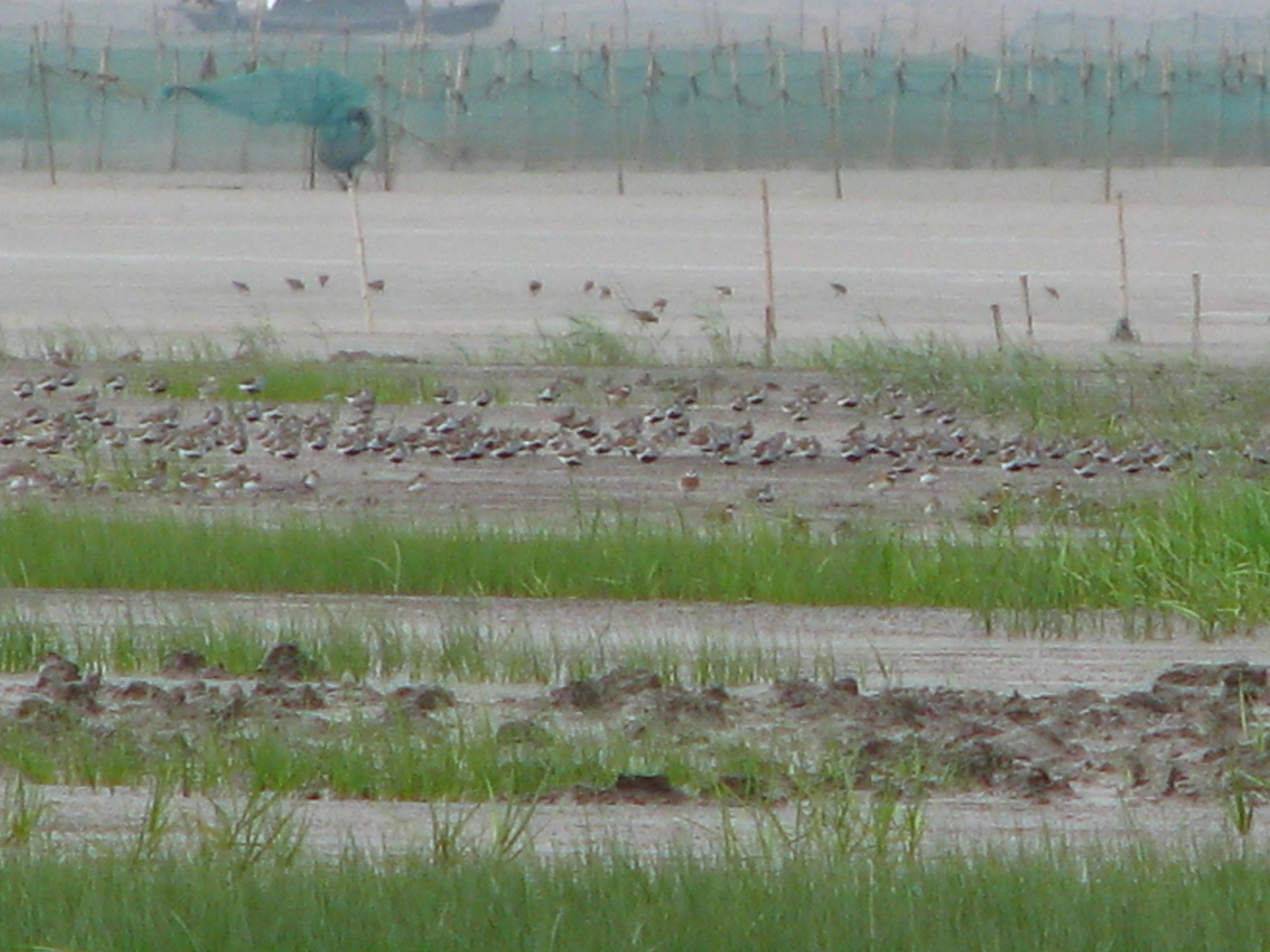
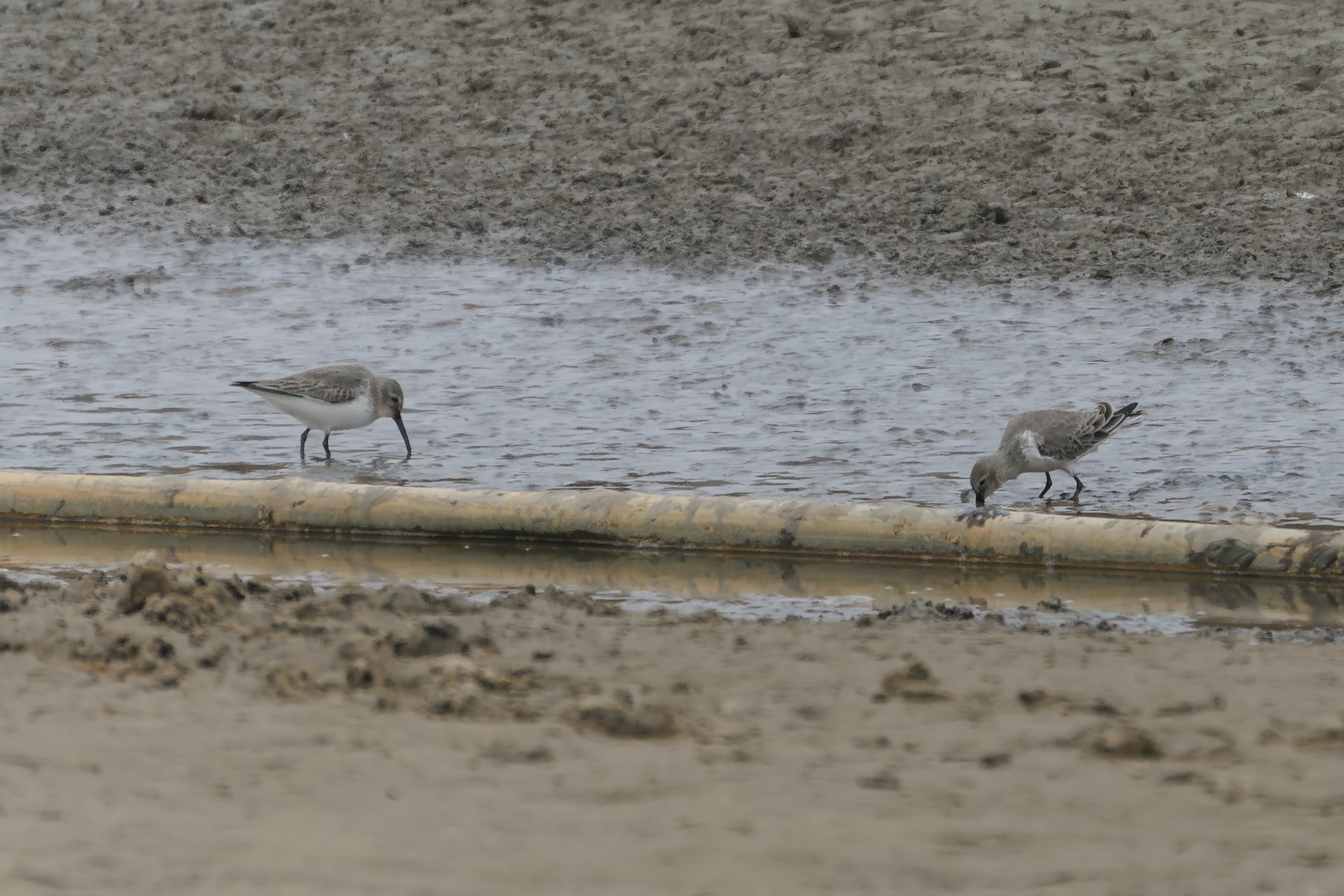
Highly gregarious in winter, forming large flocks on coastal mudflats and sandy beaches, often performing synchronized swirling flights. Feeds using a characteristic sewing machine action, picking small food items. Diet consists of insects on nesting grounds, and molluscs, worms, and crustaceans in coastal areas. Nests in shallow ground scrapes lined with vegetation, laying typically four eggs incubated by both parents. Chicks are precocial and start flying at approximately three weeks. Males provide the majority of brood care as females often desert the brood early.
Conservation
Assessed as Near Threatened by the IUCN due to decreasing population trends, though the total population remains very large. Listed under the Agreement on the Conservation of African-Eurasian Migratory Waterbirds (AEWA). Habitat fragmentation has reduced patch connectivity, increasing susceptibility to inbreeding in some areas. The southern subspecies C. a. schinzii is declining and endangered in parts of its range, with only 95 pairs remaining in Denmark in 2021 compared to 50,000 a century earlier. The northeast Greenland subspecies C. a. arctica is also endangered with a very small population.
Source: Wikipedia · CC BY-SA 3.0
Taxonomy
- Order
- Charadriiformes
- Family
- Scolopacidae
- Genus
- Calidris
Subspecies (10)
-
Calidris alpina actites
breeds northern Sakhalin; wintering grounds unknown
Data Sources
CBR Notes: IUCN红色名录等级由LC升为NT
Species description from Wikipedia, licensed under CC BY-SA 3.0.
Bird images and sounds sourced from GBIF, contributed by citizen scientists worldwide under Creative Commons licenses.
Taxonomy data from AviList 2025.