Dunlin
Calidris alpina
黑腹滨鹬
Introduction
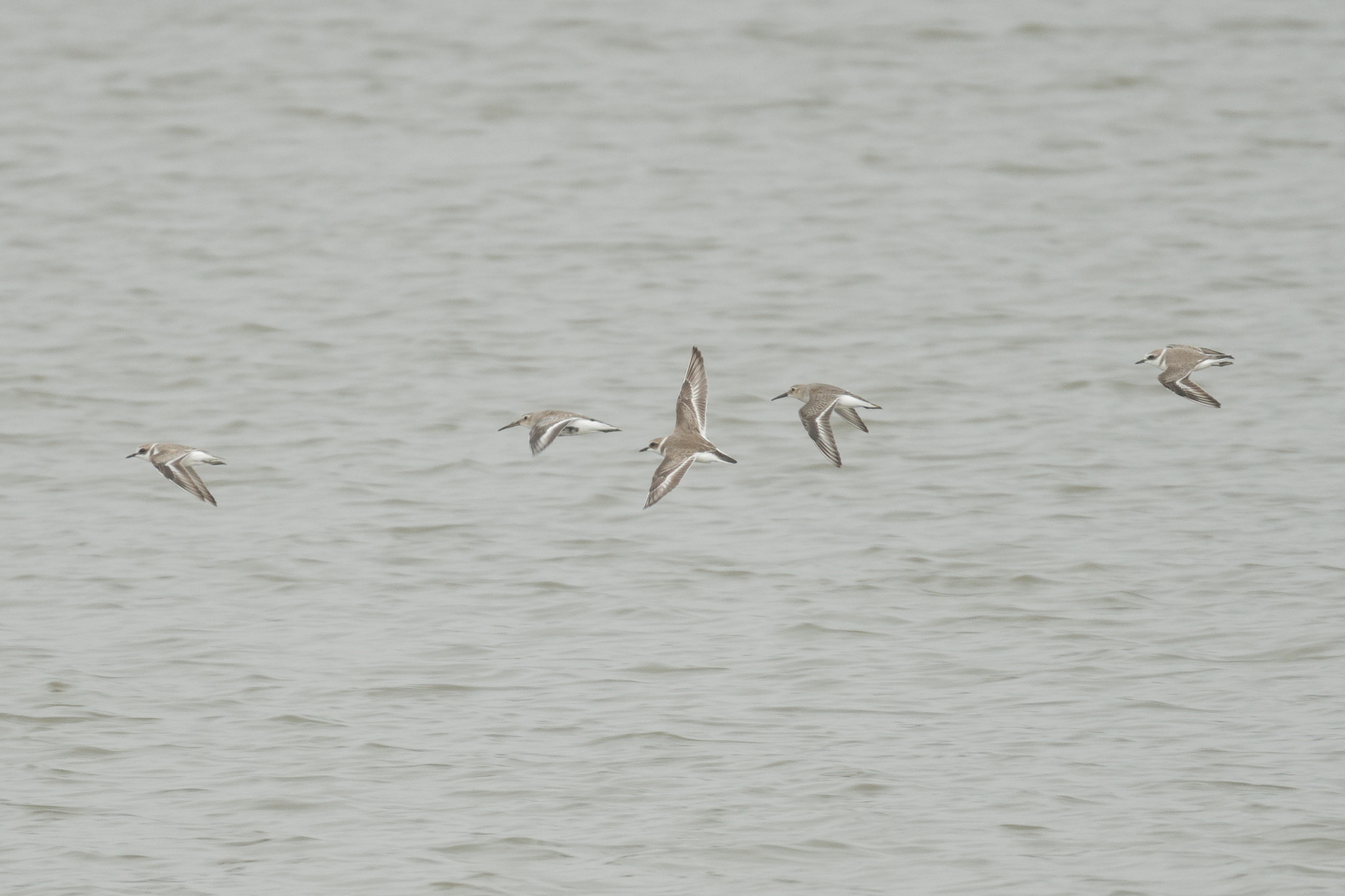
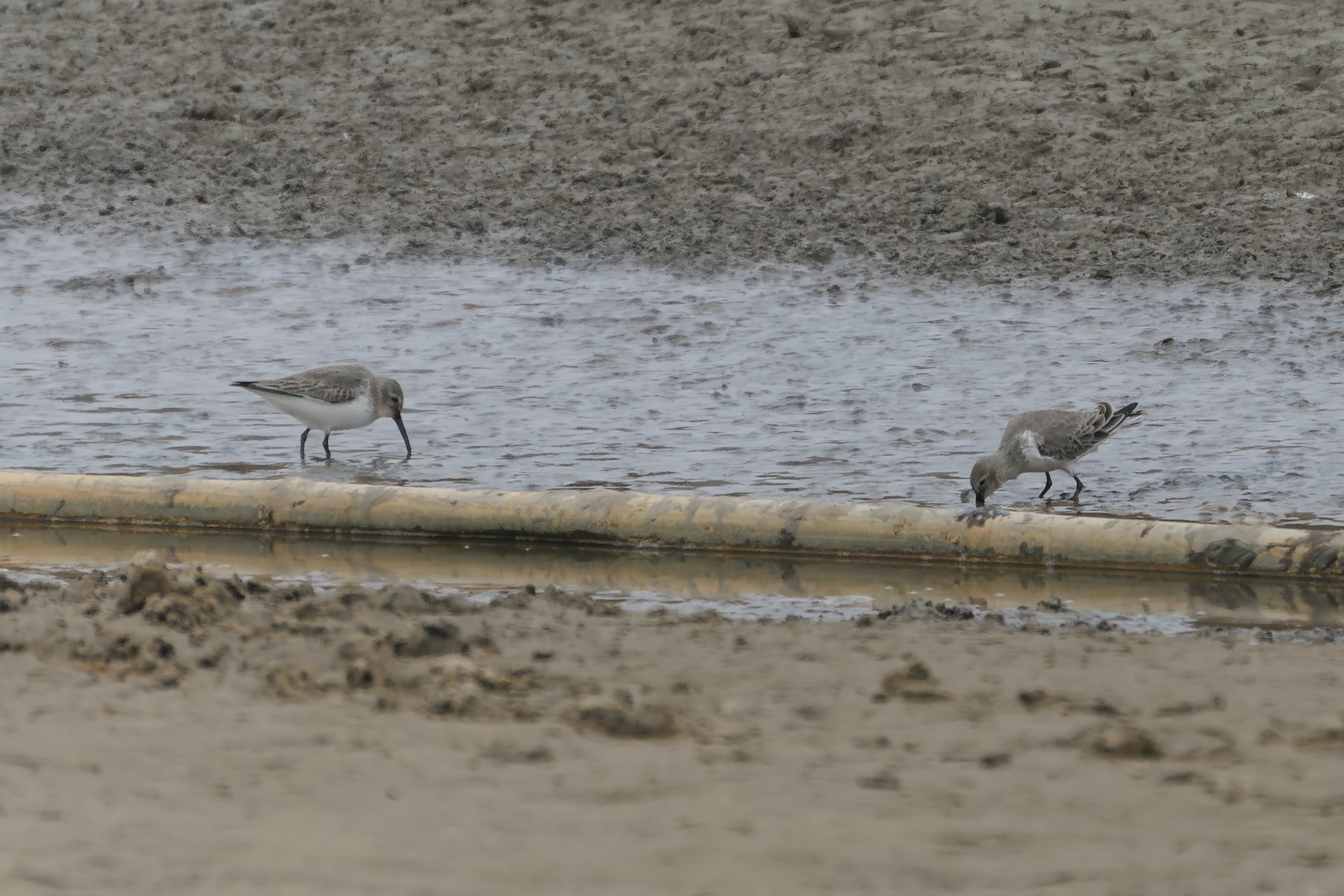
A small, stout wader with a body length of approximately 21 cm and a notably longer, thicker bill than similar species, it breeds across circumpolar Arctic and subarctic regions. Western European populations are largely sedentary, remaining on western and southern European and northwest African coasts. Northern European and Asian breeders migrate long distances to wintering grounds in Africa, southeast and west Asia. North American populations from Alaska and the Canadian Arctic migrate shorter distances to both Pacific and Atlantic coasts, with some northern Alaska breeders overwintering in Asia. In winter, it forms large flocks on coastal mudflats and sandy beaches, feeding with a characteristic rhythmic "sewing machine" action.
Description
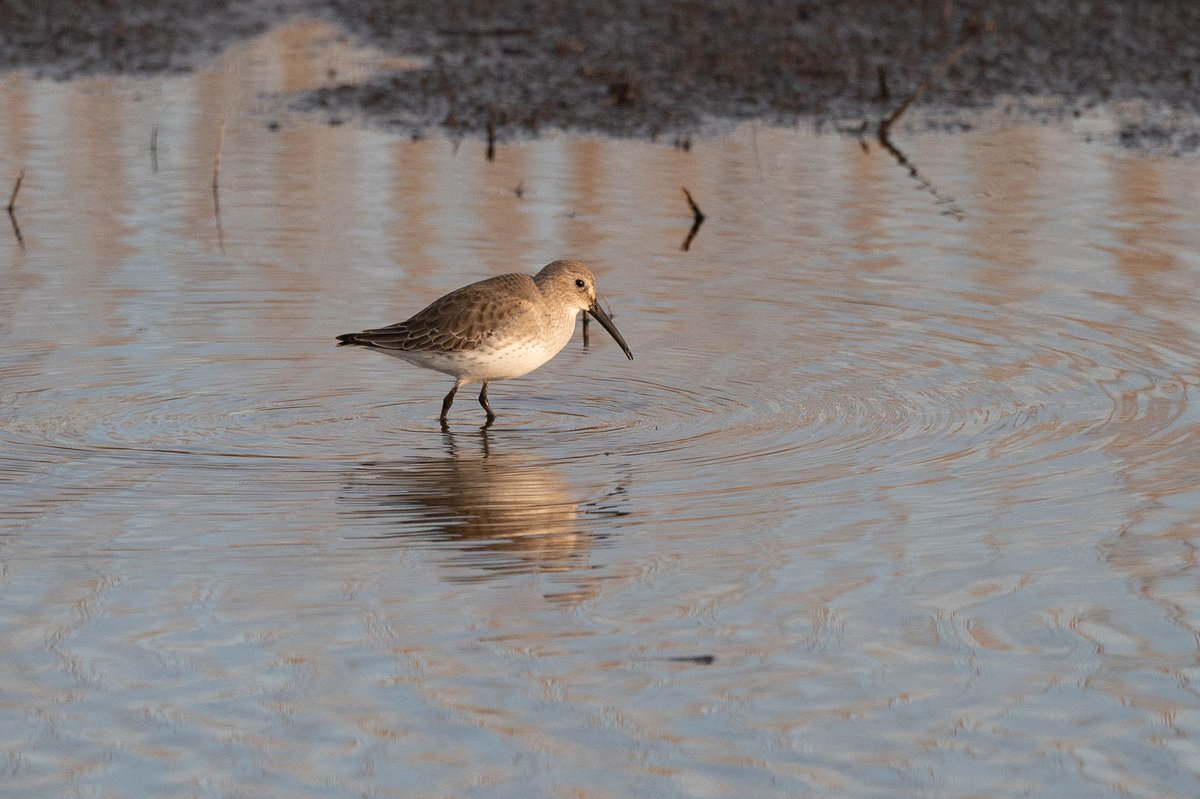
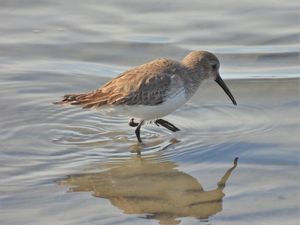
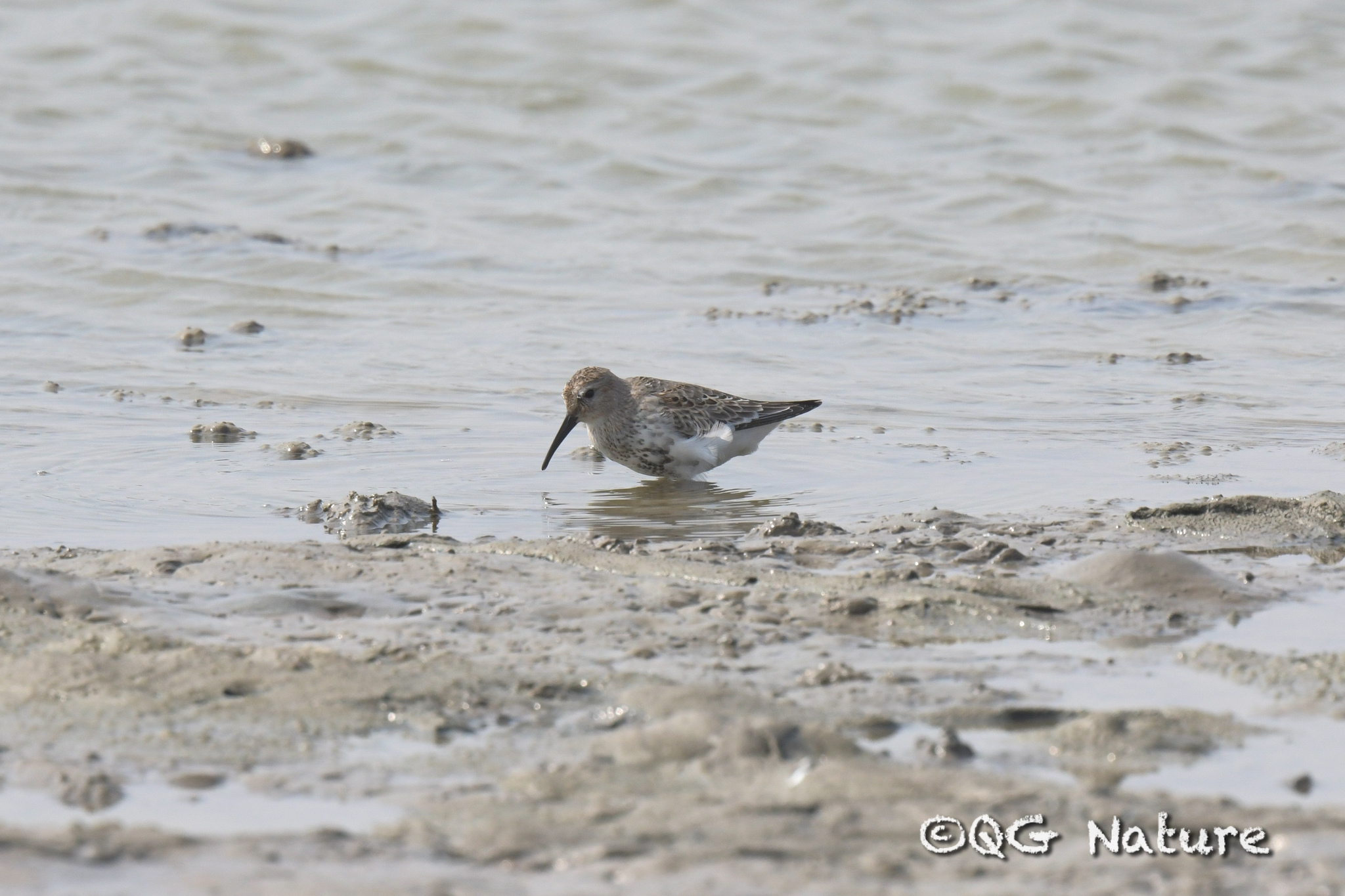
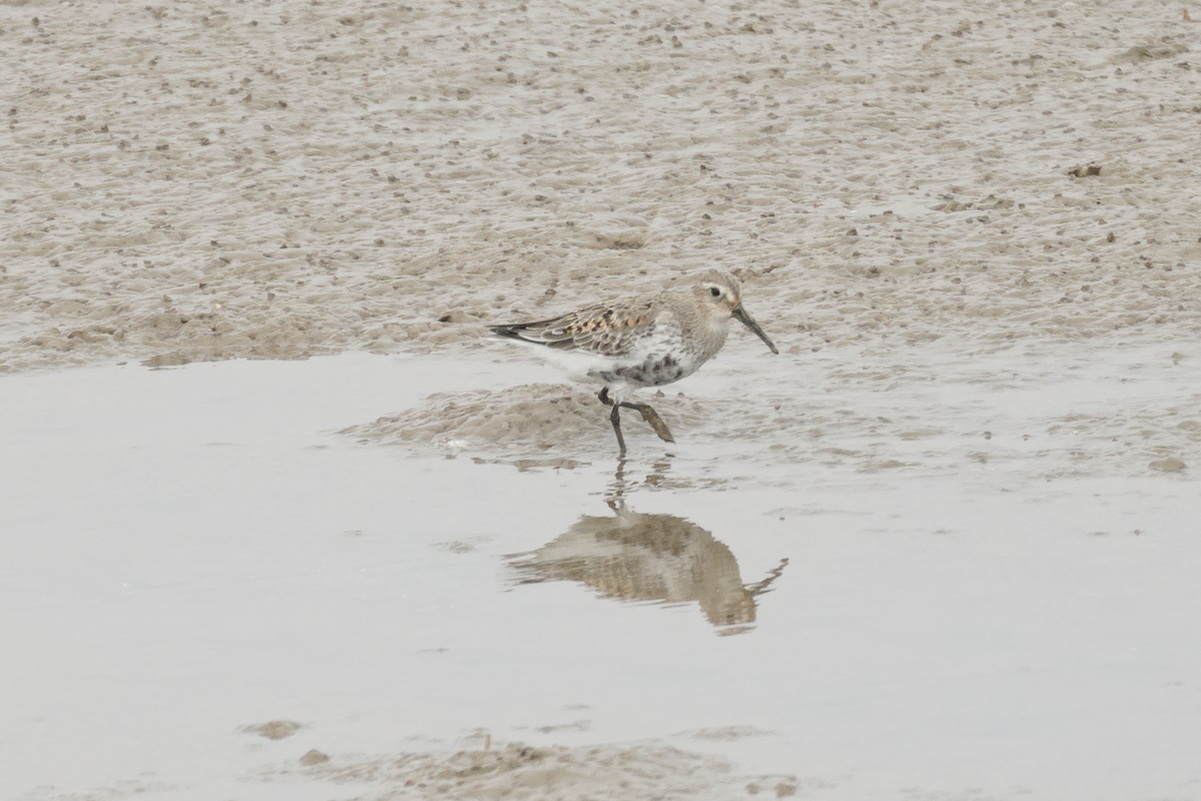
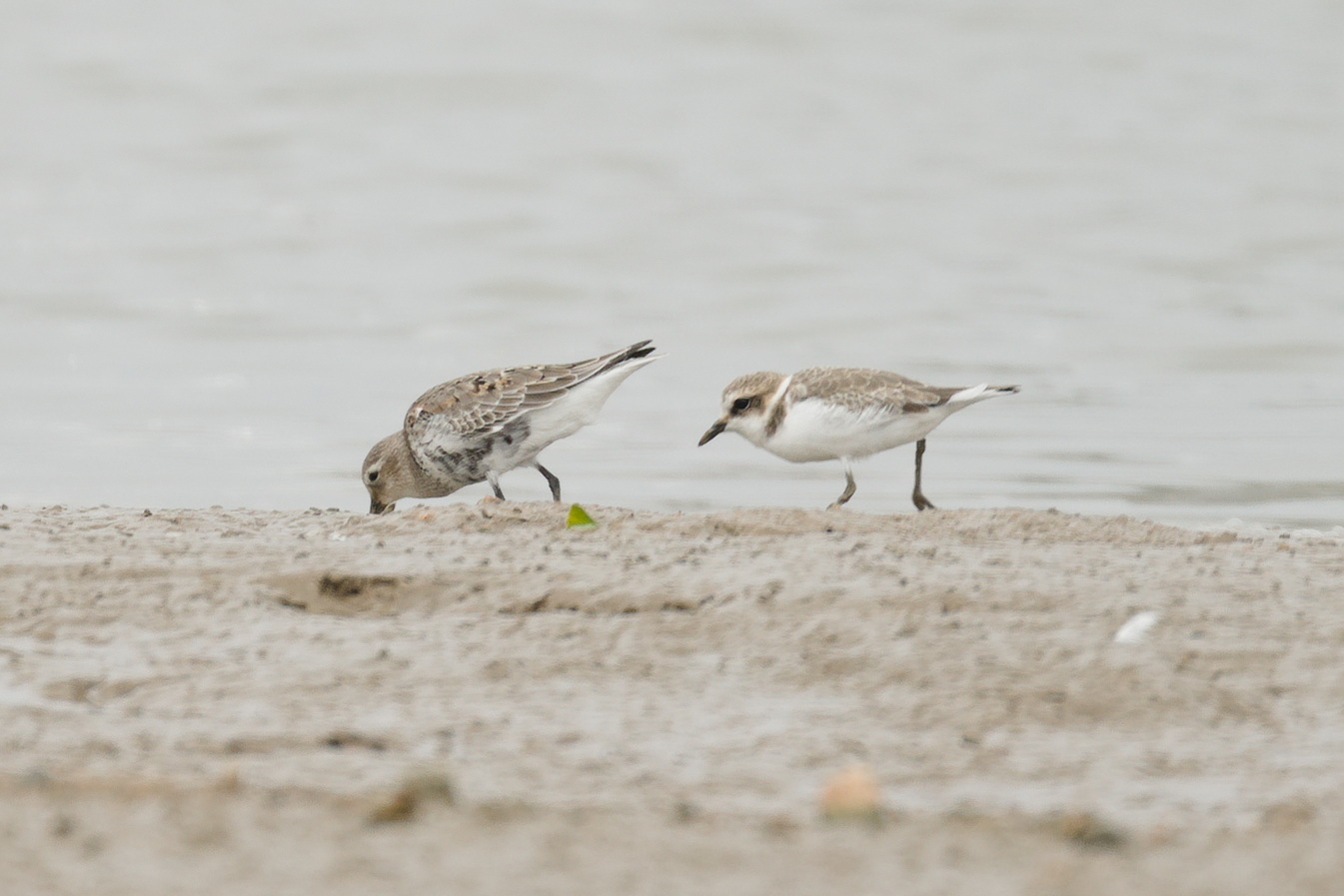
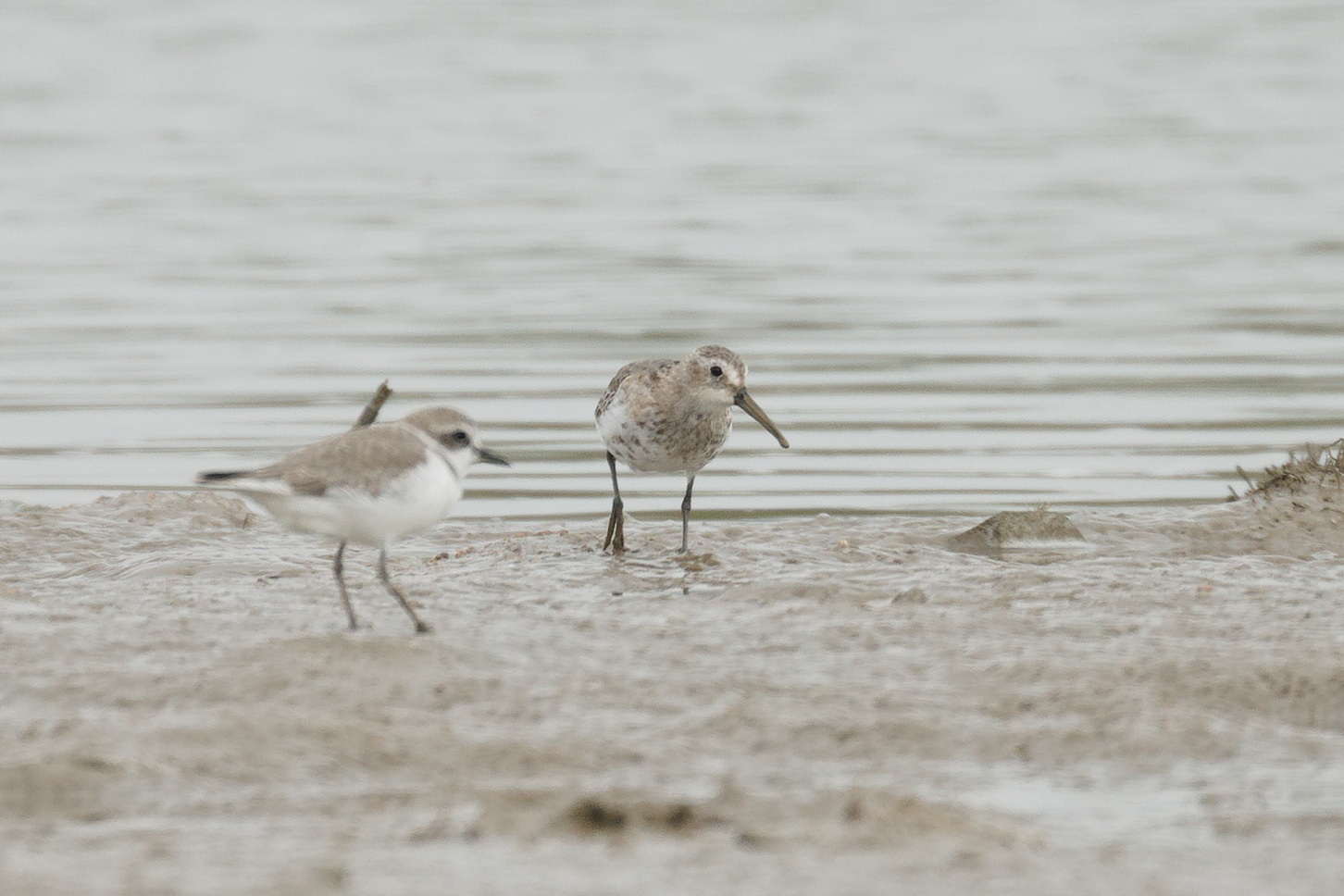
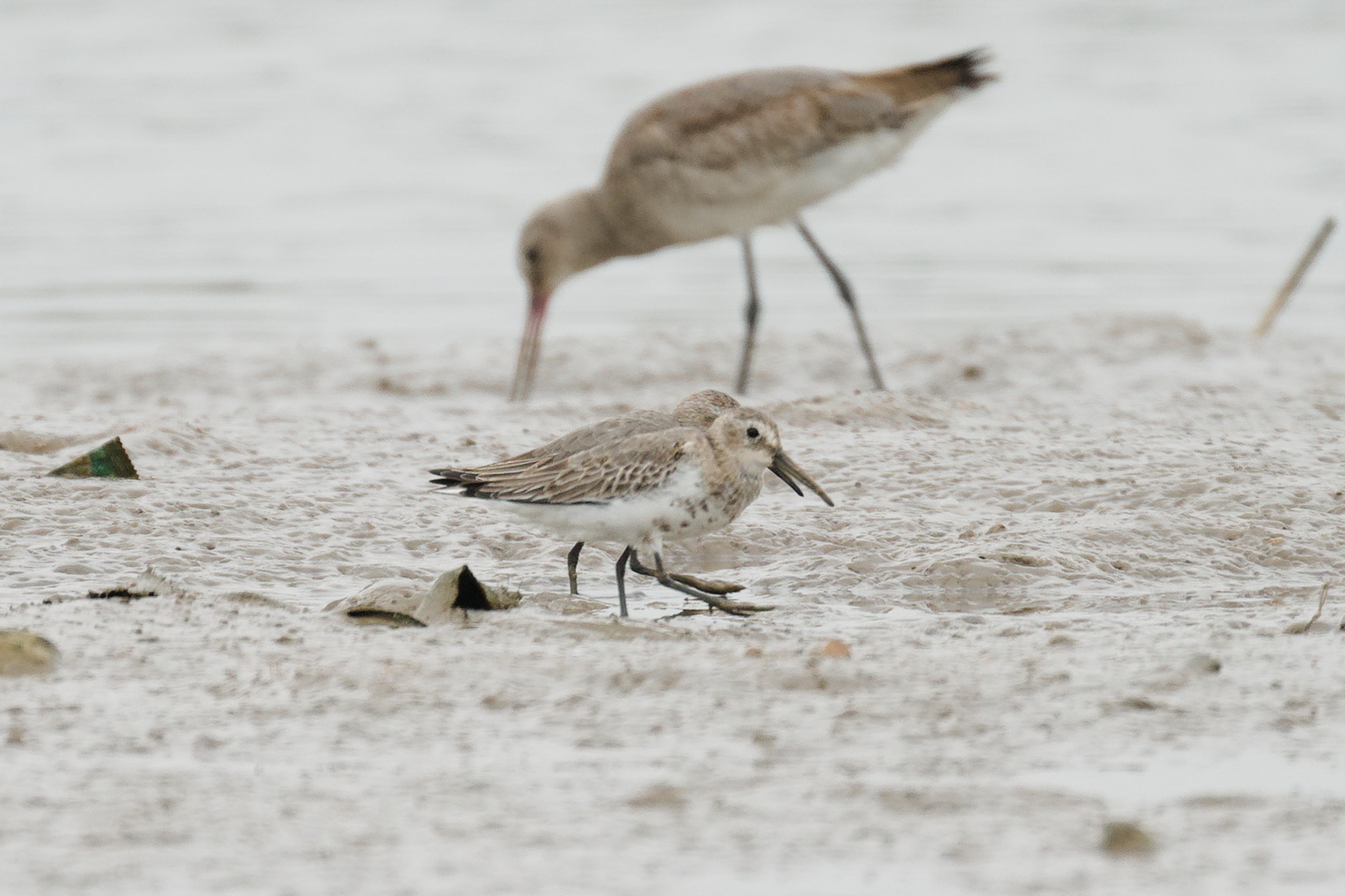
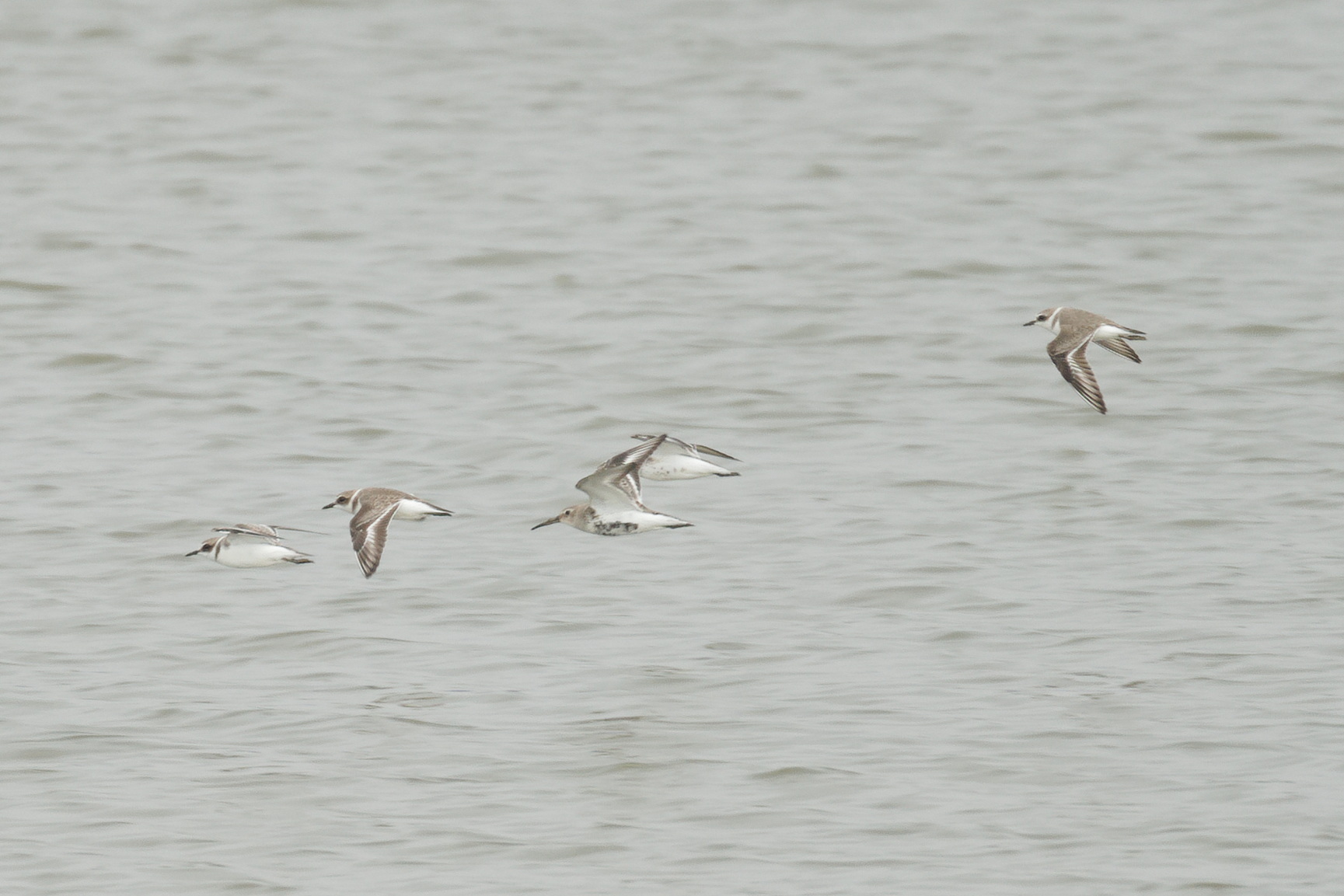
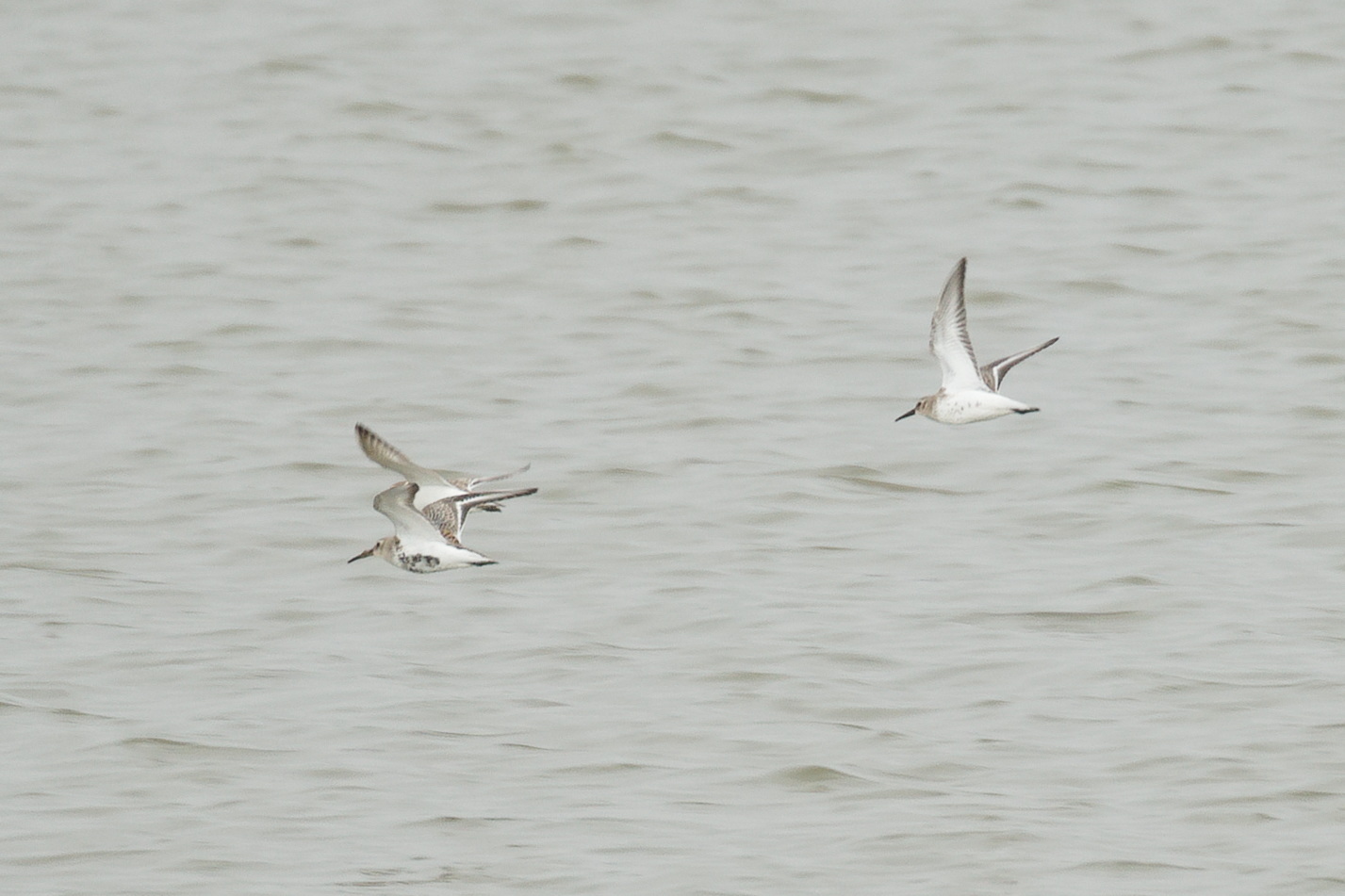
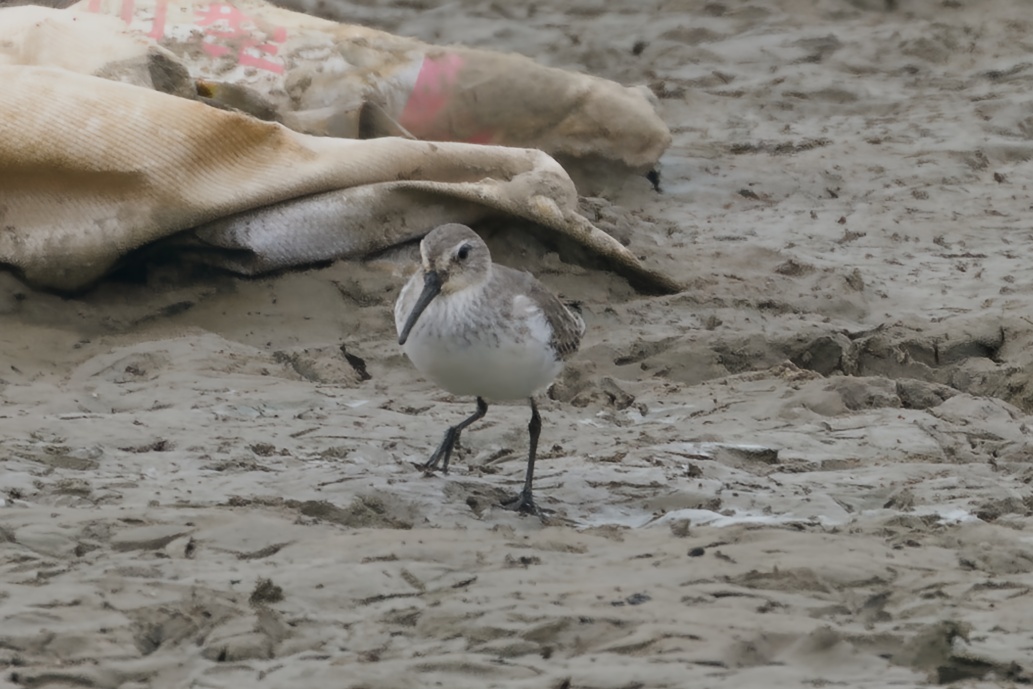
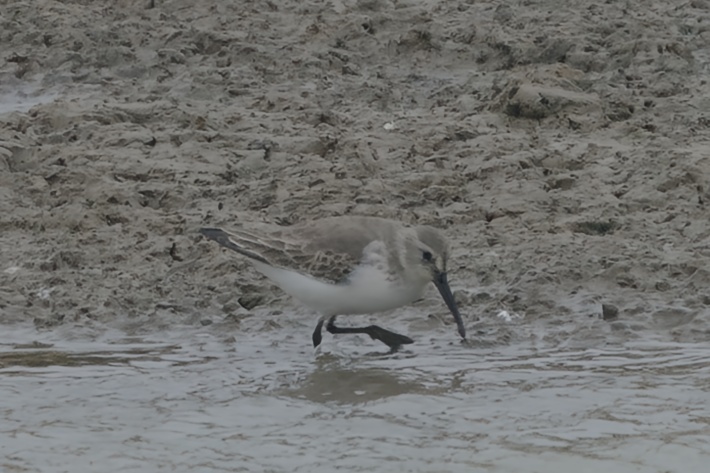
A compact wader measuring 16-20 cm in length with a wingspan of 38-43 cm and weighing 34-77 grams. The breeding plumage is strikingly marked with a distinctive black belly patch, unique among similar-sized waders, combined with rufous and grey upperparts. Winter birds are greyish-brown above and white below. Juveniles appear brown above with subtle V-shaped markings on the back, less pronounced than in little stint, and typically show black marks on the flanks or belly. All age classes display a narrow white wingbar in flight. The legs are black, and the bill is slightly decurved and black. The subspecies vary mainly in breeding plumage rufous extent, belly patch size, and bill length. Bill length differs between sexes, with females having longer bills. The bill tip has a blood-filled, nerve-rich covering that functions as a sensitive probe for detecting invertebrate prey in mud and sand.
Identification
In breeding plumage, the black belly patch immediately distinguishes this species from all other similarly-sized waders. The characteristic "sewing machine" feeding action, with continuous picking movements along the mud, is highly distinctive. The white wingbar is visible in flight but is narrower than in many other sandpipers. Juveniles can be confused with little stint, but lack the bold V-shaped markings of that species and have black marks on the flanks or belly. In winter, identification relies on size, structure, and the combination of greyish-brown upperparts with white underparts. Bill length varies between subspecies and between sexes, complicating winter identification. The blunt-tipped bill appearance in life differs from the sharp-pointed look of dead specimens.
Distribution & Habitat
A circumpolar breeder occupying Arctic and subarctic regions across the Northern Hemisphere. Western European breeders are largely sedentary, remaining on western and southern European and northwest African coasts. Birds from northern Europe and Asia are long-distance migrants, wintering south to Africa, southeast Asia, and west Asia. North American populations breeding in Alaska and the Canadian Arctic migrate shorter distances to both Pacific and Atlantic coasts, though northern Alaska breeders overwinter in Asia. The species shows strong philopatry, particularly in the southern subspecies C. a. schinzii, with individuals returning to or near their natal patches. Habitat fragmentation has reduced patch availability and increased isolation, affecting connectivity between populations.
Behavior & Ecology
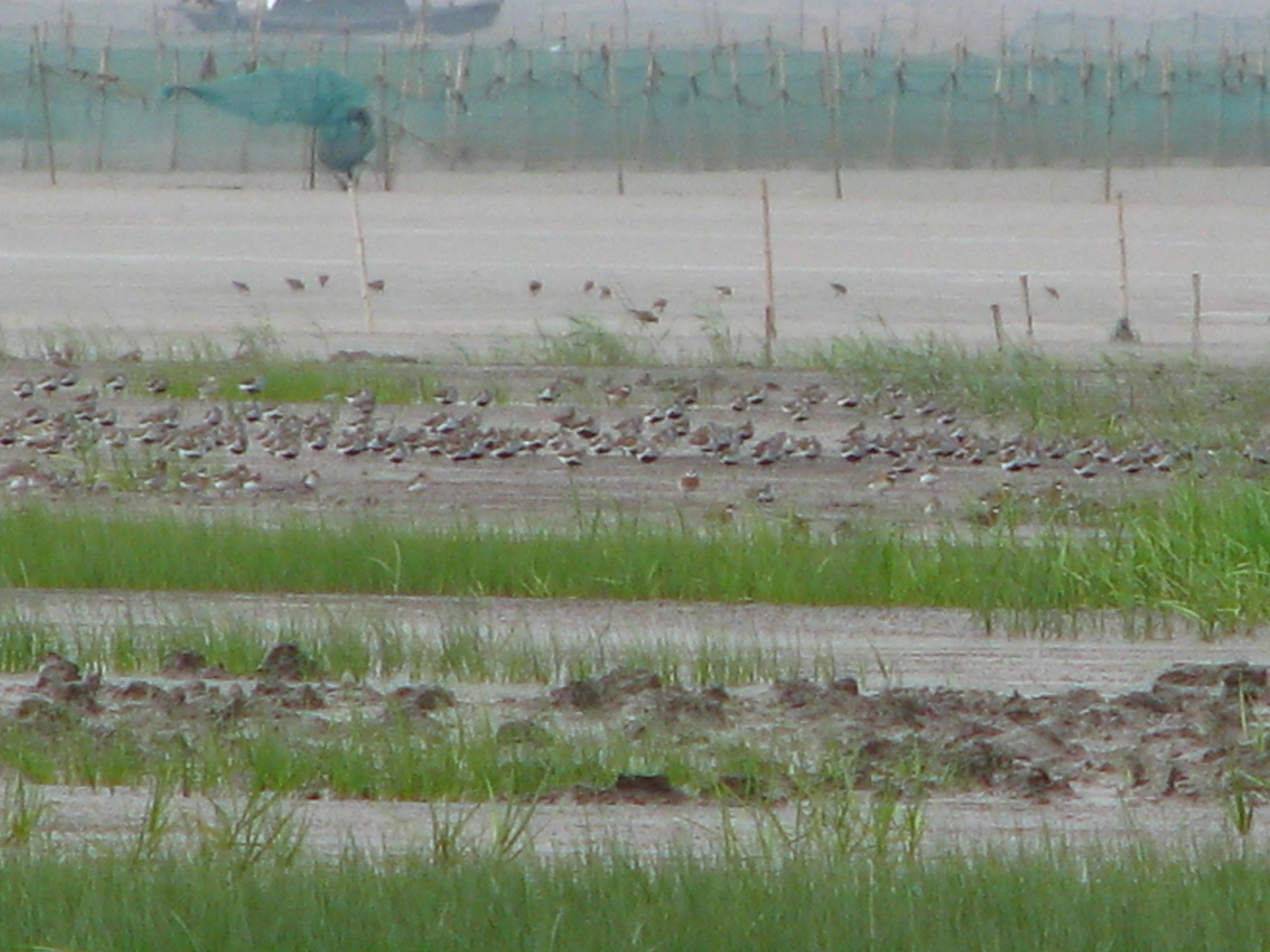
Highly gregarious in winter, forming large flocks on coastal mudflats and sandy beaches. These flocks often perform spectacular synchronized swirling flights during migration and on wintering grounds. The characteristic feeding action is a methodical, continuous "sewing machine" movement along the mud, picking small food items. Diet consists primarily of insects during the breeding season; in coastal areas, molluscs, worms, and crustaceans dominate. The nest is a shallow scrape lined with vegetation, typically containing four eggs incubated by both parents. Chicks are precocial but brooded during early development and fledge at approximately three weeks. The male provides the majority of brood care as females typically desert the brood and leave the breeding area. The call is a typical sandpiper "chreep," while the display song is a harsh trill. Hybrids have been reported with white-rumped sandpiper and purple sandpiper.
Conservation
Classified as Near Threatened by the IUCN due to a decreasing population trend, despite an extremely large range and still substantial numbers. The species is protected under the Agreement on the Conservation of African-Eurasian Migratory Waterbirds (AEWA). The southern subspecies C. a. schinzii is of particular concern, declining significantly across its range. In Denmark, breeding pairs crashed from 50,000 a century ago to just 95 pairs in 2021. The northeast Greenland subspecies C. a. arctica is also endangered with a very restricted population. Habitat fragmentation and degradation of both breeding and wintering areas pose ongoing threats to populations.
Culture
The dunlin holds no significant cultural or folklore significance. The English name derives from a dialect form of "dunling" recorded in 1531-1532, originating from "dun" meaning dull brown with the suffix "-ling" indicating a person or thing with that quality. The scientific name Calidris comes from Ancient Greek terms used by Aristotle for grey-colored waterside birds, while alpina refers to its high mountain tundra habitat rather than the Alps specifically.
Source: Wikipedia · CC BY-SA 3.0
Taxonomy
- Order
- Charadriiformes
- Family
- Scolopacidae
- Genus
- Calidris
- eBird Code
- dunlin
Subspecies (10)
-
Calidris alpina actites
breeds northern Sakhalin; wintering grounds unknown
-
Calidris alpina alpina
breeds northern Scandinavia to north-central Russia; winters to Mediterranean and India
-
Calidris alpina arctica
breeds northeastern Greenland; winters mainly northwestern Africa
-
Calidris alpina arcticola
breeds northwestern Alaska and northwestern Canada; winters eastern China, Korean Peninsula, and Japan
-
Calidris alpina centralis
breeds north-central to northeastern Russia; winters to eastern Mediterranean and southern Asia
-
Calidris alpina hudsonia
breeds central Canada; winters southeastern USA and eastern Mexico
-
Calidris alpina kistchinski
breeds Sea of Okhotsk to Kuril Islands; wintering grounds unknown
-
Calidris alpina pacifica
breeds southwestern Alaska; winters in western USA and western Mexico
-
Calidris alpina sakhalina
breeds northeastern Russia to Chukotskiy Peninsula; winters eastern China, Japan, and Taiwan
-
Calidris alpina schinzii
breeds Greenland and Iceland to southern Scandinavia and Baltic states; winters to northwestern Africa
Data Sources
CBR Notes: IUCN红色名录等级由LC升为NT
Species description from Wikipedia, licensed under CC BY-SA 3.0.
Bird images and sounds sourced from GBIF, contributed by citizen scientists worldwide under Creative Commons licenses.
Taxonomy data from AviList 2025.